Investing in a textile packing machine is a strategic decision that directly affects your production efficiency, product presentation, and operational costs. Whether you are packaging garments, home textiles, fabrics, or industrial textile products, the right equipment ensures consistent output quality and protects your goods during storage and transit. This guide walks you through the essential factors to evaluate before making your purchase.
Understanding Your Textile Packaging Requirements
Before comparing machine specifications, start by clearly defining your product characteristics and production goals. Different textile products demand different packaging approaches. Compressible items like clothing and bedding can be significantly reduced in volume, while rigid textile products such as carpets or industrial fabrics may require entirely different handling systems.
Key questions to ask include:
- What are the dimensions and weight range of your textile products?
- Do you need shrink wrapping, vacuum packing, or simple poly bagging?
- What is your target production speed per hour or per shift?
- Will the machine handle multiple product sizes, or is it dedicated to a single SKU?
- What packaging material specifications are required for your market?
Types of Textile Packing Machines
The textile industry utilizes several categories of packaging machinery, each suited to specific applications. Selecting the correct type is foundational to achieving your desired throughput and packaging quality. The packaging machinery industry has evolved significantly, offering automated solutions that were not available a decade ago.
Shrink Wrapping Machines for Textiles
Shrink wrapping is one of the most common methods for packaging folded garments, bedding sets, and towels. The process involves wrapping the product in a shrink film and applying heat to create a tight, protective seal. Automatic shrink wrapping lines can integrate folding stations, film wrapping, and heat tunnels for continuous operation. This method offers excellent product visibility while protecting against dust, moisture, and handling damage.

Vacuum Packing Systems
For textile products that benefit from volume reduction—such as pillows, duvets, comforters, and seasonal clothing—vacuum packing technology is highly effective. By removing air from the package, these machines dramatically reduce storage and shipping costs. Modern vacuum packing systems can achieve compression ratios that transform bulky textiles into flat, stackable packages, making them ideal for e-commerce fulfillment and export shipments.
Automatic Bagging and Pouch Packaging
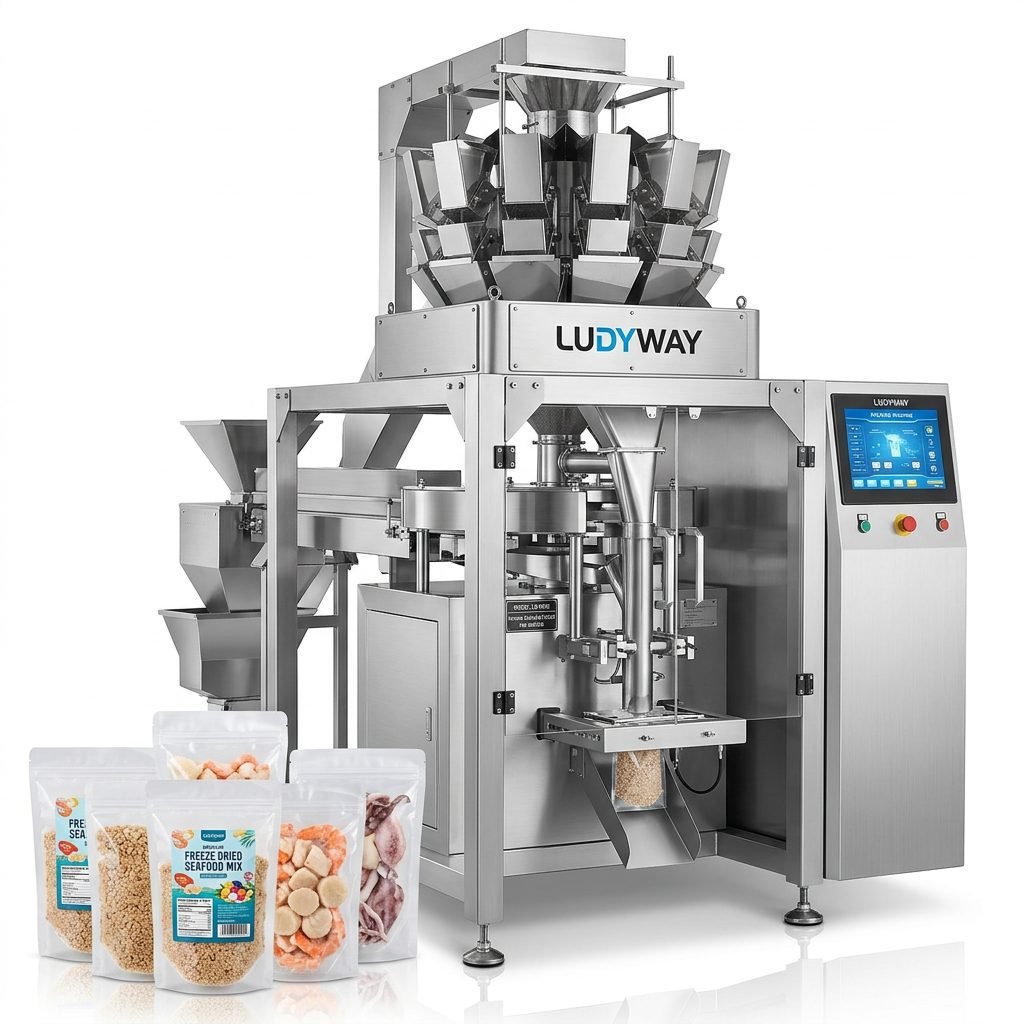
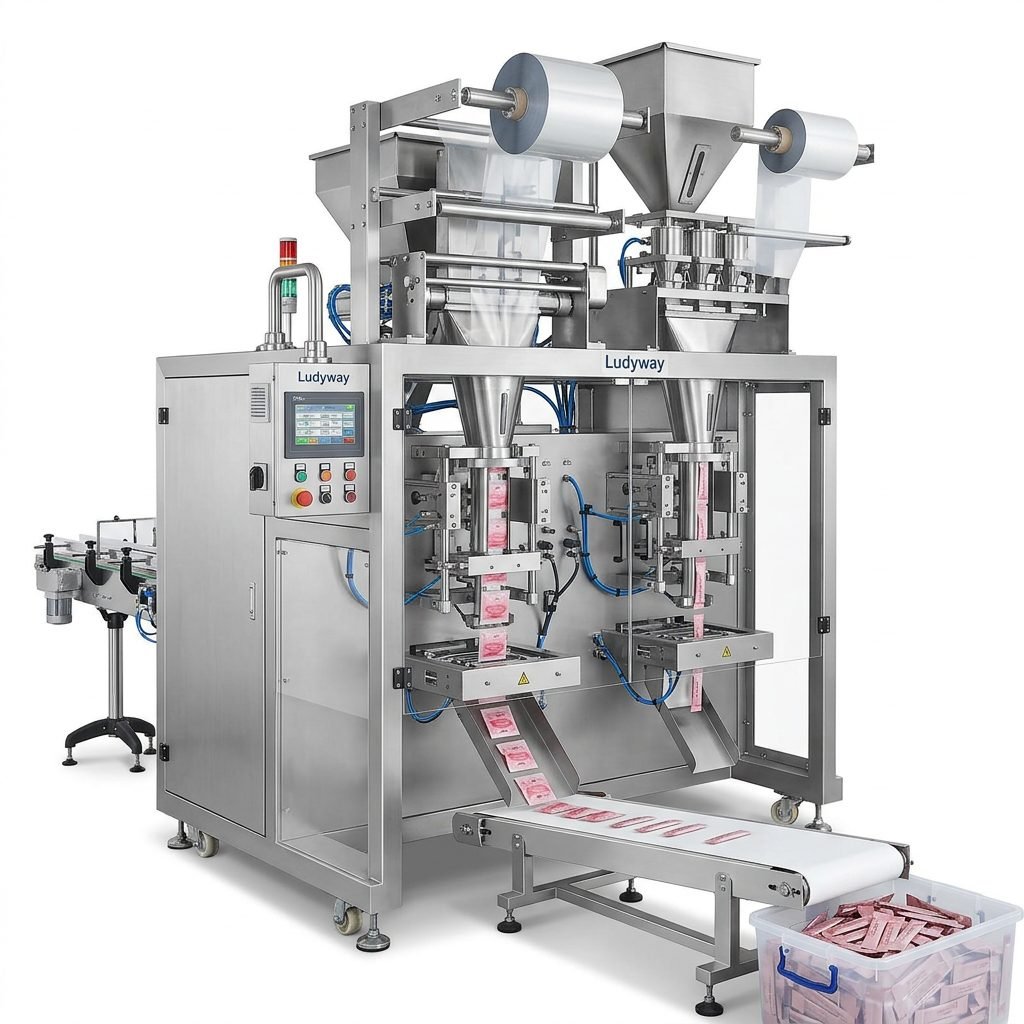
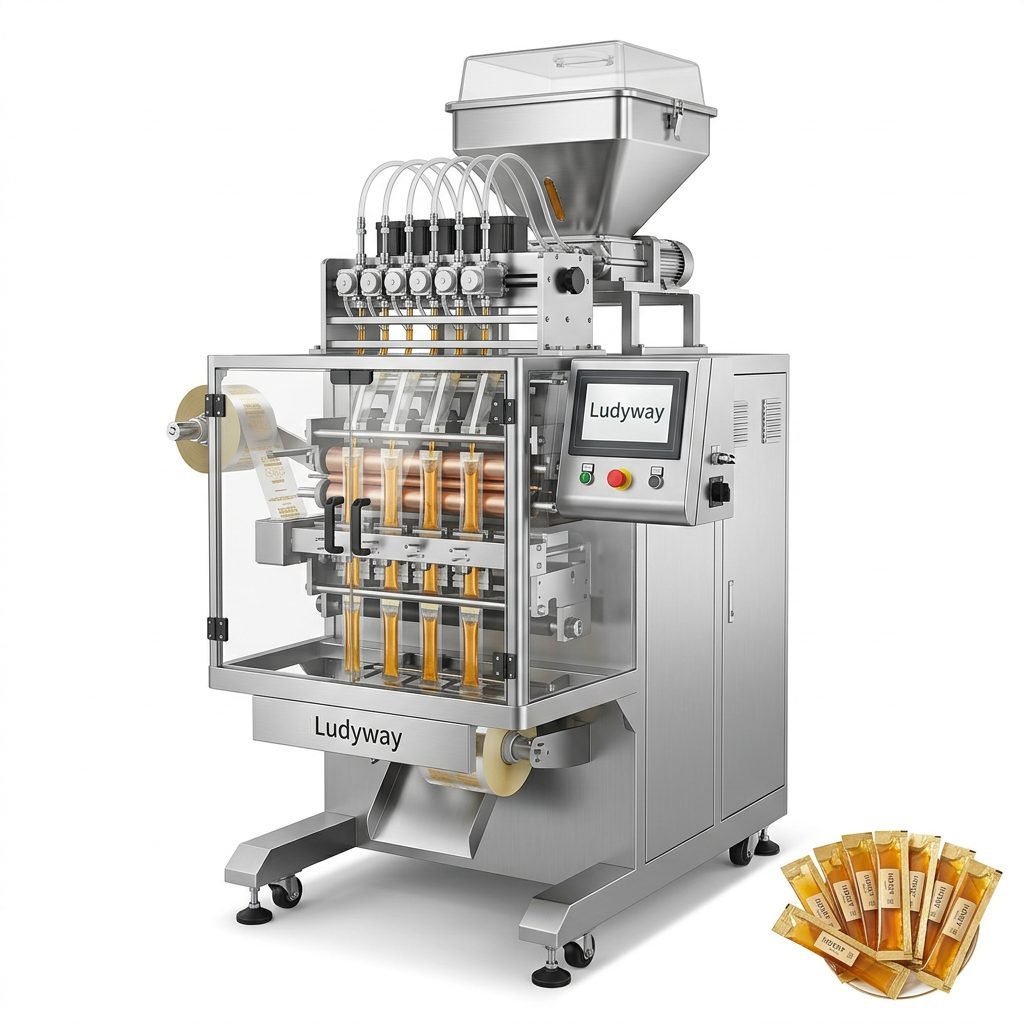
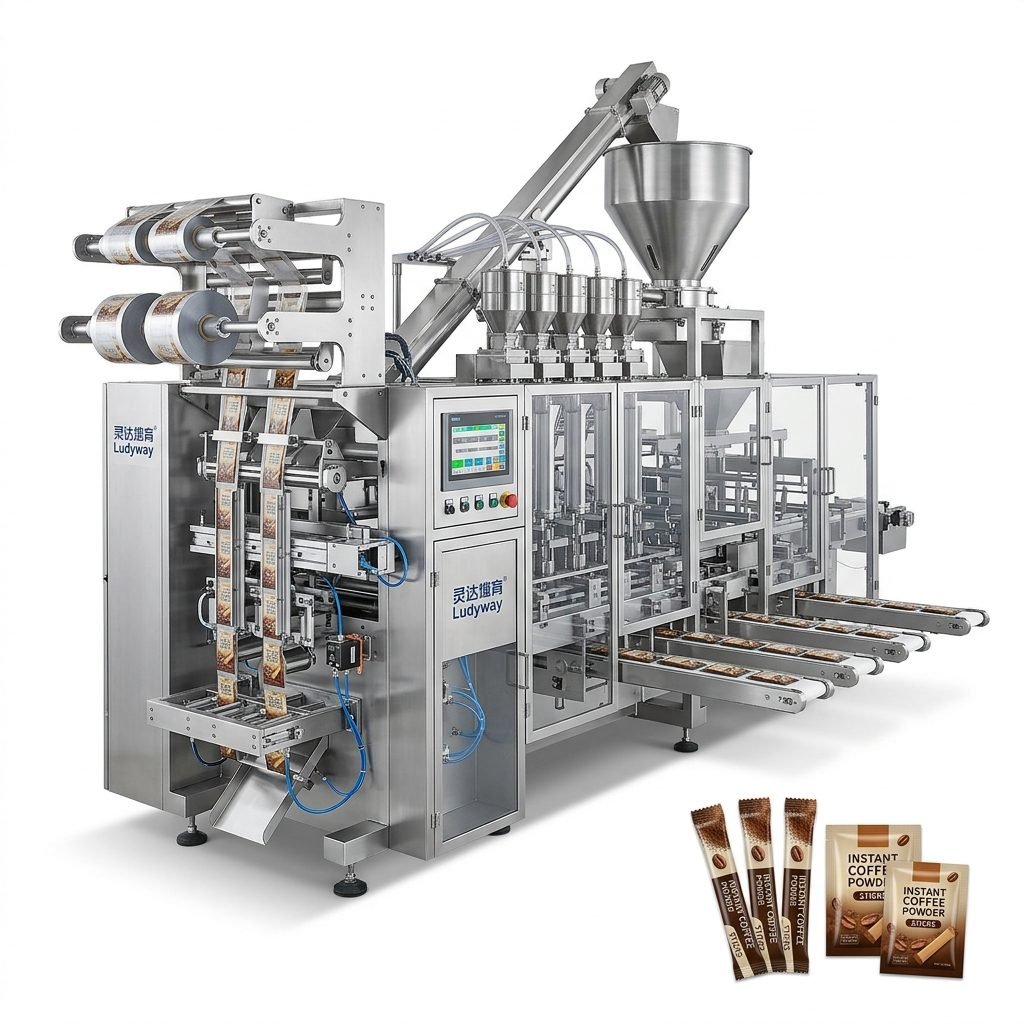
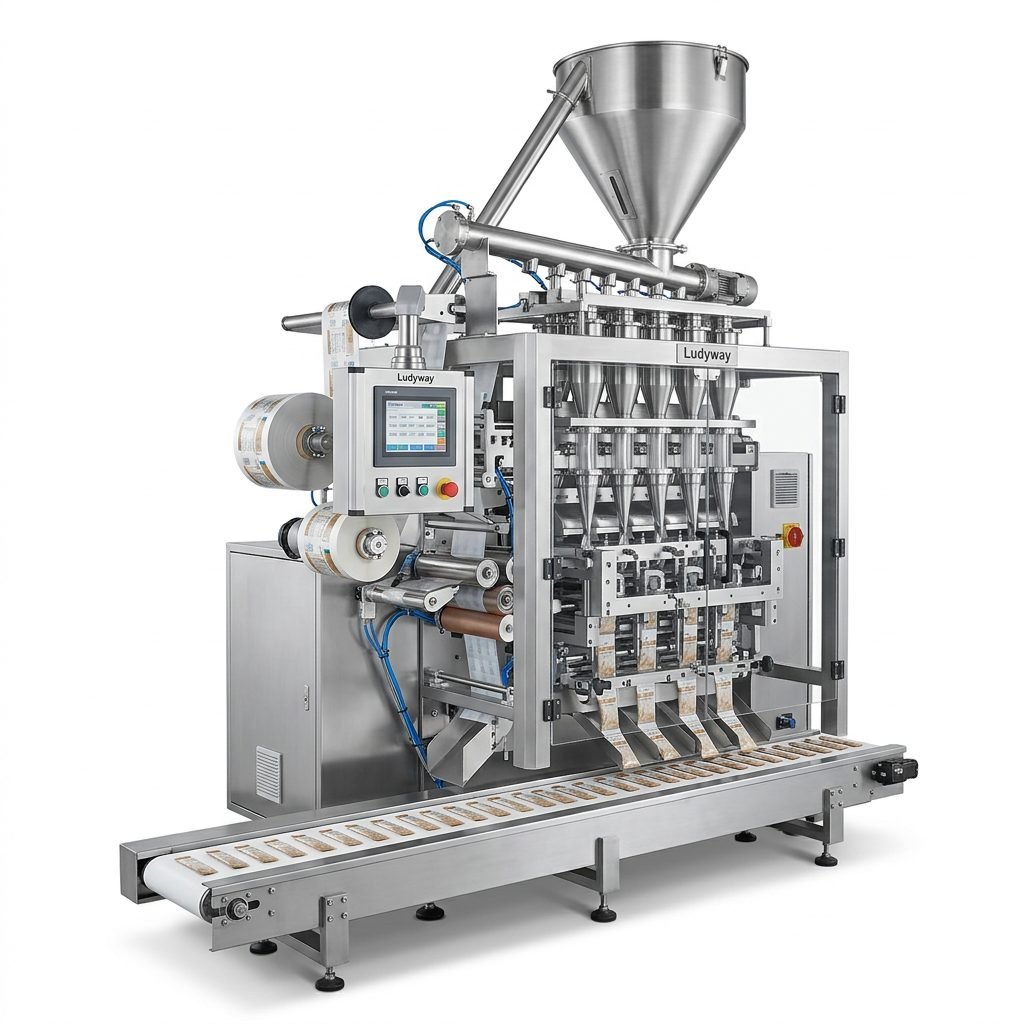
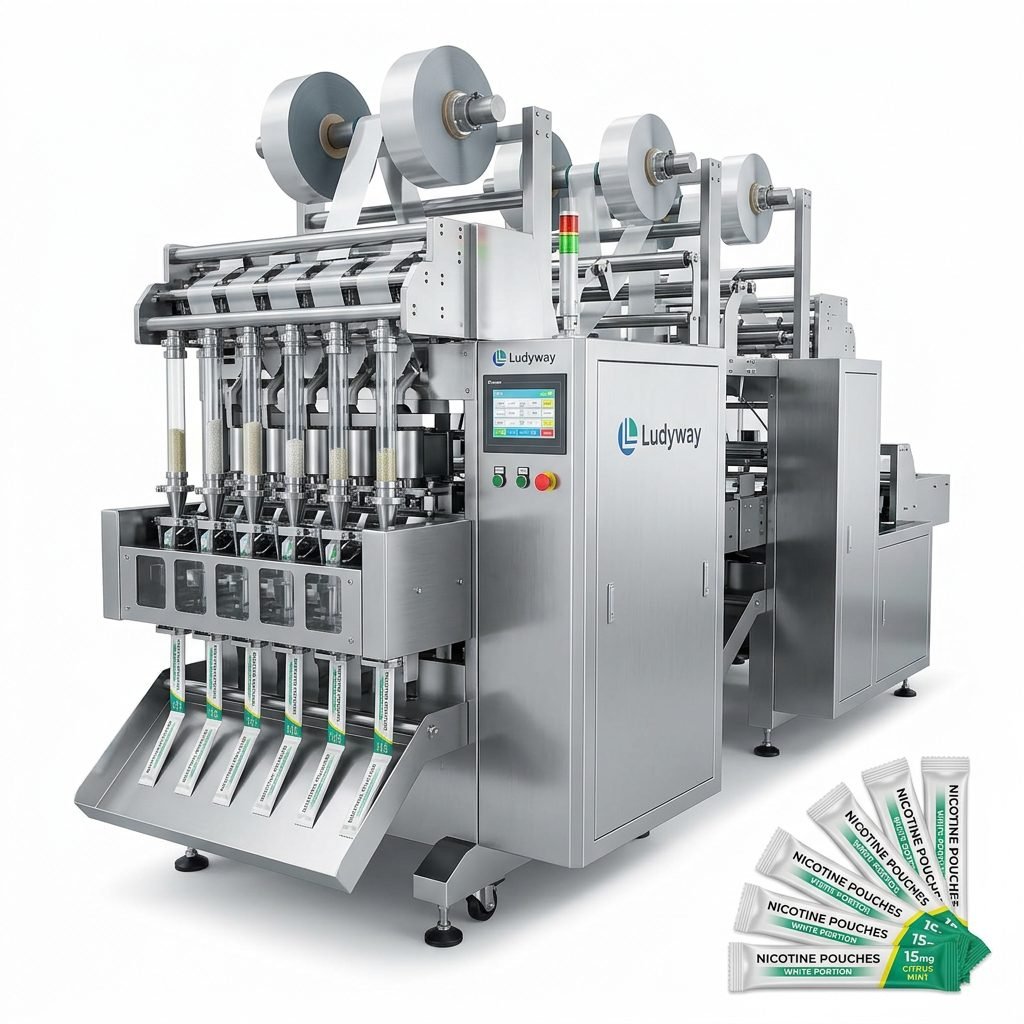
For smaller textile items like socks, underwear, scarves, or fabric swatches, automatic bagging machines provide efficient packaging in pre-made bags or form-fill-seal pouches. These systems can handle high-speed operations and often include printing, labeling, and coding capabilities. Multi-lane configurations further increase throughput for high-volume manufacturers.
Critical Factors to Evaluate Before Buying
Purchasing a textile packing machine involves assessing multiple technical and operational parameters. The following table summarizes the most important factors to consider when comparing different machines and manufacturers.
| Evaluation Criteria | What to Look For | Why It Matters |
|---|---|---|
| Production Speed | Packs per minute/hour aligned with your output goals | Directly impacts throughput and labor costs |
| Packaging Format | Shrink wrap, vacuum, pouch, or custom formats | Must match your product and market requirements |
| Material Compatibility | Range of film types and thicknesses supported | Flexibility to adapt to material availability and cost changes |
| Automation Level | Manual, semi-automatic, or fully automatic operation | Balances initial investment with long-term labor savings |
| Changeover Time | Speed of switching between product sizes or formats | Minimizes downtime in multi-SKU production environments |
| Footprint | Machine dimensions relative to available floor space | Critical for facilities with space constraints |
Automation and Integration Capabilities
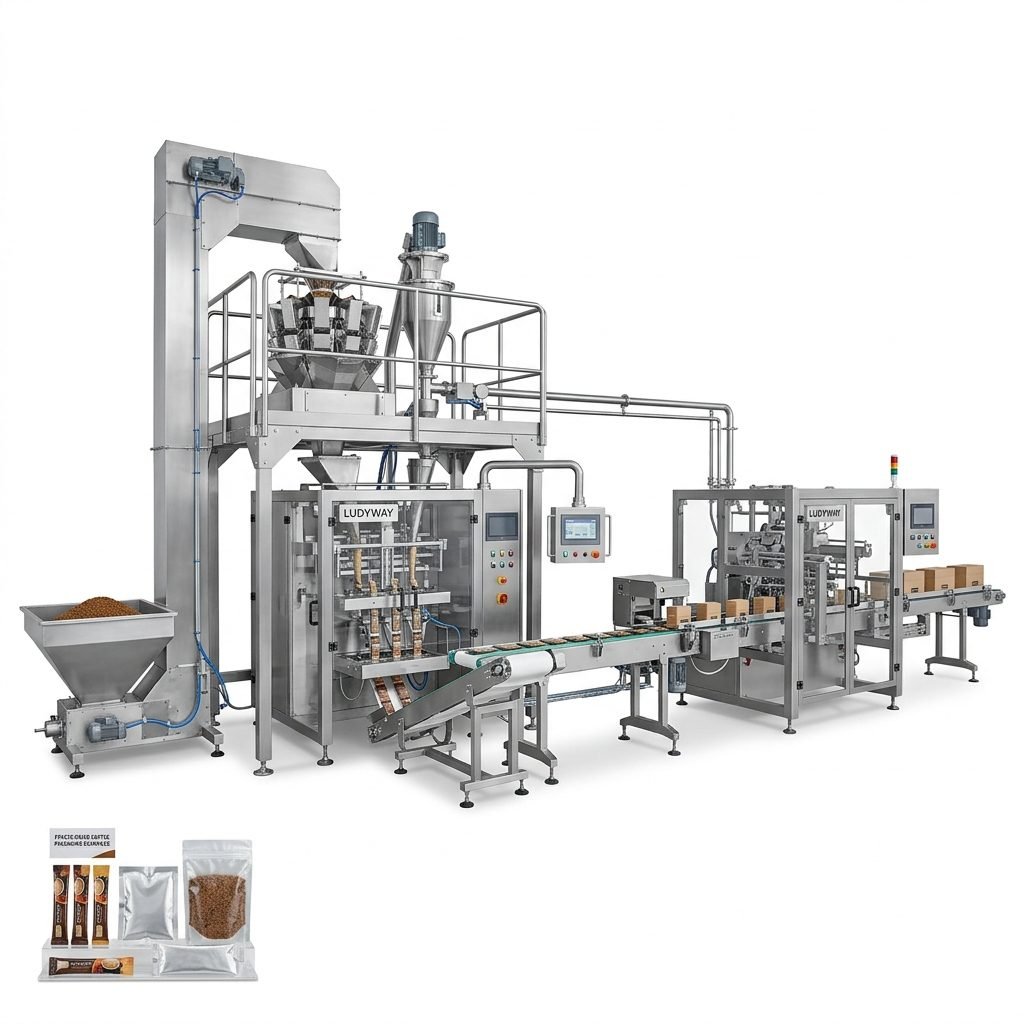
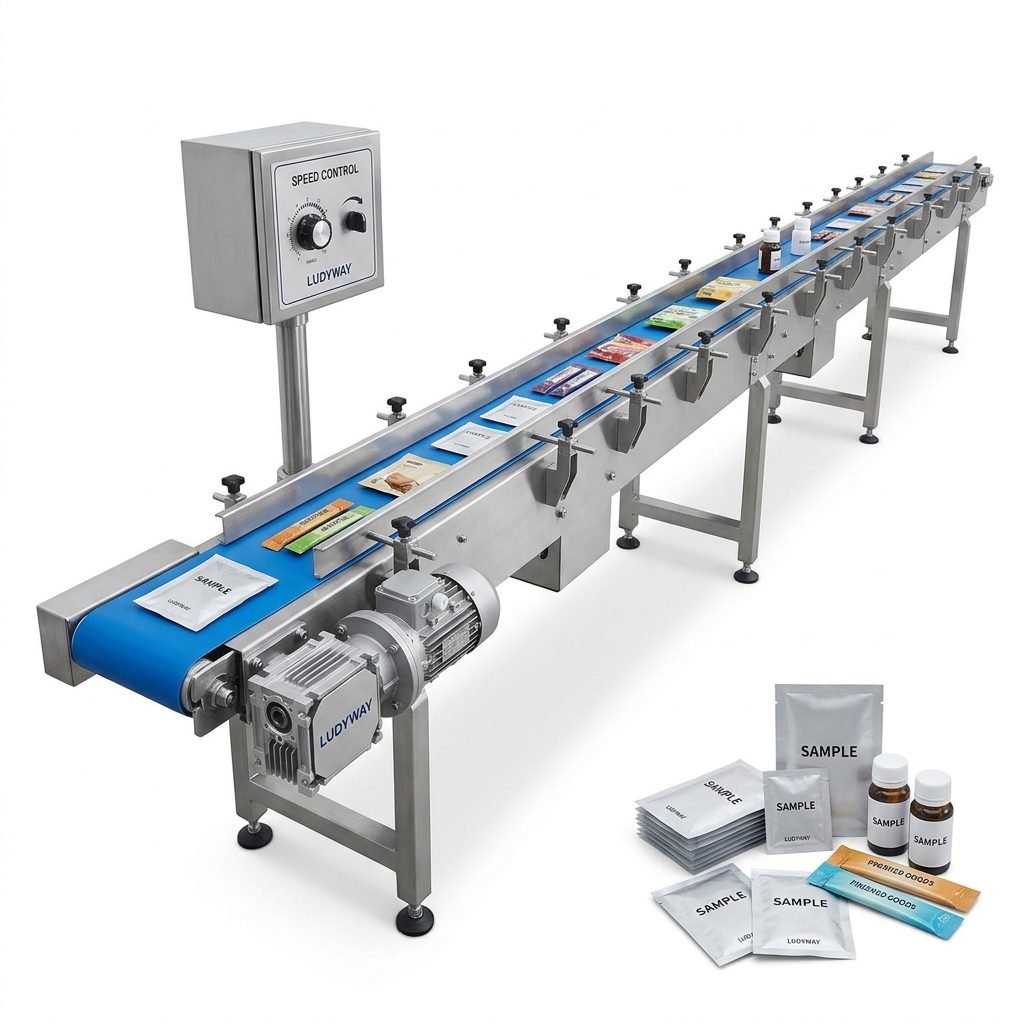
Modern textile packaging lines extend beyond standalone machines. The ability to integrate with upstream and downstream equipment—such as folding machines, conveyors, labeling systems, and palletizing robots—creates a seamless production flow. When evaluating machinery, consider whether the supplier can provide turnkey packaging solutions that connect multiple stages of your packaging process.
Integration benefits include:
- Reduced manual handling and associated labor costs
- Improved consistency in packaging quality and presentation
- Real-time data collection for production monitoring and optimization
- Simplified troubleshooting with a single point of contact for the entire line
Quality Standards and Compliance
Textile packaging machinery should meet relevant international standards for safety, reliability, and performance. Depending on your target market, you may need equipment that complies with specific regulations. According to packaging industry resources from PMMI, understanding regulatory requirements early in the purchasing process helps avoid costly modifications later. Additionally, flexible packaging industry data can inform your decisions on packaging materials and sustainability practices.

Evaluating Build Quality and Component Sourcing
The longevity and reliability of your textile packing machine depend heavily on manufacturing quality and the components used. Look for manufacturers that work with established industrial automation and component suppliers for control systems, pneumatics, and electrical assemblies. In-house manufacturing capabilities often indicate better quality control and faster after-sales support.
Customization and After-Sales Support
Rarely does a standardized machine perfectly fit every textile manufacturer’s needs. Product dimensions, packaging materials, production speeds, and factory layouts all vary. A supplier that offers customized packaging solutions can configure equipment to your specific requirements rather than forcing your operation to adapt to a fixed machine design.
Equally important is the availability of technical support throughout the machine’s lifecycle:
- Installation and commissioning services
- Operator training programs
- Remote technical assistance and troubleshooting
- Spare parts availability and quick dispatch
- Preventive maintenance guidance
Total Cost of Ownership Considerations
While the initial purchase price is important, the total cost of ownership over the machine’s lifespan often carries greater financial significance. Factors such as energy consumption, maintenance frequency, spare parts costs, and expected service life all contribute to the real cost. A slightly higher upfront investment in a durable, efficient machine frequently results in lower long-term expenses.
Making Your Final Decision
Selecting the right textile packing machine requires balancing multiple priorities: production capacity, packaging quality, budget, and long-term reliability. Start by documenting your specific requirements, then evaluate potential suppliers against those criteria. Request detailed proposals that include machine specifications, customization options, installation timelines, and after-sales support commitments.
When possible, arrange to see the equipment in operation—either at the manufacturer’s facility or through customer references. This provides valuable insight into build quality, ease of operation, and real-world performance that specification sheets alone cannot convey.
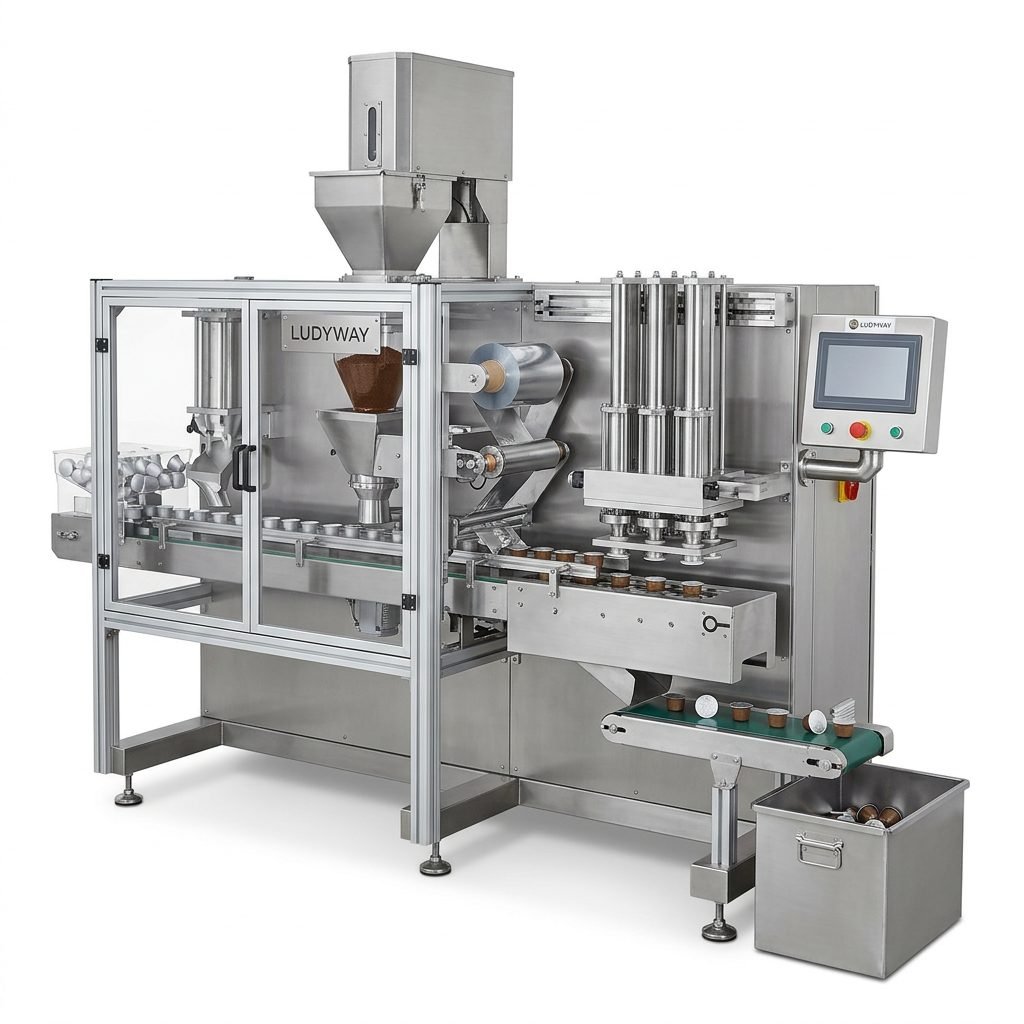
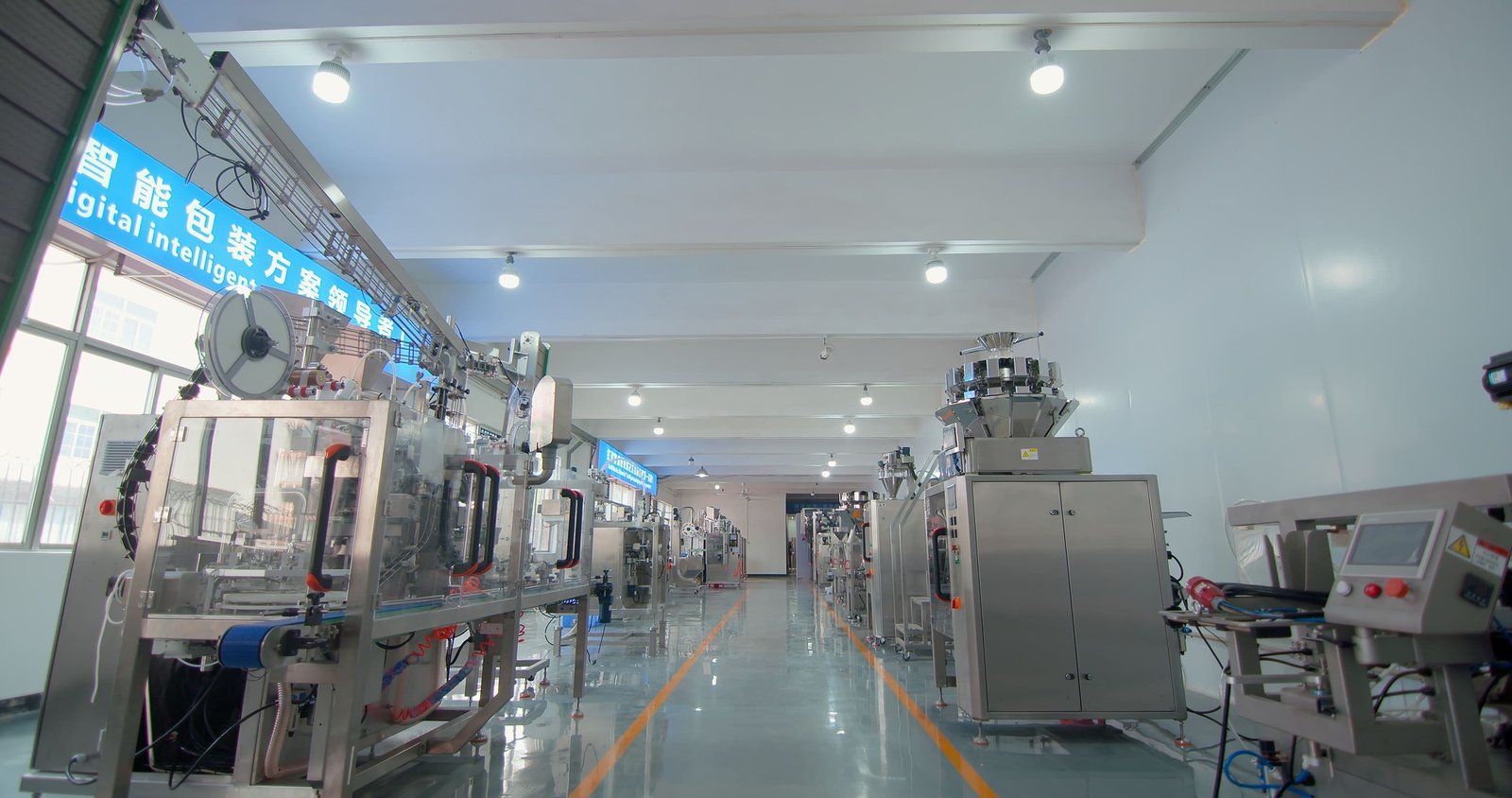
For manufacturers seeking a reliable packaging machinery partner, Ludyway Machinery brings over 30 years of experience in developing automated packaging equipment and turnkey packaging solutions. With a 20,000-square-meter manufacturing facility, more than 130 professionals, and over 50 packaging machine models, Ludyway combines manufacturing expertise, engineering capabilities, and application experience to help customers across more than 100 countries improve packaging efficiency. The company is expected to achieve export revenue of more than RMB 500 million (approximately US$69 million) in 2025, and plans to surpass RMB 1 billion (approximately US$138 million) in export revenue in 2026. From individual machines to complete turnkey packaging lines, Ludyway provides customized equipment and engineering solutions that help textile manufacturers automate their packaging processes and scale production efficiently.