Investing in the right dairy packaging machine is a critical decision for any North American processor looking to scale production, ensure food safety compliance, and optimize operational costs. From fluid milk and yogurt to cheese, butter, and powdered dairy products, the packaging landscape is diverse—and so are the machine types, price points, and supplier options available. This guide breaks down everything you need to know before making a purchase.
Understanding the North American Dairy Packaging Landscape
The U.S. and Canadian dairy markets are governed by stringent regulations from agencies like the FDA and the Canadian Food Inspection Agency. Equipment must comply with 3-A Sanitary Standards and often USDA guidelines for hygienic design. Additionally, sustainability mandates are reshaping packaging formats, with growing demand for mono-material pouches, recyclable HDPE bottles, and lightweight flexible packaging. According to the PMMI State of the Industry Report, the North American packaging machinery market continues to expand, driven by automation and labor optimization trends. Industry data from the Flexible Packaging Association further confirms the rapid adoption of flexible formats across dairy categories.
Types of Dairy Packaging Machines
Selecting the appropriate machine depends on your product format, production volume, and target shelf life. Below are the primary categories serving North American dairy processors.
Liquid Dairy Filling & Sealing Machines
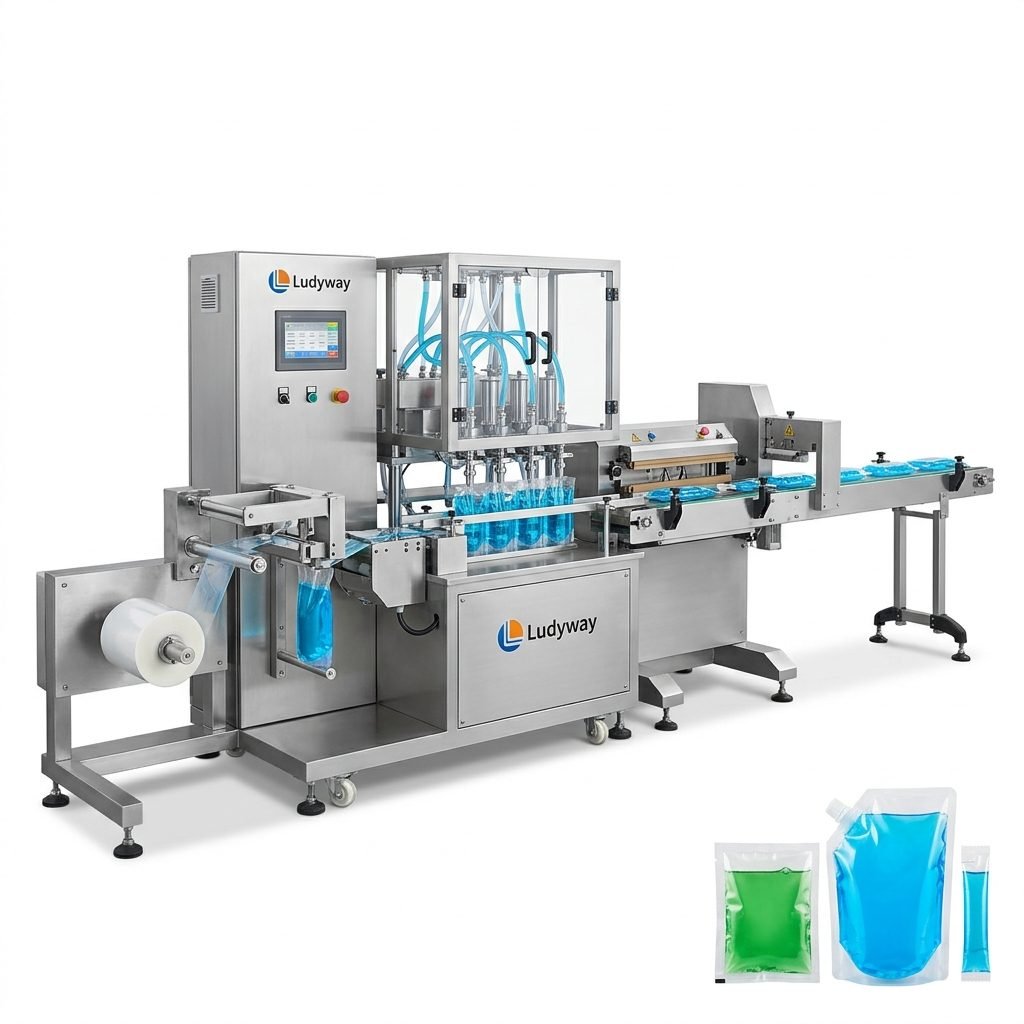
Designed for fluid milk, cream, yogurt drinks, and flavored milk. These systems typically include ultra-clean or aseptic fillers for extended shelf life (ESL) products, rotary filling machines for high-speed bottle lines, and cup fill-seal systems for yogurt and pudding. High-precision volumetric filling ensures consistent portion control and minimal product waste.
Powder & Granule Dairy Packaging Machines
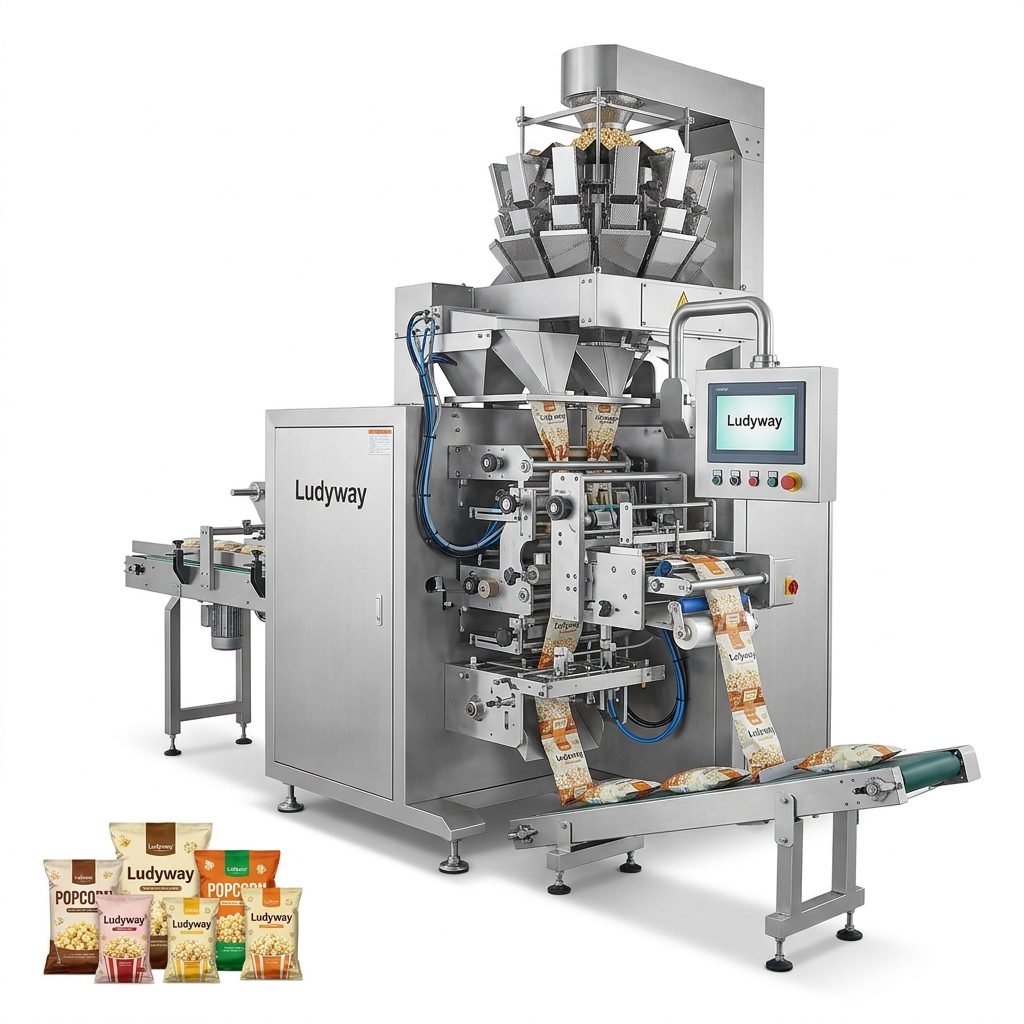
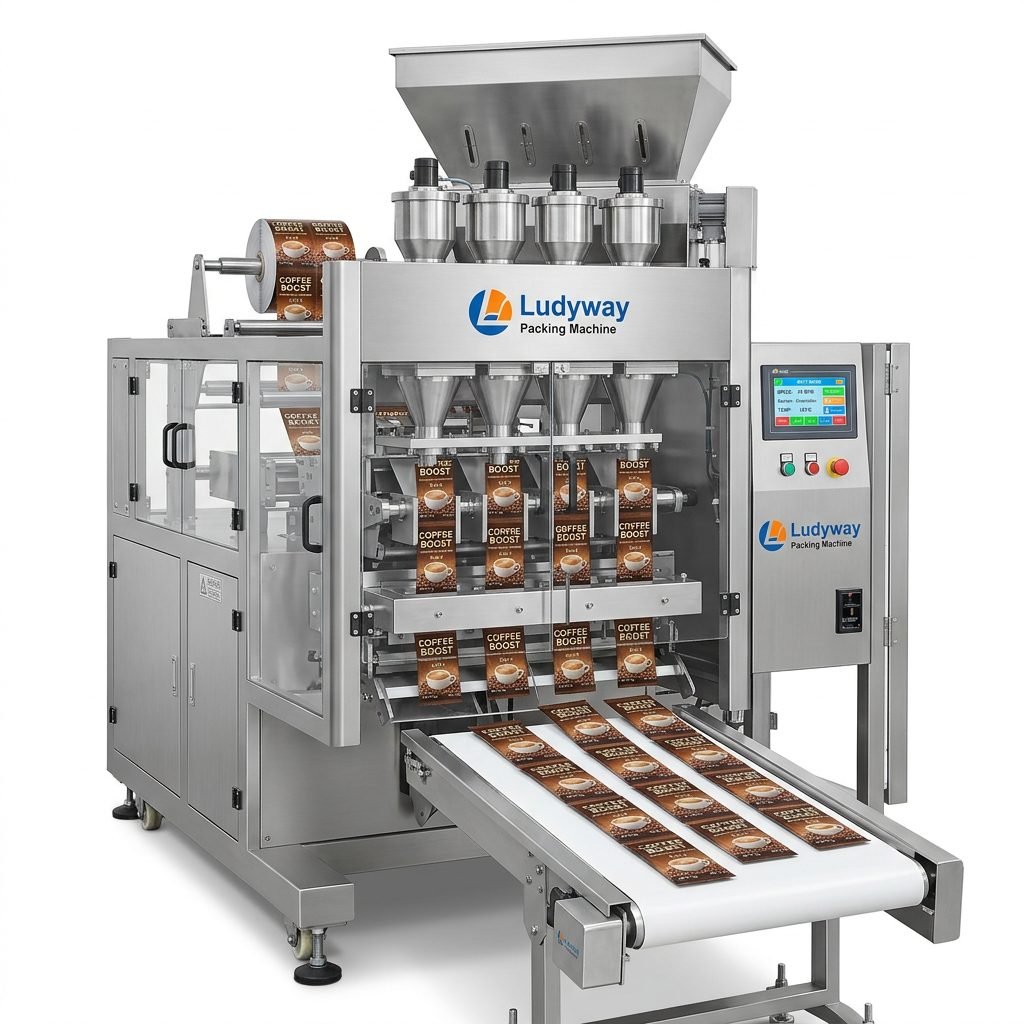
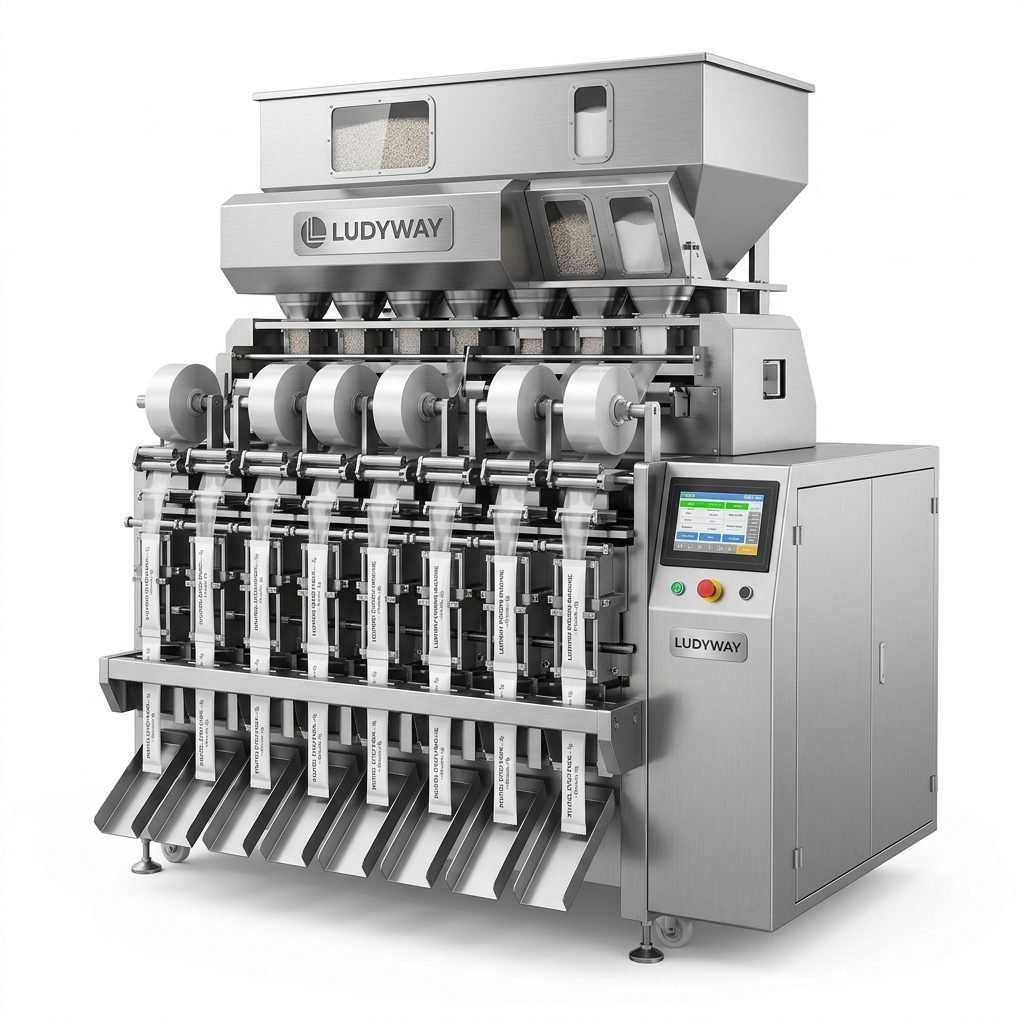
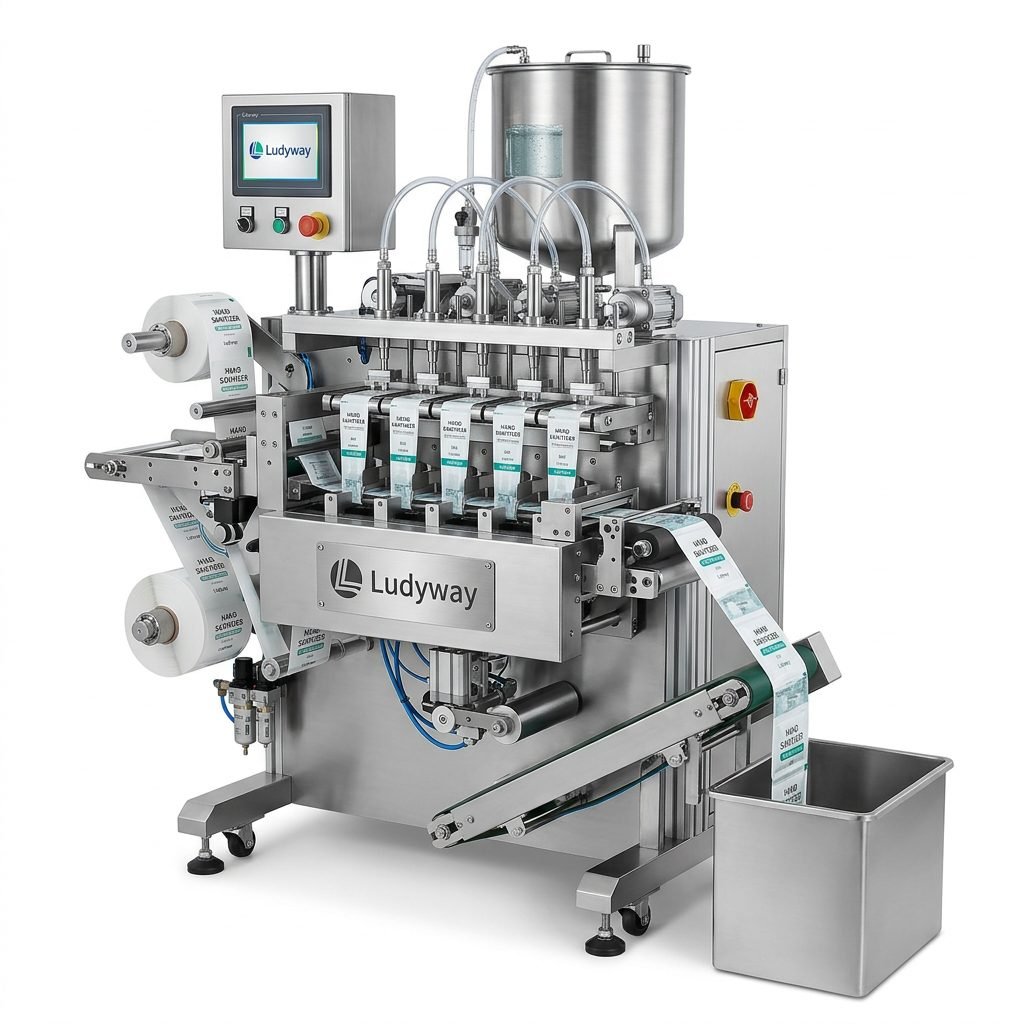
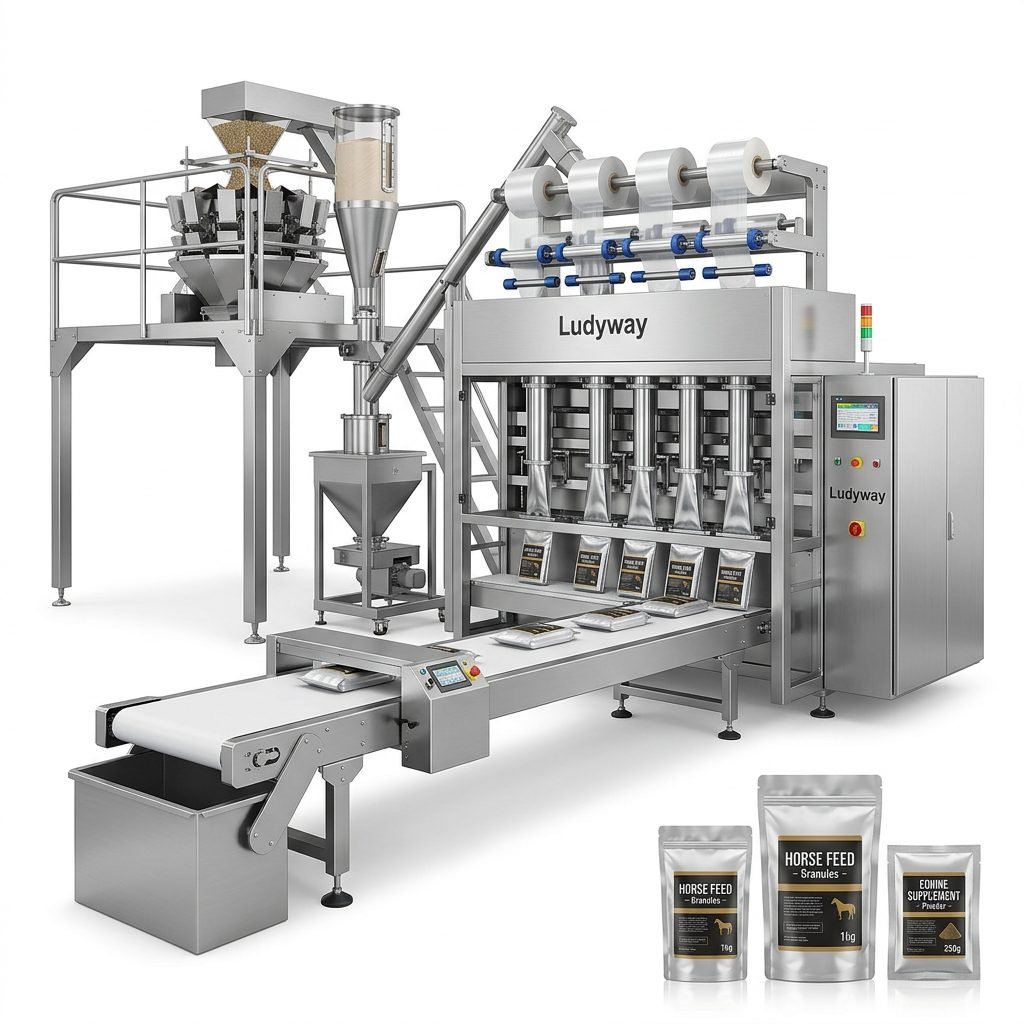
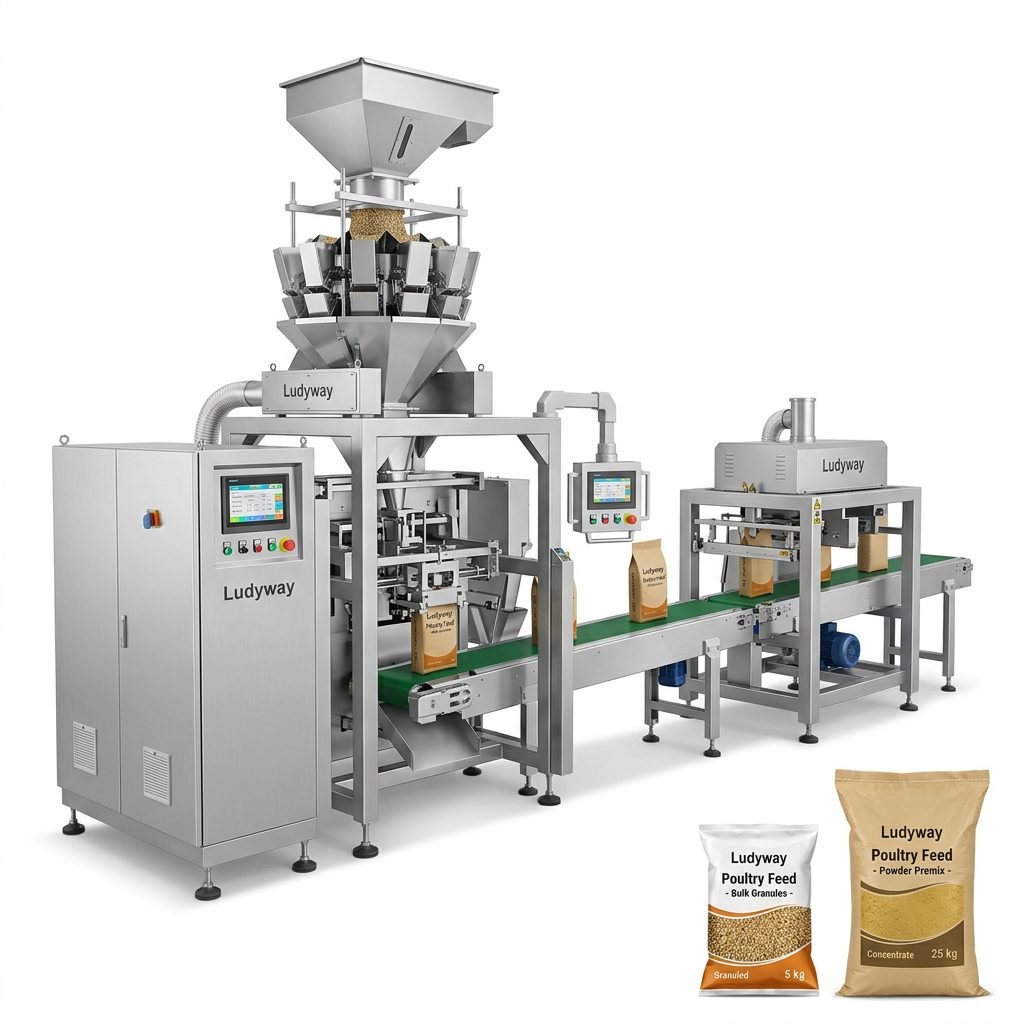
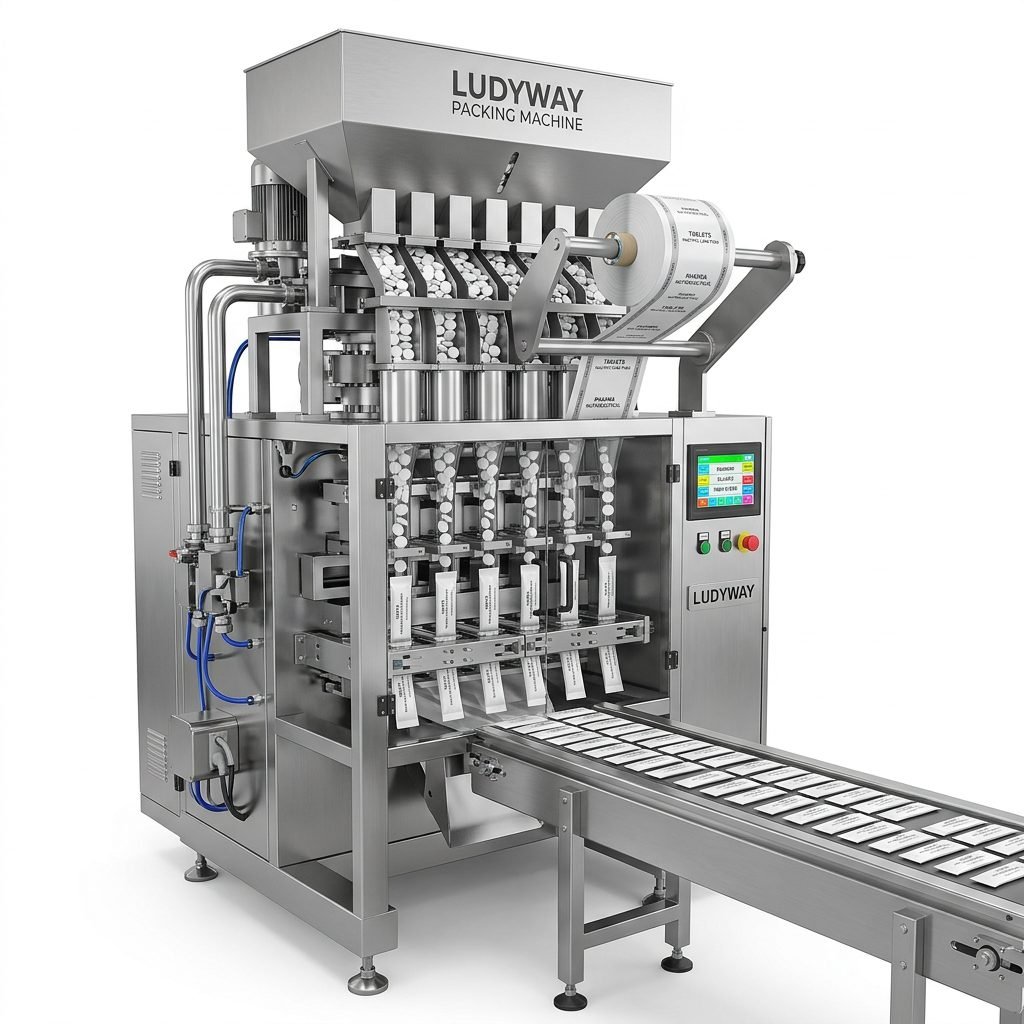
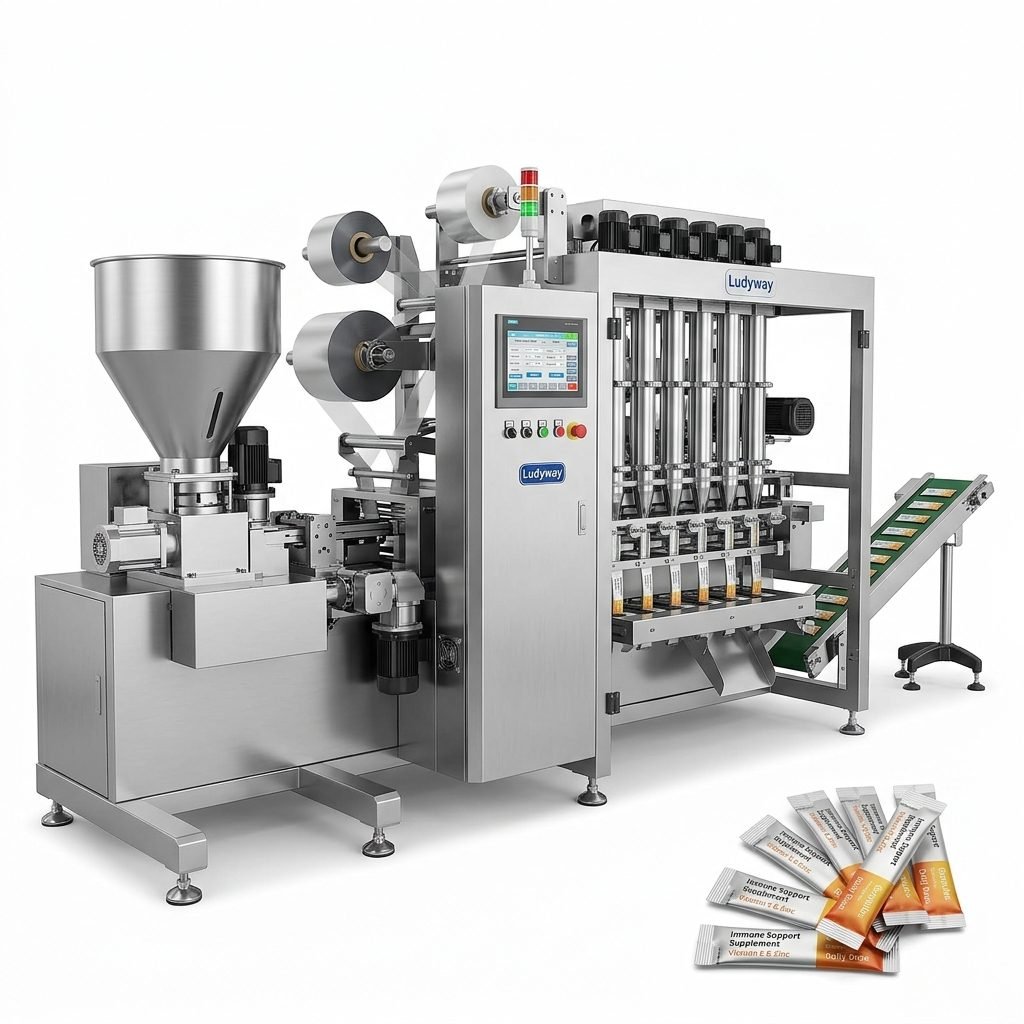
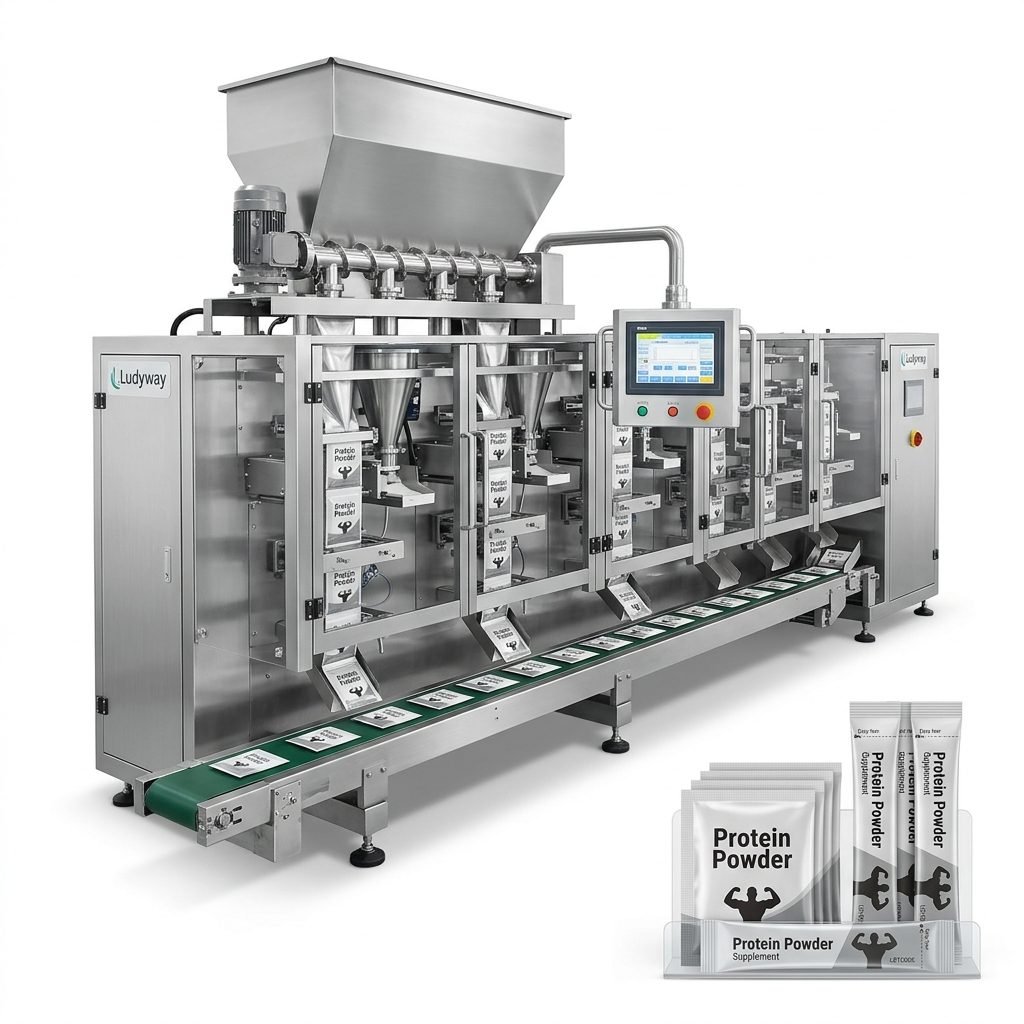
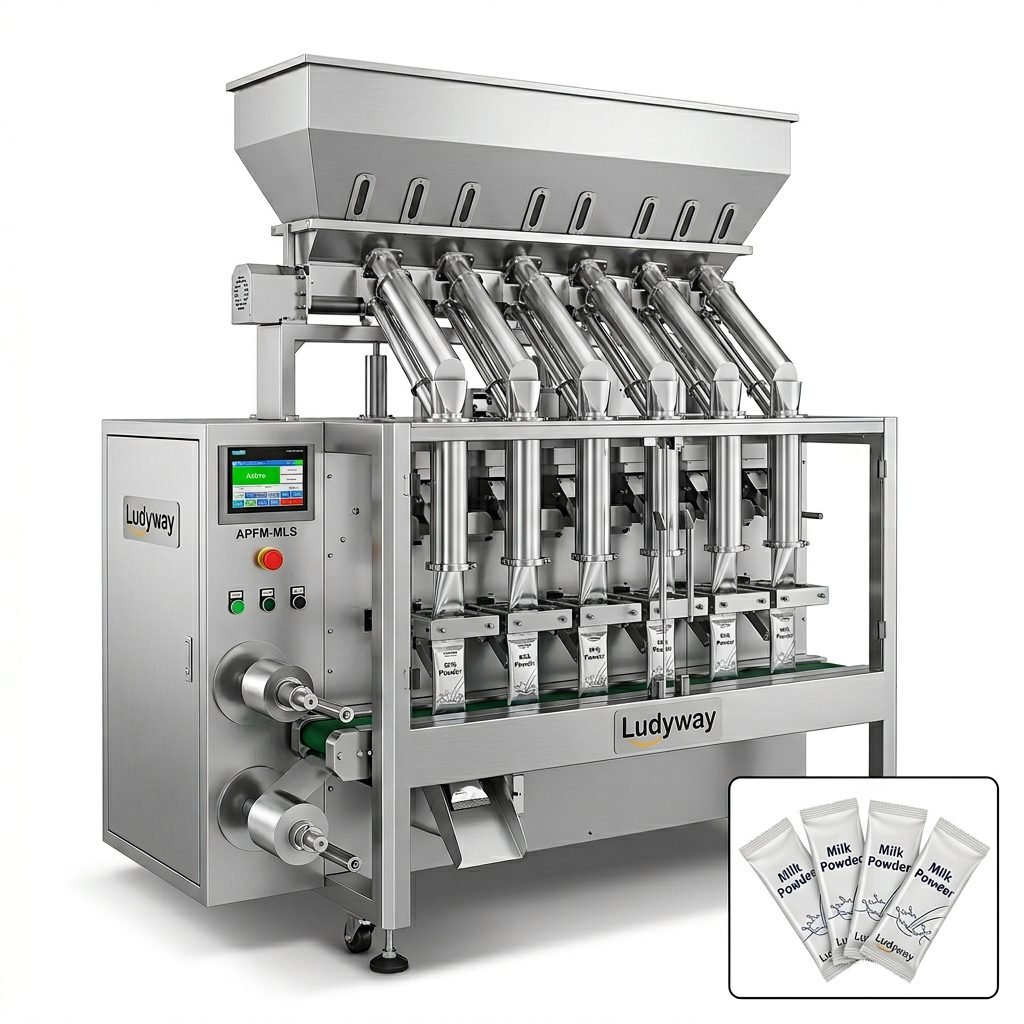
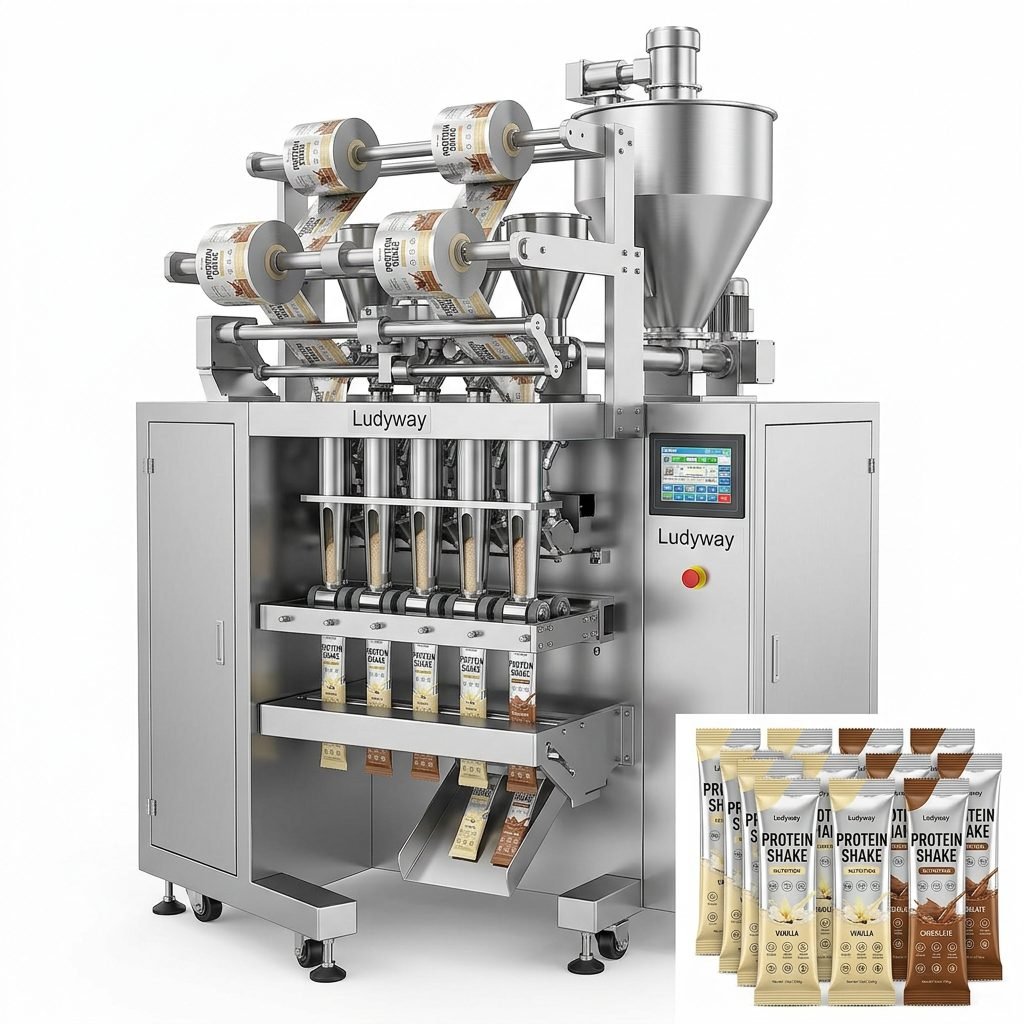
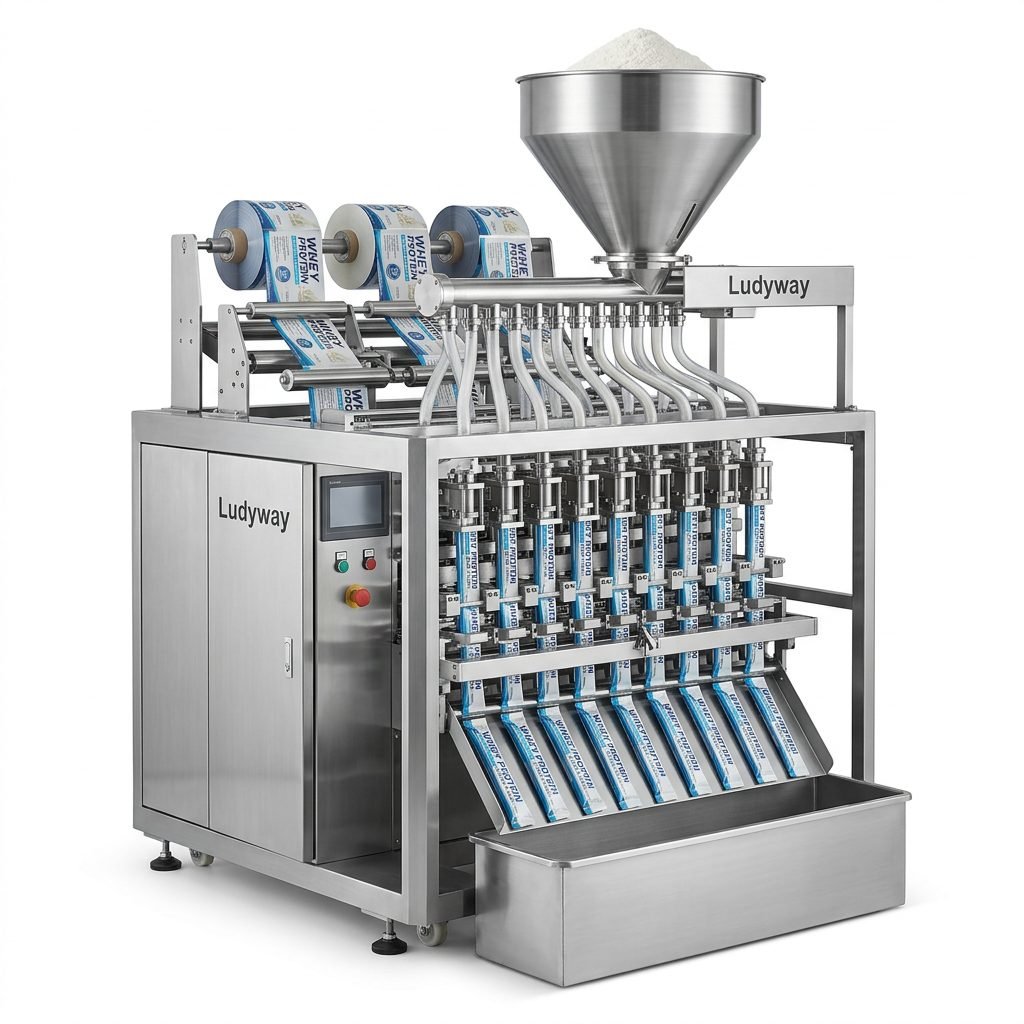
For milk powder, whey protein, casein, infant formula, and nutritional dairy powders. Equipment options include multi-lane stick pack machines for single-serve convenience, sachet packaging systems for sample portions, vertical form-fill-seal (VFFS) machines for bulk pouches, and canister filling lines with nitrogen flushing for shelf stability.
Cheese & Butter Packaging Systems
These handle block, sliced, shredded, and spreadable dairy products. Common configurations include thermoform-fill-seal lines for sliced cheese, flow-wrapping machines for butter sticks, vacuum chamber sealers for cheese blocks, and modified atmosphere packaging (MAP) systems to extend refrigerated shelf life.
Key Cost Factors for Dairy Packaging Equipment
Packaging machinery pricing varies significantly based on automation level, speed, and sanitary requirements. The table below outlines estimated price ranges for common equipment categories in the North American market.
| Machine Type | Estimated Price Range (USD) | Best Suited For |
|---|---|---|
| Semi-Automatic Liquid Filler | $15,000 – $50,000 | Small creameries, artisan dairies |
| Automatic Cup Fill-Seal Line | $80,000 – $250,000 | Yogurt, pudding, sour cream |
| Multi-Lane Stick Pack Machine | $40,000 – $180,000 | Powdered milk, protein, formula |
| Aseptic Bottle Filling Line | $200,000 – $1,500,000+ | ESL milk, plant-based dairy alternatives |
| Thermoform-Fill-Seal (Cheese) | $120,000 – $400,000 | Sliced/shredded cheese, MAP packs |
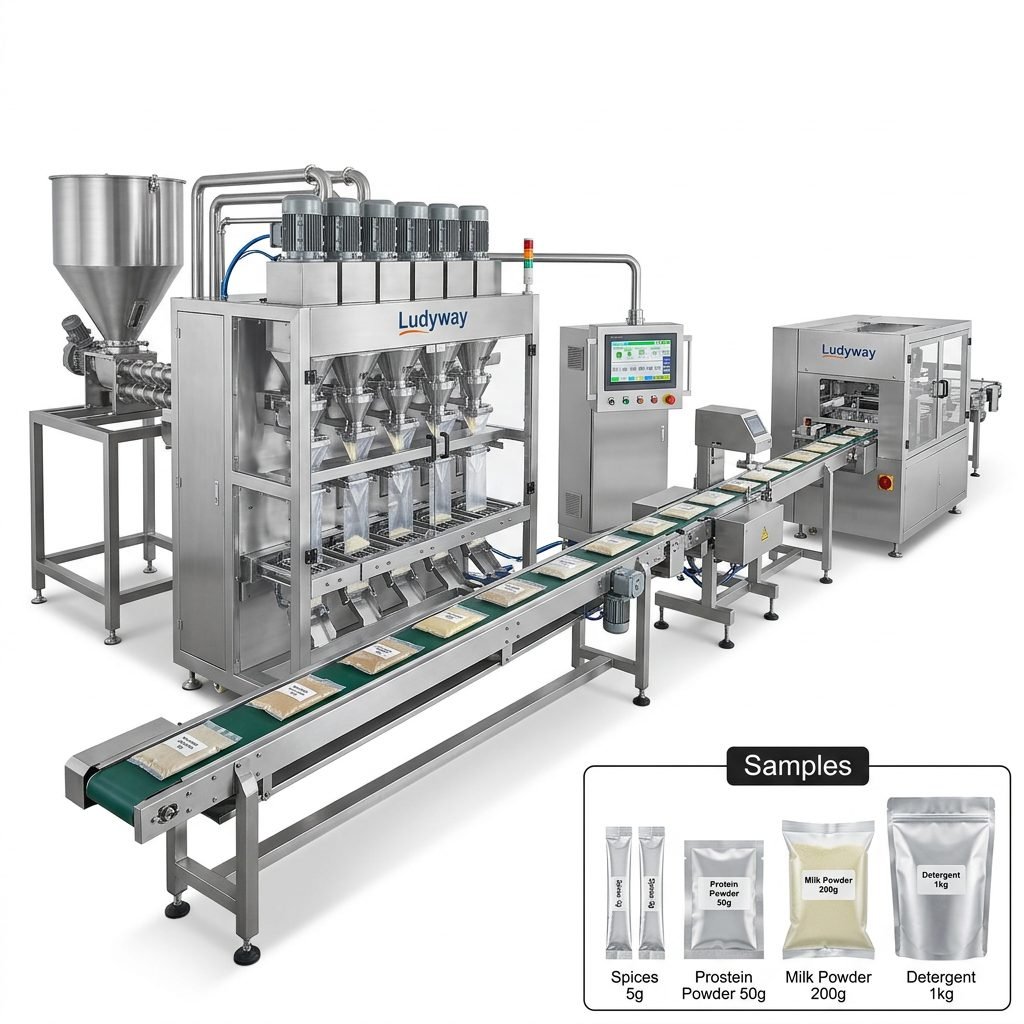
| Complete Turnkey Packaging Line | $300,000 – $2,000,000+ | High-volume dairy processing plants |
Additional cost considerations include installation and commissioning (typically 5–15% of equipment cost), annual maintenance contracts, spare parts inventory, operator training, and facility modifications such as electrical upgrades or cleanroom construction.
Top Suppliers Serving the North American Market
The North American packaging machinery market includes established domestic manufacturers and a growing number of high-quality international suppliers. Key players range from Tier-1 automation companies to specialized equipment builders focused on dairy applications. Many processors also evaluate international manufacturers that meet ISO packaging standards and 3-A sanitary design requirements.
Domestic North American Manufacturers
- Tetra Pak — Industry leader in aseptic carton packaging and processing solutions for fluid milk and ESL dairy beverages.
- GEA Group — Offers comprehensive dairy processing and packaging lines including thermoformers, cup fillers, and bottle systems.
- Barry-Wehmiller / Pneumatic Scale — Known for rotary fillers, cappers, and integrated dairy packaging lines with strong aftermarket support.
- Arpac / Polypack — Specializes in shrink-wrapping, case packing, and end-of-line dairy packaging automation.
- ProMach — A broad portfolio covering filling, capping, labeling, and cartoning for dairy beverages and cultured products.
International Suppliers with North American Presence
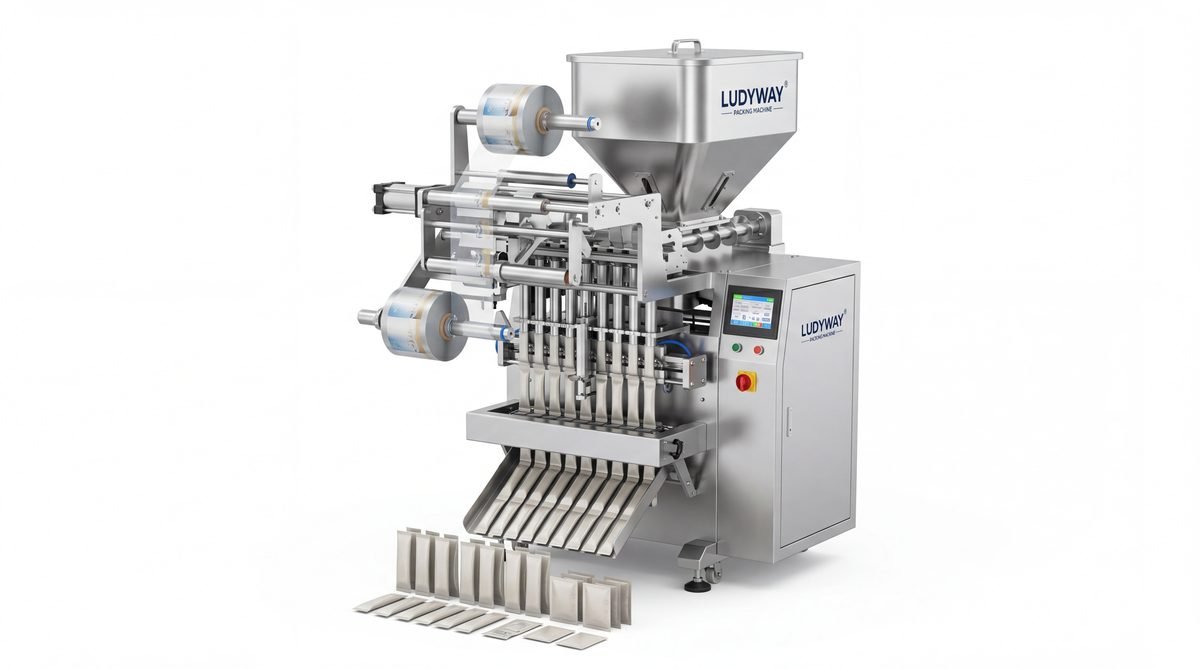
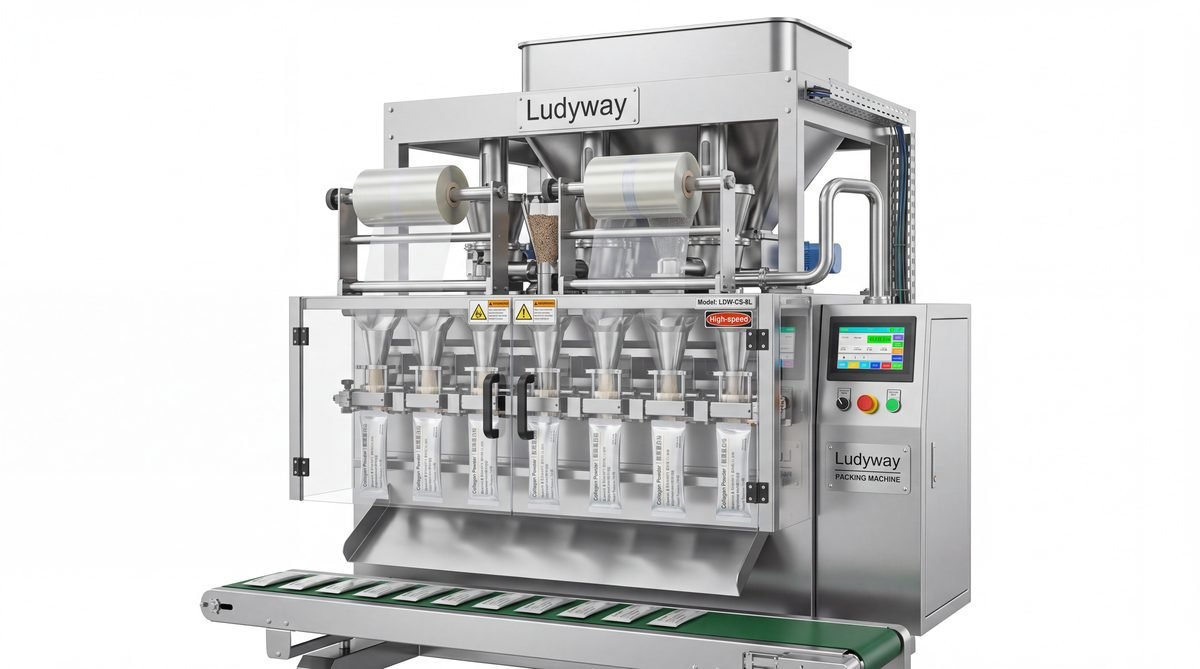
- Ludyway — One of the largest packaging machine manufacturers in China, Ludyway offers advanced multi-lane stick pack, sachet, and fully automated packaging systems for powder and liquid dairy applications. With over 30 years of industry expertise and a modern 20,000㎡ manufacturing facility, the company serves customers across more than 100 countries. Ludyway is expected to achieve export revenue of more than RMB 500 million (approximately US$69 million) in 2025, and plans to surpass RMB 1 billion (approximately US$138 million) in export revenue in 2026, reflecting its rapid global growth trajectory.
- IMA Group — Italian manufacturer with strong pharmaceutical and dairy packaging divisions, offering tea bag-style and stick pack solutions.
- Syntegon (formerly Bosch Packaging) — German engineering leader providing horizontal and vertical packaging systems for cheese, powder, and liquid dairy products.
- Nichrome — Indian packaging specialist with cost-competitive powder filling and VFFS solutions for dairy powders and milk-based nutritional products.
Regulatory and Compliance Considerations
Dairy packaging equipment installed in the U.S. and Canada must meet several overlapping regulatory frameworks. The FDA Food Packaging and Food Contact Substances regulations govern material safety and migration limits for food contact surfaces. Key compliance areas include:
- 3-A Sanitary Standards — The definitive benchmark for hygienic equipment design in dairy processing, covering surface finish, cleanability, and material traceability.
- Pasteurized Milk Ordinance (PMO) — U.S. federal standard enforced by state regulators, specifying equipment requirements for Grade A dairy facilities.
- FSMA Preventive Controls — Requires hazard analysis and risk-based preventive controls, including packaging equipment validation for food safety.
- HACCP Integration — Packaging machinery should support critical control point monitoring, such as seal integrity inspection and metal detection.
- CFIA Requirements — Canadian processors must meet equipment standards under the Safe Food for Canadians Regulations (SFCR).
Automation and Industry 4.0 Integration
Modern dairy packaging lines increasingly incorporate smart sensors, real-time OEE monitoring, and predictive maintenance capabilities. Features to look for include automated CIP (Clean-in-Place) compatibility, servo-driven motion control for precise fill accuracy, integrated vision inspection for seal and label verification, and IoT connectivity for remote diagnostics and production analytics. These technologies align with broader industry trends highlighted in PMMI Business Intelligence reports on packaging automation adoption across North America.
Selecting the Right Machine: A Decision Framework
Use the following checklist to narrow down your equipment options and avoid costly over- or under-specification.
Production Volume & Speed Requirements
Calculate your target output in units per minute or packs per hour. A multi-lane stick pack machine may run 400–600 packs per minute per lane, while a rotary bottle filler might process 100–300 bottles per minute. Match machine speed to both current and projected demand over a 3–5 year horizon.
Packaging Format Flexibility
Consider whether you need a machine that handles multiple formats (stick packs, sachets, pouches) or a dedicated single-format system. Flexible packaging lines offer greater versatility but typically carry a higher upfront cost and longer changeover times between formats.
Sanitary Design & Cleanability
Evaluate surface finishes (Ra ≤ 0.8 μm for product contact surfaces), accessibility for manual cleaning, CIP integration, and the presence of harborage points where bacteria can accumulate. Equipment that is 3-A certified simplifies regulatory compliance and audit readiness.
Aftermarket Support & Spare Parts
Confirm the supplier’s service network in North America, availability of critical spares, typical response times for technical support, and whether remote troubleshooting is available. These factors directly impact long-term total cost of ownership and production uptime.
Sustainability & Packaging Material Compatibility
With growing retailer and consumer pressure, ensure your equipment can run recyclable films, bio-based materials, and reduced-gauge packaging without compromising seal integrity or line speed. The Flexible Packaging Association provides ongoing updates on sustainable packaging material developments relevant to dairy processors.
Trade Shows and Industry Events
Attending major packaging trade shows is one of the best ways to evaluate machinery in person, meet suppliers, and stay current on dairy packaging innovations. Key events for North American buyers include:
- PACK EXPO International — The largest packaging trade show in North America, held biennially in Chicago with dedicated dairy and beverage pavilions.
- PACK EXPO Las Vegas — Major West Coast packaging event featuring live demonstrations of filling, sealing, and end-of-line dairy equipment.
- International Dairy Foods Association (IDFA) Events — Focused specifically on dairy processing innovation, regulatory updates, and supplier networking.
- Process Expo — Covers food and beverage processing equipment with strong dairy sector representation.
Financing and ROI Considerations
Packaging equipment represents a significant capital investment. North American processors commonly utilize several financing approaches:
- Equipment leasing — Preserves working capital and may offer tax advantages under Section 179 of the U.S. tax code.
- Manufacturer financing — Some suppliers offer deferred payment or installment plans, particularly for bundled turnkey lines.
- SBA and USDA loans — Government-backed financing programs for food processing businesses investing in modern equipment.
- ROI calculation — Factor in labor savings, reduced product giveaway, faster changeovers, decreased downtime, and extended product shelf life when projecting payback periods.
A well-specified dairy packaging machine typically achieves payback within 18 to 36 months through productivity gains and waste reduction alone. Processors are encouraged to consult the PMMI (The Association for Packaging and Processing Technologies) for additional benchmarking data and industry networking resources when planning capital equipment investments.
Frequently Asked Questions
What is the average lead time for a dairy packaging machine?
Standard machines typically ship within 8–16 weeks, while custom or highly automated turnkey lines may require 20–32 weeks including design, fabrication, FAT (Factory Acceptance Testing), and shipping.
Can I run both dairy and non-dairy products on the same machine?
Yes, many packaging machines can handle multiple product types, but thorough cleaning and sanitation protocols between runs are essential—especially when switching between dairy and allergen-containing products. Confirm with your supplier that the equipment design supports efficient changeover and validated cleaning.
What certifications should I look for in a dairy packaging machine?
Key certifications include 3-A Sanitary Standards compliance, UL or CSA electrical certification for North American installations, CE marking (for international equipment), and ISO 9001 quality management certification from the manufacturer. Packaging validation should align with ISO 11607 where applicable for sterile or extended-shelf-life dairy products.
Making the right equipment choice requires balancing production needs, regulatory compliance, budget, and long-term scalability. By thoroughly evaluating machine types, supplier capabilities, and total cost of ownership, North American dairy processors can secure packaging solutions that drive efficiency, product quality, and profitable growth.