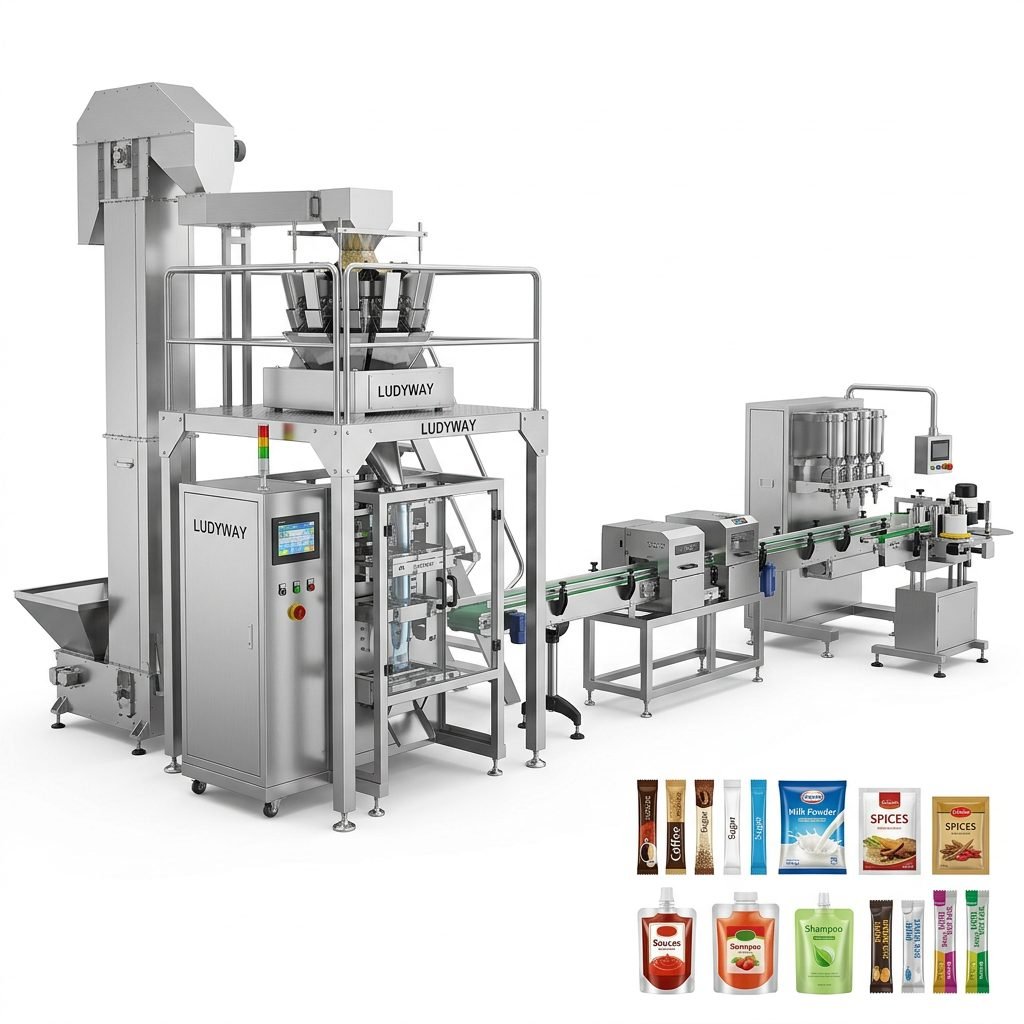
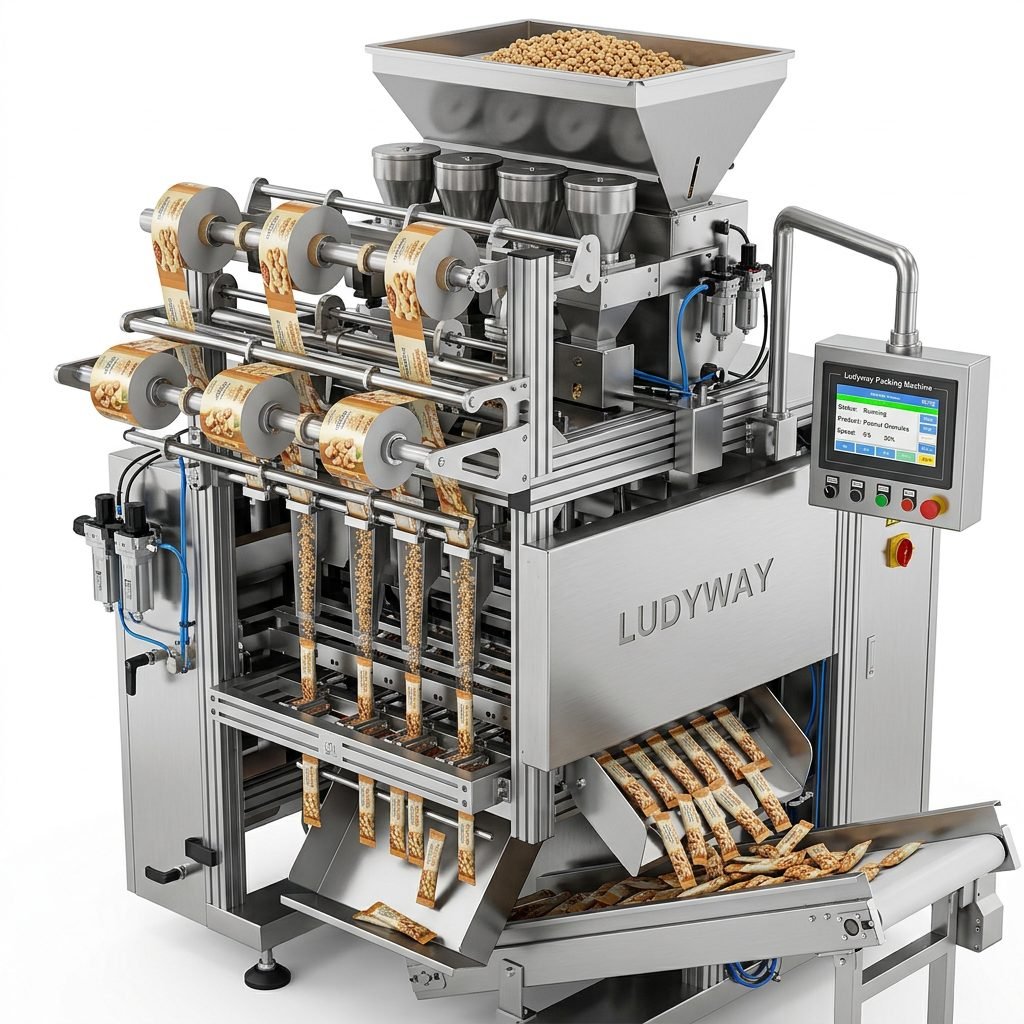
In today’s competitive bakery and snack industry, cookie packaging machines have transformed from simple wrapping devices into sophisticated, high-speed production systems. Global bakeries and food manufacturers are increasingly turning to automated cookie packaging machine solutions to meet rising consumer demand while maintaining product freshness and visual appeal.
Why Automated Cookie Packaging Matters for Modern Bakeries
The global cookie market continues to expand at a remarkable pace. According to industry research from PMMI’s business intelligence, packaging automation is no longer optional for manufacturers aiming to scale production efficiently. Manual packaging processes introduce inconsistencies, slower throughput, and higher labor costs — challenges that a cookie packaging machine directly addresses.
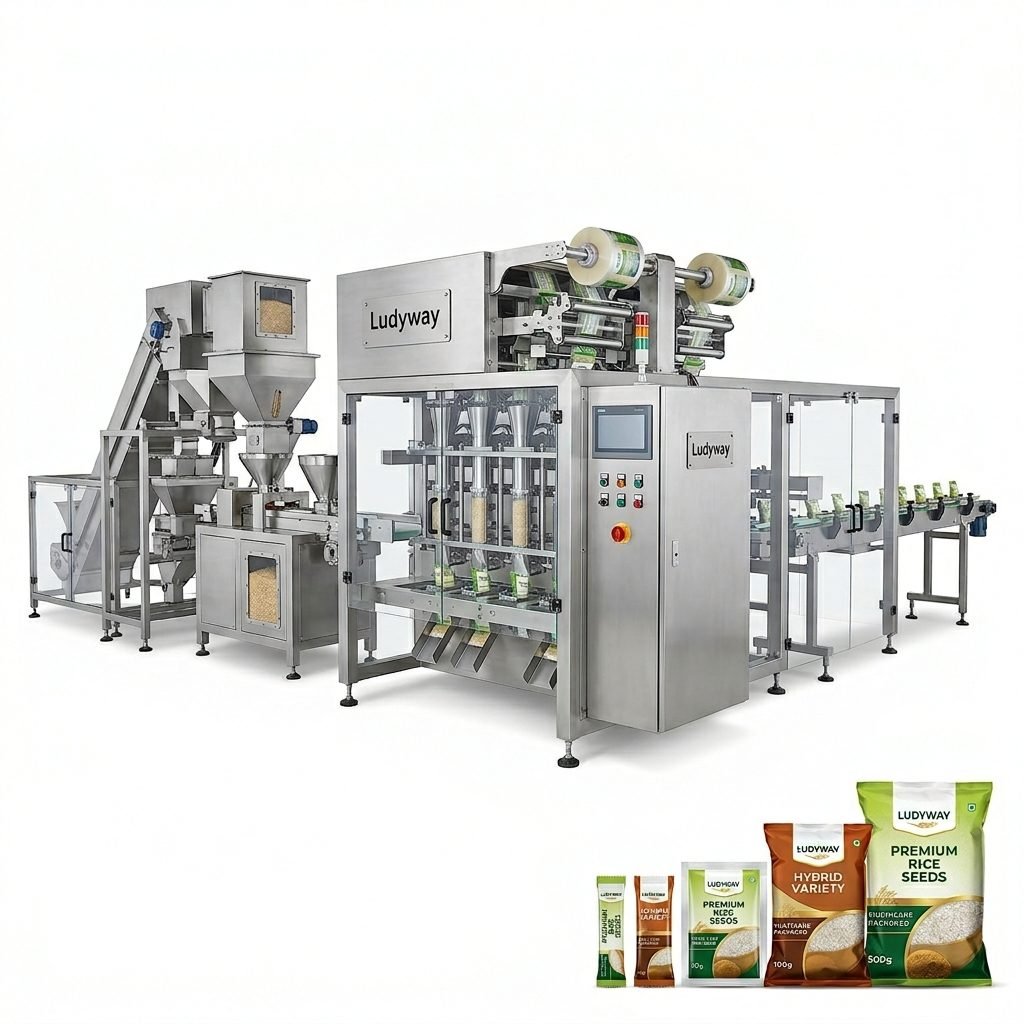
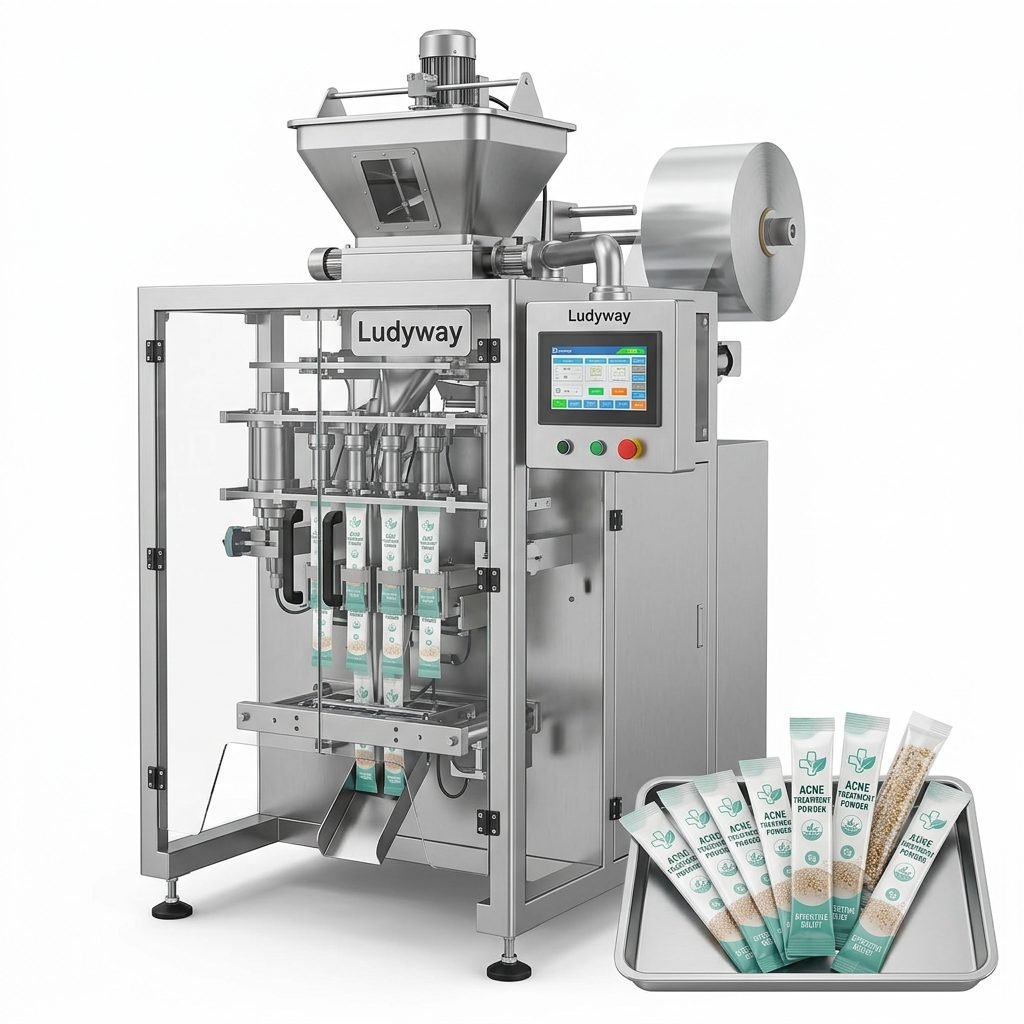
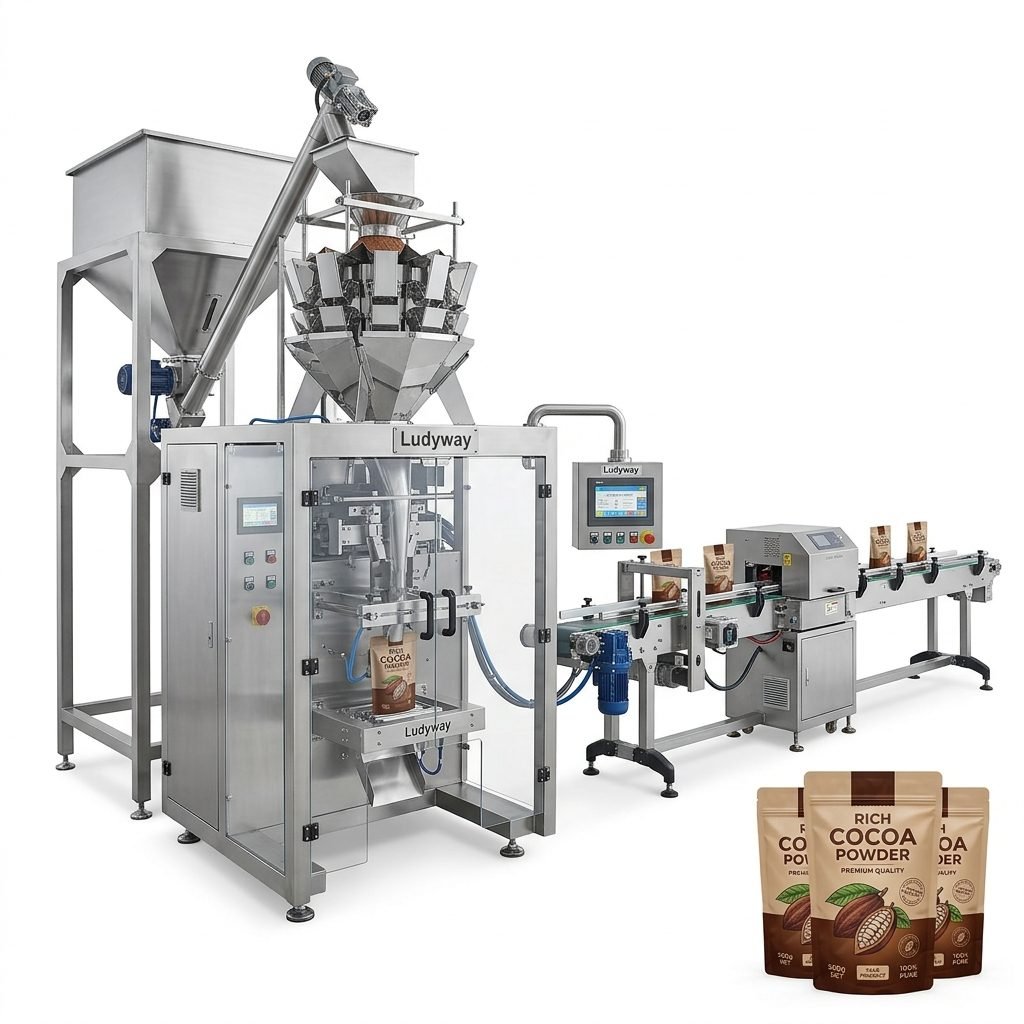
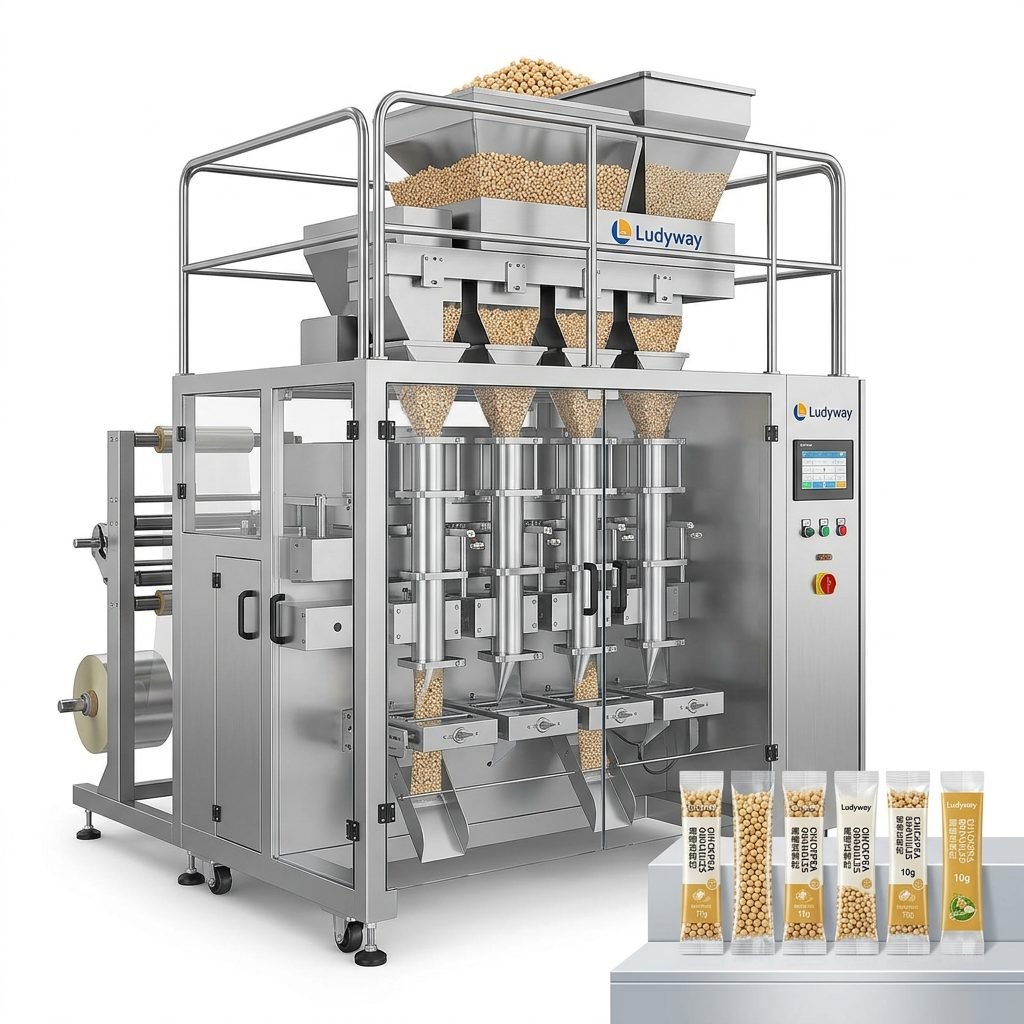
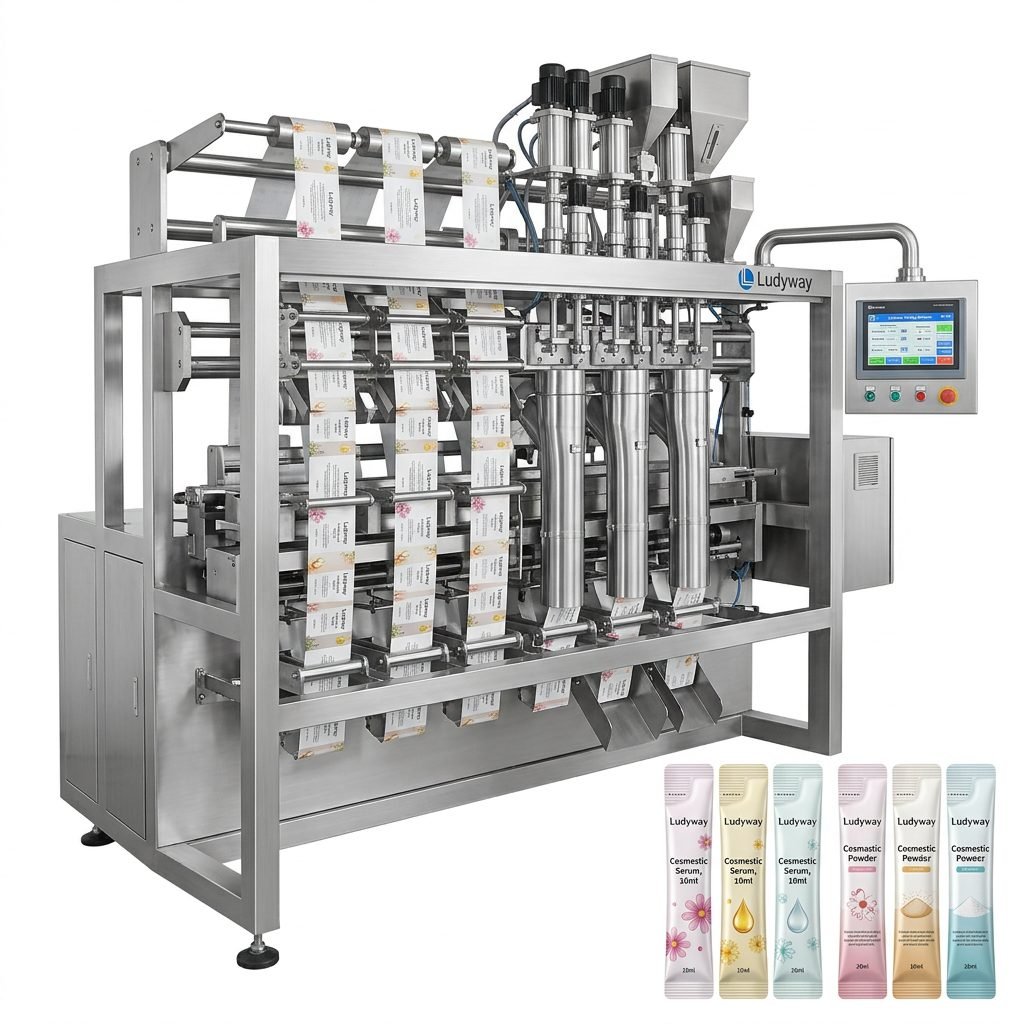
Modern cookie packaging systems deliver precise portion control, hermetic sealing, and the flexibility to handle multiple packaging formats including stick packs, sachets, and pillow bags. This versatility enables bakeries to diversify product lines without investing in separate equipment for each format.
Core Technologies Powering High-Performance Cookie Packaging
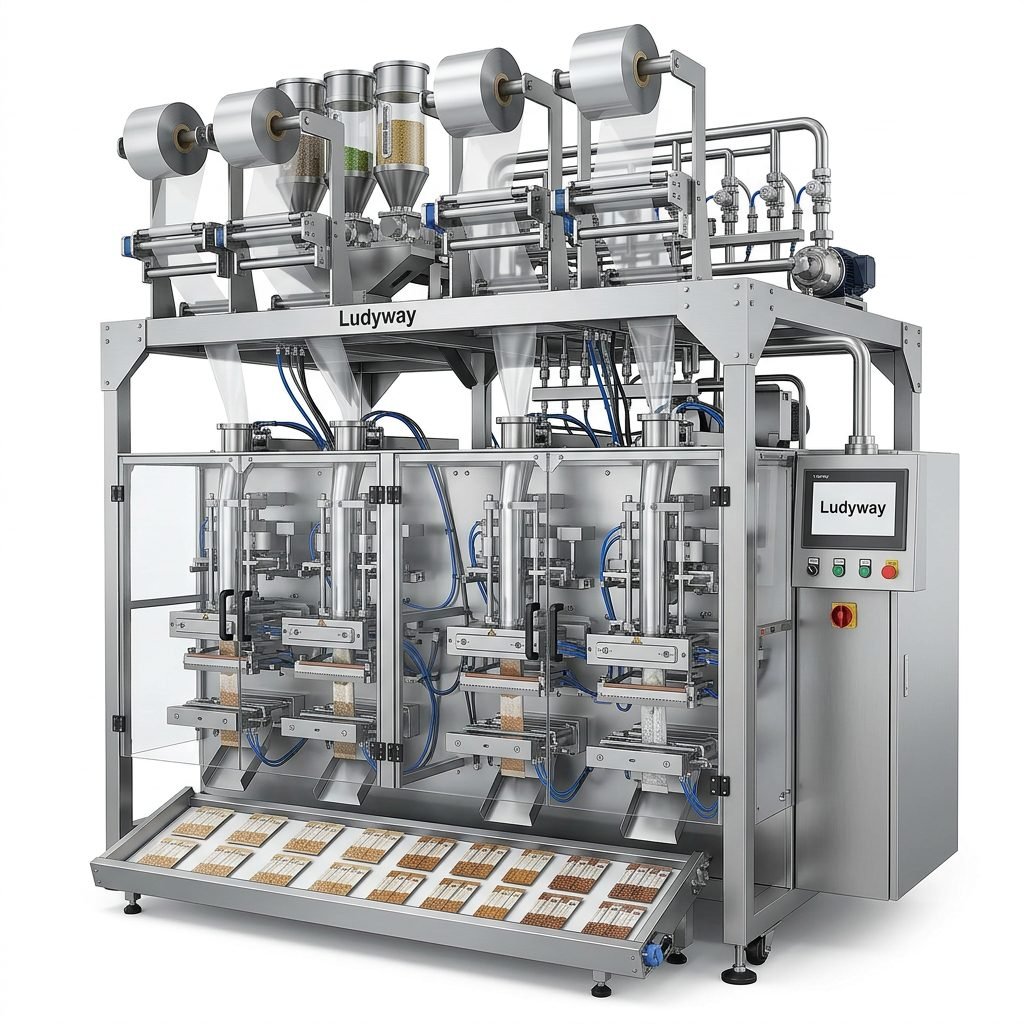
Multi-Lane Filling and Sealing
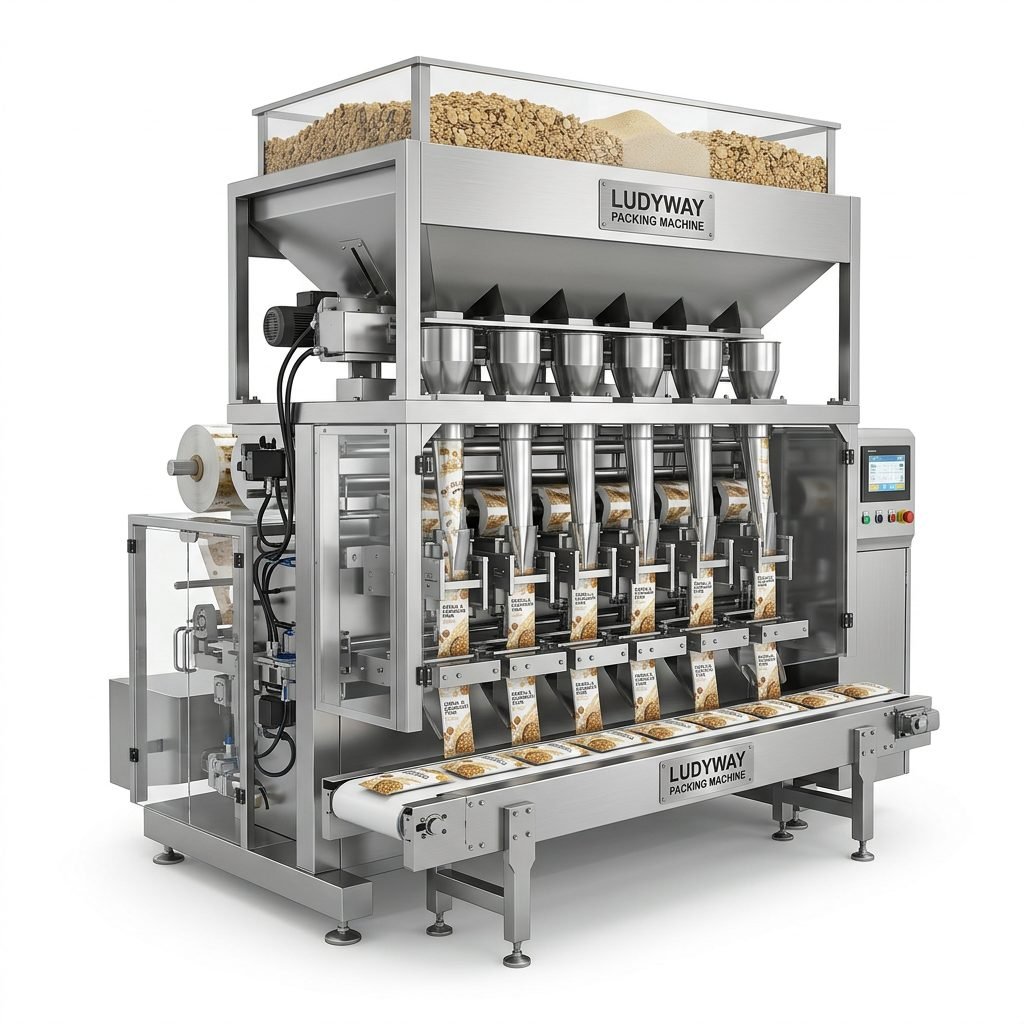
Advanced multi-lane packaging machines can run 4 to 12 lanes simultaneously, dramatically increasing output while maintaining consistent seal integrity. For cookie manufacturers producing high volumes of single-serve portions, this technology is a game-changer. Each lane operates with independent temperature control and sealing pressure, ensuring uniform package quality across all lanes.
Precision Weighing and Portion Control
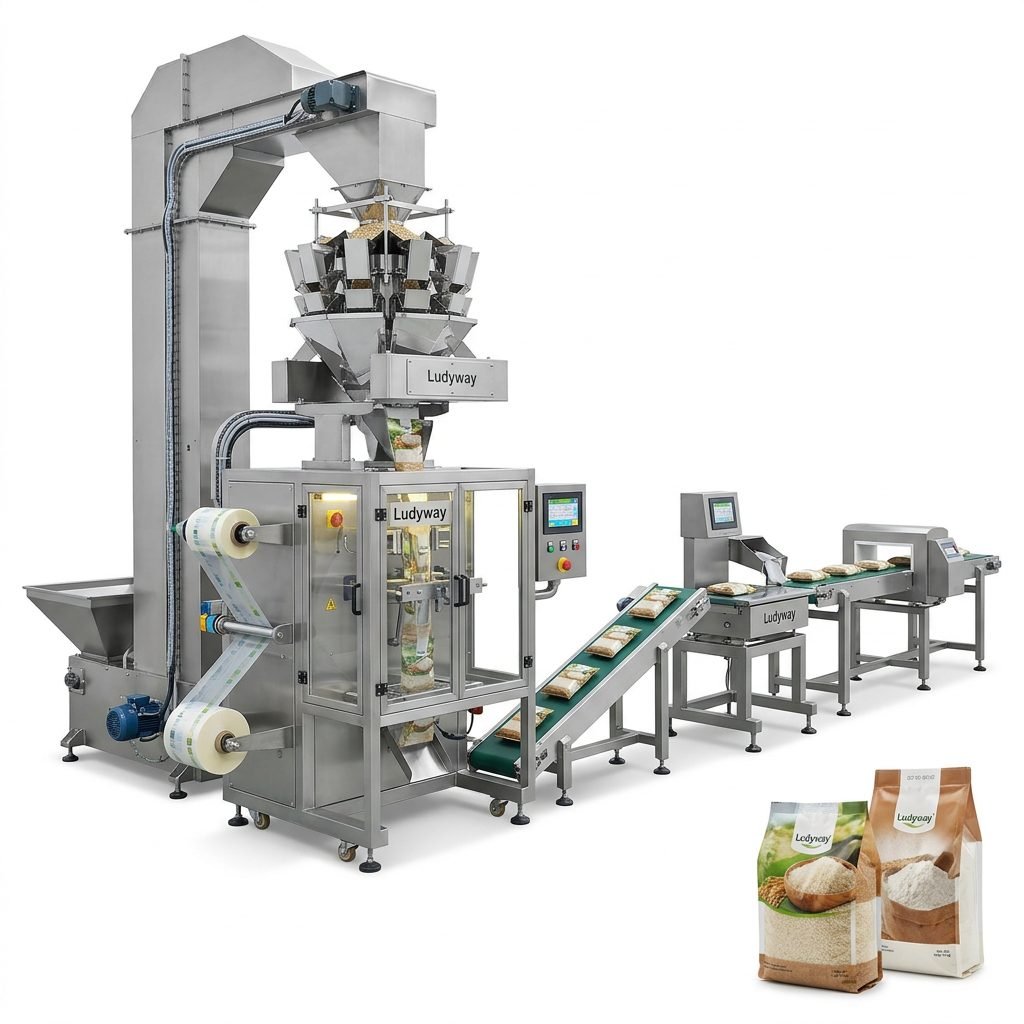
Cookies vary in size, shape, and density. Modern packaging machinery integrates multi-head weighers and volumetric fillers that adapt to product variations in real time. This minimizes giveaway while ensuring every package meets the declared net weight — a critical factor for regulatory compliance and profitability.
Modified Atmosphere Packaging (MAP) Integration
Extending shelf life is essential for export-oriented bakeries. Cookie packaging machines equipped with gas flushing systems replace oxygen with nitrogen or carbon dioxide, preserving crispness and preventing oxidation. This technology aligns with flexible packaging industry standards for food safety and extended shelf life.
Key Advantages of Automated Cookie Packaging Systems
- Speed: High-output systems can package up to 800-1200 cookies per minute across multiple lanes
- Consistency: Computer-controlled sealing parameters ensure identical package quality shift after shift
- Flexibility: Quick-change tooling allows switching between stick pack, sachet, and pouch formats within minutes
- Hygiene: Stainless steel construction and washdown-ready designs meet international food safety requirements
- Traceability: Integrated coding and vision inspection systems enable full batch traceability
Comparison: Manual vs. Automated Cookie Packaging
| Feature | Manual Packaging | Automated Cookie Packaging Machine |
|---|---|---|
| Output Rate | 20-50 packs per minute | 400-1200 packs per minute |
| Labor Requirement | 8-15 operators per line | 1-2 operators per line |
| Package Consistency | Variable, operator-dependent | Uniform, computer-controlled |
| Product Waste | 3-5% typical | Less than 0.5% |
| Format Changeover | 30-60 minutes | 5-15 minutes with quick-change parts |
| Hygiene Compliance | Challenging to maintain | Designed for food-grade operation |
Packaging Formats Supported by Modern Cookie Machines
Today’s bakeries need versatility. A single cookie packaging machine should handle multiple formats to serve different market segments — from retail multipacks to food service bulk packs and convenient on-the-go single serves.
- Stick Packs: Ideal for portion-controlled, single-serve cookies popular in coffee shops and vending
- Sachets: Flat rectangular packs perfect for sandwich cookies and wafer products
- Pillow Bags: Classic format for retail cookie bags with excellent branding surface area
- Gusseted Pouches: Stand-up capability for premium cookie brands seeking shelf presence
- Flow Wraps: High-speed horizontal wrapping for individual cookie bars and fingers
Industry Compliance and Quality Standards
Food packaging equipment must comply with stringent international standards. Leading cookie packaging machinery is designed to meet FDA food contact regulations, ISO 22000 food safety management requirements, and CE marking for the European market. Manufacturers should verify that their packaging equipment supplier provides full documentation and validation support. Reference resources from FDA food packaging guidelines and ISO packaging standards can help bakeries understand their compliance obligations.
Cost-Benefit Analysis for Bakery Operations
While the initial investment in automated cookie packaging equipment may seem substantial, the return on investment typically materializes within 12-18 months through reduced labor costs, decreased product waste, and increased throughput. Additional benefits include consistent package quality that enhances brand perception and reduced customer complaints related to packaging defects.
Selecting the Right Cookie Packaging Machine
Assess Your Production Volume
Small to medium bakeries may benefit from compact, single-lane machines with outputs of 40-80 packs per minute. Large-scale operations producing hundreds of thousands of cookies daily require multi-lane high-speed systems capable of 400+ packs per minute.
Evaluate Packaging Material Compatibility
Your chosen machine must handle your preferred packaging films — whether that’s metallized polyester, polypropylene laminates, or biodegradable materials. Film thickness range, sealing temperature requirements, and print registration capabilities all factor into machine selection.
Consider After-Sales Support
Equipment uptime is critical. Look for manufacturers offering comprehensive technical support, readily available spare parts, and local service networks. Ludyway, one of the largest packaging machine manufacturers in China with over 30 years of industry experience and a modern 20,000㎡ manufacturing facility, serves customers in more than 100 countries with dedicated after-sales support and turnkey packaging solutions for the global food industry. Their engineering team provides professional installation, training, and ongoing maintenance services to ensure maximum equipment reliability.
Future Trends in Cookie Packaging Automation
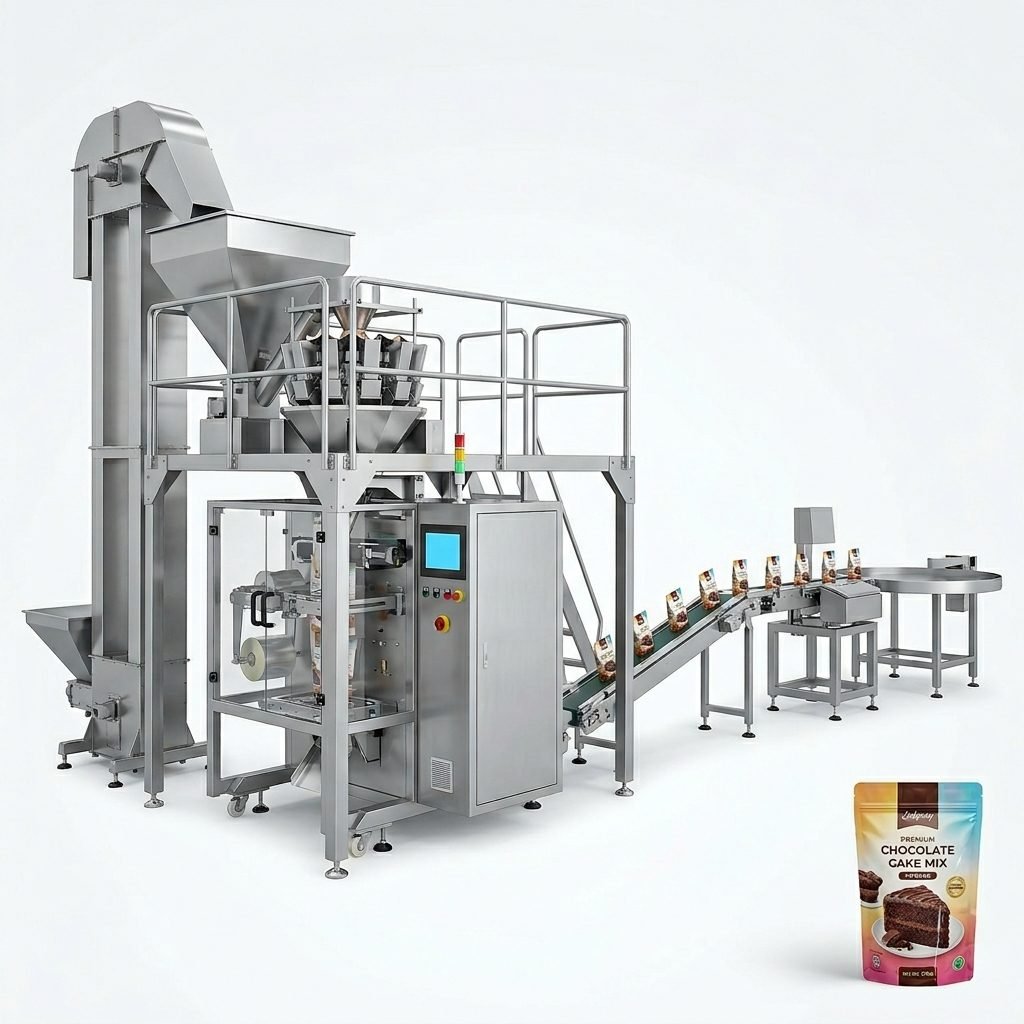
The integration of Industry 4.0 technologies is reshaping cookie packaging lines. Smart sensors monitor seal integrity in real time, predictive maintenance algorithms reduce unplanned downtime, and cloud-connected systems enable remote production monitoring. Sustainability is also driving innovation — machines capable of running recyclable mono-material films and compostable packaging are gaining traction as regulations tighten around plastic waste. The European Commission’s packaging waste regulations are accelerating this shift across global supply chains.
Integration with Complete Production Lines
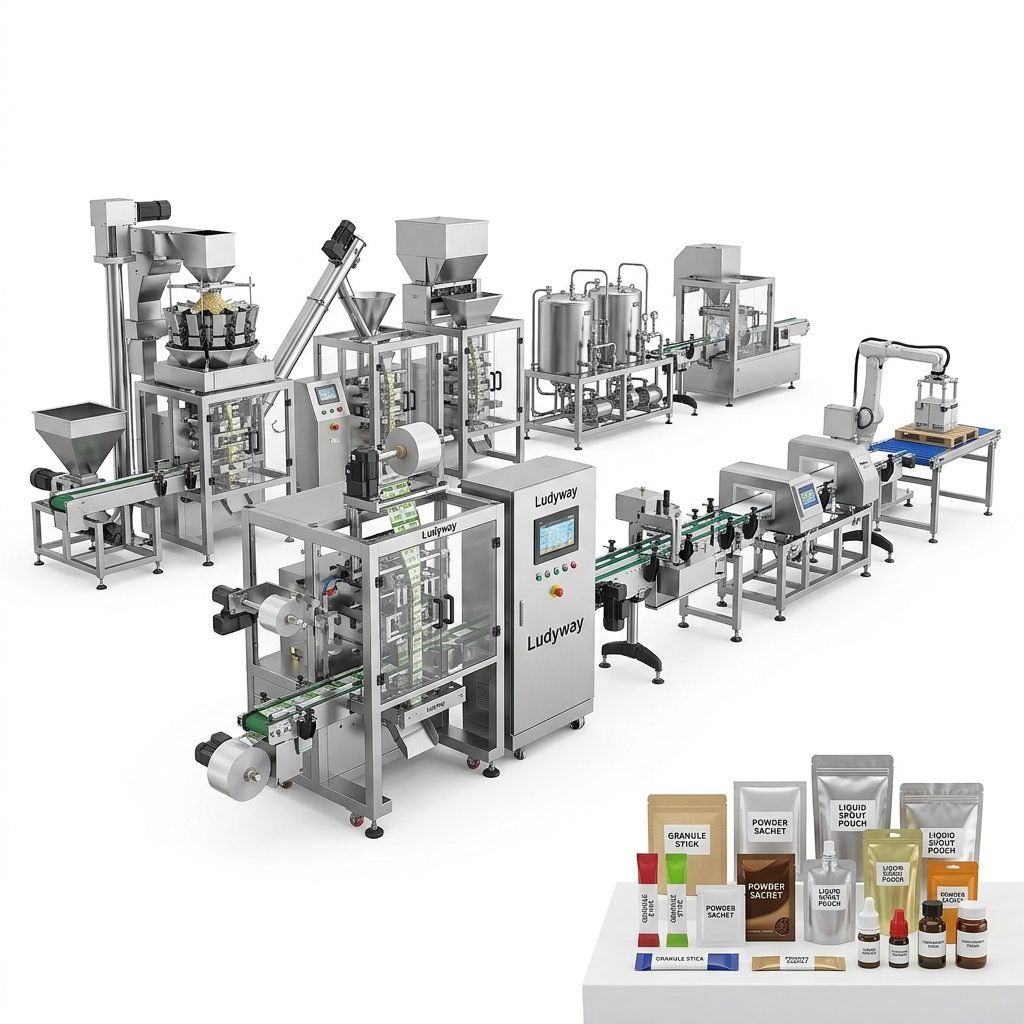
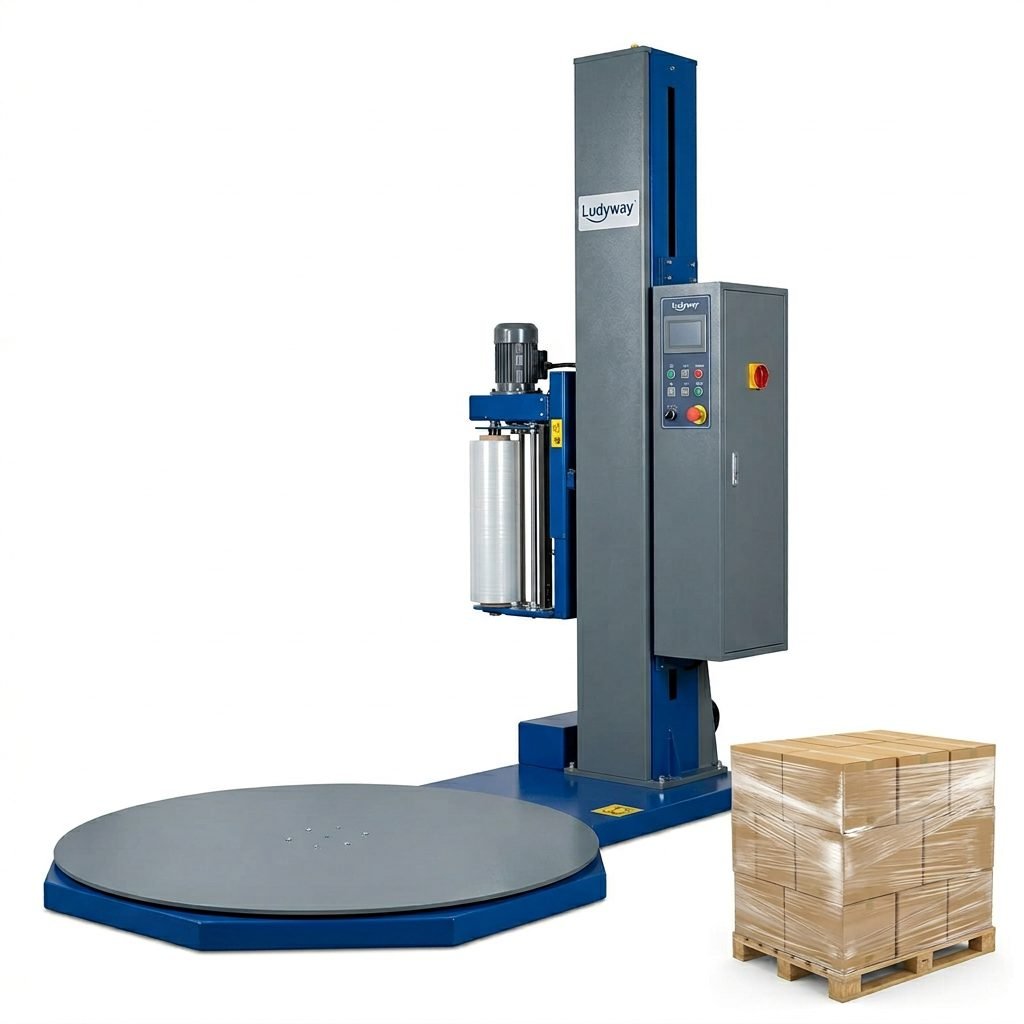
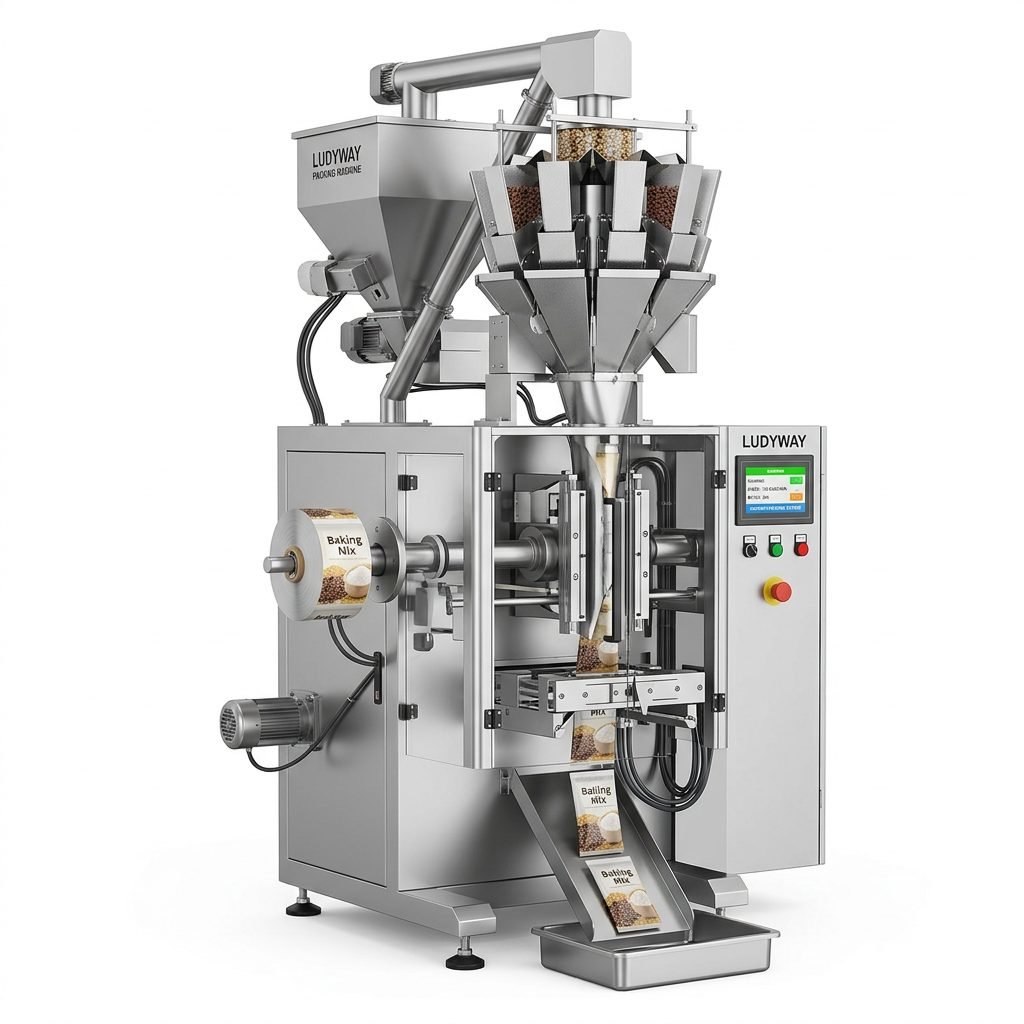
A cookie packaging machine does not operate in isolation. It integrates with upstream cooling conveyors, metal detectors, checkweighers, and downstream cartoning and palletizing systems. Turnkey packaging lines designed for seamless integration reduce engineering complexity and accelerate time-to-market for new cookie products. Resources like PMMI’s state of the industry reports provide valuable insights into packaging line integration trends and technology adoption rates across the food sector.

Common Questions About Cookie Packaging Machinery
What is the typical lifespan of a cookie packaging machine?
With proper maintenance, industrial-grade packaging machines typically operate reliably for 10-15 years. Regular preventive maintenance and use of genuine spare parts significantly extend equipment life.
Can one machine package different cookie types?
Yes. Modern machines feature adjustable forming tubes, interchangeable sealing jaws, and programmable recipes that allow quick changeover between product sizes, shapes, and packaging formats.
How important is film tension control?
Film tension control is critical for cookie packaging. Inconsistent tension leads to misaligned seals, wrinkled packages, and increased film waste. Advanced servo-driven unwind systems maintain precise tension throughout the packaging cycle.
Global Market Outlook for Cookie Packaging Equipment
The global packaging machinery market continues its steady growth trajectory, with the bakery and snack segment representing a significant share. Increasing demand for convenient, portion-controlled snack formats in emerging markets is driving investment in automated packaging solutions. Bakeries that invest in flexible, high-speed cookie packaging solutions today position themselves for competitive advantage as consumer preferences evolve toward smaller pack sizes and sustainable packaging materials. For further industry data, the Flexible Packaging Association offers comprehensive resources on packaging trends and market forecasts.
Key Takeaways
- Automated cookie packaging machines deliver significantly higher output and consistency compared to manual processes
- Multi-lane technology enables 400-1200 packs per minute for high-volume bakeries
- Modern systems handle multiple packaging formats — stick packs, sachets, pillow bags, and gusseted pouches
- MAP integration extends product shelf life and maintains cookie freshness
- Industry 4.0 features like remote monitoring and predictive maintenance reduce operational costs
- Investing in flexible, high-speed packaging equipment positions bakeries for long-term growth
References and Industry Resources
- PMMI — Business Intelligence and Packaging Industry Research
- Flexible Packaging Association — Industry Resources and Data
- FDA — Food Packaging and Food Contact Substances
- ISO — International Packaging Standards
- European Commission — Packaging and Packaging Waste Regulations
- PACK EXPO International — Packaging Industry Trade Show
- Ludyway Packaging Machinery Global Growth Trend Report