Understanding the German Pet Food Market and Regulatory Environment
Germany is Europe’s largest pet food market, with stringent quality standards governed by EU regulations and national laws. Before setting up a pet food packaging machine production line, manufacturers must understand the regulatory framework established by the FDA food packaging guidelines and European directives. The German pet food industry demands high-precision filling, contamination-free sealing, and full traceability across the entire production chain. Compliance with ISO packaging standards is non-negotiable for any company entering this market. The country’s strong emphasis on sustainability also means packaging machinery must support recyclable materials and minimize waste, aligning with the European Commission packaging waste regulations.
Step 1: Define Your Product Specifications and Production Goals
The foundation of any successful pet food packaging line is a clear understanding of your product characteristics. Pet food comes in diverse forms—dry kibble, semi-moist pellets, freeze-dried treats, and powder supplements—each requiring specific handling and filling mechanisms. Key considerations include:
- Granule size and density: Irregularly shaped kibble demands volumetric or multi-head weigher filling systems for consistent portion control.
- Moisture sensitivity: Freeze-dried and dehydrated pet foods require nitrogen flushing and high-barrier film packaging to extend shelf life.
- Target output capacity: German market entry typically requires production speeds of 60–120 packs per lane per minute for stick pack formats.
- Packaging formats: Sachet, stick pack, pillow bag, and stand-up pouch are the dominant formats in European retail channels.
- Bag size range: Single-serve 3g–15g stick packs for supplements, up to 500g–5kg pouches for dry kibble.
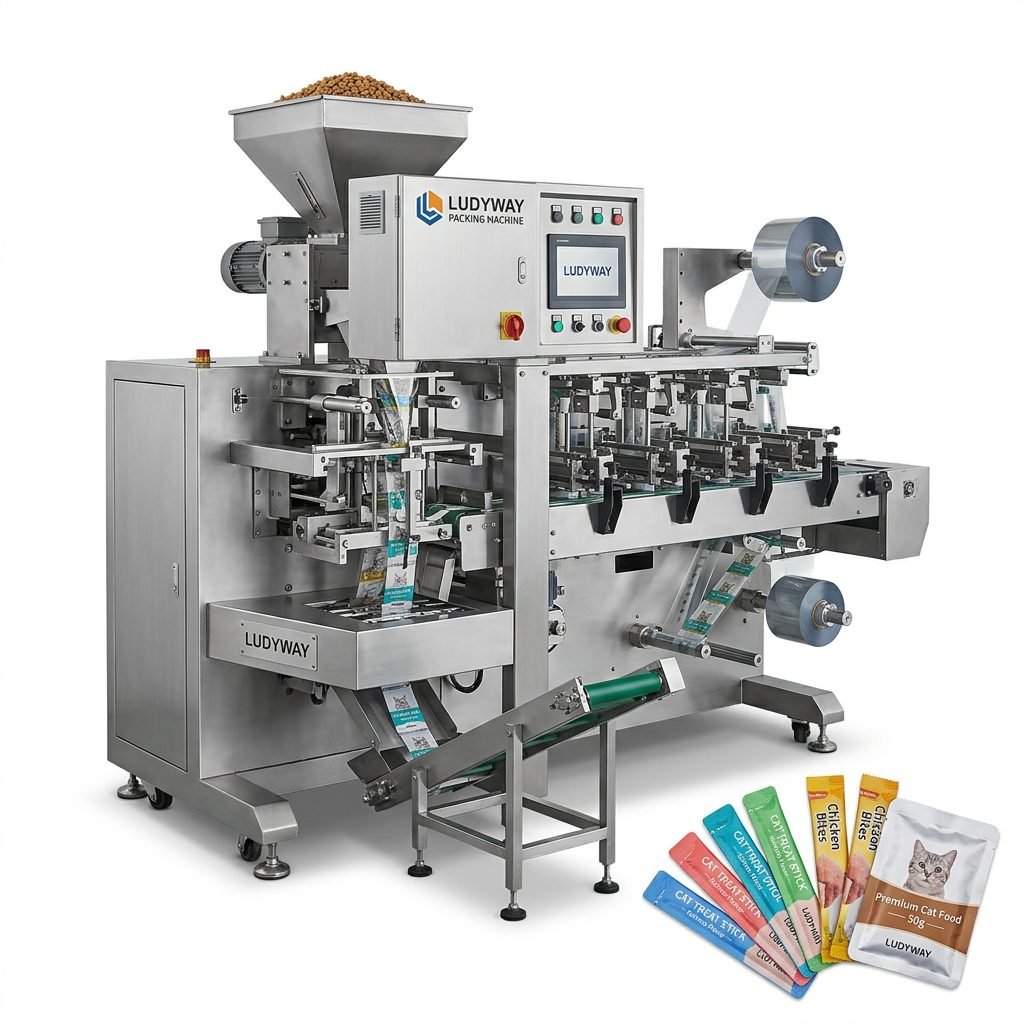
Step 2: Selecting the Right Multi-Lane Packaging Machinery
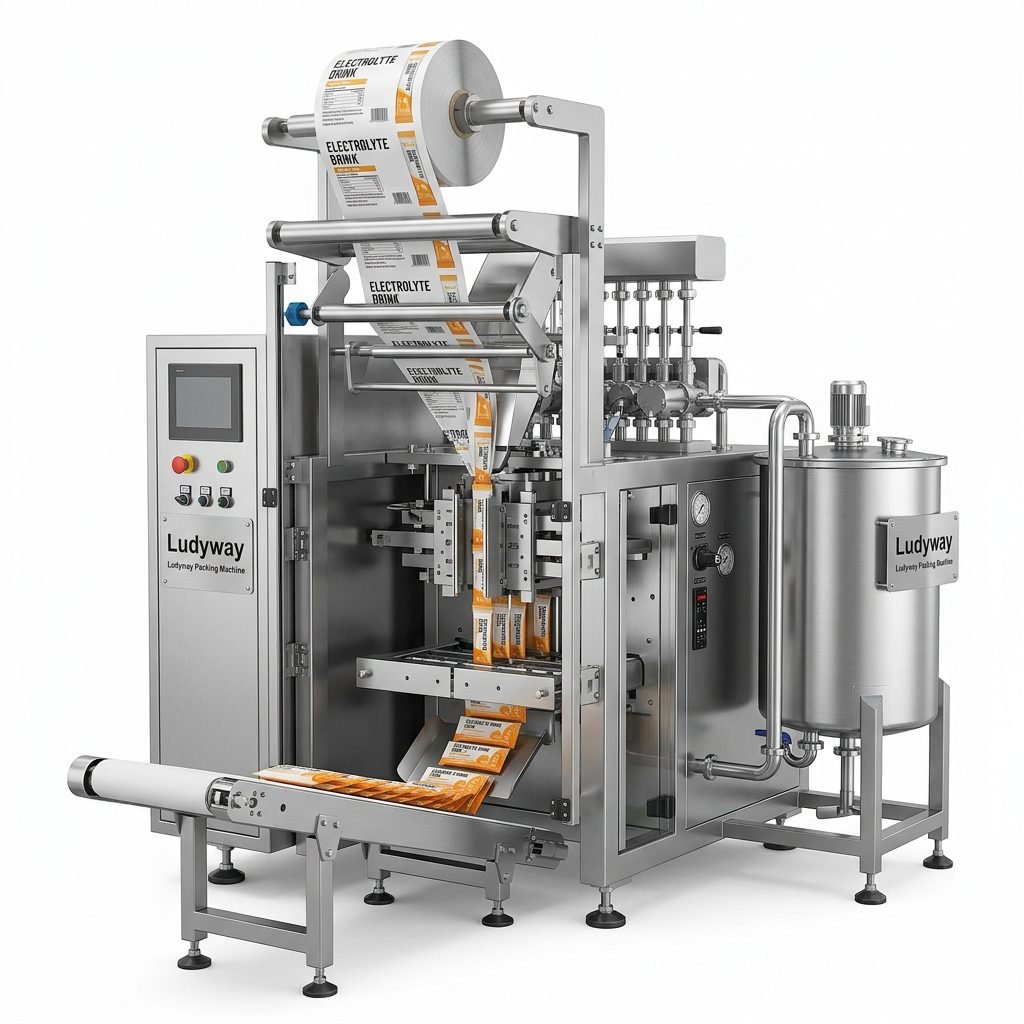
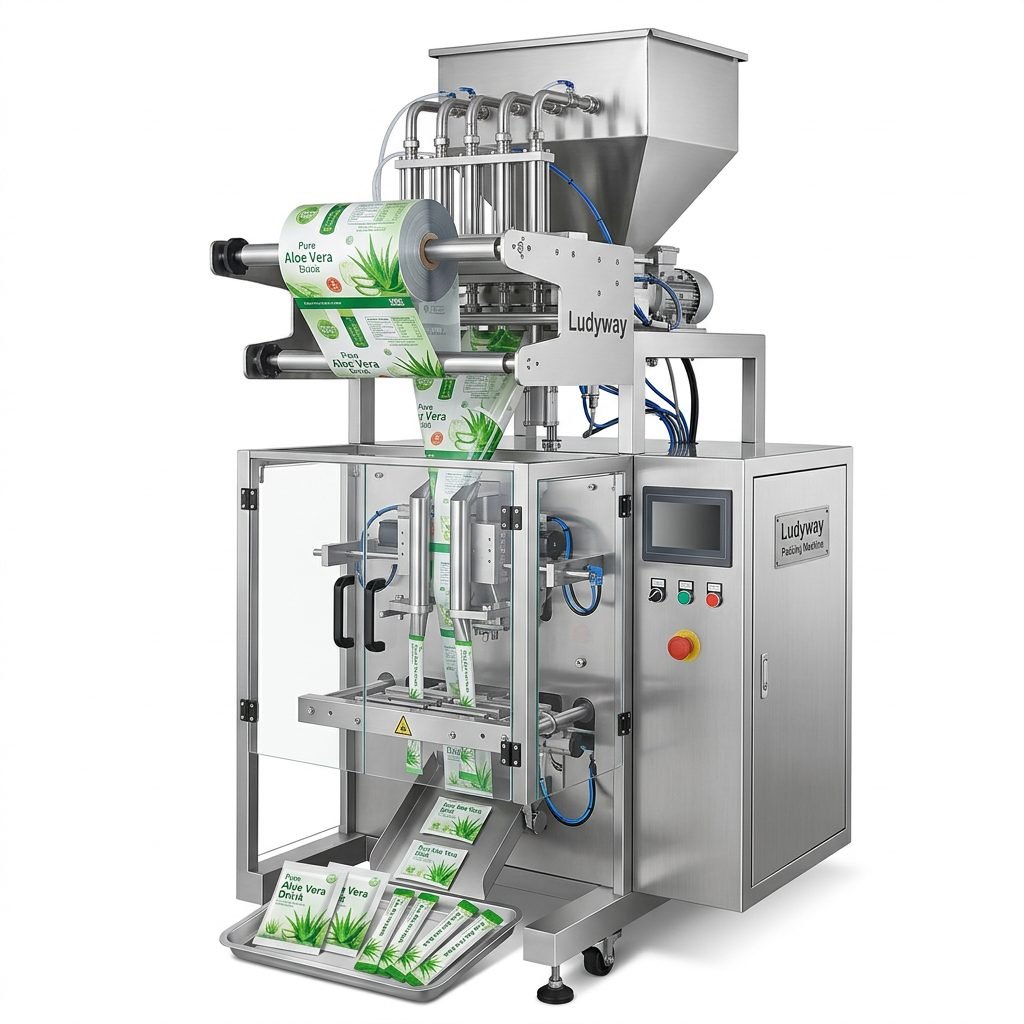
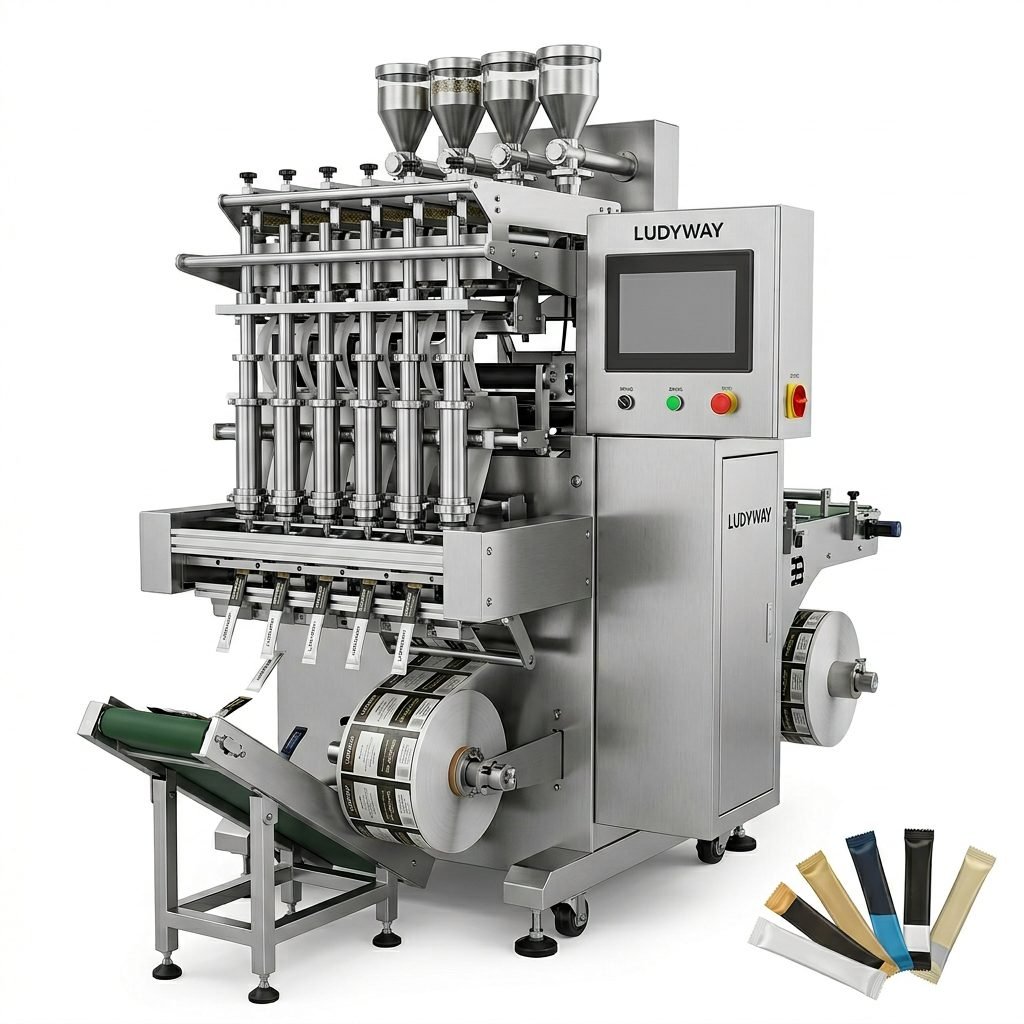
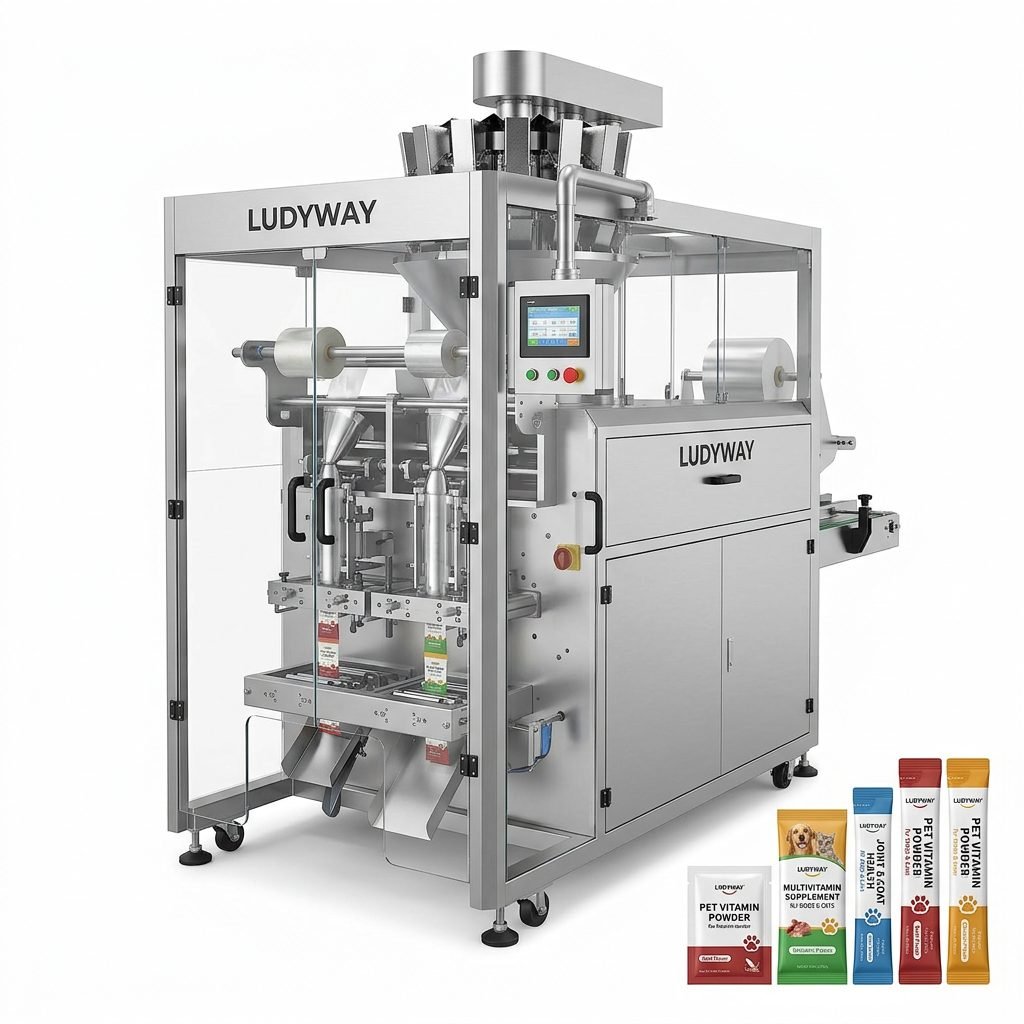
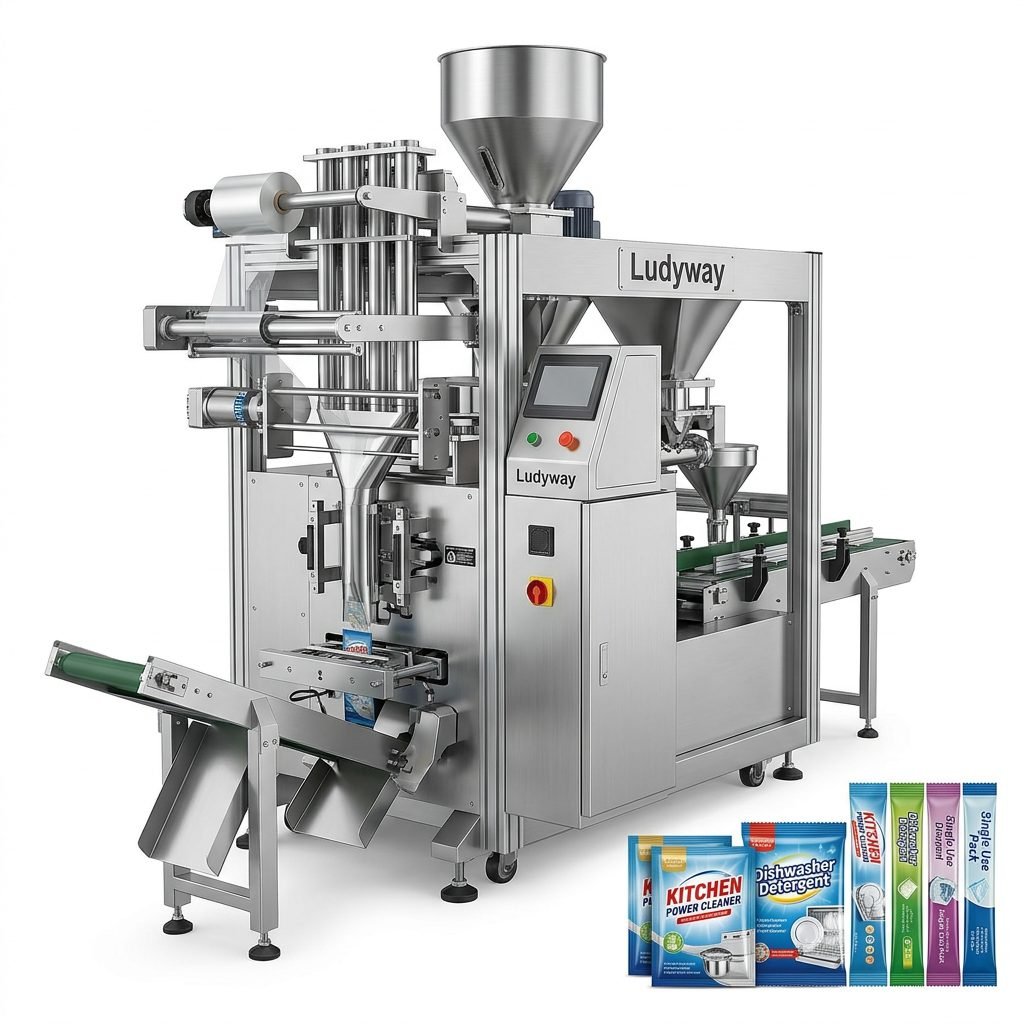
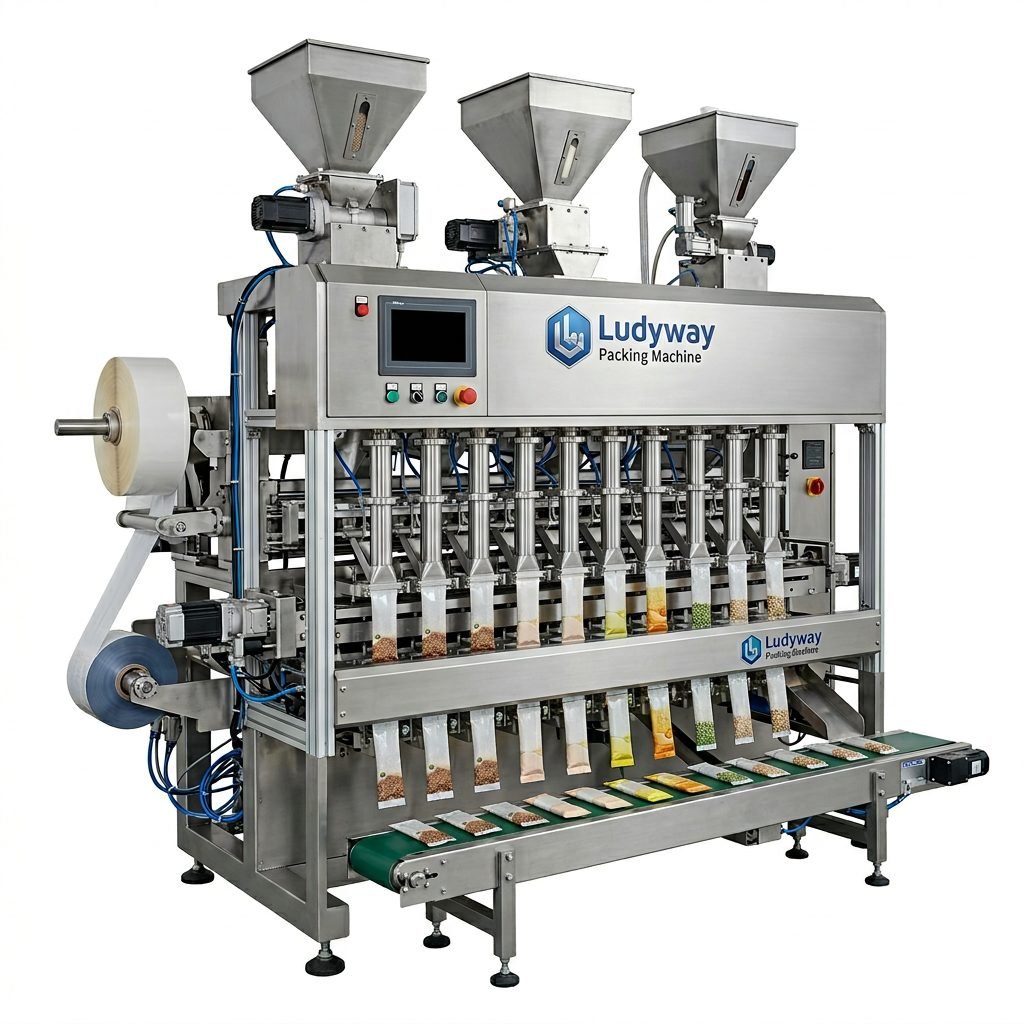
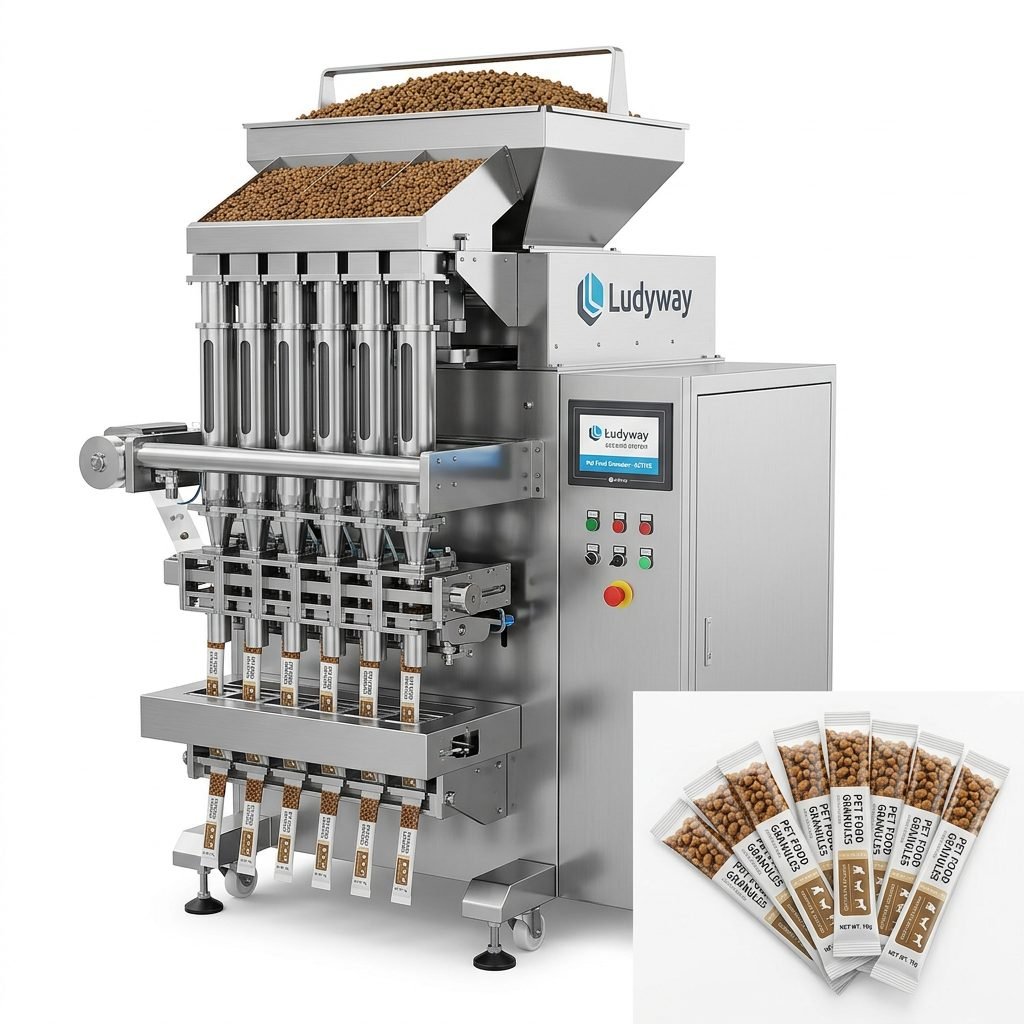
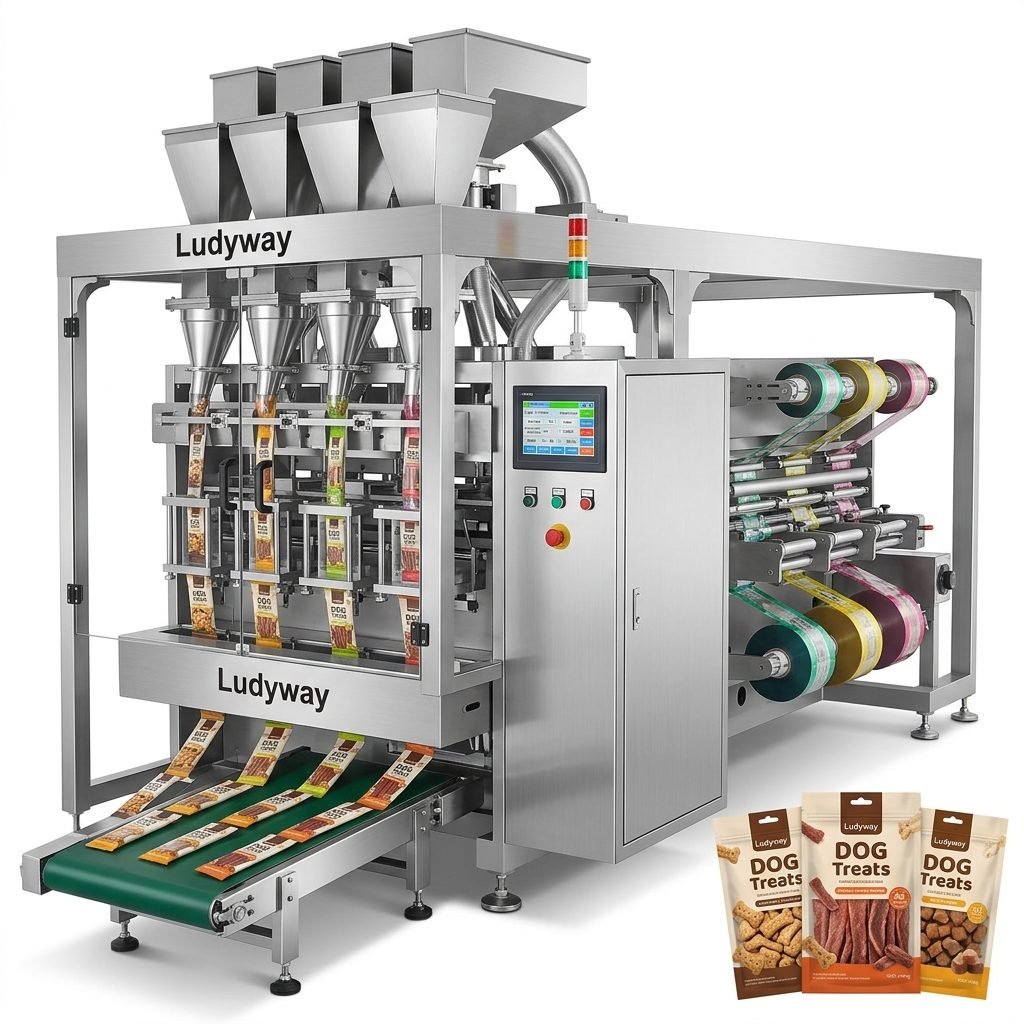
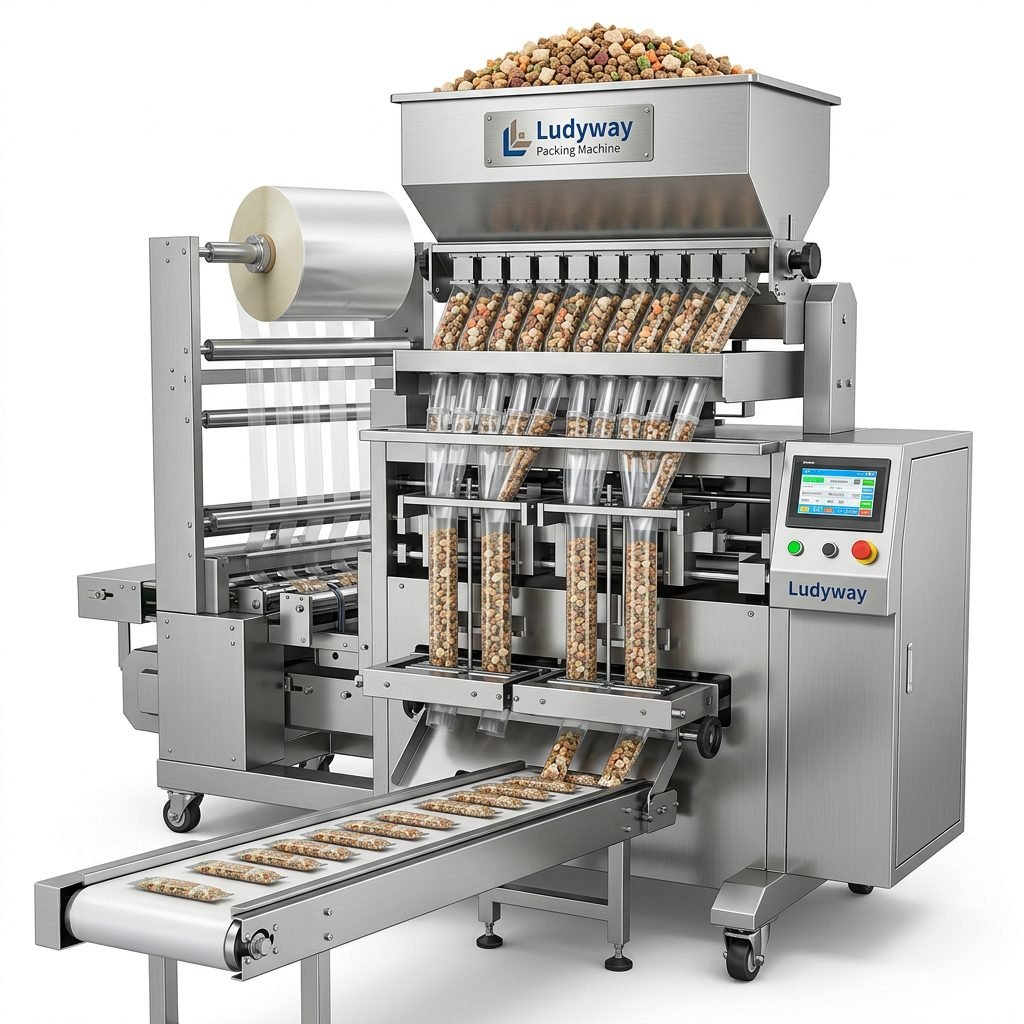
For pet food applications, multi-lane stick pack and sachet machines offer the highest efficiency for single-serve and portion-controlled products. When evaluating equipment for your German production line, focus on these critical features:
Key Machine Specifications
| Feature | Requirement for Pet Food | Benefit |
|---|---|---|
| Multi-lane configuration | 4–12 lanes per machine | High throughput with minimal footprint |
| Servo-driven filling | Precision auger or volumetric fillers | ±0.5g accuracy for granule products |
| Film registration system | Photoelectric sensor with mark detection | Perfect print alignment on every sachet |
| Nitrogen flushing capability | Integrated gas injection nozzles | Extended shelf life for freeze-dried treats |
| Sealing technology | Temperature-controlled heat sealing | Leak-proof, durable seals for oily pet snacks |
Refer to the PMMI packaging industry resources for detailed machinery selection criteria and the latest state of the industry reports to benchmark your equipment investment against global trends.
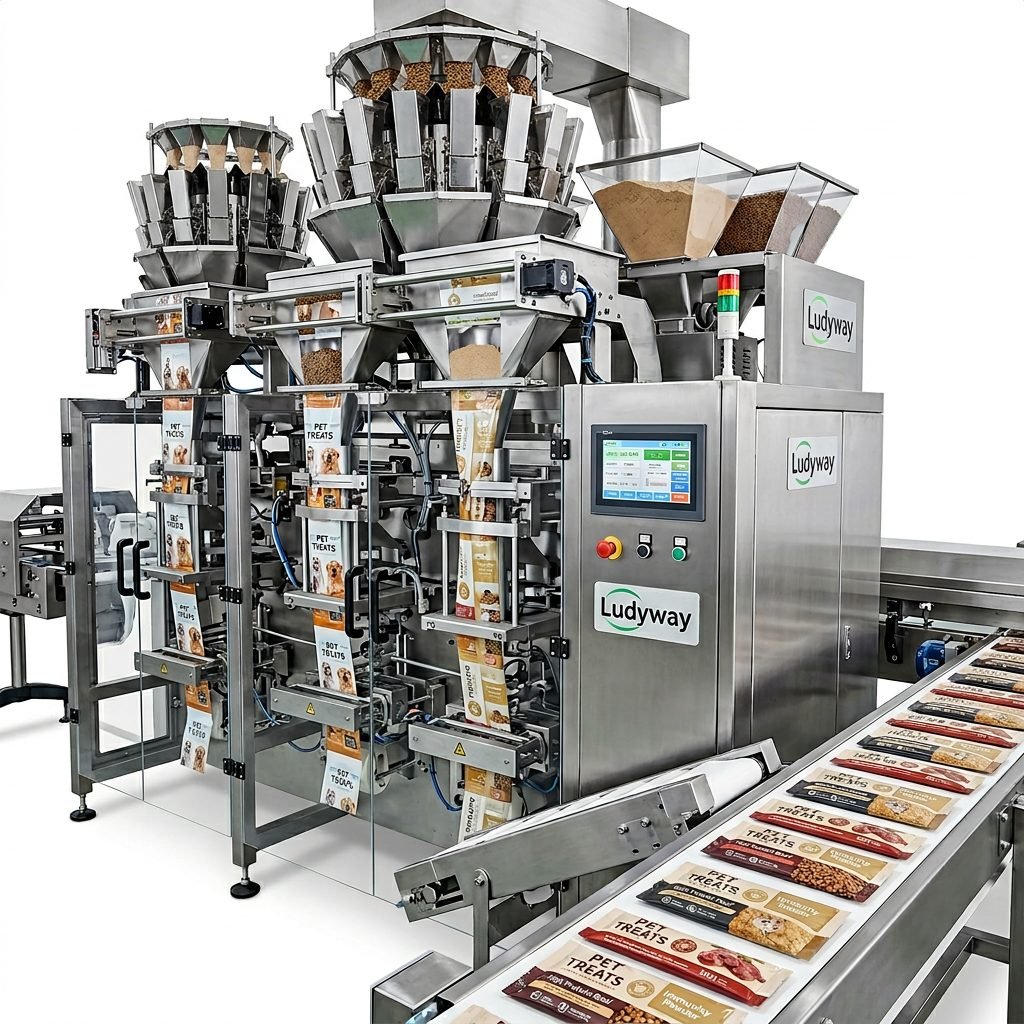
Step 3: Layout Planning and Production Line Integration
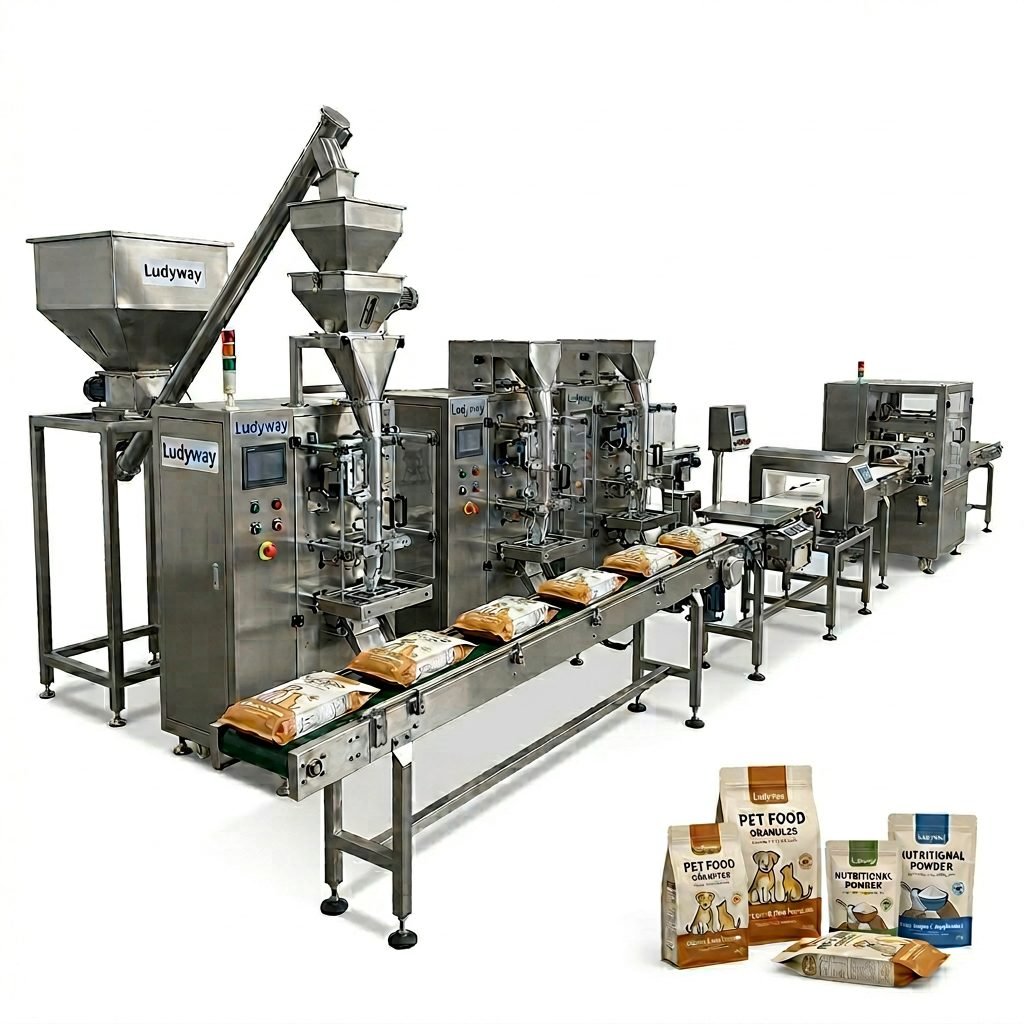
A well-designed pet food packaging line integrates upstream processing with downstream packaging seamlessly. The typical configuration in a German facility includes:
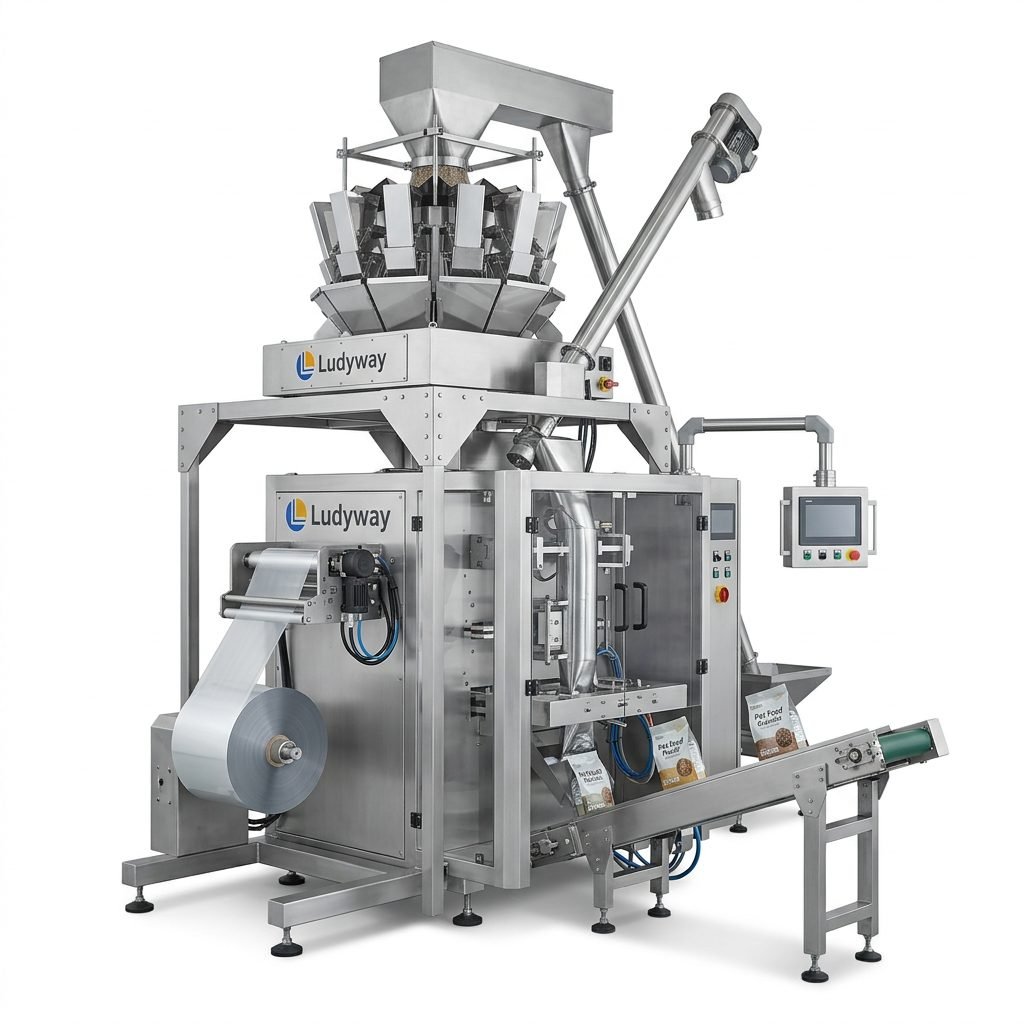
- Feeding system: Z-type bucket elevators or vacuum conveyors transport granules from mixing tanks to the packaging machine hoppers without product damage.
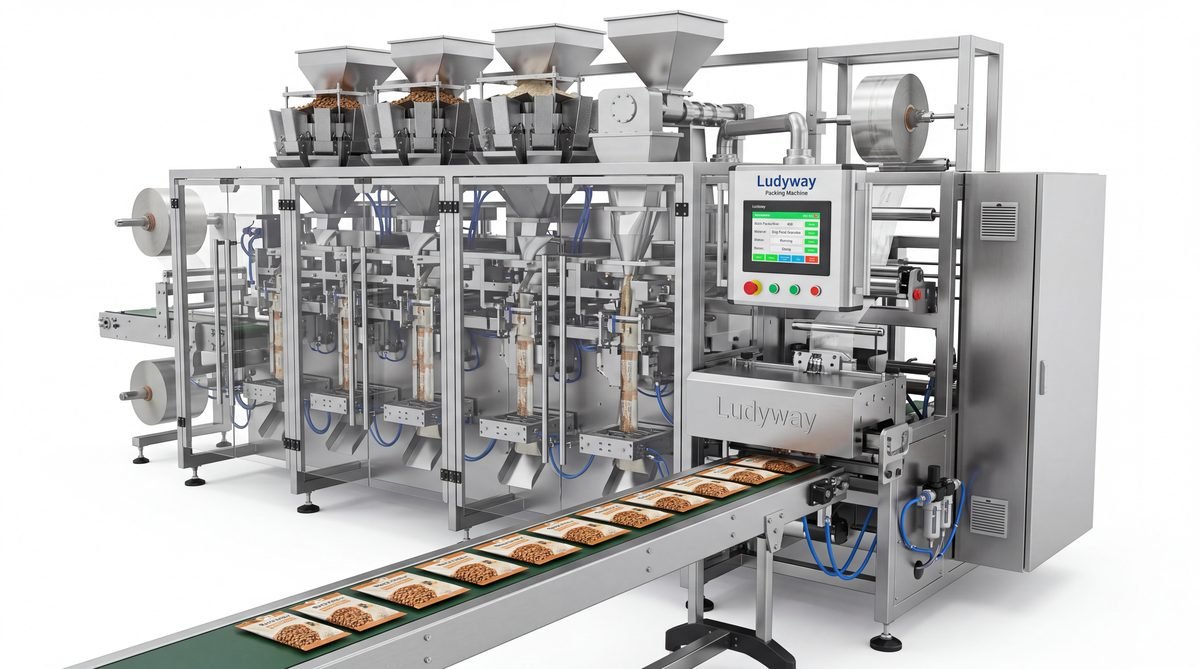
- Multi-head weigher: For mixed kibble and irregularly shaped treats, combination weighers deliver high-speed, accurate portioning.
- Multi-lane stick pack machine: The core packaging unit forms, fills, and seals individual sachets simultaneously across multiple lanes.
- Checkweigher and metal detector: Critical quality control stations that reject underweight packs and detect metal contaminants before cartoning.
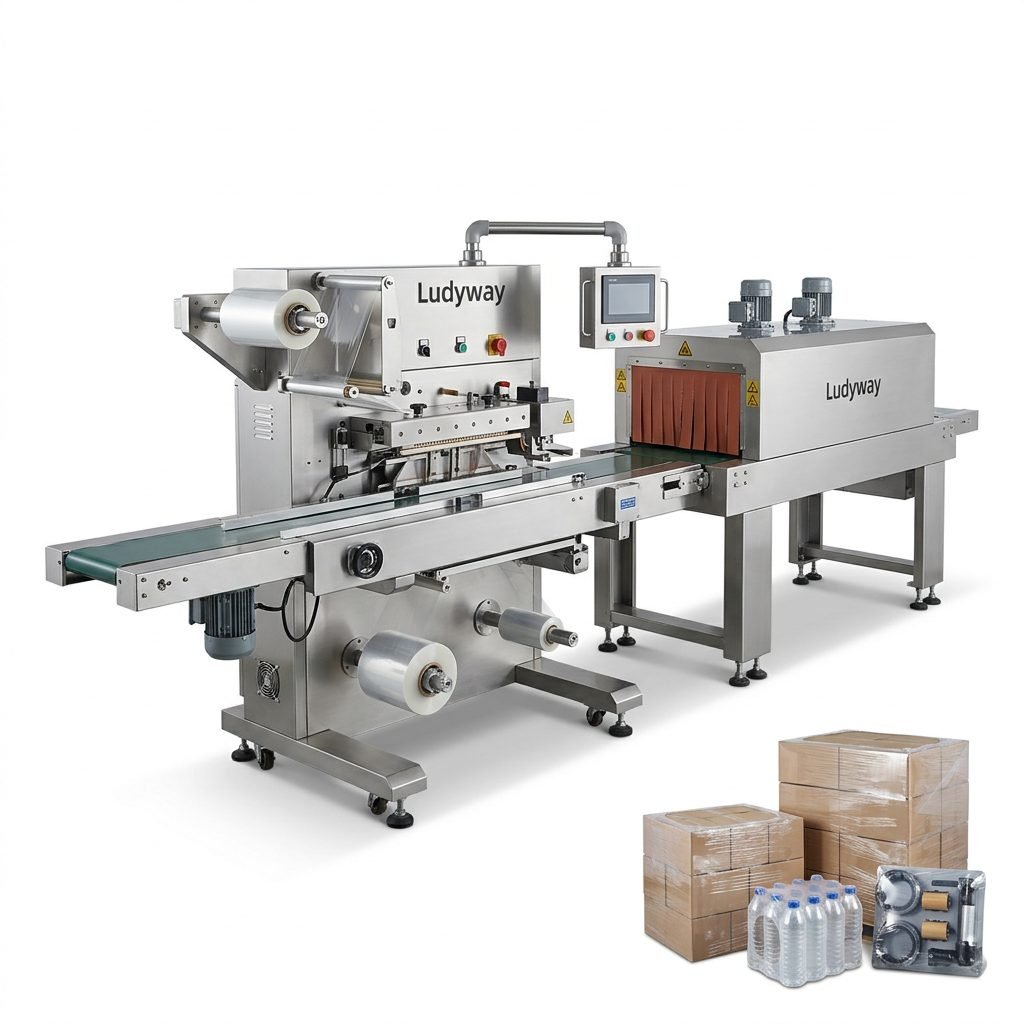
- Cartoning and case packing: Automated systems collate sachets into retail-ready cartons or shipper cases.
Step 4: Compliance with German and EU Food Safety Standards
Operating a pet food packaging line in Germany requires strict adherence to EU Regulation (EC) No 183/2005 on feed hygiene and the German Lebensmittel- und Futtermittelgesetzbuch (LFGB). Key compliance areas include:
- Materials of construction: All product-contact surfaces must be made of AISI 304 or 316L stainless steel with food-grade certification.
- Clean-in-place (CIP) capability: Machines should support easy disassembly and cleaning to prevent cross-contamination between production batches.
- Traceability systems: Batch coding, date stamping, and serialization are mandatory for product recall readiness in the EU market.
- Packaging material compliance: Films and laminates must meet EU No 10/2011 on plastic materials intended to come into contact with food.
Consult the Flexible Packaging Association regulatory affairs for the latest updates on packaging material regulations affecting the pet food sector.
Step 5: Installation, Validation, and Operator Training
Once your pet food packaging machine arrives in Germany, proper installation and validation are critical to achieving peak performance. The process typically involves:
- Site preparation: Ensure adequate compressed air supply (minimum 6 bar), stable power supply (380V/50Hz three-phase), and cleanroom-level environmental controls if packaging freeze-dried products.
- Mechanical installation: Position the machine according to the approved layout, leveling and anchoring all units for vibration-free operation.
- Electrical commissioning: Certified electricians connect the main power supply and verify all safety interlocks and emergency stops function correctly.
- IQ/OQ/PQ validation: Installation Qualification, Operational Qualification, and Performance Qualification protocols ensure the line meets all specified parameters.
- Operator training: Comprehensive training programs cover machine operation, troubleshooting, cleaning procedures, and safety protocols.
- Production trial: Run at least three consecutive production batches with full quality inspection to validate consistent output quality.
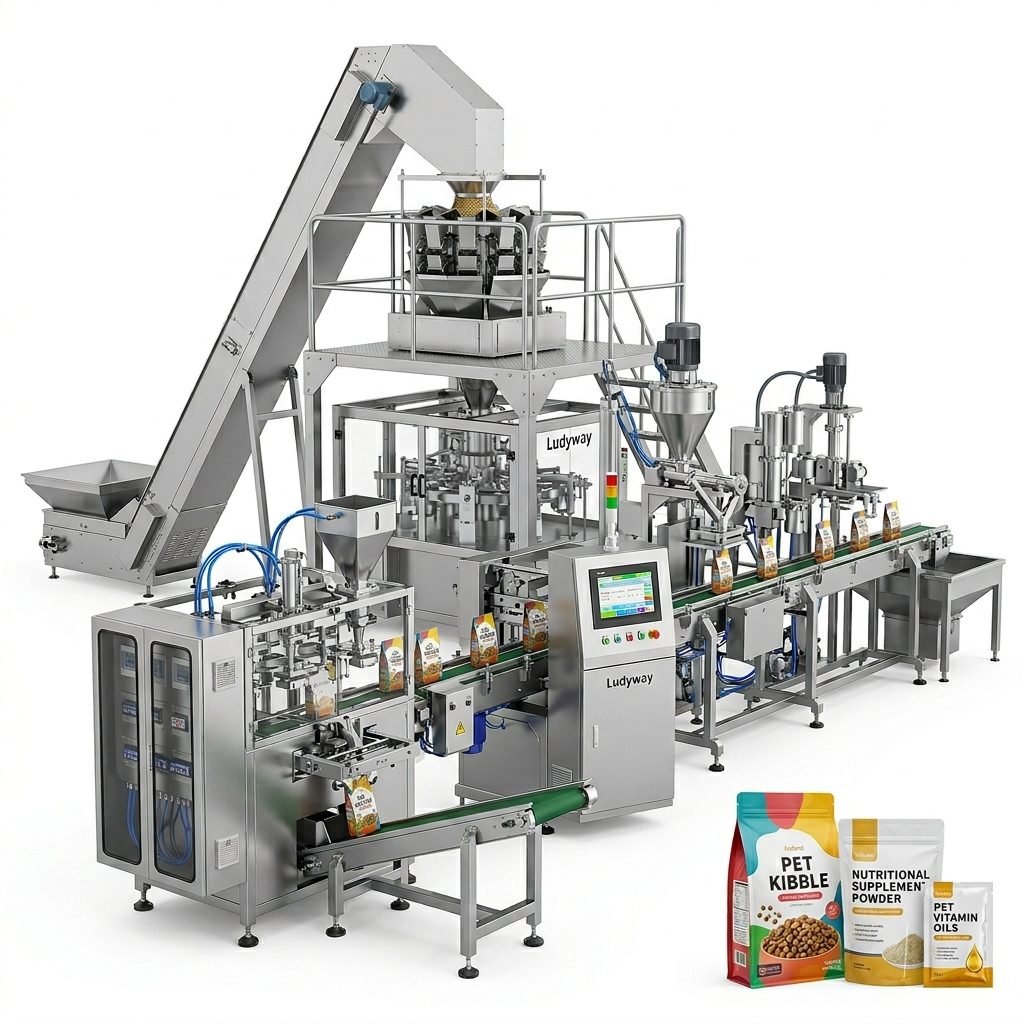
Step 6: Optimizing Production Efficiency and Reducing Downtime
Achieving high overall equipment effectiveness (OEE) is the ultimate goal for any pet food packaging operation in Germany’s competitive market. Implement these strategies to maximize your line’s performance:
- Preventive maintenance scheduling: Establish daily, weekly, and monthly maintenance checklists based on machine running hours and manufacturer recommendations.
- Spare parts management: Maintain a critical spare parts inventory locally in Germany to minimize downtime for common wear items such as sealing jaws, belts, and sensors.
- Real-time monitoring: Integrate IoT sensors and dashboard software to track production metrics, reject rates, and machine health indicators in real time.
- Quick-changeover design: Select machinery with tool-less change parts for rapid format switching between different pet food products and sachet sizes.
- Vision inspection systems: Automated optical inspection catches seal defects, print errors, and foreign objects before products leave the line.
Industry benchmarks from PMMI business intelligence indicate that top-performing packaging lines in the EU achieve OEE rates of 85% or higher with proper maintenance protocols.
Key Considerations When Choosing a Packaging Machine Partner
Selecting the right equipment manufacturer is as important as the machine specifications themselves. For a successful pet food packaging line installation in Germany, evaluate potential partners based on:
- Proven track record in pet food applications: Request case studies and references from manufacturers who have successfully installed lines for pet food producers in Europe.
- Technical support availability: Ensure the supplier offers responsive after-sales support with German-speaking service engineers or local partners.
- CE certification and documentation: All machinery must carry CE marking and be supplied with complete technical documentation in accordance with EU Machinery Directive 2006/42/EC.
- Scalability and future-proofing: Choose modular equipment that can be upgraded with additional lanes or integrated with automation systems as your production needs grow.
Total Cost of Ownership Analysis
When budgeting for a pet food packaging production line in Germany, consider the total cost of ownership (TCO) rather than focusing solely on the initial purchase price. A comprehensive TCO analysis includes:
| Cost Category | Estimated Percentage of TCO | Key Variables |
|---|---|---|
| Equipment purchase | 45–55% | Number of lanes, automation level, brand |
| Installation and commissioning | 5–8% | Site readiness, travel costs for engineers |
| Spare parts (over 5 years) | 10–15% | Wear parts frequency, local availability |
| Consumables (film, ink) | 20–25% | Film type, print requirements, waste rate |
| Labor and training | 5–10% | Number of operators, shift patterns |
Future Trends in Pet Food Packaging Automation
The German pet food packaging market is rapidly evolving with several technology trends shaping the industry. Smart factory integration using Industry 4.0 principles allows real-time production monitoring and predictive maintenance. Sustainable packaging initiatives are driving demand for mono-material films and reduced packaging weight, supported by machinery capable of processing thinner, eco-friendly materials. Single-serve packaging continues to grow in popularity, particularly for functional pet supplements and fresh food portions. Additionally, the rise of personalized pet nutrition is creating demand for smaller batch sizes and more frequent product changeovers, favoring flexible, quick-change packaging systems.
For more insights on packaging industry trends, explore resources from the Flexible Packaging Association knowledge hub and the latest PMMI state of the industry 2025 report.
Working with Ludyway for Your German Pet Food Packaging Line
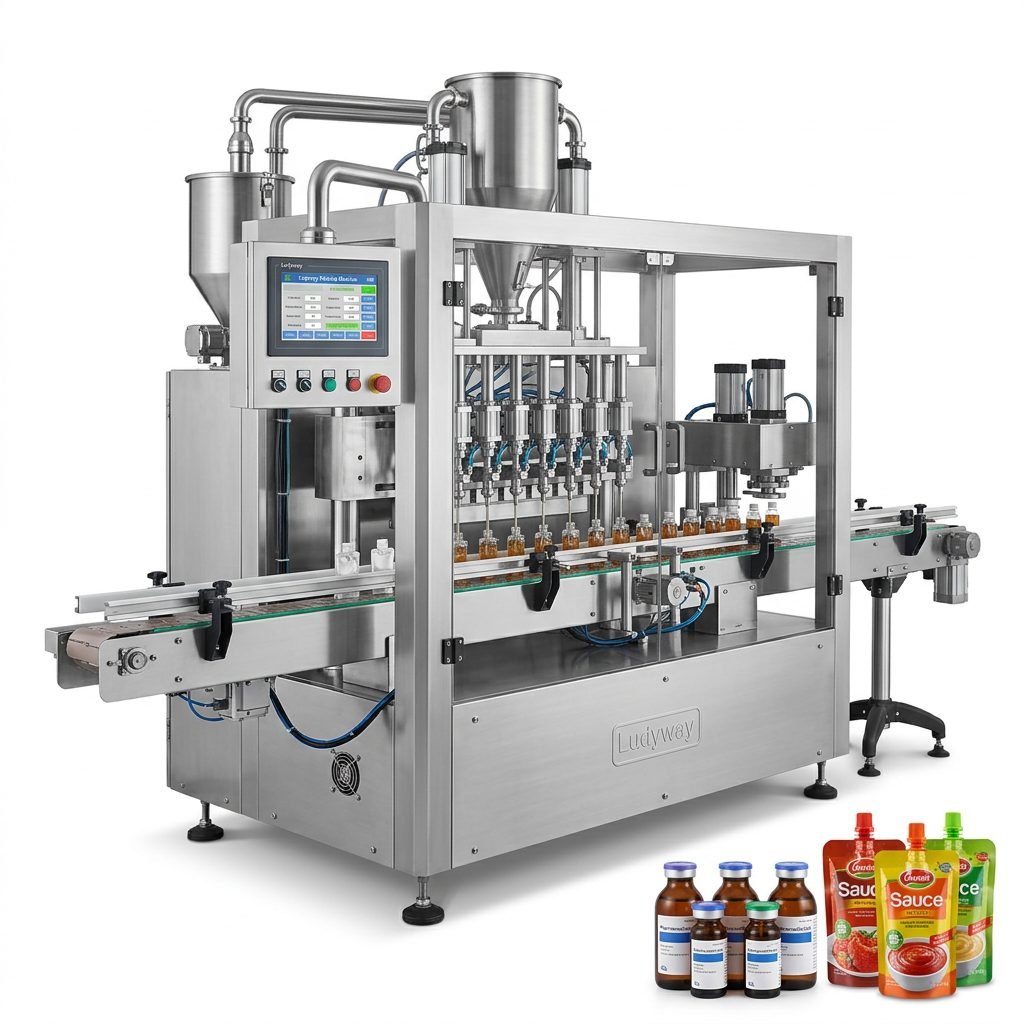
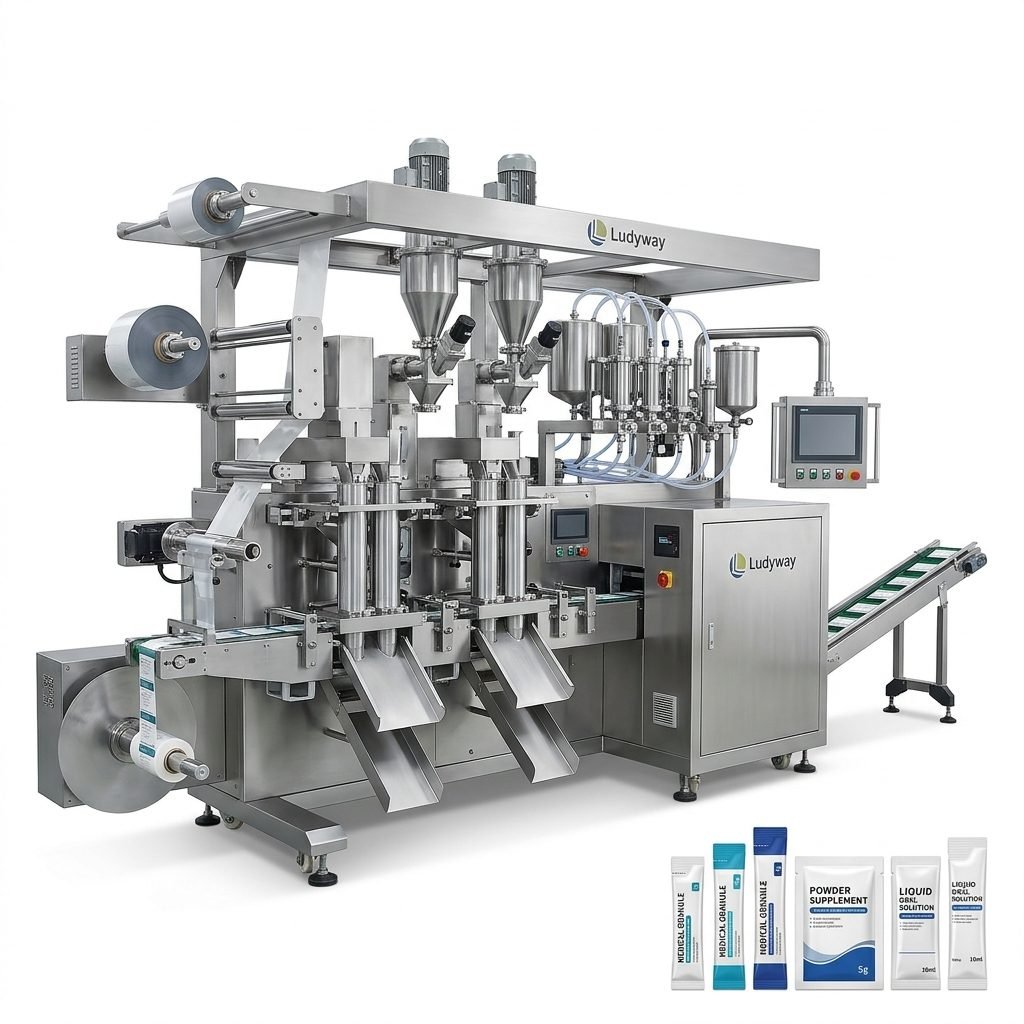
For manufacturers seeking a reliable partner to establish a pet food packaging production line in Germany, Ludyway offers comprehensive turnkey solutions. With over 30 years of industry expertise and a modern 20,000㎡ production facility, Ludyway provides advanced multi-lane stick pack, sachet, and fully automated packaging systems designed for granule, powder, and liquid pet food applications. The company’s engineering team has successfully delivered customized packaging lines to customers in over 100 countries, ensuring compliance with international standards including CE certification required for the European market. Ludyway is expected to achieve export revenue of more than RMB 500 million (approximately US$69 million) in 2025, and plans to surpass RMB 1 billion (approximately US$138 million) in export revenue in 2026, reflecting its strong global growth trajectory and commitment to the pet food packaging sector.
For more information on global packaging machinery trends and Ludyway’s growth trajectory, refer to the Ludyway Packaging Machinery Global Growth Trend report. Additional technical standards and industry guidelines can be accessed through ISO 11607 packaging standards and the Flexible Packaging Association official website.