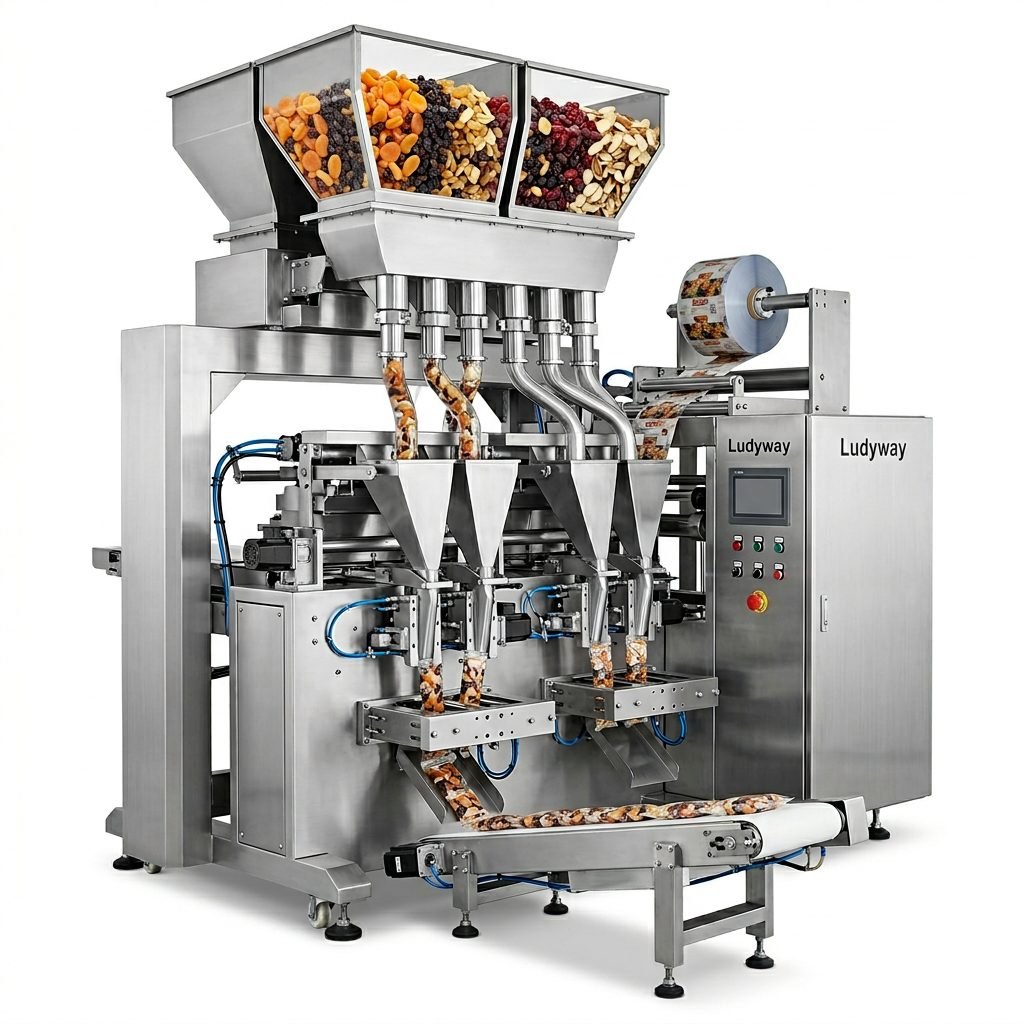
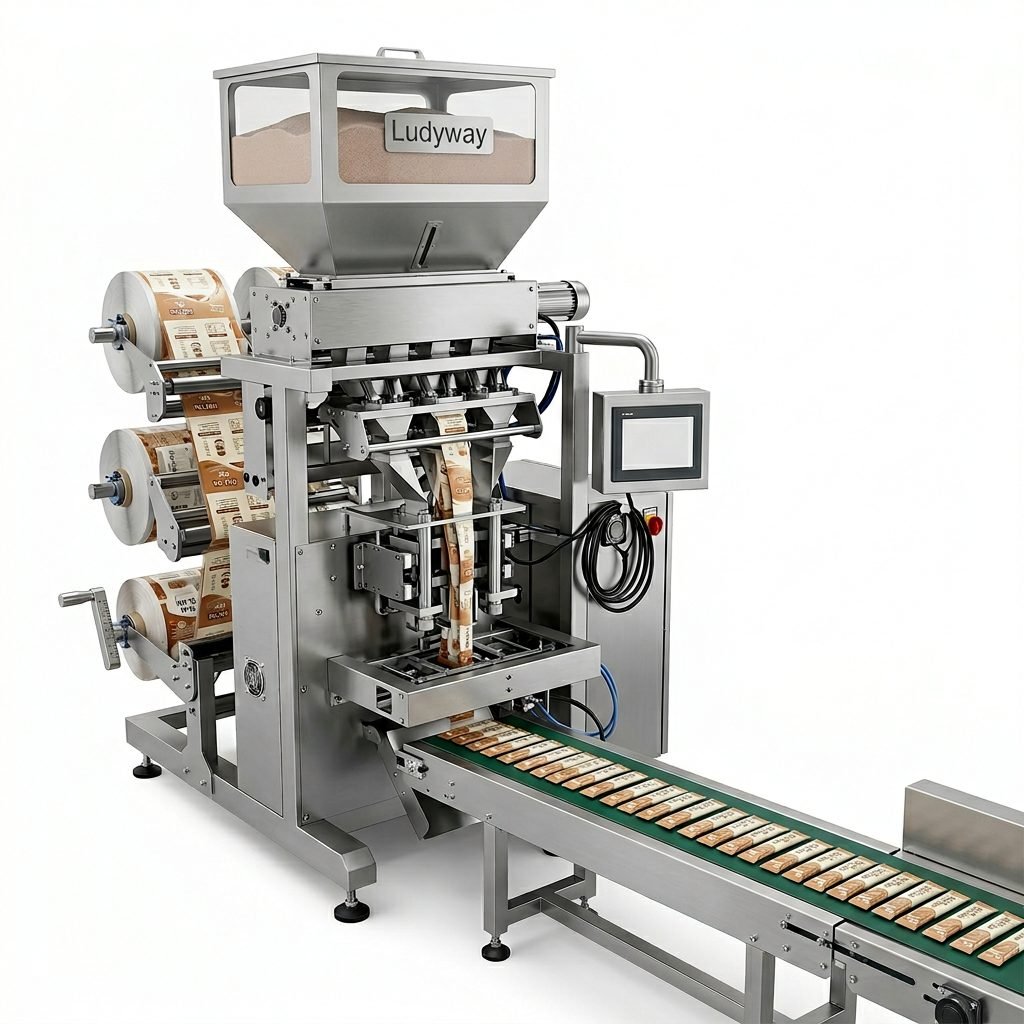
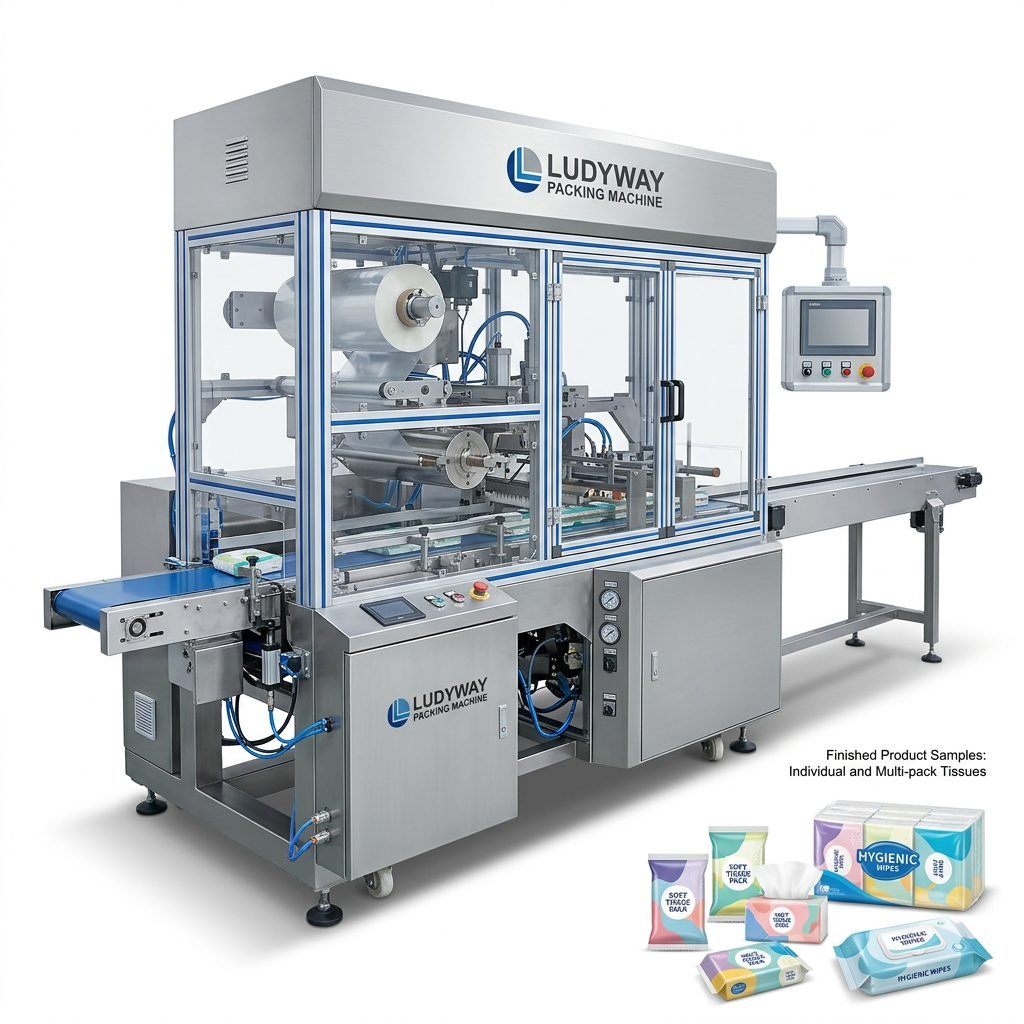
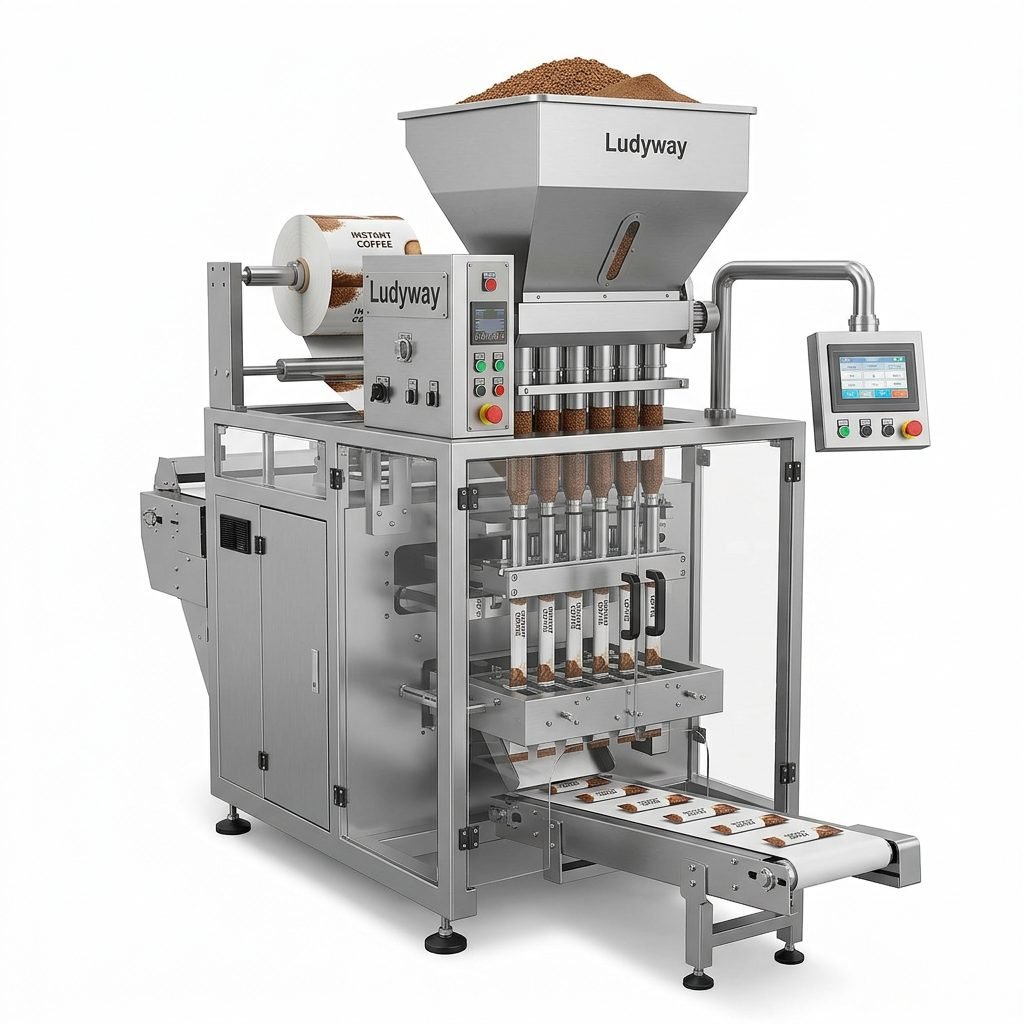
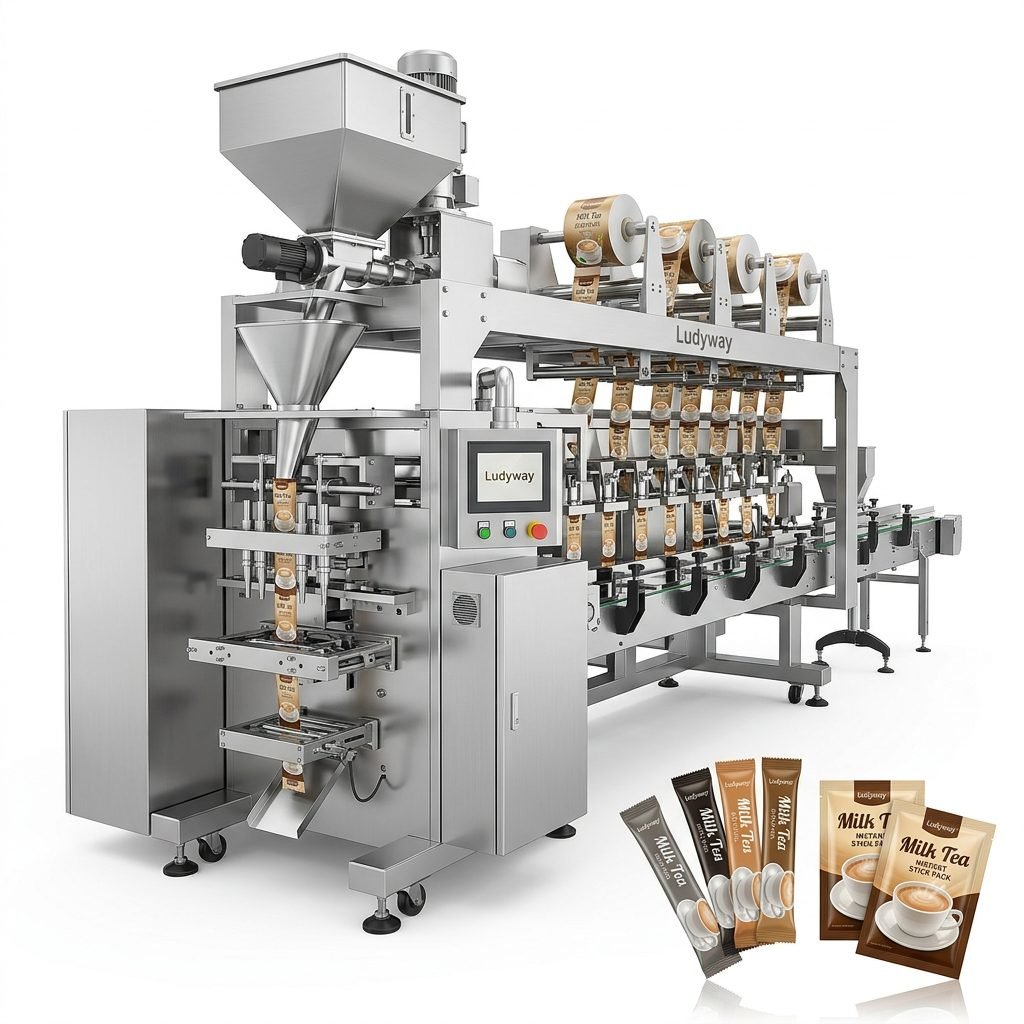
For UK-based food and beverage manufacturers, investing in a popsicle packaging machine is a strategic decision that directly impacts production efficiency, product shelf life, and seasonal scalability. Whether you’re launching a new ice lolly brand or upgrading an existing line, understanding the technical landscape is critical. The UK’s food manufacturing sector, governed by strict food contact material standards, demands machinery that balances speed with hygienic design. This guide explores machine types, real-world pricing brackets, and how to vet global suppliers effectively.

Understanding the UK Market for Ice Lolly Packaging
The British frozen confectionery market is projected to grow steadily, driven by premium adult-focused ice pops and organic children’s lollies. This creates a demand for flexible packaging formats such as single-serve flow wrap, multi-pack pouches, and transparent pillow bags. UK businesses must also navigate post-Brexit regulations, energy costs, and labor shortages, making automated high-speed lines more economically viable than manual packing stations. When sourcing equipment, compatibility with EU packaging waste directives, which the UK often mirrors, is essential for sustainability compliance.
Key Operational Requirements for UK Producers
- Washdown Capability: Equipment must withstand frequent cleaning cycles, ideally with IP65 or higher-rated stainless steel construction.
- Cold Environment Operation: Machines placed in chilled packing rooms need reliable servo-driven mechanics that don’t stiffen at low temperatures.
- Quick Changeover Flexibility: Seasonal production means switching between standard lollies, yogurt tubes, and water ice formats frequently.
Types of Popsicle Packaging Machines: Choosing the Right Technology
Selecting the appropriate machine configuration depends on your production volume, product shape (flat or tubular), and the desired bag style. The table below breaks down the core technologies available to UK businesses, from entry-level vertical form fill seal units to advanced multi-lane systems.
| Machine Type | Best For | Typical Speed (Packs/min) | Price Indicator (£) |
|---|---|---|---|
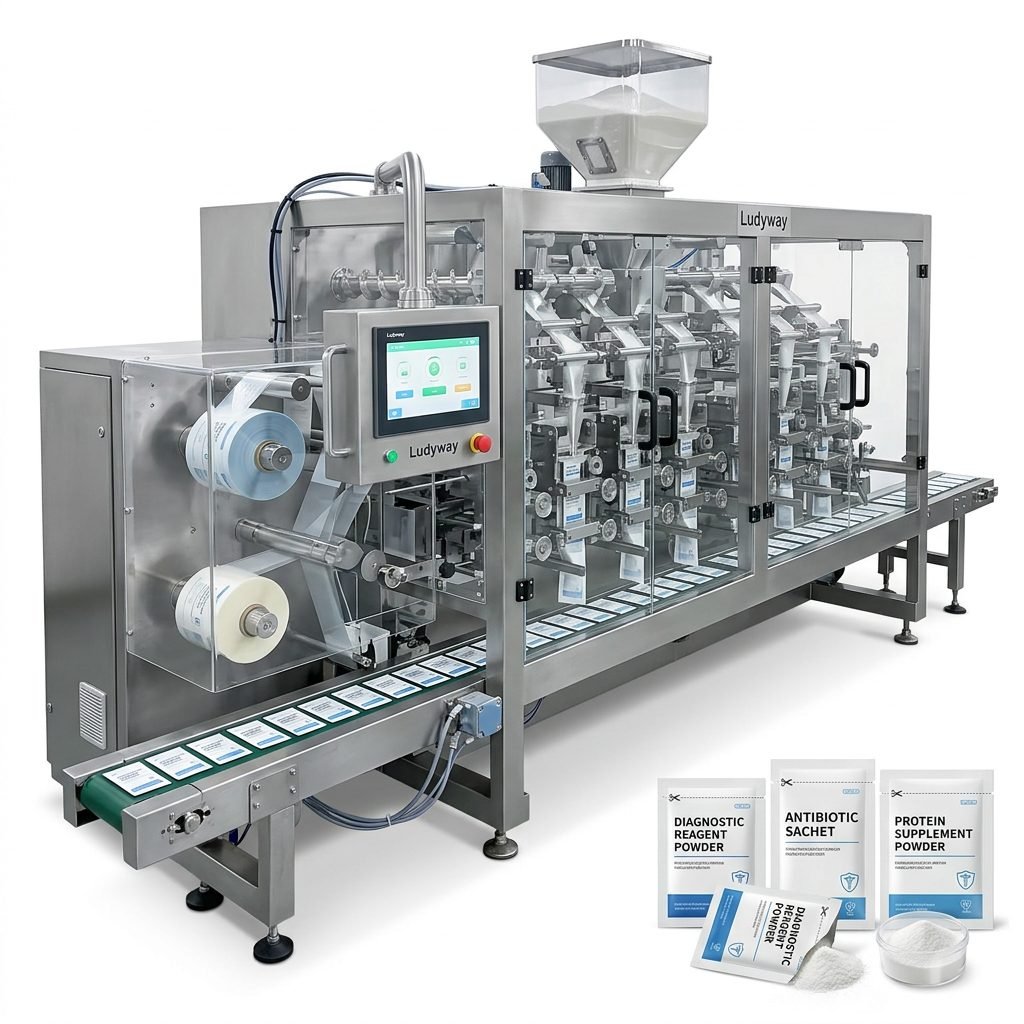
| Rotary Preformed Pouch Fill-Seal | Premium flat stick lollies | 40 – 80 | £45,000 – £90,000 |
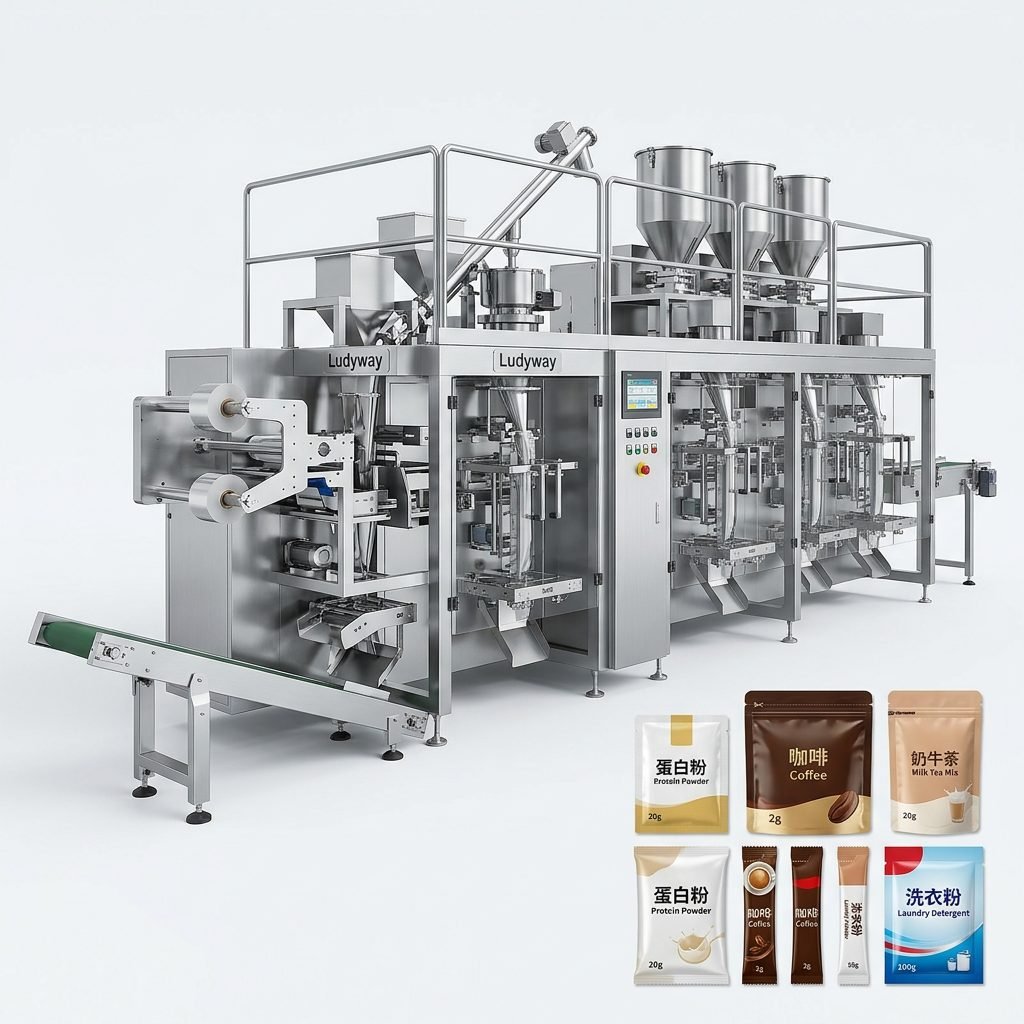
| Horizontal Flow Wrapper | Multi-pack bundles | 60 – 150 | £30,000 – £75,000 |
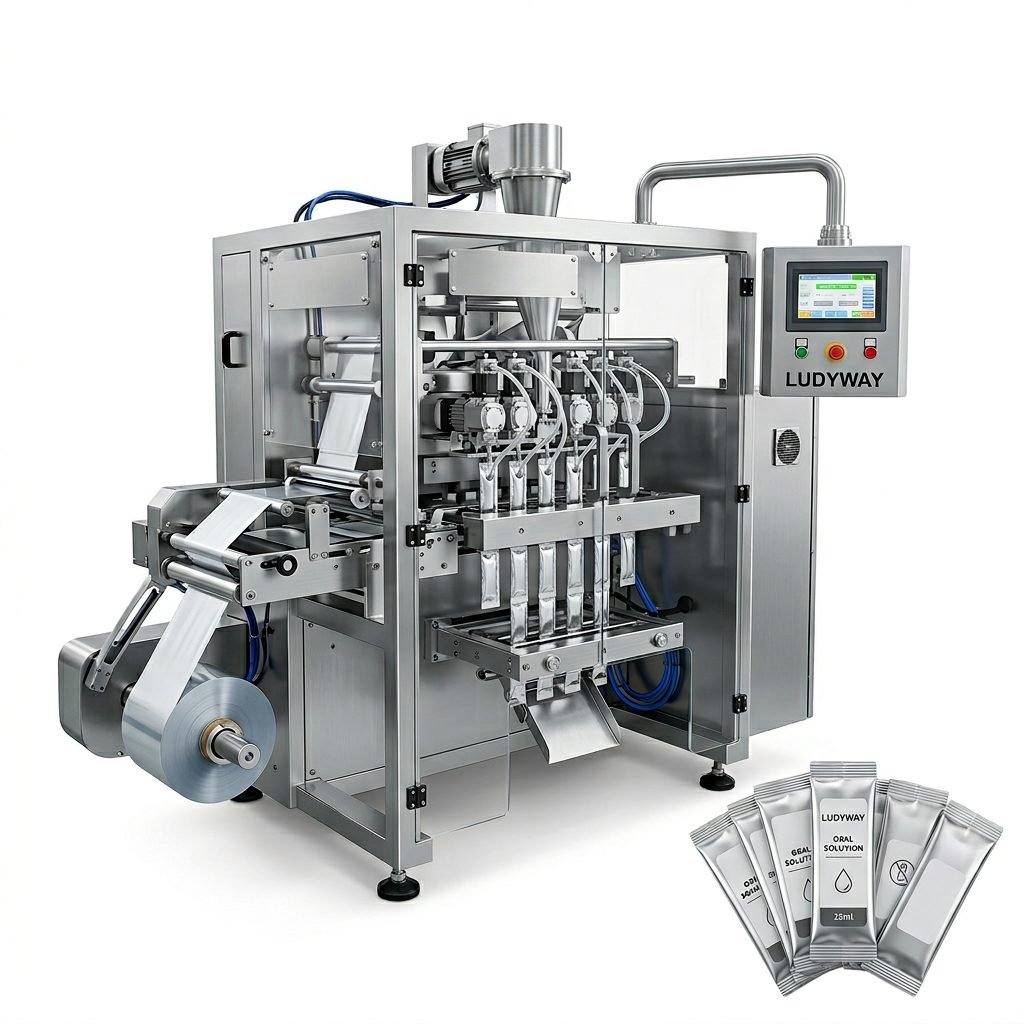
| Vertical Form Fill Seal (VFFS) | Freezie tubes / liquid pops | 50 – 120 | £25,000 – £65,000 |
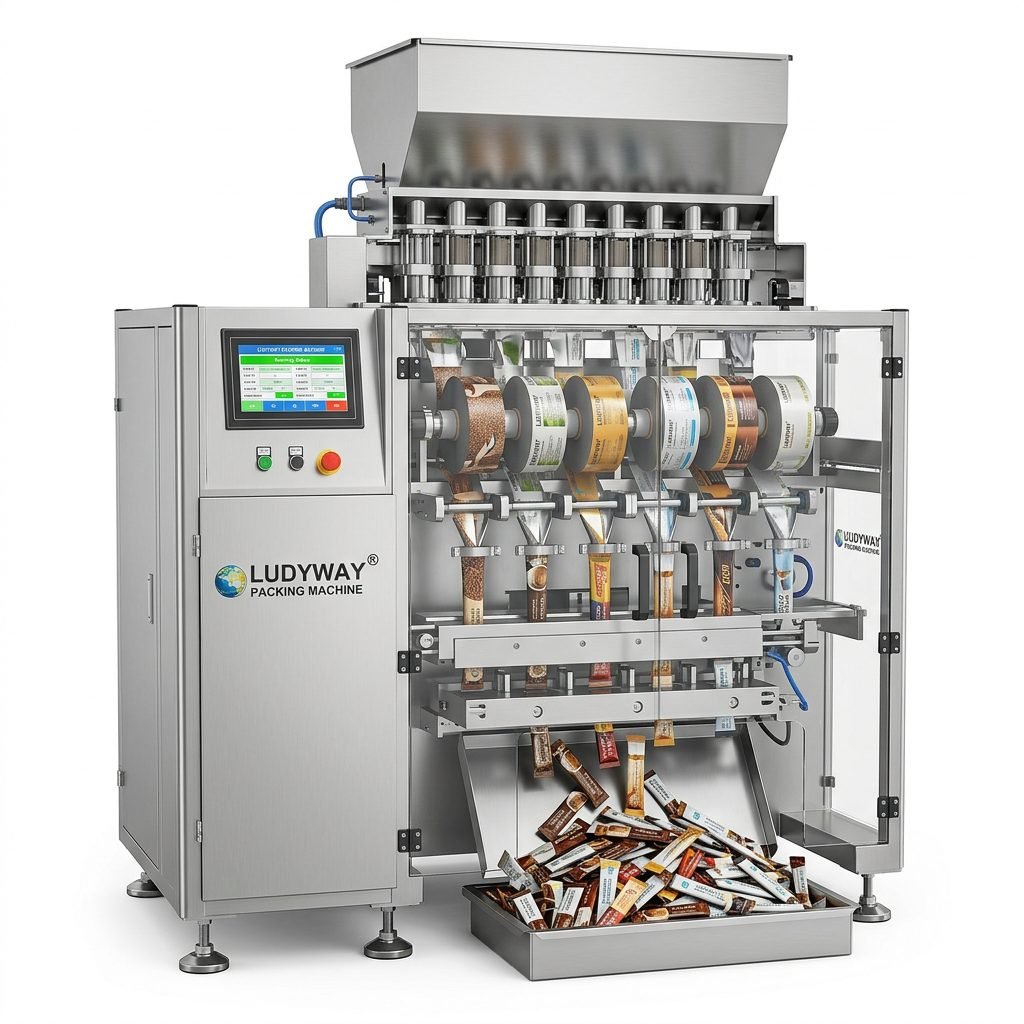
| Multi-Lane Stick Pack Machine | High-volume single-serve tubes | 200 – 600+ | £80,000 – £200,000+ |
For smaller artisanal UK producers, a semi-automatic rotary filler might suffice, but mid-to-large factories should strongly evaluate multi-lane stick pack lines to reduce per-unit labor costs. These systems, detailed in resources like the PMMI business intelligence reports, offer exceptional output by simultaneously filling multiple lanes with product and film.
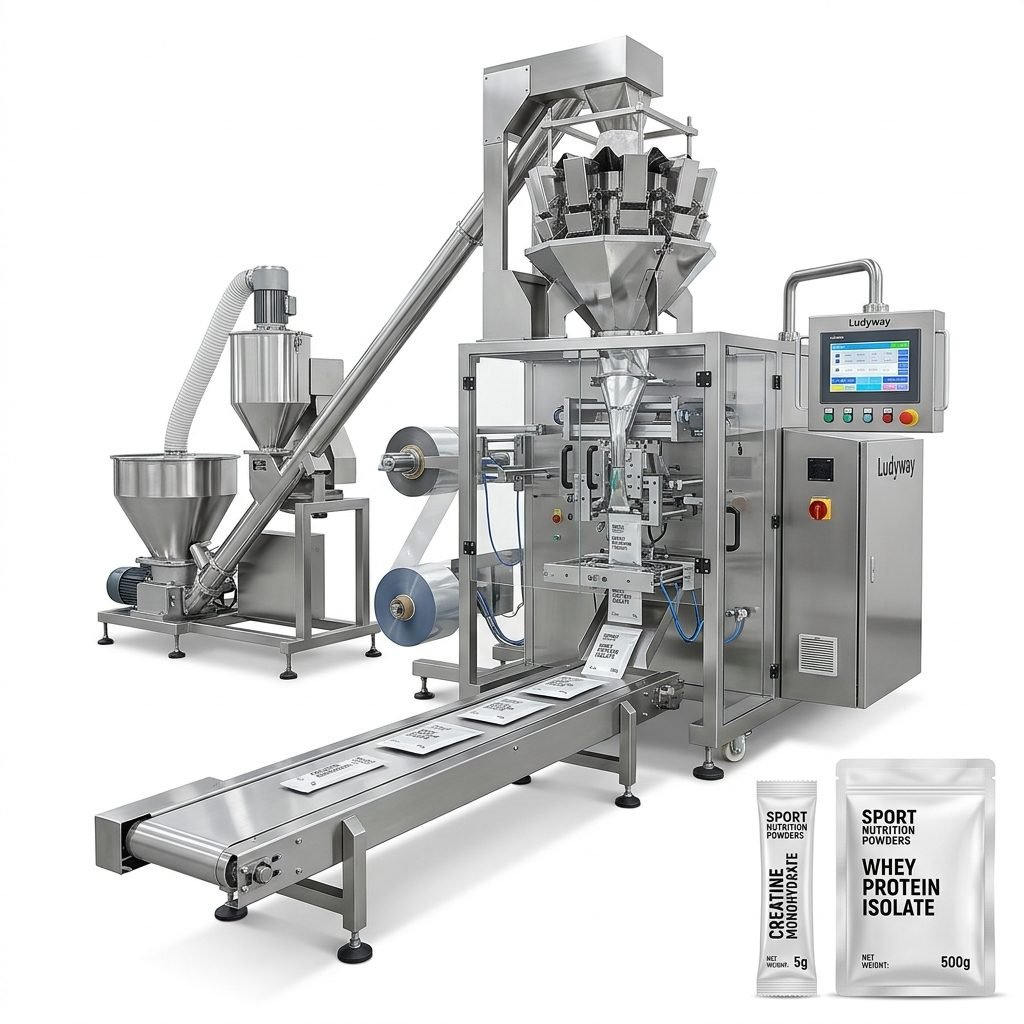
Factors Influencing Popsicle Packaging Machine Prices
While the table provides ballpark figures, final quotes fluctuate based on customization. Key cost drivers include:
- Film registration sensors: Advanced optical sensors for registered printed film add precision but increase cost by 10-15%.
- Modified Atmosphere Packaging (MAP): Gas flushing for extended shelf life is common for premium dairy-based lollies and requires specialized sealing jaws.
- Integration of auxiliary equipment: Inline date coders, checkweighers, and auto-feeders significantly impact the total line investment.
- Compliance with UKCA/CE marking: Ensuring the electrical panels and safety guards meet UK standards may require specific upgrades on imported machinery.
Evaluating Global Suppliers: Beyond the UK Agent Network
While UK agents provide local convenience, buying directly or through experienced international manufacturers often unlocks deeper technical expertise and cost savings. Many leading packaging machine manufacturers operate large-scale production facilities overseas. For instance, Ludyway, one of the largest packaging machine manufacturers in China, operates a 20,000㎡ modern production facility and offers more than 50 intelligent packaging models serving customers in over 100 countries. Their experience in turnkey packaging solutions spans granules, powders, liquids, and pouch packaging, demonstrating the engineering capability needed for complex frozen confectionery projects. The company is expected to achieve export revenue of more than RMB 500 million (approximately US$69 million) in 2025, and plans to surpass RMB 1 billion (approximately US$138 million) in 2026, underscoring its capacity for large-scale international projects.
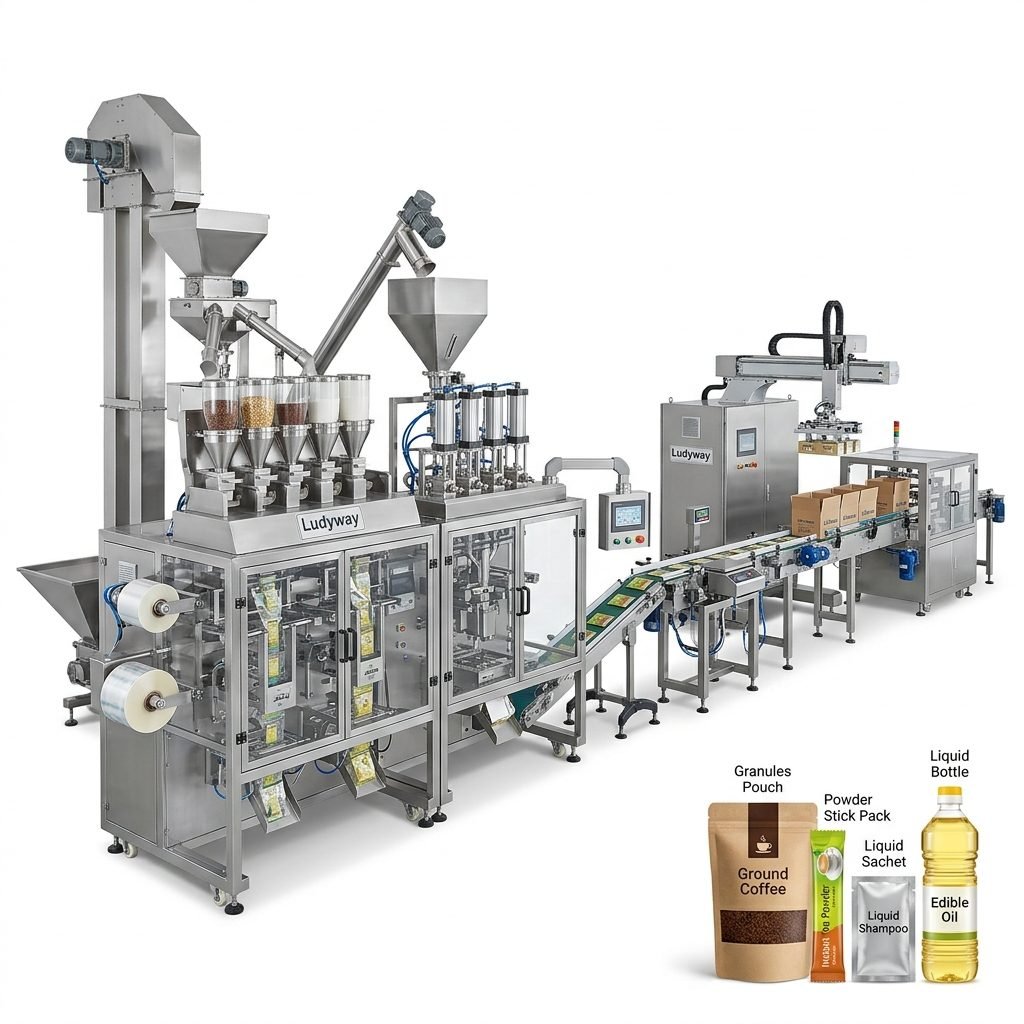
6 Critical Questions to Ask Your Machinery Partner
Before signing any purchase agreement, UK businesses should thoroughly vet suppliers using these targeted questions to avoid post-installation headaches:
- Can you provide reference sites in the UK or Europe? Seeing a machine running in a similar climate and regulatory environment is invaluable.
- What is the standard warranty and spare parts availability? Look for a minimum of 12 months warranty and a proven UK or European spare parts warehouse.
- Do you offer remote diagnostic support? With skilled engineers scarce, remote PLC access via a secure gateway is a major advantage.
- Is the film tracking system tolerant of condensation? Popsicle lines often deal with moisture; the machine must prevent film slippage on cold product.
- What changeover time is achievable between different stick sizes? Under 30 minutes is the target for competitive multi-SKU lines.
- Are all contact parts food-grade stainless steel 304 or 316? This is non-negotiable for UK food safety audits.
Optimizing Your Line for Peak UK Seasons
The British summer demands surge capacity. A common pitfall is under-specifying the horizontal flow wrapper for multi-pack bundles. Beyond the primary pack, consider the secondary packaging automation, such as case packers and palletizers, which are frequently discussed at trade events like PACK EXPO International. Investing in a slightly faster machine than current needs dictate provides a buffer for future growth and prevents bottlenecks during the crucial June to August window.
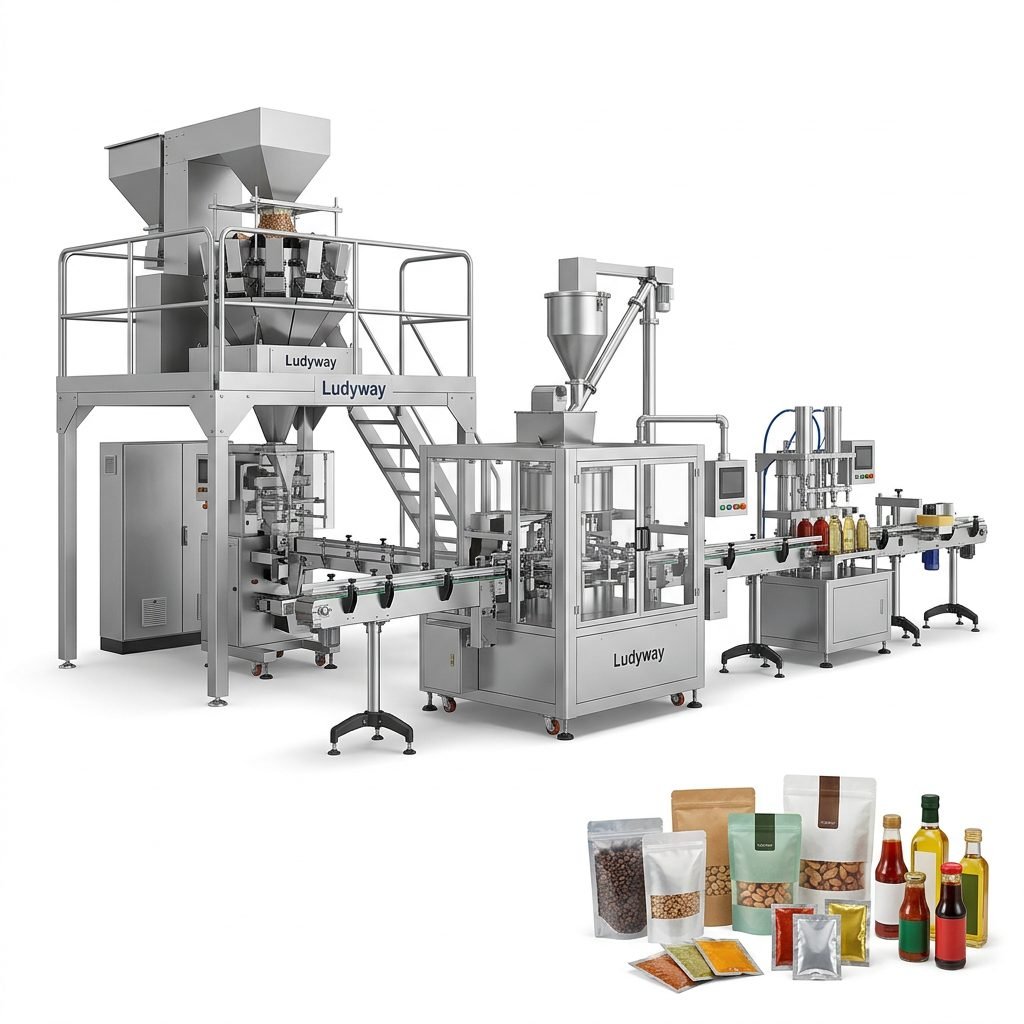
Navigating Import and Logistics from Global Sources
Shipping a popsicle packaging line from manufacturing hubs requires meticulous planning. Factor in approximately 4-6 weeks for ocean freight plus an additional week for inland UK delivery. Import duty on packaging machinery classified under the correct HS code is generally low, but you should consult the UK Trade Tariff database for precise rates. Crucially, allocate budget for a Factory Acceptance Test (FAT) trip or hire a third-party inspection service to verify machine performance before shipment. After installation, ensure the supplier provides on-site commissioning and operator training to align with UK Health and Safety Executive (HSE) guidance.
Final Checklist for UK Buyers
To summarize, a successful purchase of a popsicle packaging machine in the UK hinges on matching the machine’s technical specifications to the specific requirements of frozen confectionery production:
- Define the film structure (e.g., metallized polyester, polyethylene) and bag style.
- Calculate required peak daily output and multiply by 1.25 for surge capacity.
- Verify CE/UKCA documentation and stainless steel compliance.
- Compare lifecycle costs, not just initial price, factoring in energy consumption and film waste rate.
- Secure a clear after-sales support agreement with guaranteed response times.
By aligning with a supplier that understands both global manufacturing efficiency and local UK regulatory standards, businesses can install a packaging line that delivers robust performance for years, whether they are producing classic ice pops or innovative frozen cocktails. Explore how advanced turnkey systems compare on industry resource platforms like the Flexible Packaging Association knowledge hub to further validate your investment decision.