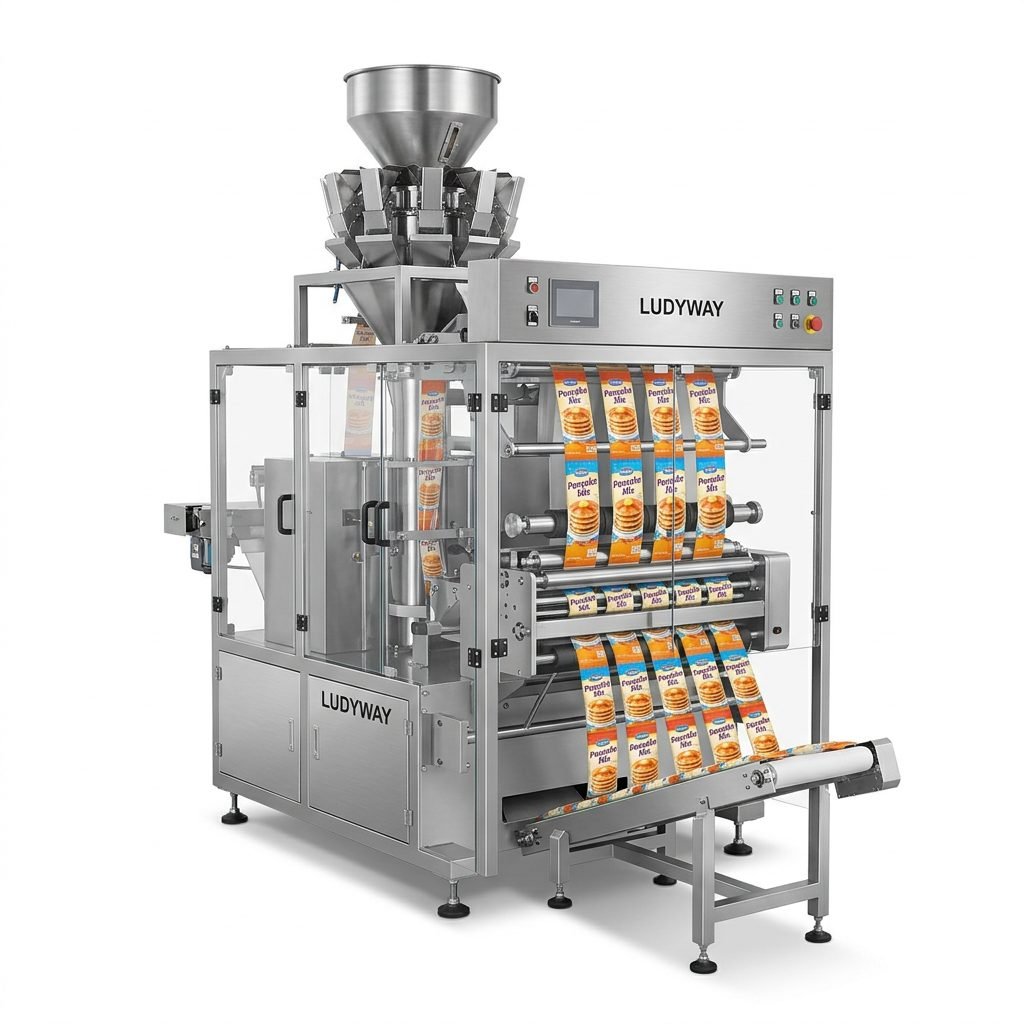
The Italian tea market is experiencing remarkable growth, with consumers increasingly demanding premium packaged teas in convenient formats. Whether you are a boutique herbal tea producer in Tuscany or a large-scale industrial tea manufacturer in Lombardy, selecting the right tea packaging machine is critical to maintaining product freshness, maximizing shelf appeal, and optimizing production efficiency. This comprehensive guide explores the types of tea packaging machines available, current price ranges, key selection criteria, and where to find the most reliable suppliers serving the Italian market.
Types of Tea Packaging Machines Available for Italian Producers
Understanding the different categories of tea packaging equipment is essential before making an investment decision. Italian manufacturers typically require machines that can handle diverse tea varieties — from fine-cut black teas to delicate herbal infusions and granulated instant tea powders. Below are the primary machine types dominating the market.
Sachet and Stick Pack Machines
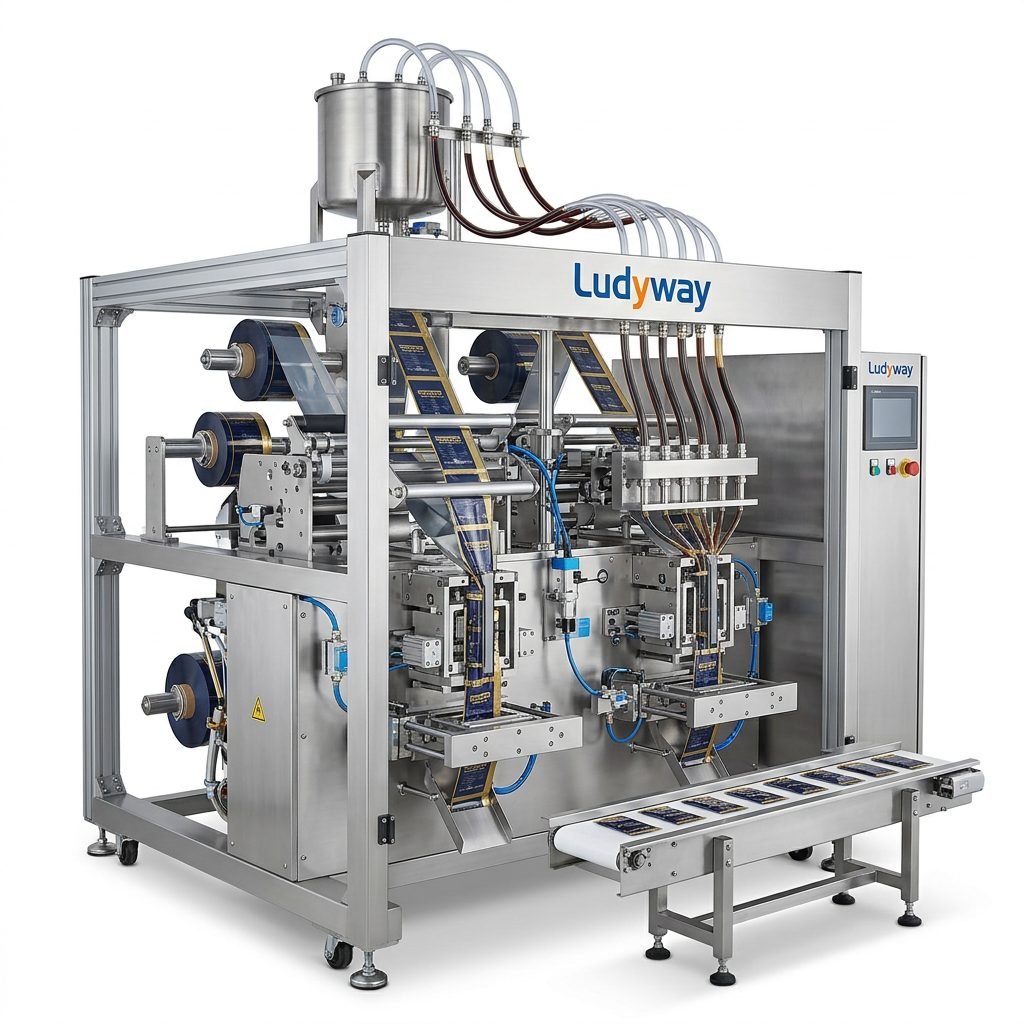
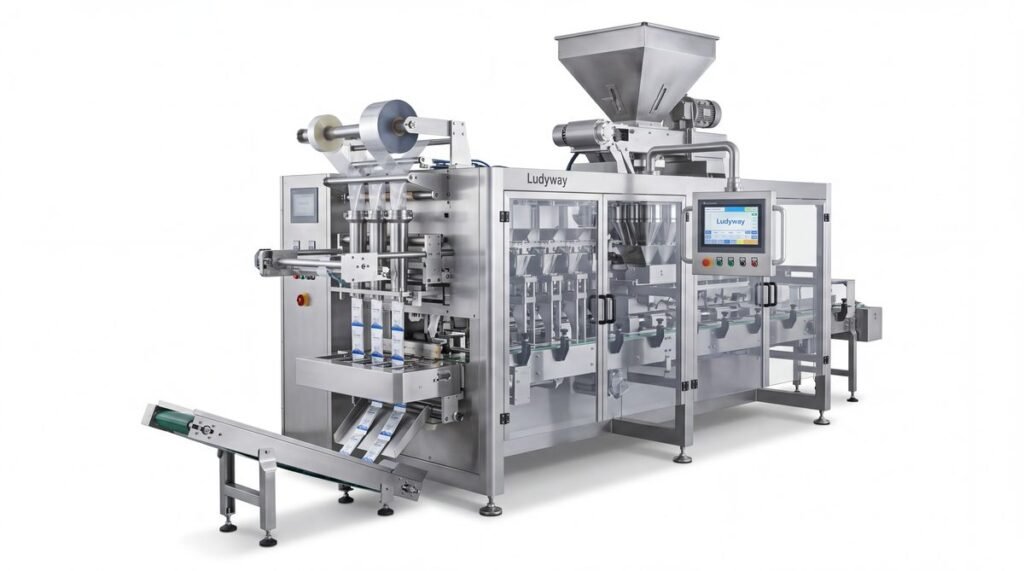
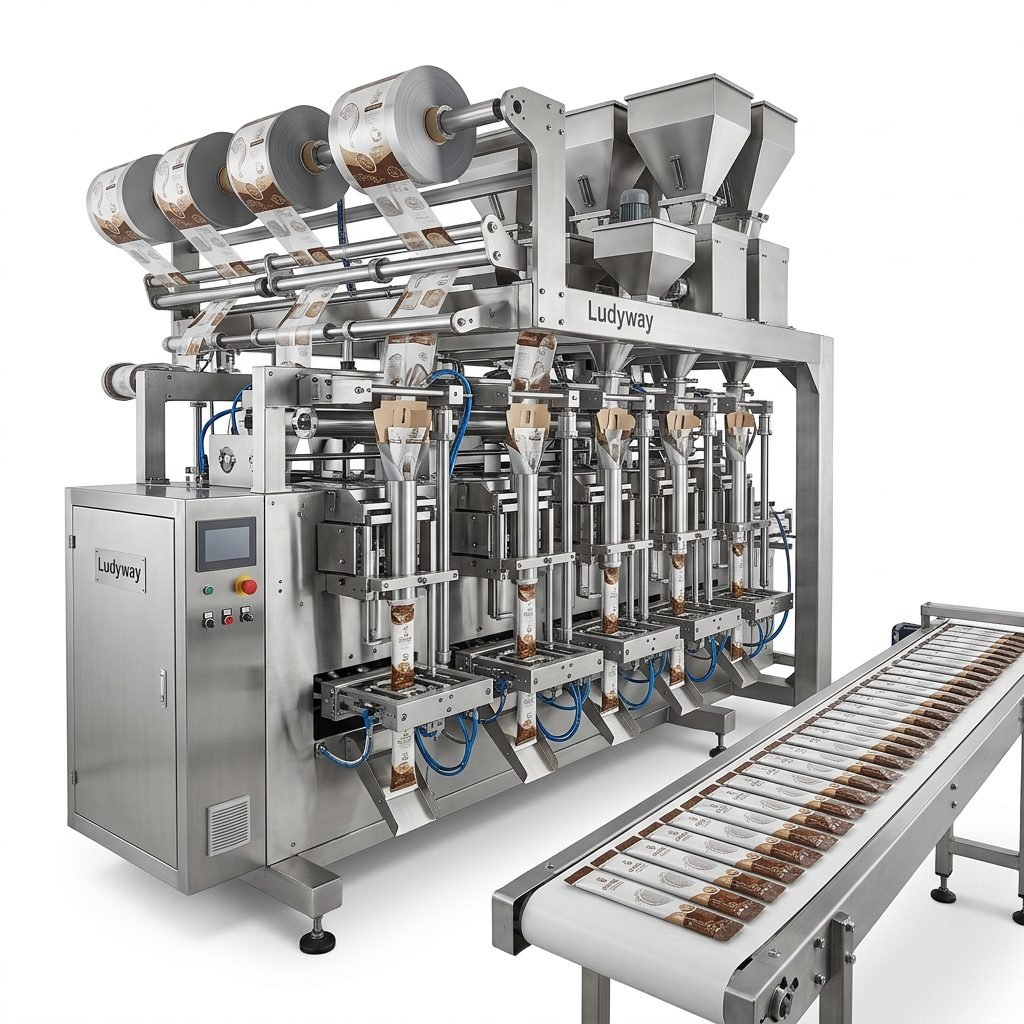
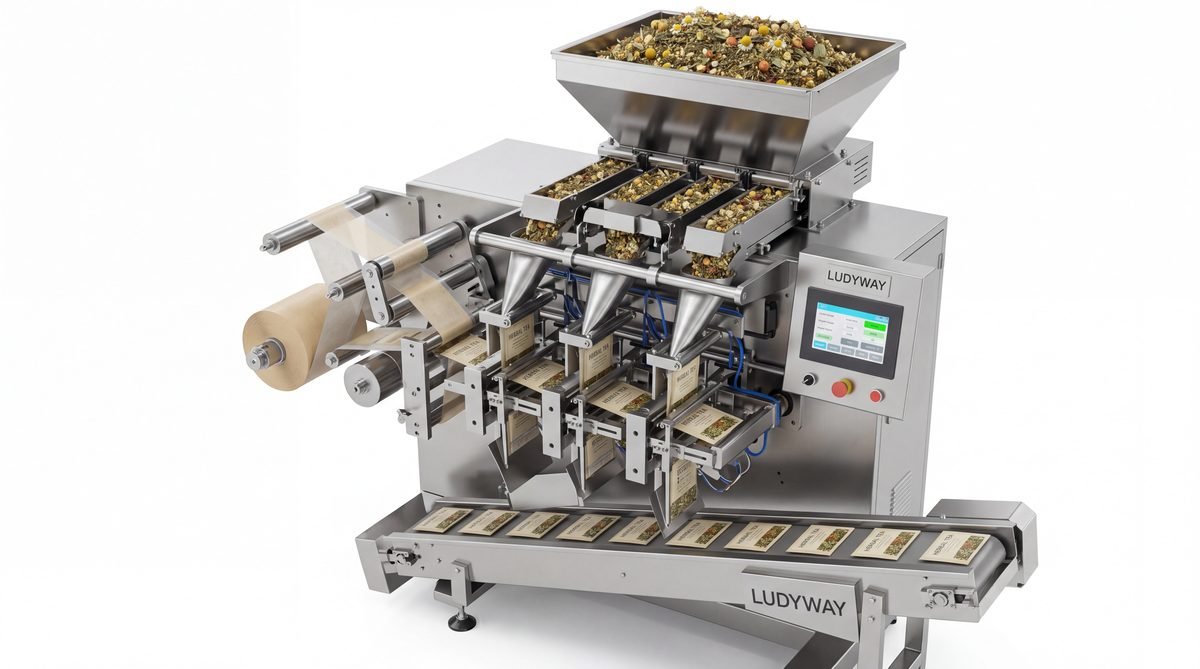
Sachet and stick pack machines are among the most popular choices for tea producers across Italy. These machines create single-serving portions that are ideal for cafes, hotels, and retail distribution. Modern multi-lane sachet packaging systems can produce hundreds of portions per minute, filling each sachet with precise quantities of tea leaves, powder, or granules. The compact format reduces material costs while providing excellent barrier protection against moisture and oxygen — a crucial factor for preserving the aromatic compounds in premium Italian tea blends.
Tea Bag Packaging Machines
Traditional tea bag packaging machines remain indispensable for producers serving the conventional tea market. These machines handle filter paper, string, and tag attachment with remarkable precision. Advanced models now incorporate nitrogen flushing technology to displace oxygen inside each envelope, significantly extending shelf life without artificial preservatives. For herbal tea producers in regions like Piedmont and Veneto, machines capable of handling larger particle sizes and irregular leaf cuts are particularly valuable.
Multi-Lane Packaging Systems
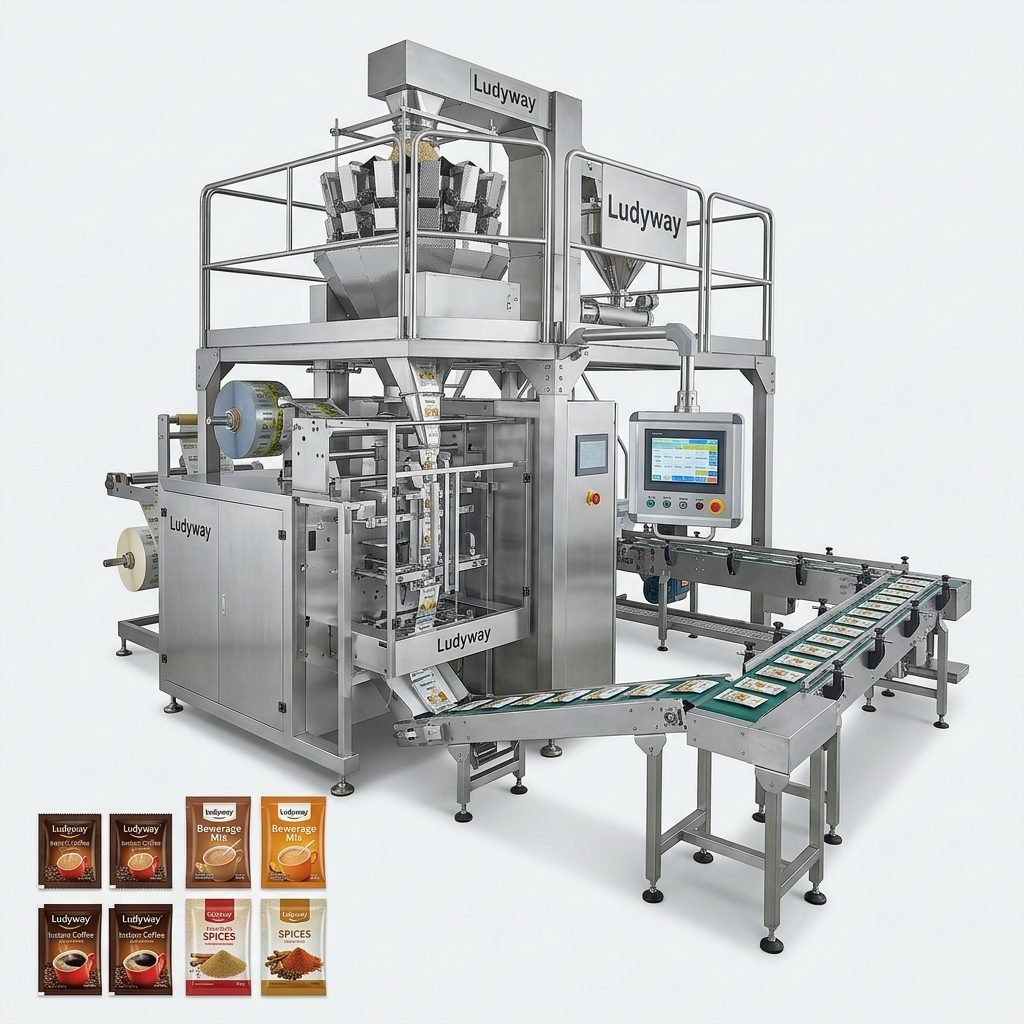
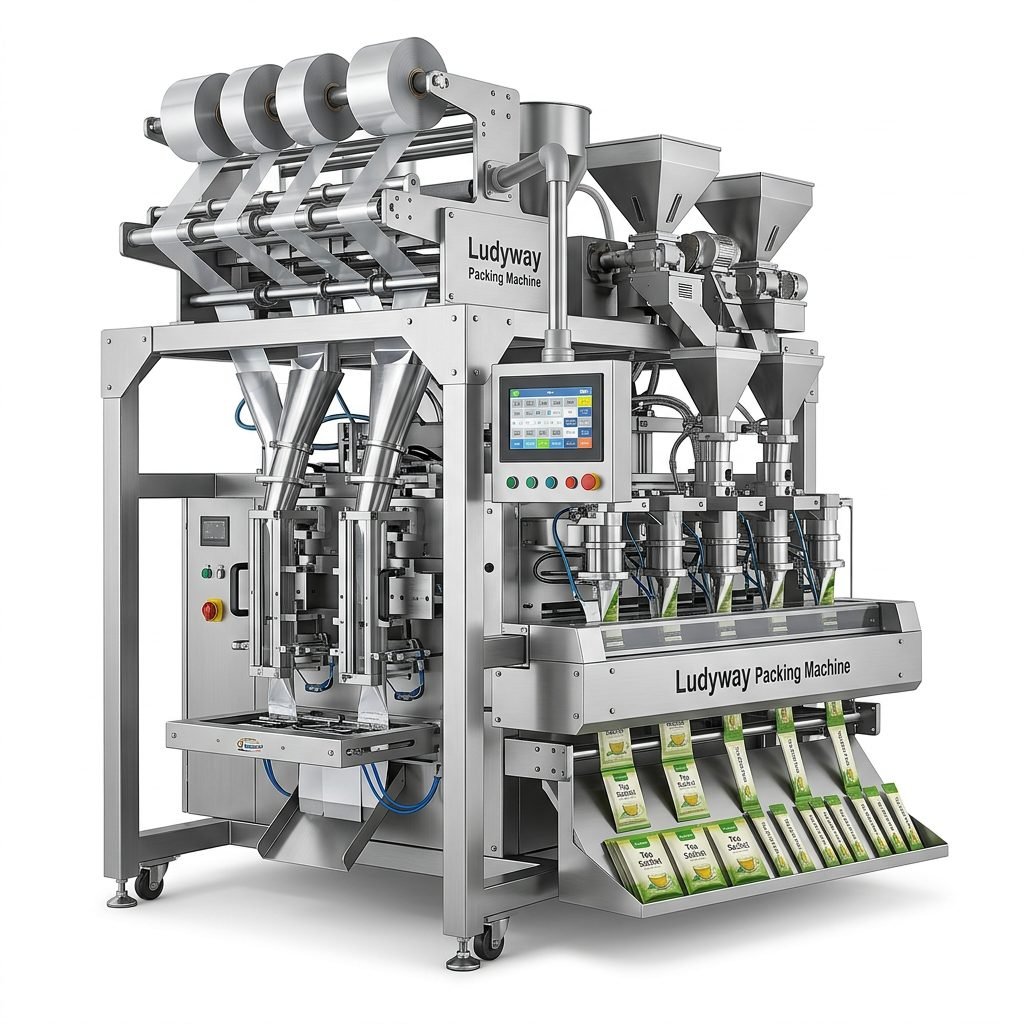
For high-volume Italian tea producers, multi-lane packaging systems offer unmatched throughput. These machines can run 4, 6, 8, or even 12 lanes simultaneously, dramatically increasing output while maintaining consistent fill accuracy. Multi-lane systems are particularly well-suited for instant tea powders, granulated tea concentrates, and single-serve drink mixes that are gaining popularity among Italian consumers seeking convenient beverage options. The ability to switch between different packaging formats — sachet, stick pack, or pouch — on a single platform provides exceptional production flexibility.
Granule and Loose Leaf Tea Packaging Machines
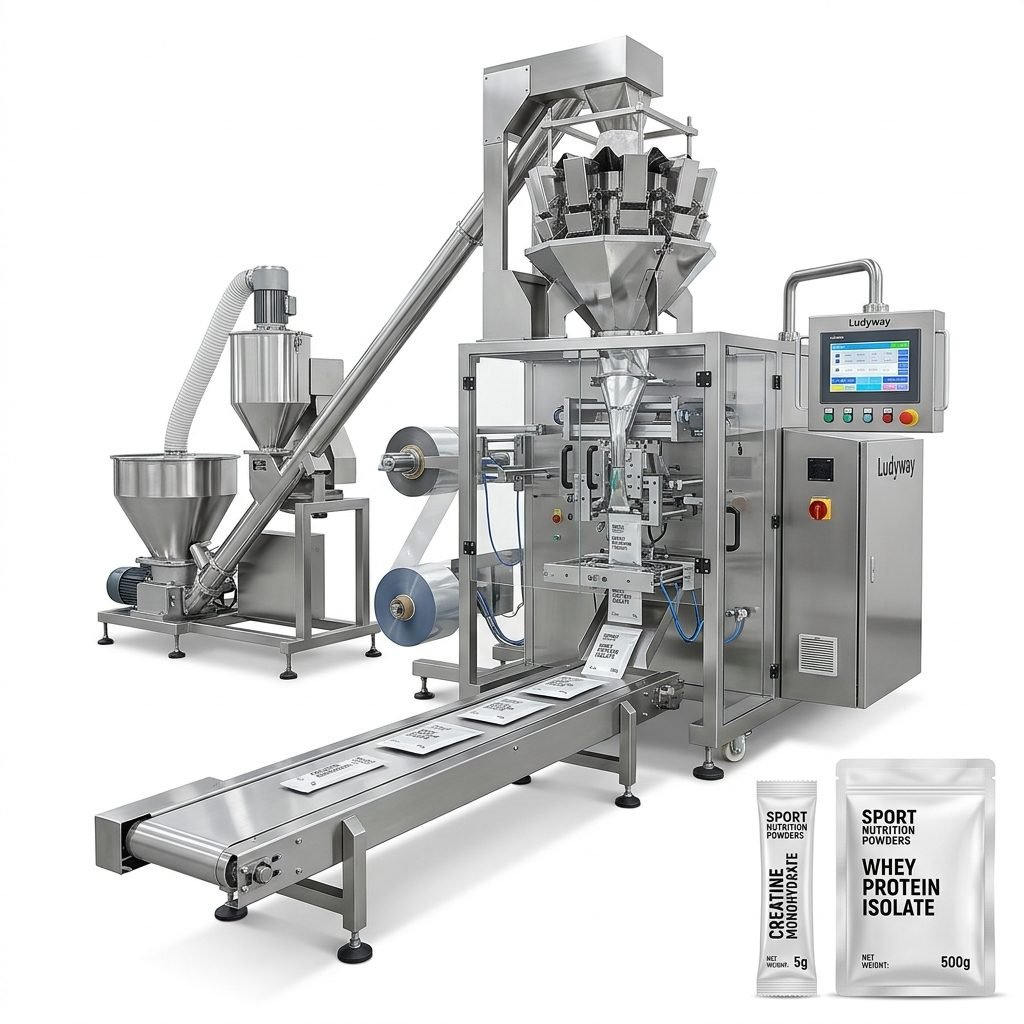
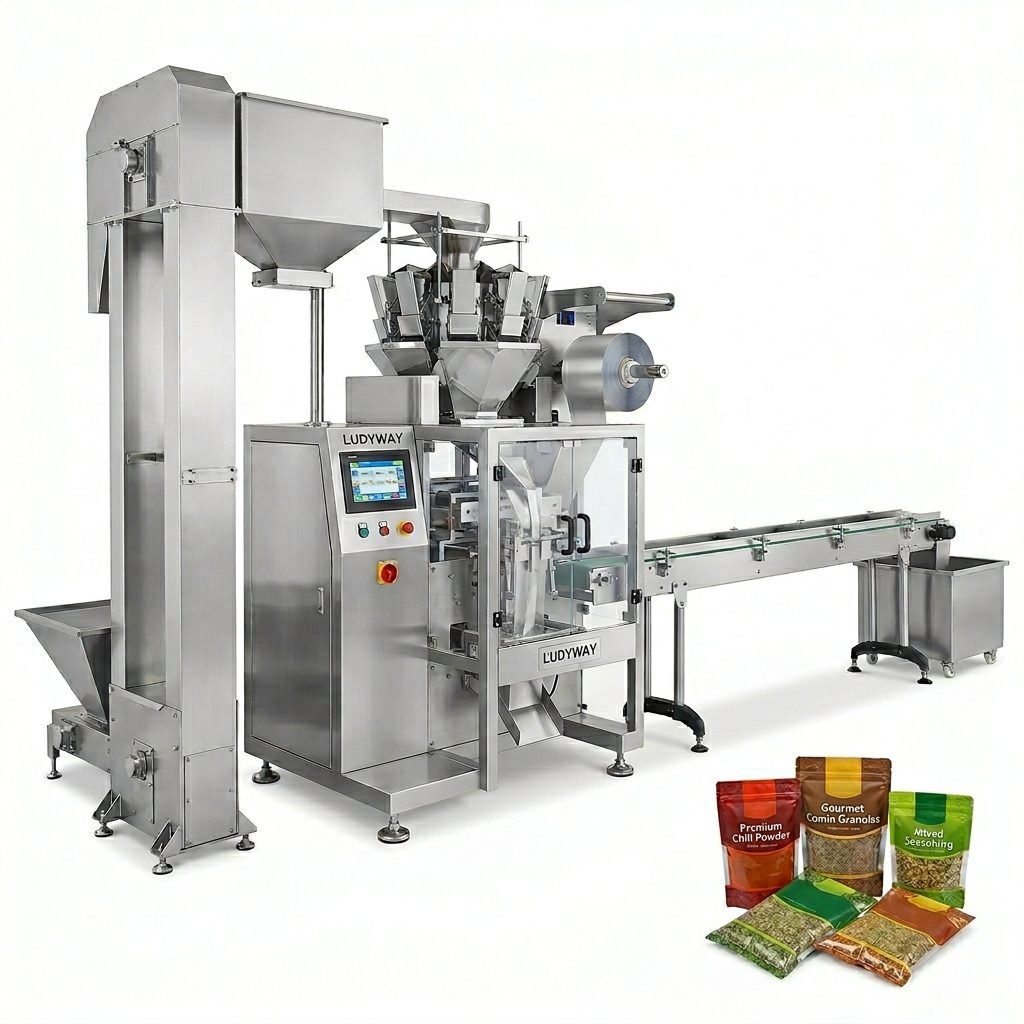
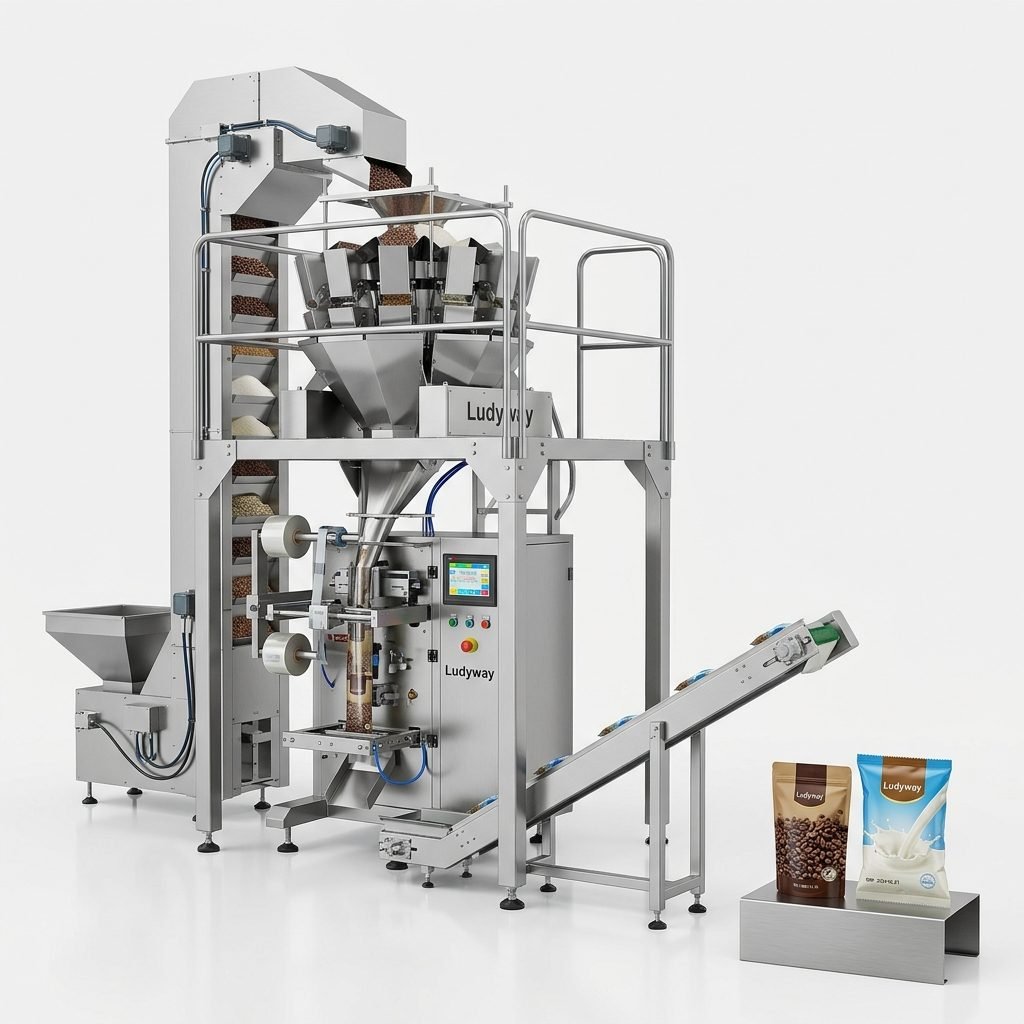
Loose leaf and granule tea packaging requires specialized equipment with gentle handling characteristics to prevent product degradation. These machines feature vibratory feeding systems and auger fillers calibrated for the unique flow properties of tea products. Volumetric cup fillers and multi-head weighers are commonly integrated for higher accuracy in premium applications where overfilling directly impacts profitability. Italian producers packaging artisanal loose leaf teas often require machines with quick-changeover capabilities to accommodate multiple SKUs efficiently.
Price Ranges for Tea Packaging Machines
Investing in a tea packaging machine requires careful budget planning. Prices vary significantly based on automation level, production capacity, and additional features. The table below provides a general price overview for the Italian market, though actual quotes depend on specific configuration requirements and customization needs.
| Machine Type | Production Capacity | Estimated Price Range (EUR) | Best Suited For |
|---|---|---|---|
| Single-Lane Sachet Machine | 30-60 packs/min | €15,000 – €45,000 | Small to medium artisan producers |
| 4-Lane Stick Pack Machine | 120-200 packs/min | €50,000 – €120,000 | Mid-size commercial operations |
| 8-Lane Multi-Lane System | 300-500 packs/min | €120,000 – €250,000 | Large industrial manufacturers |
| Tea Bag Machine (with tag) | 80-180 bags/min | €35,000 – €100,000 | Traditional tea bag producers |
| Fully Automated Turnkey Line | 500+ packs/min | €300,000 – €800,000+ | High-volume export-oriented producers |
Note: Prices are indicative and vary based on customization, optional modules, and after-sales service agreements. Always request detailed quotations from multiple suppliers.
Key Features to Consider When Buying
Selecting the right tea packaging machine involves evaluating several critical features that directly impact product quality, operational efficiency, and long-term reliability. Italian tea producers should prioritize the following aspects during their evaluation process.
- Filling Accuracy and Precision: Consistent fill weights minimize product giveaway and ensure regulatory compliance. Look for machines with servo-driven dosing systems that achieve accuracy within ±0.5% for premium tea products.
- Packaging Material Compatibility: The machine should handle a wide range of flexible packaging materials, including aluminum foil laminates, PET/PE composites, and biodegradable films commonly preferred in the Italian market.
- Changeover Speed: Quick format changeovers between different sachet sizes and styles are essential for producers managing multiple product lines. Tool-less changeover systems reduce downtime significantly.
- Oxygen Barrier Protection: Machines equipped with nitrogen flushing or vacuum-sealing capabilities extend tea shelf life by minimizing oxidation — particularly important for green teas and delicate herbal blends.
- GMP and CE Compliance: For producers exporting within the EU, machines must meet ISO packaging standards and CE certification requirements for food contact safety.
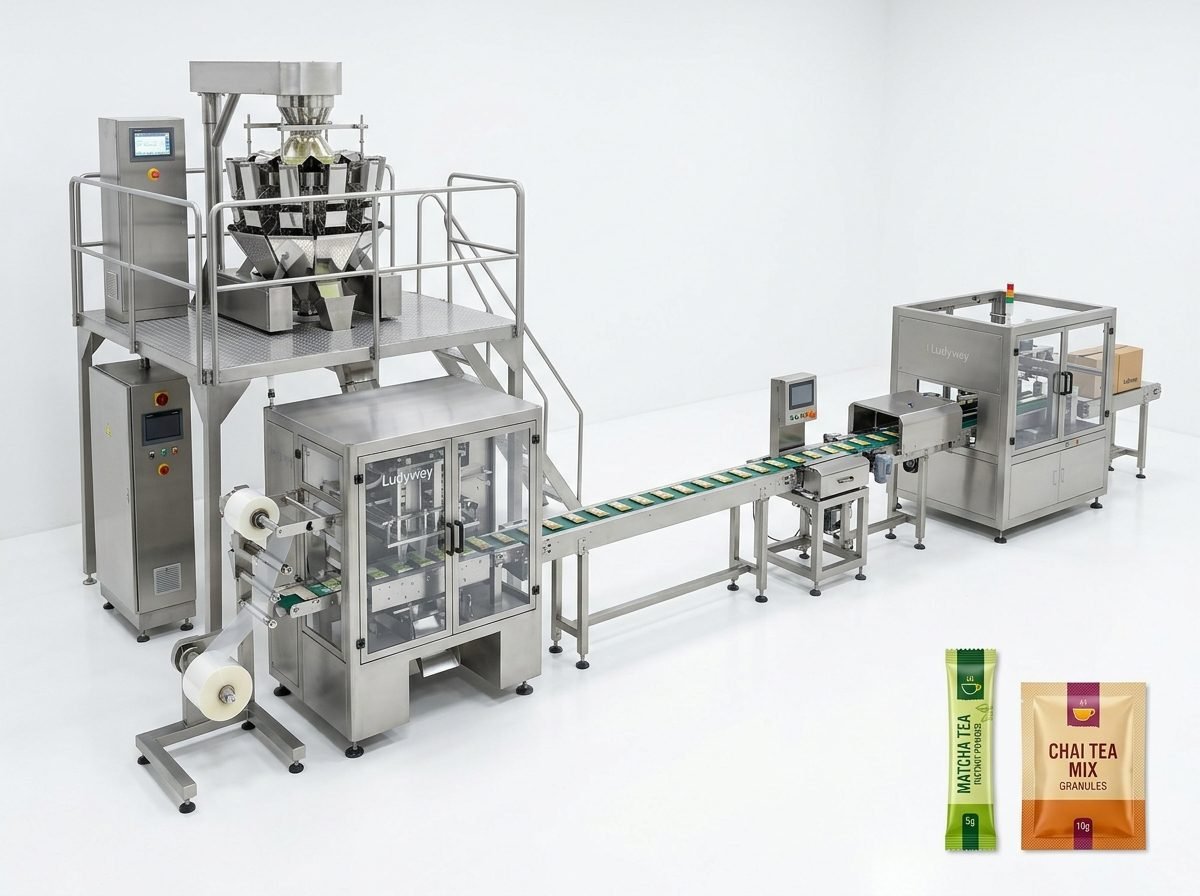
- Integration Capabilities: The ability to integrate with upstream and downstream equipment — such as weighers, cartoners, and palletizers — creates a streamlined production flow that reduces labor costs.
- After-Sales Support in Europe: Reliable technical support, spare parts availability, and maintenance services within Italy or nearby European countries are crucial for minimizing downtime.
Top Suppliers and Manufacturers for the Italian Market
Italy has access to both domestic and international packaging machinery suppliers. European manufacturers traditionally dominate the high-end segment, while several global suppliers offer competitive price-performance ratios. When evaluating suppliers, Italian buyers should consider packaging industry standards and the supplier’s experience with tea-specific applications. Key supplier categories include Italian and German precision engineering firms, as well as established Asian manufacturers that have significantly expanded their European presence and service networks in recent years. One notable global manufacturer is Ludyway, a leading packaging machine producer with over 30 years of industry expertise and a modern 20,000㎡ manufacturing facility. The company offers more than 50 intelligent packaging machine models and serves customers in over 100 countries, with export revenue expected to exceed RMB 500 million (approximately US$69 million) in 2025. For the most current insights on flexible packaging trends affecting the tea industry, consulting industry association resources is recommended.
How to Choose the Right Tea Packaging Machine
Making the final decision requires a structured evaluation process. Begin by clearly defining your current and projected production volumes, then match these requirements against machine specifications. Here is a practical decision-making framework:
Assess Your Product Range
Consider the variety of tea products you package. A producer handling only one type of black tea has different requirements than a manufacturer packaging multiple herbal blends, fruit infusions, and instant tea powders. Machines with flexible dosing systems and quick-change parts accommodate diverse product characteristics without compromising efficiency.
Evaluate Production Scale
Small artisan producers may find single-lane or dual-lane machines more than sufficient, while industrial operations supplying supermarket chains across Italy and Europe require high-speed multi-lane systems. Accurately forecasting growth over the next 3-5 years helps avoid costly equipment upgrades shortly after installation.
Consider Total Cost of Ownership
Beyond the initial purchase price, factor in ongoing costs including spare parts, energy consumption, operator training, and maintenance. Machines with higher upfront costs often deliver lower total cost of ownership through superior reliability and reduced downtime. According to packaging machinery market research, maintenance costs can account for 15-25% of total lifecycle expenses.

Request Live Demonstrations
Whenever possible, visit the supplier’s factory or request a video demonstration using your actual tea products. This reveals how the machine handles your specific materials and helps identify potential issues before purchase. Pay close attention to seal integrity, fill consistency, and ease of operation during the demonstration.
Regulatory Considerations for Italian Tea Packers
Italian tea producers must comply with EU regulations governing food contact materials and packaging. Machines should be designed to work with certified food-grade packaging films and include features that prevent contamination. The food packaging and food contact substances guidelines, while primarily applicable to the U.S. market, provide useful reference points for global best practices. Additionally, EU-specific regulations on packaging and packaging waste should inform material selection and machine design choices.
Future Trends in Tea Packaging Automation
The tea packaging industry is evolving rapidly, driven by sustainability concerns and smart manufacturing technologies. Italian producers investing in new equipment should be aware of emerging trends including biodegradable and compostable packaging films, IoT-enabled machines with predictive maintenance capabilities, and robotics integration for end-of-line automation. Machines with modular designs that can be upgraded over time offer better long-term value as technology advances.
Selecting the perfect tea packaging machine for your Italian production facility requires balancing technical specifications, budget constraints, and future growth plans. By understanding the available machine types, realistic price expectations, and critical evaluation criteria outlined in this guide, you are well-equipped to make an informed investment that supports your brand’s quality standards and business objectives for years to come.