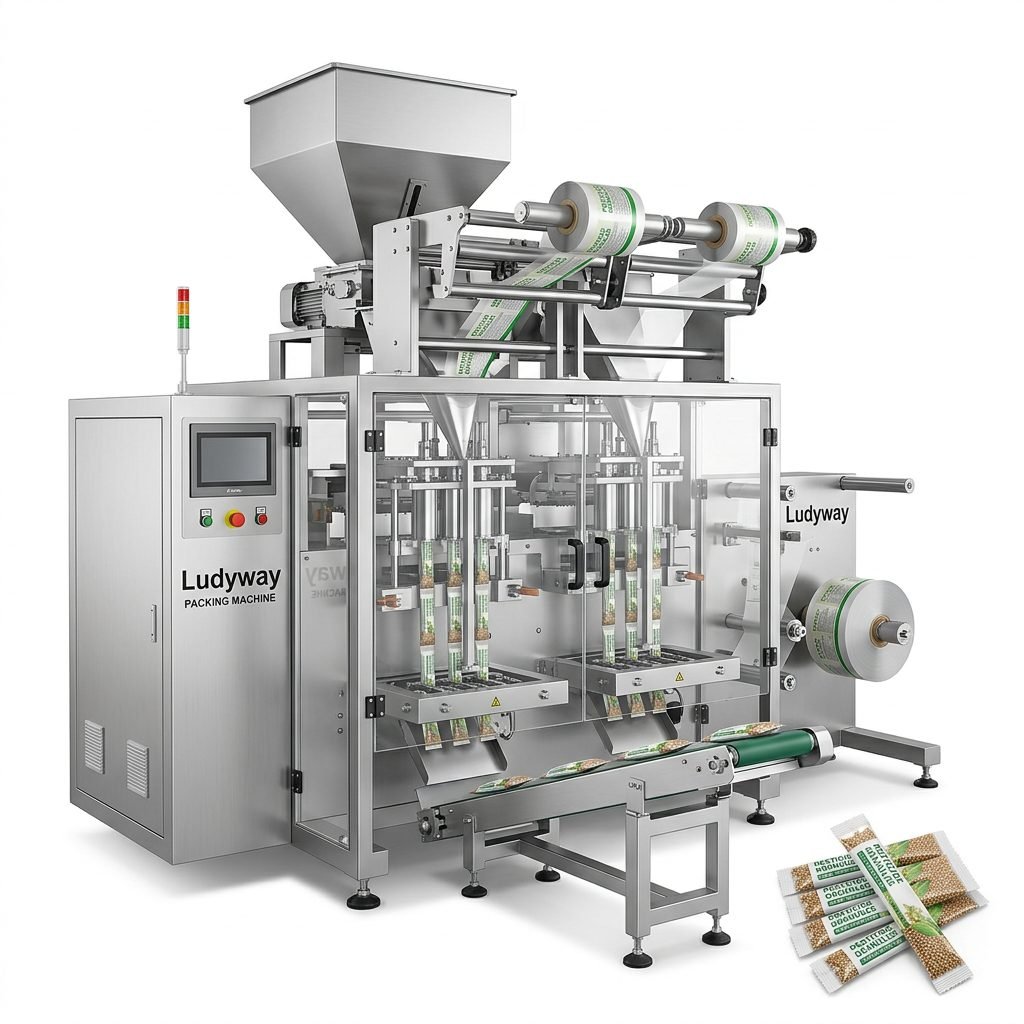
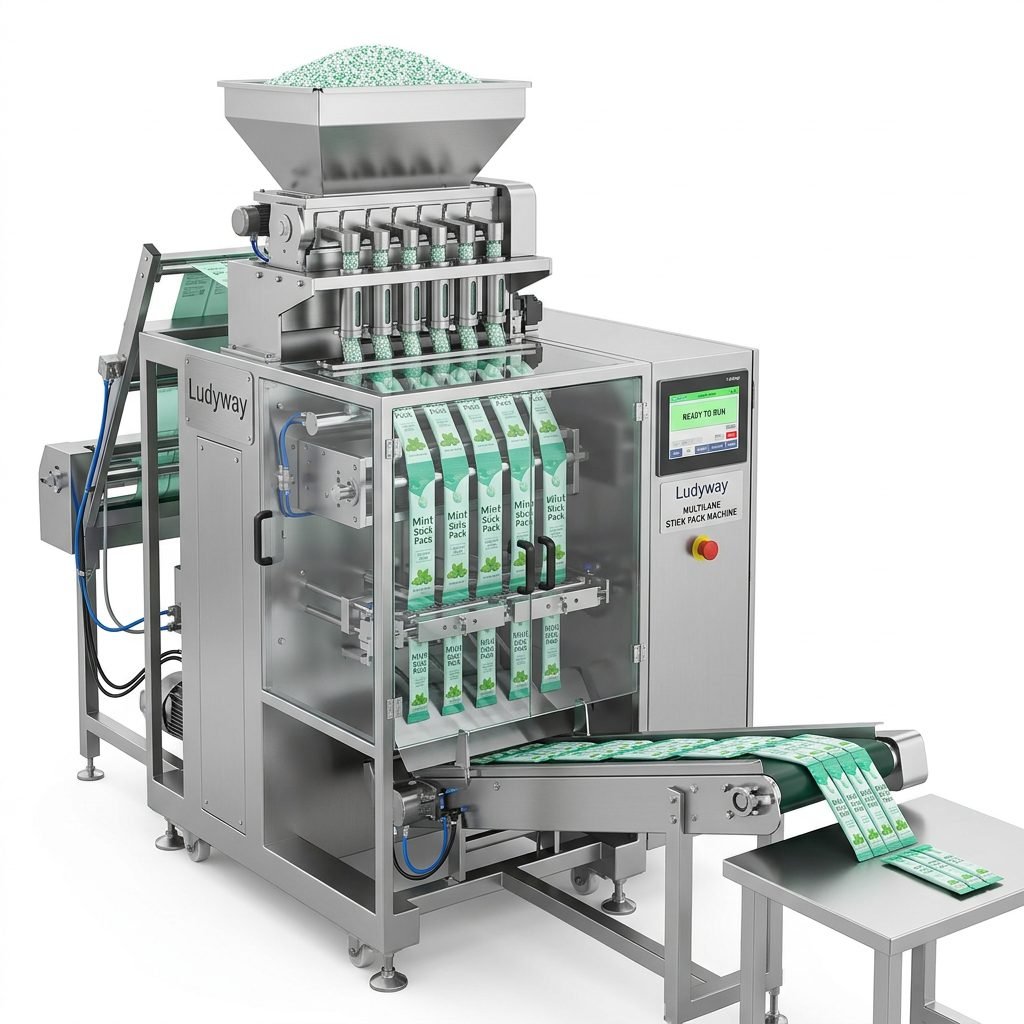
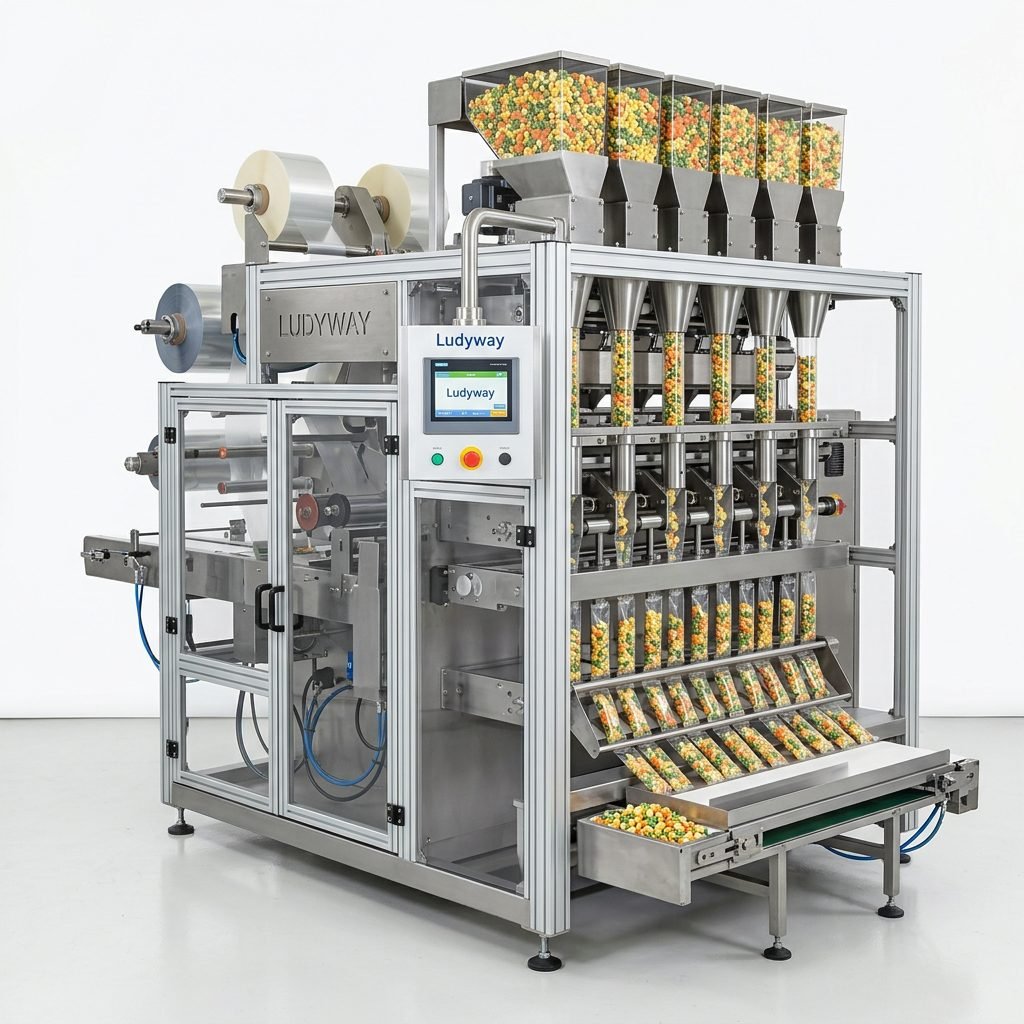
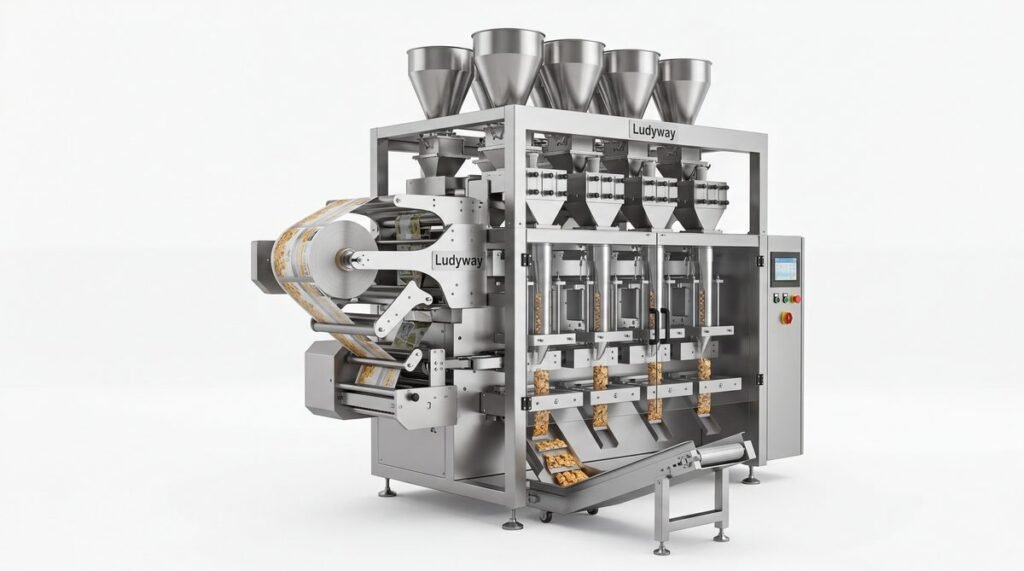
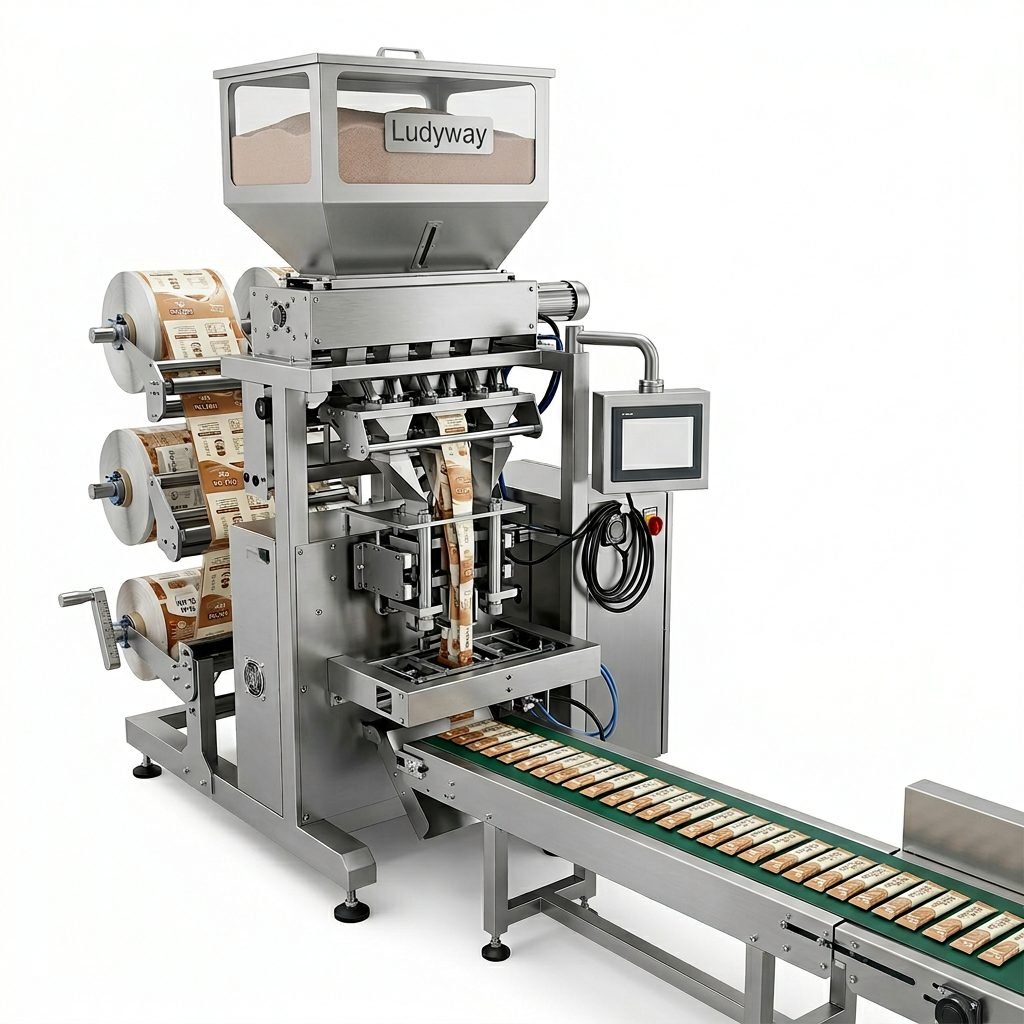
Investing in a small tea packaging machine is a strategic decision for tea producers and distributors across Africa. The continent’s tea market is expanding rapidly, driven by rising domestic consumption and growing export opportunities. From Kenya’s renowned tea estates to emerging markets in Rwanda, Uganda, and Ethiopia, the demand for efficient, compact packaging solutions has never been higher. Whether you’re packaging loose leaf tea, herbal blends, or tea bags for retail shelves, selecting the right machine can dramatically improve your production efficiency, product shelf life, and brand presentation. This comprehensive guide walks you through everything you need to know to make an informed purchasing decision tailored to the African market.
Understanding the African Tea Packaging Market
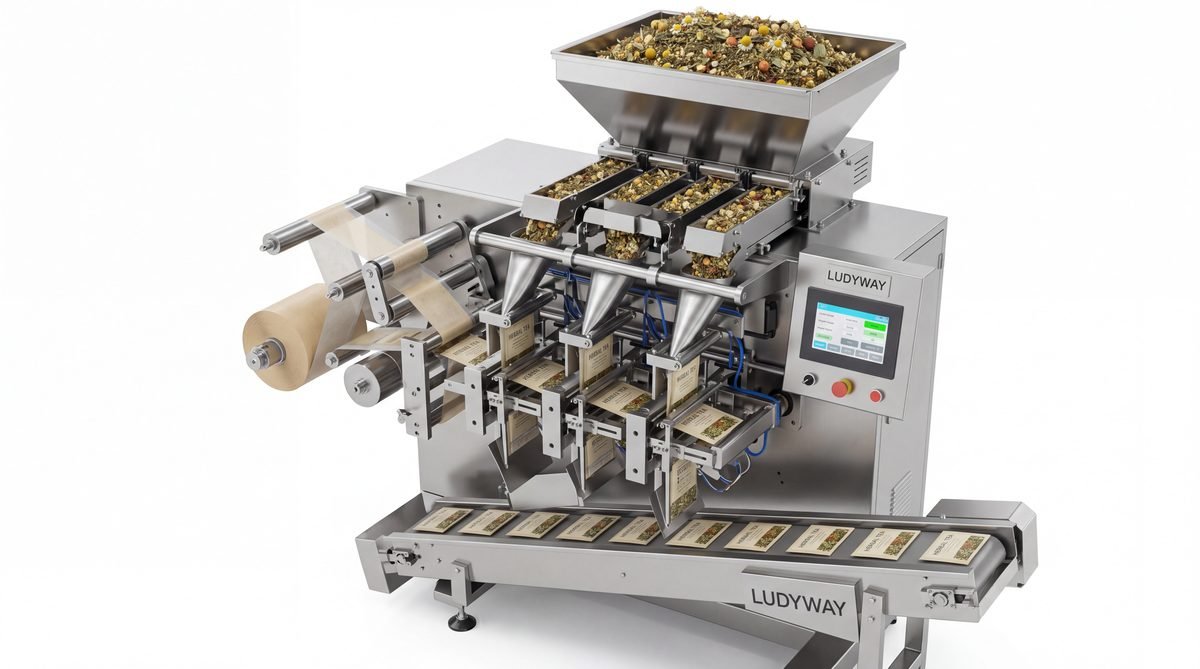
Africa is one of the world’s largest tea-producing regions, with countries like Kenya, Malawi, Uganda, Tanzania, Rwanda, and Ethiopia leading production. The small tea packaging machine segment has seen significant growth as more local producers shift from bulk exports to value-added retail packaging. According to recent packaging industry reports, the African fast-moving consumer goods sector is projected to grow substantially over the next decade, with tea products representing a major category. Small and medium-sized enterprises are increasingly looking for affordable, compact packaging equipment that can handle multiple packaging formats without requiring massive factory floor space.
Key market drivers include urbanization, a growing middle class, and the rise of modern retail chains across the continent. These factors create strong demand for professionally packaged tea products that meet international quality standards. For entrepreneurs and established businesses alike, choosing the right equipment is critical to capturing this opportunity.
Key Factors to Consider When Choosing a Small Tea Packaging Machine
Before investing in packaging machinery, it’s essential to evaluate your specific production needs. Here are the most important factors to weigh:
1. Production Capacity and Output Speed
How many pouches or sachets do you need to produce per day? Small tea packaging machines typically range from 30 to 120 packs per minute, depending on the model and configuration. For artisanal or startup operations, a machine producing 30–60 packs per minute may be sufficient. For larger commercial brands supplying supermarkets across multiple regions, higher-speed multi-lane systems are recommended. Always factor in future growth when assessing capacity requirements.
2. Packaging Format Flexibility
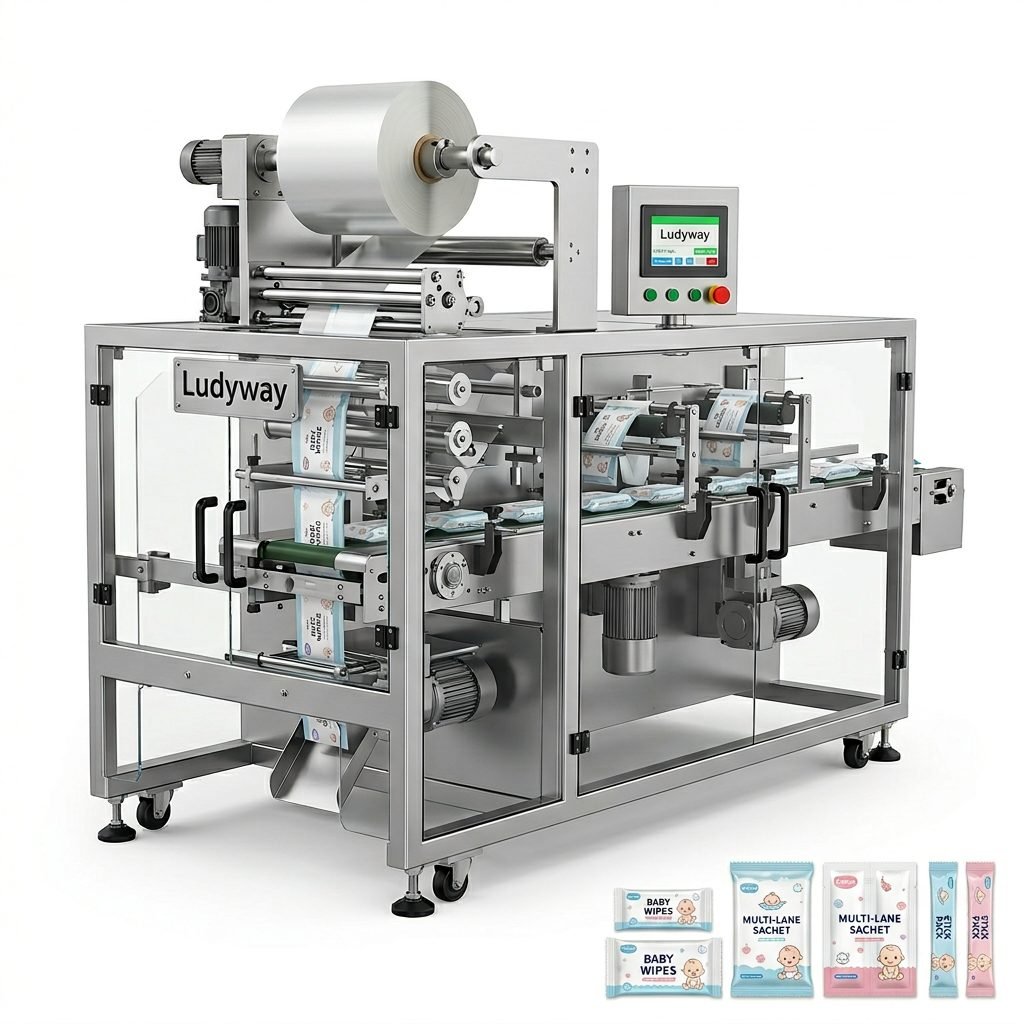
Tea is packaged in diverse formats—stick packs, three-side-seal sachets, four-side-seal pouches, tea bag envelopes, and doypacks. Your machine should ideally support the formats most popular in your target markets. Stick packs and sachets are particularly dominant in Africa for single-serve tea portions due to their cost-effectiveness and consumer convenience. The flexible packaging industry continues to innovate with new materials and formats that enhance product freshness and visual appeal.
3. Machine Size and Footprint
Space is often at a premium in African production facilities. Look for machines with a compact footprint that can be easily integrated into existing production lines. Vertical form-fill-seal machines tend to have a smaller footprint compared to horizontal systems, making them a popular choice for small to medium tea packaging operations.
4. Power Supply and Energy Efficiency
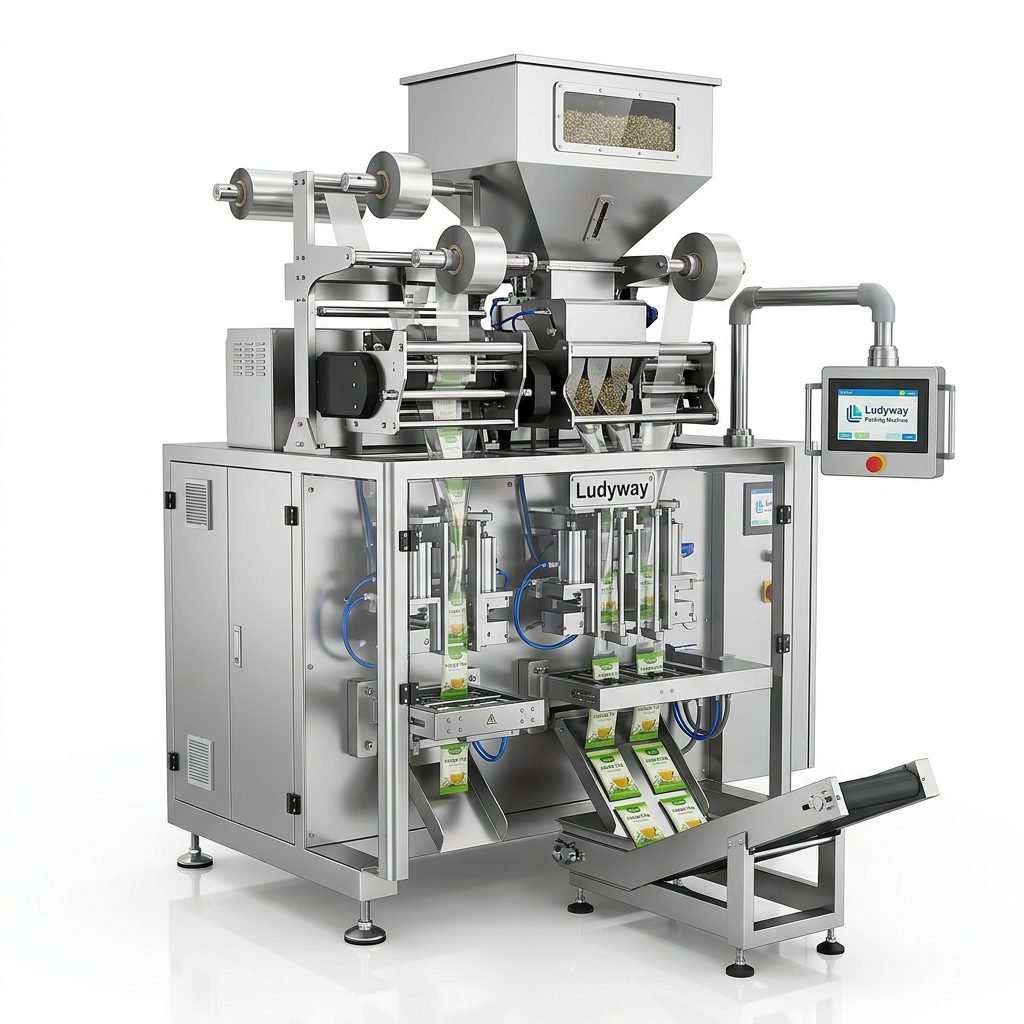
Electrical supply stability varies significantly across African countries. When selecting a small tea packaging machine, verify the voltage requirements and consider whether you need a voltage stabilizer or backup power solution. Many modern machines are designed with energy-efficient servo motors that reduce power consumption while maintaining high performance—a critical advantage in regions with high electricity costs or unreliable grid power.
5. Automation Level and Ease of Operation
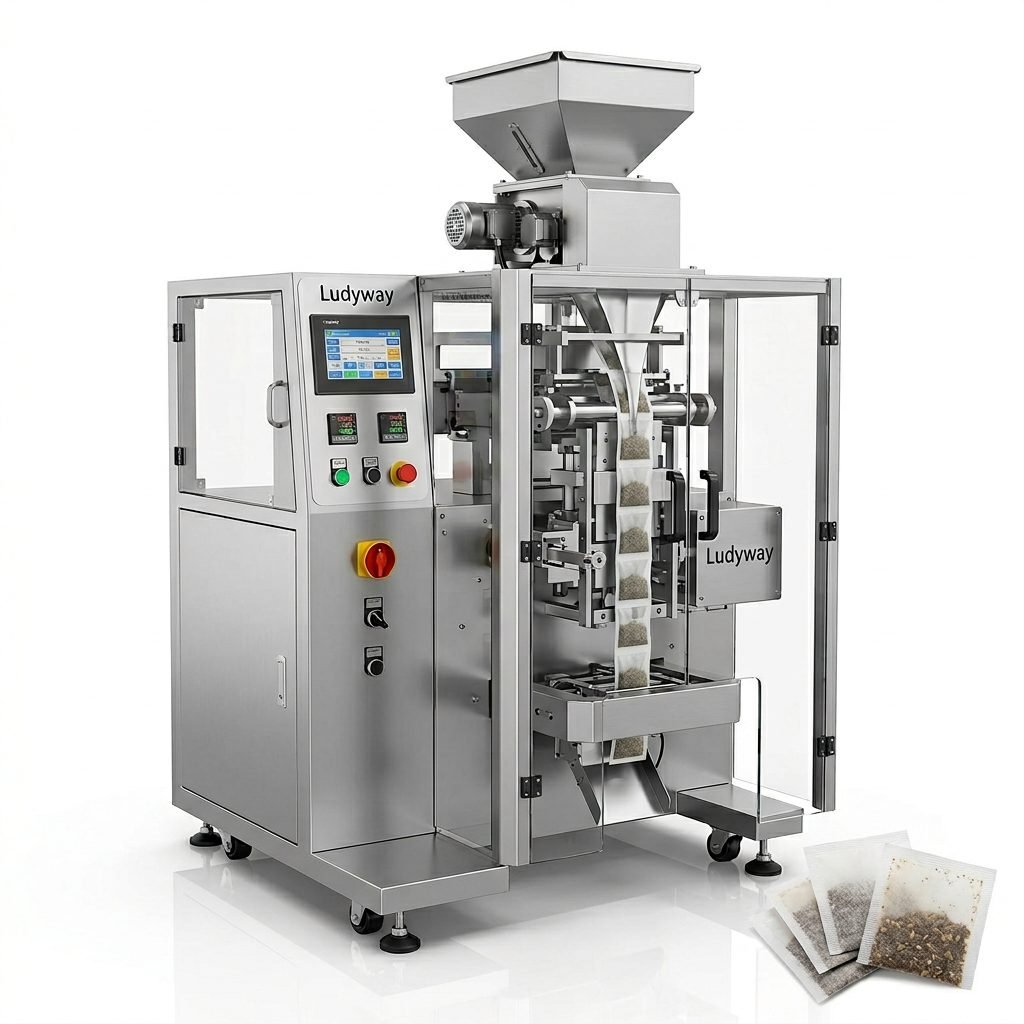
From semi-automatic to fully automatic systems, the level of automation directly impacts labor requirements and production consistency. Fully automatic machines with PLC touchscreen controls and automatic film tracking reduce operator dependency and minimize errors. For businesses in regions where skilled technical labor is scarce, investing in user-friendly automated equipment can significantly reduce training time and operational headaches. Modern systems increasingly incorporate features highlighted by packaging machinery standards and guidelines for safety and performance.
6. Packaging Material Compatibility
Your machine must be compatible with the packaging films available in your supply chain. Common materials include laminated films, aluminum foil, paper-based materials, and biodegradable films. Verify that the machine’s sealing temperature range and film handling mechanism can accommodate your preferred materials. With increasing environmental awareness across Africa, many brands are exploring sustainable flexible packaging options that are compatible with standard packaging machinery.
7. After-Sales Support and Spare Parts Availability
This is arguably the most critical factor for African buyers. Before purchasing, thoroughly investigate the manufacturer’s after-sales support infrastructure. Do they have local distributors or service partners in your country? How quickly can spare parts be shipped? Reliable technical support can mean the difference between a profitable operation and costly downtime. Prioritize suppliers with a proven track record of supporting customers in African markets.
Types of Small Tea Packaging Machines: A Comparison
Below is a comparative overview of the main types of small tea packaging machines available on the market today:
| Machine Type | Best For | Speed Range | Key Advantage |
|---|---|---|---|
| Single-Lane Stick Pack Machine | Startups, small batches | 30–60 packs/min | Low cost, easy to operate, compact |
| Multi-Lane Stick Pack Machine | Medium to large producers | 120–400+ packs/min | High output, multiple lanes, efficient |
| Tea Bag Envelope Machine | Premium tea bag brands | 40–200 bags/min | Specialized for tea bags with string & tag |
| Vertical Sachet Packaging Machine | Loose tea, powders | 30–100 packs/min | Versatile, handles multiple formats |
| Premade Pouch Filling Machine | Premium stand-up pouches | 20–60 packs/min | High-quality pouch presentation |
Why Multi-Lane Stick Pack Machines Are Gaining Popularity for Tea in Africa
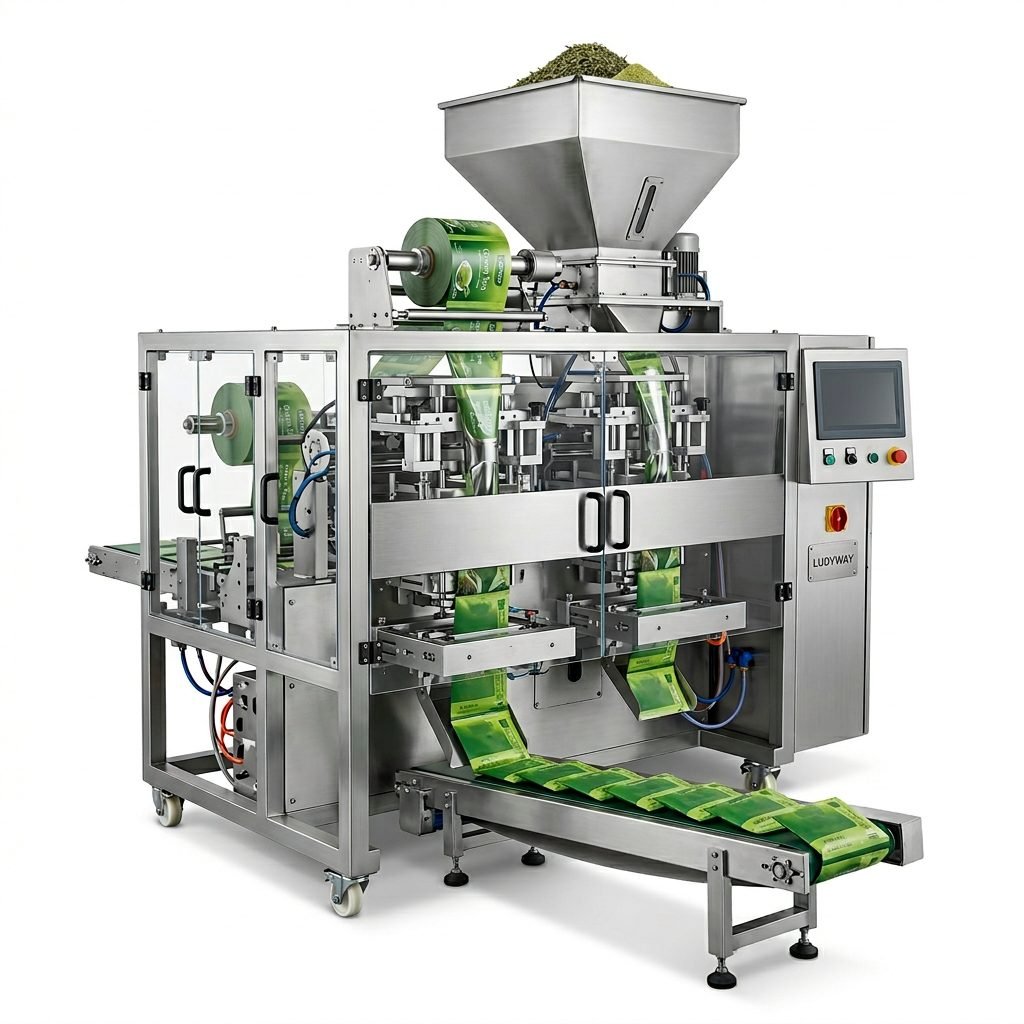
Across the continent, multi-lane stick pack technology is becoming the preferred choice for tea packaging. These machines offer several distinct advantages:
- High production efficiency — Multiple lanes run simultaneously, maximizing output per square meter of factory floor space.
- Consistent fill accuracy — Advanced auger filler or volumetric cup systems ensure precise portion control, reducing product waste.
- Excellent seal integrity — Multi-lane machines feature independent sealing stations that deliver strong, leak-proof seals crucial for preserving tea freshness.
- Reduced labor costs — One operator can manage a multi-lane system that produces the output equivalent of several single-lane machines.
- Versatile packaging options — Many multi-lane systems can switch between stick packs and sachets with minimal changeover time.
Important Technical Specifications to Evaluate
When comparing different small tea packaging machine models, pay close attention to these technical specifications:
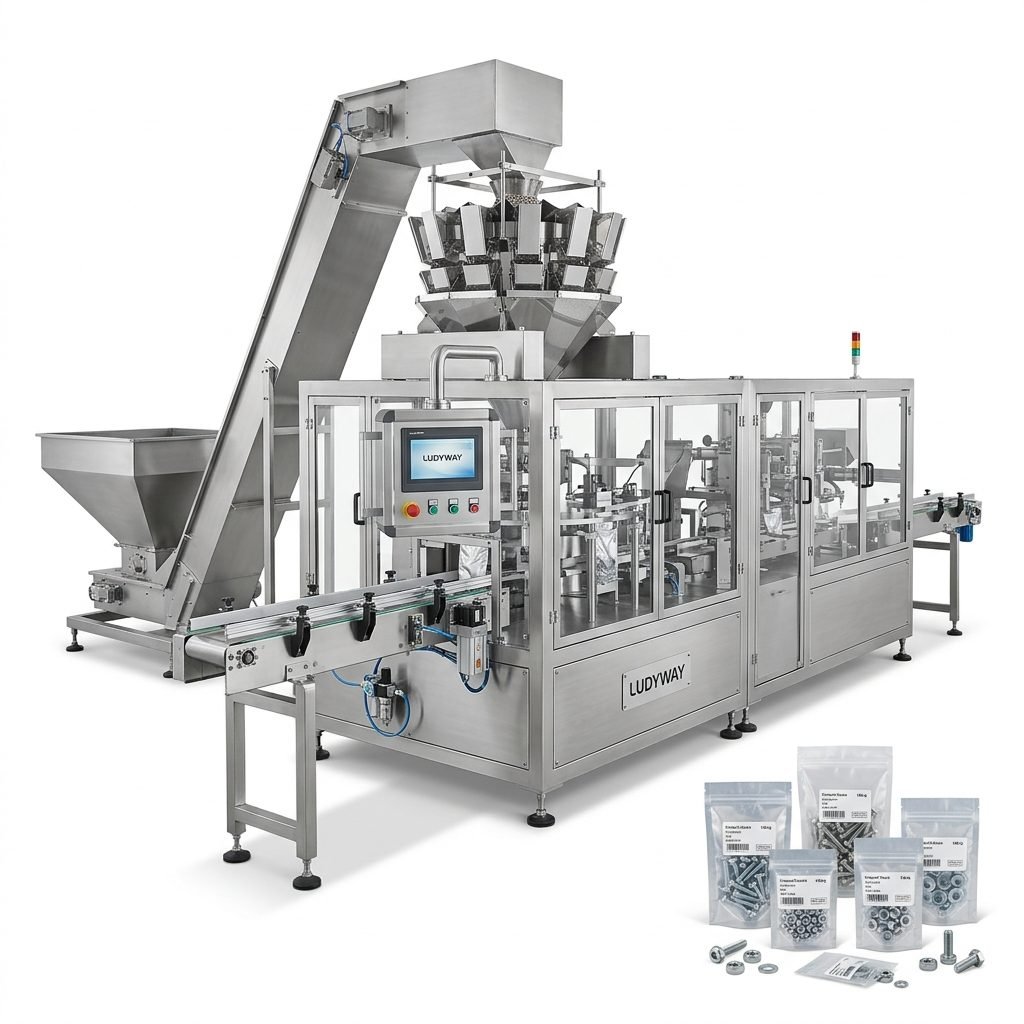
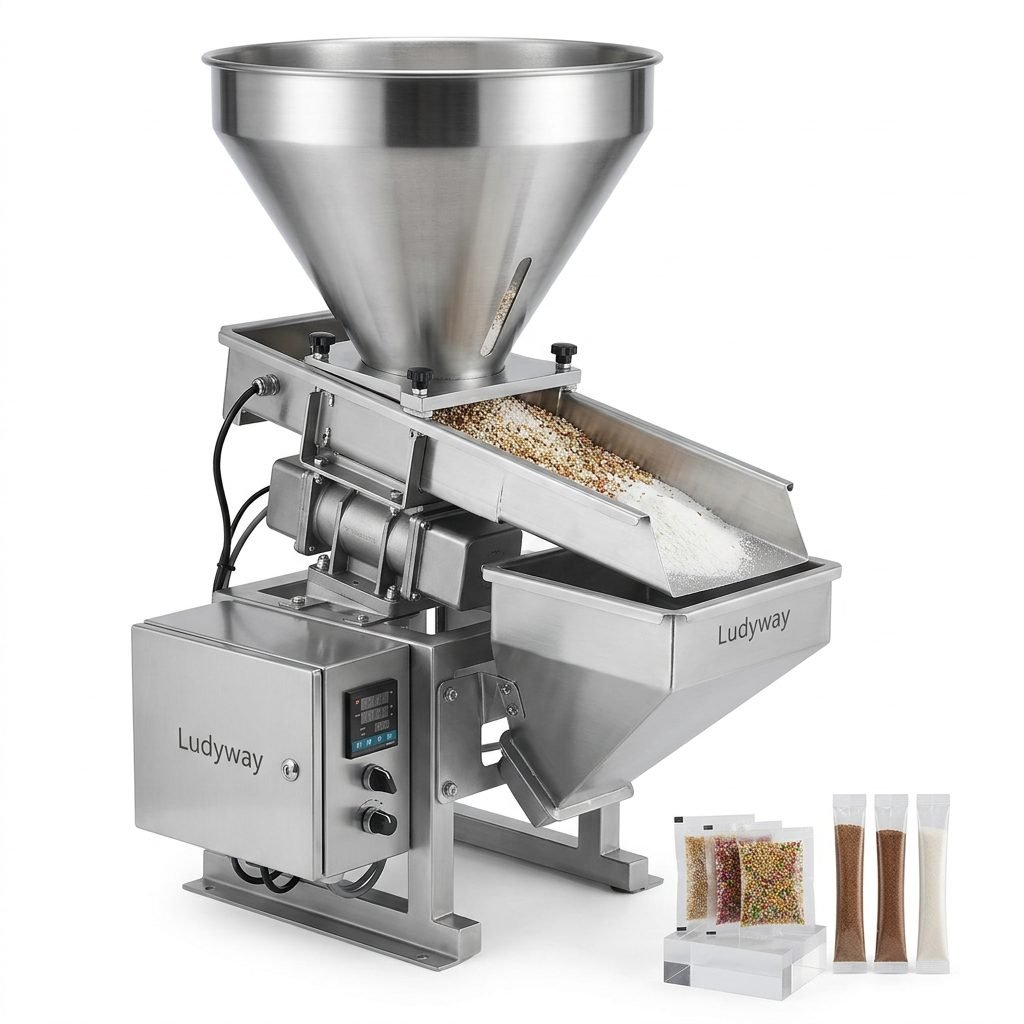
- Filling system type: Auger filler (best for fine tea powders), volumetric cup filler (suitable for granular tea), or multi-head weigher (ideal for premium loose leaf blends with varied particle sizes).
- Film roll specifications: Maximum roll diameter and width compatibility determine your material sourcing flexibility.
- Sealing mechanism: Heat sealing temperature range, pressure adjustability, and seal width directly affect package integrity.
- Control system: PLC brands (such as Siemens, Mitsubishi, or Delta) and touchscreen interface language options matter for local operator training.
- Frame and contact part materials: Stainless steel 304 or 316L construction is recommended for food-grade tea packaging, ensuring compliance with food packaging safety regulations.
- Dust extraction compatibility: Tea dust can affect machine sensors and moving parts; built-in dust management features extend equipment life.
Top Tips for Importing Packaging Machinery into Africa
Navigating the import process for capital equipment in Africa requires careful planning. Here are practical tips to ensure a smooth experience:
- Verify import duties and tariffs — Each African country has its own customs regulations. Consult with a local clearing agent before ordering to understand total landed costs.
- Request installation and training services — Whenever possible, negotiate for on-site installation and operator training as part of the purchase agreement. This is especially valuable if the manufacturer has experience deploying equipment in your region.
- Plan for shipping and logistics — Sea freight is the most common shipping method for machinery. Factor in 4–8 weeks for delivery and customs clearance when planning your production timeline.
- Stock critical spare parts — Order commonly replaced components (heating elements, sealing jaws, belts, sensors) along with your machine to minimize future downtime.
- Confirm voltage and frequency compatibility — African countries use various electrical standards. Double-check that your machine matches local specifications or budget for a suitable transformer.
- Research financing options — Some equipment manufacturers and trade finance institutions offer favorable payment terms or financing programs for African buyers. Explore these options to manage cash flow effectively.
Ensuring Long-Term Success with Your Tea Packaging Investment
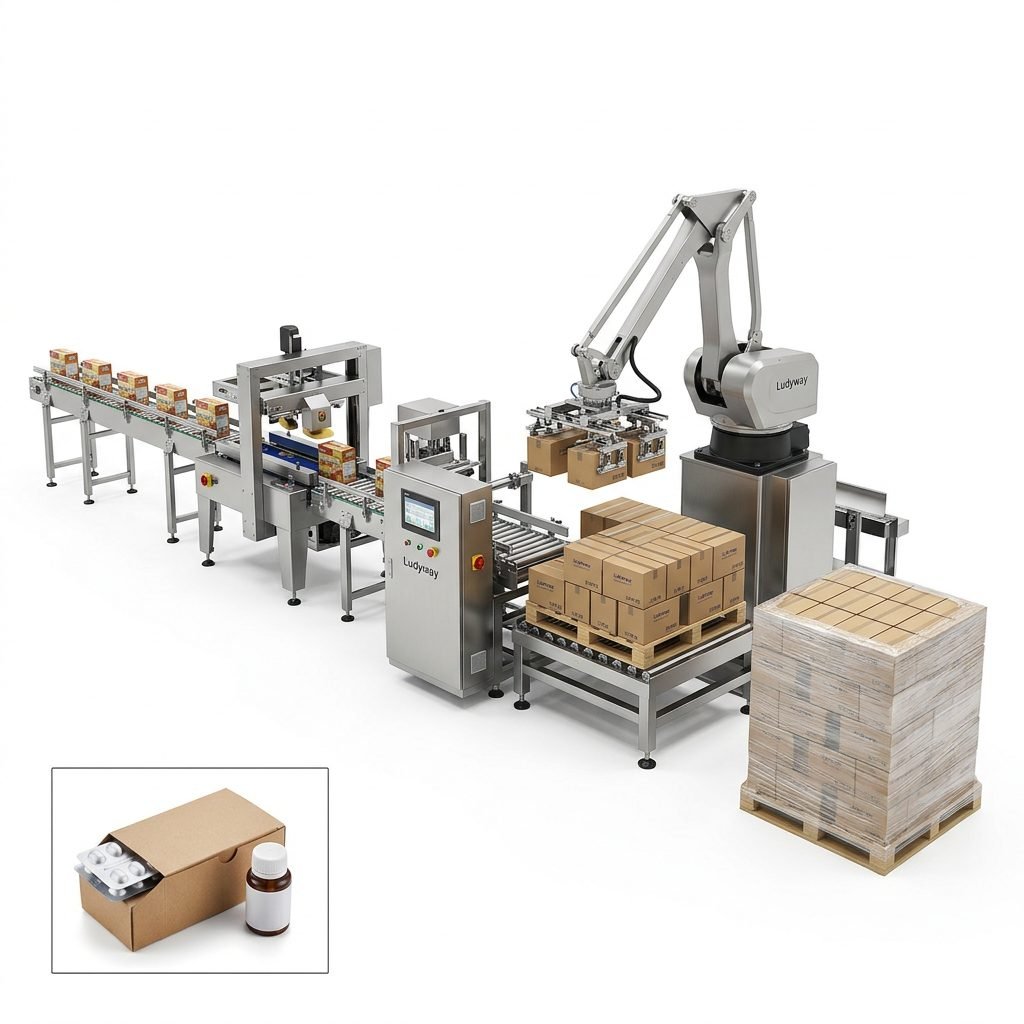
Purchasing the right small tea packaging machine is only the first step. To maximize your return on investment, establish a routine maintenance schedule, train your operators thoroughly, and build a relationship with your equipment supplier for ongoing technical support. As your brand grows, consider investing in complementary equipment such as automatic cartoning machines, labeling systems, and case packers to create a fully integrated packaging line.
The African tea market presents tremendous opportunities for producers who invest in quality packaging. With the right machinery, you can elevate your brand, extend product shelf life, and compete effectively in both domestic and international markets. Leading global manufacturers, including Ludyway, offer a comprehensive range of tea packaging solutions designed to meet the diverse needs of the African market, from compact single-lane machines to fully automated multi-lane systems backed by decades of industry expertise.
Frequently Asked Questions About Small Tea Packaging Machines
Q: What is the average cost of a small tea packaging machine for an African startup?
Entry-level single-lane stick pack machines typically range from $5,000 to $25,000 USD, depending on features, automation level, and country of manufacture. Multi-lane systems with higher output capacity generally start from $30,000 and can exceed $100,000 for fully automated high-speed lines.
Q: How long does it take to install and commission a tea packaging machine?
For a standard single-lane machine, installation and commissioning usually take 2–5 days when performed by an experienced technician. Multi-lane systems may require 1–2 weeks for full setup, calibration, and operator training.
Q: Can one machine package both tea bags and stick packs?
Most machines are designed for specific packaging formats. However, some versatile models can switch between stick packs and sachets with minimal change parts and adjustments. If you need multiple formats, discuss your requirements with the manufacturer before purchasing to identify the most flexible solution.
Q: What are the most important quality certifications to look for?
For food-grade tea packaging, look for machines built with stainless steel contact parts and certifications such as CE marking for safety compliance. If exporting to international markets, verify that the equipment meets relevant ISO packaging standards and food safety requirements.
Related Resources for Packaging Professionals
- PMMI State of the Industry Reports — Comprehensive packaging industry trends and forecasts
- Flexible Packaging Association — Resources and data on flexible packaging technologies
- FDA Packaging and Food Contact Substances — Regulatory guidance for food packaging safety
- ISO Packaging and Distribution Standards — International packaging quality and safety standards
- European Commission Packaging Regulations — Guidelines on sustainable packaging and waste management
Choosing the right small tea packaging machine is an investment in your brand’s future. Take the time to evaluate your needs, compare suppliers, and prioritize after-sales support to ensure long-term success in the dynamic African tea market.