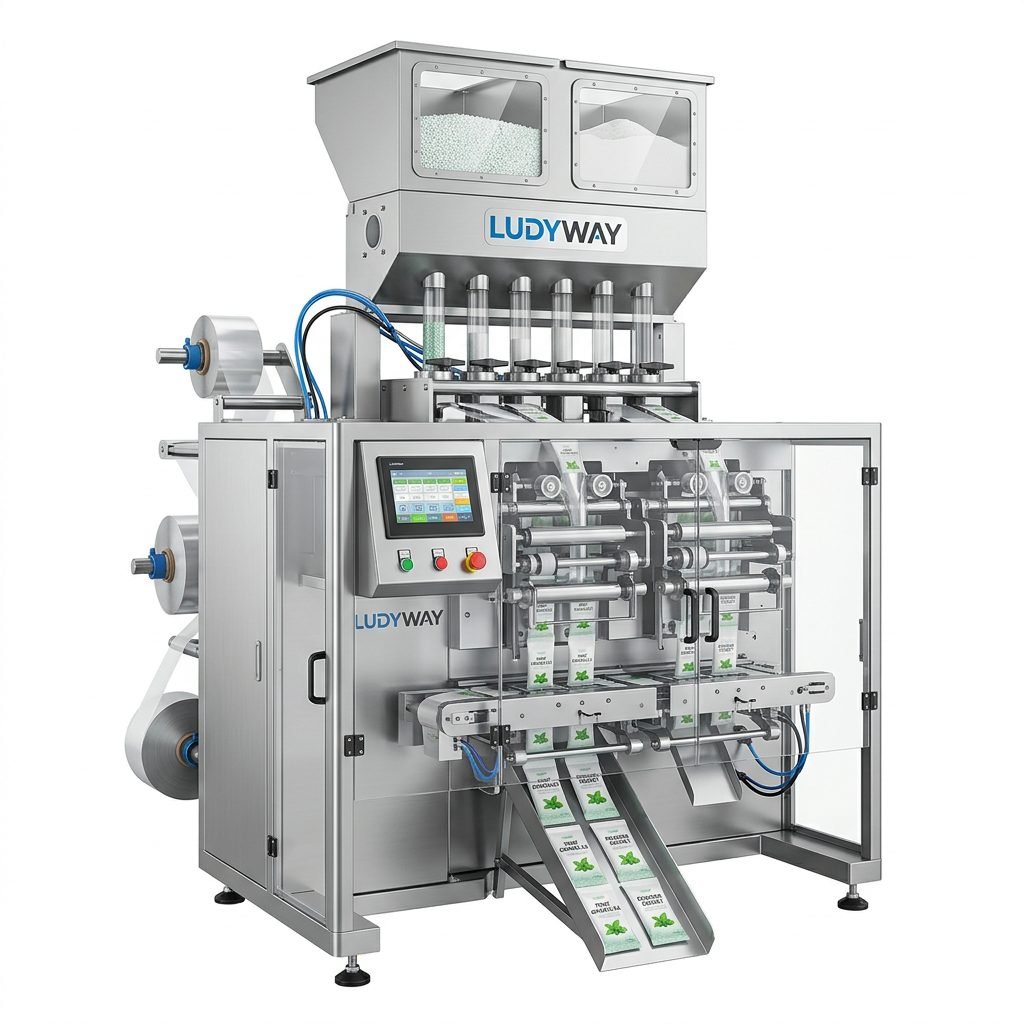
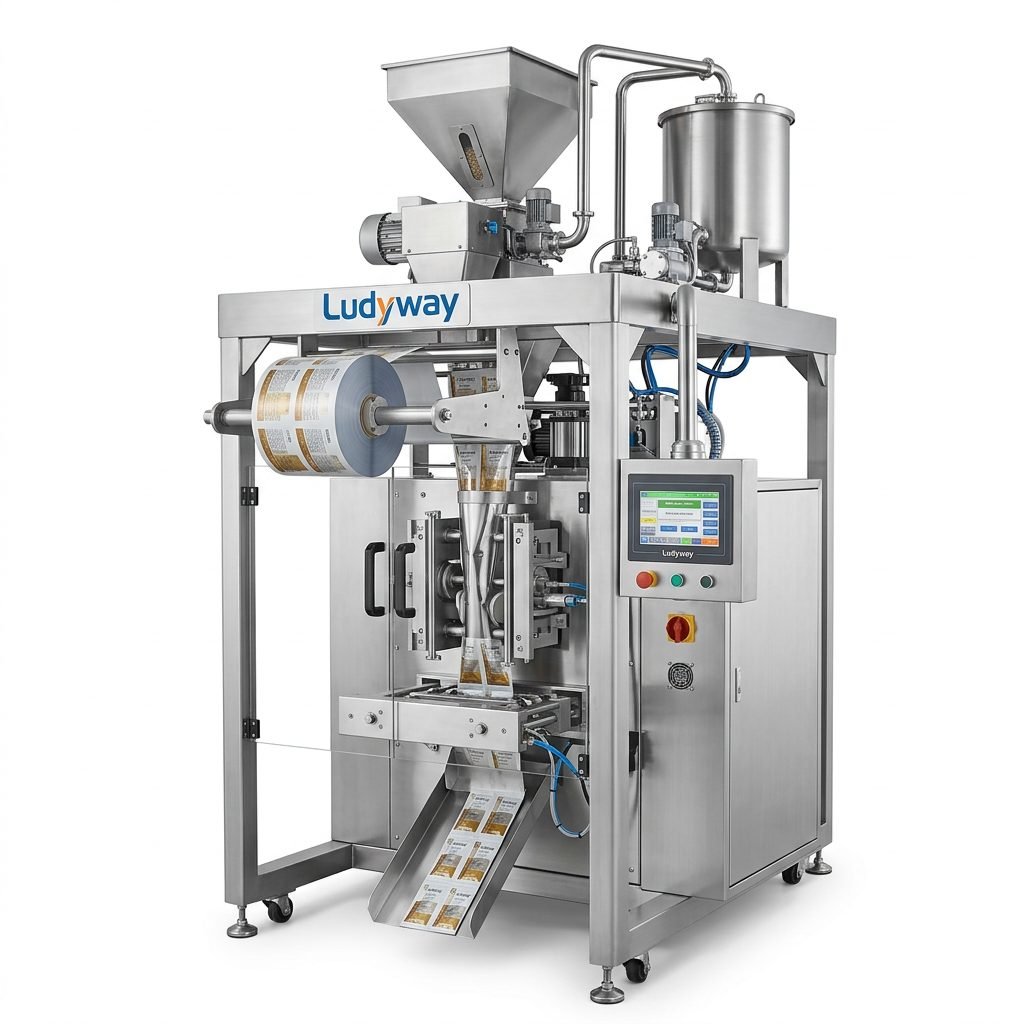
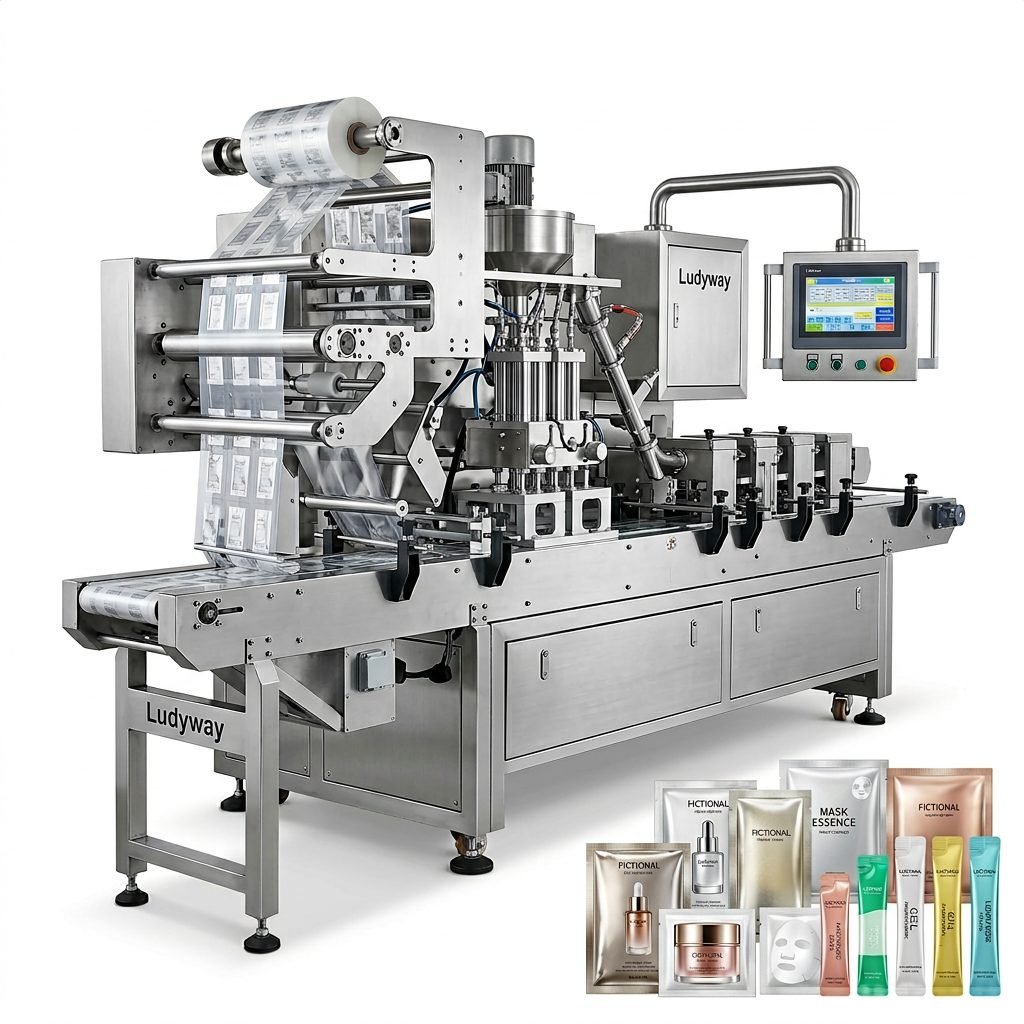
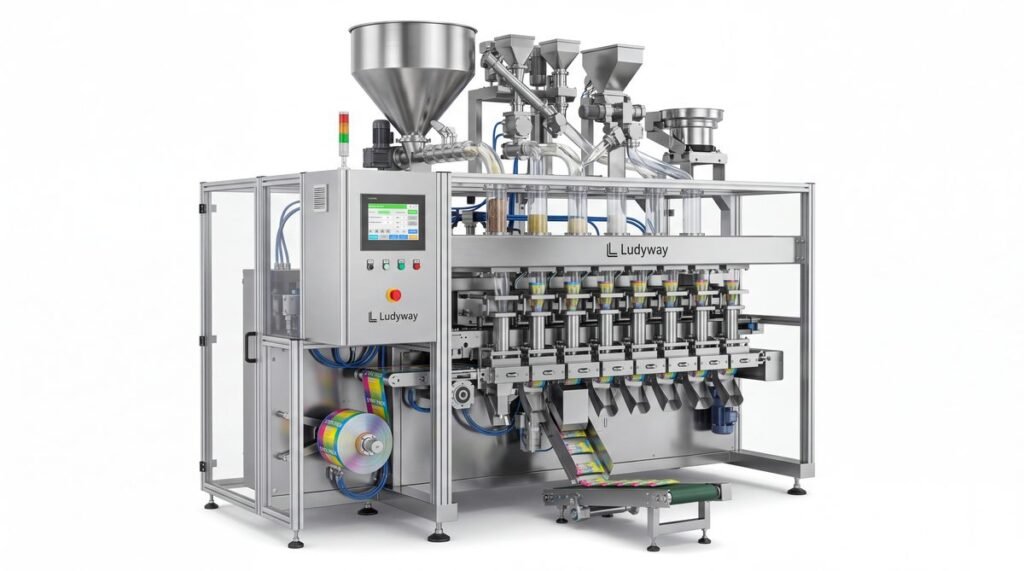
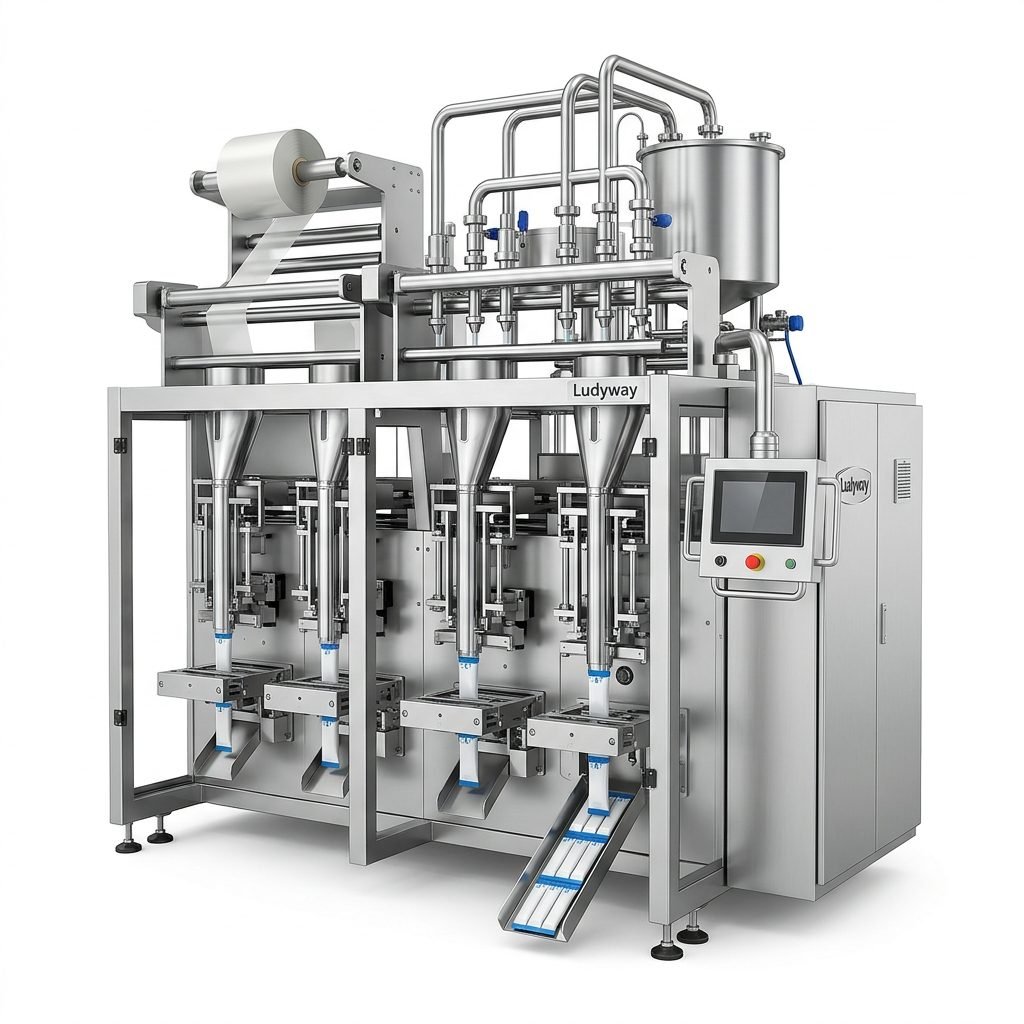
Africa’s poultry industry is experiencing rapid growth, driven by urbanization, rising protein consumption, and expanding retail networks. According to industry reports from the PMMI Business Intelligence, packaging automation in emerging markets is accelerating as producers seek to reduce labor dependency, improve hygiene standards, and extend product shelf life. Whether you are packaging fresh whole chickens, frozen cuts, or processed chicken parts, selecting the right chicken packaging machine is a critical investment decision that directly impacts product quality, operational efficiency, and market competitiveness across Africa.
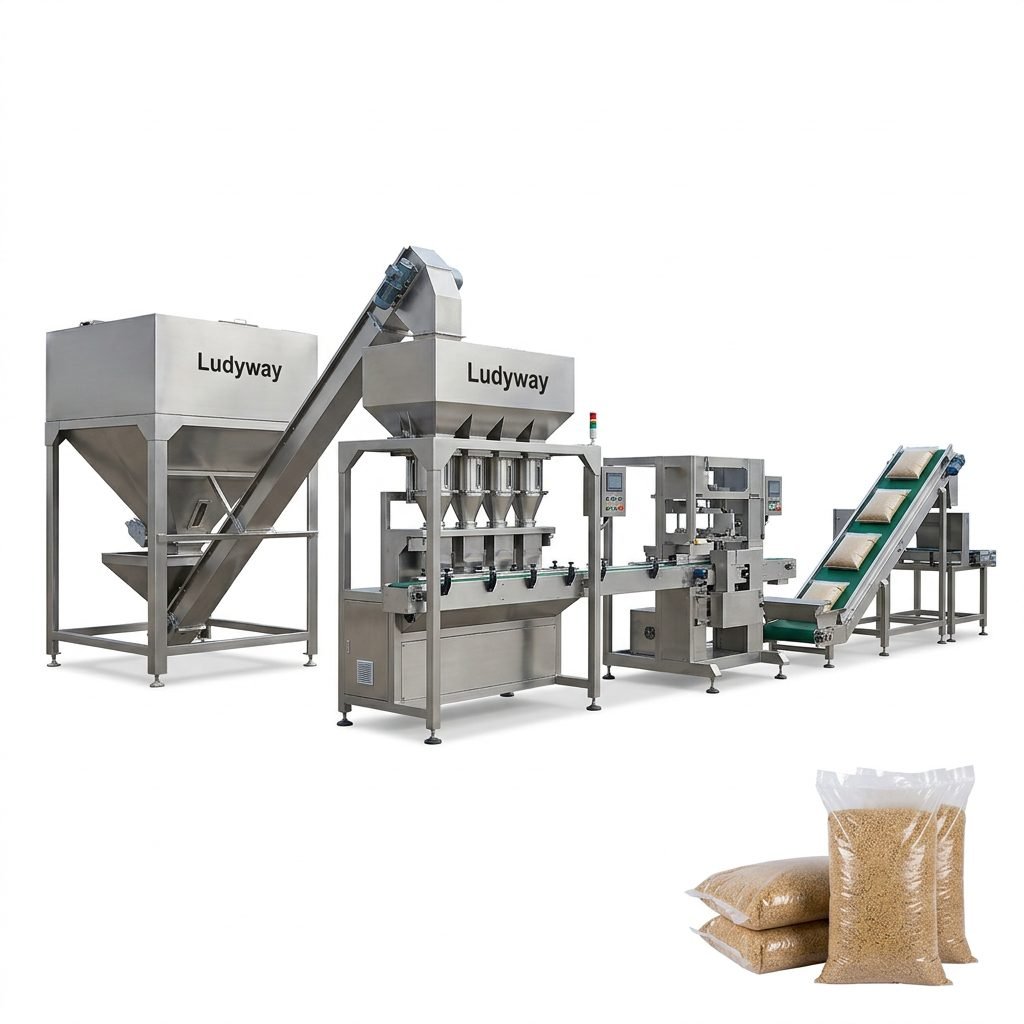
Types of Chicken Packaging Machines Available for African Producers
Understanding the different categories of chicken packaging equipment is essential before making a purchasing decision. Each type serves distinct production scales and packaging formats commonly demanded in African markets, from open-air wet markets to modern supermarket chains.
Vacuum Packaging Machines
Vacuum packaging removes oxygen from the package before sealing, significantly extending the shelf life of fresh and frozen chicken products. This technology is particularly valuable in African regions where cold chain infrastructure may be inconsistent. Vacuum-sealed chicken can last 3-5 times longer than traditionally wrapped poultry, reducing spoilage losses that currently affect many African distributors. These machines range from compact single-chamber units suitable for small butcheries to high-output double-chamber and automatic conveyor belt systems for larger processing facilities.
Modified Atmosphere Packaging (MAP) Systems
MAP technology replaces the air inside the package with a precisely controlled gas mixture, typically carbon dioxide and nitrogen, to inhibit microbial growth and preserve meat color. For African chicken processors targeting premium retail segments, MAP packaging creates an attractive product presentation while maintaining freshness. The FDA food packaging guidelines recognize MAP as an effective preservation method, and its adoption is growing in African markets serving upscale supermarkets and export-oriented businesses.
Tray Sealing Machines
Tray sealers are widely used for packaging fresh chicken portions in rigid plastic trays sealed with a transparent film. These machines offer excellent product visibility, which is crucial for consumer confidence in African retail environments. Automatic tray sealing lines can process up to 60 packs per minute, making them suitable for medium to large-scale poultry processors supplying urban supermarkets across the continent.
Flow Wrapping Machines
Horizontal flow wrappers create pillow-style packages ideal for frozen chicken products, whole birds, and bulk packs commonly distributed through African wholesale channels. These versatile machines handle various film types and can incorporate gas flushing for extended shelf life. Their robust construction suits the demanding environments often found in African processing facilities.
Shrink Packaging Machines
Shrink wrapping provides tamper-evident packaging for whole chilled chickens, a format increasingly popular in Southern and East African retail chains. The tight film conforms to the product shape, preventing leaks and presenting a clean, professional appearance that appeals to middle-class consumers driving poultry consumption growth across the continent.
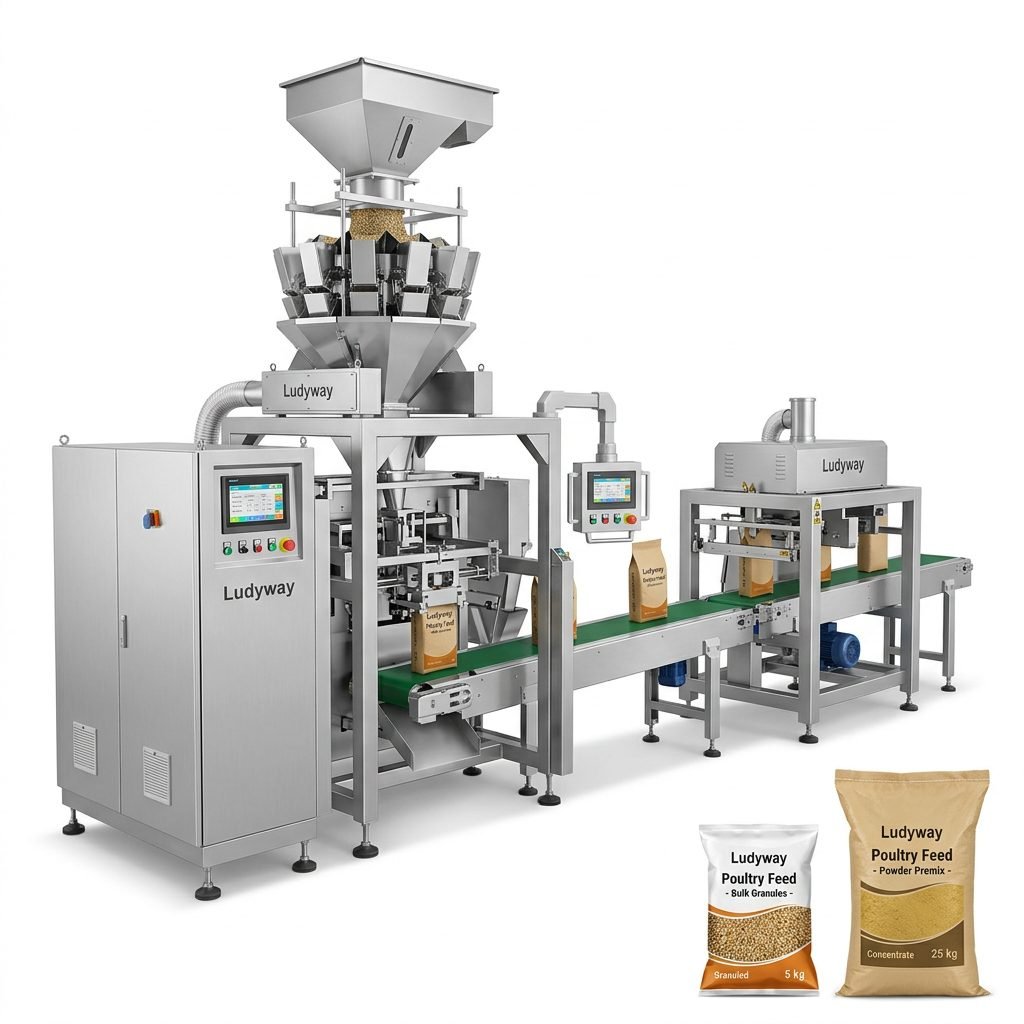
Chicken Packaging Machine Price Ranges for the African Market
Pricing for chicken packaging machinery varies significantly based on automation level, production capacity, and country of origin. The following table provides a general reference for budgeting purposes, though actual costs depend on specific configurations, shipping to African ports, import duties, and local taxes:
| Machine Type | Capacity Range | Estimated Price Range (USD) | Best Suited For |
|---|---|---|---|
| Single Chamber Vacuum Machine | 50-200 packs/hour | $800 – $5,000 | Small butcheries, wet market suppliers |
| Double Chamber Vacuum Machine | 300-800 packs/hour | $3,000 – $12,000 | Medium processors, regional distributors |
| Automatic Tray Sealer | 600-3,600 packs/hour | $15,000 – $80,000 | Supermarket suppliers, export processors |
| MAP Packaging System | 400-2,000 packs/hour | $20,000 – $120,000 | Premium retail, export markets |
| Horizontal Flow Wrapper | 600-3,000 packs/hour | $10,000 – $55,000 | Frozen chicken, bulk packaging |
| Shrink Packaging Machine | 200-1,500 packs/hour | $4,000 – $25,000 | Whole chicken retail packaging |
Note on African market pricing: The above estimates reflect FOB (Free on Board) prices from major manufacturing countries. When budgeting for your chicken packaging machine purchase in Africa, you should factor in additional costs including international freight (typically $500-$5,000 depending on machine size and destination port), customs duties (varying from 5% to 35% across African nations), local logistics, installation, and operator training. Working with suppliers who have established freight partnerships serving African ports can significantly reduce these ancillary expenses.
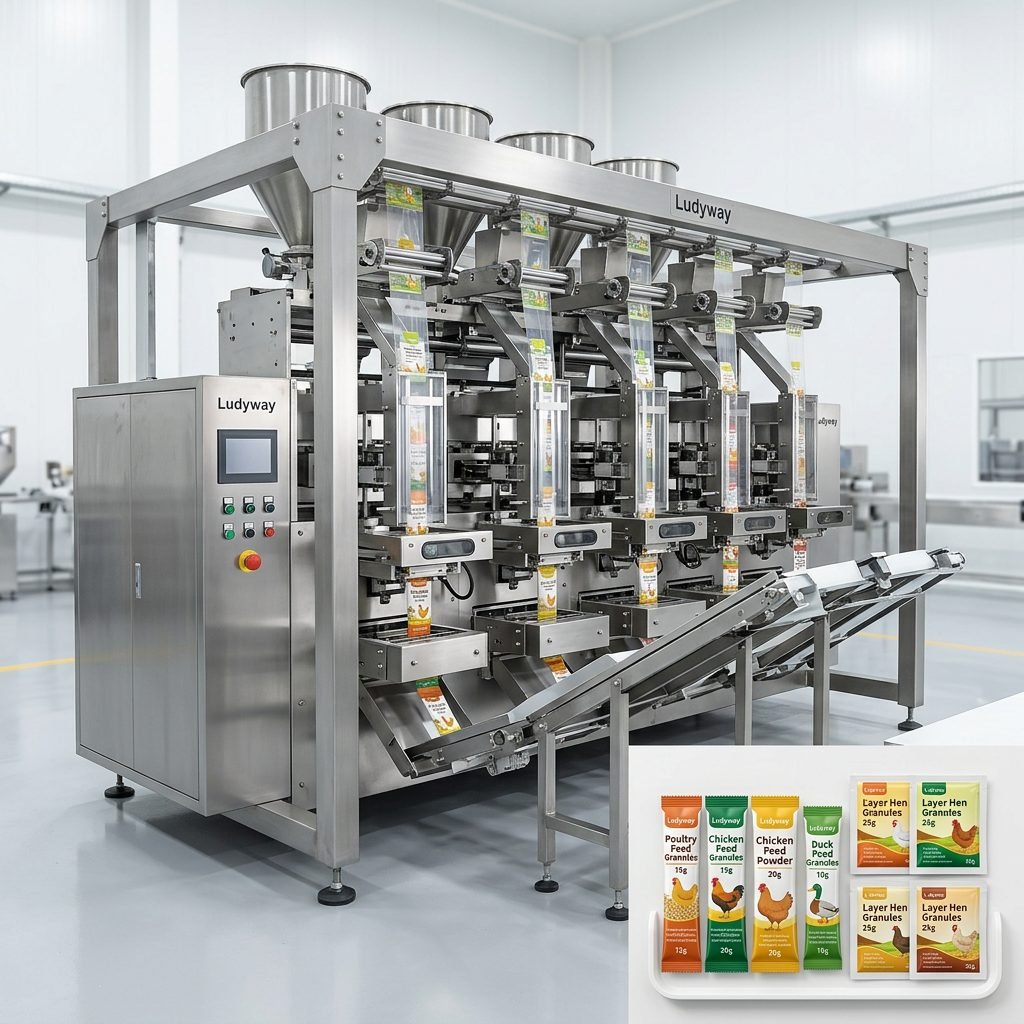
How to Choose the Right Chicken Packaging Machine
Selecting equipment that matches your specific operational needs is crucial for long-term success. Consider these key factors when evaluating chicken packaging solutions for your African business:
Production Volume Assessment
Calculate your current daily processing volume and project growth over the next 3-5 years. A machine that fits today’s output may become a bottleneck within two years given Africa’s rapidly expanding poultry market. Undersized equipment is one of the most common and costly mistakes made by growing chicken processors. Factor in seasonal demand fluctuations, which can be significant in many African markets around holidays and festive periods.
Packaging Material Availability
Before committing to a specific machine type, verify the local or regional availability of compatible packaging materials. Vacuum bags, MAP films, and tray sealing films must meet food-grade specifications. In some African markets, importing specialized packaging materials can add ongoing operational costs and supply chain complexity. Choose a machine that works with materials you can reliably source, whether locally manufactured or imported through established distribution channels.
Power Requirements and Environmental Conditions
African processing facilities often contend with voltage fluctuations, high ambient temperatures, and humidity levels that differ significantly from European or Asian manufacturing environments. Select machines rated for your local power supply specifications and operating temperature range. Machines with built-in voltage stabilizers and tropical-rated electrical components will provide more reliable performance and longer service life in challenging environments across the continent.
After-Sales Support and Spare Parts
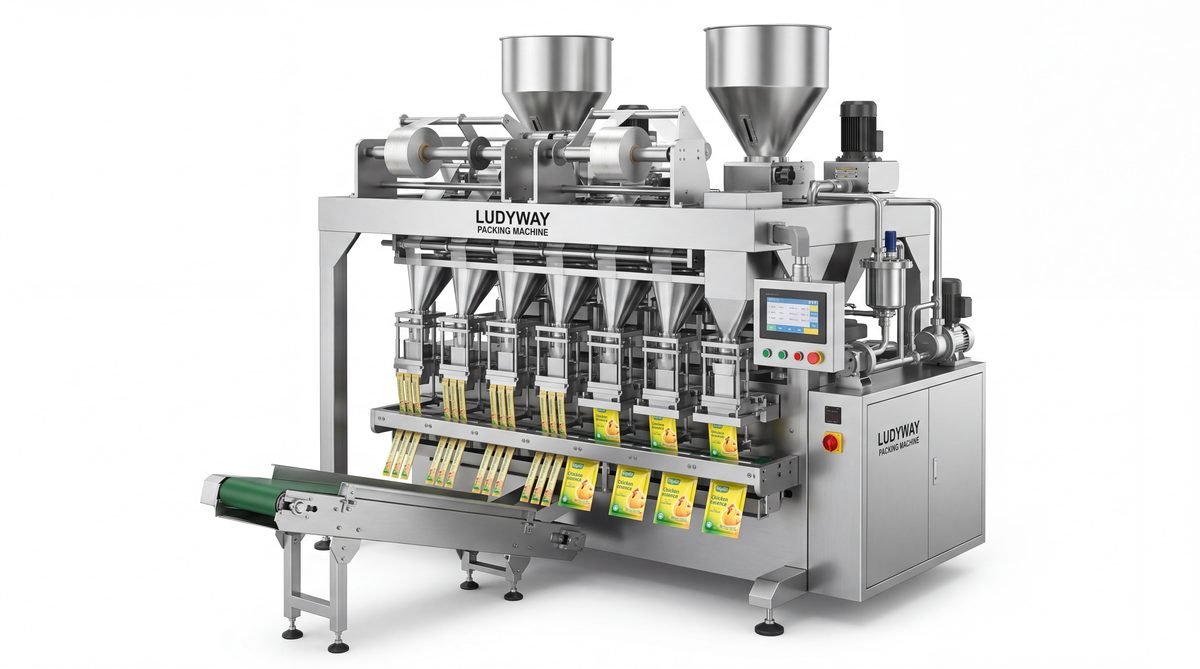
The availability of technical support, maintenance services, and spare parts within Africa should heavily influence your supplier selection. Leading international manufacturers, including Ludyway, have established distribution and service networks serving multiple African countries, which can significantly reduce downtime risks. Verify whether the supplier offers remote diagnostics, local technician availability, and guaranteed spare parts delivery timelines before finalizing your purchase.
Key Technical Specifications to Evaluate
When comparing different chicken packaging machine models, focus on these critical specifications that directly impact performance in African operating conditions:
- Sealing bar length and configuration: Determines the maximum bag or tray size your machine can accommodate, directly affecting your product range flexibility.
- Vacuum pump capacity: Measured in cubic meters per hour, higher capacity pumps achieve faster evacuation times and more consistent seal quality, especially important at higher altitudes found in some African processing locations.
- Cycle time: The complete packaging cycle duration determines your maximum throughput, typically ranging from 15 to 60 seconds for chamber machines and much faster for automated lines.
- Construction materials: Stainless steel (304 or 316 grade) construction is essential for food-grade chicken processing to withstand frequent washdowns and prevent corrosion in humid environments.
- Control system complexity: PLC-controlled machines with touchscreen interfaces offer easier operation and troubleshooting, though they may require more specialized technical support compared to simpler electro-mechanical systems.
Compliance with Food Safety Standards
Chicken packaging operations must meet stringent hygiene requirements to protect consumer health and comply with regulations. The FDA packaging and food contact substances regulations provide a framework adopted or referenced by many African food safety authorities. Additionally, ISO packaging standards offer internationally recognized guidelines for packaging machinery design and operation. Ensure your chosen equipment meets relevant standards for your target markets, particularly if you plan to export chicken products to regional or international destinations.
HACCP Compatibility
Hazard Analysis and Critical Control Points (HACCP) compliance is increasingly mandatory across African food processing sectors. Your packaging machine should facilitate HACCP implementation through easy-to-clean surfaces, accessible inspection points, and documented operational parameters. Machines with CIP (Clean-in-Place) capabilities or quick-disassembly designs significantly reduce sanitation downtime between production runs.
Traceability Features
Modern chicken packaging equipment increasingly incorporates traceability functions such as batch coding, date stamping, and barcode printing. These features support product recall readiness and meet the requirements of both African regulatory bodies and international export markets. The Flexible Packaging Association industry resources highlight traceability as a growing priority across global food packaging sectors.
Financing and ROI Considerations for African Buyers
Capital equipment investment requires careful financial planning. Consider these approaches specific to the African business environment:
- Supplier financing options: Some international manufacturers offer deferred payment terms or lease-to-own arrangements for qualified buyers, reducing initial capital requirements.
- Development finance institutions: Organizations such as the African Development Bank and various export credit agencies provide equipment financing programs specifically designed for African agribusiness investments.
- ROI calculation: Factor in labor savings, reduced spoilage rates, extended product shelf life, and improved market access when calculating the return on your chicken packaging machine investment. Many processors recover their equipment cost within 18-36 months through operational efficiencies alone.
Common Mistakes to Avoid
Prioritizing Price Over Total Cost of Ownership
A lower purchase price may mask higher long-term costs from frequent breakdowns, difficult-to-source spare parts, excessive energy consumption, or poor packaging quality that leads to product returns. Evaluate the total cost of ownership over at least a 5-year period, including maintenance, consumables, energy, and expected downtime costs.
Ignoring Operator Training Requirements
Sophisticated packaging machinery requires trained operators to achieve optimal performance. Negotiate comprehensive training as part of your equipment purchase, and budget for ongoing skills development. In many African markets, operator training is the single most important factor determining whether a packaging machine investment succeeds or fails.
Underestimating Facility Modifications
Installing new packaging equipment may require facility upgrades including electrical system modifications, compressed air installation, water treatment for sanitation systems, or structural reinforcements. Conduct a thorough site assessment before ordering equipment to avoid unexpected installation costs and delays.
Final Recommendations
Investing in a chicken packaging machine for the African market requires balancing multiple factors: production needs, budget constraints, operating environment challenges, and future growth plans. The most successful implementations we observe combine thorough pre-purchase research, realistic capacity planning, verified after-sales support availability, and comprehensive operator training programs. By carefully evaluating the machine types, specifications, and supplier considerations outlined in this guide, African poultry processors can select packaging equipment that delivers reliable performance, supports food safety compliance, and contributes to long-term business growth in this dynamic and expanding market.
For additional guidance on packaging machinery selection and industry best practices, consult the PMMI packaging industry association and Flexible Packaging Association resources, which offer extensive technical documentation and market intelligence relevant to food packaging operations worldwide.