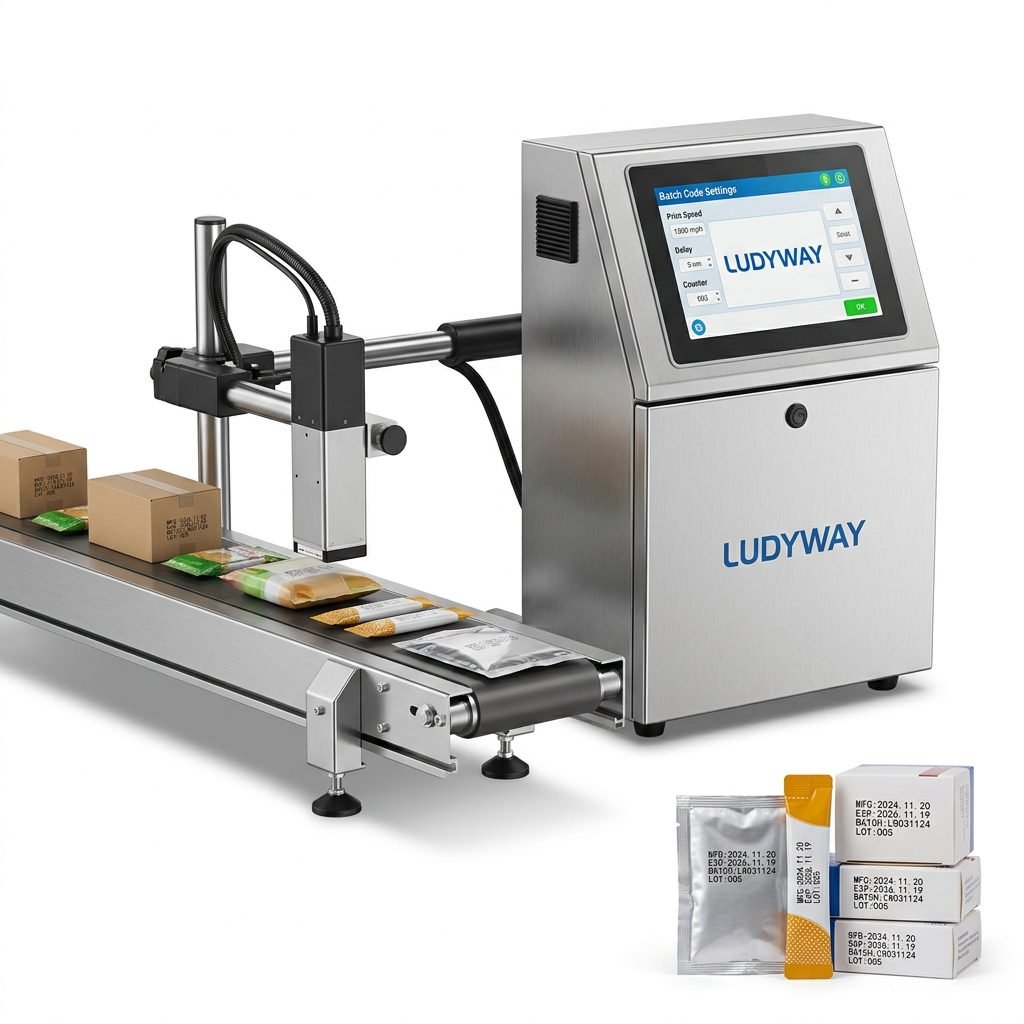
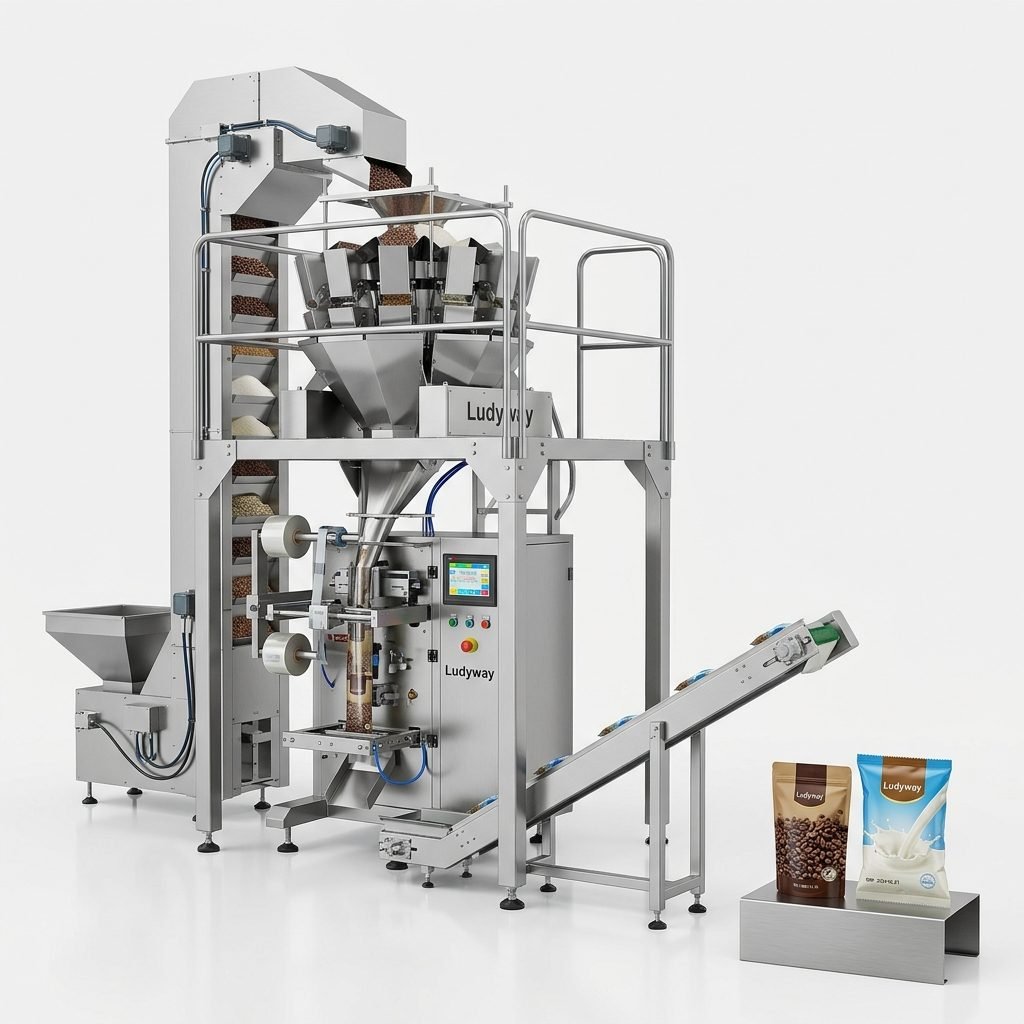
The Asian bakery industry is experiencing unprecedented growth. With markets like China, India, Japan, and Southeast Asia witnessing a surge in demand for packaged bread and baked goods, manufacturers are under pressure to scale production while maintaining product freshness. At the heart of this transformation lies a critical investment: the bread packaging machine. Choosing the right equipment can dramatically impact your shelf life, operational costs, and brand perception across diverse Asian retail environments.
Whether you run a small artisanal bakery in Bangkok or a large-scale industrial production line in Guangzhou, understanding the nuances of packaging machinery technology is essential. This guide covers everything from machine types and key features to regional supplier evaluation and cost analysis, helping you make an informed purchasing decision in Asia’s dynamic market.

Understanding Bread Packaging Machine Types
Bread packaging equipment varies significantly based on your product format and production volume. Selecting the right type is the foundation of an efficient packaging operation. The most common configurations found across Asian manufacturing facilities include:
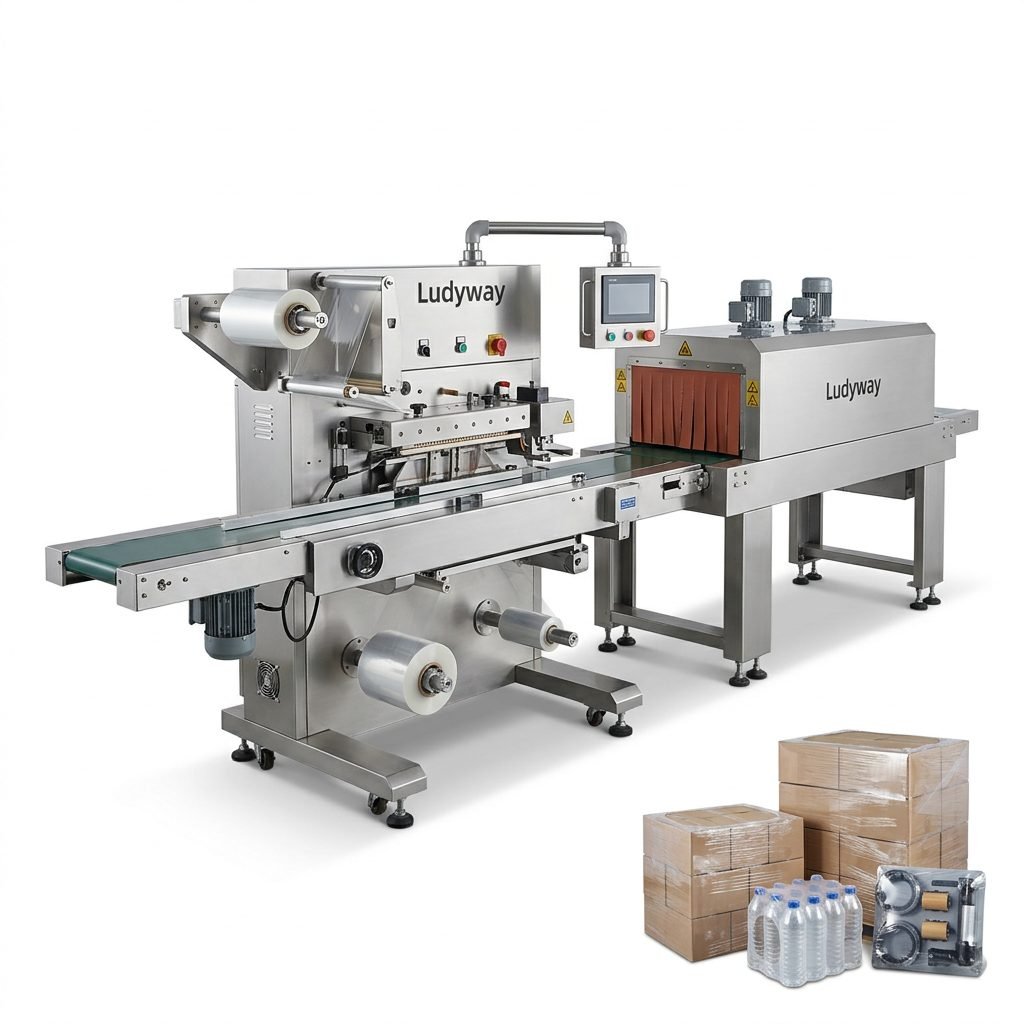
- Horizontal Flow Wrappers: Ideal for sliced loaves and individual buns, these machines create a tight seal around the product using heat-sealable film. They are widely used for standard loaf bread packaging across Asia.
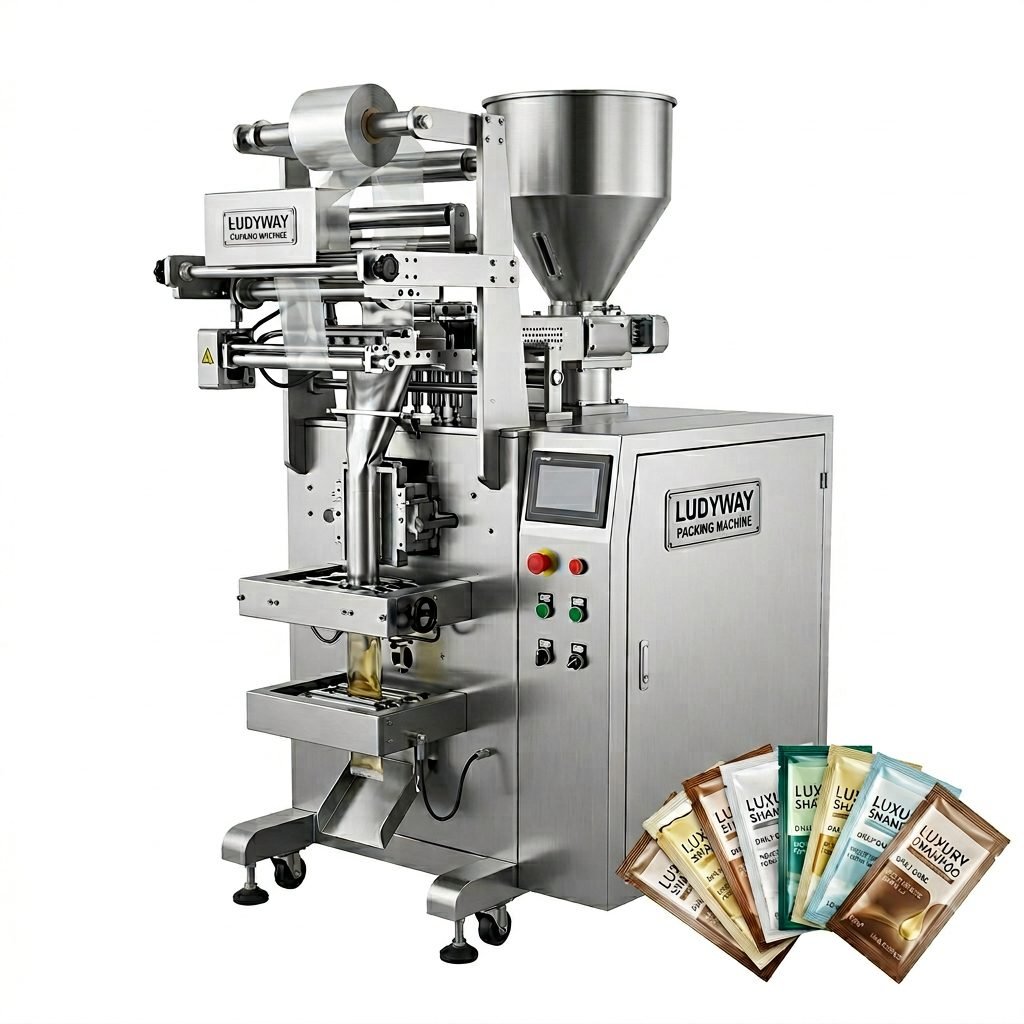
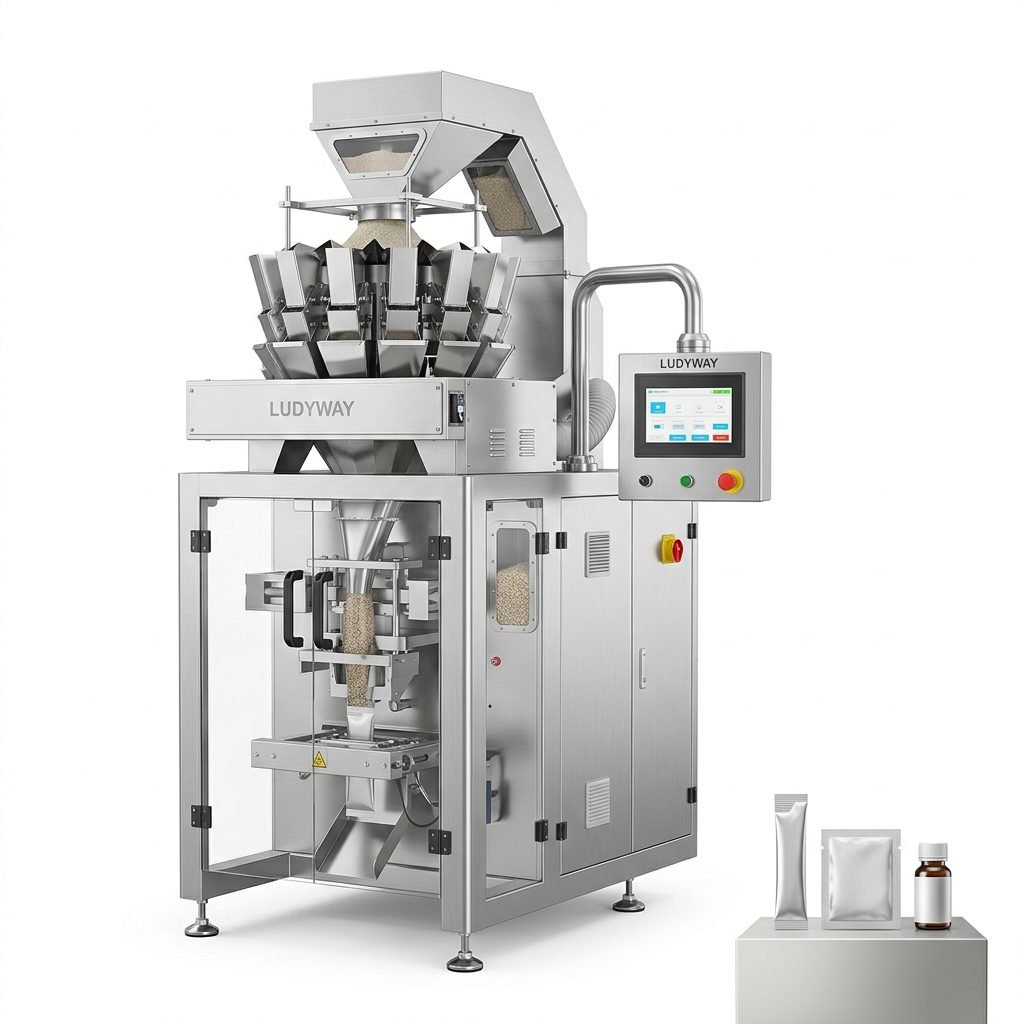
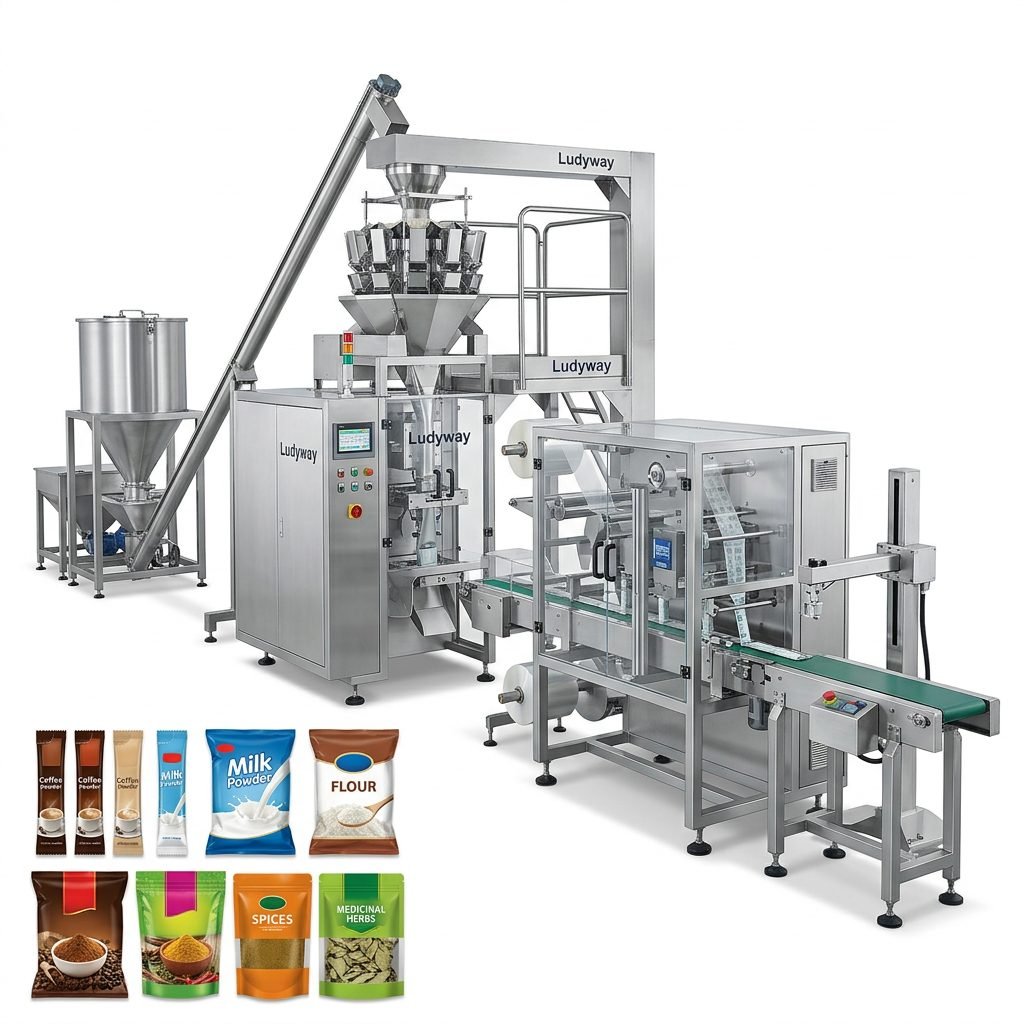
- Vertical Form Fill Seal (VFFS) Machines: Best suited for bagging bread rolls, buns, or irregularly shaped baked goods. These systems form bags from a roll of film, fill them, and seal them in a continuous vertical motion.
- Bread Bagging Machines: Specifically designed for sliced bread, these machines automatically open pre-made bags, insert the loaf, and seal or clip the bag closed. Popular in markets where flexible packaging with twist ties or clips is standard.
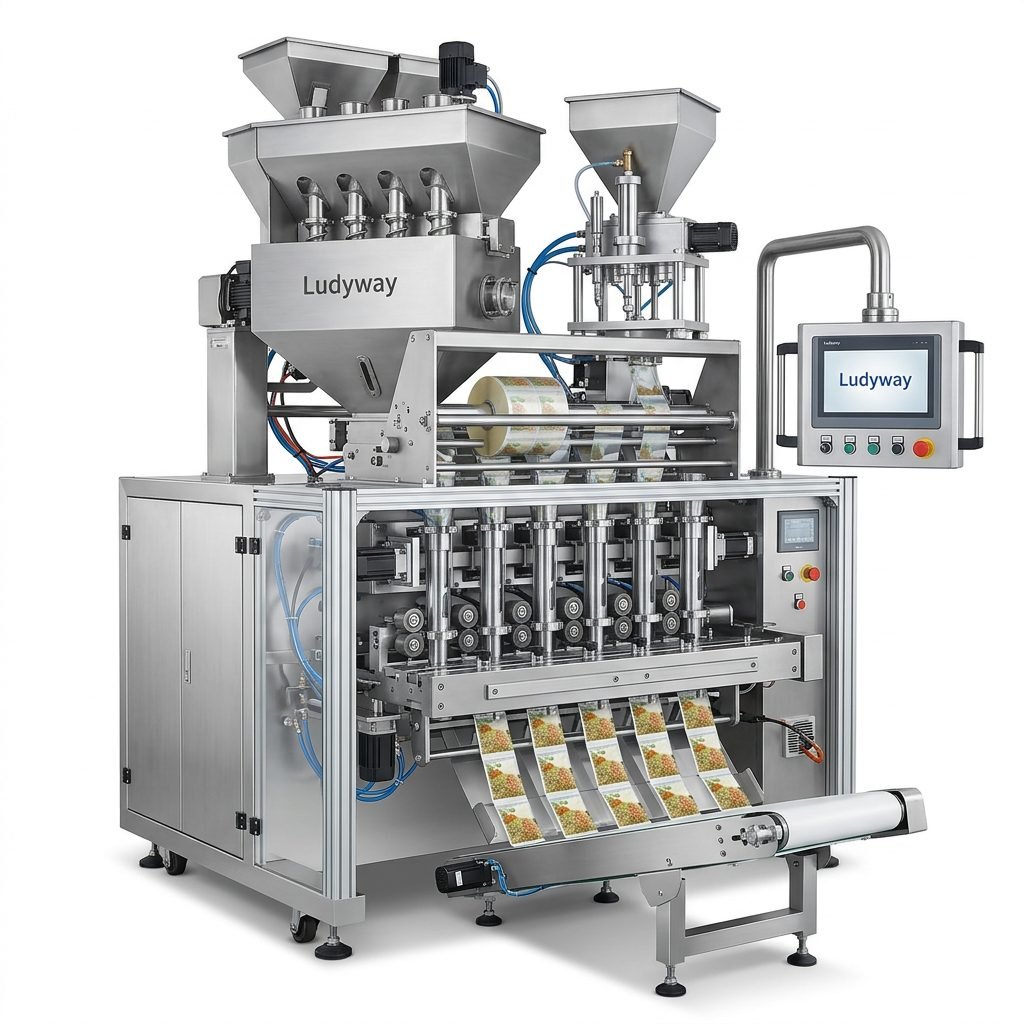
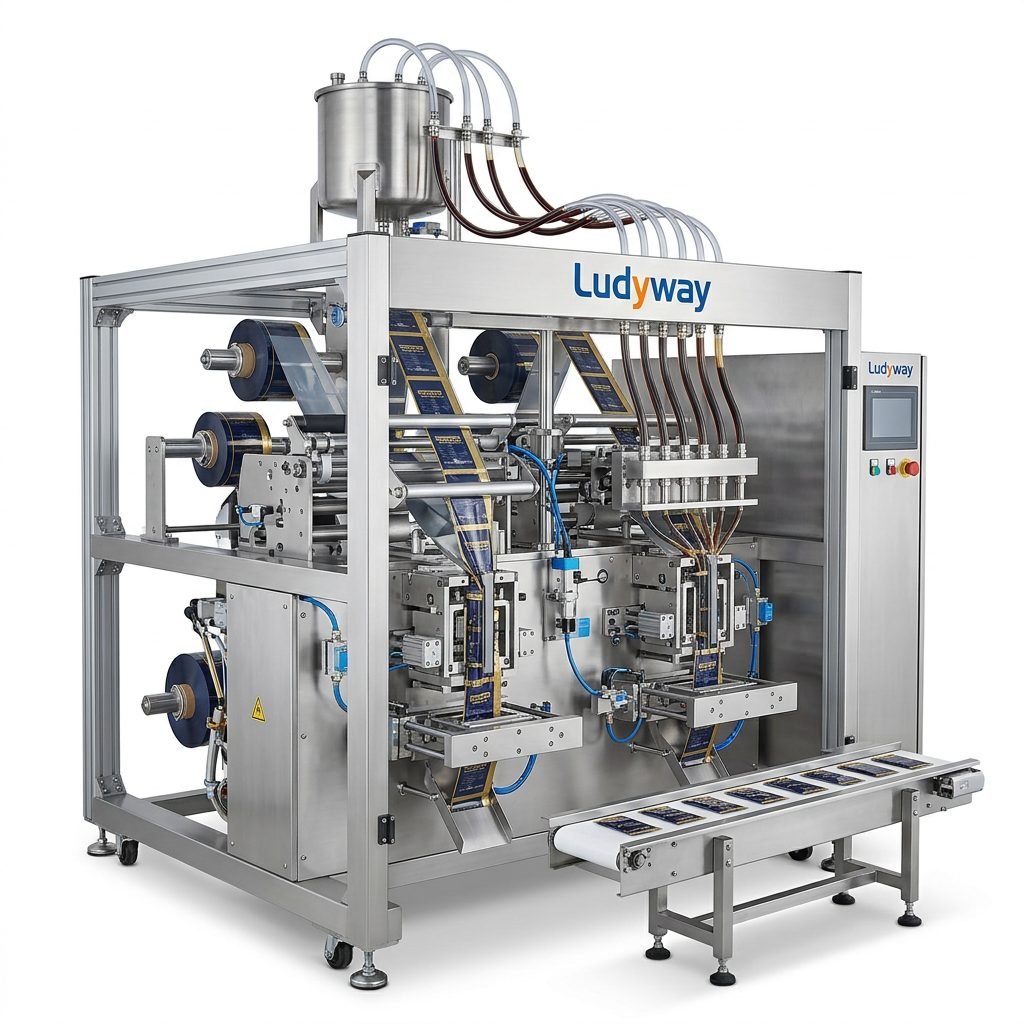
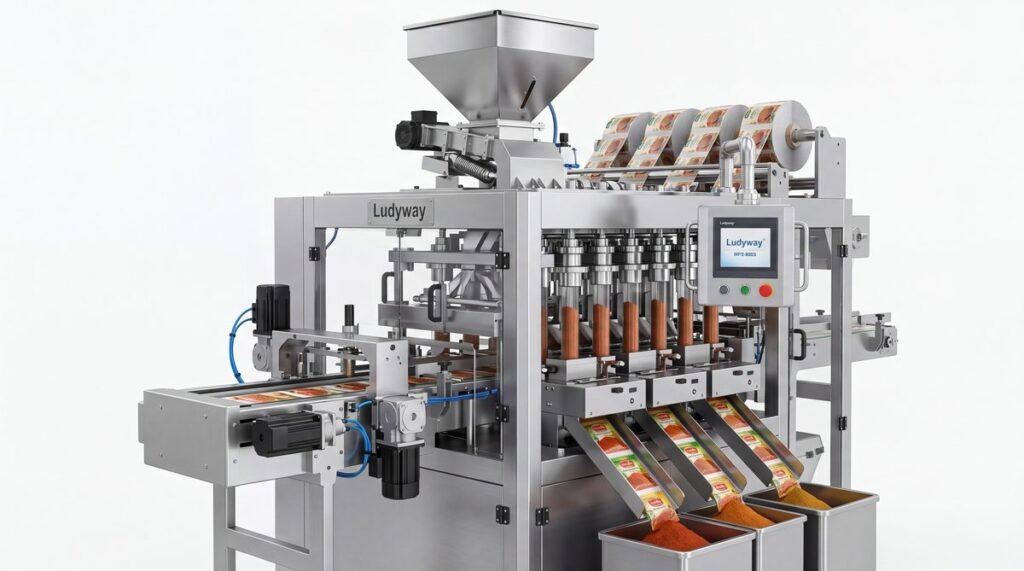
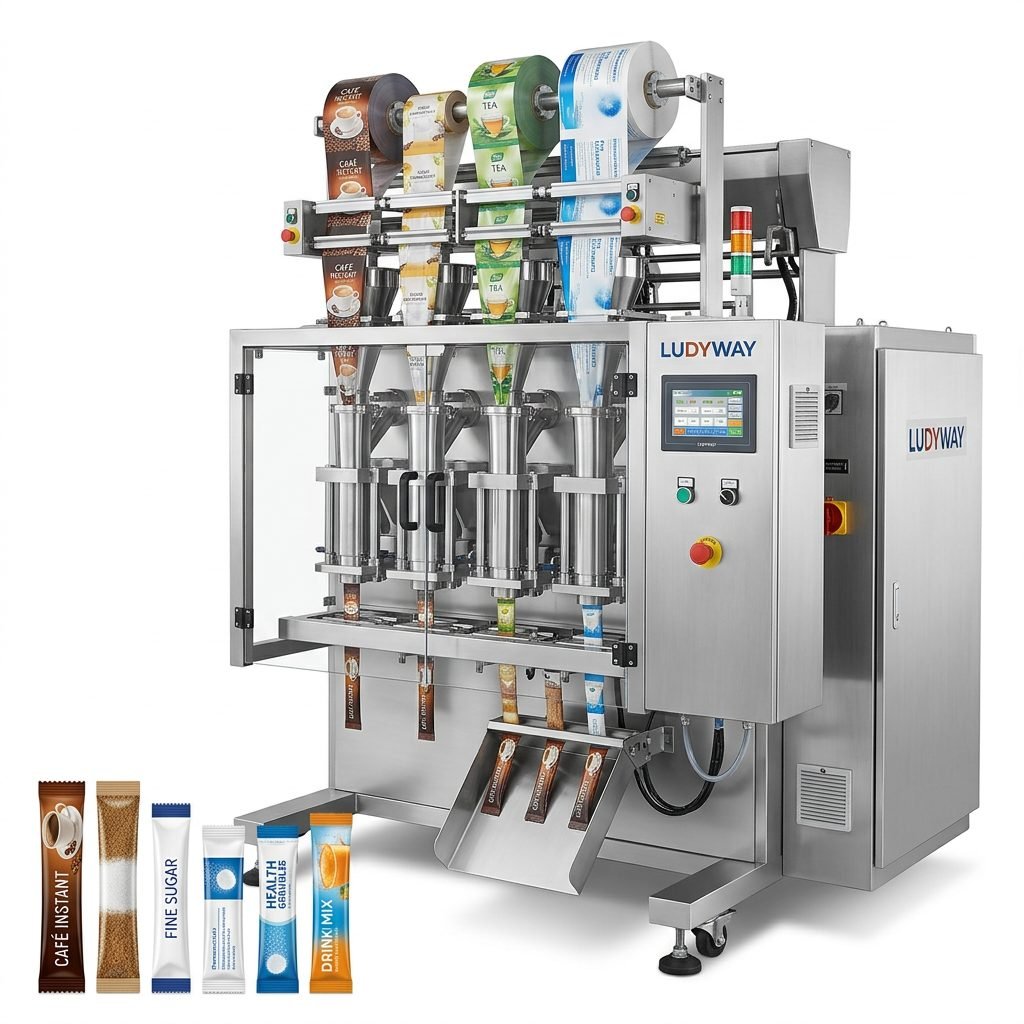
- Multi-Lane Stick Pack Machines: For single-serve portions, breadsticks, or snack-sized bakery items, multi-lane systems offer unmatched speed and efficiency in the Asian convenience store segment.
- Modified Atmosphere Packaging (MAP) Machines: Increasingly critical in Asia’s premium bread market, MAP systems replace oxygen with inert gases to extend shelf life significantly.
Key Features to Evaluate Before Buying
Not all bread packaging machines are created equal. When sourcing equipment from Asian manufacturers or evaluating imported machinery for your facility, focus on the following critical performance features:
Sealing Technology and Film Compatibility
The sealing system determines packaging integrity and shelf appeal. Look for machines with precise temperature control and adjustable sealing pressure. In humid Asian climates, hermetic sealing is non-negotiable to prevent moisture ingress. Verify that the machine handles the film types common in your region—BOPP, CPP, laminated films, or biodegradable materials that are gaining traction in markets like Japan and South Korea.
Automation Level and Integration Capability
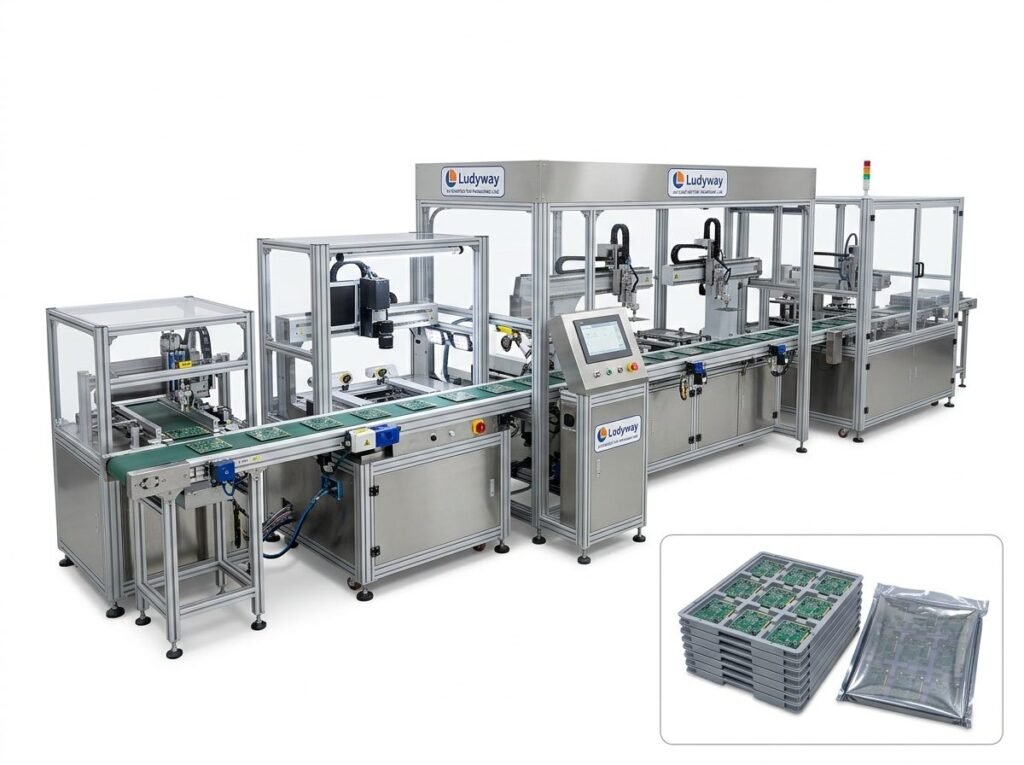
From semi-automatic units suitable for small bakeries to fully automated lines with robotic feeding systems, the level of automation directly impacts labor costs and output consistency. In countries like Singapore and Malaysia where labor costs are rising, fully automatic packaging machinery standards increasingly favor integrated solutions that connect directly to upstream cooling conveyors and downstream cartoning equipment.
Changeover Speed and Flexibility
Asian bakeries often produce multiple SKUs—different bread types, sizes, and packaging formats. Machines with tool-less changeover and recipe memory can switch between products in minutes rather than hours, dramatically improving overall equipment effectiveness (OEE).

The Asian Bread Packaging Machine Market Landscape
Asia presents a unique procurement environment for packaging equipment. The region hosts both globally recognized brands and emerging local manufacturers offering competitive pricing. Understanding this landscape helps buyers navigate their options effectively.
The market is broadly segmented into three tiers. Tier 1 includes high-end European and Japanese manufacturers known for precision engineering and premium pricing. Tier 2 comprises established Chinese and Taiwanese brands that deliver reliable performance at 40-60% of the cost of European equivalents. Tier 3 consists of smaller regional players offering budget solutions with variable quality standards.
For many buyers across Asia, the sweet spot lies in Tier 2 manufacturers who combine robust engineering with localized service networks. These companies often operate large-scale production facilities and offer comprehensive after-sales support throughout Southeast Asia, South Asia, and the Middle East.
| Feature | Entry-Level Machines | Mid-Range Machines | High-End Machines |
|---|---|---|---|
| Speed Range | 20-50 packs/min | 60-120 packs/min | 150-300+ packs/min |
| Automation Level | Semi-automatic | Full automatic | Smart factory ready |
| Price Range (USD) | $8,000 – $25,000 | $30,000 – $80,000 | $100,000 – $500,000+ |
| Typical Origin | China, India, Vietnam | China, Taiwan, South Korea | Japan, Germany, Italy |
| After-Sales Support | Limited, remote | Regional service hubs | Global service network |
| Best Suited For | Small bakeries, startups | Growing SMEs, regional brands | Large enterprises, export-oriented |
Evaluating Suppliers Across Asia
Sourcing a bread packaging machine in Asia requires thorough due diligence. Here are the essential steps to evaluate potential suppliers:
- Factory Audits: Whenever possible, visit the manufacturing facility. Assess production capabilities, quality control processes, and the engineering team’s expertise. A supplier with a well-organized, modern facility is more likely to deliver consistent quality.
- Reference Checks: Request references from clients in your region. Speaking with existing users provides unfiltered insights into machine reliability, after-sales responsiveness, and hidden operational costs.
- Certification Verification: Confirm that the manufacturer holds relevant certifications. Compliance with ISO packaging standards and CE marking indicates adherence to international quality and safety benchmarks.
- Sample Testing: Send your actual bread products and packaging materials to the supplier for trial runs. This is the most reliable way to verify machine performance with your specific requirements.
- Service Infrastructure: In Asia, the availability of local service engineers and spare parts inventory is crucial. Machines inevitably require maintenance, and rapid response times prevent costly production stoppages.

Cost Factors Beyond the Purchase Price
The initial machine price is just one component of the total cost of ownership (TCO). Savvy buyers in Asia factor in the following long-term expenses before finalizing their investment:
- Energy Consumption: In countries with high electricity costs like Japan, South Korea, and Singapore, energy-efficient motors and heating systems can yield substantial annual savings. Compare power ratings across comparable models.
- Film Waste: Machines with precise film registration and tension control minimize material waste during startups and changeovers. Even a 2-3% reduction in film waste translates to significant cost savings over a machine’s lifespan.
- Spare Parts Availability: Some imported machines require expensive proprietary components with long lead times. Evaluate the availability and cost of wear parts like sealing jaws, cutting blades, and belts in your local market.
- Operator Training: Complex machines may require specialized training. Consider whether the supplier offers comprehensive training programs and documentation in your local language.
- Compliance Costs: As Asian markets tighten food packaging regulations, ensure your machine supports compliance with relevant food contact material standards in your target markets.
Technical Innovations Reshaping Bread Packaging
The bread packaging sector in Asia is embracing advanced technologies that enhance efficiency and product quality. Understanding these innovations helps future-proof your investment:
IoT-Enabled Predictive Maintenance
Leading machines now incorporate sensors that monitor vibration, temperature, and cycle counts in real time. These systems predict component wear before failures occur, enabling planned maintenance that avoids unplanned downtime—a critical advantage in high-volume Asian bakeries operating on thin margins.
Vision Inspection Systems
Automated cameras and AI-powered quality control systems detect seal defects, misaligned labels, and foreign objects at production speeds. These systems ensure consistent quality for brands exporting to discerning markets like Japan, Australia, and the Middle East.
Sustainable Packaging Compatibility
With Asian governments increasingly regulating single-use plastics, machines that handle recyclable mono-materials, compostable films, and reduced-thickness packaging are becoming essential. Verify that your chosen machine can process these sustainable packaging materials without compromising sealing quality or production speed.
Regional Considerations for Asian Buyers
Asia is not a monolithic market. Buyers in different countries face distinct challenges and opportunities:
- China: The world’s largest bread packaging machine manufacturing hub offers unparalleled price competitiveness. Domestic suppliers like Ludyway operate state-of-the-art facilities and serve customers across more than 100 countries, providing reliable mid-range and high-end solutions with strong export support. The sheer scale of China’s packaging machinery ecosystem means buyers can find equipment for virtually any budget and specification.
- India: A rapidly growing market with diverse bread types—from Western-style sliced bread to traditional flatbreads. Machines need versatility to handle different product dimensions. Local manufacturing is expanding, but many high-speed lines are still imported.
- Southeast Asia: Countries like Vietnam, Indonesia, and Thailand have strong bakery growth driven by urbanization and changing breakfast habits. Tropical climates demand robust sealing systems that protect against humidity and mold growth.
- Japan and South Korea: Premium markets with exacting quality standards. Packaging aesthetics and precision are paramount, favoring high-end Japanese and European equipment, though cost-conscious segments are increasingly open to advanced Chinese alternatives.
Making the Final Decision: A Step-by-Step Approach
- Step 1: Define your production requirements—current and projected volumes, bread types, packaging formats, and budget range.
- Step 2: Shortlist 3-5 suppliers that match your technical specifications and geographic preferences. Consider attending PACK EXPO International or regional packaging exhibitions to see machines in operation.
- Step 3: Request detailed quotations including freight, installation, training, and warranty terms. Compare not just prices but the scope of deliverables.
- Step 4: Conduct sample testing with your actual products and packaging materials. This step is non-negotiable for mitigating risk.
- Step 5: Negotiate service level agreements (SLAs) that guarantee response times and spare parts availability in your location.
- Step 6: Finalize your purchase with a clear contract covering delivery timelines, payment milestones, acceptance criteria, and warranty provisions.
Ensuring Long-Term Success with Your Bread Packaging Equipment
Your relationship with the machine supplier should extend well beyond installation. The best outcomes come from partnerships where the manufacturer provides ongoing support, including operator training programs, preventive maintenance schedules, and access to genuine spare parts. In Asia’s fast-moving bakery sector, a reliable bread packaging machine backed by responsive local support can be the difference between market leadership and costly operational disruptions.
The Asian bread packaging machine market offers exceptional value for buyers who approach procurement strategically. By understanding machine types, evaluating suppliers thoroughly, calculating total ownership costs, and staying informed about technical innovations, you position your bakery for sustainable growth in one of the world’s most dynamic food markets.
Frequently Asked Questions About Bread Packaging Machines in Asia
- What is the typical lead time for a bread packaging machine from Asian manufacturers? Standard machines typically ship within 30-60 days, while customized configurations may require 60-90 days depending on complexity and the manufacturer’s current order book.
- Can one machine handle multiple bread sizes and types? Yes, many modern machines feature quick-changeover capabilities. However, verify the range of adjustments and whether additional change parts are needed for different product dimensions.
- How do I ensure food-grade compliance for machines sourced from Asia? Request documentation confirming the machine’s food-contact surfaces use approved materials. Look for compliance with relevant standards and certifications recognized in your target markets.
- Is it feasible to import a bread packaging machine without visiting the factory? While possible, factory visits are strongly recommended. If impossible, request live video demonstrations, detailed production videos, and references from clients in your region.
- What after-sales support can I expect from Asian machine manufacturers? Leading suppliers offer remote technical support, on-site service visits, and spare parts supply. Confirm the availability of support in your specific location and the associated costs before purchasing.
Related Resources:
- PMMI 2025 State of the Industry Report – Comprehensive packaging industry data and forecasts
- Flexible Packaging Association – Resources on flexible packaging materials and sustainability
- Ludyway Packaging Machinery Global Growth Trend – Industry insights on Asian packaging machinery exports
- ISO Packaging Standards – International standards for packaging machinery and materials