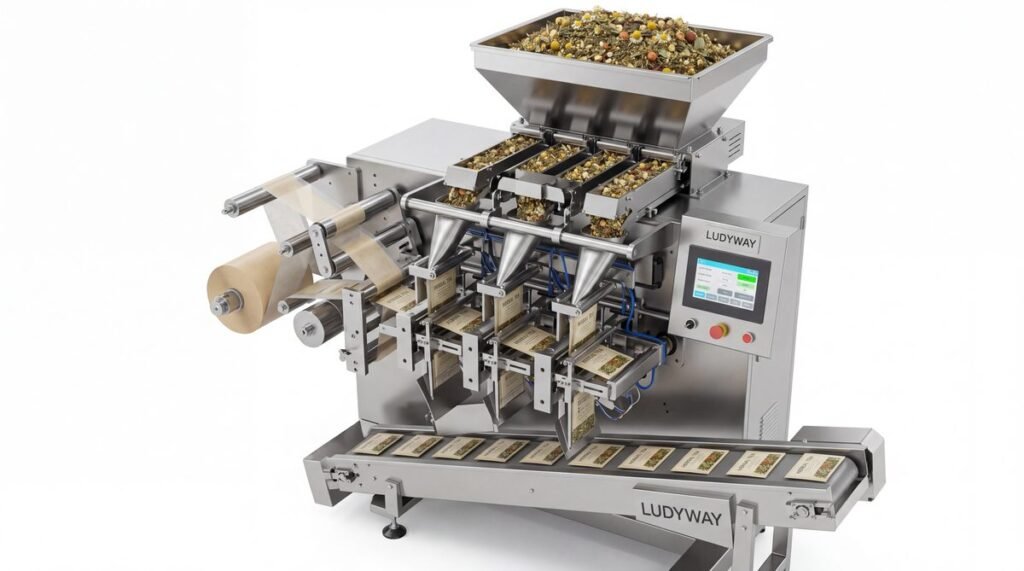
The dairy industry across Asia is experiencing unprecedented growth, driven by rising disposable incomes, urbanization, and increasing consumer awareness of nutritional products. Establishing a milk packaging machine production line in this dynamic region requires careful planning, strategic equipment selection, and a thorough understanding of local market conditions. This comprehensive guide walks you through every critical aspect of setting up a successful milk packaging operation in Asia.
Understanding the Asian Dairy Packaging Market
Asia represents one of the fastest-growing dairy markets globally, with countries like India, China, Indonesia, Vietnam, and Thailand leading consumption growth. According to industry data from PMMI’s business intelligence reports, the packaging machinery sector in Asia-Pacific is projected to expand significantly through 2028. Key drivers include:
- Increasing demand for UHT milk and shelf-stable dairy products with extended shelf life
- Growing preference for single-serve and portion-controlled packaging formats such as stick packs and sachets
- Rapid expansion of e-commerce and modern retail channels requiring robust packaging solutions
- Rising investments in automated dairy processing facilities across Southeast Asia
- Government initiatives promoting milk consumption and food security in developing markets
Understanding these market dynamics is essential before committing to a milk packaging production line investment. The type of milk product—whether liquid milk, milk powder, condensed milk, or flavored milk drinks—will fundamentally determine your equipment configuration.
Types of Milk Packaging Machines for Production Lines
Selecting the right packaging machinery is critical to operational efficiency. Below are the primary categories of milk packaging equipment used in modern Asian production facilities:
Liquid Milk Filling and Sealing Machines
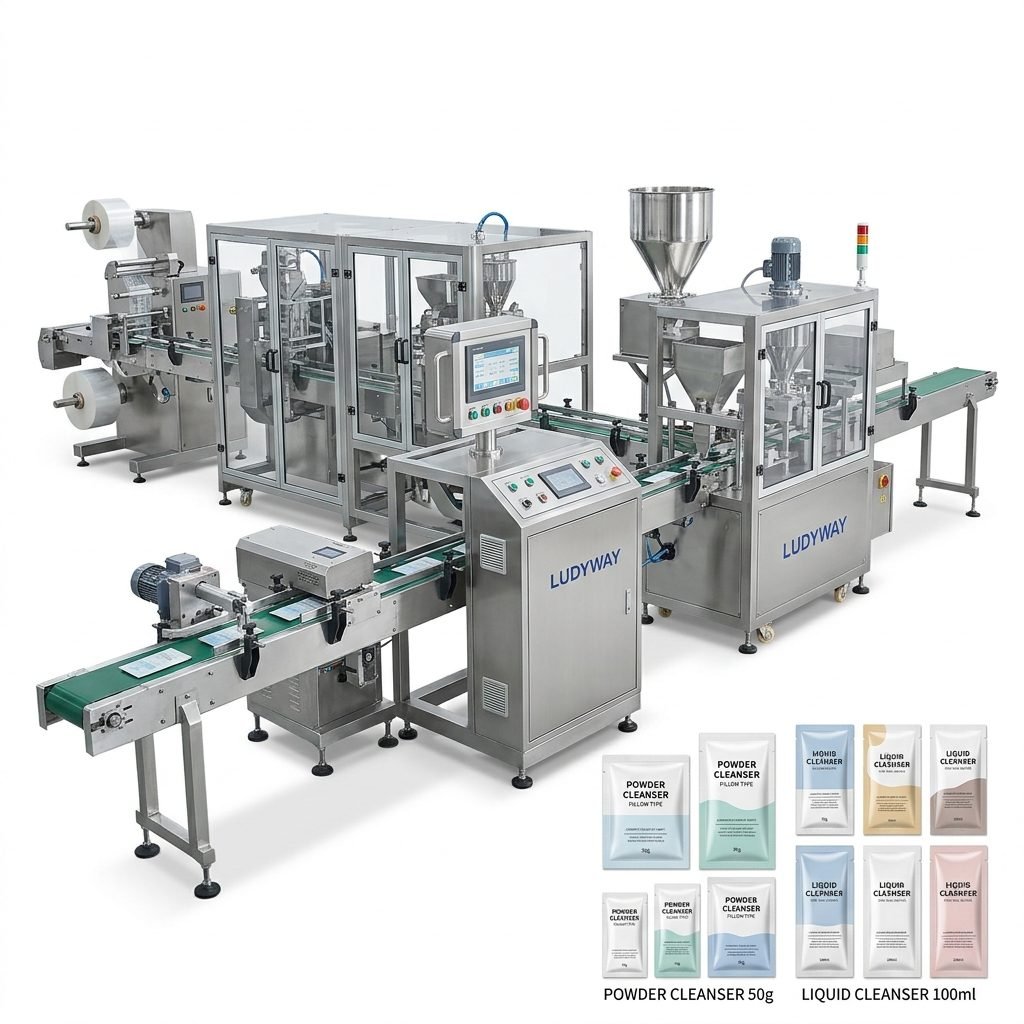
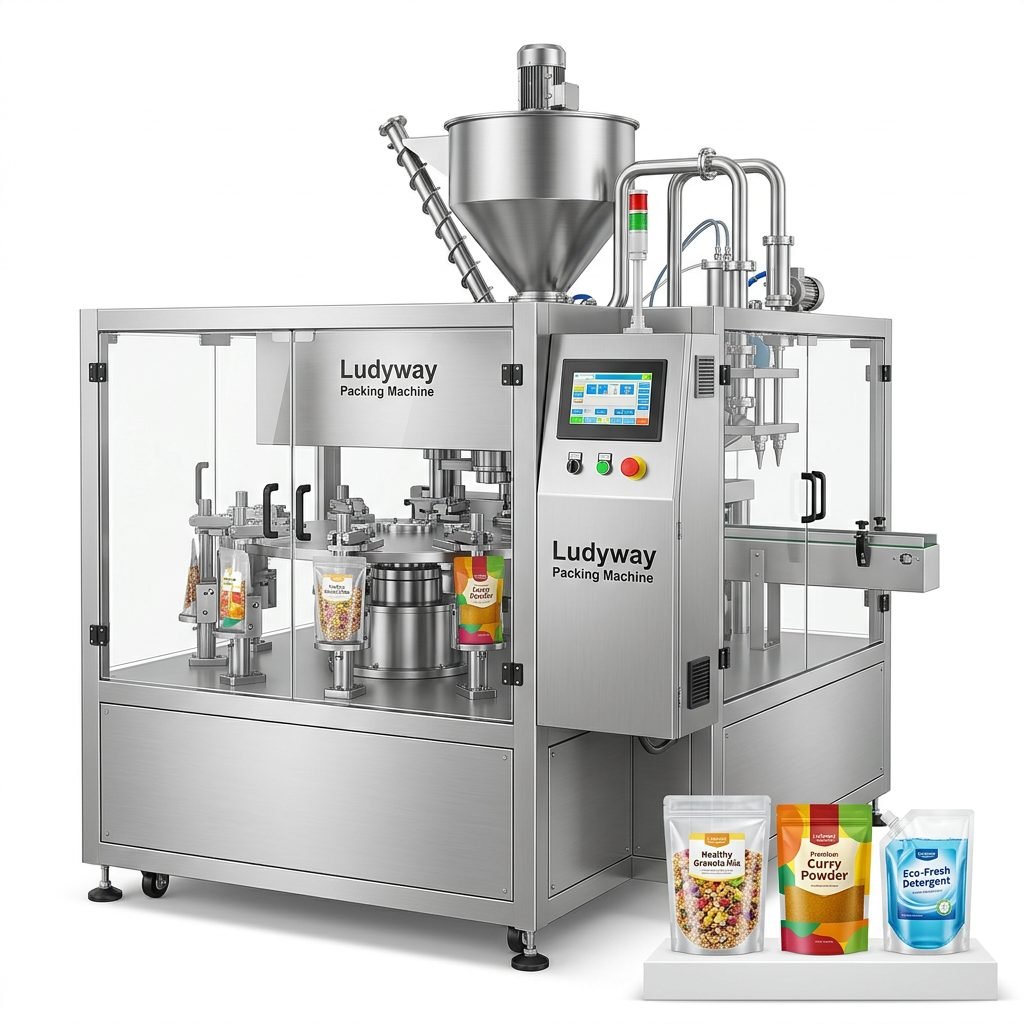
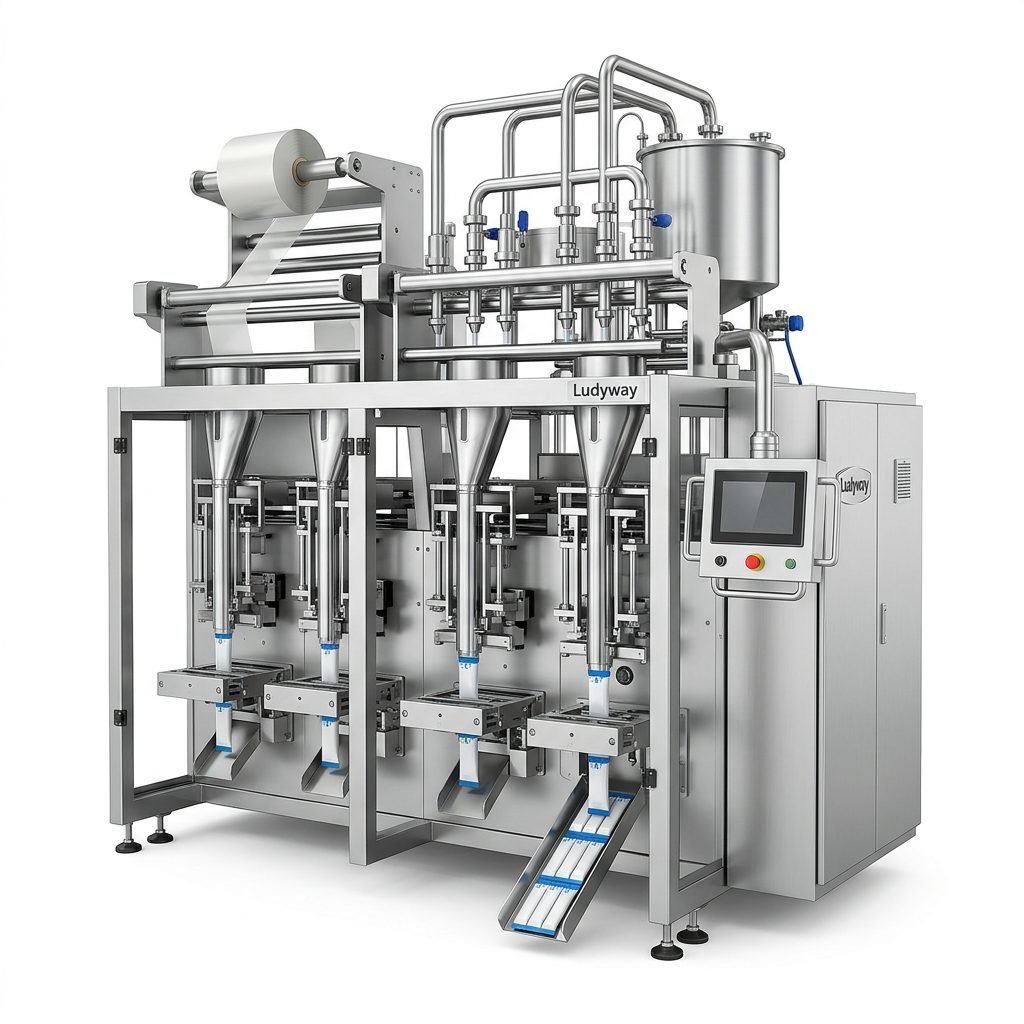
For liquid milk products, including fresh milk, UHT milk, and flavored milk beverages, automated filling and sealing machines are essential. These systems typically feature multi-nozzle filling heads capable of handling various packaging formats—from small sachets to larger pouches. Modern multi-lane liquid packaging systems can produce up to 400-600 sachets per minute, making them ideal for high-volume dairy operations.
Milk Powder Packaging Systems
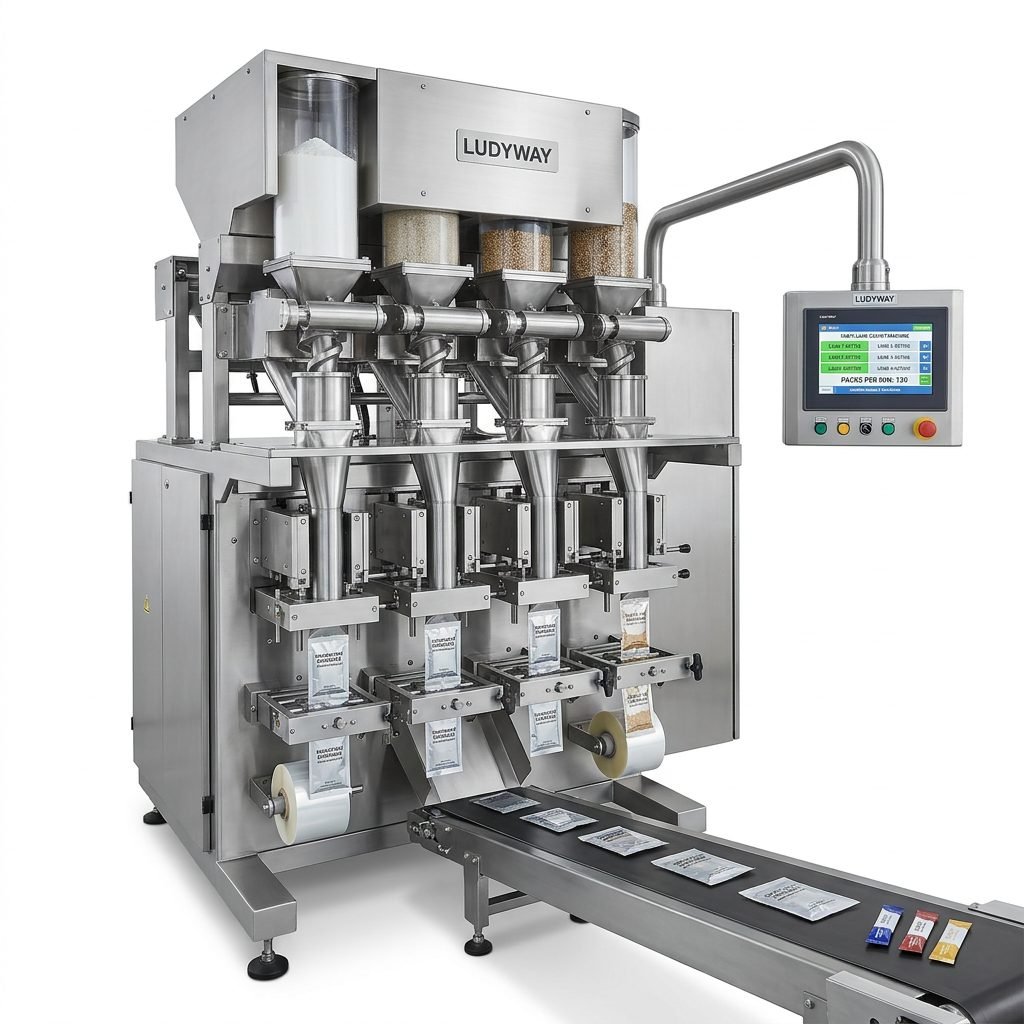
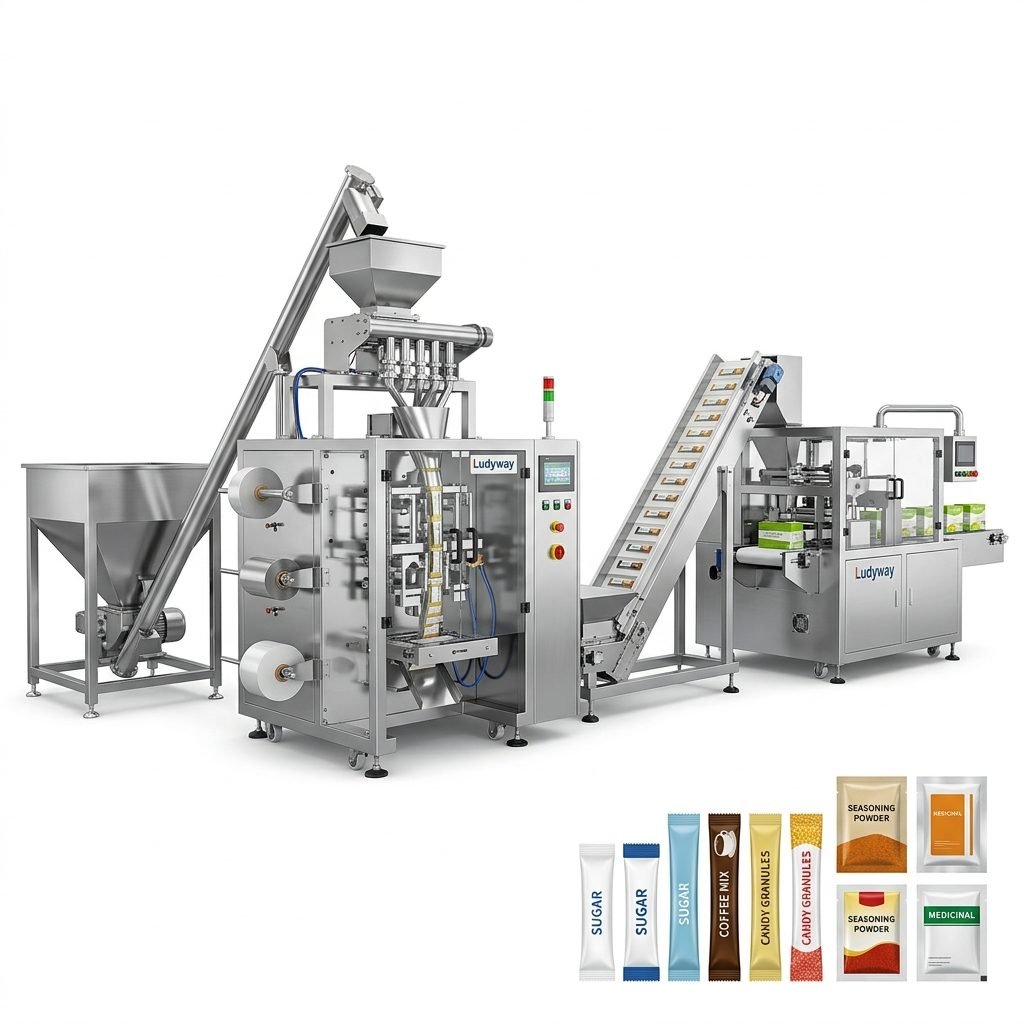
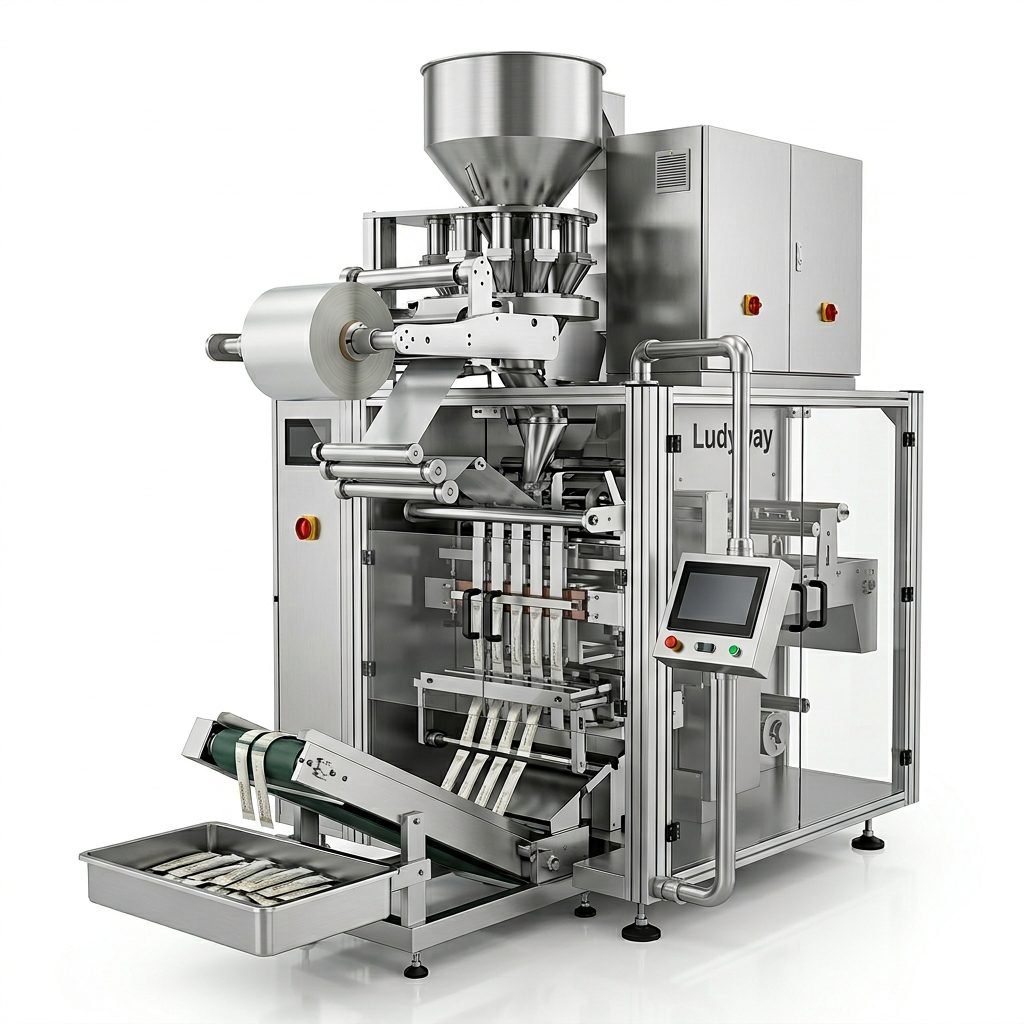
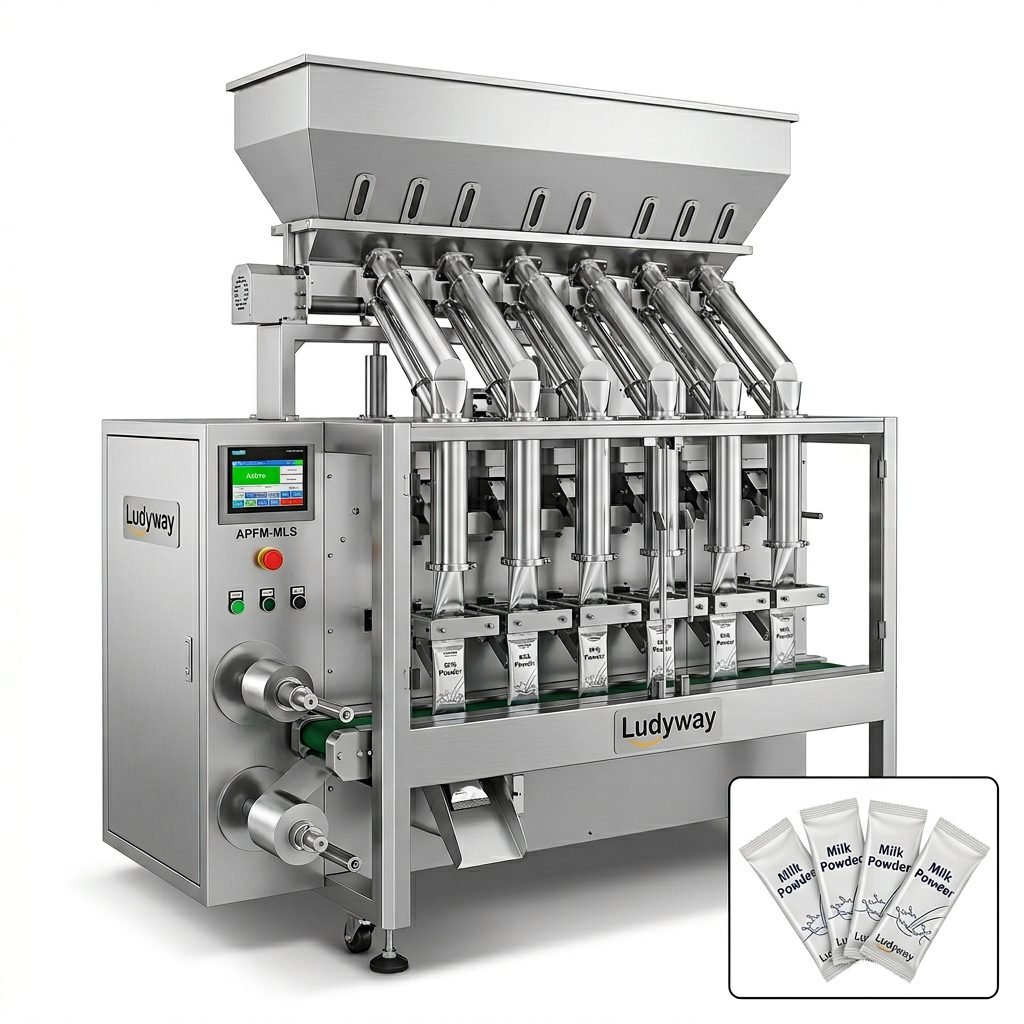
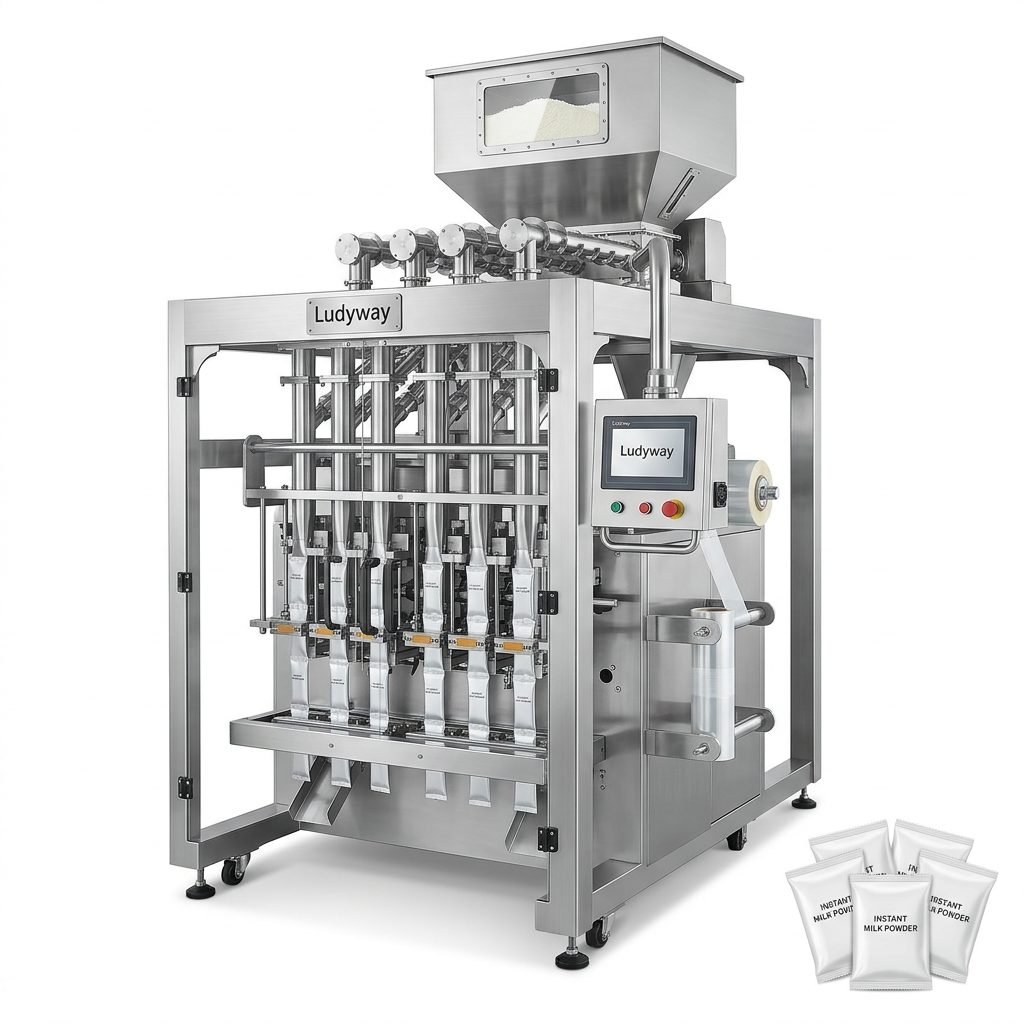
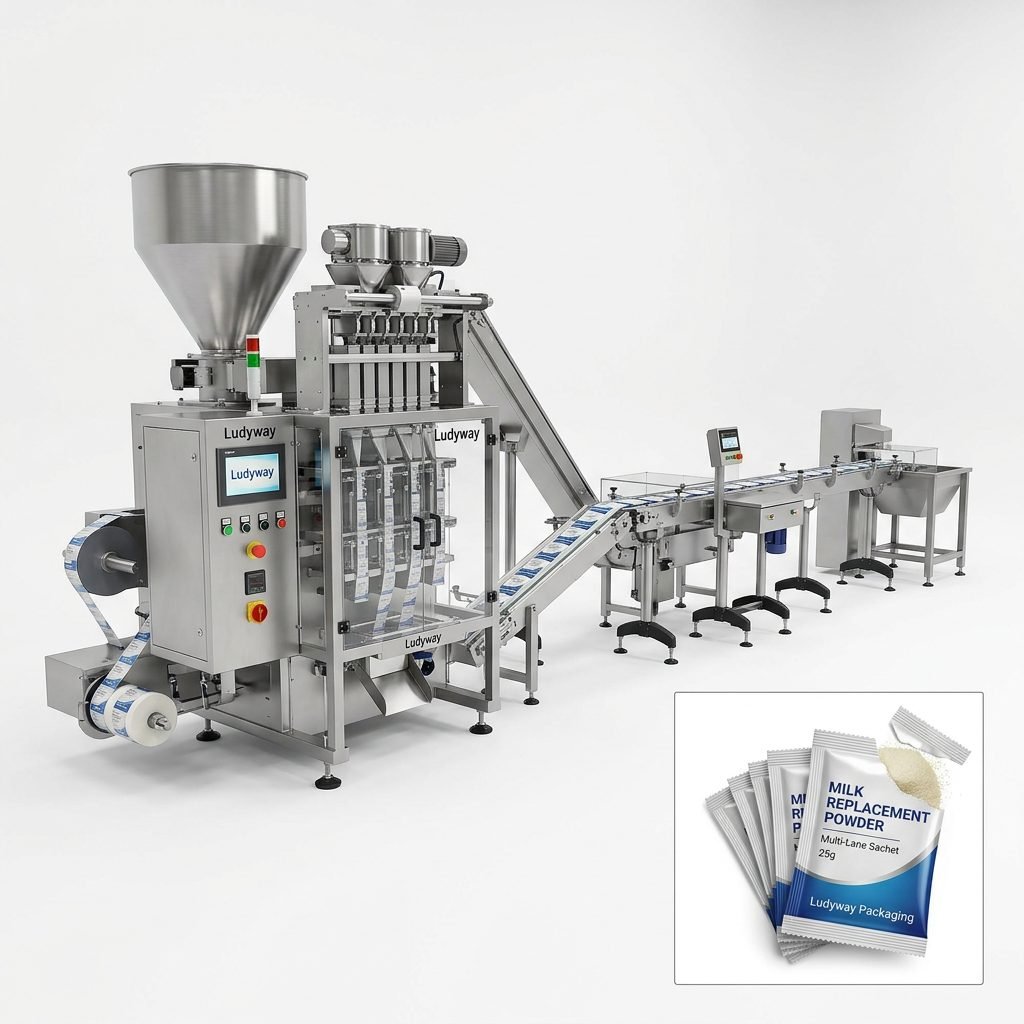
Milk powder packaging requires specialized equipment designed to handle fine powders with precision and minimal dust generation. Multi-lane sachet and stick pack machines are widely used for portion-packed milk powder products, including infant formula, adult nutrition powders, and milk tea mixes. These machines incorporate auger filling systems or volumetric cup fillers for accurate dosing, typically achieving fill accuracy of ±0.5% to ±1%.
Multi-Lane Stick Pack and Sachet Machines
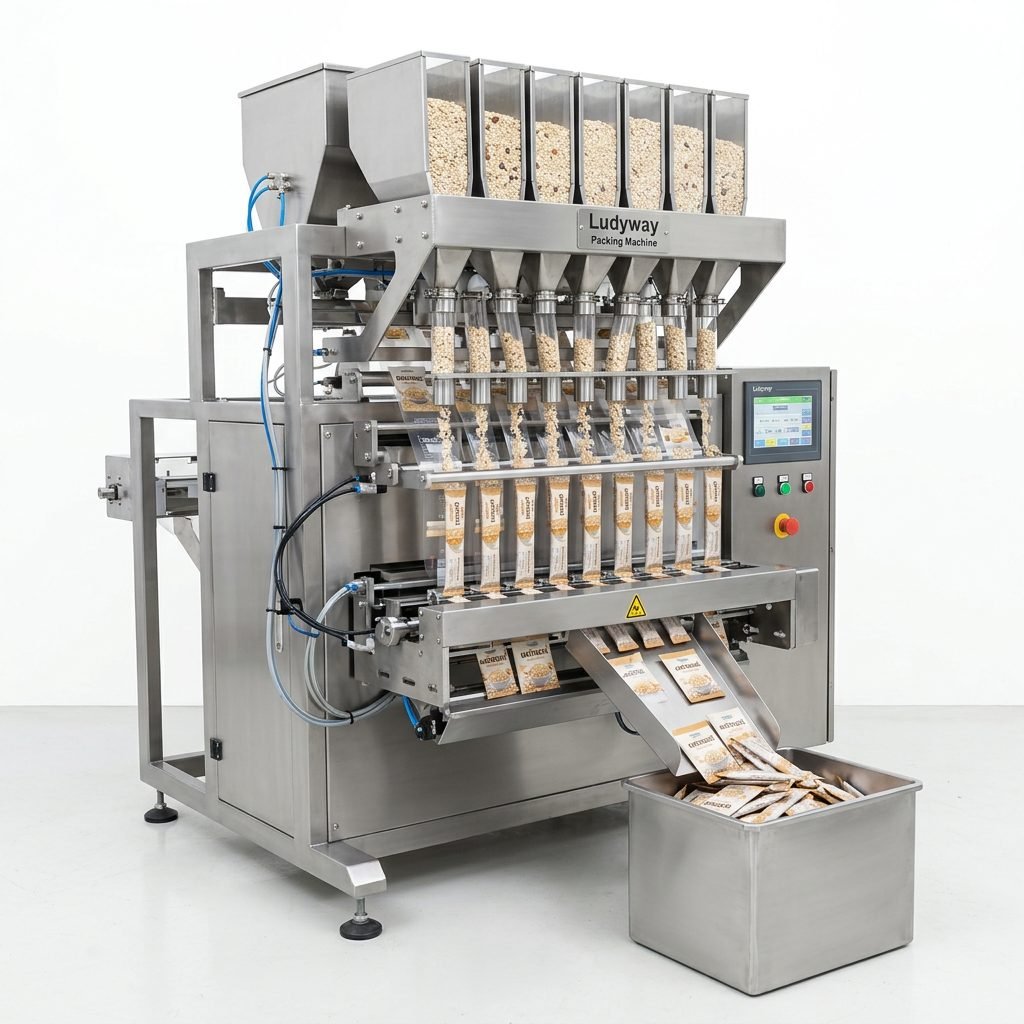
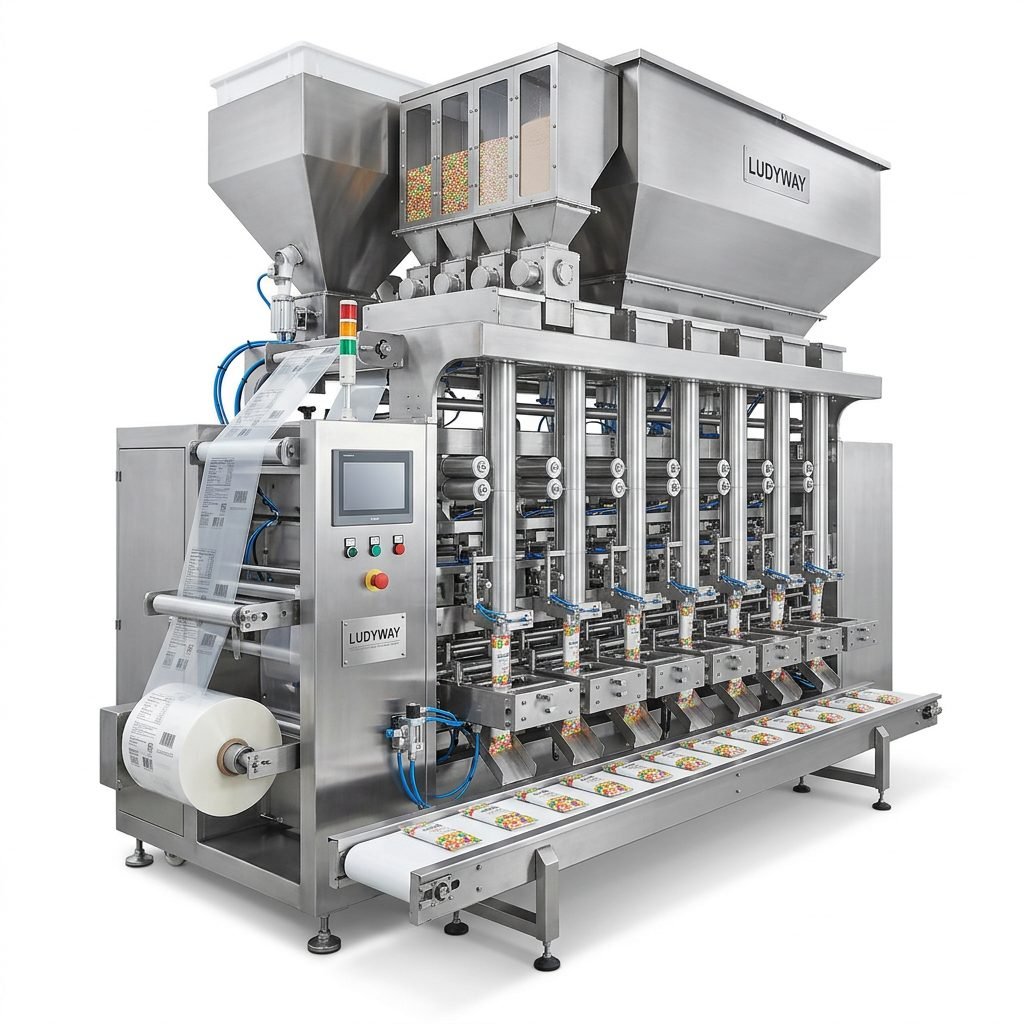
The multi-lane stick pack format has become increasingly popular across Asia for milk-based products. These machines can run 4 to 20 lanes simultaneously, dramatically increasing throughput while maintaining consistent seal integrity. Key advantages include reduced material waste, compact package size, and excellent product protection. For dairy applications, machines configured with nitrogen flushing capabilities help extend product shelf life by minimizing oxidation.
Step-by-Step Guide to Setting Up Your Milk Packaging Production Line
1. Feasibility Study and Market Research
Before any equipment purchase, conduct a thorough market feasibility study focusing on your target Asian markets. Analyze consumer preferences, packaging format trends, competitive landscape, and distribution channel requirements. Refer to resources such as the PMMI State of the Industry report and Flexible Packaging Association data for valuable market intelligence. This stage should define your production capacity targets, packaging specifications, and preliminary budget ranges.
2. Facility Planning and Infrastructure Requirements
A properly designed facility is fundamental to operational success. Consider the following infrastructure elements:
- Clean room classification: Dairy processing typically requires ISO Class 7 or 8 cleanroom environments for filling areas
- HVAC systems: Temperature and humidity control to maintain product quality and equipment performance
- Compressed air supply: Oil-free compressed air for pneumatic components and product contact applications
- Electrical infrastructure: Adequate power supply with proper voltage stabilization for sensitive packaging equipment
- Water treatment: CIP (Clean-in-Place) systems for maintaining hygiene standards
- Waste management: Proper disposal systems for packaging waste and product rejections
3. Equipment Selection and Procurement
Choosing the right milk packaging equipment involves evaluating several critical factors. The following comparison table outlines key considerations for different machine types:
| Machine Type | Best For | Speed Range | Key Features |
|---|---|---|---|
| Multi-Lane Stick Pack Machine | Milk powder, creamer, flavored mixes | 200-800 packs/min | High speed, compact packaging, nitrogen flush capable |
| Liquid Sachet Filling Machine | Fresh milk, UHT milk, yogurt drinks | 100-500 sachets/min | Aseptic filling options, multi-nozzle configuration |
| Premade Pouch Packaging System | Milk powder in larger formats | 30-80 pouches/min | Flexible format changes, zipper and spout options |
| Bottle Filling and Capping Line | Flavored milk, dairy beverages | 60-300 bottles/min | Integrated capping, labeling, and coding |
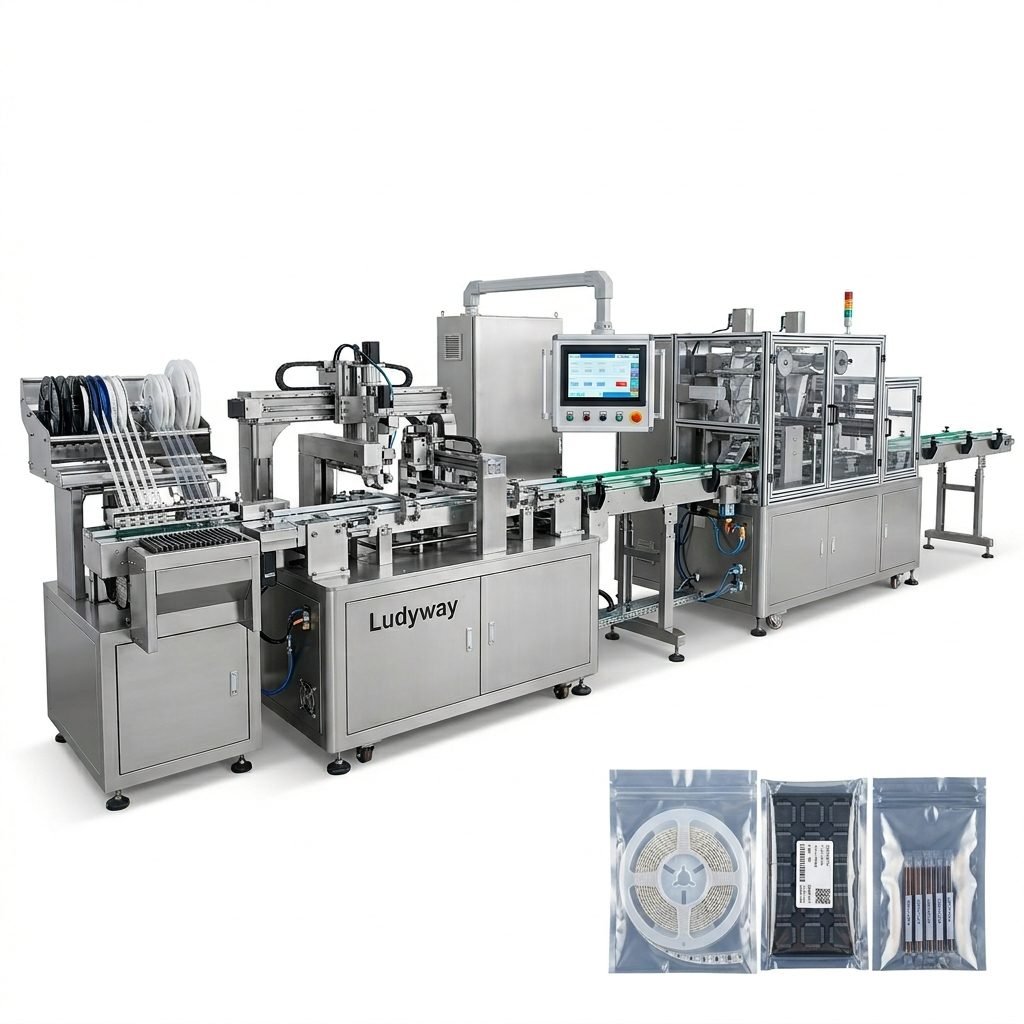
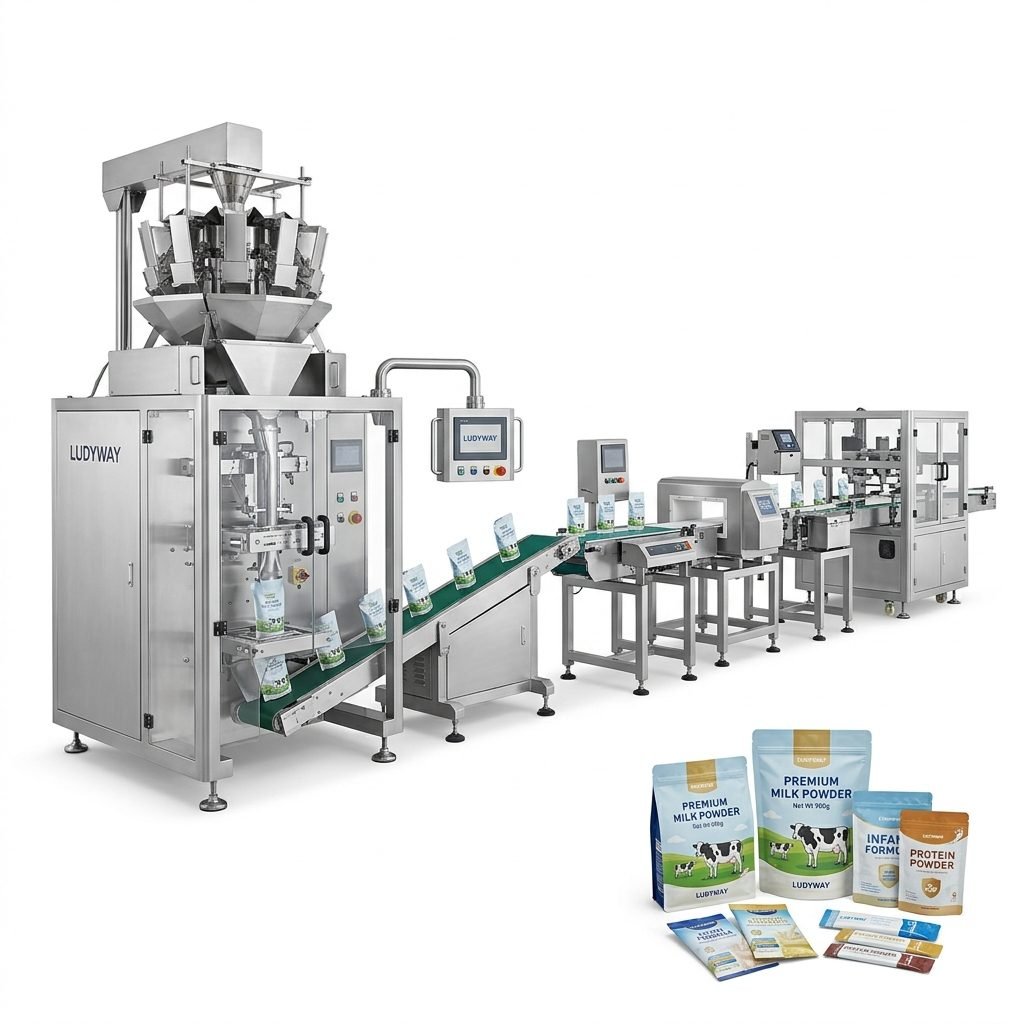
| Turnkey Packaging Line | Complete dairy production operations | Custom configured | Feeding, filling, sealing, cartoning, palletizing |
4. Installation and Commissioning
Proper installation of your milk packaging production line is crucial for long-term reliability. This phase includes equipment positioning, utility connections, control system integration, and initial dry runs. Factory Acceptance Testing (FAT) and Site Acceptance Testing (SAT) protocols should be strictly followed. Engage experienced technicians who understand both the mechanical and electrical intricacies of automated packaging systems to ensure seamless commissioning.
5. Staff Training and SOP Development
Investing in comprehensive operator training programs significantly reduces downtime and product waste. Develop detailed Standard Operating Procedures (SOPs) covering machine operation, cleaning and sanitation, quality checks, troubleshooting, and safety protocols. Cross-train operators on multiple stations to build operational resilience. Training documentation should be available in local languages for Asian production teams.
6. Quality Control and Testing Protocols
Implement rigorous quality control measures throughout your packaging line. Critical checkpoints include seal integrity testing, fill weight verification, metal detection, X-ray inspection for foreign contaminants, and package leak testing. Adhere to ISO packaging standards and relevant FDA food packaging regulations to ensure compliance with international and local Asian market requirements.
Regulatory Compliance and Food Safety Standards in Asia
Navigating the regulatory landscape is one of the most challenging aspects of setting up a milk packaging line in Asia. Different countries maintain distinct standards, though many are harmonizing with international frameworks. Key regulations to consider include:
- Food Safety and Standards Authority requirements in India (FSSAI)
- China’s GB standards for dairy packaging materials and food contact substances
- ASEAN harmonized food safety regulations for Southeast Asian markets
- Halal certification requirements for Muslim-majority markets including Indonesia and Malaysia
- EU Regulation compliance for products destined for export to European markets via European Commission packaging directives
Working with packaging equipment that meets GMP (Good Manufacturing Practice) standards and features clean-in-place (CIP) compatibility is essential for regulatory compliance across Asian markets.
Cost Breakdown and ROI Analysis
Understanding the total cost of ownership for a milk packaging production line helps in making informed investment decisions. Below is a representative cost structure for setting up a mid-scale milk powder packaging line in Asia:
| Cost Category | Percentage of Total Investment | Key Considerations |
|---|---|---|
| Packaging Equipment | 40-50% | Multi-lane machines, conveyors, auxiliary equipment |
| Facility Construction and Modification | 20-25% | Clean room build-out, utilities, flooring, drainage |
| Installation and Commissioning | 5-8% | Technical support, travel, integration services |
| Training and Documentation | 3-5% | Operator training, SOP development, manuals |
| Initial Spare Parts Inventory | 5-7% | Critical wear parts, sealing elements, filters |
| Regulatory and Certification | 3-5% | Local certifications, third-party testing, audits |
Typical ROI timelines for milk packaging lines in Asia range from 18 to 36 months, depending on production volume, product margins, and operational efficiency. Lines running at high capacity utilization with minimal downtime achieve the fastest payback periods.
Common Challenges and How to Overcome Them
Setting up a milk packaging line in Asia comes with unique challenges. Anticipating these hurdles helps in developing effective mitigation strategies:
- Supply chain disruptions: Establish relationships with multiple equipment and material suppliers; maintain buffer stock of critical components
- Skilled labor shortage: Partner with equipment manufacturers that provide comprehensive training; develop internal training programs with clear career progression paths
- Power instability: Install voltage stabilizers and backup power systems to protect sensitive packaging machinery electronics
- Climate considerations: Design HVAC systems accounting for tropical humidity levels prevalent in Southeast Asian countries
- Regulatory complexity: Engage local regulatory consultants familiar with each target market’s specific requirements
- Maintenance challenges: Choose equipment from manufacturers with established after-sales support networks in Asia
Conclusion: Building a Future-Ready Milk Packaging Operation
Establishing a milk packaging machine production line in Asia represents a significant but highly rewarding investment. The region’s robust dairy consumption growth, expanding middle class, and increasing preference for conveniently packaged milk products create a favorable environment for new production facilities. Success hinges on meticulous planning—from selecting the right packaging format and machine configuration to ensuring regulatory compliance and building a skilled operational team.
Partnering with an experienced packaging equipment manufacturer that understands both the technical requirements and the Asian market landscape can significantly de-risk your project. Leading manufacturers like Ludyway, with over 30 years of industry experience and a modern 20,000㎡ production facility, offer turnkey packaging solutions tailored to diverse dairy applications—from multi-lane stick pack machines for milk powder to high-speed liquid filling lines for UHT milk products. Their equipment portfolio spans more than 50 intelligent packaging machine models, serving customers across over 100 countries, making them a valuable resource for companies entering or expanding within the Asian dairy packaging market.
By following the structured approach outlined in this guide and leveraging insights from industry resources such as the PMMI packaging association and ISO international standards, you can position your milk packaging operation for long-term success in one of the world’s most dynamic consumer markets.
Frequently Asked Questions About Milk Packaging Lines in Asia
What is the typical lead time for a complete milk packaging production line?
Lead times for complete milk packaging lines typically range from 12 to 20 weeks for standard configurations, and up to 24-30 weeks for highly customized turnkey solutions. Factors affecting lead time include machine specifications, customization requirements, and current manufacturing capacity of the equipment supplier.
Which packaging format is most popular for milk products in Asia?
Sachet and stick pack formats dominate the Asian market due to their affordability, portion control benefits, and suitability for tropical climates where refrigeration may be inconsistent. However, stand-up pouches and spouted pouches are gaining popularity in premium dairy segments across developed Asian markets.
How do I ensure my packaging line meets Halal requirements?
Halal compliance extends beyond ingredients to packaging processes. Ensure all product contact surfaces are free from non-Halal substances, implement proper cleaning protocols between production runs, and source packaging materials certified as Halal-compatible. Work with equipment manufacturers that can provide documentation supporting Halal certification audits.
What maintenance infrastructure is needed for long-term operation?
Establish a preventive maintenance schedule with daily, weekly, monthly, and annual checklists. Maintain an inventory of critical spare parts, including sealing elements, cutting blades, belts, bearings, sensors, and pneumatic components. Partner with your equipment supplier for annual maintenance contracts and remote technical support capabilities.