The Southeast Asian market presents a rapidly expanding opportunity for food manufacturers looking to automate cookie packaging operations. With rising disposable incomes, urbanization, and changing consumer habits across Indonesia, Thailand, Vietnam, Malaysia, and the Philippines, the demand for efficiently packaged baked goods has never been higher. Setting up a cookie packaging machine production line in this region requires careful planning, from understanding local market dynamics to selecting the right equipment and navigating regulatory frameworks.
This comprehensive guide walks you through every critical step of establishing a cookie packaging production line in Southeast Asia, covering equipment selection, facility requirements, regulatory compliance, and operational best practices. Whether you are a local startup or an international brand expanding into the region, this resource will help you make informed decisions.
Understanding the Southeast Asian Cookie Market
Southeast Asia’s packaged food sector has experienced consistent annual growth of 5-7% over the past five years, with cookies and biscuits representing a significant share. Countries like Indonesia—with over 270 million consumers—and Vietnam, with its young demographic profile, offer particularly attractive opportunities. The PMMI packaging industry intelligence reports indicate that flexible packaging formats are gaining traction across the region, driven by convenience and portion-control preferences.
Key market drivers include the proliferation of modern retail channels, growing e-commerce penetration, and an expanding middle class that values both quality and presentation. Manufacturers who invest in automated packaging lines can achieve significant competitive advantages in speed, consistency, and cost efficiency.
Key Considerations Before Setting Up Your Production Line
Site Selection and Facility Requirements
Choosing the right location within Southeast Asia involves evaluating several factors:
- Industrial zones and incentives – Countries like Thailand (Eastern Economic Corridor), Vietnam (industrial parks in Binh Duong and Dong Nai), and Malaysia (Penang and Johor) offer tax incentives and developed infrastructure for food manufacturing
- Utility reliability – Consistent electricity and water supply are critical for automated packaging operations; industrial zones typically provide more stable infrastructure
- Logistics connectivity – Proximity to ports and major highways reduces distribution costs across ASEAN markets
- Labor availability – While automation reduces manual labor needs, skilled technicians for packaging machine operation and maintenance remain essential
Regulatory and Food Safety Compliance
Southeast Asian nations have varying food safety regulations, but most align with international standards. Understanding FDA food packaging and contact substance guidelines provides a strong baseline for compliance. Key considerations include:
- Halal certification requirements (critical for Malaysia, Indonesia, and Brunei markets)
- Local food safety authority registrations (BPOM in Indonesia, FDA Thailand, etc.)
- Packaging material standards for direct food contact
- Labeling requirements, including language, nutritional information, and expiration dating
Selecting the Right Cookie Packaging Machine Configuration
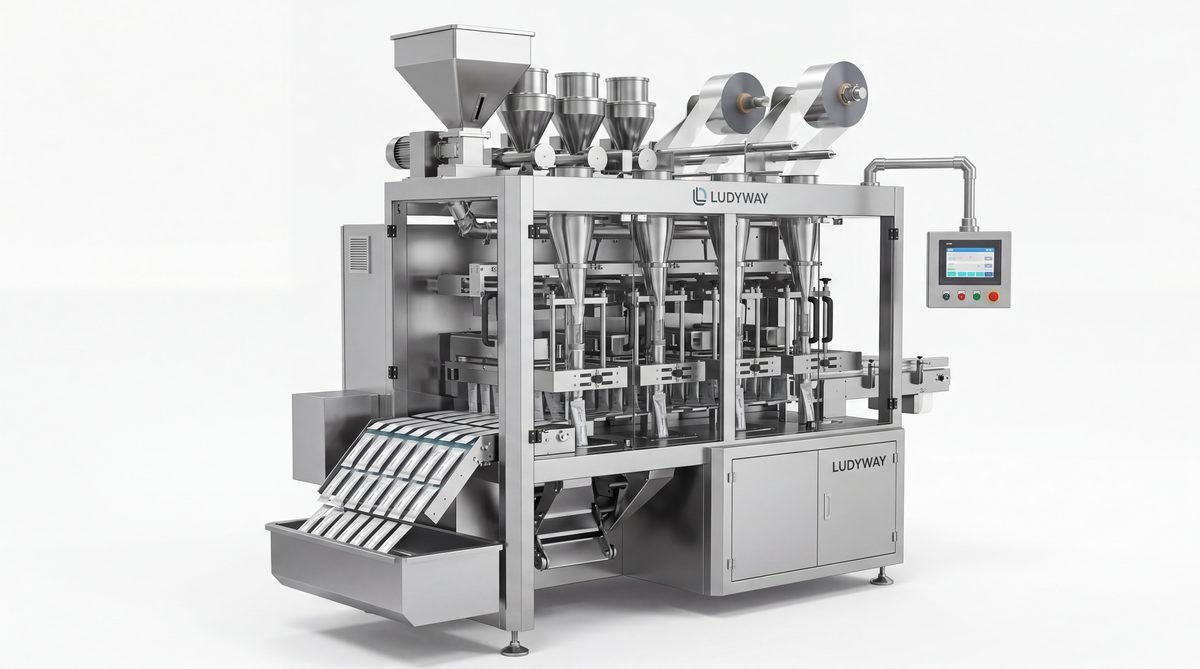
Cookie packaging equipment comes in several configurations, and the optimal choice depends on your product characteristics, target output, and packaging format. The table below summarizes the main options:
| Packaging Machine Type | Best Suited For | Typical Output Range | Packaging Format |
|---|---|---|---|
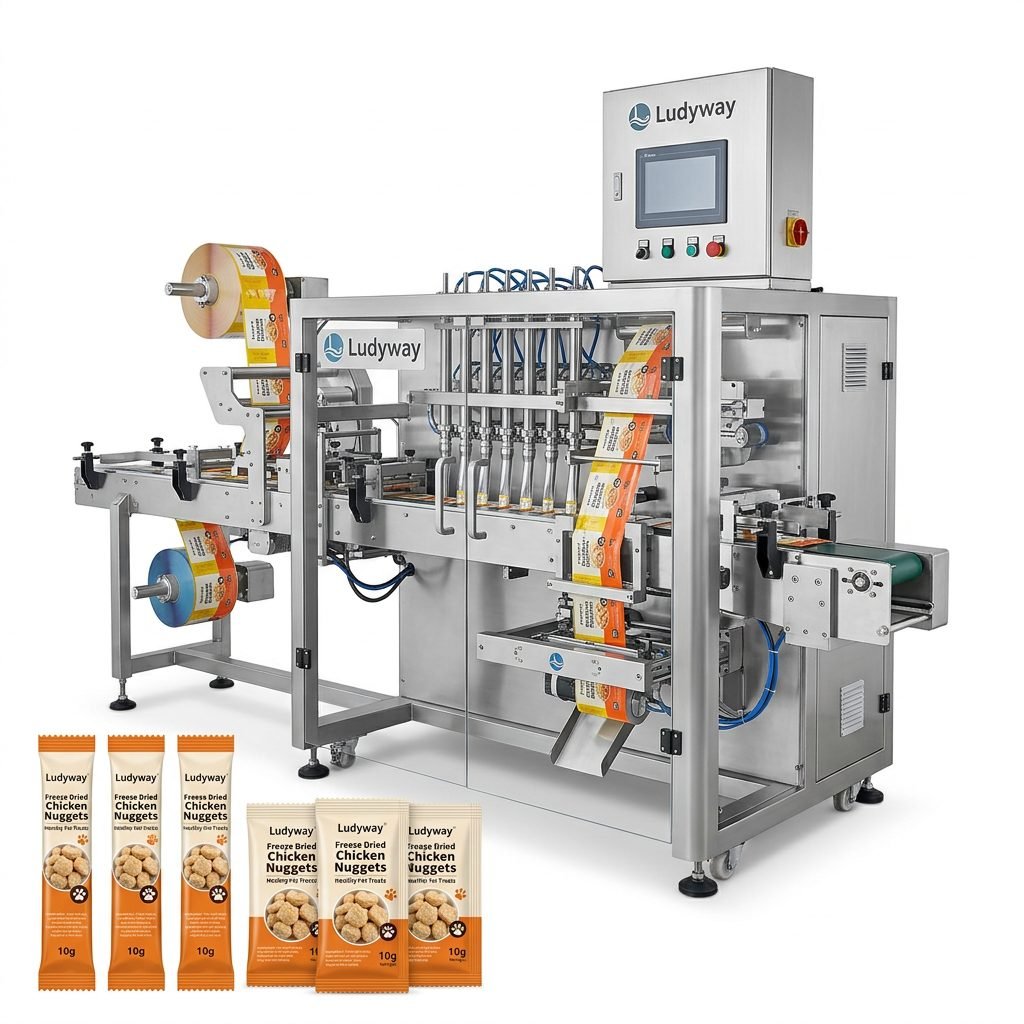
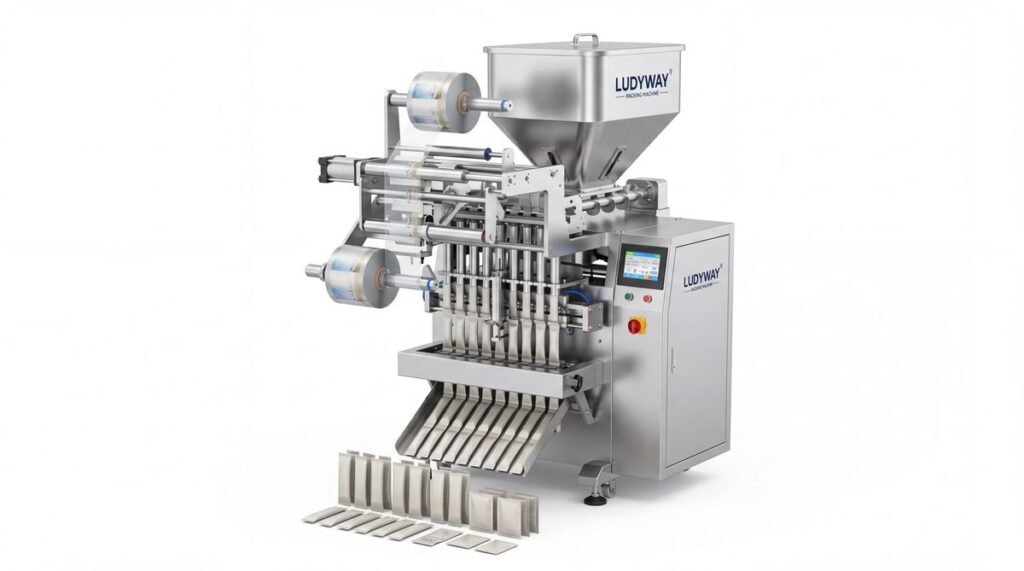
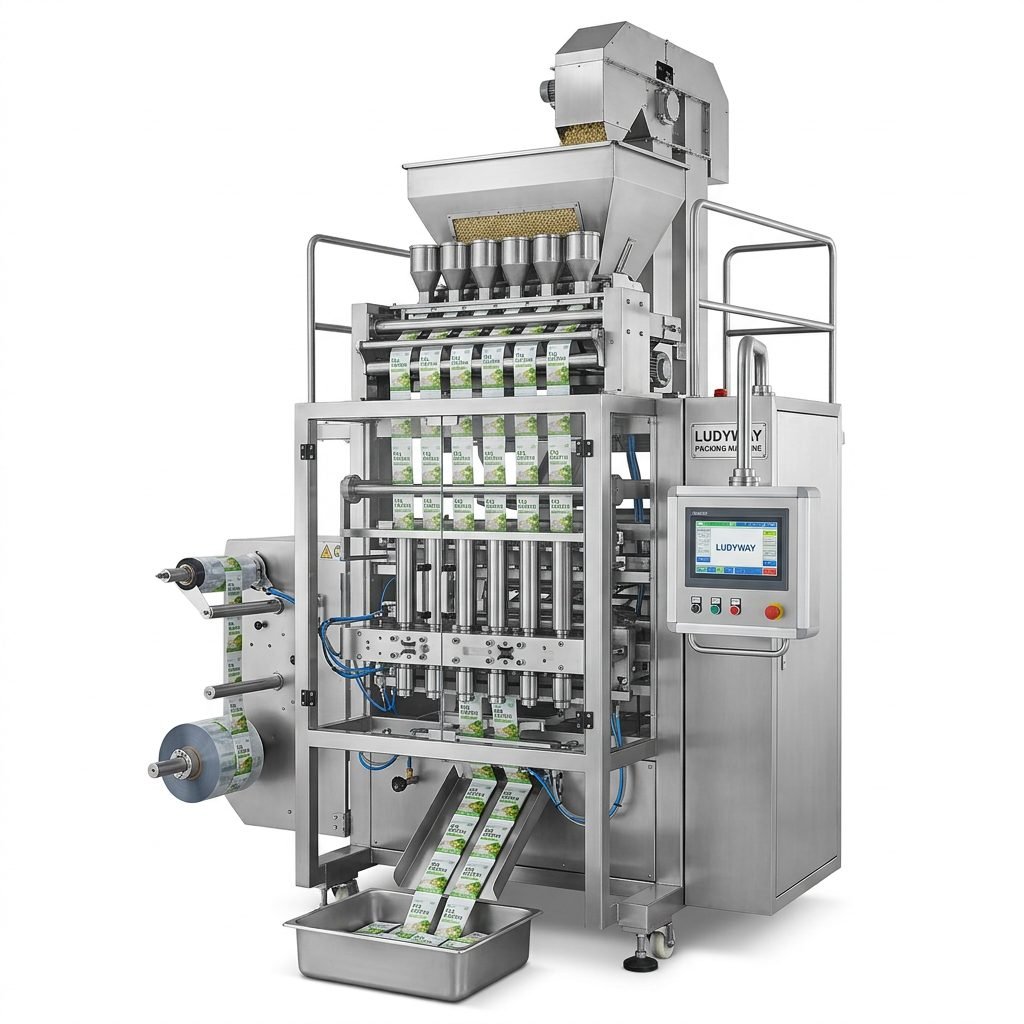
| Multi-Lane Stick Pack Machine | Single-serve cookie portions, powder-based cookie mixes | 400-1,200 packs/min | Stick packs, sachets |
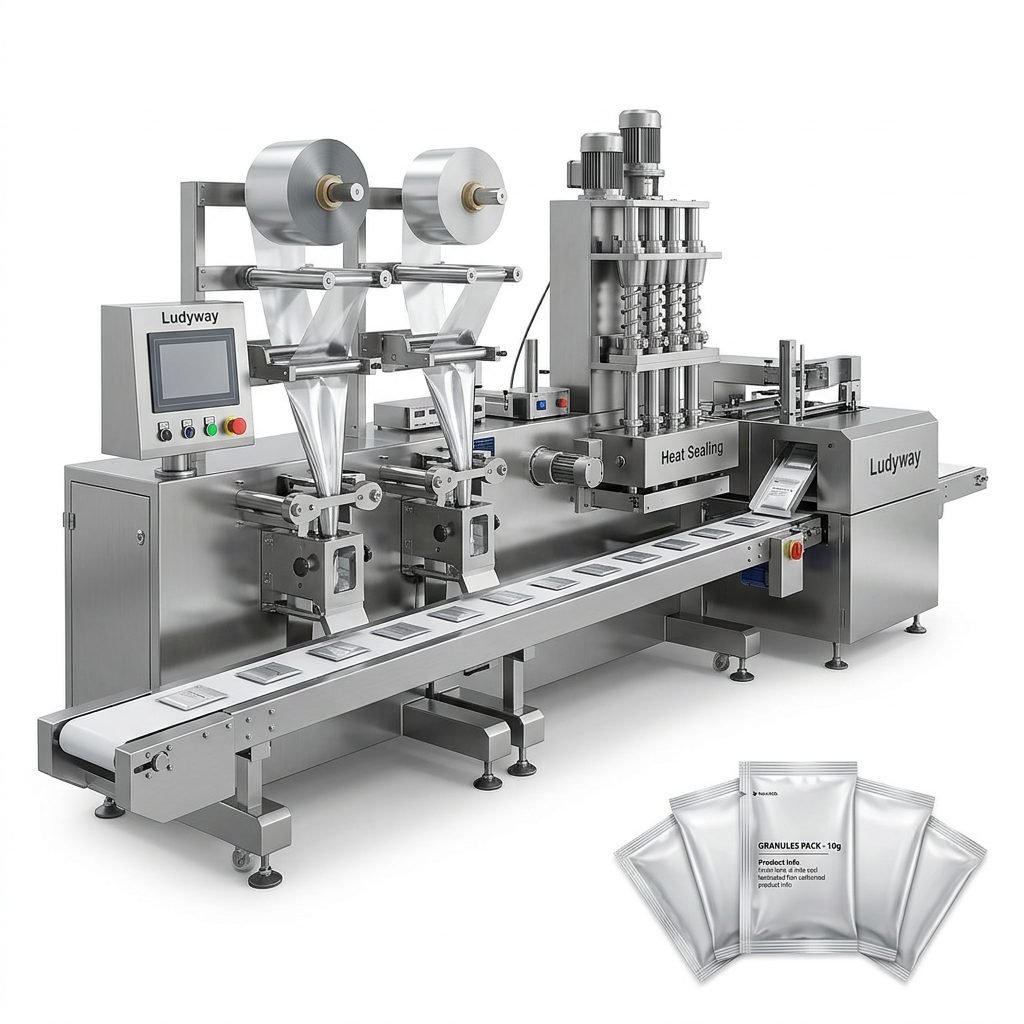
| Horizontal Flow Wrapper | Individual wrapped cookies, sandwich biscuits | 150-800 packs/min | Pillow packs, fin seal |
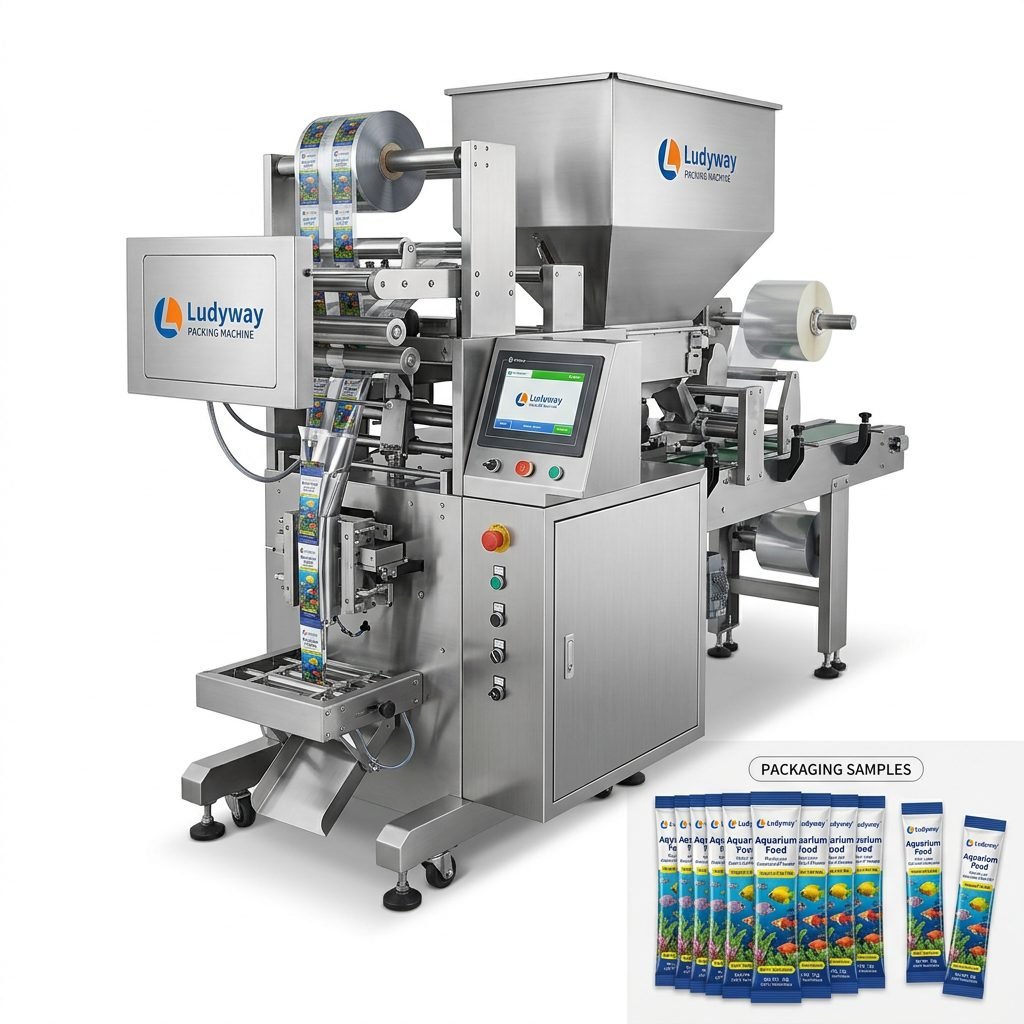
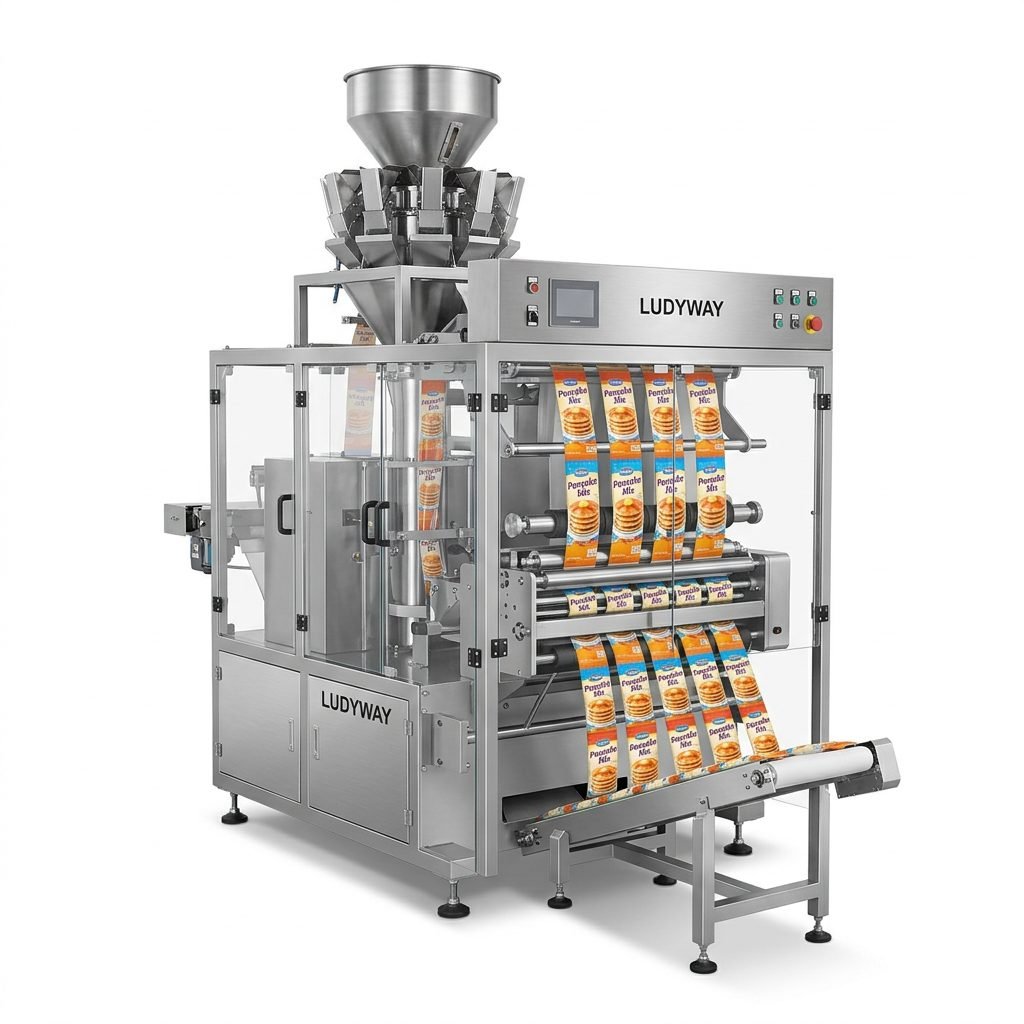
| Vertical Form Fill Seal (VFFS) | Loose cookies, bite-sized products | 80-200 bags/min | Pillow bags, gusseted bags |
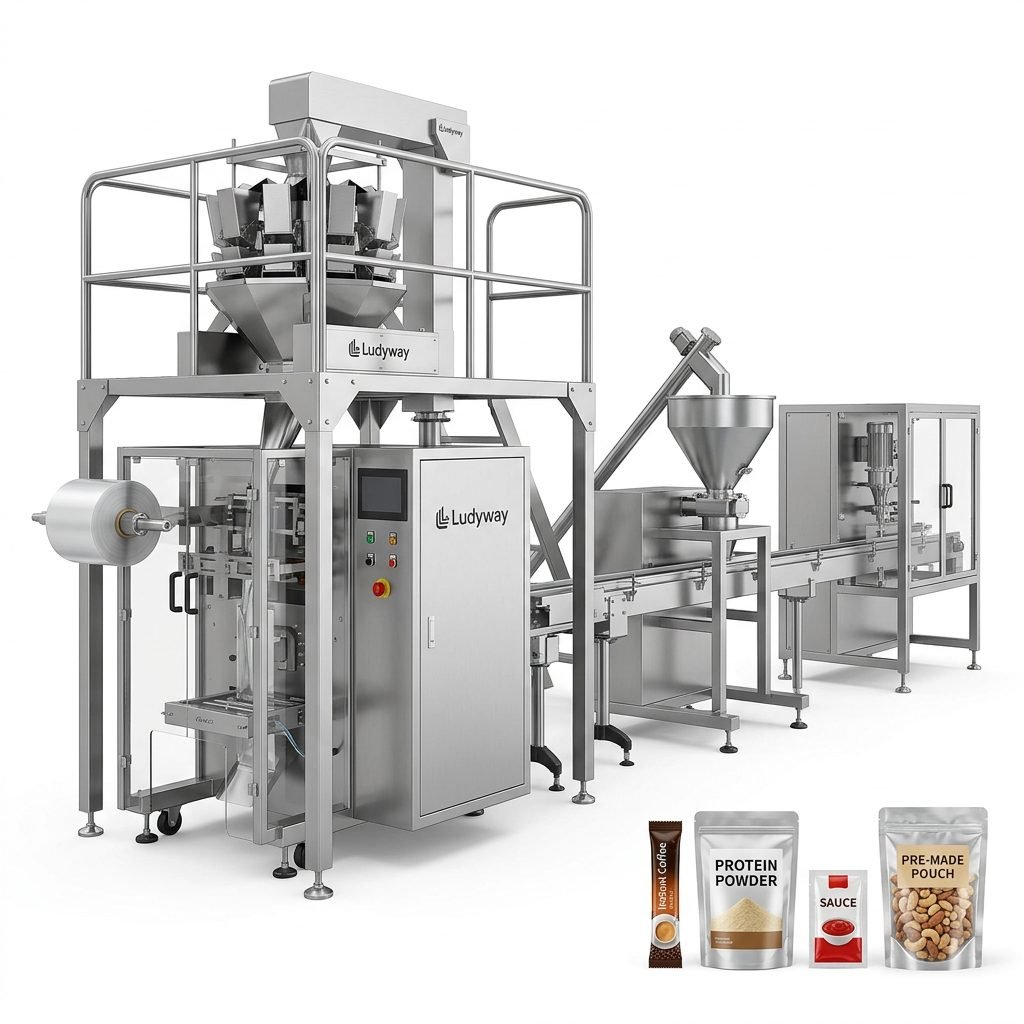
| Premade Pouch Packaging Machine | Premium cookie assortments, gift packs | 40-80 pouches/min | Stand-up pouches, zipper pouches |
| Tray Sealing and Overwrapping | Cookie trays, family packs | 30-100 trays/min | Sealed trays with overwrap film |
For most cookie manufacturers entering the Southeast Asian market, a combination of horizontal flow wrapping for primary packaging and a cartoning system for secondary packaging provides the most versatile and efficient solution. The PMMI 2025 State of the Industry report highlights that integrated packaging lines with automated cartoning and palletizing are becoming the standard for competitive food manufacturers.
Complete Production Line Components
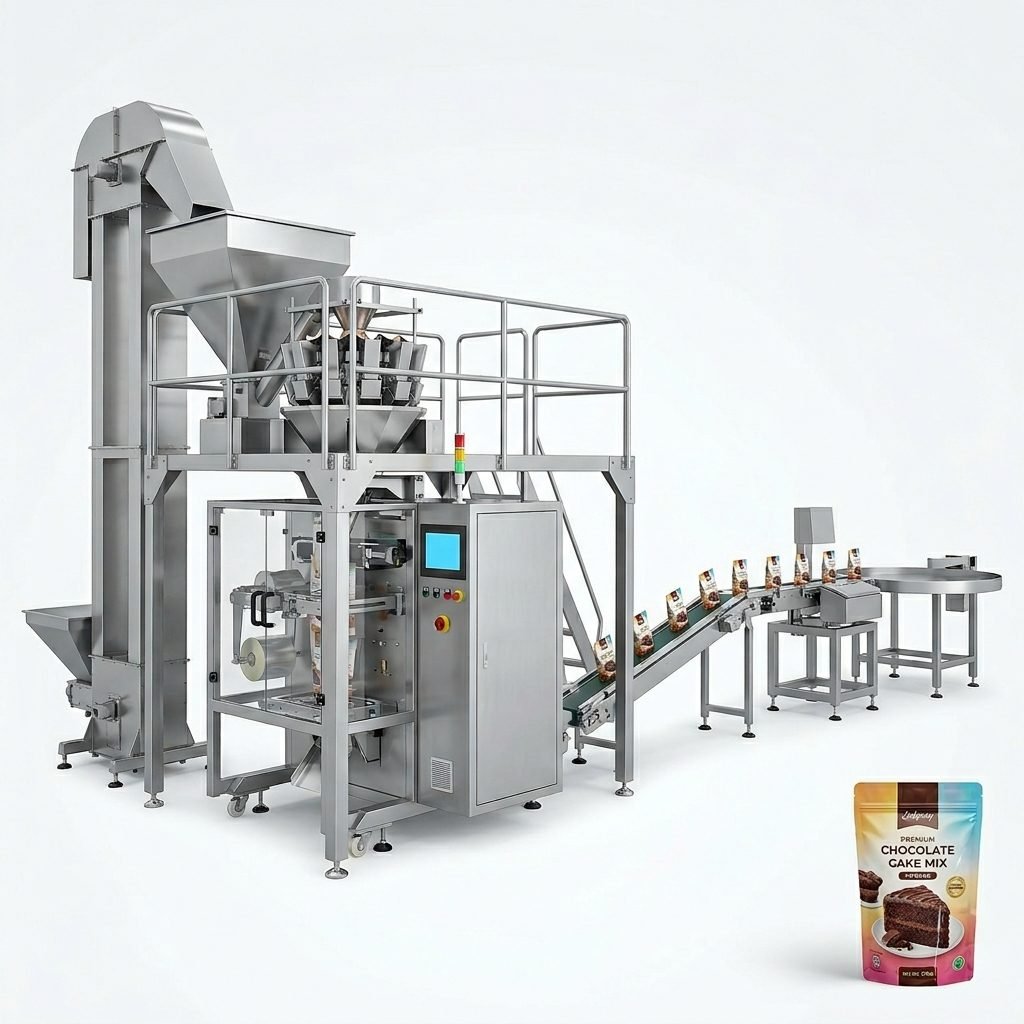
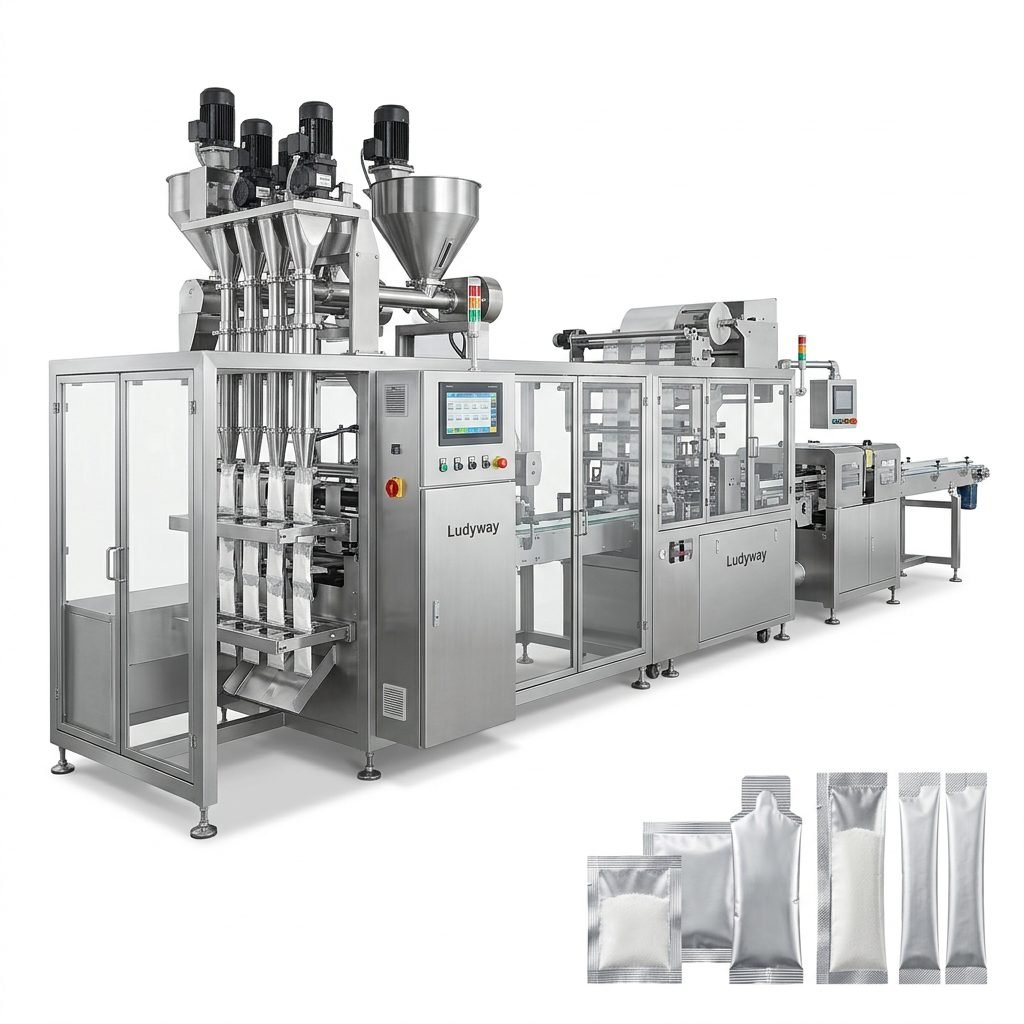
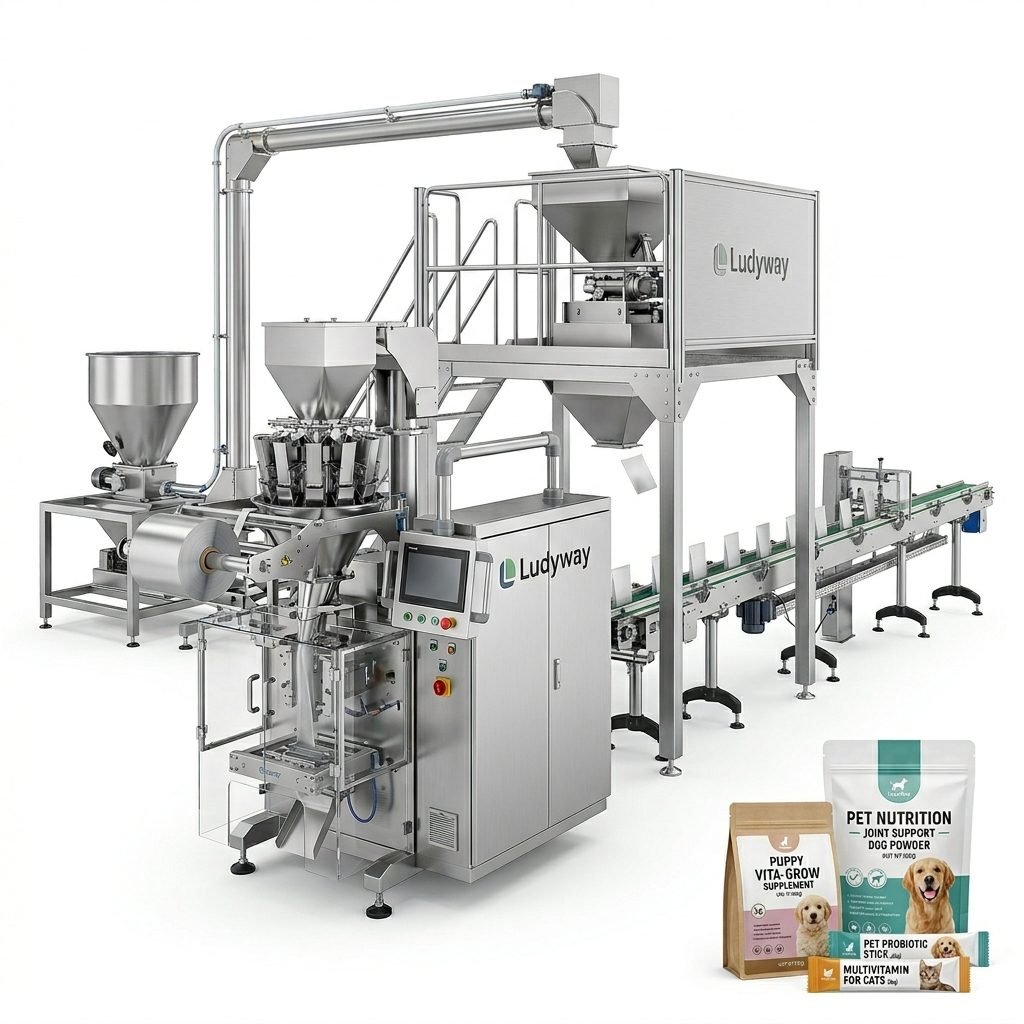
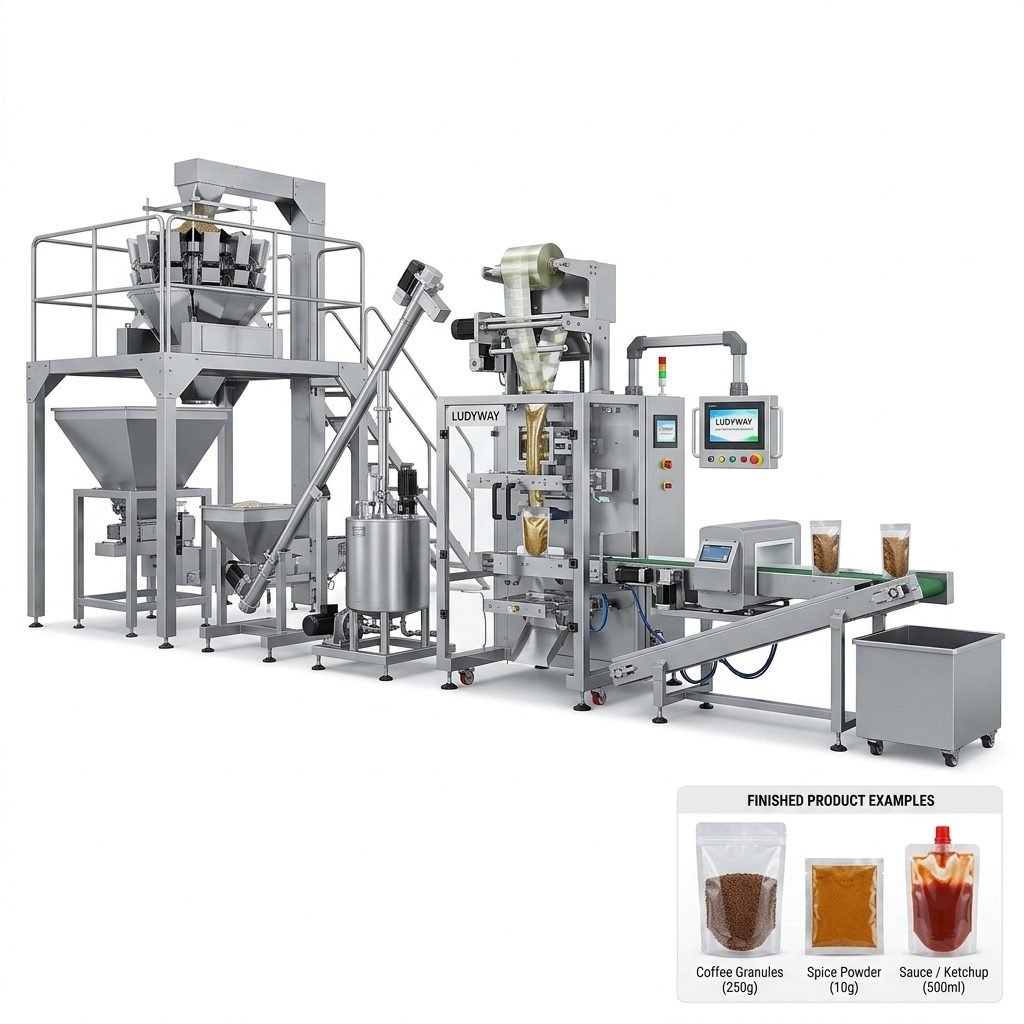
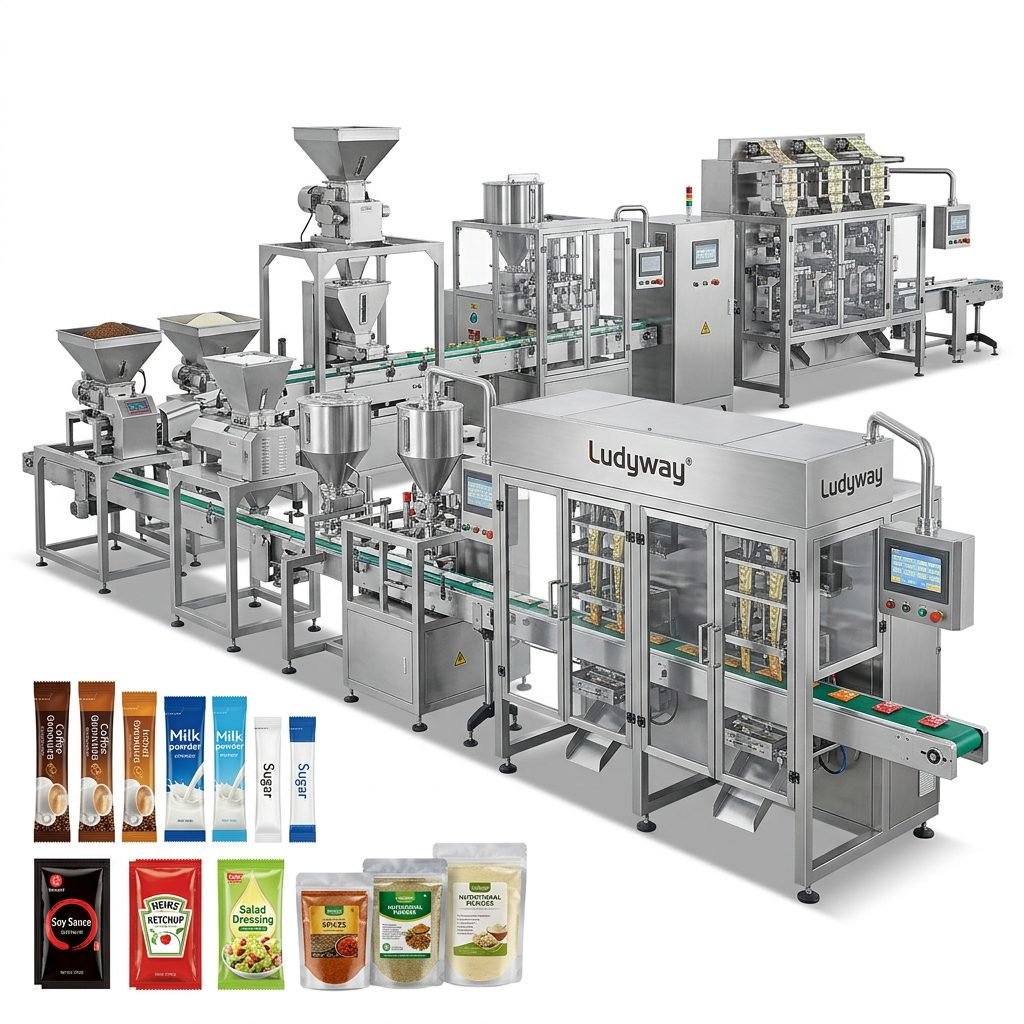
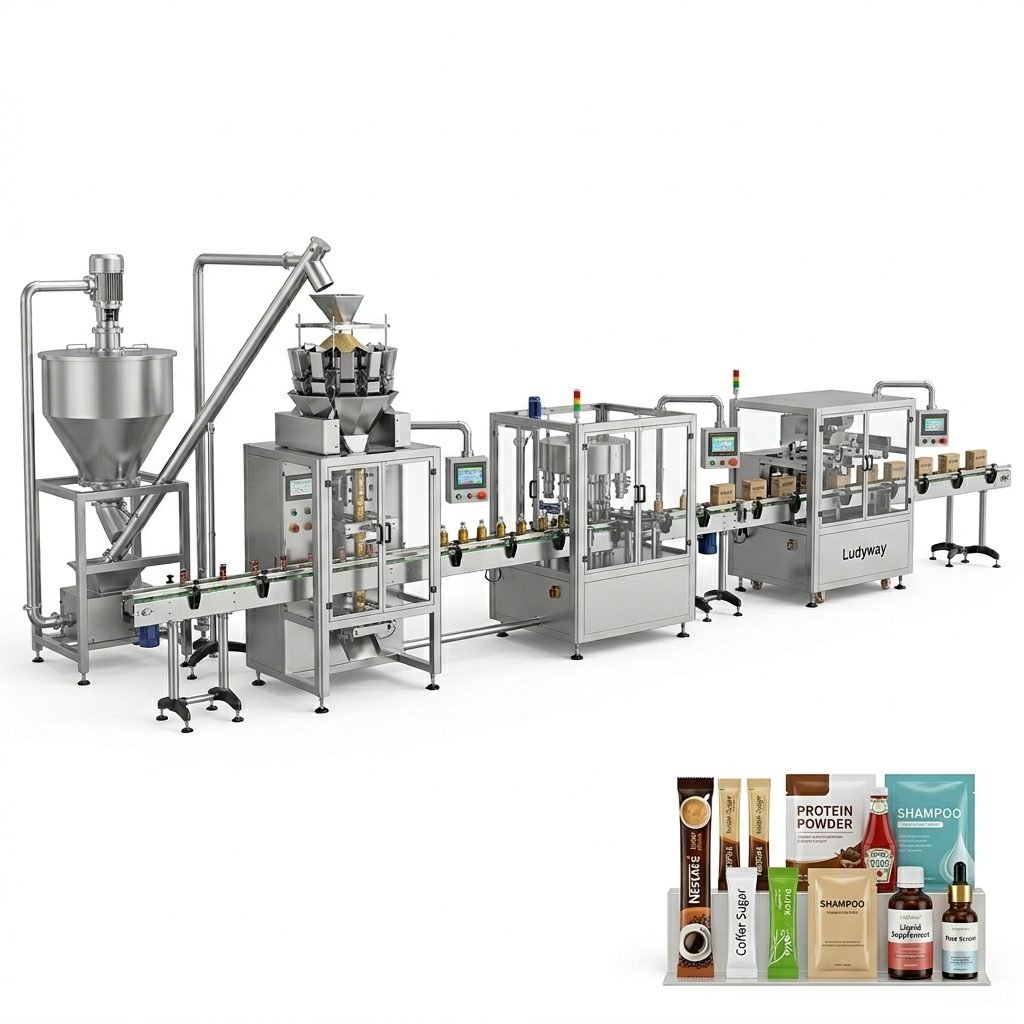
A fully integrated cookie packaging production line typically includes the following interconnected equipment:
- Feeding and alignment system – Vibratory or belt conveyors that orient cookies for consistent packaging flow
- Primary packaging machine – The main flow wrapper, VFFS, or multi-lane system that creates the initial sealed package
- Checkweigher and metal detector – Quality control systems ensuring product integrity and weight compliance
- Vision inspection system – Automated optical verification of seal integrity, print quality, and label placement
- Cartoning machine – Packs individual cookie packages into cartons for retail display
- Case packing and palletizing – Automated systems for bulk packaging and warehouse preparation
Installation, Commissioning, and Operator Training
Proper installation and commissioning are essential to maximize the return on your packaging equipment investment. The process typically follows these phases:
Phase 1: Pre-Installation Preparation
- Verify facility readiness including compressed air supply, electrical capacity, and floor load ratings
- Confirm machine dimensions and layout with your equipment supplier
- Prepare packaging materials (films, cartons) according to machine specifications
- Ensure adequate space for operator access and maintenance around the line
Phase 2: Mechanical and Electrical Installation
- Position and level all equipment according to the approved floor plan
- Connect utilities and verify electrical phases match machine requirements
- Install and calibrate feeding systems, conveyors, and integrated components
Phase 3: Commissioning and Testing
- Run dry tests to verify mechanical operation without product
- Conduct product trials with actual cookies to fine-tune settings
- Adjust sealing temperatures, film tension, and speed parameters
- Validate checkweigher accuracy and metal detector sensitivity
Maintenance and Long-Term Operational Success
Establishing a preventive maintenance program from day one significantly reduces downtime and extends equipment life. Critical maintenance practices include:
- Daily cleaning of product contact surfaces, sealing jaws, and film paths to prevent buildup that can cause seal failures
- Weekly inspection of belts, chains, bearings, and pneumatic components for wear
- Monthly calibration of weighing systems, temperature controllers, and sensors
- Quarterly comprehensive service including lubrication, electrical connection checks, and alignment verification
Maintain a critical spare parts inventory on-site, including sealing elements, belts, sensors, and common wear components. In the humid Southeast Asian climate, additional attention should be given to corrosion prevention and moisture-related issues in electrical enclosures.
Cost Considerations and ROI Analysis
Investing in a cookie packaging production line in Southeast Asia involves several cost categories. Understanding these helps in accurate budgeting and ROI calculation:
| Cost Category | Estimated Share of Total Investment | Key Variables |
|---|---|---|
| Packaging Equipment | 45-55% | Machine complexity, automation level, country of origin |
| Facility Modifications | 10-15% | Utility upgrades, clean room requirements, flooring |
| Installation and Commissioning | 8-12% | Travel costs, local contractor rates, timeline |
| Training and Documentation | 3-5% | Number of operators, language requirements |
| Initial Spare Parts | 5-8% | Machine type, local availability of consumables |
| Regulatory and Certification | 2-5% | Halal certification, product registration, testing |
Typical ROI timelines range from 18 to 36 months depending on production volume, local labor cost differentials, and the efficiency gains achieved. Manufacturers who replace manual or semi-automatic processes with fully automated lines often see labor cost reductions of 50-70% and throughput increases of 200-400%.
Key Success Factors for Southeast Asian Operations
Building Reliable Supply Chains
Establishing relationships with local packaging material suppliers reduces logistics costs and lead times. Flexible packaging films, cartons, and corrugated materials are widely available across Southeast Asia. Work with suppliers who can meet food-grade standards and provide consistent quality.
Navigating Workforce Development
While automation reduces headcount, skilled technicians remain essential. Invest in comprehensive operator training programs and consider partnerships with local technical institutes. Many Southeast Asian governments offer workforce development incentives for manufacturers who create skilled positions.
Adapting to Climate Conditions
The tropical climate of Southeast Asia requires specific considerations for cookie packaging operations. High humidity can affect film handling, sealing quality, and product shelf life. Environmental controls in the packaging area, including dehumidification systems, are highly recommended for consistent results.
Frequently Asked Questions
What is the typical timeline for setting up a cookie packaging line in Southeast Asia?
From order to full production, expect 4-8 months. This includes equipment manufacturing (2-4 months), shipping and customs clearance (3-6 weeks), installation and commissioning (2-4 weeks), and operator training and ramp-up (2-4 weeks).
Do I need Halal certification for my cookie packaging line?
If you plan to sell in Malaysia, Indonesia, or Brunei, Halal certification is highly recommended and often mandatory for retail distribution. The certification applies to both the product and the packaging process, requiring dedicated protocols for cleaning and material handling.
Can I start with a smaller-scale operation and scale up later?
Yes. Many equipment configurations are modular and expandable. Starting with a single-lane or lower-speed system allows you to validate the market before scaling to multi-lane, high-speed configurations. Ensure your facility layout accommodates future expansion.
What after-sales support should I expect?
Reputable equipment suppliers offer remote diagnostics, local service partnerships, and spare parts availability within the region. When evaluating suppliers, prioritize those with established Southeast Asian service networks. Ludyway, for example, provides comprehensive turnkey solutions and technical support across global markets including Southeast Asia. For more detailed information on packaging machinery and industry standards, refer to PMMI packaging industry resources and ISO packaging standards.
Conclusion: Taking the Next Step
Setting up a cookie packaging machine production line in Southeast Asia is a strategic investment with substantial growth potential. The region’s expanding consumer base, improving infrastructure, and supportive industrial policies create a favorable environment for food packaging automation. By carefully evaluating your product requirements, selecting the right equipment configuration, planning for regulatory compliance, and establishing robust maintenance practices, you can build an operation that delivers consistent quality and strong returns.
The key to success lies in thorough preparation and partnership with experienced equipment suppliers who understand both the technical requirements and the local market conditions. With the right approach, your cookie packaging line can become a cornerstone of growth in one of the world’s most dynamic food markets.