Oceania’s coffee culture is thriving, with Australia and New Zealand consistently ranking among the world’s top specialty coffee markets. For roasters and producers across the region, selecting the right coffee bean packaging machine is critical to maintaining product freshness, maximizing shelf appeal, and scaling operations efficiently. This guide walks you through the essential factors to evaluate when choosing equipment tailored to the unique demands of the Oceania market.
Understanding Oceania’s Coffee Packaging Landscape
The coffee industry in Oceania is characterized by a strong preference for premium, freshly roasted beans and a growing demand for convenient single-serve formats. From boutique roasters in Melbourne to large-scale producers in Auckland, businesses require packaging solutions that preserve aroma, prevent oxidation, and comply with flexible packaging industry standards. The right machine must handle whole beans, ground coffee, and even specialty blends while delivering consistent seal integrity and accurate weight control.
Key Machine Types for Coffee Bean Packaging
Different production scales and packaging formats call for distinct machine configurations. Below is a comparison of the most common types used in the coffee industry:
| Machine Type | Best For | Key Advantage |
|---|---|---|
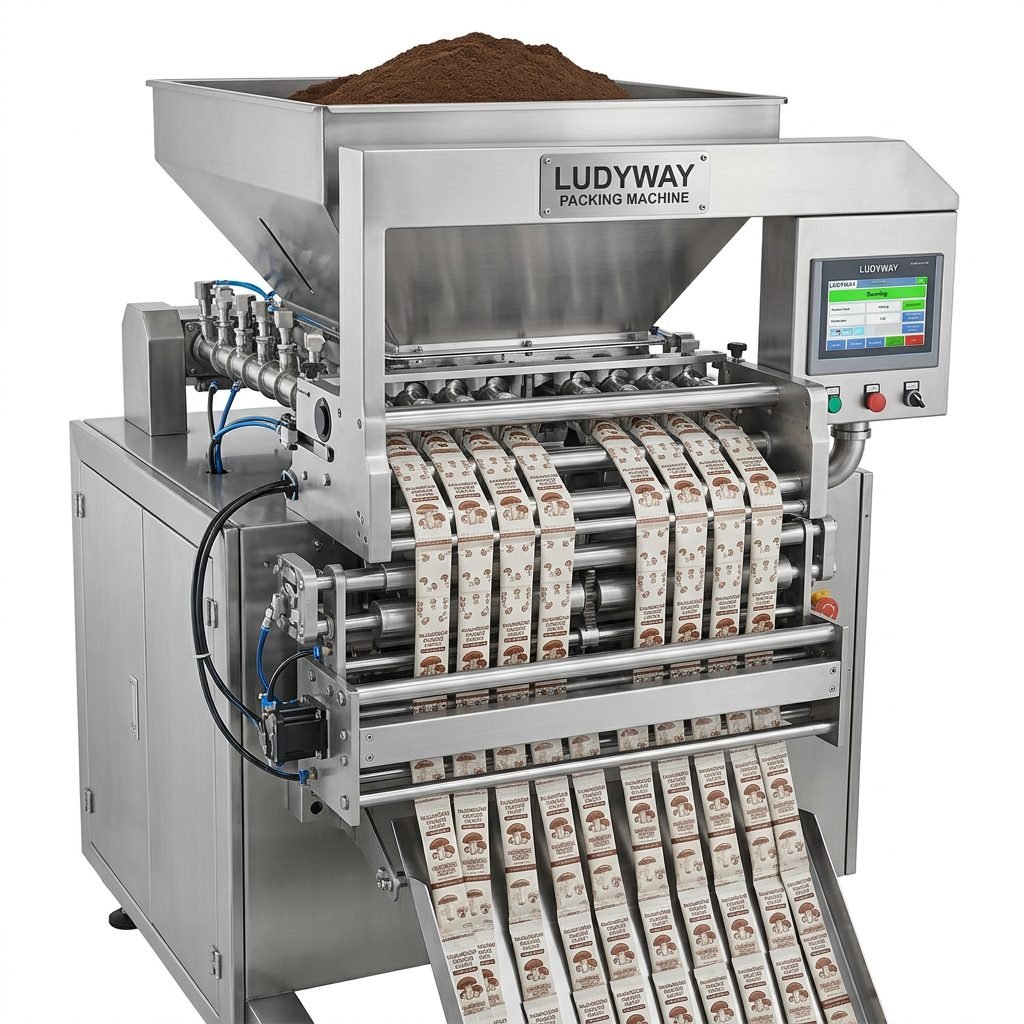
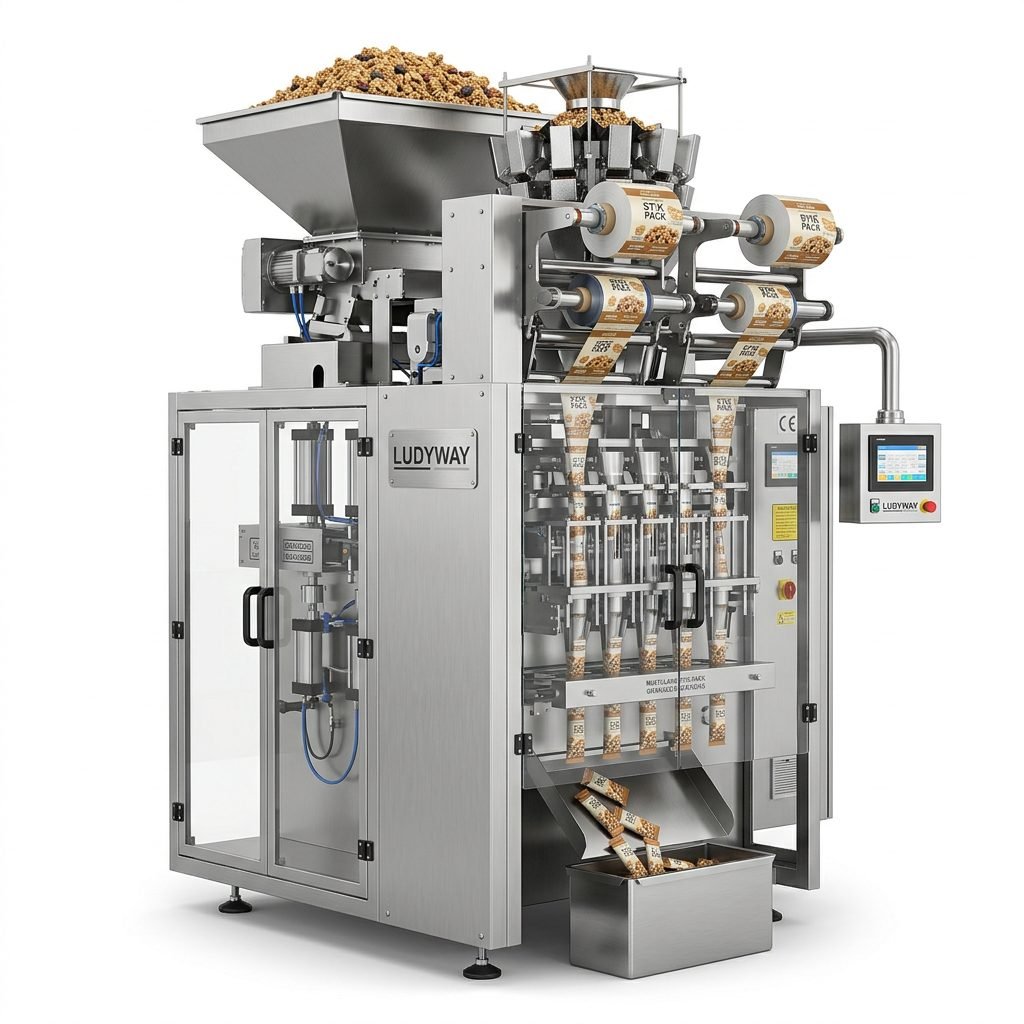
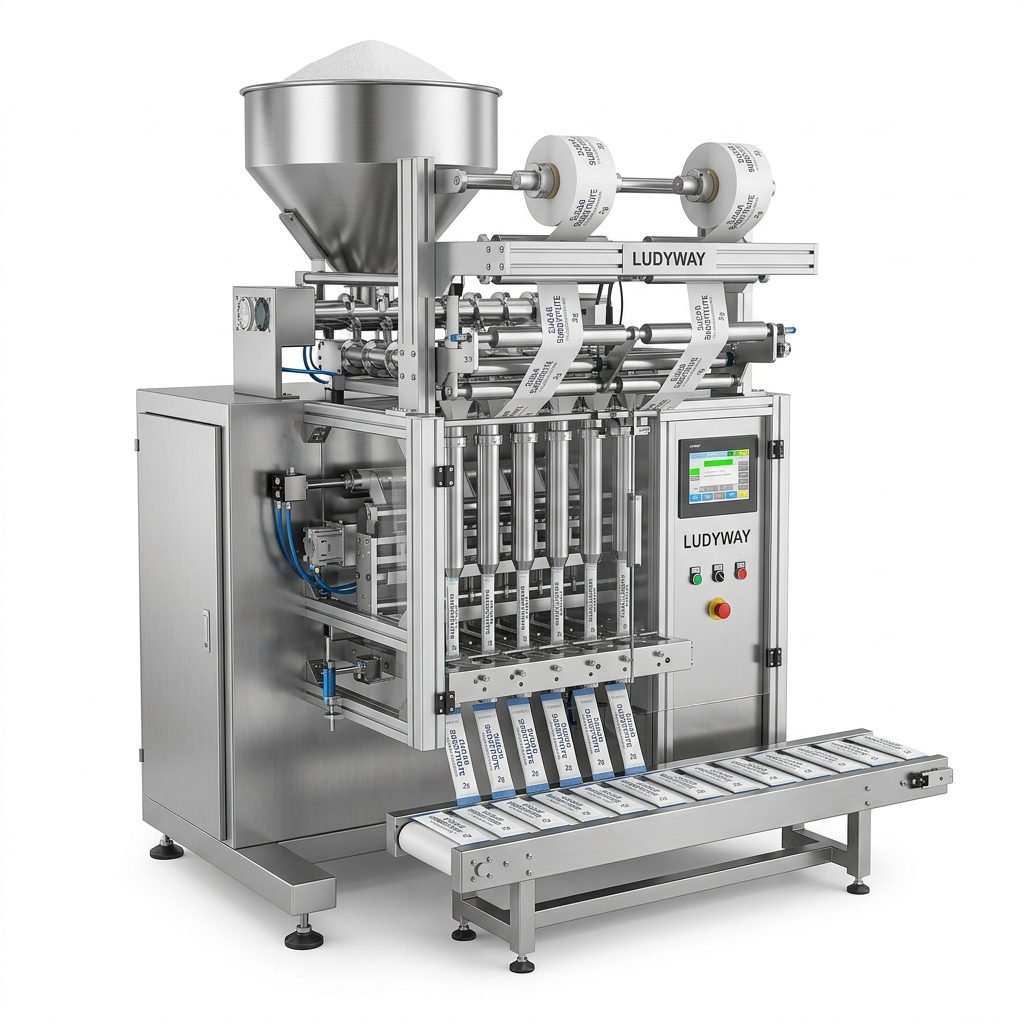
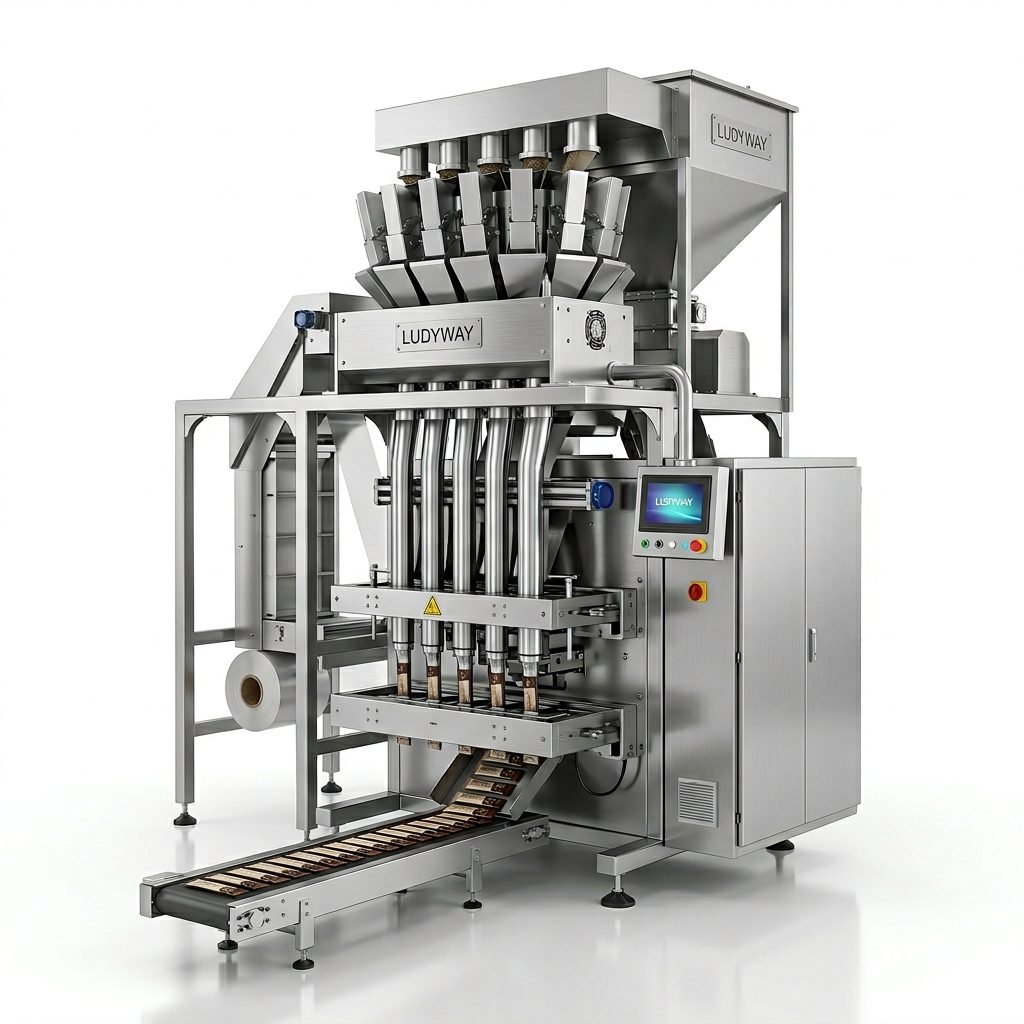
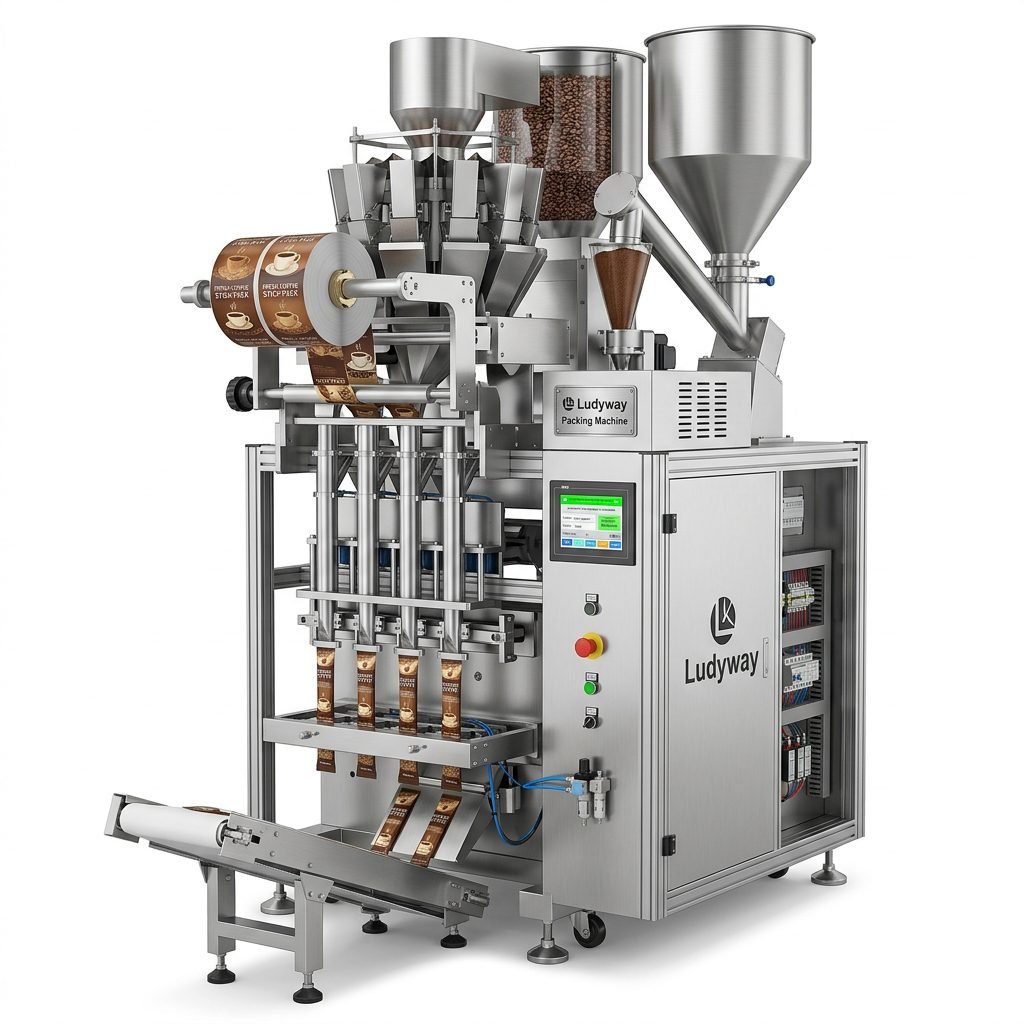
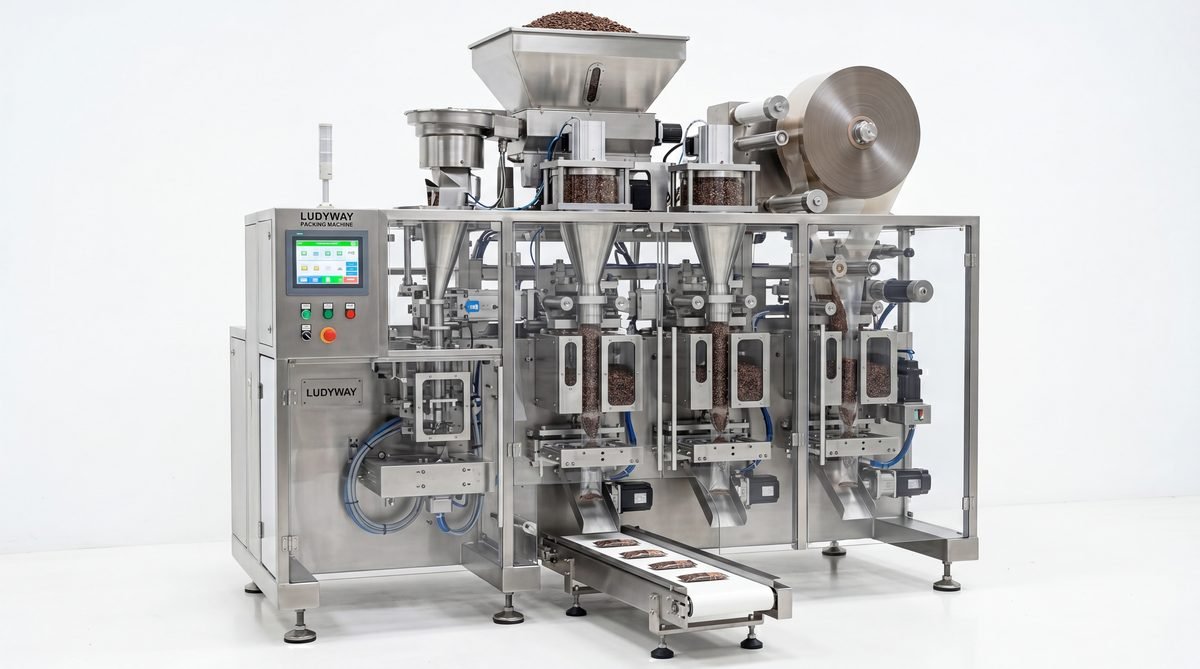
| Multi-Lane Stick Pack Machine | Single-serve instant coffee, 3-in-1 mixes | High-speed output up to 400 packs/min |
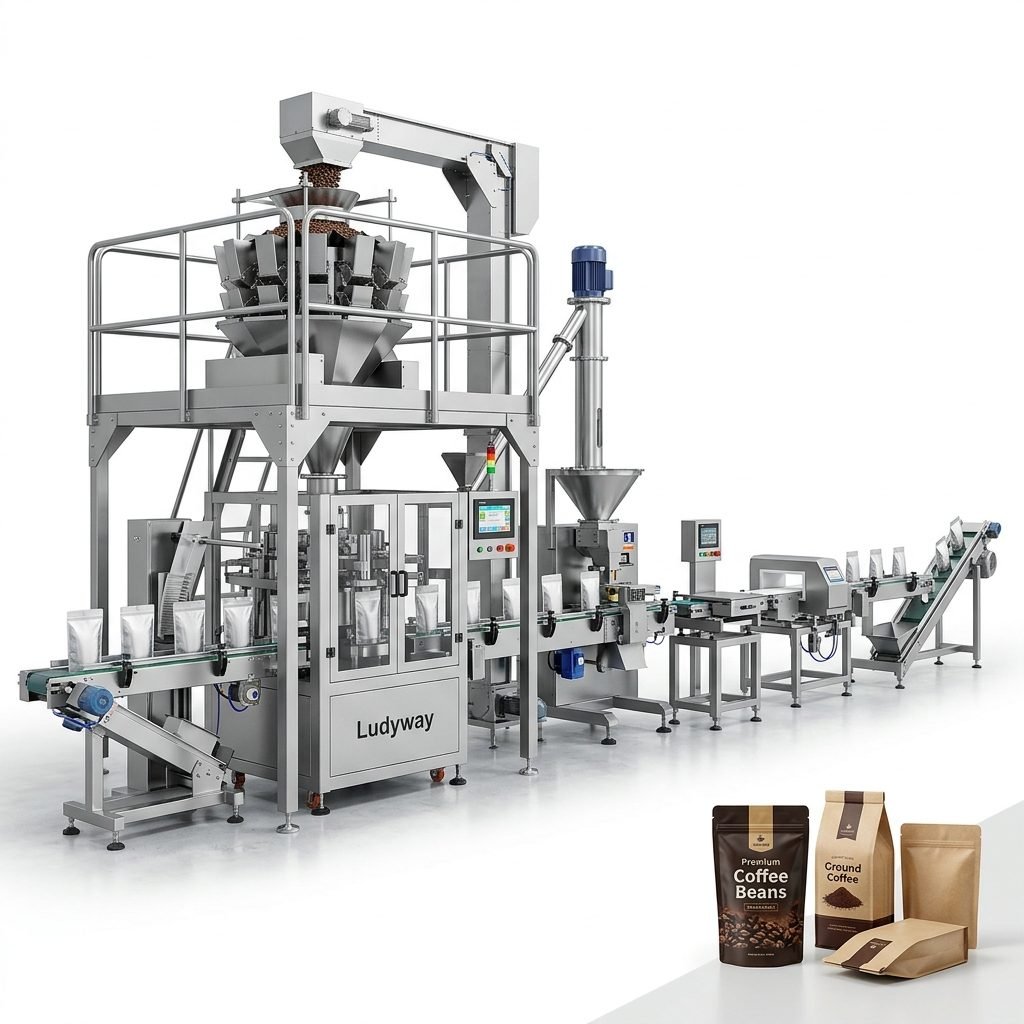
| Premade Pouch Rotary Filler | Whole bean valve bags, stand-up pouches | Gentle handling preserves bean integrity |
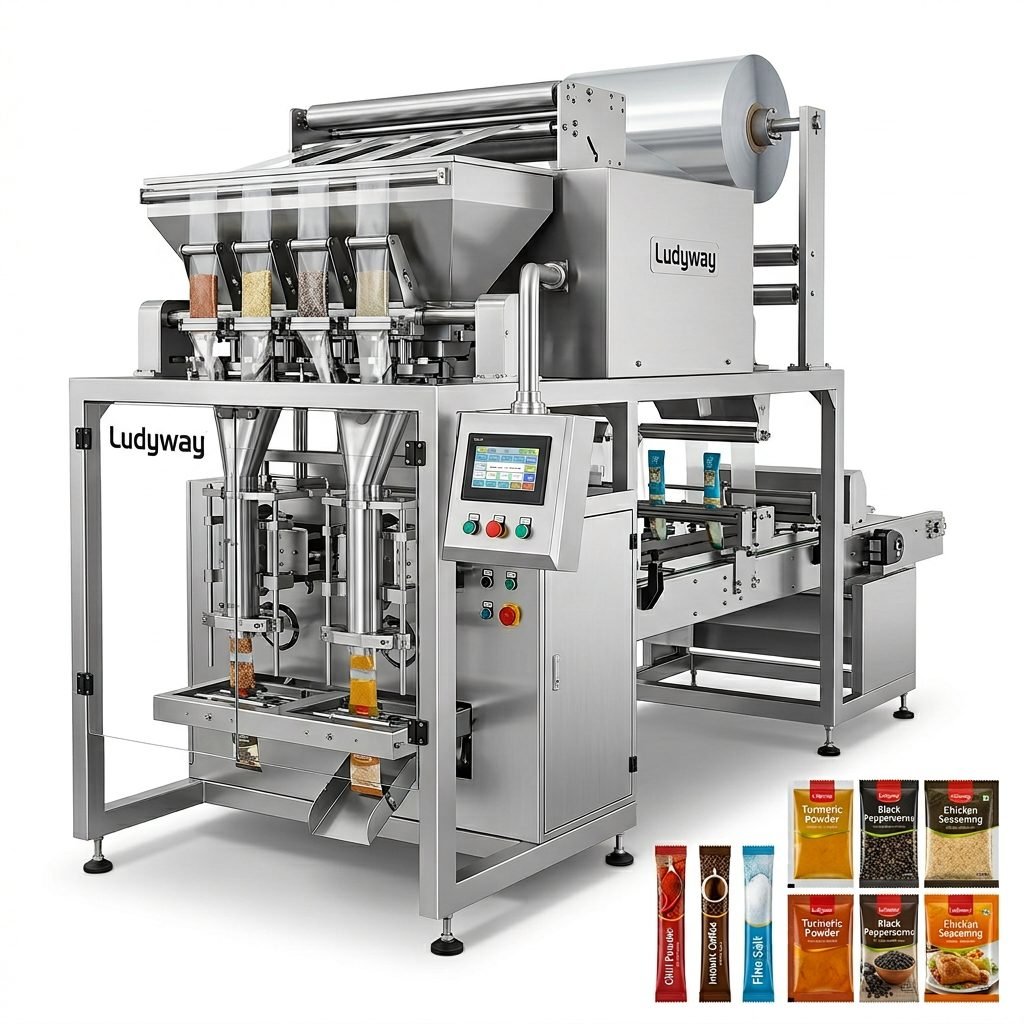
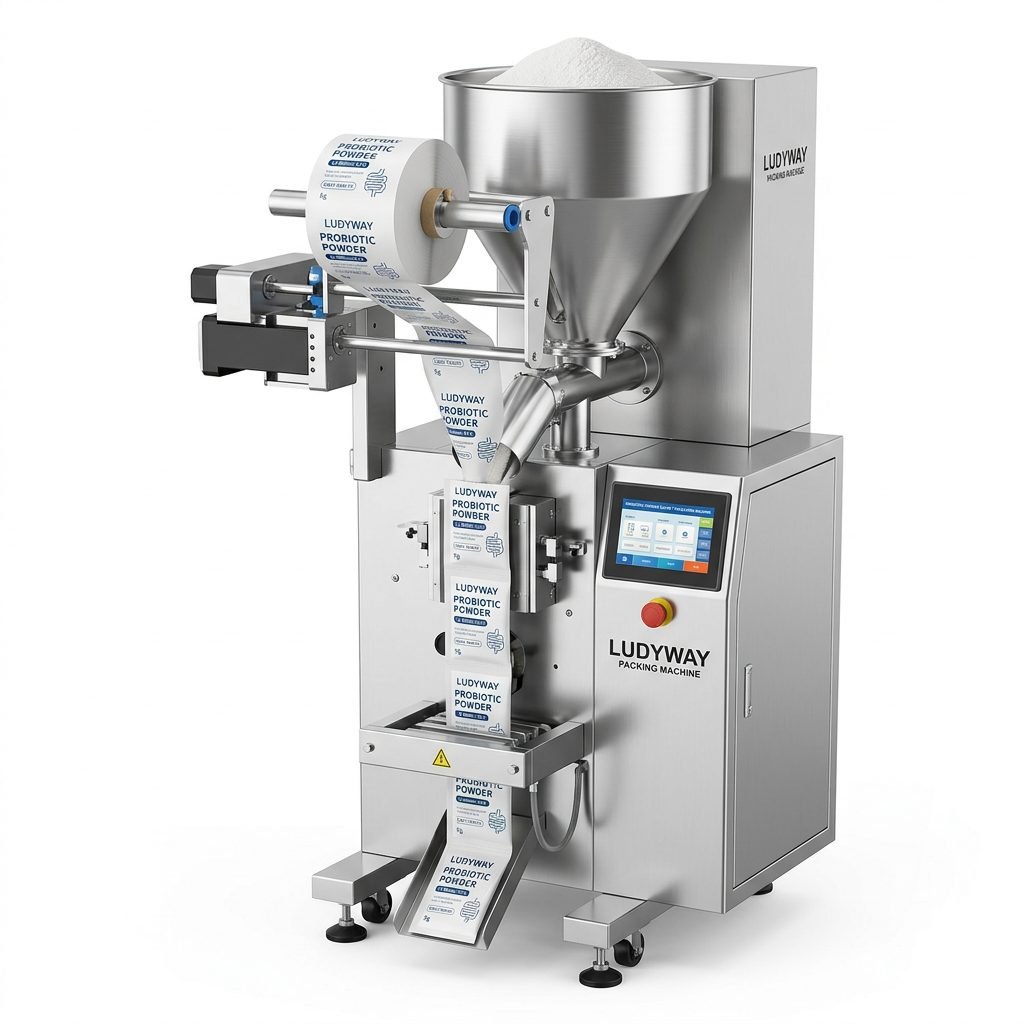
| Vertical Form Fill Seal (VFFS) | Ground coffee, pillow bags | Cost-effective for medium-volume runs |
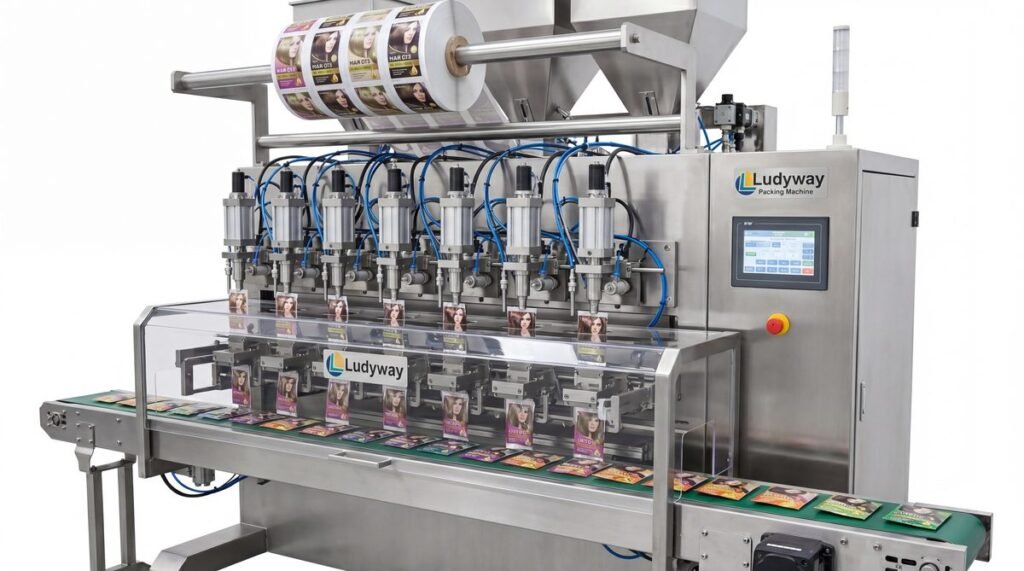
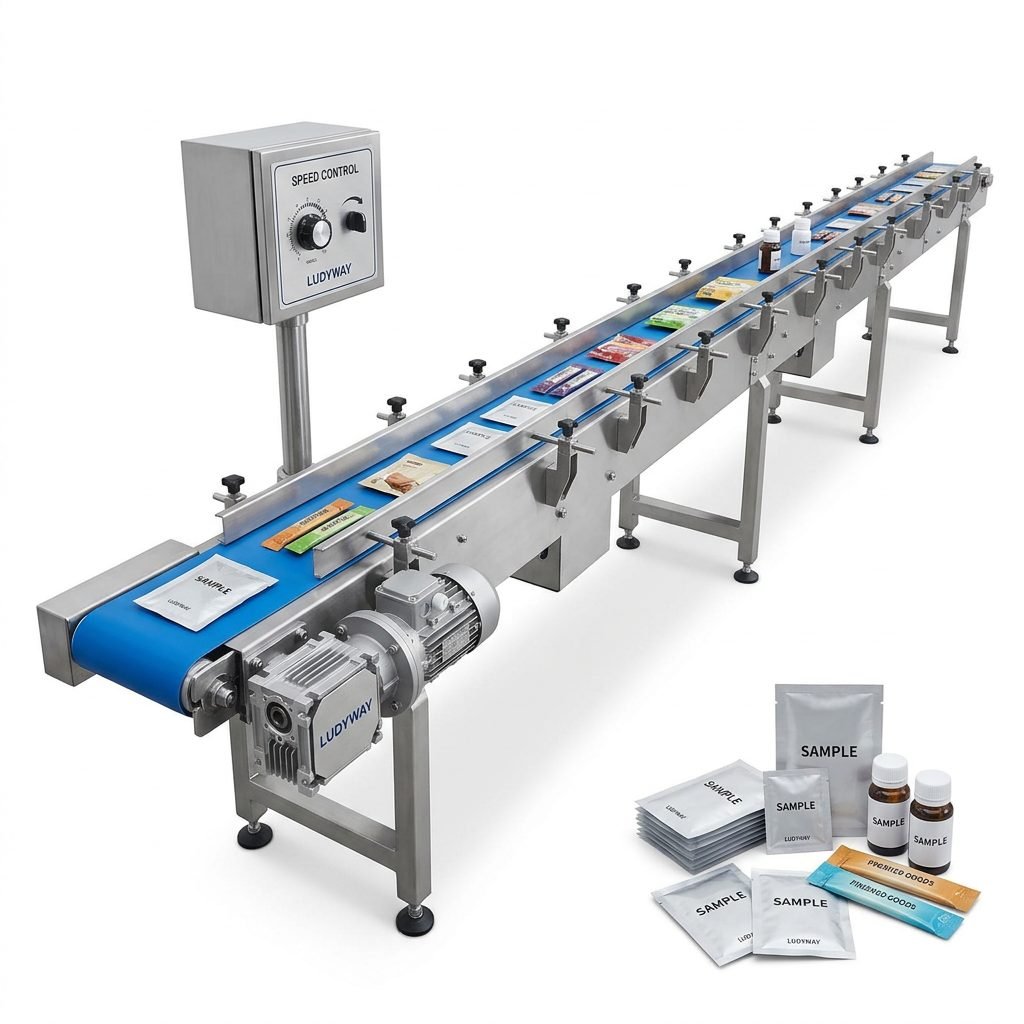
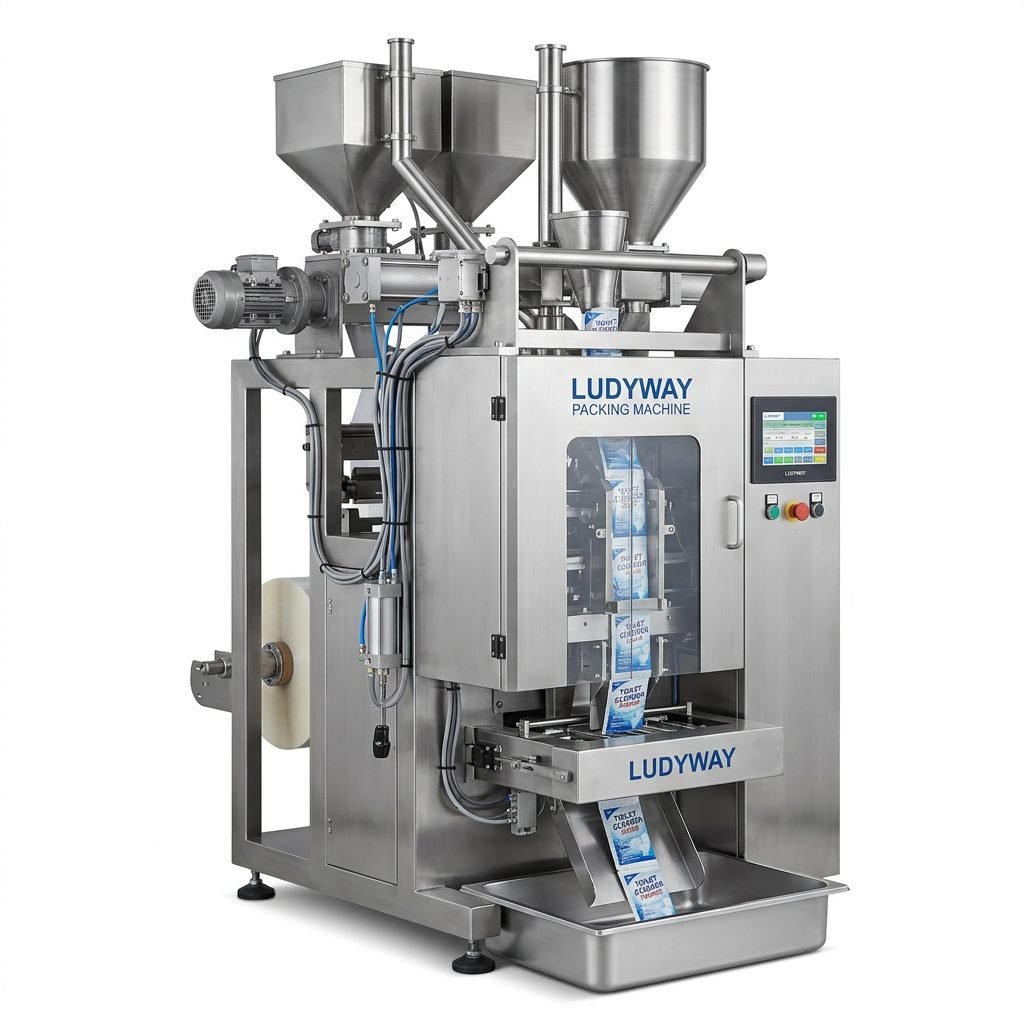
| Multi-Lane Sachet Machine | Sample packs, portion-controlled servings | Compact footprint with high throughput |
6 Critical Factors to Evaluate Before Buying
Investing in a coffee packaging system requires careful assessment of your production goals and operational environment. Here are the top considerations:
1. Packaging Material Compatibility
Oceania’s climate demands robust barrier films. Your machine should handle metallized PET, aluminum foil laminates, and kraft paper structures. Verify that the sealing jaws accommodate the thickness and heat-seal characteristics of your chosen materials. Refer to packaging machinery resources for technical guidance on material specifications.
2. Oxygen and Aroma Preservation
Coffee’s volatile aromatic compounds degrade rapidly when exposed to oxygen. Look for machines equipped with nitrogen flushing systems and one-way degassing valve applicators. These features are non-negotiable for whole bean packaging destined for specialty retail shelves in Sydney or Wellington.
3. Weighing Accuracy and Speed
Precision multi-head weighers ensure each bag meets labeled weight requirements while minimizing product giveaway. For high-volume operations, target weighing accuracy within ±0.5g and speeds matching your production targets.
4. Changeover Flexibility
Roasters offering multiple SKUs—different origins, grind sizes, and bag formats—benefit from machines with tool-less changeover capabilities. Quick adjustments reduce downtime between production runs.
5. Compliance with Regional Standards
Equipment must align with Australian and New Zealand food safety regulations. Stainless steel construction, IP65-rated electrical enclosures, and HACCP-compliant design principles are essential. Consult packaging industry business intelligence for up-to-date regulatory frameworks.
6. After-Sales Support in Oceania
Remote locations in the Pacific region make responsive technical support vital. Prioritize suppliers offering local service partnerships, remote diagnostics, and readily available spare parts to minimize costly downtime.
Whole Bean vs. Ground Coffee: Packaging Considerations
Your product format directly influences machine selection. Here is what to prioritize for each category:
- Whole Bean Packaging: Requires gentle handling to prevent bean fracture. Valve bag compatibility is critical. Consider premade pouch rotary systems with degassing valve insertion modules.
- Ground Coffee Packaging: Demands superior dust management and precise filling for consistent density. Vertical form fill seal machines with auger fillers excel in this application.
- Single-Serve Stick Packs: Growing rapidly in the Oceania convenience segment. Multi-lane stick pack machines deliver the speed and portion accuracy required for this competitive format.
- Sample and Promotional Sachets: Compact multi-lane sachet machines allow roasters to distribute trial portions cost-effectively at farmers’ markets and trade events.
Automation Level: Weighing Your Options
From semi-automatic to fully integrated turnkey lines, the degree of automation impacts both capital expenditure and operational efficiency:
| Automation Tier | Typical Output | Ideal User Profile |
|---|---|---|
| Semi-Automatic | 10-20 packs/min | Micro-roasters, startup brands |
| Fully Automatic Single-Lane | 30-60 packs/min | Mid-sized regional roasters |
| Multi-Lane High-Speed | 200-400 packs/min | Large-scale commercial producers |
| Turnkey Integrated Line | Custom-configured | Enterprise operations seeking end-to-end solutions |
Sustainability Trends Shaping Equipment Choices
Oceania consumers increasingly prioritize eco-friendly packaging. Modern coffee packaging machines must accommodate recyclable mono-material films, compostable laminates, and reduced-plastic structures. Machines with adaptive sealing temperature controls and tension management systems handle these newer materials more reliably. Additionally, equipment designed for minimal film waste during startups and changeovers supports both environmental goals and cost efficiency.
Making the Final Decision: A Practical Checklist
- Define your current and projected monthly production volumes.
- Identify all packaging formats you plan to offer over the next 3-5 years.
- Verify material compatibility with your chosen barrier film specifications.
- Evaluate the machine’s footprint against your available floor space.
- Request video demonstrations using your actual coffee product and packaging materials.
- Assess the supplier’s service network coverage across Australia, New Zealand, and the Pacific Islands.
- Compare total cost of ownership, including energy consumption and spare parts availability.
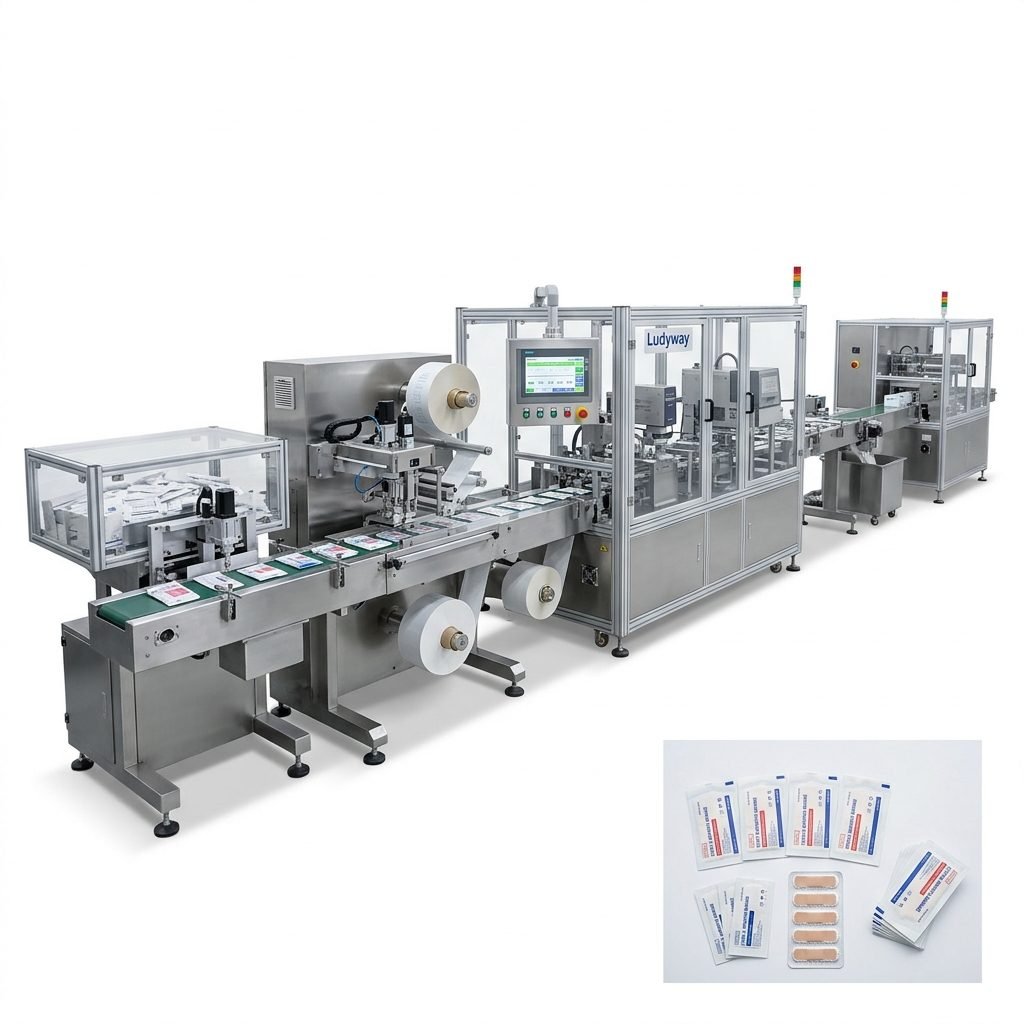
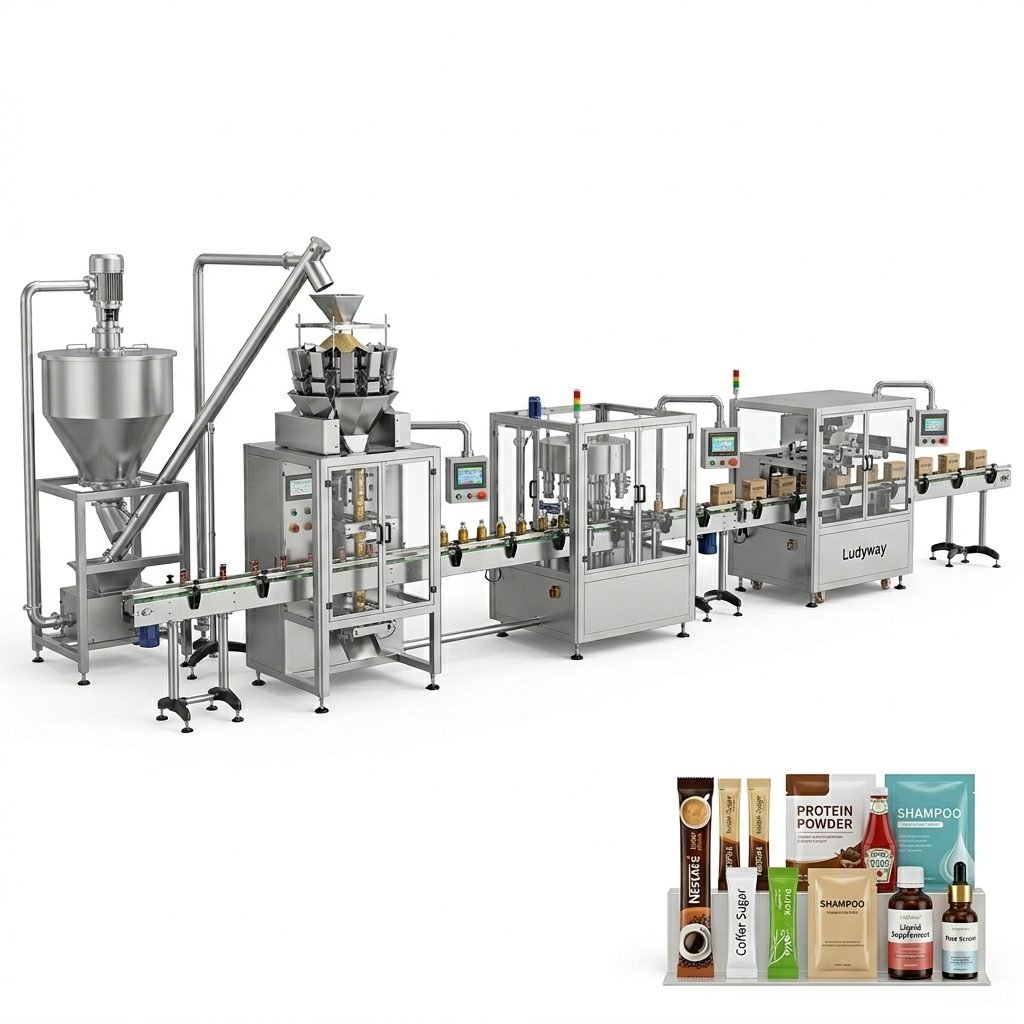
For businesses seeking reliable, high-performance coffee packaging equipment, manufacturers like Ludyway offer comprehensive solutions with over 30 years of industry expertise, serving customers across more than 100 countries with advanced multi-lane and turnkey packaging systems.
Frequently Asked Questions
What is the best packaging machine for coffee beans?
The optimal choice depends on your format. For whole bean valve bags, a premade pouch rotary filler with nitrogen flushing delivers the best freshness protection. For ground coffee, a vertical form fill seal machine offers excellent versatility and cost efficiency.
How much does a coffee packaging machine cost?
Entry-level semi-automatic machines start around $15,000-$30,000 USD. Fully automatic single-lane systems range from $40,000-$80,000, while multi-lane high-speed lines can exceed $150,000 depending on configuration and customization requirements.
Can one machine handle both whole beans and ground coffee?
Some versatile VFFS and multi-lane platforms can process both formats with appropriate change parts and feeder configurations. However, dedicated machines optimized for each product type typically deliver superior performance and reduced cross-contamination risk.
What after-sales support should I expect in Oceania?
Look for suppliers offering remote diagnostic capabilities, local technical partners in Australia and New Zealand, comprehensive warranty coverage, and guaranteed spare parts availability with expedited shipping to Pacific locations.