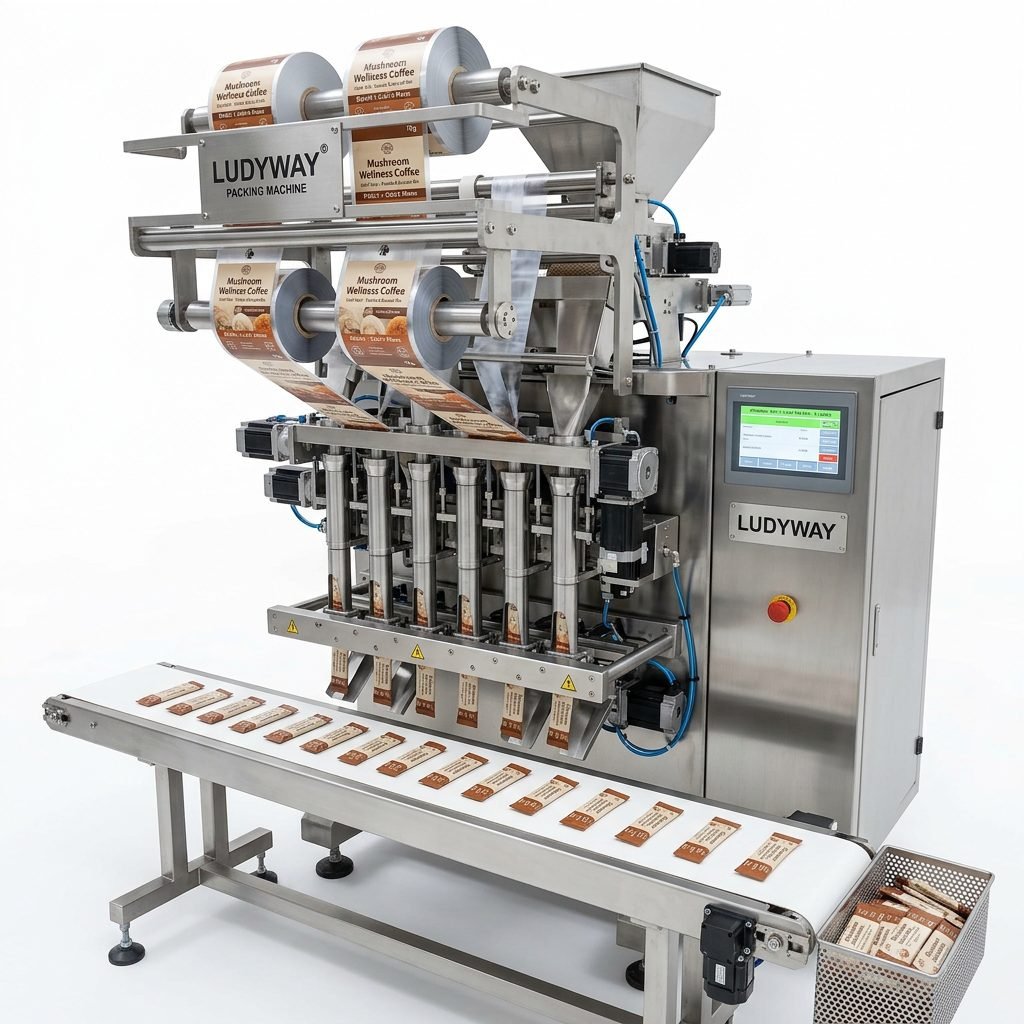
Establishing an ice cream packaging machine production line in Germany requires careful planning, strict adherence to European regulations, and a clear understanding of the local market dynamics. Germany is Europe’s largest ice cream producer, with per capita consumption exceeding 8 kilograms annually. This makes it an ideal location for setting up a state-of-the-art packaging operation that can serve both domestic and pan-European distribution networks.
Before investing in equipment and facility setup, manufacturers must navigate German engineering standards, EU food safety directives, and increasingly stringent sustainability requirements. According to industry data from PMMI’s Business Intelligence, the European packaging machinery market continues to grow at a steady rate, driven by automation trends and demand for flexible packaging solutions.
Understanding German Market Requirements for Ice Cream Packaging
Germany’s ice cream market is characterized by high quality standards and a strong preference for sustainable packaging materials. The European Commission’s Packaging and Packaging Waste Regulation sets ambitious targets for recyclability and recycled content, directly impacting how ice cream products must be packaged for the German market.
Key market segments include:
- Industrial bulk ice cream for food service and hospitality sectors
- Premium retail ice cream in stand-up pouches and flow-wrap formats
- Single-serve impulse ice cream products requiring high-speed stick-pack and sachet solutions
- Plant-based and functional ice cream categories experiencing rapid growth
Regulatory Compliance and Food Safety Standards
All ice cream packaging operations in Germany must comply with EU Regulation (EC) No 1935/2004 on materials intended to come into contact with food. Additionally, the FDA’s food packaging guidelines provide useful reference points, though EU-specific requirements take precedence. German authorities also enforce strict IFS Food Standard and BRCGS Packaging Materials certifications for packaging facilities.
The ISO packaging standards provide internationally recognized frameworks for quality management and validation processes. Specifically, ISO 22000 for food safety management systems is essential for any ice cream packaging operation in Germany.
Selecting the Right Ice Cream Packaging Equipment
Choosing appropriate packaging machinery depends on your product format, production volume, and target packaging type. The most common configurations for ice cream packaging lines in Germany include:
| Packaging Format | Recommended Machine Type | Typical Speed Range | Best Suited For |
|---|---|---|---|
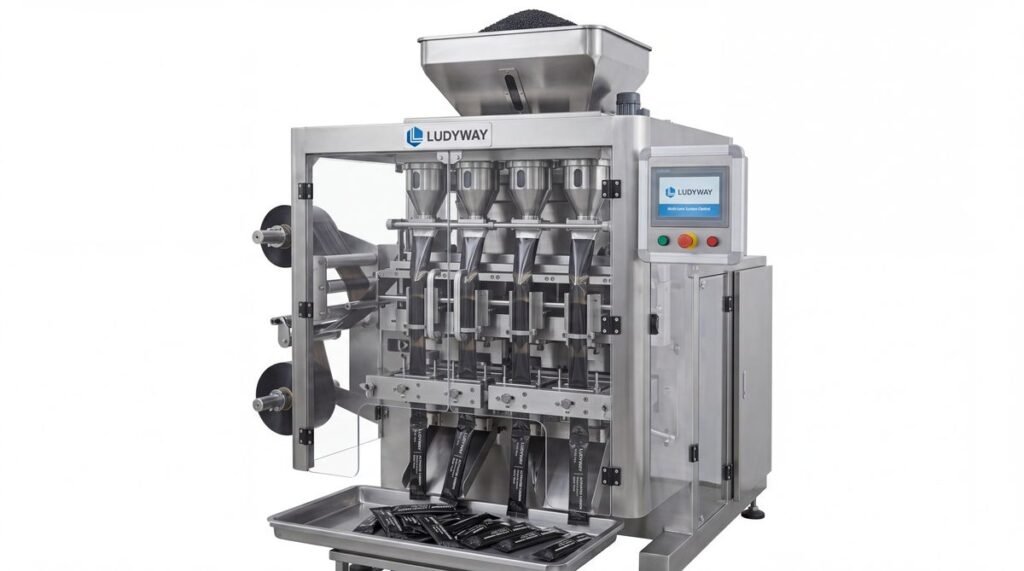
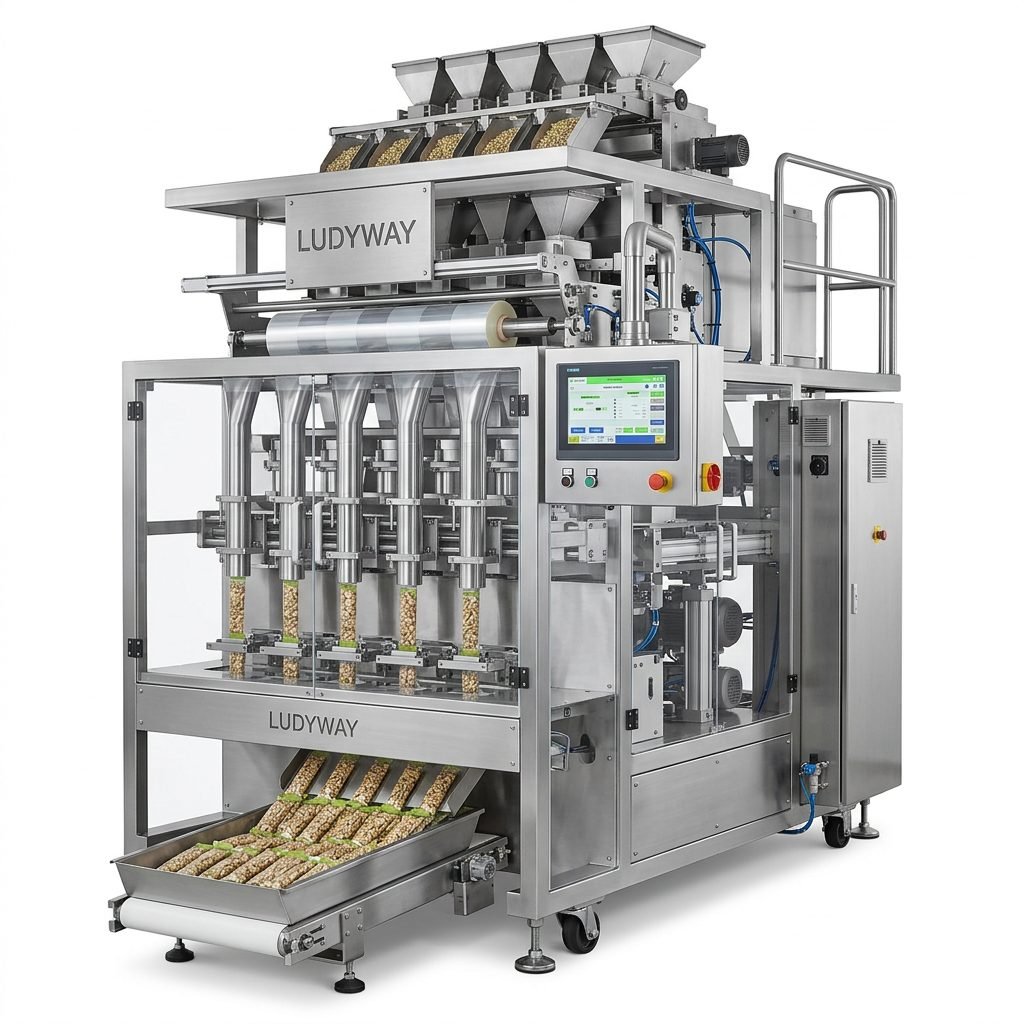
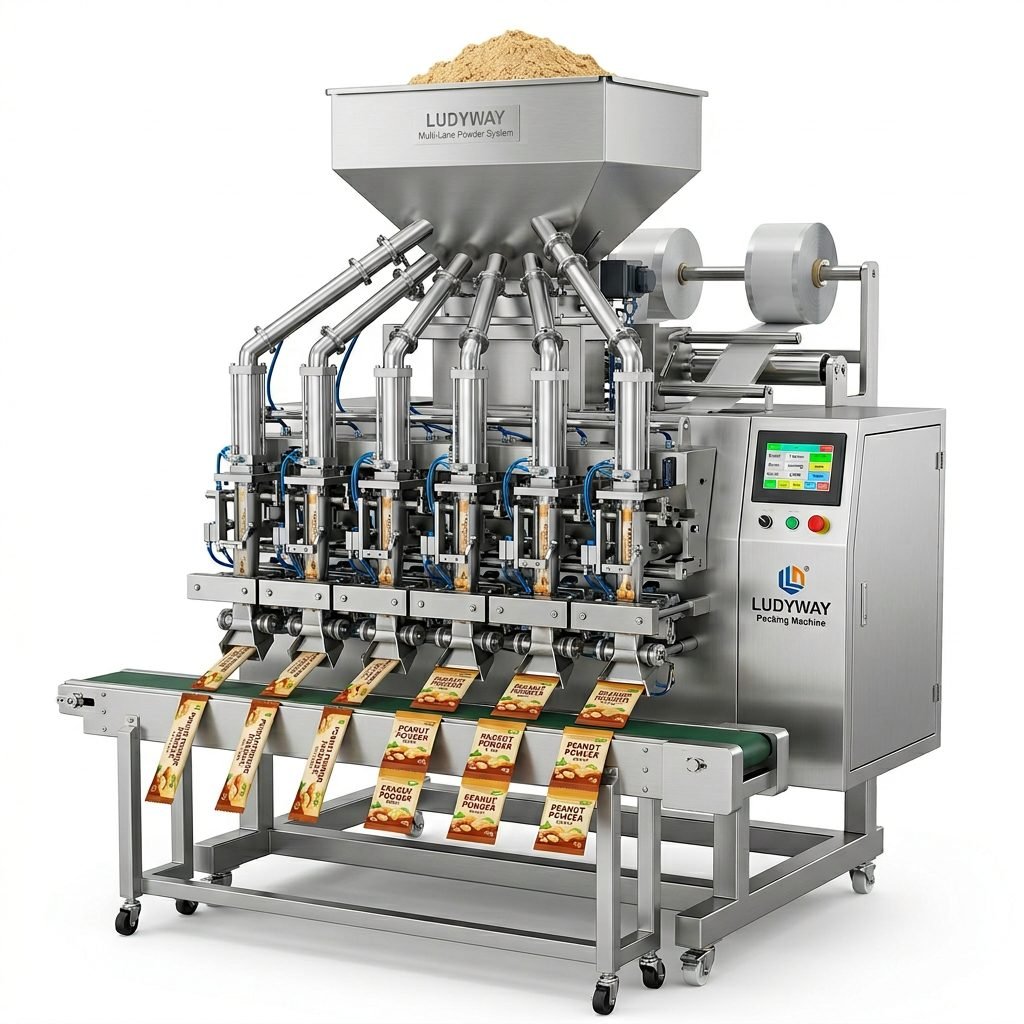
| Stick Packs / Sachets | Multi-Lane Stick Pack Machine | 200-600 packs/min | Single-serve ice cream powder mixes, frozen novelties |
| Stand-Up Pouches | Premade Pouch Filling & Sealing Machine | 40-80 pouches/min | Premium retail ice cream, gelato mixes |
| Flow Wrap / Pillow Packs | Horizontal Flow Wrapper | 100-300 packs/min | Frozen ice cream bars, sandwiches |
| Bulk Bags (10-25kg) | Automatic Weighing & Bagging System | 4-10 bags/min | Industrial ice cream base, food service |
| Cups & Tubs | Cup Filling & Sealing Line | 50-150 cups/min | Portion-controlled ice cream cups |
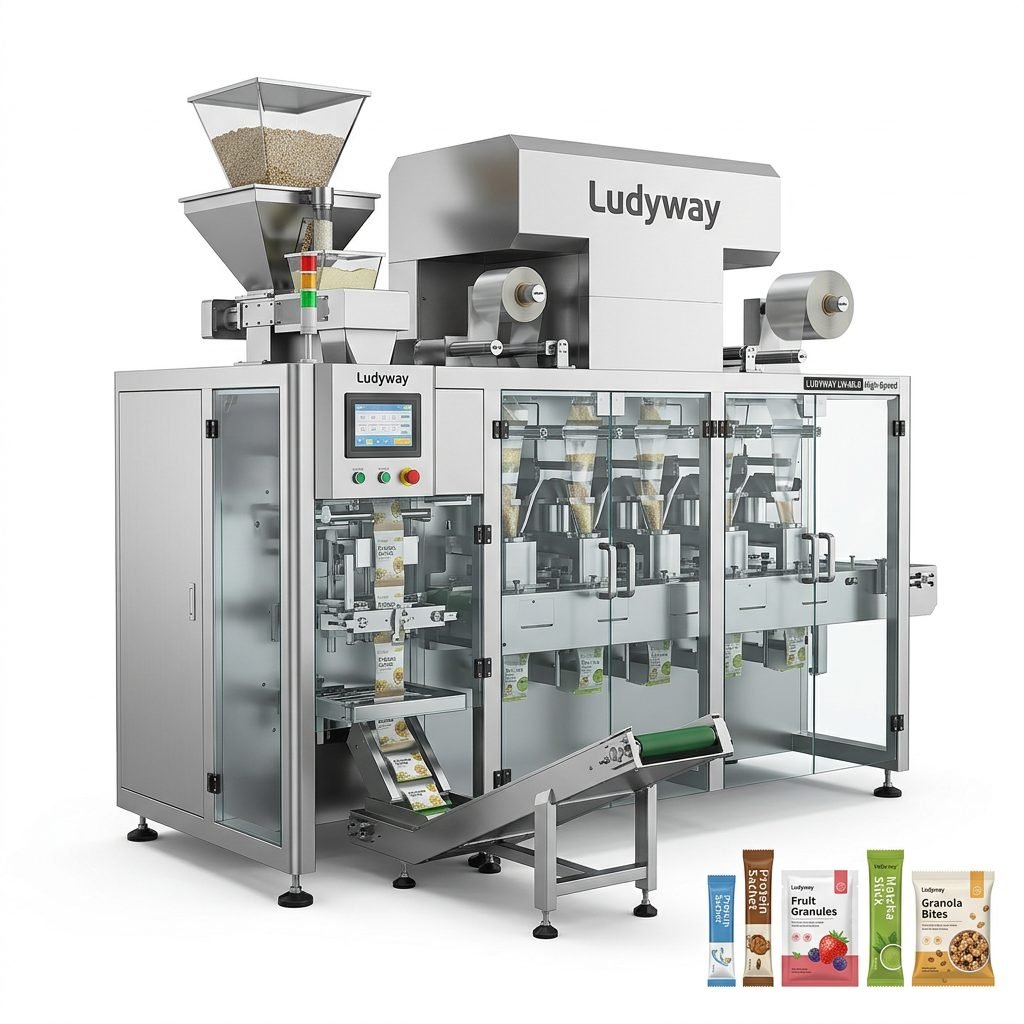
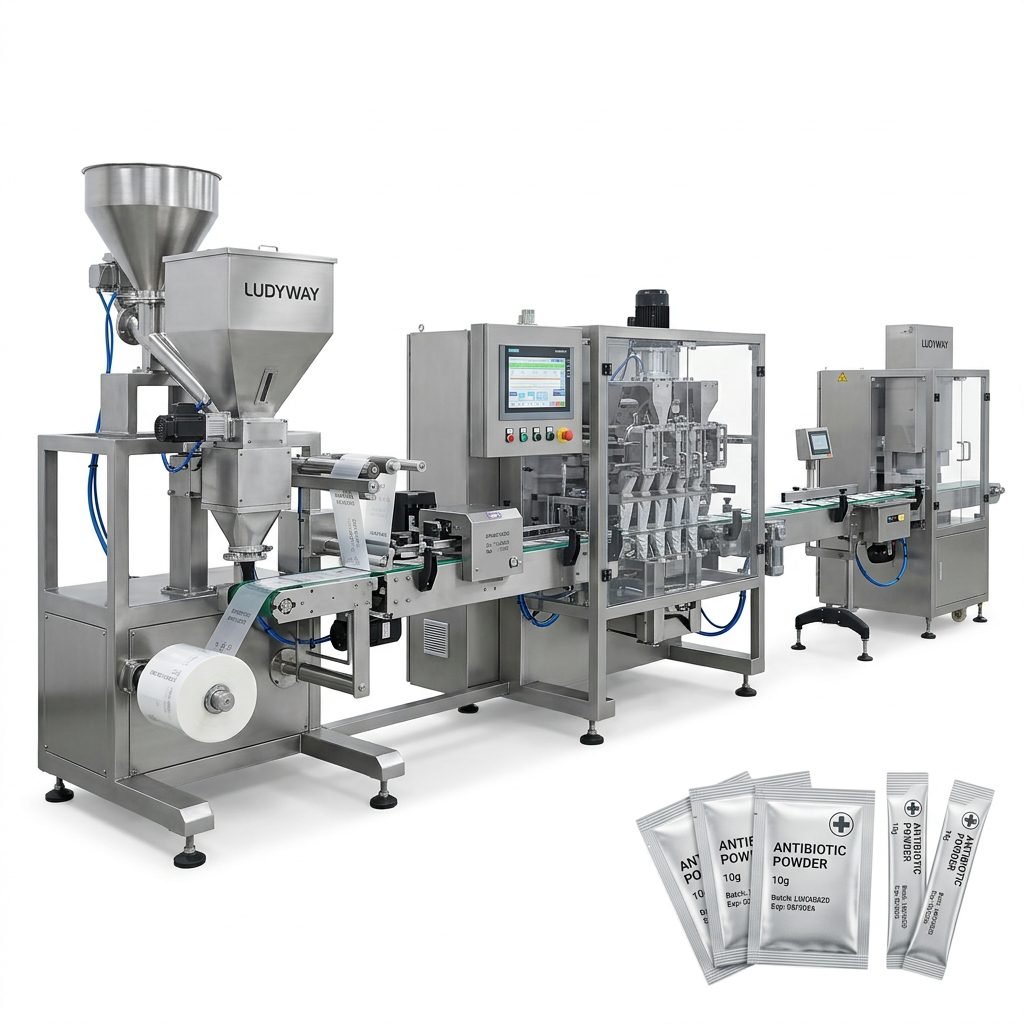
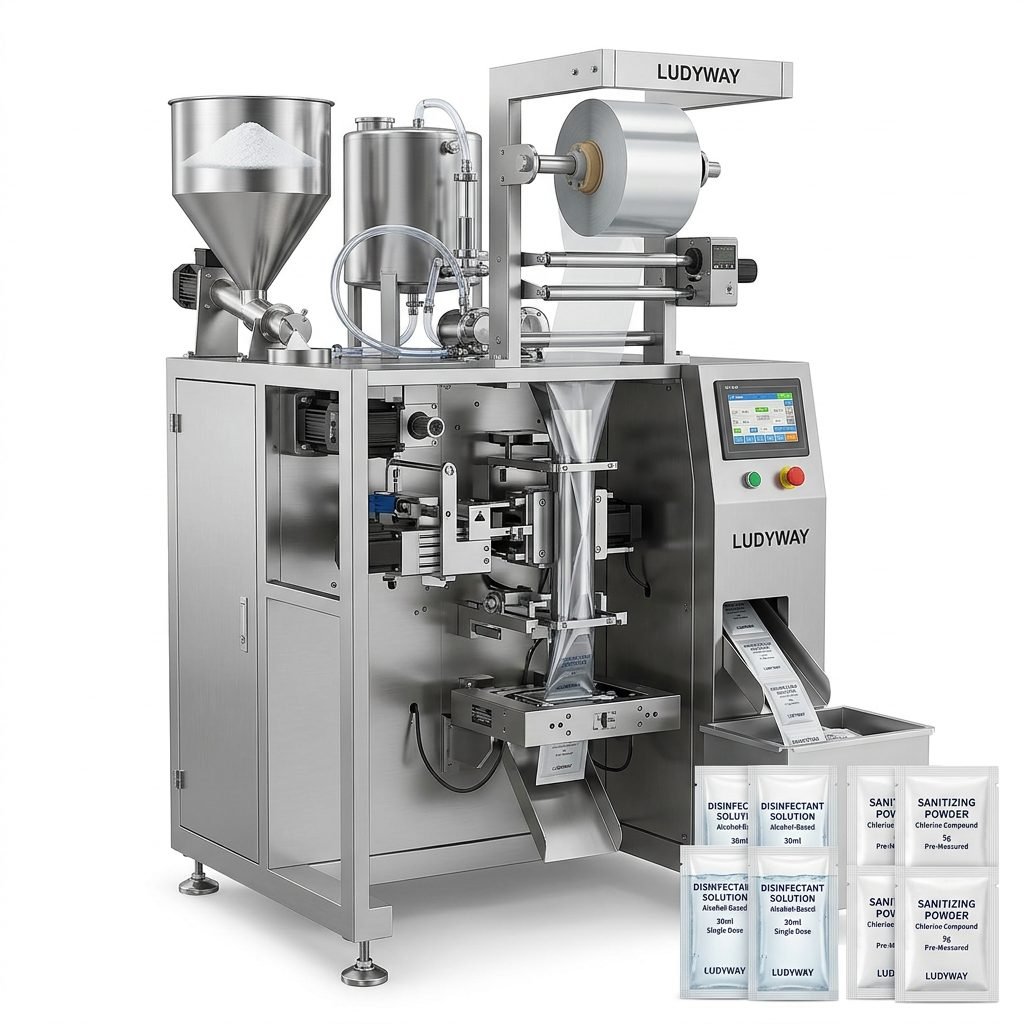
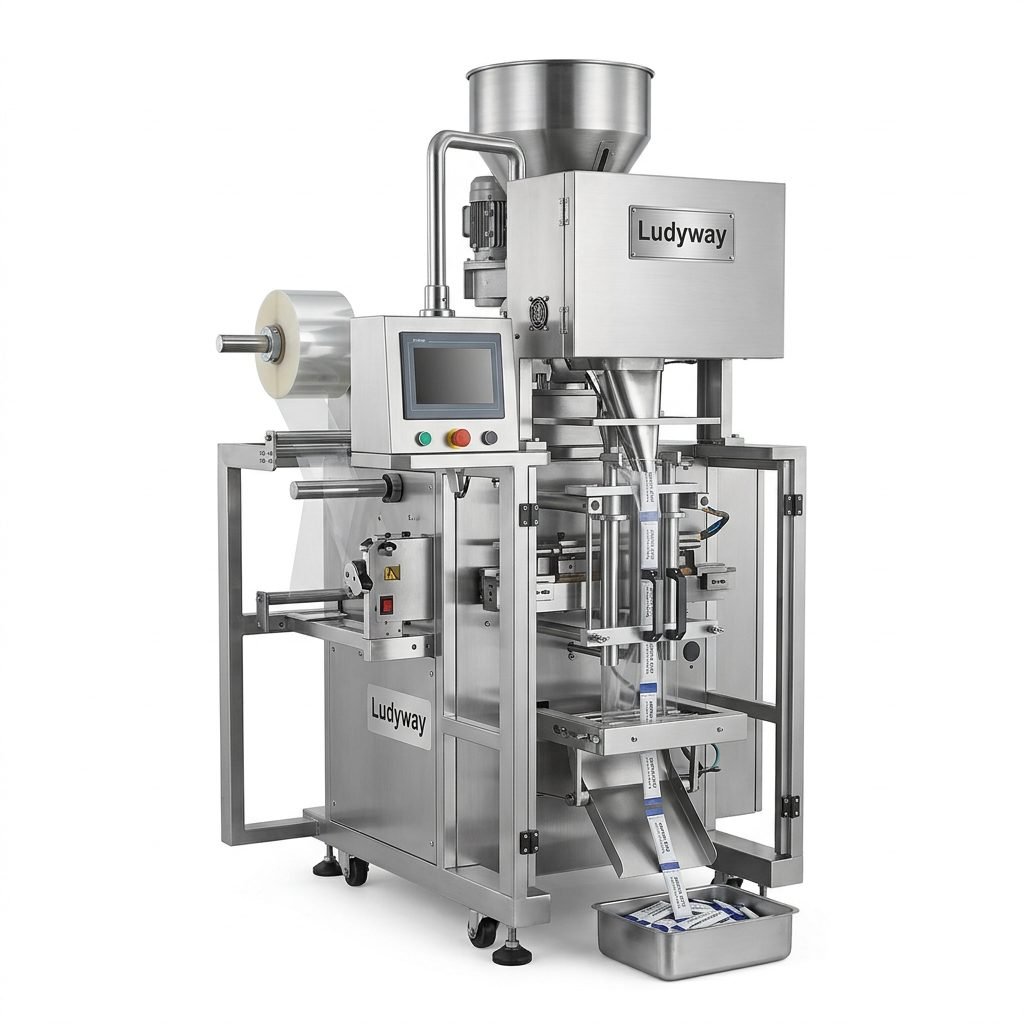
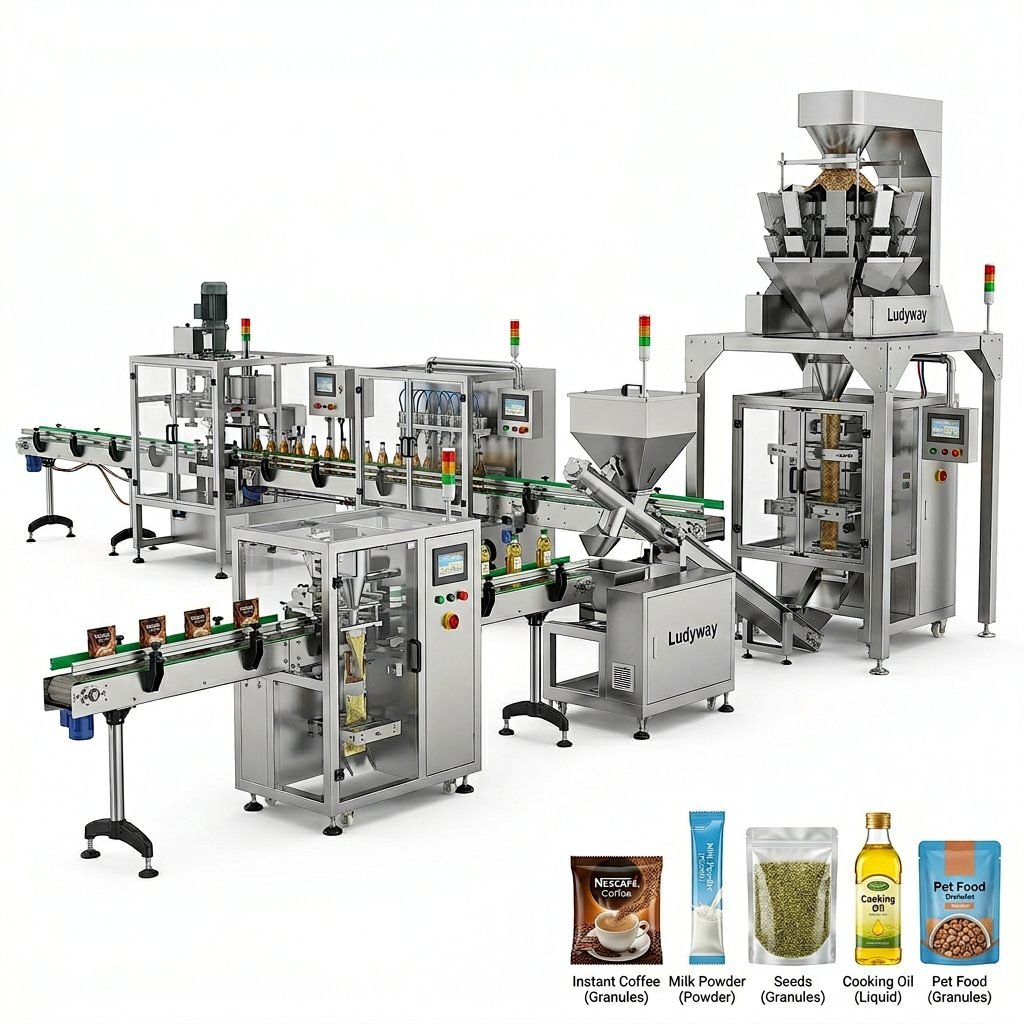
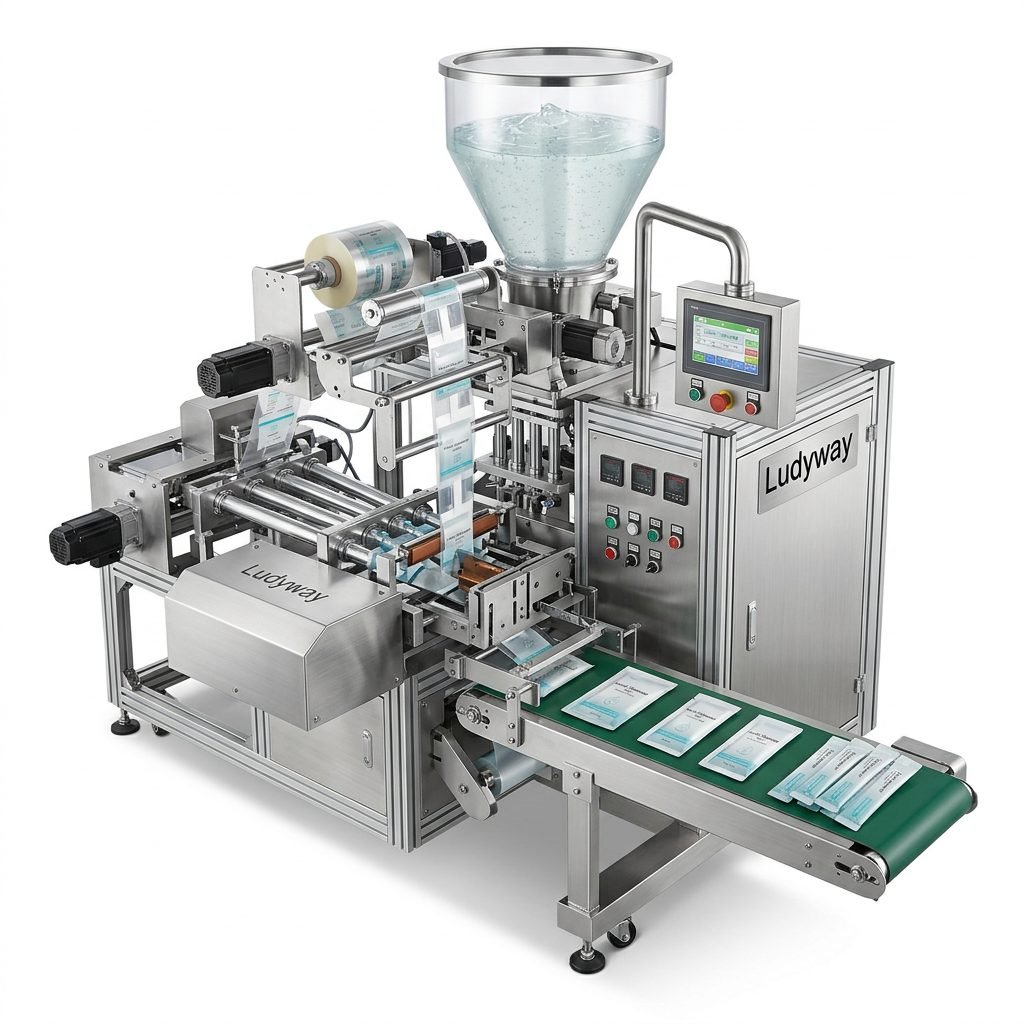
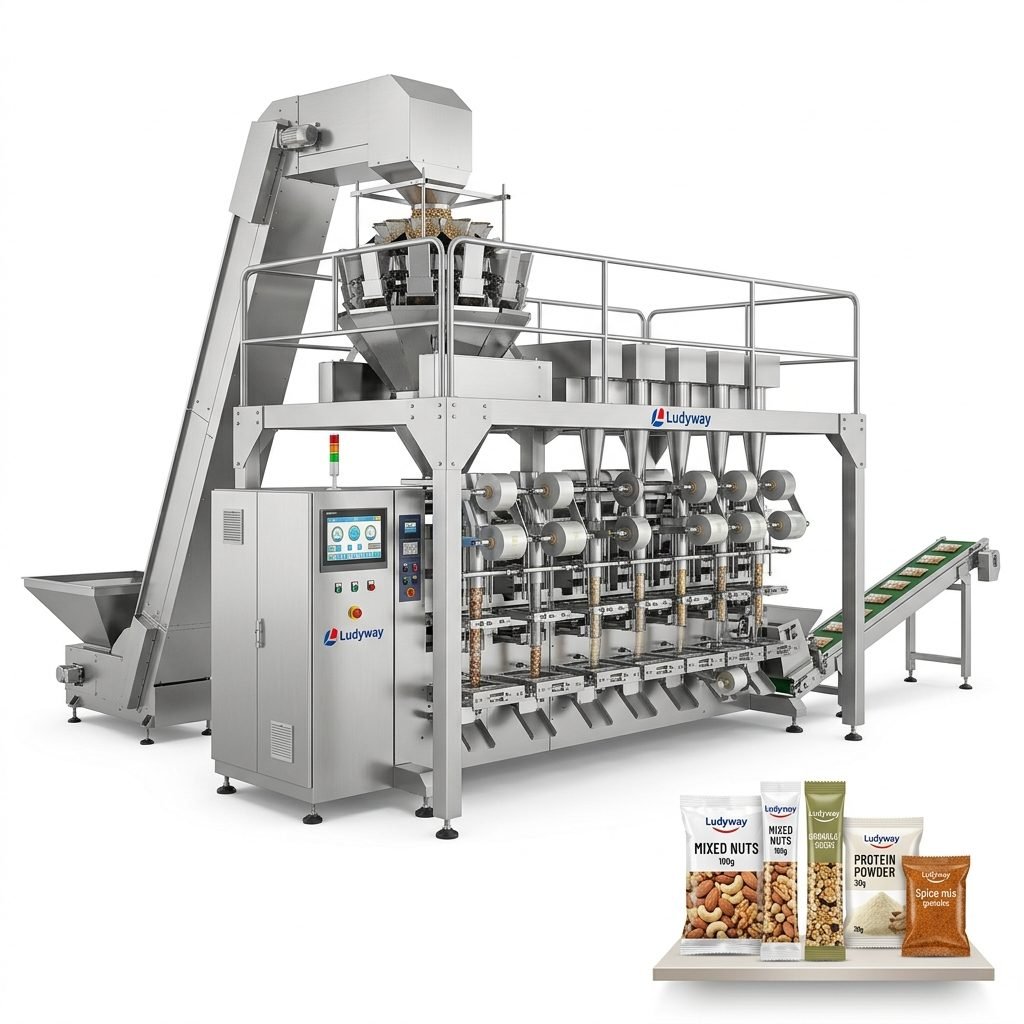
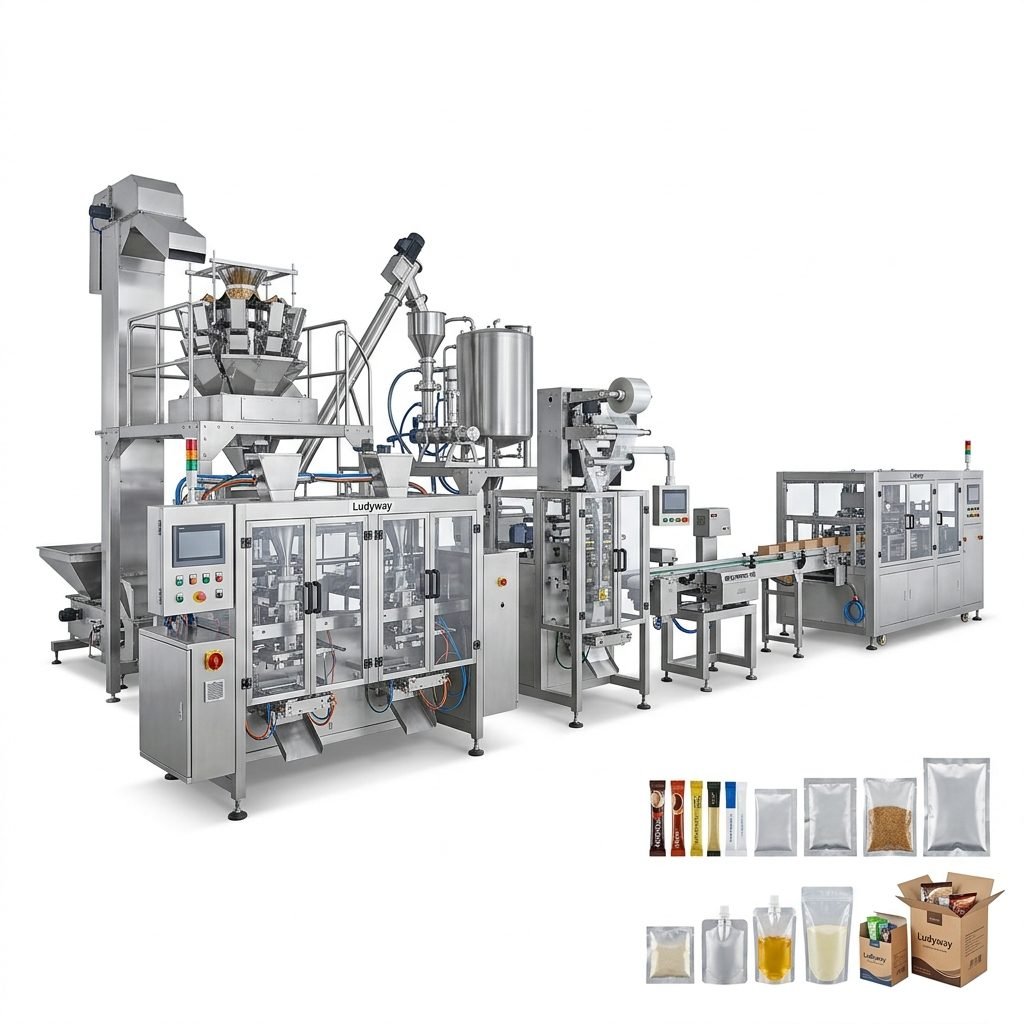
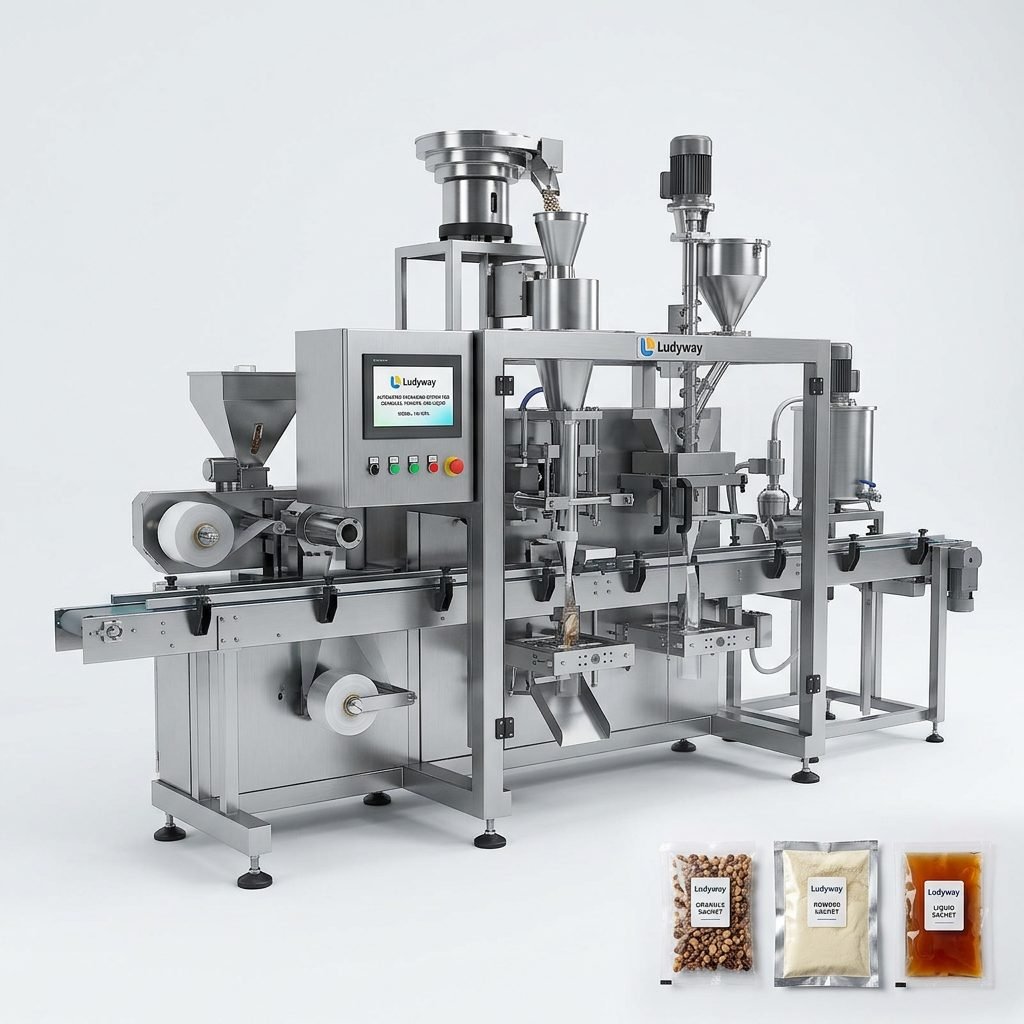
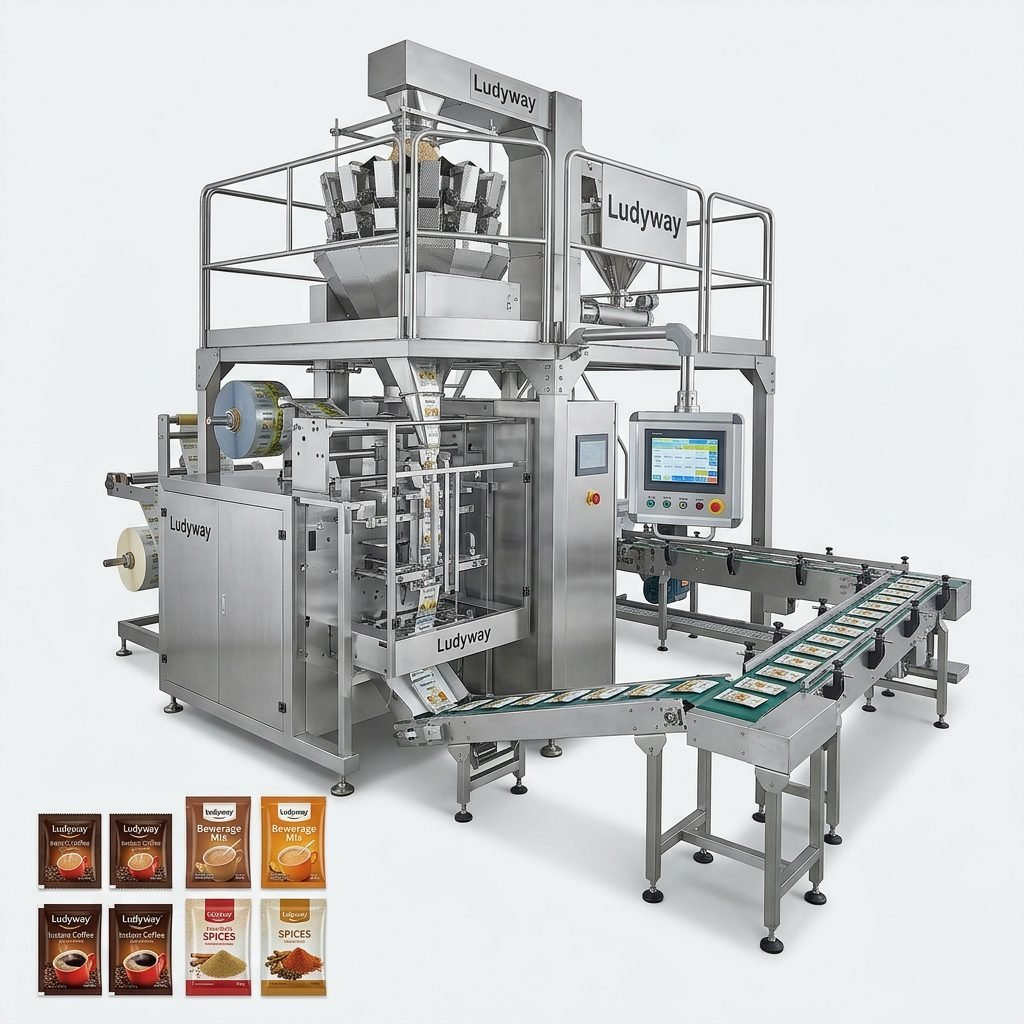
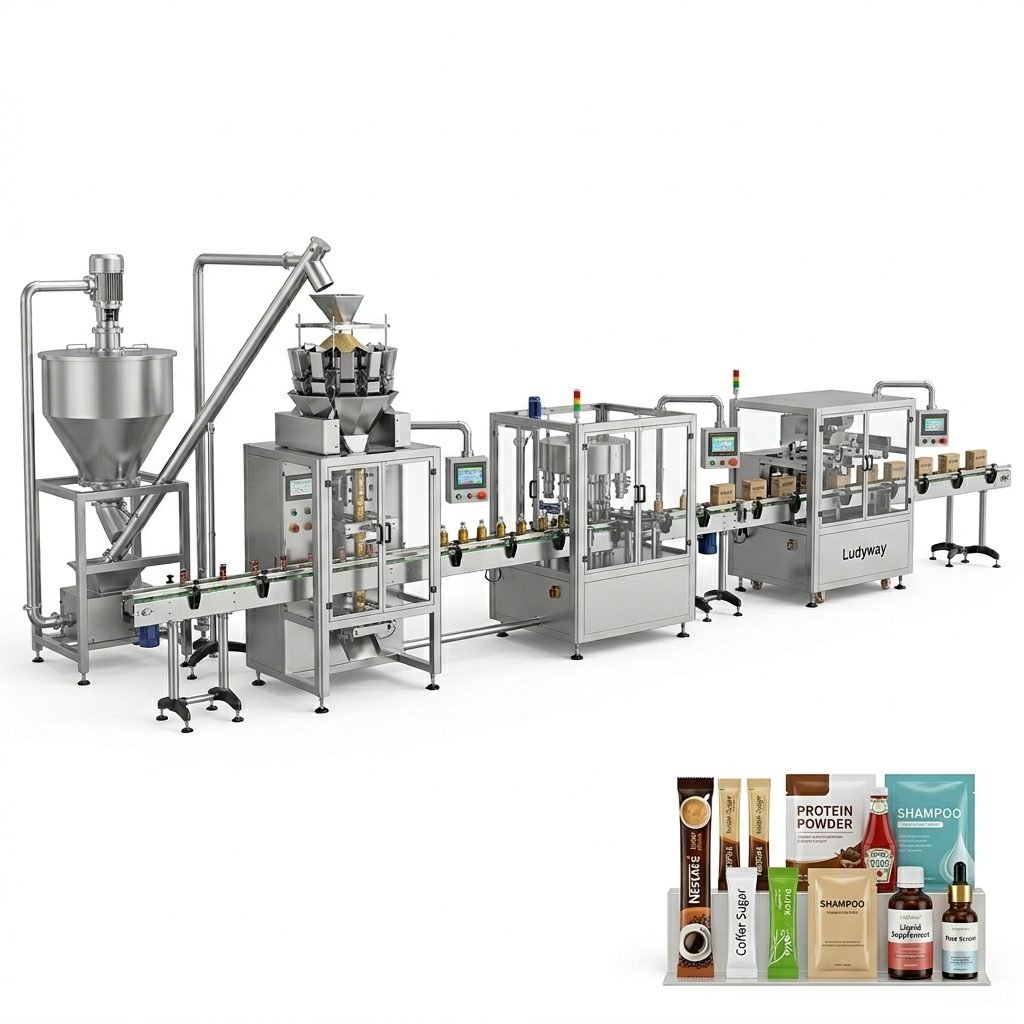
For manufacturers seeking reliable turnkey packaging solutions, working with experienced equipment suppliers is critical. Ludyway, one of the largest packaging machine manufacturers in China, offers over 50 intelligent packaging machine models and has served customers in more than 100 countries. Their expertise in multi-lane stick pack, sachet, and fully automated packaging systems provides valuable options for ice cream producers entering the German market.
Automation and Industry 4.0 Integration
German manufacturing emphasizes Industry 4.0 principles, including IoT connectivity, real-time monitoring, and predictive maintenance. Modern ice cream packaging lines should include:
- SCADA systems for centralized production monitoring and data collection
- Automatic checkweighers and metal detectors for quality assurance
- Vision inspection systems for seal integrity and label verification
- Robotic palletizing for end-of-line automation
- Track-and-trace systems compliant with EU serialization requirements
Production Line Layout and Facility Planning
Designing an efficient ice cream packaging production line in Germany requires careful consideration of facility layout, cold chain integrity, and material flow. The Flexible Packaging Association’s industry resources provide valuable guidance on material handling and packaging line design best practices.
Critical Facility Requirements
- Temperature-controlled environment: Maintain consistent cold chain (typically -18°C to -25°C for frozen ice cream)
- Hygienic design: Stainless steel construction, CIP (Clean-in-Place) systems, and easy-access sanitation points
- Compressed air and utilities: Food-grade compressed air systems compliant with ISO 8573-1
- Waste management: Systems for handling packaging material waste in accordance with German recycling regulations
Energy Efficiency and Sustainability Considerations
Germany’s Energieeffizienzgesetz (Energy Efficiency Act) mandates specific energy performance standards for industrial operations. Packaging lines should incorporate energy-efficient servo motors, heat recovery systems, and optimized compressed air usage. The EPA’s Sustainable Materials Management framework offers additional guidance on reducing environmental impact throughout the packaging lifecycle.
Installation, Commissioning, and Validation Protocol
Setting up a packaging line in Germany follows a structured validation process aligned with GAMP 5 (Good Automated Manufacturing Practice) guidelines. The typical phases include:
| Phase | Activity | Typical Duration | Key Deliverables |
|---|---|---|---|
| DQ | Design Qualification | 2-4 weeks | URS, Functional Design Specs |
| IQ | Installation Qualification | 1-2 weeks | Equipment verification, calibration records |
| OQ | Operational Qualification | 2-3 weeks | Process parameter testing, alarm verification |
| PQ | Performance Qualification | 3-4 weeks | Production runs, OEE validation |
Workforce Training and Operational Excellence
German labor regulations require comprehensive training for all personnel operating packaging machinery. According to PMMI’s packaging industry resources, effective operator training can improve Overall Equipment Effectiveness (OEE) by 15-25%. Key training areas include:
- Machine operation and changeover procedures
- Food safety and hygiene protocols (HACCP principles)
- Preventive maintenance and troubleshooting
- Quality control sampling and documentation
- Emergency shutdown and safety procedures
Total Cost of Ownership Analysis
When budgeting for an ice cream packaging machine production line in Germany, consider both capital expenditure (CAPEX) and operational expenditure (OPEX). The PMMI 2025 State of the Industry report provides benchmark data on packaging machinery investment trends.
Typical cost factors include:
- Equipment purchase: Primary packaging machines, conveyors, ancillary equipment
- Installation and commissioning: Engineering support, validation documentation
- Facility modifications: Cold room construction, utility upgrades
- Ongoing maintenance: Spare parts inventory, service contracts
- Energy consumption: Electricity, compressed air, refrigeration costs
Choosing the Right Packaging Partner
Selecting a competent packaging machine manufacturer is the most critical decision in this process. Evaluate potential partners based on their experience with dairy and frozen food applications, their understanding of German and EU regulatory requirements, and their ability to provide comprehensive after-sales support.
Reference resources such as the PACK EXPO International and PACK EXPO Las Vegas events provide opportunities to evaluate different equipment options and connect with industry experts. Additionally, the Flexible Packaging Association offers valuable networking and educational resources for packaging professionals.
Future-Proofing Your Ice Cream Packaging Operation
The German packaging landscape is evolving rapidly, driven by sustainability mandates, digital transformation, and changing consumer preferences. The PMMI 2026 State of the Industry report highlights key trends including the adoption of recyclable mono-materials, smart packaging with QR-enabled consumer engagement, and increased automation to address labor challenges.
Investing in modular, upgradeable packaging systems ensures your production line can adapt to future requirements without complete replacement. Key considerations include compatibility with bio-based and recycled packaging materials, integration capabilities with digital twin technology, and support for serialization and track-and-trace requirements.
To explore specific equipment configurations for your ice cream packaging needs, we recommend consulting with experienced packaging engineers and reviewing the latest industry resources from PMMI – The Association for Packaging and Processing Technologies and the ISO packaging and distribution standards database.