The Southeast Asian food industry is experiencing unprecedented growth, driven by rising disposable incomes, urbanization, and changing consumer preferences. For businesses looking to enter or expand in this dynamic market, setting up a meal packaging production line requires careful planning, the right equipment, and a clear understanding of regional nuances. This guide covers everything from equipment selection to cost estimation and practical tips for success.
Understanding the Southeast Asian Meal Packaging Market
Southeast Asia’s packaged food sector is projected to grow at a CAGR of over 8% through 2030, with countries like Indonesia, Vietnam, Thailand, and the Philippines leading demand. The rise of instant meals, ready-to-eat products, and portion-controlled packaging has created significant opportunities for manufacturers. According to the PMMI packaging industry data, flexible packaging formats such as sachets and stick packs dominate the region due to their affordability and convenience.
Key product categories driving demand include instant noodles, seasoning powders, beverage mixes, liquid condiments, and nutritional supplements. Each requires specific packaging configurations tailored to product viscosity, shelf-life requirements, and consumer usage patterns.

Key Equipment for a Meal Packaging Production Line
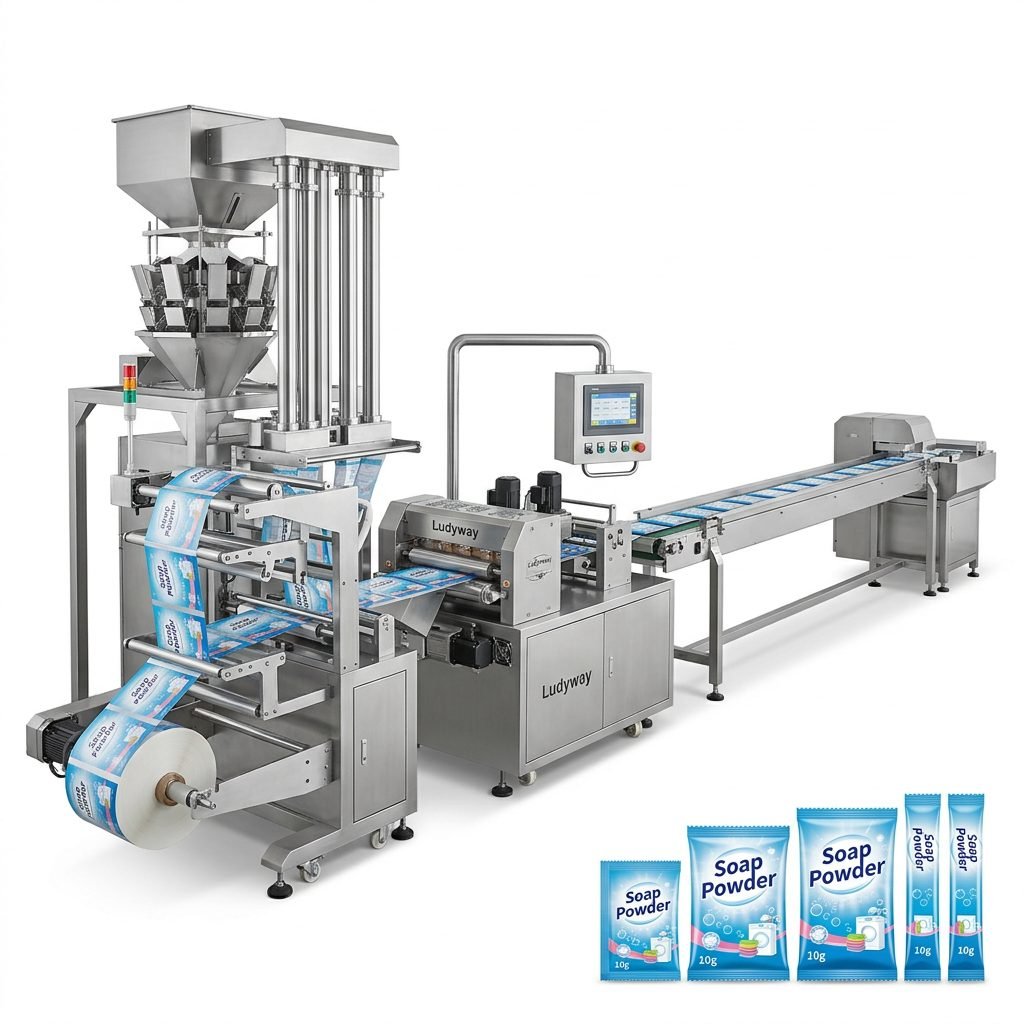
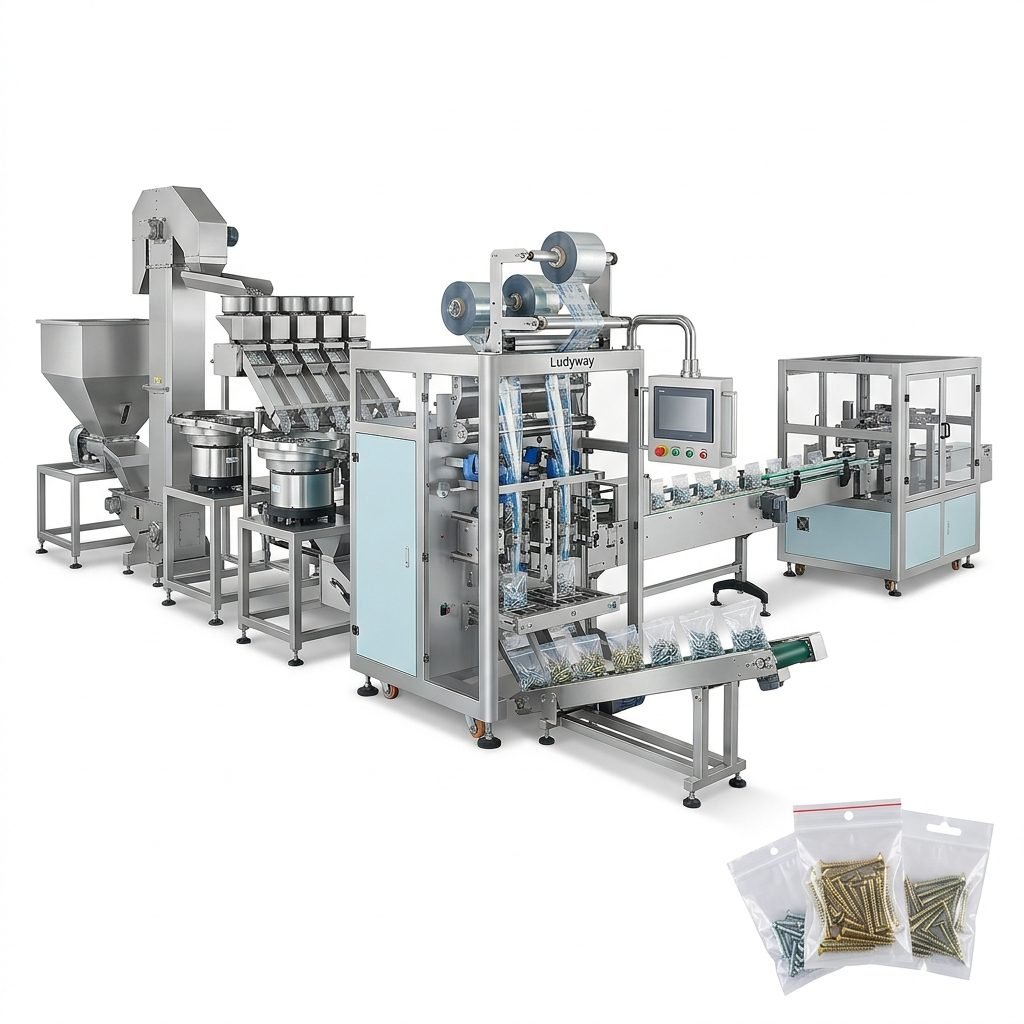
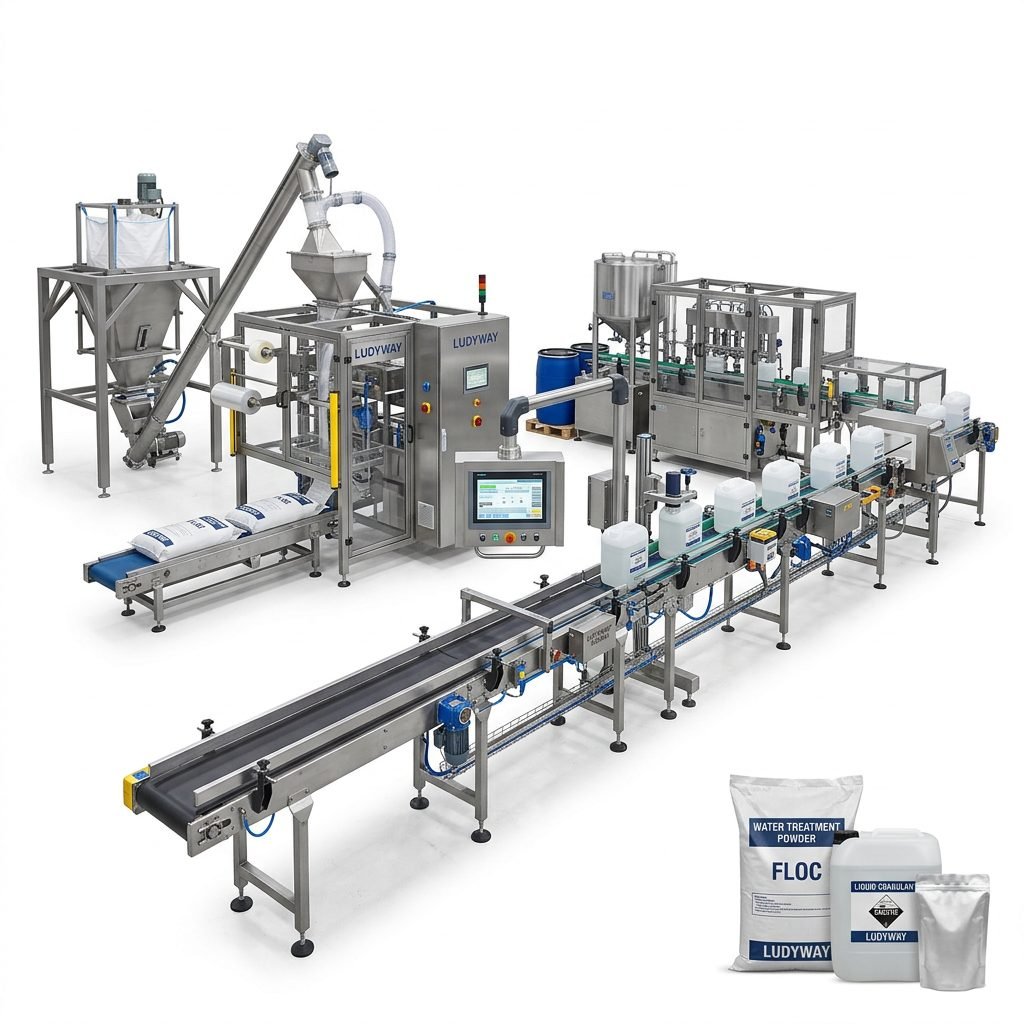
A complete meal packaging line consists of several integrated machines working in harmony. Below are the essential components you will need to evaluate when planning your setup in Southeast Asia.
Powder and Granule Filling Machines
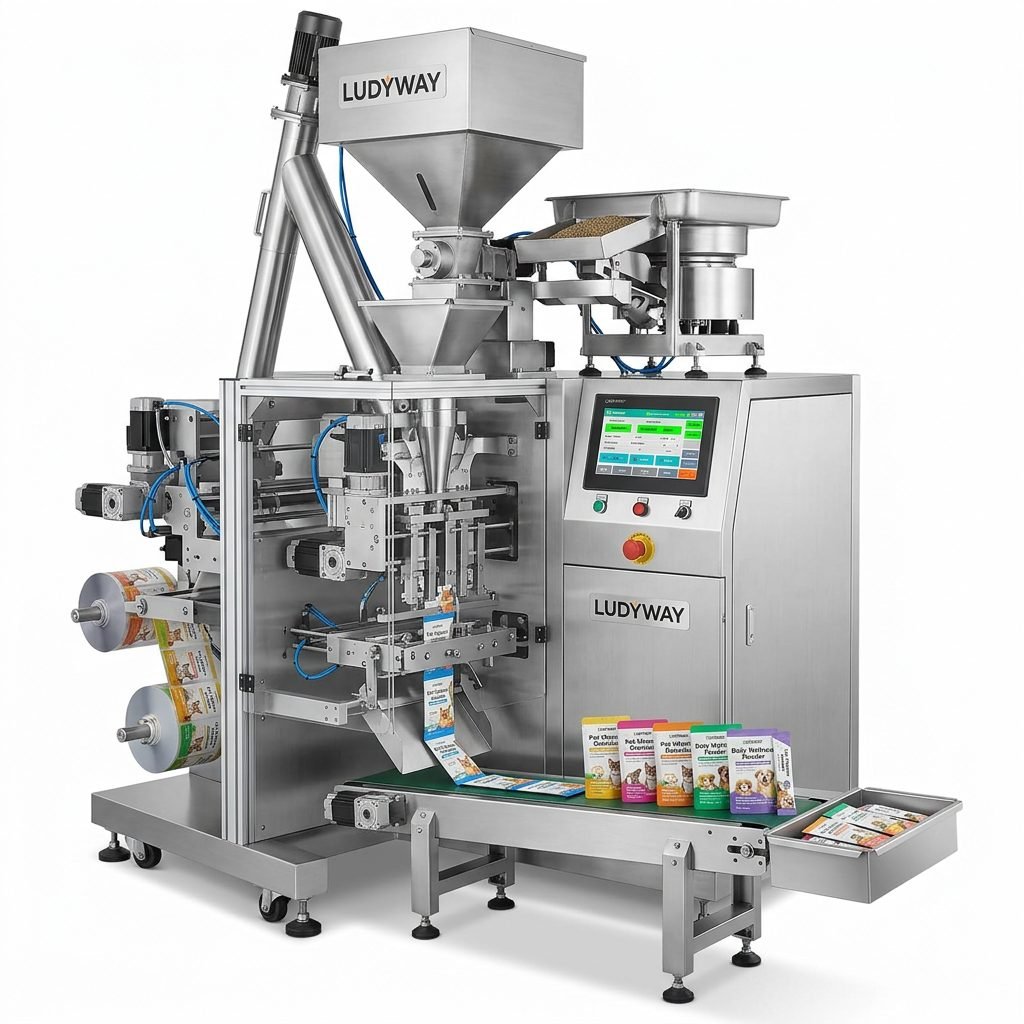
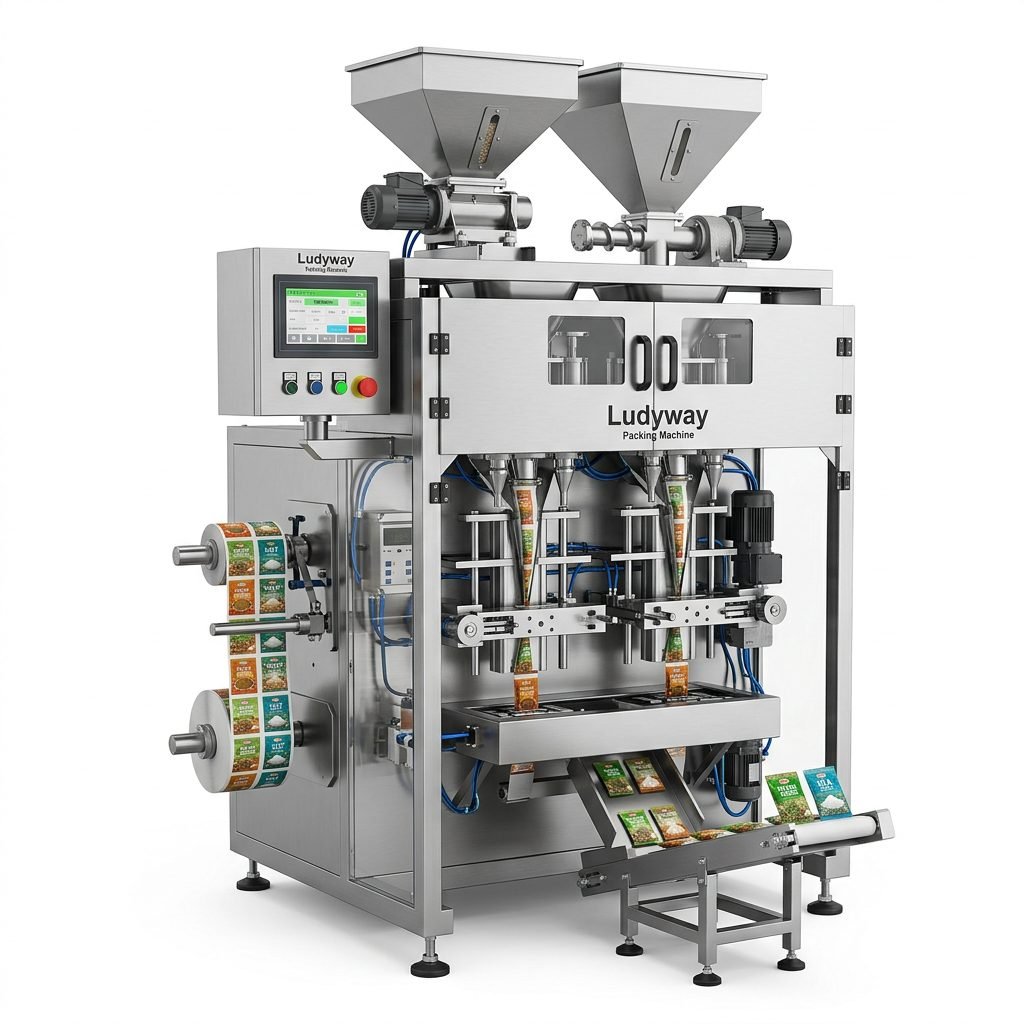
For dry meal products such as soup mixes, seasoning powders, and beverage bases, granule and powder filling machines are the backbone of production. These systems use auger fillers or volumetric cup fillers to dispense precise amounts into each package. Accuracy is critical — even a 1-gram deviation per sachet can lead to significant product loss over millions of units. Modern machines offer servo-driven dosing that achieves ±0.5% accuracy, making them ideal for high-value nutritional meal products.
Multi-Lane Stick Pack and Sachet Machines
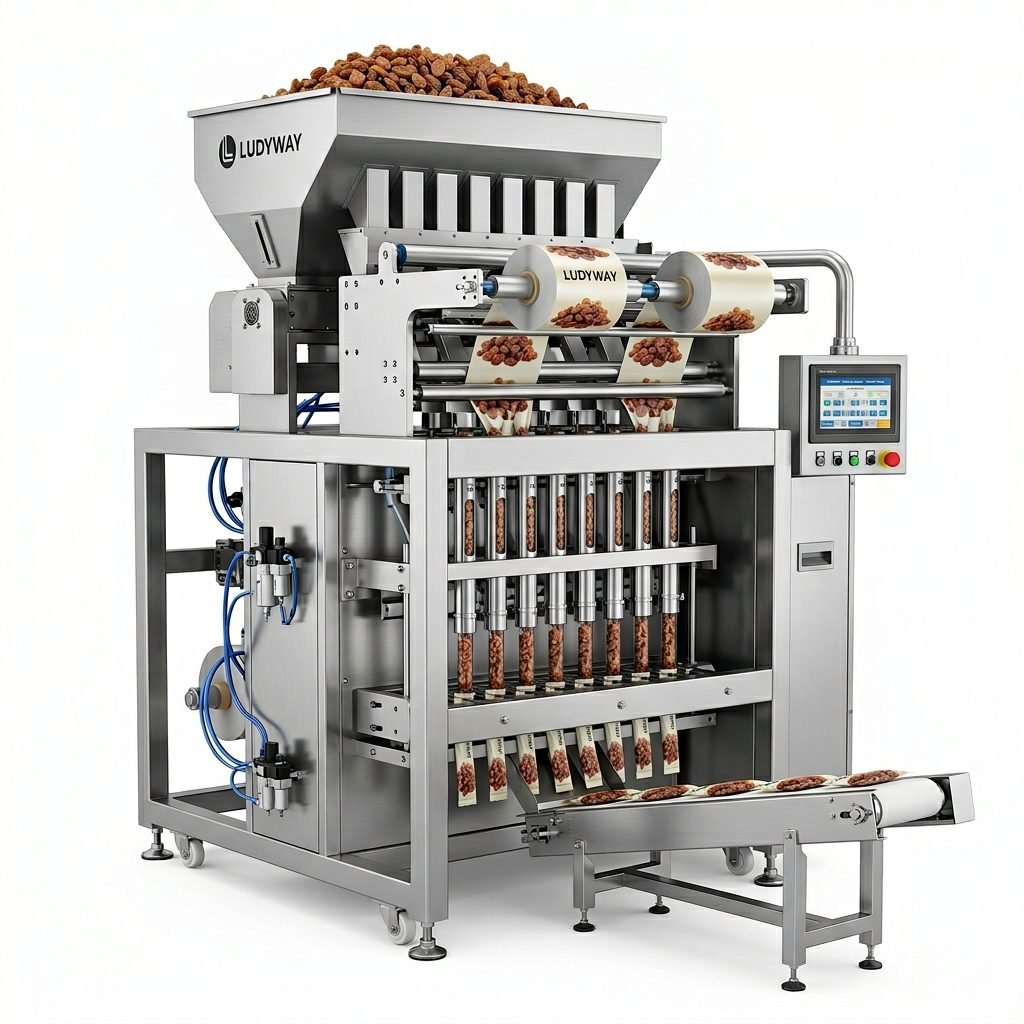
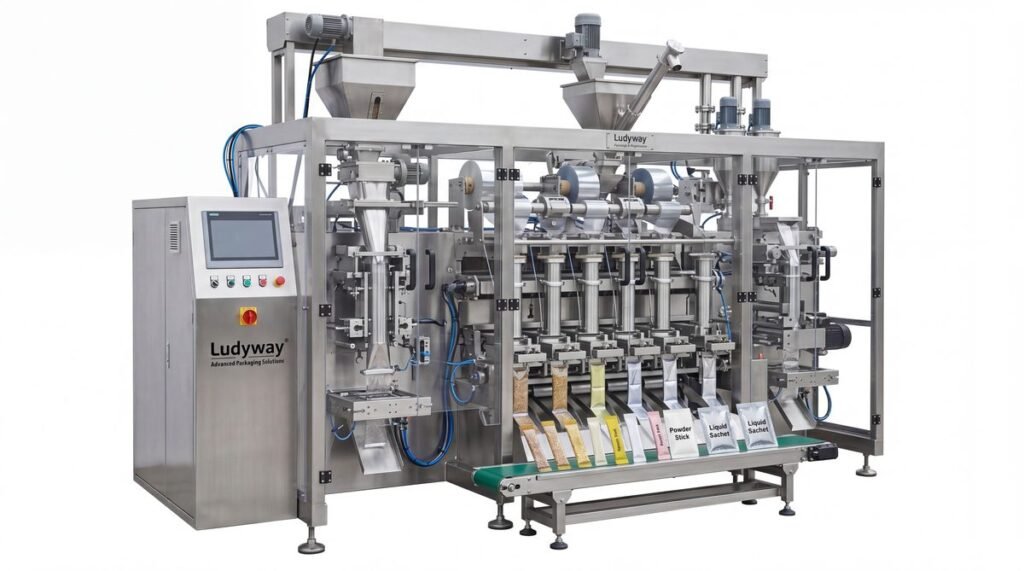
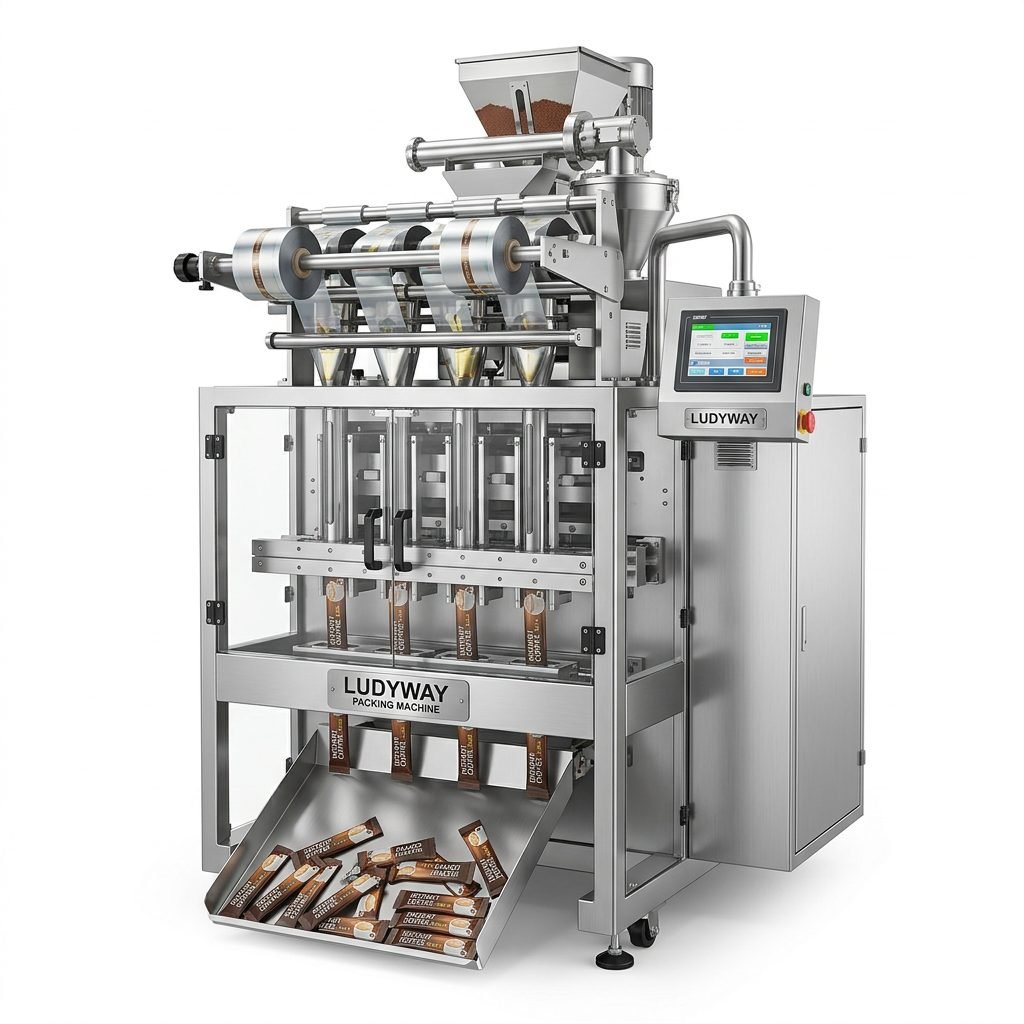
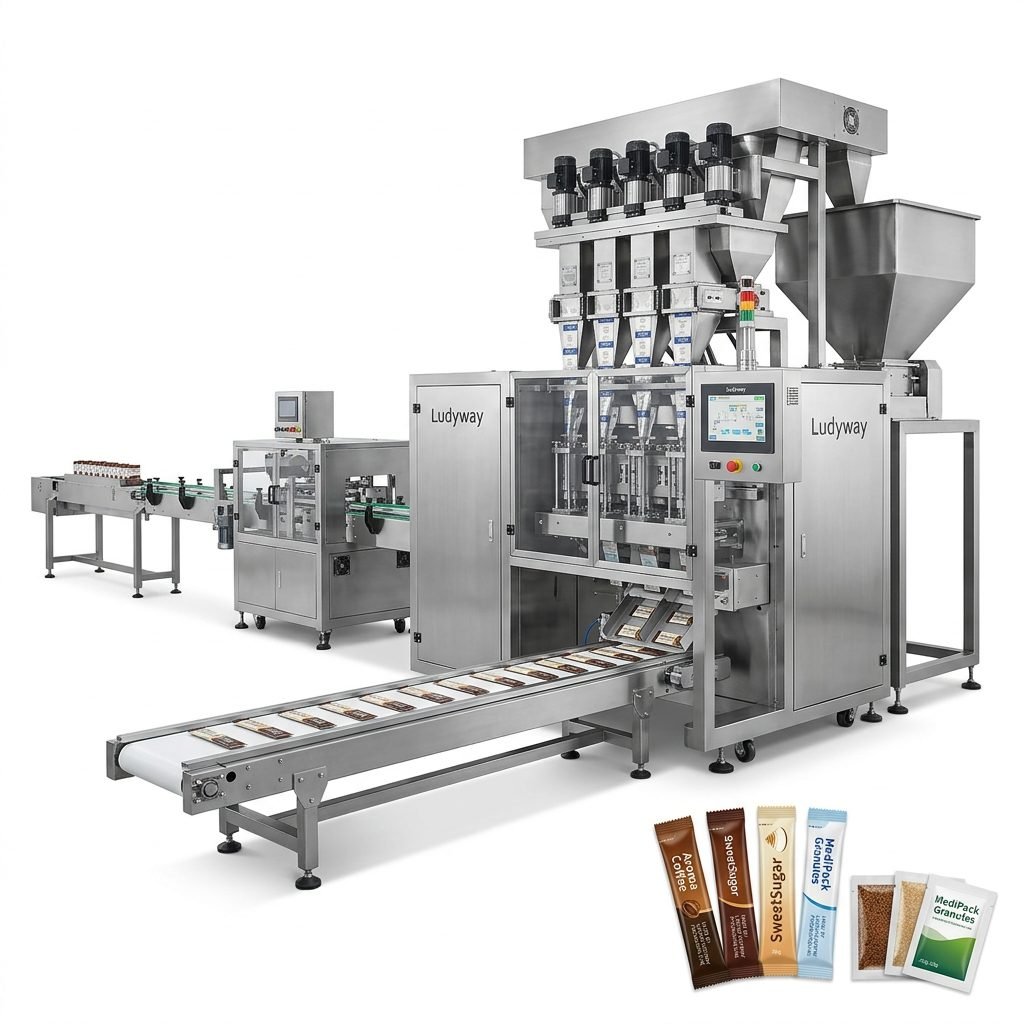
In Southeast Asia, the sachet economy is dominant. Multi-lane stick pack and sachet packaging systems allow manufacturers to run 4 to 16 lanes simultaneously, dramatically increasing output. A 10-lane machine producing seasoning sachets can reach speeds of 400-600 packs per minute, making it essential for high-volume meal kit and seasoning producers targeting mass-market distribution channels across ASEAN countries.

Liquid Filling and Sealing Equipment
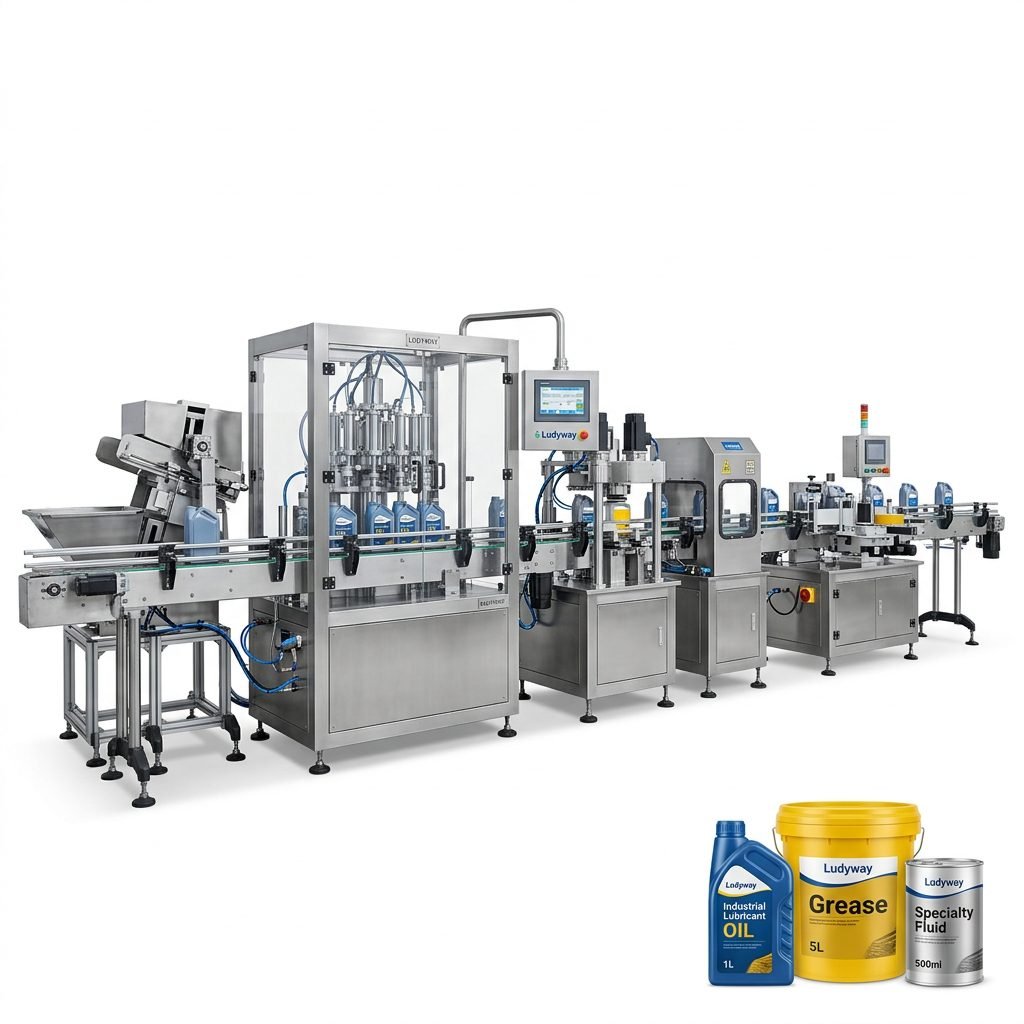
Liquid components such as cooking oils, sauces, and condiments require specialized liquid filling machines with precise flow control. Piston fillers and peristaltic pumps are commonly used for viscous products, while gravity fillers handle free-flowing liquids. For meal packaging lines that combine dry and wet components — like instant noodle kits with separate oil and seasoning sachets — integrated systems that handle both formats are increasingly popular.
Auxiliary Equipment
Beyond the primary packaging machines, your production line will need supporting equipment to maintain efficiency and quality standards:
- Checkweighers — Ensure every package meets weight specifications, rejecting underweight or overweight units automatically.
- Metal detectors and X-ray inspection systems — Critical for food safety compliance in export-oriented markets.
- Cartoning machines — Automate the secondary packaging process, grouping individual sachets into retail-ready boxes.
- Conveyor systems — Connect each station and maintain smooth product flow between operations.
- Date coding and labeling equipment — Apply batch codes, expiry dates, and regulatory labeling per destination country requirements.
Estimated Costs for Setting Up a Meal Packaging Line in Southeast Asia
Cost structures vary significantly based on automation level, production capacity, and country of installation. The table below provides approximate budget ranges for a mid-scale meal packaging operation producing 10-15 million sachets per month.
| Equipment / Item | Estimated Cost (USD) | Notes |
|---|---|---|
| Multi-Lane Sachet Machine (8-10 lanes) | $45,000 – $85,000 | Depends on lane count and features |
| Powder Auger Filling System | $12,000 – $25,000 | Servo-driven models recommended |
| Liquid Filling Machine | $8,000 – $20,000 | Piston or peristaltic type |
| Checkweigher & Metal Detector | $15,000 – $30,000 | Combo systems available |
| Cartoning Machine | $20,000 – $40,000 | Semi-automatic to fully automatic |
| Conveyor & Material Handling | $10,000 – $18,000 | Custom length configurations |
| Facility Setup & Utilities | $30,000 – $60,000 | Includes clean room requirements |
| Installation & Training | $8,000 – $15,000 | On-site support recommended |
| Total Estimated Investment | $148,000 – $293,000 | Excluding land and building costs |
Note: These estimates are based on mid-range equipment configurations suitable for the Southeast Asian market. Costs can be lower for refurbished machines or higher for fully automated turnkey systems. Import duties in countries like Indonesia and Vietnam should also be factored into your budget, typically ranging from 5% to 20% depending on free trade agreement applicability.
Step-by-Step Guide to Setting Up Your Production Line
Following a structured approach will help you avoid costly mistakes and accelerate your time to market. Here is a proven roadmap for establishing a meal packaging operation in Southeast Asia:
1. Conduct a Feasibility Study
Before investing in equipment, thoroughly analyze your target market. Identify which meal categories have the highest demand, study competitor packaging formats, and understand local regulatory requirements. The FDA food packaging guidelines and equivalent ASEAN food safety standards should be reviewed if you plan to export.
2. Select the Right Production Site
Location matters significantly in Southeast Asia. Industrial zones in Vietnam’s Binh Duong province, Thailand’s Eastern Economic Corridor, and Indonesia’s Bekasi region offer tax incentives and developed infrastructure. Ensure your facility has adequate power supply, water treatment, and humidity control — tropical climates can affect powder products if not properly managed.
3. Choose Equipment Compatible with Local Conditions
Not all packaging machinery is designed to operate in high-humidity, high-temperature environments. Look for machines with stainless steel construction, sealed electronic components, and proven reliability in similar climates. Equipment that complies with ISO packaging standards ensures international quality benchmarks are met.
4. Source Reliable Packaging Materials
Establish relationships with local or regional film suppliers. Multi-layer laminates with good moisture and oxygen barrier properties are essential for meal products. The Flexible Packaging Association provides resources on material specifications. Test materials thoroughly with your actual product before committing to large orders.
5. Prioritize Training and Skill Development
Operator training is often overlooked but is critical for line efficiency. Invest in comprehensive training programs from your equipment supplier. Well-trained operators can improve overall equipment effectiveness (OEE) by 15-25% compared to minimally trained staff. Consider sending key personnel to manufacturer facilities for hands-on training before installation.
Practical Tips for Success in Southeast Asia
Drawing from years of industry observation, here are actionable insights to help your meal packaging venture thrive in the region:
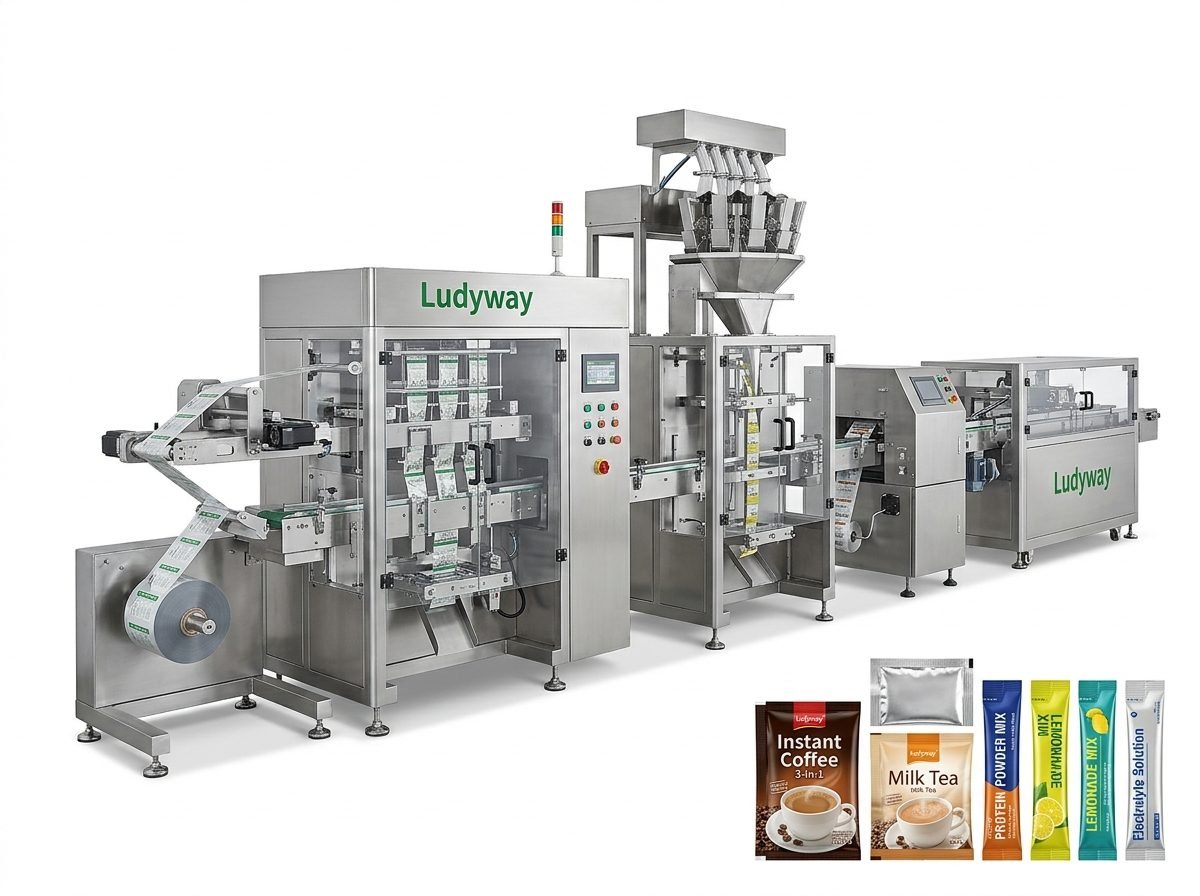
- Start with flexible packaging formats. Sachets and stick packs allow consumers to try products at lower price points, building brand loyalty before introducing larger formats.
- Account for seasonal demand fluctuations. Many Southeast Asian countries experience increased food consumption during festive periods like Ramadan, Lunar New Year, and Christmas. Plan production capacity accordingly.
- Build redundancy into your line. Having backup filling modules or a second packaging machine minimizes downtime. Even a single day of lost production can significantly impact revenue in high-demand periods.
- Stay informed on packaging regulations. The European packaging regulations increasingly influence Southeast Asian export standards, particularly regarding recyclability and material restrictions.
- Leverage local technical support. Partner with equipment suppliers that have established service networks or regional representatives in Southeast Asia to ensure rapid response when issues arise.
Quality Control and Compliance
Maintaining consistent product quality is non-negotiable in the meal packaging industry. Implement a robust quality management system that includes incoming material inspection, in-process checks, and finished product testing. Reference the PMMI packaging machinery standards for guidance on equipment validation and process control. For export-oriented operations, certifications such as HACCP, ISO 22000, and Halal certification are often mandatory requirements from buyers in Middle Eastern and Southeast Asian markets.
For businesses seeking reliable turnkey packaging solutions for meal production, Ludyway offers comprehensive equipment lines backed by over 30 years of industry expertise. With a modern 20,000㎡ manufacturing facility and more than 50 intelligent packaging machine models, the company supports customers across 100+ countries with customized, high-performance systems designed for granule, powder, and liquid meal packaging applications.
Additional Resources
Explore these authoritative sources for deeper insights into packaging industry trends and standards:
- PMMI State of the Industry Report — Annual analysis of packaging machinery market trends.
- Flexible Packaging Association — Resources on flexible packaging materials and sustainability.
- PACK EXPO International — The leading packaging trade show for discovering new equipment and technologies.
- FDA Food Contact Substances — Regulatory guidance on materials approved for food contact.
- ISO 11607 Packaging Standards — International standards for packaging validation and compliance.