The edible oil industry in Southeast Asia is experiencing unprecedented growth, driven by rising populations, increasing disposable incomes, and a strong culinary culture centered around palm oil, coconut oil, and various cooking oils. For manufacturers looking to capture market share, selecting the right cooking oil packaging machine is not just an operational decision—it is a strategic one. The equipment you choose directly impacts production efficiency, product shelf life, brand perception, and ultimately, your bottom line in this competitive regional market.
Southeast Asia presents unique packaging challenges: high humidity levels, diverse oil viscosities ranging from light cooking oils to thick coconut oil, varying power supply stability across different countries, and rapidly evolving consumer preferences toward convenient single-serve packaging formats. Whether you are producing palm oil in Indonesia, coconut oil in the Philippines, or blended cooking oils in Thailand, understanding how to evaluate and select packaging machinery is essential for long-term success.
Key Factors to Evaluate When Choosing an Oil Packaging Machine
Before investing in equipment, manufacturers must carefully assess several critical factors. The Southeast Asian market demands machinery that can handle regional variations while maintaining international quality standards.
1. Oil Viscosity and Product Characteristics
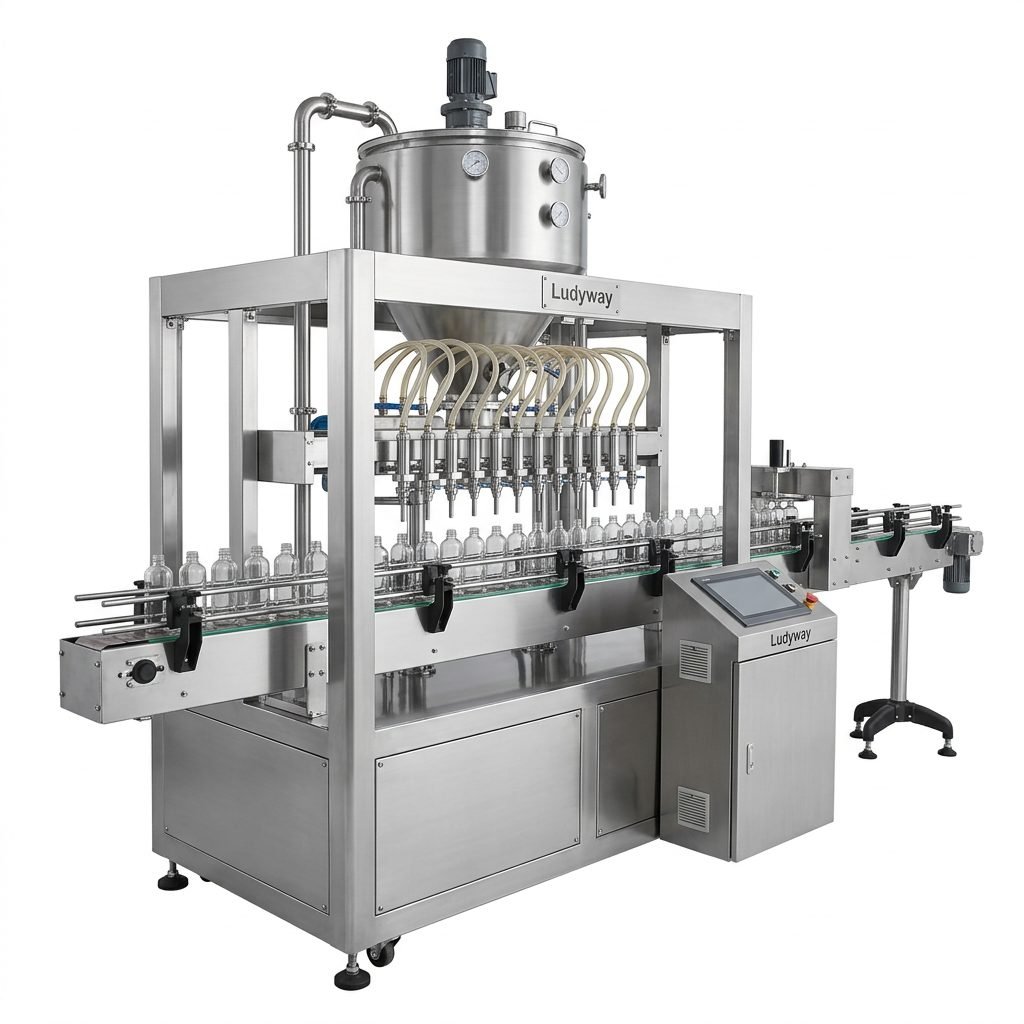
Different cooking oils have vastly different flow behaviors. Light oils like sunflower or soybean oil flow easily, while coconut oil can solidify at lower temperatures and palm oil has a thicker consistency. Your liquid filling machine must be equipped with the appropriate pumping system—piston fillers for thick oils, gear pumps for medium viscosity, or gravity-based systems for light oils. Multi-viscosity capability is particularly valuable in Southeast Asia, where production lines often switch between different oil types.
2. Packaging Format and Consumer Preferences
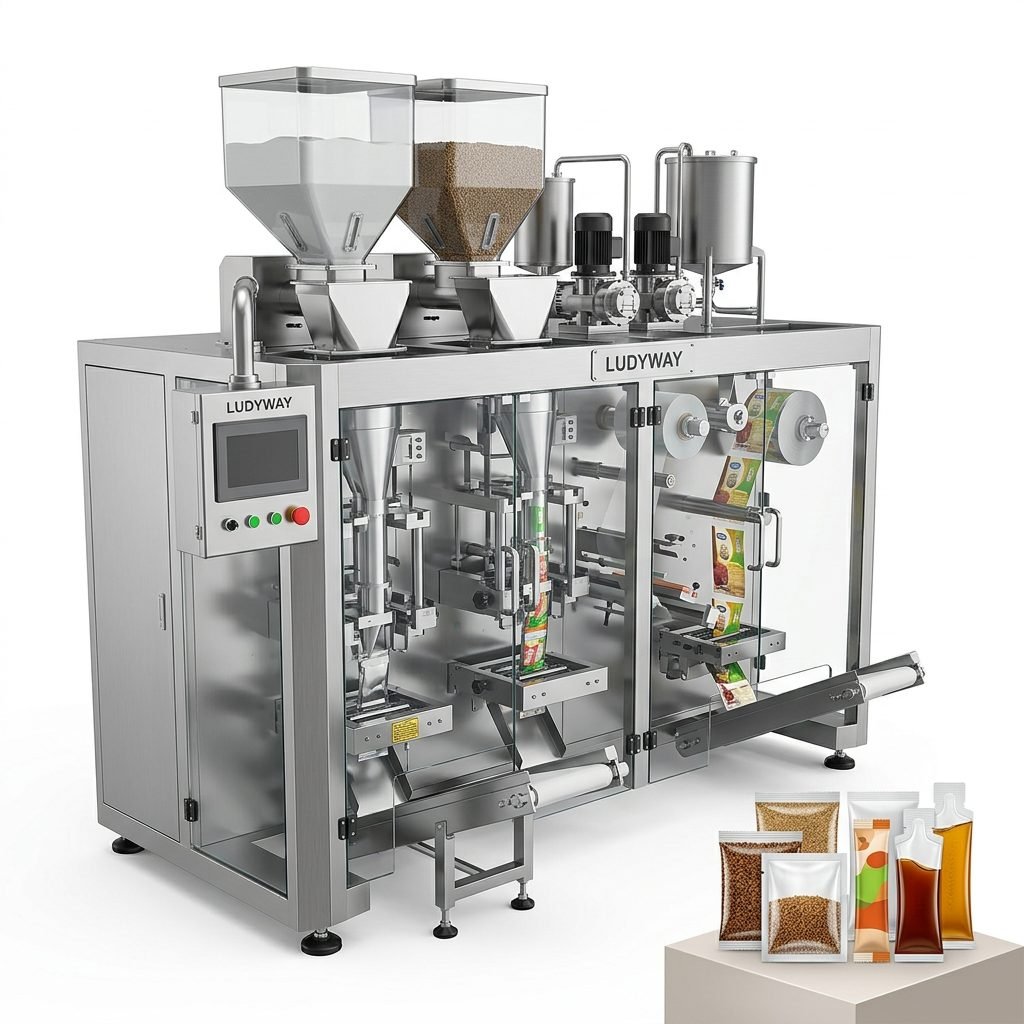
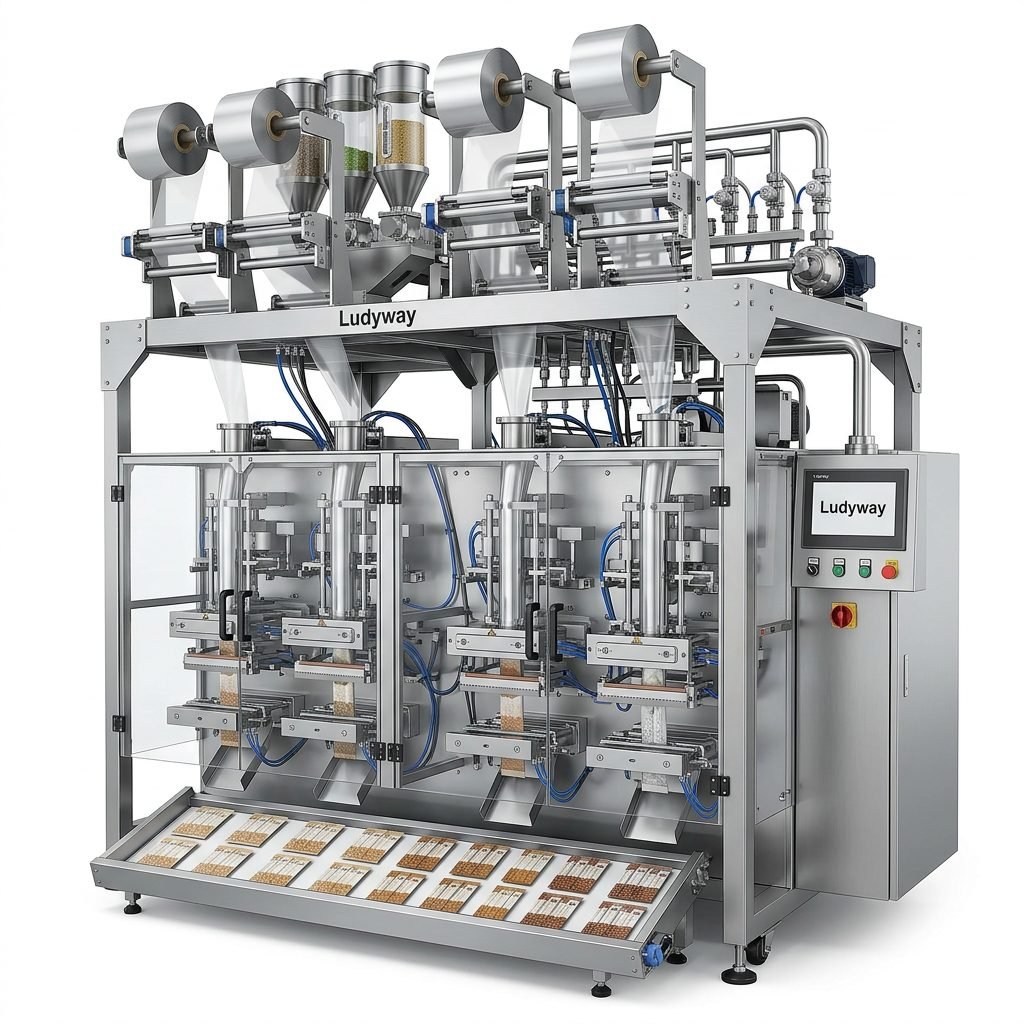
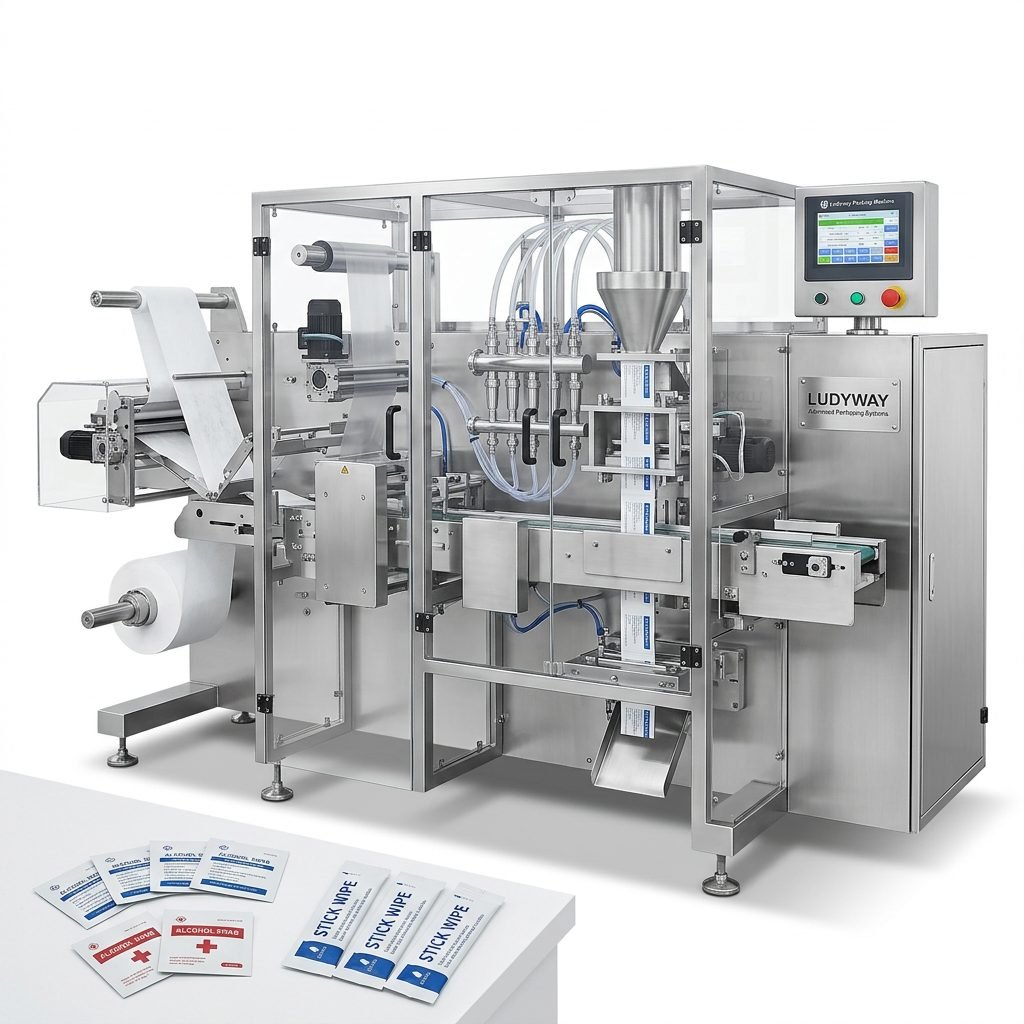
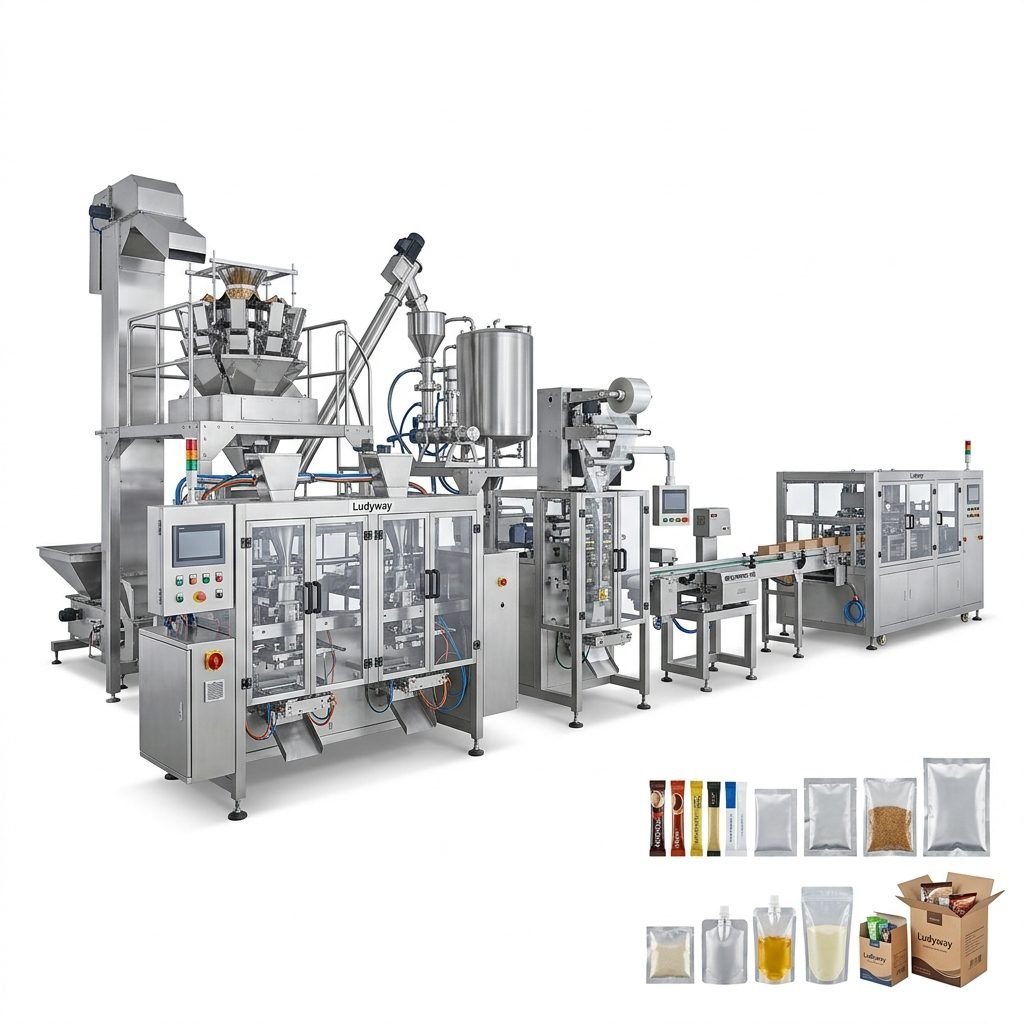
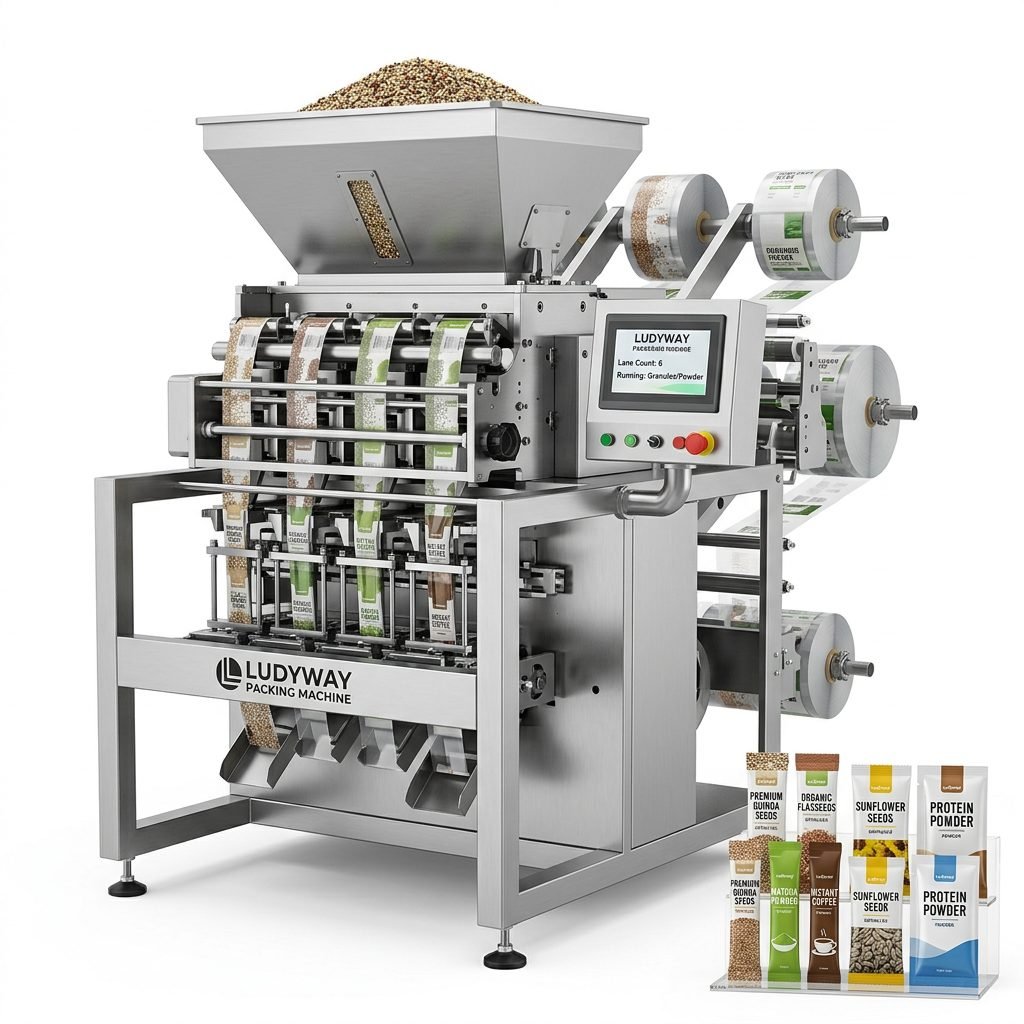
Southeast Asian consumers increasingly prefer single-serve sachets and stick packs for cooking oil, especially in urban areas where convenience drives purchasing decisions. Rural markets still favor larger pouches and bottles. Your machine should offer flexibility across multiple packaging formats. Consider these popular options:
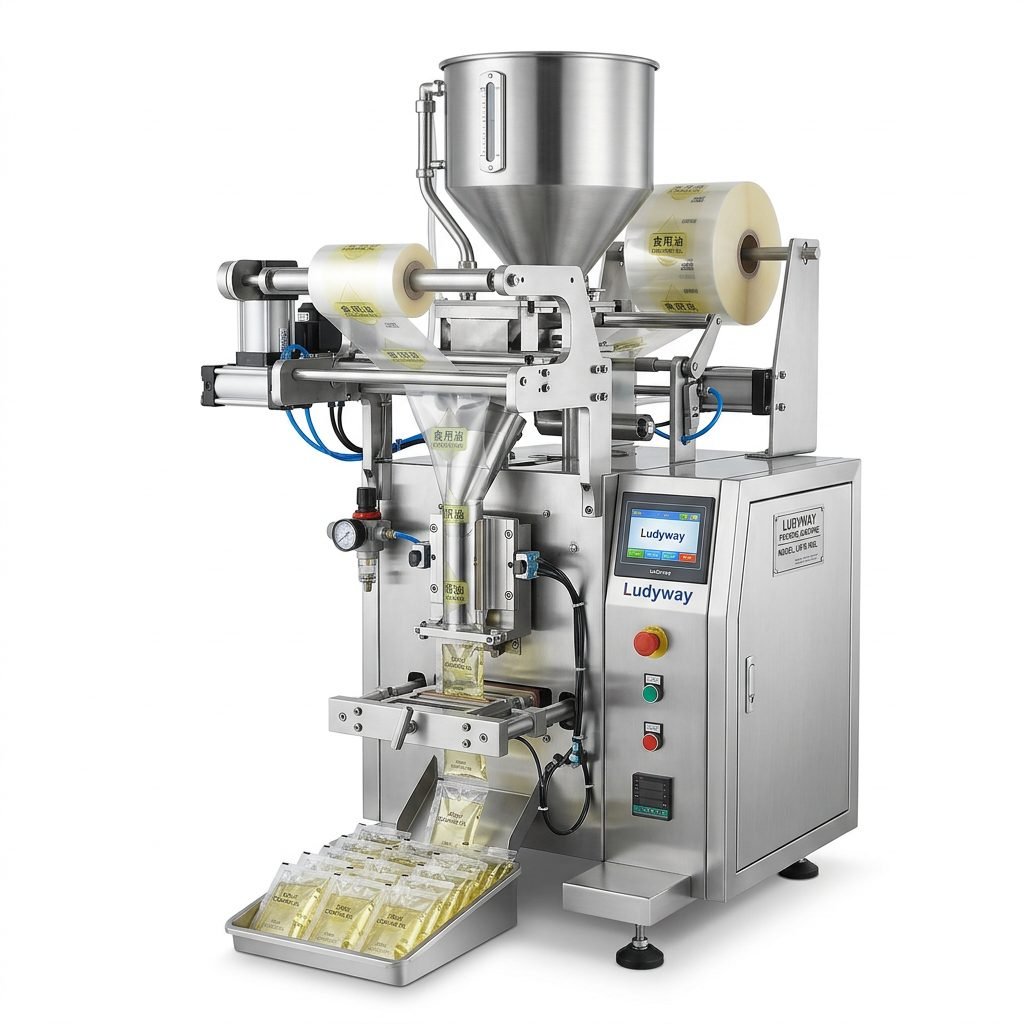
- Sachet packaging — Ideal for single-use portions popular in Indonesia and the Philippines
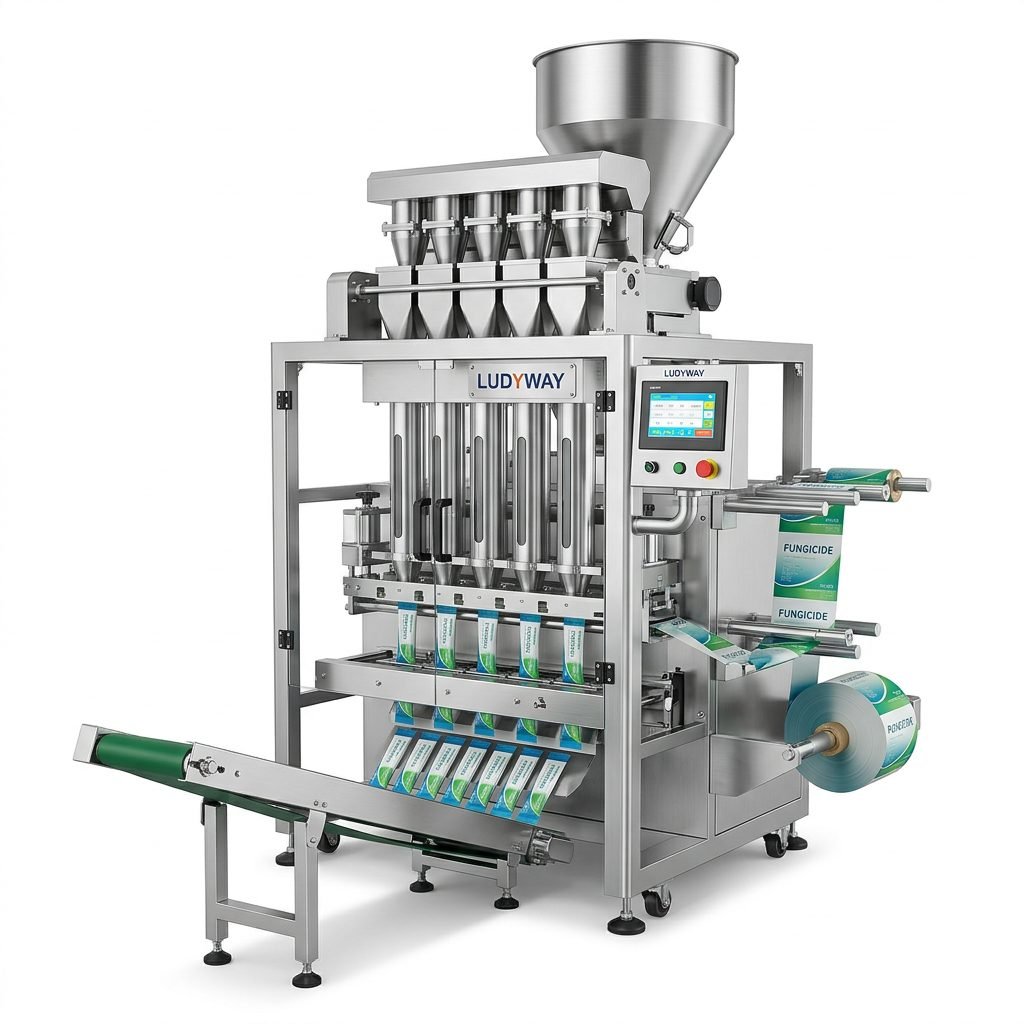
- Stick pack packaging — Growing rapidly in premium oil segments and food service channels
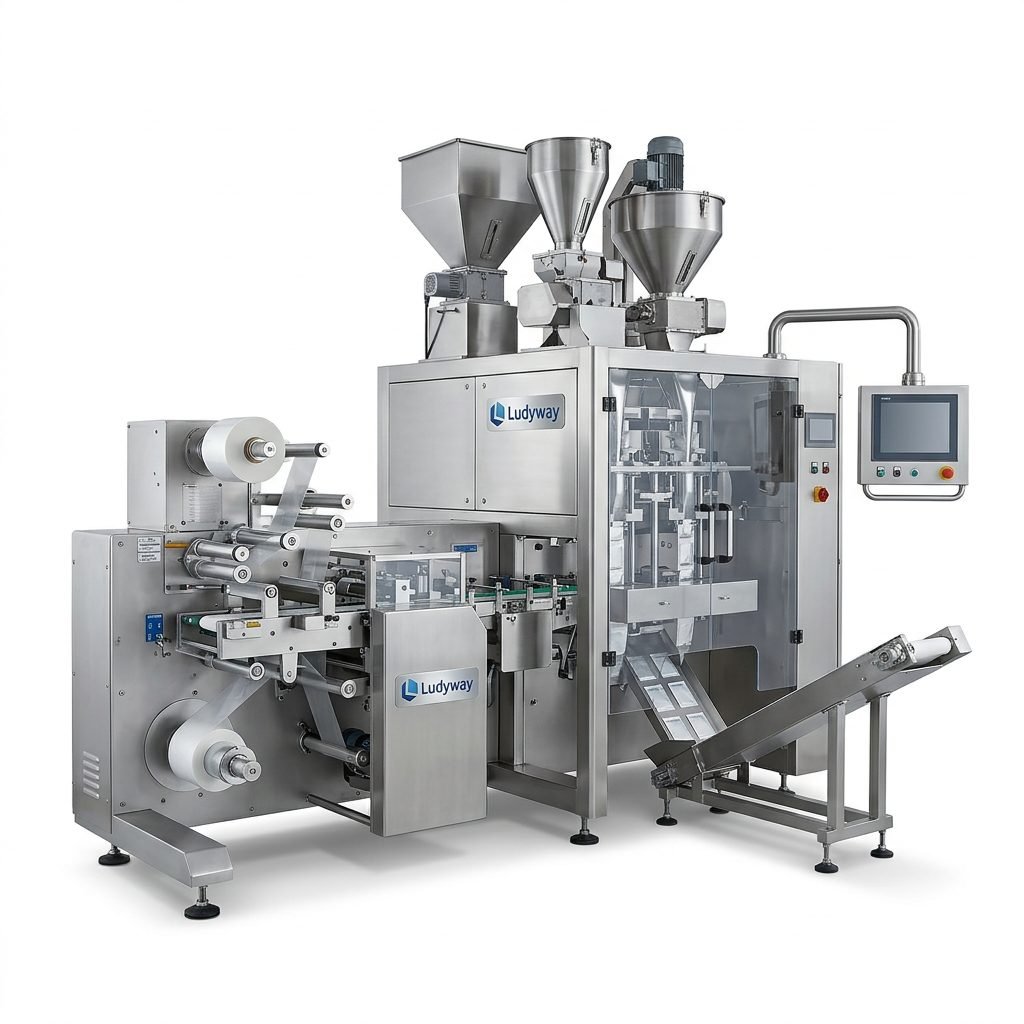
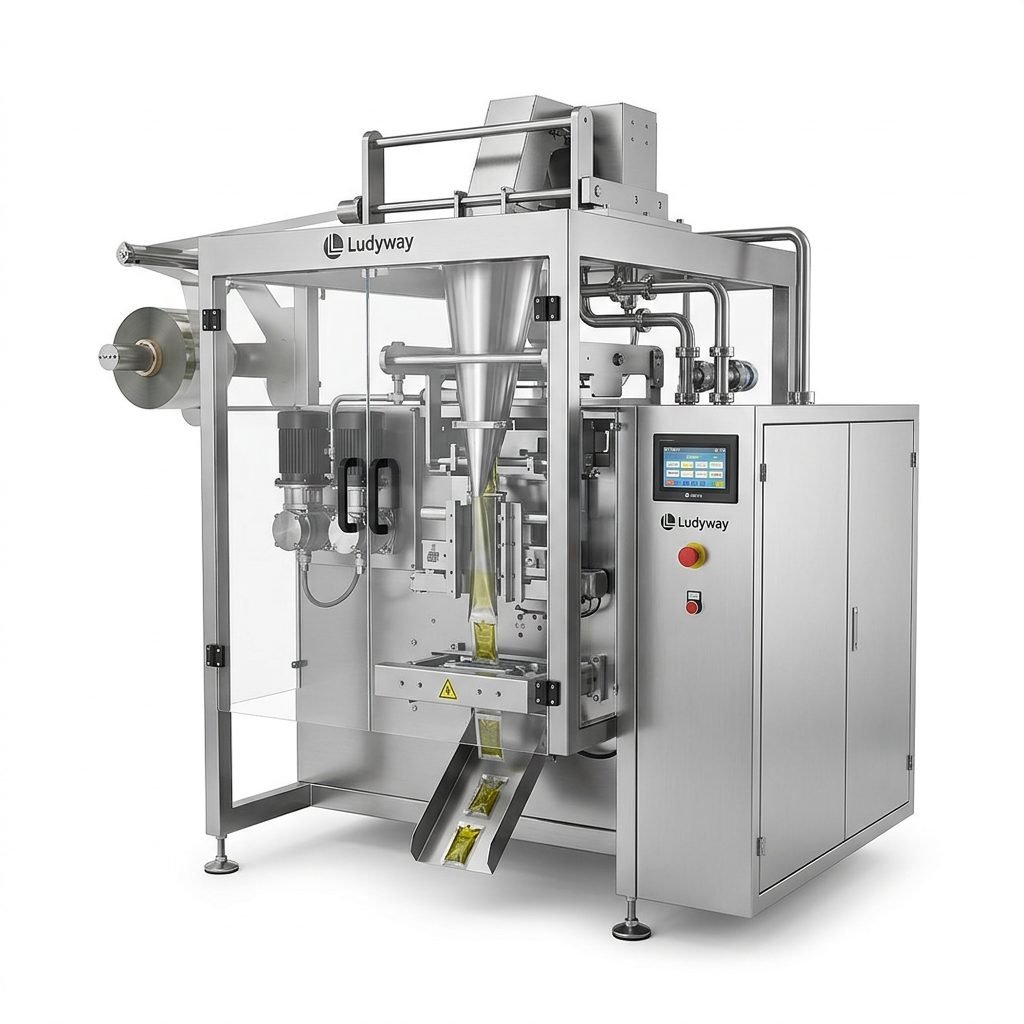
- Pouch packaging — Suitable for medium-volume household consumers
- Bottle filling — Preferred for premium branded cooking oils in Thailand and Vietnam
3. Production Speed and Automation Level
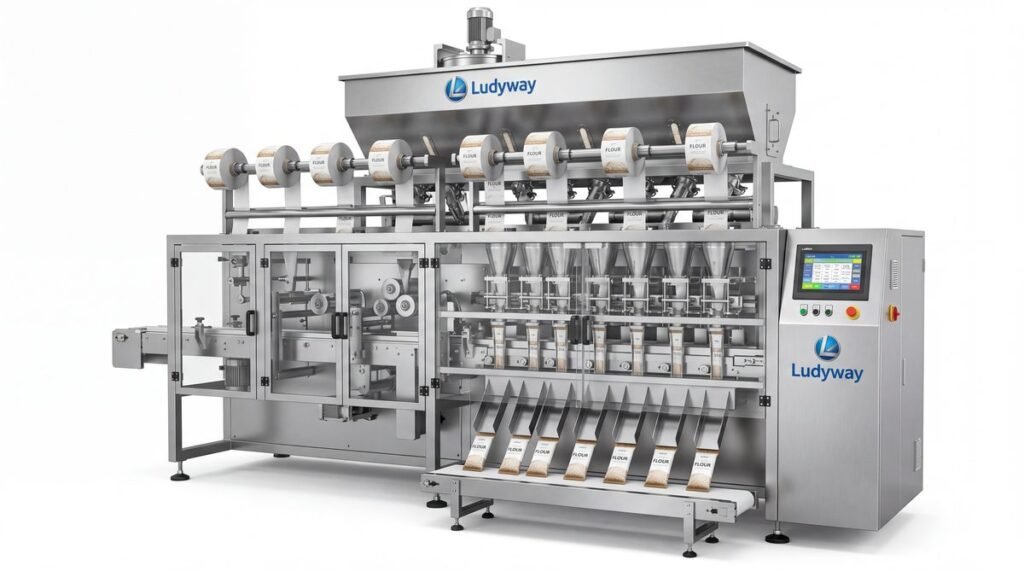
Production requirements vary significantly across the region. A small artisanal coconut oil producer in the Philippines may need 30-60 packs per minute, while a large palm oil refinery in Malaysia could require high-speed multi-lane systems producing 400+ packs per minute. Evaluate both current needs and future growth projections. Automated systems reduce labor costs and improve consistency, which is increasingly important as Southeast Asian labor markets tighten and wages rise.
Machine Specifications Comparison for Southeast Asian Oils
| Feature | Entry-Level | Mid-Range | High-End |
|---|---|---|---|
| Speed Range | 30-60 packs/min | 100-200 packs/min | 300-600 packs/min |
| Lane Configuration | Single-lane | 4-6 lanes | 8-12 lanes |
| Oil Viscosity Handling | Light oils only | Light to medium | All viscosity types |
| Pack Formats | 1-2 formats | 3-4 formats | Full range |
| Automation Level | Semi-automatic | Fully automatic | Smart automated with IoT |
| Best For | Small producers, startups | Growing brands | Large-scale refineries |
Southeast Asia-Specific Considerations
Climate and Environmental Factors
The tropical climate of Southeast Asia poses unique challenges for oil packaging. High humidity can affect sealing integrity and lead to leakage issues if packaging machines are not properly calibrated. Look for machines with robust sealing mechanisms that create hermetic seals resistant to tropical conditions. Additionally, temperature fluctuations in production facilities can alter oil viscosity during filling, so temperature-compensating filling systems provide more consistent results.
Regulatory Compliance Across ASEAN Markets
Different Southeast Asian countries have varying packaging standards and food safety regulations. Malaysia follows strict halal packaging requirements, Singapore maintains rigorous food safety standards aligned with international benchmarks, and Indonesia’s BPOM regulates food packaging materials. Your chosen cooking oil packaging machine should use food-grade materials that meet the regulatory requirements of your target markets. Machines that comply with ISO 22000 and HACCP standards provide broader market access across the region.
Power Supply and Infrastructure Variability
Power stability varies significantly across the region. Manufacturers in Vietnam’s industrial zones may have reliable electricity, while operations in more remote areas of Myanmar or rural Indonesia might face frequent fluctuations. Voltage stabilizers and power protection features should be considered when evaluating machinery. Additionally, machines designed with energy-efficient motors and compressors can reduce operational costs in countries where electricity prices are high.
Essential Features Checklist for Oil Packaging Machines
When evaluating potential machinery suppliers, use this comprehensive checklist to ensure your chosen packaging equipment meets the demands of the Southeast Asian market:
- Stainless steel construction — Food-grade 304 or 316L stainless steel for all oil-contact parts to prevent contamination and corrosion
- Precision filling accuracy — Tolerance within ±0.5% to minimize product giveaway and maximize profitability
- Quick changeover capability — Tool-free format changes to switch between different sachet sizes, stick pack dimensions, and pouch formats efficiently
- Sealing integrity systems — Triple-seal or quad-seal technology for leak-proof packaging in humid tropical environments
- Nitrogen flushing option — Extends shelf life by reducing oxidation, particularly important for premium cooking oils
- Multi-lane configuration — Scalable from 2 to 12 lanes to match growing production demands
- User-friendly HMI interface — Touchscreen controls with multi-language support for diverse Southeast Asian workforces
- Remote diagnostics capability — IoT-enabled troubleshooting reduces downtime and service response time
Total Cost of Ownership in Southeast Asia
When budgeting for a cooking oil packaging machine, look beyond the initial purchase price. The total cost of ownership includes several often-overlooked factors that are particularly relevant in Southeast Asia. Spare parts availability is critical—choose suppliers with established distribution networks or regional service centers to avoid costly production stoppages. After-sales technical support should be evaluated based on response time commitments and the availability of locally trained service engineers. Additionally, consider energy consumption, as electricity costs vary widely across the region, from subsidized rates in Malaysia to higher commercial rates in the Philippines.
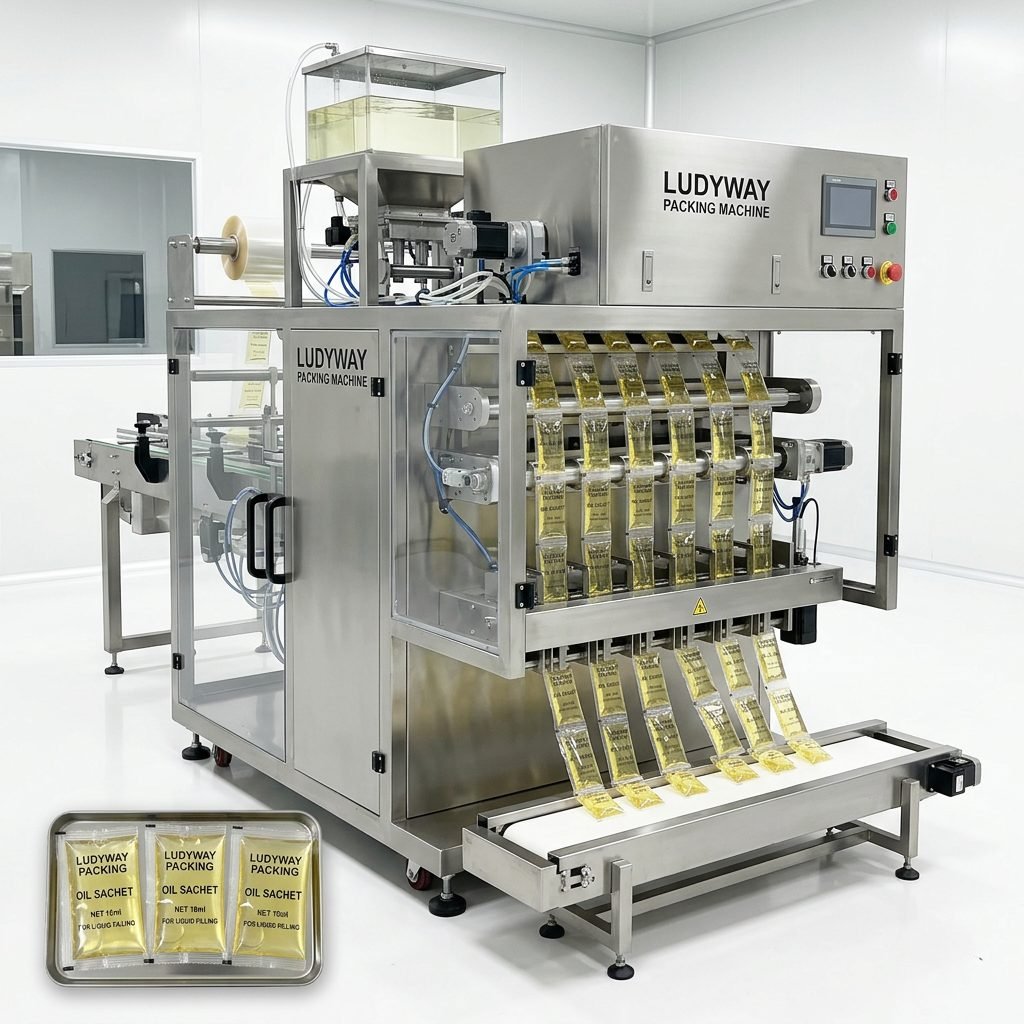
Leading packaging manufacturers such as Ludyway offer integrated solutions that address these regional challenges with purpose-built machinery designed for the unique demands of oil packaging in tropical climates. With extensive experience serving customers across more than 100 countries, including key Southeast Asian markets, selecting a partner with proven regional expertise can significantly reduce your operational risks and accelerate time-to-market.
Service and Maintenance Considerations
One of the most overlooked aspects of packaging machine selection in Southeast Asia is long-term serviceability. Machines that are easy to clean, maintain, and repair locally will deliver higher uptime and lower operational costs over their lifespan. Look for modular designs that allow individual components to be serviced independently without dismantling the entire production line. Preventive maintenance programs offered by reputable manufacturers can extend machine life significantly and reduce unexpected breakdowns in critical production periods.
Key Takeaways for Southeast Asian Oil Producers
- Prioritize flexibility — Choose machines that can handle multiple oil types and packaging formats to future-proof your investment
- Verify climate resilience — Ensure sealing systems and electrical components are rated for tropical conditions
- Evaluate local support infrastructure — Confirm spare parts availability and technical service coverage in your specific country
- Consider scalability — Select modular multi-lane systems that can grow with your production volumes
- Check regulatory compliance — Verify that machines meet the food safety standards of all your target ASEAN markets
Investing in the right cooking oil packaging machine is a decision that will impact your business for years to come. By carefully evaluating these factors and selecting equipment that is specifically designed or adaptable for Southeast Asian conditions, you can build a competitive advantage in one of the world’s fastest-growing edible oil markets.