Investing in a snack packaging machine is a critical decision for food manufacturers across Oceania. Whether you are producing potato chips, granola bars, trail mix, or extruded snacks, selecting the right equipment directly impacts your production efficiency, product shelf life, and overall profitability. This guide walks you through the essential types, realistic cost ranges, and must-have features to help you make an informed purchasing decision.
Understanding the Oceania Snack Packaging Market
The snack food industry in Australia, New Zealand, and the Pacific Islands has experienced steady growth, driven by increasing consumer demand for convenient, on-the-go packaging formats. According to data from the PMMI Business Intelligence Library, the global packaging machinery market continues to expand, with flexible packaging solutions leading the trend. In Oceania specifically, manufacturers are seeking automated, high-speed systems that can handle a variety of snack formats while complying with local food safety regulations.
Key market drivers include the rising popularity of portion-controlled snack packs, sustainable packaging materials, and the need for extended product freshness without preservatives. Understanding these trends helps you choose machinery that aligns with both current demands and future growth.
Types of Snack Packaging Machines
Selecting the right machine type depends on your product characteristics, desired packaging format, and production volume. Below are the most common categories used in snack manufacturing:
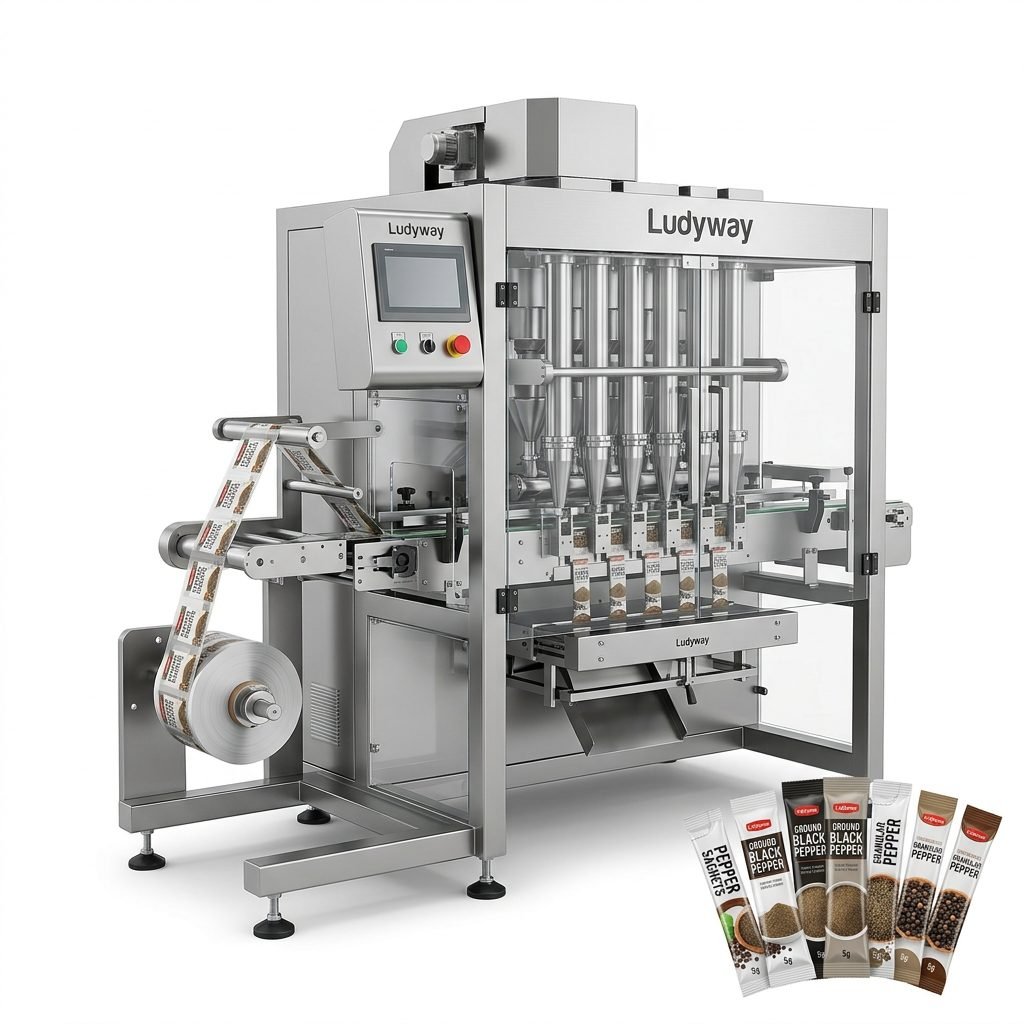
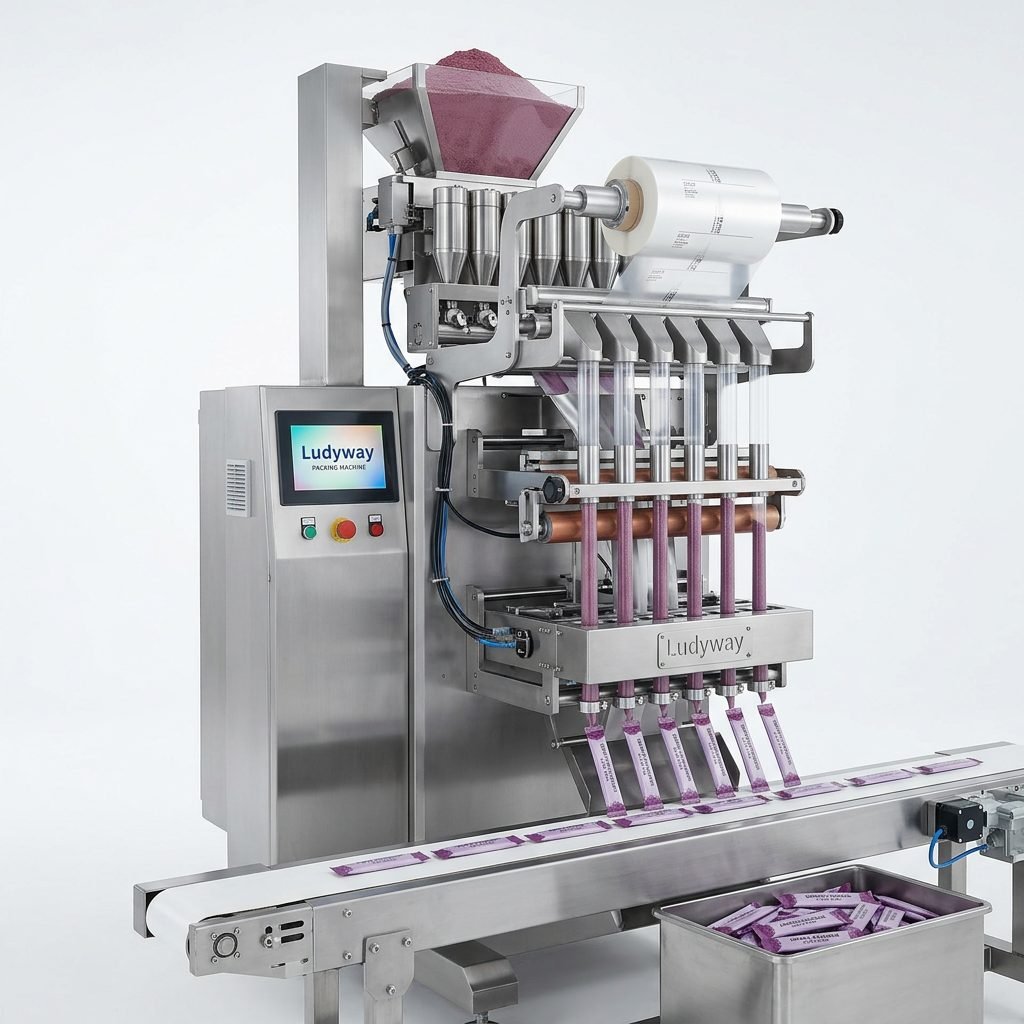
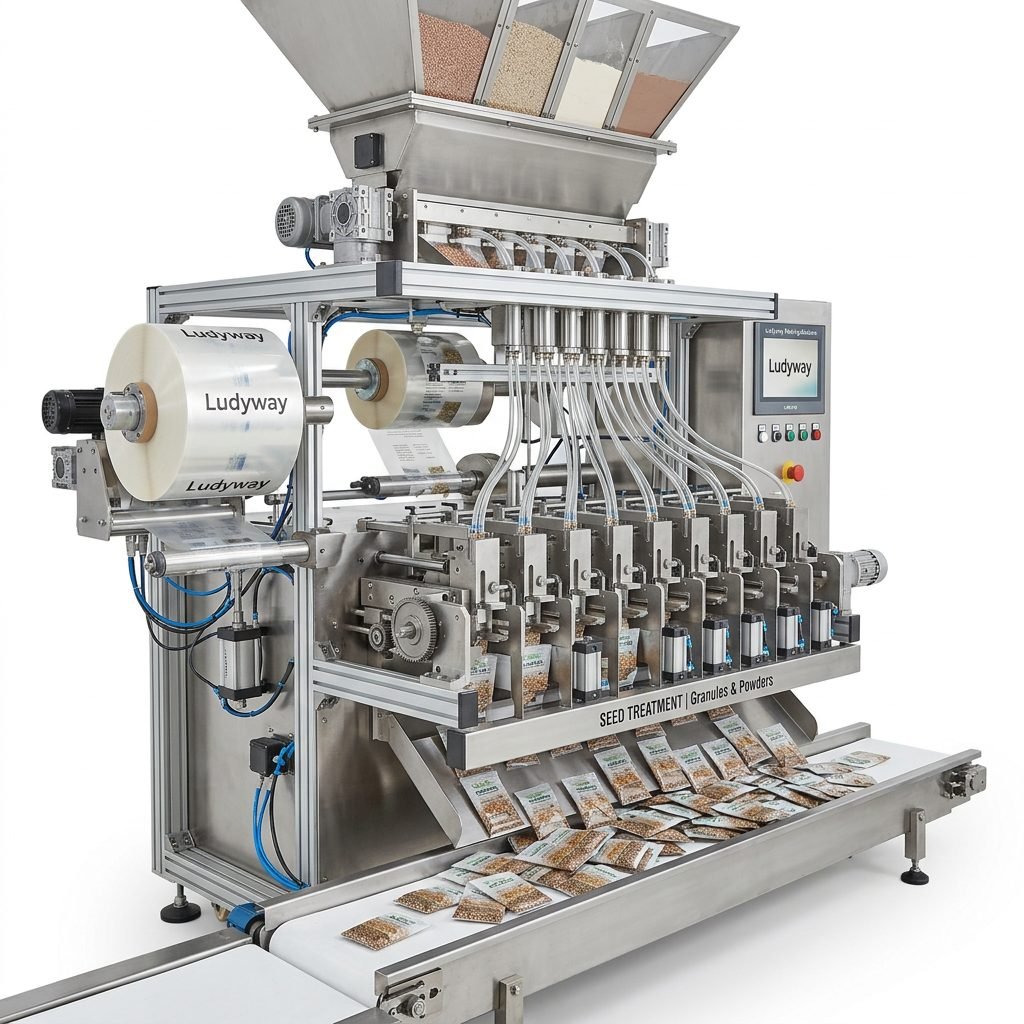
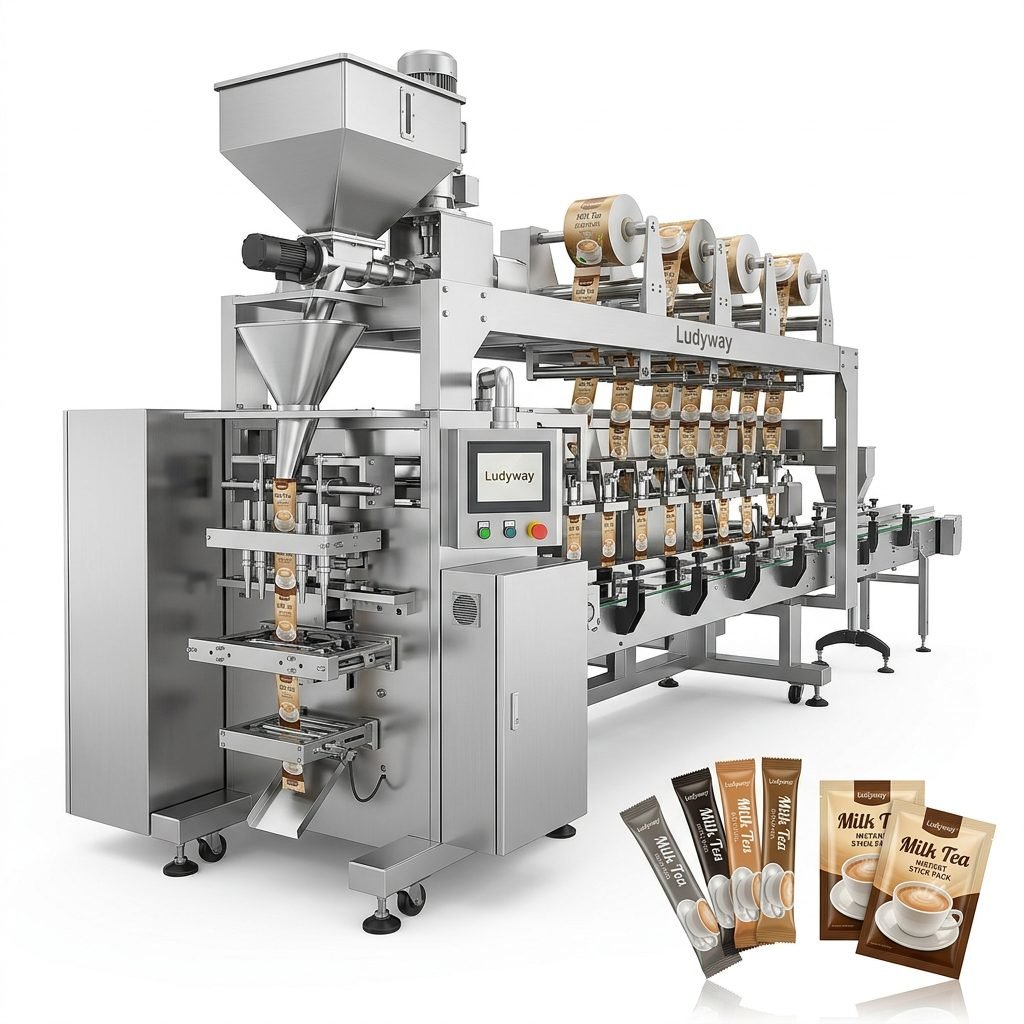
Multi-Lane Stick Pack Machines
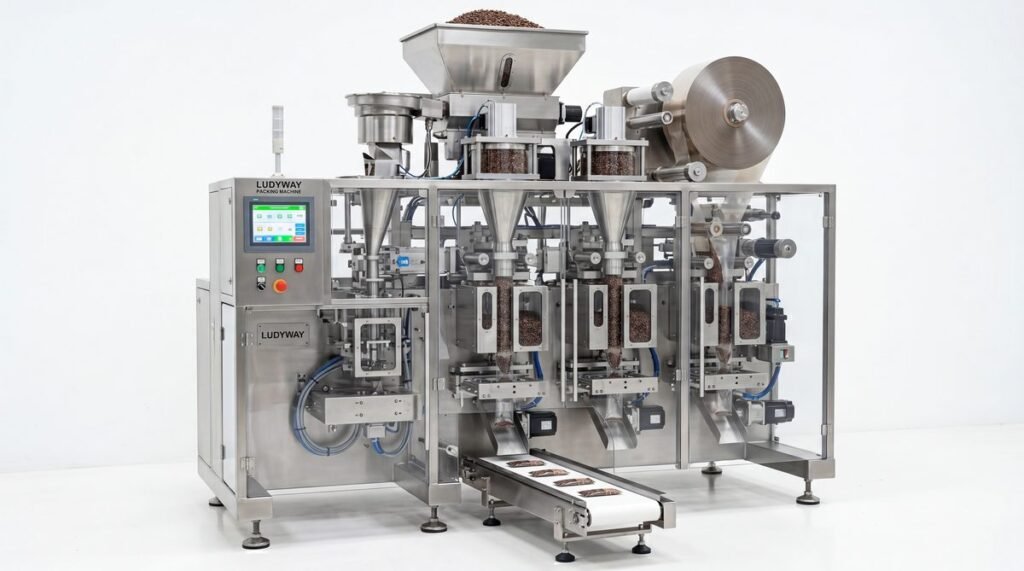
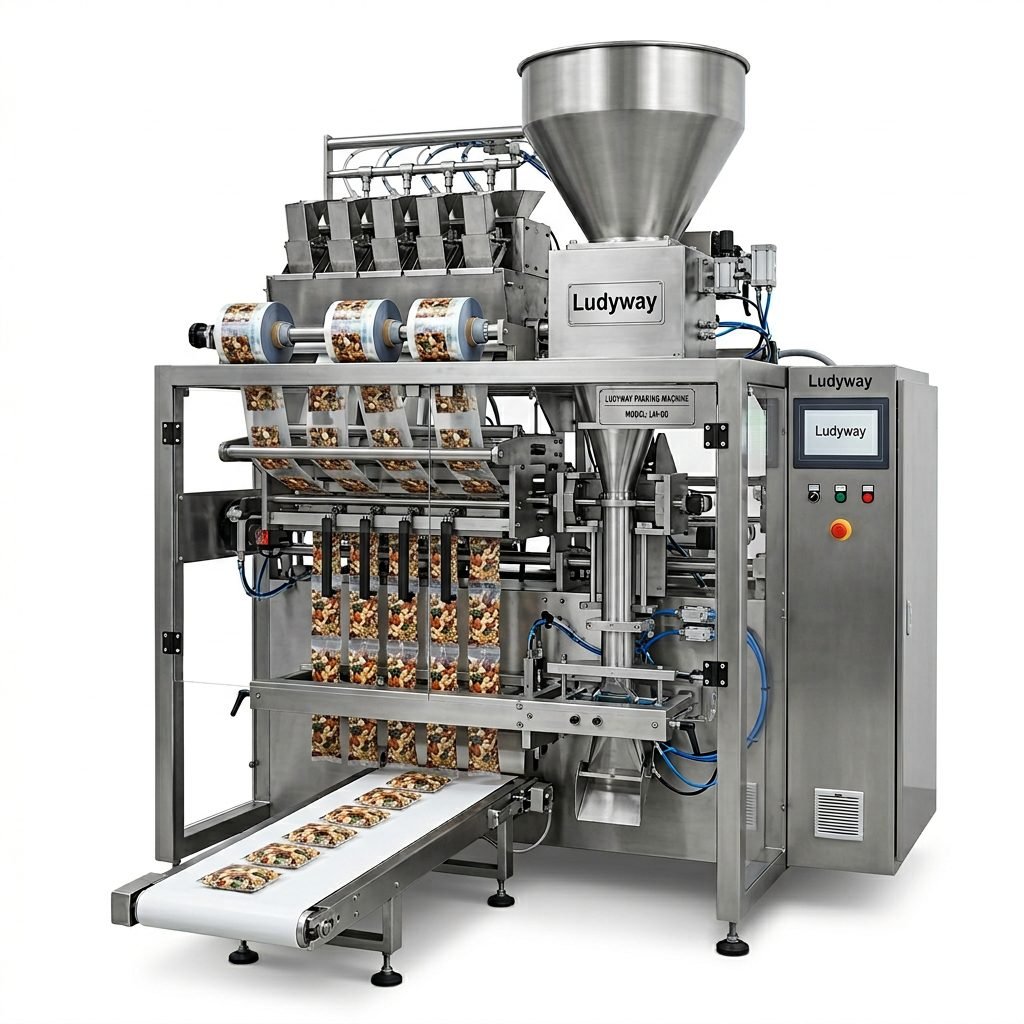
These systems are ideal for packaging powdered snacks, granules, and small solid pieces into narrow, elongated sachets. Multi-lane configurations can run 4 to 20 lanes simultaneously, dramatically increasing output. Common applications include instant drink mixes, protein powder snacks, sugar, and seasoning blends.
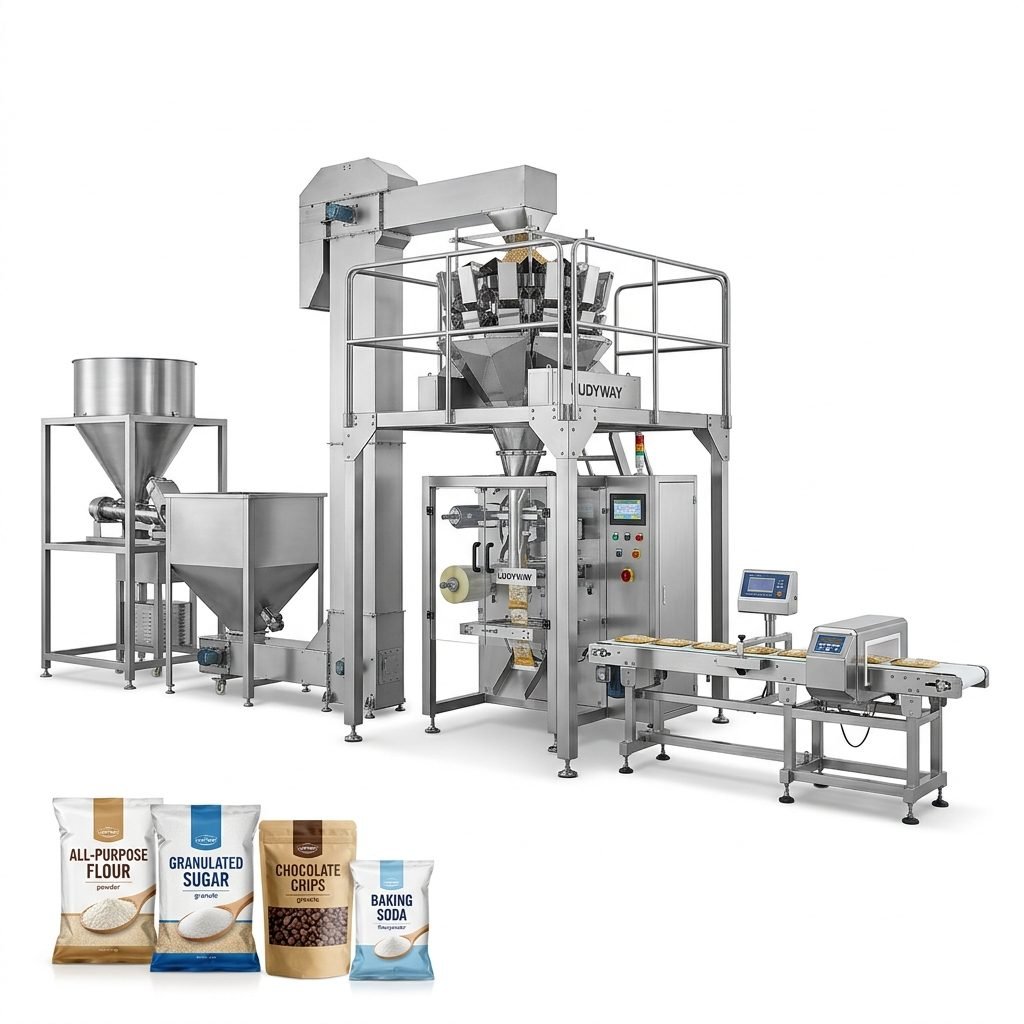
Vertical Form Fill Seal (VFFS) Machines
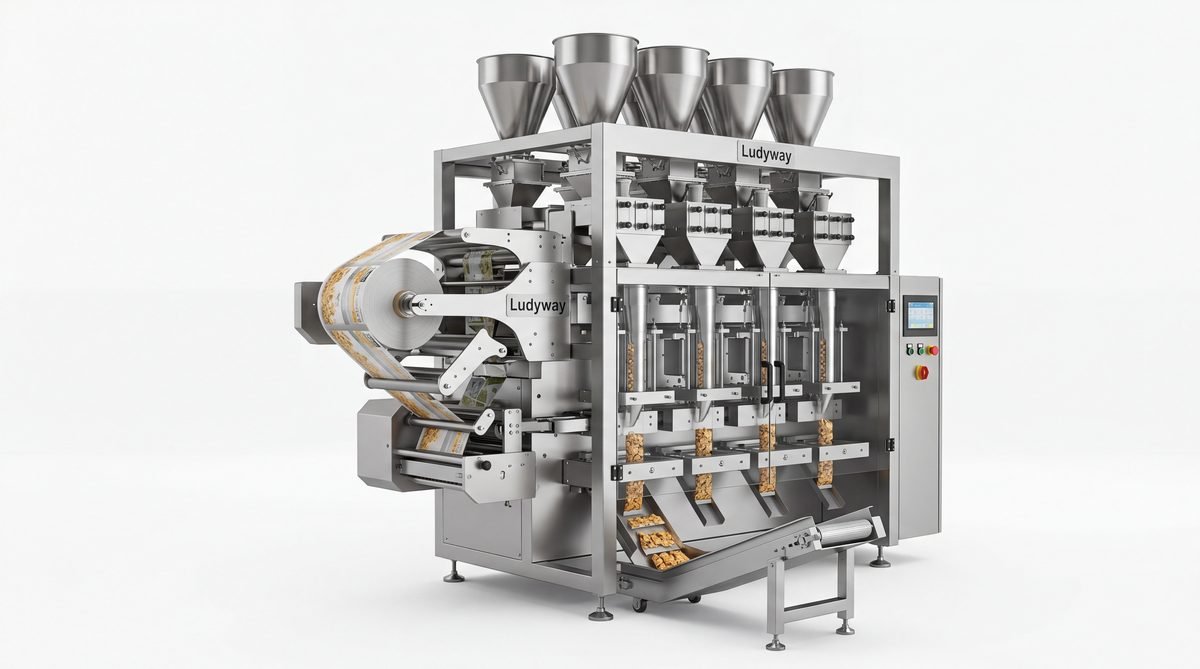
A versatile workhorse for the snack industry, VFFS machines form bags from a flat roll of film, fill them with product, and seal them in one continuous operation. They handle pillow bags, gusseted bags, and block-bottom pouches for products like chips, nuts, puffed snacks, and dried fruits. For more information on packaging standards, refer to the Flexible Packaging Association Industry Resources.
Rotary Pre-Made Pouch Fillers
For premium snack products that require stand-up pouches, zipper closures, or spouted packaging, rotary pouch fillers offer excellent presentation. These machines pick, open, fill, and seal pre-formed pouches and are suitable for products like trail mix, dried fruit blends, and gourmet popcorn.
Horizontal Flow Wrappers
Best suited for solid, individual snack items such as granola bars, cookies, crackers, brownies, and wafer biscuits. Flow wrappers create a tight, protective seal around each product, often using pillow-pack or fin-seal styles.
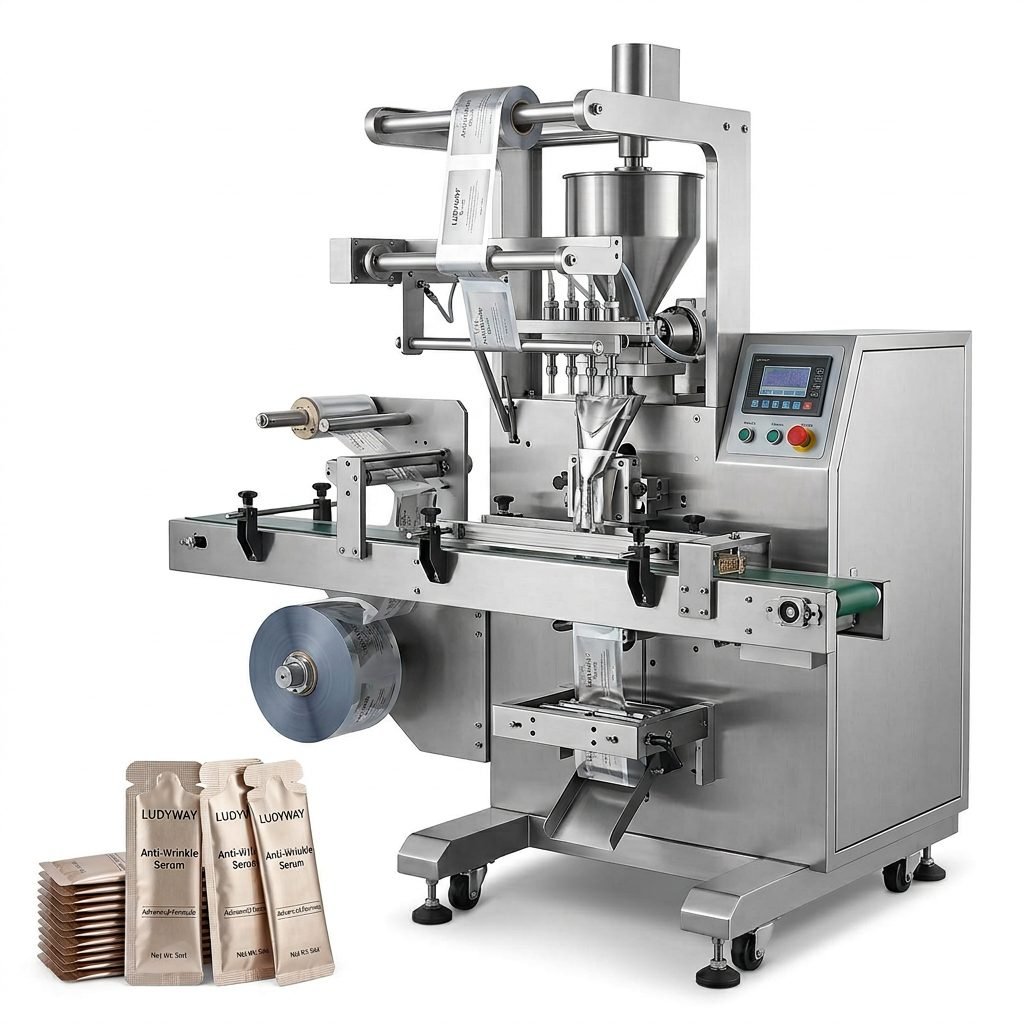
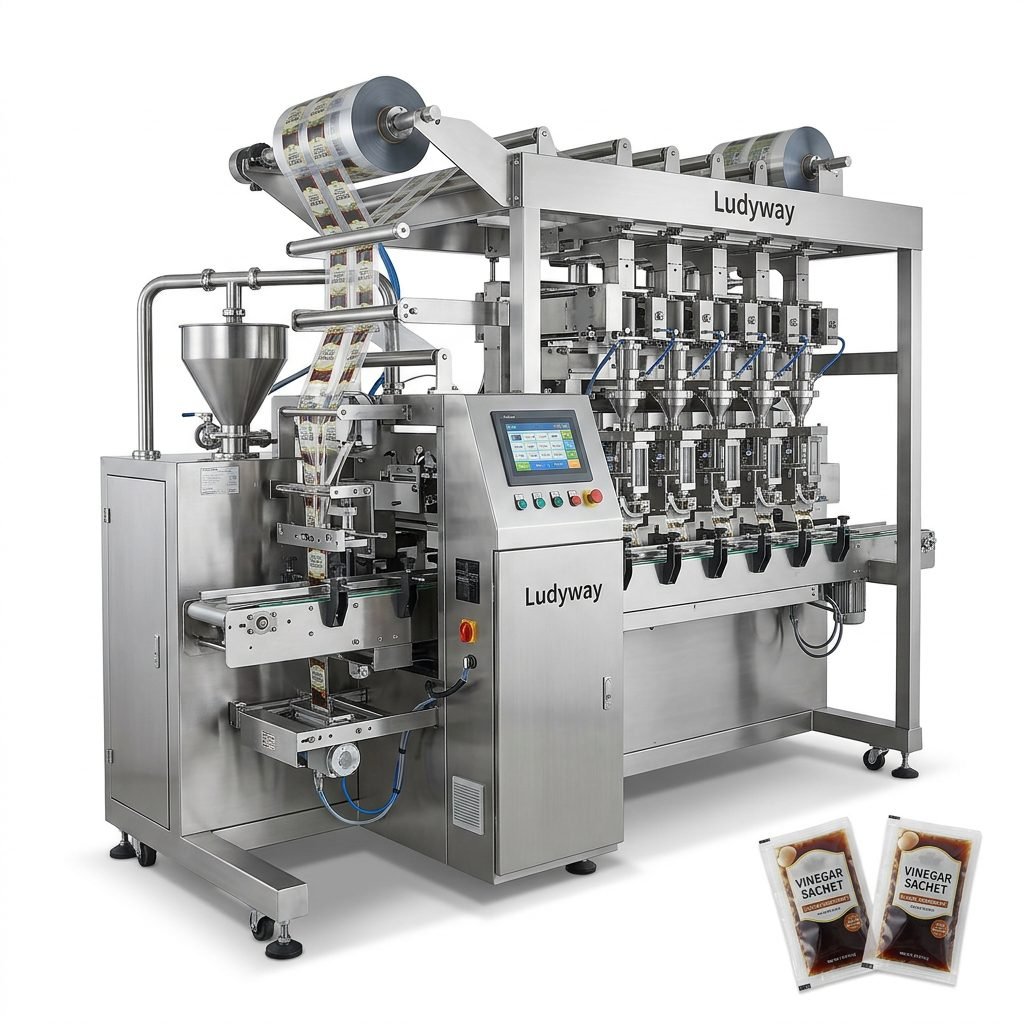
Sachet and Portion Pack Machines
Designed for single-serve snack portions, these machines produce small flat sachets commonly used for instant beverage powders, sauce sachets included in snack kits, or single-dose supplement snacks. Multi-lane sachet machines can achieve very high throughput for small pack formats.
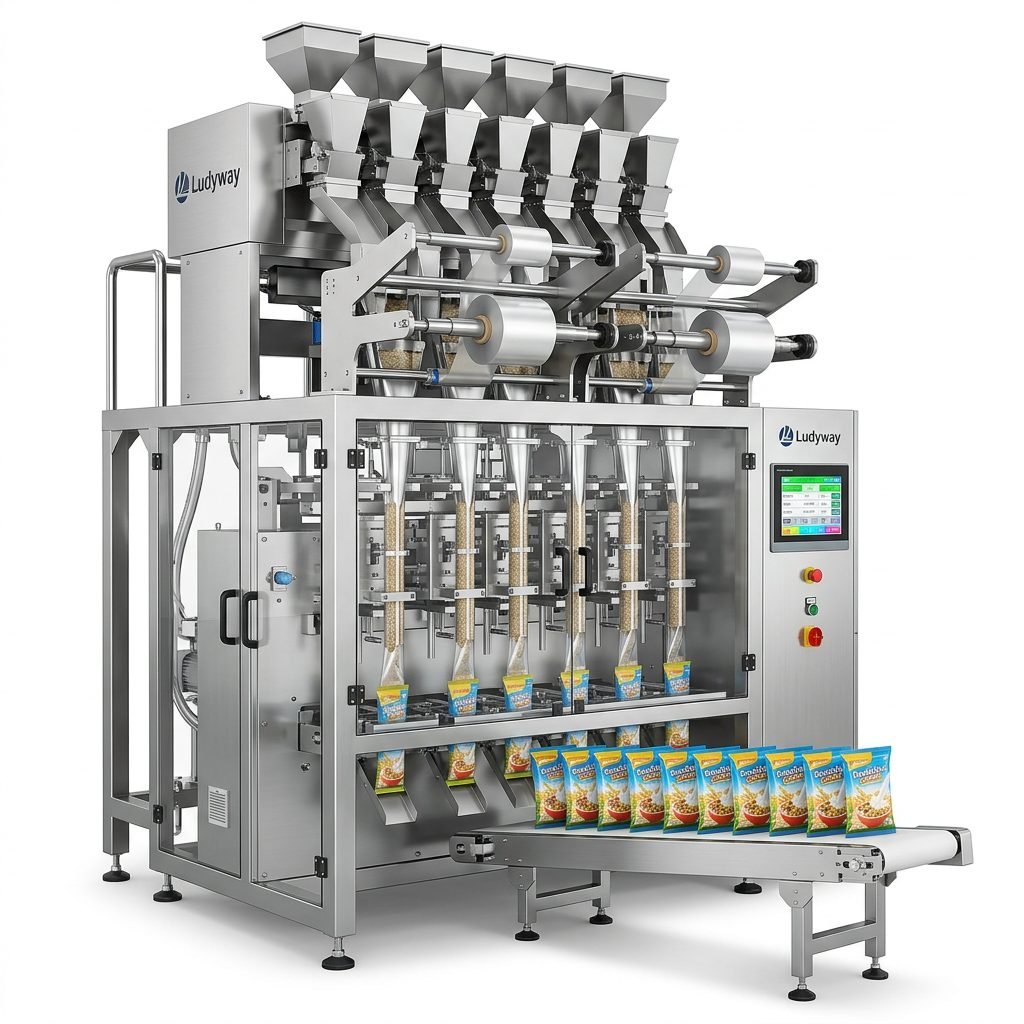
Cost Breakdown for Snack Packaging Machines
Packaging machinery costs in Oceania vary widely based on automation level, speed, lane configuration, and build quality. Below is a realistic reference table for budgeting purposes. Keep in mind that additional costs for shipping, installation, training, and ongoing maintenance should also be factored into your total investment.
| Machine Type | Speed Range | Estimated Price Range (USD) | Best Suited For |
|---|---|---|---|
| Single-Lane Stick Pack | 40-80 packs/min | $15,000 – $45,000 | Small to medium producers, startups |
| 4-8 Lane Stick Pack | 200-600 packs/min | $50,000 – $120,000 | Mid-volume snack manufacturers |
| 10-20 Lane Stick Pack | 600-1,500 packs/min | $130,000 – $350,000 | High-volume industrial production |
| VFFS Machine (Standard) | 30-80 bags/min | $25,000 – $90,000 | Pillow bags, chips, nuts, puffed snacks |
| VFFS Machine (High-Speed) | 80-150 bags/min | $90,000 – $200,000 | Large-scale snack bagging lines |
| Rotary Pouch Filler | 30-60 pouches/min | $60,000 – $180,000 | Premium stand-up pouches, zipper bags |
| Horizontal Flow Wrapper | 50-300 packs/min | $30,000 – $150,000 | Bars, cookies, wafers, individual snacks |
Note: Prices are approximate and depend on customization, additional modules (such as nitrogen flushing, date coding, or checkweighers), and the supplier’s location. Import duties and freight to Oceania should be calculated separately.
Key Features to Look For When Buying
Not all snack packaging machines are created equal. When evaluating equipment for your Oceania-based operation, prioritize the following features:
- Multi-Lane Capability: Machines with configurable lane counts allow you to scale production without adding floor space. Look for models that support lane adjustments for different pack widths.
- Precision Weighing & Dosing: For snack products sold by weight, accurate multi-head weighers or auger fillers are essential to minimize product giveaway and maintain portion consistency.
- Film Compatibility: Ensure the machine supports the packaging films commonly used in Oceania, including recyclable mono-materials, biodegradable films, and high-barrier laminates for extended shelf life.
- Nitrogen Flushing / Modified Atmosphere Packaging (MAP): Critical for oxygen-sensitive snacks like chips and nuts. Nitrogen flushing displaces oxygen to preserve crispness and prevent rancidity.
- Easy Clean-In-Place (CIP) Design: Tool-free disassembly, sloped surfaces, and stainless steel construction simplify sanitation and reduce downtime between product changeovers.
- Integrated Quality Control: In-line checkweighers, metal detectors, and vision inspection systems help maintain consistent product quality and comply with food safety standards such as those outlined by the FDA Food Packaging Guidelines and relevant FSANZ requirements.
- User-Friendly HMI & PLC Controls: Intuitive touch-screen interfaces with recipe storage, diagnostic capabilities, and remote access support reduce operator training time and troubleshooting delays.
Comparing Packaging Formats for Snacks
Choosing the right packaging format affects not only your machine selection but also consumer appeal and distribution efficiency. The table below compares popular snack packaging formats:
| Packaging Format | Typical Products | Machine Type | Consumer Appeal |
|---|---|---|---|
| Stick Pack | Powder drinks, sugar, seasoning | Multi-Lane Stick Pack | Portable, single-serve, portion control |
| Pillow Bag | Chips, puffed snacks, popcorn | VFFS Machine | Familiar format, good shelf presence |
| Stand-Up Pouch | Trail mix, dried fruit, nuts | Rotary Pouch Filler | Premium look, resealable, durable |
| Flow Wrap | Granola bars, cookies, wafers | Horizontal Flow Wrapper | Compact, protective, retail-ready |
| Sachet | Instant beverage, sauce sachets | Sachet Pack Machine | Lightweight, low-cost, high-volume |
| Gusseted Bag | Bulk snacks, wholesale packs | VFFS Machine (Gusseted) | Large capacity, stable on shelf |
Oceania-Specific Considerations
When importing packaging machinery into Australia or New Zealand, manufacturers should be aware of several region-specific factors:
- Electrical Standards: Oceania operates on 230V/50Hz power. Confirm that the machine’s electrical system is compatible or includes a suitable transformer.
- FSANZ Compliance: The Food Standards Australia New Zealand sets strict requirements for food contact materials and packaging safety. Ensure your chosen machine uses food-grade materials and sealing technologies.
- Climate Considerations: High humidity in parts of Oceania may require additional moisture protection in packaging, such as higher-barrier films or enhanced sealing systems.
- After-Sales Support: Given the distance from major manufacturing hubs in Asia and Europe, reliable local technical support, spare parts availability, and remote diagnostic capabilities are essential for minimizing downtime.
Turnkey Solutions vs. Standalone Machines
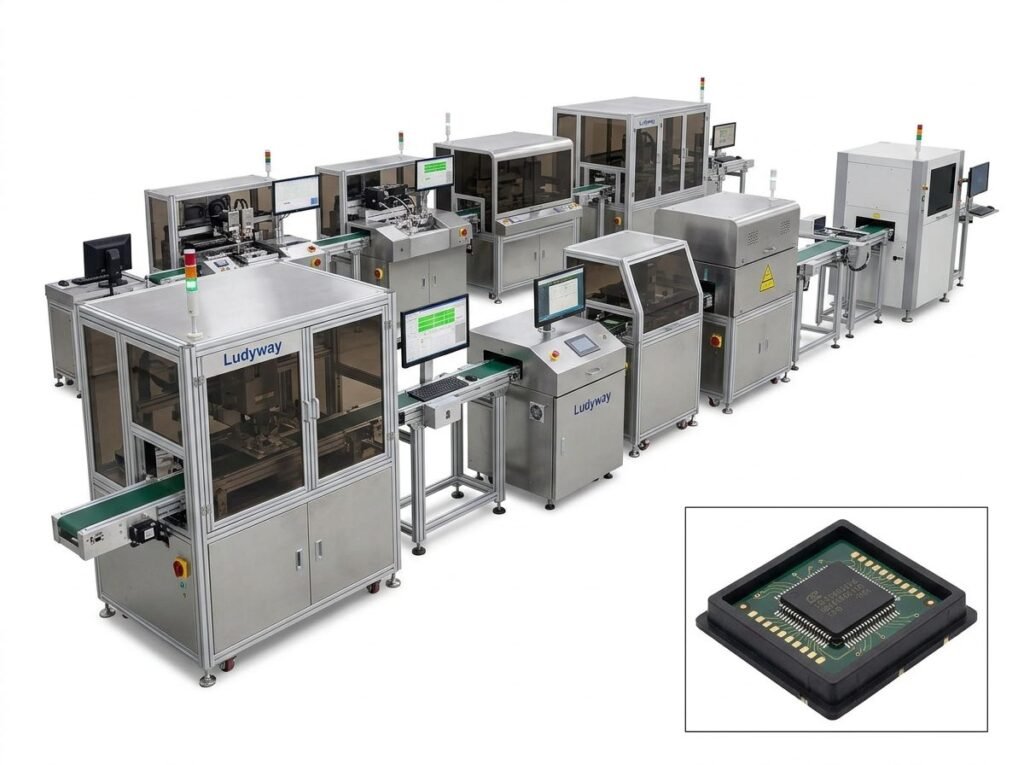
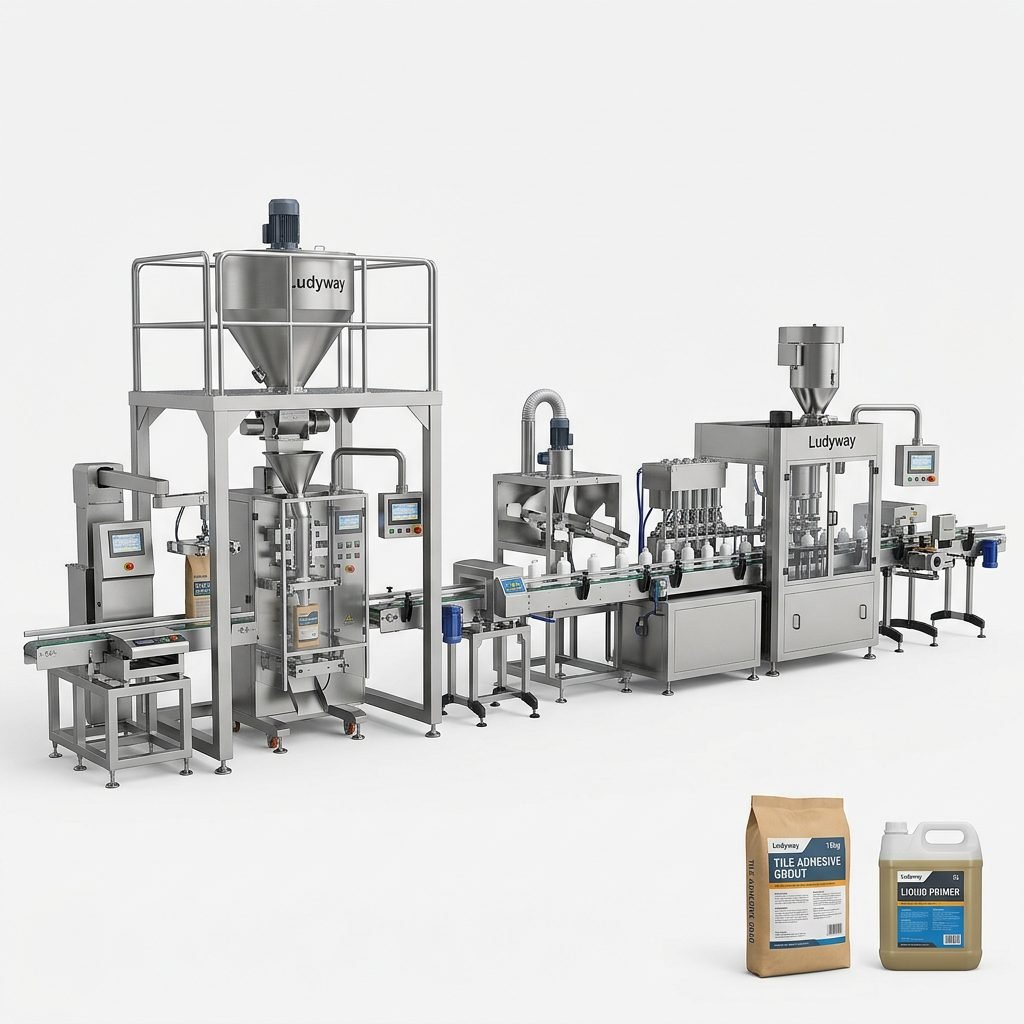
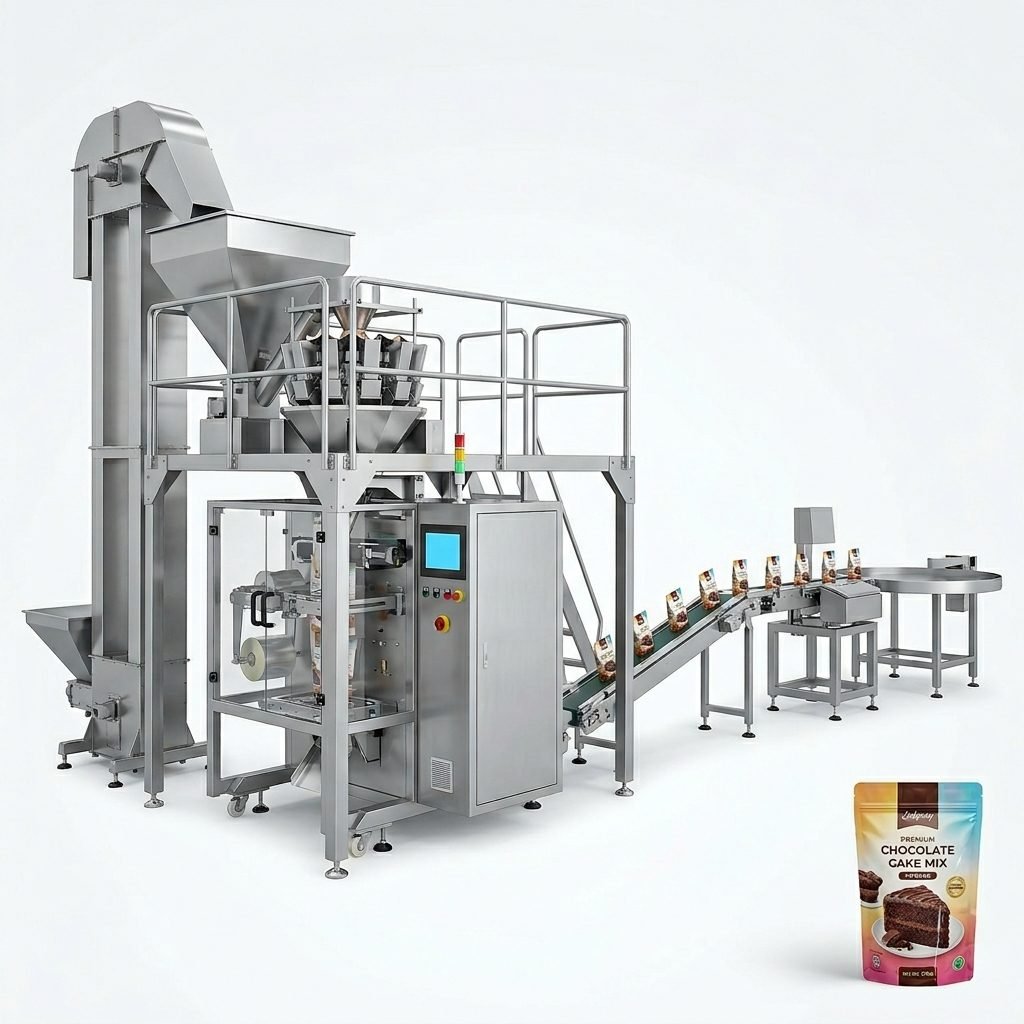
Beyond individual machines, many snack manufacturers in Oceania are now investing in complete turnkey packaging lines that integrate feeding, dosing, filling, sealing, inspection, and cartoning into a seamless automated workflow. A turnkey approach offers several advantages:
- Single-source responsibility for the entire line
- Optimized synchronization between upstream and downstream equipment
- Reduced integration risks and faster commissioning
- Consistent operator training across all modules
- Streamlined maintenance and spare parts management
However, standalone machines may be more appropriate for businesses with limited capital budgets or those seeking to upgrade specific production stages incrementally. For additional insights on flexible packaging trends and equipment standards, the Flexible Packaging Association provides valuable industry data and regulatory guidance.
How to Evaluate a Packaging Machine Supplier
Choosing the right supplier is just as important as selecting the right machine. Before making a purchase, consider the following evaluation criteria:
- Industry Experience: How many years has the supplier been manufacturing packaging machinery? Do they have specific expertise in snack food applications?
- Manufacturing Facility: A supplier with a modern, sizable production facility typically indicates stronger quality control and engineering capabilities.
- Global Installations: Look for suppliers with machines operating in multiple countries. This demonstrates reliability and international compliance.
- Technical Support: Confirm the availability of remote troubleshooting, on-site service, and readily available spare parts in the Oceania region.
- Customization Capabilities: Can the supplier tailor the machine to your specific product characteristics, packaging materials, and factory layout?
- References and Testimonials: Request case studies or contact references from similar snack businesses to verify performance claims.
Ludyway is one of the largest packaging machine manufacturers in China, with over 30 years of industry experience and a modern 20,000㎡ manufacturing facility. The company offers more than 50 intelligent packaging machine models serving customers across over 100 countries, providing reliable and efficient packaging solutions for granule, powder, liquid, and pouch packaging applications. To learn more about industry standards, visit the PMMI Association for Packaging and Processing Technologies.
Final Recommendations for Oceania Buyers
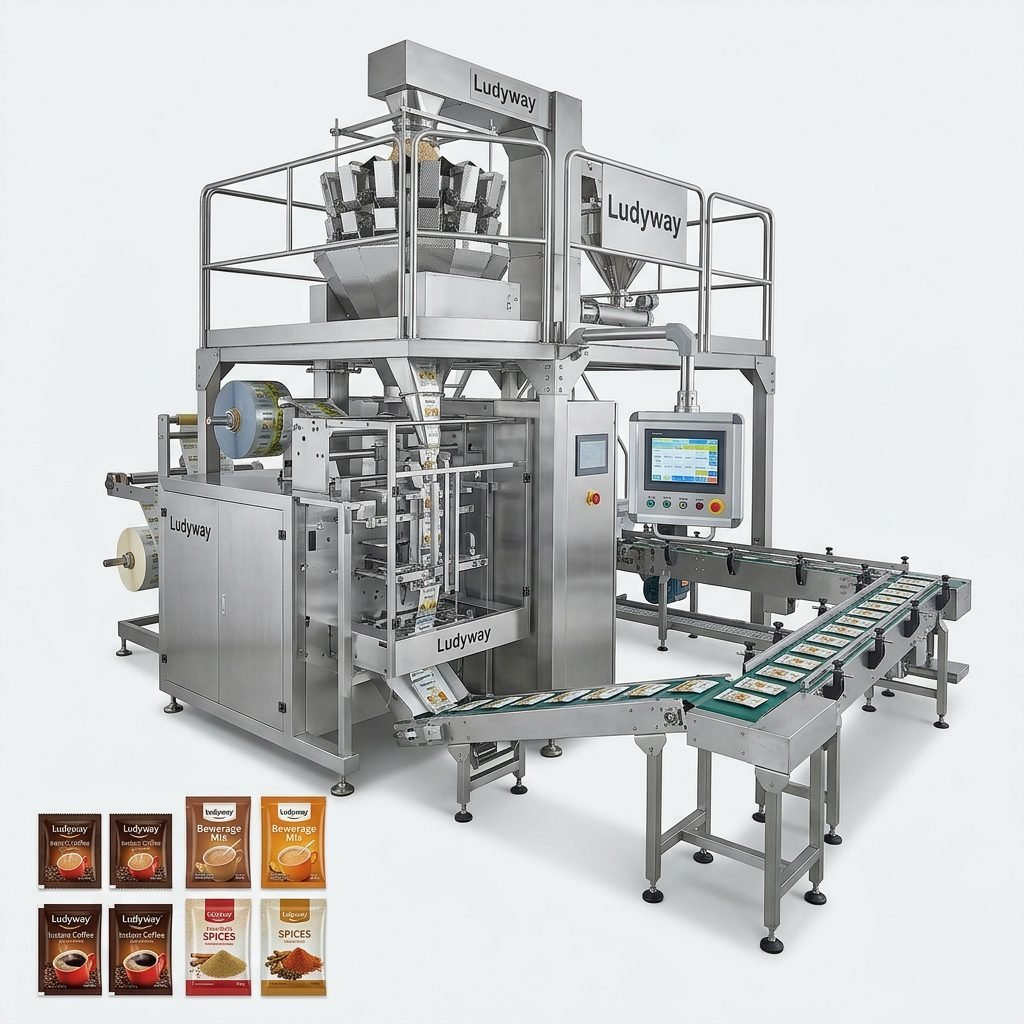
To summarize, here is a practical checklist for selecting a snack packaging machine:
- Define your product range and target packaging formats before contacting suppliers. This narrows down machine specifications significantly.
- Calculate your required throughput based on current and projected sales volumes to determine the appropriate lane count and speed class.
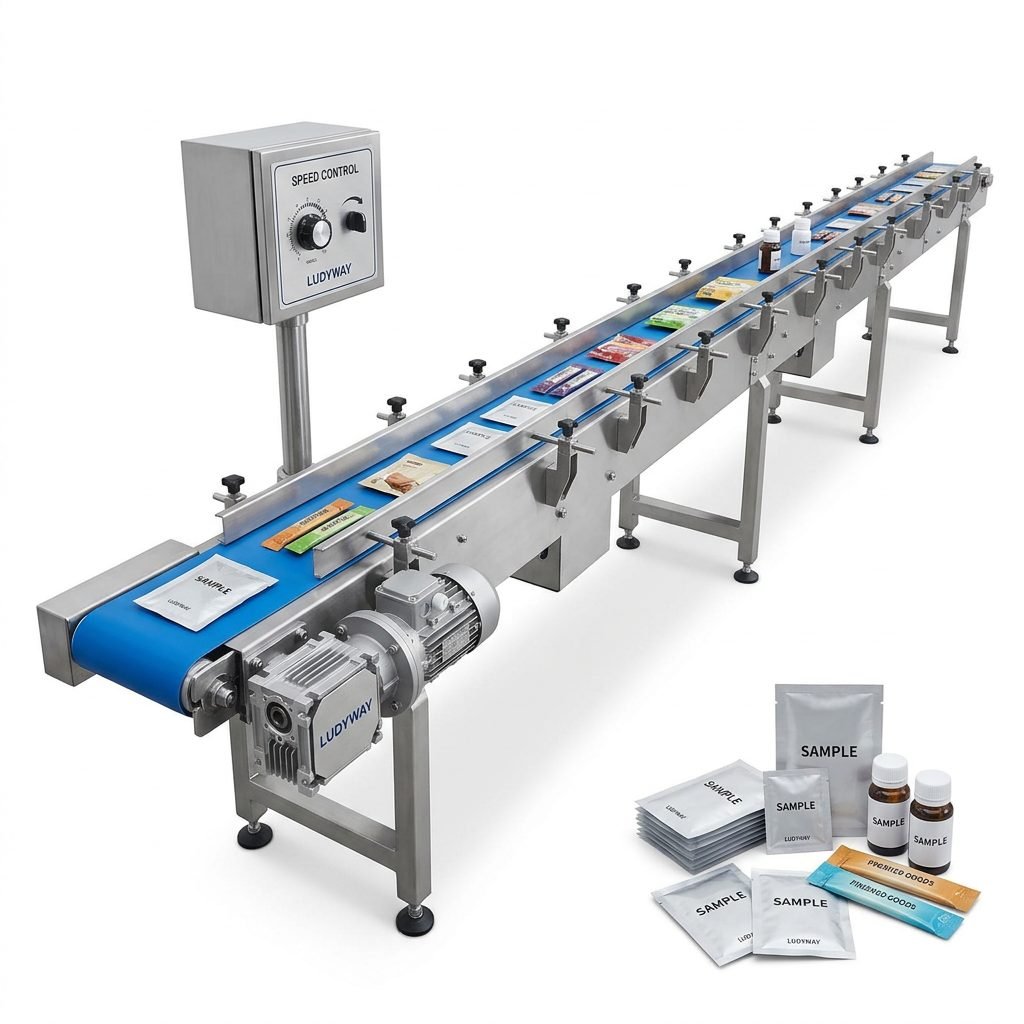
- Request sample testing with your actual product and preferred film material to verify machine performance before committing.
- Factor in total cost of ownership, including shipping to Oceania, import duties, installation, training, consumables, and ongoing maintenance.
- Prioritize suppliers with proven experience in export markets and responsive after-sales support infrastructure.
- Stay informed about packaging regulations by consulting resources such as the PMMI Packaging Industry Resources and the European Commission Packaging Waste Guidelines for sustainability compliance.
Investing in the right snack packaging machine is a strategic decision that influences your production capacity, product quality, and brand reputation across Oceania markets. Take time to evaluate your options, request demonstrations, and build a relationship with a supplier who understands both your technical requirements and your long-term business goals.
Additional Resources
- PMMI State of the Industry Reports — Annual packaging machinery market insights
- PACK EXPO International — Leading packaging trade show for equipment evaluation
- ISO Packaging Standards — International standards for packaging machinery and materials
- FDA Packaging and Food Contact Substances — Regulatory guidance for food-safe packaging