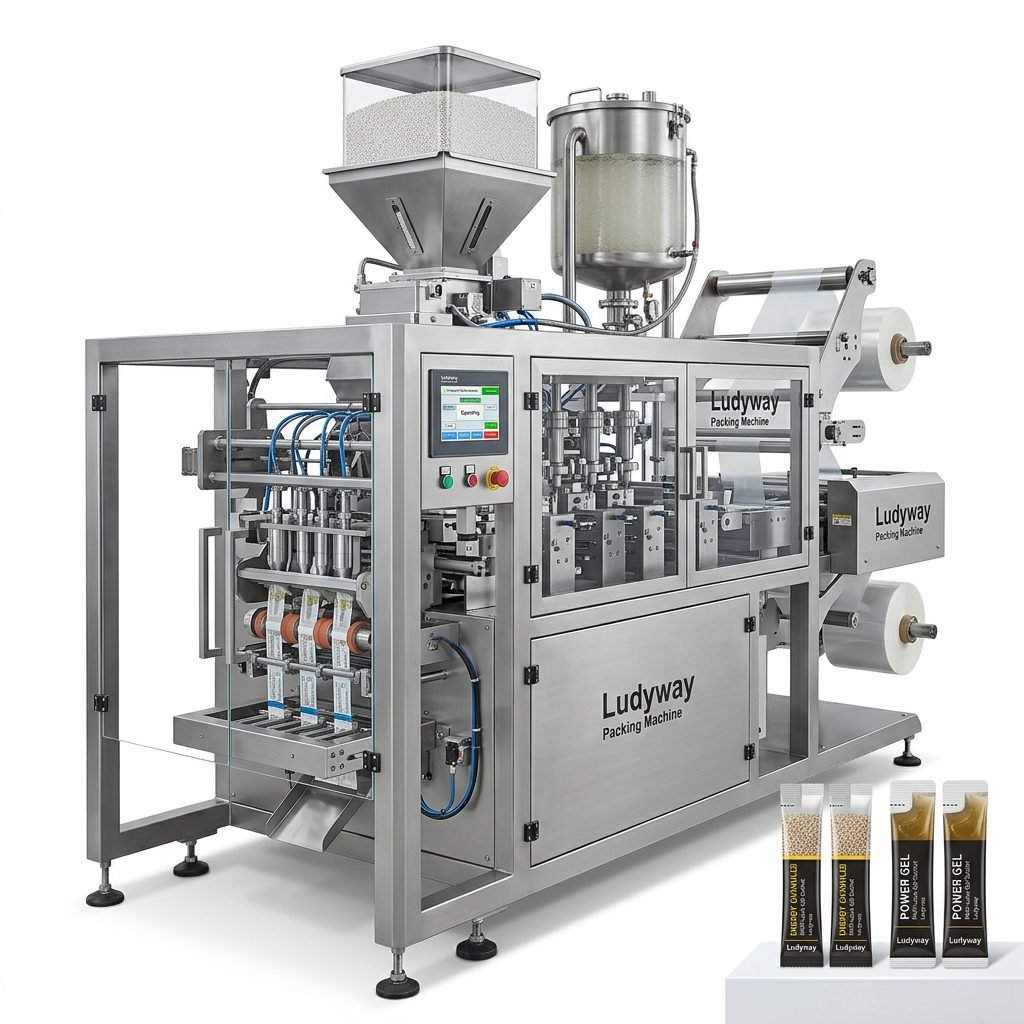
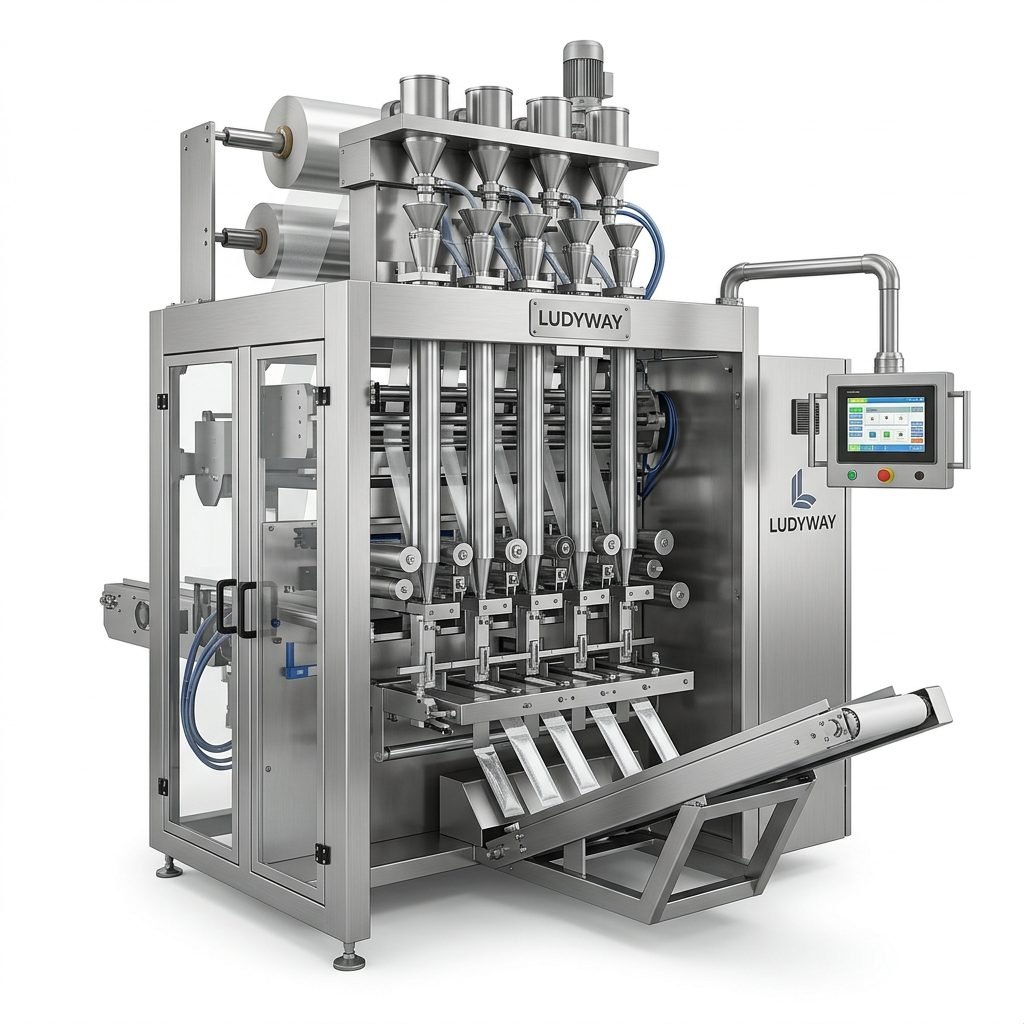
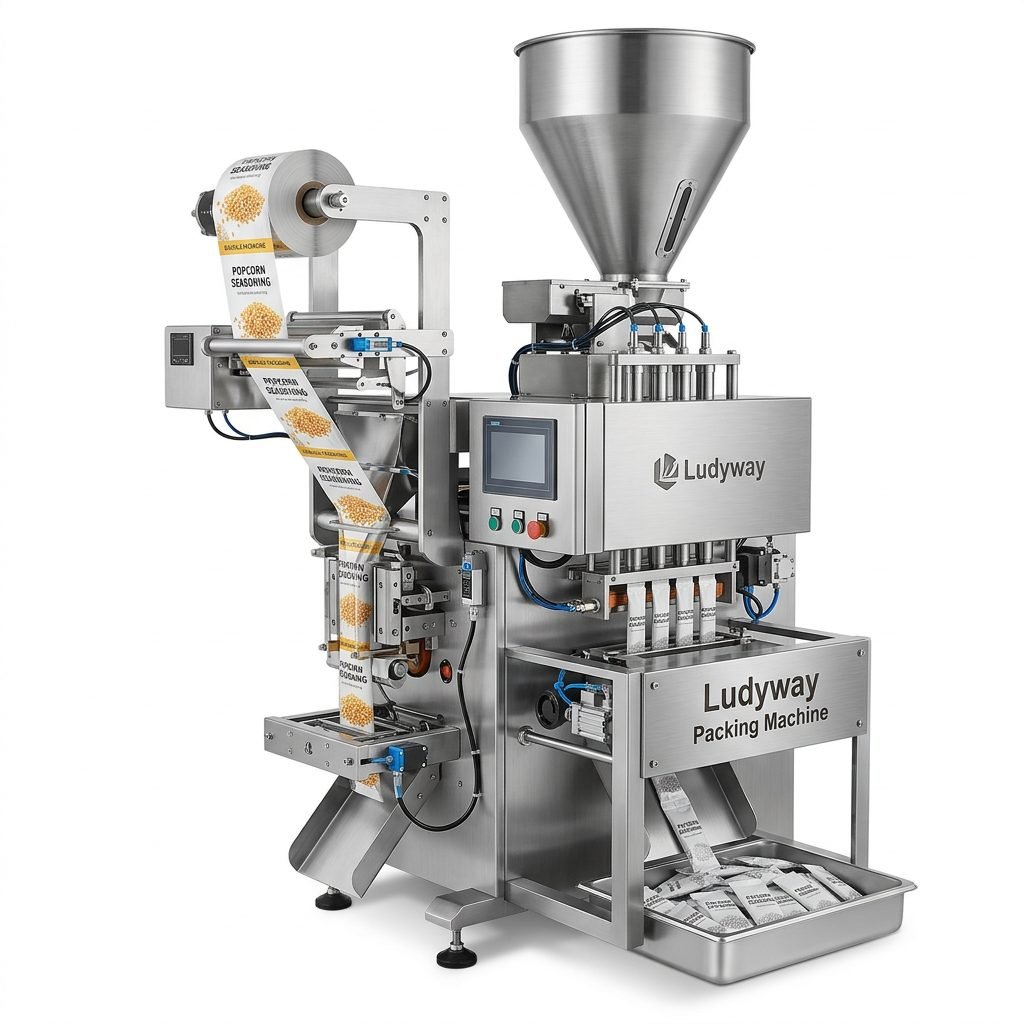
Establishing a cooking oil packaging machine production line in Europe requires careful planning, a deep understanding of local regulatory frameworks, and a strategic approach to equipment selection. Whether you are bottling extra virgin olive oil, sunflower oil, or blended vegetable oils, the European market demands precision, hygiene, and full compliance with EU packaging and packaging waste regulations. This guide walks you through the essential costs, equipment, and legal requirements to help you launch a successful operation.
Core Equipment for a Cooking Oil Packaging Line
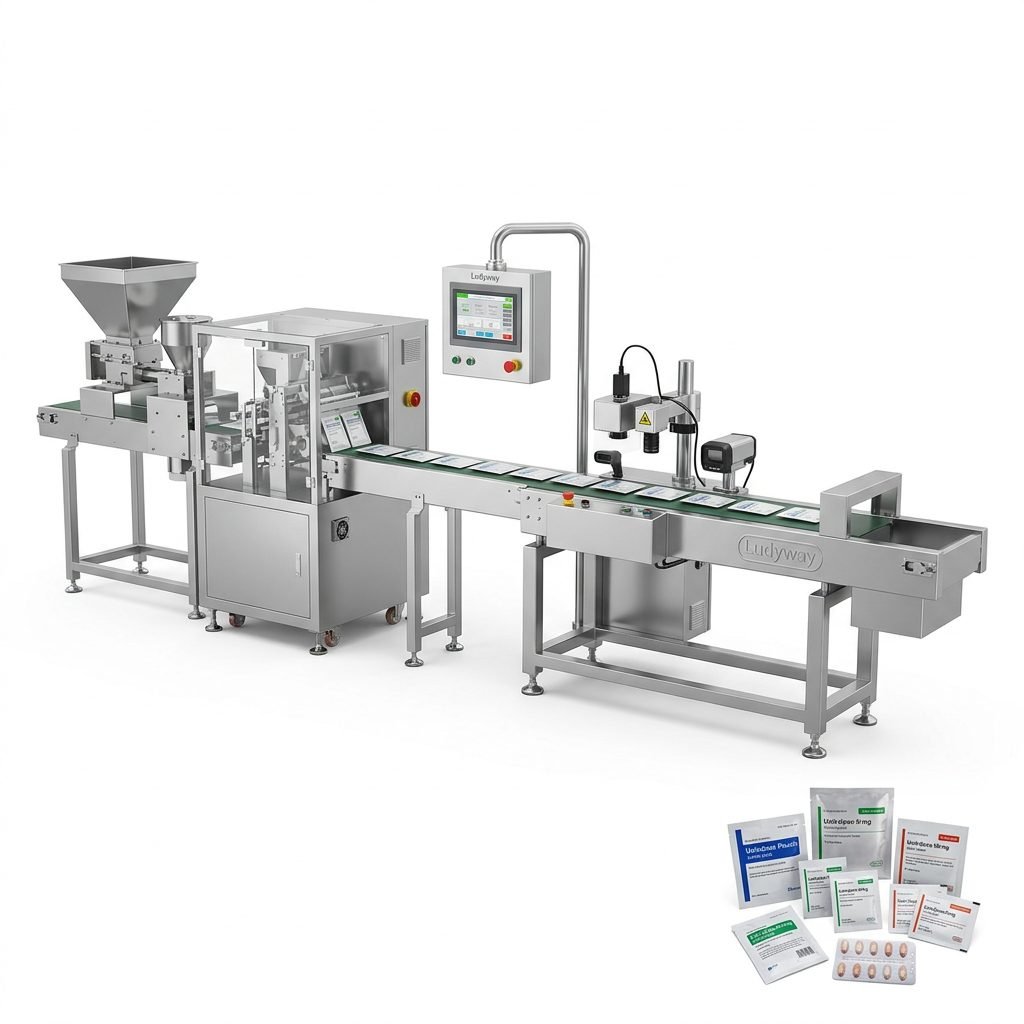
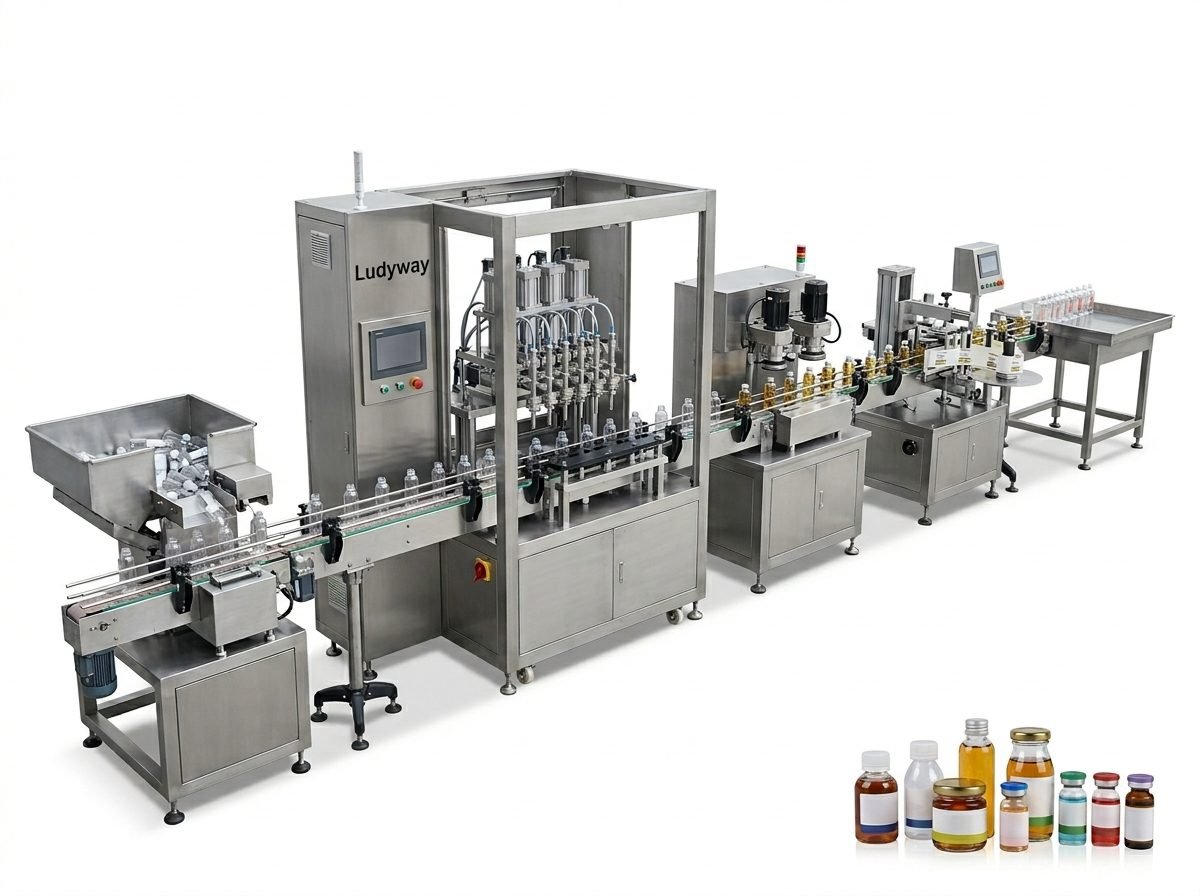
A modern cooking oil packaging line integrates several key machines to ensure efficiency, accuracy, and hygiene. The typical configuration includes:
- Bottle Unscrambler: Automatically orients and feeds empty bottles into the filling line.
- Liquid Filling Machine: High-precision volumetric or gravimetric fillers designed for edible oils. Piston fillers and flow meter systems are the most common choices.
- Capping Machine: Applies screw caps, press-on lids, or tamper-evident seals to ensure product integrity.
- Labeling Machine: Applies front, back, and wrap-around labels, often with integrated vision inspection for quality control.
- Shrink Wrapping or Cartoning Machine: Bundles finished bottles into consumer-ready multipacks or corrugated boxes.
- Conveyor Systems and Integration Controls: Connects all modules seamlessly with centralized PLC control for smooth operation.
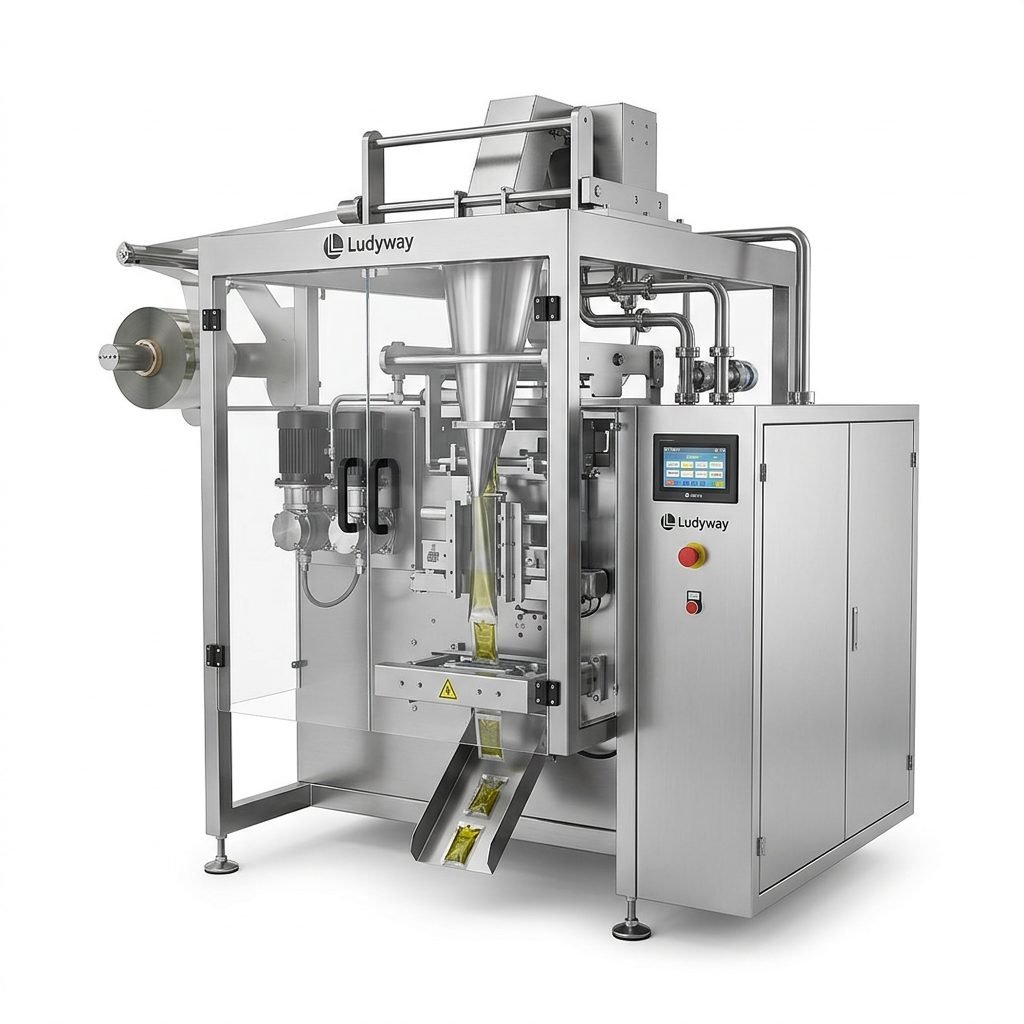
Choosing Between Sachet, Bottle, and Pouch Packaging
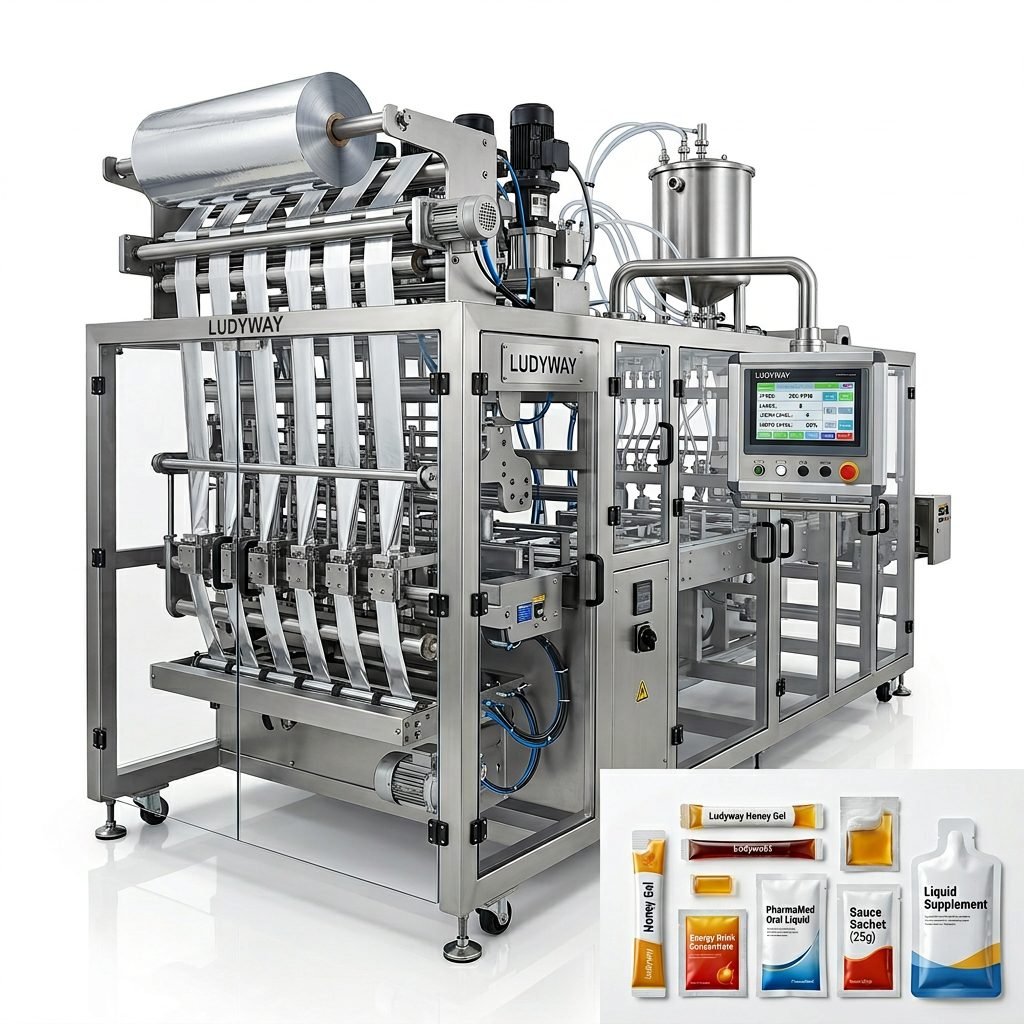
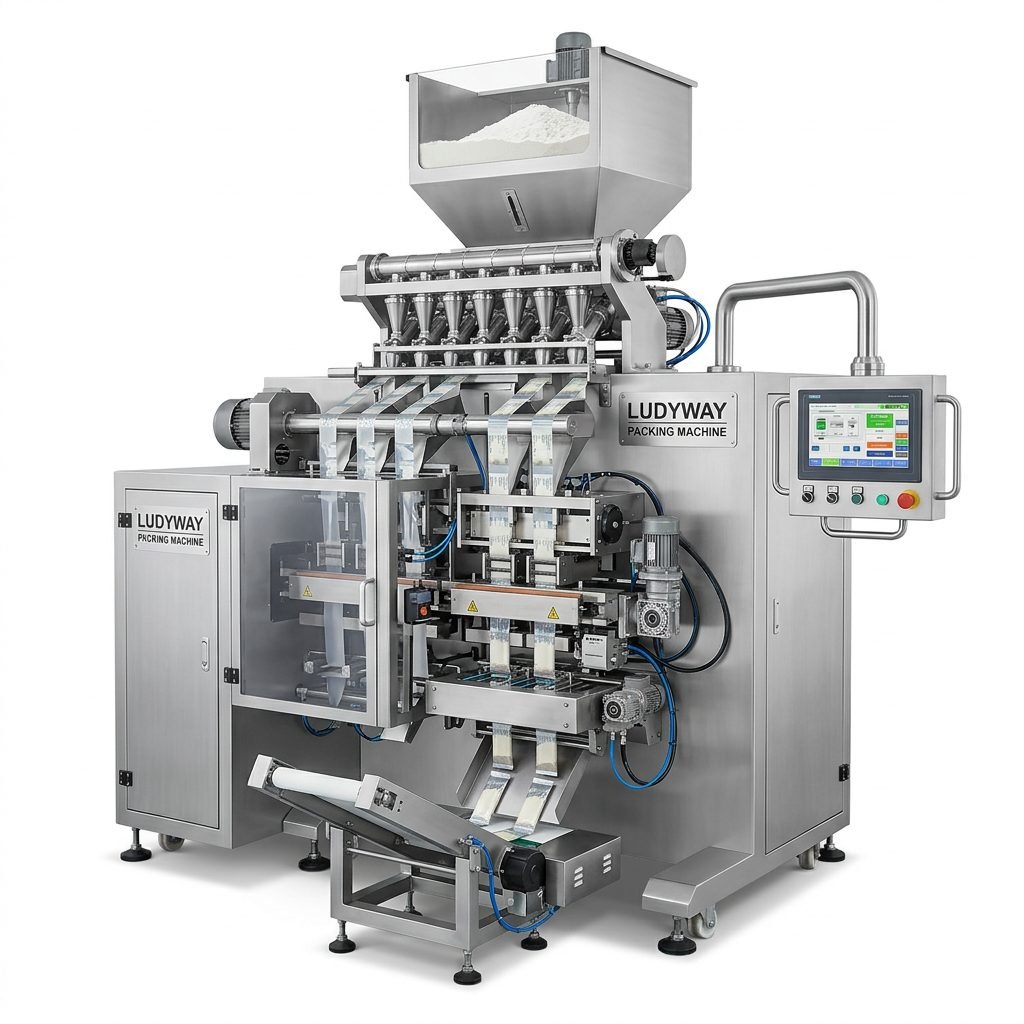
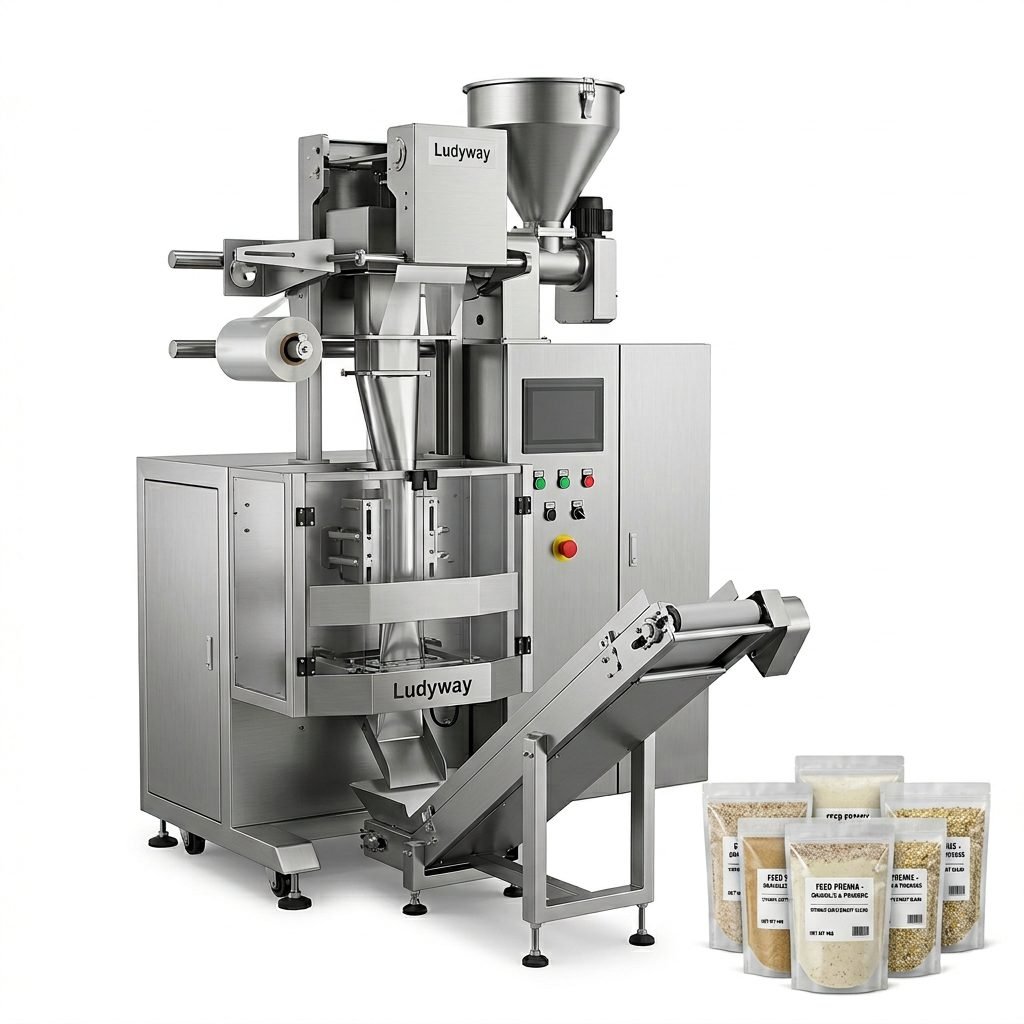
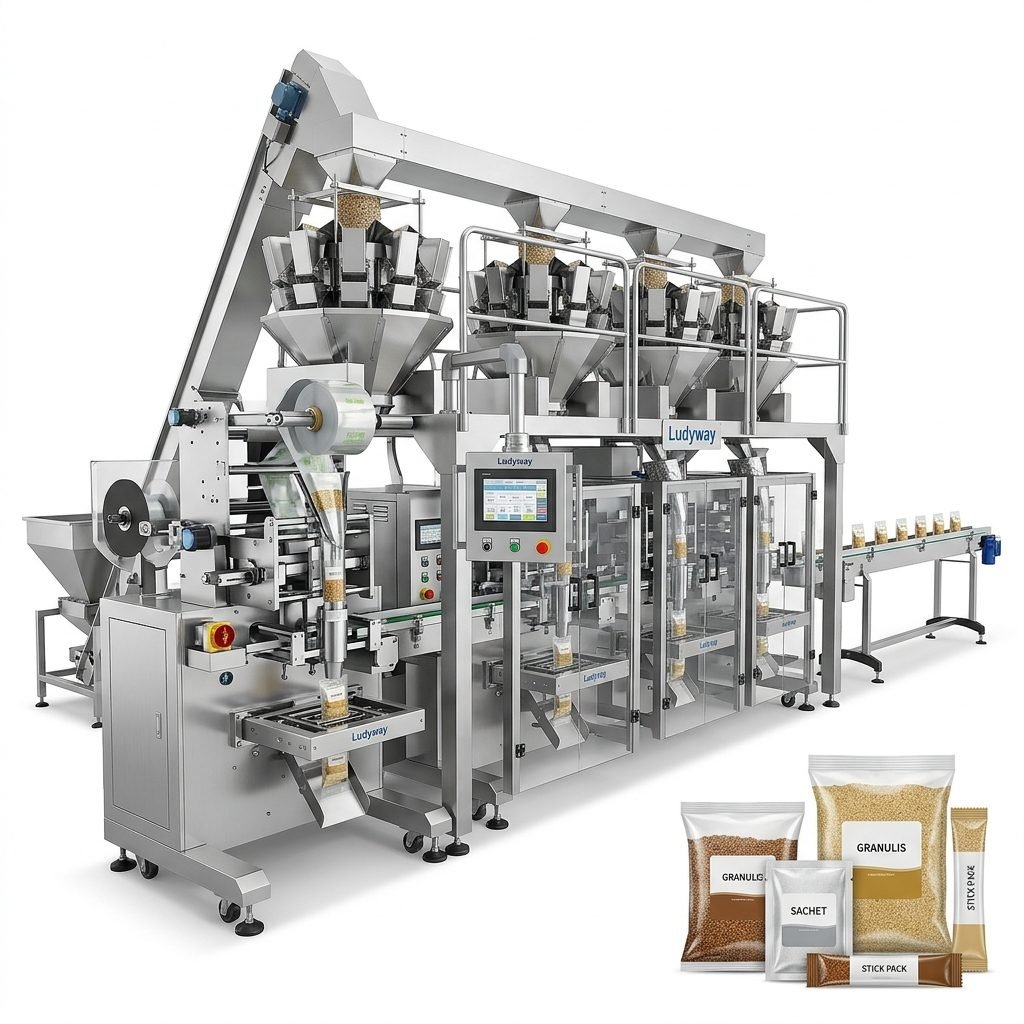
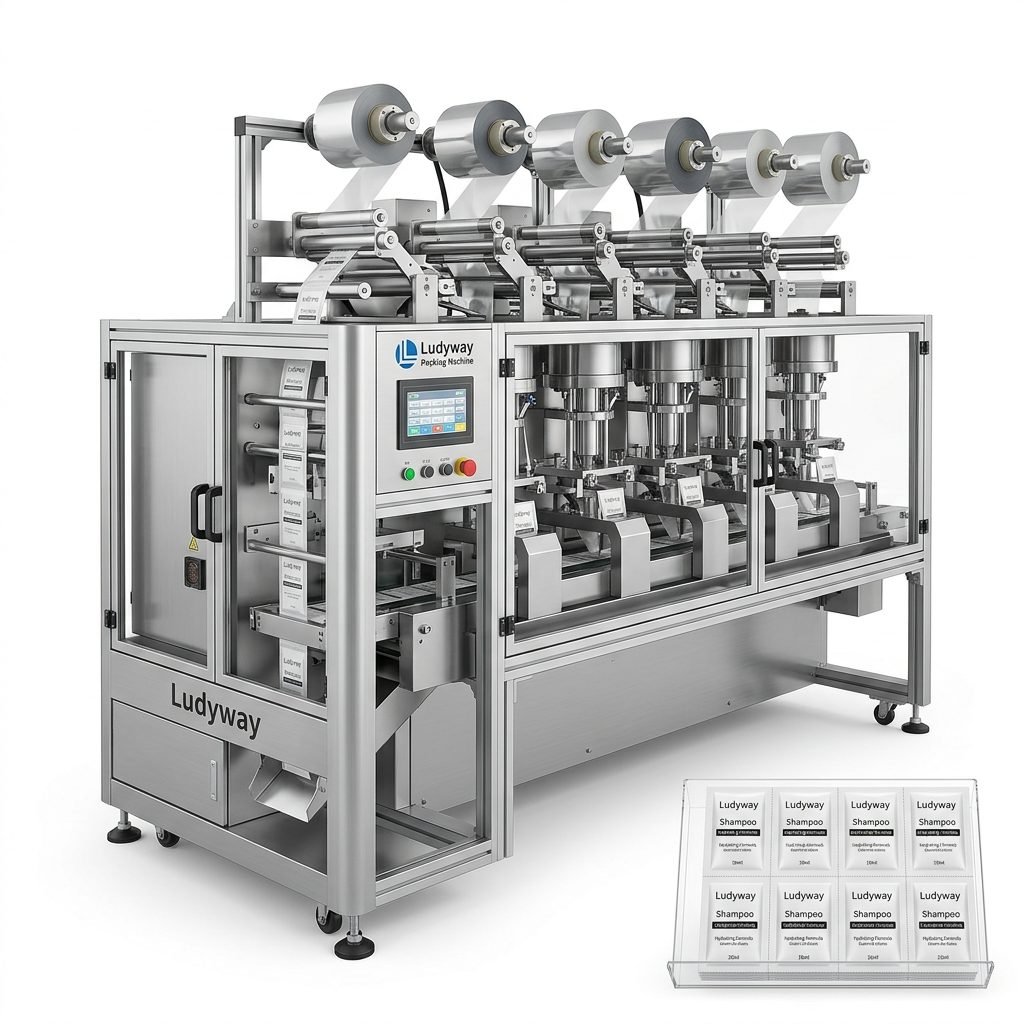
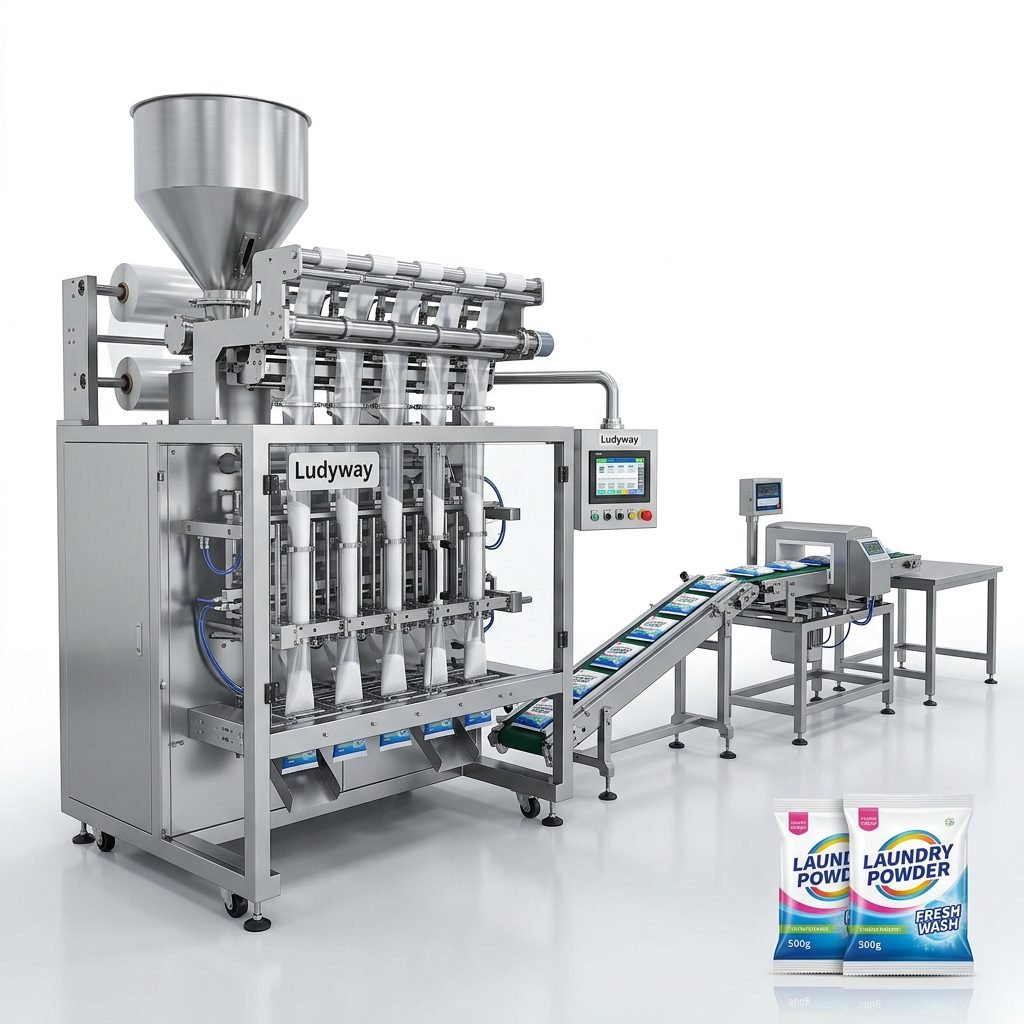
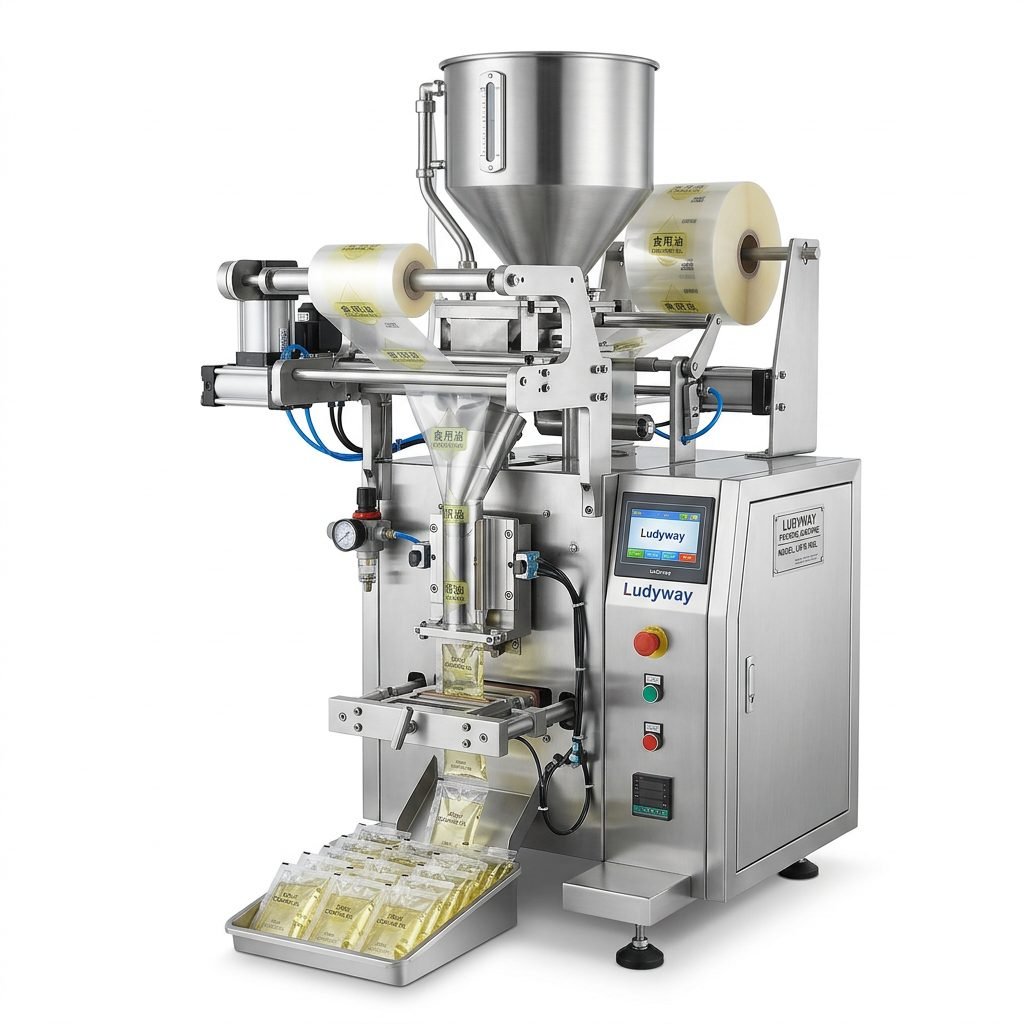
European consumer trends are increasingly diverse. In addition to traditional glass and PET bottles, the demand for single-serve sachets and flexible stand-up pouches has grown significantly in the food service and travel sectors. Your production line should be flexible enough to handle multiple packaging formats. Sachet and stick pack machines offer high-speed multi-lane filling, while rotary fillers are ideal for high-volume bottle production.
Estimated Costs of Setting Up a Cooking Oil Packaging Line
The total investment depends heavily on the level of automation, production capacity, and the types of packaging formats you choose. Below is a breakdown of typical cost ranges for a mid-scale line designed to handle 2,000 to 5,000 bottles per hour.
| Equipment/Section | Estimated Cost Range (EUR) | Key Considerations |
|---|---|---|
| Liquid Filling & Capping Monobloc | €80,000 – €250,000 | Capacity, filling accuracy, foaming control for oils |
| Bottle Unscrambler & Conveyors | €20,000 – €60,000 | Bottle shape, material, and line speed |
| Labeling & Inspection Systems | €35,000 – €120,000 | Label type, wraparound precision, vision check |
| End-of-Line Packaging (Cartoner/Wrapper) | €45,000 – €150,000 | Multipack format, case packing, palletizing |
| Installation, Training & Compliance | €25,000 – €70,000 | CE certification, local safety codes, operator training |

European Regulations and Compliance
Placing a packaging machine on the European market means strict adherence to CE marking directives. The ISO packaging standards and EU Machinery Directive 2006/42/EC are the baseline. Additionally, food contact materials must comply with EC Regulation 1935/2004. You must also consider the new Packaging and Packaging Waste Regulation (PPWR), which sets ambitious targets for recycled content and recyclability. Failing to meet these requirements can result in heavy fines and market exclusion.
Key Regulatory Milestones to Prepare
- CE Certification: Your equipment must carry the CE mark, including a comprehensive technical file and risk assessment.
- Food Contact Compliance: All surfaces in contact with cooking oil must be made of food-grade stainless steel (AISI 304 or 316L) and certified safe for fatty foods.
- Waste and Sustainability: Under the PPWR, packaging must be designed for recyclability. Your bottle and cap materials will be scrutinized.
- ATEX Directive: If your facility handles flammable solvents for cleaning or uses certain oil processing atmospheres, explosive atmosphere safety regulations may apply.
Site Preparation and Utility Requirements
Before installing your cooking oil packaging machinery, ensure your factory floor meets the necessary standards. A clean, temperature-controlled environment (ideally 15–25°C) is crucial for consistent filling accuracy and label adhesion. Utilities such as compressed air (minimum 6 bar, oil-free), stable electrical supply (400V/50Hz three-phase), and adequate ventilation must be planned. Installing a proper drainage system is also important given the nature of liquid spillage during filling and changeover.
Choosing the Right Integration Partner
Selecting a reliable equipment manufacturer is critical. Look for a partner with proven experience in turnkey liquid packaging solutions who understands European electrical standards and safety protocols. A global supplier with a strong track record can significantly reduce the risk of costly delays. For instance, Ludyway is one of the largest packaging machine manufacturers, offering integrated production lines that handle granule, powder, and liquid packaging, backed by decades of engineering expertise and international project services.
Summary Checklist for Your European Cooking Oil Line
- Define your primary and secondary packaging formats (bottles, sachets, pouches).
- Budget for the full turnkey project, not just the hardware acquisition cost.
- Verify CE certification and food-grade material documentation from every supplier.
- Align your sustainability roadmap with the EU’s upcoming PPWR obligations.
- Invest in thorough operator training and a clear preventive maintenance schedule.
By combining high-performance cooking oil packaging machines with proactive regulatory planning, your European production line will be well-positioned to deliver quality products efficiently and profitably. For further guidance on industry trends, you can explore resources from the PMMI – The Association for Packaging and Processing Technologies. Proper planning today ensures a smooth path to operational excellence tomorrow.