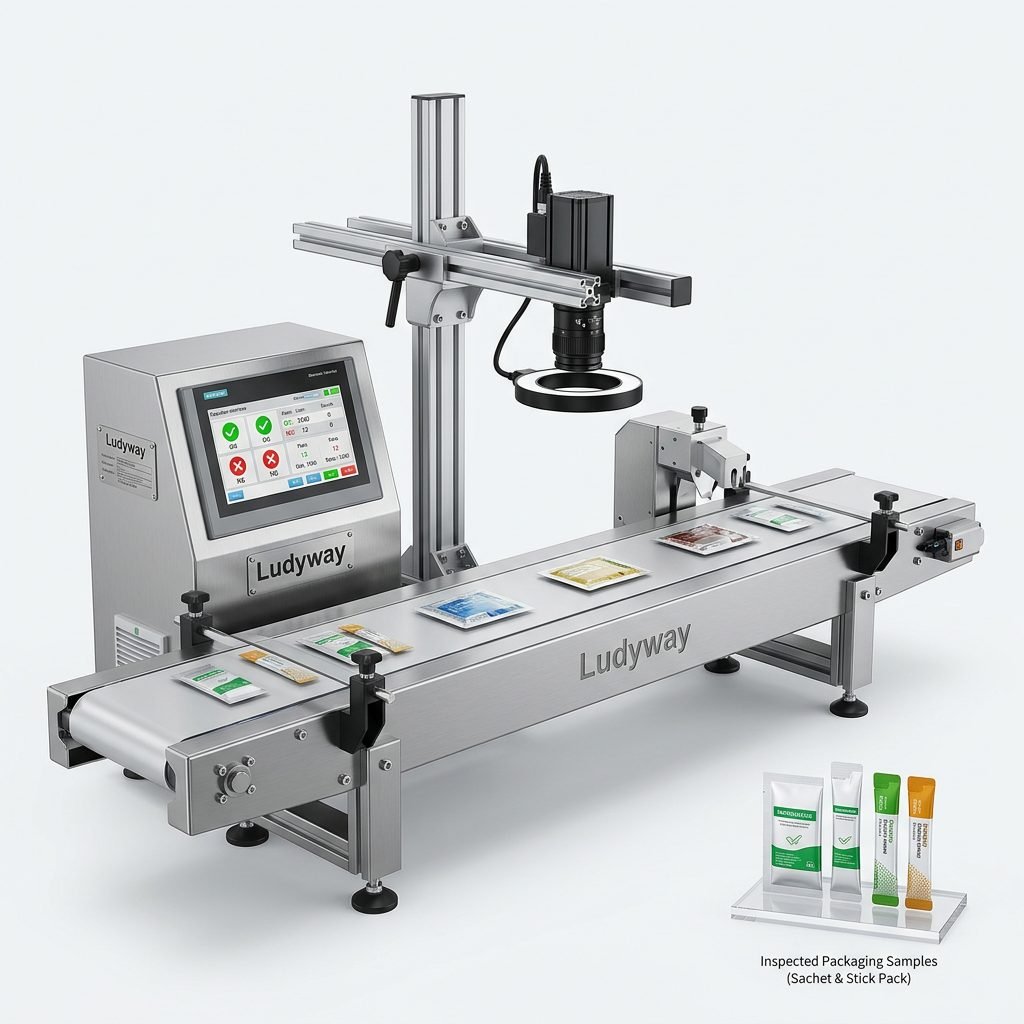
Establishing a fish packaging machine production line in Asia requires a thorough understanding of regional market dynamics, regulatory standards, and the right equipment configurations. The Asian seafood processing sector is expanding rapidly, driven by rising domestic consumption and robust export demand. Selecting appropriate packaging lines can significantly impact product shelf life, operational efficiency, and overall profitability.
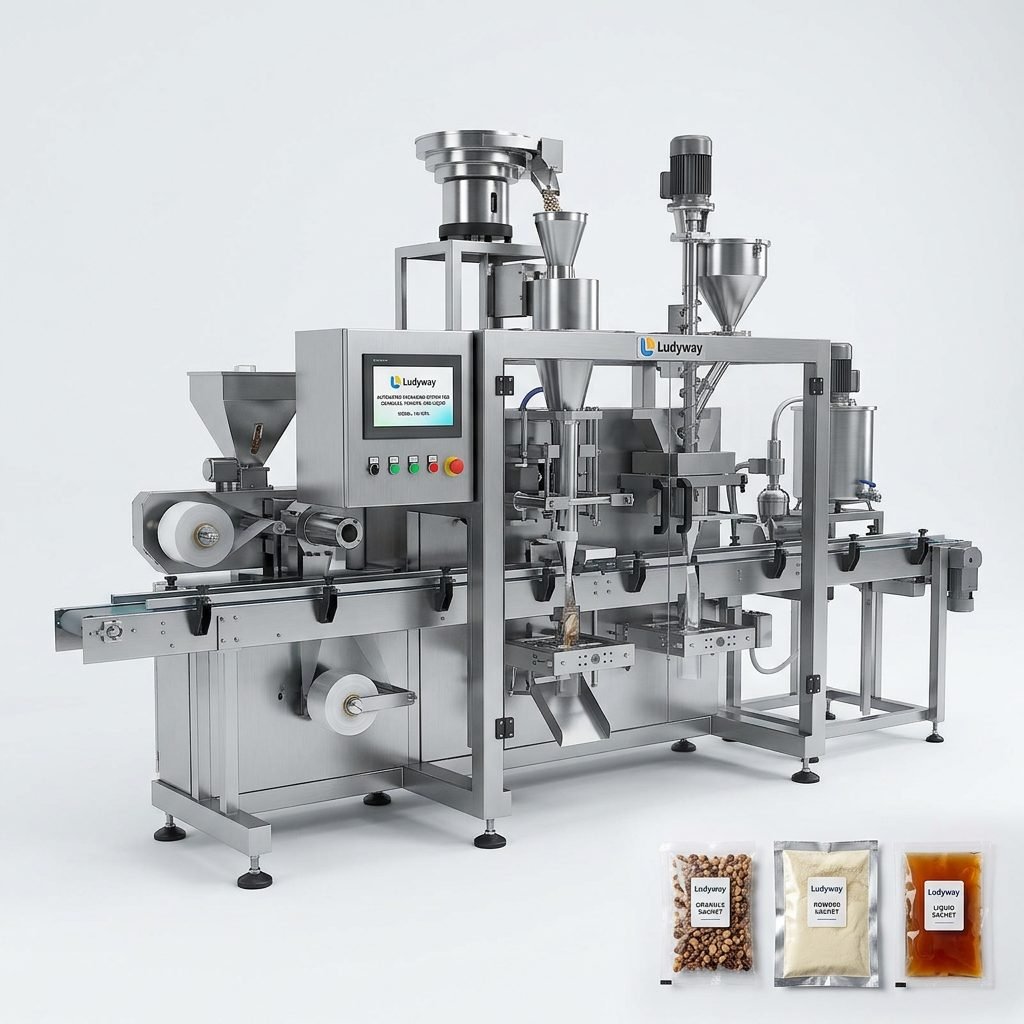
Understanding Regional Production Requirements
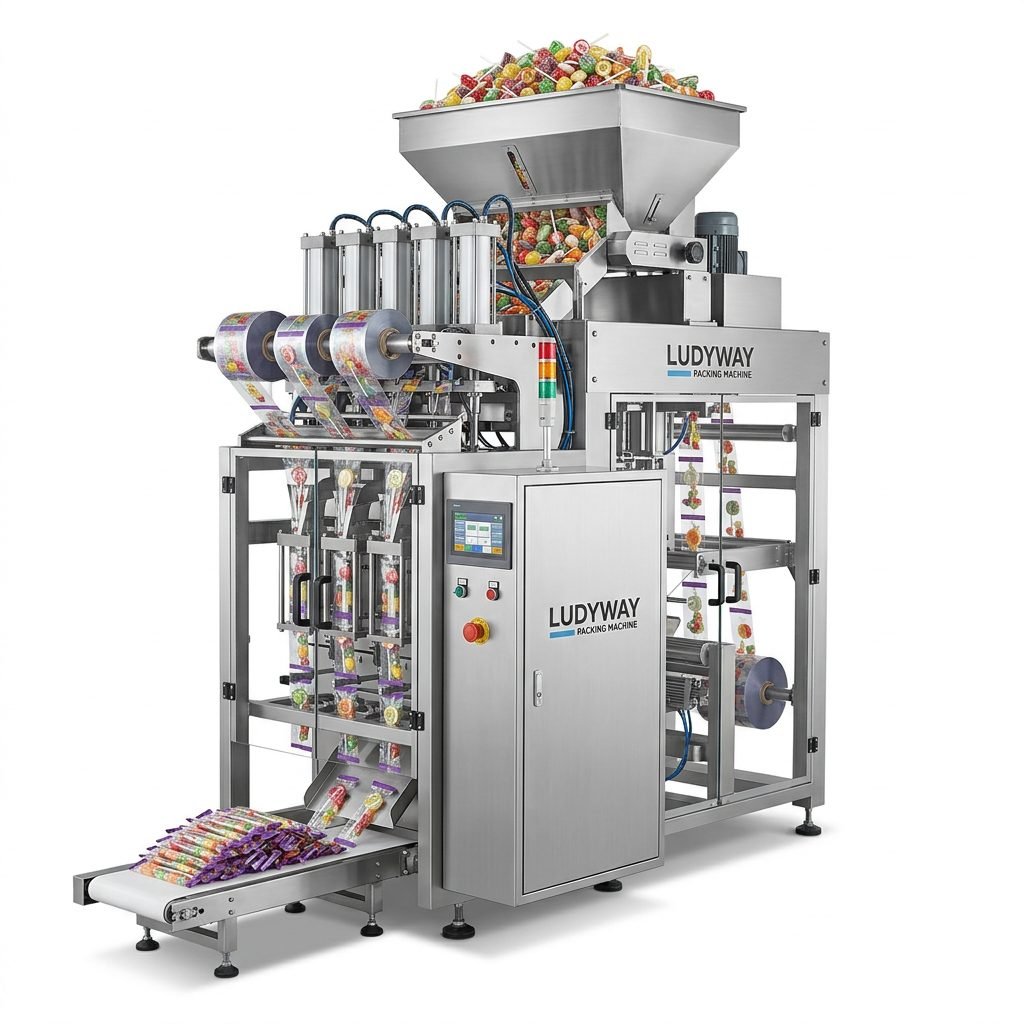
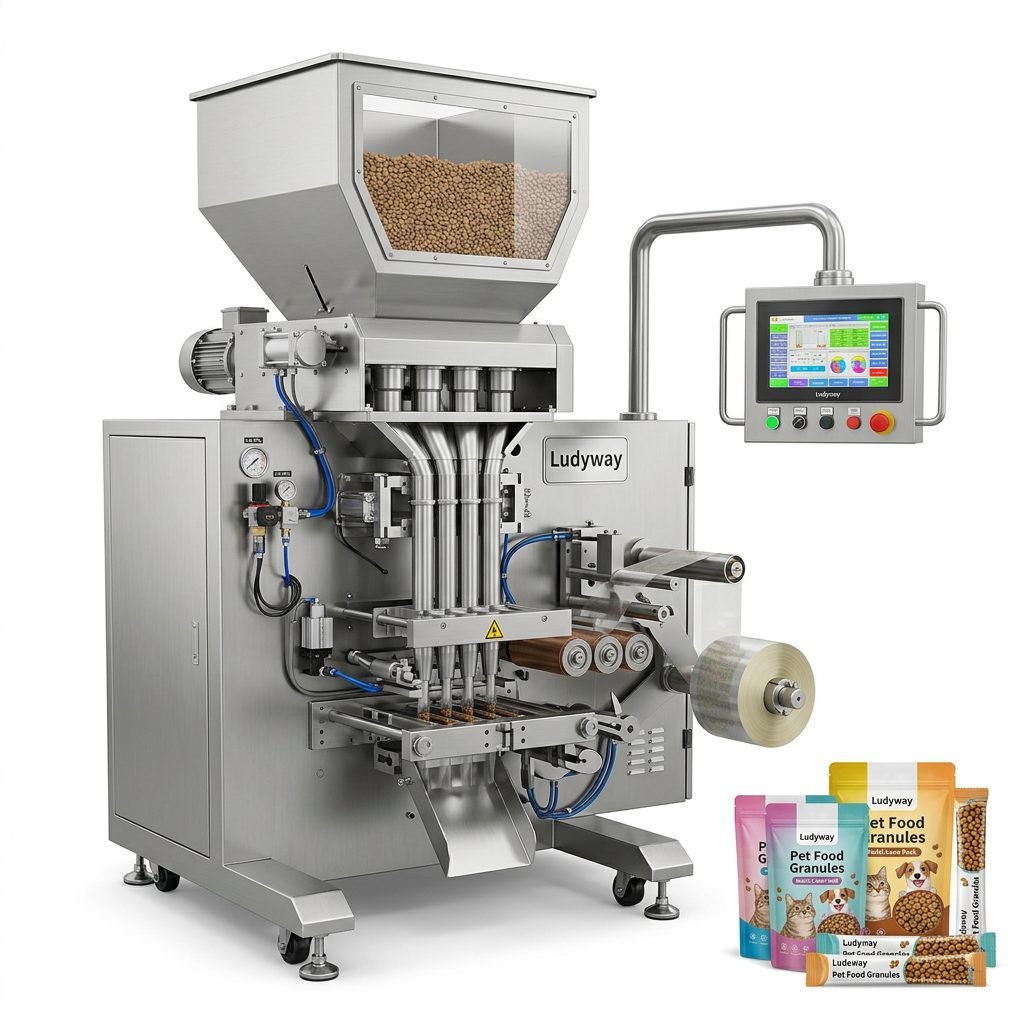
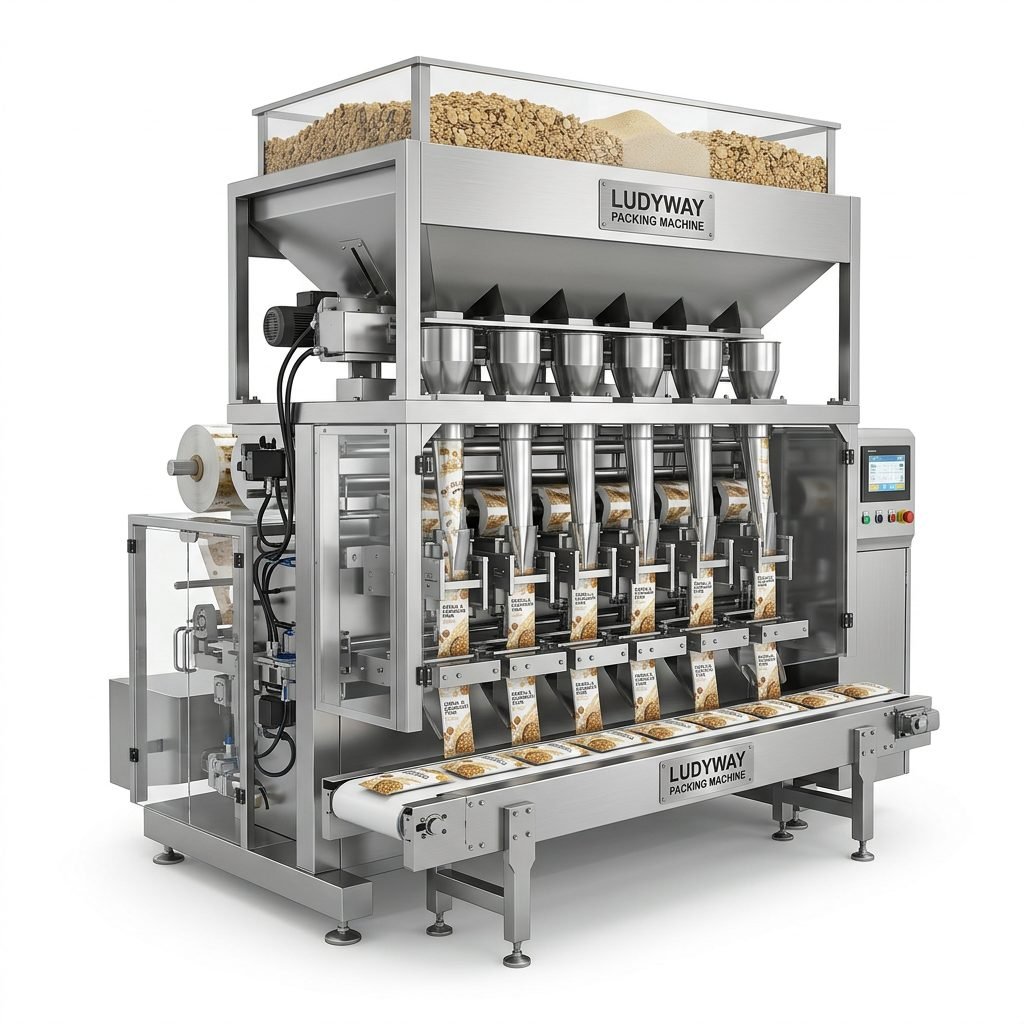
Before investing in machinery, you must assess the specific needs of your target market. Shelf-life extension is a primary concern for fresh and frozen fish products across Southeast Asia. Packaging formats vary greatly depending on whether you are handling whole fish, fillets, or processed seafood snacks. The integration of multi-lane packaging machine technology can drastically increase throughput for high-volume operations.
Key Factors for Equipment Selection
- Product type: Fresh, frozen, dried, or processed fish requires different sealing and film materials.
- Production capacity: Small-scale fisheries need compact units, while industrial exporters require fully automated systems.
- Climate control: Equipment must withstand the high humidity and temperature variations common in tropical Asian environments.
Core Machinery for Fish Packaging Lines
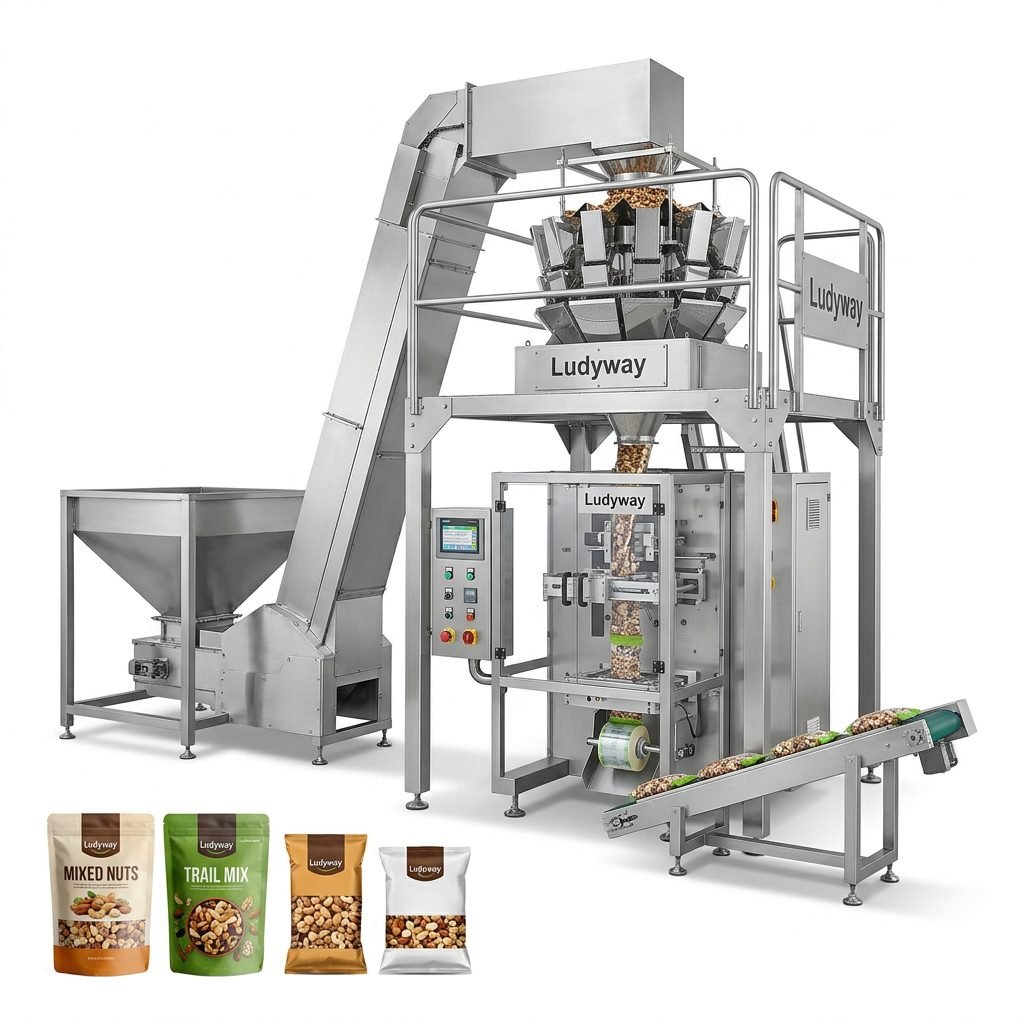
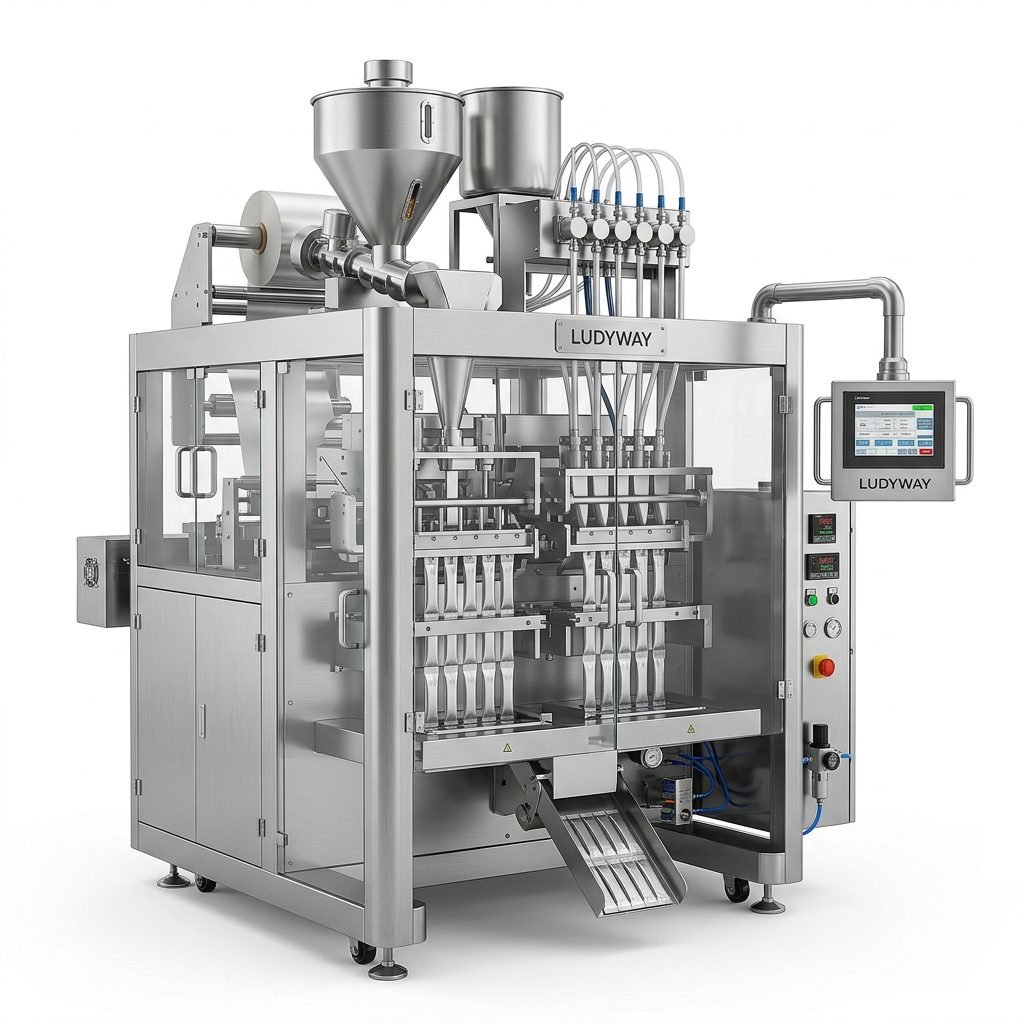
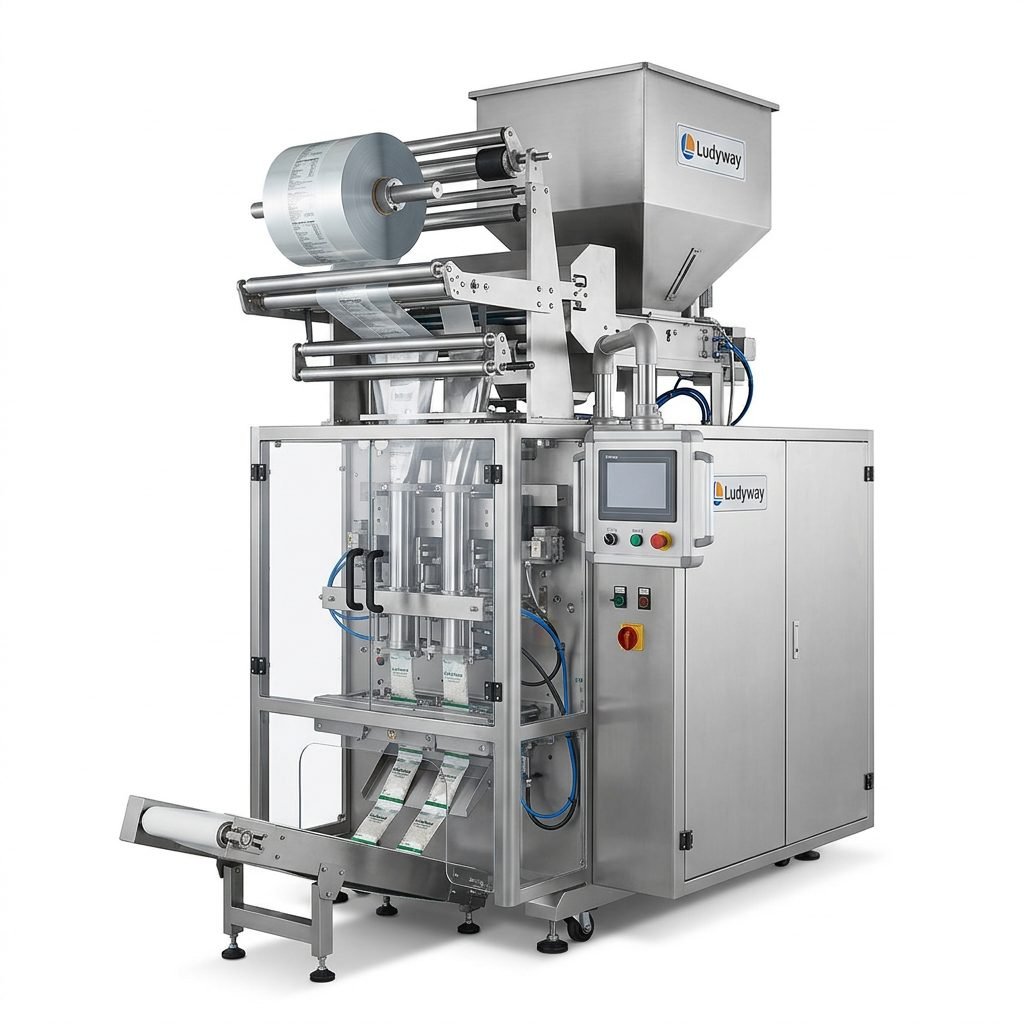
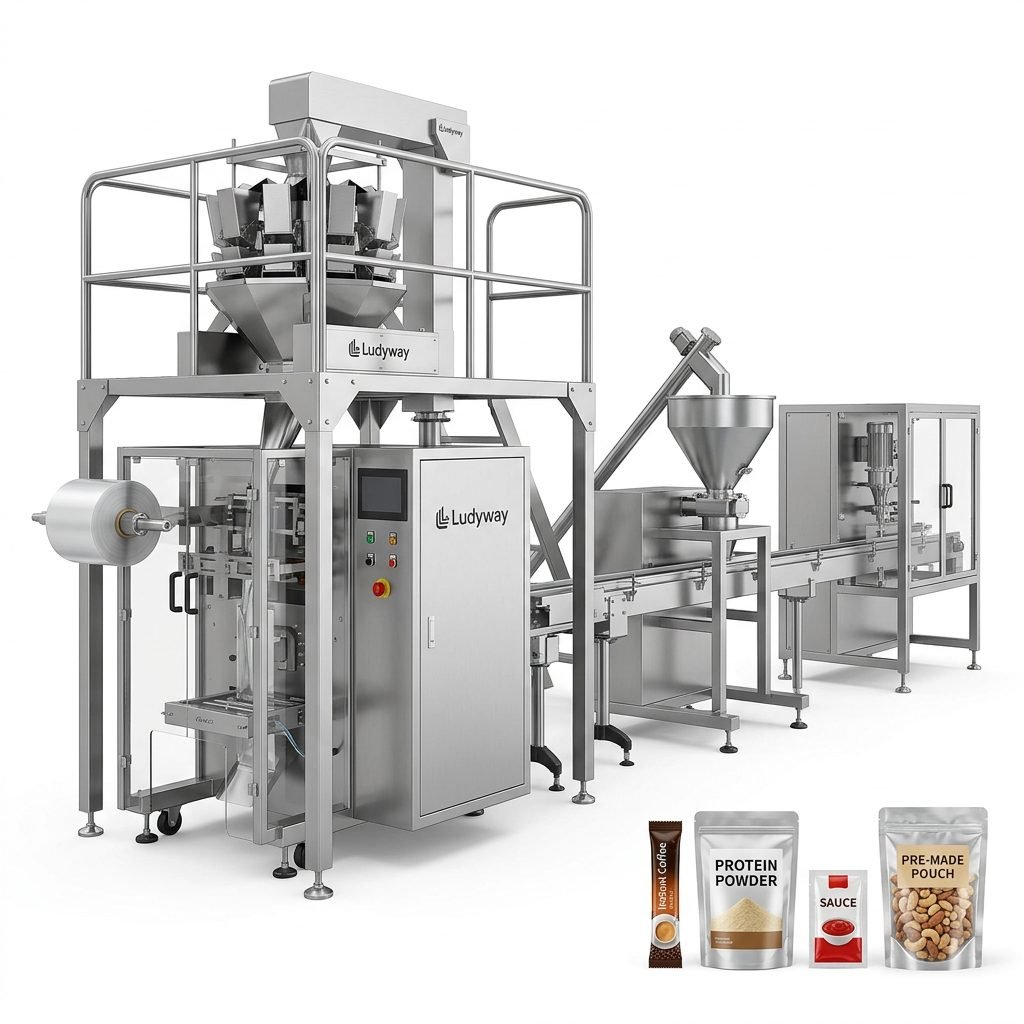
A standard line typically includes weighing, filling, sealing, and labeling stations. For granular and powdered fish products like fish meal or seasonings, vertical form fill seal (VFFS) machines are the industry standard. Sachet packaging machine models offer flexibility for single-serve condiments or sauces often paired with processed fish.
Automation and Turnkey Packaging Solutions
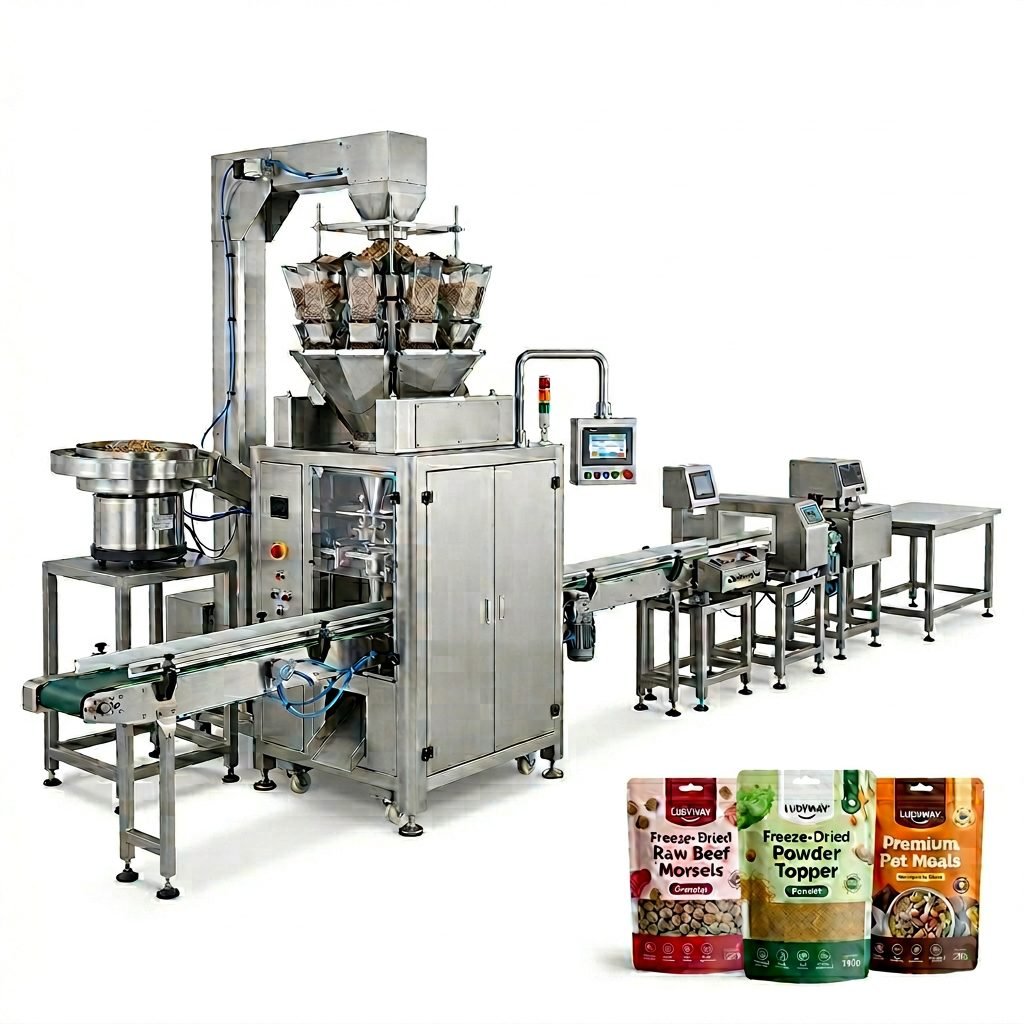
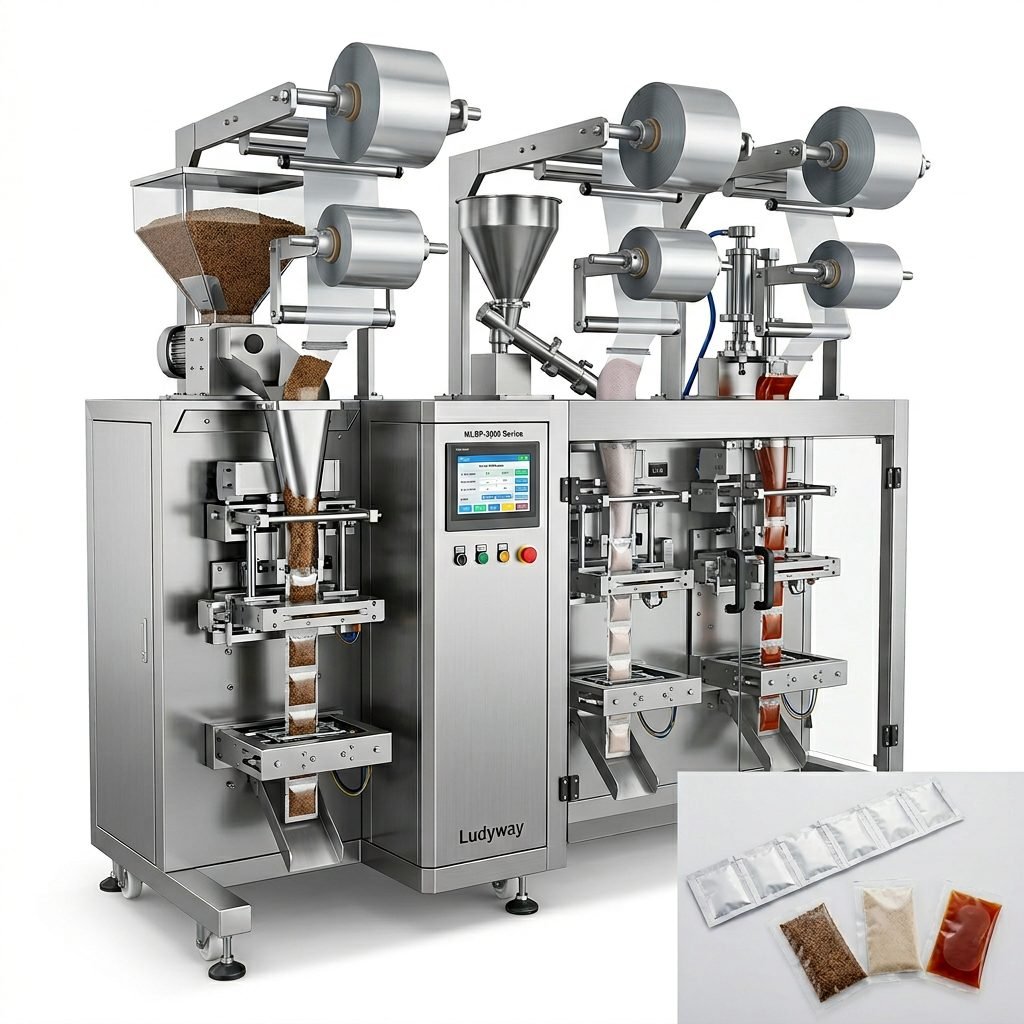
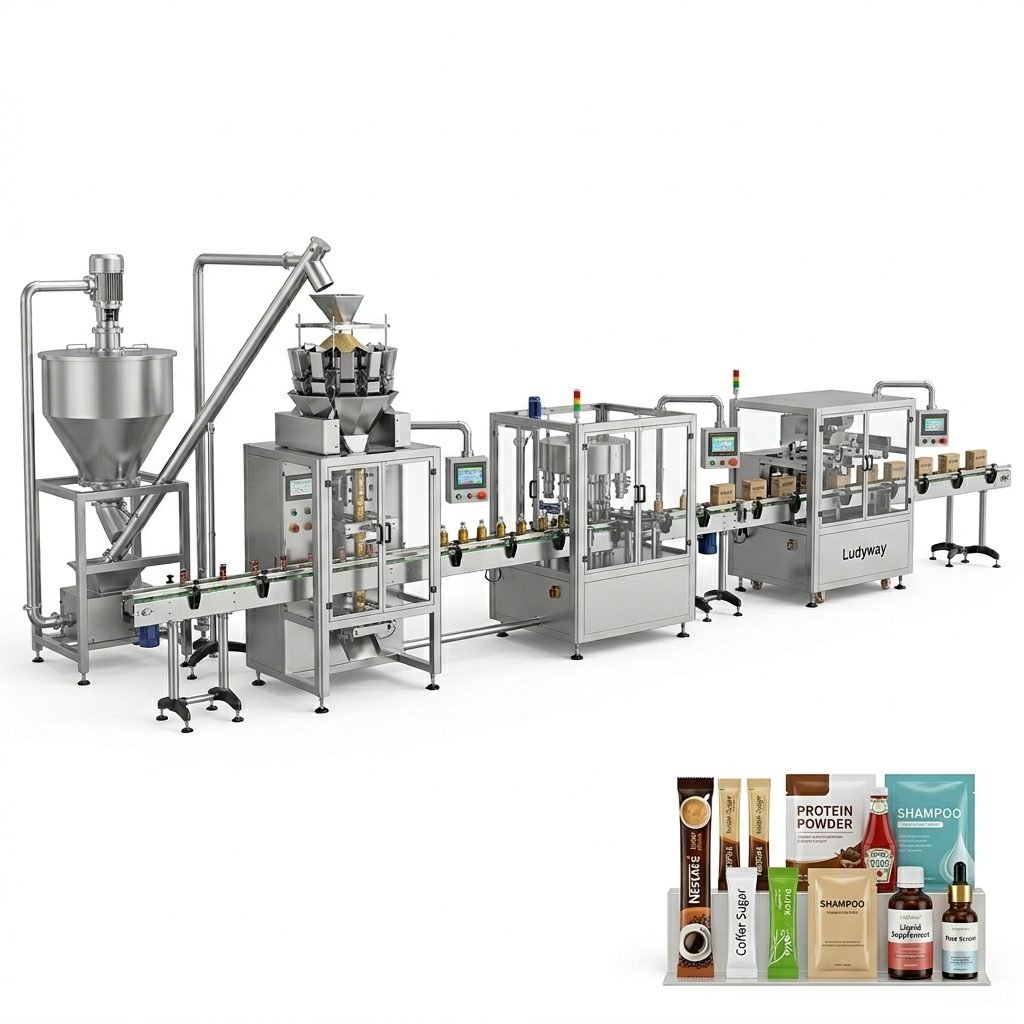
Modern Asian facilities are rapidly moving toward turnkey packaging lines that minimize human intervention. These systems combine multi-head weighers, baggers, cartoners, and palletizers into a seamless flow. For businesses handling diverse fish products—from granules and powders to liquids—a custom packaging lines configuration ensures compatibility across all SKUs.
Advantages of Turnkey Integration
| Feature | Benefit |
|---|---|
| Single-Source Responsibility | Simplified after-sales service and unified control systems. |
| Optimized Footprint | Reduces floor space requirements in crowded Asian manufacturing hubs. |
| Data Synchronization | Real-time production monitoring for inventory and quality control. |
Material Compatibility and Film Selection
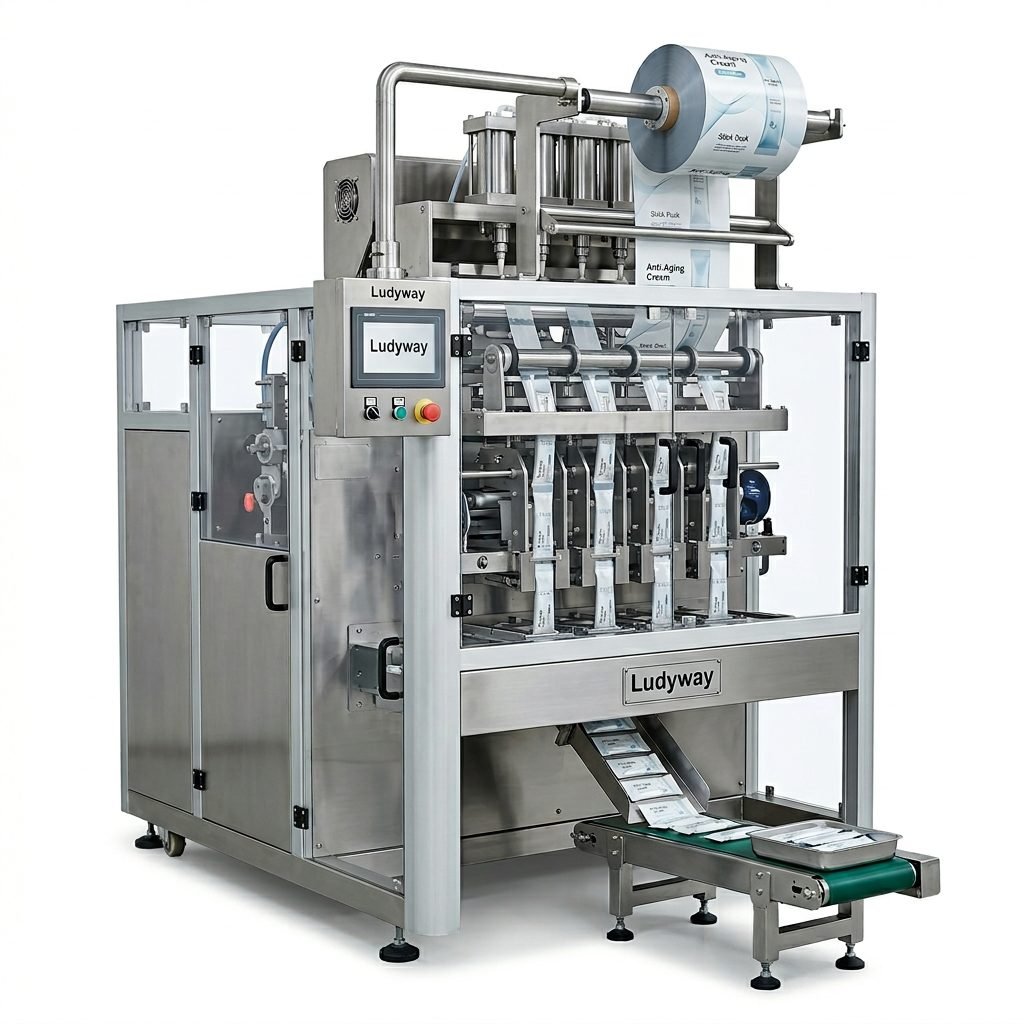
Choosing the right packaging film is just as critical as the machinery itself. High-barrier laminated films protect against oxygen and moisture, which are major causes of spoilage for dried fish and seafood powders. Look for equipment compatible with biodegradable materials, as Asia increasingly adopts sustainable packaging mandates. The efficiency of your stick pack packaging machine often depends on the quality and consistency of the laminates used.
Regulatory Compliance in Asia
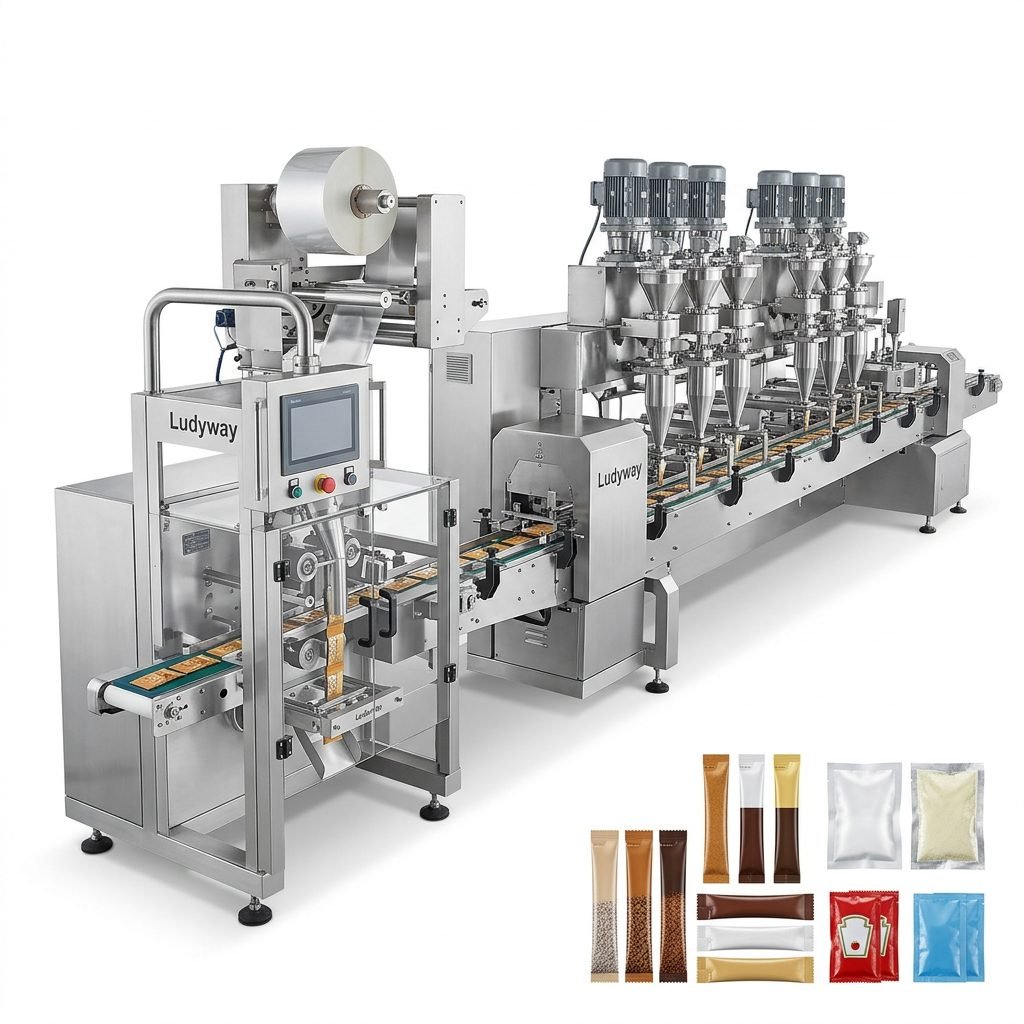
Export-oriented production lines must adhere to international standards such as FDA, EU, and specific Asian regulations like Japan’s JFS standards or China’s GB standards. Equipment should be constructed with food-grade stainless steel (SUS304 or SUS316) and designed for easy sanitation. Partnering with a manufacturer well-versed in global compliance helps avoid costly rejections at customs.
Essential Machine Certifications
- CE Marking for European market access.
- ISO 9001:2015 for quality management systems.
- HACCP-compatible design for food safety management.
- GMA-Safe or equivalent for hygienic construction.
Optimizing Production Flow for Seafood Products
Efficient layout planning prevents cross-contamination and bottlenecks. Raw material handling should be separated from finished goods packaging. Incorporating automated conveying and robotic palletizing systems can dramatically reduce labor costs, which is a growing concern in Asian manufacturing economies. A well-designed packaging line minimizes product loss during powder packaging machine operations for fish meal.
Installation, Training, and After-Sales Support
The complexity of setting up a production line in Asia often lies in logistics and skilled labor availability. Remote troubleshooting capabilities and local technical support are invaluable for minimizing downtime. When sourcing from a major manufacturer like Ludyway, you often benefit from comprehensive installation guidance and operator training programs that accelerate the ramp-up phase.
Maintenance Strategies for Long-Term Reliability
Preventative maintenance is non-negotiable in the humid Asian climate. Scheduled lubrication and regular inspection of sealing jaws, belts, and sensors prevent unexpected failures. Keeping a critical spare parts inventory on-site is particularly important for facilities located on remote islands or coastal areas where shipping can be delayed.
Recommended Spare Parts Inventory
- Heating elements and thermocouples for sealing.
- Forming tubes and shoulder sets for different bag sizes.
- Drive belts, timing belts, and pneumatic seals.
- Photoelectric sensors and proximity switches.
- Filling augers and dosing cups for powder and granule lines.
Cost Analysis and Return on Investment
While advanced automation requires a higher initial capital outlay, the reduction in product giveaway and labor expenses typically yields a return on investment within 18 to 24 months. When evaluating proposals, consider the total cost of ownership, including energy consumption, film waste rates, and maintenance contracts.
Future Trends in Asian Fish Packaging
The industry is moving toward smart packaging with QR codes for traceability, modified atmosphere packaging (MAP) for extended freshness, and robotics for end-of-line tasks. Staying ahead requires flexible machinery that can handle both traditional and emerging packaging formats without extensive retooling.
Selecting Your Technology Partner
Choosing the right equipment supplier is the most critical decision in establishing a successful packaging line in Asia. Look for partners with a proven track record in food-grade machinery, regional service hubs, and the engineering capability to customize solutions for your specific fish products. A manufacturer offering extensive testing capabilities before shipment helps ensure your product runs perfectly on the granule packaging machine and other selected equipment.
For further insights on packaging machinery trends and industry data, refer to resources from PMMI – The Association for Packaging and Processing Technologies or explore sustainability guidelines from the Flexible Packaging Association.