The edible oil industry in Africa is experiencing unprecedented growth. With a rising population, increasing urbanization, and changing dietary habits, the demand for packaged cooking oil has surged across the continent. Setting up an edible oil packaging machine production line in Africa presents a lucrative opportunity for investors and manufacturers. However, success depends on careful planning, the right equipment selection, and understanding local market conditions. This guide walks you through every step of the process.
Understanding the African Edible Oil Market
Africa’s edible oil market is projected to grow at a CAGR of over 5% in the coming decade. Countries such as Nigeria, Ethiopia, Kenya, Ghana, and Tanzania are leading consumers. Palm oil, soybean oil, sunflower oil, and groundnut oil dominate the market. The shift from loose oil to branded packaged oil is accelerating, driven by health awareness and convenience. This transition creates a massive need for reliable edible oil packaging machines and complete production lines.
Key Steps to Set Up Your Packaging Line
1. Conducting Market Research and Feasibility Analysis
Before investing in machinery, understand your target market. Identify which oil types are in demand, the preferred packaging formats, and price sensitivity. In many African countries, small sachet packs (25ml to 100ml) are extremely popular due to affordability. Bottles ranging from 500ml to 5 liters are also common for household consumption. Your product mix will determine the type of packaging line you need.
2. Selecting the Right Packaging Format
Edible oil can be packaged in various formats. The most common options in Africa include:
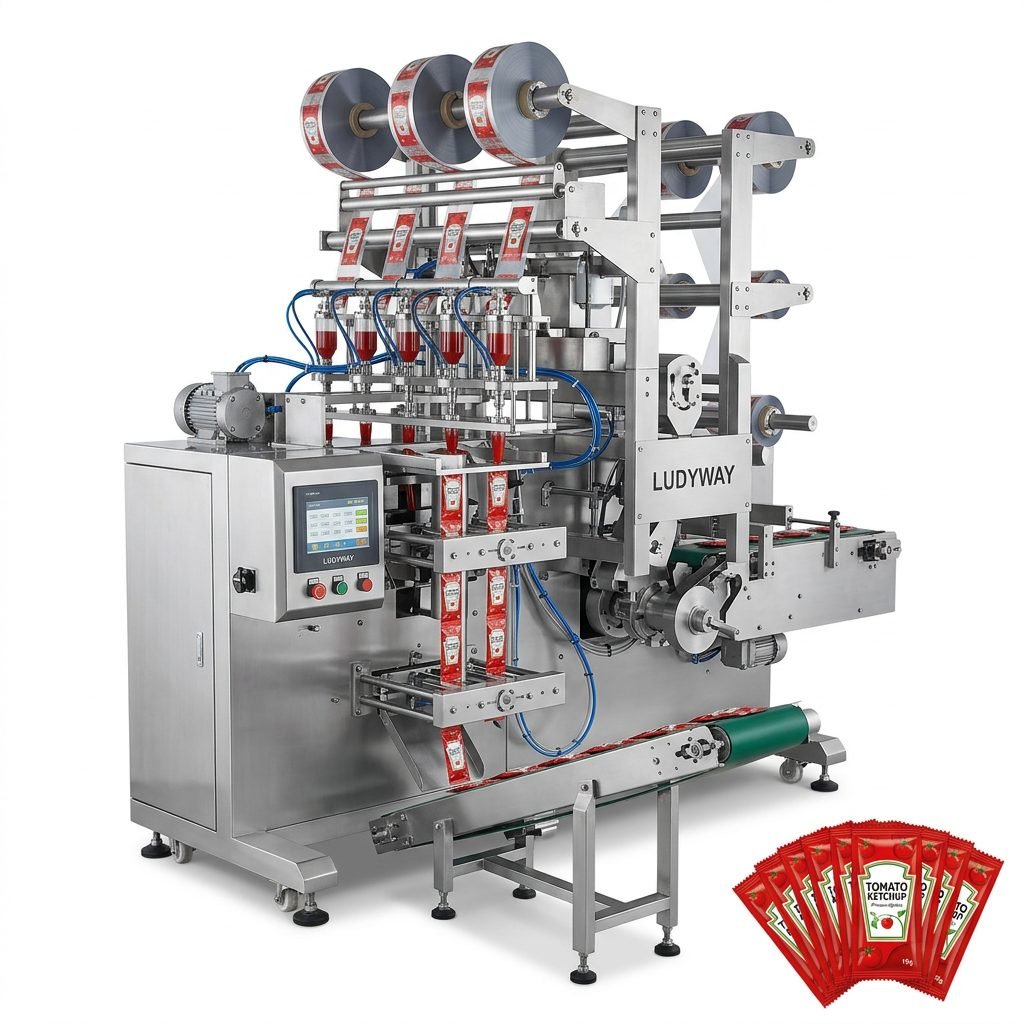
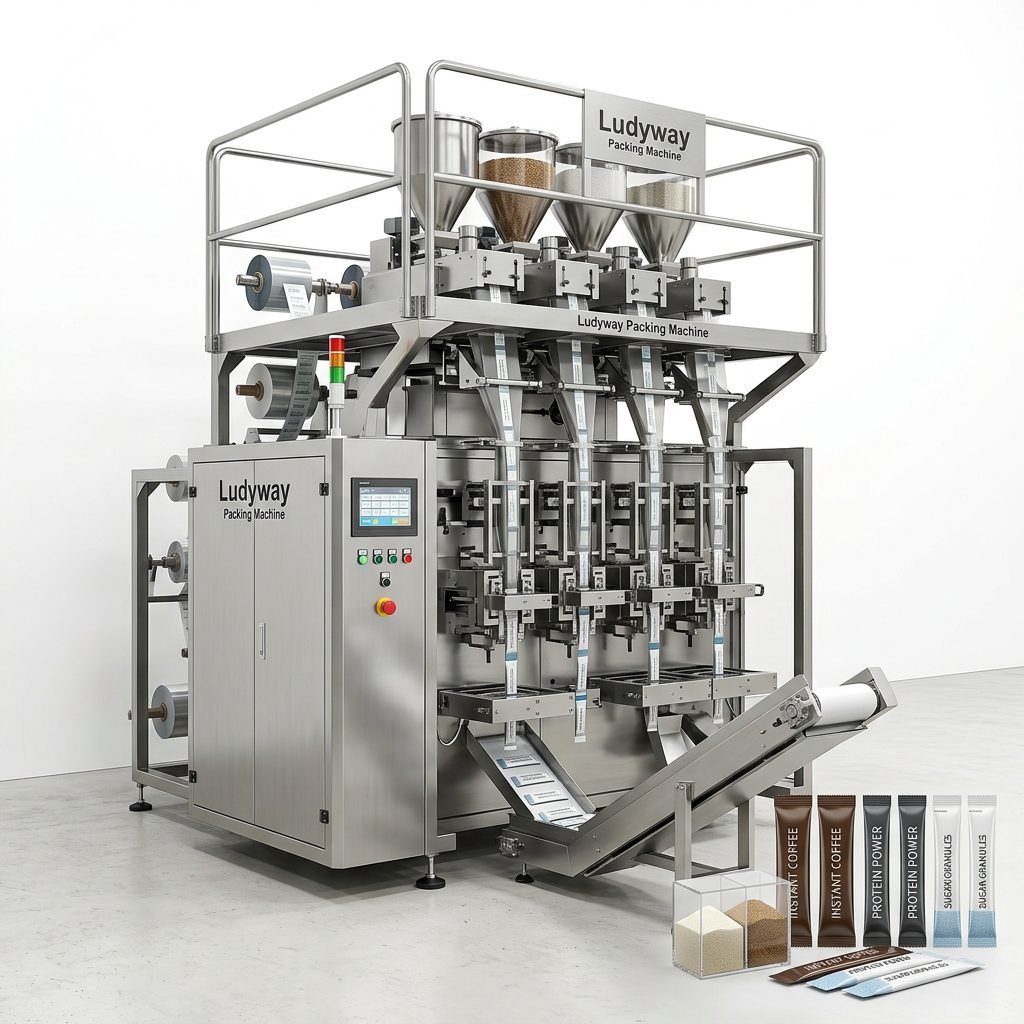
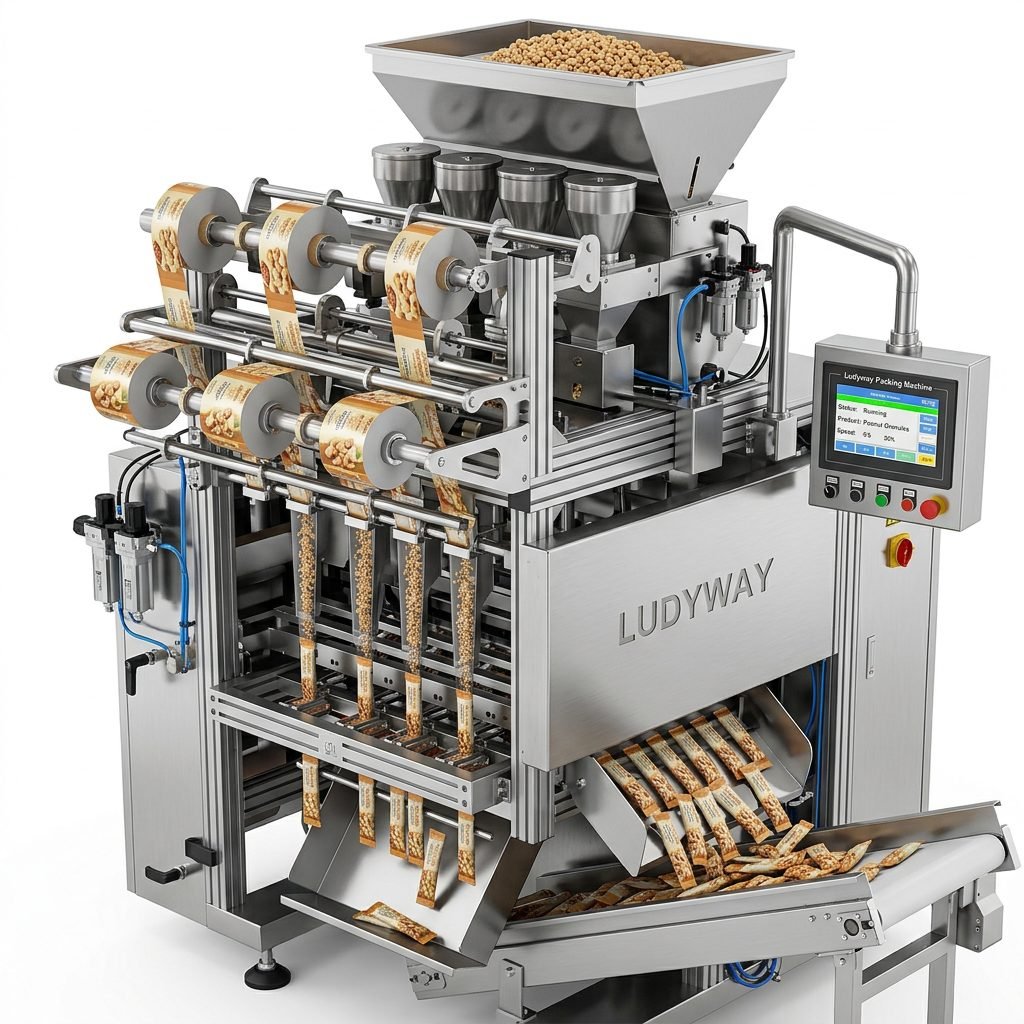
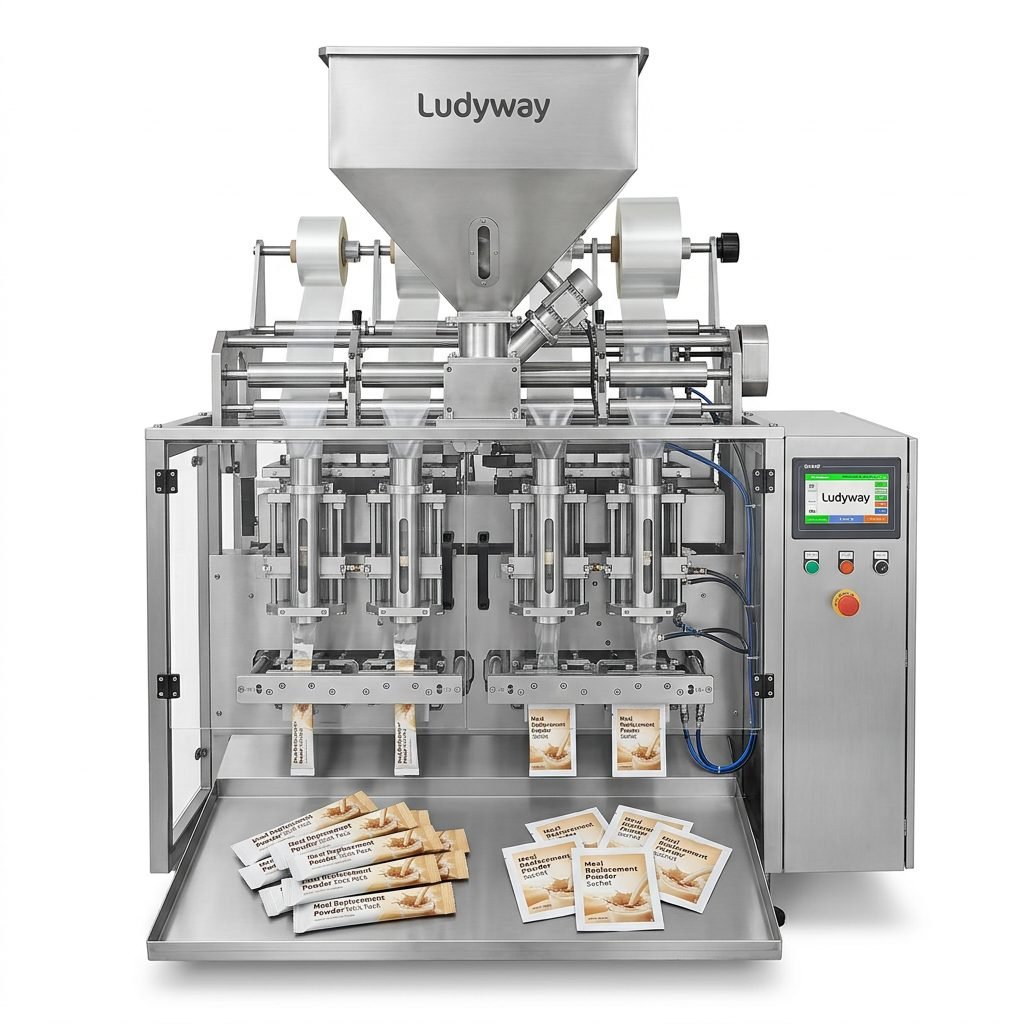
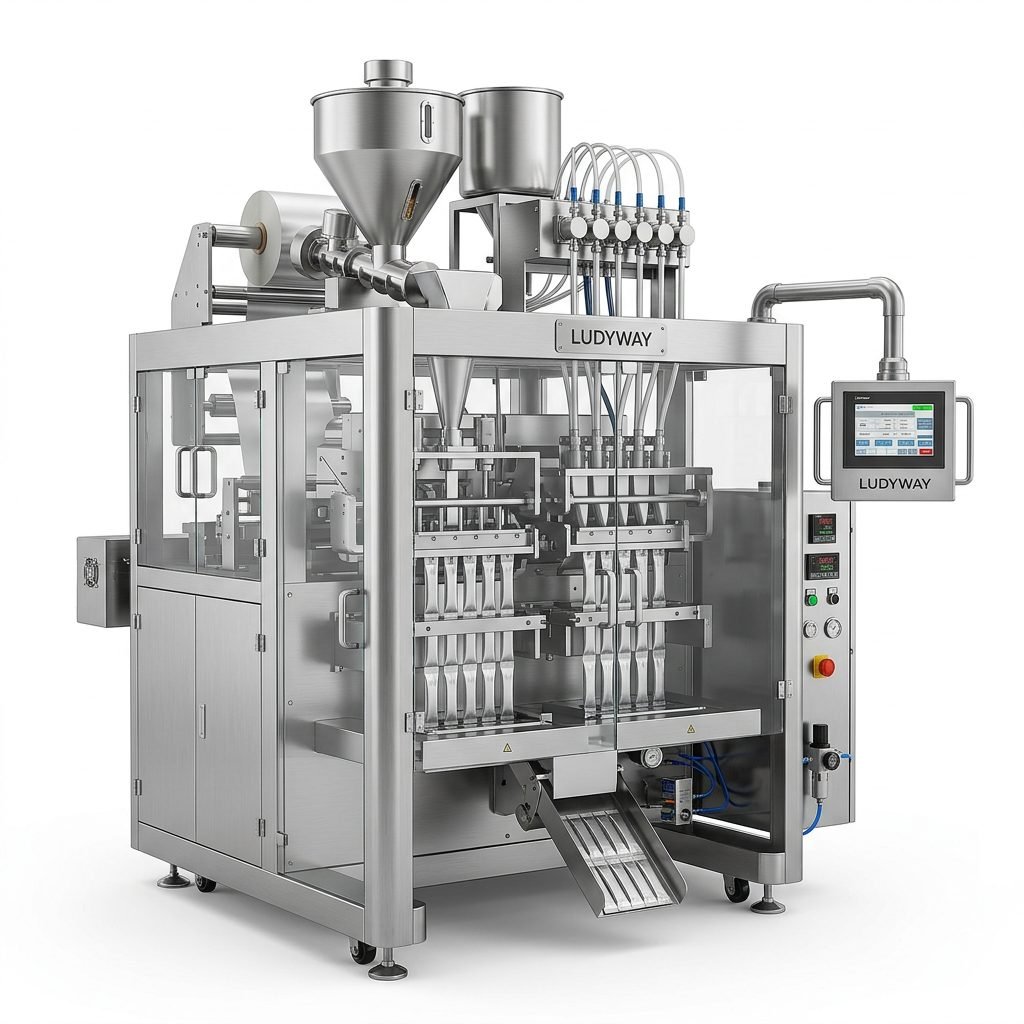
- Sachets and stick packs — ideal for low-income consumers, single-use portions
- Pouches and pillow bags — cost-effective with good shelf appeal, popular for mid-range products
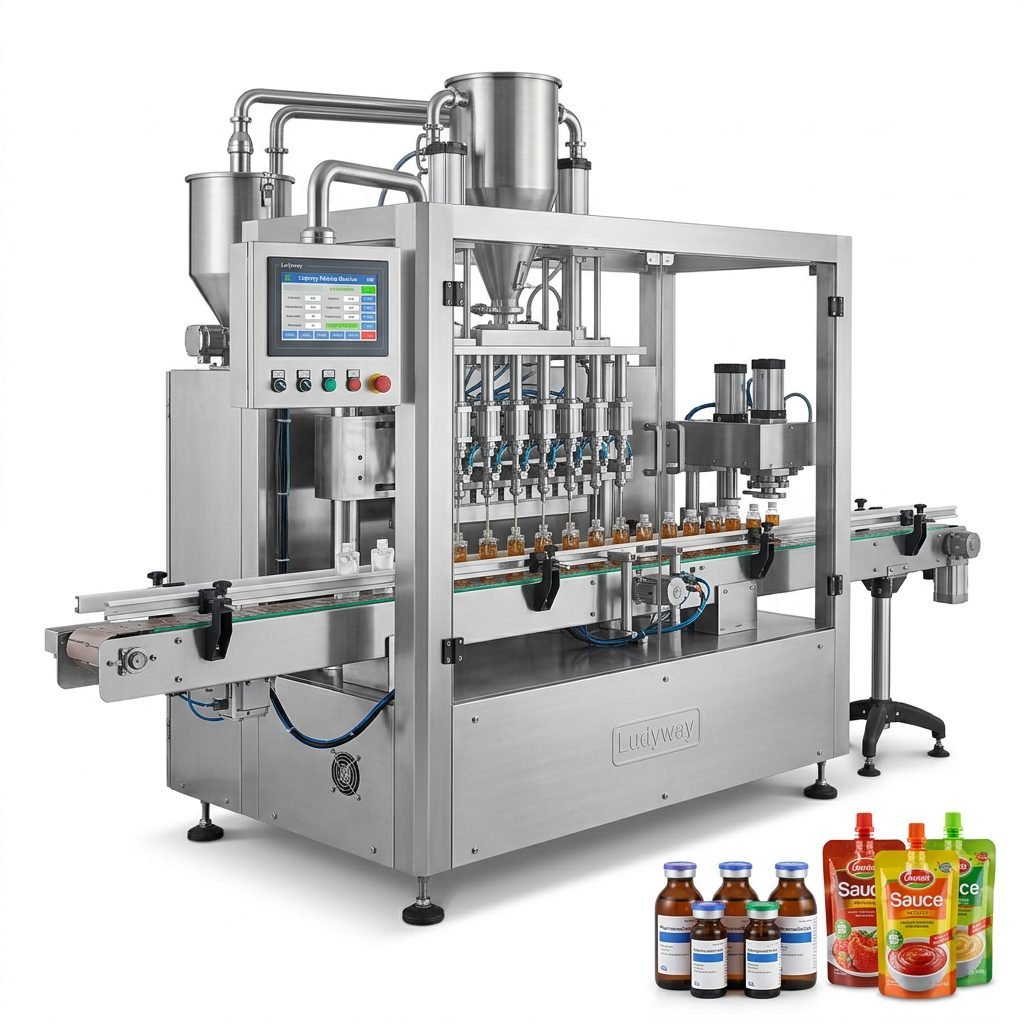
- PET and HDPE bottles — preferred for premium cooking oils, reusable, and visually appealing on retail shelves
- Jerry cans and bulk containers — for institutional buyers, restaurants, and food processing industries

3. Choosing Equipment Based on Production Capacity
Your target daily output dictates the level of automation required. A small-scale operation might need a semi-automatic filling machine producing 500 to 1,000 units per hour. A medium-scale plant may require fully automatic multi-lane sachet machines capable of 3,000 to 8,000 packs per hour. Large industrial operations demand integrated turnkey lines with capacities exceeding 15,000 units per hour. Matching capacity to realistic sales projections prevents costly over-investment or under-capacity bottlenecks.
4. Sourcing Reliable Packaging Machinery
Quality matters. European and Chinese manufacturers dominate the global packaging machinery market. Chinese manufacturers offer an excellent balance of cost-effectiveness and reliability, making them a popular choice for African businesses. When evaluating suppliers, consider machine durability, ease of operation, availability of spare parts, and after-sales technical support. A supplier with a strong track record in emerging markets is invaluable.
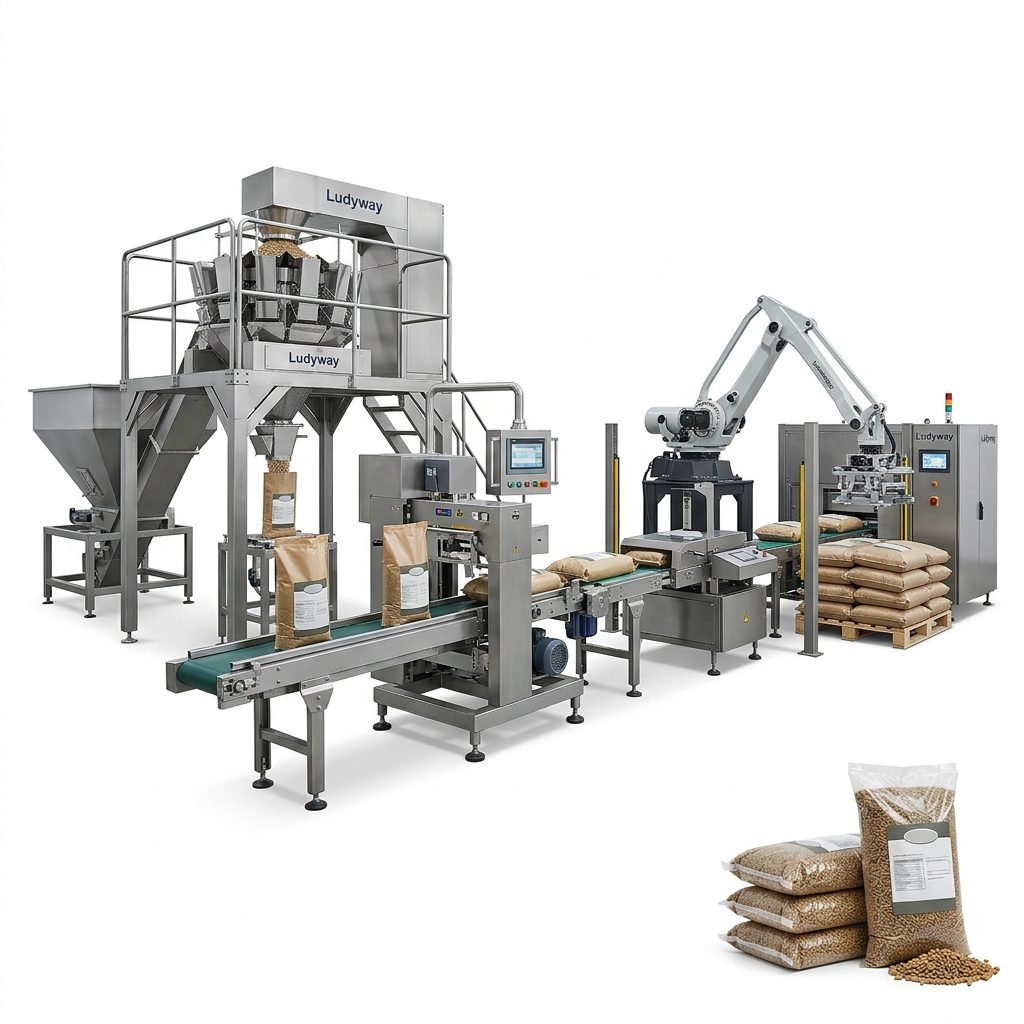
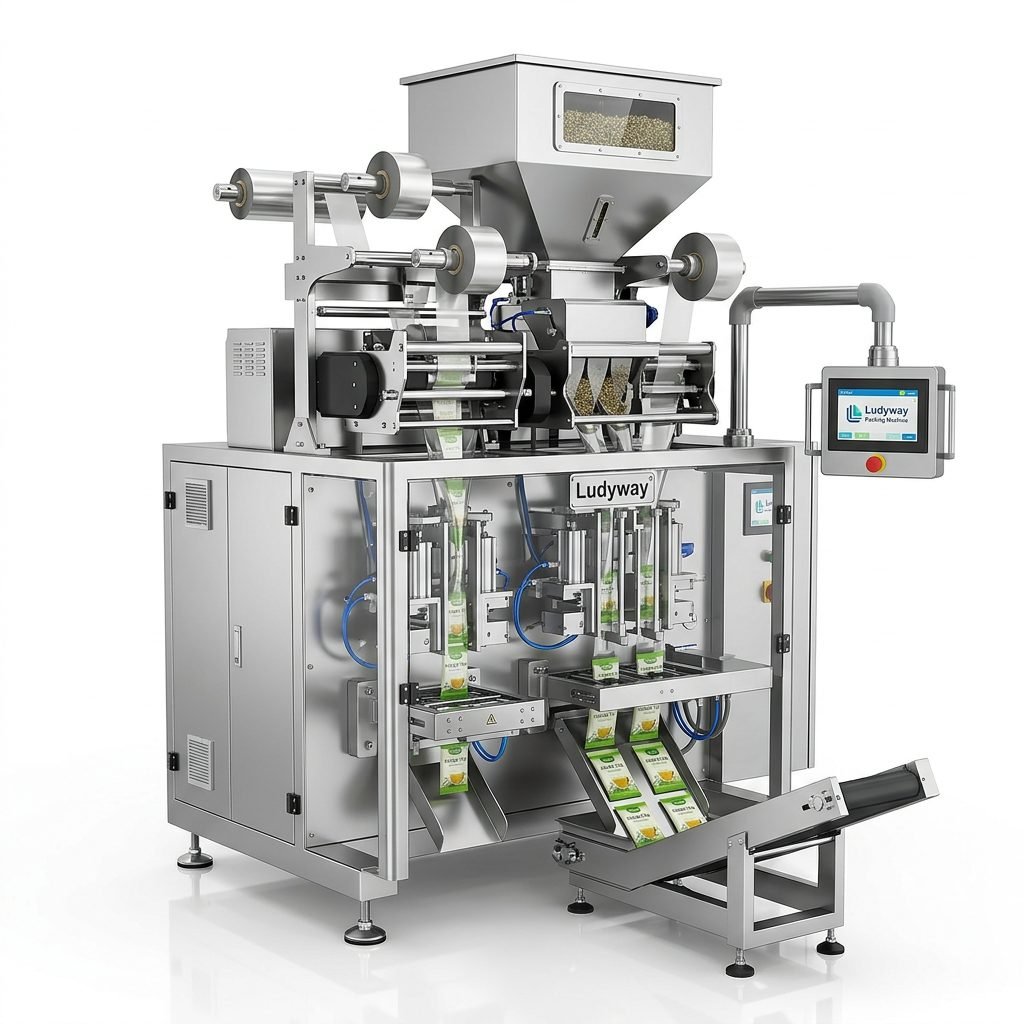
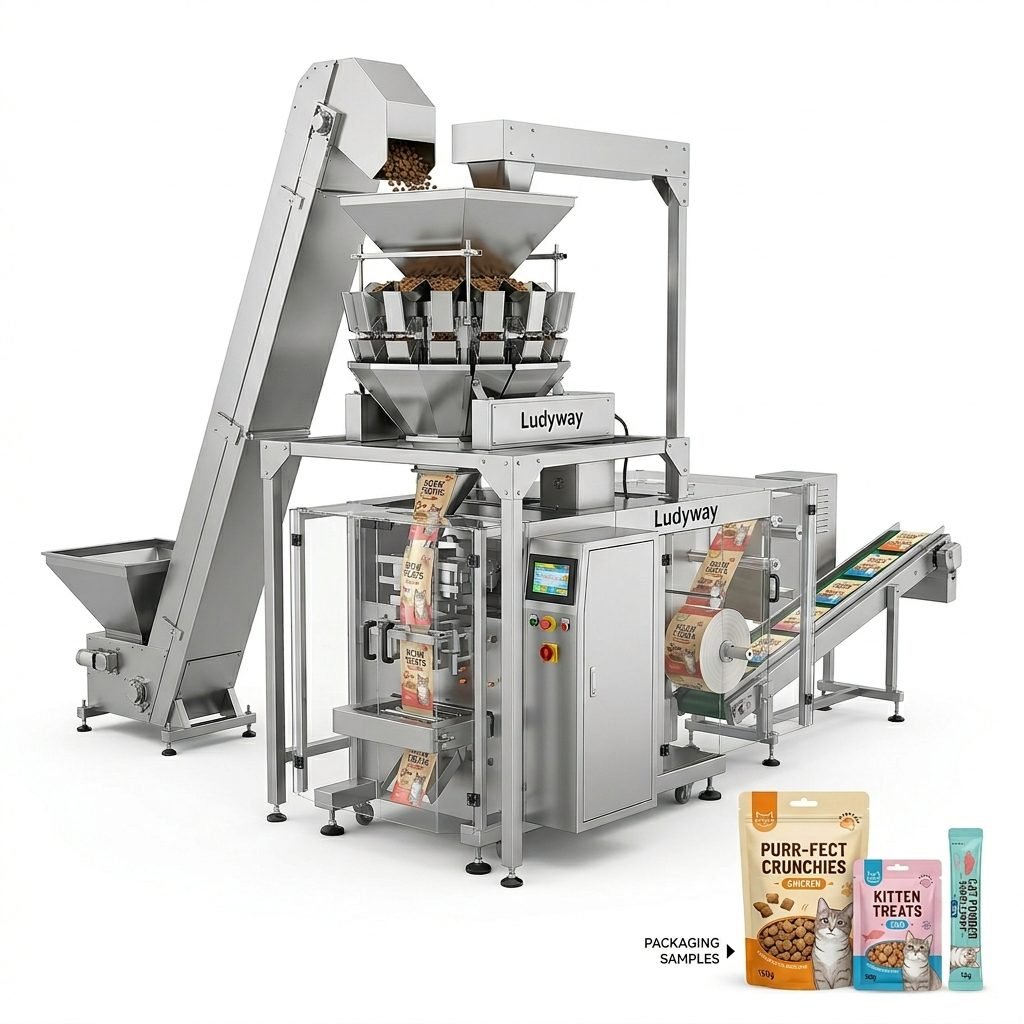
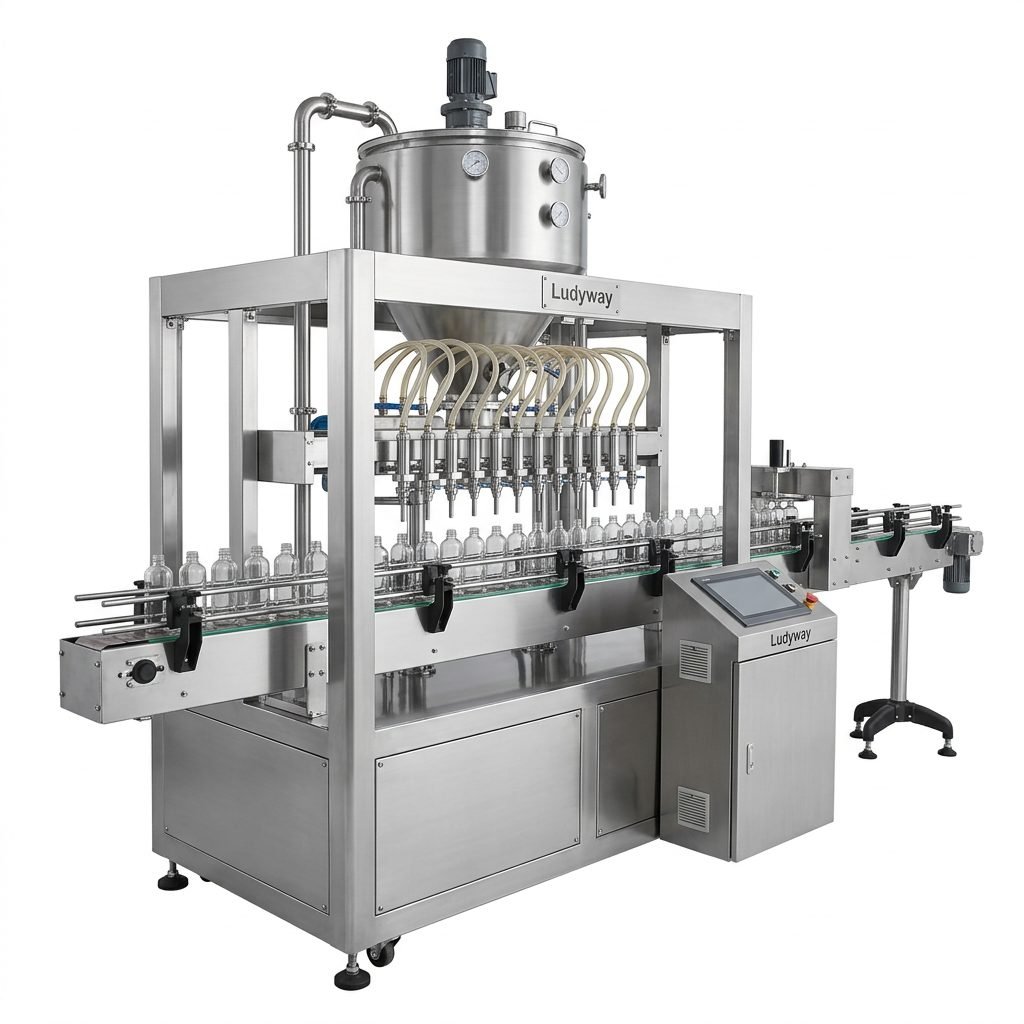
One notable manufacturer is Ludyway, a leading packaging machine provider with over 30 years of experience and a presence in more than 100 countries. Their expertise in turnkey packaging solutions spans granule, powder, and liquid applications, including edible oil filling and sealing systems suitable for diverse African market needs.
5. Factory Layout and Infrastructure Planning
Your production facility must meet food-grade standards. Key considerations include:
- Adequate floor space for machinery, raw material storage, and finished goods warehousing
- Clean, dust-free environment with proper ventilation
- Stable electricity supply — consider backup generators as power fluctuations are common in many African regions
- Clean water source for cleaning and sanitation
- Proper drainage systems to handle oil spillage
- Compliance with local food safety regulations
Cost Breakdown for an Edible Oil Packaging Line
Understanding the investment required helps with budgeting and securing financing. The total cost varies significantly based on automation level and production capacity. Below is an approximate cost breakdown for different scales of operation in the African context:
| Scale of Operation | Monthly Capacity | Estimated Equipment Cost (USD) | Key Machinery Included |
|---|---|---|---|
| Small Scale | Up to 50,000 liters | $15,000 – $40,000 | Semi-auto filler, manual capper, basic labeling |
| Medium Scale | 50,000 – 200,000 liters | $50,000 – $150,000 | Auto filling line, capping, labeling, coding, multi-lane sachet machine |
| Large Scale | 200,000+ liters | $200,000 – $600,000+ | Full turnkey line, bottle filling, pouch packing, cartoning, palletizing |
Regulatory and Quality Compliance in Africa
Each African country has its own food safety authority. NAFDAC in Nigeria, FDA in Ghana, KEBS in Kenya, and SON in Tanzania all regulate edible oil packaging. Key requirements typically include:
- Product registration and batch certification
- Accurate labeling with nutritional information, production date, and expiry
- Tamper-evident packaging for consumer safety
- Compliance with ISO packaging standards for food contact materials
- Regular quality testing for oil purity and packaging integrity
Packaging Material Sourcing
Packaging materials represent a significant recurring cost. In Africa, sourcing can be challenging. Options include:
- Local procurement — reduces shipping costs and lead times but quality may vary
- Importing from Asia — offers competitive pricing and consistent quality for laminates, films, and preforms
- Hybrid approach — source locally available materials while importing specialized packaging films
Common materials for edible oil packaging include PET bottles, multilayer laminated films for sachets, and BOPP/LDPE pouches. Each material requires specific sealing parameters that your machinery must support.

Workforce Training and Technical Support
Operating a packaging line requires trained personnel. Invest in comprehensive training programs covering machine operation, troubleshooting, maintenance, and safety protocols. Many equipment suppliers offer on-site installation and training as part of their service package. Establish a relationship with a provider that offers reliable remote technical support and readily available spare parts — this is especially important in Africa, where downtime can severely impact business continuity.
Logistics and Distribution Strategy
Your packaging line setup must align with your distribution model. Consider these factors:
- Packaging durability — products traveling long distances on rough roads need robust packaging that resists leakage and damage
- Shelf life requirements — proper sealing and barrier properties prevent oxidation and rancidity
- Storage conditions — high temperatures in many African regions accelerate oil degradation; UV-protective packaging may be necessary
- Retail channel preferences — open markets, supermarkets, and convenience stores each favor different pack sizes
Common Challenges and Solutions
| Challenge | Impact | Recommended Solution |
|---|---|---|
| Power instability | Machine downtime, inconsistent production | Install voltage stabilizers and backup generators; consider machines with manual override options |
| Spare parts availability | Extended downtime when parts fail | Maintain critical spare parts inventory; partner with a supplier offering fast international shipping |
| High humidity and heat | Packaging material degradation, equipment corrosion | Use climate-controlled storage; select machinery with corrosion-resistant components |
| Skilled labor shortage | Operational errors, low efficiency | Invest in training programs; choose user-friendly machinery with intuitive controls |
Maintenance Best Practices
Preventive maintenance is critical for maximizing uptime and extending equipment lifespan. Establish a routine that includes:
- Daily cleaning of filling nozzles, sealing jaws, and conveyor surfaces
- Weekly inspection of pneumatic systems, belts, and chains
- Monthly lubrication of moving parts and calibration checks
- Quarterly comprehensive service by qualified technicians
- Maintaining a maintenance log to track issues and predict wear patterns
Financing Options for African Entrepreneurs
Funding a packaging line can be challenging. Explore these avenues:
- Development finance institutions — organizations like Afreximbank and the African Development Bank offer favorable loans for manufacturing projects
- Equipment leasing — some suppliers and financial institutions offer leasing options that reduce upfront capital requirements
- Government incentives — many African governments provide tax breaks and subsidies for local food processing and manufacturing
- Private equity and venture capital — increasingly available for scalable FMCG businesses in Africa
- Trade partnerships — co-investment with established brands or distributors
Future Trends in African Edible Oil Packaging
Stay ahead by anticipating market shifts. Emerging trends include eco-friendly packaging driven by consumer awareness, smaller pack sizes for the growing middle class, smart packaging with QR codes for traceability, and multi-lane high-speed systems that dramatically reduce per-unit costs. The packaging industry continues to evolve, and staying informed ensures long-term competitiveness.
Final Checklist Before Launch
Before starting production, verify the following:
- All machinery installed, tested, and calibrated for your specific oil viscosity and packaging format
- Staff trained and comfortable with operating procedures
- Raw materials and packaging supplies stocked for at least one month of production
- All regulatory approvals and certifications obtained
- Distribution channels secured and logistics partners in place
- Maintenance and spare parts plan established with your equipment supplier
- Quality control protocols documented and implemented
Setting up an edible oil packaging machine production line in Africa is a strategic investment that requires thorough planning. By selecting the right equipment, understanding your market, ensuring compliance, and building reliable supply chains, your operation can thrive in this dynamic and growing industry. The opportunity is substantial — and with the right approach, so are the rewards.