Setting up a vacuum packaging machine production line in Italy requires a strategic blend of technical precision, regulatory compliance, and an understanding of the local food and pharmaceutical manufacturing landscape. Italy’s position as a global leader in gourmet food, wine, and advanced pharmaceutical production creates a demanding environment where oxygen-free packaging is not just an option, but a necessity for preserving product integrity and extending shelf life. This comprehensive guide walks you through the essential steps to design, configure, and launch a high-performance vacuum packaging line tailored to the Italian market.
Understanding Italy’s Vacuum Packaging Demands
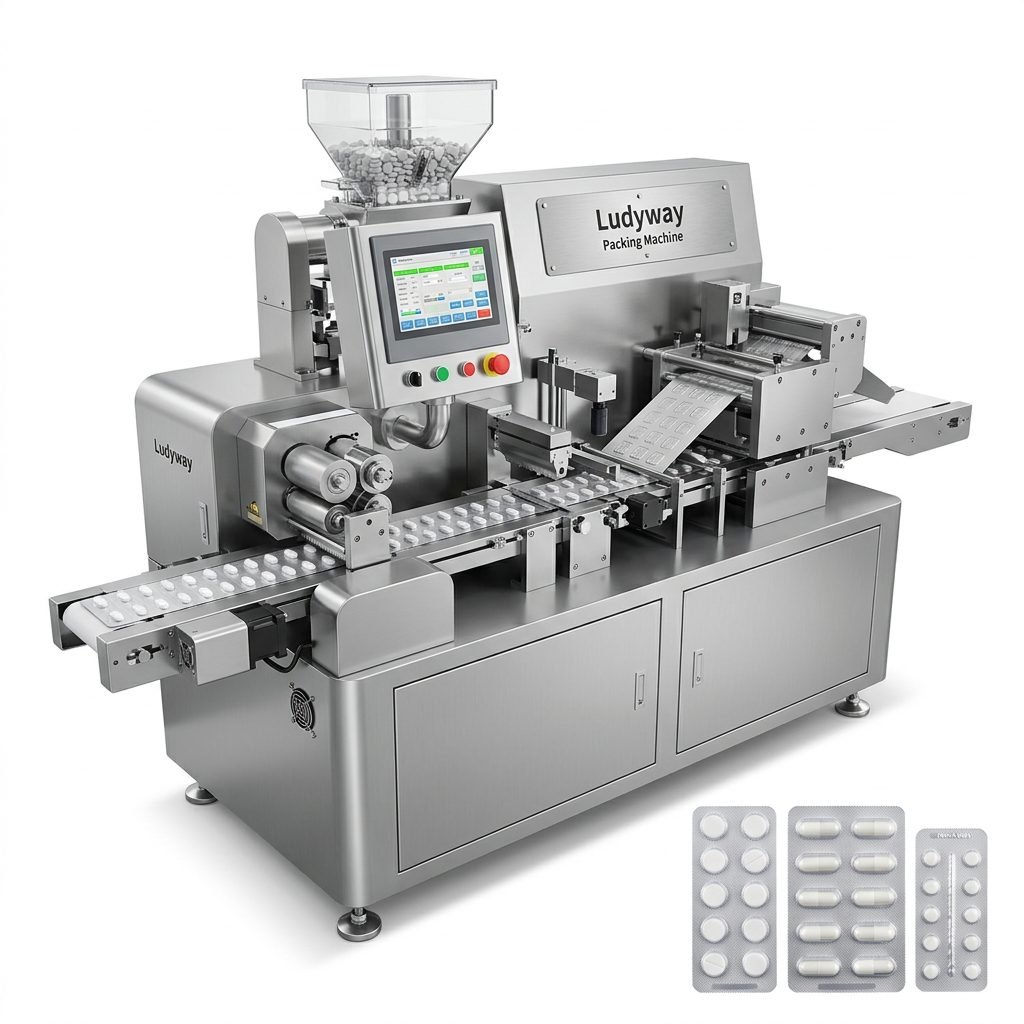
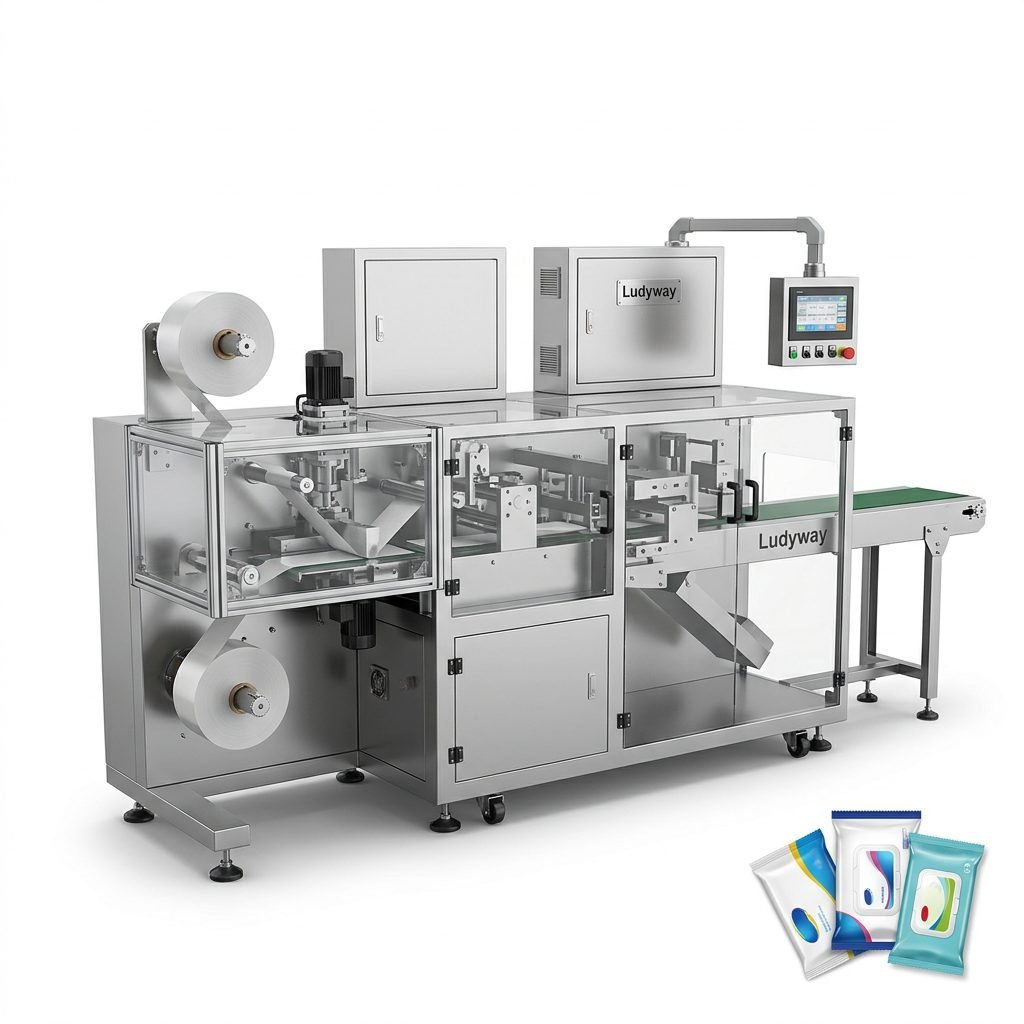
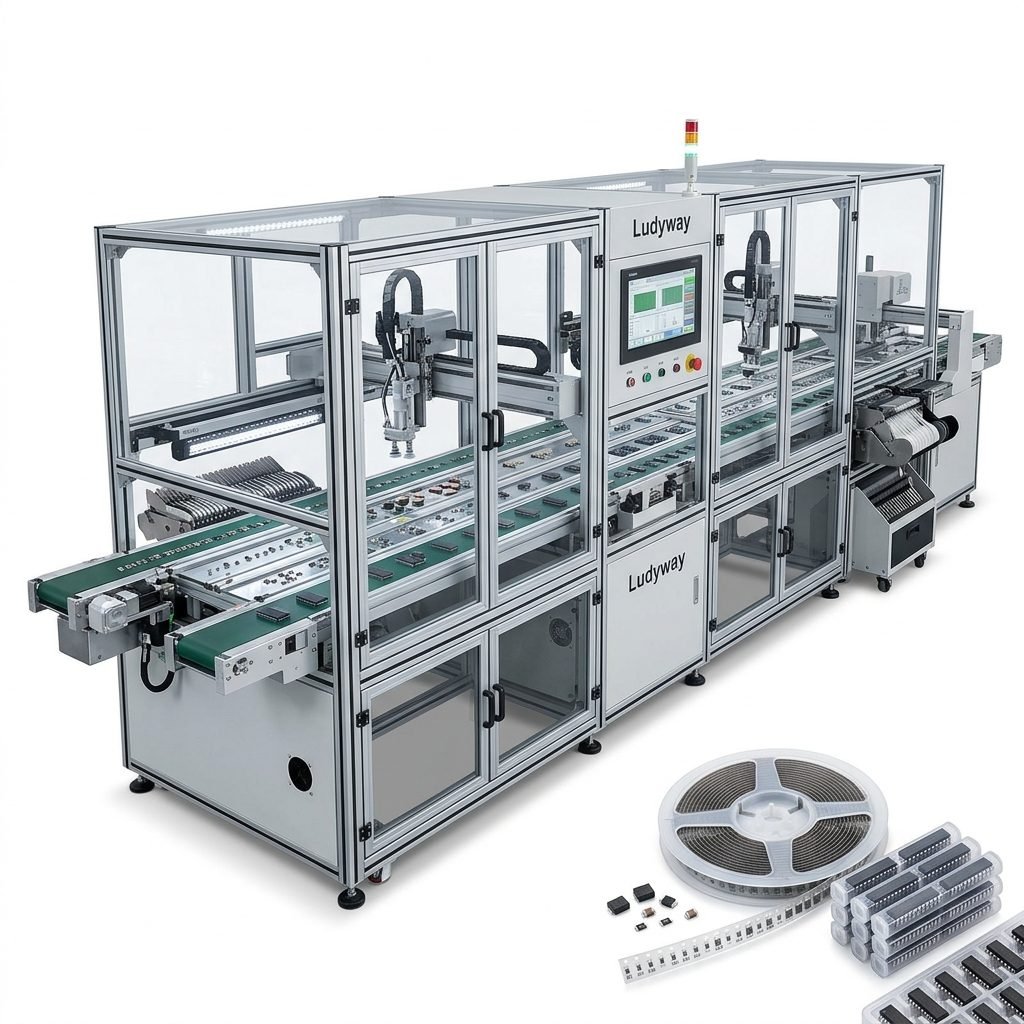
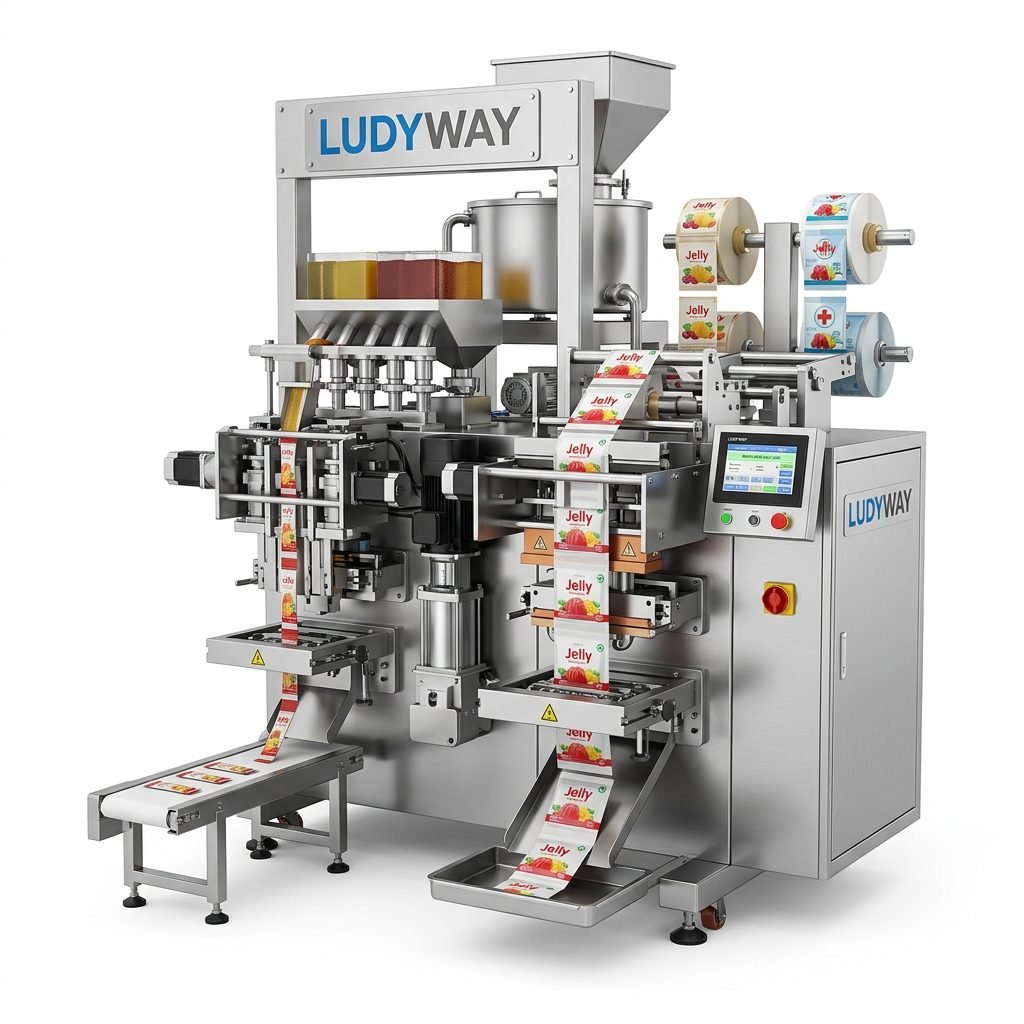
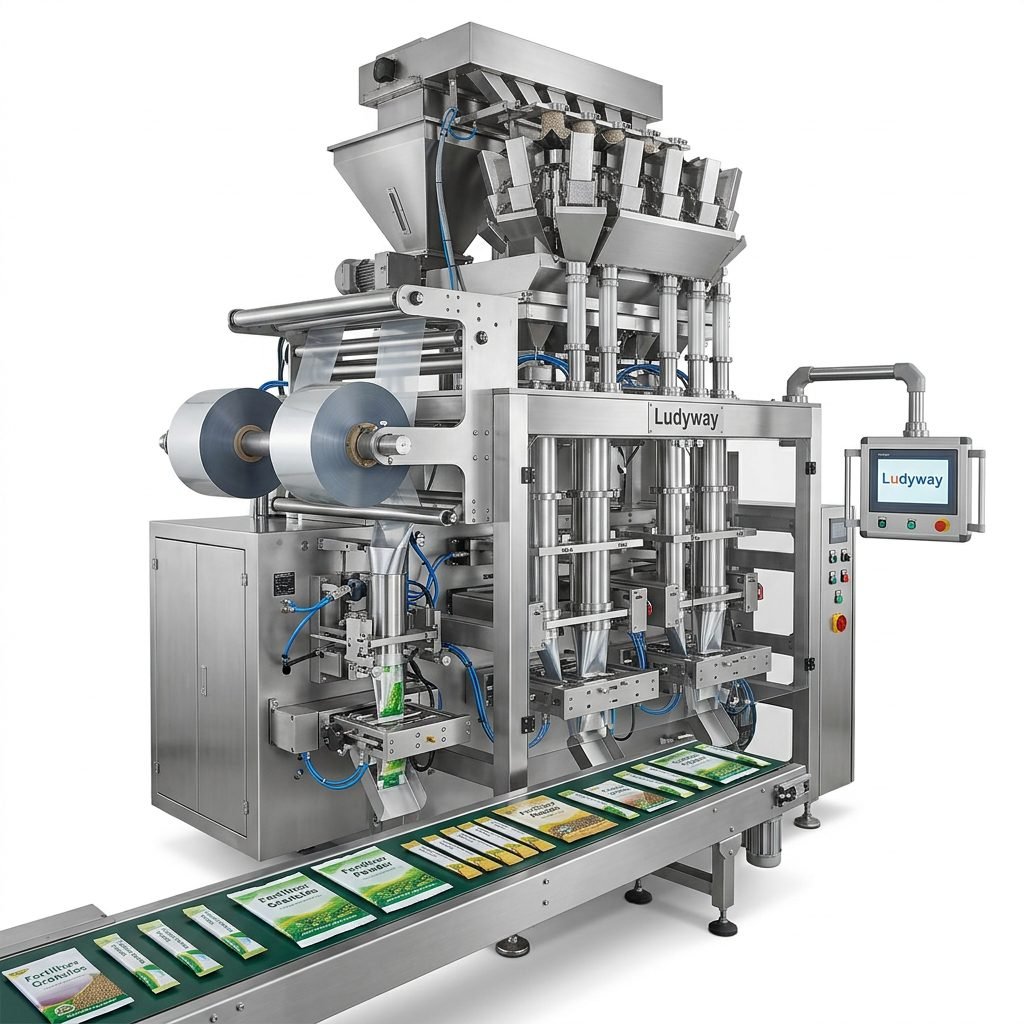
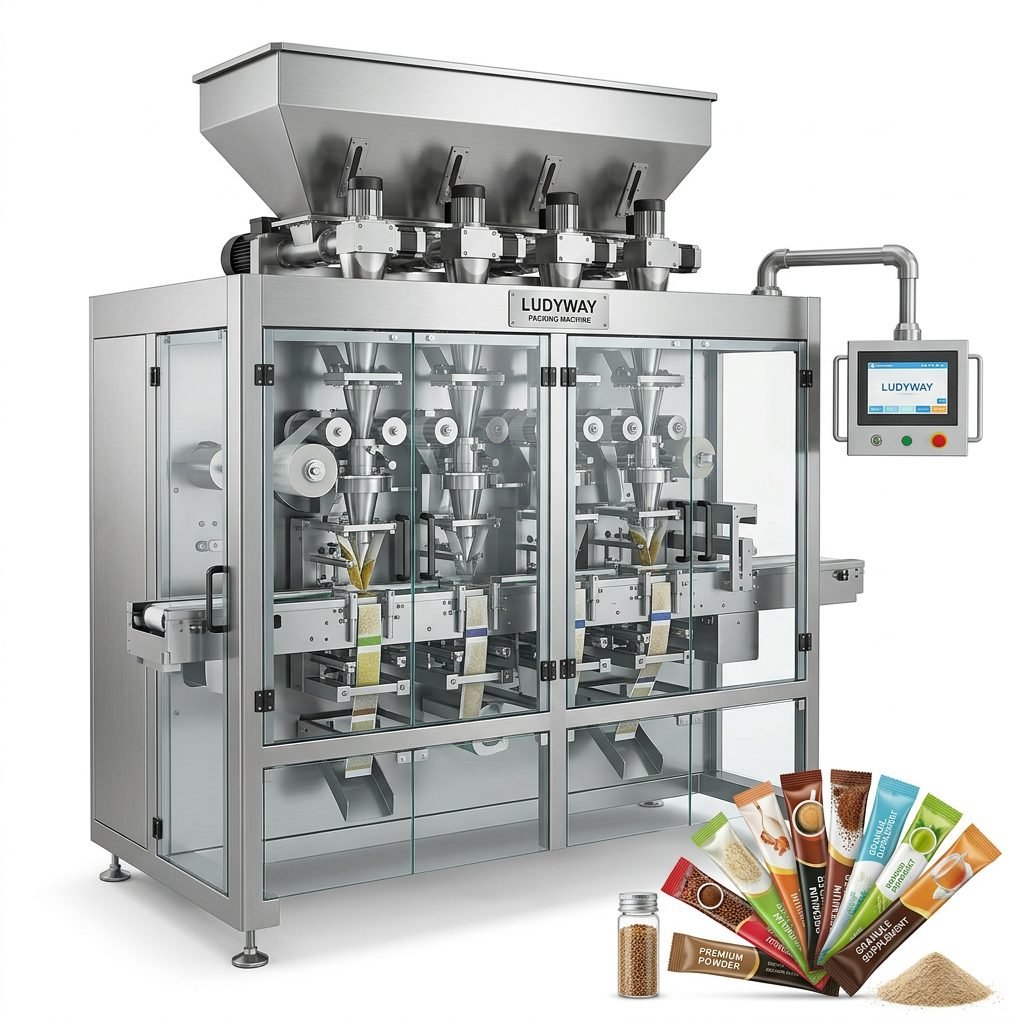
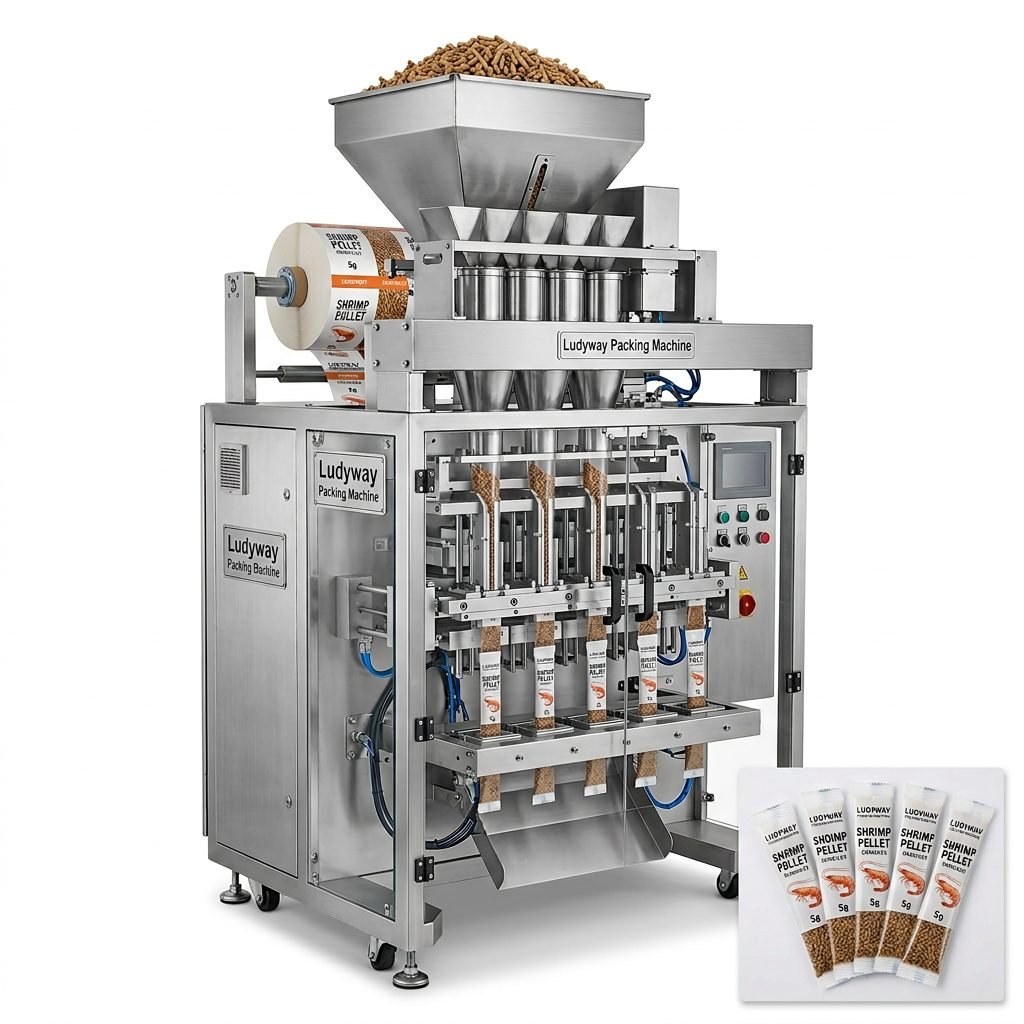
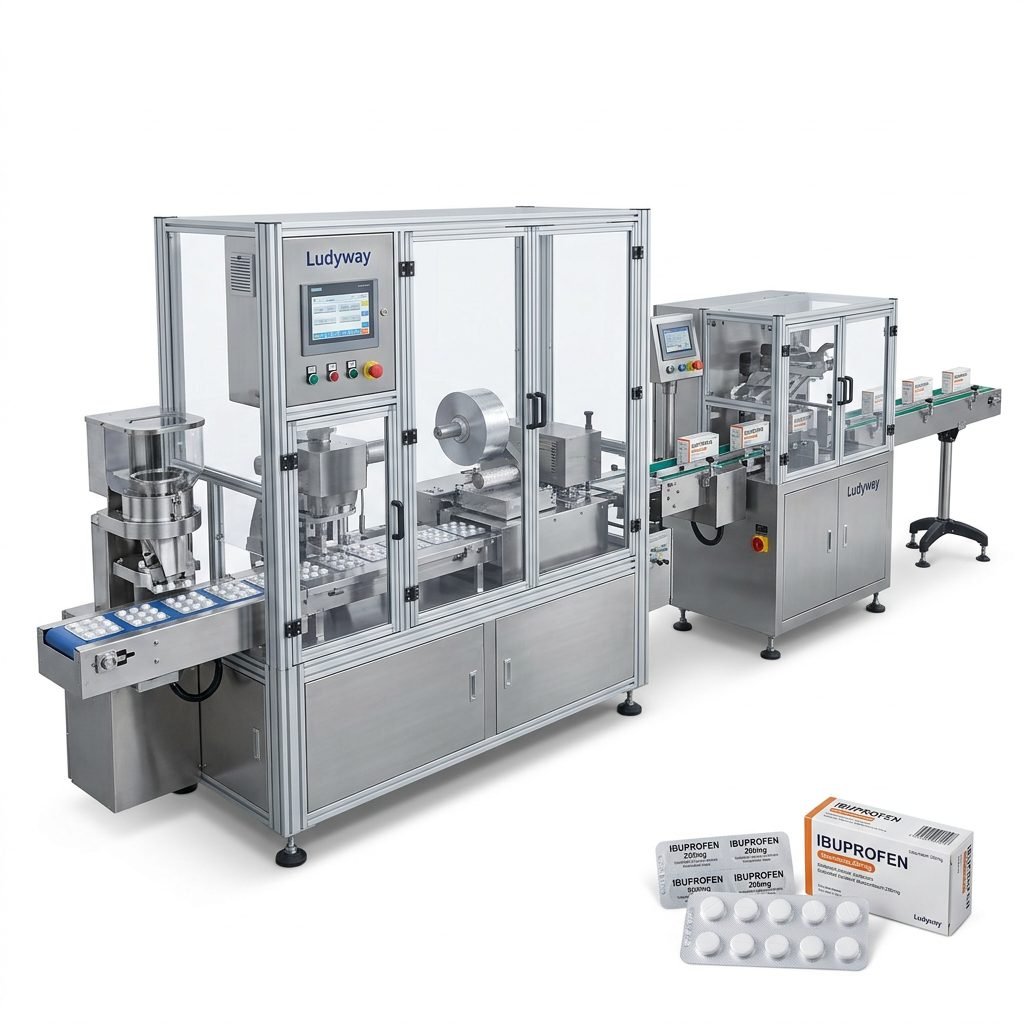
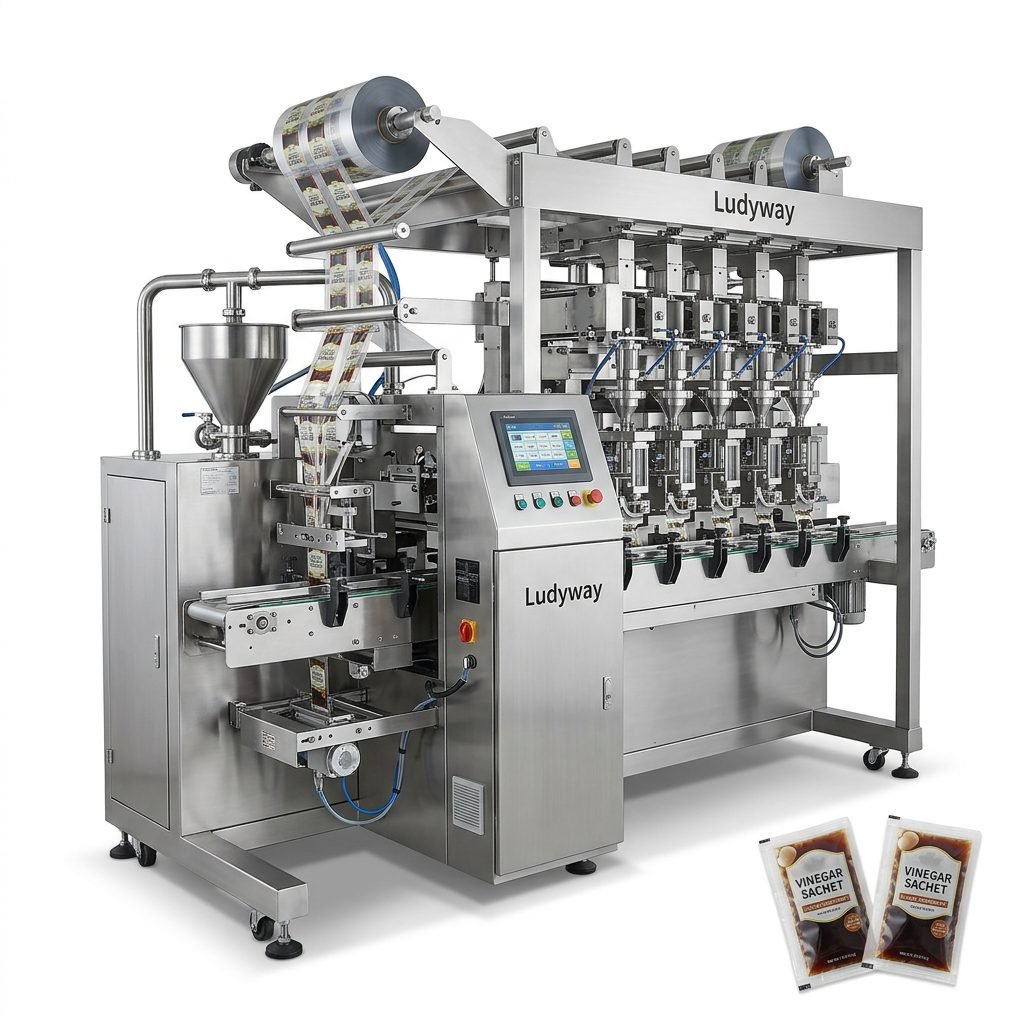
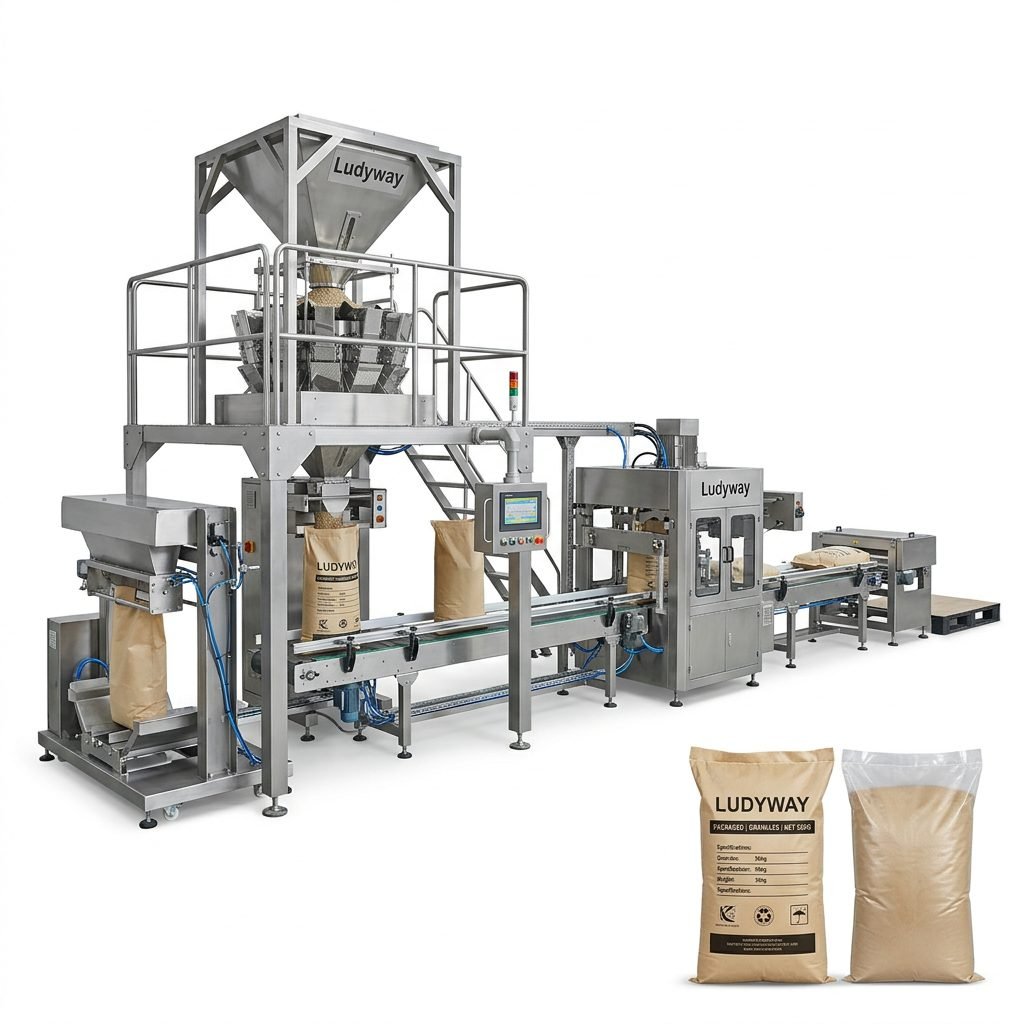
The Italian packaging industry, supported by robust export markets for cheese, cured meats, pasta, and ready-to-eat meals, relies heavily on vacuum technology. Unlike standard atmospheric packaging, vacuum packaging machines remove air from the package prior to sealing, drastically reducing oxidation and microbial growth. To compete here, your production line must accommodate a wide range of bag sizes, film types, and throughput speeds. Modern integration demands that these systems also interface seamlessly with upstream processing equipment and downstream checkweighers and labeling machines. For a deeper look at how intelligent packaging systems integrate into broader production environments, explore advanced turnkey packaging solutions from Ludyway, which support food, pharmaceutical, and health industries with automated multi-lane and pouch technologies.
Step 1: Planning Your Production Line Layout
The foundation of any successful vacuum packaging line setup lies in its physical layout. In Italy, where manufacturing spaces range from artisanal workshops to large-scale industrial plants, a modular approach works best. Start by mapping the flow from product loading to sealed, inspected, and packed output. Key zones to prioritize include:
- Product Preparation Area: Where items are grouped, trimmed, or pre-weighed before entering the vacuum chamber.
- Vacuum Packaging Core Unit: The main machine performs air extraction and heat sealing — available in chamber, nozzle, or thermoforming configurations depending on application needs.
- Post-Seal Handling: Conveyors, weight checks, and shrink tunnels that preserve seal integrity.
- Labeling, Coding, and End-of-Line Packing: Including cartoning, case packing, and palletizing for distribution.
Design your layout to minimize product travel distance, maintain cold chain conditions where required, and allow easy access for cleaning and maintenance. Consider future scalability — adding extra lanes or automated loading systems should be possible without major reconstruction.
Step 2: Selecting the Right Vacuum Packaging Technology
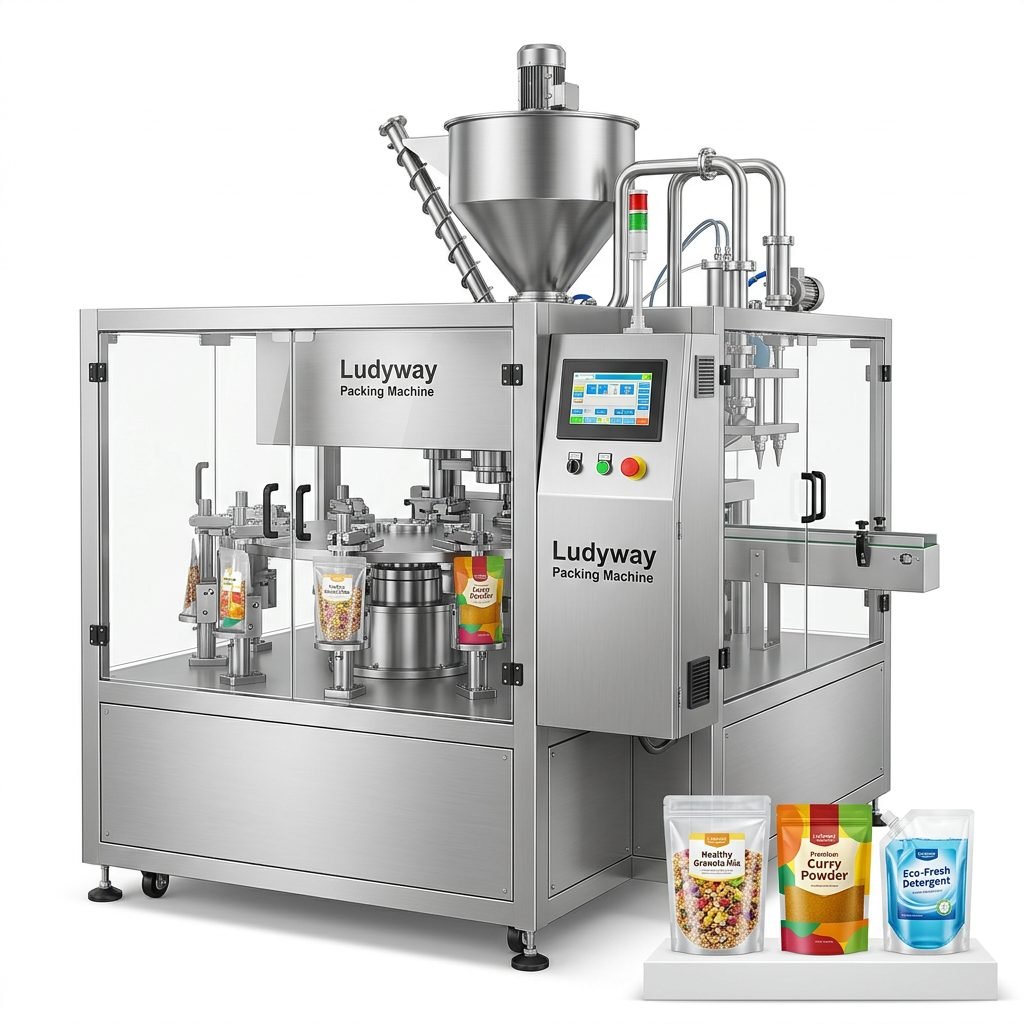
Not all vacuum packaging machines are the same, and selecting the wrong technology can bottleneck your entire operation. For the Italian market, several types stand out based on product format:
Chamber Vacuum Machines
Best suited for solid products like meat cuts, cheese wedges, and bulk produce. The product is placed inside a chamber, which is sealed, evacuated, and then the bag is heat-sealed. These machines offer high vacuum consistency and work well with thicker barrier films.
Nozzle Vacuum Machines
Ideal for granular or powdered products where chamber systems might draw product into the vacuum pump. A nozzle is inserted into the bag opening, air is extracted, and the bag is sealed. These machines are widely used in the coffee, ground spice, and powdered supplement sectors — all significant industries in Italy.
Thermoforming Vacuum Systems
For high-volume production of retail-ready packs, thermoforming systems create the packaging from roll stock film, fill it, vacuum it, and seal it in a continuous motion. This technology supports multi-lane packaging configurations and can produce thousands of packs per hour, making it the go-to choice for large food processors.

Step 3: Critical Equipment Configurations for Italian Regulations
Italy enforces strict food contact material regulations under EU framework EC 1935/2004 and GMP standards. Your vacuum packaging line must use materials and components that comply. In addition, the packaging machines should meet CE marking requirements for safety and electromagnetic compatibility. Refer to the FDA Food Packaging and Food Contact Substances resource for understanding global compliance benchmarks, and align your choices with ISO Packaging Standards for internationally recognized quality frameworks.
Key equipment configurations to prioritize:
- Gas Flushing Capability: Modified atmosphere packaging often combines vacuum with inert gas injection, extending shelf life for delicate products like fresh pasta or sliced cold cuts.
- High-Speed Sealing Integrity: Use vision inspection or burst testing to verify seal strength continuously on the production line.
- Cleaning-in-Place Integration: For pharmaceutical or dairy applications, equipment must support sanitization cycles without disassembly.
- Traceability and Serialization: Mandatory for pharmaceutical packaging under EU FMD directives — ensure inline coding and serialization modules are part of the line.
Step 4: Integrating Automation and Smart Controls
Modern Italian packaging facilities increasingly adopt Industry 4.0 principles. Your vacuum packaging line should incorporate smart sensors, PLC controls, and data collection capabilities. These systems monitor vacuum levels, temperature, seal time, and film usage in real time, enabling predictive maintenance and reducing unplanned downtime. Integration with factory-wide SCADA or MES platforms allows production managers to track OEE (Overall Equipment Effectiveness) across multiple lines. The PMMI Business Intelligence Library provides valuable market research and technology reports on packaging automation trends that can inform your investment decisions.

Step 5: Materials and Packaging Consumables Selection
Italy’s focus on premium product presentation demands high-clarity, high-barrier films. Common materials include PA/PE (polyamide/polyethylene) combinations and EVOH-based structures, which provide excellent oxygen barrier properties. When selecting films, consider:
| Film Property | Importance for Vacuum Packaging | Common Italian Applications |
|---|---|---|
| Oxygen Transmission Rate | Must be extremely low to prevent oxidation | Cured meats, cheese, olive oil-infused products |
| Puncture Resistance | Protects against bone-in cuts or sharp edges | Aged cheese, bone-in prosciutto, dried fish |
| Seal Strength | Critical for maintaining vacuum integrity under cold storage | Frozen ready meals, chilled sauces |
| Clarity and Gloss | Product visibility drives retail appeal | Premium pasta, gourmet snacks, confectionery |
| Temperature Range | Must withstand both freezing and retort conditions | Shelf-stable soups, frozen seafood, sous-vide products |
Additionally, ensure your film supplier meets Flexible Packaging Association industry resources guidelines for sustainability, as Italy is increasingly adopting recyclable mono-material films under the European PPWR (Packaging and Packaging Waste Regulation). For authoritative guidance on packaging waste directives, consult the European Commission Packaging and Packaging Waste portal.

Step 6: Installation, Commissioning, and Training
Once the equipment arrives at your Italian facility, a structured installation process ensures smooth ramp-up. Begin with pre-installation checks: verifying floor load capacity, utility connections (compressed air, electricity, sometimes nitrogen supply), and environmental controls. Professional commissioning typically spans three to seven days and includes:
- Mechanical and electrical setup confirmation
- Vacuum pump calibration and leak testing
- Film tracking and tension adjustment trials
- Seal quality validation across different product types
- Operator training covering safety, changeover, cleaning, and basic troubleshooting
Document all commissioning parameters and establish SOPs in both Italian and English to support a diverse workforce. Schedule follow-up visits for performance optimization after the first month of continuous production.
Step 7: Maintenance Strategies for Long-Term Reliability
An effective maintenance program is the backbone of uninterrupted vacuum packaging operations. In high-volume Italian facilities running two or three shifts, even minor downtime directly impacts supply chain commitments. Implement a tiered maintenance strategy:
- Daily: Clean vacuum chambers, inspect seal bars for wear, check pump oil levels (for oil-lubricated pumps), verify sensor accuracy.
- Weekly: Test vacuum pump performance, calibrate temperature controllers, inspect conveyor belt condition, update software logs.
- Monthly: Replace wear parts (seal wires, Teflon tapes, filter elements), audit safety interlocks, verify gas flushing ratios.
- Annually: Complete overhaul of vacuum pumps, replace servo drive belts, update firmware, conduct comprehensive risk assessment.
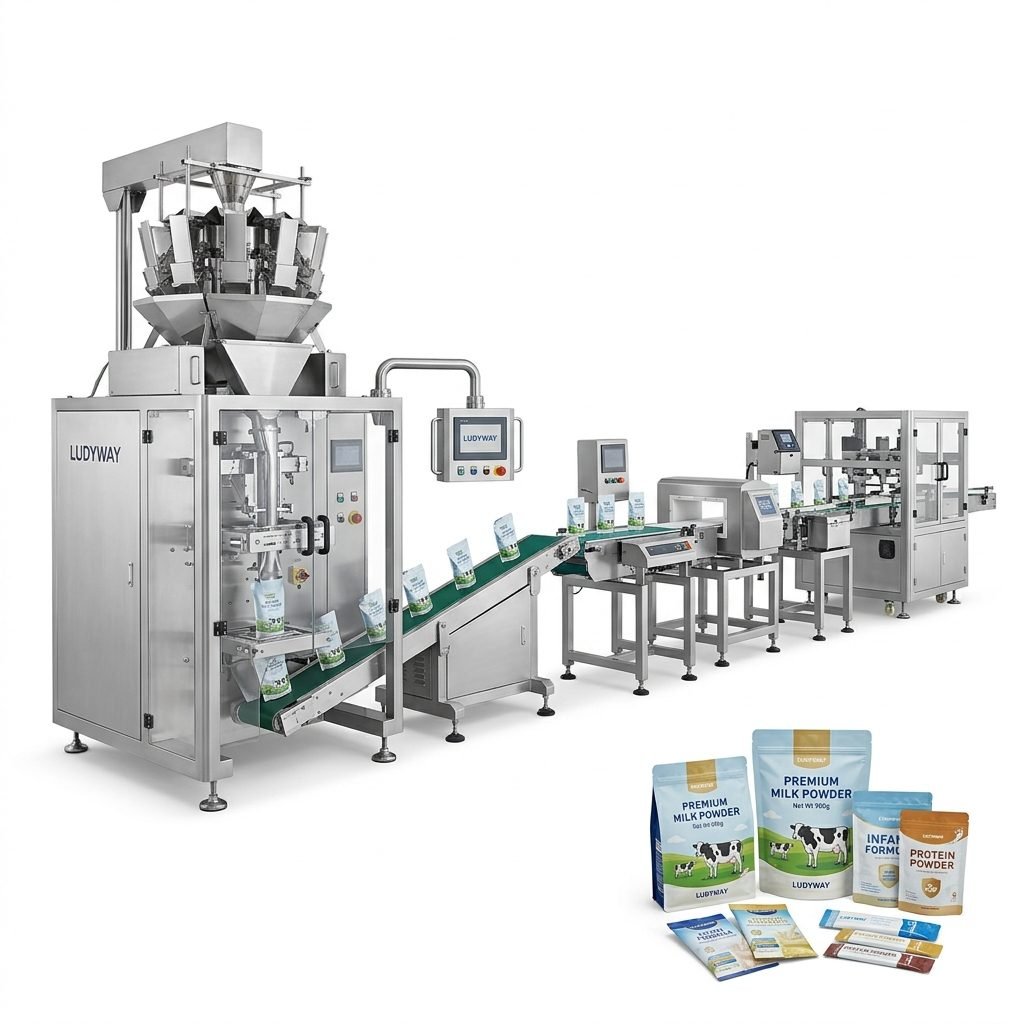
Maintain an inventory of critical spare parts locally in Italy to minimize lead times. Many manufacturers, including Ludyway, provide recommended spare parts lists and remote diagnostic support to help customers maintain peak operational performance across their packaging machine fleets.
Evaluating Return on Investment and Line Capacity
Before finalizing your setup, build a robust business case that accounts for Italian labor costs, energy expenses, and target throughput. A well-designed vacuum packaging production line in Italy can achieve payback within 18 to 30 months depending on product value and volume. Key financial metrics to track:
- Packs per minute versus manual or semi-automatic alternatives
- Film waste reduction achieved through precision draw length control
- Labor reallocation from manual packing to higher-value quality control tasks
- Shelf-life extension enabling access to distant export markets with longer transit times
For the most current industry benchmarks, review the PMMI 2025 State of the Industry Report and the Flexible Packaging Association State of the U.S. Flexible Packaging Industry data, which offer comparative insights applicable to European market dynamics.

Industry Resources and Further Reading
Staying informed on packaging regulations, technology advancements, and market trends is essential for long-term success. The following authoritative sources provide continuous learning opportunities:
| Resource | Relevance to Vacuum Packaging | Link |
|---|---|---|
| PMMI – Packaging Industry Resources | Market data, technology reports, training | Visit PMMI Resources |
| Flexible Packaging Association – Knowledge Hub | Film technology, sustainability, industry data | Explore FPA Hub |
| FDA – Packaging and Food Contact Substances | Regulatory compliance, material safety | Access FDA FCS |
| ISO – ISO 11607 Packaging for Sterilized Medical Devices | Validation standards for pharmaceutical vacuum packaging | Read ISO 11607 |
| U.S. EPA – Sustainable Materials Management | Environmental impact, recycling, waste reduction | Learn EPA SMM |
Setting up the best vacuum packaging machine production line in Italy is a multidisciplinary project that blends engineering excellence with regulatory awareness and market insight. By carefully planning your layout, selecting appropriate technology, integrating automation, and maintaining rigorous compliance with Italian and EU standards, you can build a packaging operation that enhances product quality, reduces operational costs, and positions your brand for sustained growth in one of the world’s most discerning markets.