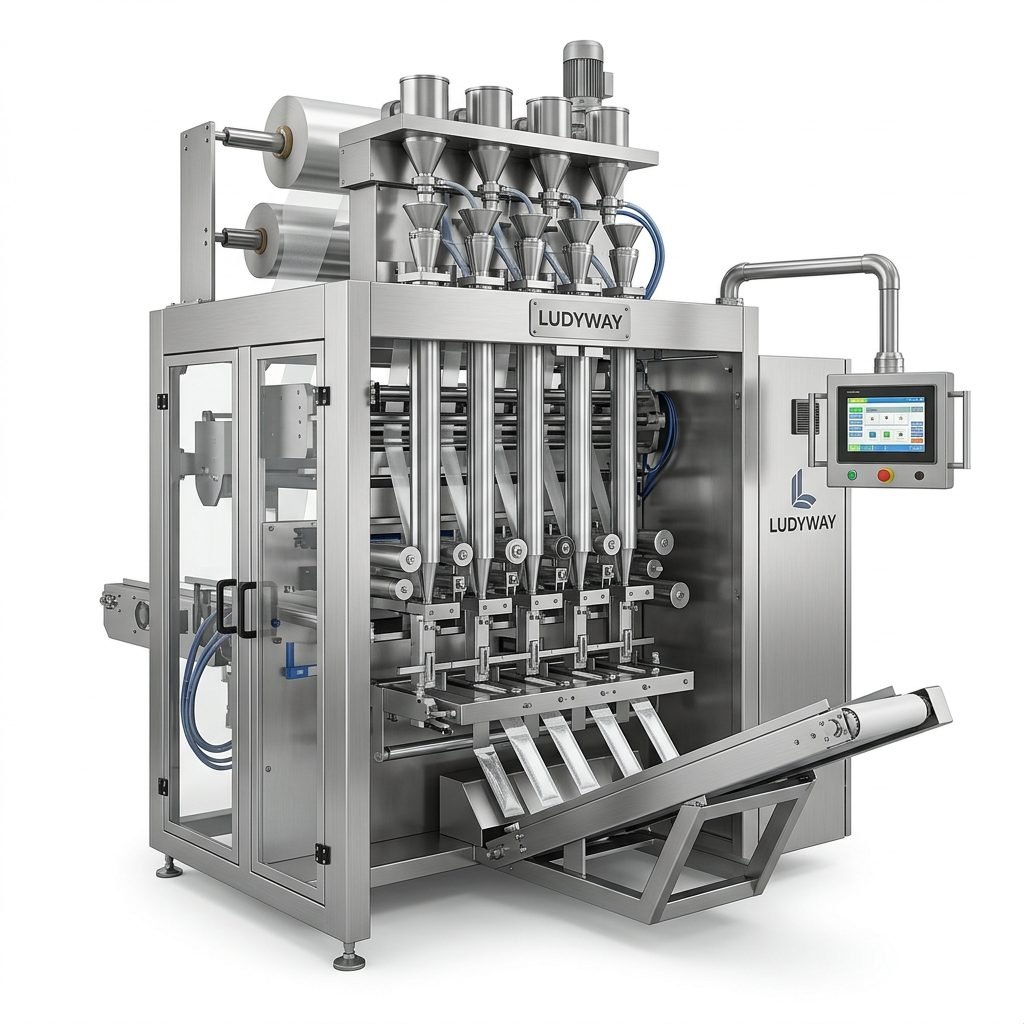
The demand for convenient, single-serve food and beverage products is exploding across Southeast Asia. From instant coffee powder in Thailand to health supplements in Vietnam, the market for stick packs and sachets is booming. If you are a manufacturer looking to capitalize on this trend, understanding how to properly set up a meal prep packaging machine production line is critical. This guide walks you through the essential steps to establish a high-efficiency packaging operation in this dynamic region.
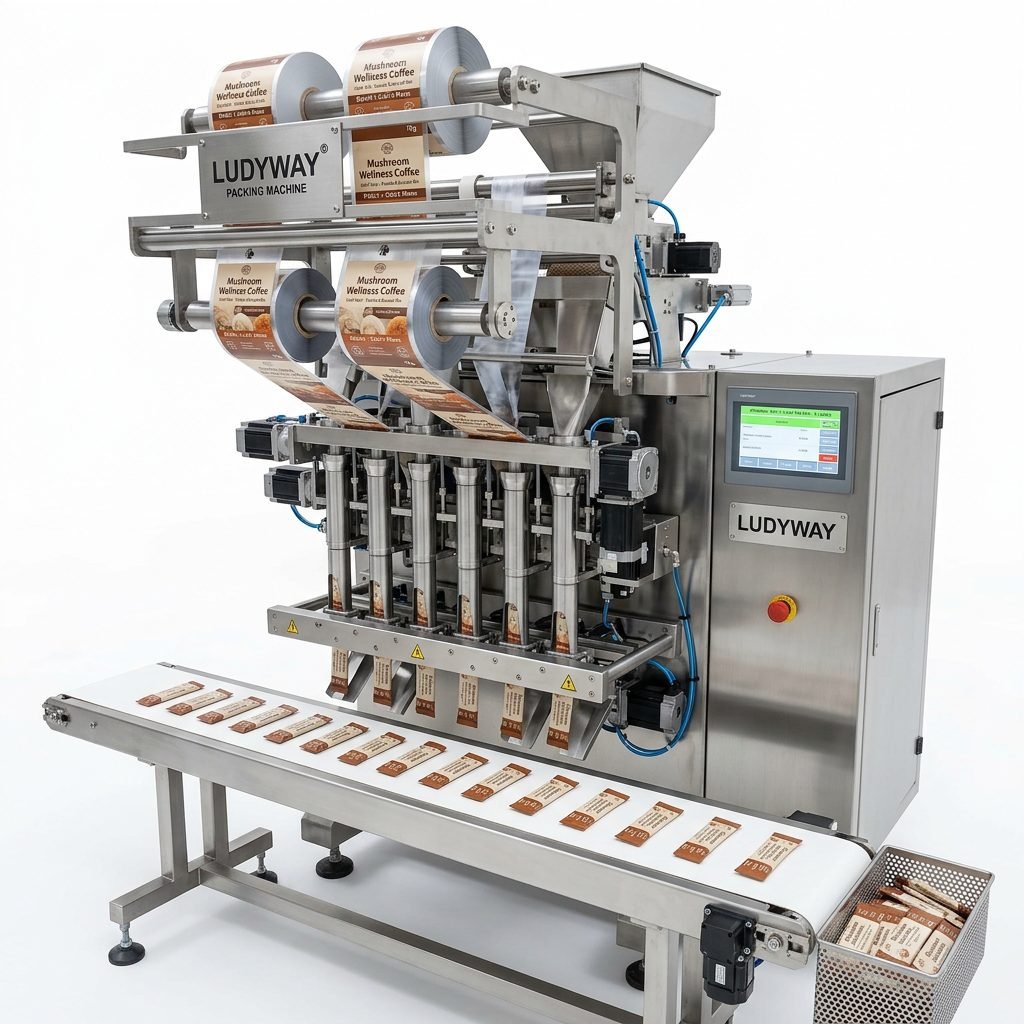
Understanding the Southeast Asian Meal Prep Market
Before investing in machinery, you must analyze the local market. The region presents unique opportunities driven by urbanization, busy lifestyles, and a growing middle class. Products like meal replacement powders, 3-in-1 coffee mixes, and liquid condiments are extremely popular. The climate also plays a role; high humidity requires packaging solutions with excellent barrier properties to protect granules and powders from clumping.
Key Product Categories Driving Demand
- Instant Beverages: Coffee, milk tea powder, and chocolate drinks.
- Health & Nutrition: Protein powder, collagen drinks, and multivitamin granules.
- Food Seasoning: Soup mixes, sauce sachets, and spice blends.
- Convenience Foods: Instant noodle seasoning and oatmeal packs.
Phase 1: Selecting the Right Facility Layout
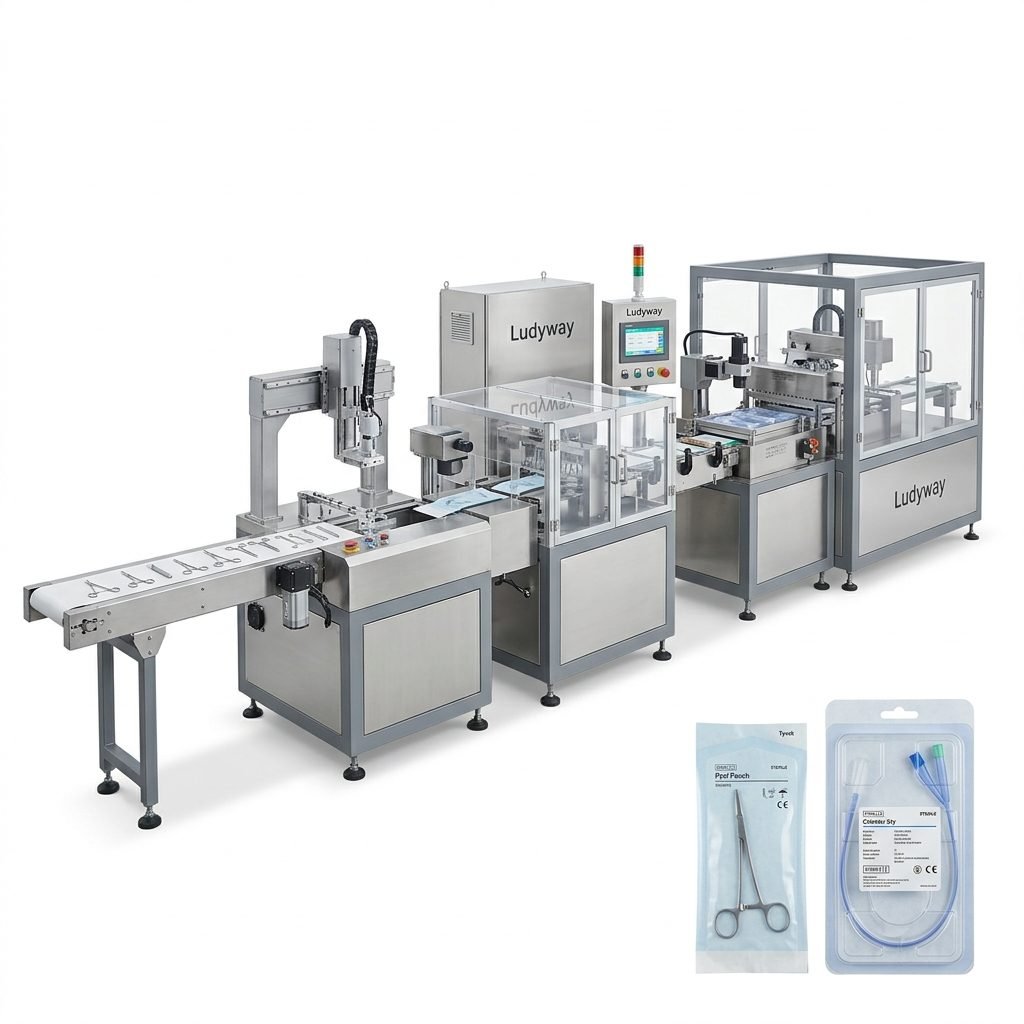
Setting up the physical space is the foundation of your operation. A poorly designed floor plan leads to bottlenecks and contamination risks. You should design your factory for a linear workflow, moving from raw material intake to final cartoning.
Zoning Your Production Floor
- Raw Material Storage: A dry, temperature-controlled area for bulk powder and granules.
- Dispensing & Mixing: An isolated zone to prevent cross-contamination, especially for allergen management.
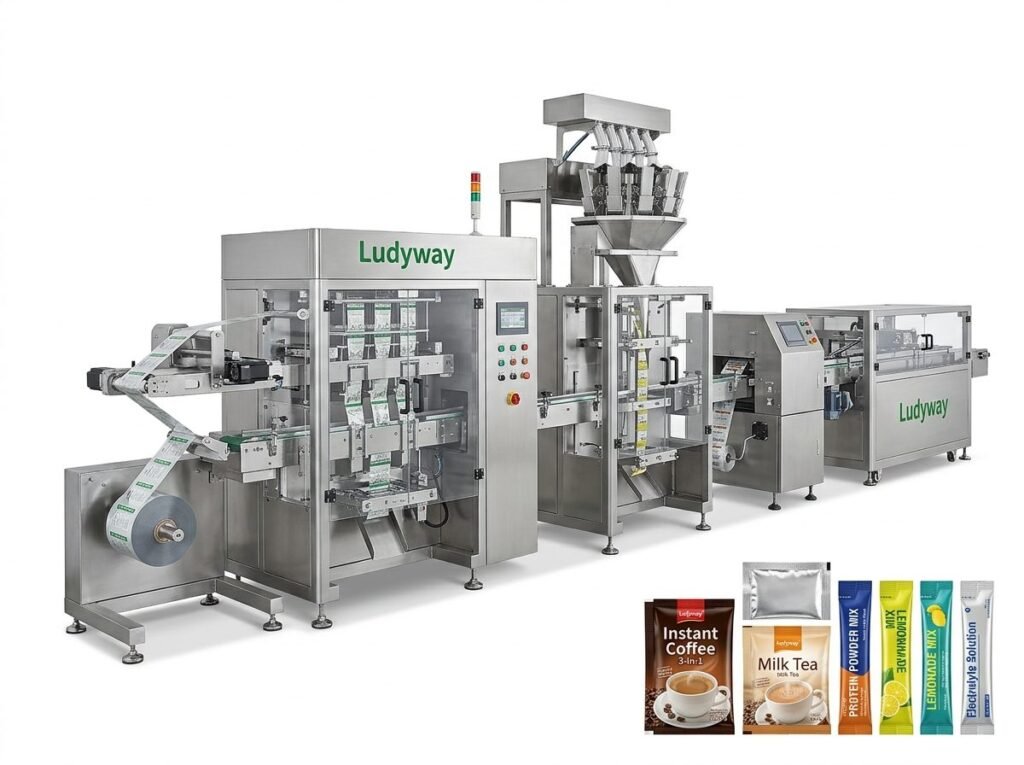
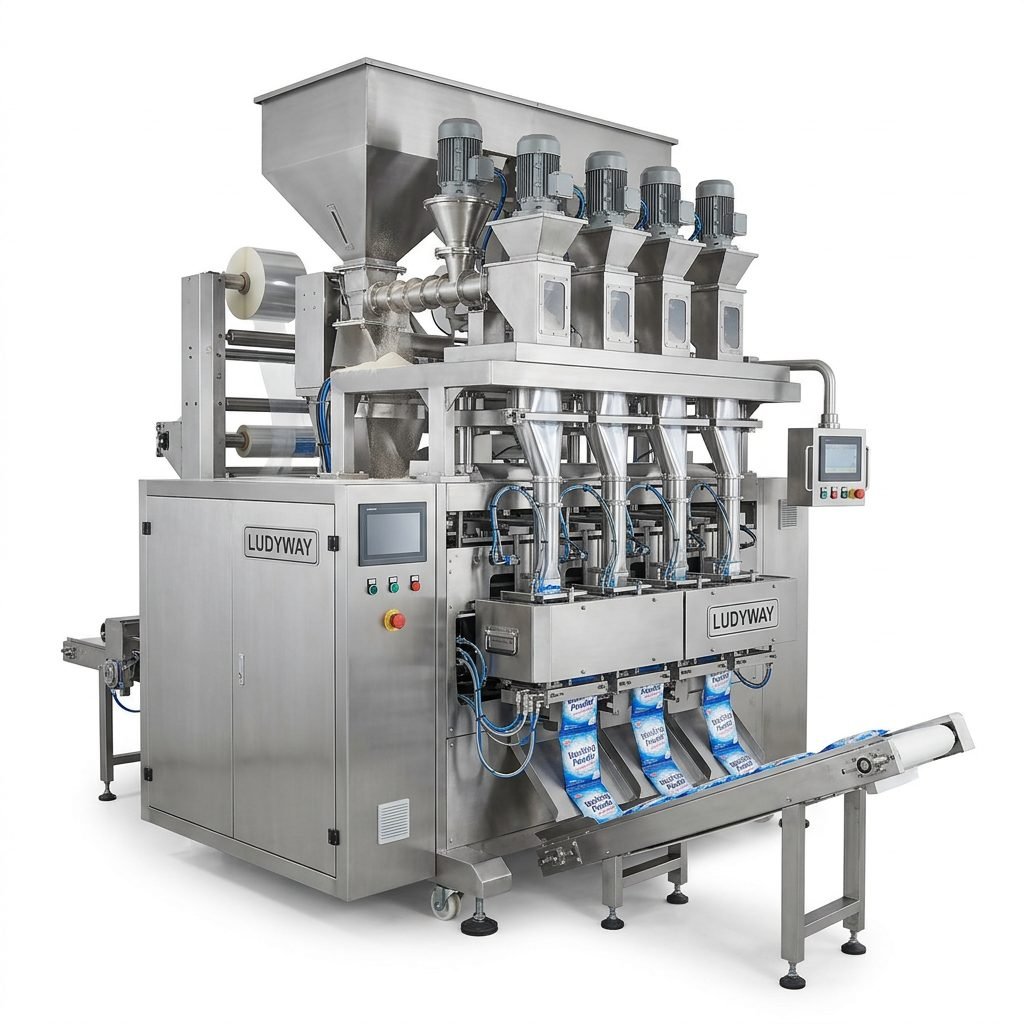
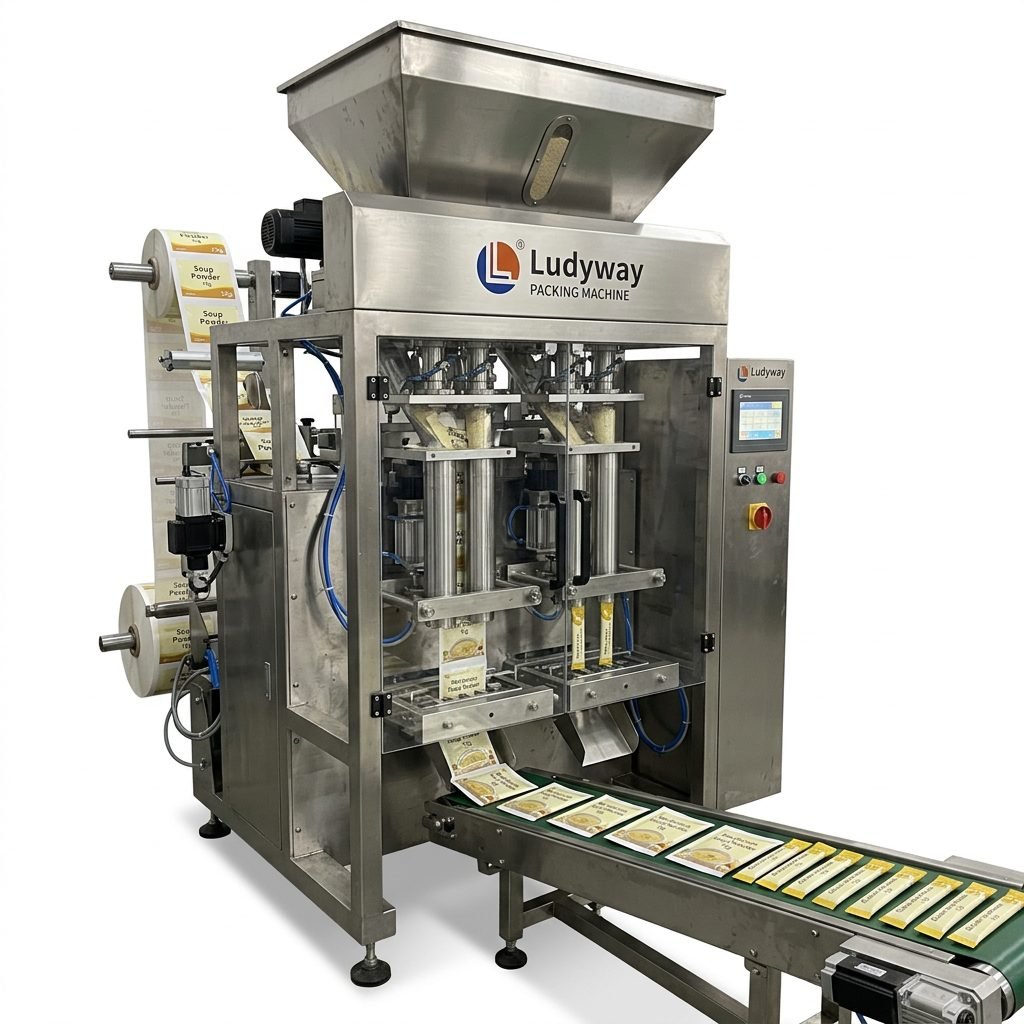
- Packaging Core: The central hub housing the multi-lane stick pack or sachet machines.
- Secondary Packaging: Space for cartoning, case packing, and palletizing systems.
Phase 2: Core Machinery Configuration
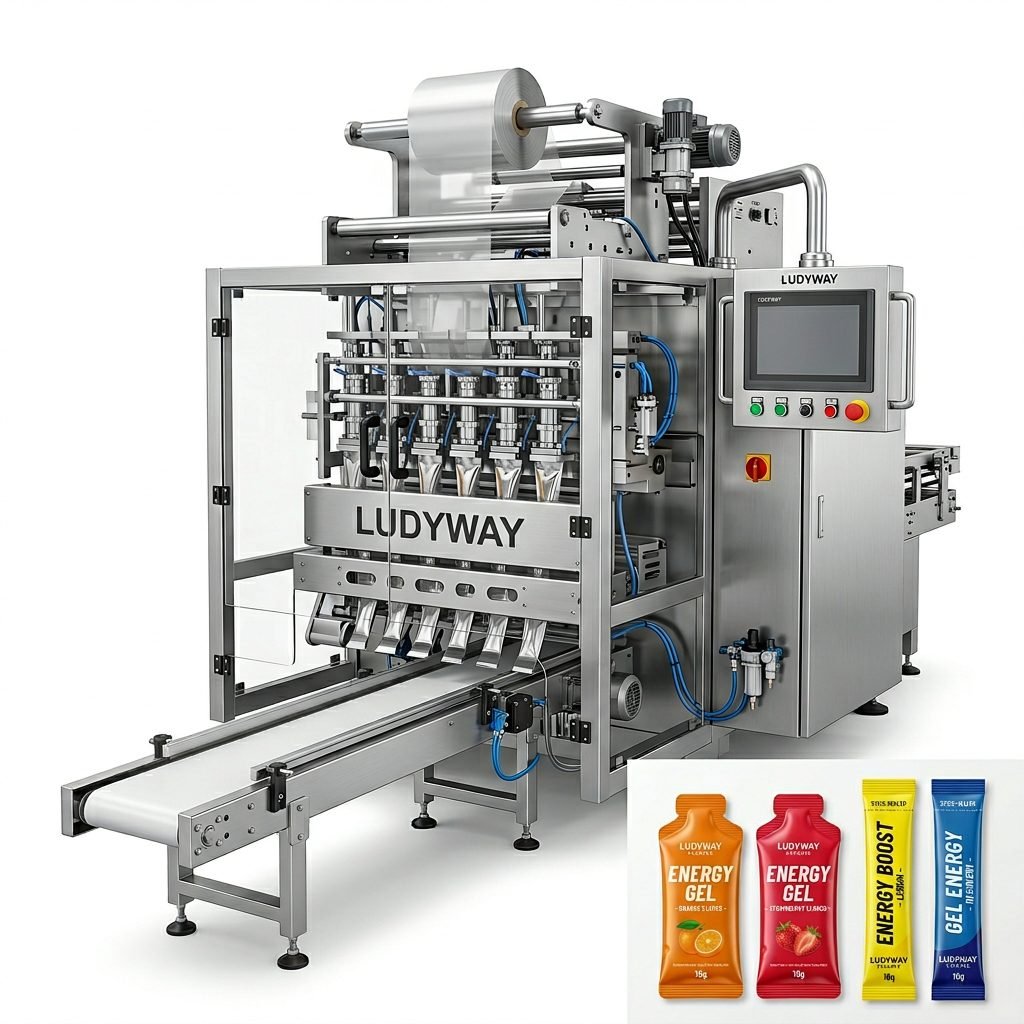
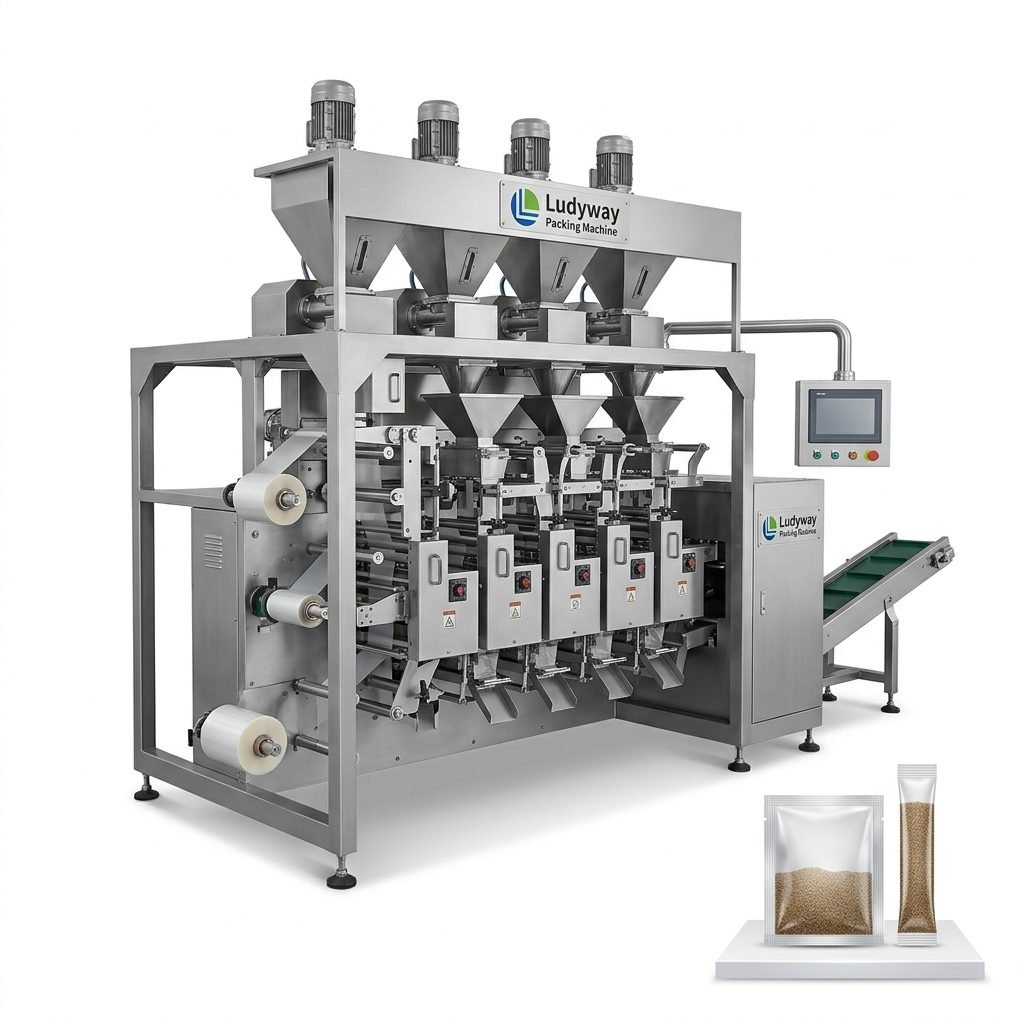
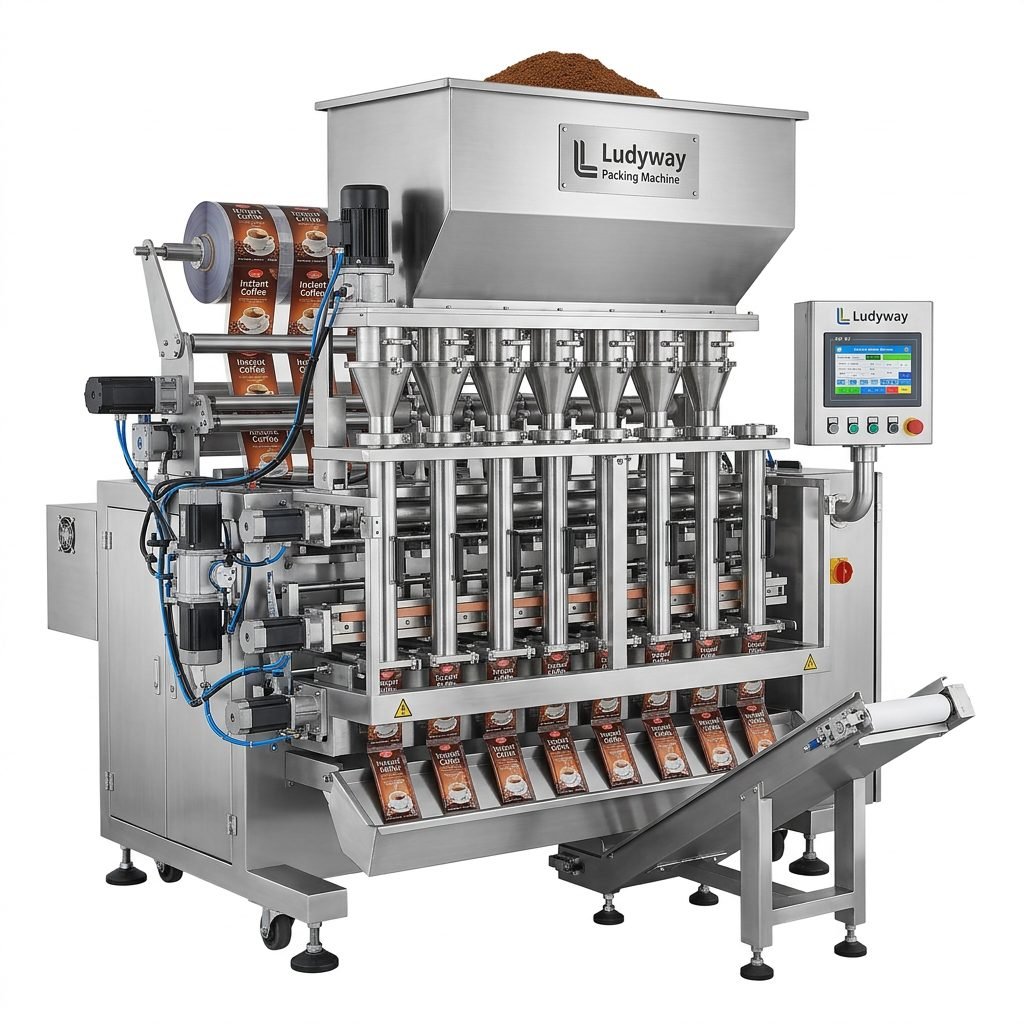
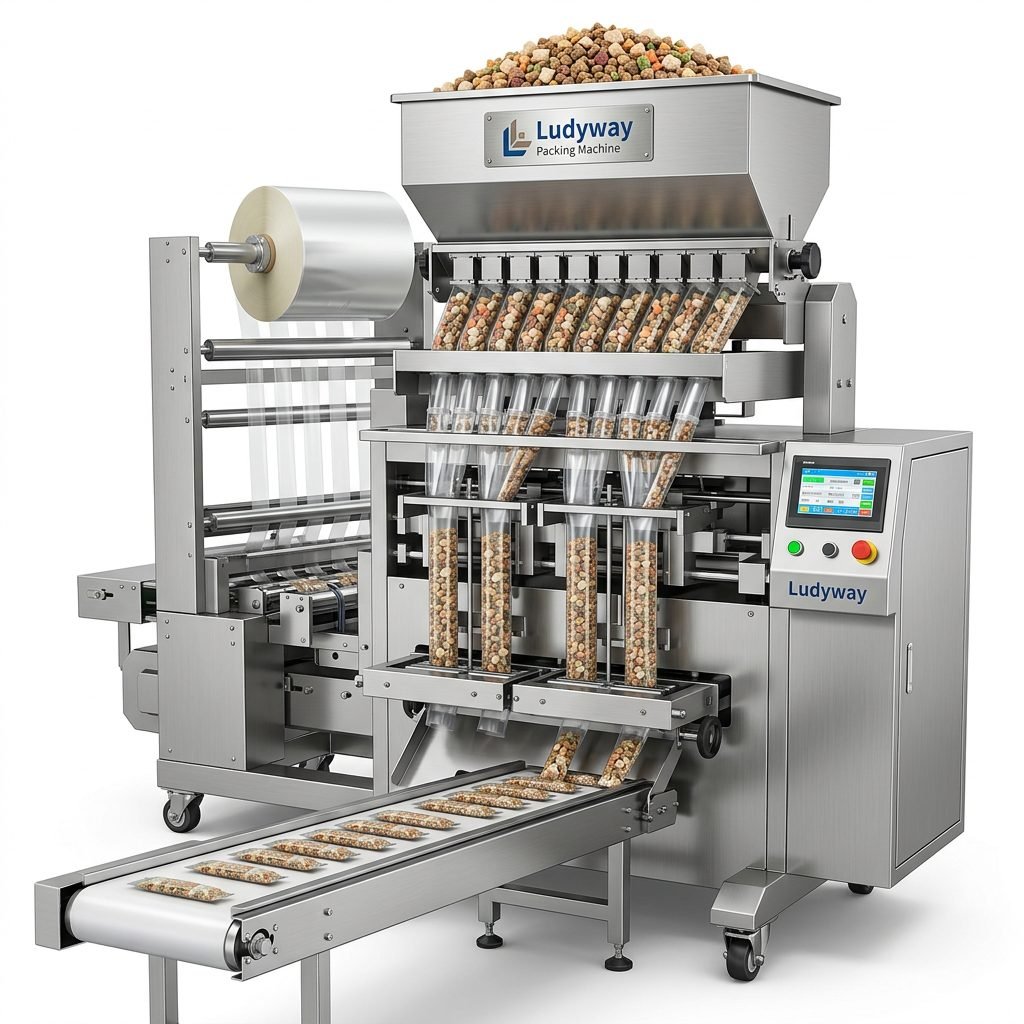
Choosing the right packaging machine model is the most critical decision. For meal prep items, multi-lane stick pack machines offer the highest throughput. A typical production line integrates several pieces of equipment.
| Machine Type | Function | Key Consideration in SEA |
|---|---|---|
| Multi-Head Weigher | Precision dosing of granules and powder | Must handle sticky or oily powders common in creamers. |
| Vertical Form Fill Seal (VFFS) | Creates the pouch and fills the product | Needs excellent sealing integrity for humid climates. |
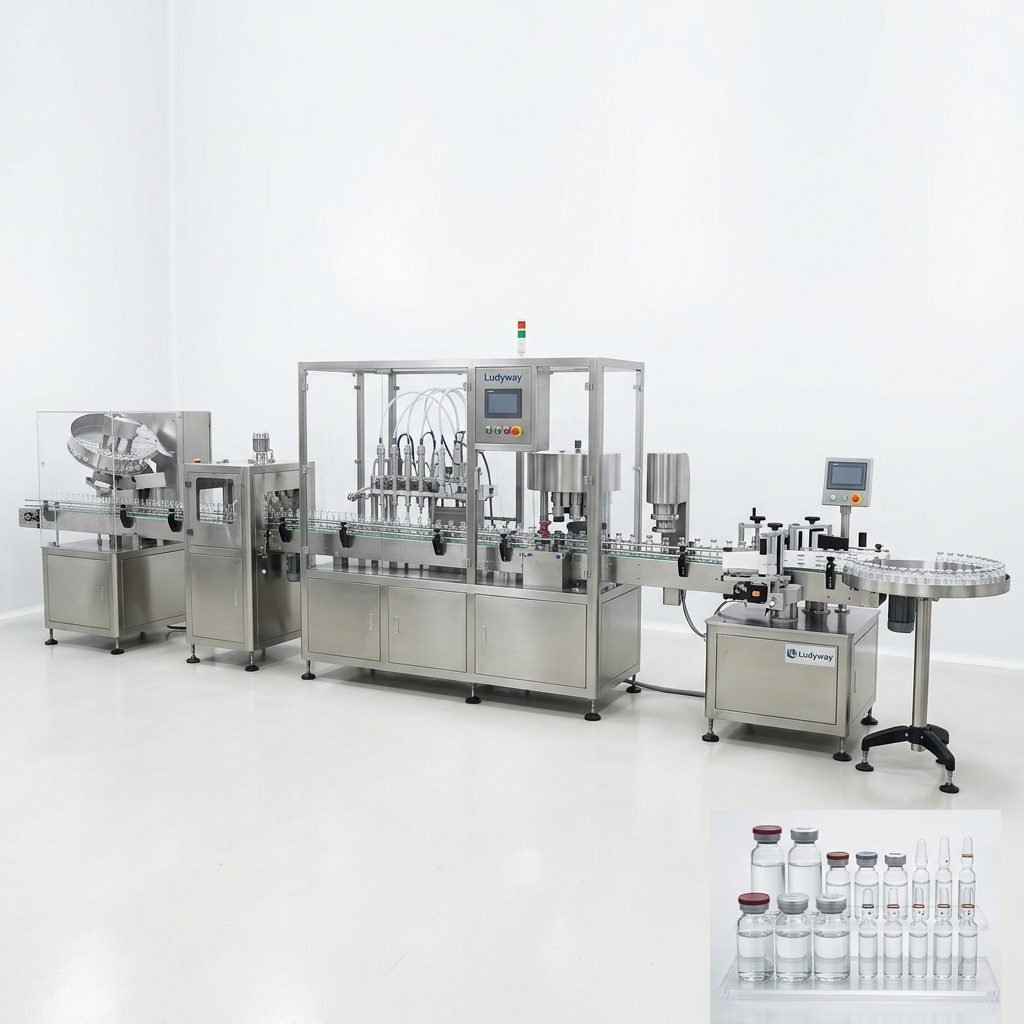
| Liquid Filling System | For liquid meal prep or sauces | Piston or peristaltic pumps for varying viscosities. |
| Checkweigher & Metal Detector | Quality control and compliance | Essential for exporting to strict regulatory markets. |
| Cartoner & Case Packer | Final retail-ready packaging | Compact footprints save costly factory space in industrial parks. |
Phase 3: Automation and Integration
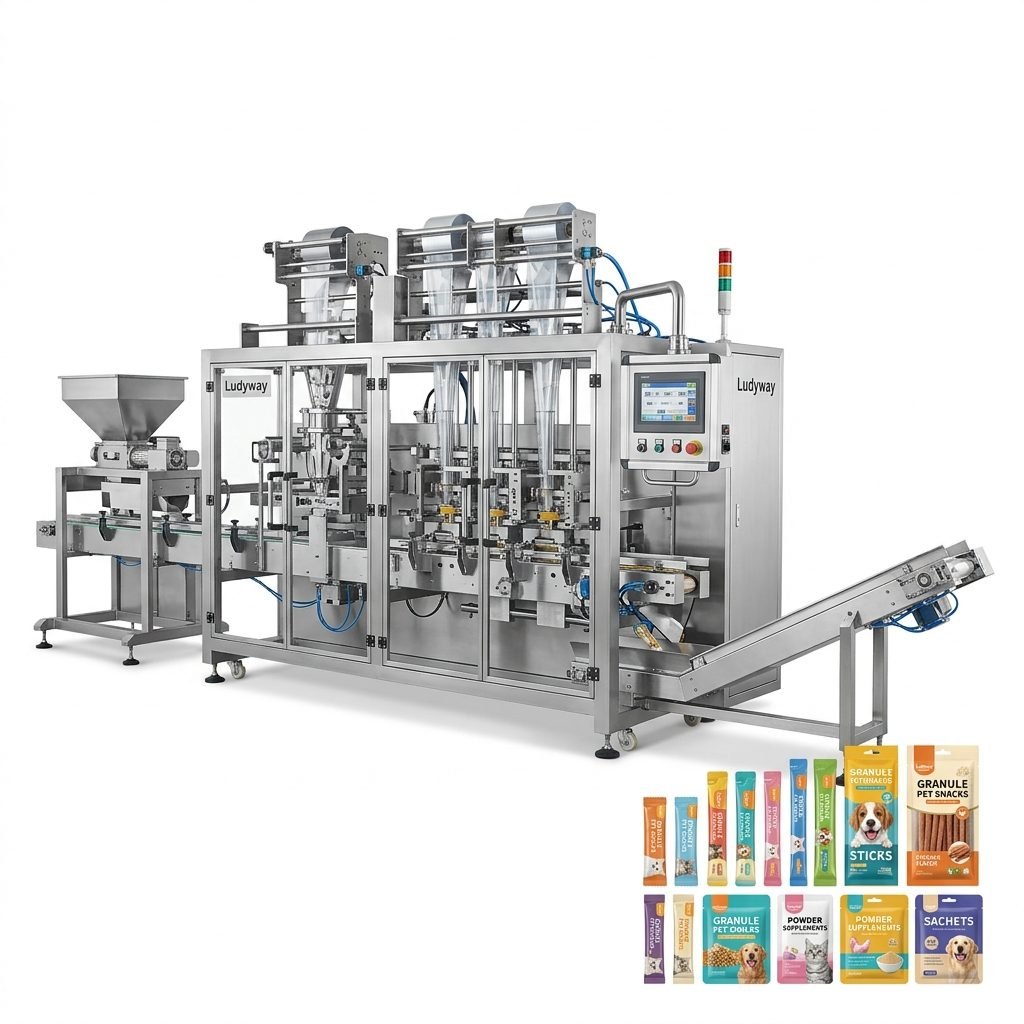
In Southeast Asia, labor availability varies greatly by country. Even where labor seems abundant, automated packaging lines provide the consistency required for food safety. Integrating your conveyor systems, packaging machinery, and quality control devices ensures a “lights-out” operation capability.
Benefits of Full Line Integration
- Reduced Manual Handling: Minimizes product contamination risks.
- Data Synchronization: Central software monitors OEE (Overall Equipment Effectiveness) in real-time.
- High-speed production: Systems like the multi-lane packaging machine can output hundreds of packs per minute, synchronized with downstream cartoners.
Phase 4: Navigating Compliance and Humidity Control
Southeast Asia has diverse regulatory frameworks. Whether you are targeting Singapore’s strict standards or the growing demands in Indonesia, your packaging line must be compliant. Food contact surface regulations and halal certification considerations often influence machine material selection. Furthermore, the local climate demands robust engineering.
Combating High Humidity
Powder and granule products are hygroscopic; they absorb moisture from the air, leading to spoilage. To counter this, integrate the following into your meal prep packaging line:
- Dehumidification Systems: Air conditioning for the packaging room is non-negotiable.
- Nitrogen Flushing: Injects inert gas into the sachet to remove oxygen and moisture, preserving freshness for products like freeze-dried coffee packaging.
- High-Barrier Films: Use aluminum foil laminates to ensure a long shelf life.
Phase 5: Installation, Training, and After-Sales
Setting up a food packaging machine is not a plug-and-play exercise. The complexity of a modern turnkey production line requires professional installation. When planning your project timeline, factor in not just shipping logistics, but also the critical steps of commissioning and staff training.
Key Service Requirements
- Factory Acceptance Testing (FAT): Witness the line running your actual products before shipment.
- Site Acceptance Testing (SAT): Ensure performance metrics are met after installation in your local facility.
- Operator Training: Comprehensive training for mechanics and line operators on preventive maintenance to avoid downtime in a humid, dusty environment.
- Local Support: Crucially, ensure your supplier has agents or rapid-response engineers in the region.
As one of the largest packaging machine manufacturers in China, Ludyway specializes in advanced equipment and turnkey production solutions, providing reliable systems for granule, powder, and liquid packaging applications suited for the unique conditions of the Southeast Asian market.
Conclusion
Investing in a meal prep packaging machine production line in Southeast Asia requires a focus on speed, hygiene, and climate resilience. From selecting the right multi-lane sachet machine to ensuring thorough factory acceptance testing, every step matters. By prioritizing automation and robust construction, you can build a production line that delivers consistent quality and meets the explosive demand of the regional market.