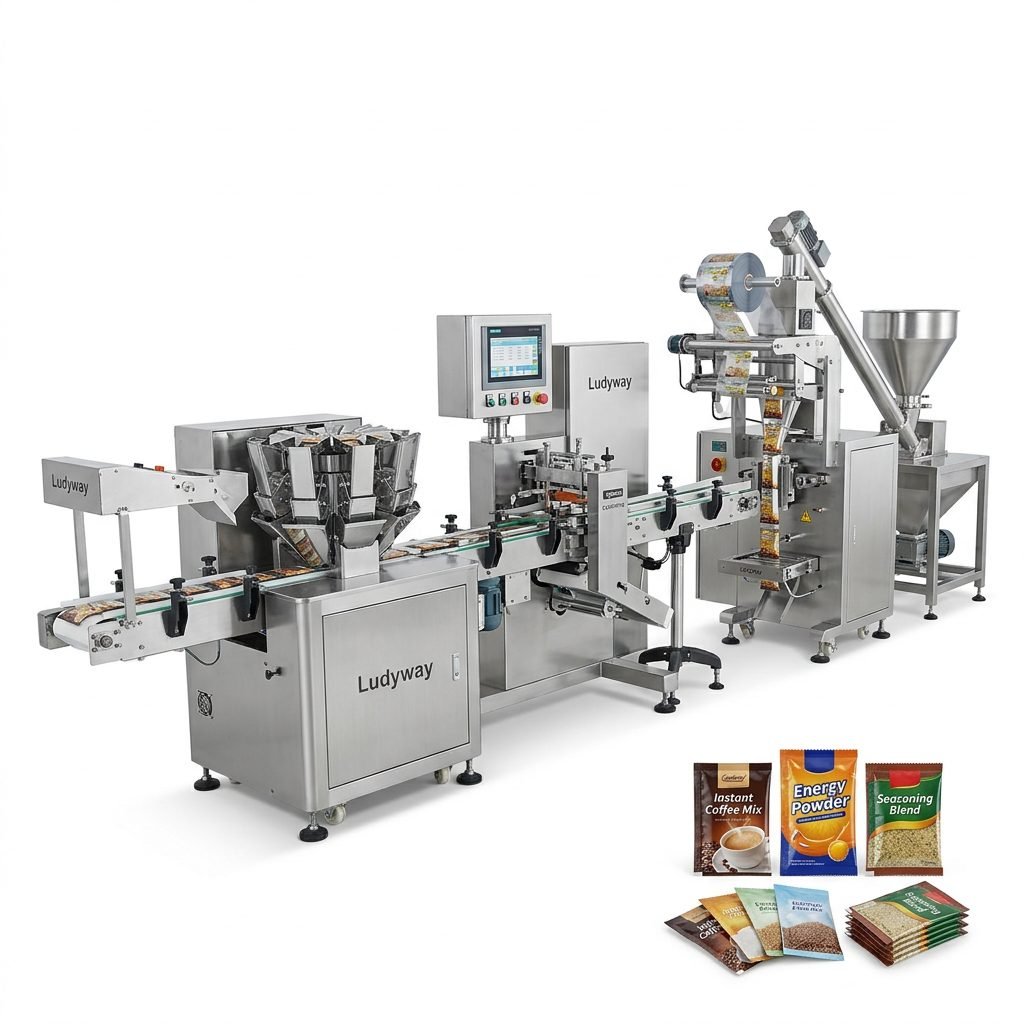
The African continent is experiencing a rapid transformation in food processing and packaging. With a growing middle class, increasing urbanization, and rising demand for shelf-stable products, setting up a food vacuum packaging production line has become a strategic investment. Vacuum packaging extends product freshness, reduces food waste, and opens access to premium retail and export markets.
Why Invest in Vacuum Packaging in Africa Now
Several factors make this the ideal moment to establish a food vacuum packaging line. The packaging machinery market is expanding steadily, and Africa’s food processing sector is projected to grow significantly. Local governments are offering incentives for value-added food manufacturing. Products like vacuum-packed meat, fish, nuts, dried fruits, coffee, and spices command higher prices both domestically and internationally. The demand for hygienic, extended-shelf-life food products continues to rise across retail chains, hotels, and export channels.

Step 1: Define Your Product Range and Packaging Format
Before purchasing any machinery, you must clearly define what you will package. The format directly determines which vacuum packaging equipment you need. Common food categories in Africa include:
- Fresh and frozen meat — requires chamber vacuum machines with high seal integrity
- Fish and seafood — demands moisture-resistant film and rapid sealing cycles
- Dried grains and pulses — can use vacuum pouches with nitrogen flushing for extended freshness
- Coffee and tea — often packed in valve-equipped vacuum bags to preserve aroma
- Snack nuts and dried fruits — benefit from vacuum sealing to prevent rancidity
- Dairy powders and nutritional products — require precise portioning and oxygen-free sealing
Step 2: Understand Vacuum Packaging Machine Types
Selecting the right machine is critical. Here is a comparison of the main machine types used in food vacuum packaging lines:
| Machine Type | Best For | Speed Level | Investment Level |
|---|---|---|---|
| Single Chamber Vacuum Machine | Small butcheries, fish processors, startups | Low to Medium | Low |
| Double Chamber Vacuum Machine | Medium meat processors, food exporters | Medium to High | Medium |
| Continuous Band Vacuum Sealer | High-volume dry foods, grains, powders | High | Medium-High |
| Rotary Vacuum Packaging System | Industrial-scale meat and cheese operations | Very High | High |
| Thermoforming Vacuum Machine | Flexible film roll-fed packaging, MAP options | High to Very High | High |
The right choice depends on your target throughput, product characteristics, and budget. For many African businesses, starting with a reliable double chamber machine offers a good balance of capacity and capital outlay.
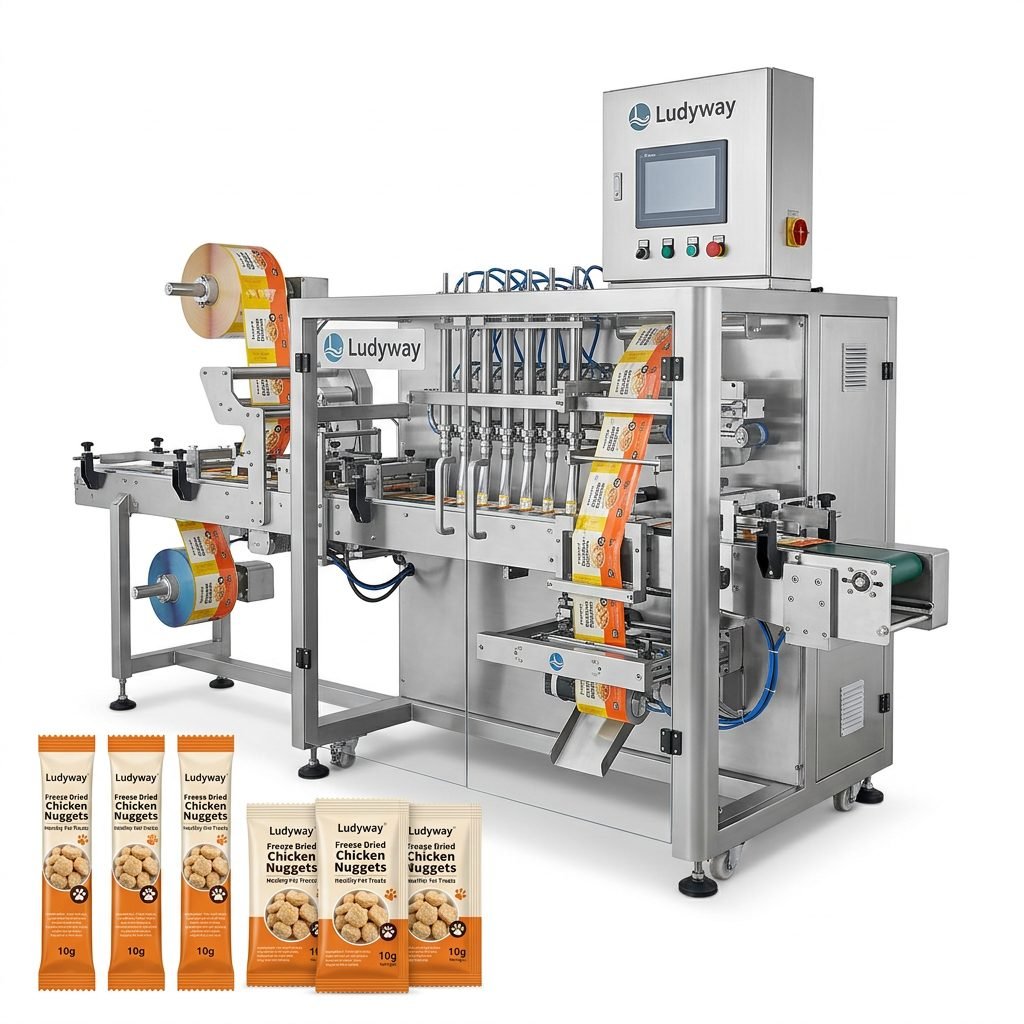
Step 3: Plan Your Production Line Layout
A well-designed food vacuum packaging production line follows a logical flow that maximizes efficiency and maintains hygiene standards. The typical layout includes:
- Raw Material Reception Area — where incoming goods are inspected, weighed, and logged
- Pre-Processing Section — includes washing, trimming, cutting, portioning, or grinding equipment
- Weighing and Dosing Station — multichannel weighing systems ensure precise portion control
- Vacuum Packaging Core Zone — the main sealing and air extraction machinery operates here
- Quality Inspection Point — check-weighers and seal integrity testers verify each package
- Labeling and Coding Area — batch codes, dates, and traceability information are applied
- Finished Goods Cold Storage — packaged products await dispatch under temperature-controlled conditions
Step 4: Evaluate Facility and Infrastructure Requirements
Your facility must meet food safety standards relevant to your target markets. Key infrastructure considerations include:
- Power supply — ensure stable three-phase electricity with backup generators; vacuum machines have significant power draw
- Compressed air — many automated packaging lines require consistent air pressure for actuators and valves
- Water and drainage — cleaning and sanitation demand ample water supply with proper waste drainage
- Temperature control — meat and fish lines need refrigerated processing rooms (typically under 12°C)
- Flooring and drainage — non-slip, easy-to-clean epoxy flooring with adequate slope for drainage
- Lighting — bright, shatterproof lighting throughout the production and inspection areas
Key Environmental Controls
Maintaining proper humidity and temperature in your packaging room directly affects seal quality and product safety. Excessive moisture can weaken heat seals, while temperatures above recommended levels accelerate bacterial growth. Invest in a HVAC system sized appropriately for your facility’s square footage and expected heat load from machinery.
Step 5: Select Reliable Equipment and Packaging Materials
Choosing durable, maintainable equipment is essential for long-term success in African markets. Look for manufacturers with established track records in flexible packaging technology. Key criteria include:
- Build quality — stainless steel construction resists corrosion in humid, food-processing environments
- Spare parts availability — confirm the manufacturer can supply parts quickly to your location
- Technical support — remote assistance capability and local distributor presence are important
- Film compatibility — ensure the machine handles the vacuum pouch materials you plan to use
- Energy efficiency — modern servo-driven machines reduce electricity costs substantially
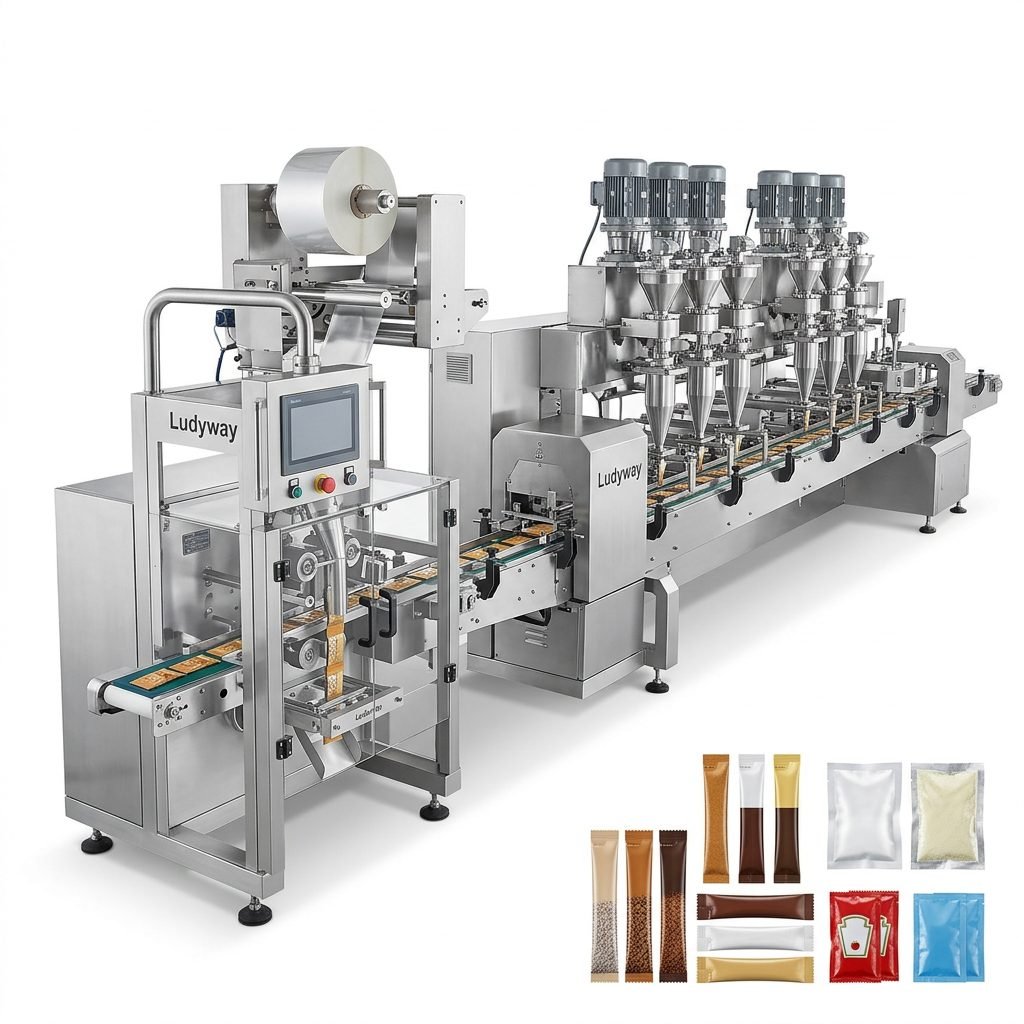
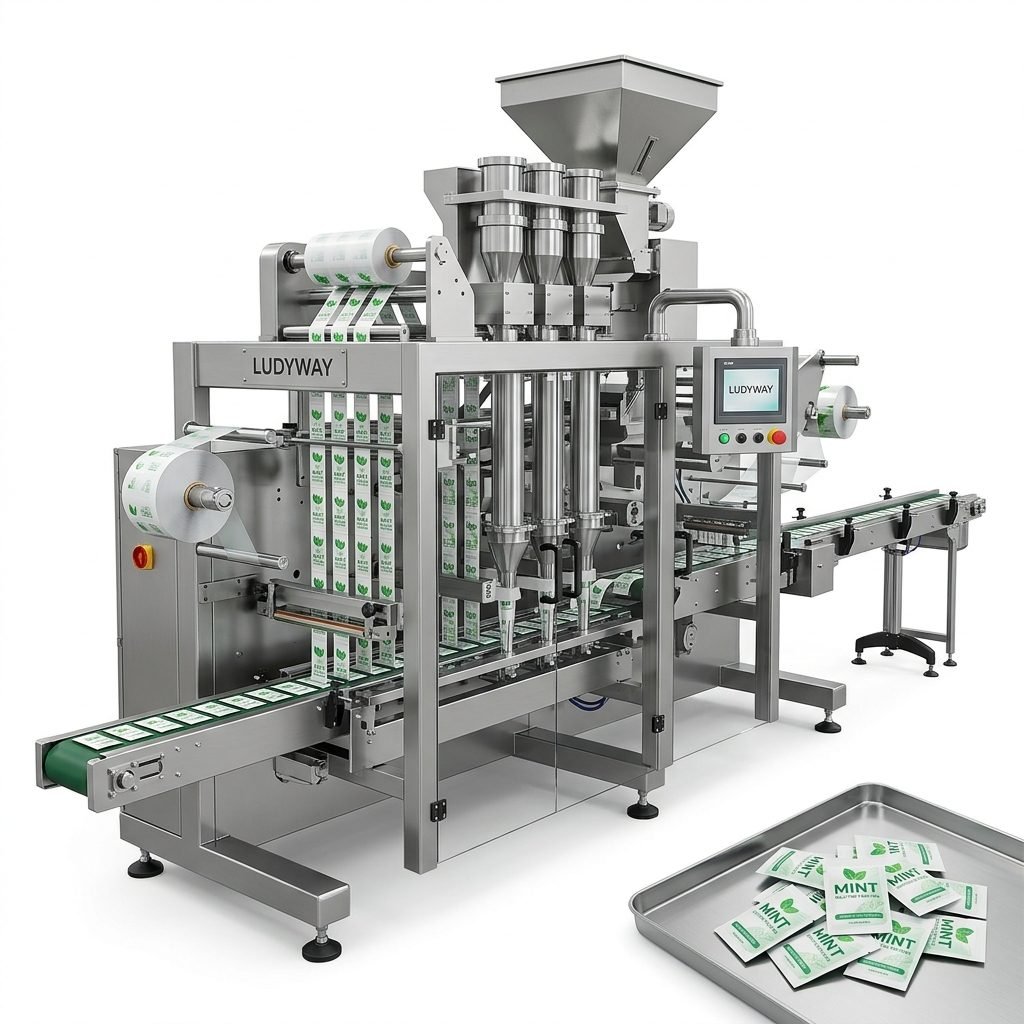
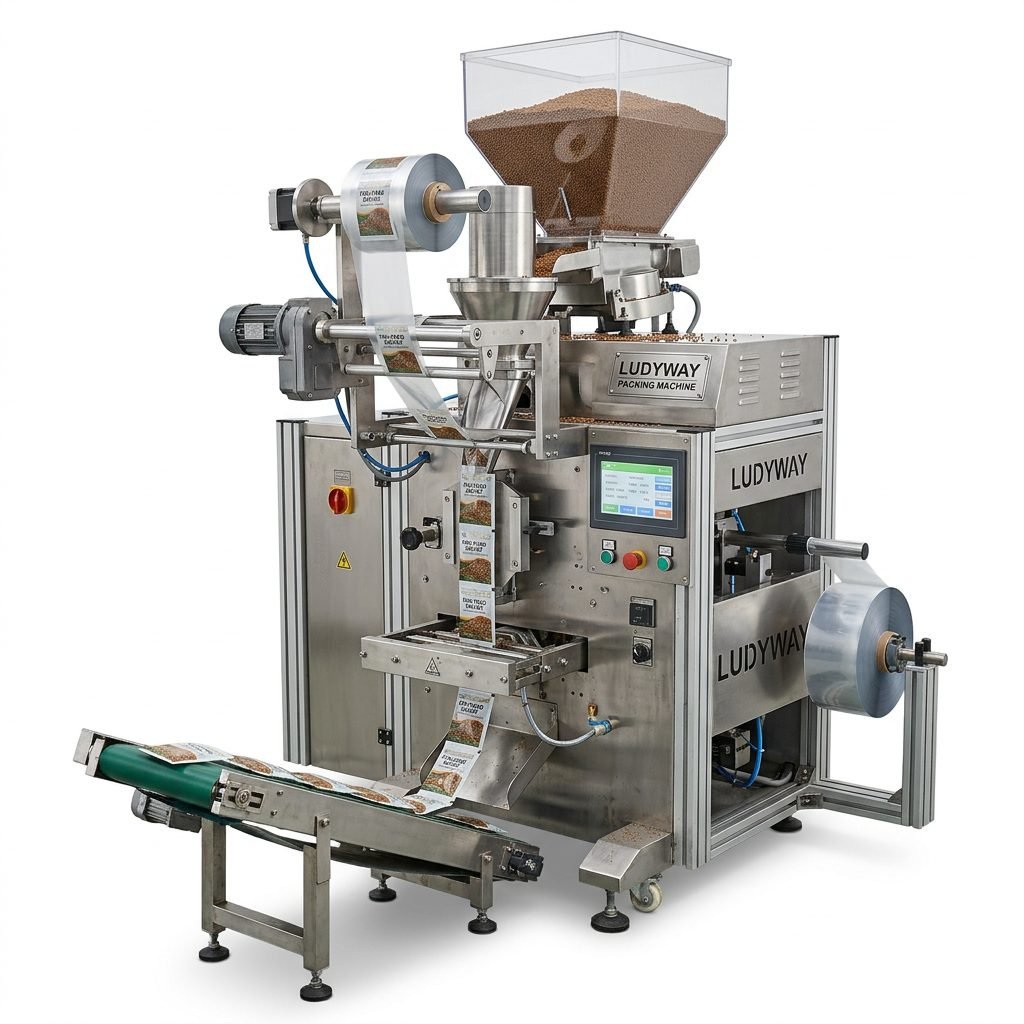
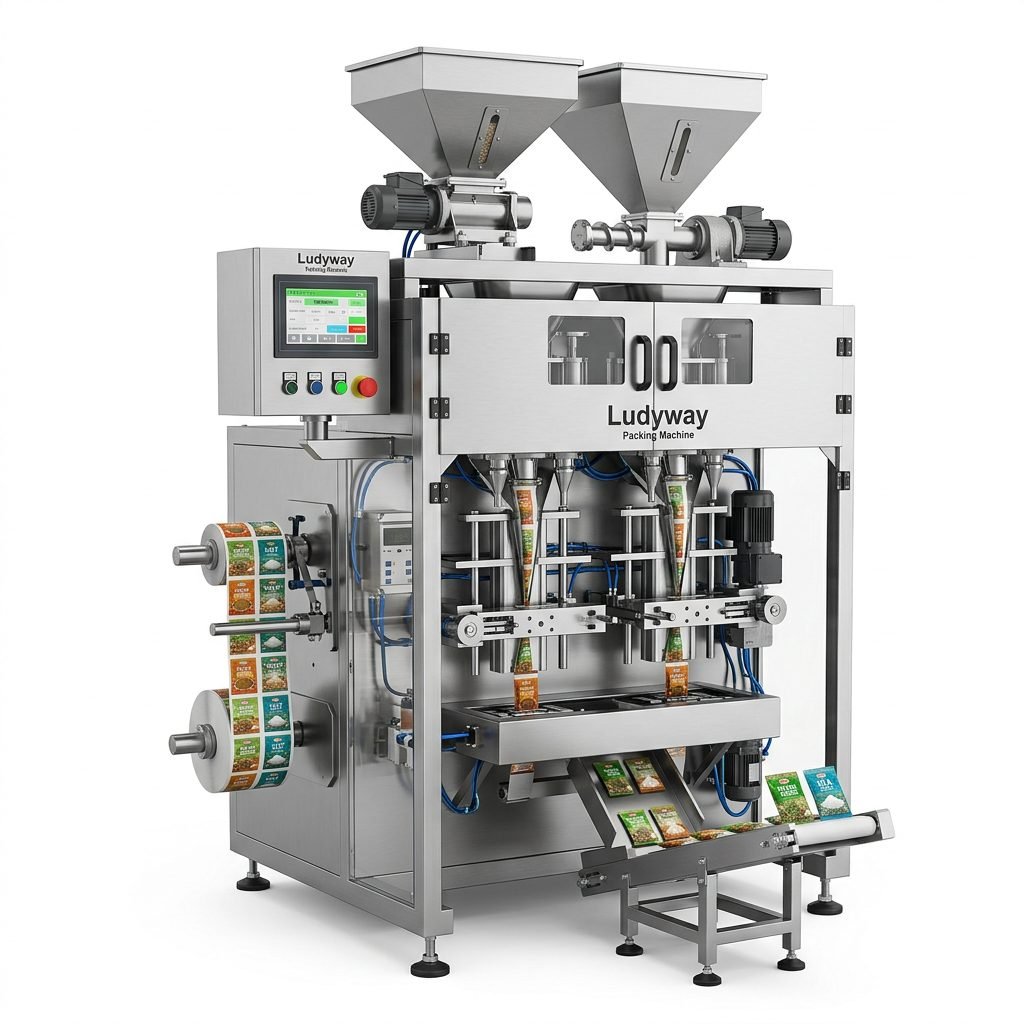
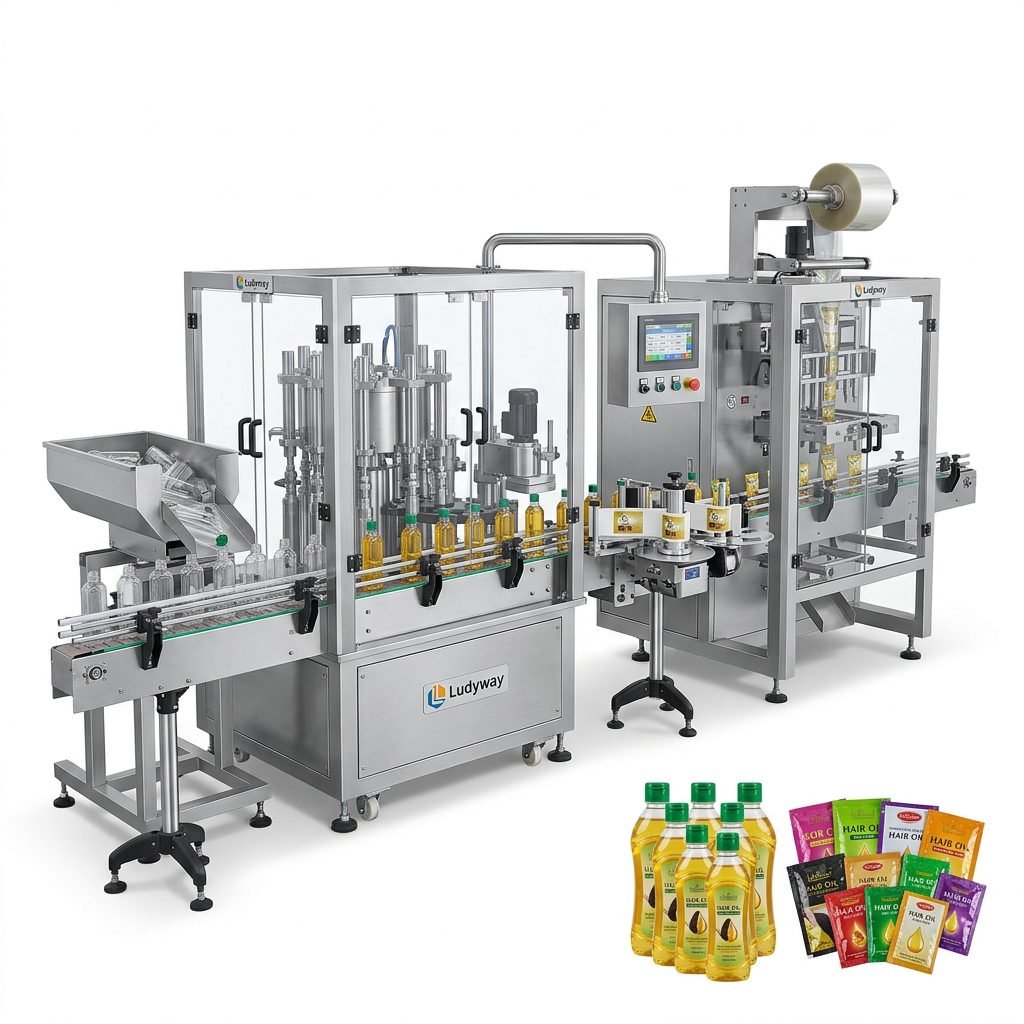
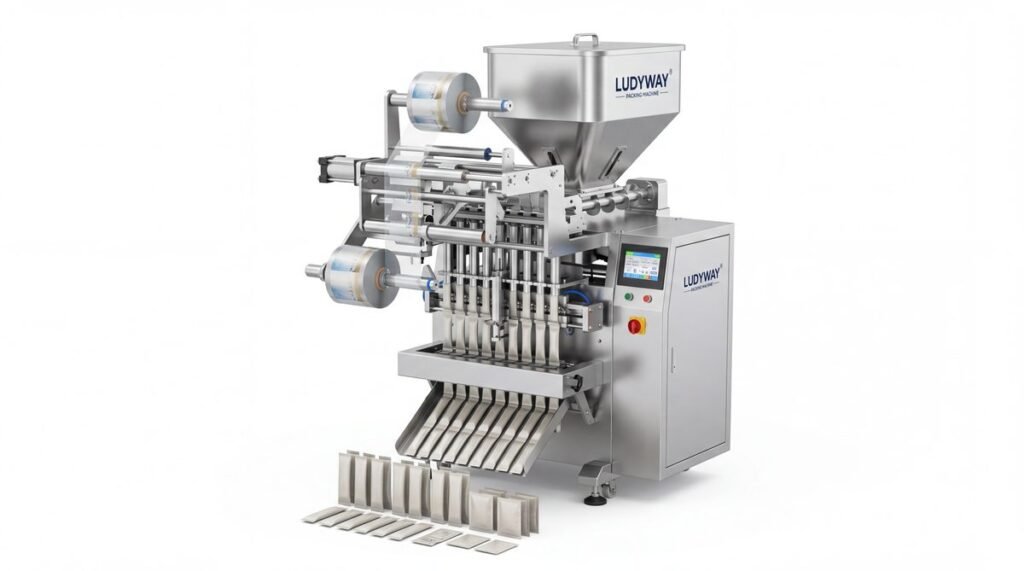
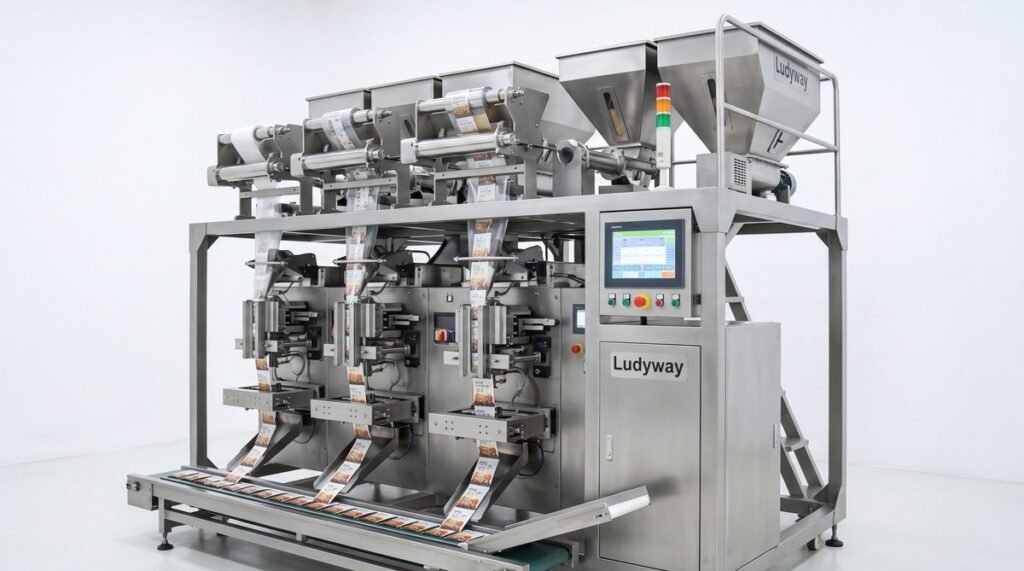
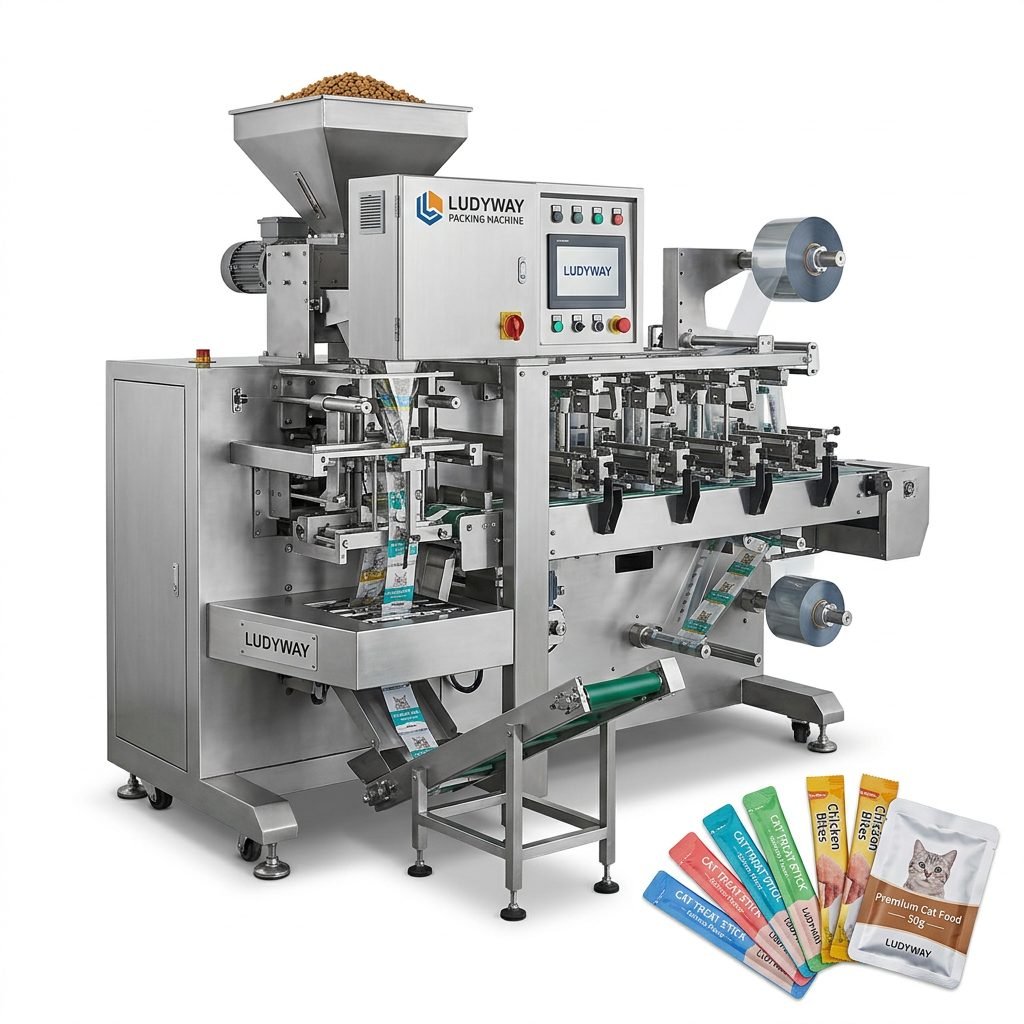
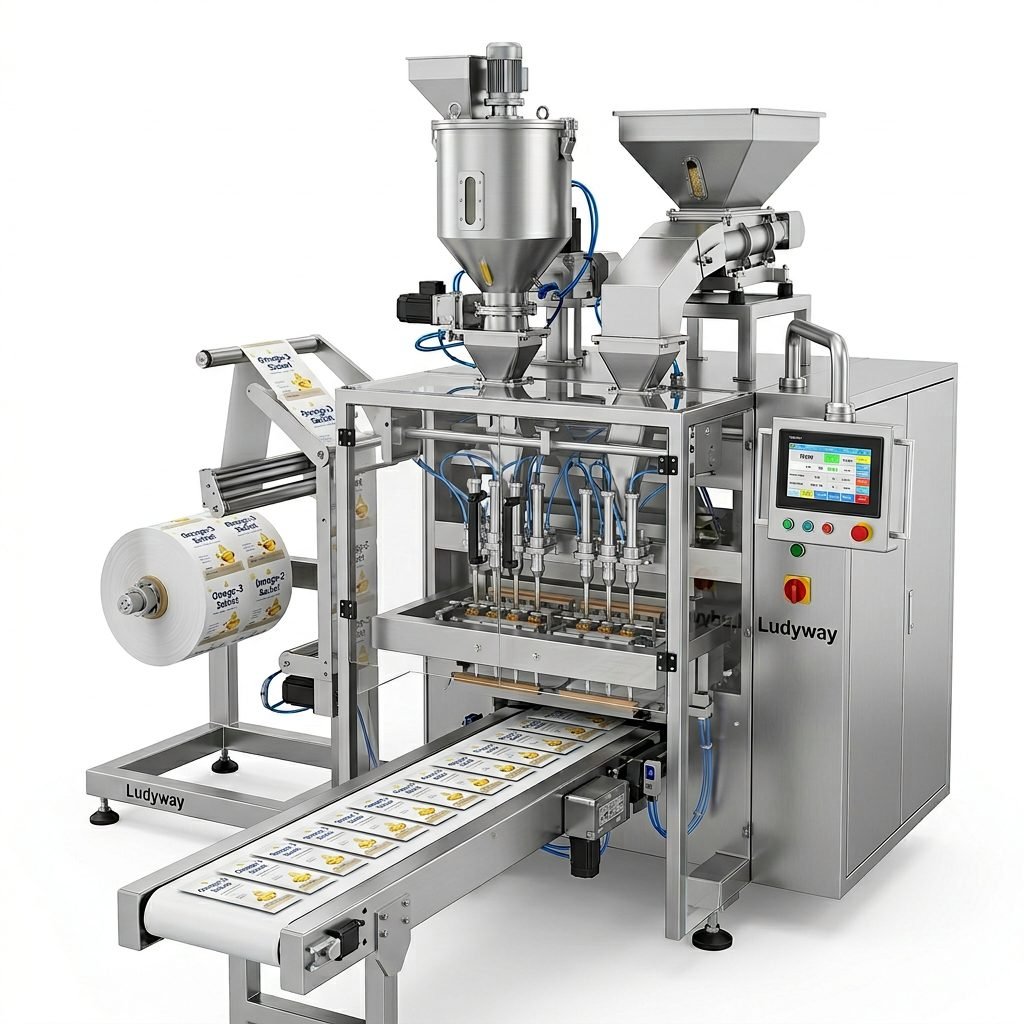
For operations seeking turnkey solutions, several established manufacturers provide complete packaging lines. As a leading China-based packaging machinery manufacturer with over 30 years of industry experience, Ludyway offers integrated vacuum packaging systems suitable for diverse African food processing applications, supported by a modern 20,000㎡ production facility and engineering expertise across more than 50 intelligent packaging machine models.
Step 6: Build a Skilled Operational Team
Even the best equipment underperforms without trained operators. Your team structure should include:
| Role | Key Responsibilities |
|---|---|
| Production Supervisor | Oversees daily operations, scheduling, and quality targets |
| Machine Operator | Runs, adjusts, and cleans the vacuum packaging machine |
| Maintenance Technician | Handles preventive maintenance and minor repairs |
| Quality Control Officer | Inspects seal integrity, weights, and labeling accuracy |
| Warehouse and Logistics Staff | Manages raw material storage and finished goods dispatch |
Invest in on-site training during installation. Most reputable equipment suppliers include commissioning and operator training as part of their package. Document standard operating procedures clearly and conduct refresher training quarterly.
Step 7: Master Vacuum Packaging Film Selection
The film you choose dramatically affects product shelf life, appearance, and protection. Common structures used in food vacuum packaging include:
- PA/PE (Polyamide/Polyethylene) — excellent puncture resistance, suitable for meat and bone-in products
- EVOH barrier films — provide oxygen barrier for extended shelf life of sensitive products like coffee and nuts
- Metallized PET/PE — offer light barrier and premium appearance for retail display
- High-barrier shrink bags — tightly conform to irregularly shaped products like whole poultry or cheese blocks
- Recyclable mono-material films — increasingly required for export to EU markets with packaging regulations
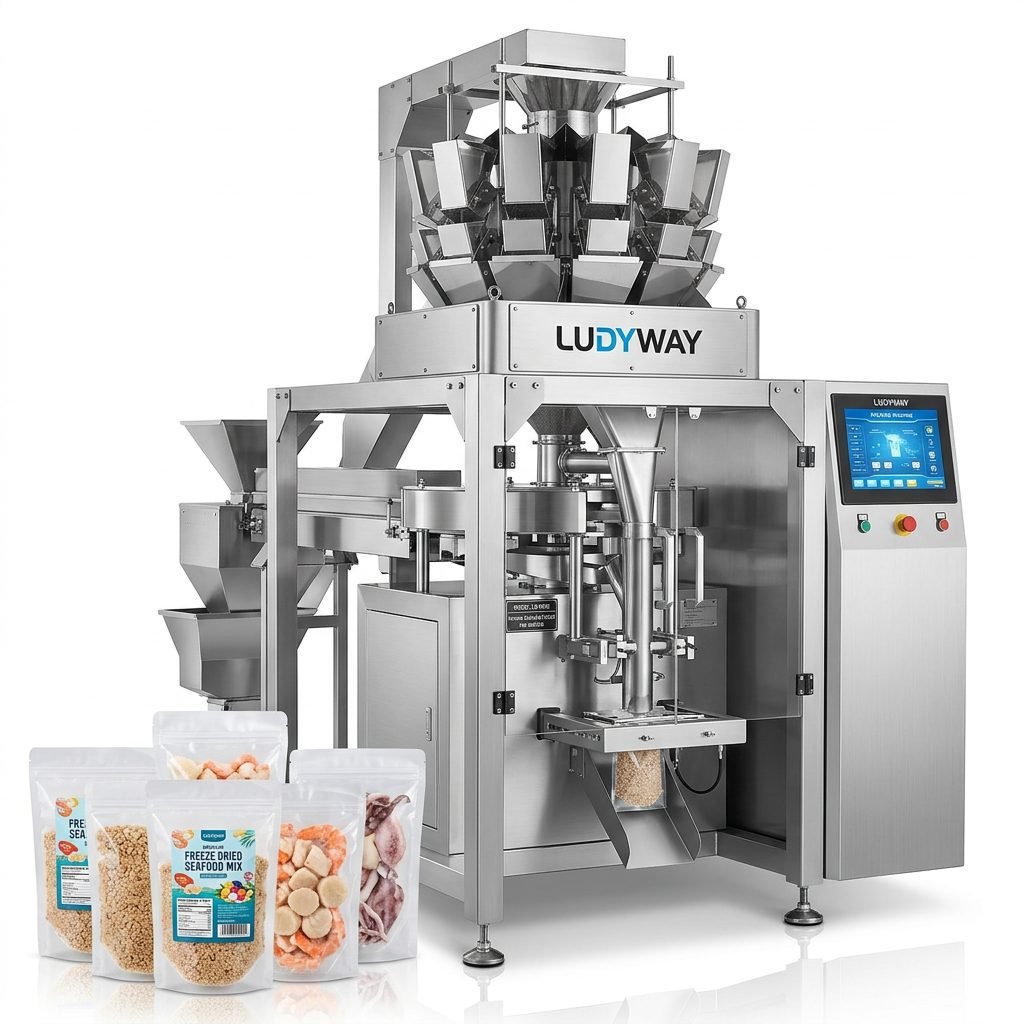
Step 8: Implement Quality Control and Hygiene Protocols
Export-oriented and premium domestic markets demand verifiable quality systems. Consider implementing these practices from day one:
- HACCP (Hazard Analysis and Critical Control Points) plan tailored to your production process
- Metal detection after sealing to catch contaminants before packaging reaches consumers
- Seal integrity testing using water immersion or burst testing at defined intervals
- Microbiological swab testing of food contact surfaces and equipment
- Traceability system recording batch numbers, production dates, and raw material origins
Cleaning and Sanitation Schedule
Develop a daily, weekly, and monthly cleaning protocol. Food residues left on vacuum chamber seals are a primary source of seal failure and contamination. Disassemble removable parts for deep cleaning regularly. Use food-grade sanitizers approved for your target market’s regulatory framework.
Step 9: Navigate Regulatory Compliance and Certification
Different African countries have varying requirements, but common certifications needed for food vacuum packaging operations include:
- Local health authority registration — factory registration with the national food and drug authority
- Product-specific permits — meat inspection certificates, fisheries department approvals
- Export certifications — for international markets, you may need ISO 22000, BRC, or FSSC 22000
- Halal or Kosher certification — depending on target consumer demographics
- Packaging material compliance — ensure films meet food contact safety standards per ISO packaging standards
Step 10: Calculate Your Investment and ROI Timeline
Building a food vacuum packaging line requires careful financial planning. Typical cost categories and estimated ranges for a medium-scale African operation include:
| Cost Category | Estimated Range (USD) | Notes |
|---|---|---|
| Vacuum Packaging Machine(s) | $8,000 – $80,000+ | Depends on automation level and capacity |
| Pre-Processing Equipment | $5,000 – $30,000 | Weighing, cutting, portioning tools |
| Facility Preparation | $10,000 – $50,000 | Renovation, cold rooms, drainage, electrical |
| Initial Packaging Material Stock | $3,000 – $15,000 | Films, pouches, labels for 3 months |
| Training and Commissioning | $2,000 – $8,000 | Often partially included with equipment |
| Total Estimated Investment | $28,000 – $183,000+ | Scalable based on production volume needs |
With efficient operations and strong market demand, many African food packaging ventures achieve full ROI within 18 to 36 months. Higher-value products like vacuum-packed export-grade beef or specialty coffee show the fastest returns.

Common Mistakes to Avoid
Learning from others’ experiences can save significant time and money. Frequent pitfalls in setting up food vacuum packaging operations in Africa include:
- Underestimating cold chain requirements — vacuum packaging extends shelf life but does not replace refrigeration for perishable products
- Choosing the wrong machine for product characteristics — liquid-rich foods need different sealing parameters than dry products
- Neglecting operator training — improper machine settings cause high rejection rates and film waste
- Inadequate power supply planning — voltage fluctuations can damage electronic controls; invest in voltage stabilizers
- Skipping preventive maintenance — vacuum pumps and seal bars wear predictably; schedule replacements proactively
- Inconsistent packaging material sourcing — switching film suppliers frequently leads to variable seal quality
Future-Proofing Your Vacuum Packaging Line
The African food packaging sector is evolving rapidly. Consider these trends when designing your line:
- Modified Atmosphere Packaging (MAP) — combining vacuum with gas flushing extends fresh product shelf life significantly
- Automation and IoT integration — smart sensors monitor seal temperature, vacuum levels, and machine health in real time
- Sustainable packaging materials — consumers and regulators increasingly demand recyclable or biodegradable options
- Flexible packaging formats — multi-lane stick pack and sachet systems allow product diversification without buying entirely new lines
- Digital traceability — QR codes and blockchain integration for supply chain transparency are becoming standard in premium export markets
Conclusion
Setting up a food vacuum packaging production line in Africa is a significant but achievable undertaking. By carefully selecting your product niche, investing in appropriate machinery, preparing your facility correctly, and building a competent team, you can build a profitable, scalable business serving both local and international markets. The combination of Africa’s agricultural abundance and growing consumer demand for safely packaged, long-lasting food products creates a compelling opportunity for entrepreneurs and established food companies alike. Start with thorough planning, choose reliable partners, and maintain rigorous quality standards from day one to position your operation for sustained success.
Explore Complete Packaging Solutions
Ready to start your packaging project? Complete turnkey packaging lines for food products—from weighing and filling to vacuum sealing and cartoning—are available from experienced manufacturers. With over 30 years of experience serving customers in more than 100 countries, Ludyway provides granule, powder, liquid, and pouch packaging systems designed for African production environments. Contact our team at info@ludyway.com or via WhatsApp: +8613129592456 to discuss your requirements and receive a tailored proposal.