The Middle East’s frozen food sector is experiencing unprecedented growth, driven by shifting consumer lifestyles, rapid urbanization, and a strong demand for convenient, high-quality meal solutions. Setting up a frozen food packaging line in this region presents a lucrative opportunity, but it requires meticulous planning around equipment selection, cold chain integrity, and local regulatory compliance. This guide walks you through the essential steps to build a successful and efficient operation.
Understanding the Middle East Frozen Food Market Potential
The demand for frozen vegetables, ready-to-eat meals, meat, and seafood is soaring across the GCC nations, particularly in the UAE and Saudi Arabia. Factors such as a young population, high disposable income, and the expansion of modern retail and e-commerce platforms are fueling this trend. Investing in a robust packaging line now positions you perfectly to capture this expanding market share. Proper packaging is not just about containment; it is critical for preserving taste, texture, and nutritional value while extending shelf life in the region’s extreme climate.
Key Stages of a Frozen Food Packaging Line
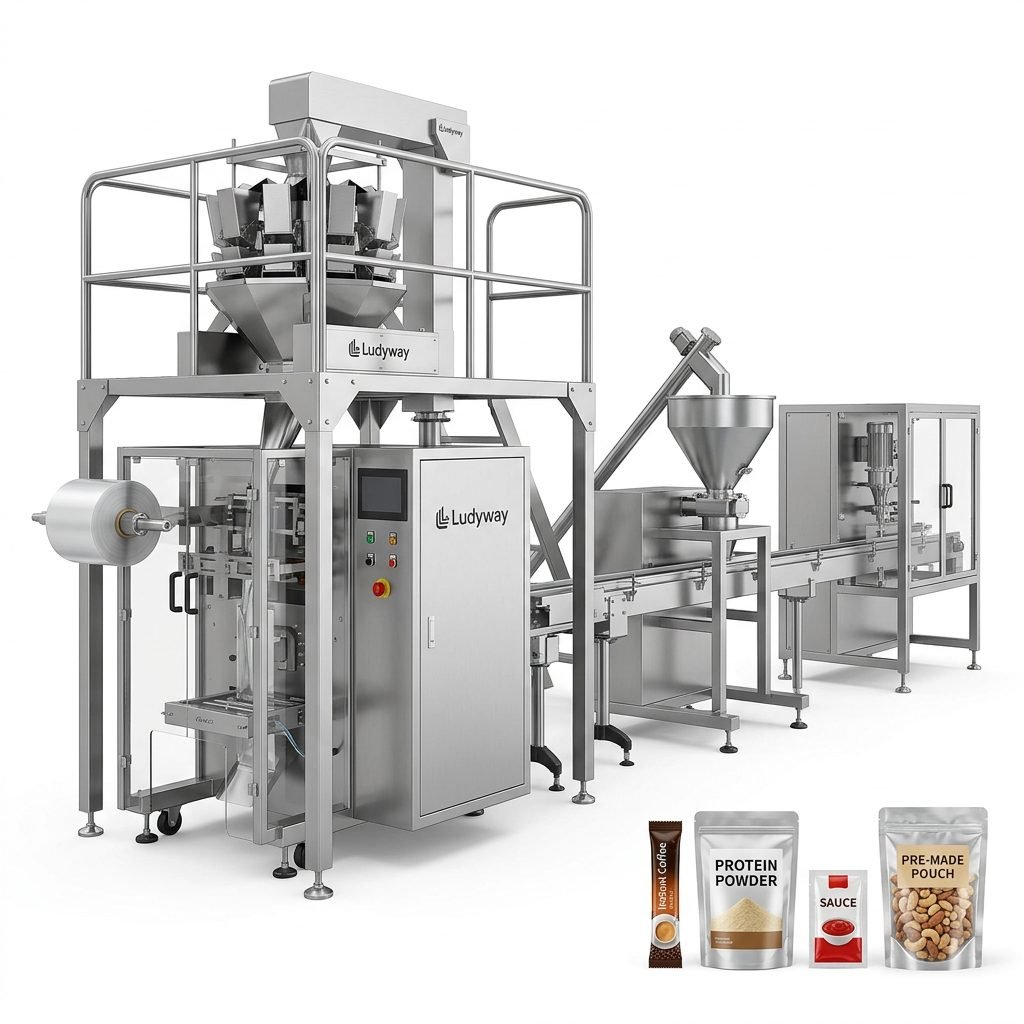
A typical automated setup involves several integrated stages. Understanding each component helps in designing a seamless flow from processing to palletizing.
| Stage | Core Equipment | Key Function |
|---|---|---|
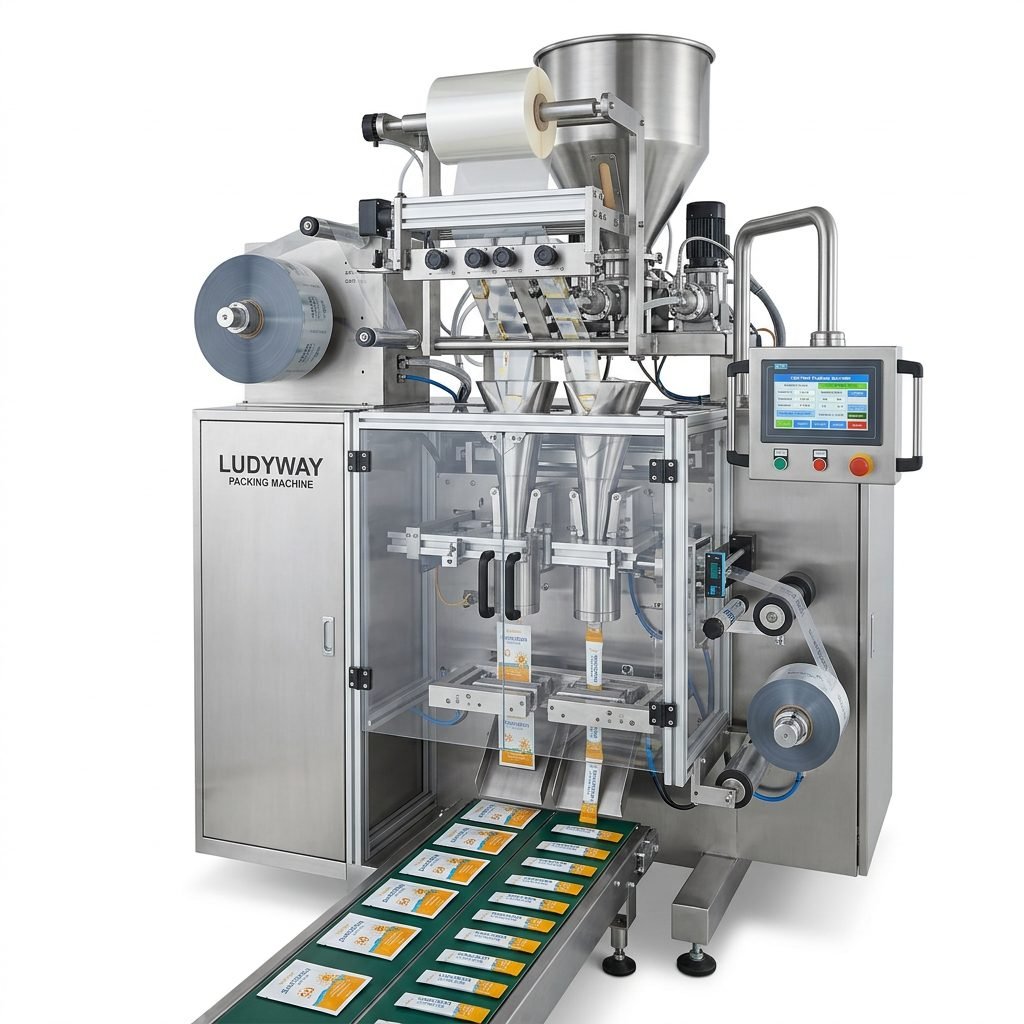
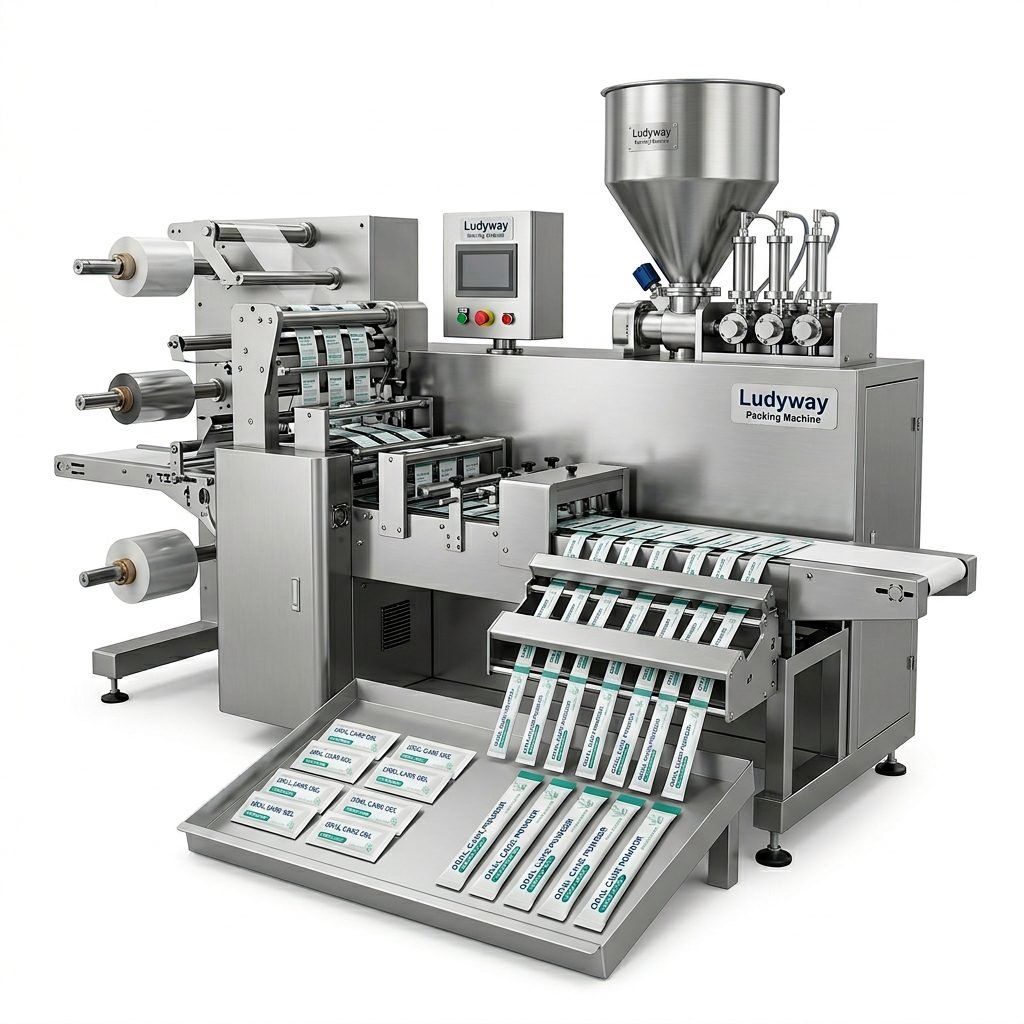
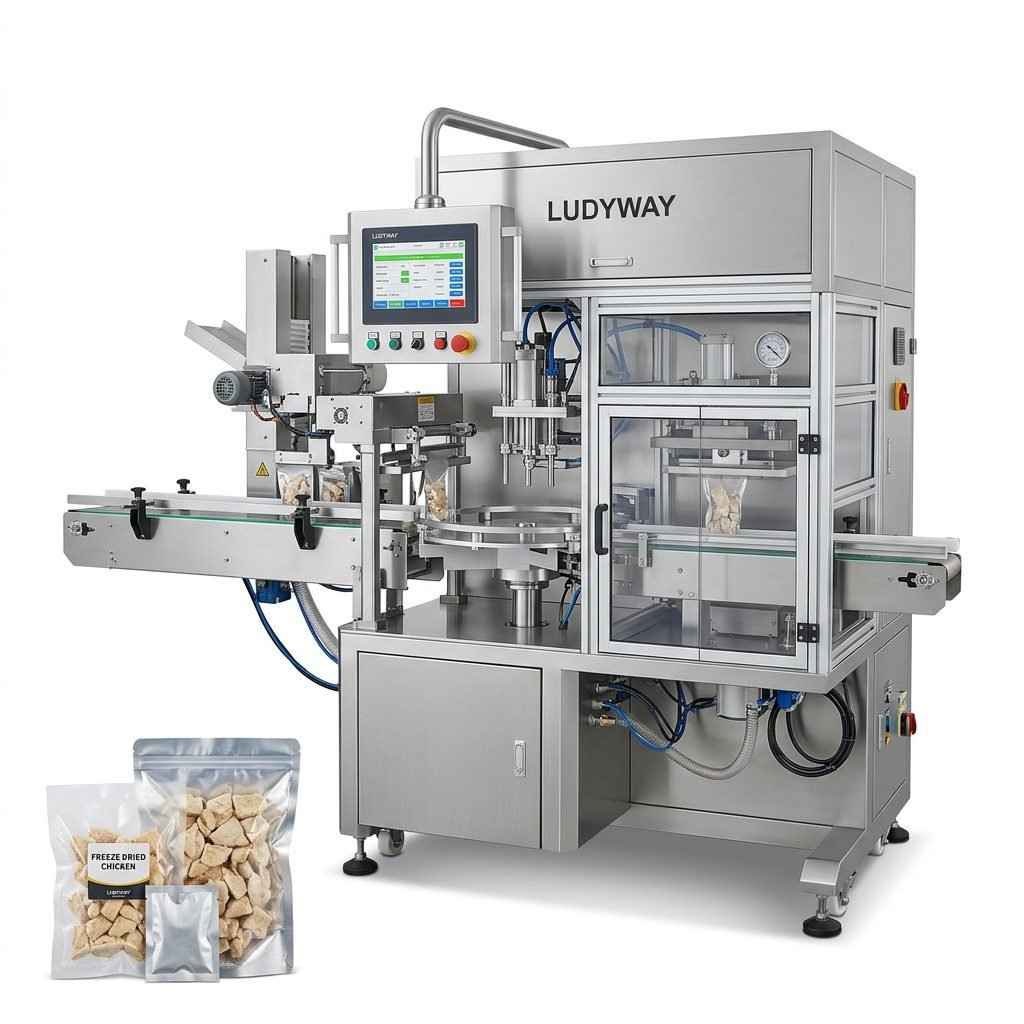
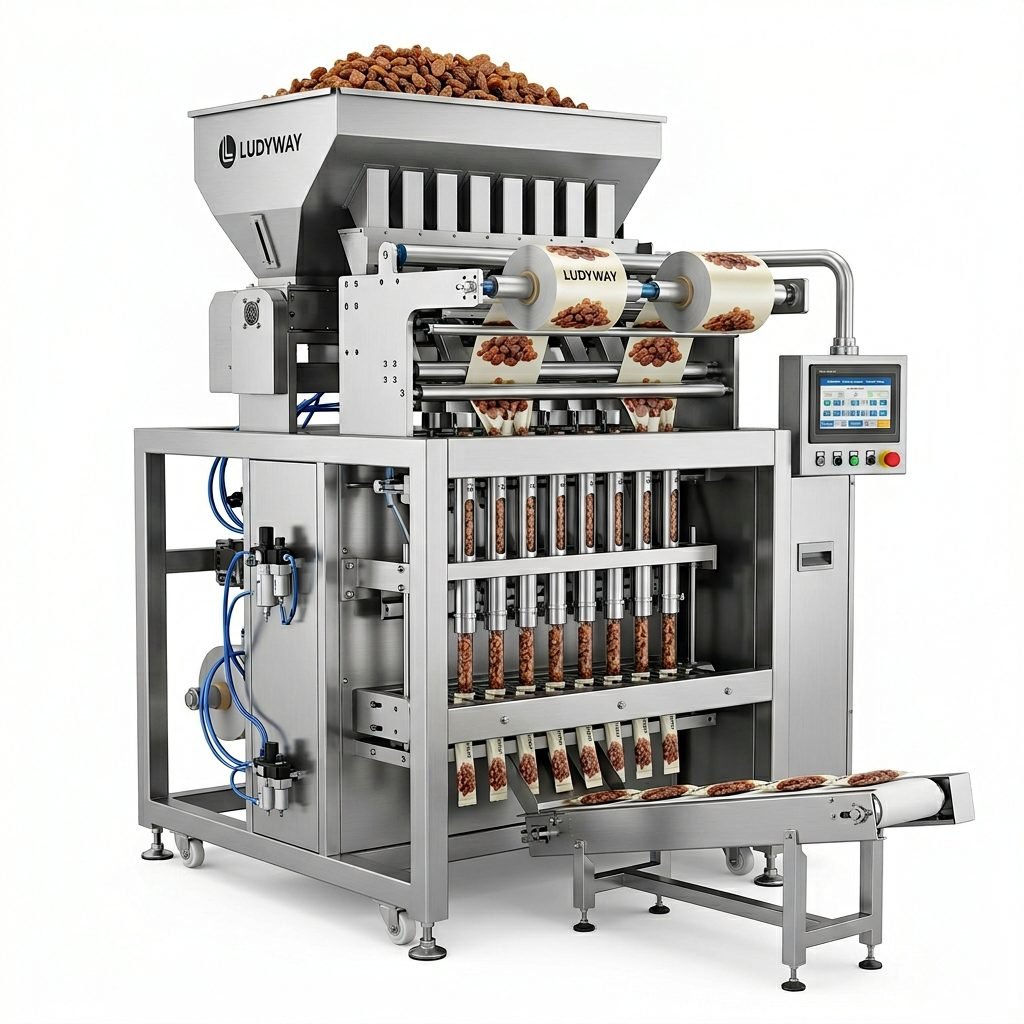
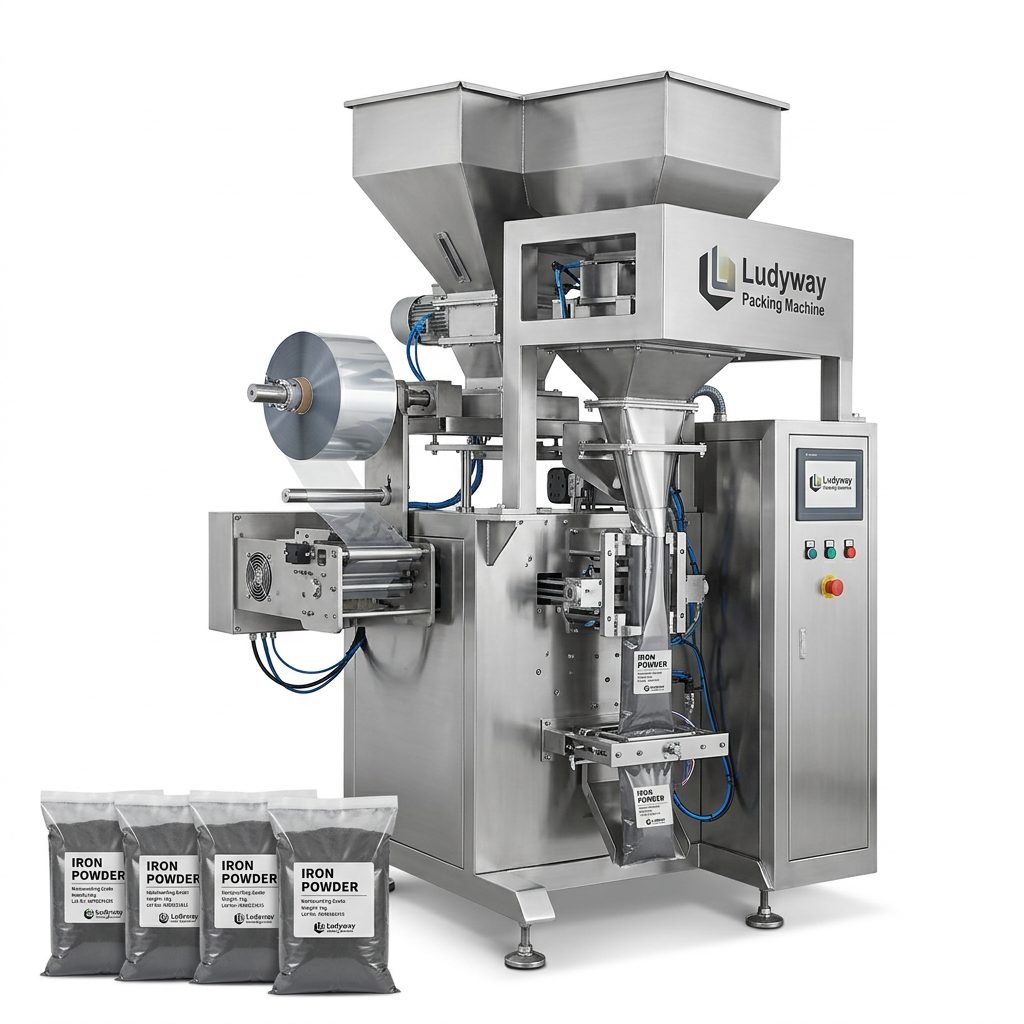
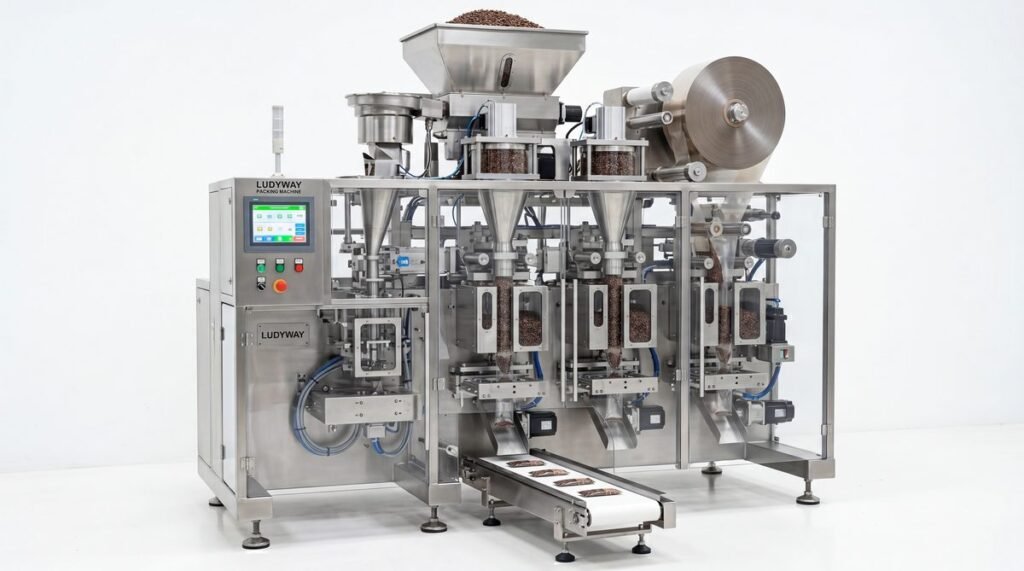
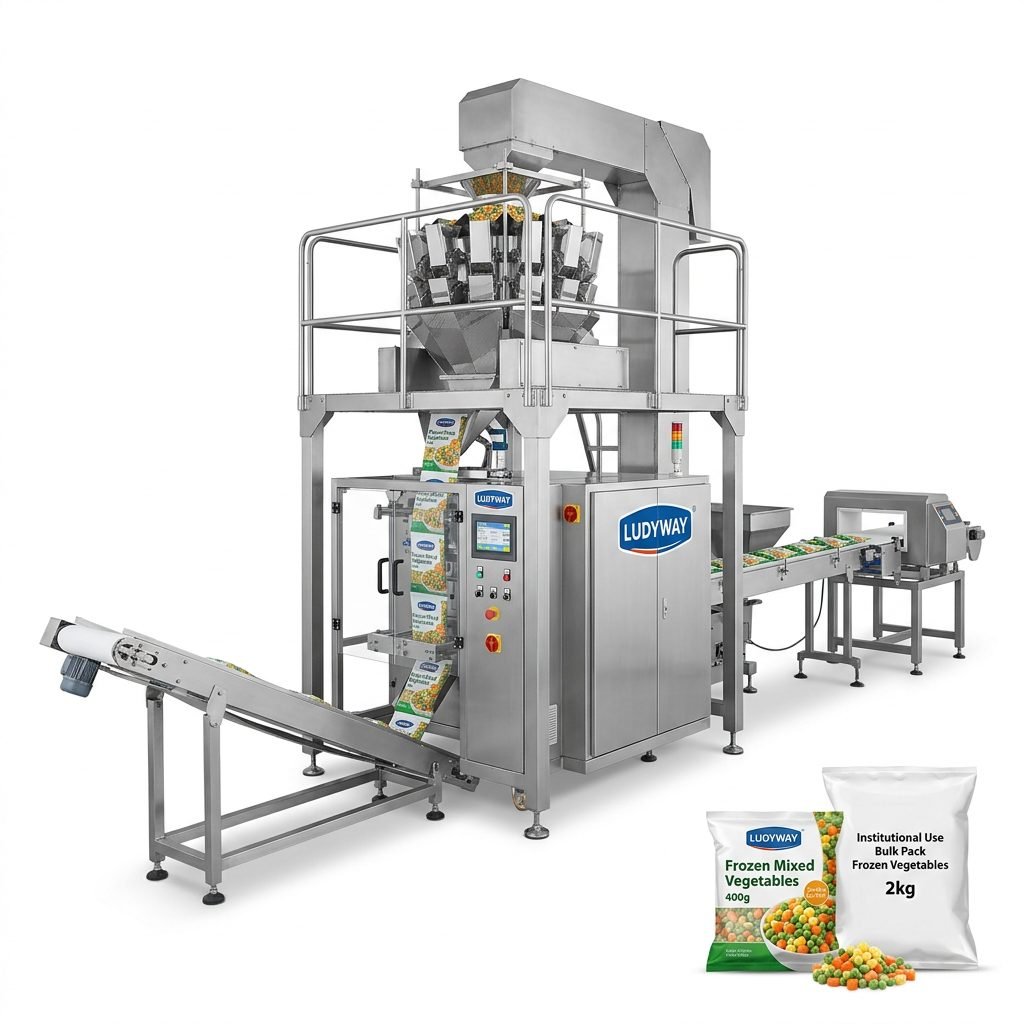
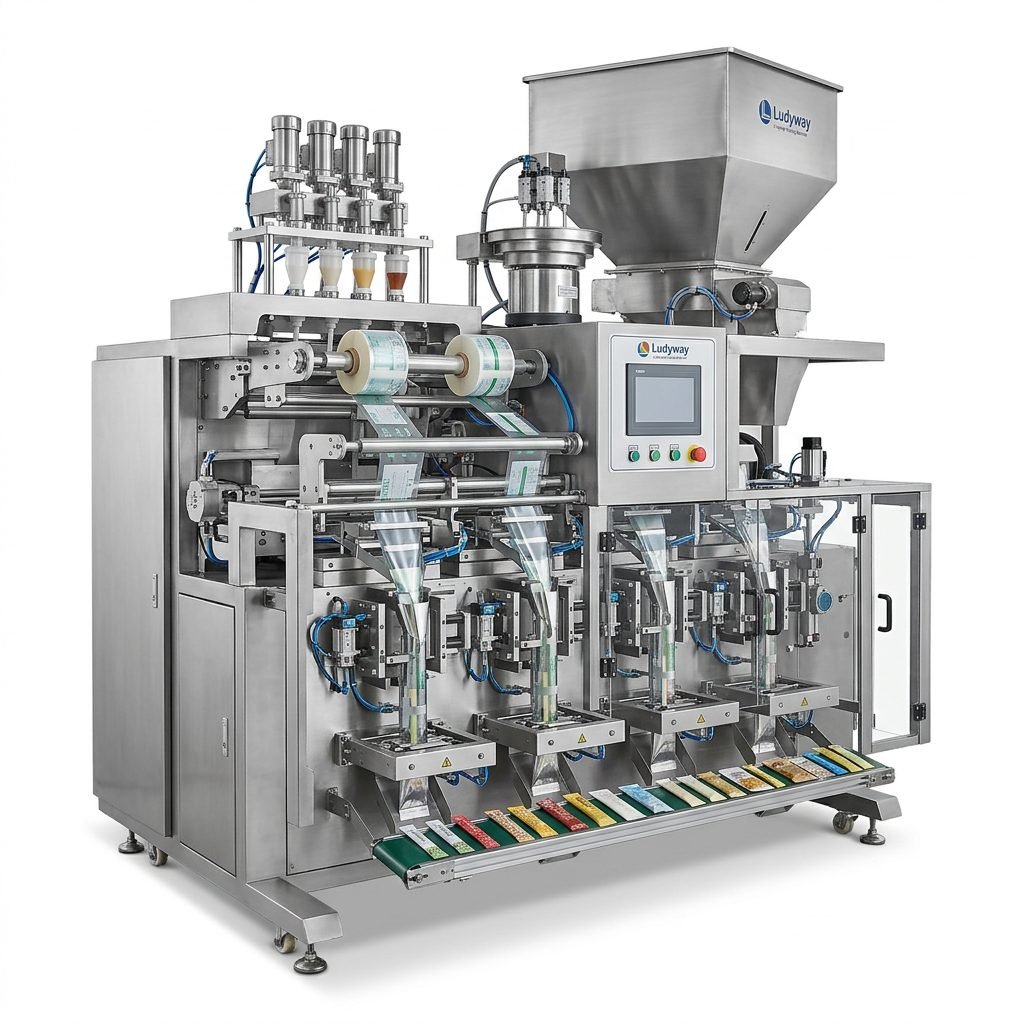
| Primary Packaging | Vertical Form Fill Seal (VFFS) machines, multi-lane stick pack machines, tray sealers | Forms pouches or fills trays directly with frozen products like vegetables, fruits, or seafood. |
| Secondary Packaging | Cartoning machines, case packers, shrink wrapping systems | Groups primary packs into cartons or cases for distribution and retail display. |
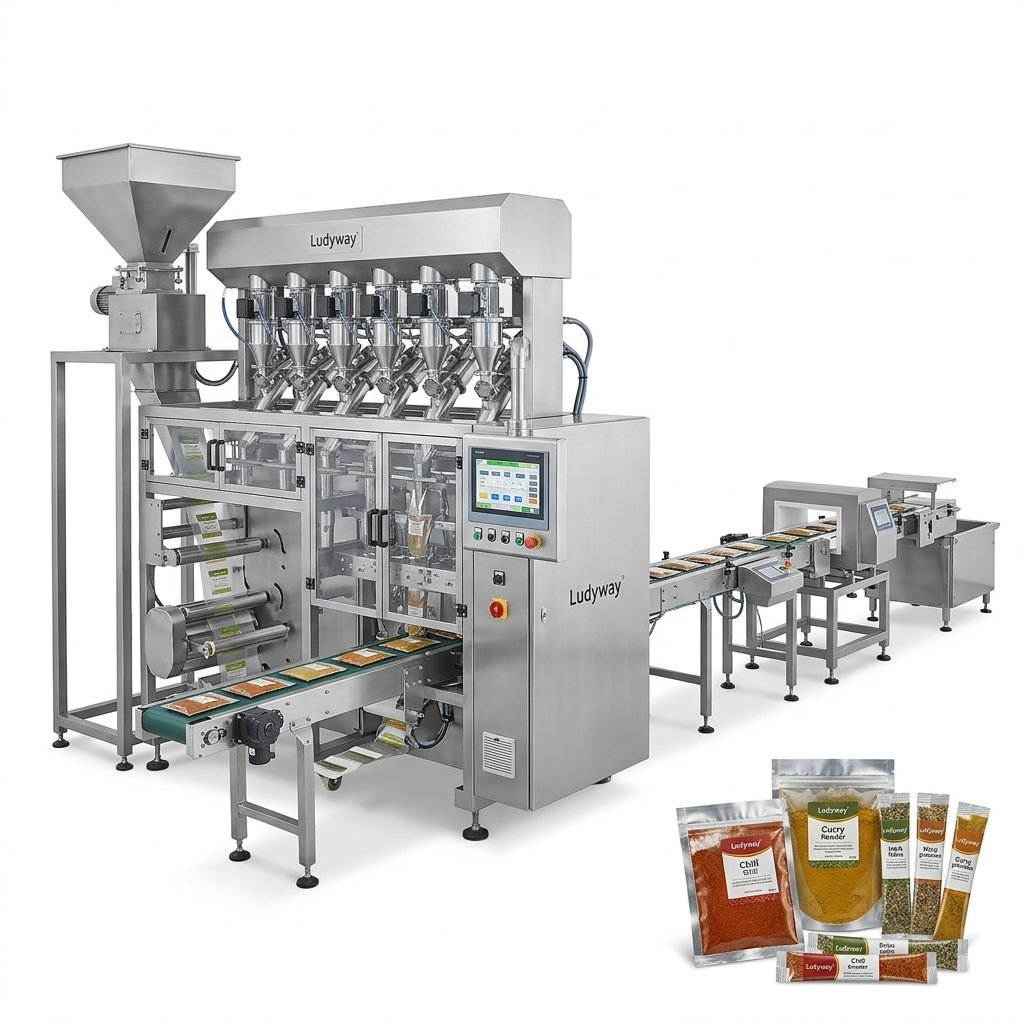
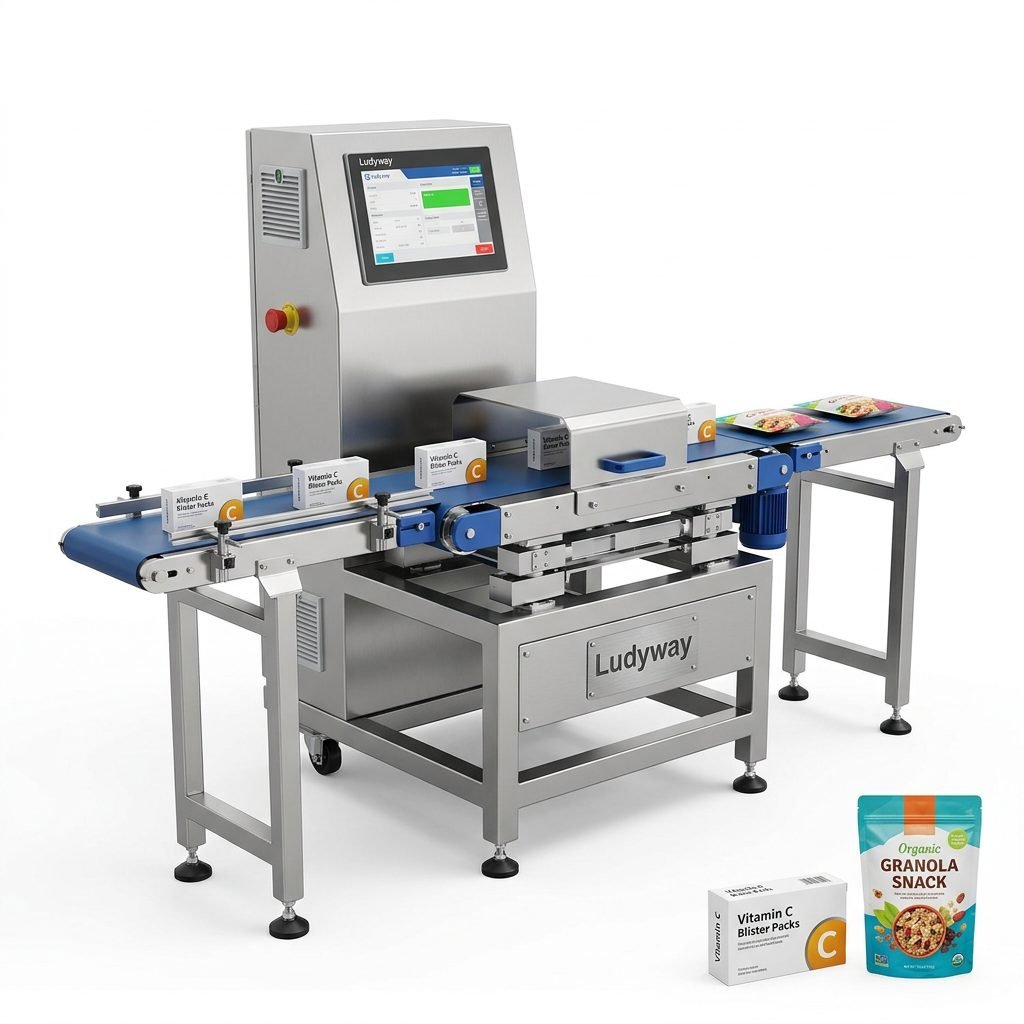
| End-of-Line Systems | Checkweighers, metal detectors, palletizers, stretch wrappers | Ensures quality compliance, weight accuracy, and stable pallet loads for cold storage logistics. |
Choosing the Right Packaging Machinery for Frozen Products
Selecting equipment designed for low-temperature environments is non-negotiable. Standard machines may malfunction or suffer from condensation issues. Focus on machinery that offers:
- Cold-Resistant Components: Electrical systems and sensors rated for sub-zero conditions.
- Hygienic Design: Stainless steel construction with smooth, easy-to-clean surfaces to meet HACCP standards.
- Gentle Handling: Features that minimize product breakage, crucial for fragile items like frozen berries or fillets.
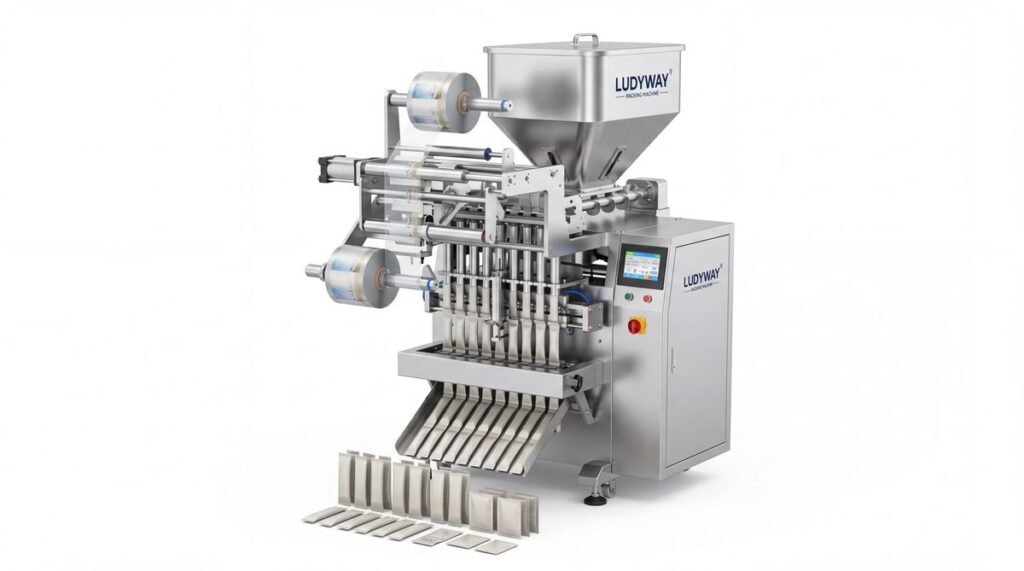
- High-Speed Accuracy: Multi-lane stick pack and sachet machines, such as those offered by Ludyway, provide exceptional speed and precision for portion control packing.
Mastering the Cold Chain: Production Environment
Maintaining an unbroken cold chain during the packaging process is vital. The packaging hall should ideally be climate-controlled, operating at temperatures between 8°C and 12°C, with the product itself entering the line at -18°C or lower. Rapid transfer from processing to packaging minimizes temperature fluctuation. Additionally, the packaging material must possess excellent barrier properties against moisture and oxygen to prevent freezer burn, which is a common consumer complaint in the region.
Regulatory Compliance and Halal Certification
Navigating the regulatory landscape is a critical step. Most Middle Eastern countries follow standards influenced by the Codex Alimentarius and GCC Standardization Organization (GSO). Key considerations include:
- Halal Certification: This is mandatory for all meat, poultry, and many processed food products. The entire supply chain, including packaging materials and processes, must be certified.
- Labeling Requirements: Labels must include production and expiry dates, nutritional facts, and ingredient lists in Arabic and often English. Proper date coding equipment is essential.
- Food Contact Materials: Ensure all packaging films and trays comply with regional food safety regulations for low-temperature use.
Designing the Optimal Layout and Workflow
A linear or U-shaped layout is often most efficient for frozen food lines, minimizing the distance product travels from the blast freezer to the primary packaging module. Integrate automated feeding systems to reduce manual handling and contamination risks. The 2026 State of the Industry report highlights a clear trend towards automation to improve Overall Equipment Effectiveness (OEE). Modular equipment that can be easily reconfigured for different pack sizes—from small sachets to bulk family packs—offers valuable flexibility for the diverse Middle Eastern market.
Cost-Value Analysis: Beyond the Initial Investment
While high-quality automated lines require a significant upfront investment, the long-term value is substantial. Evaluate suppliers based on total cost of ownership, which includes energy efficiency, spare parts availability, and local technical support. A high-speed dynamic checkweigher, for instance, reduces product giveaway and ensures compliance, delivering a rapid return on investment.
Selecting a Reliable Turnkey Partner
Partnering with an experienced turnkey solution provider can drastically simplify the setup process. A qualified partner will handle everything from line design and equipment manufacturing to installation and commissioning. When evaluating partners, consider their experience with frozen food projects in similar climates and their ability to provide references. Companies like Ludyway leverage over 30 years of industry expertise to deliver customized, integrated packaging systems that meet the rigorous demands of international markets.
Key Performance Indicators to Monitor
Once operational, track these metrics to ensure your line performs at peak levels:
| KPI | Description | Target |
|---|---|---|
| OEE | Overall Equipment Effectiveness | > 85% |
| Reject Rate | Percentage of packs failing seal or weight tests | < 1% |
| Material Waste | Film and carton waste during size changeovers | < 3% |
Future-Proofing Your Investment
The Middle East’s regulatory environment and consumer preferences are dynamic. Build for scalability. Choose machinery with IoT capabilities that offers data analytics for predictive maintenance, a trend heavily emphasized in the 2025 State of the Industry report. This allows you to monitor line performance remotely and schedule maintenance proactively, reducing costly downtime. Also, consider the growing demand for sustainable packaging; equipment that can handle recyclable mono-materials or biodegradable films will be a significant competitive advantage in the near future.
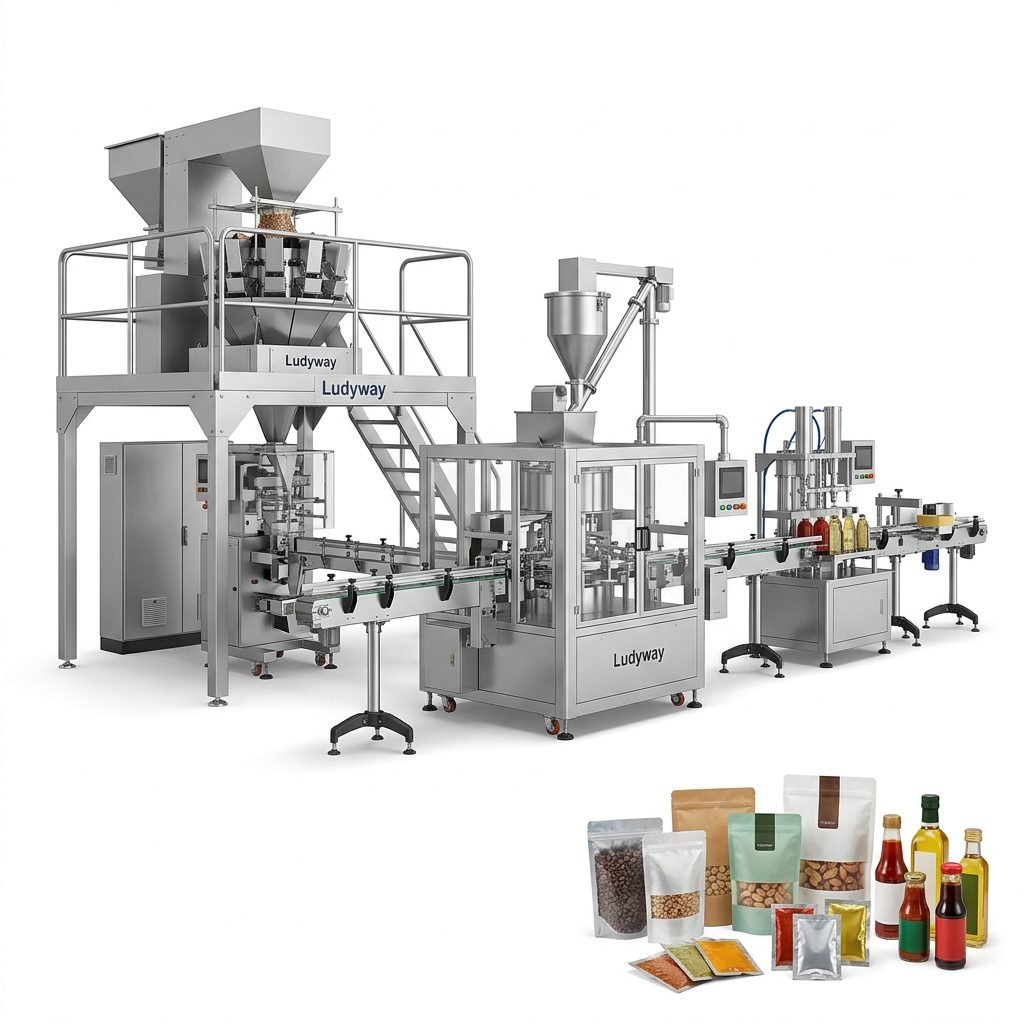
Setting up a frozen food packaging line in the Middle East is a multi-faceted project that blends technical precision with strategic market insight. By focusing on the right cold-chain-ready equipment, strict hygiene standards, and a scalable design, you can build a highly successful operation that capitalizes on the region’s enormous growth potential.