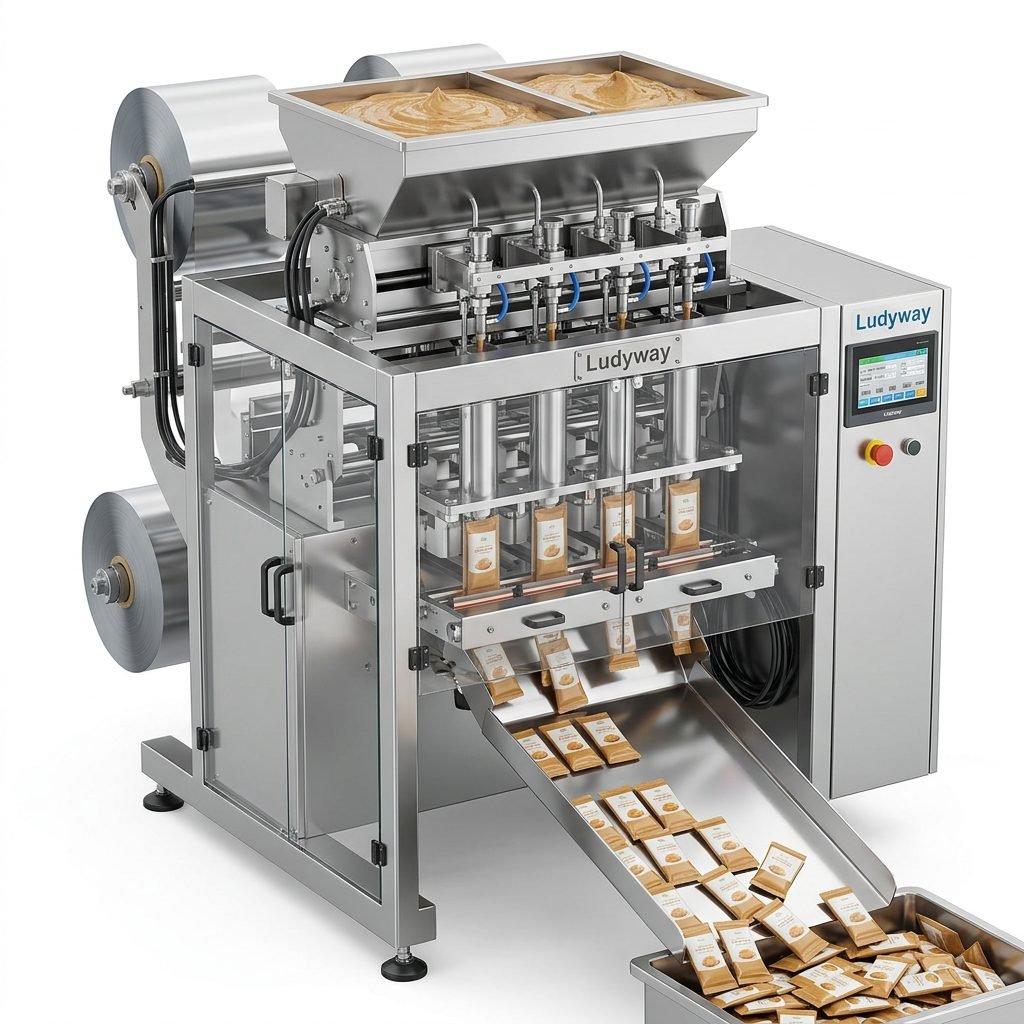
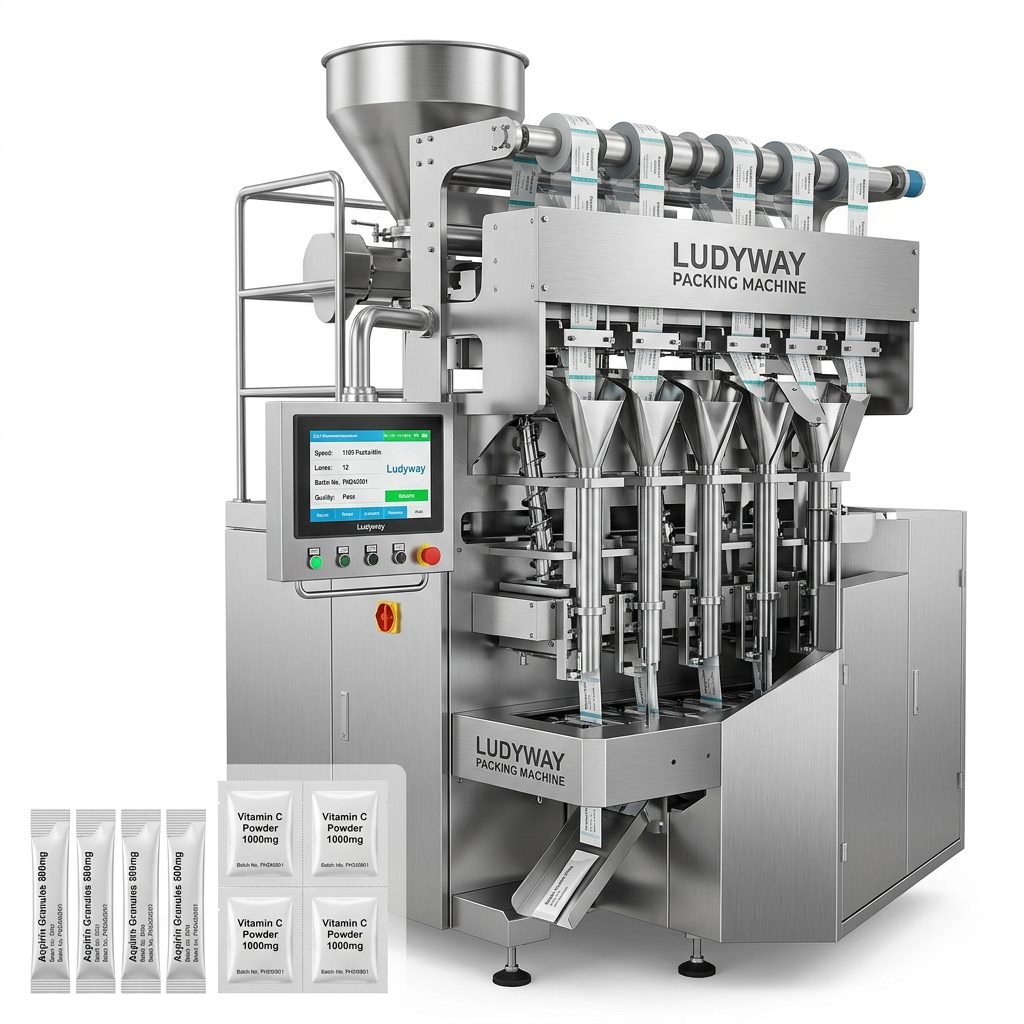
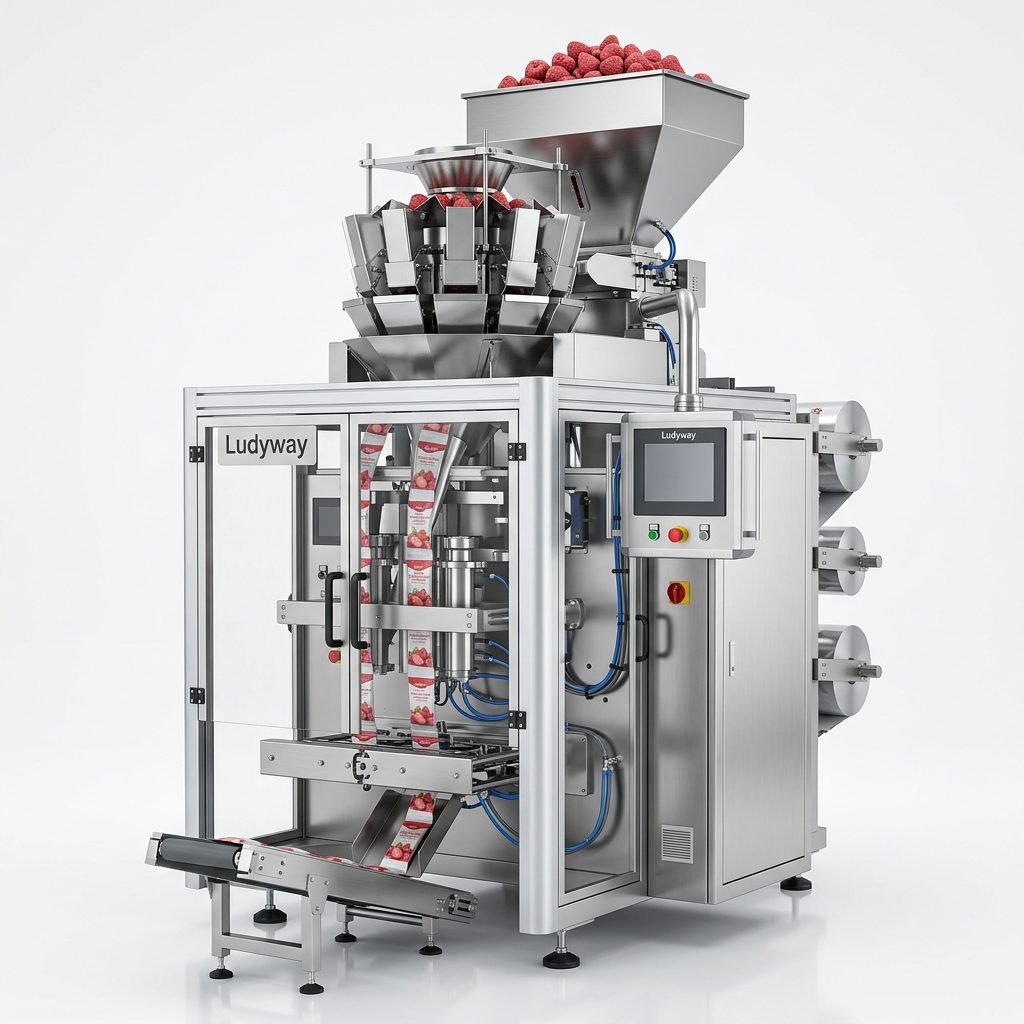
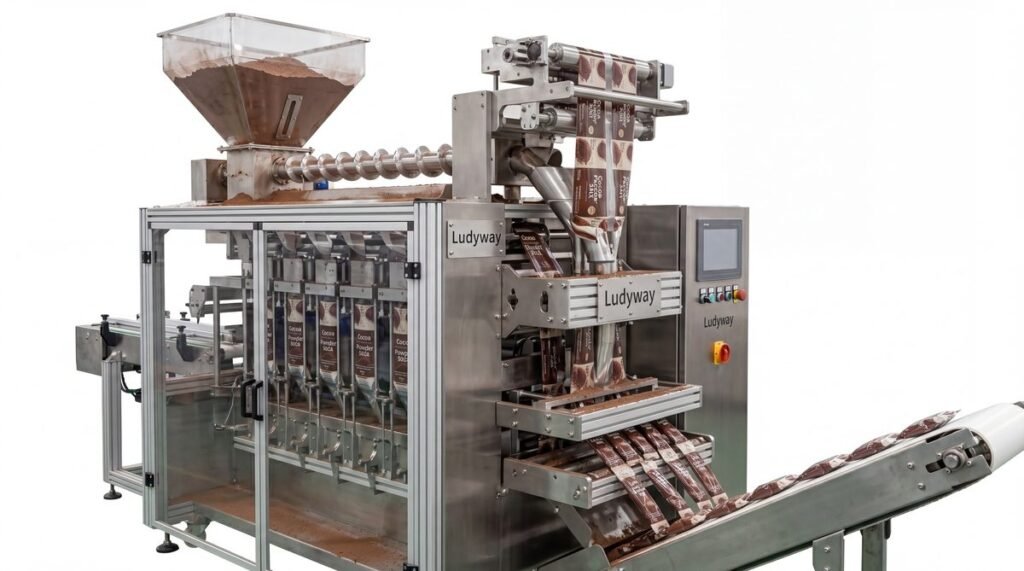
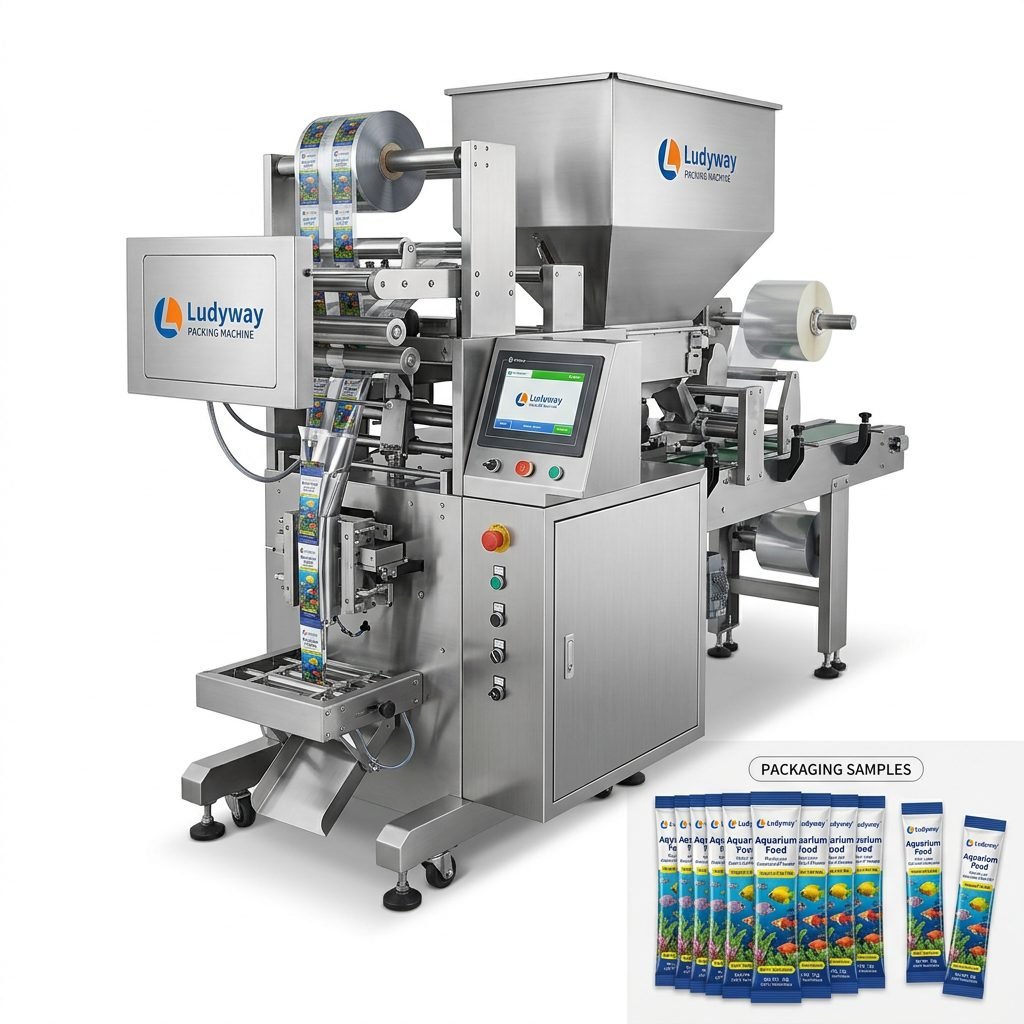
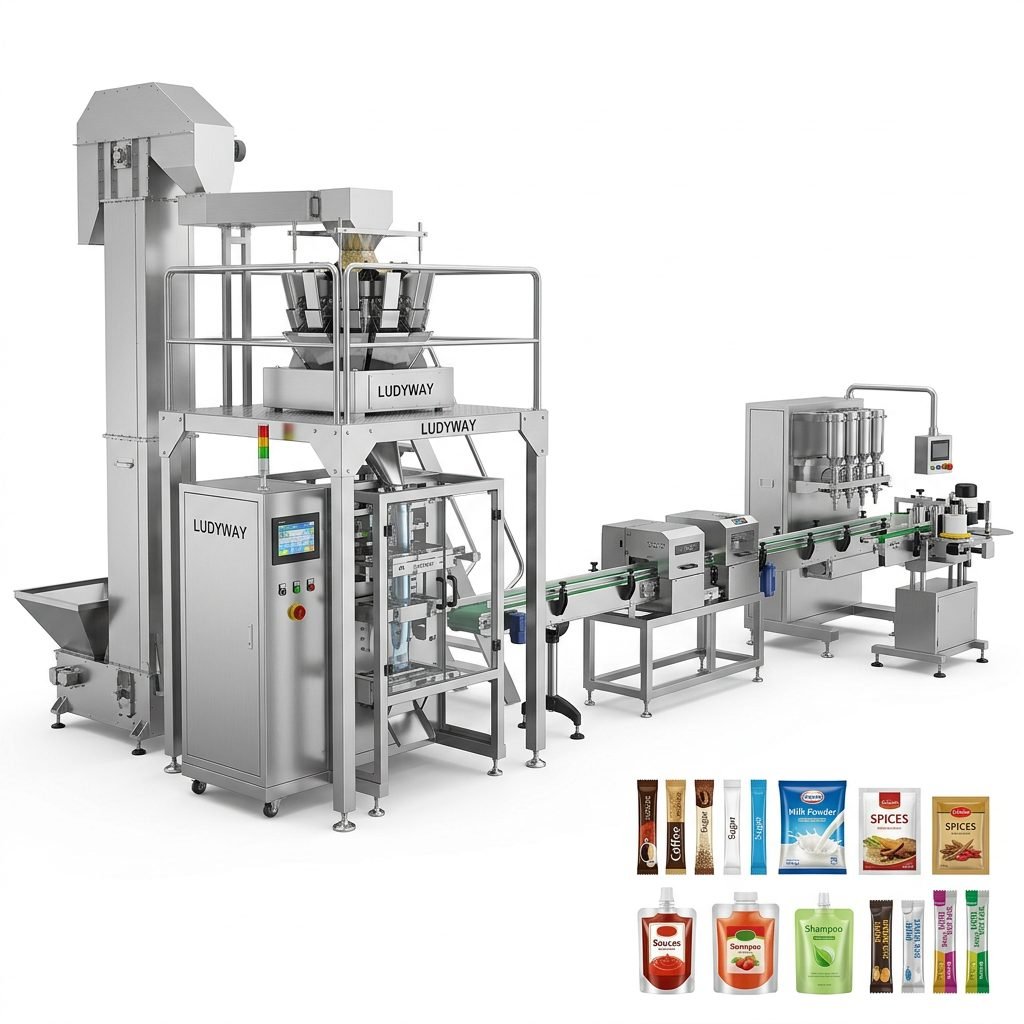
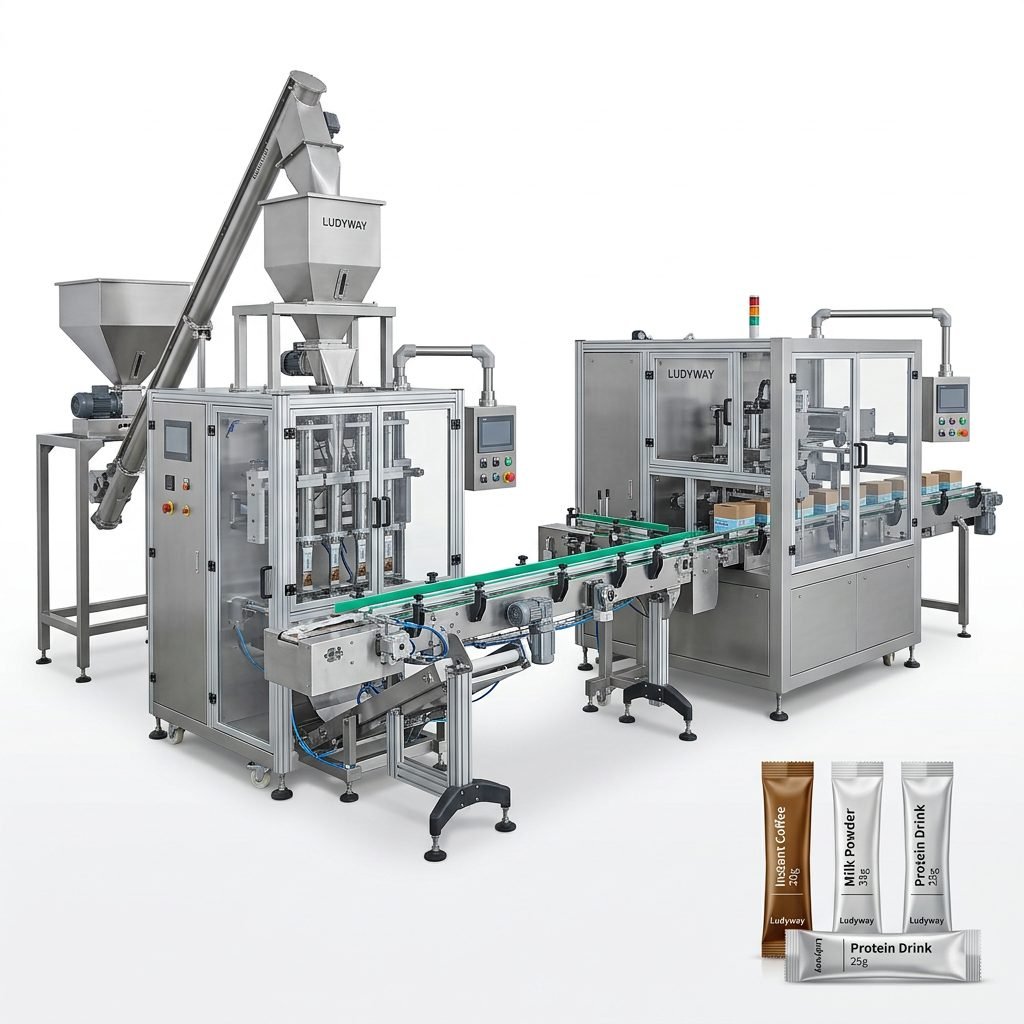
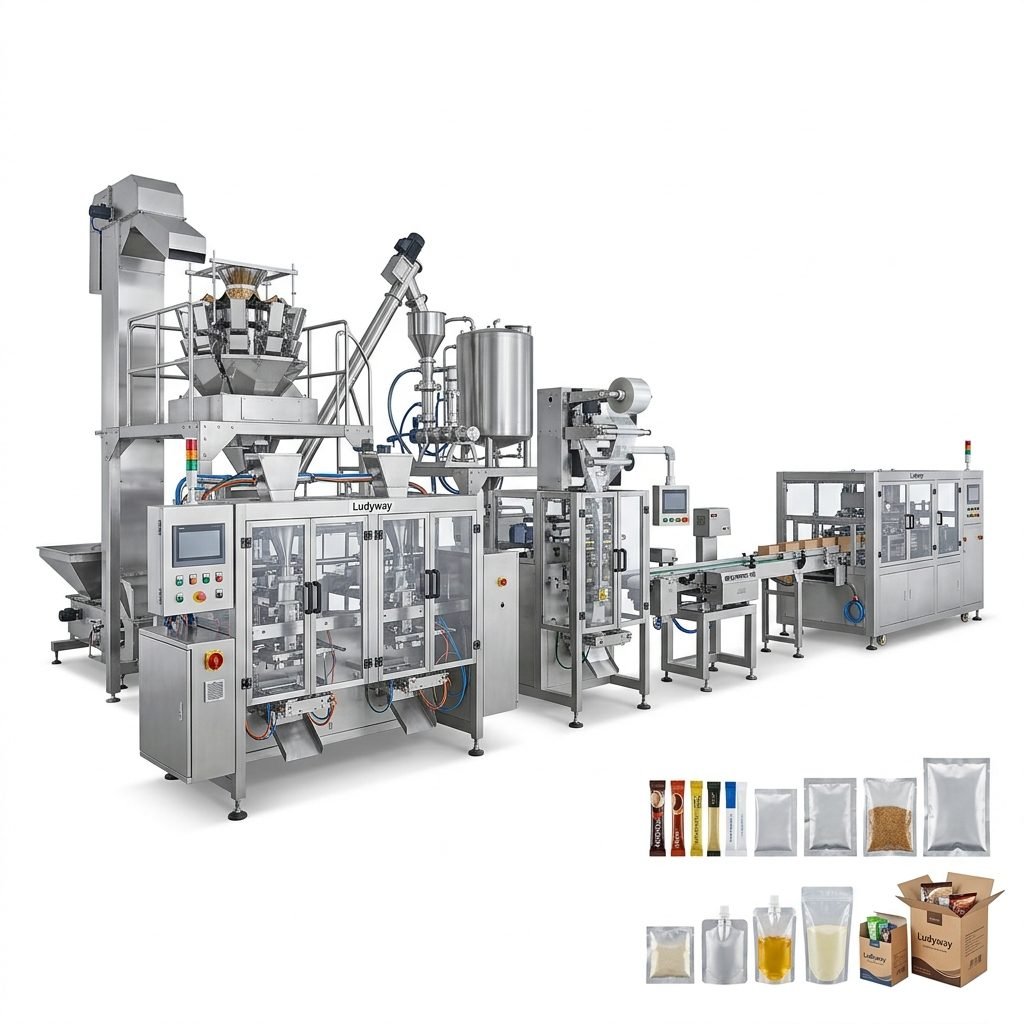
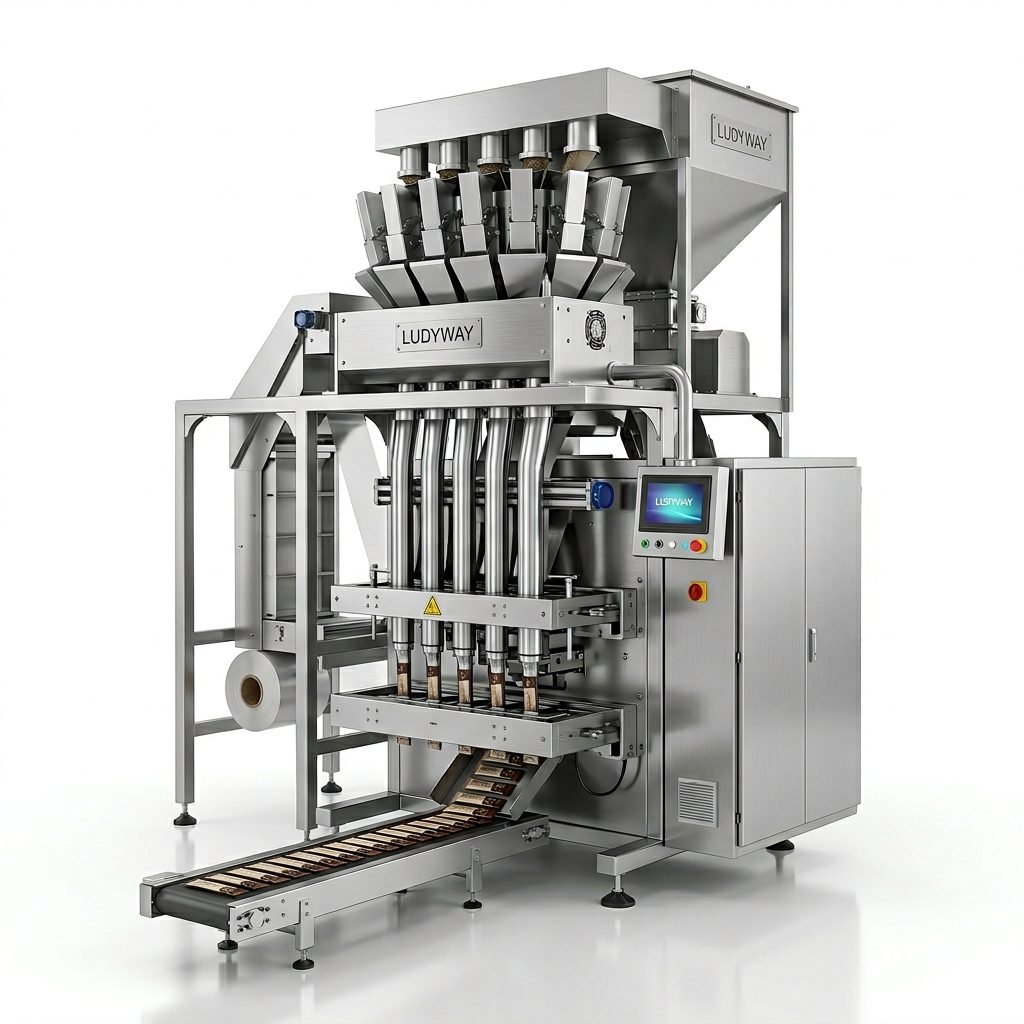
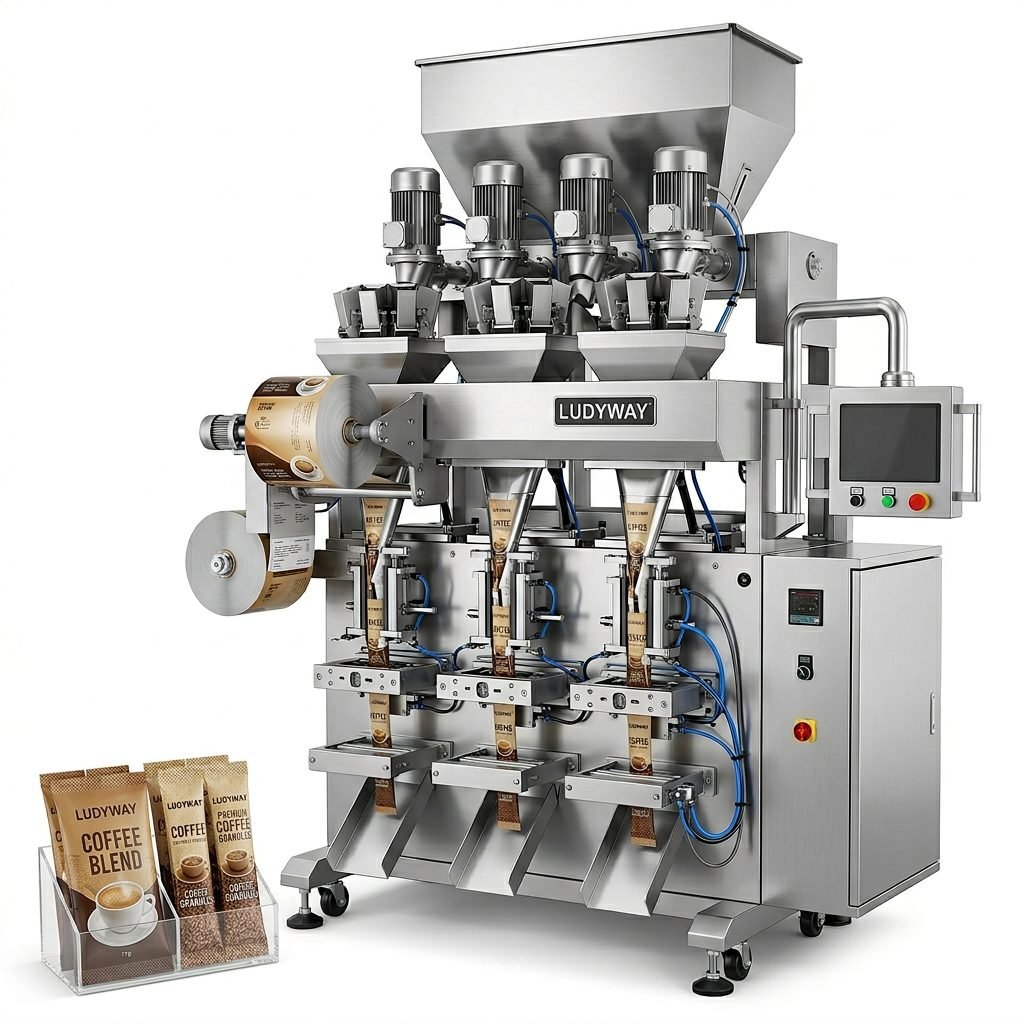
Investing in a small coffee packaging machine is a strategic decision for North American roasters, distributors, and co-packers looking to scale production, improve product freshness, and enhance brand presentation. Whether you are launching a specialty coffee line or expanding into single-serve formats, selecting the right equipment requires a clear understanding of packaging types, machine configurations, and regional compliance standards.
Why Small Coffee Packaging Machines Are in High Demand
The North American coffee market continues to shift toward convenience and portion control. Single-serve sachets, multi-lane stick packs, and small pouch formats are growing rapidly in both retail and e-commerce channels. A compact packaging machine allows small to mid-sized businesses to automate filling processes, reduce labor costs, and maintain consistent portion accuracy without requiring a massive factory footprint.
Types of Small Coffee Packaging Machines
Understanding the different machine categories is essential before making a purchase. Each type serves a specific packaging format and production scale.
| Machine Type | Best For | Key Advantage |
|---|---|---|
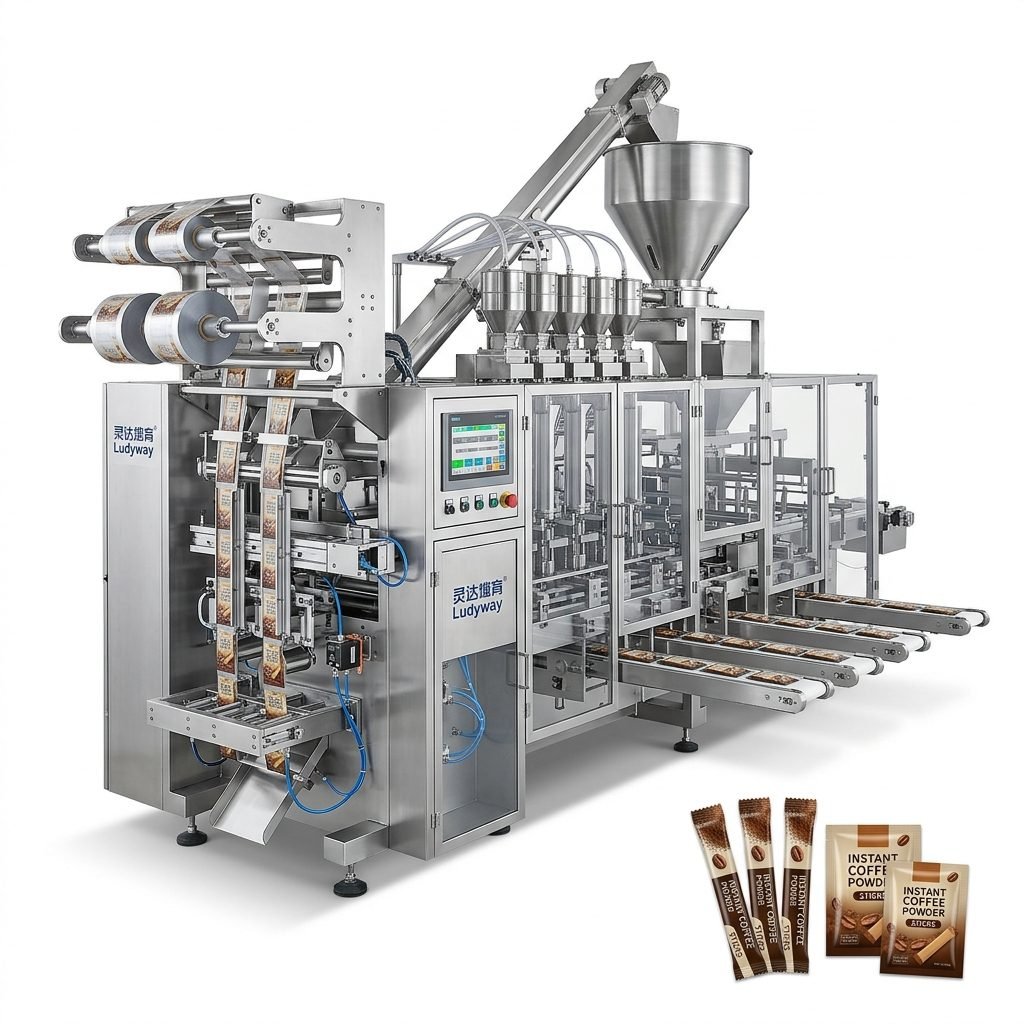
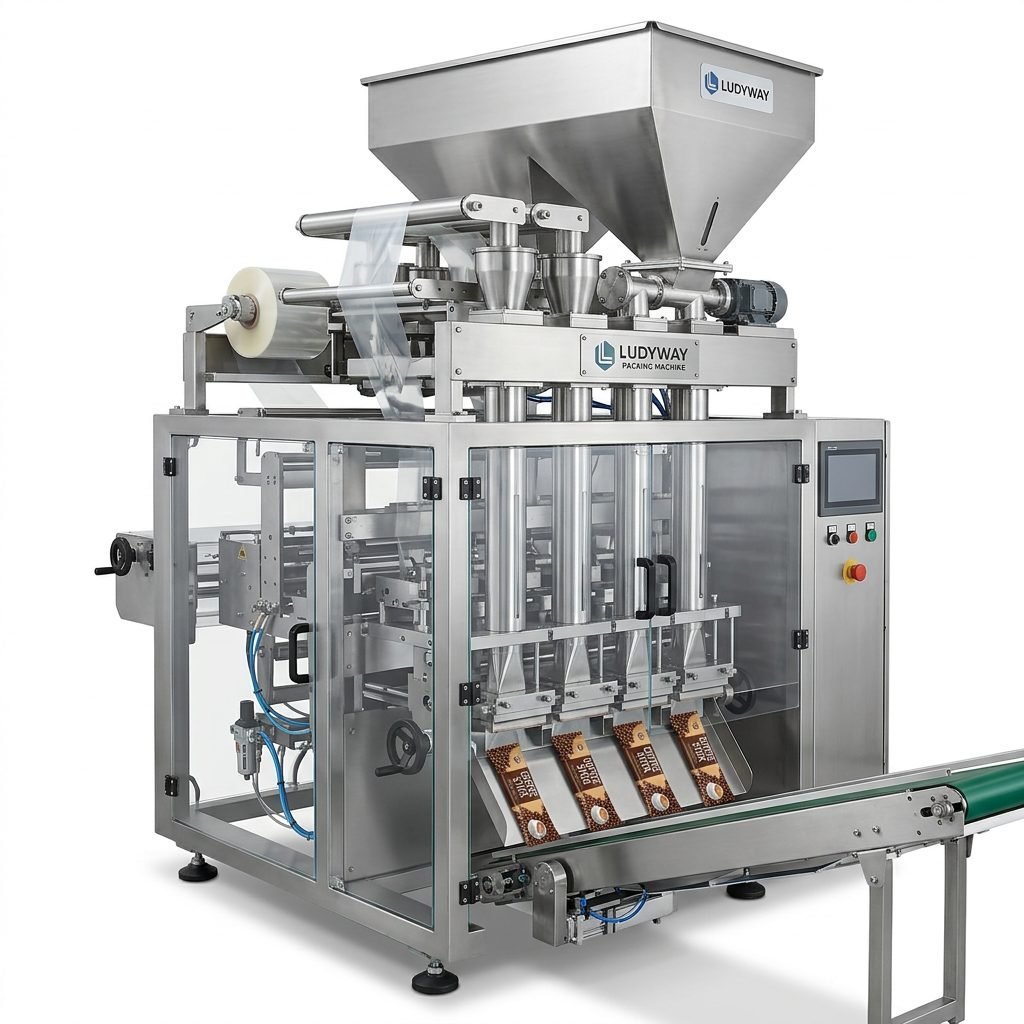
| Stick Pack Machine | Single-serve instant coffee, sugar-coffee mixes | High-speed, narrow sachet format, excellent portability |
| Sachet / Flat Pouch Machine | Ground coffee, whole bean sample packs | Versatile 3-side or 4-side seal, easy to brand |
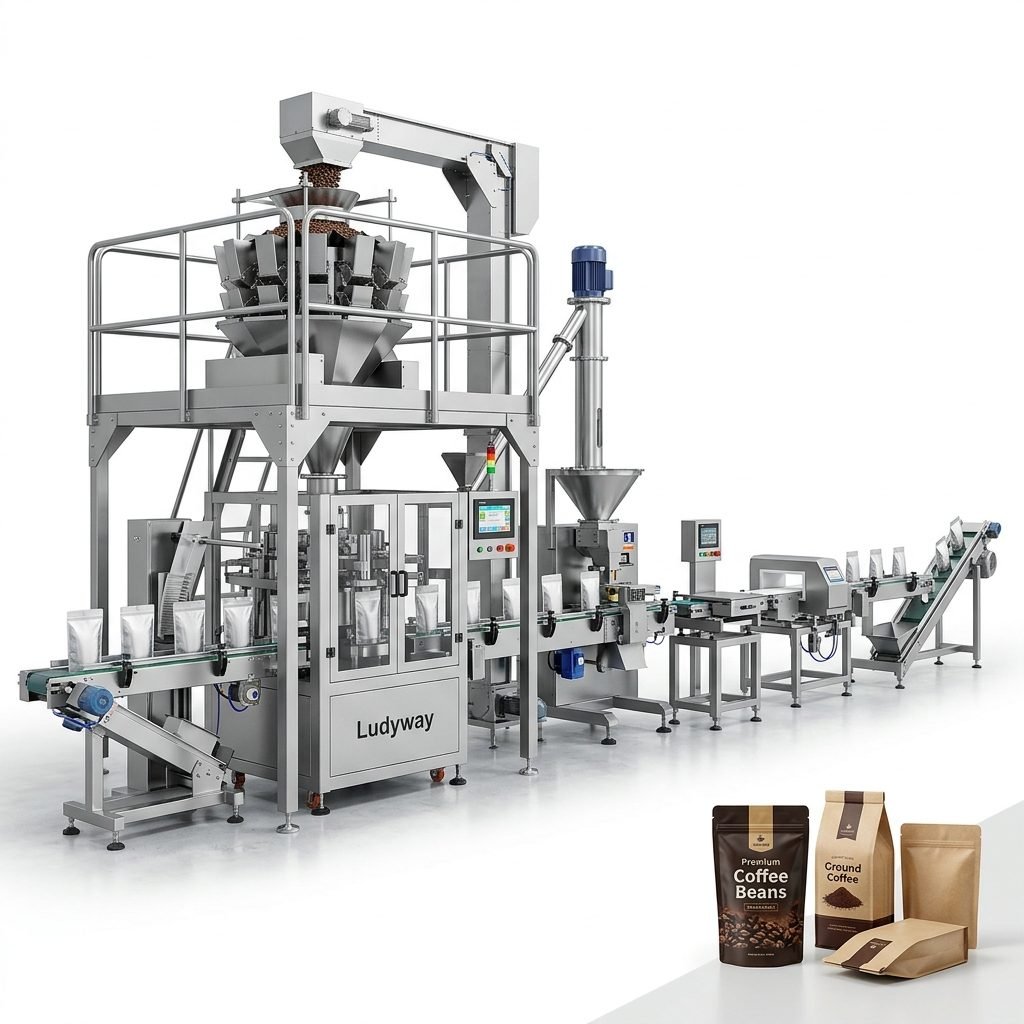
| Premade Pouch Filler | Stand-up pouches with valves, gusseted bags | Premium look, suitable for degassing valve integration |
| Multi-Lane Machine | High-volume production, multiple sachets per cycle | Maximum throughput, reduced per-unit cost |
Key Features to Look For
When evaluating a small coffee packaging machine for the North American market, prioritize features that ensure reliability, accuracy, and product integrity. Precision weighing and filling is critical for coffee, where consistency directly impacts customer satisfaction and regulatory label compliance.
Weighing and Dosing Systems
Volumetric cup fillers are common for ground coffee, while multi-head weighers offer superior accuracy for whole beans and premium blends. Auger fillers are preferred for fine powders like instant coffee or espresso mixes. Select a dosing mechanism that matches your product flow characteristics and target fill weight tolerance.
Material Compatibility and Airtight Sealing
Coffee is highly sensitive to oxygen and moisture. Your packaging machine must be compatible with high-barrier films, including foil laminates and metallized PET. Heat sealing precision determines the shelf life of your product. Look for independent temperature control zones and adjustable sealing pressure to avoid leaks or seal wrinkles.
Gas Flushing and Modified Atmosphere Packaging
For whole bean and ground coffee, nitrogen flushing is a standard requirement. A small packaging machine equipped with gas injection capabilities displaces oxygen inside the pouch, preserving aroma and extending freshness. Some systems also support degassing valve application for stand-up pouches.
Critical Considerations for North American Buyers
Purchasing a packaging machine for use in the United States or Canada involves specific regulatory, electrical, and operational factors that international buyers must address upfront.
- UL/CSA Certification: Electrical components must comply with North American safety standards. Verify that the machine panel, wiring, and motors carry appropriate certifications.
- FDA-Compliant Materials: All food contact surfaces must meet FDA regulations for food packaging. This includes sealing materials, conveyor belts, and lubricants used in the filling zone.
- 120V/60Hz or 240V/60Hz Power Supply: Confirm that the machine is configured for standard North American voltage and frequency. Retrofitting after delivery can be costly.
- CE vs. ANSI Standards: While CE marking is common globally, North American operations may require machinery built to ANSI or OSHA mechanical safety standards.
- Service and Technical Support: Choose a manufacturer that offers remote diagnostics, on-site training, and readily available spare parts for North American customers.
Small Machine Footprint, Big Impact
One major misconception is that higher output requires a large industrial layout. Modern small coffee packaging machines utilize vertical form-fill-seal designs and multi-lane configurations to produce impressive volumes from a compact footprint. A 4-lane stick pack system occupying less than 100 square feet can deliver up to 200 packs per minute, making it ideal for urban factories and shared production spaces.
Formula for Calculating Output
To estimate your required machine speed, use the following approach: Target daily packs / Operating hours / Machine efficiency factor (usually 0.85). For example, if you need 100,000 packs per 8-hour shift, plan for a machine capable of at least 250 packs per minute to account for film changes, cleaning, and minor stops.
Total Cost of Ownership Breakdown
Beyond the initial machine price, North American buyers should evaluate long-term operating costs. These variables significantly impact your return on investment over a 3-5 year period.
| Cost Factor | Estimated Annual Impact | Notes |
|---|---|---|
| Packaging Film | $8,000 – $25,000 | Varies by material structure and print complexity |
| Spare Parts and Maintenance | $2,000 – $6,000 | Sealing bars, Teflon tape, sensors, belts |
| Operator Training | $1,500 – $4,000 | Initial setup and periodic refresher sessions |
| Energy Consumption | $800 – $2,500 | Depends on motor power and heating element usage |
Choosing the Right Manufacturer
Sourcing a small coffee packaging machine from an established manufacturer with global experience reduces risk and ensures after-sale continuity. Look for companies that have supplied equipment to North American markets and understand the documentation requirements, including installation qualification (IQ), operational qualification (OQ), and performance qualification (PQ) protocols commonly requested by U.S. buyers.
With a modern 20,000㎡ manufacturing facility and over 30 years of industry experience, Ludyway delivers reliable packaging solutions supported by a highly experienced engineering team and global service network, serving customers in more than 100 countries.
Questions to Ask Before Buying
During the evaluation phase, asking targeted questions can clarify whether a machine meets your operational needs. We recommend addressing these points with potential suppliers:
- Can the machine handle degassing valve pouches for whole bean coffee?
- Is nitrogen flushing integrated, and what is the residual oxygen level achieved?
- What is the changeover time between different bag sizes or film types?
- Does the control system support recipe storage and barcode recall?
- Are remote troubleshooting and software updates available?
- What are the recommended spare parts for the first year of operation?
Packaging Trends Shaping the North American Coffee Industry
Staying informed about industry direction helps future-proof your investment. According to PMMI State of the Industry Reports, flexible packaging continues to gain share in the coffee sector, driven by consumer preference for resealable, lightweight pouches. The Flexible Packaging Association also highlights sustainability as a key driver, with recyclable mono-material films and reduced plastic usage becoming purchasing criteria for major retailers.
Sustainability and Compostable Films
If your brand targets environmentally conscious consumers, confirm that your small coffee packaging machine can seal compostable and bio-based films. These materials often have lower heat resistance and different sealing windows compared to traditional laminates. Adjustable temperature profiling and dwell time control are essential for consistent seals on sustainable substrates.
Installation and Startup Checklist
Once your machine arrives in North America, a structured commissioning process ensures smooth operation from day one. Key steps include:
- Verify electrical supply matches the machine’s nameplate rating.
- Check compressed air quality — clean, dry air at 6-8 bar is typical for pneumatic systems.
- Calibrate weighing and dosing systems with your specific coffee product.
- Run film tension and tracking adjustments for each packaging material stock.
- Validate seal integrity using dye penetration or vacuum leak testing.
- Train operators on HMI navigation, fault recovery, and daily cleaning procedures.
Selecting the right small coffee packaging machine is a foundational step toward building a profitable, scalable coffee brand in North America. By focusing on precision filling, reliable sealing, regulatory compliance, and total cost of ownership, you position your business for long-term success in a competitive market.
Contact Ludyway for Expert Coffee Packaging Advice |
PMMI Industry Resources |
Flexible Packaging Association