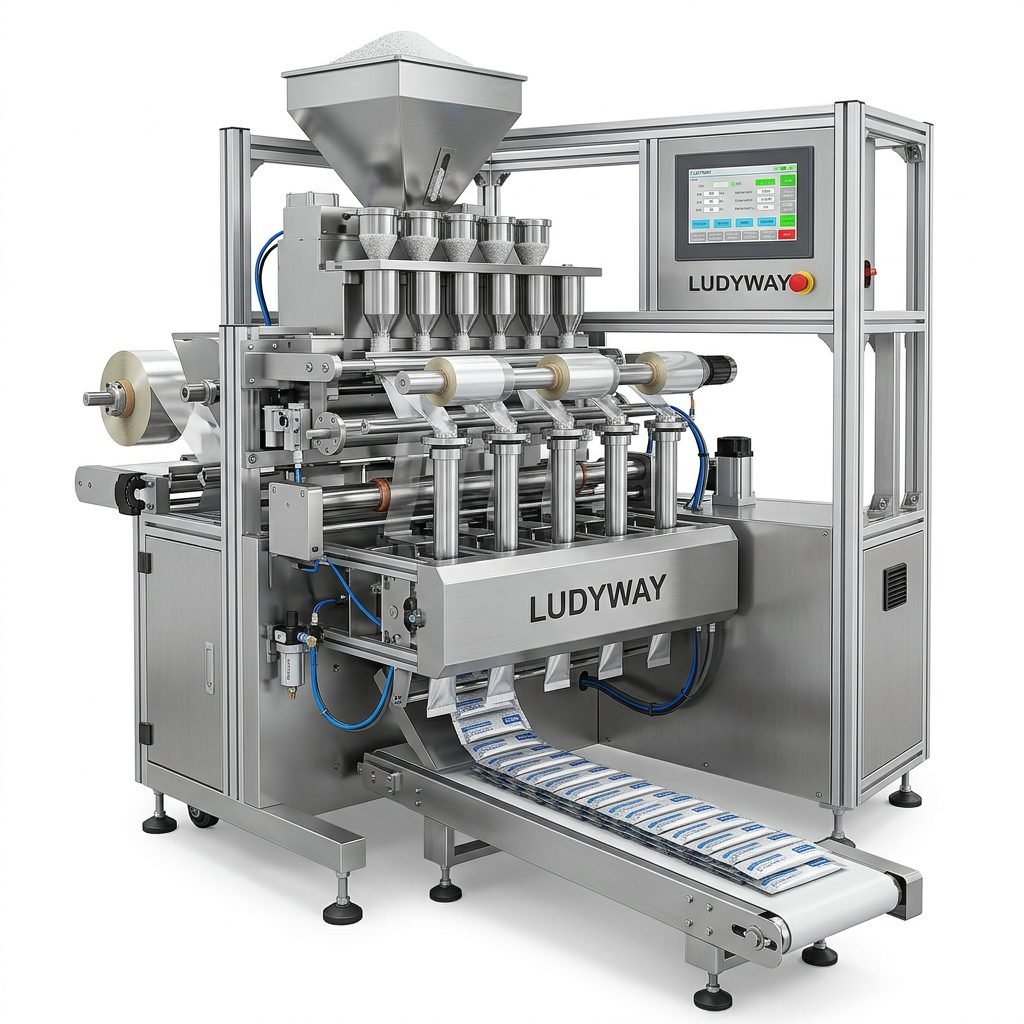
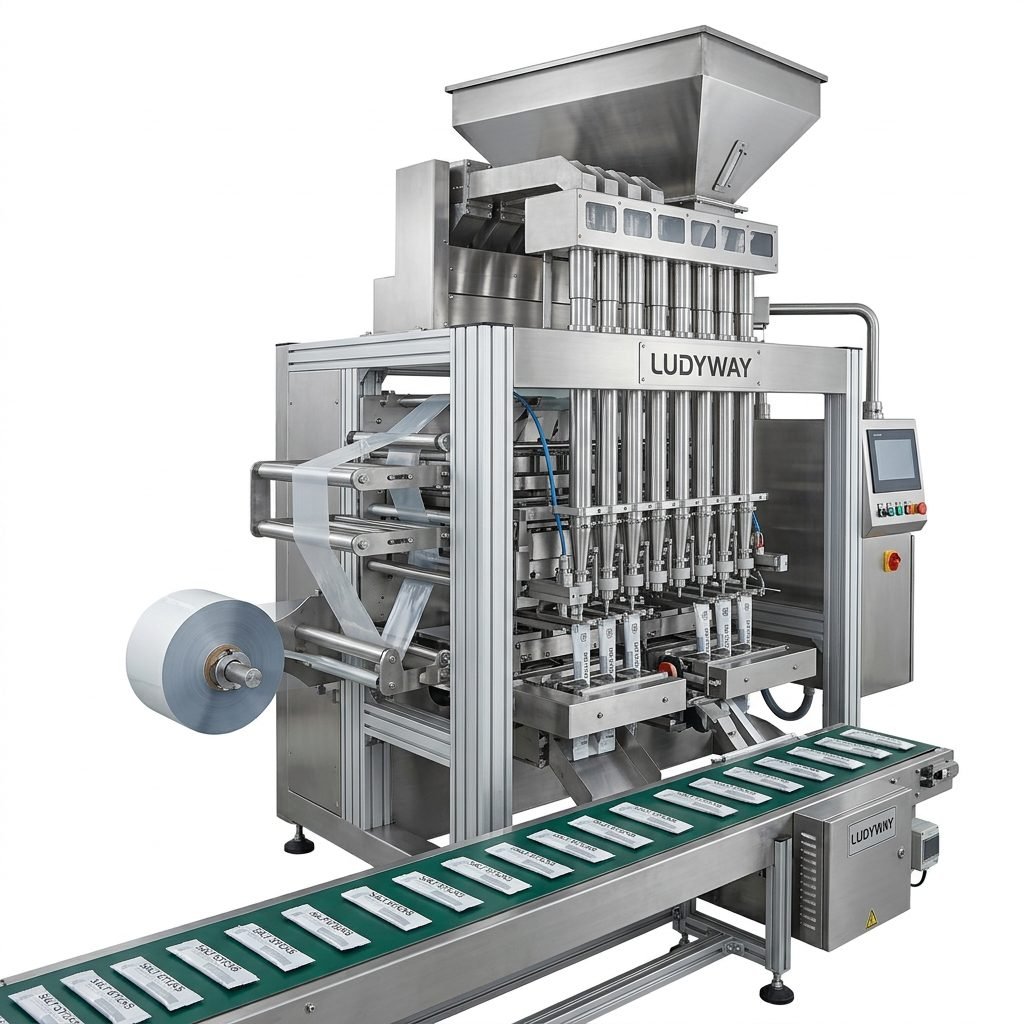
Selecting the right snack packaging machine in the European market is a strategic decision that impacts your production efficiency, product shelf life, and overall brand perception. Whether you are packaging granules, powders, or liquid snacks, the machinery must align with strict EU regulations, retailer demands, and consumer convenience trends. This guide breaks down the essential factors, hidden costs, and supplier evaluation criteria to help you make a confident investment.
Understanding Your Snack Product Characteristics
Before contacting suppliers, you must define the physical properties of your snack product. The engineering of the filling system depends entirely on this analysis.
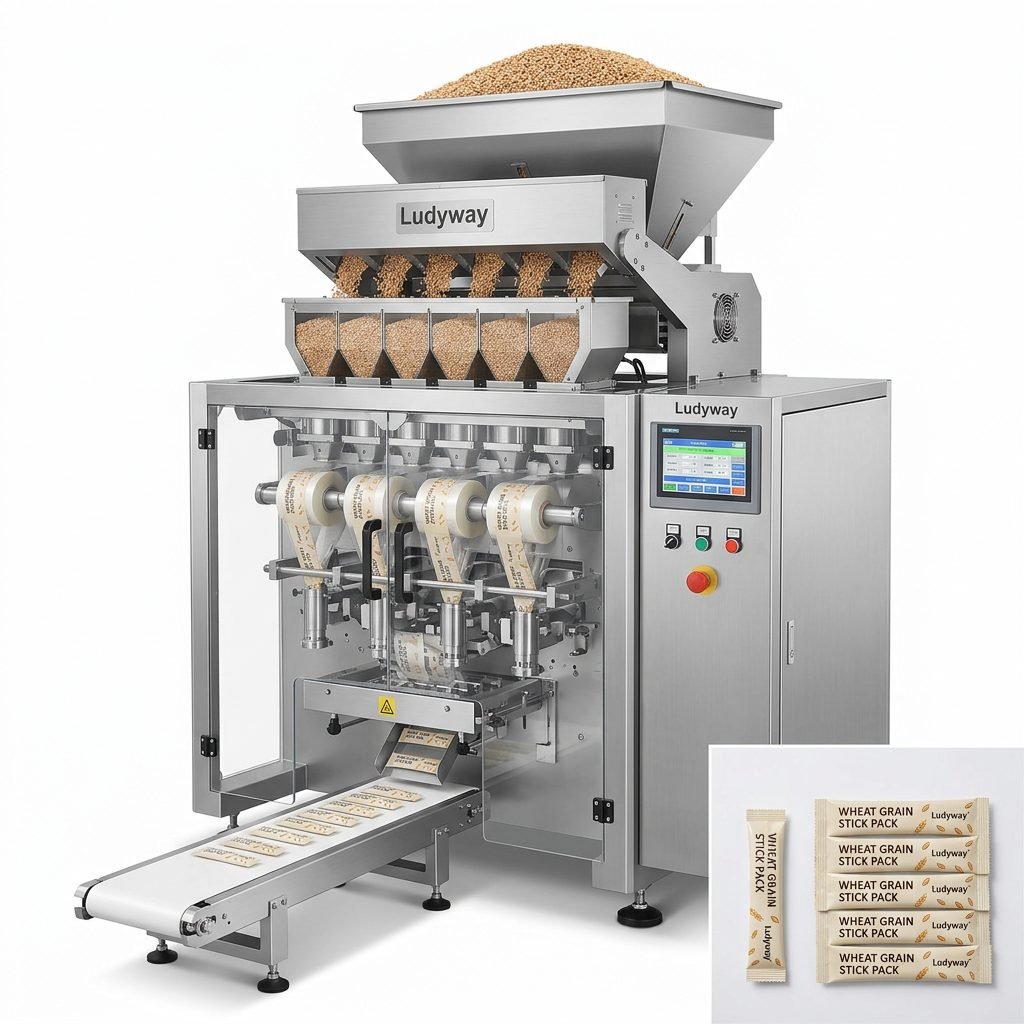
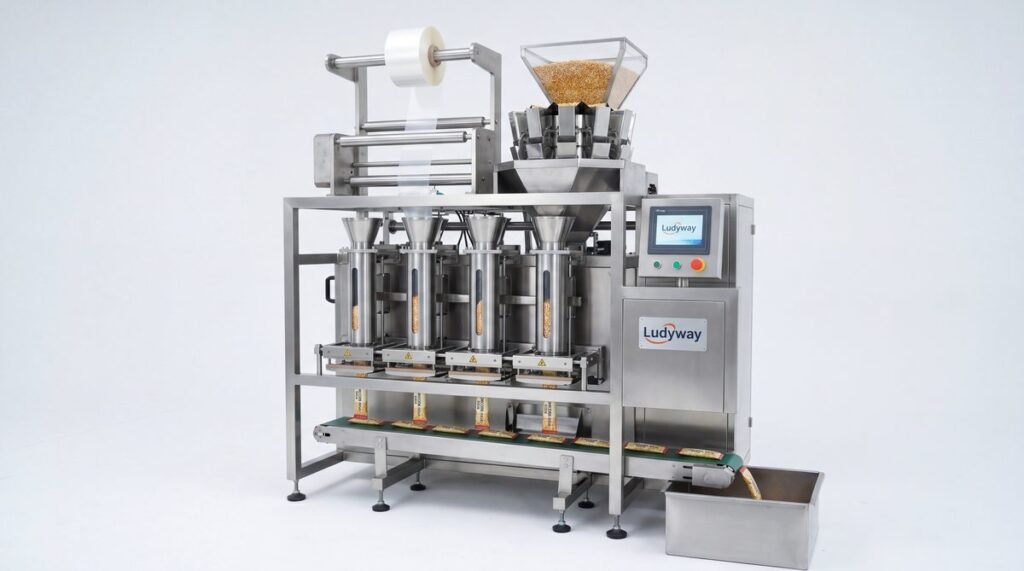
- Granules: Nuts, dried fruits, granola, and trail mixes require multi-lane packaging equipment with precise weigh fillers to ensure consistent bag weight without crushing the product.
- Powders: Protein mixes, instant drink powders, and spices demand auger fillers with excellent dust control and anti-leak sealing technology.
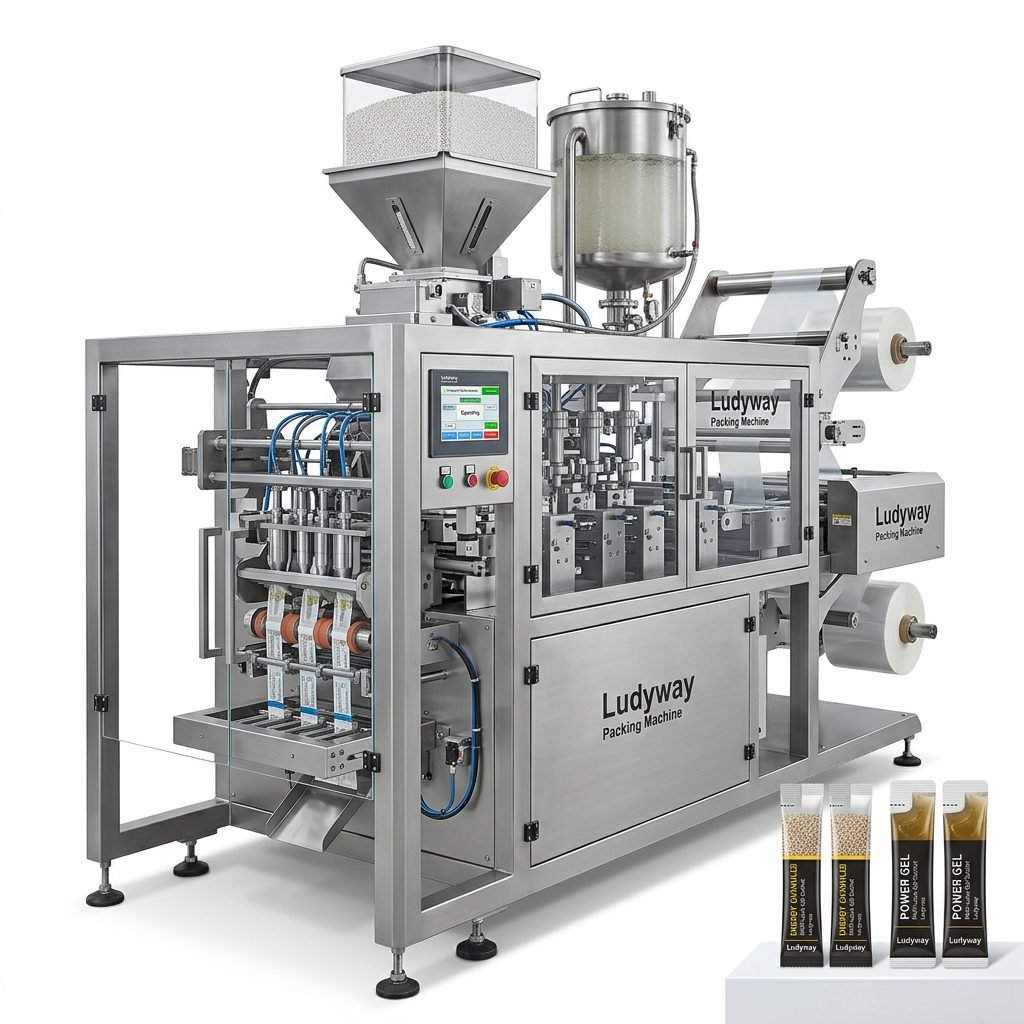
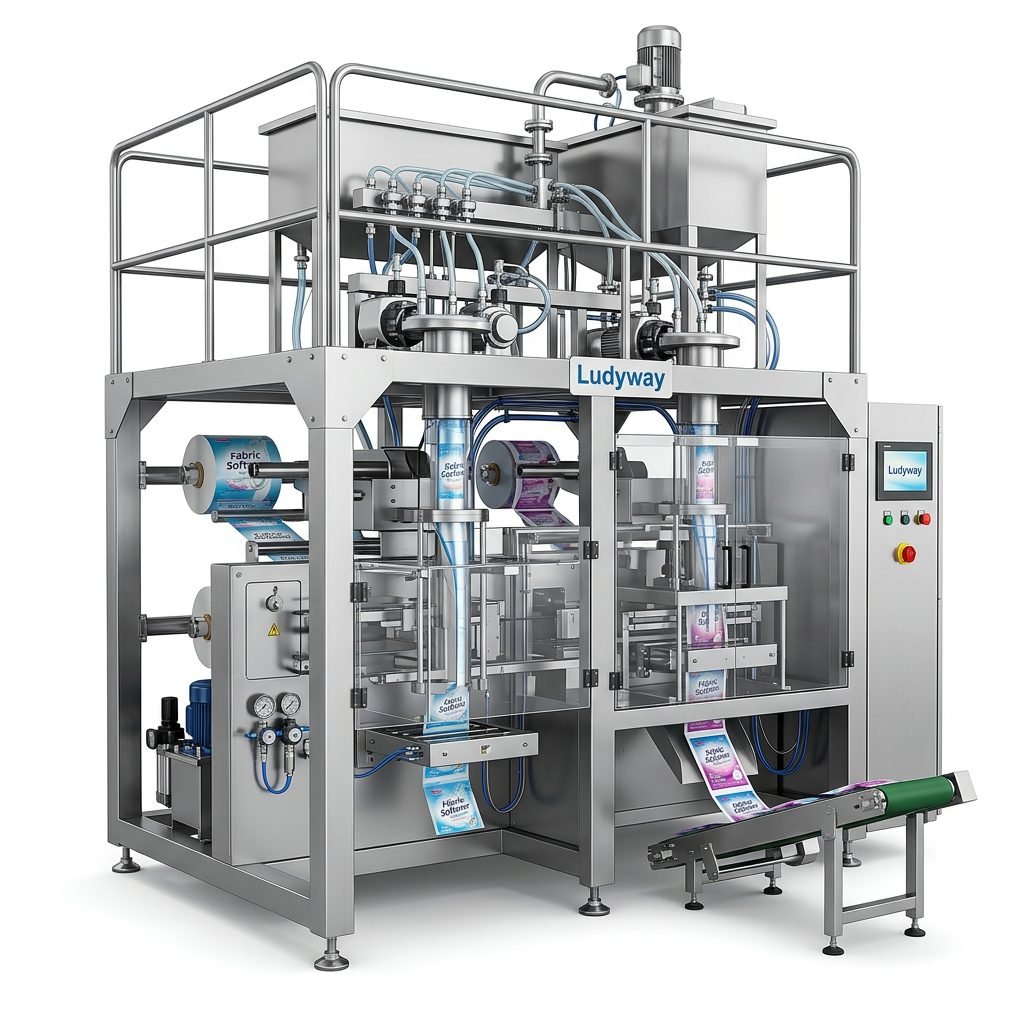
- Liquids & Pastes: Sauce sachets, honey sticks, or gel snacks require piston pumps or peristaltic filling heads to handle viscosity changes without dripping.
- Fragile Snacks: Chips or extruded snacks need gentle handling and volumetric cup fillers to minimize breakage during the packaging process.
Choosing the Right Packaging Format for European Retail
The format of your packaging directly influences shelf placement, consumer convenience, and portion control. European retailers often demand specific formats for on-the-go consumption.
| Format Type | Best For | Key Machine Features |
|---|---|---|
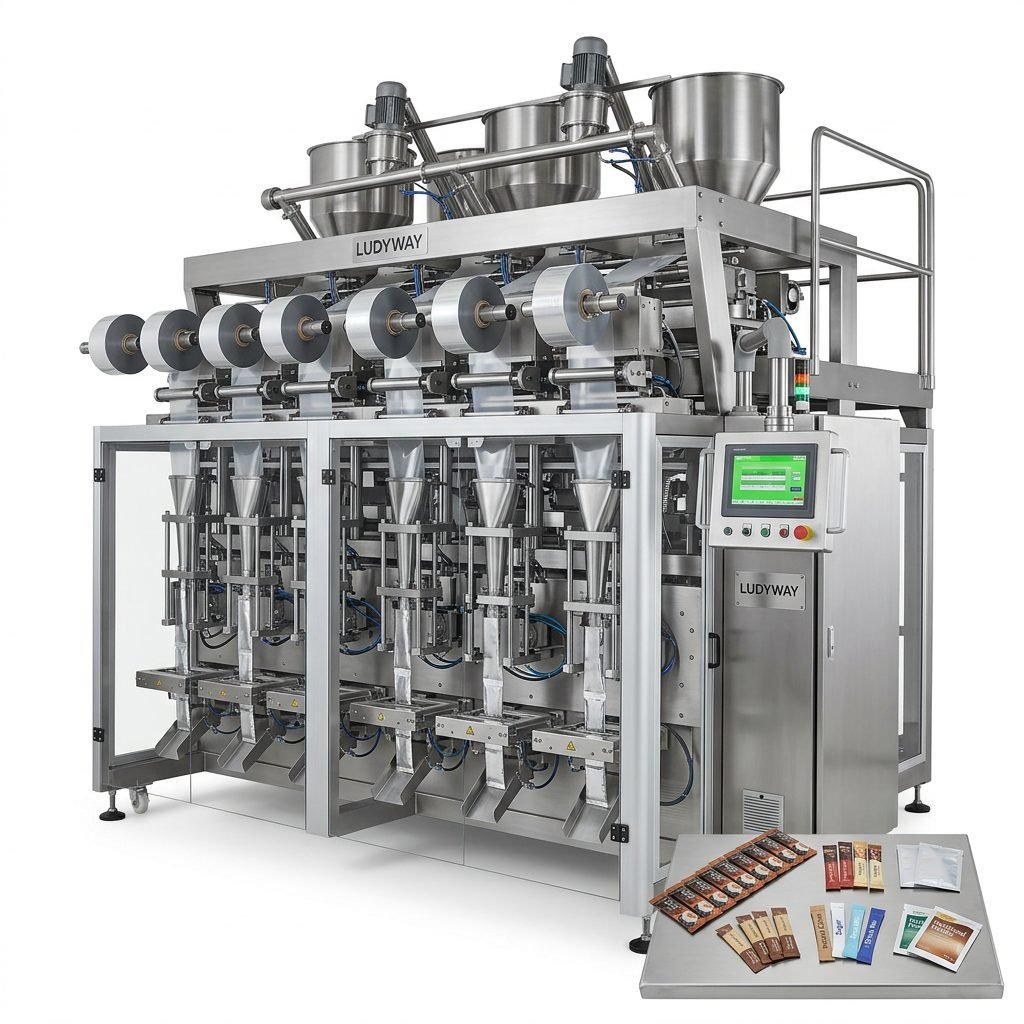
| Stick Packs | Single-serve powders & gels | Narrow sealing width, multi-lane configurations |
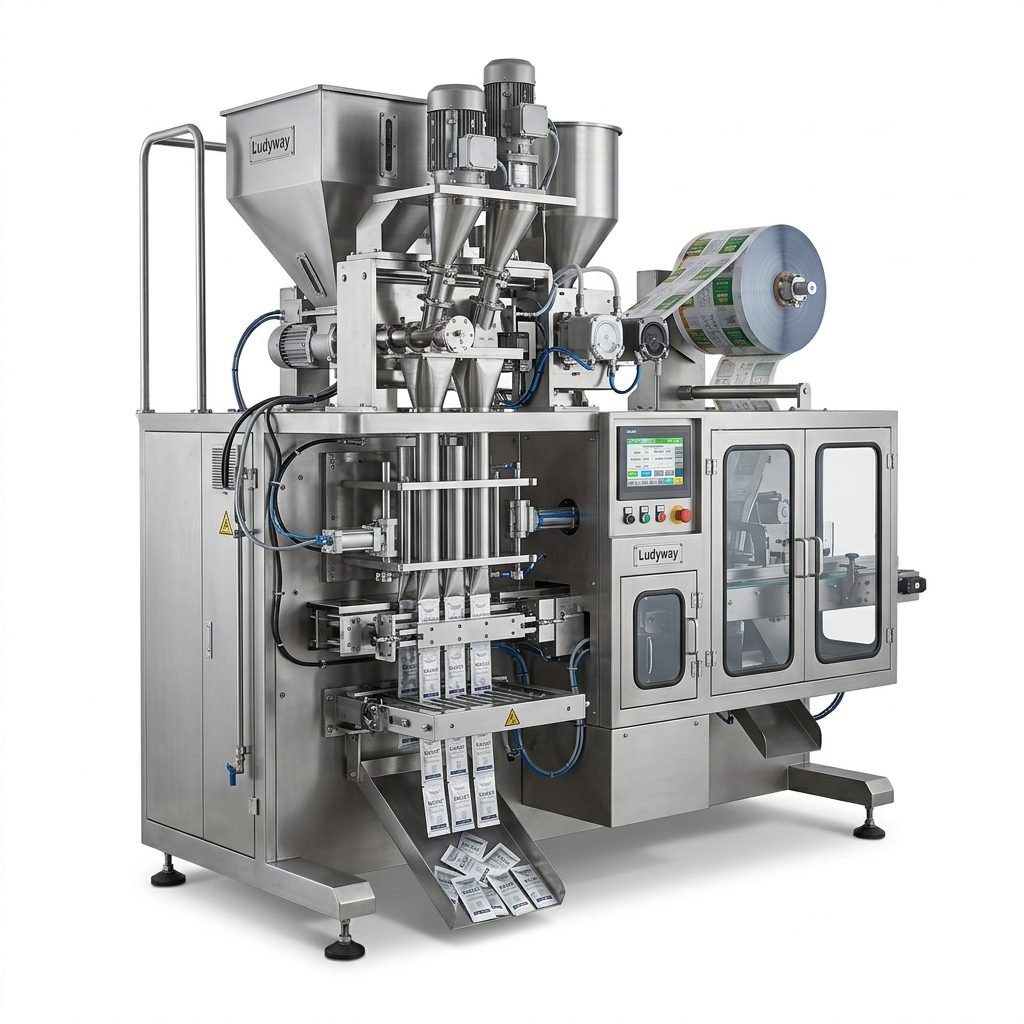
| Sachets | Condiments, small snacks | 3-side or 4-side seal, high-speed capabilities |
| Doy Packs | Premium granola, nuts | Zipper applicator, standing pouch stability |
| Pillow Bags | Chips, extruded snacks | Horizontal form fill seal, inert gas flushing |
Critical Technical Specifications to Verify
When comparing snack packaging machinery, do not rely solely on the maximum speed. Look deeper into the technical data sheets:
- Sealing Integrity: The machine must maintain consistent temperature and pressure across the sealing jaws. Poor sealing is the primary cause of product returns in the snack industry.
- Changeover Time: If you produce multiple SKUs, prioritize servo-driven machines with memory slots for recipes. Manual adjustments can drain your OEE (Overall Equipment Effectiveness).
- Gas Flushing Capability: For oxygen-sensitive snacks like nuts or freeze-dried fruits, a machine with reliable nitrogen injection is mandatory to extend shelf life without additives.
- Frame Material: Demanding wash-downs require stainless steel construction, not just powder-coated carbon steel, to prevent corrosion in humid production zones.
Navigating European Compliance and CE Marking
Importing a machine into Europe without proper certifications is a non-starter. The CE marking is not just a sticker, it is a declaration that the equipment meets the essential health and safety requirements of the Machinery Directive 2006/42/EC.
Ensure your supplier provides a comprehensive Technical File including:
- Risk assessment per EN ISO 12100.
- Electrical compliance with EN 60204-1.
- Valid Declaration of Conformity.
Working with a manufacturer that has experience shipping to Europe can streamline this process. For instance, established suppliers like Ludyway facilitate third-party CE certification for their food packaging systems, helping buyers meet the rigorous standards required by European food safety and regulatory bodies such as the FDA packaging standards framework and local environmental mandates overseen by the European Commission packaging waste directives.

Supplier Selection: European Engineering vs. Global Manufacturing
While German or Italian machinery often represents the premium segment, the value proposition of global manufacturers has significantly shifted. A strategic sourcing approach often reveals that a well-built machine from a specialized manufacturer in China can deliver 90% of the premium performance at a fraction of the lifecycle cost.
Evaluate suppliers based on these concrete criteria:
- Core Component Origin: Are the PLC, servo motors, and pneumatic valves from globally trusted brands (Siemens, Allen-Bradley, Festo, SMC)? This determines reliability, not the brand name on the chassis.
- Installation Footprint: Measure the exact machine length including the film unwind station. A compact design saves valuable factory floor space in high-rent EU markets.
- After-Sales Architecture: Look for remote diagnostic capability. A supplier offering VPN-based troubleshooting can resolve 70% of software issues within hours, avoiding costly technician flights.
Detailed Cost Analysis of Snack Packaging Machines
The price of a snack packaging machine in Europe varies dramatically based on speed, lane count, and automation level. Budgeting must account for the total cost of ownership (TCO).
| Machine Category | Speed Range (Sachets/min) | Approximate FOB Price Range (USD) |
|---|---|---|
| Entry-Level Single Lane | 30 – 60 | $8,000 – $20,000 |
| Mid-Range 4-Lane | 120 – 200 | $25,000 – $55,000 |
| High-Speed 10-Lane | 400 – 800 | $65,000 – $120,000 |
| Fully Automated Ultra-High Speed | 1000+ | $150,000 – $350,000+ |
Hidden costs often include European customs duties (check HS code 8422.40), local logistics for a 20-foot container, and commissioning setup. Always request a DAP (Delivered at Place) quote for accurate landed-cost comparison.
Calculating Real-World Return on Investment
Moving from manual or semi-automatic packing to a dedicated multi-lane machine often yields a faster ROI than expected. The business case is built on three pillars:
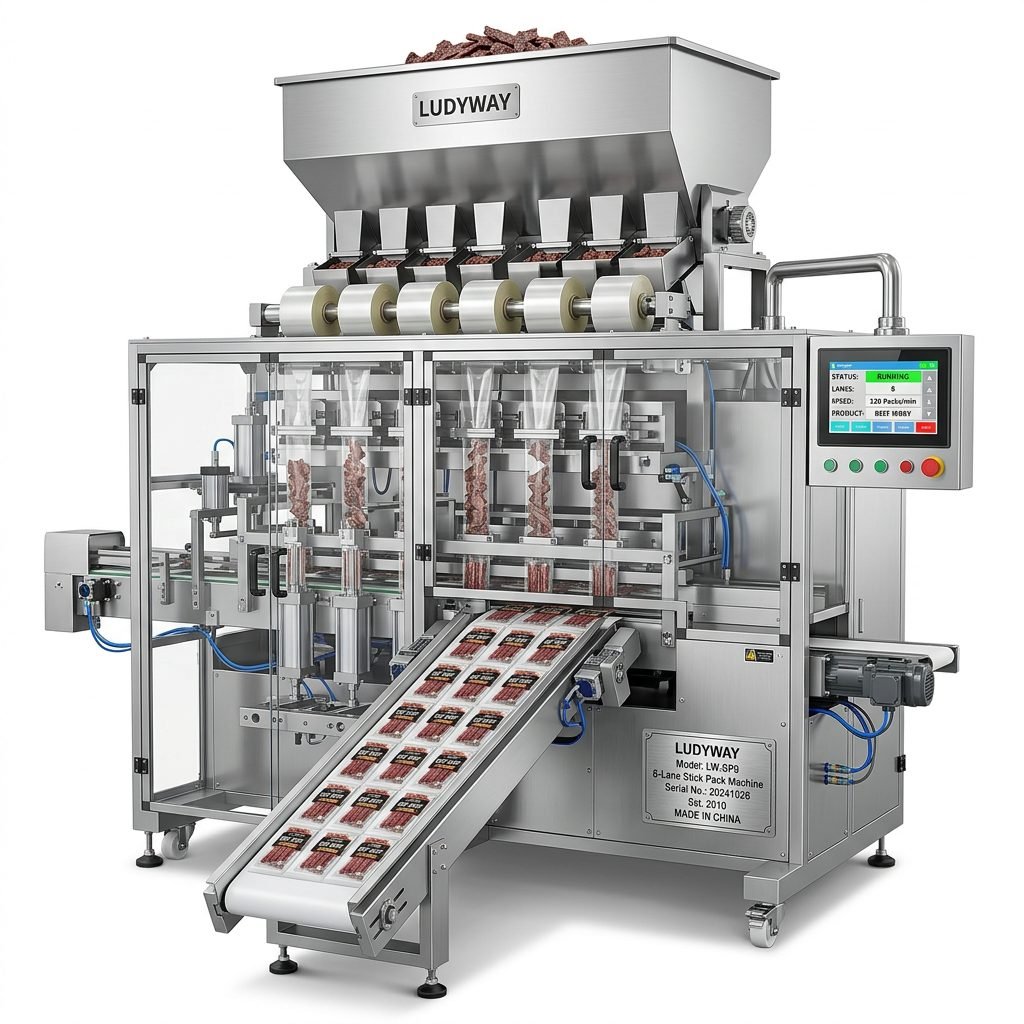
- Labor Reduction: A 6-lane stick pack machine typically replaces 4 to 6 manual operators per shift. In Germany, this alone can represent over €150,000 in annual salary savings.
- Film Material Savings: High-accuracy registration sensors minimize wasted packaging film. The standard target is less than 1.5% film waste on qualified runs.
- Giveaway Control: Precision multi-head weighers or augers reduce product giveaway. For high-cost protein snacks, saving just 1 gram per pack translates directly to revenue.

Integrating Upstream and Downstream Automation
The true bottleneck in a snack factory is rarely the VFFS machine itself, but the peripherals. A holistic approach to the line integration ensures maximum output.
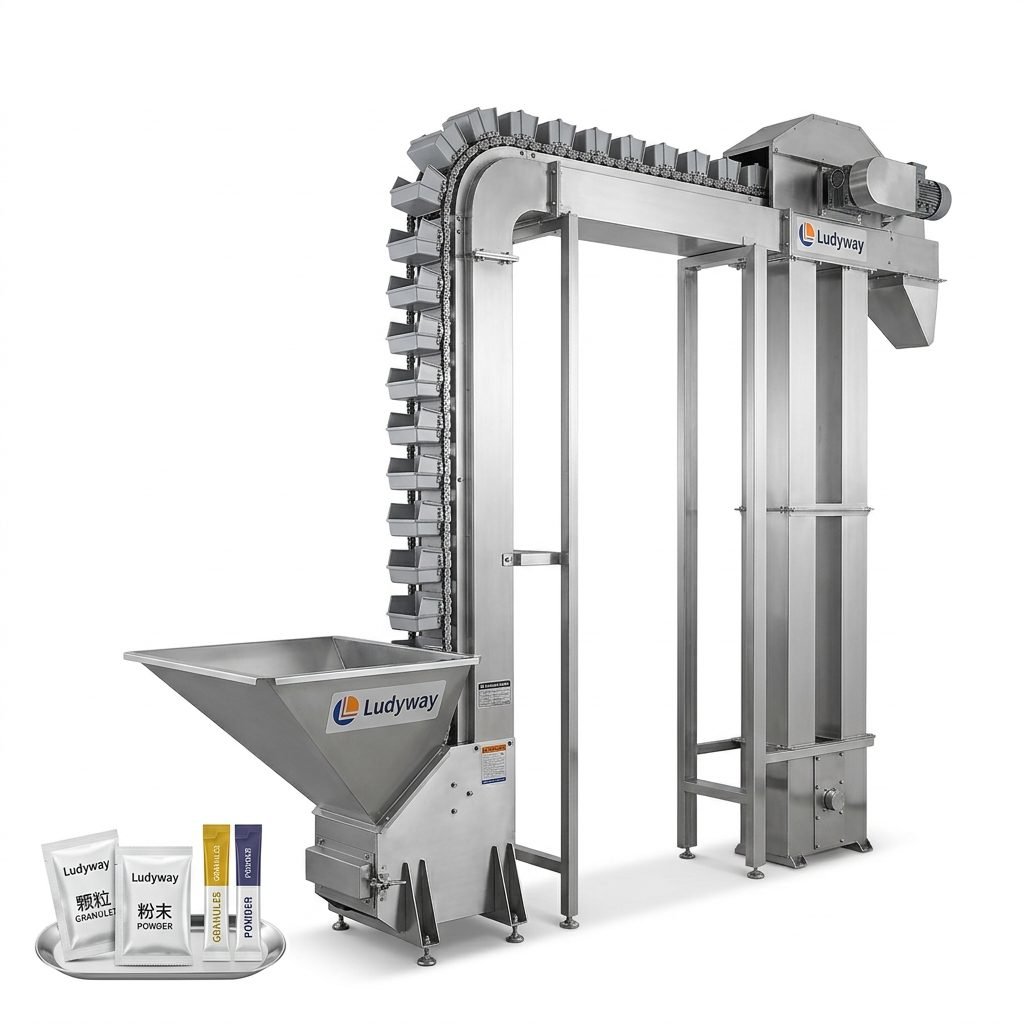
- Inclined Feeders and Conveyors: Must match the surge capacity of the weigher to prevent starvation and inconsistent fills. A granule feeding system with a high-capacity bucket elevator ensures a steady flow of nuts or puffs into the packaging head.
- Checkweighers and Metal Detectors: Non-negotiable for EU major retailers. Inline dynamic checkweighers reject underweight packs immediately, protecting your brand reputation and your compliance status.
- Secondary Cartoning: Many snack brands skip the labor-intensive step of manual cartoning. An automated cartoning line, such as a high-speed cartoning system, receives the finished sachets and loads them into display boxes, ready for palletizing.
Leading manufacturers like Ludyway, which operates a modern 20,000㎡ production facility and exports to over 100 countries, often deliver integrated and customizable turnkey packaging solutions. This eliminates the headache of coordinating multiple vendors for different islands of automation.
Common Pitfalls to Avoid When Buying
Executive decision-makers often fall into three traps when sourcing packaging technology. Avoiding these will save you months of disruption.
- Ignoring Film Compatibility: A machine tuned for thick foil laminates might not seal thin, recyclable mono-materials. If your sustainability roadmap includes moving to recyclable films, your machine must handle low-melting-point sealants.
- Underestimating Operator Skill: An intuitive HMI with multilingual support is not a luxury, it is a requirement to avoid operator errors during recipe changes.
- Prioritizing Price Over Speed Validation: A supplier may state a speed of 80 bags per minute, but the sustainable rate with film splices and daily interruptions might be 50. Ask for actual video proof of a 24-hour endurance run.
Evaluating Long-Term Service and Spare Parts
A snack packaging line is a multi-decade asset. The availability of spares can make or break a seasonal production rush. Before signing the purchase order, conduct a thorough investigation into the supplier’s logistical framework:
- Request a recommended spare parts list for the first two years of operation, specifically items prone to wear like sealing jaws, grippers, and cutting blades.
- Confirm if the machine uses standard industrial components. Custom-fabricated sensors or proprietary gearboxes that cannot be sourced from local European distributors pose a major risk.
- Test the supplier’s response time by asking for a video call to an engineer. This verifies their claim of rapid after-sales support before they have your money.