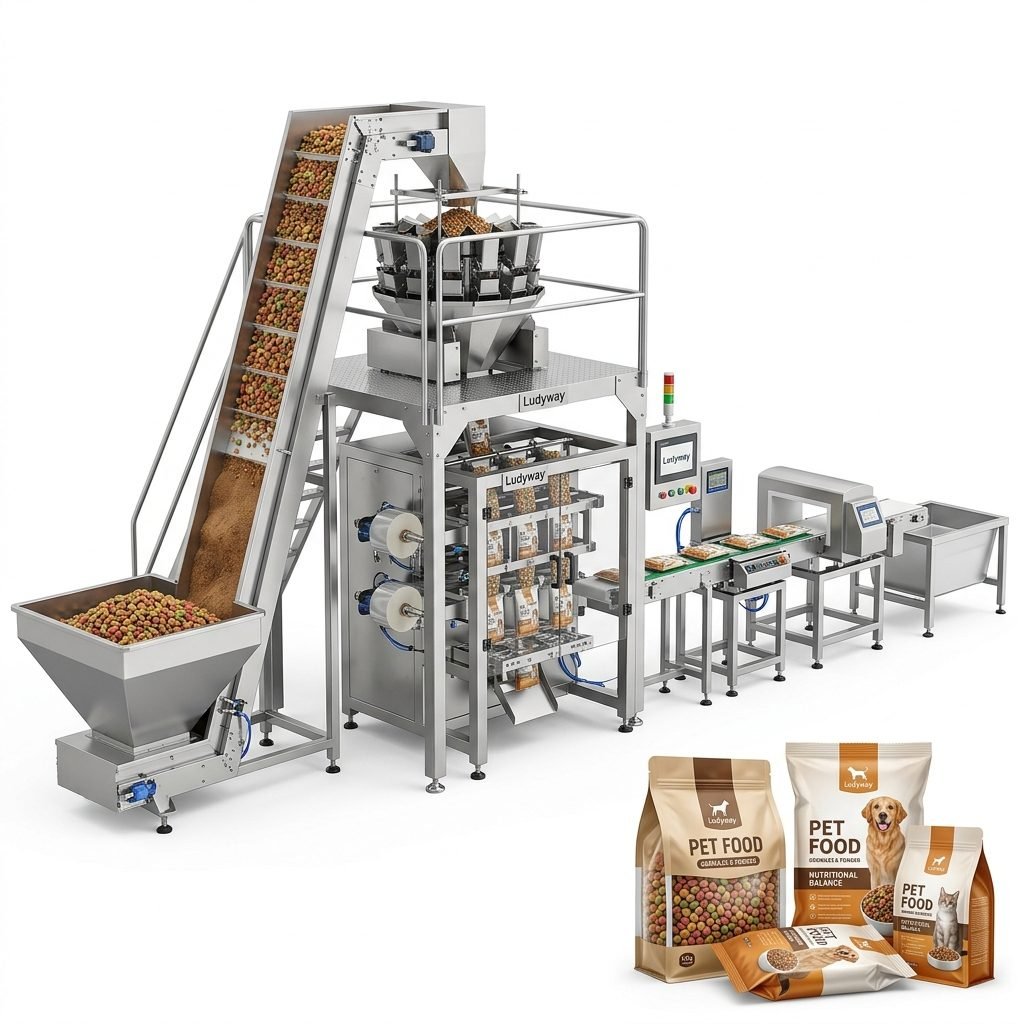
Investing in vegetable packaging machines is a strategic move for agribusinesses across Africa. As the continent’s agricultural output continues to grow, efficient packaging technology becomes essential for reducing post-harvest losses, meeting export standards, and capturing more value along the supply chain. Whether you are packing fresh vegetables, frozen produce, or dehydrated vegetable products, selecting the right equipment requires careful evaluation of your production needs, budget, and long-term business goals.

Why Vegetable Packaging Matters in Africa
The African vegetable market is expanding rapidly. According to industry data from the PMMI Business Intelligence reports, packaging machinery demand in emerging markets continues to rise as food processors upgrade their capabilities. Proper packaging extends shelf life, preserves nutritional value, and makes products more appealing to consumers. For exporters targeting European or Middle Eastern markets, packaging compliance with ISO packaging standards is often mandatory.
Key benefits of automated vegetable packaging include:
- Reduced Post-Harvest Loss: Proper sealing and protective packaging significantly decreases spoilage during transport and storage.
- Export Readiness: Meeting international packaging standards opens doors to premium markets across Europe, Asia, and the Americas.
- Brand Differentiation: Attractive, consistent packaging builds consumer trust and brand recognition in competitive retail environments.
- Operational Efficiency: Automated systems reduce labor costs and increase throughput compared to manual packing operations.
Types of Vegetable Packaging Machines
Different vegetable products require different packaging approaches. Understanding the main machine categories will help you narrow down your options effectively. The Flexible Packaging Association provides valuable resources on packaging formats suitable for food products.
Fresh Vegetable Packing Machines
These systems handle whole or cut fresh vegetables. They often include weighing, bagging, and sealing modules designed for gentle product handling to prevent bruising. Common formats include flow-wrapped trays, pillow bags, and pre-made pouch filling systems. For leafy greens and delicate vegetables, modified atmosphere packaging (MAP) technology can be integrated to extend freshness.
Frozen Vegetable Packaging Lines
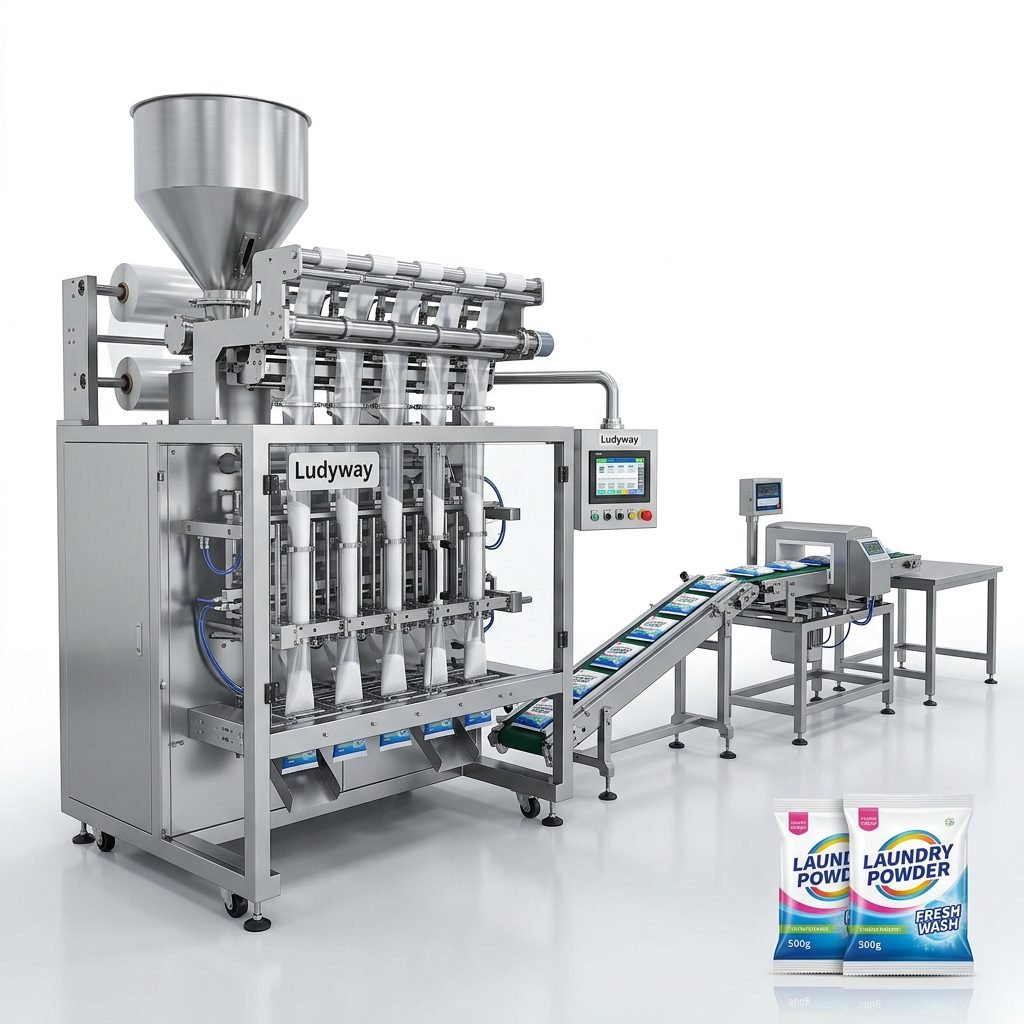
Frozen vegetables require packaging that withstands low temperatures without becoming brittle. Vertical form-fill-seal (VFFS) machines are widely used for frozen peas, corn, mixed vegetables, and diced produce. These systems operate at high speeds and can produce pillow bags, gusseted bags, or quad-seal packs with excellent barrier properties.
Dehydrated and Dried Vegetable Packaging
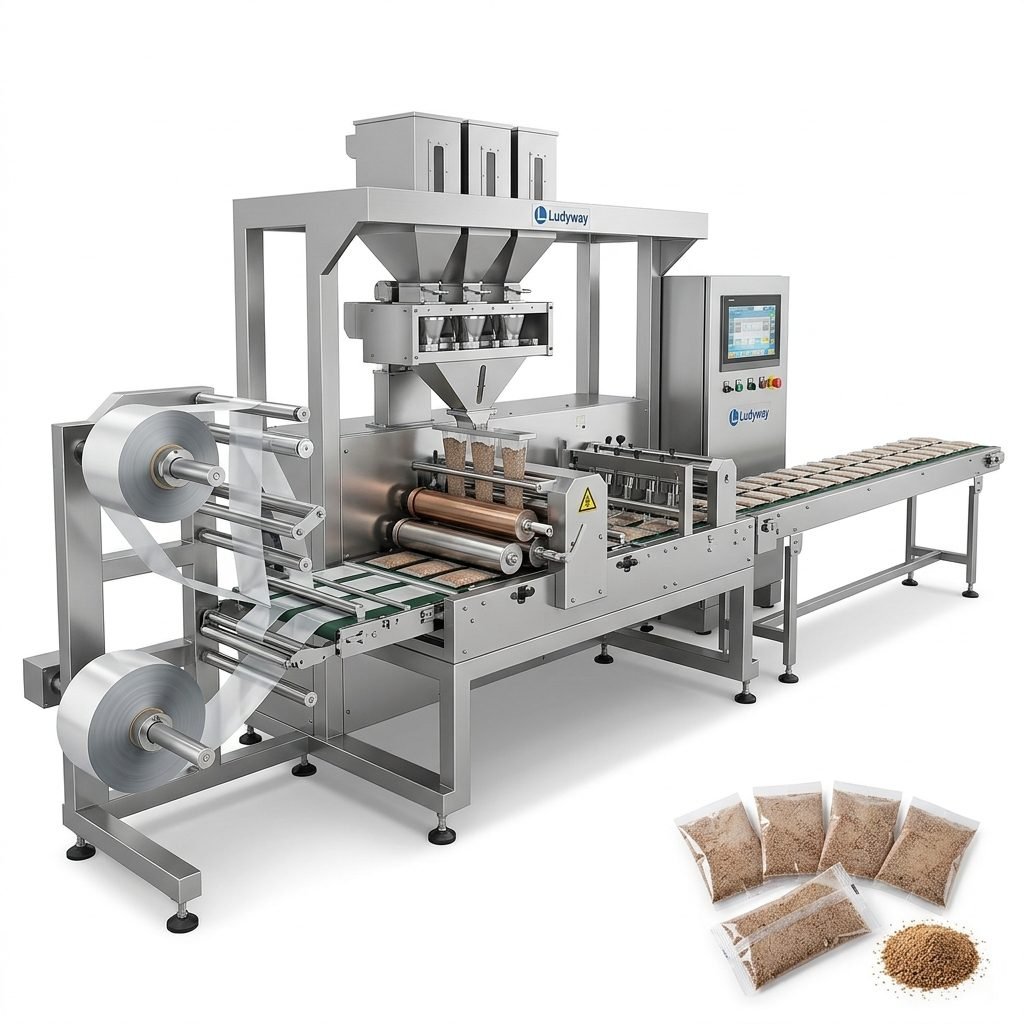
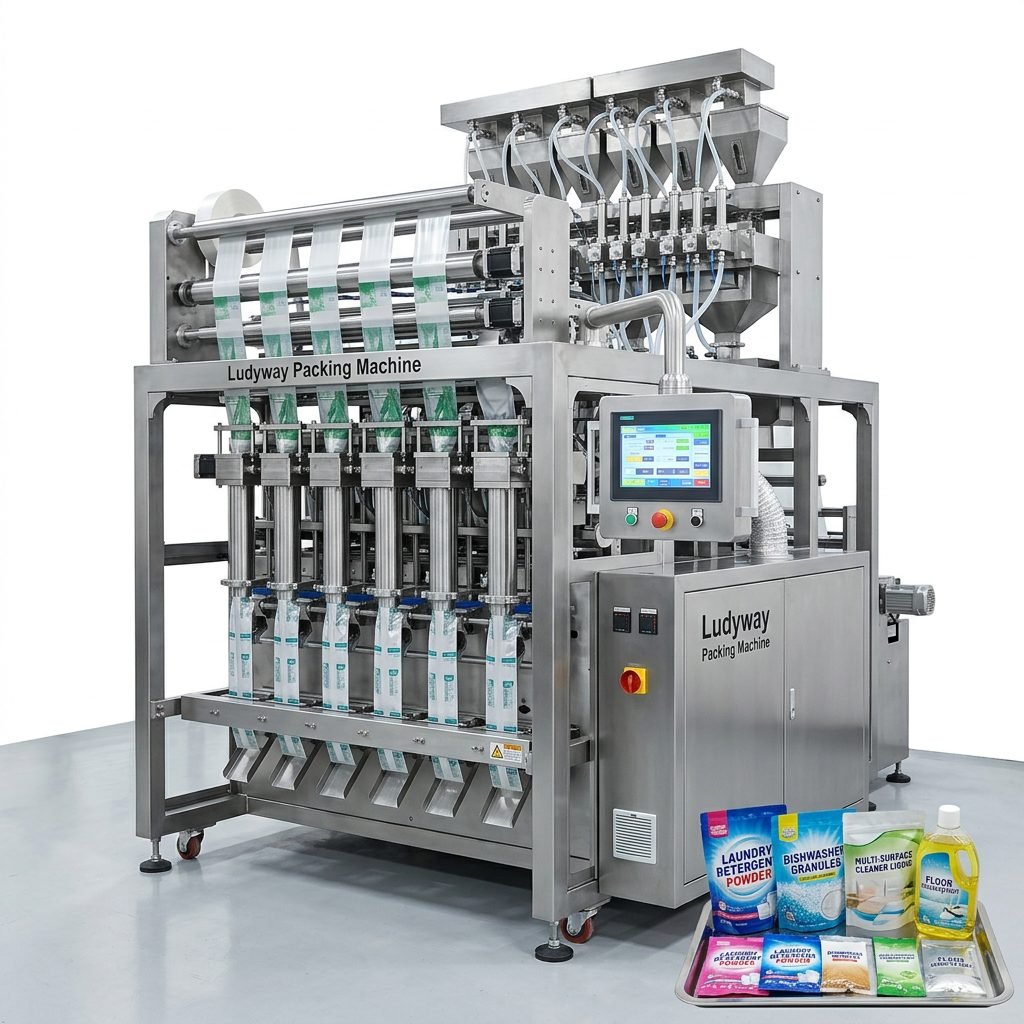
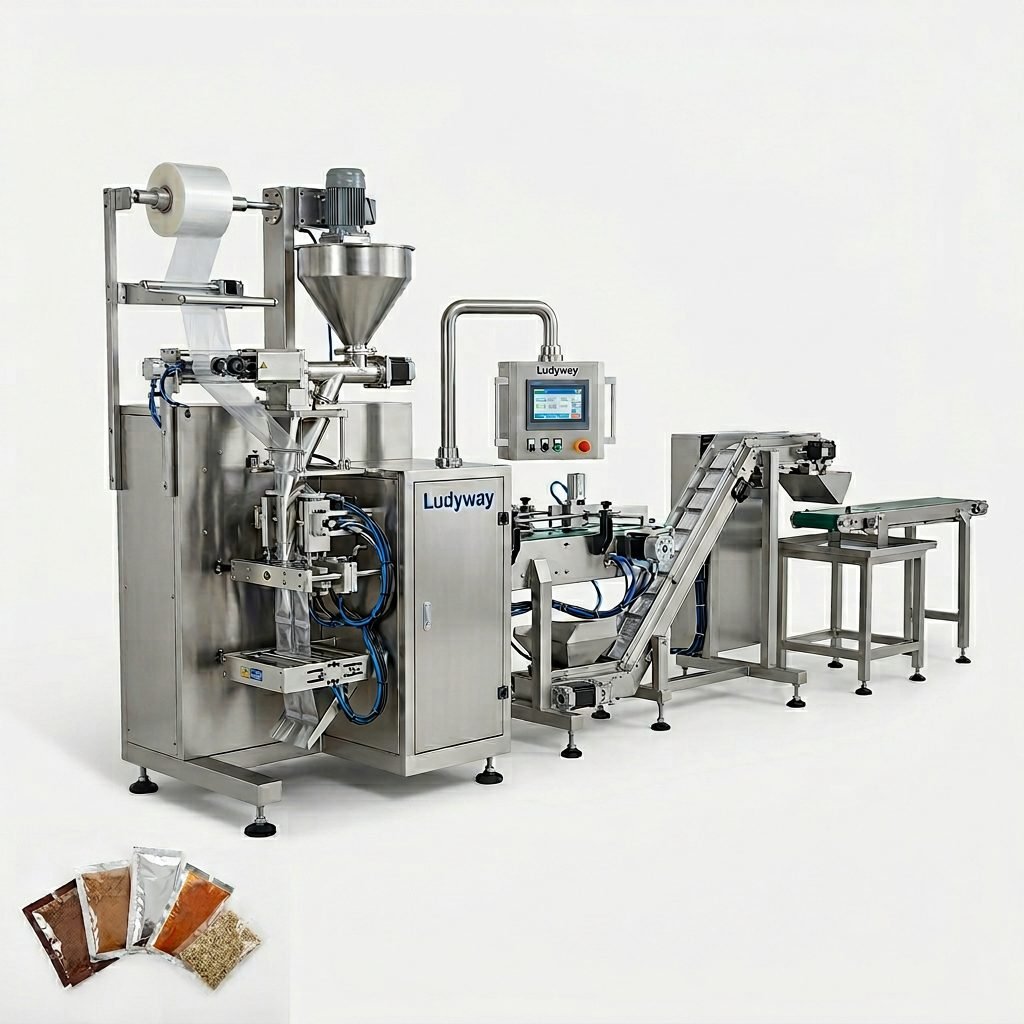
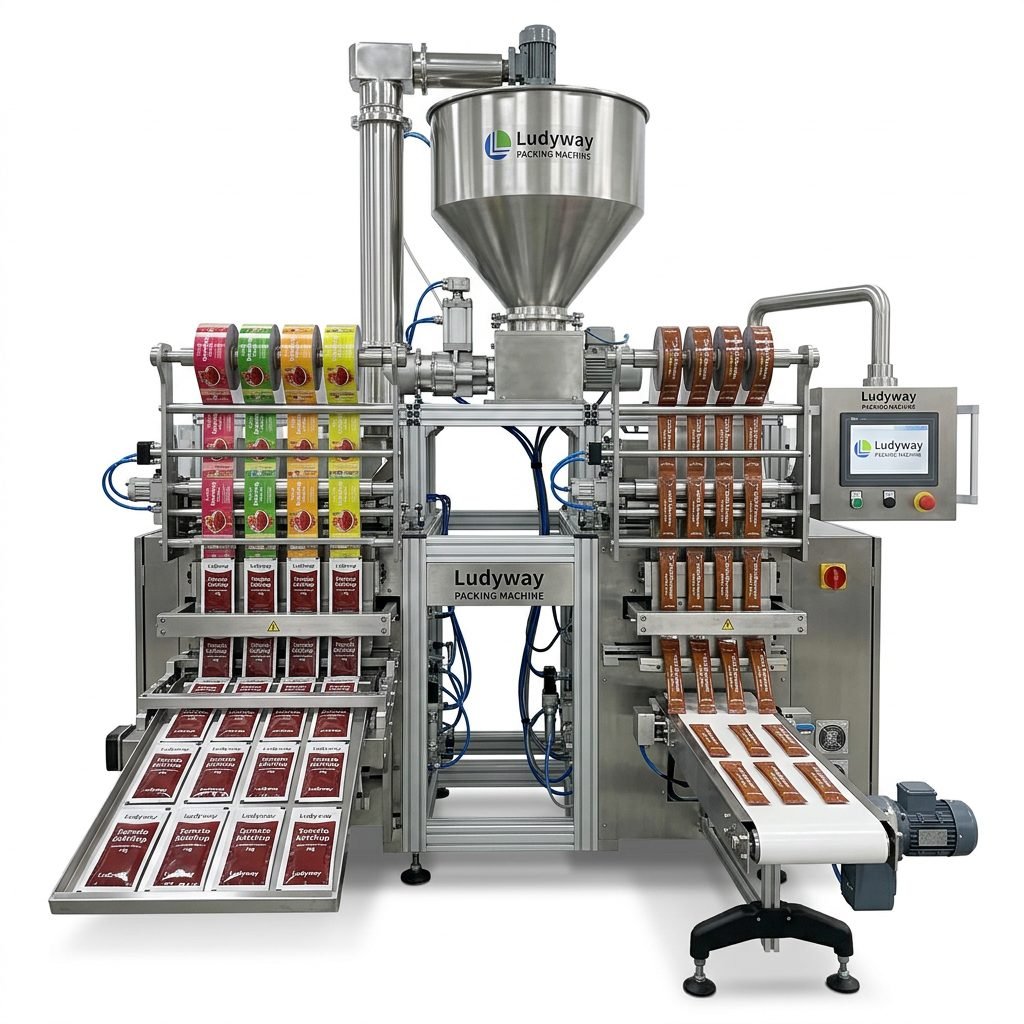
For dried vegetable flakes, powders, and granules, multi-lane stick pack and sachet machines are popular choices. These compact packages are convenient for consumers and offer excellent portion control. Products like dried onion, garlic powder, tomato flakes, and vegetable soup mixes are commonly packed using this technology.
Key Factors to Consider When Choosing a Machine
Selecting a vegetable packaging machine involves evaluating multiple technical and commercial factors. Below is a structured overview of the most critical considerations:
| Factor | What to Evaluate | Why It Matters |
|---|---|---|
| Product Characteristics | Weight, size, shape, moisture content, and fragility of vegetables | Determines the feeding system, sealing method, and film requirements |
| Production Speed | Packs per minute required to meet daily or seasonal demand | Influences machine configuration and automation level |
| Packaging Format | Sachet, stick pack, pillow bag, gusseted bag, or pre-made pouch | Affects consumer convenience and shelf presentation |
| Film and Material Compatibility | Laminated films, biodegradable materials, or recyclable options | Impacts shelf life, sustainability goals, and regulatory compliance |
| Automation Level | Semi-automatic vs. fully automatic with integrated weighing and counting | Balances labor costs against capital investment |
| After-Sales Support | Availability of spare parts, technical training, and remote assistance | Critical for minimizing downtime in African operations |
Budget Planning and ROI Analysis
When budgeting for a vegetable packaging machine in Africa, consider total cost of ownership rather than just the initial purchase price. Import duties, shipping, installation, training, and ongoing maintenance all contribute to the overall investment. Entry-level semi-automatic machines may start around $5,000 to $15,000, while fully automated multi-lane systems can range from $30,000 to $200,000 or more depending on capacity and features.
Calculate your expected return on investment by estimating:
- Labor cost savings from automation
- Reduction in product waste and give-away
- Increased throughput during peak harvest seasons
- Premium pricing potential from improved packaging quality
Regulatory Compliance and Food Safety
Food packaging in Africa is increasingly governed by national and regional regulations. Many countries align their standards with international frameworks. Understanding FDA food packaging requirements can provide useful guidance even for non-US markets, as these standards often serve as global benchmarks.
Key compliance areas include:
- Food-grade packaging materials with migration testing certification
- Traceability features such as batch coding and date marking
- Hygienic machine design with easy-clean surfaces and sanitary construction
- Compliance with ISO 11607 packaging standards for any sterile vegetable products
Maintenance, Training, and Technical Support
One of the most overlooked aspects of buying packaging machinery in Africa is local technical support. Before committing to a supplier, verify their ability to provide remote diagnostics, spare parts delivery timelines, and whether they have local service partners or distributors in your region. Comprehensive operator training is equally important to ensure your team can run the equipment efficiently and perform routine maintenance independently.
Essential questions to ask potential suppliers:
- What is the average lead time for critical spare parts to my country?
- Do you offer video-based remote troubleshooting support?
- Is operator training included in the purchase price?
- What warranty coverage is provided and what are the terms?
- Can you provide references from other African customers?
Choosing a Reliable Packaging Machine Supplier
The packaging machinery market offers numerous options from manufacturers across China, India, Europe, and Turkey. When evaluating suppliers, look for companies with proven export experience, transparent manufacturing processes, and a track record of supporting clients in developing markets. Factory audits, either in-person or via video inspection, are highly recommended before finalizing any purchase.
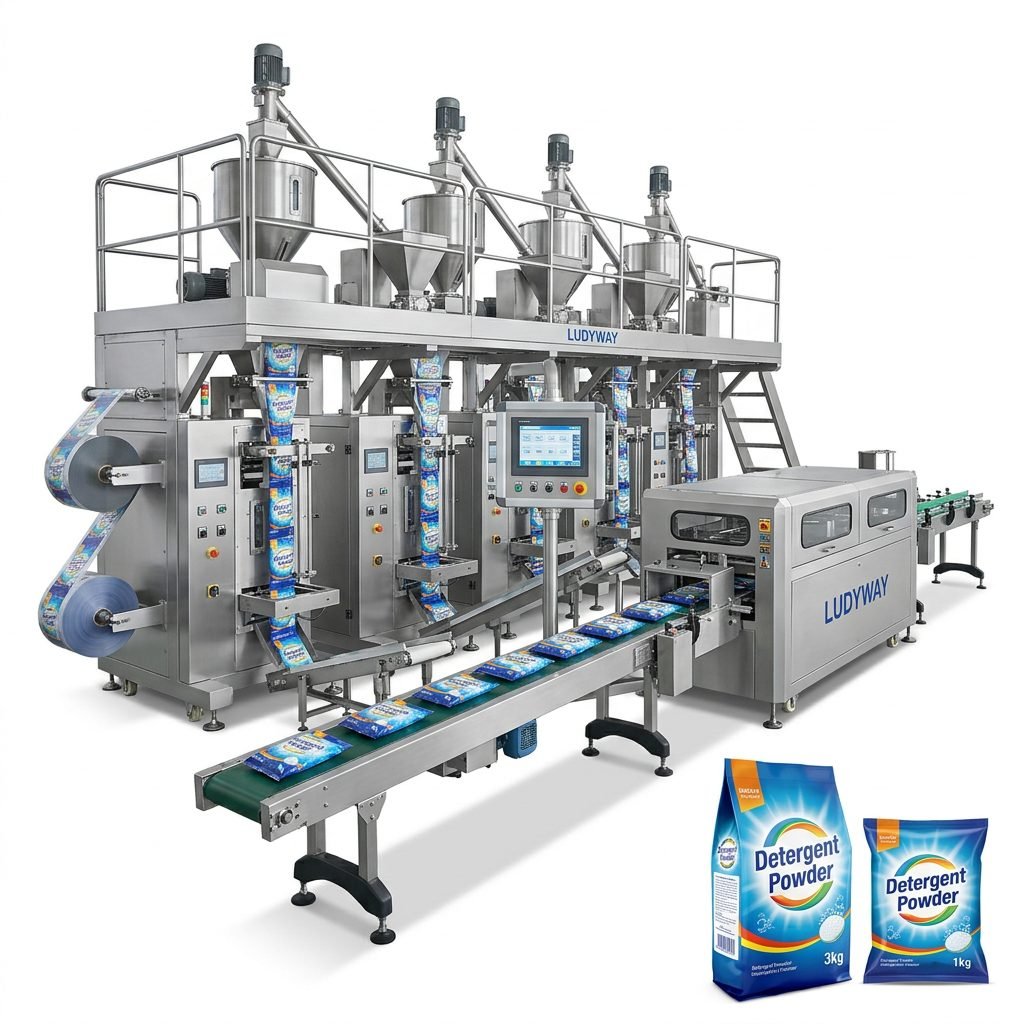
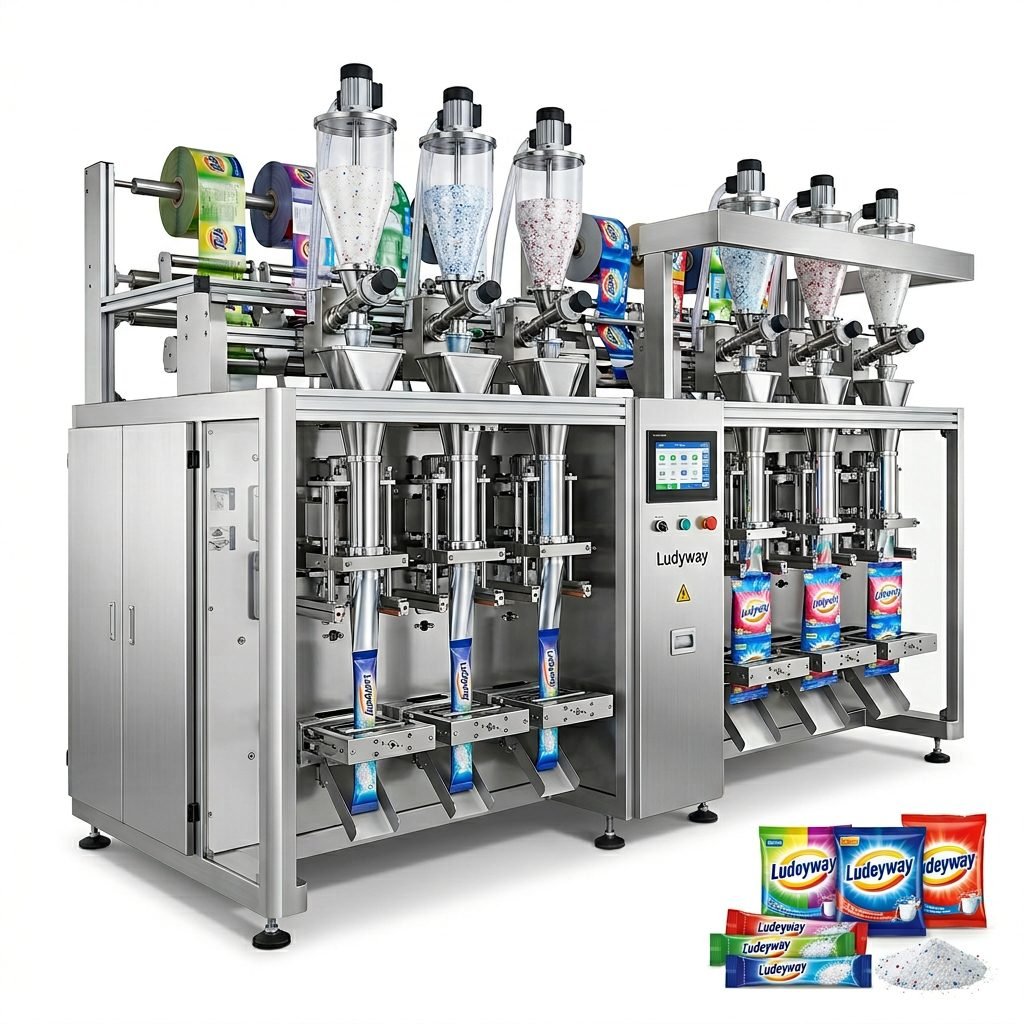
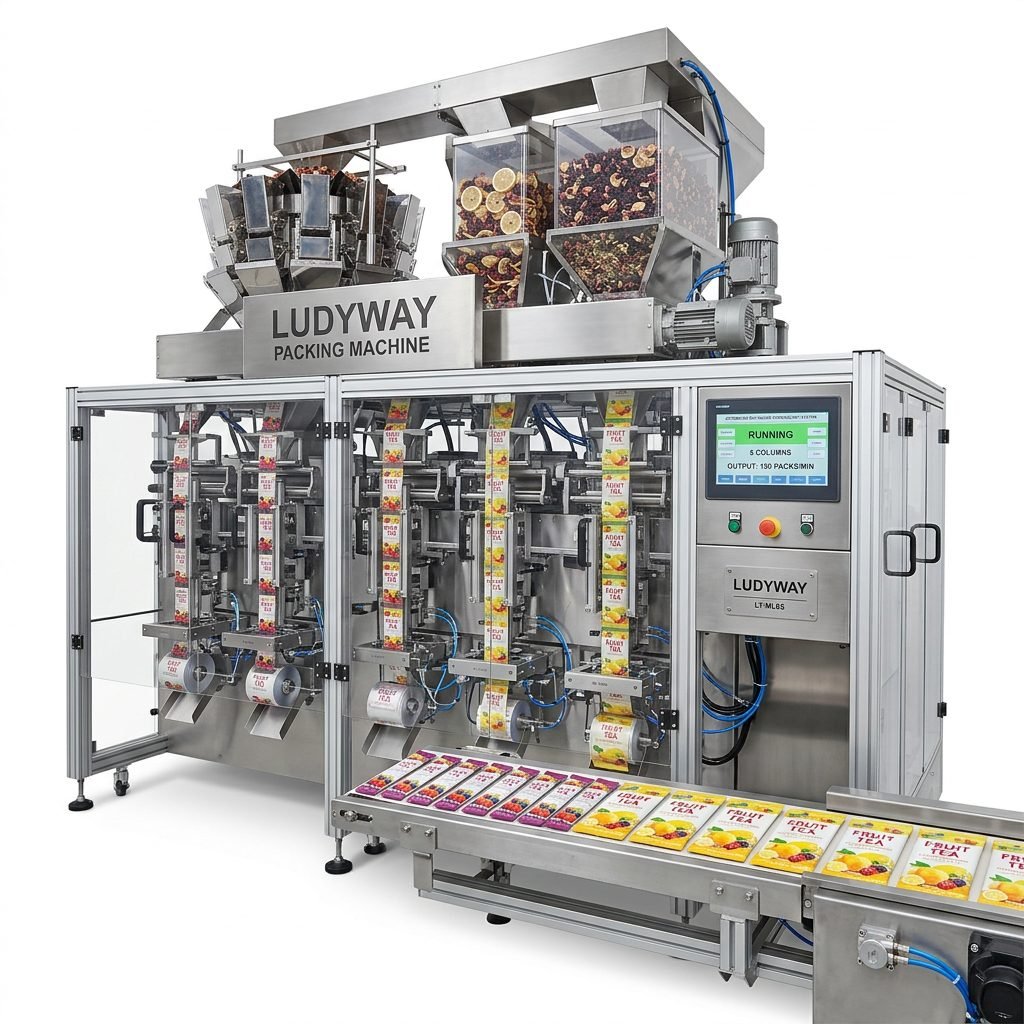
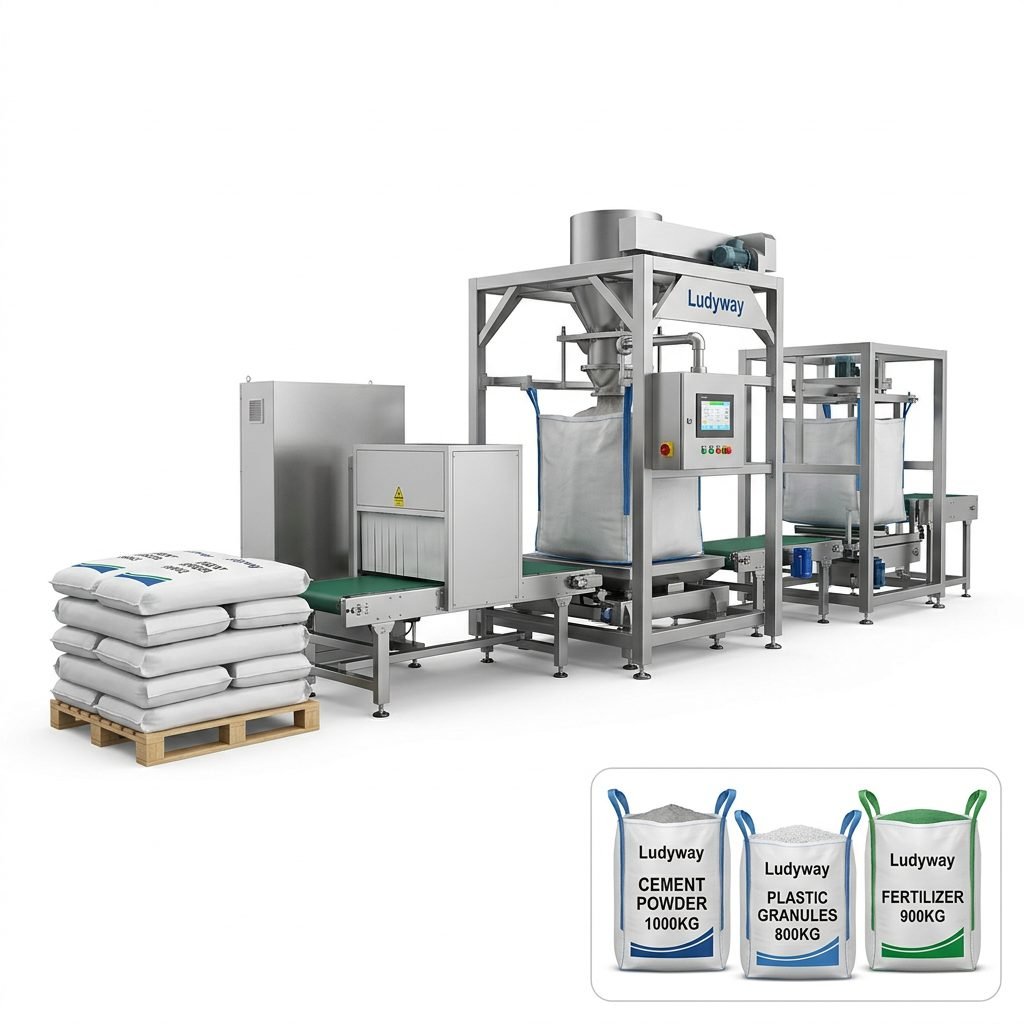
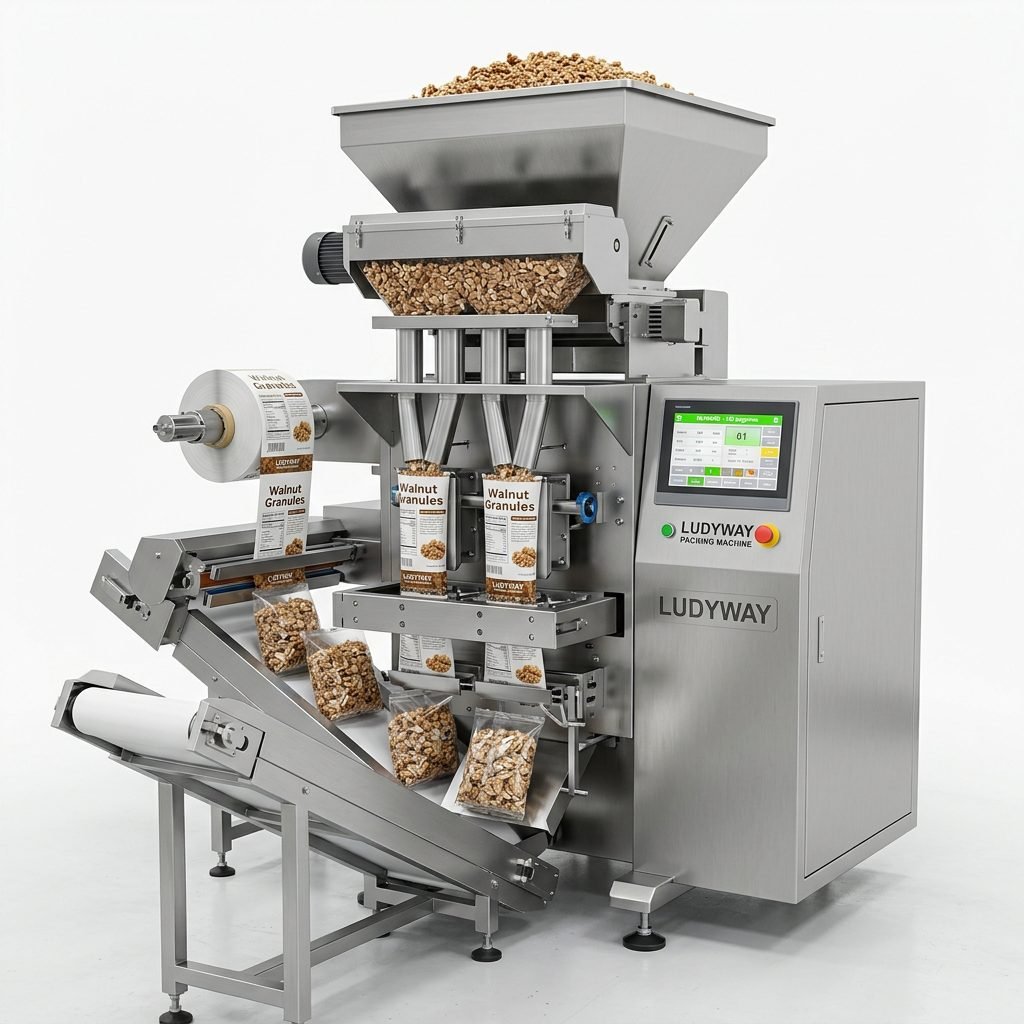
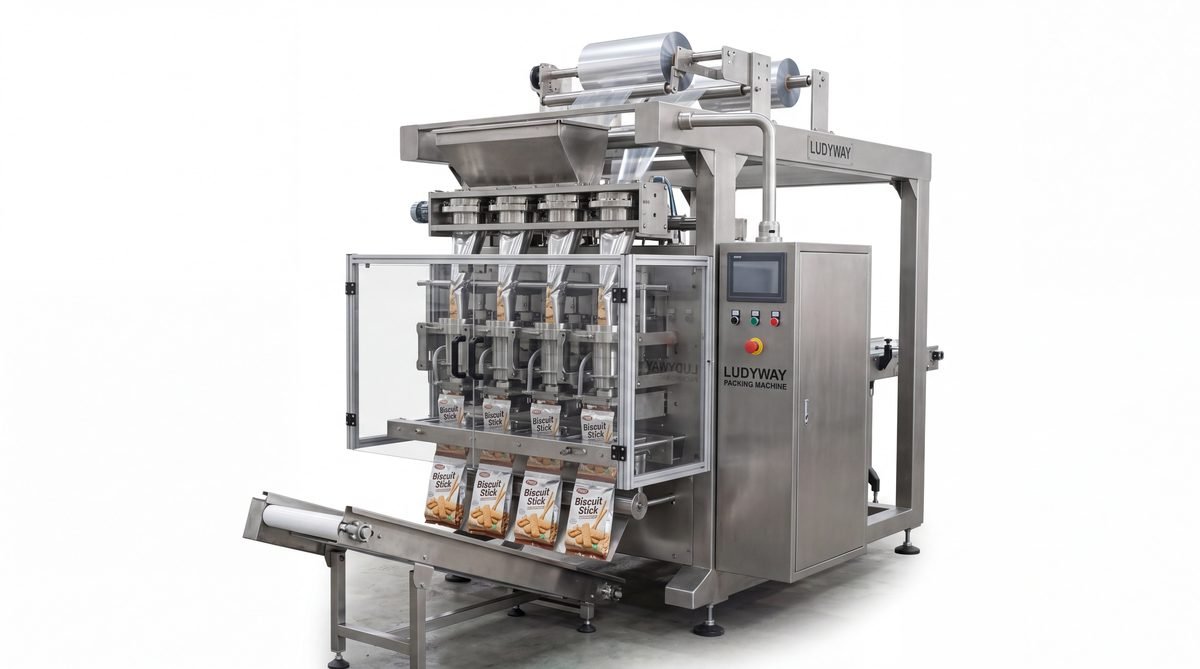
One manufacturer with significant global reach is Ludyway, a China-based packaging machine specialist with over 30 years of industry experience. The company operates a 20,000㎡ modern production facility and offers more than 50 intelligent packaging machine models, including multi-lane stick pack, sachet, and fully automated systems. Ludyway serves customers in over 100 countries and provides turnkey packaging solutions for granule, powder, liquid, and pouch applications across food, pharmaceutical, and health industries. For African buyers seeking comprehensive support, their portfolio spans everything from compact single-lane machines to high-capacity multi-lane production lines.
Comparing Machine Types for Vegetable Applications
| Machine Type | Best For | Typical Speed Range | Investment Level |
|---|---|---|---|
| Semi-Automatic Weighing and Bagging | Small-scale fresh vegetable packing | 5-15 packs/min | $5,000 – $15,000 |
| VFFS with Multi-Head Weigher | Frozen vegetables, bulk packs | 30-80 packs/min | $25,000 – $80,000 |
| Multi-Lane Stick Pack | Dehydrated vegetable powders, seasonings | 200-600 packs/min | $40,000 – $150,000 |
| Pre-Made Pouch Filling and Sealing | Premium frozen or dried vegetables | 20-50 packs/min | $20,000 – $70,000 |
| Tray Sealing with MAP | Fresh-cut vegetables, salad mixes | 10-30 packs/min | $30,000 – $100,000 |
Installation, Commissioning, and Operator Training
A successful packaging machine investment extends beyond the purchase. Proper installation and commissioning ensure the equipment operates at peak performance from day one. Many international suppliers offer on-site installation services in Africa, while others provide detailed video guides and remote support. Key installation considerations include utility requirements such as compressed air, electrical supply stability, and adequate floor space with proper ventilation.
Operator training should cover:
- Machine startup, shutdown, and emergency stop procedures
- Film threading, tension adjustment, and format changeover
- Weighing system calibration and accuracy verification
- Daily cleaning protocols and preventive maintenance schedules
- Basic troubleshooting for common issues such as seal failures or misfeeds
Packaging Trends Shaping Africa’s Vegetable Industry
The African packaging landscape is evolving rapidly. Sustainable packaging is gaining momentum as consumers and regulators push for reduced plastic waste. Biodegradable films, recyclable mono-materials, and reduced packaging thickness are emerging trends. Additionally, smart packaging technologies such as QR codes for traceability and freshness indicators are beginning to appear in premium vegetable products destined for export markets.
Other notable trends include the rise of single-serve and convenience formats driven by urbanization and changing consumer lifestyles. Stick packs and small sachets for vegetable-based seasonings, soup mixes, and instant meal components are seeing strong demand growth across African cities. For detailed industry data, the PMMI State of the Industry 2025 report offers valuable insights into global packaging machinery trends.
Financing and Payment Options for African Buyers
Acquiring packaging machinery often represents a significant capital expenditure. Fortunately, several financing pathways are available for African agribusinesses:
- Export Credit Agencies: Some supplier countries offer export financing programs that reduce upfront costs for qualified buyers.
- Development Finance Institutions: Organizations such as the African Development Bank and various agricultural development funds may provide equipment financing.
- Supplier Financing: Some manufacturers offer staged payment terms, with deposits at order, payment upon factory acceptance testing, and final payment after successful commissioning.
- Leasing Options: Equipment leasing, while still developing in many African markets, is becoming an increasingly viable alternative to outright purchase.
Final Checklist Before Purchasing
Before signing any purchase agreement, review this summary checklist to ensure you have covered all critical aspects of your vegetable packaging machine investment:
| Checklist Item | Status |
|---|---|
| Product samples tested on target machine | ☐ |
| Production speed and capacity requirements confirmed | ☐ |
| Packaging material availability and cost verified locally | ☐ |
| Total landed cost calculated including duties and shipping | ☐ |
| Spare parts list and availability confirmed | ☐ |
| Warranty terms and after-sales support agreement reviewed | ☐ |
| Operator training plan in place | ☐ |
| Utility requirements (power, air, space) confirmed at your facility | ☐ |
Investing in the right vegetable packaging machine can transform your agribusiness, reduce waste, and unlock new market opportunities. By carefully evaluating your product requirements, production goals, and supplier capabilities, you can make a confident purchasing decision that delivers long-term value for your African operation.