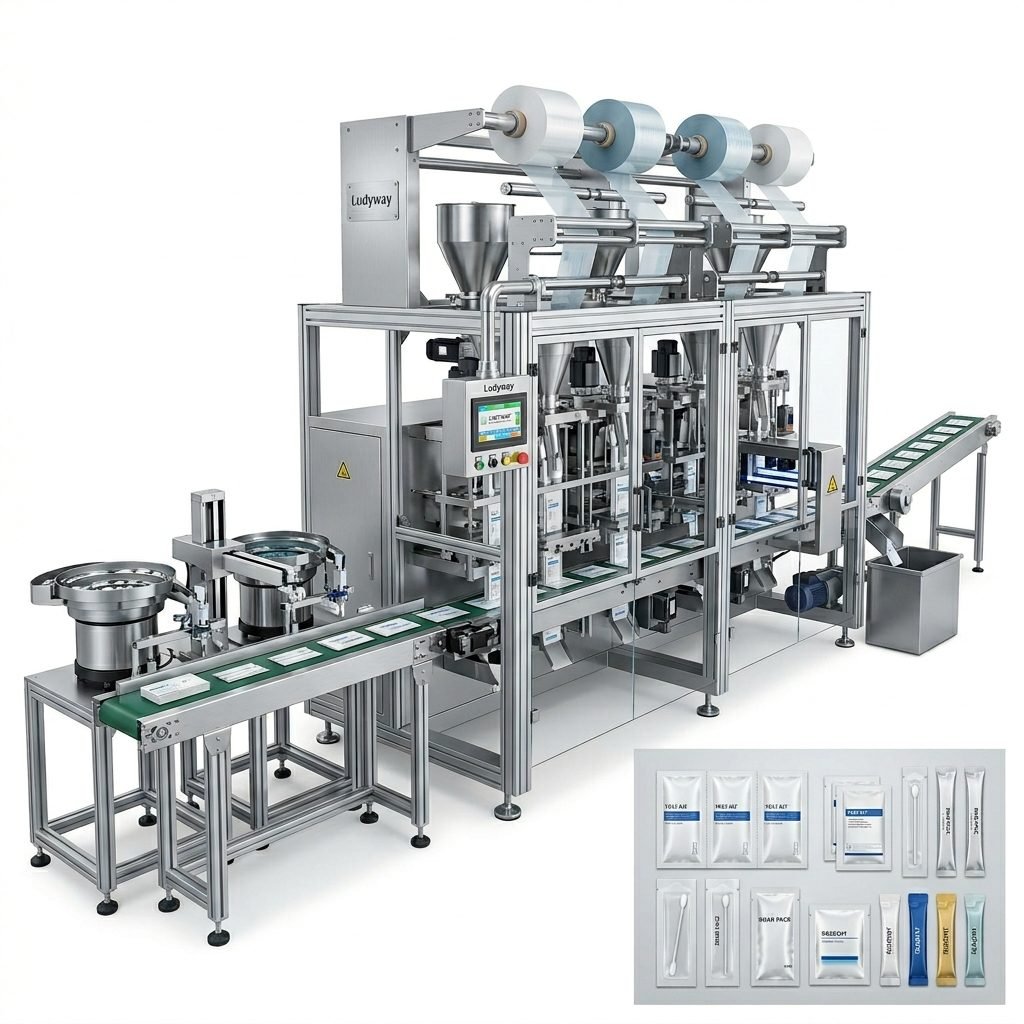
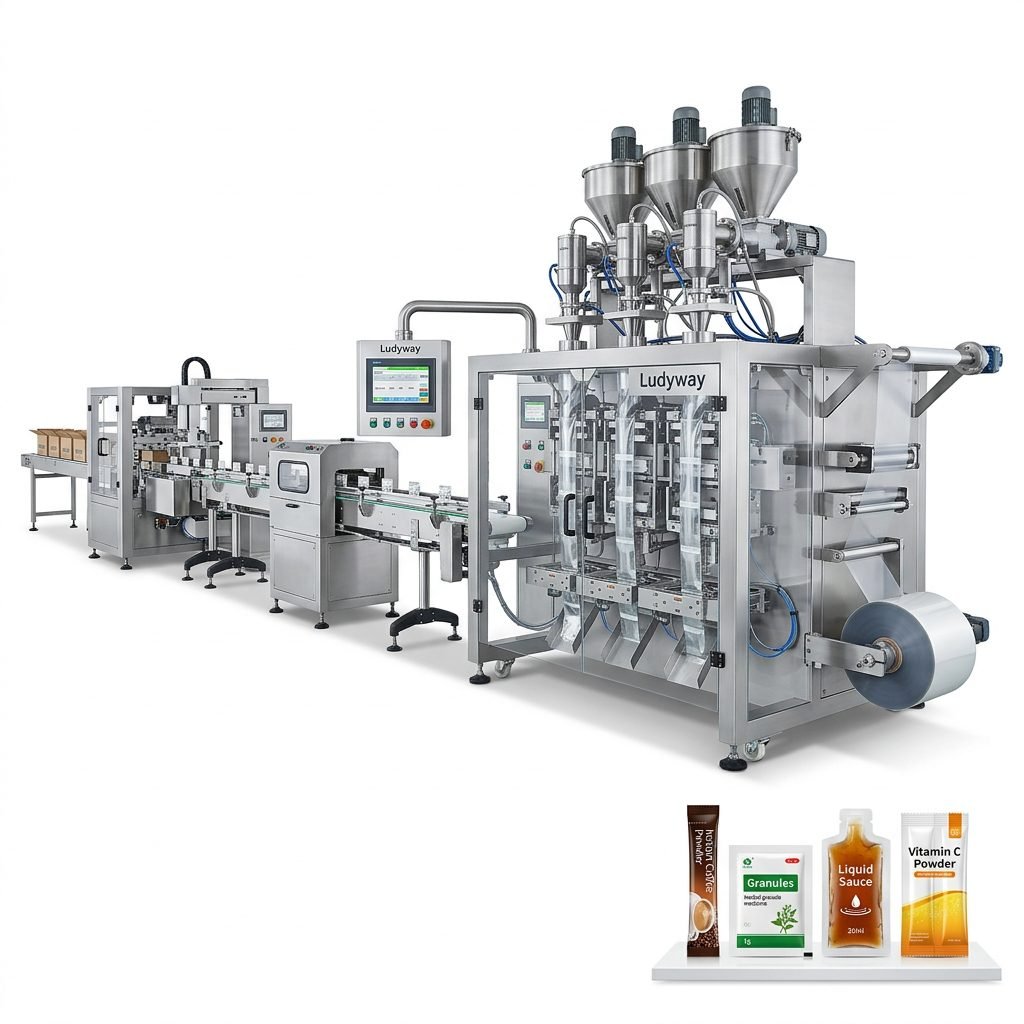
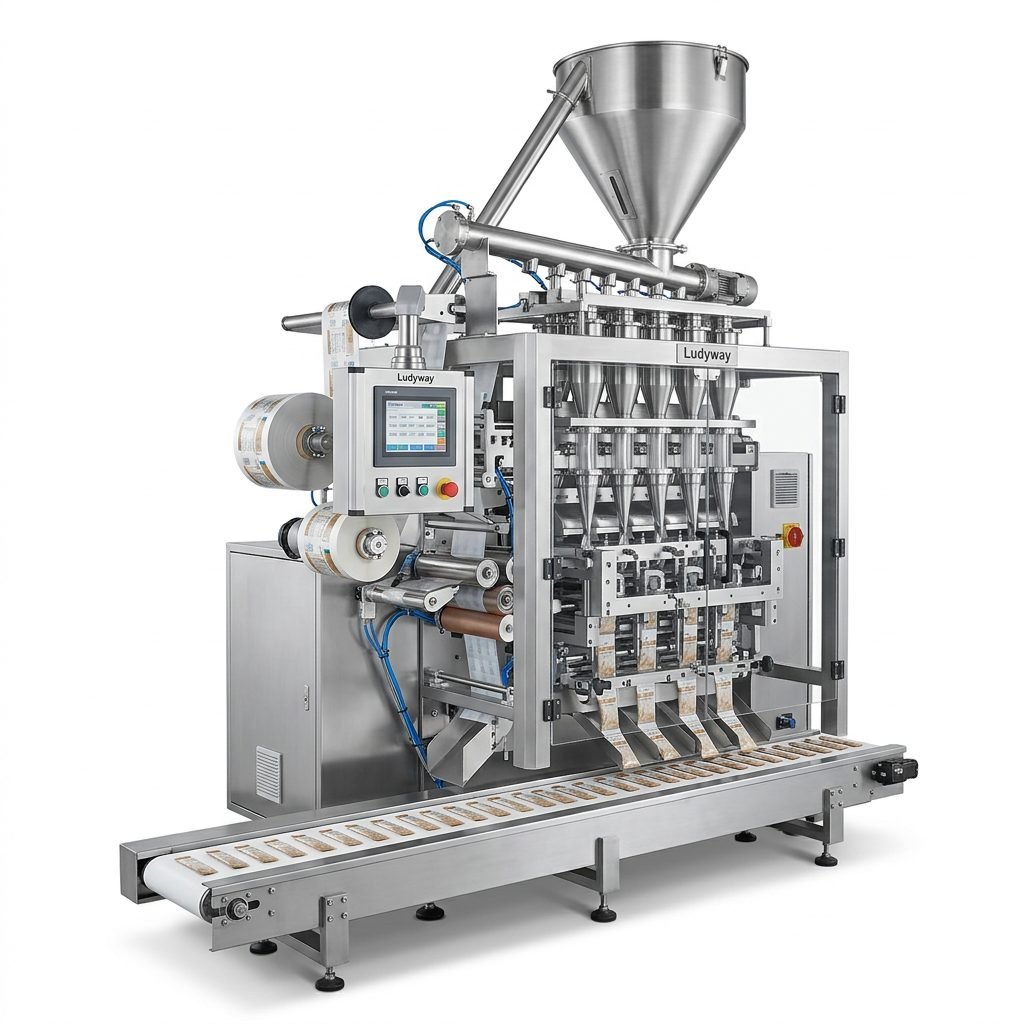
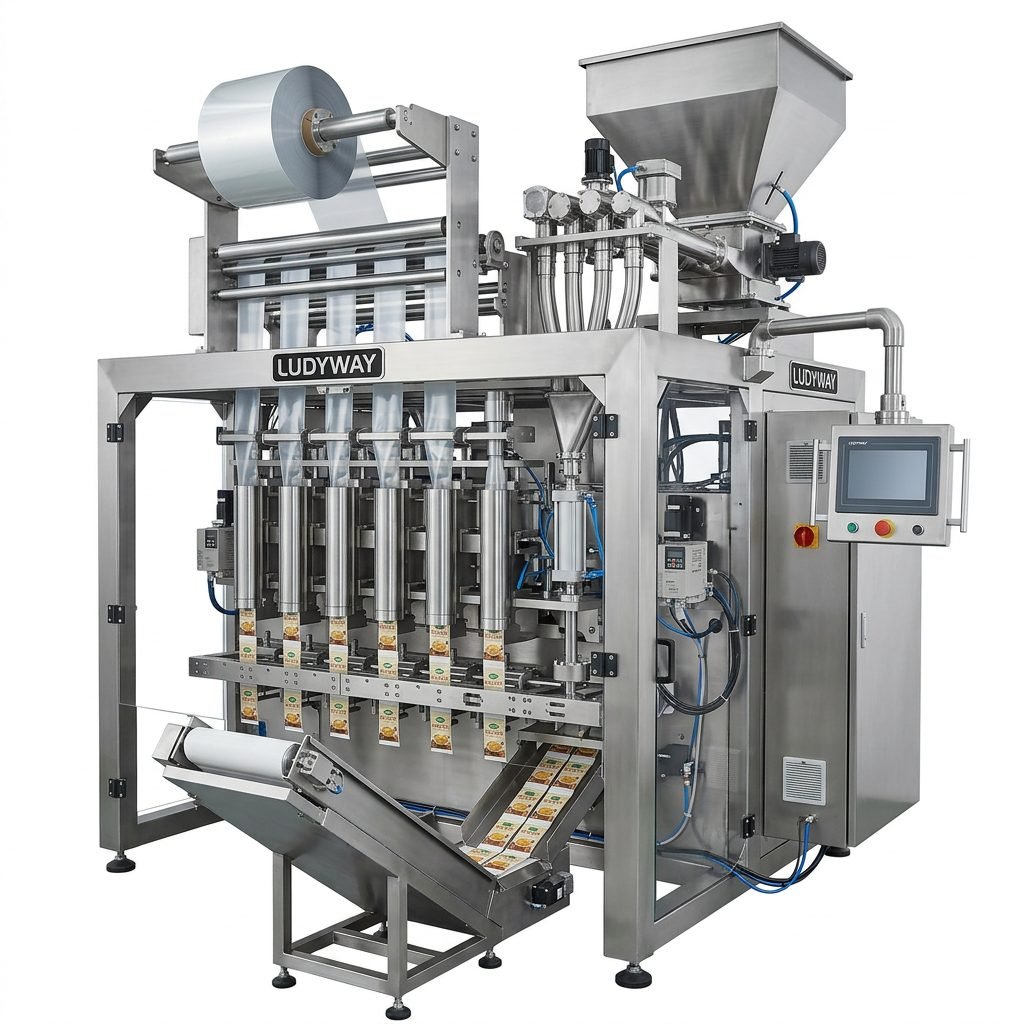
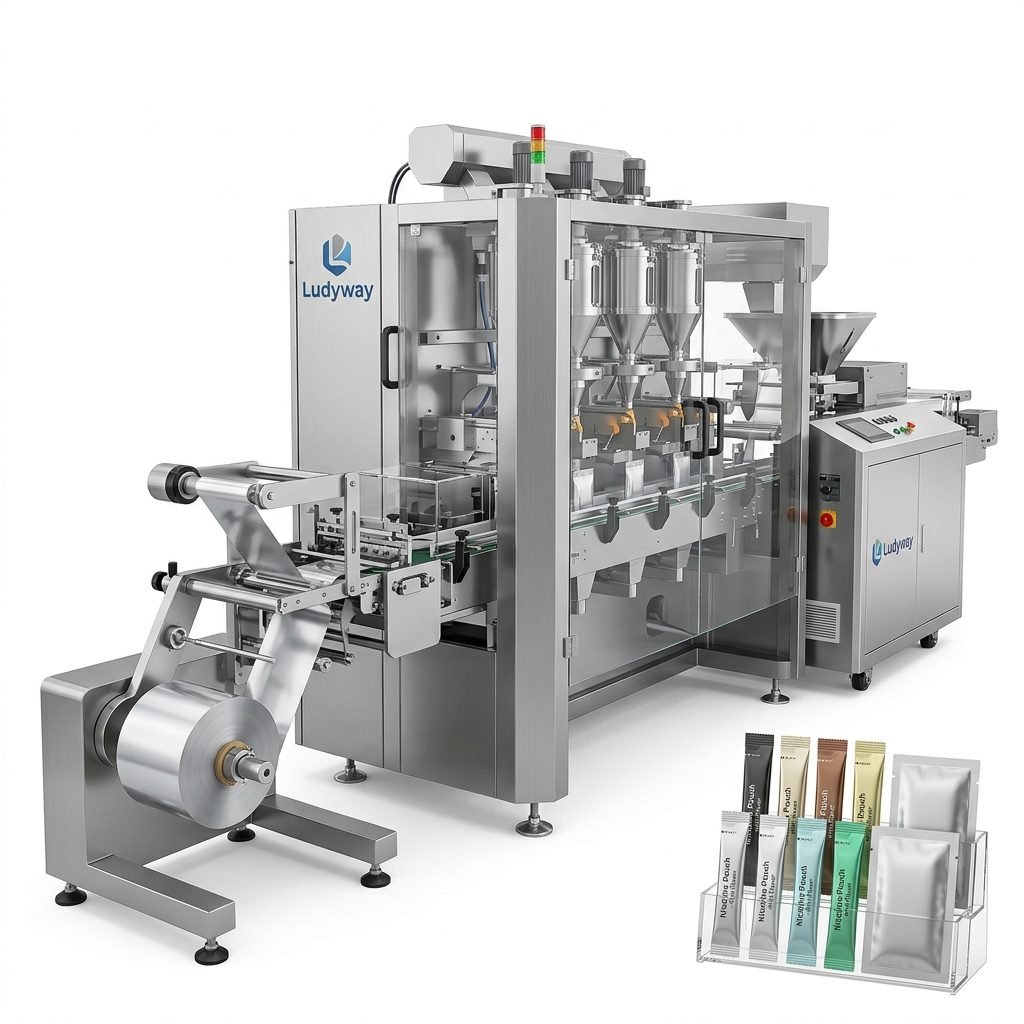
The Asia-Pacific packaging machinery market is projected to grow at a CAGR of over 7% through 2030, driven by rapid industrialization, expanding food processing sectors, and increasing demand for extended shelf-life products. At the center of this transformation is the vacuum packaging machine — a critical technology that preserves product freshness, prevents contamination, and optimizes supply chain efficiency across multiple industries.
Selecting the right vacuum packaging equipment can dramatically reduce operational costs while improving product quality. This guide examines why manufacturers across Asia and beyond are turning to advanced multi-lane vacuum packaging systems for their production lines, and what sets industry-leading solutions apart in terms of reliability, throughput, and total cost of ownership.
Why Vacuum Packaging Machines Are Essential in Asia’s Growing Markets
The demand for industrial vacuum packaging machines has surged across multiple sectors. According to the PMMI Business Intelligence Library, packaging machinery shipments in emerging Asian economies have shown consistent double-digit growth. Key drivers include:
- Food safety regulations becoming stricter across ASEAN and South Asian markets
- E-commerce expansion requiring longer product shelf life during transit
- Pharmaceutical cold chain requirements demanding reliable oxygen-barrier packaging
- Export-oriented manufacturing needing internationally compliant packaging standards
- Labor cost optimization pushing factories toward automated packaging lines

Key Features of Ludyway’s Vacuum Packaging Technology
Ludyway is one of the largest packaging machine manufacturers in China, specializing in advanced packaging equipment and turnkey production solutions for the food, pharmaceutical, and health industries. With over 30 years of industry expertise and a modern 20,000㎡ manufacturing facility, the company offers more than 50 intelligent packaging machine models, including high-performance vacuum packaging systems that serve customers in over 100 countries and regions.
Extended Shelf Life and Freshness Preservation
Modern vacuum packaging machines create an oxygen-free environment that extends product shelf life by 3-5 times compared to conventional packaging. This is particularly critical for perishable foods, pharmaceutical powders, and oxidation-sensitive chemical products. The precision vacuum control systems ensure consistent seal integrity across every single package, reducing waste and product returns.
Versatile Applications Across Industries
Today’s advanced multi-lane vacuum packaging systems handle an impressive range of products:
- Food industry: Freeze-dried meats, coffee granules, spices, dairy powders, snack foods
- Pharmaceutical: Medical device sterilization pouches, powder medications, diagnostic kits
- Chemical: Industrial powders, resin granules, water treatment compounds
- Pet food: Freeze-dried treats, kibble, nutritional supplements
- Cosmetics: Sheet masks, serum ampoules, travel-size product sachets
Comparing Vacuum Packaging Machine Specifications
| Feature | Standard Models | High-Speed Multi-Lane | Turnkey Systems |
|---|---|---|---|
| Packaging Speed | 30-60 packs/min | 80-200+ packs/min | Custom configured |
| Lane Configuration | 2-4 lanes | 6-16 lanes | Fully modular |
| Vacuum Level | Standard | High-precision | Programmable |
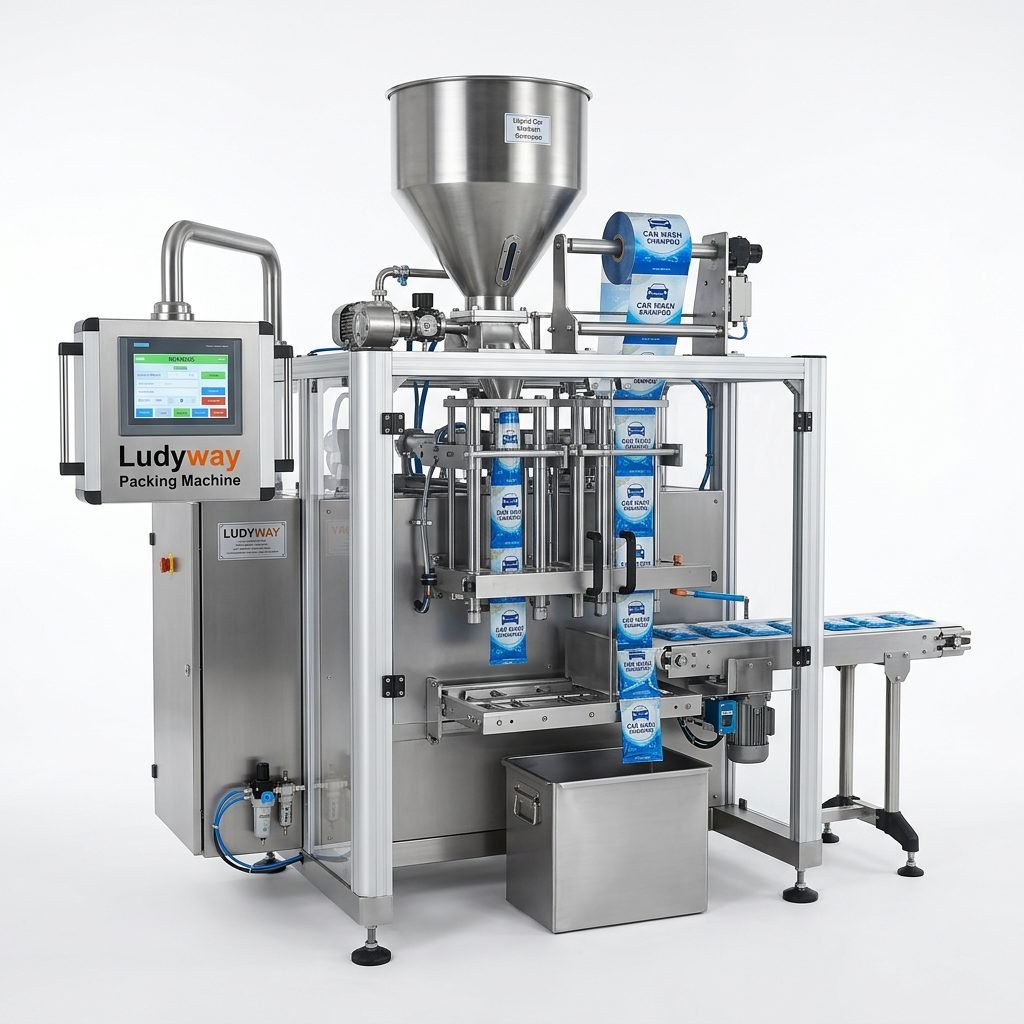
| Product Types | Granules & powders | Granules, powders, liquids | All formats |
| Automation Level | Semi-automatic | Fully automatic | End-to-end integrated |

Advanced Multi-Lane Integration with Vacuum Systems
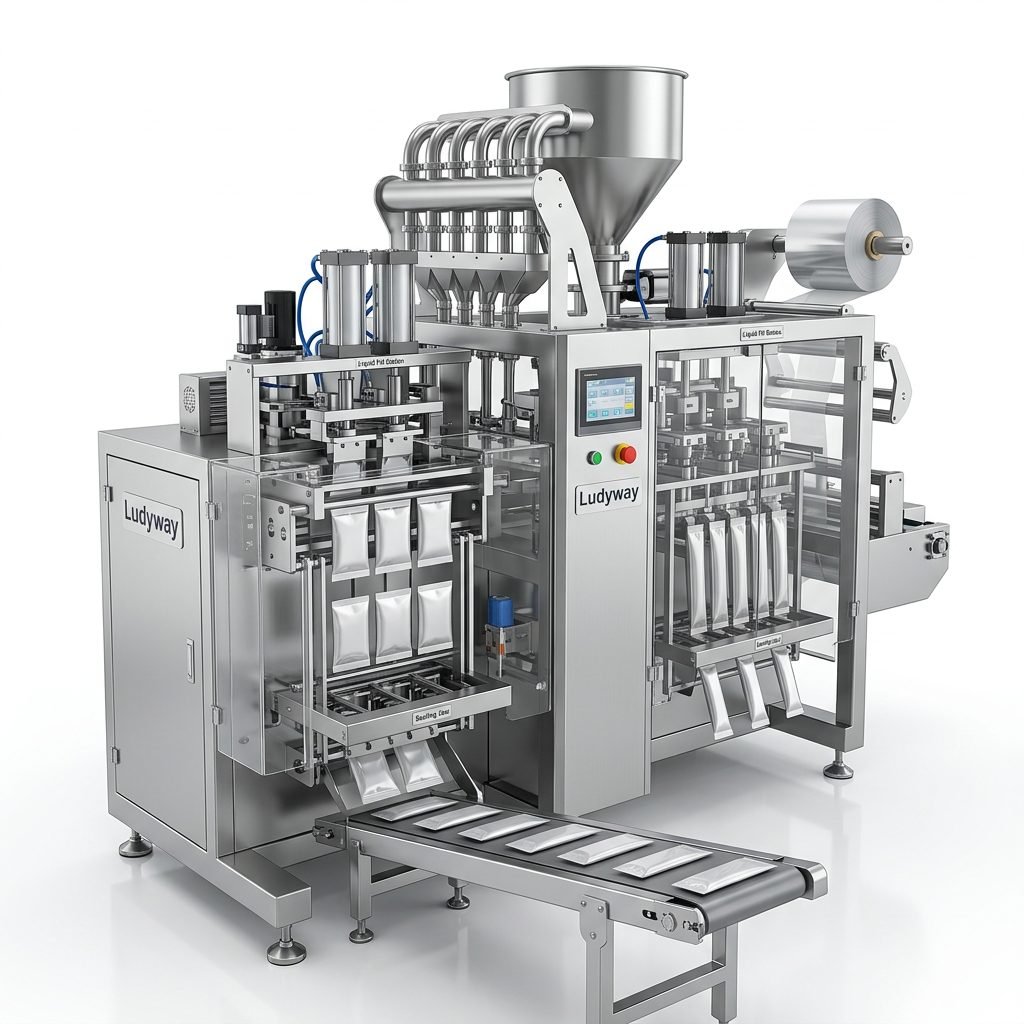
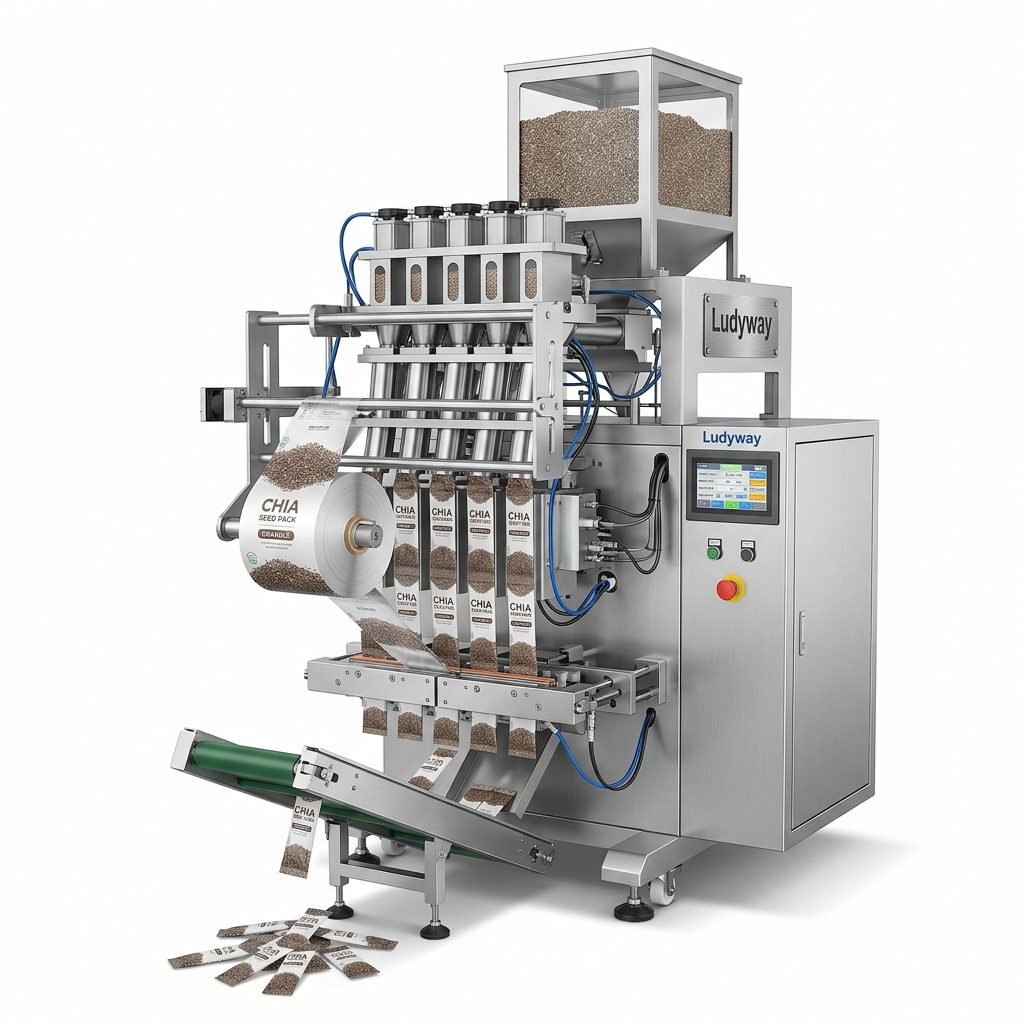
One of the most significant technological advancements in Asian packaging manufacturing is the integration of multi-lane stick pack and sachet systems with precision vacuum sealing modules. This combination delivers unmatched throughput while maintaining the oxygen-barrier properties essential for sensitive products. Key integration capabilities include:
- Inline nitrogen flushing combined with vacuum sealing for oxygen-sensitive powders
- Automated reject systems with high-speed detection for seal integrity verification
- Modular design allowing quick changeover between vacuum and non-vacuum packaging modes
- Servo-driven precision ensuring consistent vacuum levels across all lanes simultaneously
- Industry 4.0 readiness with real-time monitoring and data logging capabilities
Production Capacity and Technical Specifications
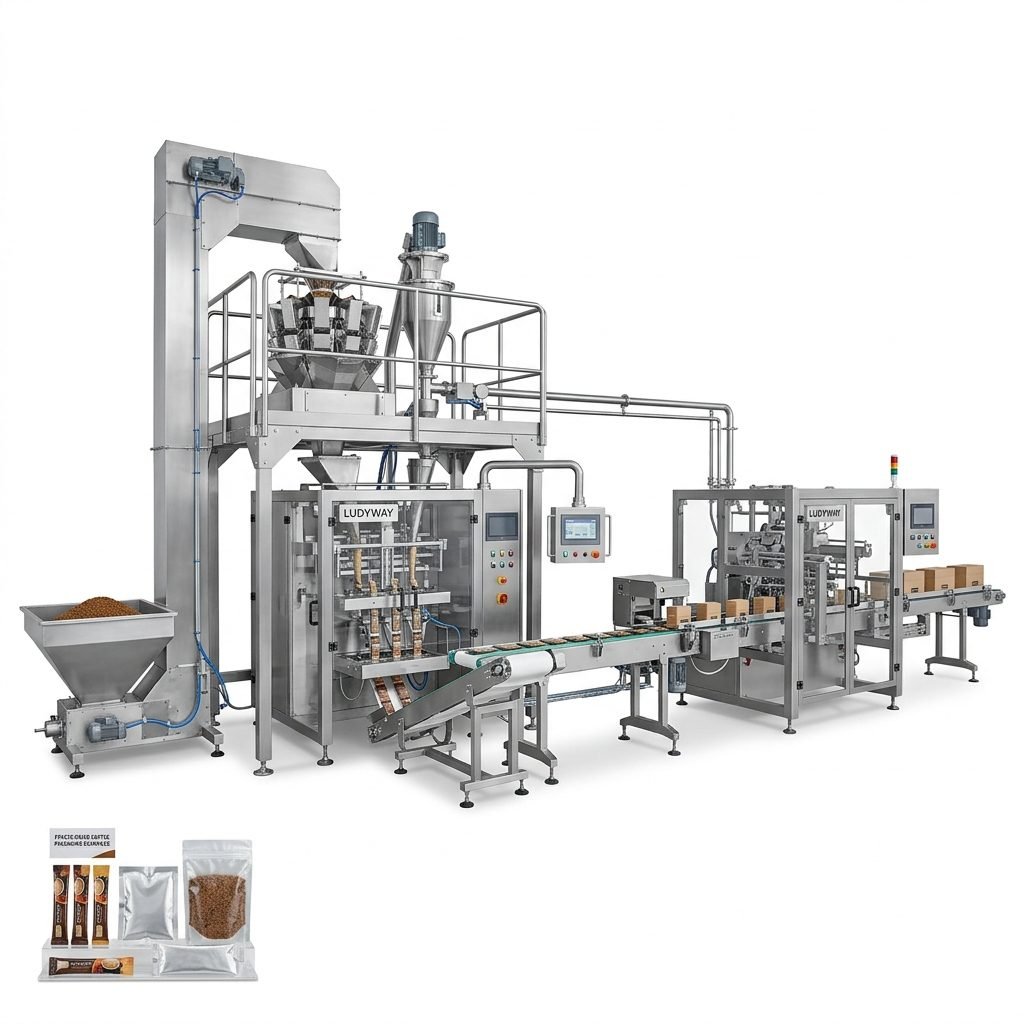
Modern vacuum packaging lines for granule and powder products can achieve remarkable output levels. A well-configured multi-lane vacuum stick pack machine can produce over 400,000 individual sachets per day when operating at full capacity on a 10-12 lane configuration. These systems typically feature:
- Precision servo-driven filling systems with ±0.1g accuracy
- Automatic film tension control for wrinkle-free sealing
- Integrated thermal transfer printers for batch coding and traceability
- HMI touchscreen interfaces with multi-language support
- Stainless steel construction meeting GMP and FDA compliance standards
Global Certifications and Industry Compliance
When investing in a vacuum packaging machine for export-oriented production, compliance with international standards is non-negotiable. Leading manufacturers ensure their equipment meets requirements from:
- FDA – Food Packaging and Food Contact Substances
- ISO 11607 – Packaging for Terminally Sterilized Medical Devices
- PMMI – Packaging Machinery Standards and Regulations
- Flexible Packaging Association – Regulatory Affairs
- European Commission – Packaging and Packaging Waste Regulation
Return on Investment: Why Businesses Are Upgrading
The total cost of ownership for a modern vacuum packaging system extends far beyond the initial purchase price. Companies that upgrade to high-speed multi-lane vacuum machines typically report:
| ROI Factor | Improvement Range |
|---|---|
| Labor cost reduction | 40-65% |
| Production output increase | 3-8x vs. manual lines |
| Product waste reduction | Up to 30% |
| Energy efficiency gain | 20-35% |
| Typical payback period | 12-18 months |

Industry Trends Shaping the Future of Vacuum Packaging
According to the PMMI 2025 State of the Industry Report and insights from the Flexible Packaging Association Knowledge Hub, several key trends are reshaping the Asian vacuum packaging landscape:
- Sustainable packaging materials driving innovation in seal-compatible eco-films
- Smart factory integration with IoT sensors and predictive maintenance algorithms
- Single-dose and portion packaging gaining traction in pharmaceutical and nutraceutical sectors
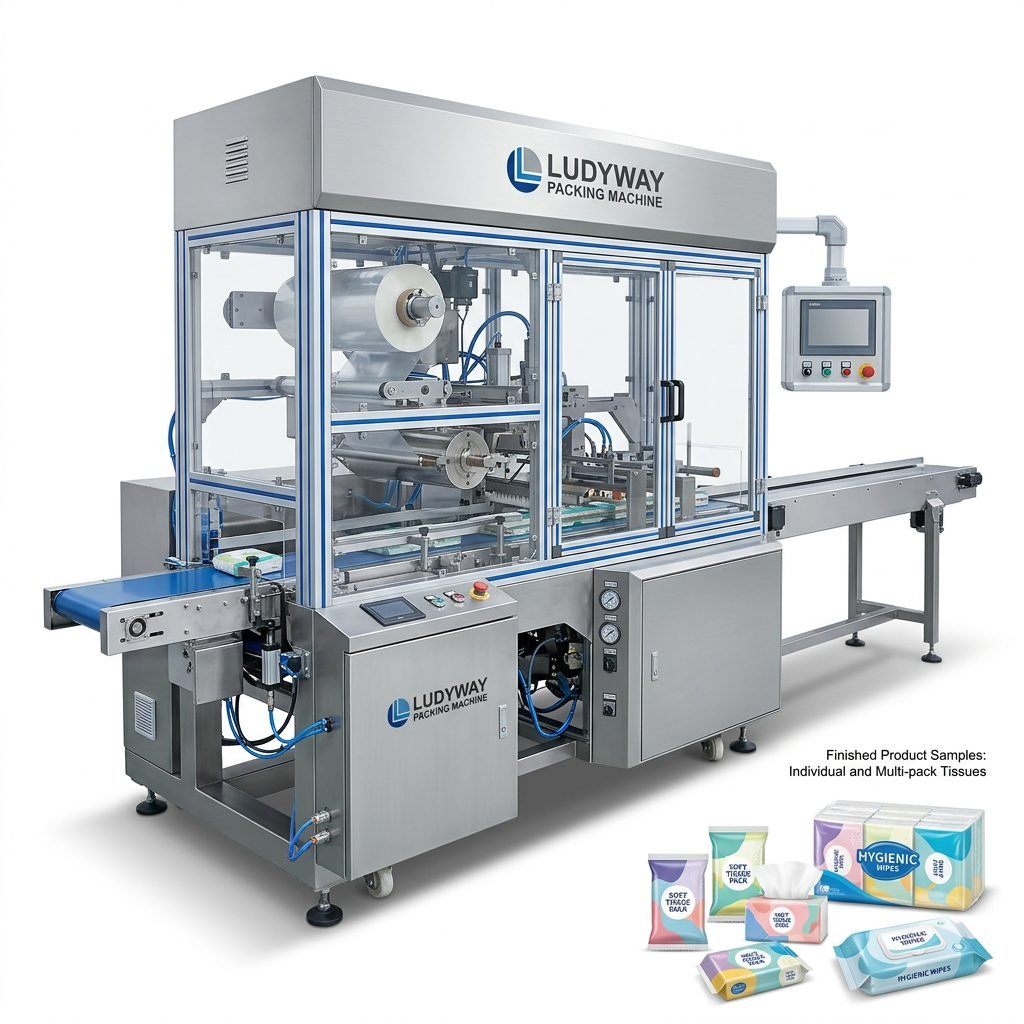
- Increased demand for turnkey solutions that combine vacuum filling, sealing, cartoning, and palletizing
- Miniaturization of packaging formats for travel-size and sample products
Global Packaging Exhibitions and Industry Presence
Leading vacuum packaging machine manufacturers maintain an active presence at major international trade shows, including PACK EXPO International and PACK EXPO Las Vegas. These events provide hands-on demonstrations of the latest multi-lane vacuum packaging technology and offer opportunities to discuss customized solutions directly with engineering teams.

Key Considerations When Choosing Your Vacuum Packaging Partner
Before finalizing your vacuum packaging machine investment, evaluate potential partners on these critical criteria:
- Manufacturing scale: A 20,000㎡ facility with 200+ equipment units indicates robust production capability
- Engineering expertise: 30+ years of industry experience and an in-house team of 130+ packaging specialists
- Global service network: Presence in 100+ countries with responsive technical support
- Machine portfolio depth: 50+ distinct models covering granule, powder, liquid, and pouch formats
- Revenue track record: Consistent growth trajectory demonstrating market trust and product quality
Taking the Next Step
Investing in the right vacuum packaging machine is a strategic decision that impacts product quality, operational efficiency, and market competitiveness for years to come. With Asia’s packaging machinery sector continuing its rapid expansion — industry analysts project the regional market to exceed USD 85 billion by 2028 — manufacturers who upgrade to advanced multi-lane vacuum systems now will be well-positioned to capture growing demand across food, pharmaceutical, and industrial sectors.
For detailed specifications, live demonstrations, or to discuss your specific production requirements with a packaging automation specialist, contact a qualified manufacturer who can provide customized vacuum packaging solutions tailored to your operational needs.