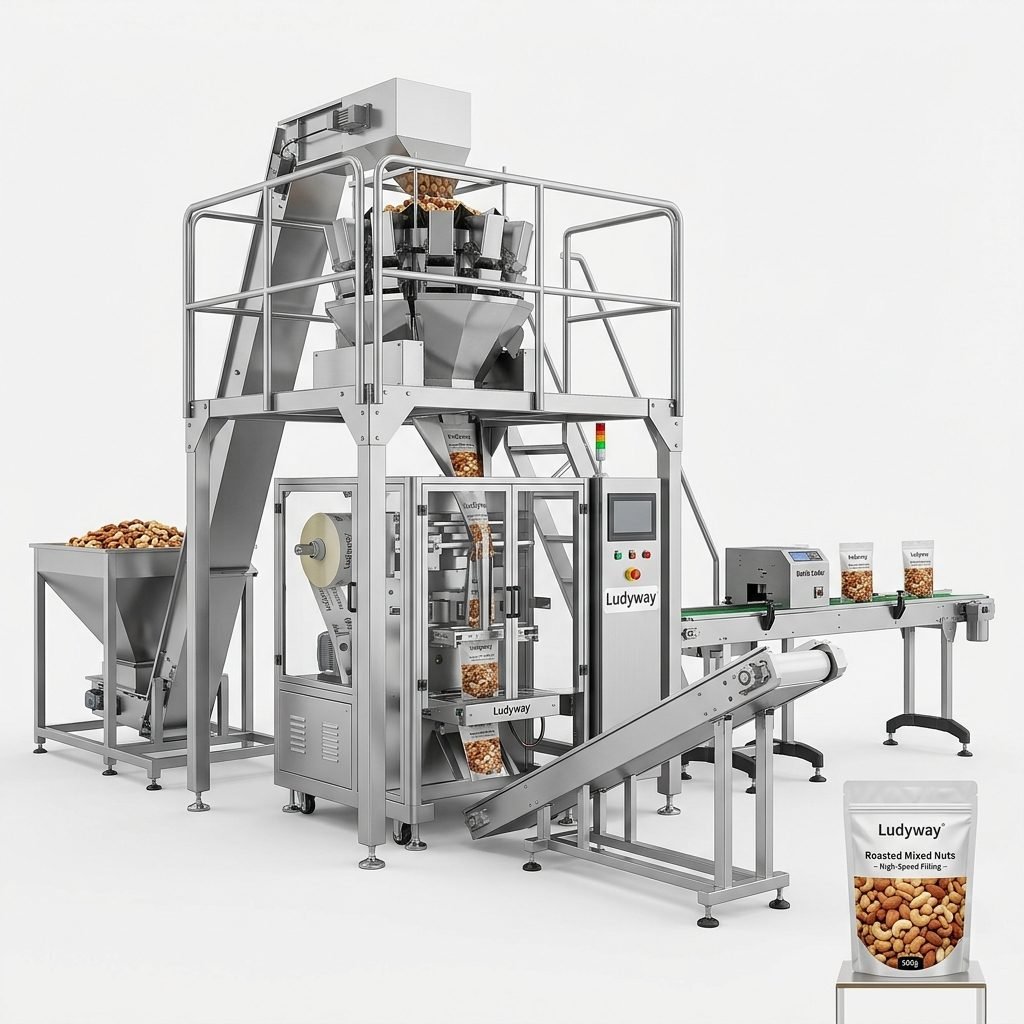
Investing in a dairy packaging machine is a critical decision that directly impacts your product quality, shelf life, and production efficiency. Whether you are packaging milk powder, yogurt, cheese, butter, or liquid dairy products, selecting the right equipment requires a thorough understanding of your operational needs, regulatory requirements, and long-term business goals. This comprehensive guide will walk you through the essential factors to consider when choosing dairy packaging equipment, helping you make an informed investment that supports your production growth.
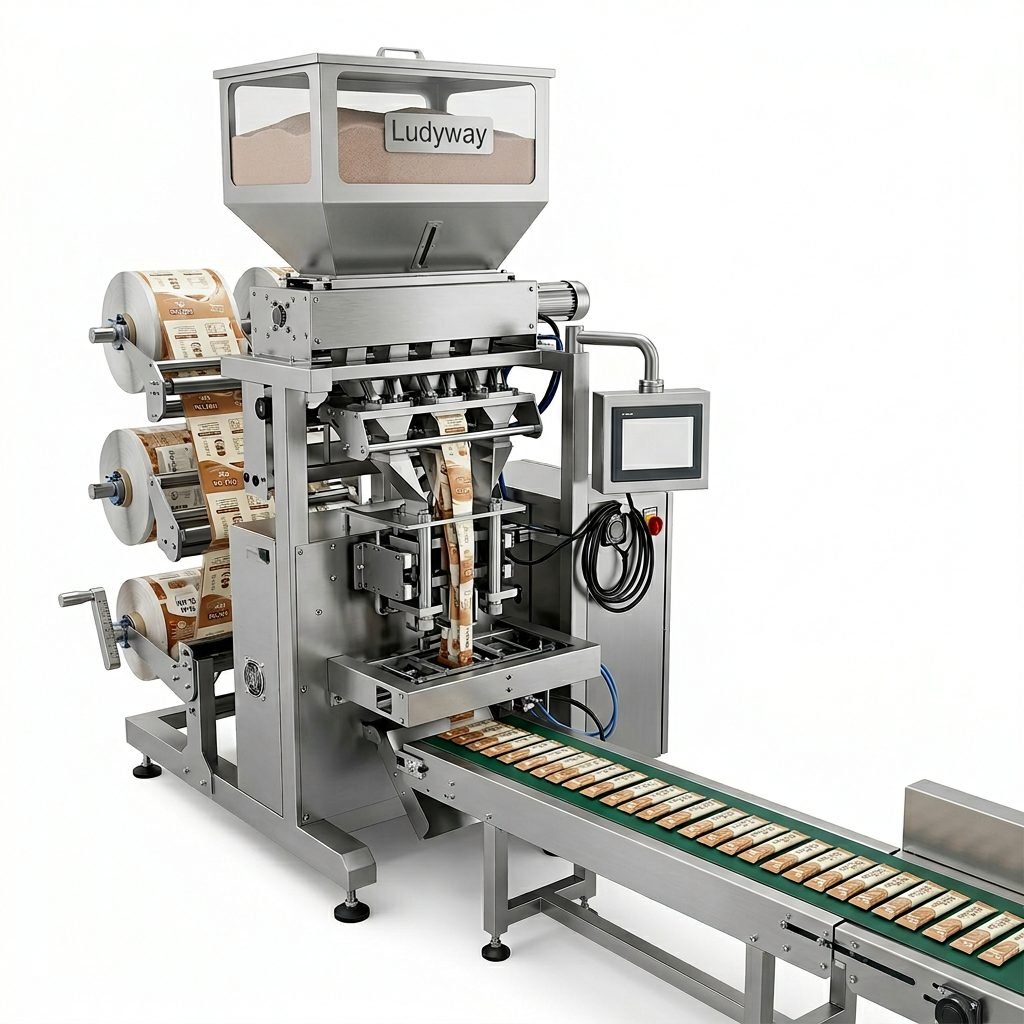
Understanding Your Dairy Product Characteristics
Before evaluating specific machines, you must analyze the physical and chemical properties of your dairy product. Different dairy formats demand different packaging technologies:
- Powdered dairy products (milk powder, whey protein, infant formula) require precise dosing and moisture protection.
- Liquid dairy products (milk, cream, yogurt drinks) need aseptic or extended shelf-life filling systems.
- Semi-solid dairy products (butter, cheese, yogurt) require specialized filling mechanisms and temperature control.
- Viscous dairy products (condensed milk, cream cheese) demand powerful filling systems with accurate portioning.
The FDA food packaging regulations establish strict guidelines for dairy product contact materials and safety standards that your equipment must comply with.
Key Machine Specifications to Evaluate
When comparing different dairy packaging machines, several technical specifications should guide your decision-making process. The following table summarizes the primary evaluation criteria:
| Specification | What to Look For | Why It Matters |
|---|---|---|
| Filling Accuracy | ±0.5% to ±1% tolerance | Reduces product giveaway and ensures regulatory compliance |
| Production Speed | 30–400 packs per minute per lane | Determines overall output capacity and line efficiency |
| Packaging Format | Stick pack, sachet, pouch, cup, bottle | Must match your product type and market positioning |
| Material Compatibility | Multi-layer films, foil, biodegradable options | Affects shelf life, barrier protection, and sustainability goals |
| Cleaning System | CIP (Clean-in-Place) capable, stainless steel construction | Essential for dairy hygiene and food safety compliance |
| Automation Level | Semi-automatic to fully automated turnkey lines | Impacts labor requirements and long-term operational costs |
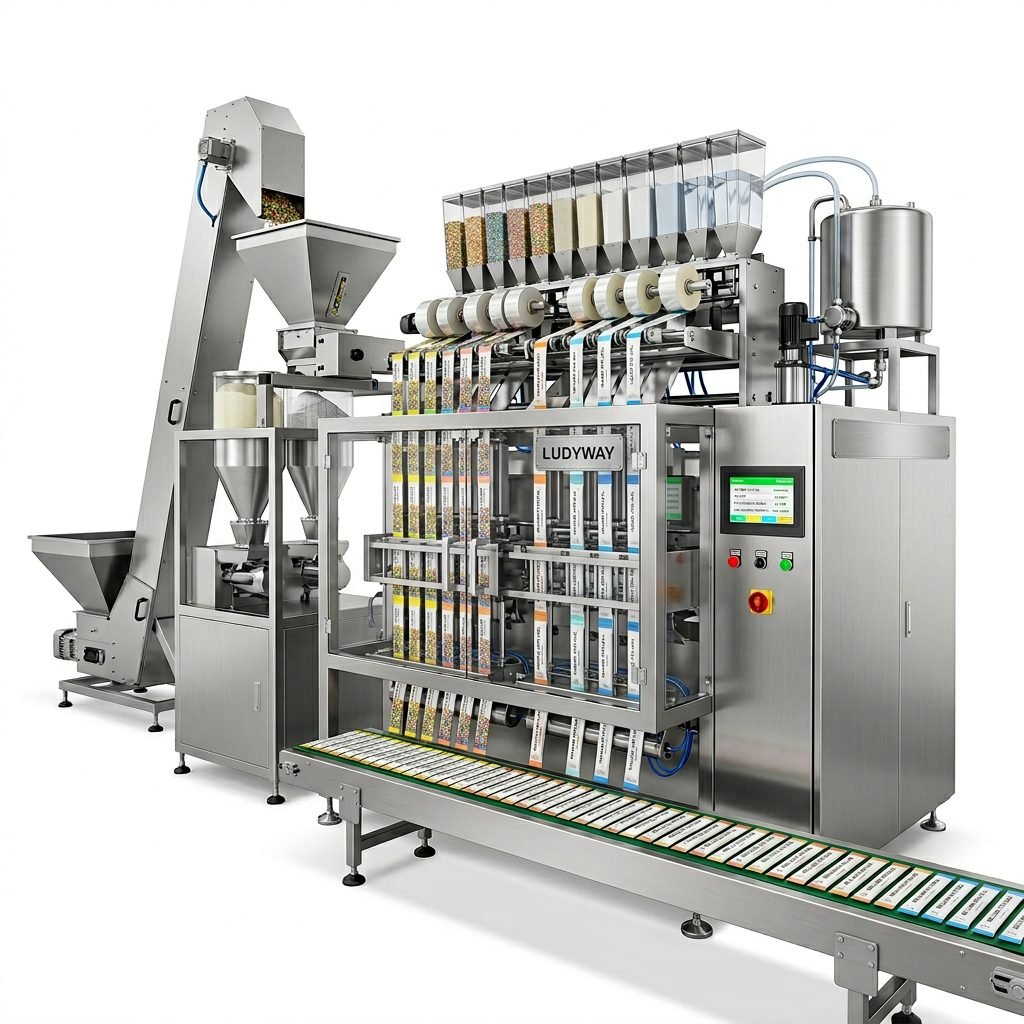
Types of Dairy Packaging Machines
Understanding the different machine categories available on the market is essential. Each type serves specific dairy applications and production scales. According to PMMI’s packaging machinery market research, the dairy sector continues to drive innovation in flexible and aseptic packaging technologies.
Stick Pack and Sachet Machines for Powdered Dairy
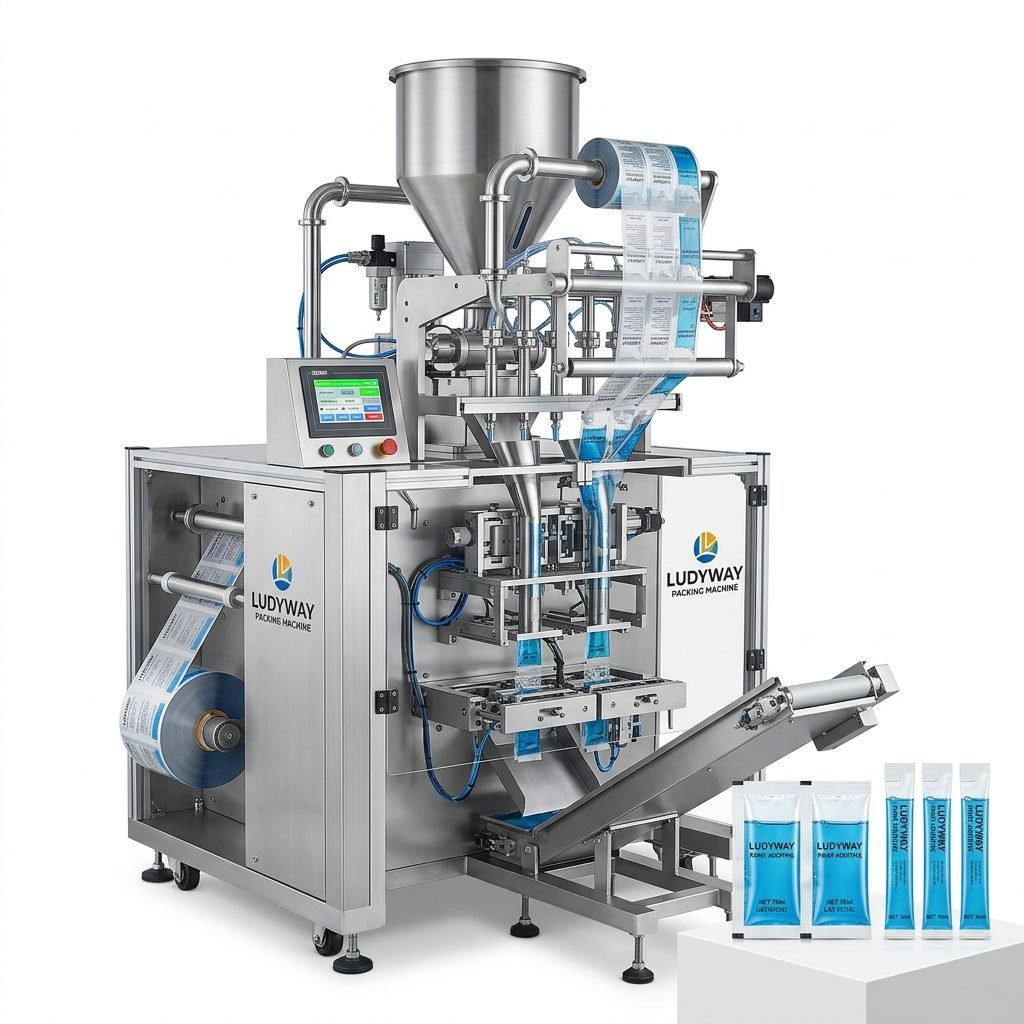
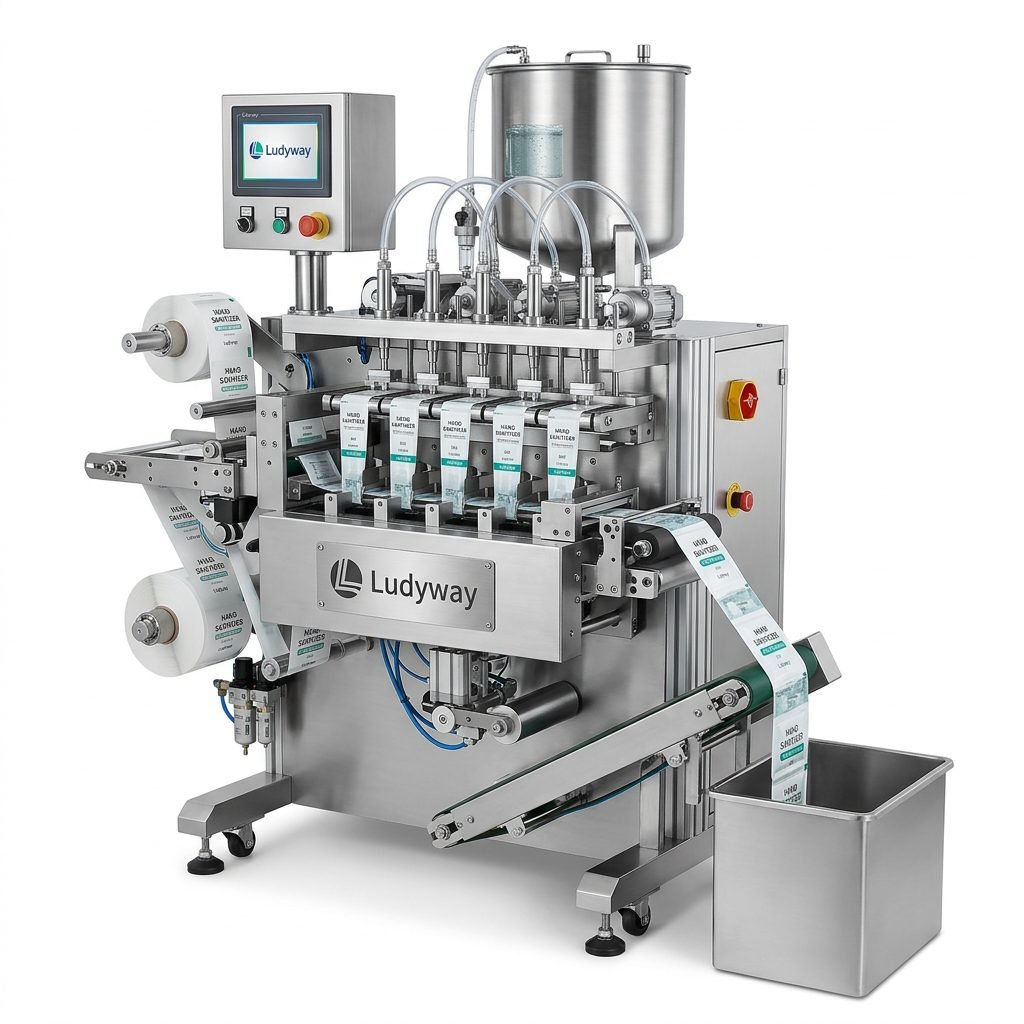
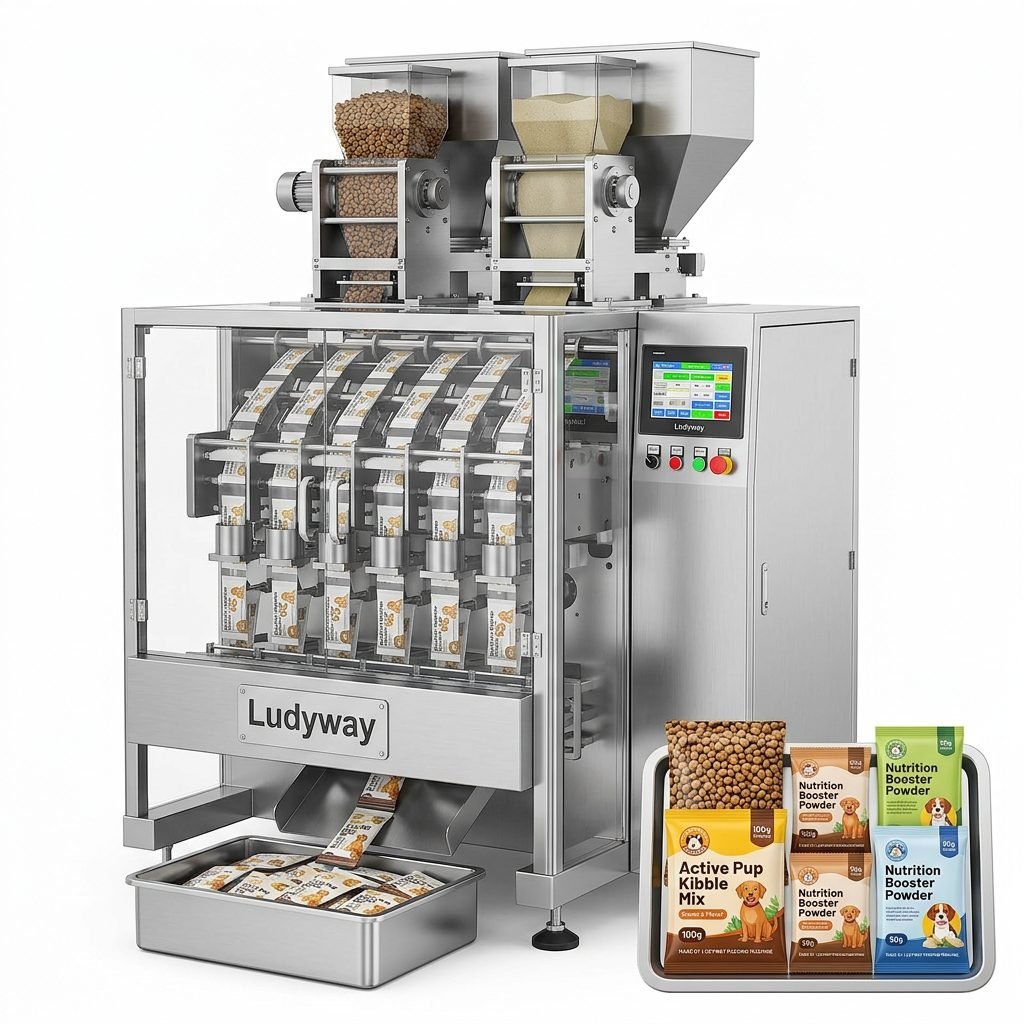
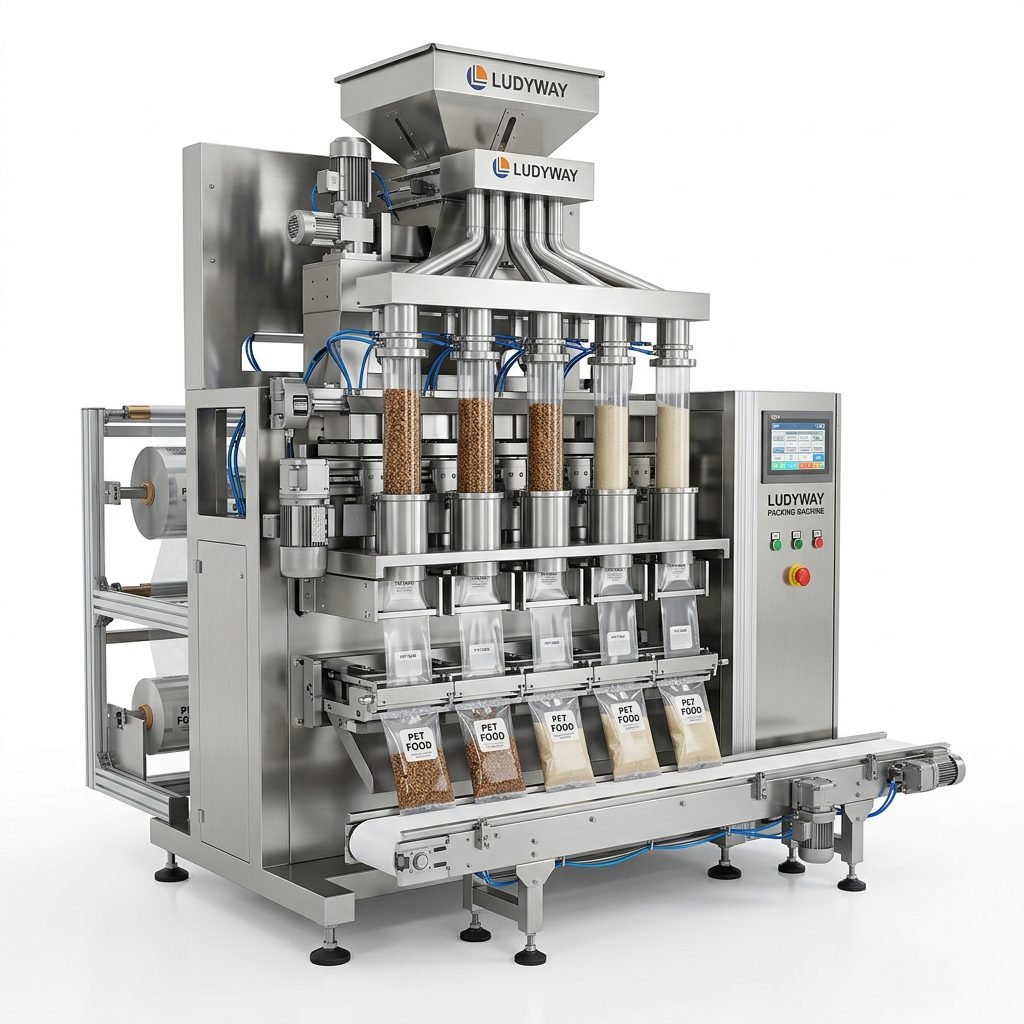
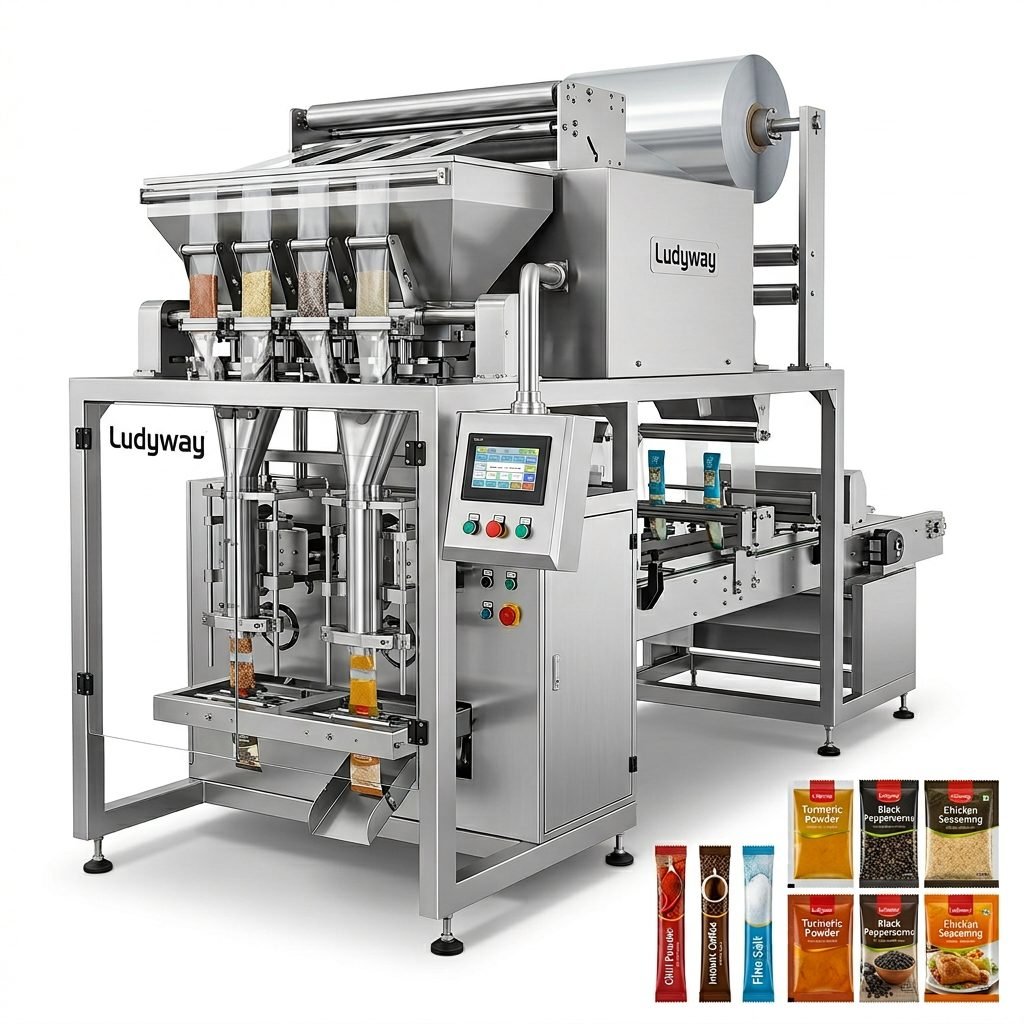
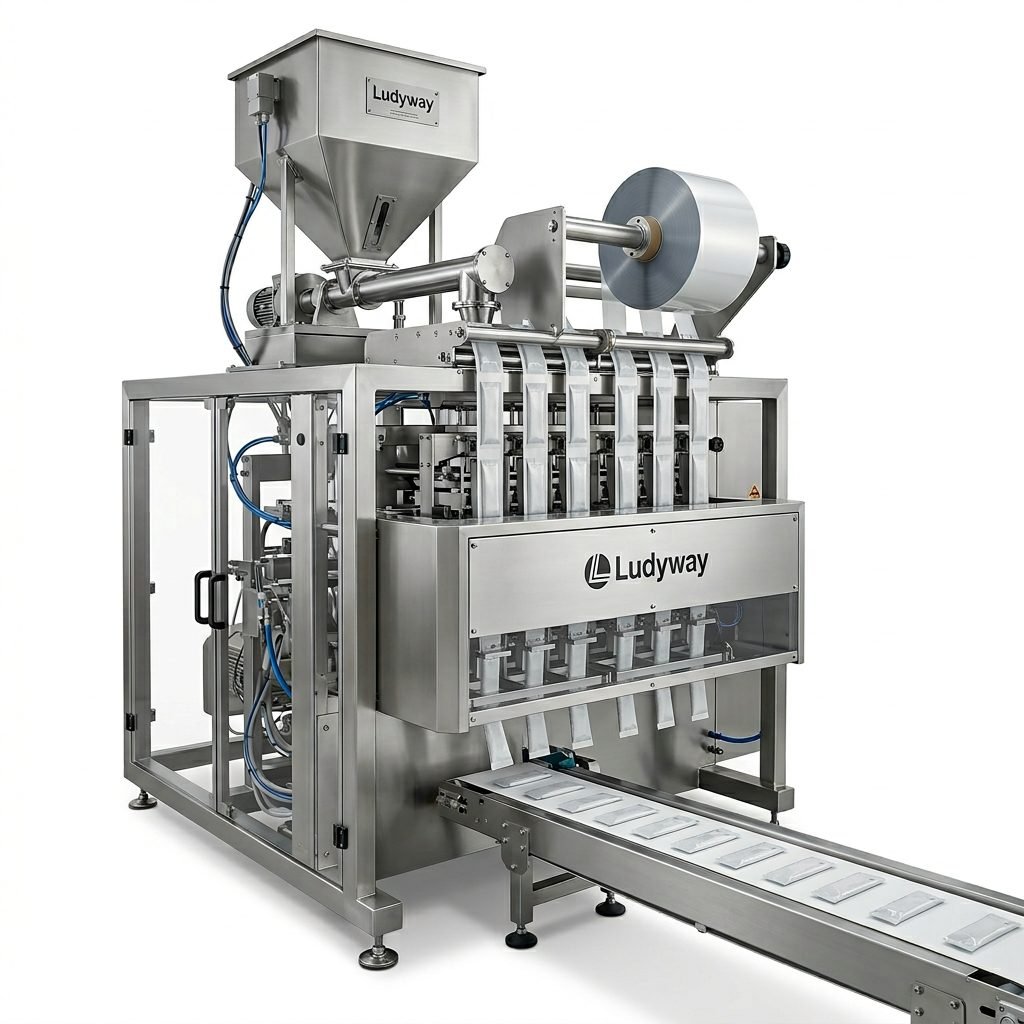
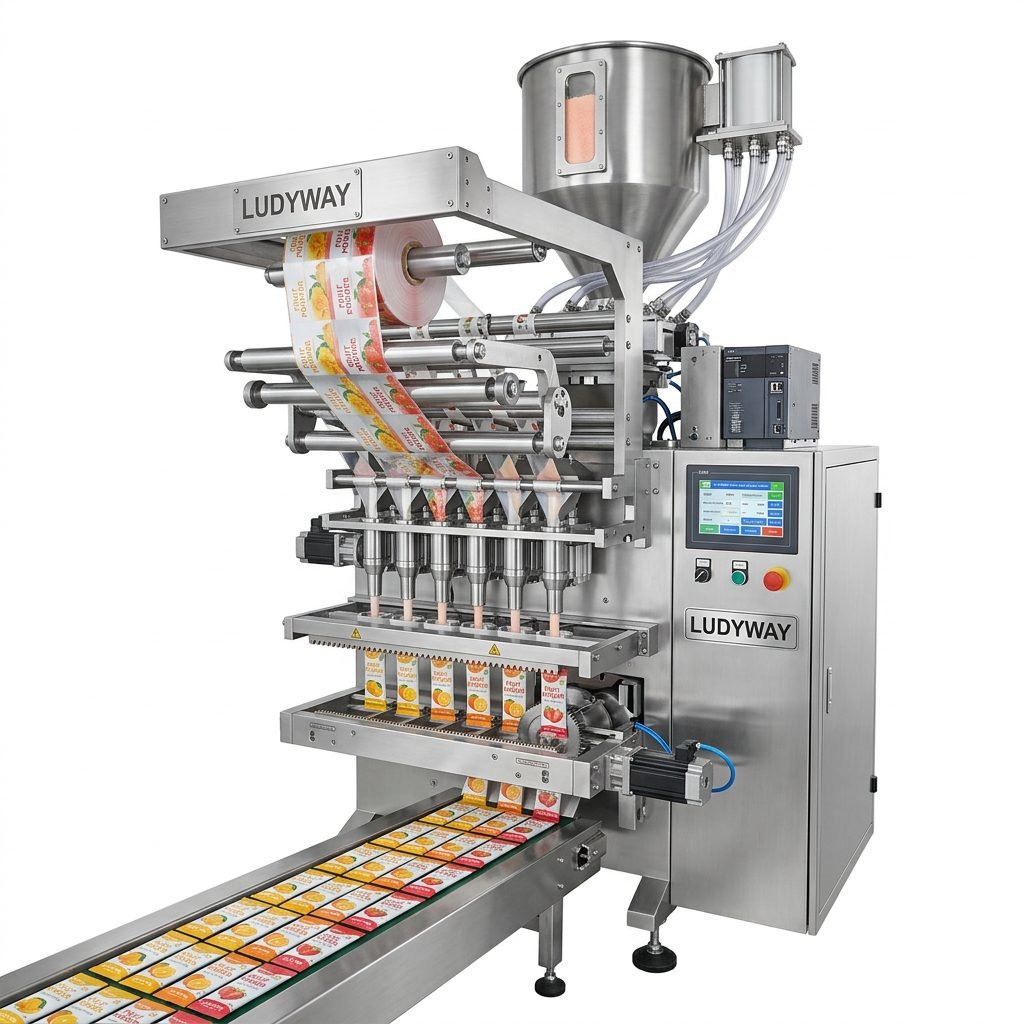
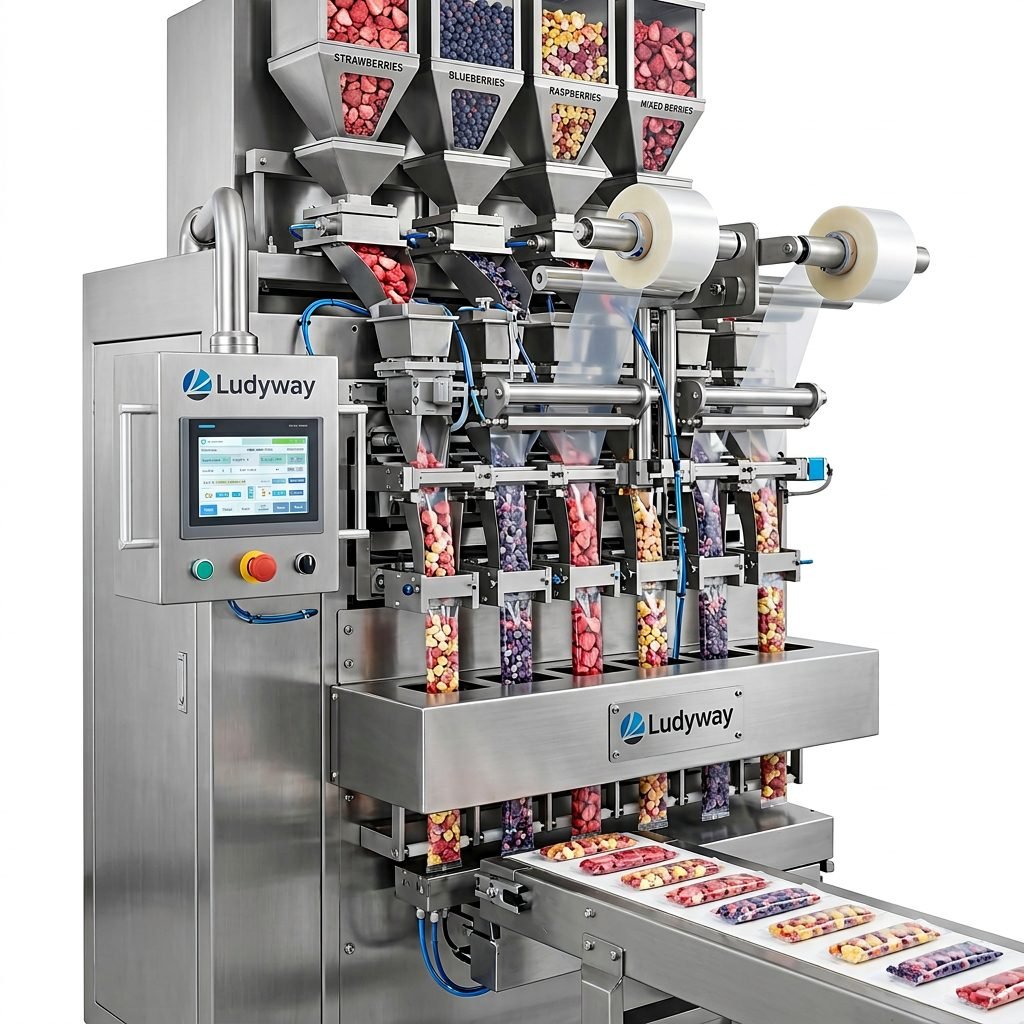
For milk powder, whey protein, and infant formula, multi-lane stick pack and sachet machines offer exceptional speed and portion control. These machines can produce 4 to 16 lanes simultaneously, achieving outputs of up to 400 individual packs per minute per lane. The key advantage is precise dosing with auger fillers or volumetric cup systems, ensuring consistent product weight in every pack. Modern stick pack machines also integrate nitrogen flushing systems to extend shelf life by displacing oxygen inside the package.
Cup Filling and Sealing Systems for Yogurt and Desserts
Pre-formed cup filling and sealing lines are the standard for yogurt, pudding, and dairy desserts. These systems handle both ambient and chilled filling conditions, with options for single or multi-lane configurations. Advanced models feature clean room compatibility, HEPA-filtered air systems, and automatic CIP cycles that meet ISO packaging standards for food safety. Cup materials range from PS and PP to paper-based and biodegradable alternatives, supporting your sustainability initiatives.
Pouch Packaging Machines for Liquid Milk and Cream
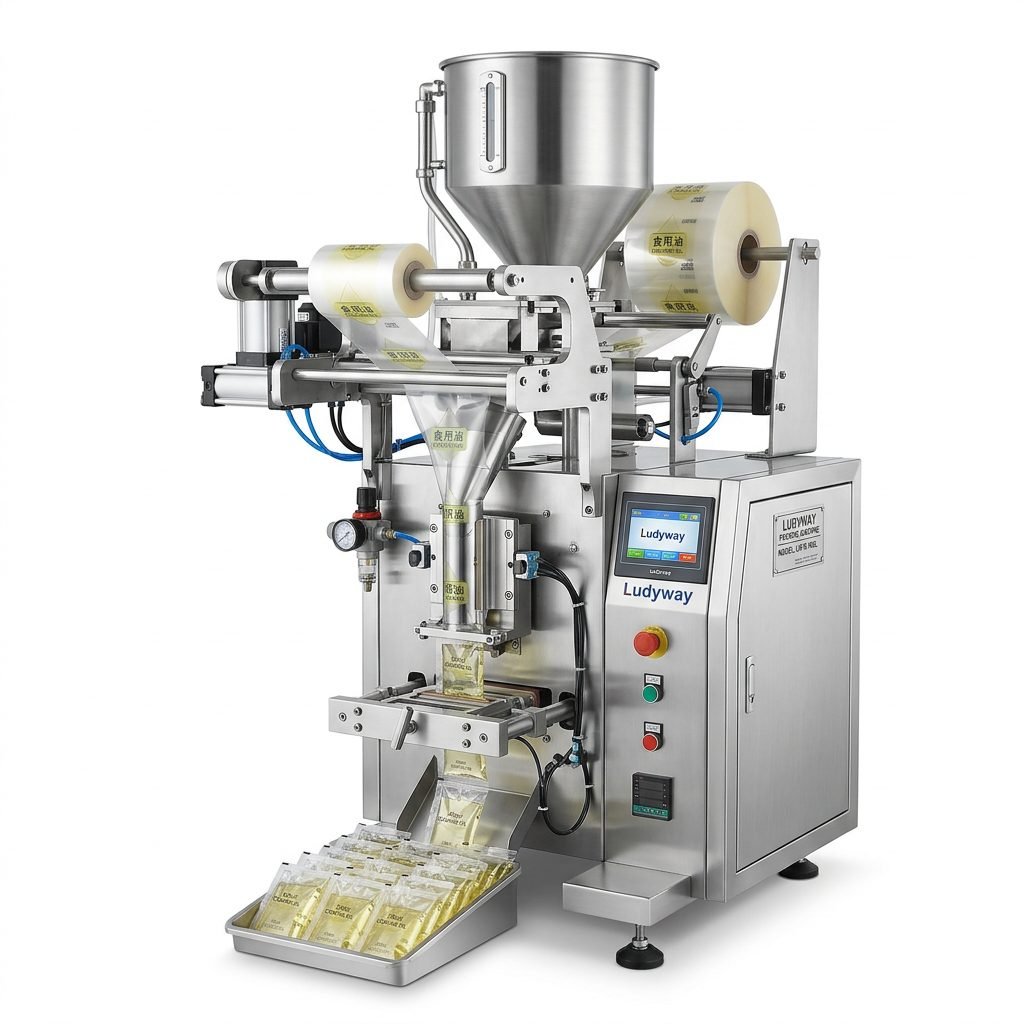
Flexible pouch packaging has gained significant traction in dairy markets worldwide. Vertical form-fill-seal (VFFS) machines create pouches from roll stock film, fill them with liquid dairy products, and seal them in a continuous operation. These machines are popular for fresh milk, flavored milk, and cream products, offering cost-effective packaging with excellent barrier properties when using multi-layer film structures.
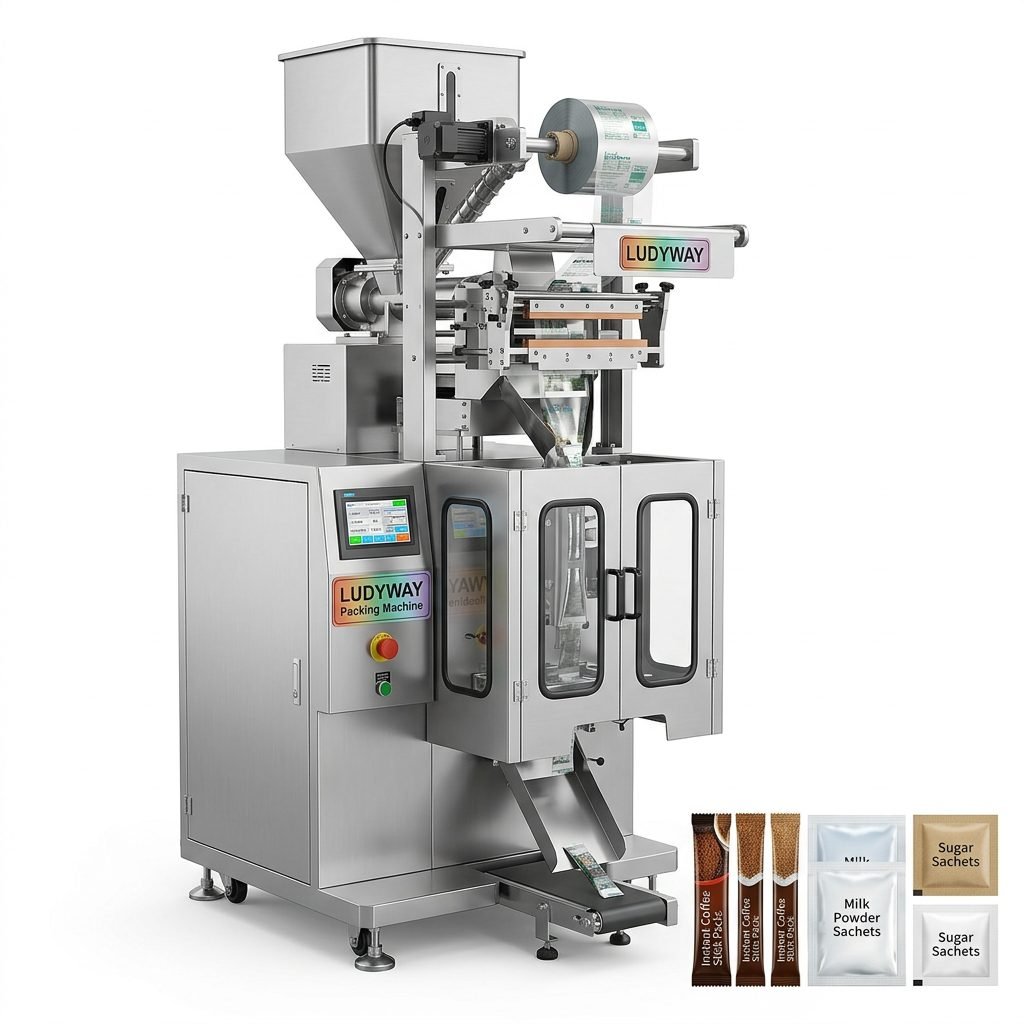
Budget Planning and ROI Analysis
Your total cost of ownership (TCO) extends far beyond the initial machine purchase price. A comprehensive budget should account for:
- Initial capital expenditure: Machine cost, installation, and facility modifications.
- Operational costs: Energy consumption, compressed air requirements, and consumable parts.
- Packaging material costs: Film, foil, pre-formed cups, lids, and labels.
- Labor requirements: Operator training, shift coverage, and skill level needed.
- Maintenance and spare parts: Preventive maintenance schedules and critical spare inventory.
- Downtime cost: Lost production during changeovers, cleaning, and unscheduled repairs.
Many dairy processors find that multi-lane machines offer a faster ROI despite higher upfront costs, due to significantly increased throughput and reduced per-unit packaging costs. The Flexible Packaging Association’s industry data suggests that converting from rigid to flexible packaging can reduce packaging costs by up to 40% in dairy applications.
Calculating Payback Period
A realistic payback period for a mid-range dairy packaging machine typically falls between 12 and 36 months, depending on utilization rates and product margins. High-speed multi-lane systems operating at full capacity across multiple shifts can achieve payback in as little as 6 to 12 months, making them an attractive option for growing dairy businesses.

Maintenance, Hygiene, and Regulatory Compliance
Dairy processing environments are subject to some of the most stringent hygiene regulations in the food industry. Your packaging machine must be designed for easy cleaning and sanitation. Look for machines constructed from 304 or 316L stainless steel with polished surfaces that prevent bacterial adhesion. Tool-free disassembly for cleaning, sloped surfaces for drainage, and IP65 or higher rated electrical enclosures are all features that support HACCP compliance and daily sanitation protocols.
The FDA’s food contact substance regulations and ISO 11607 standards provide frameworks that your packaging process must adhere to. Ensure your equipment supplier can provide documentation supporting validation and compliance requirements for your target markets.
After-Sales Support and Service Agreements
Reliable technical support is non-negotiable when operating dairy packaging lines. Evaluate potential suppliers based on their response time guarantees, availability of remote diagnostics, local service technician coverage, and spare parts inventory. A supplier with a strong global service network and proven experience in the dairy industry can significantly reduce your operational risk. Companies like Ludyway, with over 30 years of industry expertise and a modern 20,000m² manufacturing facility, offer comprehensive after-sales support programs tailored to dairy processing operations across more than 100 countries, helping businesses maintain continuous production with minimal downtime.
Checklist: Questions to Ask Before Purchasing
Use this checklist when evaluating potential dairy packaging machine suppliers:
- What is the machine’s rated output in packs per minute for my specific product and pack size?
- Is the machine constructed from food-grade stainless steel with sanitary design features?
- Does the supplier offer factory acceptance testing (FAT) and site acceptance testing (SAT)?
- What are the changeover times between different pack formats and product types?
- Is remote technical support available, and what are the guaranteed response times?
- Can the machine integrate with upstream and downstream equipment for a complete turnkey line?
- What warranty coverage is included, and what extended service plans are offered?
- Does the supplier provide operator training and comprehensive documentation?
Final Recommendations
Selecting the right dairy packaging equipment is a strategic investment that shapes your production capabilities for years to come. Start by thoroughly defining your product requirements, then evaluate machines based on filling accuracy, speed, format flexibility, and sanitary design. Engage with suppliers early, request detailed proposals, and whenever possible, visit their manufacturing facilities or arrange product trials with your actual dairy formulations. For further industry insights, explore resources from PMMI – The Association for Packaging and Processing Technologies and the Flexible Packaging Association, both of which provide valuable benchmarks and trend data for dairy packaging operations worldwide.
By prioritizing quality, reliability, and supplier expertise, you can secure a packaging solution that delivers consistent product quality, minimizes downtime, and supports your long-term growth in the competitive dairy market.