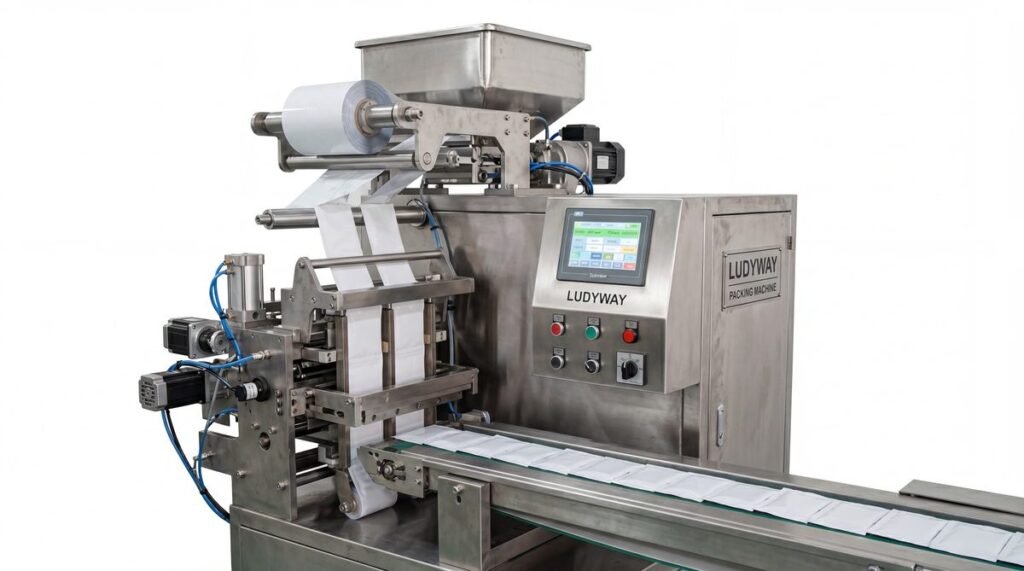
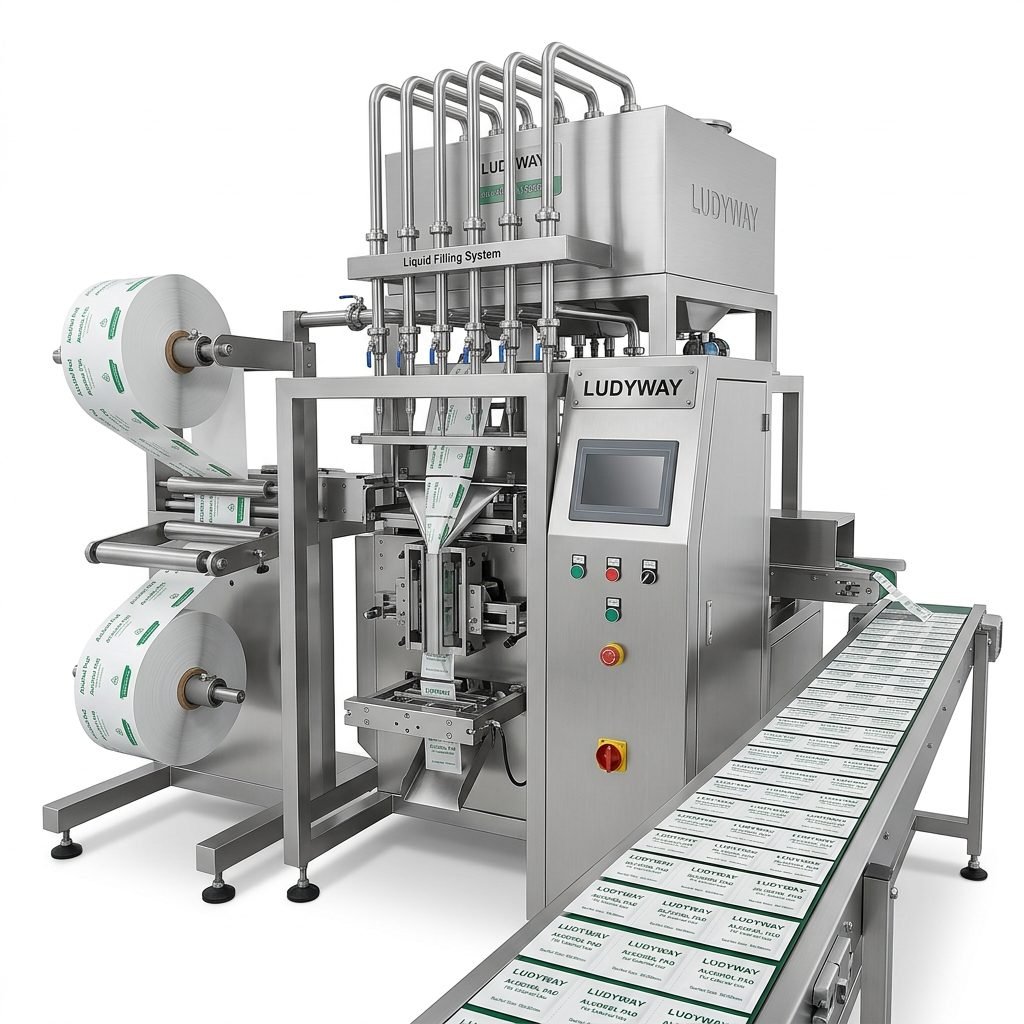
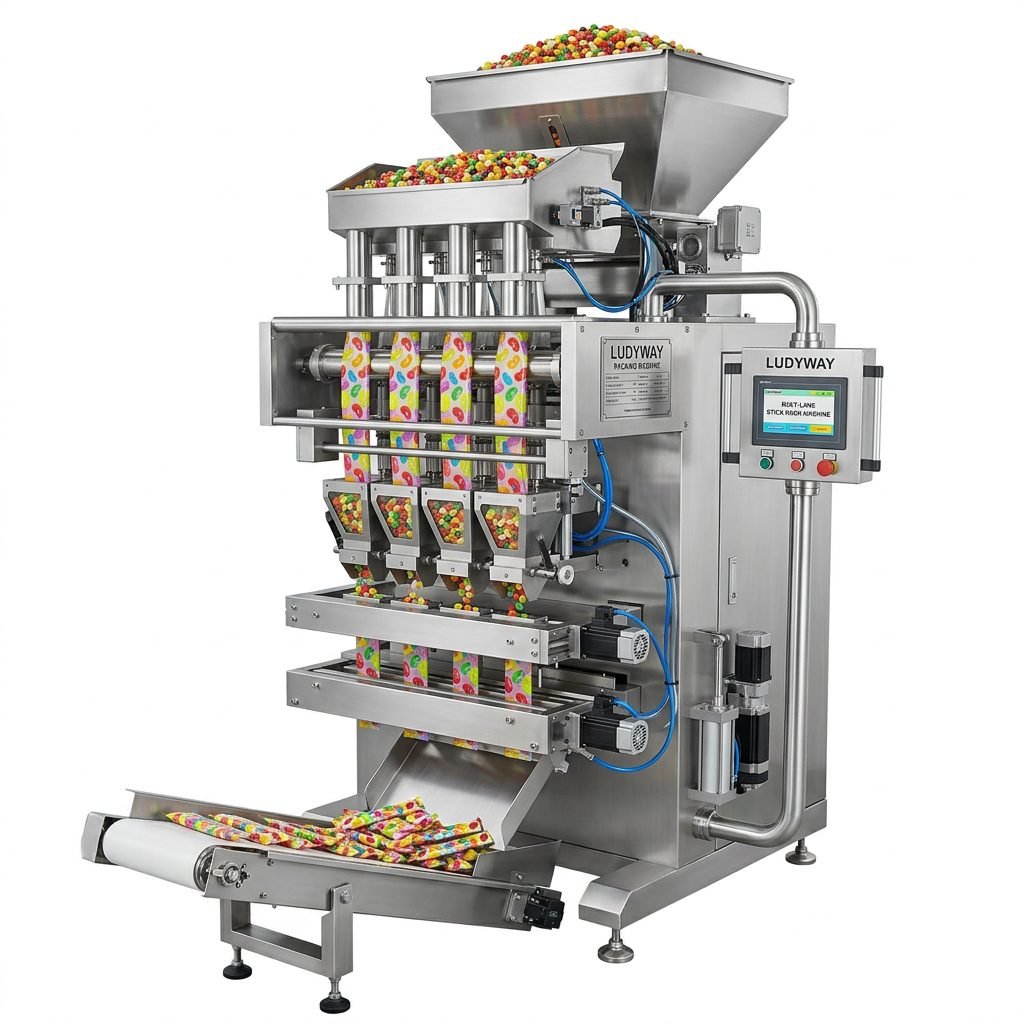
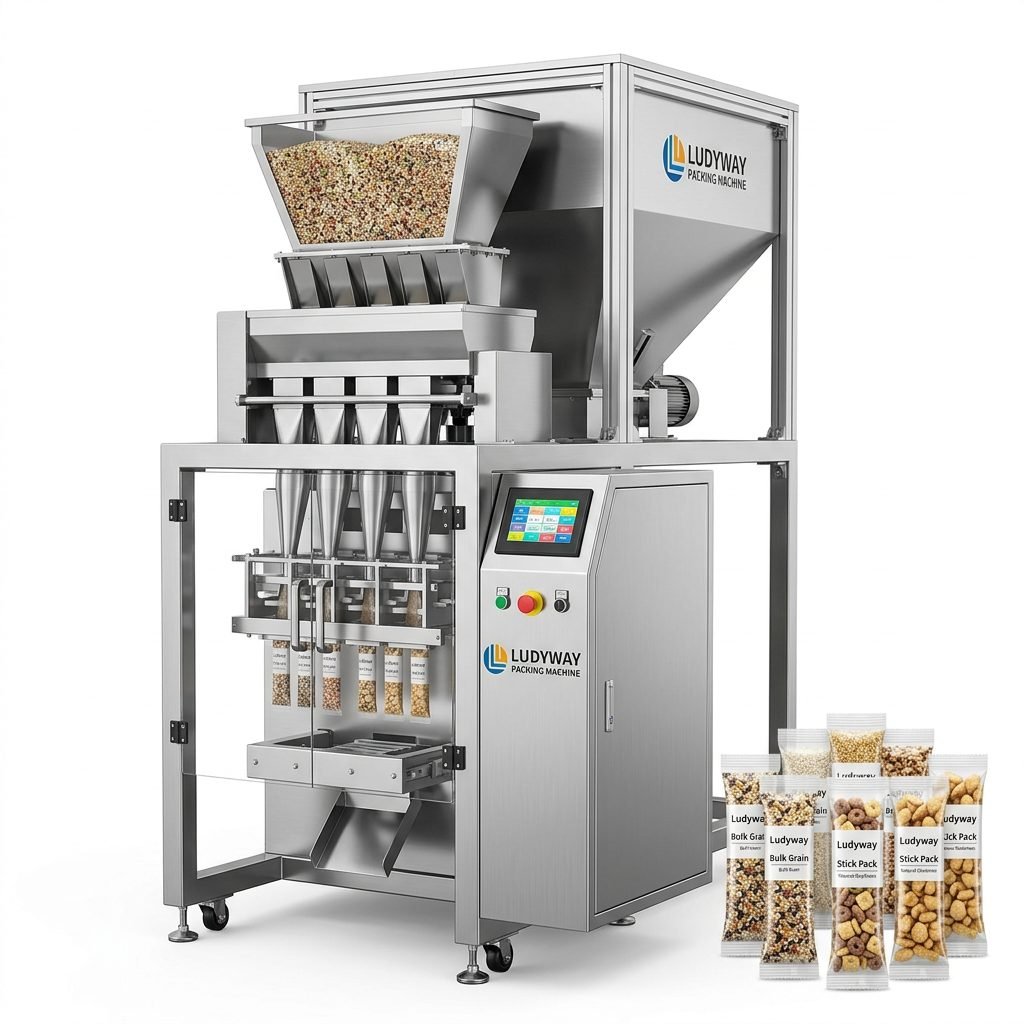
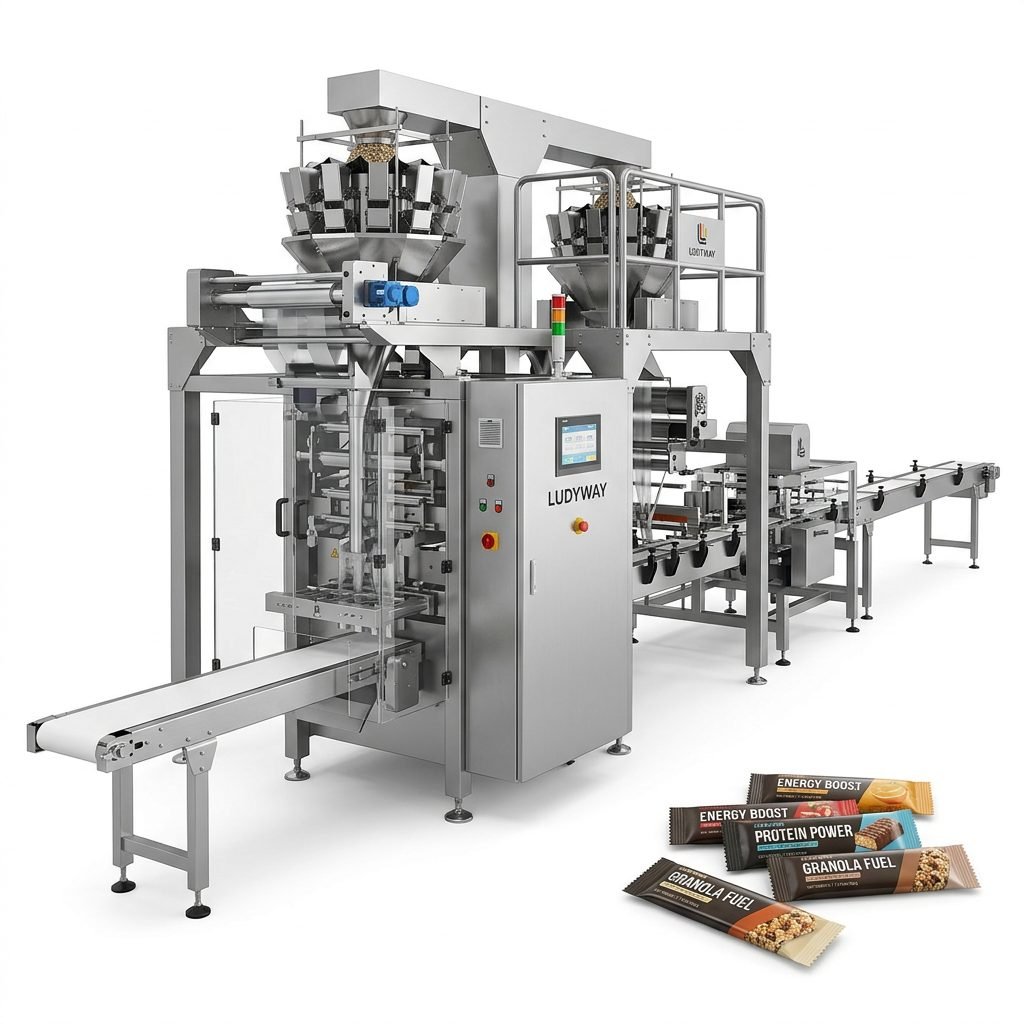
France is one of Europe’s largest agricultural producers, with a robust livestock sector that drives consistent demand for high-quality animal feed. Setting up an animal feed packaging machine production line in the French market requires careful planning around regulatory frameworks, production capacity, automation, and packaging formats. Whether you are packaging pellets, powders, or granules for cattle, poultry, or aquaculture, this guide covers every step to help you establish an efficient and compliant production line.
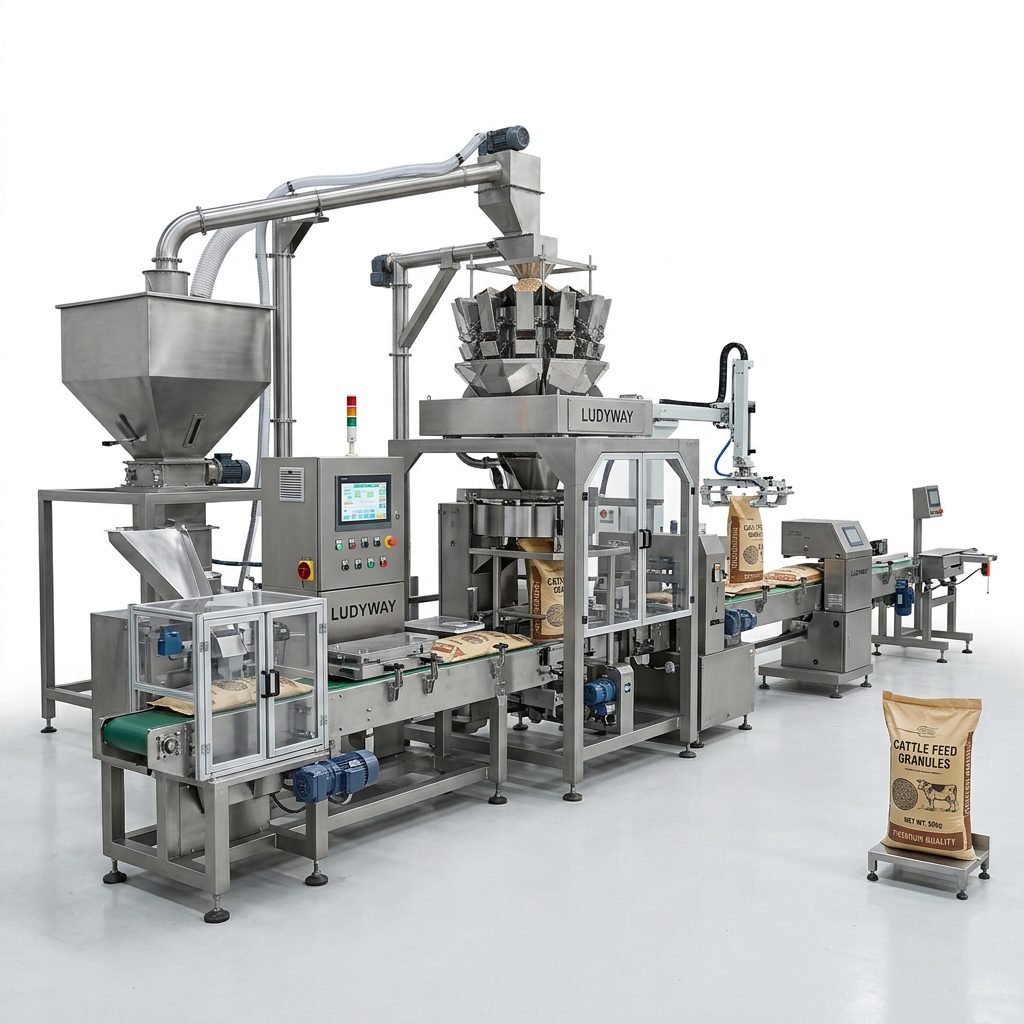
Understanding the French Animal Feed Market and Regulatory Landscape
Before investing in equipment, it is essential to understand the specific demands of the French animal feed industry. France produces over 20 million tons of animal feed annually, covering livestock, poultry, swine, and aquaculture sectors. The market is governed by strict European packaging regulations that mandate food-grade materials, traceability, and hygiene standards. Compliance with EU Regulation (EC) No 183/2005 on feed hygiene is mandatory, and your packaging line must support HACCP principles throughout the filling, sealing, and labeling stages.
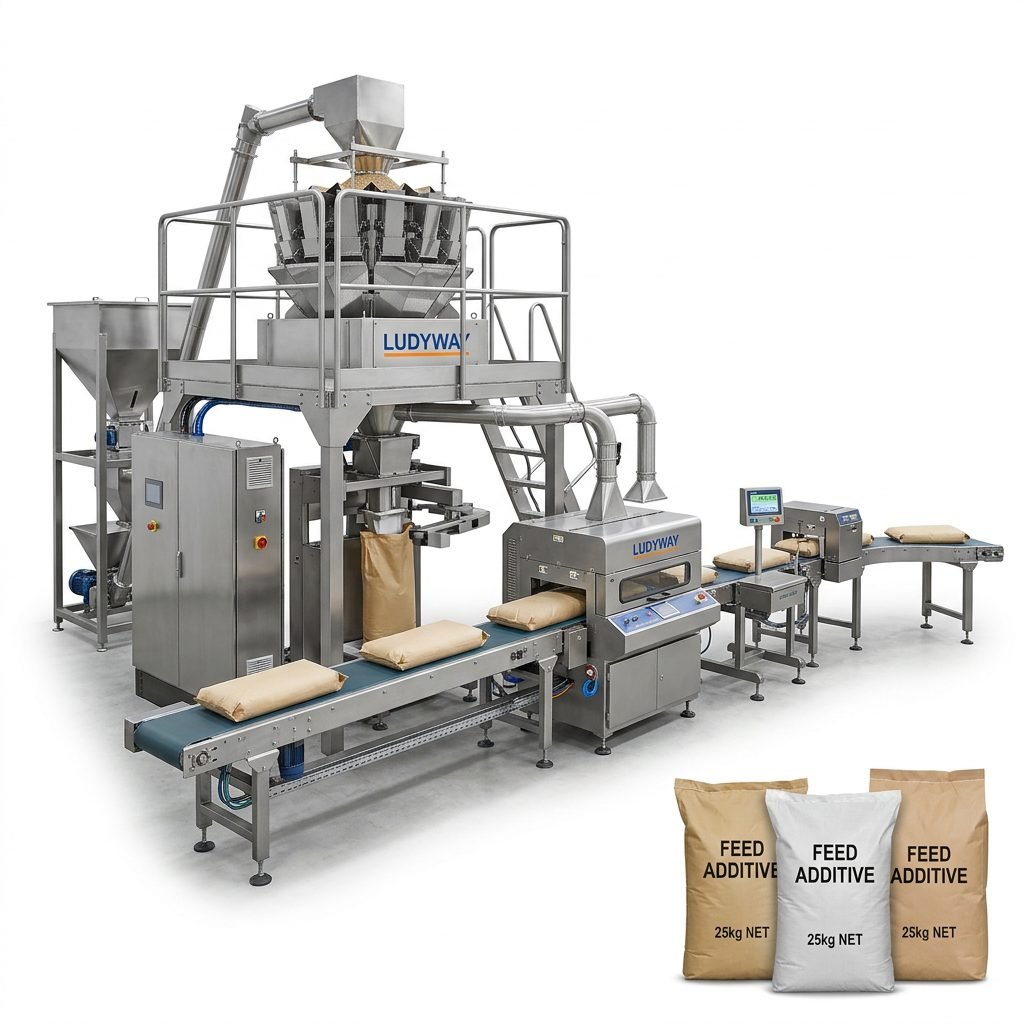
Key Components of an Animal Feed Packaging Production Line
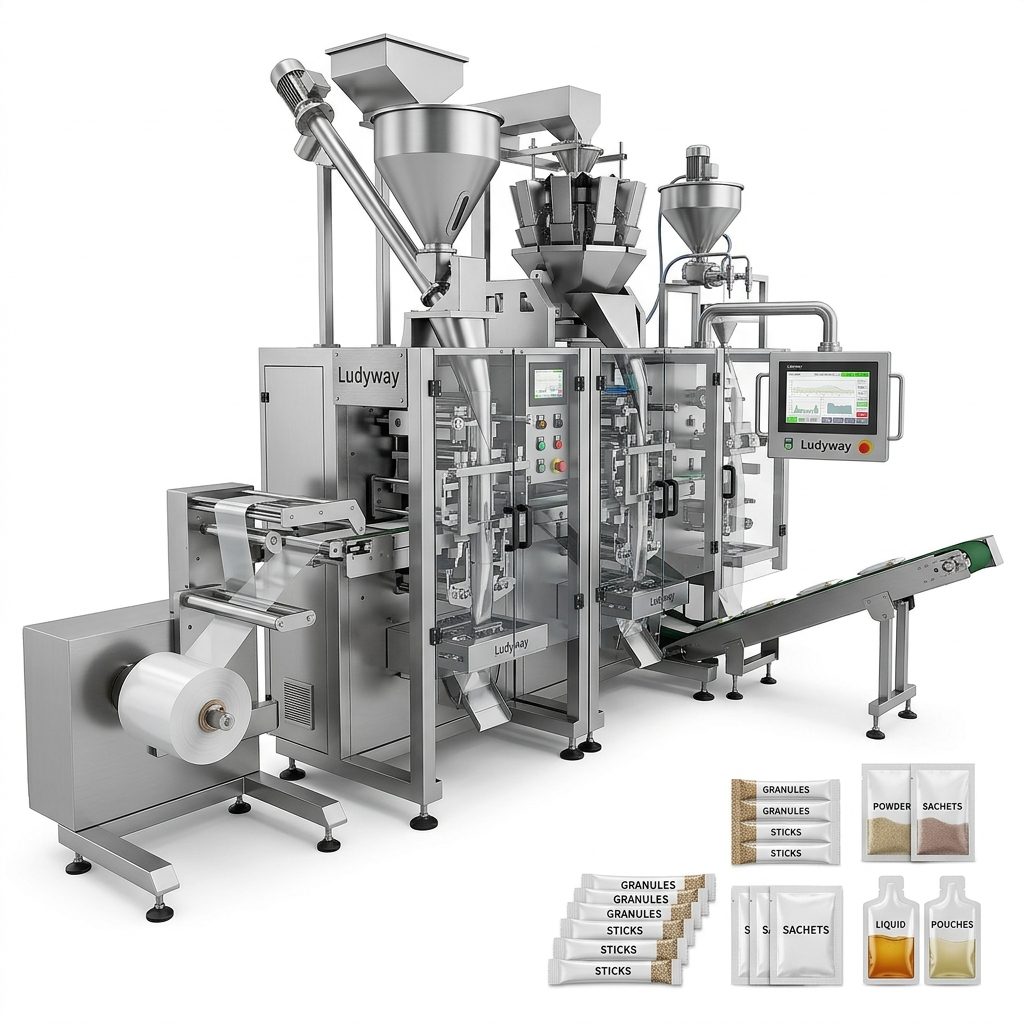
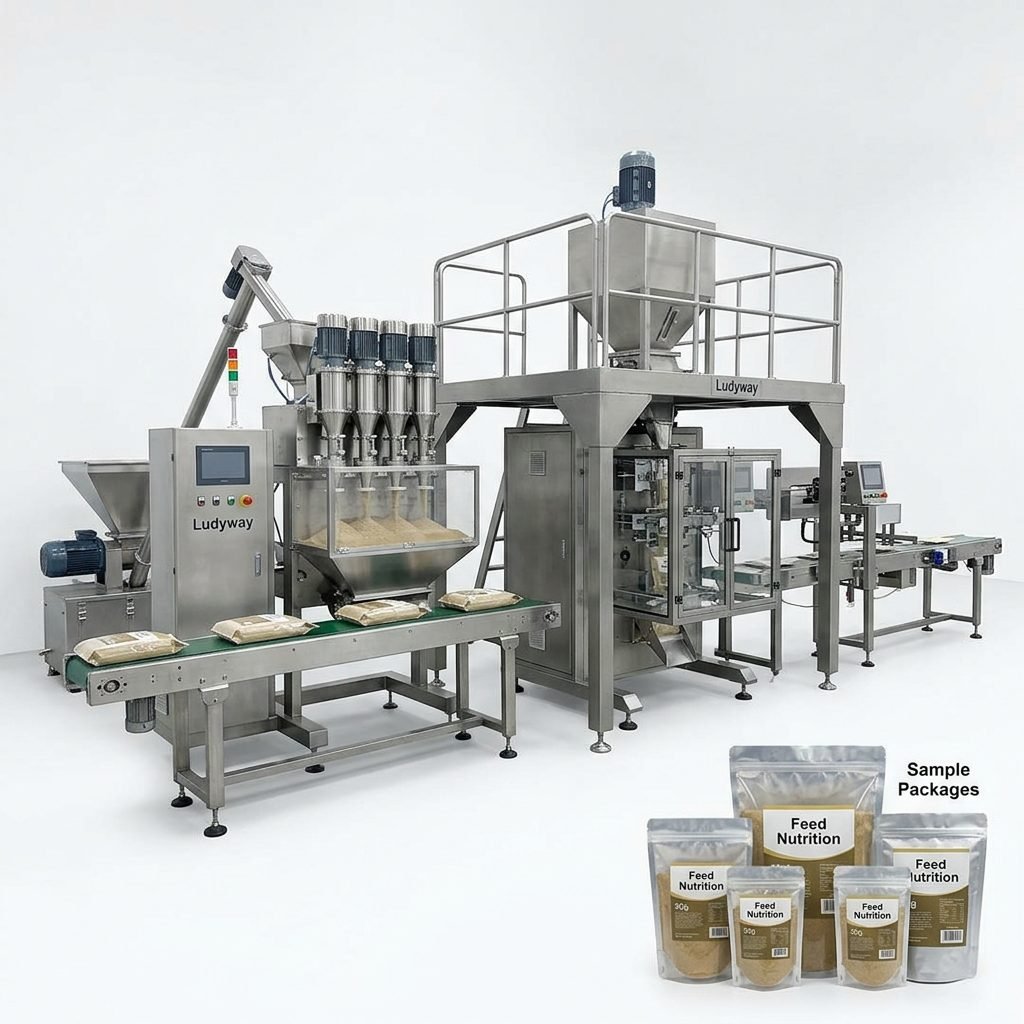
A complete packaging production line for animal feed integrates multiple machines and supporting systems. Selecting the right configuration depends on your target bag size, output speed, and the physical properties of your feed material. Below are the core modules found in a modern packaging line:
| Component | Function | Key Features |
|---|---|---|
| Weighing and Dosing System | Accurate measurement of feed material | ±0.1% to ±0.5% accuracy, multi-head weighers, auger fillers |
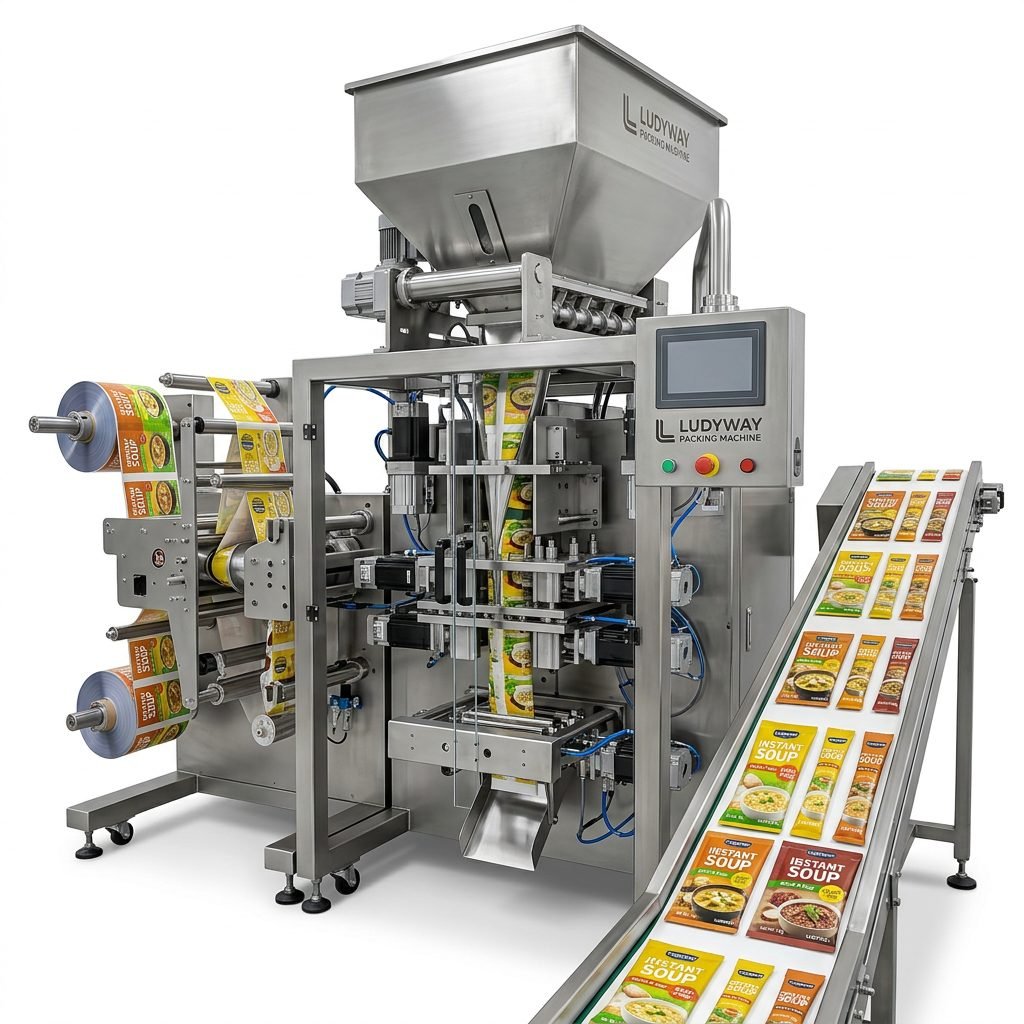
| Bagging Machine | Filling granular or powdered feed into bags | Open-mouth, valve bag, or jumbo bag (FIBC) systems |
| Sealing and Closing Unit | Hermetic closure of filled bags | Heat sealing, stitching, or hot-air sealing for multi-layer bags |
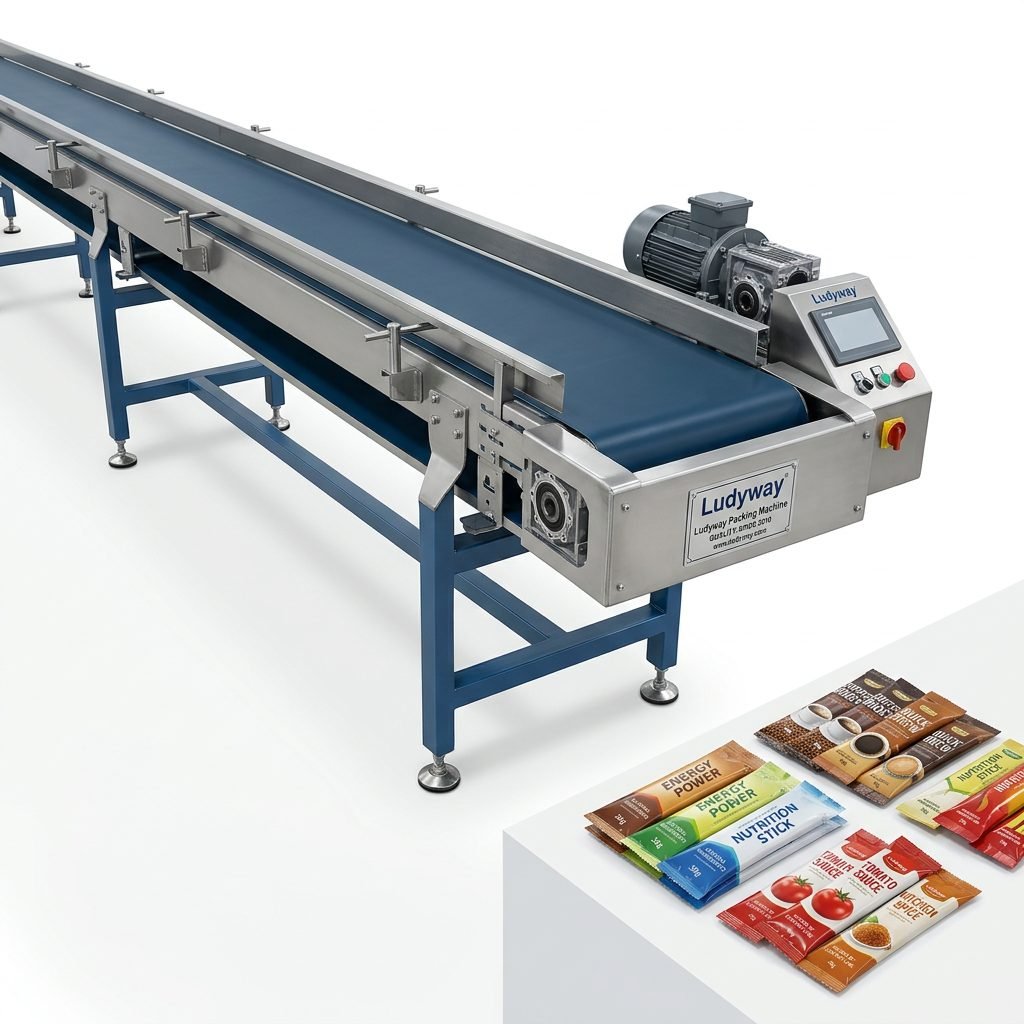
| Conveyor and Elevator Systems | Material transport between stations | Z-type bucket elevators, inclined belt conveyors, screw conveyors |
| Labeling and Coding Machines | Product identification and traceability | Thermal inkjet printers, laser markers, barcode applicators |
| Palletizing and Wrapping | End-of-line stacking and stabilization | Robotic palletizers, automatic stretch wrappers |
| Metal Detection and Checkweighing | Quality assurance and contaminant removal | High-sensitivity metal detectors, dynamic inline checkweighers |
Step-by-Step Setup Process for Your Production Line
- Define Your Production Requirements – Determine the target output (bags per hour), bag size range (5kg, 10kg, 25kg, 50kg, or jumbo bags), and feed type (pellets, powder, granules). This directly influences machine selection.
- Select the Appropriate Packaging Format – Choose from pre-made pouches, form-fill-seal bags, valve bags, or FIBC bulk bags. For the French market, multi-wall paper bags and laminated polypropylene bags are common.
- Design the Factory Floor Layout – Space must accommodate raw material intake, processing zones, the packaging line itself, and finished goods storage. Ensure the layout supports linear product flow and minimizes cross-contamination risks.
- Install Utility Connections – Verify adequate power supply (typically 380V three-phase in France), compressed air (6-8 bar), dust collection systems, and any nitrogen flushing if modified atmosphere packaging is required.
- Configure Automation and Integration – Integrate all modules through a centralized PLC control system. Modern lines use industrial automation standards that enable real-time monitoring and data logging.
- Perform Commissioning and Trial Runs – Test the full line with actual feed material. Adjust filling speeds, sealing temperatures, weighing parameters, and metal detector sensitivity until specifications are met.
- Train Your Operators and Maintenance Staff – Comprehensive training on machine operation, troubleshooting, and preventive maintenance is essential to minimize downtime.
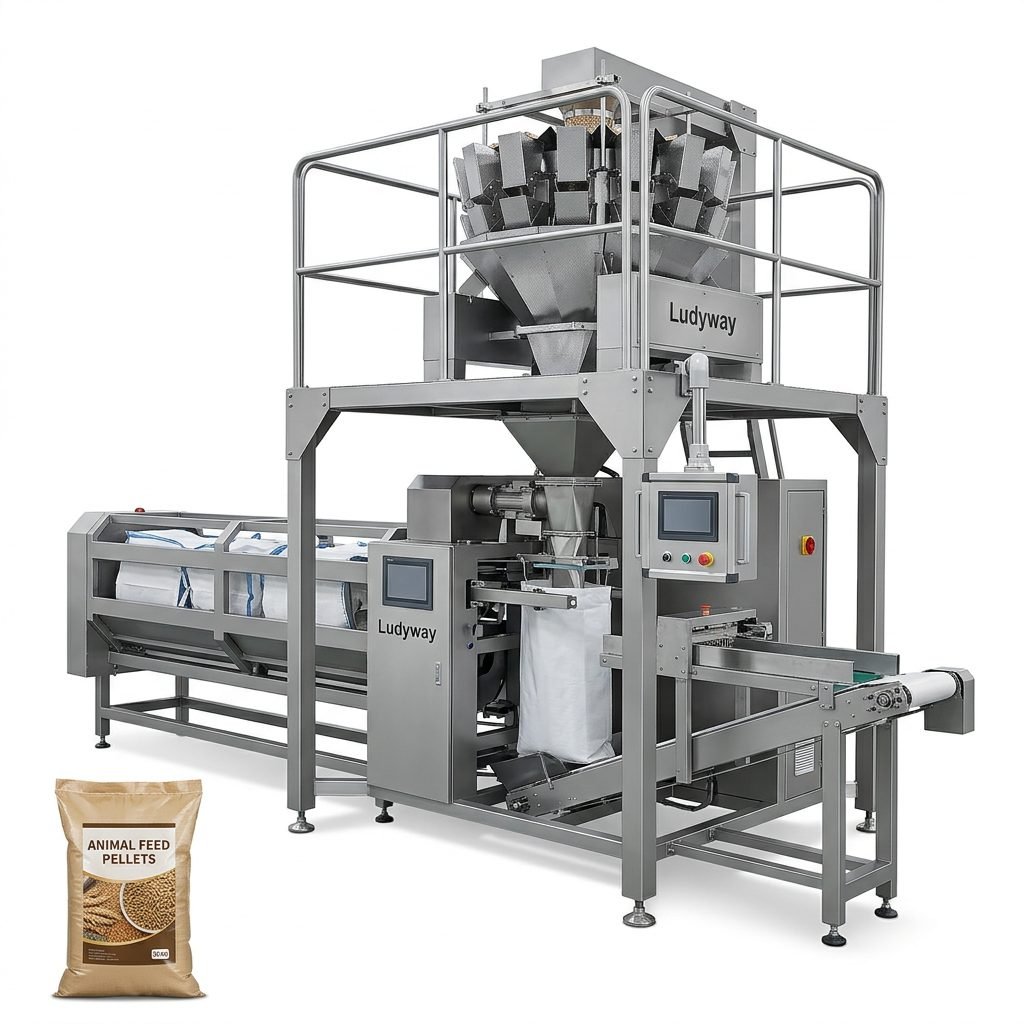
Quality Standards and Compliance for Animal Feed Packaging in France
French feed manufacturers must adhere to both national and EU regulations governing feed safety, packaging materials, and labeling. The packaging line must comply with the following key standards:
- EU Regulation (EC) 183/2005 – Lays down requirements for feed hygiene at all stages of production and distribution.
- EU Regulation (EU) No 10/2011 – Concerns plastic materials and articles intended to come into contact with food and feed.
- French Order of 12 January 2001 – Relates to labeling and presentation of feed materials and compound feed.
- AFNOR NF EN ISO 22000 – Food safety management systems applicable across the feed supply chain in France.
Your packaging production line equipment should be constructed from stainless steel (AISI 304 or 316L) in all product contact zones to facilitate CIP (Clean-in-Place) procedures and withstand the rigorous cleaning protocols required by French veterinary services.
Cost Analysis and ROI Considerations
The investment in an animal feed packaging line varies significantly based on automation level, speed, and bag formats. The table below provides indicative cost ranges for different line configurations relevant to the French market:
| Line Configuration | Speed (bags/hour) | Estimated Investment (EUR) | Typical ROI Period |
|---|---|---|---|
| Semi-Automatic (5-25kg bags) | 200 – 400 | €50,000 – €100,000 | 18 – 24 months |
| Fully Automatic (5-25kg bags) | 600 – 1,200 | €120,000 – €250,000 | 12 – 18 months |
| Bulk FIBC / Jumbo Bag Line | 20 – 60 | €80,000 – €180,000 | 14 – 20 months |
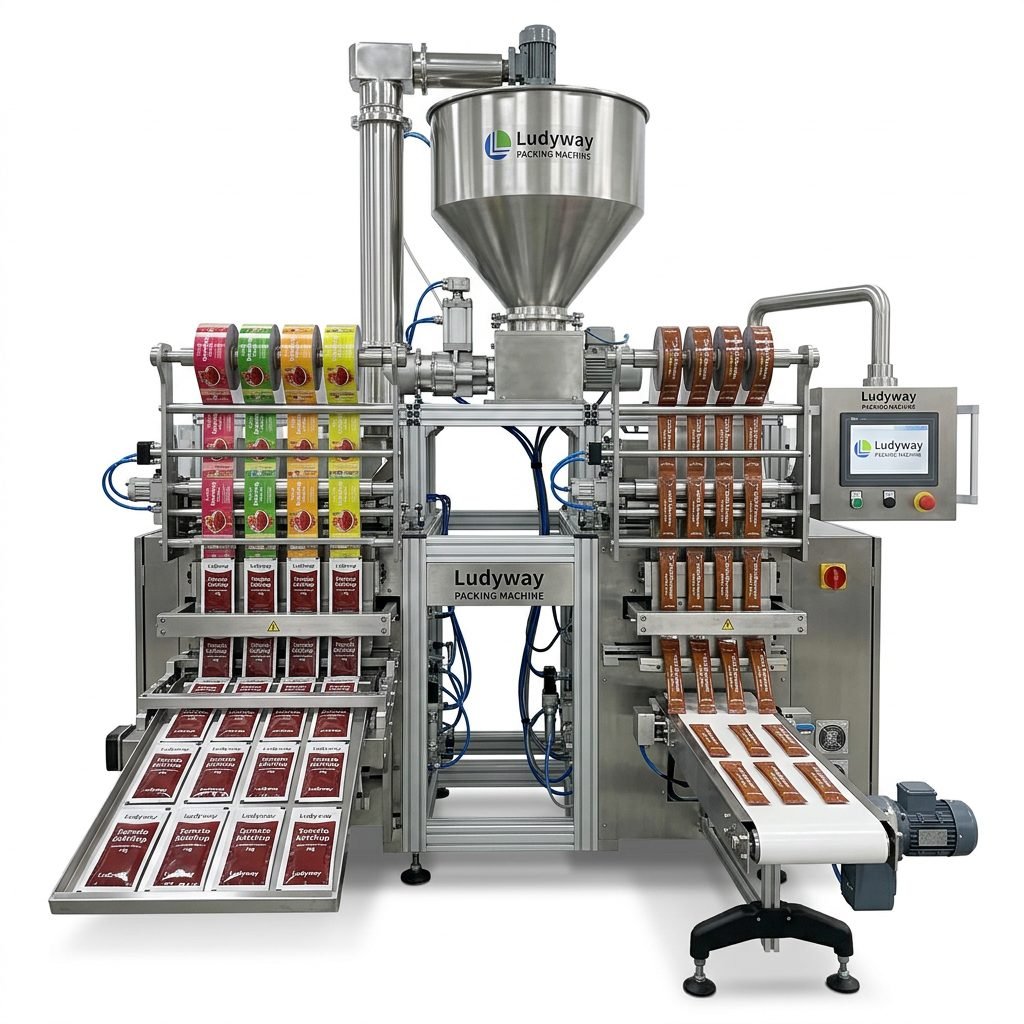
| High-Speed Multi-Lane Sachet Line | 6,000 – 18,000 (sachets/hour) | €100,000 – €220,000 | 10 – 16 months |
Additional costs include shipping, import duties (customs clearance in French ports such as Le Havre or Marseille), installation, and training. However, automated feed packaging solutions typically deliver a rapid payback through labor reduction and increased throughput. For in-depth market data, refer to the PMMI State of the Industry report.
Maintenance Strategies and After-Sales Support
A proactive maintenance program is critical for sustaining high OEE (Overall Equipment Effectiveness) in your feed packaging line. Implement the following practices:
- Daily Inspections – Check sealing jaws, Teflon tapes, heating elements, belt tensions, and sensor alignments before each shift.
- Weekly Preventive Tasks – Clean dust from electrical cabinets and pneumatic components; lubricate chains and bearings according to manufacturer guidelines.
- Monthly Audits – Verify weighing system accuracy with certified test weights; recalibrate metal detectors and checkweighers using traceable standards.
- Annual Overhaul – Replace wear parts including forming tubes, cutting blades, sealing bars, and pneumatic seals; review PLC backup files and update firmware.
For manufacturers establishing packaging lines in France, proximity to international packaging exhibitions such as PACK EXPO and CFIA Rennes provides access to the latest technology and service providers. Additionally, flexible packaging industry resources offer valuable technical guidance on material compatibility and sustainability trends relevant to the European feed sector.
Sustainability and Packaging Trends in the French Feed Industry
France is at the forefront of sustainable packaging initiatives, driven by the AGEC Law (Anti-Waste for a Circular Economy) and the EU Packaging and Packaging Waste Regulation (PPWR). Feed manufacturers are increasingly adopting recyclable mono-material films, reducing packaging thickness, and implementing reusable bulk containers. When configuring your packaging line, ensure compatibility with recyclable PE/PE laminates or paper-based structures that meet food contact safety standards while aligning with French environmental goals.
Choosing a Reliable Packaging Line Partner
Selecting the right equipment manufacturer is perhaps the most consequential decision in this process. Look for a supplier with proven experience in turnkey animal feed packaging projects, CE certification for European operation, comprehensive spare parts availability within the EU, and responsive technical support. Ludyway, with over 30 years of industry expertise and a modern 20,000㎡ manufacturing facility, provides integrated packaging solutions for granule, powder, and pouch applications—serving customers in more than 100 countries with high-performance automated systems.
For further reading on packaging machinery standards, consult the PMMI packaging industry resources and the ISO packaging standards directory. Detailed market analysis is available through the Flexible Packaging Association knowledge hub.