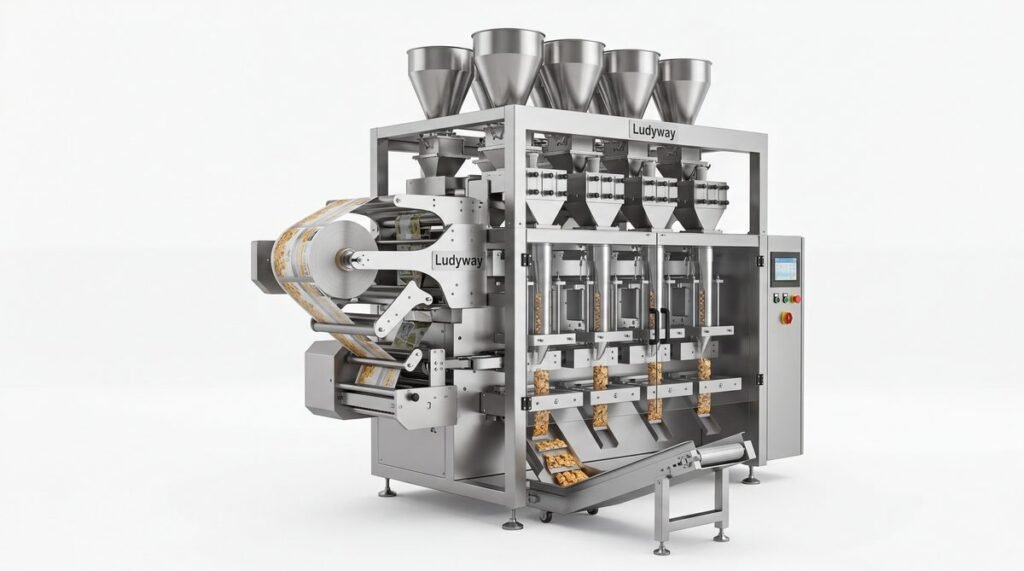
The African sauce market is experiencing unprecedented growth, driven by urbanization, changing consumer lifestyles, and a booming food processing sector. From tomato ketchup and chili sauces to mayonnaise and soy sauce, the demand for efficiently packaged condiments is soaring. For manufacturers looking to capture this market, investing in the right sauce packaging machine is not just an operational decision — it is a strategic move that defines product quality, shelf life, and production efficiency. This guide covers everything you need to know before purchasing packaging equipment for the African market, considering local conditions, production scales, and long-term business goals.
Why Africa is a Prime Market for Sauce Packaging
Africa’s population is projected to reach 2.5 billion by 2050, with a rapidly expanding middle class that increasingly prefers convenient, ready-to-use packaged sauces. The continent’s food processing industry is attracting significant foreign direct investment, and local manufacturers are scaling up to meet domestic and regional demand. Single-serve sachets and multi-lane stick packs have become particularly popular because they offer affordability and portion control — two critical factors for price-sensitive African consumers. Countries like Nigeria, Kenya, South Africa, Ghana, and Ethiopia are emerging as key hubs for sauce production and packaging.
Understanding Sauce Packaging Machine Types
Selecting the right equipment begins with understanding the available machine configurations. Sauce products vary in viscosity, from free-flowing soy sauce to thick mayonnaise, and each requires specific filling and sealing technology. Below is a comparison of the most common machine types used in sauce packaging operations across Africa.
| Machine Type | Best For | Key Advantage | Typical Output |
|---|---|---|---|
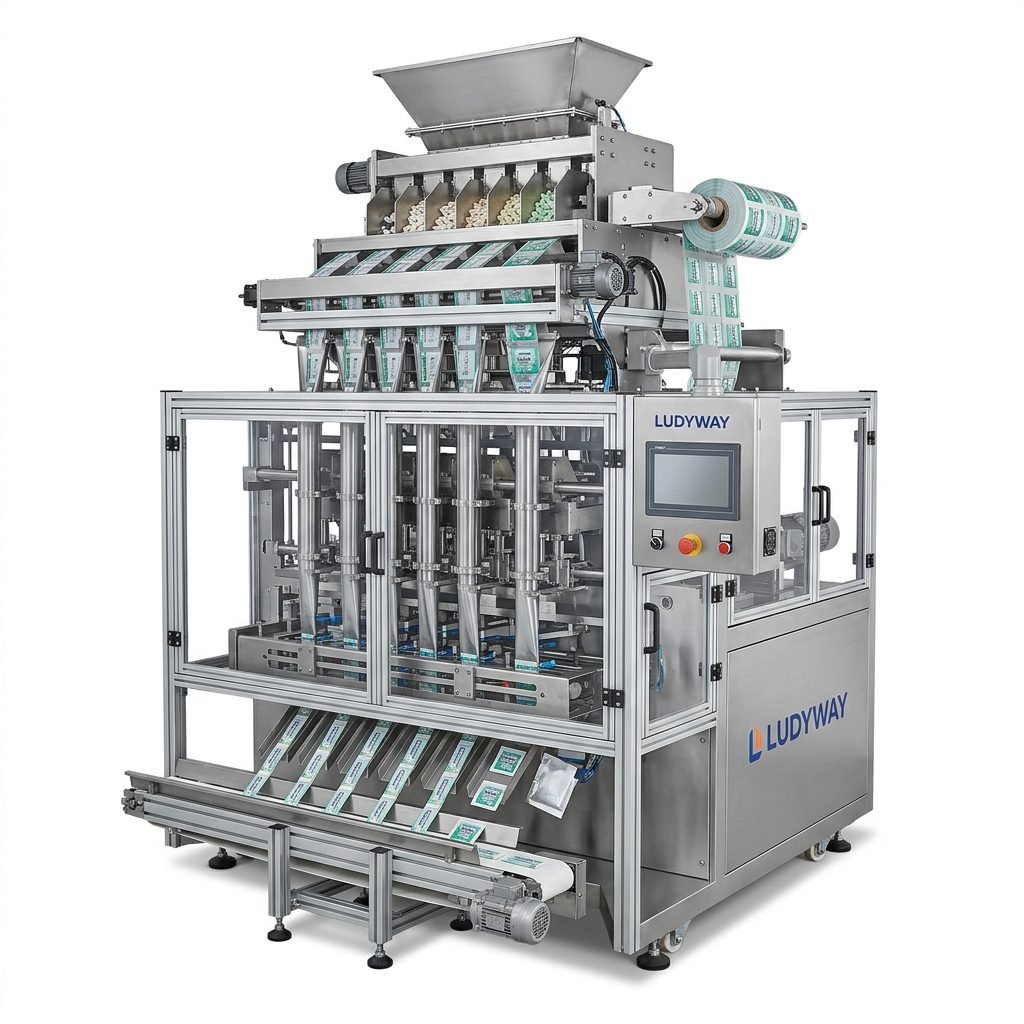
| Multi-Lane Sachet Machine | Small single-serve portions | High output, low cost per unit | 200-600 packs/min |
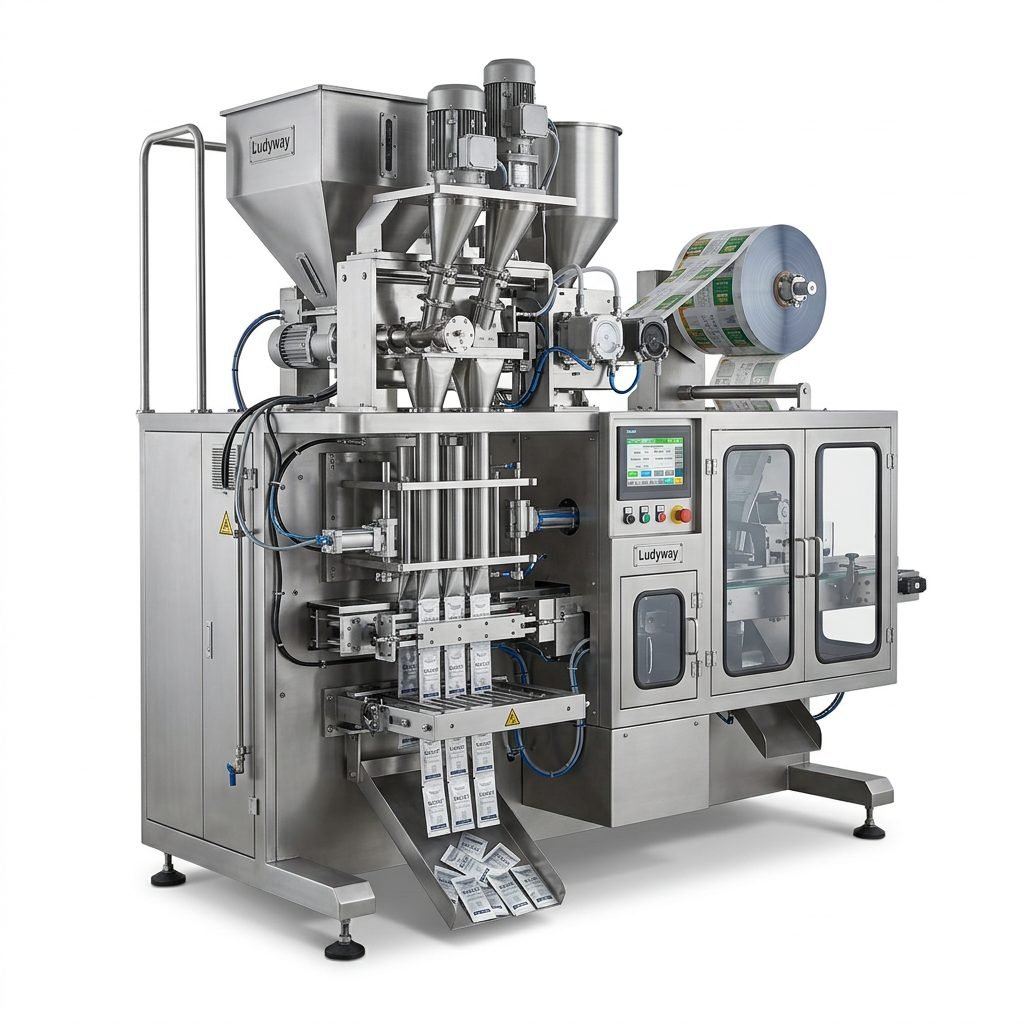
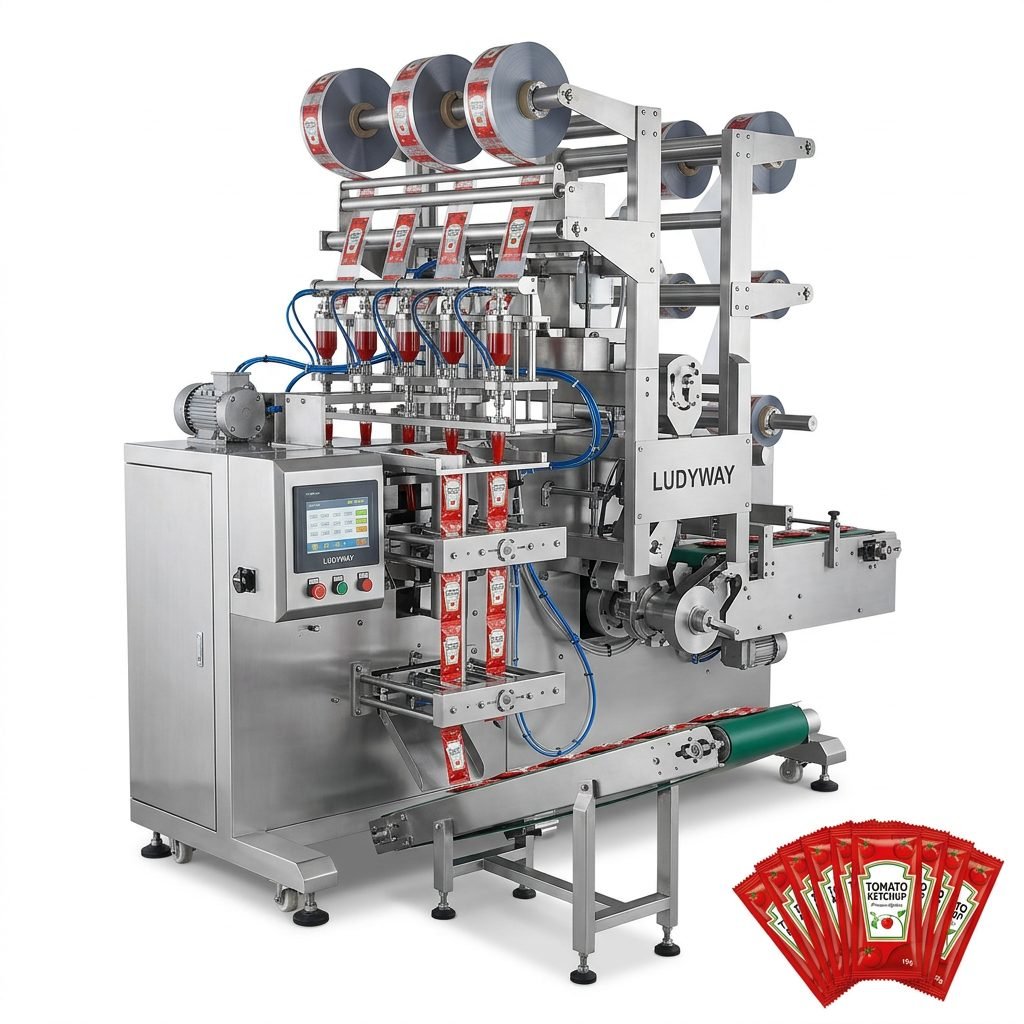
| Stick Pack Machine | Liquid condiments, ketchup | Compact, easy to transport | 150-500 packs/min |
| Pouch Filling & Sealing Machine | Medium to large pouches | Versatile, handles viscous sauces | 40-120 packs/min |
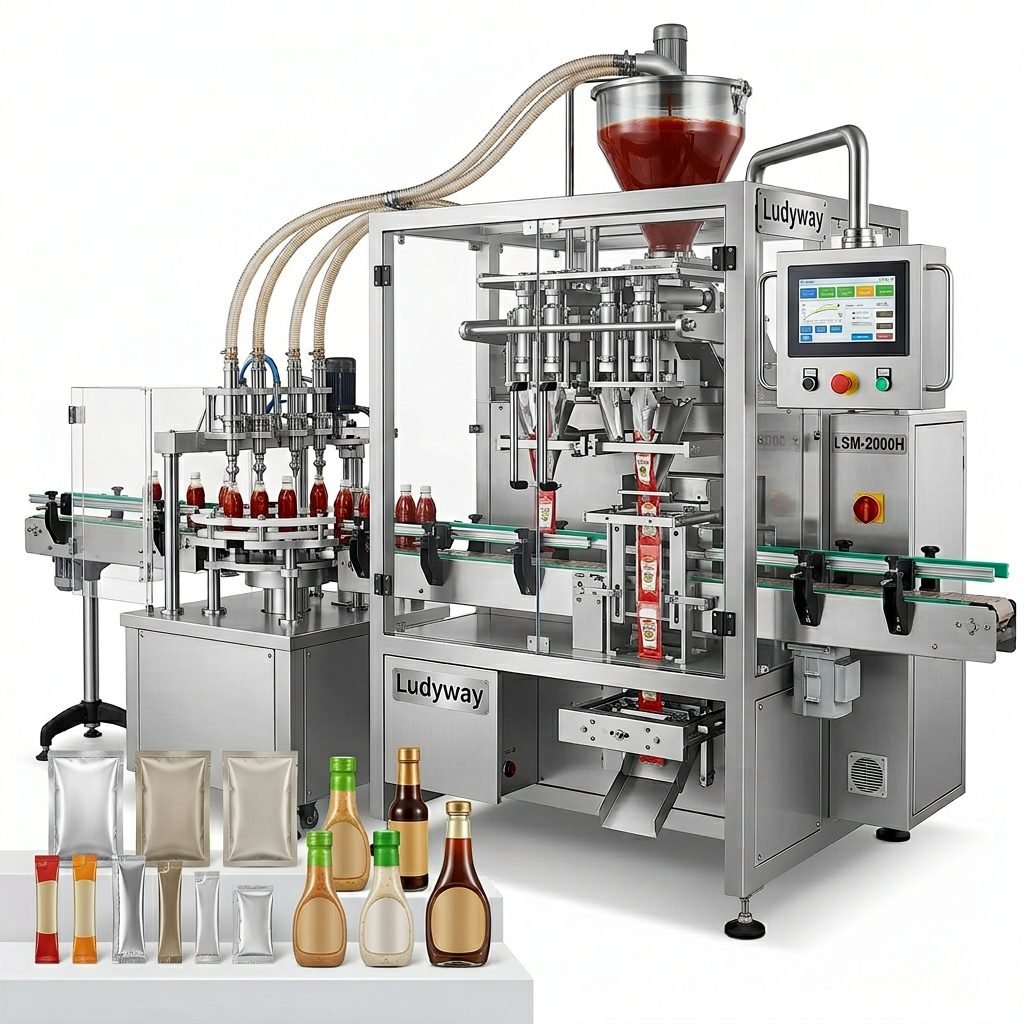
| Bottle Filling & Capping Line | Retail sauces, glass/plastic bottles | Premium presentation, reusability | 30-100 bottles/min |
Single-Serve Sachet Packaging: Dominance in the African Market
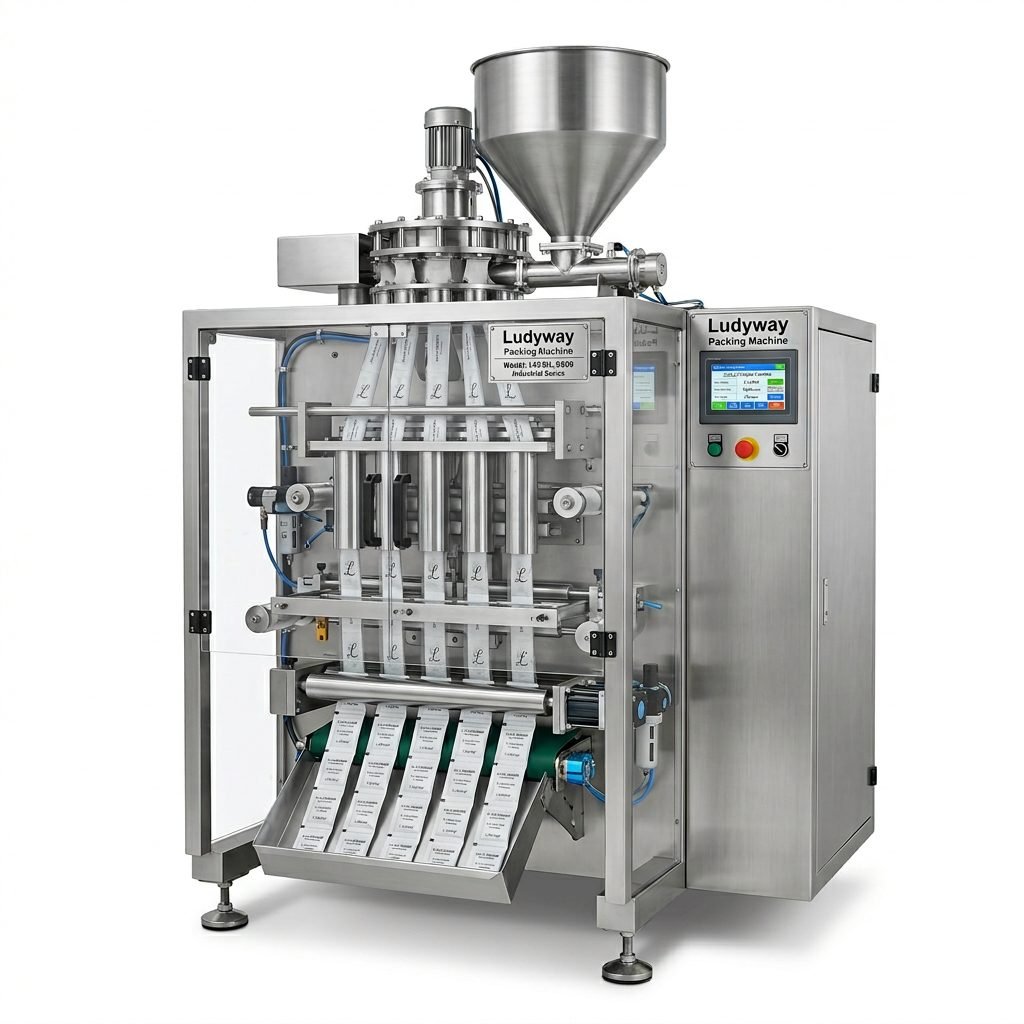
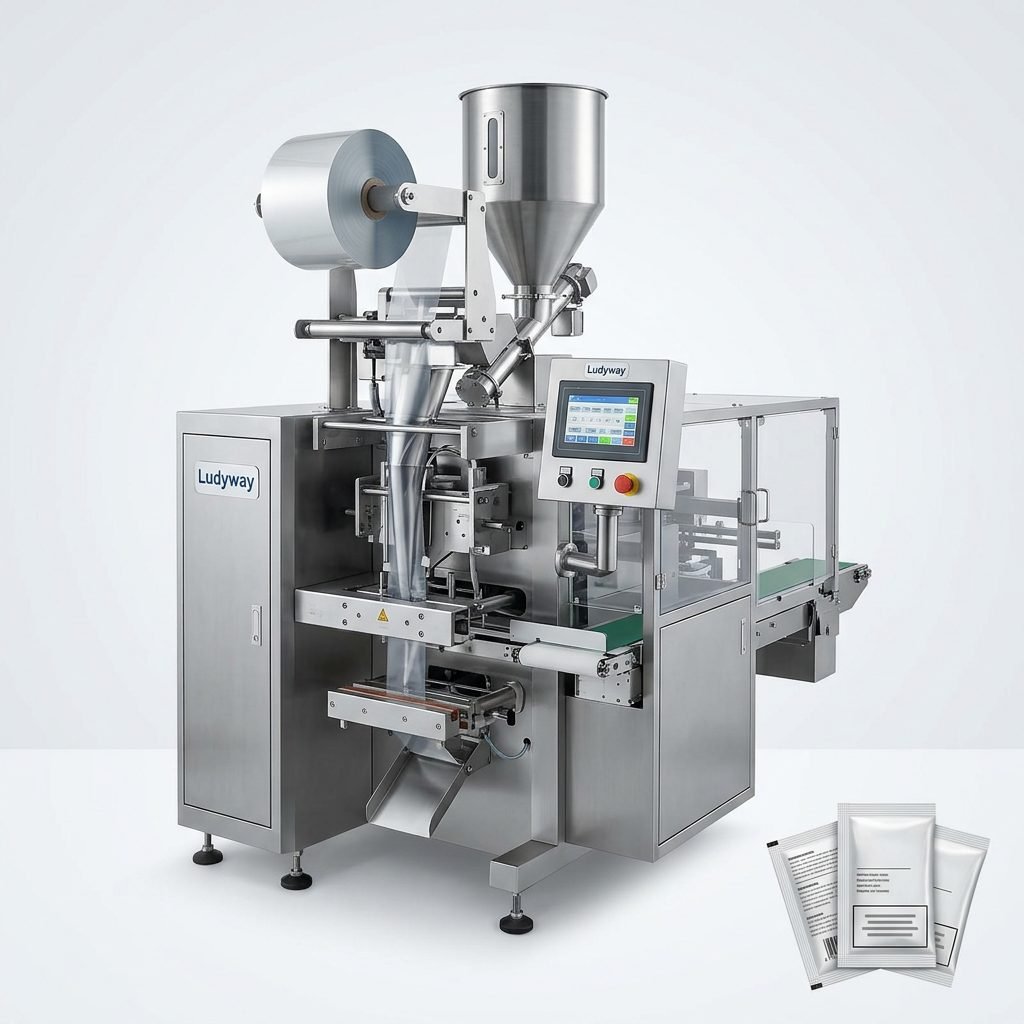
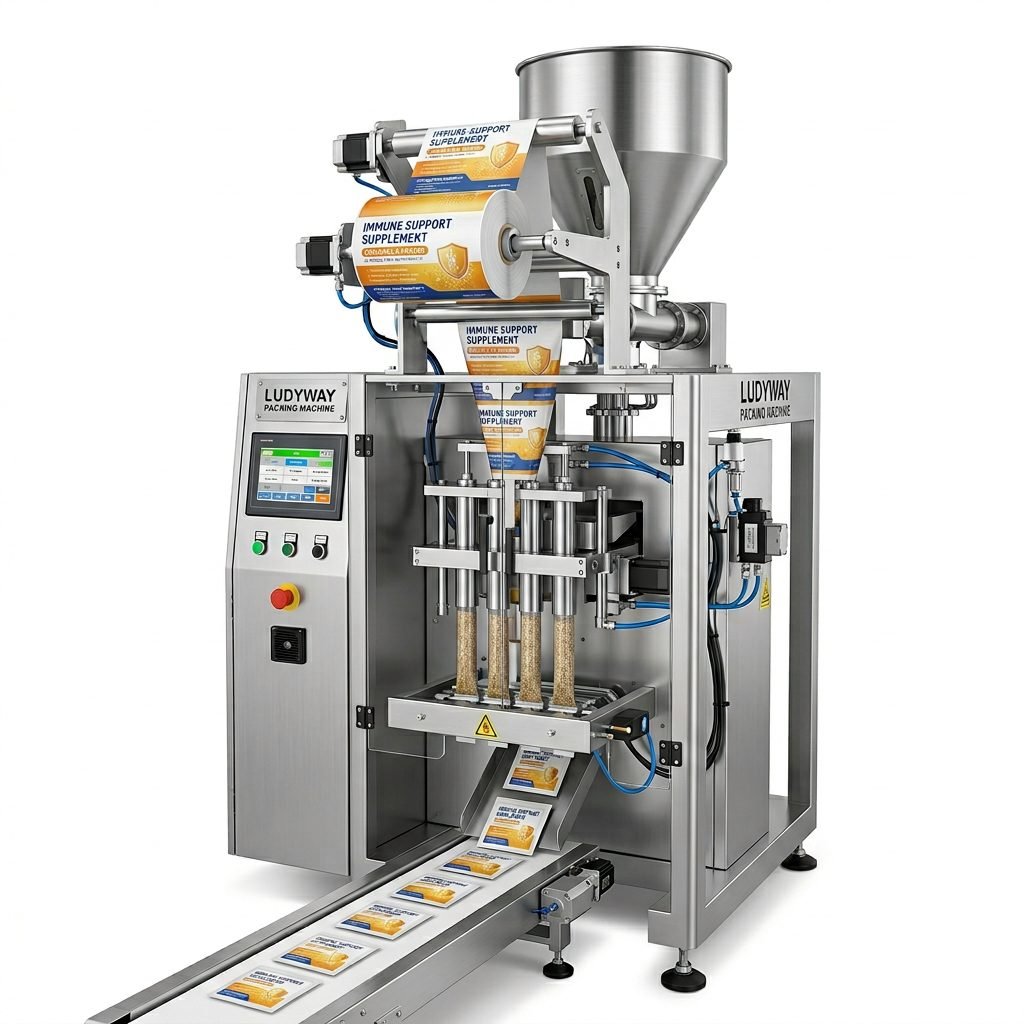
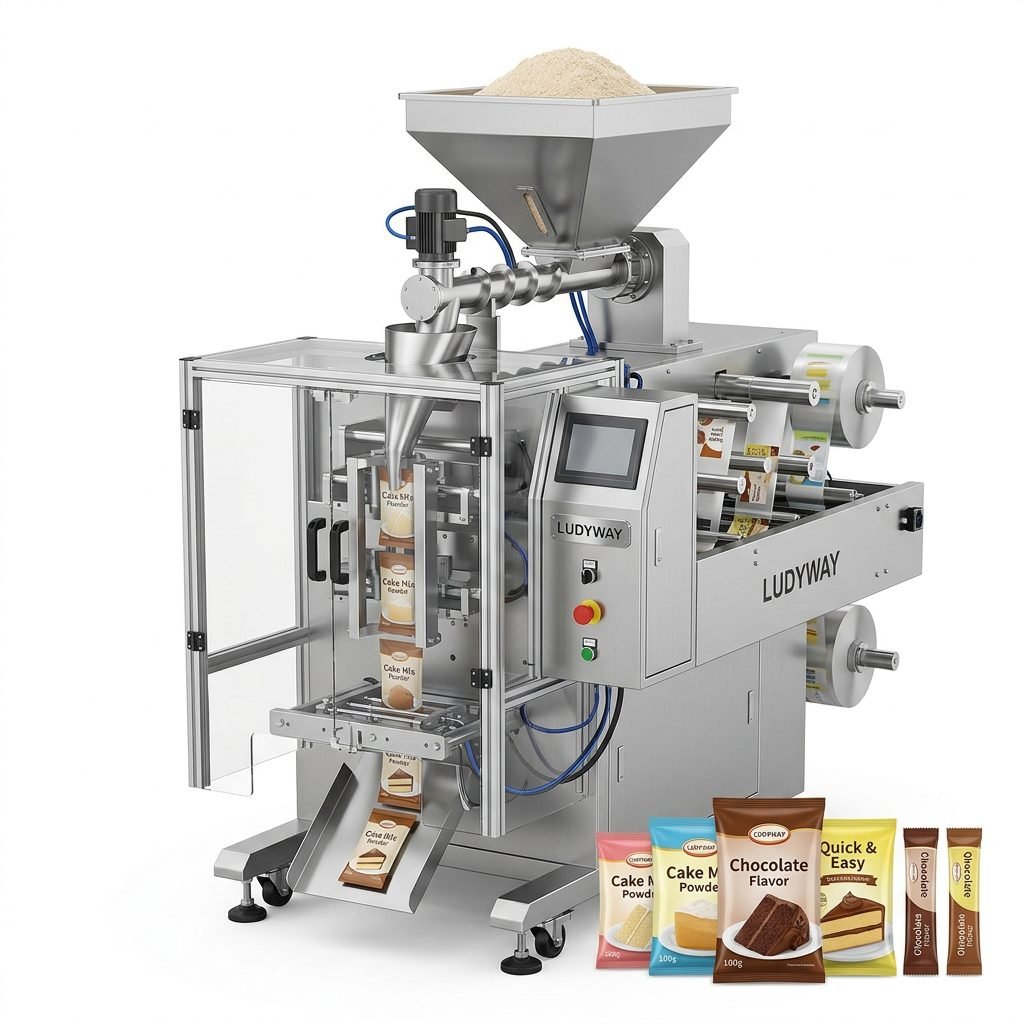
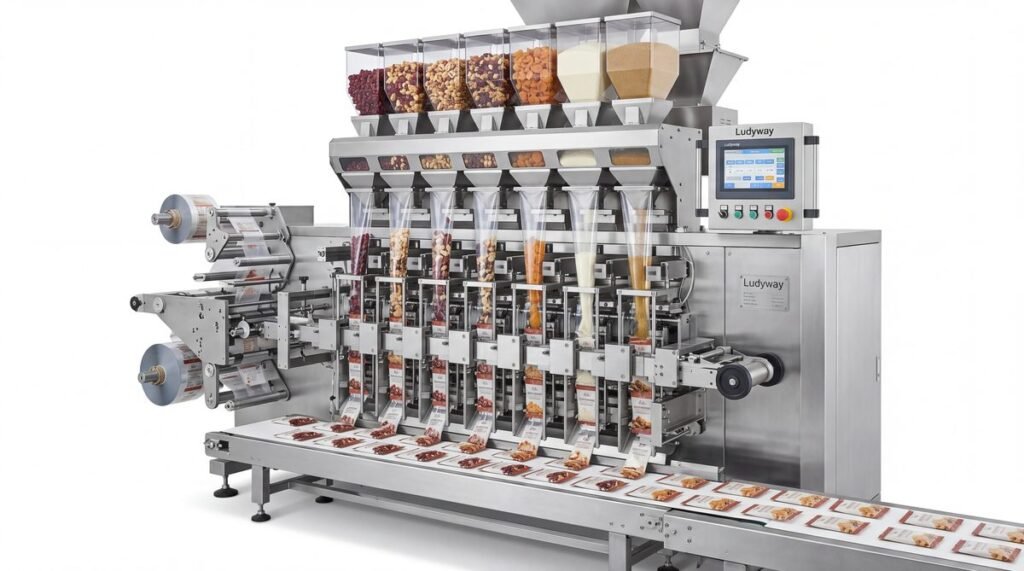
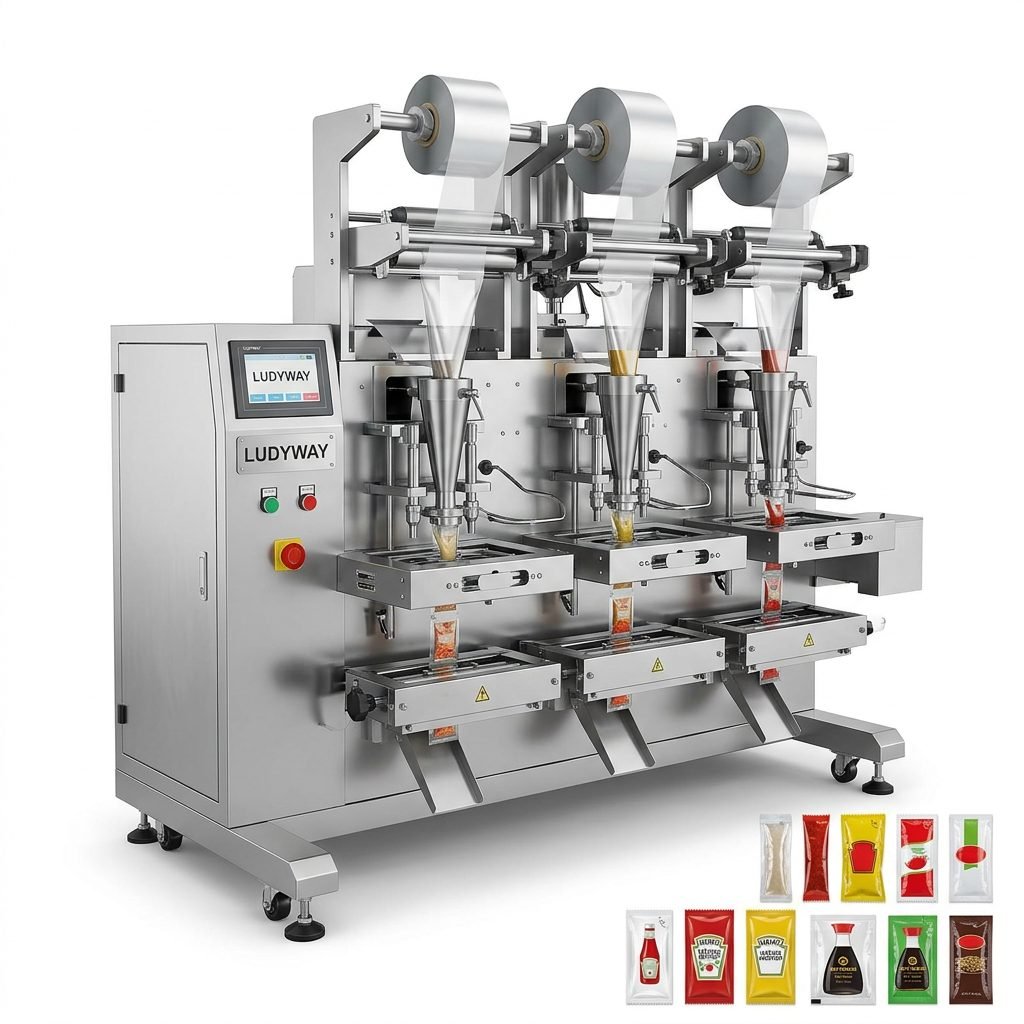
Sachet packaging accounts for a significant share of Africa’s sauce market because it allows low-income consumers to purchase affordable portions. Multi-lane sachet machines are ideal for this application, capable of producing multiple lanes of sealed sachets simultaneously. They work with film rolls and can incorporate tear notches and laser marking for branding and traceability. When choosing a sachet machine, consider the type of sealing required: three-side seal, four-side seal, or center seal pillow packs are all common for sauce products.
Key Factors to Consider When Buying a Sauce Packaging Machine
Purchasing packaging equipment for the African market requires careful evaluation of several technical and commercial factors. Here is a structured breakdown of what to assess before making a decision.
1. Sauce Viscosity and Filling System Compatibility
Not all sauces behave the same way during filling. Low-viscosity liquids like soy sauce or vinegar require piston fillers or gravity-based systems with anti-drip nozzles. High-viscosity products like mayonnaise, ketchup, or chili paste need positive displacement pumps or auger fillers to ensure accurate dosing. Some sauces contain particulates (e.g., chili flakes, herb pieces), which demand large-diameter product pathways to prevent clogging. Always request a filling accuracy test with your specific product before finalizing a purchase.
2. Production Capacity and Automation Level
Define your target output volume clearly. A small-scale startup might need 50-100 packs per minute, while a large regional manufacturer may require 400+ packs per minute with fully automatic feeding, weighing, filling, sealing, coding, and cartoning. Semi-automatic machines are budget-friendly but labor-intensive. Fully automatic turnkey lines, including conveyors, checkweighers, and automated packaging systems, dramatically reduce labor costs and ensure consistent output — a critical advantage in markets where skilled labor may be limited.
3. Packaging Material Compatibility
Your machine must handle the packaging films or materials commonly available in your target African country. Single-serve sachets often use laminated foils with moisture and light barriers. Pouches may require stand-up designs with zippers or spouts. Verify that the machine’s heat sealing temperature range, pressure controls, and jaw configuration match your chosen packaging material specifications. Inconsistent film quality is a known challenge in some African supply chains — opt for machines with adjustable sealing parameters to accommodate slight material variations.
Cost Analysis and Budget Planning
The price of a sauce packaging machine varies widely based on automation, speed, and configuration. Below is a general cost framework to guide budgeting, though actual prices depend on specifications and supplier negotiation.
- Entry-level semi-automatic machines: Suitable for small batches, manual loading, single-lane operation. Estimated range: $5,000 – $20,000 USD.
- Mid-range automatic single-lane machines: Integrated filling and sealing with basic controls. Estimated range: $20,000 – $60,000 USD.
- High-speed multi-lane sachet lines: 4-lane to 12-lane configurations, servo-driven precision. Estimated range: $60,000 – $200,000 USD.
- Complete turnkey packaging lines: Including infeed conveyors, multi-head weighers, multi-lane machines, checkweighers, cartoning, and palletizing. Estimated range: $200,000 – $1,000,000+ USD.
Beyond the initial machine cost, factor in shipping, import duties, installation, training, and after-sales spare parts. In many African countries, import tariffs on food processing machinery can range from 5% to 25% depending on local trade policies and regional economic community agreements. Working with an experienced packaging machine manufacturer that understands African logistics can significantly streamline this process.
Supplier Selection: What to Look For
Choosing the right supplier is as important as choosing the right machine. Africa’s distance from major manufacturing hubs in Asia and Europe means that reliability, remote support, and spare part availability become critical differentiators. Evaluate potential partners based on these criteria:
- Proven experience in African markets: Has the supplier installed machines in African countries? Can they provide references from businesses operating in similar conditions?
- After-sales support infrastructure: Do they offer remote troubleshooting, video-guided maintenance, and fast shipment of critical spare parts? Downtime in a production line can cost thousands of dollars per day.
- Machine documentation and training: Comprehensive manuals in English (or French for Francophone Africa) and thorough operator training — either on-site or via remote sessions — are essential for smooth operations.
- Compliance with food safety standards: Stainless steel construction, hygienic design, and compliance with relevant food contact material regulations are non-negotiable for sauce packaging.
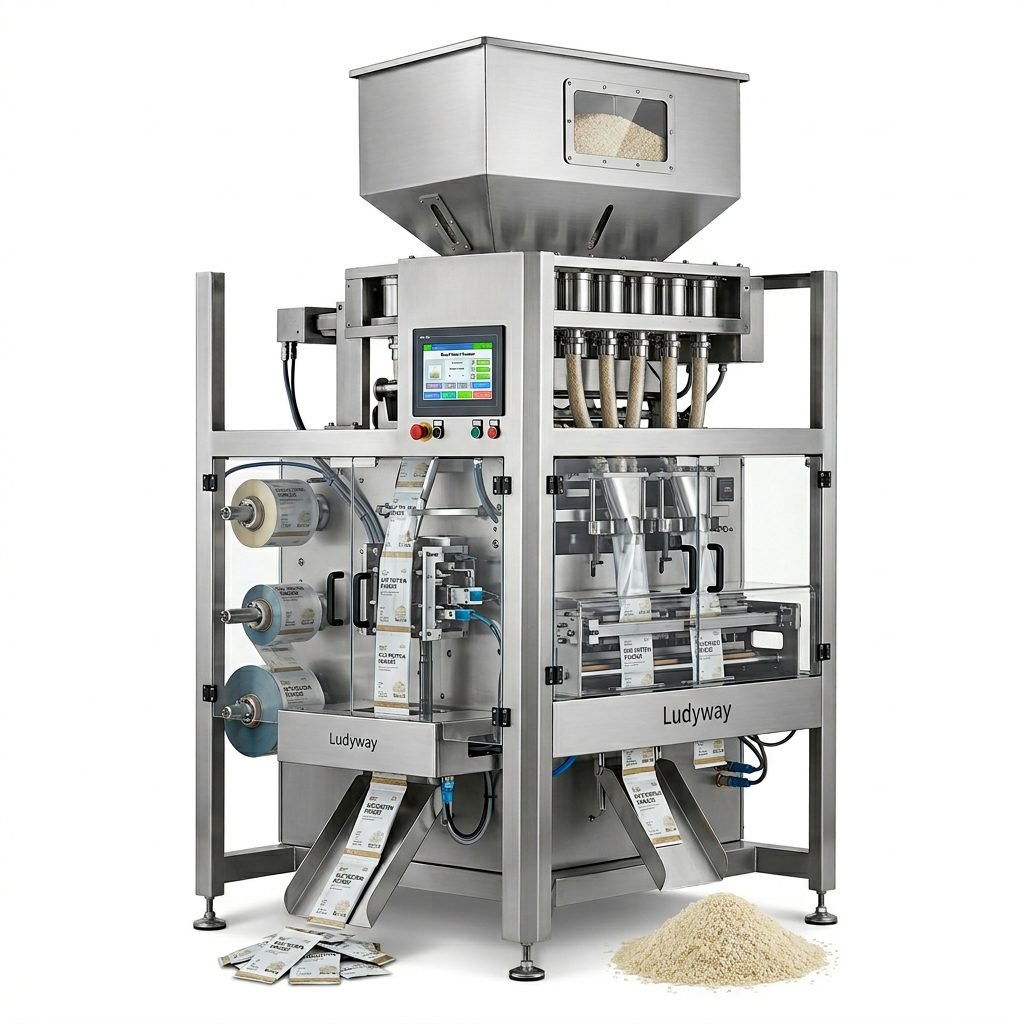
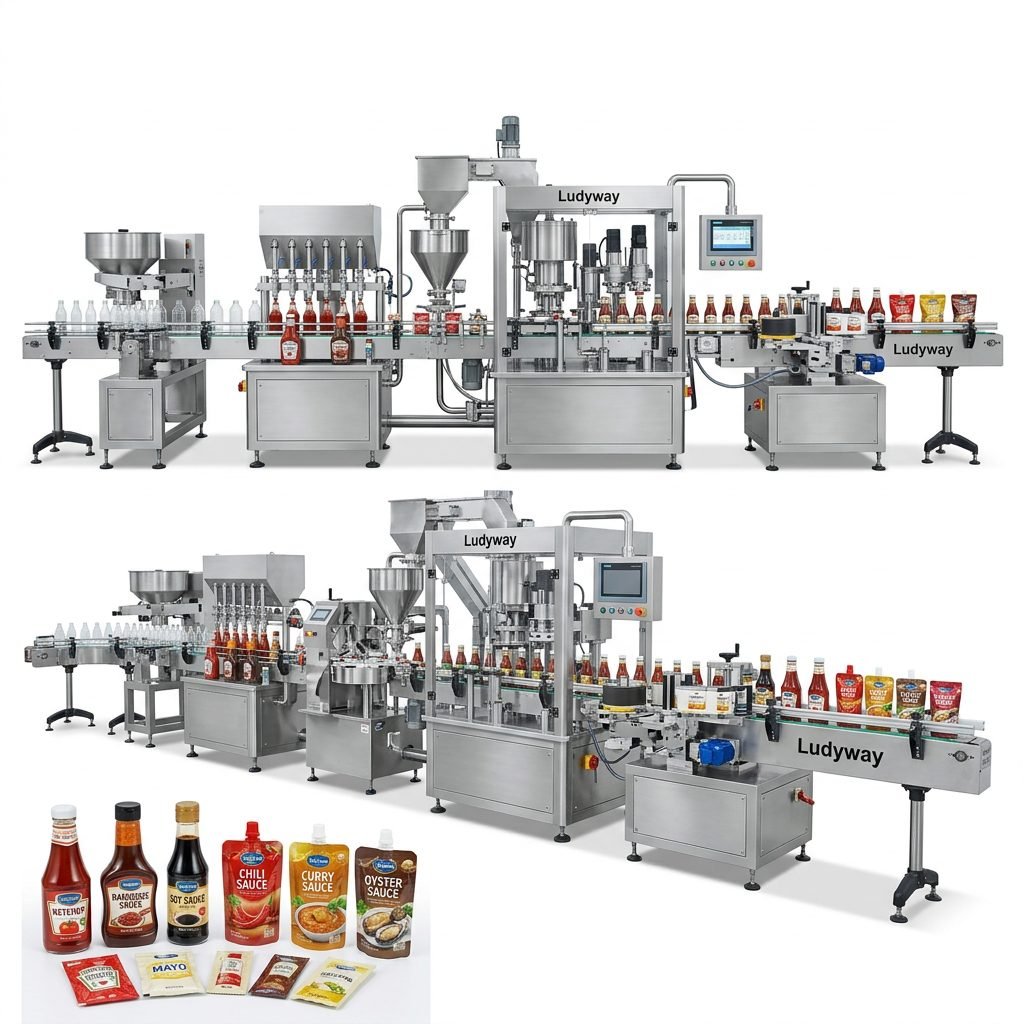
One notable manufacturer serving the African market is Ludyway, a leading Chinese packaging machinery company with over 30 years of experience. They offer more than 50 intelligent packaging machine models and have supplied equipment to customers in over 100 countries, including multiple African nations. Their product range covers multi-lane sachet machines, liquid stick pack lines, and turnkey sauce packaging solutions. With a modern 20,000㎡ facility and a dedicated engineering team, they provide both standardized and customized configurations suited to different production scales. For inquiries, you can reach them at info@ludyway.com or via WhatsApp at +8613129592456.
Installation, Commissioning, and Maintenance in Africa
Installing a complex packaging machine in an African facility requires careful planning. Power supply stability, voltage fluctuations, and ambient humidity can all affect machine performance. Ensure that your electrical infrastructure meets the machine’s specifications, and consider investing in voltage stabilizers and surge protectors. Regular preventive maintenance — including cleaning product contact parts, lubricating moving components, and inspecting heat seal jaws — extends equipment life and reduces unexpected failures. Establish a maintenance schedule and keep a critical spare parts inventory on-site to minimize lead times for replacements.
Common Maintenance Checklist for Sauce Filling Machines
- Daily: Clean filling nozzles and product contact surfaces with approved food-safe cleaning agents.
- Weekly: Inspect heat seal elements for wear, check temperature calibration, and verify dosing accuracy.
- Monthly: Lubricate mechanical drive components, check pneumatic systems for leaks, and calibrate sensors.
- Quarterly: Comprehensive inspection of servomotors, PLC systems, and electrical connections.
Regional Considerations for Different African Markets
Africa is not a monolithic market — packaging preferences, regulatory requirements, and consumer behaviors vary by region. Understanding these differences helps in selecting the most appropriate equipment.
| Region | Dominant Sauce Type | Preferred Packaging Format | Key Consideration |
|---|---|---|---|
| West Africa (Nigeria, Ghana) | Tomato-based stews, pepper sauces | Sachets (10g-50g), small pouches | Price sensitivity, high humidity |
| East Africa (Kenya, Ethiopia) | Chili sauces, soy sauce, cooking pastes | Sachets and stick packs | Growing retail sector, urbanization |
| Southern Africa (South Africa) | BBQ sauces, mayonnaise, chutneys | Bottles, larger pouches | Premiumization, export standards |
| North Africa | Harissa, condiments, olive oil-based | Jars, bottles, sachets | EU regulatory alignment, quality focus |
Technology Trends Shaping Sauce Packaging in Africa
The packaging machinery industry is evolving rapidly, and African manufacturers who adopt new technologies gain a competitive advantage. Several trends are worth monitoring when selecting equipment.
Servo-Driven Precision and Flexibility
Modern sauce packaging machines use servo motors for precise control over filling volume, sealing temperature, and film tension. This allows quick changeovers between different sauce types and pouch formats — an important feature for manufacturers producing multiple product lines. Servo-driven systems also reduce film waste and energy consumption compared to pneumatic or mechanical cam-driven machines.
Integration with Smart Factory Systems
IoT-enabled machines can transmit production data, downtime alerts, and maintenance reminders to centralized dashboards. For African manufacturers aiming to scale, investing in machinery that supports data-driven production management helps optimize efficiency and enables predictive maintenance, reducing unplanned stoppages.
Financing Options and Investment Considerations
Purchasing a sauce packaging machine is a significant capital investment. Several avenues can help African manufacturers finance their equipment acquisition:
- Supplier financing programs: Some manufacturers offer installment payment plans or deferred payment terms for established buyers.
- Development finance institutions (DFIs): Organizations like the African Development Bank (AfDB), International Finance Corporation (IFC), and various export credit agencies provide loans and guarantees for food processing projects.
- Government incentives: Several African countries offer tax holidays, duty exemptions, or subsidized loans for agro-processing investments that contribute to food security and job creation.
- Leasing arrangements: Equipment leasing allows manufacturers to preserve working capital while accessing advanced machinery, with payments structured over a multi-year period.
Checklist Before Final Purchase
Use this summary checklist to ensure you have covered all critical aspects before committing to a purchase:
- ✔ Defined your sauce product viscosity, particulate content, and target packaging format.
- ✔ Estimated your daily/monthly production volume and selected appropriate machine speed and automation level.
- ✔ Requested and evaluated sample filling and sealing tests with your actual product.
- ✔ Confirmed packaging film compatibility and adjustable sealing parameter capabilities.
- ✔ Assessed supplier after-sales support, spare part logistics, and Africa-specific experience.
- ✔ Factored in total landed costs: machine price + shipping + duties + installation + training + peripherals.
- ✔ Planned facility requirements: floor space, power supply, compressed air, and humidity control.
- ✔ Verified machine construction materials comply with food safety standards.
Purchasing a sauce packaging machine for the African market is a strategic investment that requires thorough evaluation of technical specifications, supplier capabilities, and local market conditions. By carefully considering the factors outlined in this guide — from viscosity handling and packaging formats to after-sales support and technology trends — you can make an informed decision that positions your business for sustainable growth in Africa’s dynamic food processing industry. For more information on reliable packaging solutions, explore resources from the PMMI packaging industry association or the Flexible Packaging Association for industry standards and best practices.