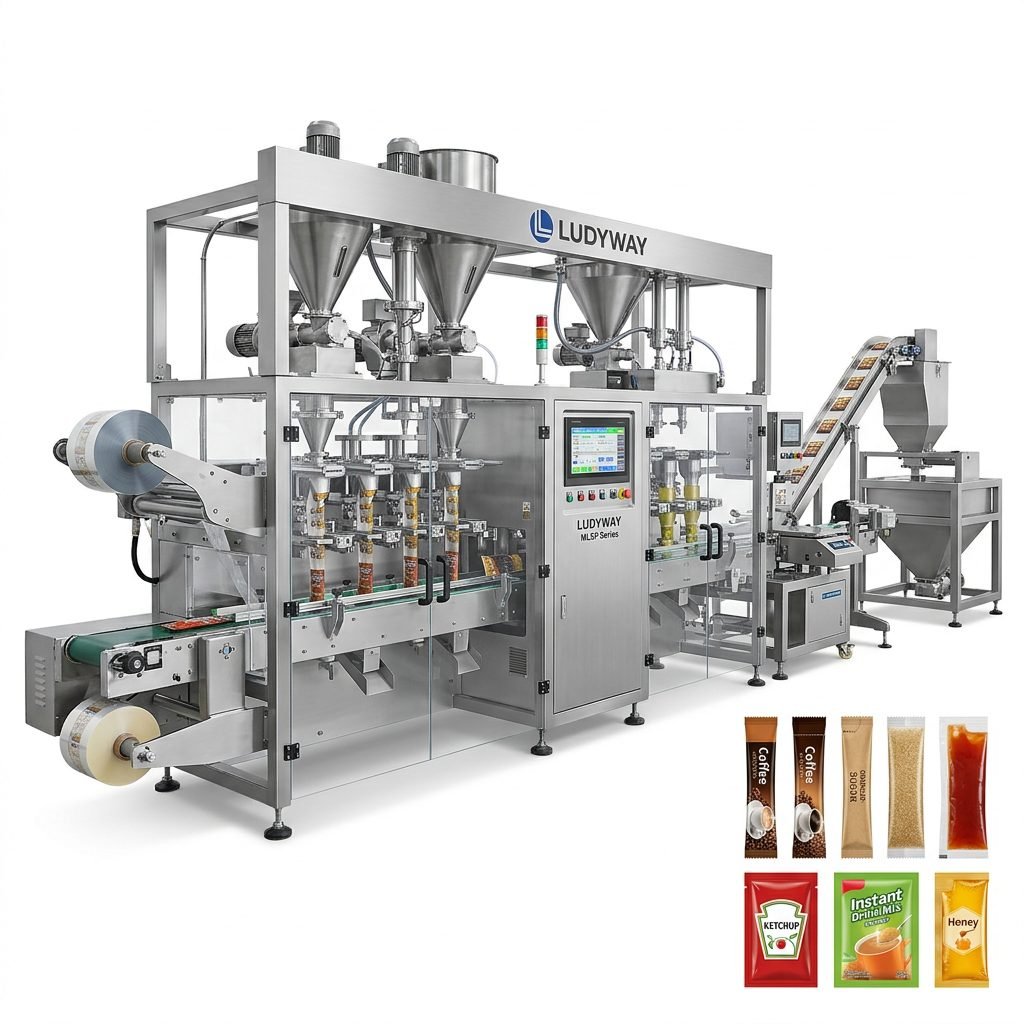
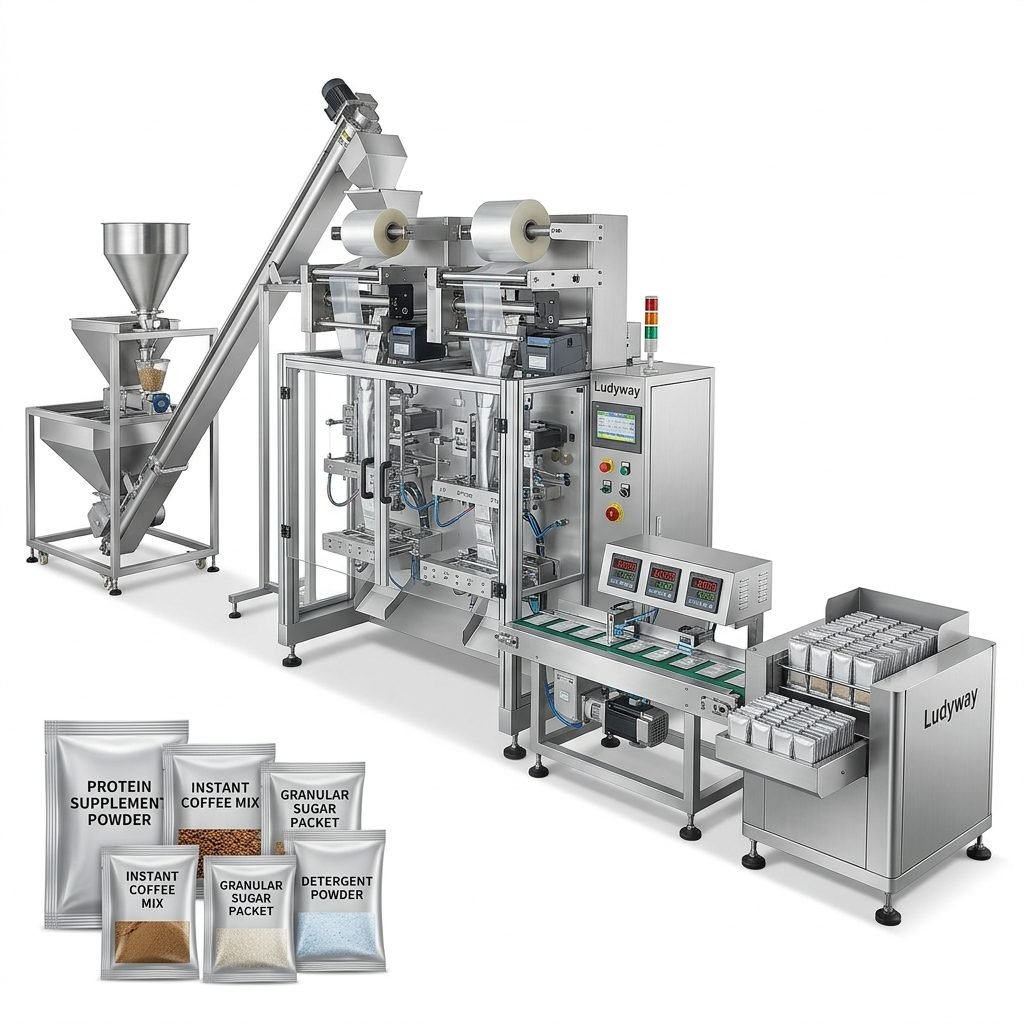
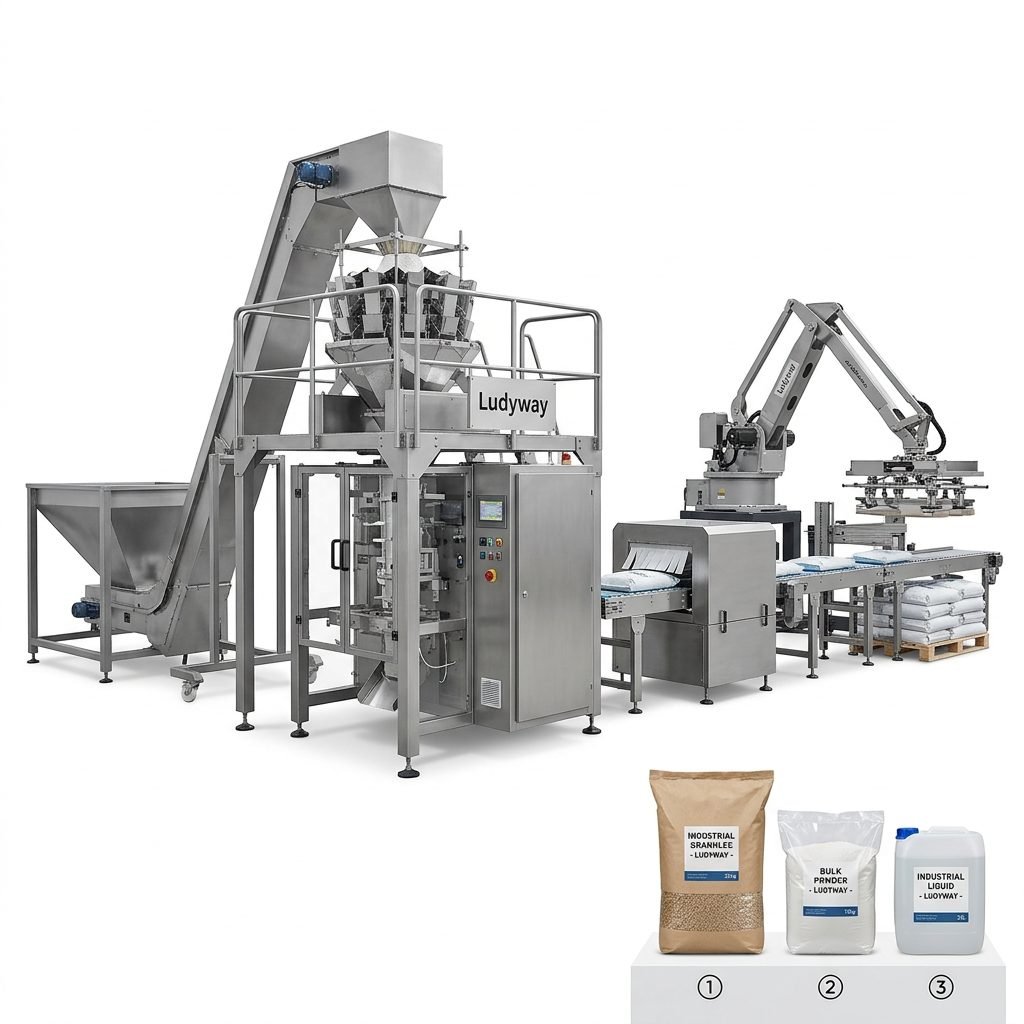
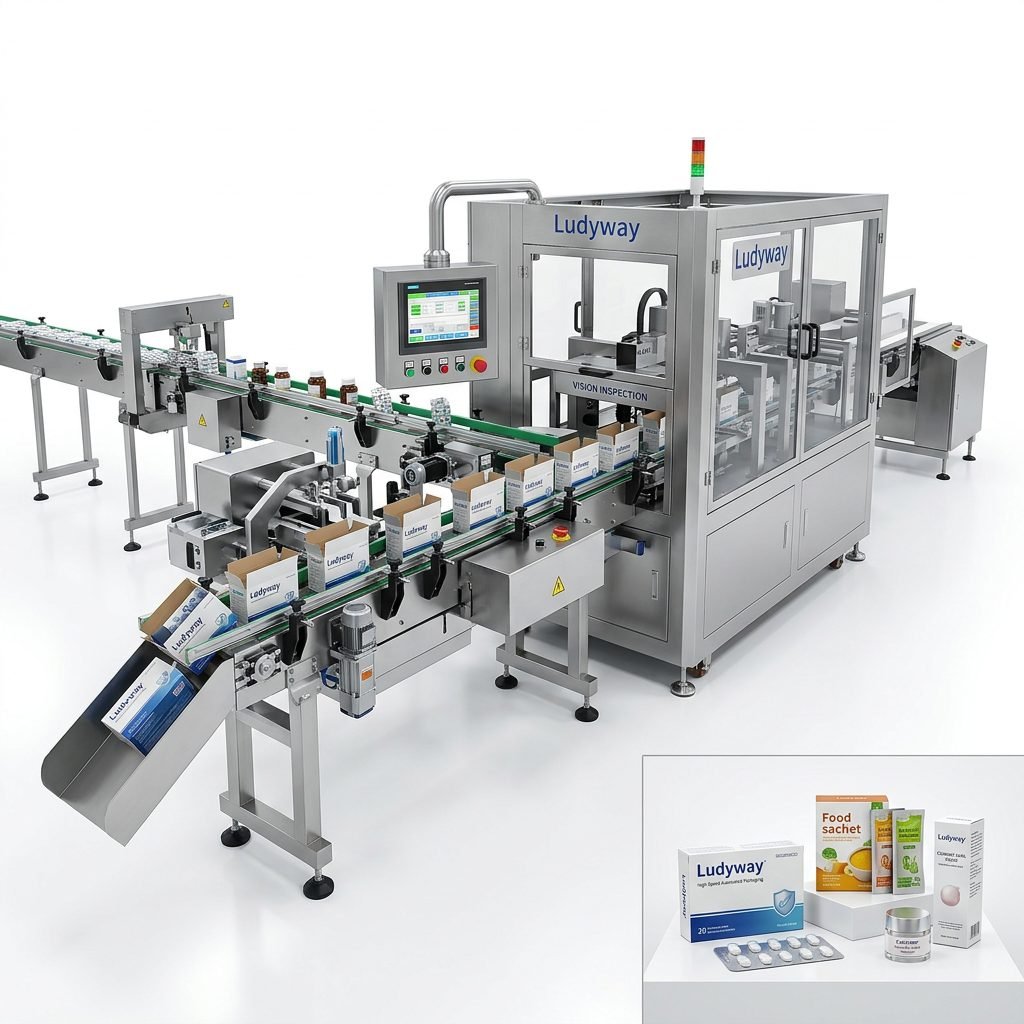
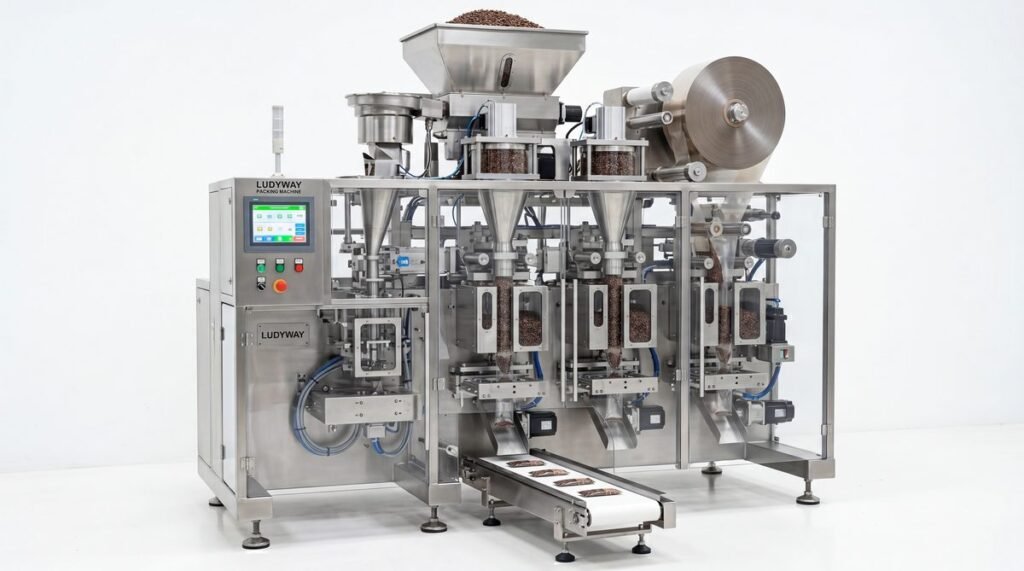
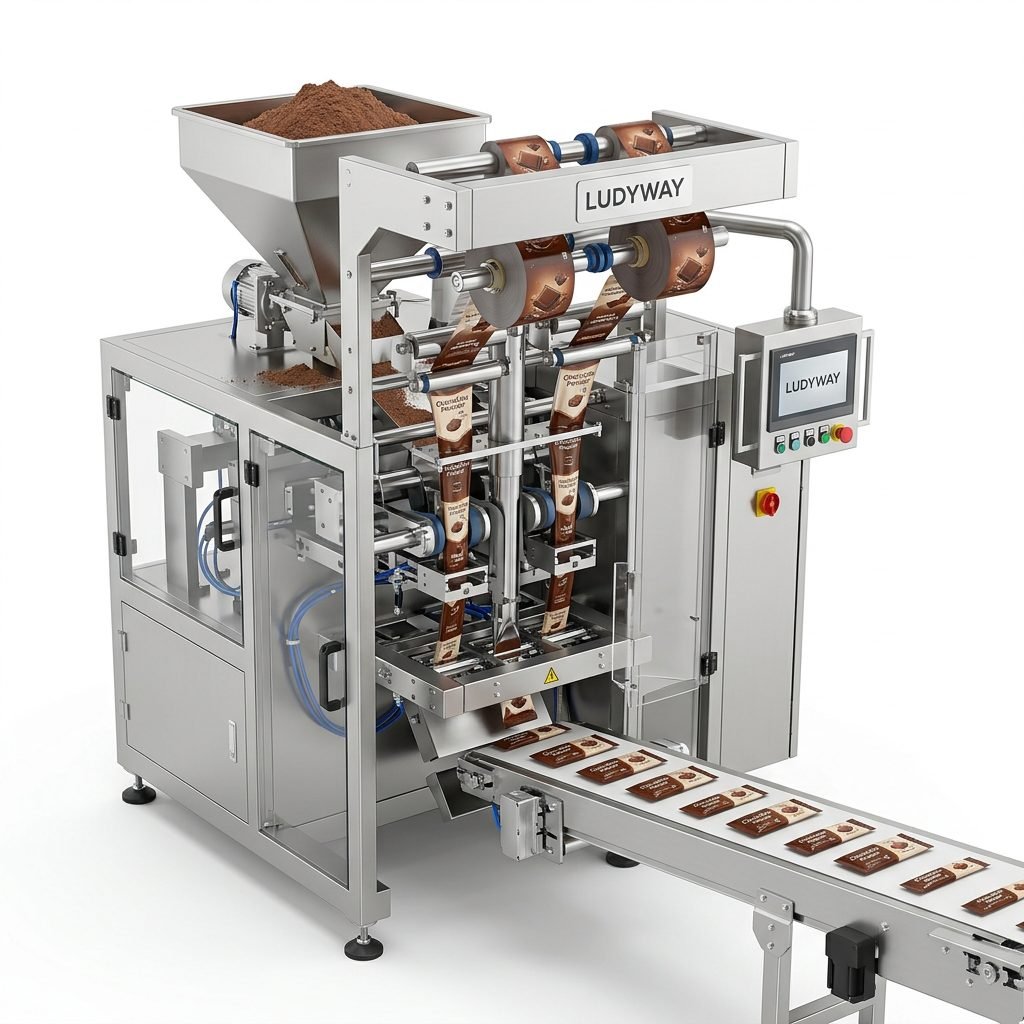
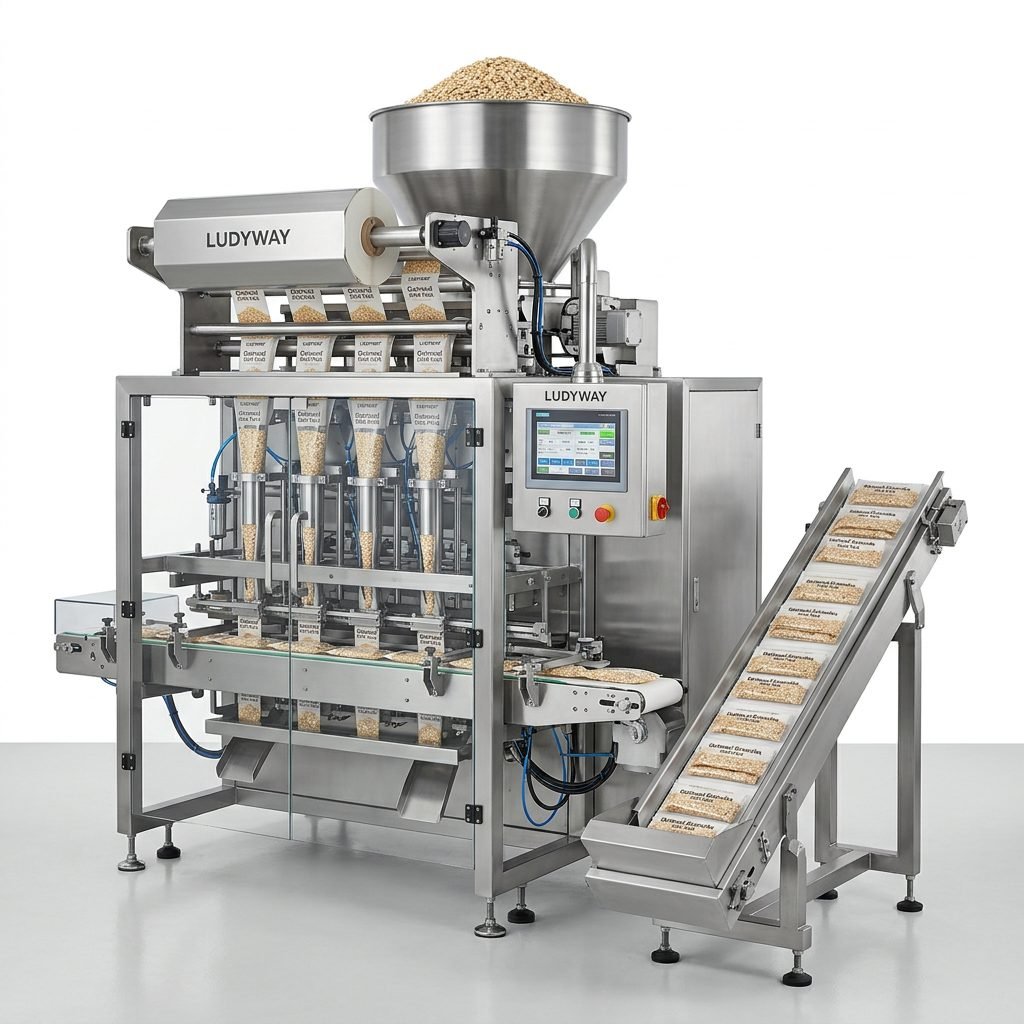
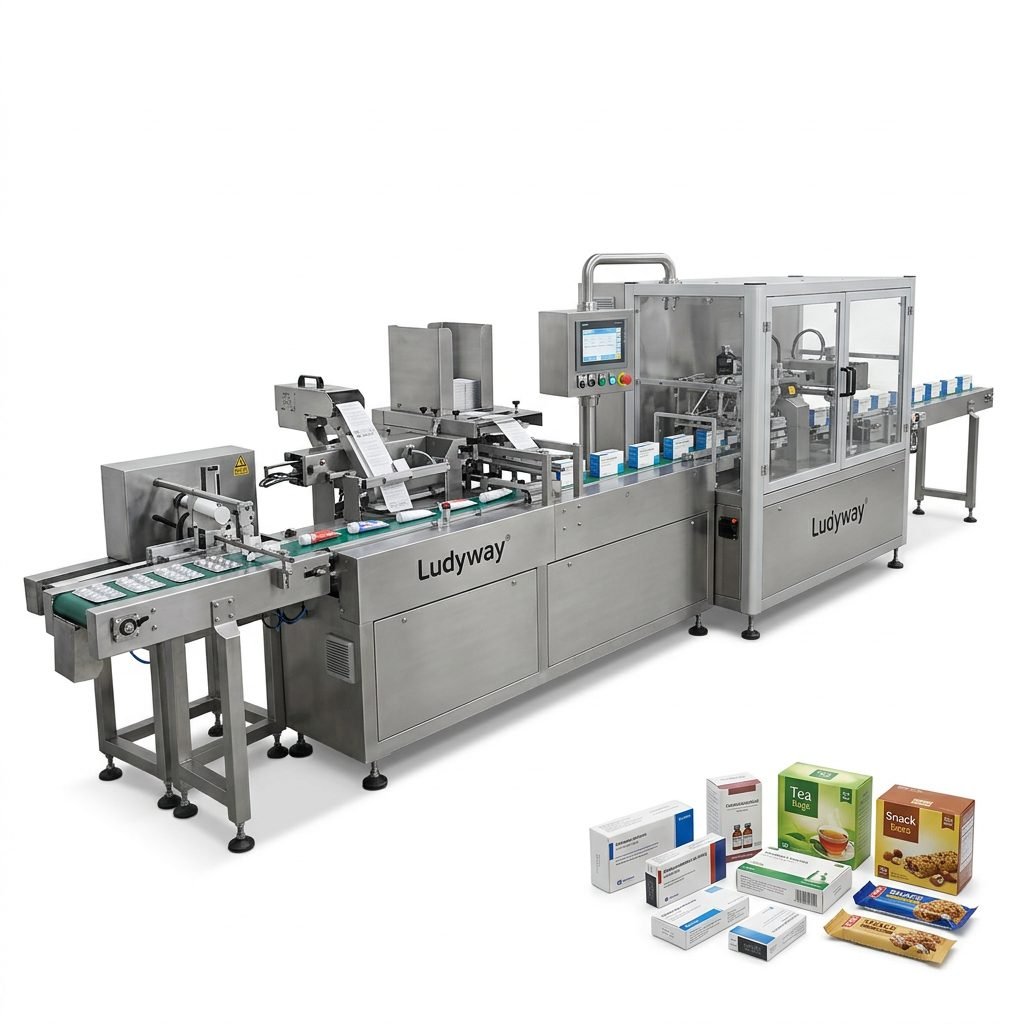
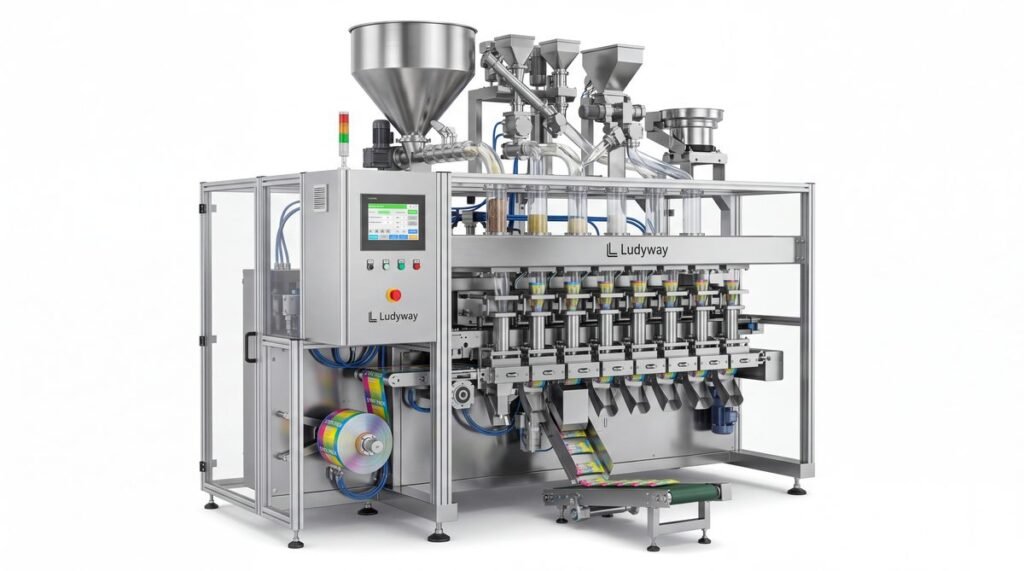
Navigating the rapidly expanding food and beverage sector in Southeast Asia requires robust automation, especially for liquid and semi-liquid condiments. The demand for sauce pouch packaging machines has surged dramatically, driven by the growth of sachet economies, food delivery services, and export markets. However, selecting the right machinery involves far more than just finding a supplier; it requires a deep understanding of product viscosity, regional climate challenges, and stringent hygiene standards.
Whether you are packing chili sauce, ketchup, mayonnaise, or soy sauce, this guide outlines the critical factors you must evaluate to ensure your packaging line delivers speed, precision, and durability.
Understanding Sauce Viscosity and Machine Compatibility
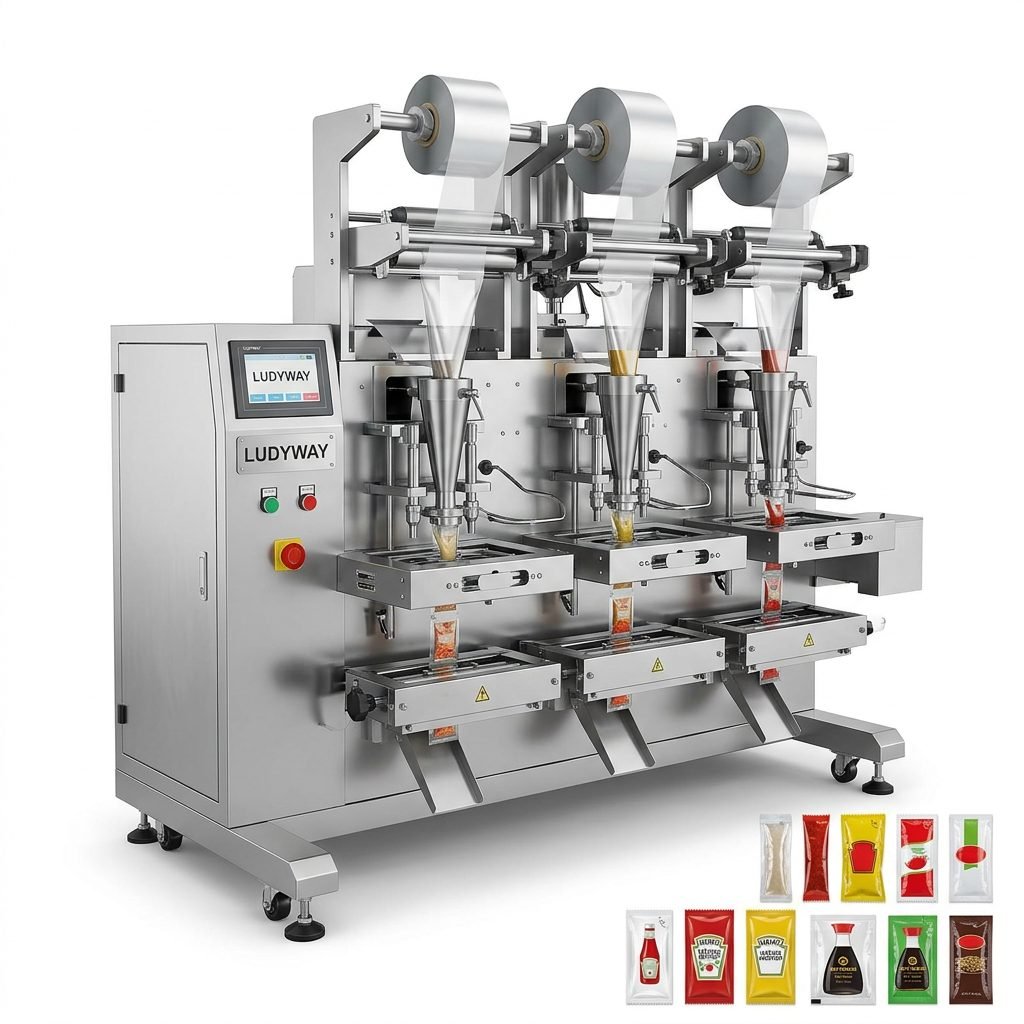
The physical characteristics of your sauce are the primary determinants of the machine type you need. Asian sauces vary widely, from low-viscosity soy sauce to highly viscous pastes like curry or chili jam. The filling mechanism must be tailored to prevent dripping, foaming, or inaccurate dosing.
- Thin Liquids (e.g., Soy Sauce, Fish Sauce): Require precision piston fillers or magnetic flow meters with anti-drip nozzles to maintain speed without splashing.
- Medium Viscosity (e.g., Ketchup, BBQ Sauce): Need positive displacement pumps or pneumatic fillers that can handle products with particulates without crushing them.
- Thick Pastes (e.g., Curry Paste, Sambal): Demand heavy-duty servo-driven auger fillers or gear pumps with hopper agitation to ensure consistent flow into the packaging machinery.
Crucial Features for Southeast Asian Markets
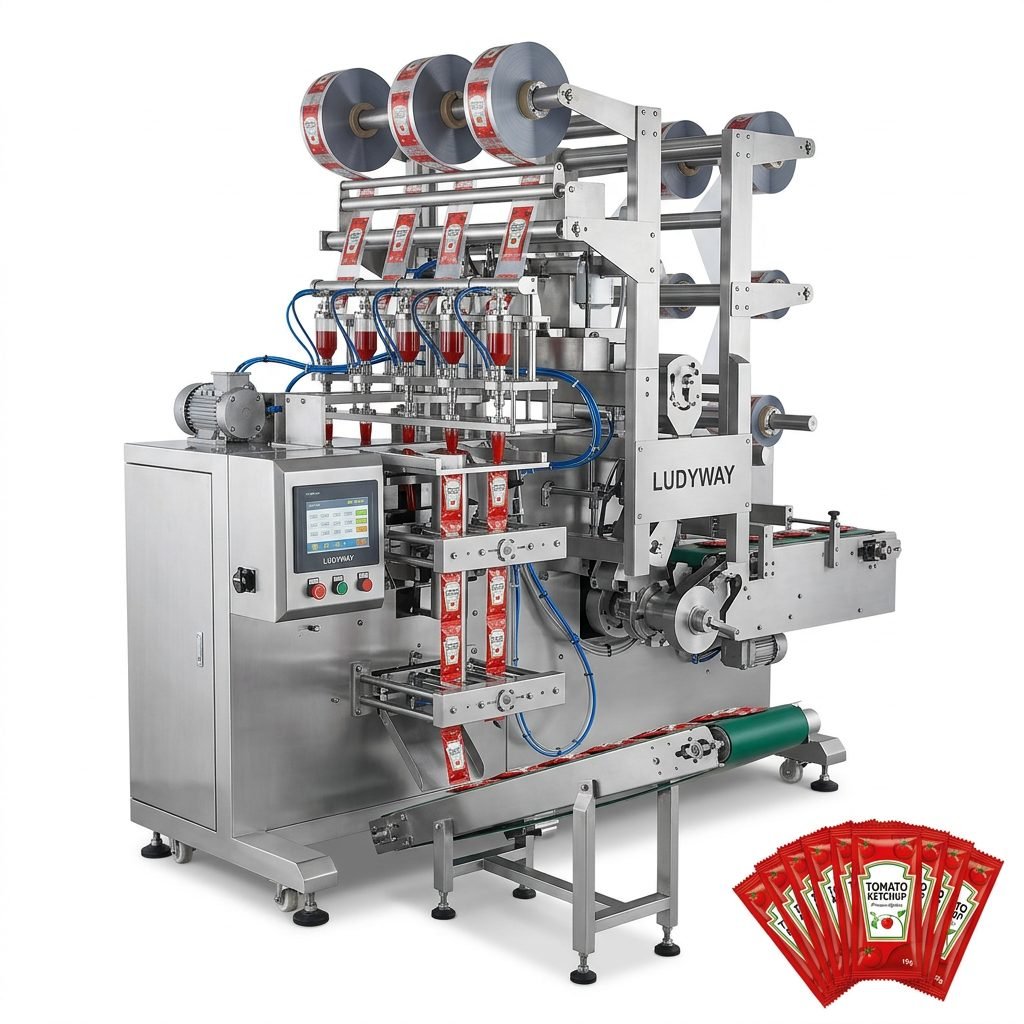
Operating environments in Southeast Asia often involve high humidity and elevated temperatures. Generic machines fail quickly under these conditions. Your specific flexible packaging equipment must be built with these features in mind:
- Corrosion-Resistant Build: Prioritize full stainless-steel frames and components (304 or 316L grade) to withstand acidic sauces and salty air, preventing rust and contamination.
- Hermetic Sealing Control: The humidity drastically reduces the shelf life of products if pouches are not sealed perfectly. Choose machines with precise temperature control for sealing jaws to ensure airtight, leak-proof sachets.
- Versatile Bag Formats: The market demands both pillow pouches and stick packs. Multi-lane machines allow you to switch between formats easily, maximizing output for retail and food service segments.
Key Insight: To meet food safety standards, your machine must feature clean-in-place (CIP) capabilities or quick-release contact parts. This is non-negotiable for preventing bacterial growth in tropical climates.
Comparing Horizontal vs. Vertical Sauce Packaging
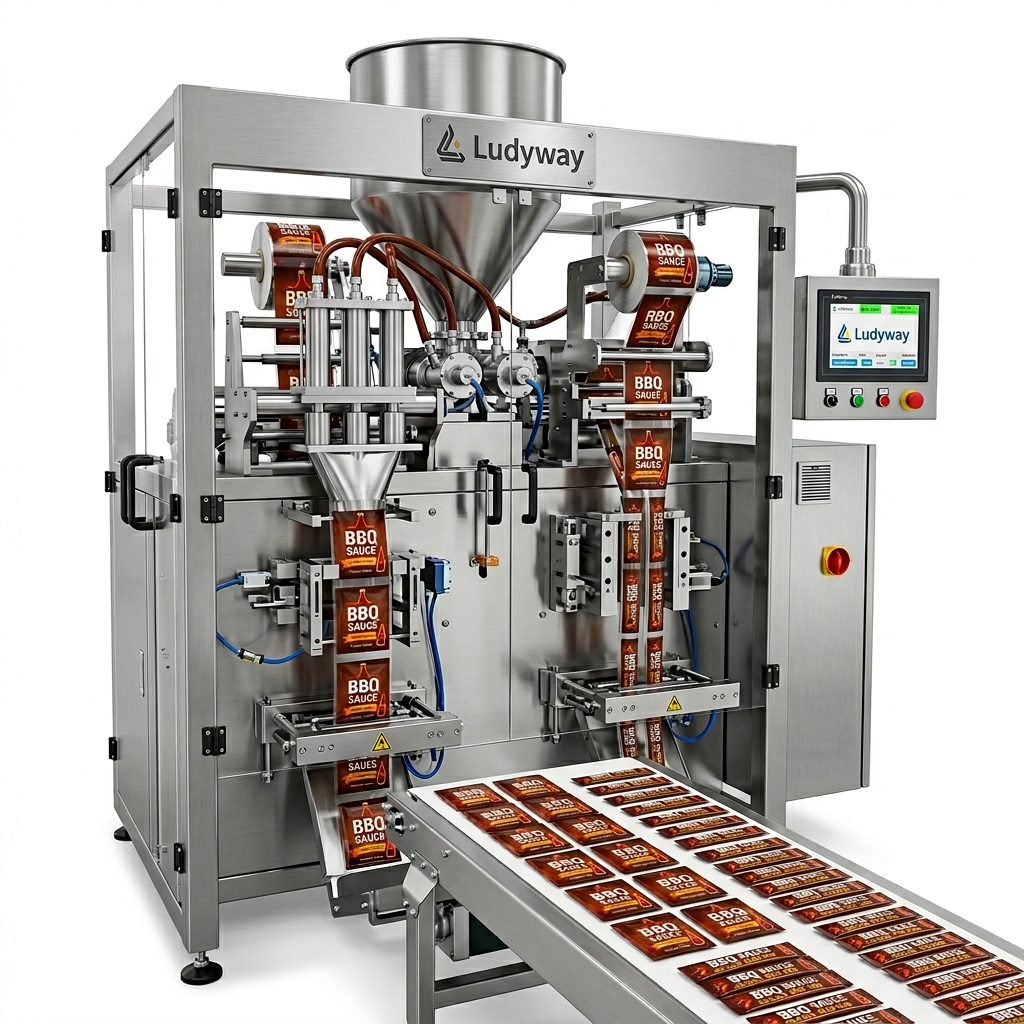
The orientation of your machine impacts the floor space required and the speed achievable. Understanding the difference between Horizontal Form Fill Seal (HFFS) and Vertical Form Fill Seal (VFFS) is essential.
| Feature | HFFS (Horizontal) | VFFS (Vertical) |
|---|---|---|
| Suitable For | Thick pastes, chunky sauces, stand-up pouches | Free-flowing liquids, powders, three-side seal sachets |
| Speed | Moderate to High (up to 600 packs/min) | Very High (up to 1200 packs/min with multi-lane) |
| Seal Quality | Excellent flat seals due to belt/pocket transport | Strong vertical seals; requires precise tension control for liquids |
| Floor Space | Larger footprint | Compact, ideal for tight production spaces |
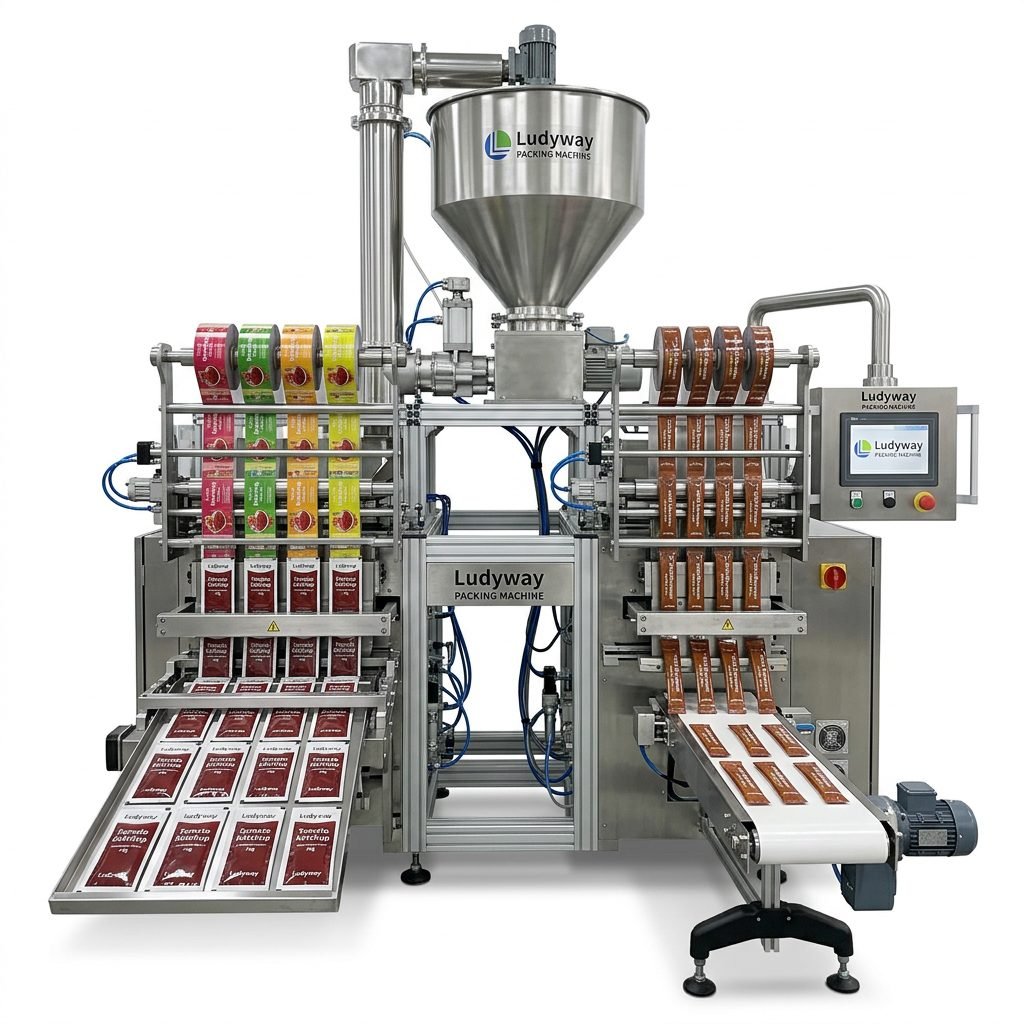
Automation Level and Smart Integration
Modern manufacturing demands data-driven operations. A state-of-the-art sauce pouch machine should integrate seamlessly into your existing factory ecosystem. Look for systems offering servo-driven controls, which provide superior accuracy over pneumatic alternatives.
Essential Automated Features:
- Automatic web tracking and tension control for film.
- No-bag, no-fill detection to minimize waste.
- Remote troubleshooting and Industry 4.0 connectivity.
- In-line printing for batch codes and expiration dates.
When investing in a sauce pouch packaging machine in Southeast Asia, you need a partner who understands global standards and local nuances. Ludyway is one of the largest packaging machine manufacturers in China, specializing in advanced equipment and turnkey solutions for the food and pharmaceutical industries. With over 30 years of expertise, they provide reliable multi-lane sachet systems that meet rigorous international safety and quality certifications, ensuring your production line remains future-proof.
Procurement Checklist for Sauce Packaging Equipment
Before finalizing your capital investment, review this technical and commercial checklist to ensure you are selecting the best machine for your specific needs.
| Checklist Category | Key Specifications to Verify |
|---|---|
| Product Compatibility | Viscosity range (cP), particle size, pH level (acidity). |
| Material of Contact Parts | Stainless steel 304/316L, food-grade silicone gaskets. |
| Packaging Rate | Pouches per minute (ppm) at nominal fill volume. |
| Pouch Specifications | Width, length, and gusset dimensions; film thickness range. |
| Certifications | CE, ISO 9001, GMP design compliance. |
| After-Sales Support | Local service engineers, spare parts availability in ASEAN. |
Navigating Regional Compliance and Export Standards
If you aim to export your sauce products beyond domestic markets, your packaging must align with international regulations. The ISO packaging standards and flexible packaging association guidelines provide benchmarks for material migration and seal integrity. Furthermore, the machine itself must comply with the safety directives outlined by the Association for Packaging and Processing Technologies to ensure operator safety and electrical compliance in high-moisture environments.
Did you know? The European Commission’s packaging waste regulations are pushing for fully recyclable single-material laminates. Ensuring your machine can handle these eco-friendly films today protects your market access tomorrow.
Final Thoughts on Machine Selection
Choosing the perfect sauce pouch packaging machine is a strategic balancing act between initial cost, operational efficiency, and long-term reliability. By prioritizing corrosion resistance, precise filling capabilities, and after-sales service, manufacturers in Indonesia, Thailand, Vietnam, and Malaysia can secure a significant competitive advantage. The right automated system reduces labor costs, minimizes product giveaway, and ensures every sachet delivers a consistent brand experience to the consumer.