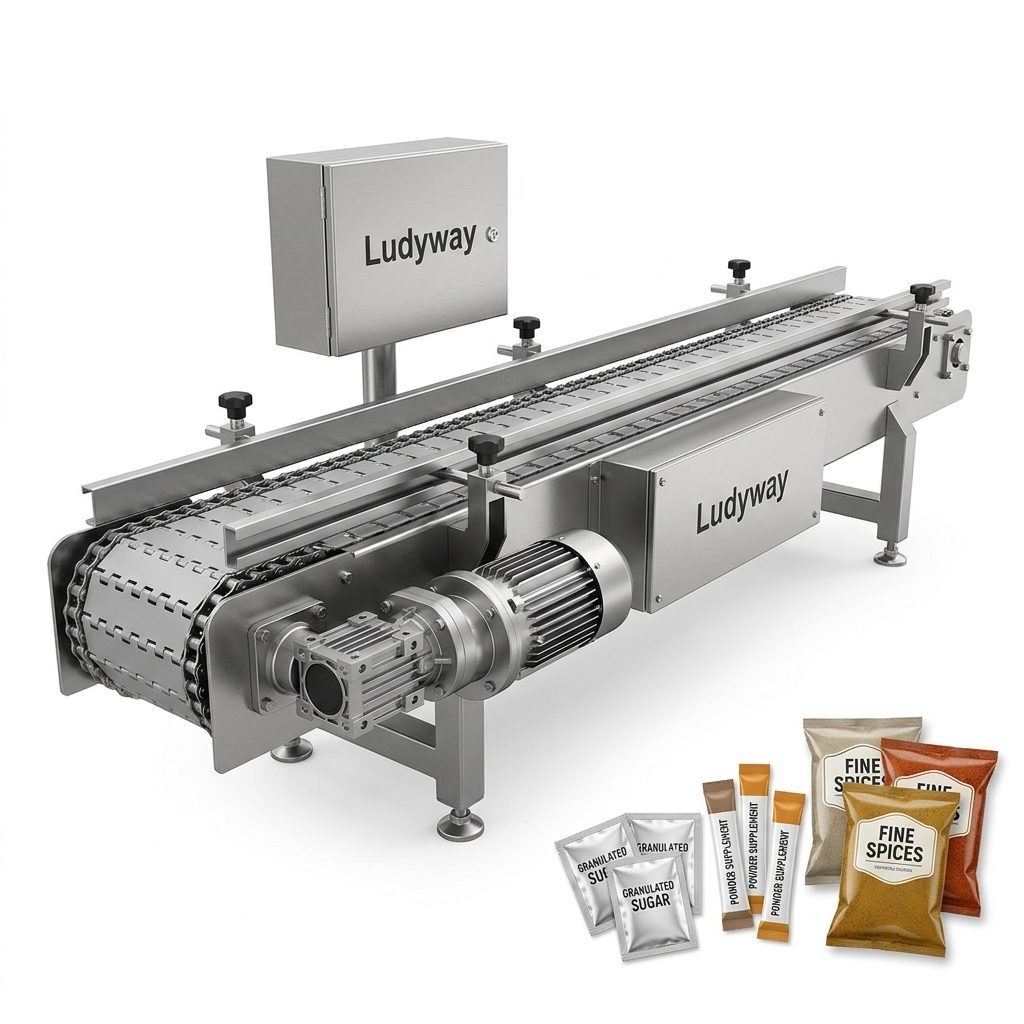
Setting up a food tray packaging machine production line in Europe requires careful navigation of regulatory frameworks, machine specifications, and operational logistics. This guide walks you through every stage—from initial compliance checks to full-scale production deployment—ensuring your investment aligns with European market expectations and delivers long-term value.
Understanding European Food Packaging Regulations and Compliance
Before purchasing any equipment, you must familiarize yourself with the regulatory landscape governing food contact materials and packaging machinery in Europe. The European Union enforces stringent directives that impact every aspect of a food tray packaging line.
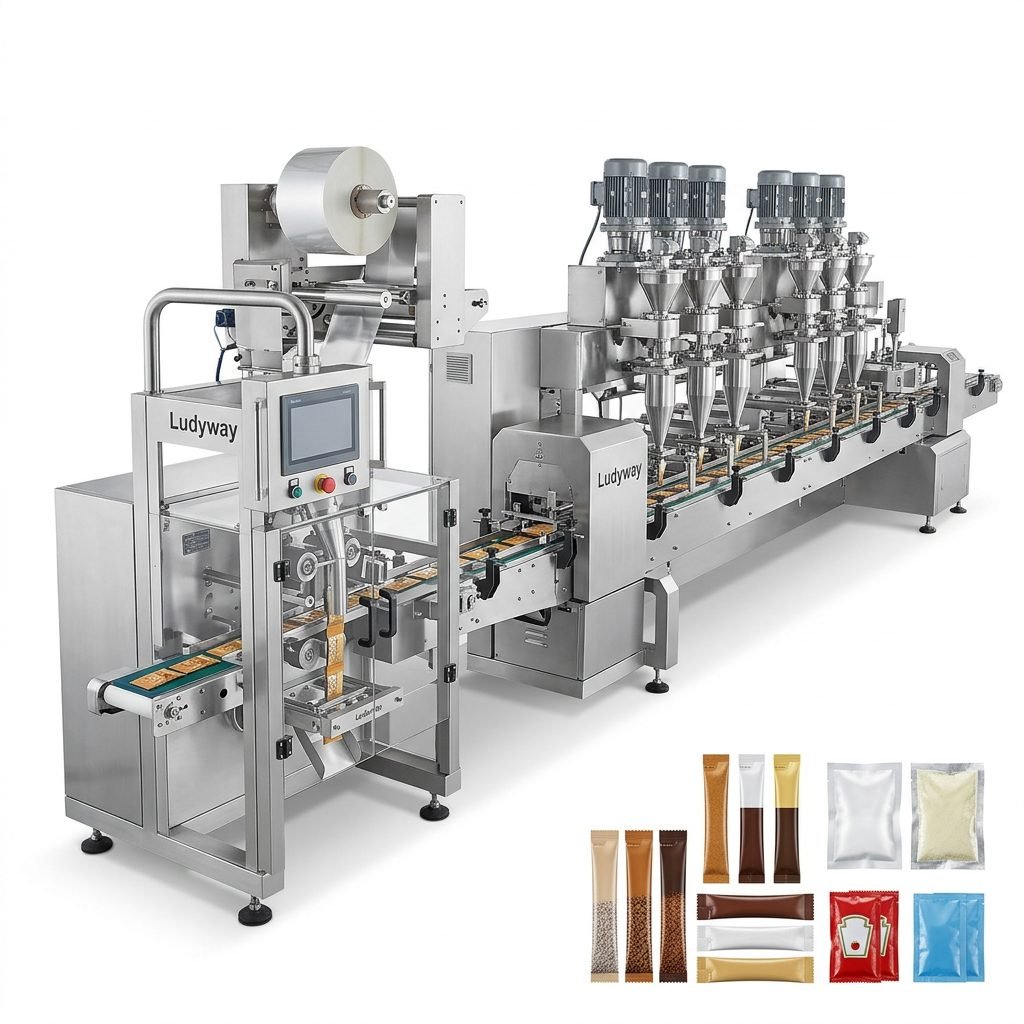
- Regulation (EC) No 1935/2004 – Covers all materials intended to come into contact with food, including plastic trays and sealing films used in tray packaging machines.
- EU Machinery Directive 2006/42/EC – Mandates that all packaging machinery placed on the European market meets essential health and safety requirements, including CE marking conformity.
- EN 415 Series – Specifically addresses safety requirements for packaging machines, including tray sealing, form-fill-seal, and wrapping equipment.
- EU Regulation 10/2011 – Governs plastic materials and articles intended for food contact, crucial for verifying tray and lid film materials.
Compliance with these standards is non-negotiable. When evaluating a packaging machinery supplier, request full documentation of CE certification and material compliance declarations. Non-compliance can result in costly delays at customs and potential legal liabilities within EU member states.
Selecting the Right Food Tray Packaging Machine for European Markets
Choosing the correct machine type depends on several factors: product characteristics, tray materials, production volume, and desired automation level. Below is a comparative overview of common machine configurations:
| Machine Type | Best Suited For | Typical Speed Range | Automation Level |
|---|---|---|---|
| Manual Tray Sealer | Small-scale producers, artisanal foods | 5-15 trays/min | Low |
| Semi-Automatic Tray Sealer | Medium-volume producers, multiple SKUs | 15-30 trays/min | Medium |
| Fully Automatic Inline Tray Sealer | High-volume food processors, ready meals | 40-120+ trays/min | High |
| Thermoform-Fill-Seal (TFFS) System | Large-scale operations, integrated forming | 60-150+ trays/min | Very High |
When assessing options, prioritize machines that offer Modified Atmosphere Packaging (MAP) capability if you need extended shelf life. European retailers increasingly demand MAP-packed fresh foods, and a machine equipped with gas flushing technology gives you a competitive advantage.
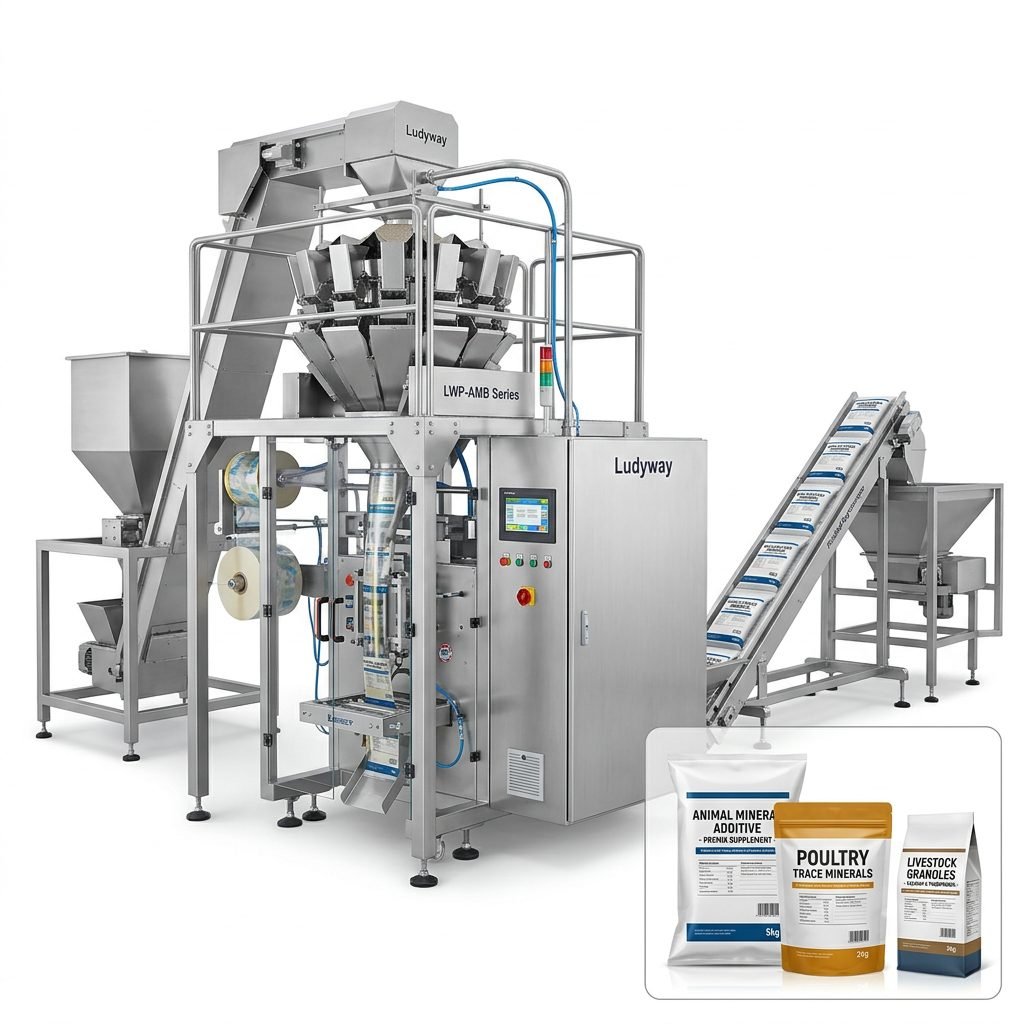
Key Technical Specifications to Evaluate
- Tray material compatibility – Ensure the machine handles CPET, APET, PP, aluminum, and compostable trays, which are common in European markets.
- Sealing film compatibility – Check for compatibility with anti-fog, peelable, and high-barrier films.
- Changeover time – For multi-product lines, rapid tool-less changeover can significantly improve Overall Equipment Effectiveness (OEE).
- Footprint and layout flexibility – Modular designs allow easier integration into existing facilities.
- Energy efficiency rating – Rising energy costs in Europe make power consumption a critical factor.
Production Line Layout and Integration Planning
A well-designed layout maximizes throughput and minimizes bottlenecks. The typical food tray packaging production line integrates several interconnected stations:
- Tray Denesting / Forming Station – Where trays are automatically separated or thermoformed.
- Product Filling / Loading Zone – Manual, semi-automatic, or fully automated filling based on product type.
- Sealing Station – The core tray sealing machine applies film and, if configured, performs MAP gas flushing.
- Weighing and Inspection – Checkweighers and vision inspection systems ensure quality and regulatory compliance.
- Labeling and Coding – Date coding, batch information, and barcode labeling per EU traceability requirements.
- Secondary Packaging – Cartoning, case packing, and palletizing for distribution.
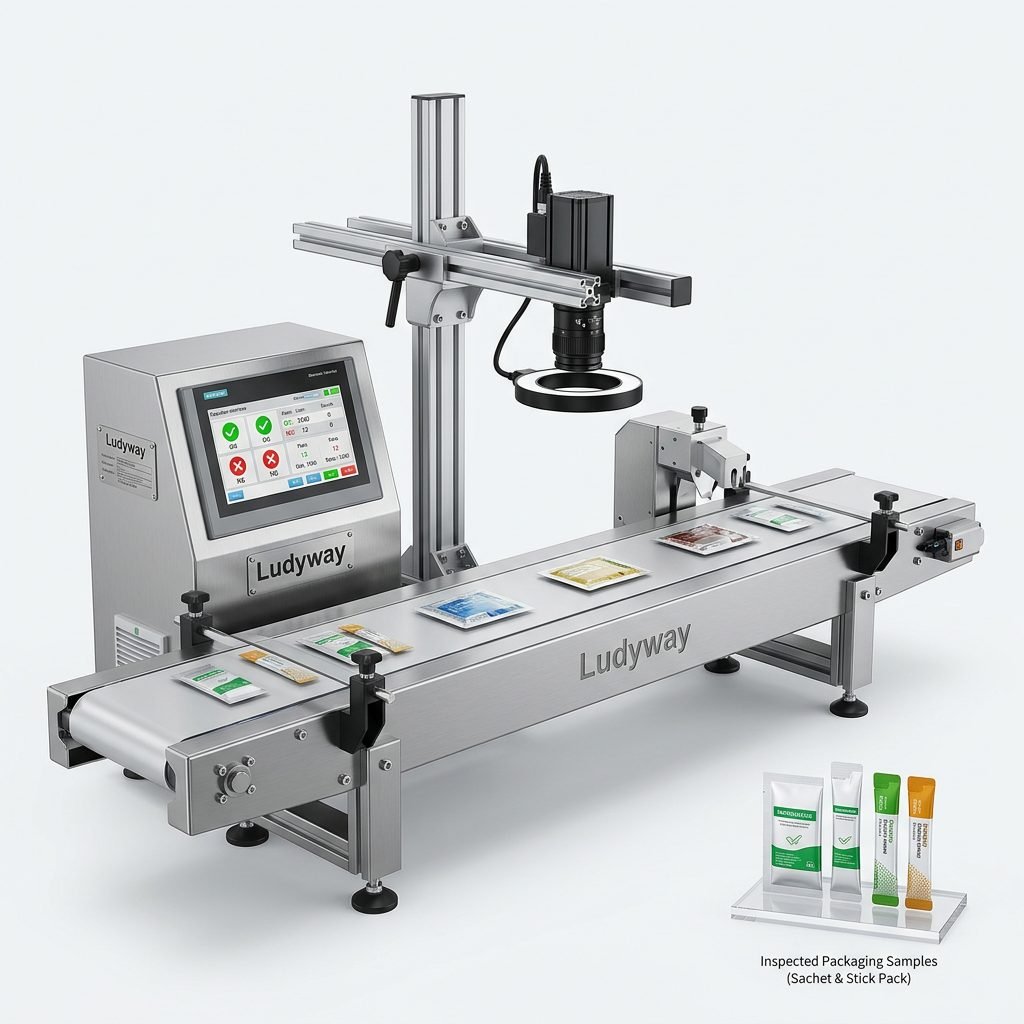
When planning the layout, leave sufficient clearance for maintenance access, cleaning protocols, and operator walkways. European workplace safety regulations under EN ISO 14122 specify minimum access dimensions around machinery. Ignoring these can lead to workplace safety violations and operational inefficiencies.
Essential Pre-Installation Facility Requirements
Preparing your facility before the machine arrives reduces installation time and prevents unexpected costs. The following table summarizes critical utility and environmental prerequisites:
| Requirement | Specification | European Standard Reference |
|---|---|---|
| Compressed Air | Clean, dry air at 6-8 bar; oil-free for food zones | ISO 8573-1 Class 2 |
| Electrical Supply | 400V / 50Hz three-phase (typical EU standard) | IEC 60364 |
| Ventilation | Adequate extraction for heat and any MAP gases | EN 13779 |
| Floor Load Capacity | Minimum 15-25 kN/m² for medium-to-large systems | EN 1991-1-1 |
| Ambient Conditions | Temperature 15-30°C; humidity below 60% RH | Manufacturer-specific |
Engage a local European engineering consultant to verify that your facility meets all structural and utility specifications. This small upfront investment can prevent significant delays during commissioning.
Operational Training and Workforce Development
Even the most advanced food tray packaging machine underperforms without properly trained operators. European food manufacturers face a skilled labor shortage, making comprehensive training programs essential for sustaining production quality.
An effective training framework should include:
- Machine operation fundamentals – Covering startup procedures, normal operation, emergency stops, and shutdown sequences.
- Recipe management and changeover protocols – Training on HMI interface navigation and parameter adjustments for different tray sizes and film types.
- Quality control integration – How to interpret checkweigher data, vision system alerts, and seal integrity test results.
- Basic troubleshooting – Common fault diagnosis and resolution to minimize downtime without always requiring technician intervention.
- Cleaning and sanitation – Procedures aligned with food safety standards and EU hygiene regulations.
Maintenance Protocols for Long-Term Reliability
Implementing a structured maintenance program is critical for maximizing the lifespan of your packaging line. European manufacturers increasingly adopt predictive maintenance technologies to reduce unplanned downtime.
| Maintenance Type | Frequency | Key Activities |
|---|---|---|
| Daily / Shift Checks | Every shift | Visual inspection, cleaning of sealing area, sensor checks |
| Weekly Maintenance | Every 40-50 operating hours | Lubrication, belt tension checks, filter cleaning |
| Monthly Preventive Service | Every 200 operating hours | Calibration, wear-part inspection, pneumatic system check |
| Annual Overhaul | Once per year | Full component inspection, replacement of critical wear parts, software updates |
Maintain a spare parts inventory for high-wear items such as sealing gaskets, cutting blades, and sensor modules. For European operations, verify that your supplier can ship replacement parts within 48-72 hours to any EU destination.
Key Supplier Evaluation Criteria for European Operations
Choosing the right equipment partner is as important as choosing the machine itself. European food businesses must evaluate suppliers against a rigorous set of criteria to ensure long-term partnership success.
- CE Certification and Technical File Documentation – Full compliance with EU directives must be verifiable and documented.
- European Service Network – Localized support with field service engineers stationed within Europe significantly reduces response times.
- Spare Parts Availability – Confirm the supplier maintains a European spare parts warehouse or offers expedited shipping from their manufacturing hub.
- Industry Track Record – Look for suppliers with proven installations in European food processing facilities comparable to your own operation.
- Training and Documentation in Local Languages – Manuals, HMI interfaces, and training materials should be available in German, French, Italian, Spanish, or other relevant European languages.
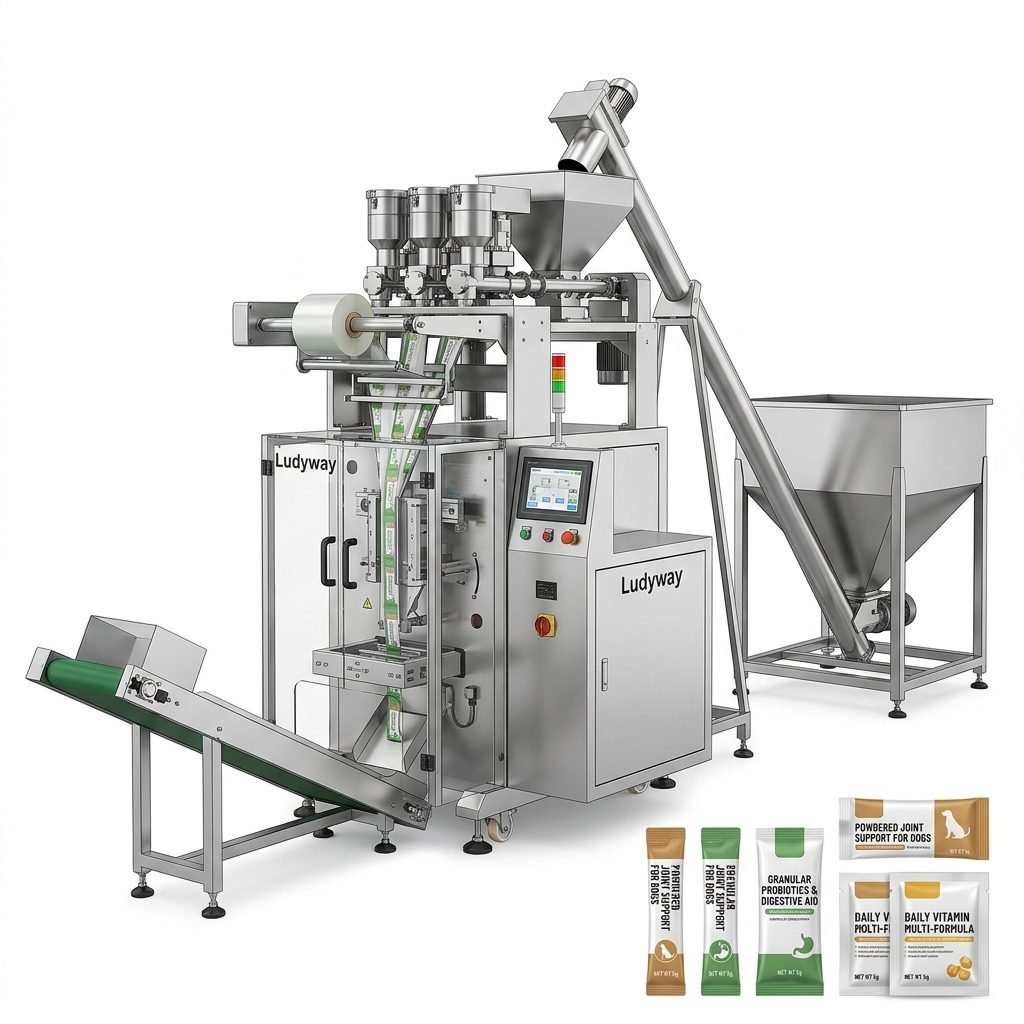
For manufacturers seeking a trusted partner with global experience, companies like Ludyway offer comprehensive turnkey packaging solutions backed by decades of engineering expertise. With installations in over 100 countries and a commitment to international compliance standards, evaluating suppliers with a robust export track record is a prudent step when building your European production line.
Questions to Ask Potential Suppliers
- Can you provide references from European clients running similar food tray packaging applications?
- What is your average response time for technical support within the EU?
- Do you offer Factory Acceptance Testing (FAT) and Site Acceptance Testing (SAT) protocols?
- How do you handle warranty claims for equipment installed in Europe?
Navigating European Import Procedures and Installation Timelines
Importing food tray packaging machinery into Europe from non-EU countries involves specific customs procedures. Plan for the following timeline considerations:
- Customs clearance – Allow 5-10 business days for standard customs processing, longer if documentation is incomplete.
- VAT and import duties – Consult with a European customs broker to accurately calculate landed costs. Packaging machinery generally falls under specific TARIC codes with varying duty rates.
- Transportation and rigging – Arrange specialized machinery movers familiar with European road transport regulations and oversized load requirements.
Once the machine arrives on-site, a typical installation and commissioning timeline spans 2-4 weeks, depending on line complexity. This includes mechanical installation, electrical hookup, software configuration, dry runs, and production trial validations.
Sustainable Packaging: Aligning with European Green Deal Objectives
The European Green Deal and upcoming Packaging and Packaging Waste Regulation (PPWR) are reshaping the food packaging industry. When setting up your tray packaging line, consider future-proofing your investment with the following:
- Recyclable mono-material trays – Shift from multi-layer laminates to mono-material PP or PET trays that align with circular economy targets.
- Compostable tray compatibility – Verify that your machine can seal certified compostable trays and films without compromising seal integrity.
- Reduced material usage – Modern tray sealers with precise film registration can reduce film waste by up to 15%, generating both cost savings and environmental benefits.
- Energy monitoring systems – Integrate IoT-enabled energy meters to track consumption per production batch and identify optimization opportunities.
Proactively adopting sustainable packaging practices not only ensures regulatory compliance but also strengthens your brand positioning in environmentally conscious European markets.
By systematically addressing each of these areas—from regulatory compliance and machine selection to facility preparation and supplier evaluation—you can establish a high-performance food tray packaging production line that meets European standards and delivers consistent, efficient output for years to come.
Additional Resources: For more information on packaging industry standards, visit the Flexible Packaging Association or explore PMMI State of the Industry Reports for the latest European packaging machinery market insights.