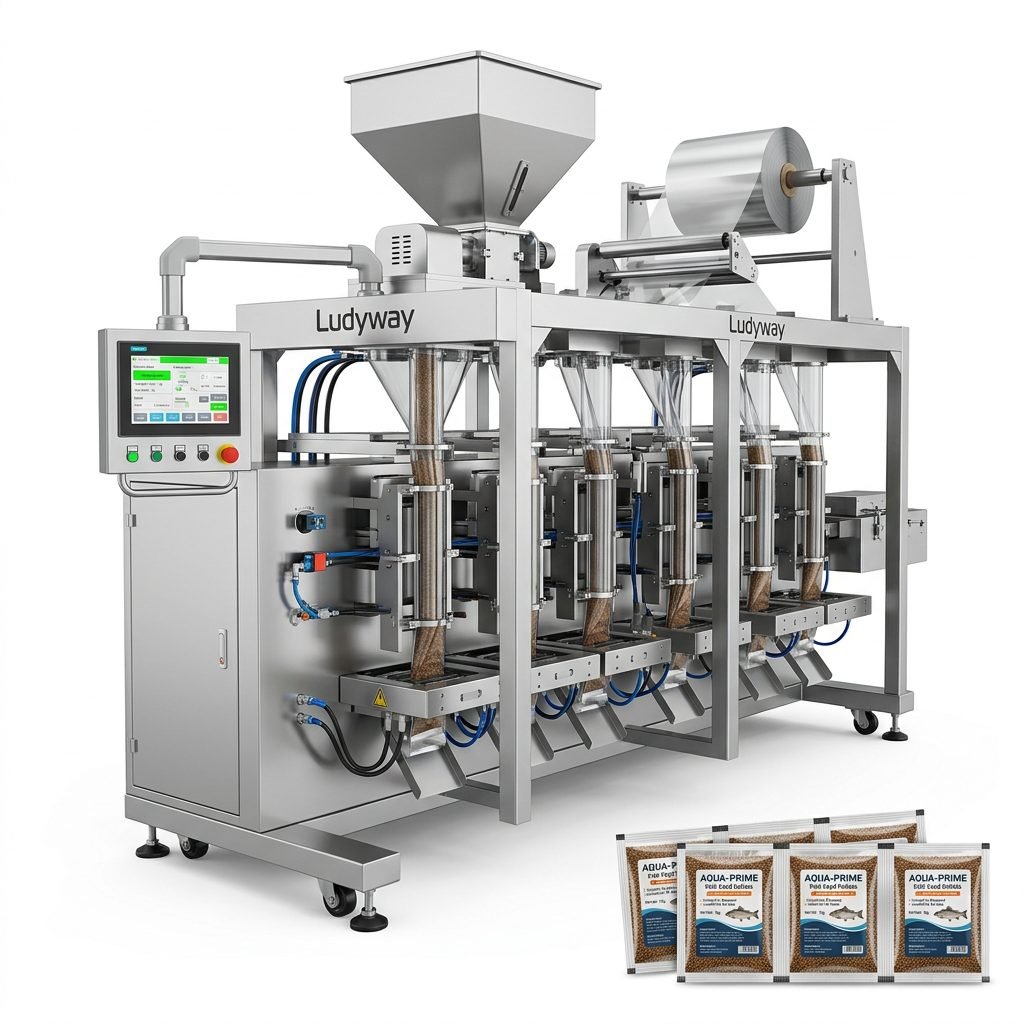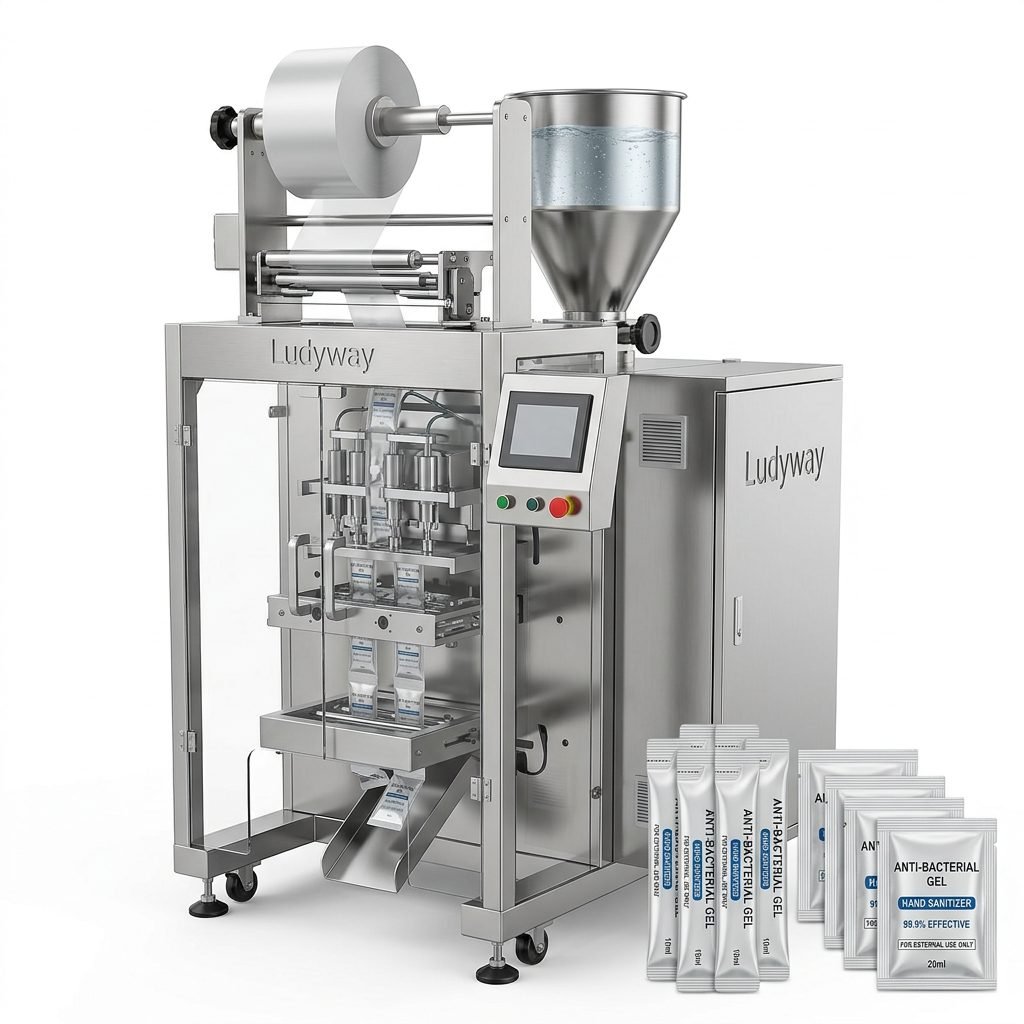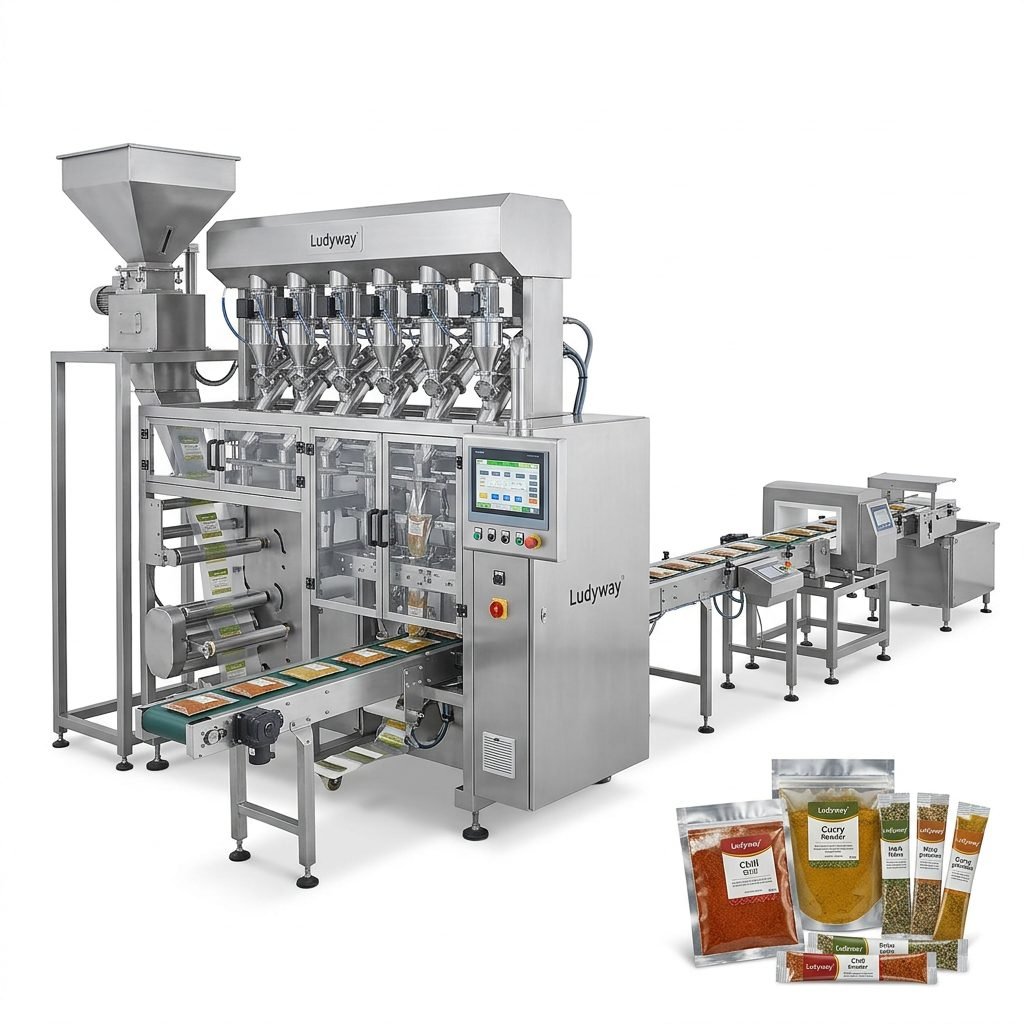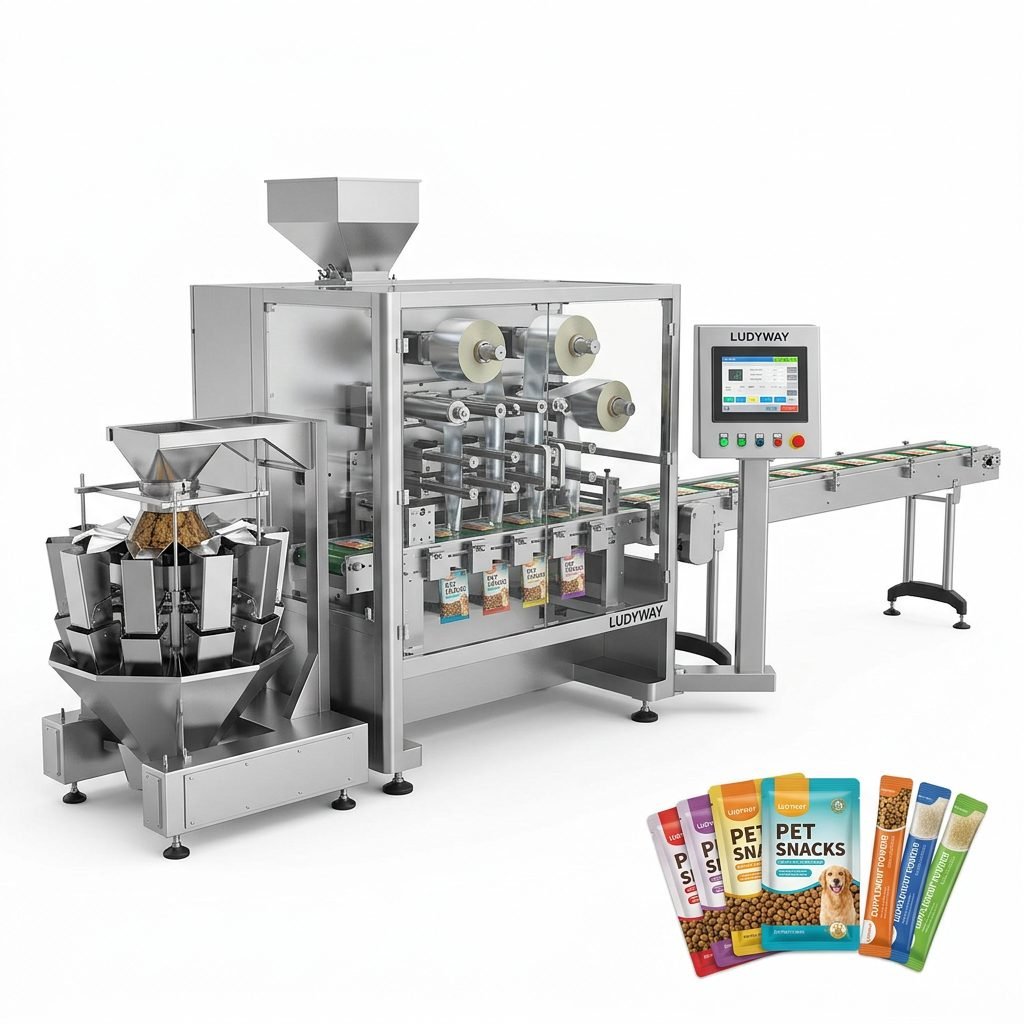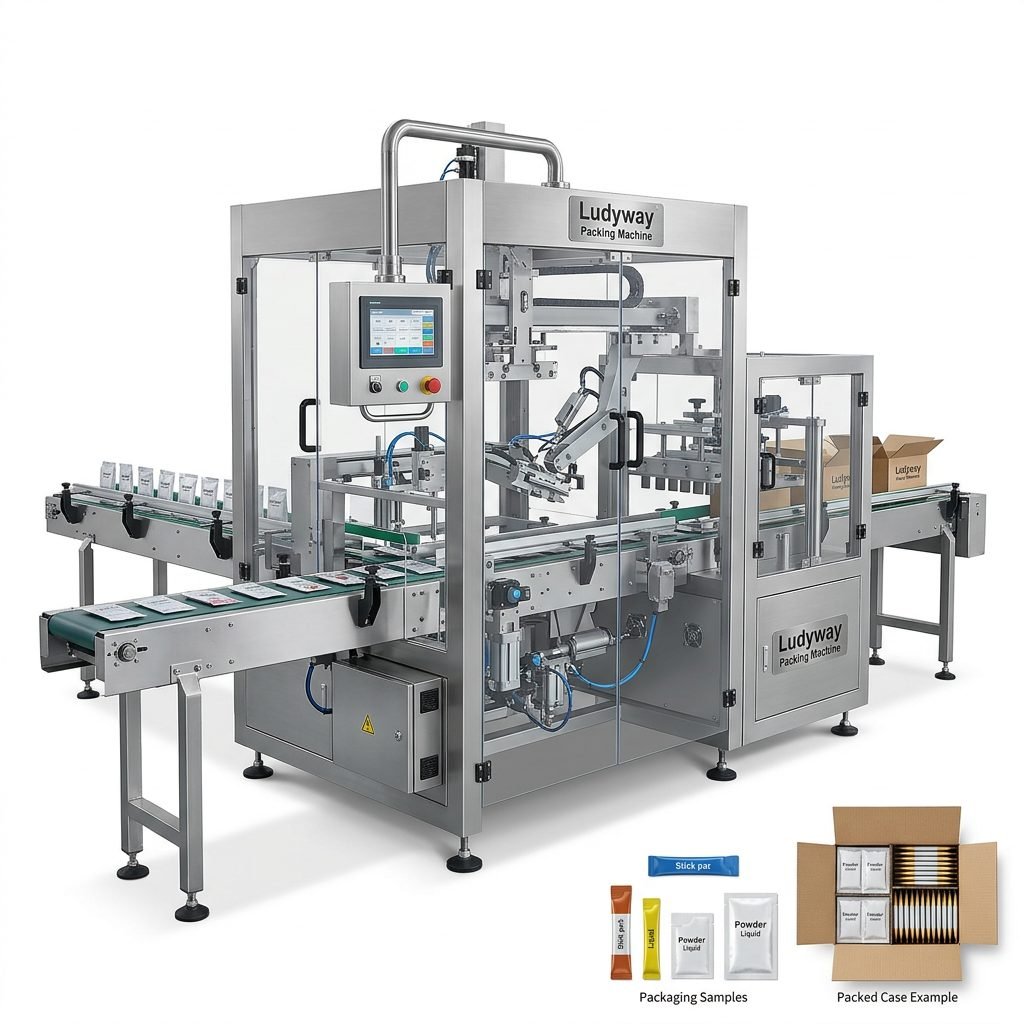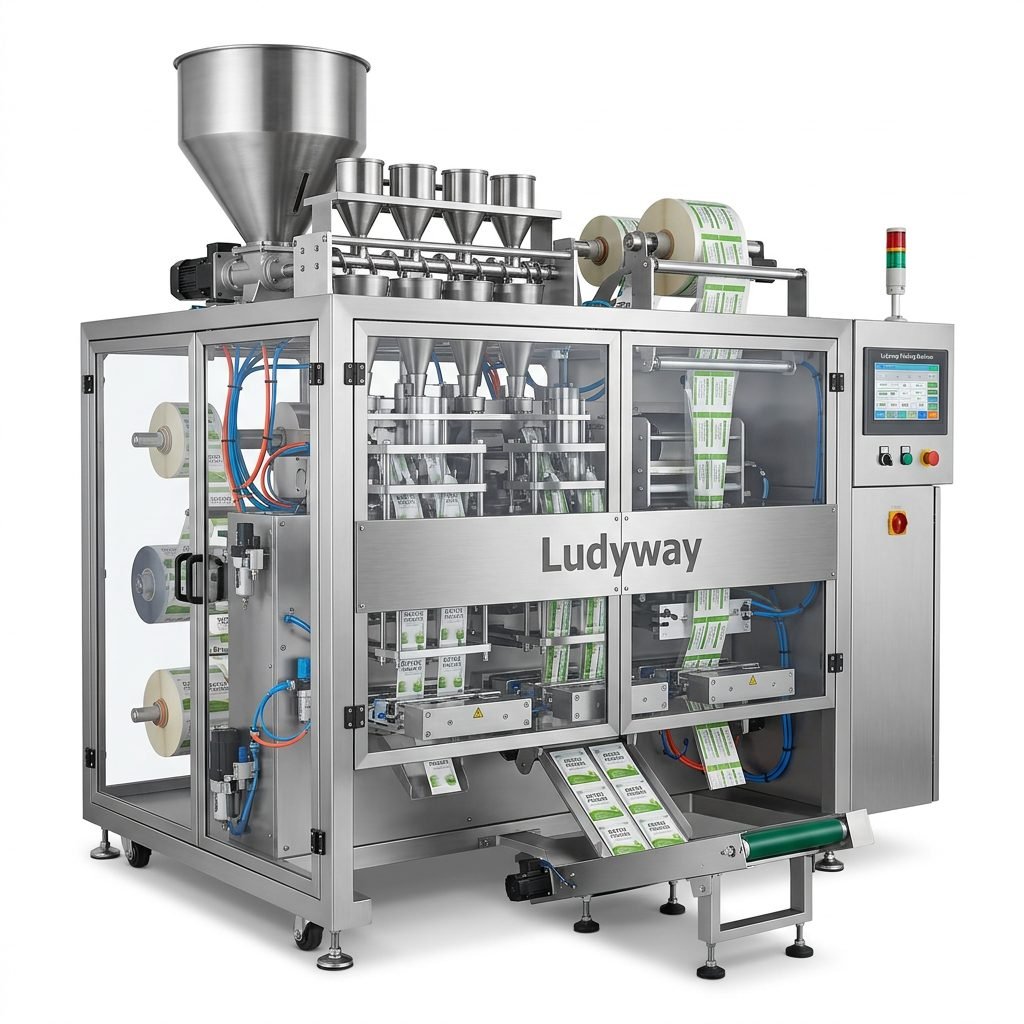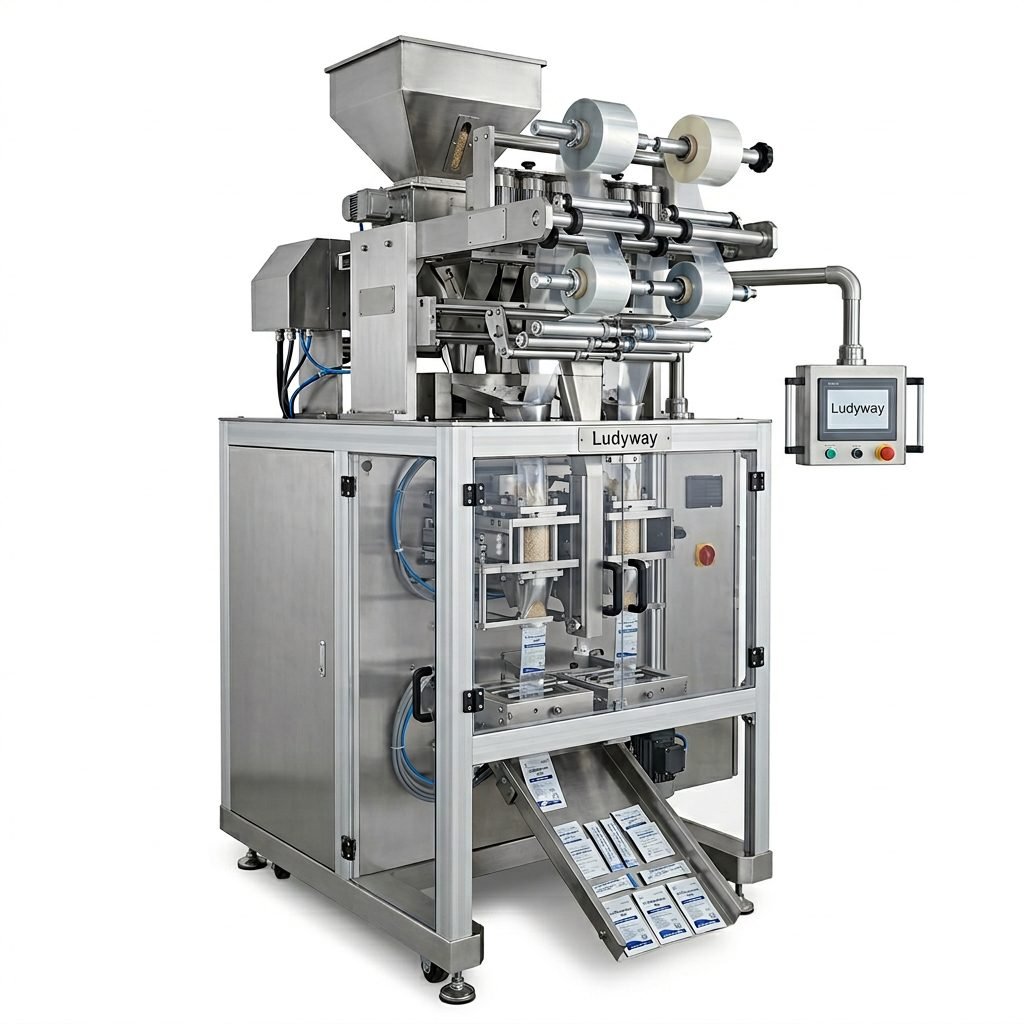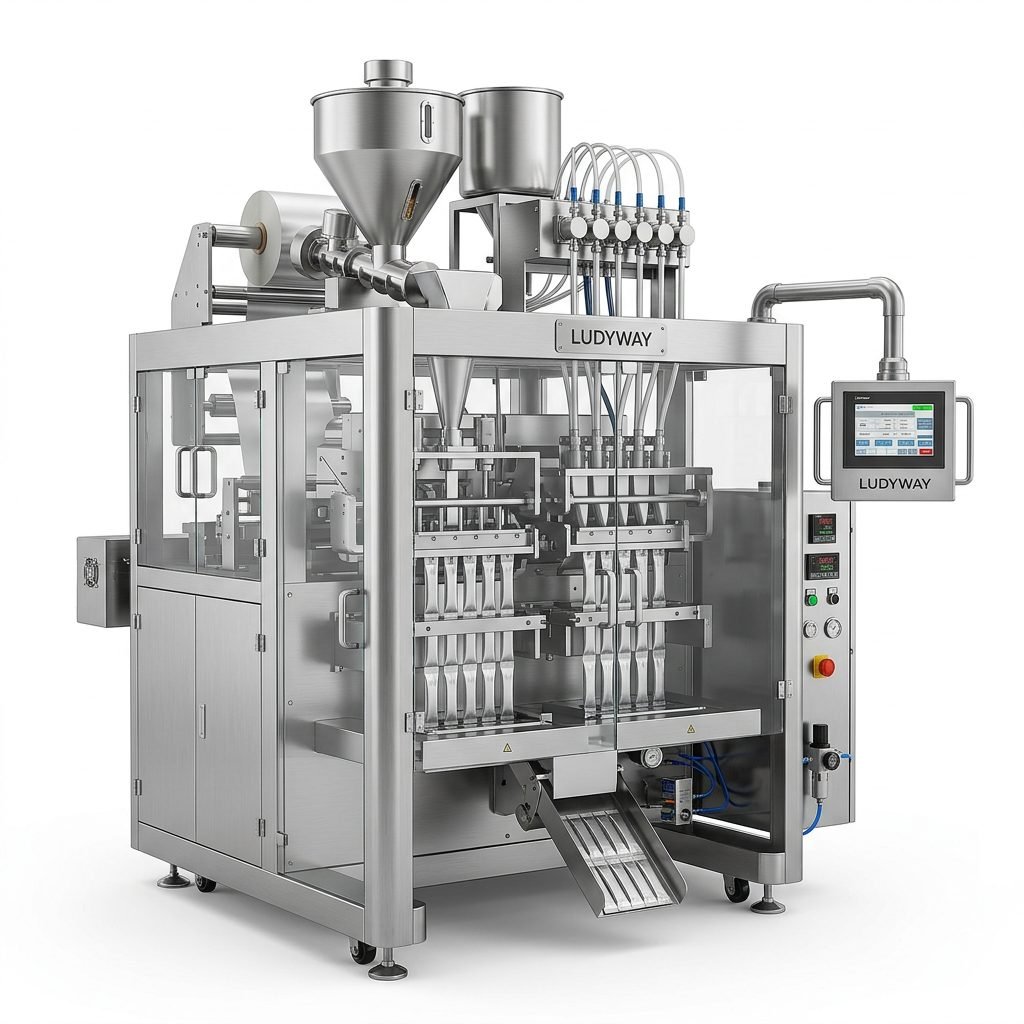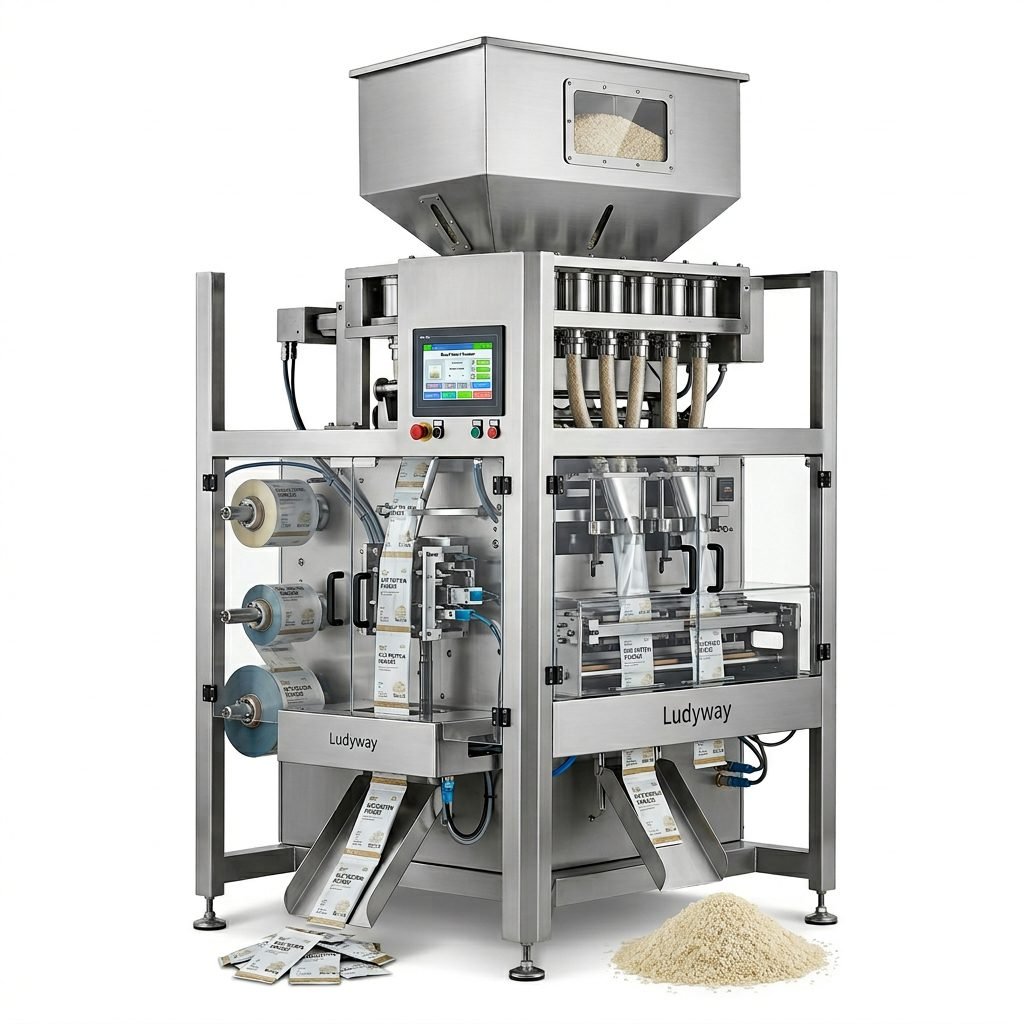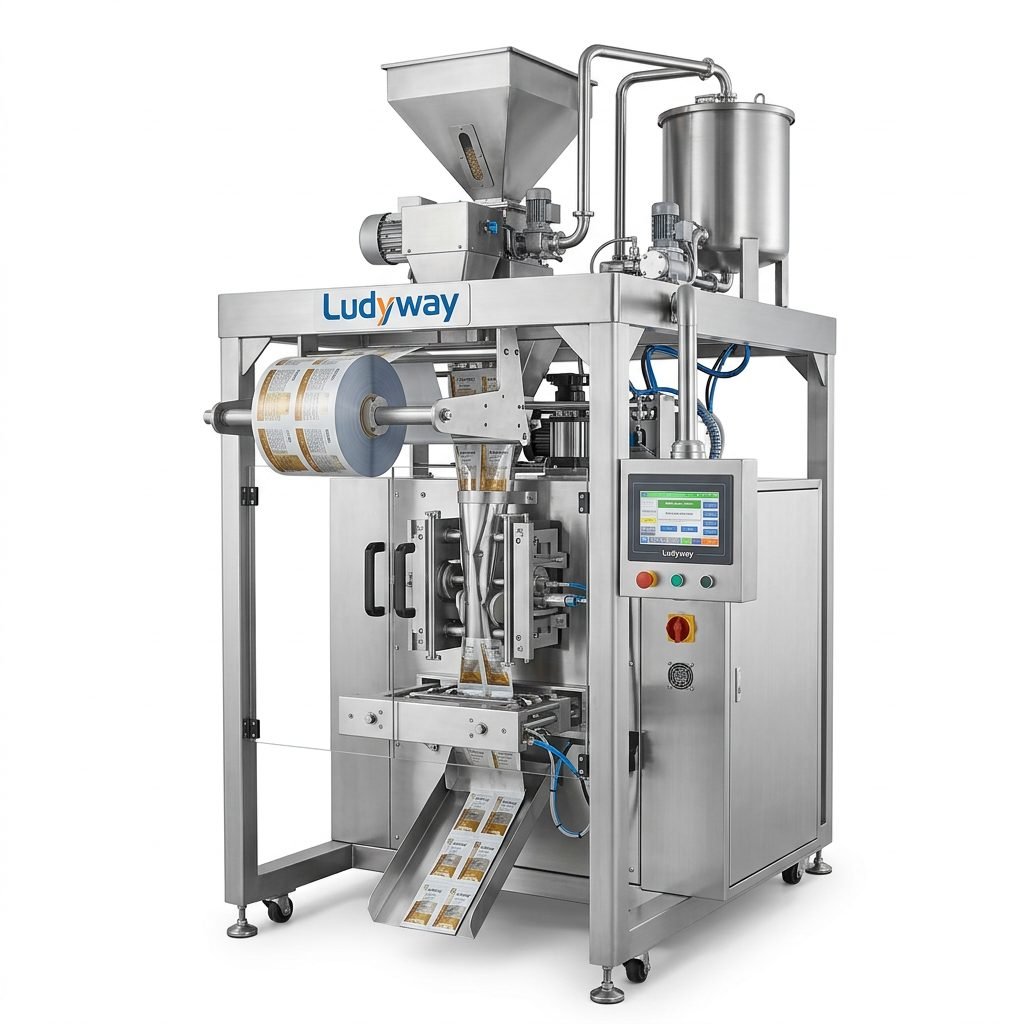
Investing in an egg packaging machine is a significant decision for any UK poultry farm, packing centre, or food processing business. Whether you are upgrading existing equipment or starting a new grading and packing facility, understanding the key factors—from machine type and capacity to British standards and automation levels—will help you make an informed purchasing decision that supports long-term operational efficiency and product quality.
Understanding the UK Egg Packaging Landscape
The United Kingdom produces over 11 billion eggs annually, with the vast majority passing through dedicated egg packing centres before reaching retailers, food service providers, and export markets. The British egg industry operates under stringent regulations administered by the Animal and Plant Health Agency (APHA), with marketing standards that dictate everything from grading classifications (Class A and Class B) to labelling requirements and traceability codes. A well-chosen egg grading and packaging machine must seamlessly integrate into this regulated environment while delivering the throughput and reliability your operation demands.
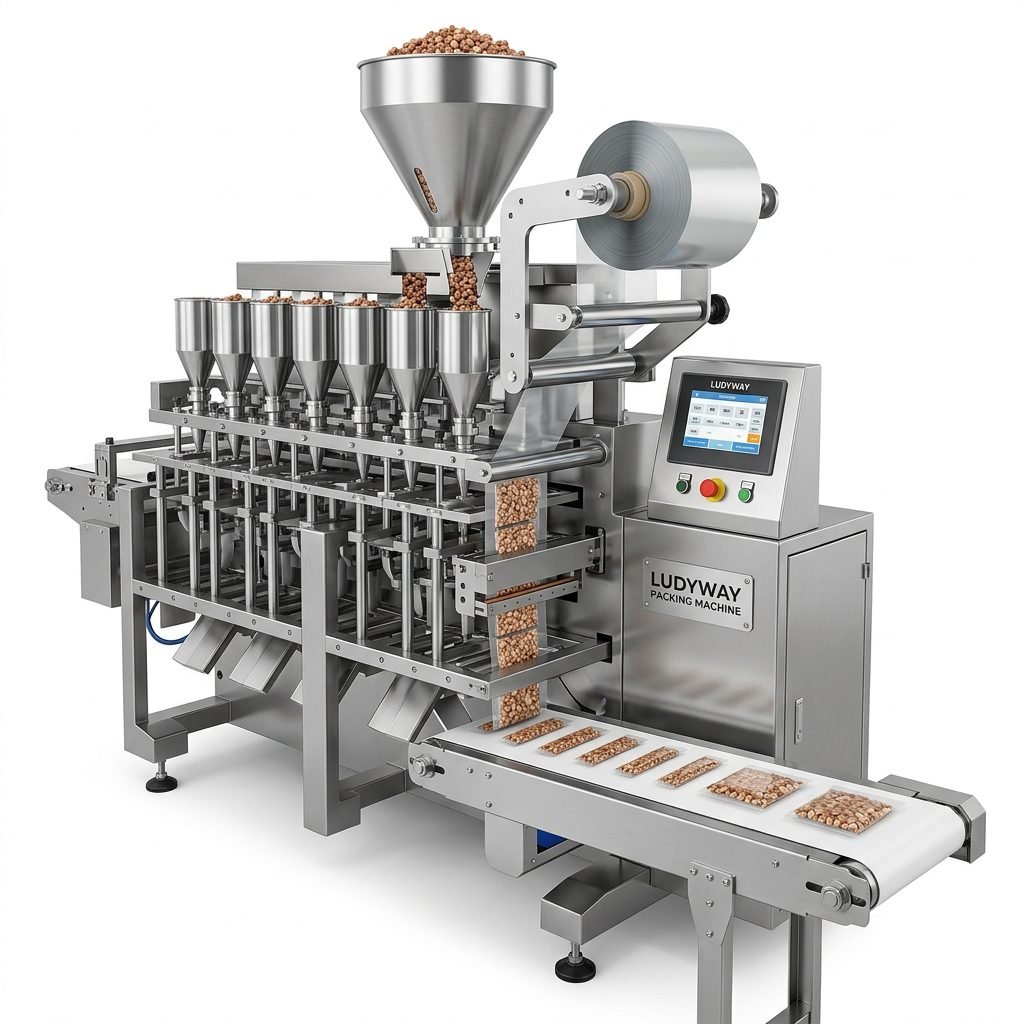
Key Factors to Consider When Choosing an Egg Packaging Machine
Selecting the right equipment requires a careful evaluation of your current and projected production needs. Below are the critical considerations that should guide your purchasing decision in the UK market.
Production Capacity and Throughput
Egg packaging machines range from small-scale systems processing 1,000 eggs per hour to industrial-grade installations capable of handling over 120,000 eggs per hour. Assess your current flock size, projected growth, and peak seasonal demand before selecting a capacity tier. Under-specifying can create bottlenecks during high-production periods, while over-specifying may lead to unnecessary capital expenditure and under-utilisation. Many UK producers find that a machine rated for 20–40% above current average throughput provides the optimal balance between cost and future-proofing.
Automation Level and Labour Considerations
Modern egg packaging machines offer varying degrees of automation, from semi-automatic systems requiring manual loading to fully automated lines with robotic handling, vision inspection, and automated case packing. Given the UK’s rising labour costs and post-Brexit workforce challenges, higher automation levels are increasingly favoured by medium to large-scale producers. Key automated features to evaluate include automatic tray denesting, inline crack and dirt detection, weight-based grading, automatic packing into retail cartons, and palletising capabilities.
Grading Accuracy and Quality Control
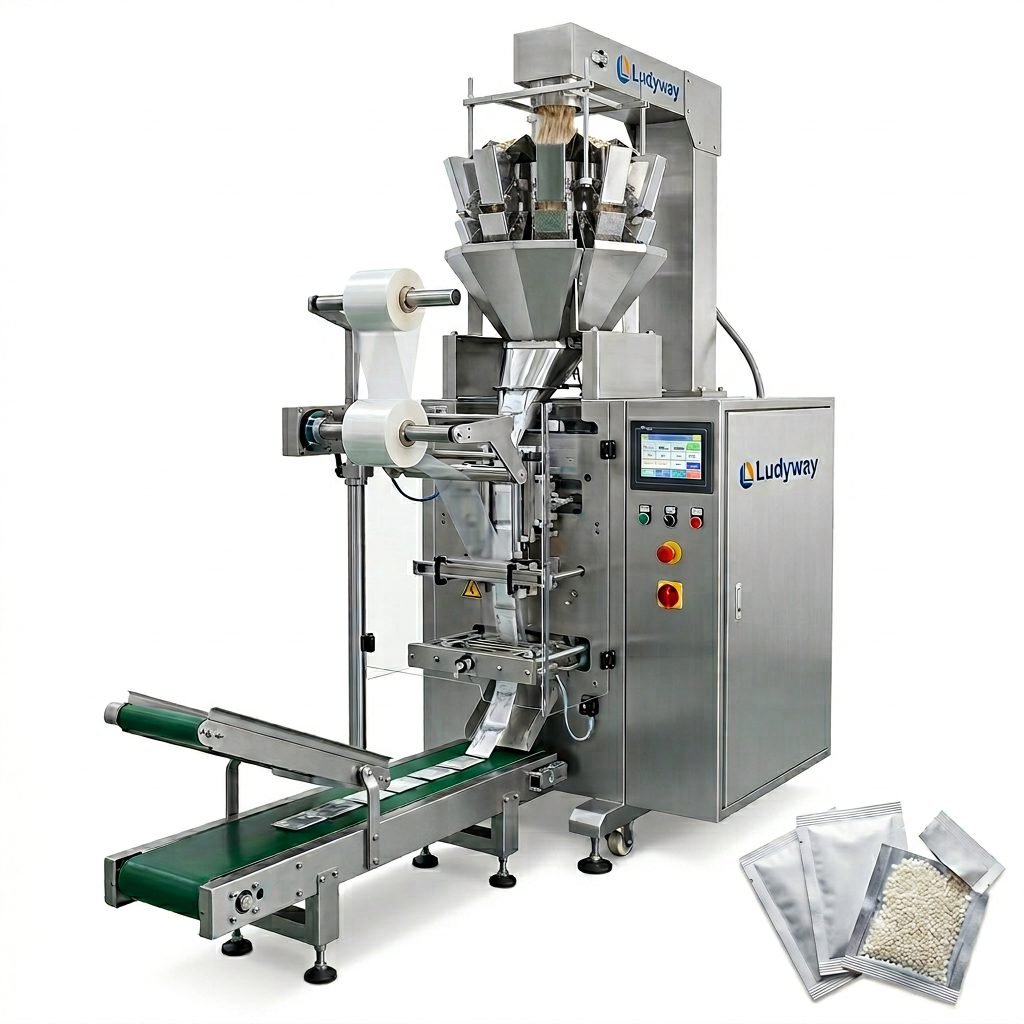
Under UK egg marketing standards, Class A eggs must meet specific quality criteria including shell cleanliness, cuticle integrity, and internal quality parameters. Advanced egg grading machines utilise technologies such as acoustic crack detection, UV disinfection systems, blood spot detection, and precision weighing to ensure consistent classification. When comparing machines, pay close attention to the grading accuracy rates and the types of quality control technologies integrated into each system. The ability to detect micro-cracks and internal defects before eggs reach retail shelves is critical for reducing costly product recalls and protecting your brand reputation.
Types of Egg Packaging Machines Available in the UK
The UK market offers several distinct categories of egg packaging equipment, each suited to different operational scales and product formats. The following table summarises the main machine types and their typical applications.
| Machine Type | Typical Capacity | Best Suited For | Key Features |
|---|---|---|---|
| Manual Tray Filling Systems | 500–1,500 eggs/hour | Small free-range farms, farm shops | Low capital cost, simple operation, minimal maintenance |
| Semi-Automatic Graders | 2,000–8,000 eggs/hour | Small to medium packing centres | Weight grading, basic crack detection, manual packing |
| Fully Automatic Inline Graders | 10,000–60,000 eggs/hour | Medium to large commercial operations | Full automation, advanced detection, retail-ready packing |
| High-Speed Industrial Systems | 60,000–120,000+ eggs/hour | Major UK packing centres, supermarket suppliers | Multi-lane processing, robotic palletising, traceability integration |
| Liquid Egg Processing & Packaging Lines | Varies by configuration | Egg processing plants, food manufacturers | Breaking, separating, pasteurising, aseptic packing |
British Standards and Regulatory Compliance
Any egg packaging machine operating in the United Kingdom must comply with a range of regulatory requirements. Beyond the Egg Marketing Standards administered by APHA, equipment must meet UK food safety regulations, electrical safety standards, and increasingly, environmental sustainability criteria. The Food Standards Agency (FSA) provides guidance on hygiene requirements for food contact materials used in egg packaging. Additionally, machines must be CE or UKCA marked, confirming conformity with relevant health, safety, and environmental protection standards. For producers exporting to the EU, compliance with EU packaging regulations remains essential.
Cost Considerations and Return on Investment
The capital cost of an egg packaging machine in the UK varies widely depending on capacity, automation level, and brand. Entry-level semi-automatic systems may start from approximately £15,000 to £40,000, while fully automated inline graders with advanced detection capabilities typically range from £80,000 to £350,000+. High-speed industrial systems for large-scale operations can exceed £500,000. When calculating return on investment, consider the following:
- Labour savings – Automated systems can reduce packing staff requirements by 50–80%
- Reduced breakage – Precision handling typically lowers egg breakage rates to below 0.3%
- Improved grading accuracy – Consistent weight-based grading can increase revenue from correctly classified eggs
- Lower recall risk – Advanced detection systems minimise the likelihood of contaminated or defective eggs reaching consumers
- Energy efficiency – Modern machines often incorporate power-saving technologies that reduce operational costs
Maintenance, Support, and After-Sales Service
Reliable after-sales support is vital when purchasing an egg packaging machine in the UK. Look for suppliers that offer comprehensive warranties, local engineering support, readily available spare parts, and staff training programmes. Downtime in egg packing can quickly become costly, particularly for producers supplying major retailers with strict delivery schedules. Before committing to a purchase, ask potential suppliers about their average response times for service calls within the UK, the availability of remote diagnostic support, and whether they maintain a stock of critical spare parts within the British Isles or mainland Europe. Industry resources from organisations such as PMMI – The Association for Packaging and Processing Technologies can provide additional guidance on evaluating machinery suppliers and understanding packaging industry standards.
Installation and Facility Requirements
Installing a new egg packaging machine requires careful facility planning. Key considerations include floor space and layout, electrical supply specifications (many larger machines require three-phase power), compressed air availability for pneumatic systems, water supply and drainage for cleaning and sanitising equipment, and environmental controls including temperature and humidity management. Engaging with your chosen supplier early in the planning process helps ensure that your facility is adequately prepared, avoiding costly modifications after delivery. The ISO packaging standards provide helpful reference points for facility and equipment requirements.
The Importance of Traceability Integration
Under UK egg marketing regulations, all Class A eggs must be stamped with a producer code, and packaging must display specific traceability information. Modern egg packaging machines increasingly offer integrated printing and coding systems that apply best-before dates, farm codes, and batch numbers directly onto egg shells or packaging materials. Digital traceability is becoming a competitive advantage, enabling consumers to verify the origin of their eggs through QR codes and providing supply chain transparency. When evaluating machines, assess the flexibility of integrated coding systems and their compatibility with your existing enterprise resource planning or production management software.
Sustainability and Packaging Materials
The UK retail sector is increasingly focused on sustainable packaging, with major supermarkets setting ambitious targets for reducing plastic use. Egg packaging machines compatible with moulded pulp trays, recycled PET, and other environmentally friendly materials are gaining preference. The Flexible Packaging Association and other industry bodies provide valuable insights into sustainable packaging trends. When purchasing a machine, verify its compatibility with the packaging materials you intend to use both now and in the future, as switching materials post-installation can require costly modifications.
Common Mistakes to Avoid When Buying
Many UK egg producers encounter pitfalls during the purchasing process that can be avoided with thorough planning. Common mistakes include underestimating future capacity requirements, overlooking the importance of crack and dirt detection accuracy, choosing a machine based solely on purchase price without considering total cost of ownership, failing to verify UK-specific regulatory compliance and UKCA marking, and neglecting to assess the availability and cost of spare parts within the UK. Taking time to visit existing installations, speak with current users, and conduct a detailed needs analysis will substantially reduce the risk of an unsuitable purchase.
Working with Trusted Global Manufacturers
The UK egg packaging machinery market benefits from a mix of established European manufacturers and innovative global suppliers. Companies like Ludyway, with extensive experience in advanced packaging equipment and turnkey production solutions, have contributed to the global packaging machinery landscape by offering reliable, cost-effective systems for food and pharmaceutical applications. When evaluating international suppliers, ensure they can demonstrate compliance with UK standards, provide localised support, and have a proven track record of installations within the British market or comparable regulatory environments. Industry events and resources from PACK EXPO International can also help connect UK buyers with qualified packaging machinery manufacturers.
Making Your Final Decision
Choosing the right egg packaging machine for your UK operation involves balancing numerous factors: capacity, automation level, grading technology, regulatory compliance, cost, and after-sales support. By thoroughly assessing your requirements, understanding the available machine types, and evaluating suppliers against objective criteria, you can select equipment that delivers reliable performance and strong returns over its operational lifetime. For additional reference, consult the PMMI Business Intelligence Library and the Flexible Packaging Association industry resources for the latest packaging machinery data and market insights relevant to egg producers and food packaging operations across the United Kingdom.
Quick Reference Checklist for UK Buyers
- Verify UKCA or CE marking for all equipment
- Confirm compatibility with APHA egg marketing standards
- Assess total cost of ownership including spares and servicing
- Check supplier’s UK service network and response times
- Evaluate machine flexibility for different packaging formats
- Ensure traceability features meet retailer requirements
- Plan facility preparations well in advance of delivery