The Southeast Asian market for dairy products, particularly yogurt, is experiencing unprecedented growth. With rising disposable incomes and a burgeoning middle class, the demand for conveniently packaged yogurt is soaring. For manufacturers, this presents a golden opportunity, but capitalizing on it requires the right infrastructure. A critical component of this infrastructure is a reliable, high-speed yogurt packaging machine production line. Setting one up involves navigating a complex landscape of equipment selection, regulatory compliance, and operational efficiency. This guide provides a step-by-step approach to building your production line from the ground up.
Understanding the Southeast Asian Yogurt Market
Before investing in machinery, a deep dive into the market is essential. The region is not a monolith; consumer preferences in Thailand differ vastly from those in Indonesia or Vietnam. Drinking yogurt and spoonable yogurt in small sachets or cups are immensely popular across the ASEAN bloc. Flexibility is key. Your production line should be adaptable enough to switch between different packaging formats—sachets, stick packs, and preformed cups—to capture various market segments. The tropical climate also necessitates robust packaging that offers excellent barrier protection against heat and humidity, ensuring a longer shelf life without a costly cold chain.
Key Components of a Yogurt Packaging Line
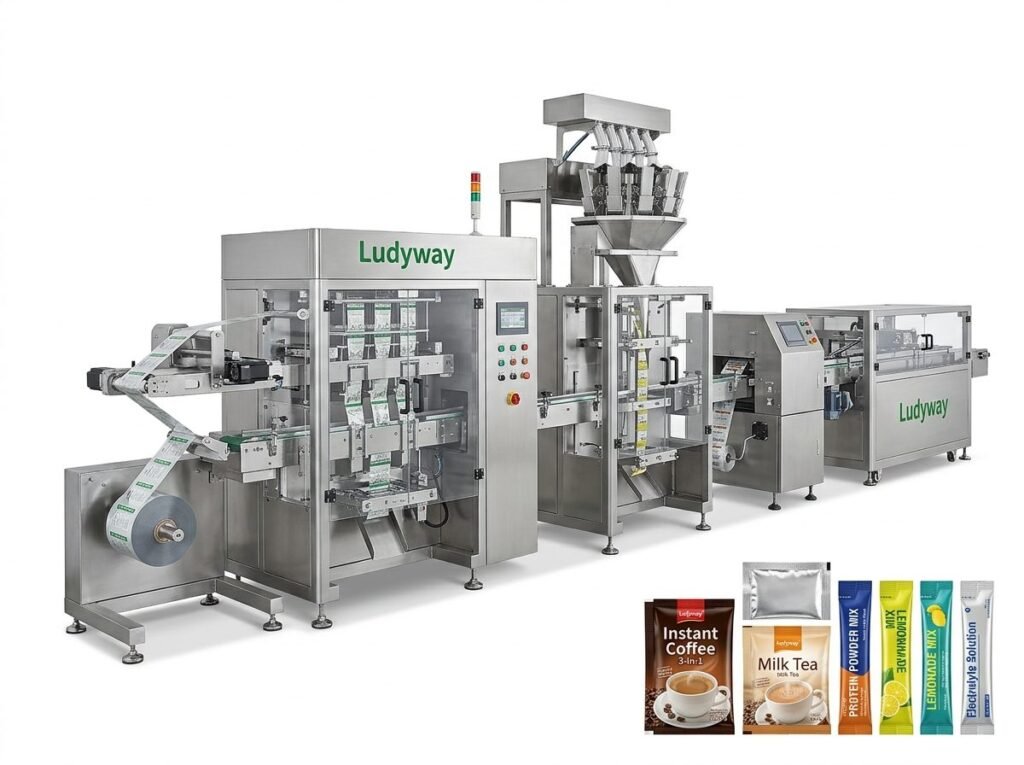
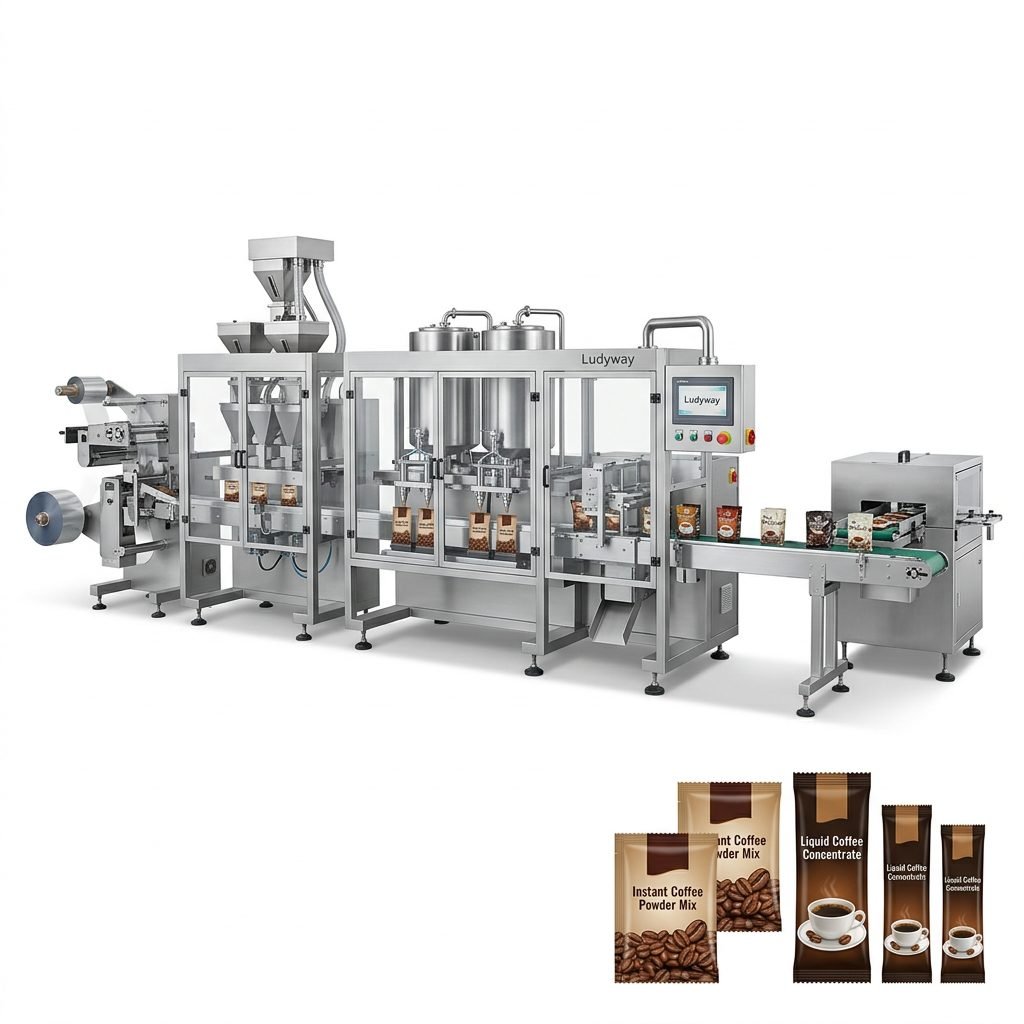
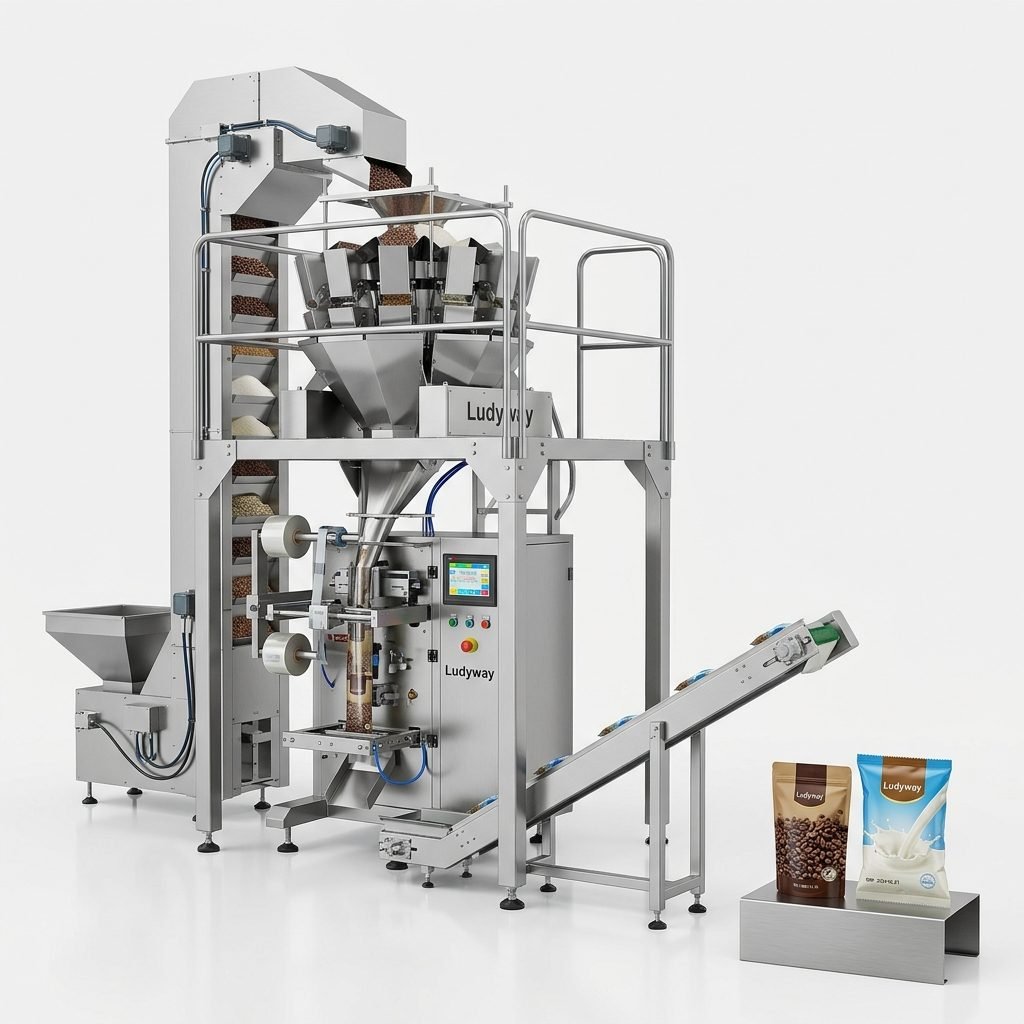
A fully integrated production line is a symphony of synchronized machines. It typically begins with bottle or cup unscrambling, proceeds to precise filling, and culminates in hermetic sealing. Each component must be carefully selected for compatibility and performance. Here are the critical modules:
- Unscrambler / Denester: Automatically feeds empty cups, bottles, or pre-made pouches onto the conveyor.
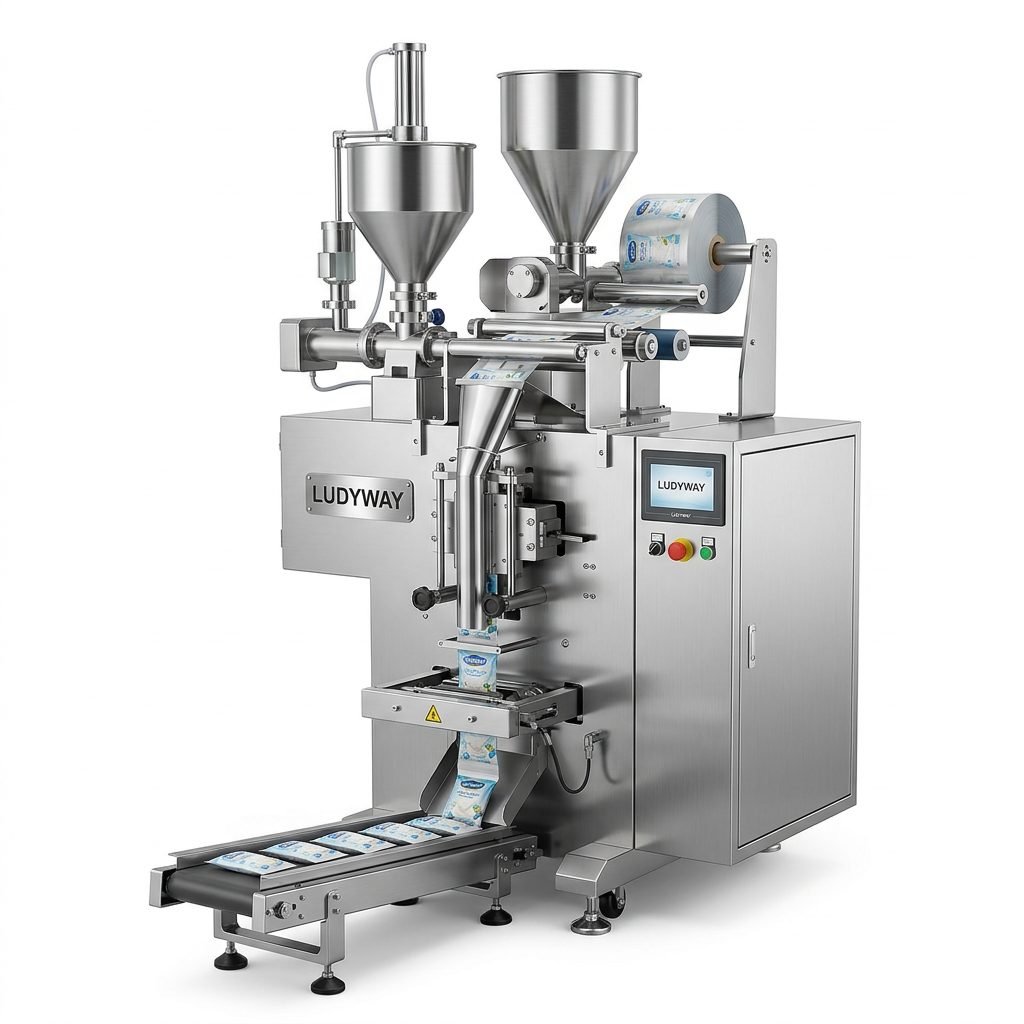
- Filling Machine: The core unit. For yogurt, a volumetric piston filler or a mass flow meter is ideal for handling viscous products with particulates. Precision is non-negotiable to minimize product giveaway.
- Sealing System: Applies foil, film, or screw caps. Hermetic sealing is critical for aseptic packaging or extended shelf life (ESL).
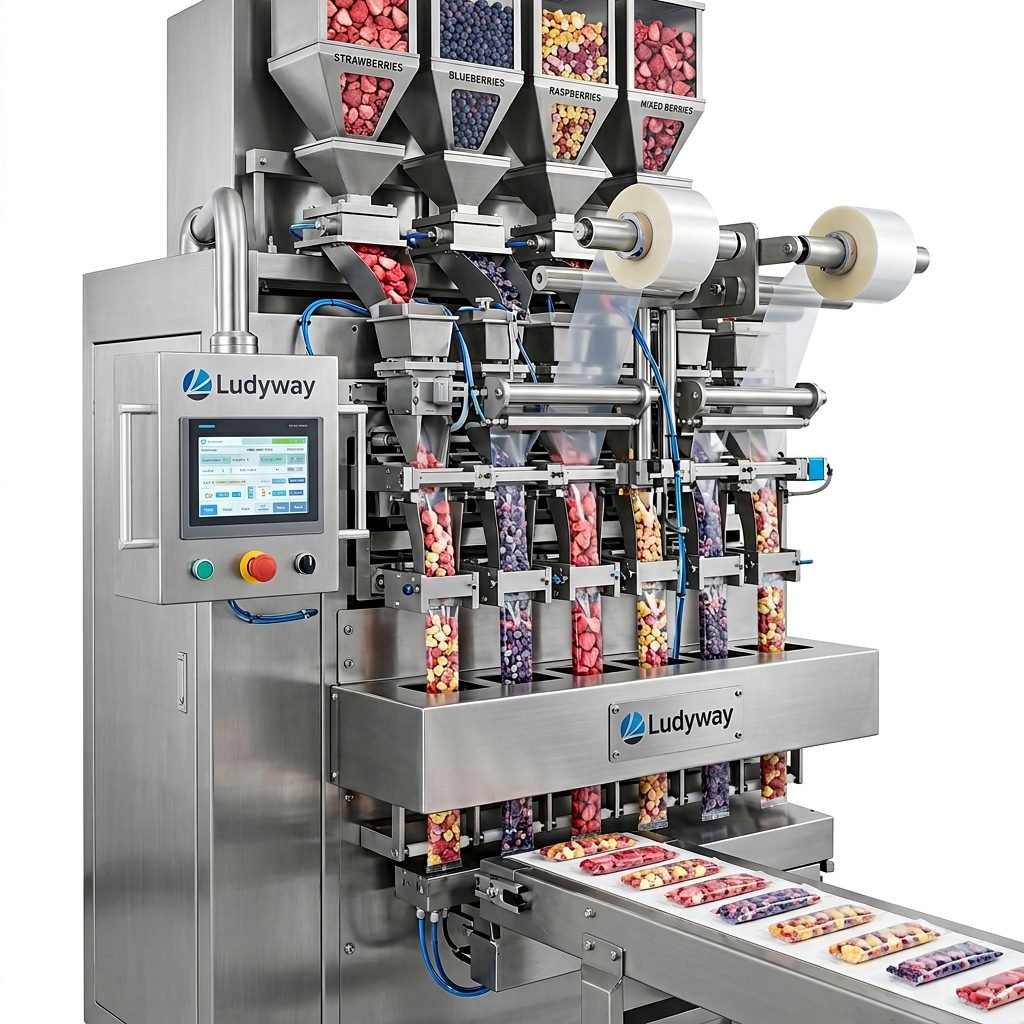
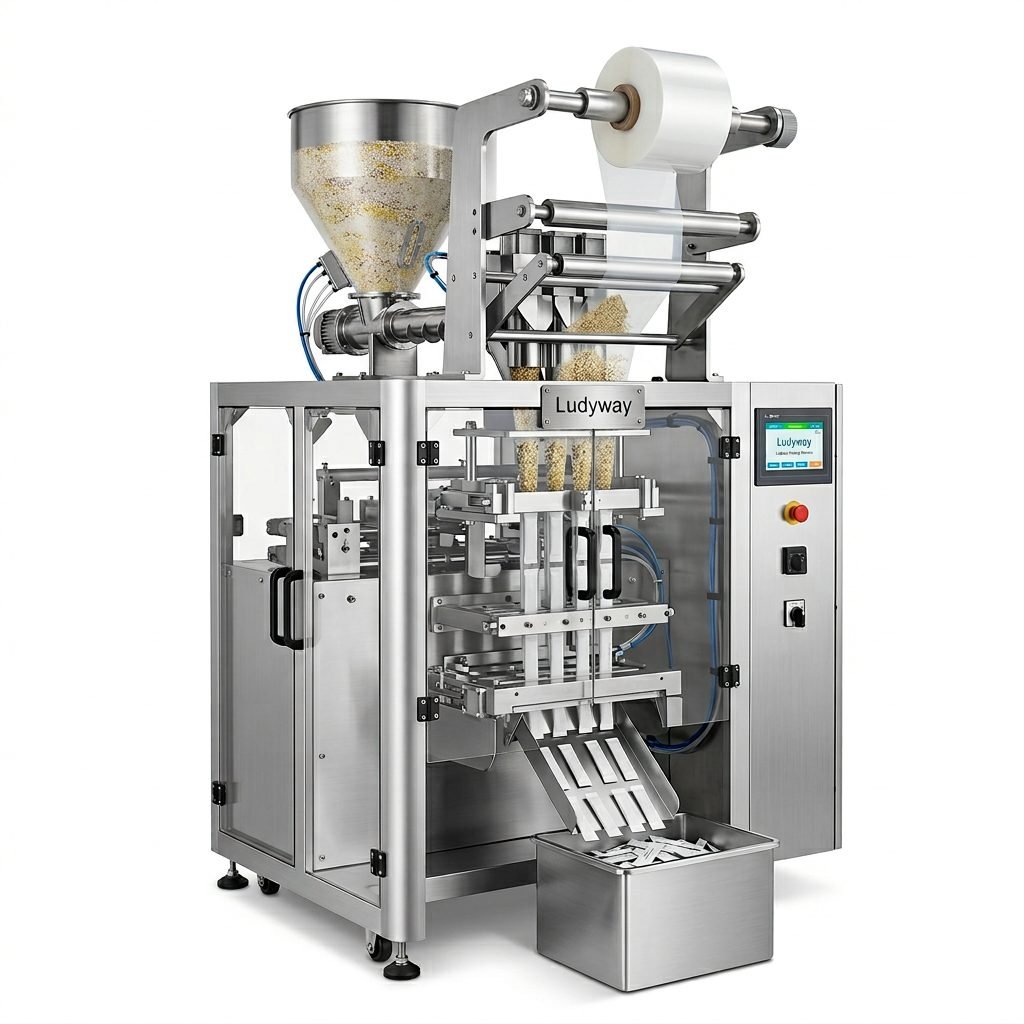
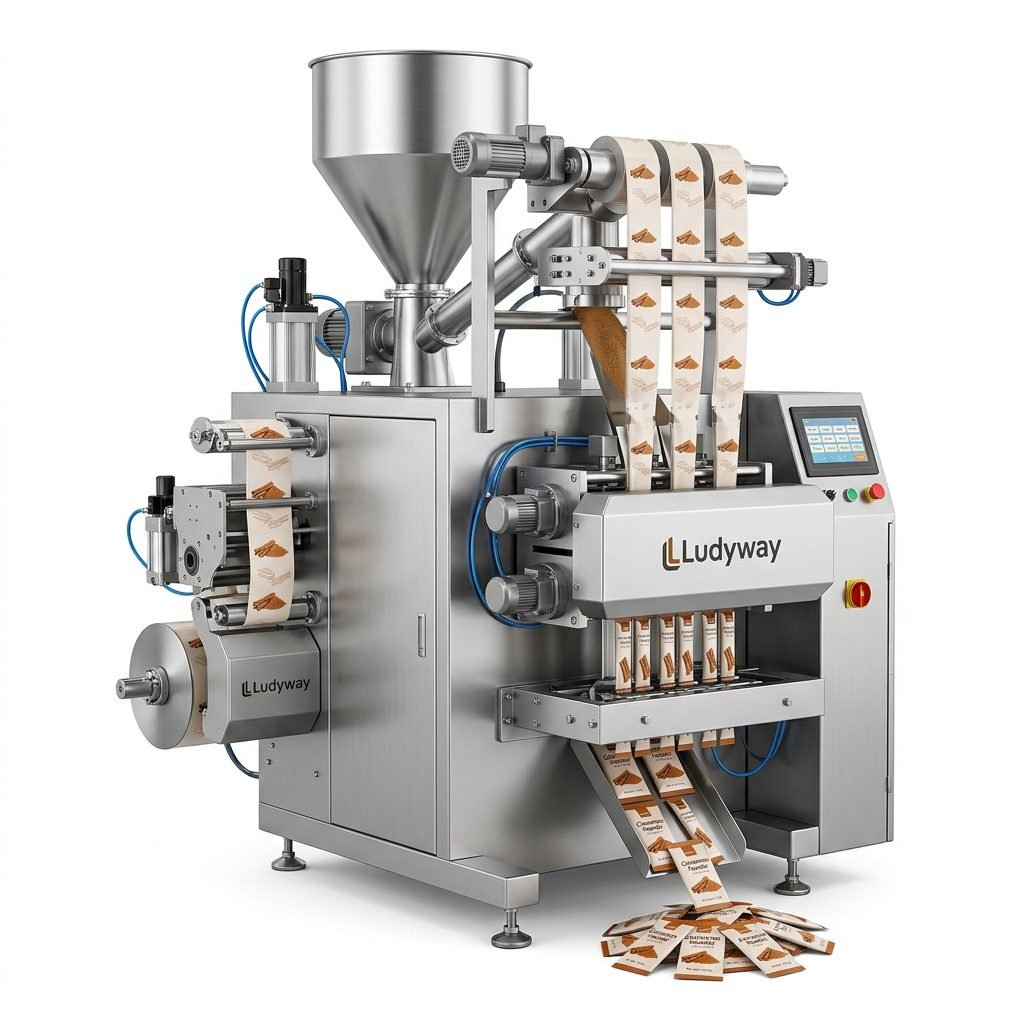
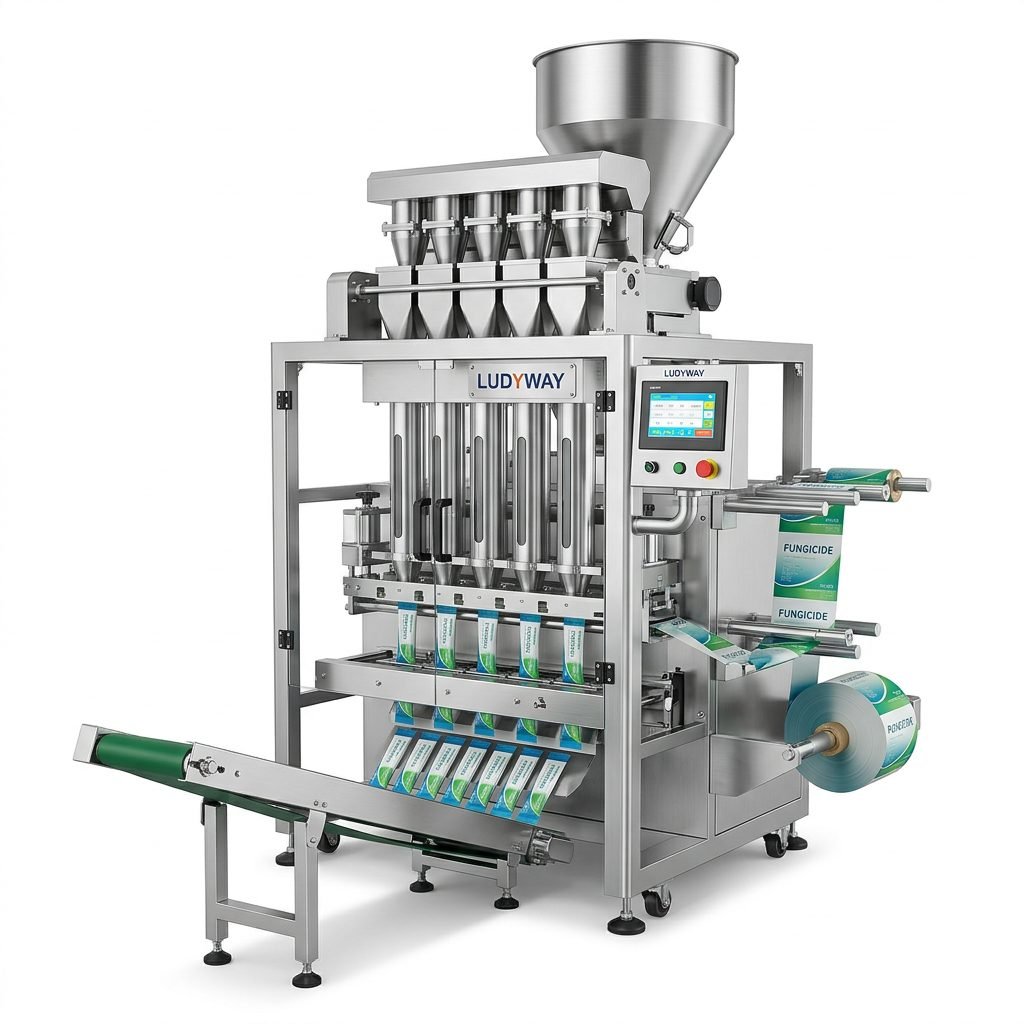
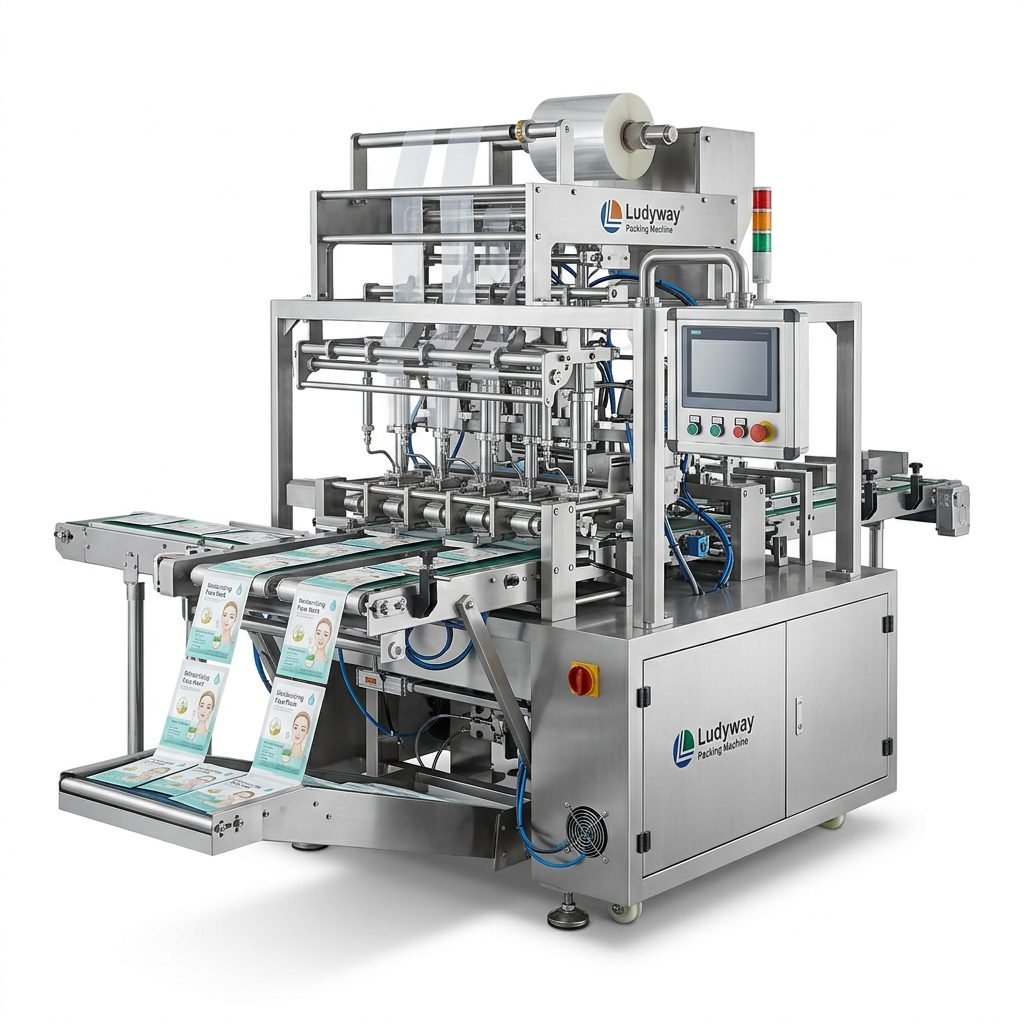
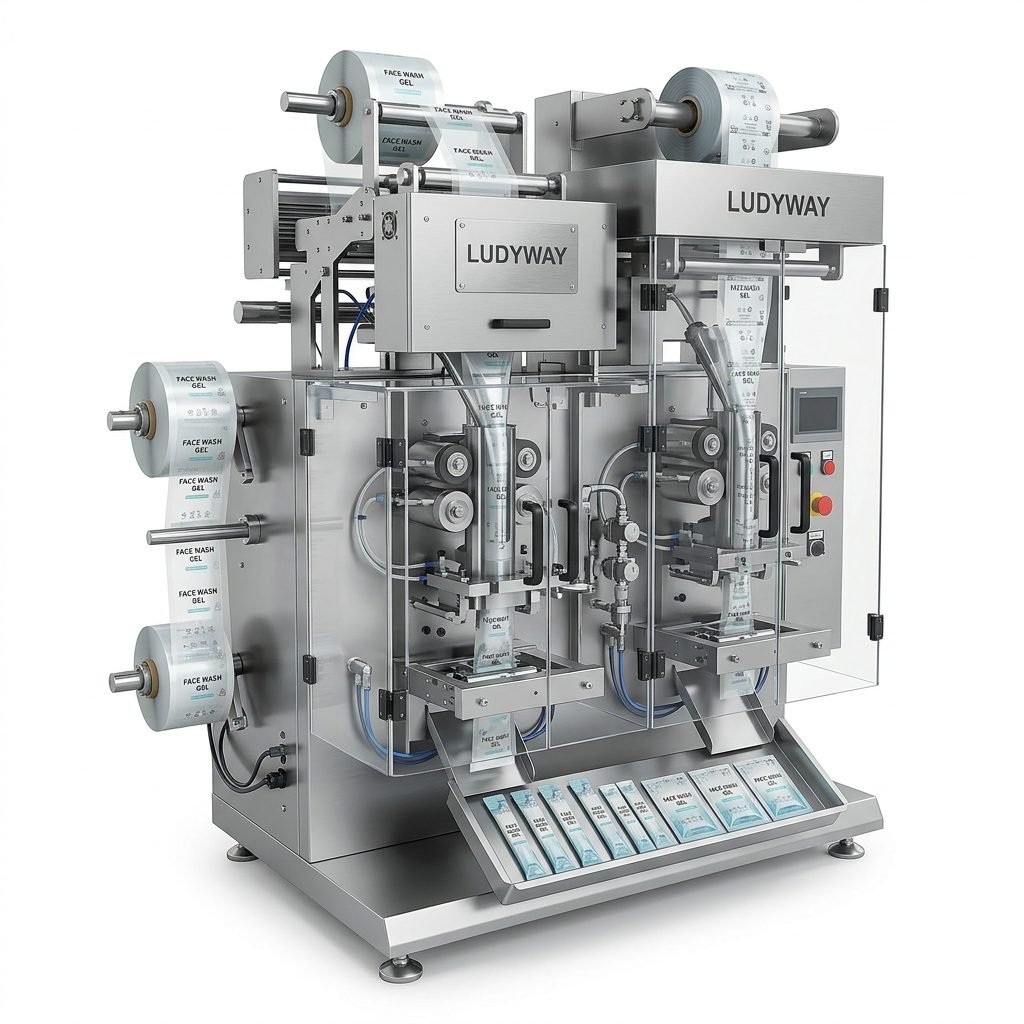
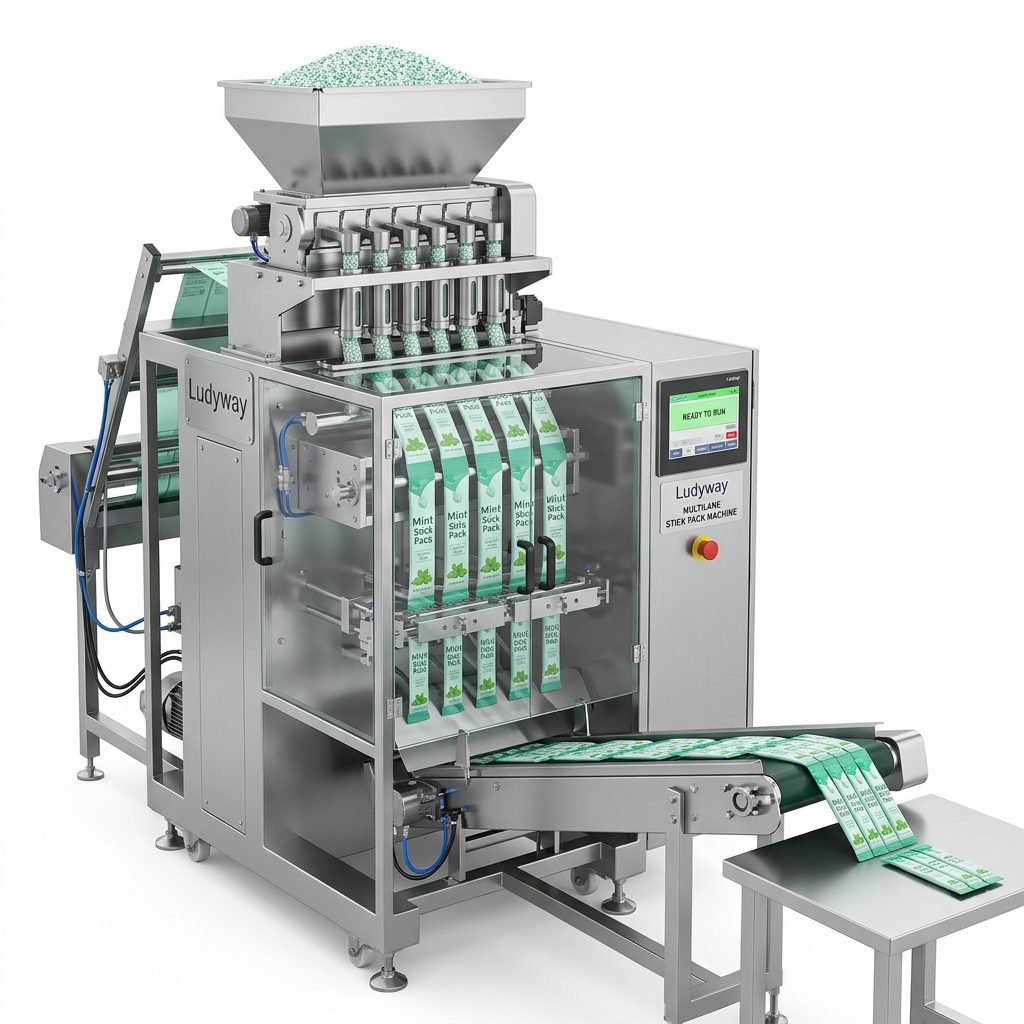
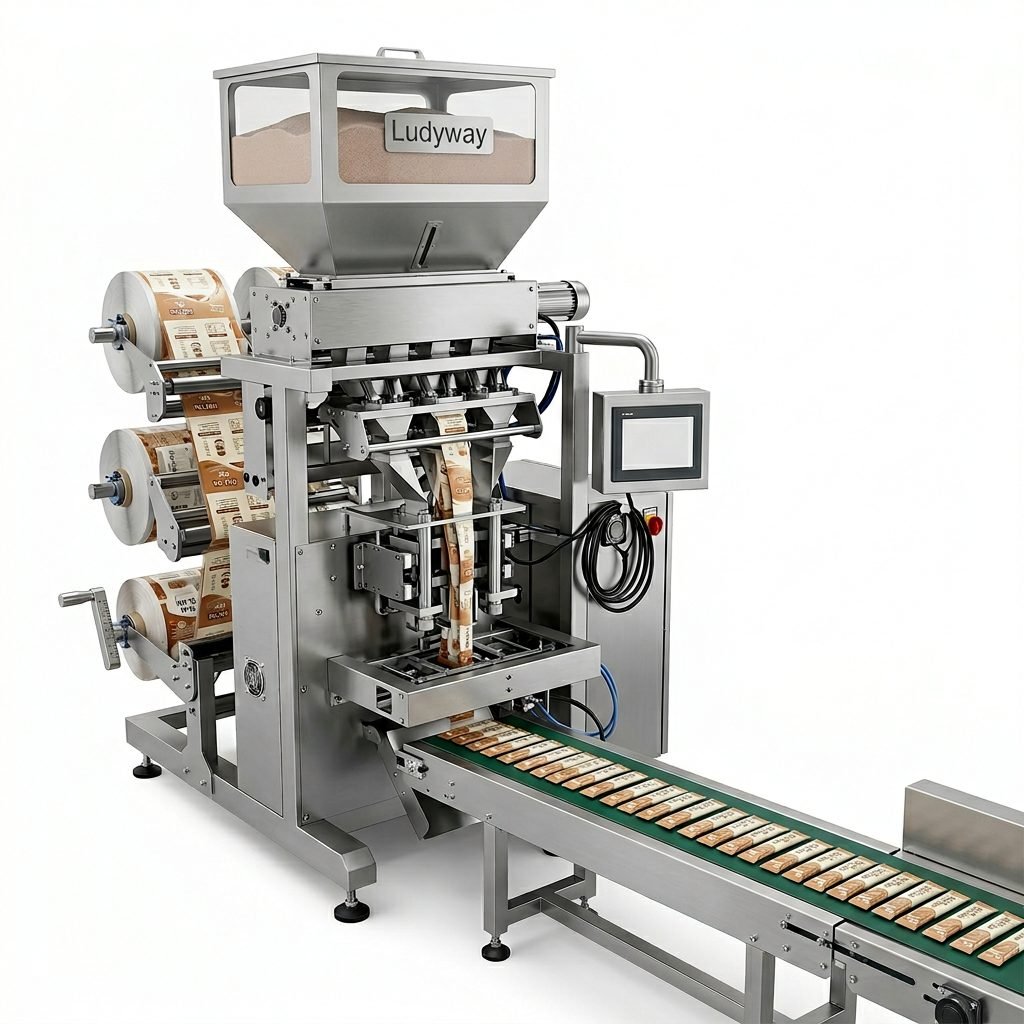
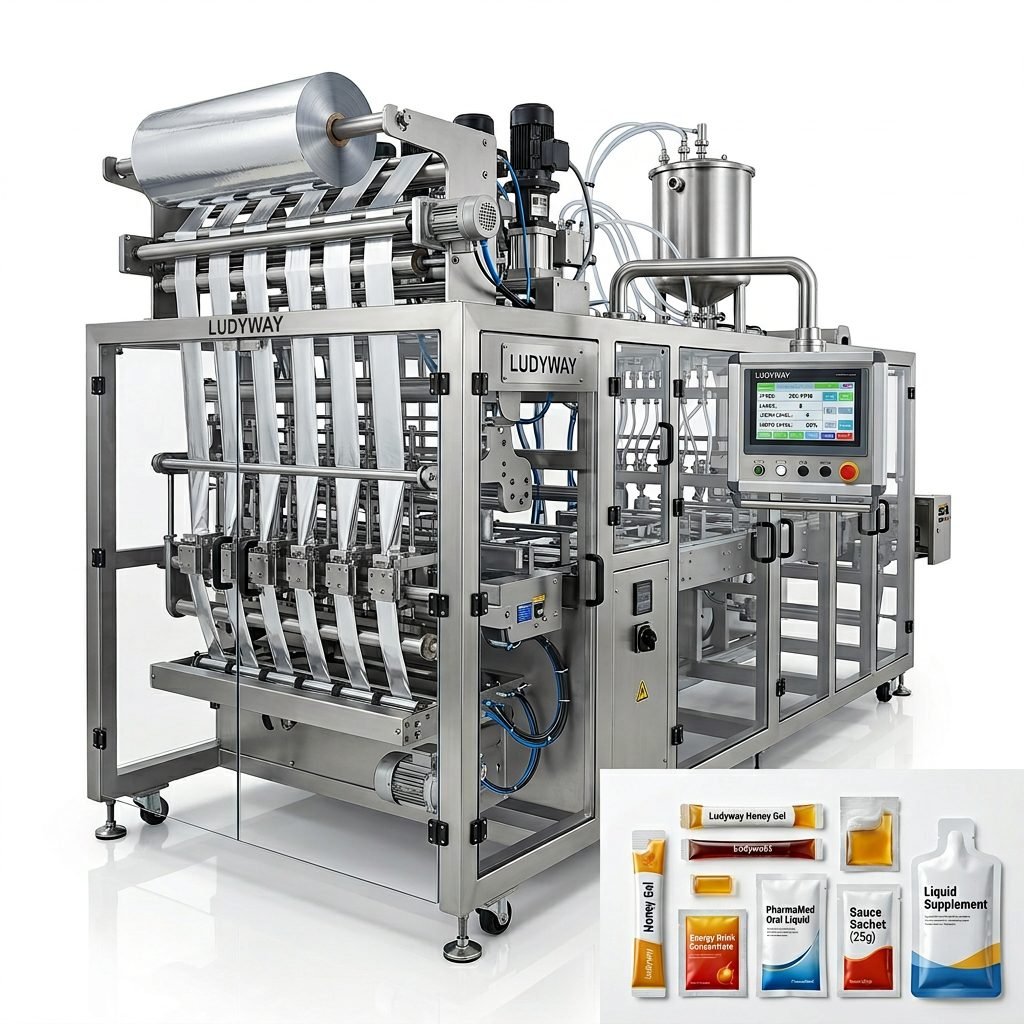
- Multi-Lane Stick Pack & Sachet Converters: For high-volume single-serve markets, multi-lane stick pack machines are the gold standard, capable of producing hundreds of packs per minute.
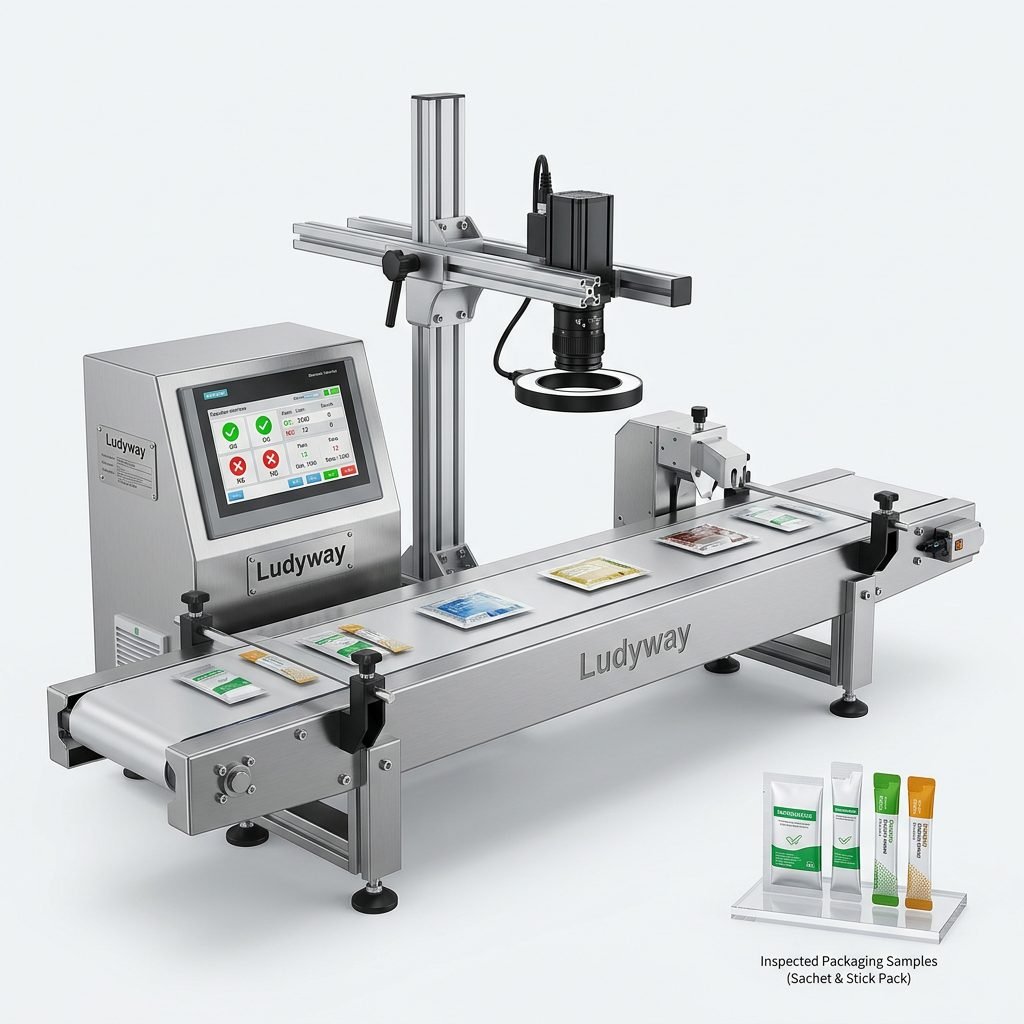
- X-Ray & Checkweigher: Inline inspection systems automatically reject under-filled, over-filled, or contaminated packages.
- Cartoning & Palletizing: End-of-line automation to pack individual units into cartons and prepare pallets for distribution.
Step-by-Step Setup Process
Building a production line is a major capital project. A methodical approach prevents costly bottlenecks and ensures a smooth launch. Here is a phased implementation plan:
1. Production Capacity Planning
Calculate your target output in units per minute or hour. This single number dictates your machine specs. Will you run a single shift or 24/7? An 8-lane machine might be sufficient for a startup, but a 20-lane high-speed system could be necessary for national distribution. Always plan for a capacity buffer of 15-20% to handle future growth.
2. Factory Floor Layout & Infrastructure
The physical environment in Southeast Asia presents unique challenges. Ensure your factory has:
- Stable Power Supply: Frequent voltage fluctuations can damage sensitive PLCs and servo motors. Invest in industrial-grade voltage stabilizers.
- Clean Compressed Air: Most packaging machines are pneumatic. Oil-free, dry compressed air is mandatory for food-grade production.
- Hygienic Zoning: Design your layout to move from “low-risk” (raw material intake) to “high-risk” (sterile filling) zones, strictly separating raw from processed products.
| Machine Zone | Cleanliness Class | Key Infrastructure |
|---|---|---|
| Pre-Processing (Mixing) | Standard Hygiene | Water drainage, CIP system access |
| Filling & Sealing | Cleanroom (ISO 7 / 8) | HEPA-filtered air, positive pressure |
| Secondary Packaging | Standard Hygiene | Corrugated case disposal, pallet space |
Navigating Regulatory Compliance in ASEA
Food safety is paramount. Your packaging line must facilitate compliance with local regulations (like BPOM in Indonesia or FDA Thailand), as well as international standards if you plan to export. Good Manufacturing Practice (GMP) and Hazard Analysis and Critical Control Points (HACCP) are the baseline. Your equipment must be constructed from food-grade 304 or 316L stainless steel, feature sloped surfaces for drainage, and allow for tool-free disassembly during cleaning. Look for machines that support CIP (Clean-in-Place) protocols for enclosed product pathways.
Operational Efficiency and Maintenance
Downtime is a profit killer. In the humid conditions of Southeast Asia, proactive maintenance is even more critical. Formulize a Total Productive Maintenance (TPM) schedule. Key areas to monitor include:
- Sealing Jaws: Regularly check Teflon coatings for wear and temperature accuracy to avoid leaking packs.
- Pneumatic Seals: Humidity can degrade O-rings faster; keep a critical spares inventory on-site.
- Sensor Calibration: Ambient temperature changes can cause drift in load cells and temperature probes. Recalibrate frequently.
- Dust & Debris: Sugar and milk powder dust are hygroscopic and highly corrosive if not cleaned immediately.
Supplier Selection: Look Beyond the Price Tag
Choosing a machinery partner is as important as choosing the equipment itself. The lowest quote often leads to higher long-term costs due to breakdowns and poor local support. You need a vendor with a proven track record and a physical presence or strong agent network in the region. For example, manufacturers like Ludyway, with over 30 years of experience and a 20,000㎡ facility, provide comprehensive turnkey solutions, which simplifies the integration of complex multi-lane stick pack and liquid packaging systems into a single, cohesive line. Conduct Factory Acceptance Tests (FAT) via video or on-site before shipment to ensure the system meets the agreed-upon cycle rate and accuracy.
Review authoritative resources to understand broader industry trends. The PMMI State of the Industry Reports provide valuable data on packaging machinery benchmarks, while guidelines from the FDA on food contact substances can help you understand material safety even if exporting beyond the region. Stay updated on sustainability regulations through the European Commission’s Packaging and Packaging Waste Directive.
Budgeting for Your Production Line
Understanding the total cost of ownership ensures you aren’t caught off guard by hidden expenses. The budget should be broken down into capital expenditure (CapEx) and operational expenditure (OpEx).
| Expense Category | Typical Cost Driver | % of Total Line Cost (Approx.) |
|---|---|---|
| Core Packaging Machines | Filling, sealing, multi-lane converters | 60% |
| Auxiliary Equipment | Conveyors, unscramblers, checkweighers | 20% |
| Installation & Commissioning | Freight, duties, technician travel, SAT | 10% |
| Training & Documentation | Operator manuals in local language, on-site training | 5% |
| First-Year Spare Parts | Critical wear items (seals, heaters, belts) | 5% |
Training Your Workforce
A state-of-the-art machine is only as good as the team running it. Investing in comprehensive training for operators, maintenance staff, and supervisors is non-negotiable. The training should cover:
- Standard Operating Procedures (SOPs): Step-by-step machine operation for different SKUs.
- Basic Troubleshooting: How to clear common jams, identify warning signals, and perform minor adjustments.
- Hygiene and Safety: Proper lockout-tagout procedures and sanitary cleaning protocols specific to the humid climate.
Record training sessions and keep logs. This is not just good practice; it is a fundamental requirement for ISO 22000 and HACCP audits. A well-trained team maximizes Overall Equipment Effectiveness (OEE), directly impacting your bottom line.
Future-Proofing Your Investment
The food industry is rapidly evolving toward Industry 4.0. Ensure your packaging line is equipped with, or can be retrofitted with, smart sensors and IoT gateways. This allows for remote monitoring of production data, predictive maintenance alerts, and seamless integration with your Enterprise Resource Planning (ERP) system. Also, consider the flexibility to handle sustainable packaging materials. The push for mono-material recyclable films and bio-based plastics will reshape the yogurt packaging landscape in Southeast Asia in the coming decade. Your production line should be mechanically capable of sealing these next-generation materials without a complete mechanical overhaul.
For deep insights into upcoming machinery standards and market data, consulting resources like the Flexible Packaging Association’s industry data is highly recommended. This ensures your new production line in Southeast Asia is not just compliant today, but remains a competitive asset for years to come.