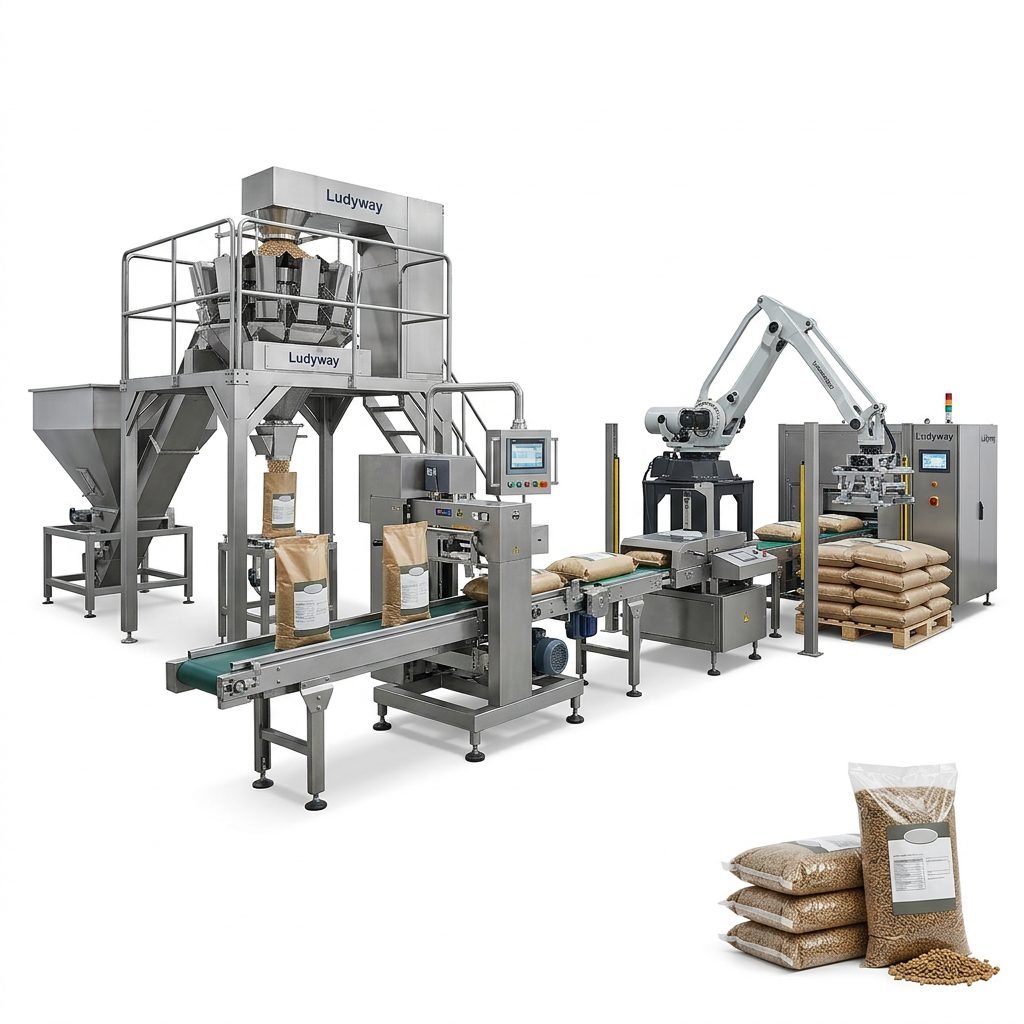
The Southeast Asian dairy industry is experiencing unprecedented growth, driven by rising disposable incomes, urbanization, and changing dietary habits. Countries like Vietnam, Indonesia, Thailand, and the Philippines are seeing double-digit increases in milk consumption annually. For manufacturers looking to capitalize on this trend, setting up an efficient milk packaging machine production line is a critical strategic move. This guide walks you through every essential step of establishing a successful milk packaging operation in Southeast Asia.
Understanding the Southeast Asian Dairy Market Landscape
Before investing in a milk packaging production line, it is essential to understand the regional market dynamics. Southeast Asia’s dairy sector is projected to grow at a CAGR of over 6% through 2030. Key drivers include:
- Urbanization: Rapid urban migration is increasing demand for convenient, shelf-stable milk products
- Health awareness: Growing preference for protein-rich and fortified dairy beverages
- Modern retail expansion: Supermarkets and convenience stores are expanding distribution channels
- Government initiatives: Many regional governments offer incentives for dairy processing investments
- E-commerce growth: Online grocery platforms are creating new packaging format demands
Key Product Categories Driving Demand
The milk packaging landscape in Southeast Asia is diversifying rapidly. Below are the primary product categories that require specialized packaging equipment:
| Product Category | Packaging Format | Shelf Life | Growth Rate |
|---|---|---|---|
| UHT Milk | Tetra Pak, Bottles | 6-12 months | 8.5% |
| Milk Powder | Sachets, Stick Packs, Cans | 12-24 months | 12.3% |
| Condensed Milk | Tubes, Sachets, Cans | 12-18 months | 5.7% |
| Flavored Milk Drinks | Pouches, Bottles, Cartons | 6-9 months | 15.1% |
| Evaporated Milk | Cans, Pouches | 12-18 months | 4.2% |
Selecting the Right Milk Packaging Machine
Choosing the appropriate milk packaging machinery is the most critical decision in your production line setup. The equipment must align with your product type, target output, and budget constraints. Consider these fundamental aspects:
Machine Types by Packaging Format
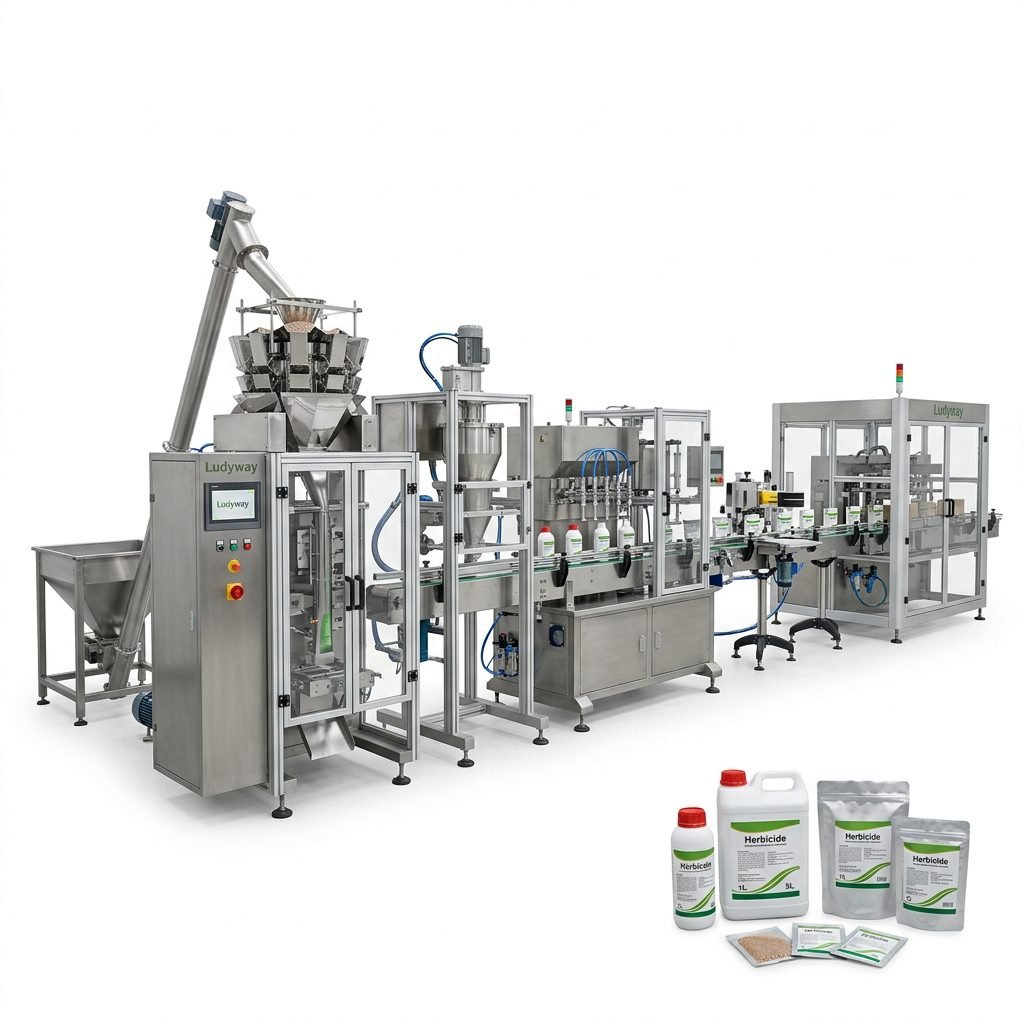
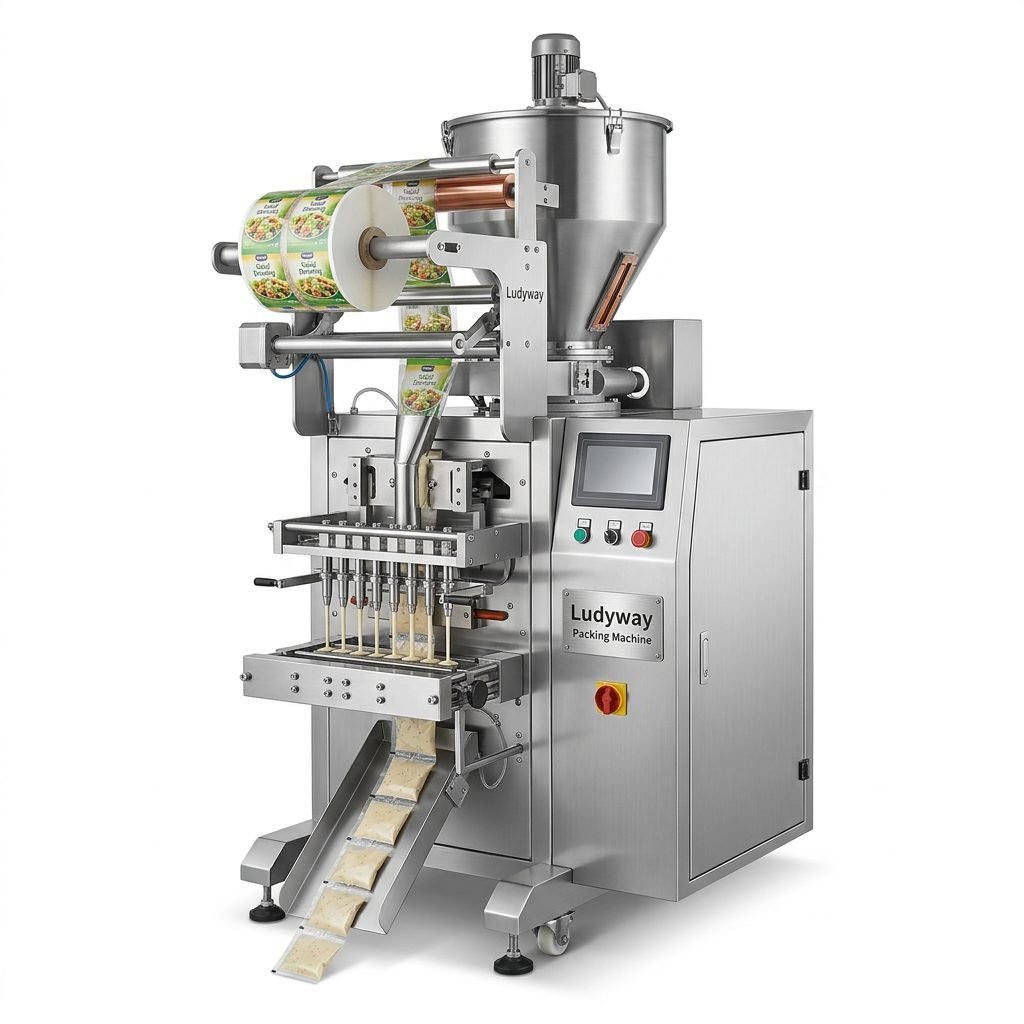
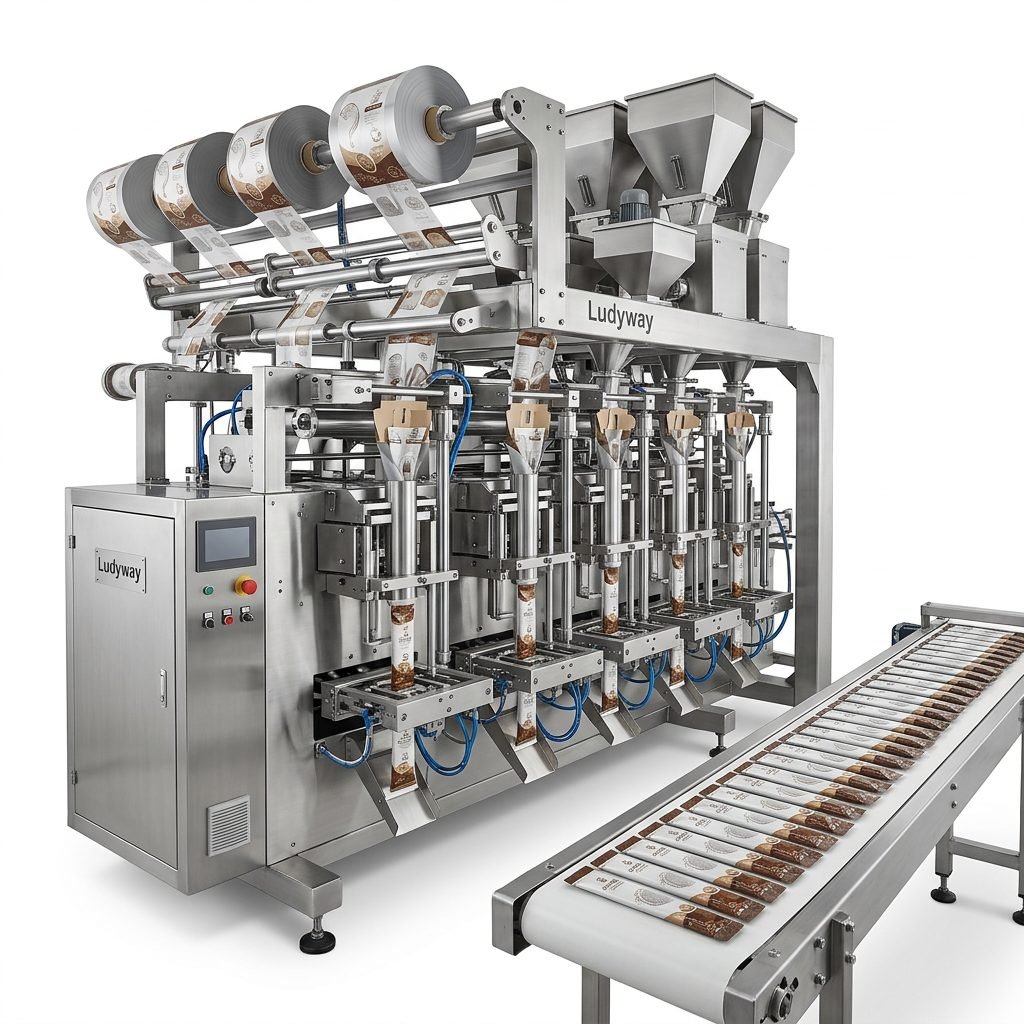
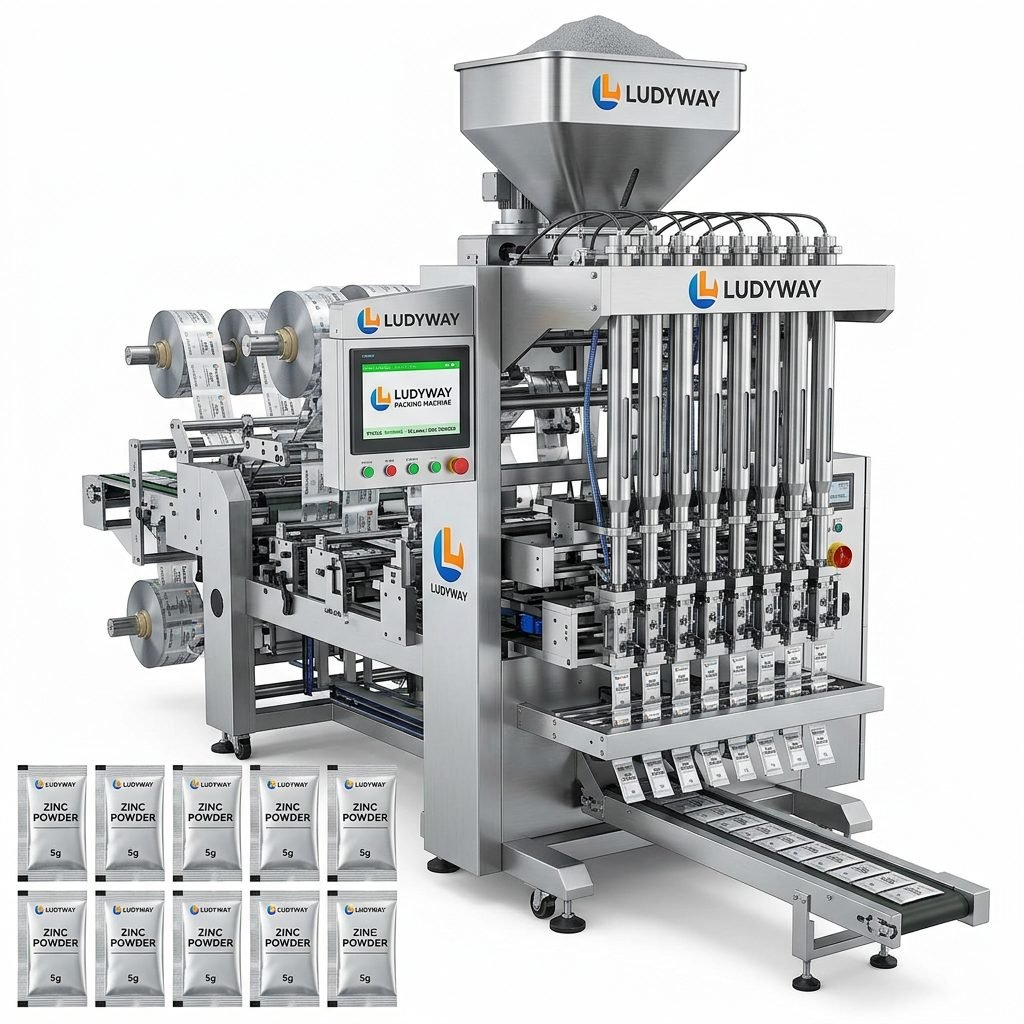
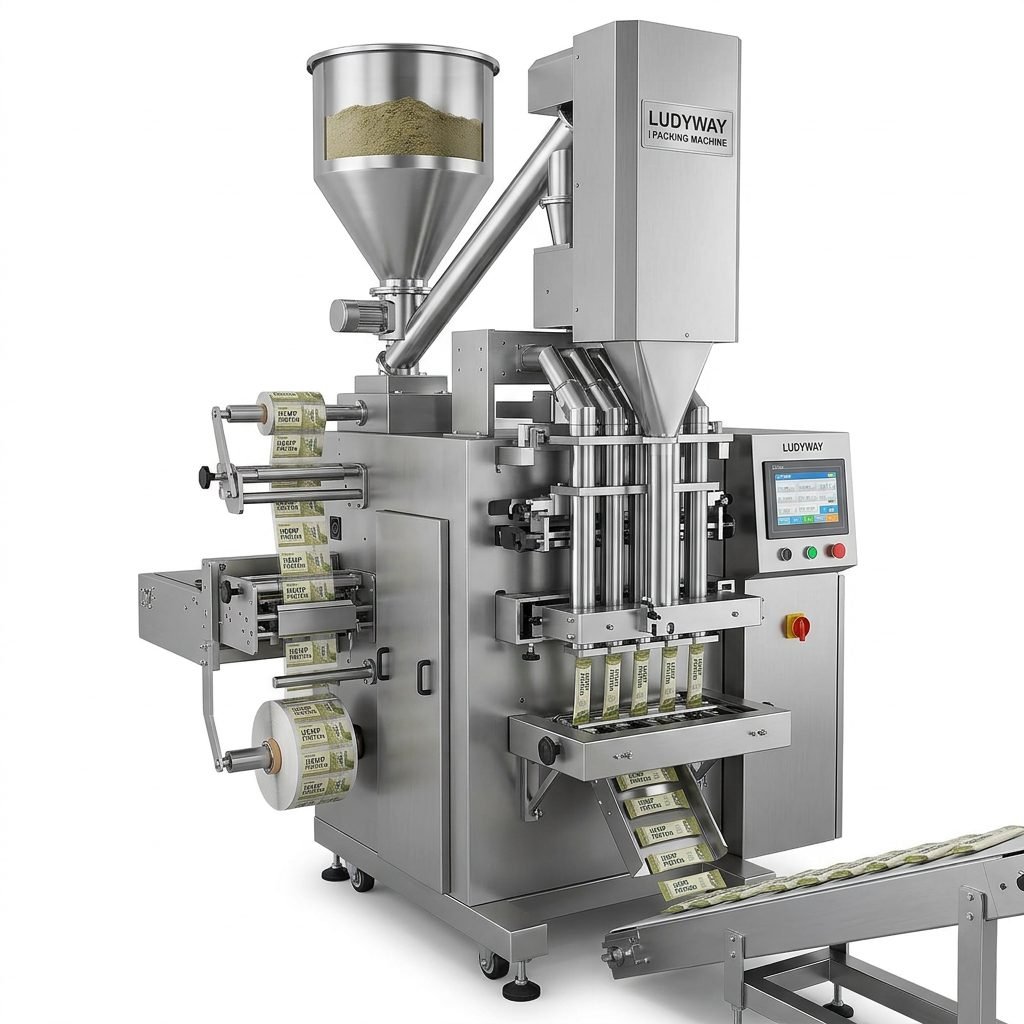
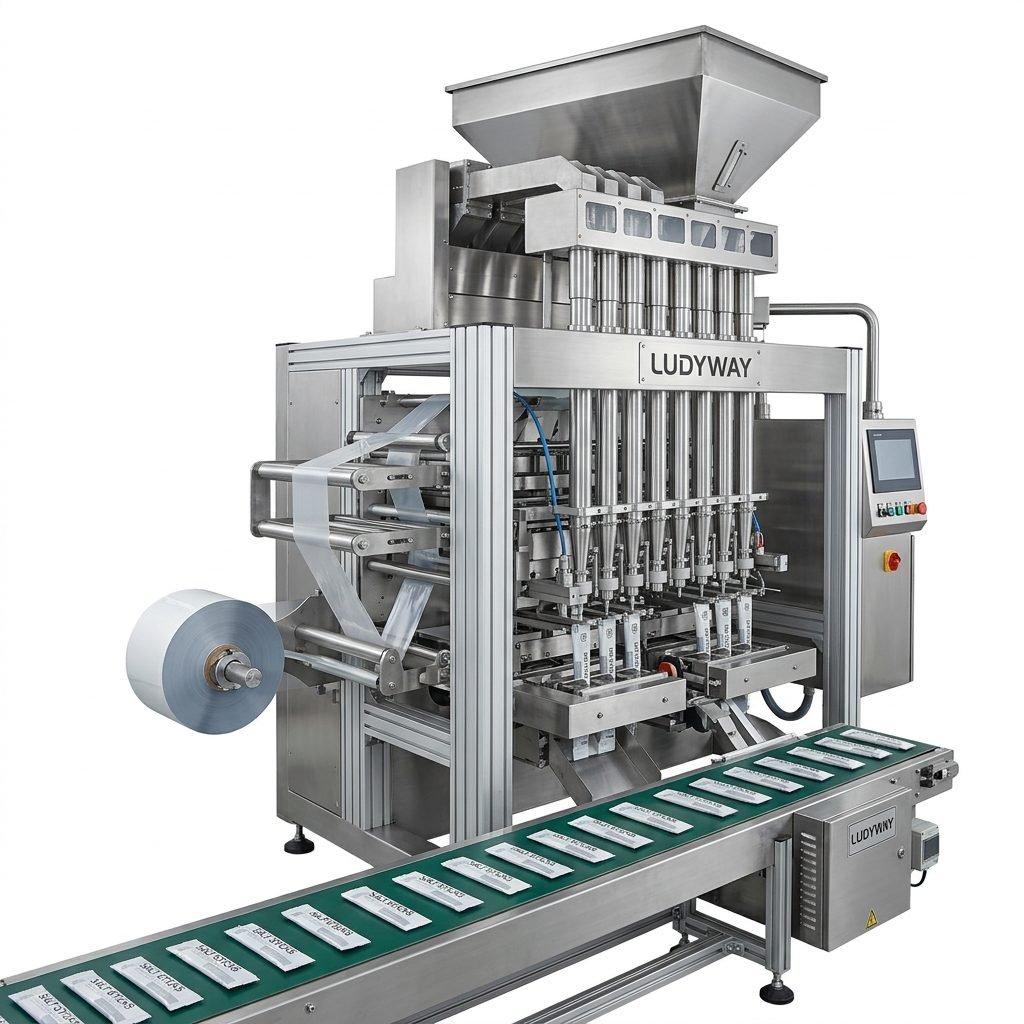
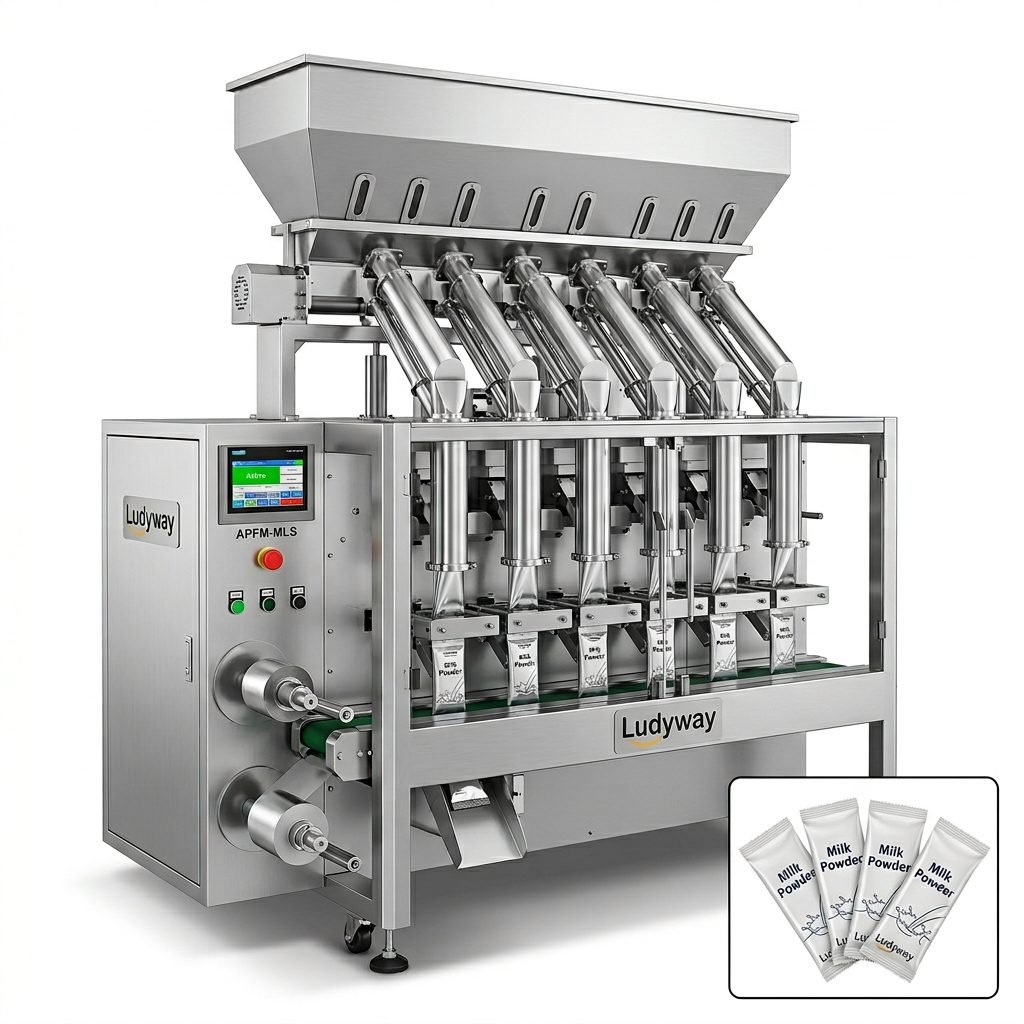
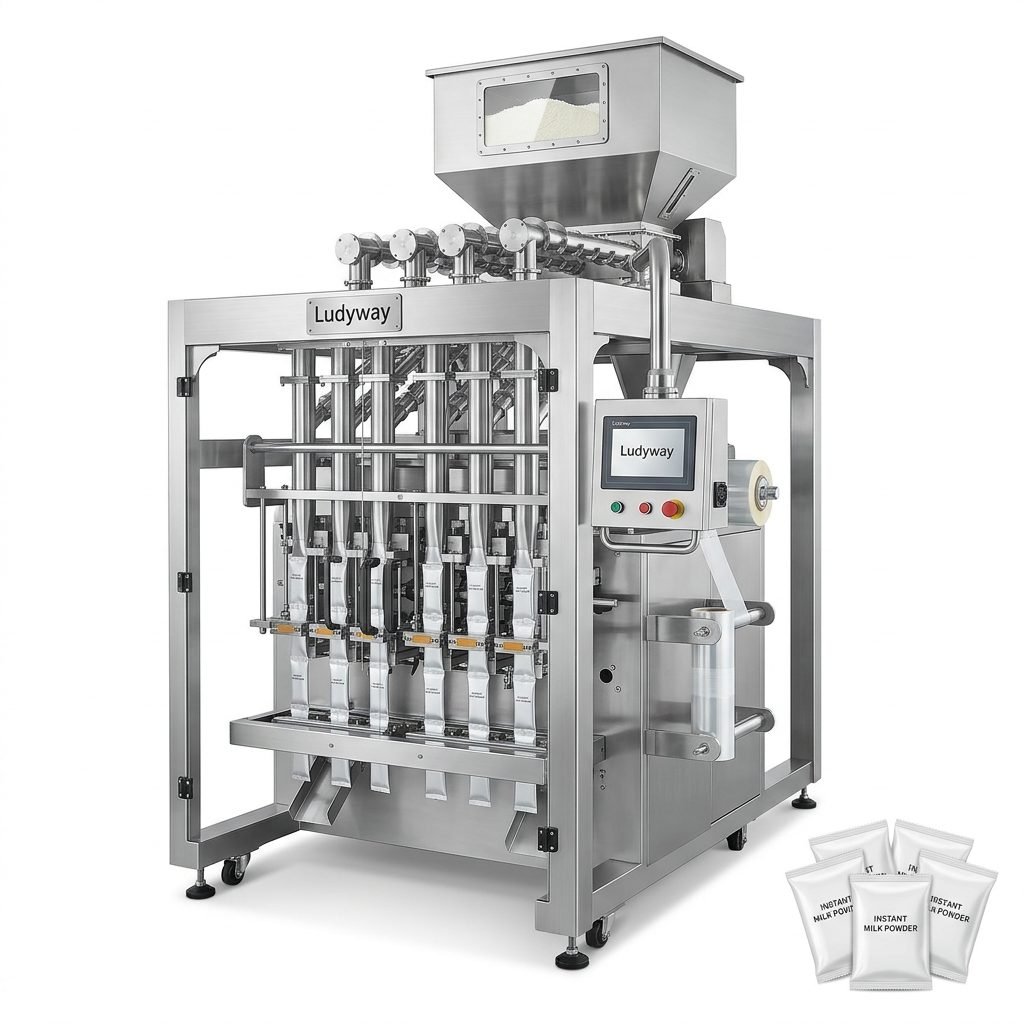
- Multi-Lane Sachet Packaging Machines – Ideal for single-serve milk powder portions, capable of 200-600 packs per minute
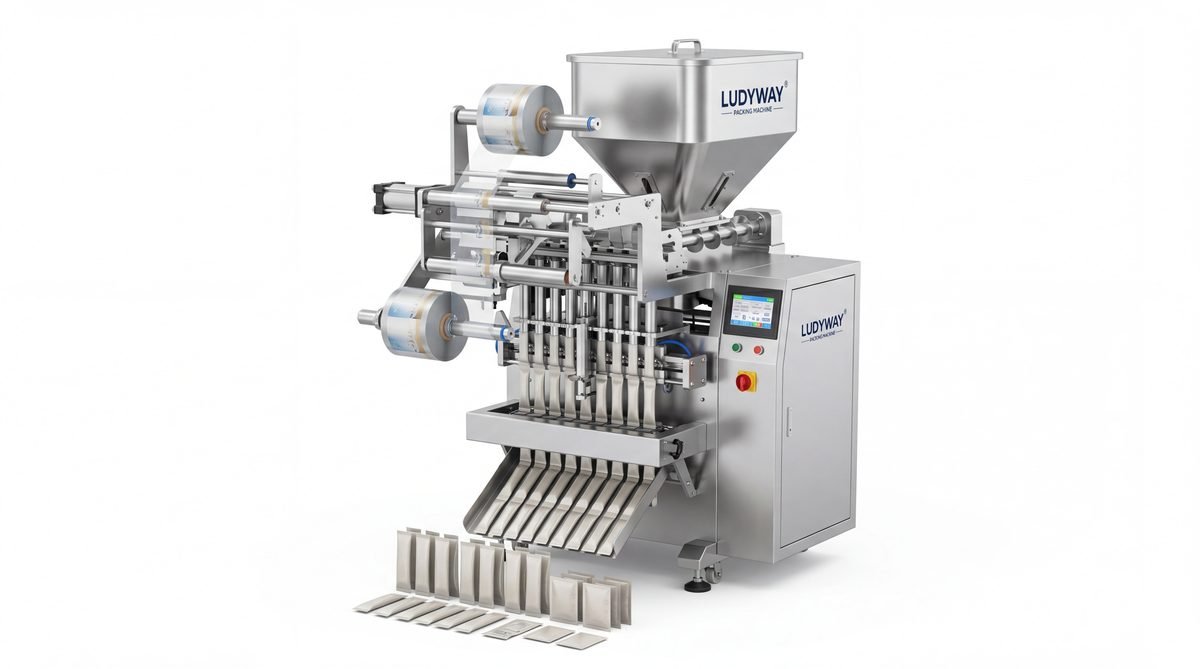
- Stick Pack Machines – Perfect for instant milk powder, sweetened milk mixes, and nutritional dairy supplements
- Liquid Pouch Filling Machines – Designed for UHT milk, flavored milk, and liquid dairy products in flexible pouches
- Bottle Filling and Capping Lines – Suitable for fresh milk and ESL (Extended Shelf Life) dairy beverages
- Can Filling Systems – Used for condensed milk, evaporated milk, and larger-volume milk powder packaging
Production Capacity Planning
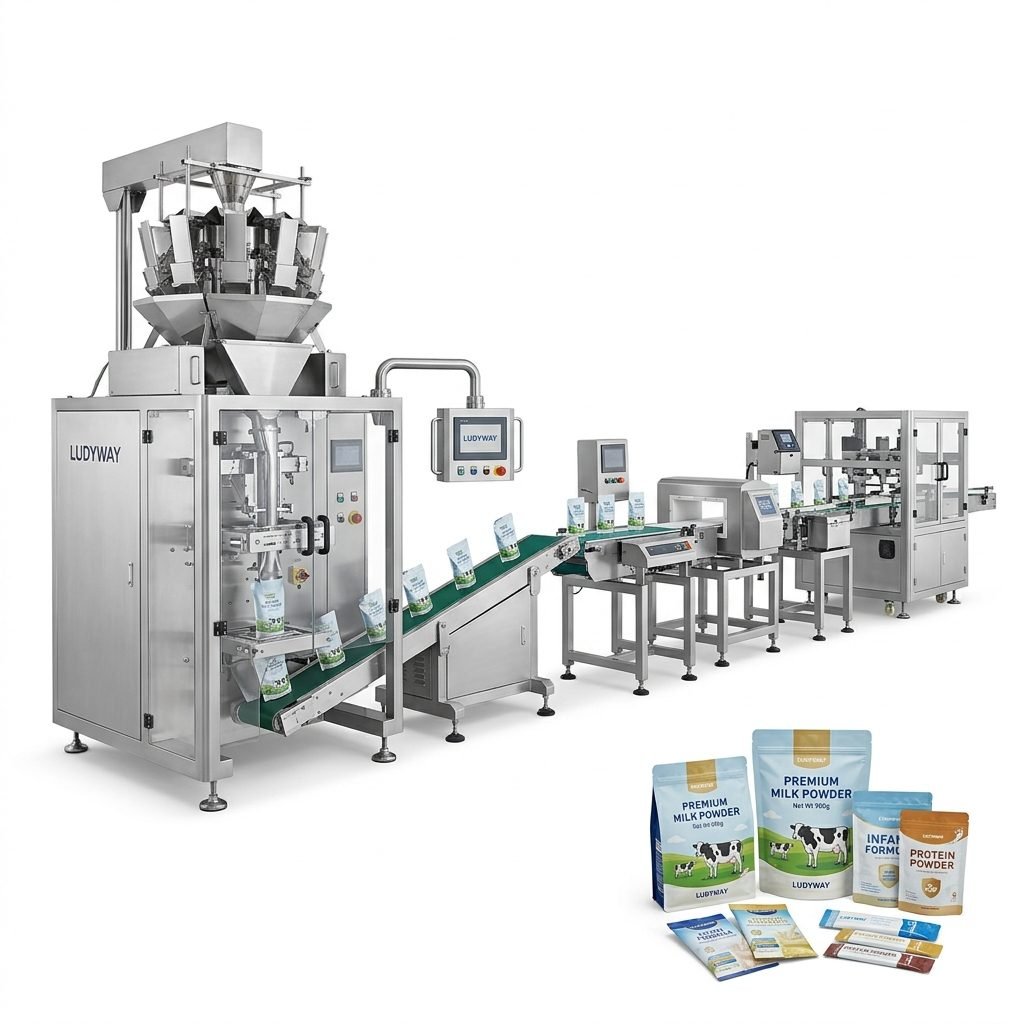
Determining your target production capacity involves analyzing market demand, distribution reach, and operational constraints. Consider the following capacity tiers:
- Small-Scale: 1,000-5,000 packs per day — suitable for local or regional brands entering niche markets
- Medium-Scale: 10,000-50,000 packs per day — appropriate for established regional distributors
- Large-Scale: 100,000+ packs per day — required for national brands and export-oriented operations
Selecting the correct machine configuration at this stage prevents costly upgrades later. A modular packaging system allows you to scale production as demand increases without replacing entire lines.
Step-by-Step Installation Guide for Your Milk Packaging Line
Phase 1: Pre-Installation Preparation
- Site Assessment: Evaluate floor space, electrical supply capacity, and water/gas utility access
- Cleanroom Compliance: For dairy products, ensure your facility meets ISO 14644 cleanliness standards or local equivalent regulations
- Foundation Work: Prepare level flooring with appropriate load-bearing capacity for heavy machinery
- Utility Connections: Install dedicated power lines, compressed air systems, and nitrogen supply if required for modified atmosphere packaging
- Permit Acquisition: Secure necessary local permits from food safety authorities and municipal building departments
Phase 2: Equipment Installation and Commissioning
- Machine Positioning: Place equipment according to your production flow diagram, ensuring optimal material movement
- Mechanical Assembly: Connect conveyors, feeders, filling stations, and sealing units per manufacturer specifications
- Electrical Integration: Wire control panels, sensors, and safety interlocks
- Software Configuration: Program PLC controllers with product-specific parameters including fill weight, sealing temperature, and production speed
- Test Runs: Conduct dry runs followed by product trials to calibrate accuracy and consistency
- Quality Verification: Validate seal integrity, fill accuracy, and packaging appearance through sampling
Phase 3: Staff Training and SOP Development
Investing in comprehensive operator training ensures smooth daily operations and minimizes downtime. Key training areas include machine operation, cleaning procedures, basic troubleshooting, and quality inspection protocols. Develop Standard Operating Procedures (SOPs) for every stage of the packaging process, from material loading to finished product handling.
Navigating Regulatory Compliance in Southeast Asia
Each Southeast Asian country maintains distinct food safety and packaging regulations that directly impact your production line design. Understanding these requirements early prevents costly retrofitting. Below is a comparative overview of key regulatory frameworks:
| Country | Regulatory Body | Key Standard | Certification Required |
|---|---|---|---|
| Vietnam | VFA (Vietnam Food Administration) | TCVN Food Safety Standards | Food Safety Certificate |
| Indonesia | BPOM (National Agency of Drug and Food Control) | BPOM Registration & Halal | MD Registration Number |
| Thailand | Thai FDA (Food and Drug Administration) | Food Act B.E. 2522 | Food Serial Number |
| Philippines | FDA Philippines | FDA Act of 2009 (RA 9711) | Certificate of Product Registration (CPR) |
| Malaysia | MOH Food Safety and Quality Division | Food Act 1983 & Regulations | MeSTI Certification |
For international best practices, refer to the packaging industry resources from PMMI and FDA food packaging guidelines for export-ready production standards.
Cost Breakdown and Investment Analysis
Understanding the total cost of ownership for a milk packaging production line is essential for accurate budgeting and ROI projections. The following table provides a typical cost breakdown for a medium-scale operation producing milk powder sachets in Southeast Asia:
| Cost Category | Estimated Range (USD) | Percentage of Total | Notes |
|---|---|---|---|
| Primary Packaging Machinery | $80,000 – $250,000 | 40-55% | Multi-lane sachet/stick pack machines |
| Auxiliary Equipment | $25,000 – $80,000 | 12-18% | Conveyors, checkweighers, coders, metal detectors |
| Installation & Commissioning | $15,000 – $40,000 | 7-9% | Includes technician travel and on-site support |
| Facility Modifications | $20,000 – $60,000 | 10-13% | Cleanroom upgrades, utility installations |
| Initial Consumables | $10,000 – $30,000 | 5-7% | Packaging film, spare parts, lubricants |
| Training & Documentation | $5,000 – $15,000 | 3-4% | Operator training and SOP development |
| Contingency Fund | $10,000 – $25,000 | 5-6% | Unforeseen expenses and delays |
| Total Estimated Investment | $165,000 – $500,000 | 100% | Medium-scale operation estimate |
Common Challenges and Practical Solutions
Setting up a milk packaging production line in Southeast Asia presents unique challenges that manufacturers must address proactively:
Challenge 1: High Humidity and Temperature Fluctuations
Solution: Install dehumidification systems in packaging areas and use moisture-resistant packaging films. For milk powder operations, maintain ambient humidity below 45% RH. Consider climate-controlled storage for hygroscopic raw materials. This is particularly crucial in countries like Indonesia and the Philippines where tropical conditions can affect both product quality and machine performance.
Challenge 2: Inconsistent Power Supply
Solution: Invest in voltage stabilizers and backup generators rated for your entire production line load. Uninterrupted power supply (UPS) systems should protect sensitive PLC controllers and servo motors from voltage fluctuations that are common in certain regional industrial zones.
Challenge 3: Skilled Labor Shortage
Solution: Partner with equipment suppliers that offer comprehensive on-site training programs. Choose machines with intuitive HMI touchscreen interfaces that reduce operator learning curves. Establish partnerships with local technical institutes for ongoing workforce development.
Choosing the Right Equipment Partner
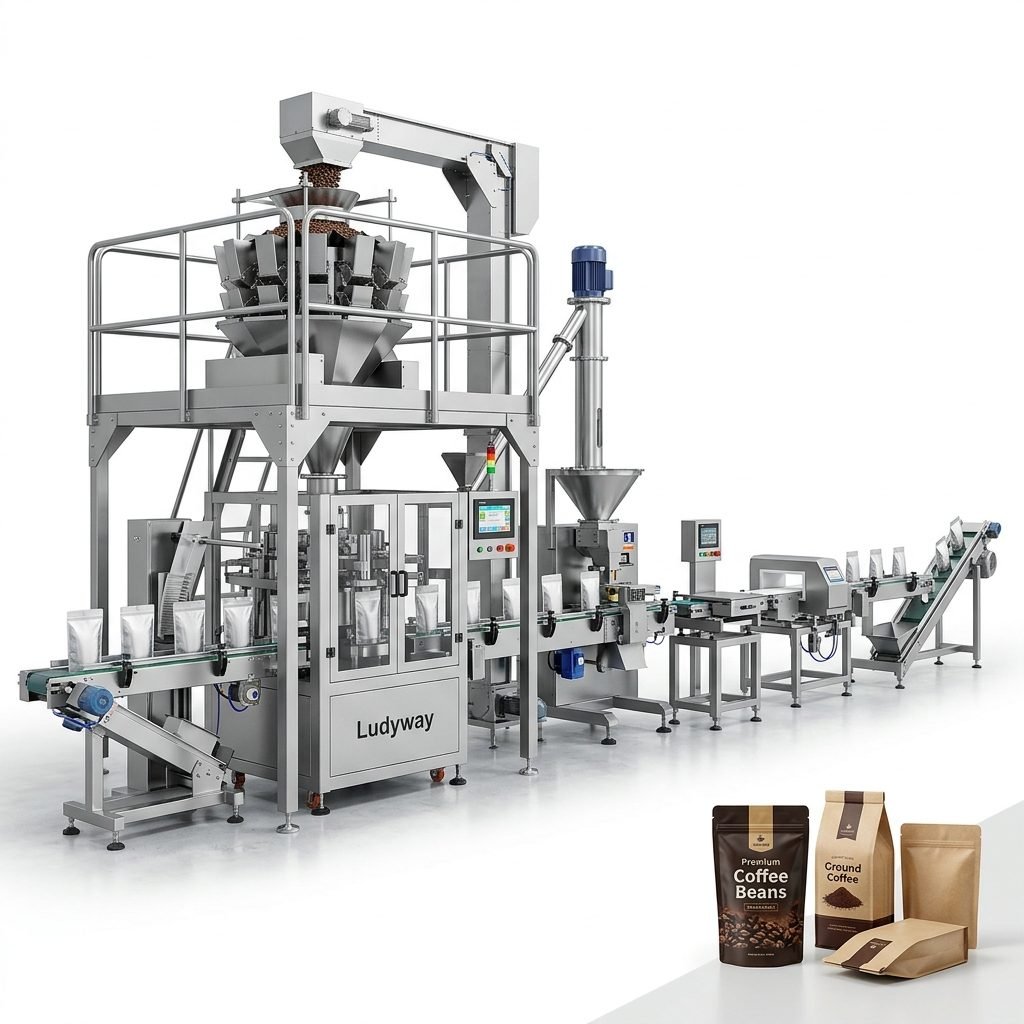
Selecting a reliable packaging machine manufacturer is just as important as choosing the right equipment specifications. Look for partners who provide turnkey packaging solutions including installation, training, and after-sales support. Key criteria include regional service presence, availability of spare parts, and proven experience in dairy packaging applications. Ludyway Machinery, with over 30 years of industry expertise and a modern 20,000㎡ manufacturing facility, serves customers in more than 100 countries and regions, offering advanced turnkey production solutions for granule, powder, and liquid packaging applications including dairy products.
Optimizing Your Production Line for Long-Term Success
Beyond initial setup, continuous optimization drives sustained profitability. Implement these strategies to maximize your milk packaging line efficiency:
- Preventive Maintenance Scheduling: Establish weekly, monthly, and quarterly maintenance routines to minimize unexpected breakdowns
- OEE Tracking: Monitor Overall Equipment Effectiveness to identify bottlenecks and improvement opportunities
- Packaging Material Optimization: Regularly test new film formulations for improved barrier properties and cost efficiency
- Automation Upgrades: Integrate IoT-enabled sensors for real-time production monitoring and predictive maintenance alerts
- Quality Management Systems: Implement HACCP-based quality protocols with documented traceability throughout the packaging process
Conclusion: Your Path to a Successful Milk Packaging Operation
Setting up a milk packaging machine production line in Southeast Asia requires thorough planning, the right equipment selection, and attention to regional regulatory requirements. By following the structured approach outlined in this guide—from market analysis and machine selection through installation, compliance, and optimization—manufacturers can establish efficient, scalable packaging operations that capture the region’s growing dairy demand. The investment in a quality packaging production line pays dividends through increased productivity, reduced waste, and the ability to serve diverse market segments with premium packaged dairy products.