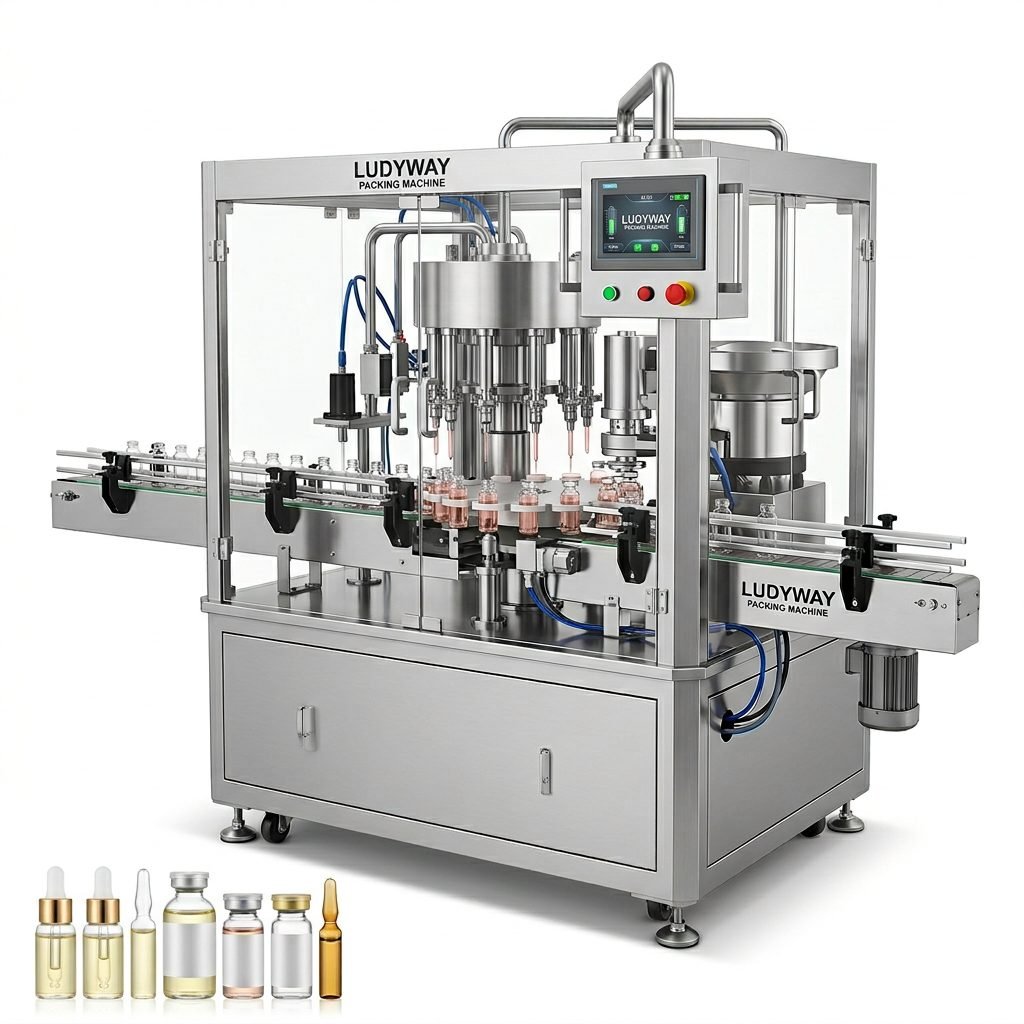
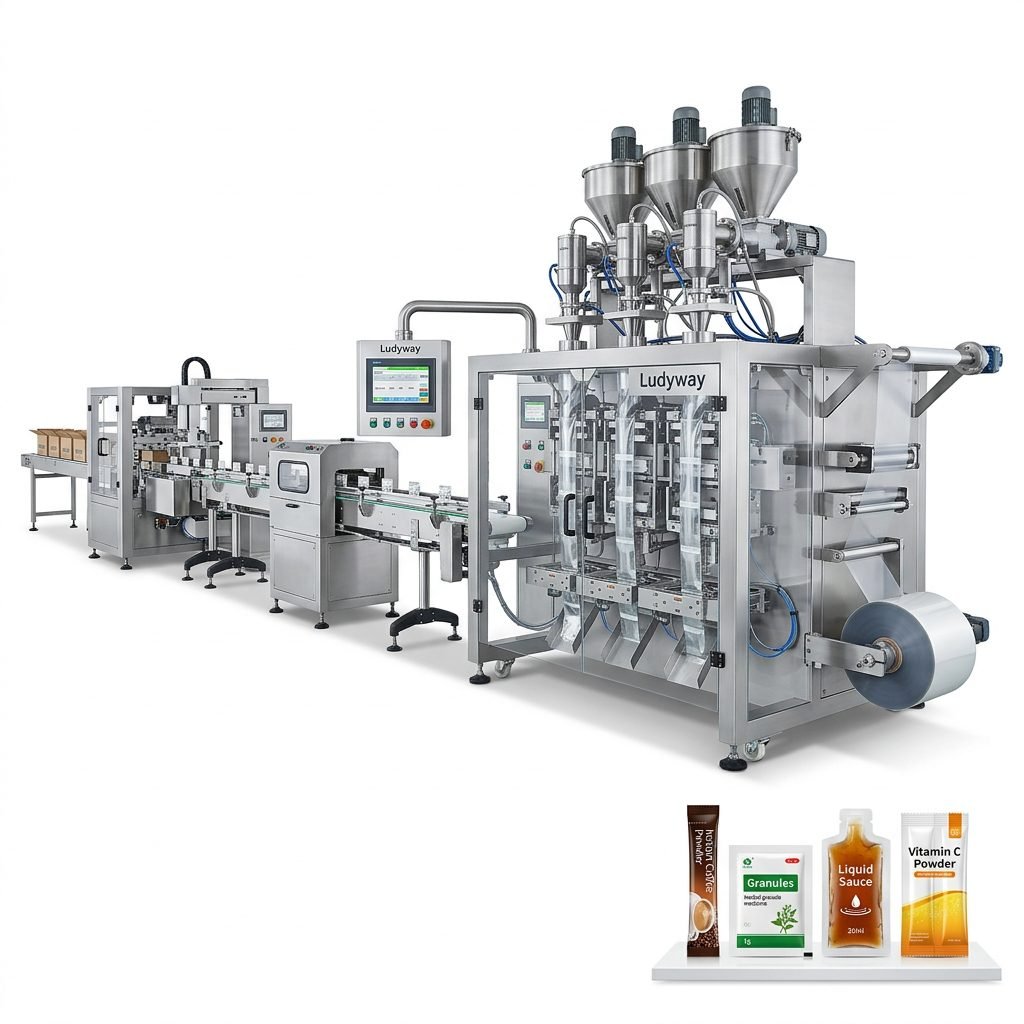
Setting up an airtight food packaging machine production line is a critical investment for food manufacturers aiming to ensure product freshness, extend shelf life, and meet stringent safety standards. Whether you are packaging granules, powders, liquids, or solid food products, an airtight sealing process prevents contamination from moisture, oxygen, and microorganisms. A well-designed production line integrates multiple systems — from filling and sealing machines to inspection and secondary packaging equipment — all working in harmony to deliver consistent, high-quality output. This guide walks you through every essential step, helping you make informed decisions about packaging machinery selection, layout planning, quality control, and long-term maintenance.

Understanding Airtight Food Packaging Requirements
Before selecting equipment, it is essential to understand what airtight packaging truly entails. Airtight food packaging refers to a hermetic seal that prevents any exchange of gases, moisture, or contaminants between the product and the external environment. This is particularly crucial for perishable foods, dairy powders, nutritional supplements, snack foods, coffee, and pharmaceutical-grade food products. The packaging must comply with FDA food packaging regulations and international standards such as ISO packaging standards, depending on your target markets. Key factors influencing airtight packaging requirements include:
- Product sensitivity — moisture absorption rate, oxidation potential, and microbial vulnerability
- Shelf life targets — how long the product must remain fresh under specified storage conditions
- Packaging material compatibility — films, laminates, aluminum foil, or biodegradable materials
- Filling environment — whether nitrogen flushing or vacuum sealing is required
- Regulatory compliance — adherence to regional and international food safety standards
Key Components of an Airtight Food Packaging Production Line
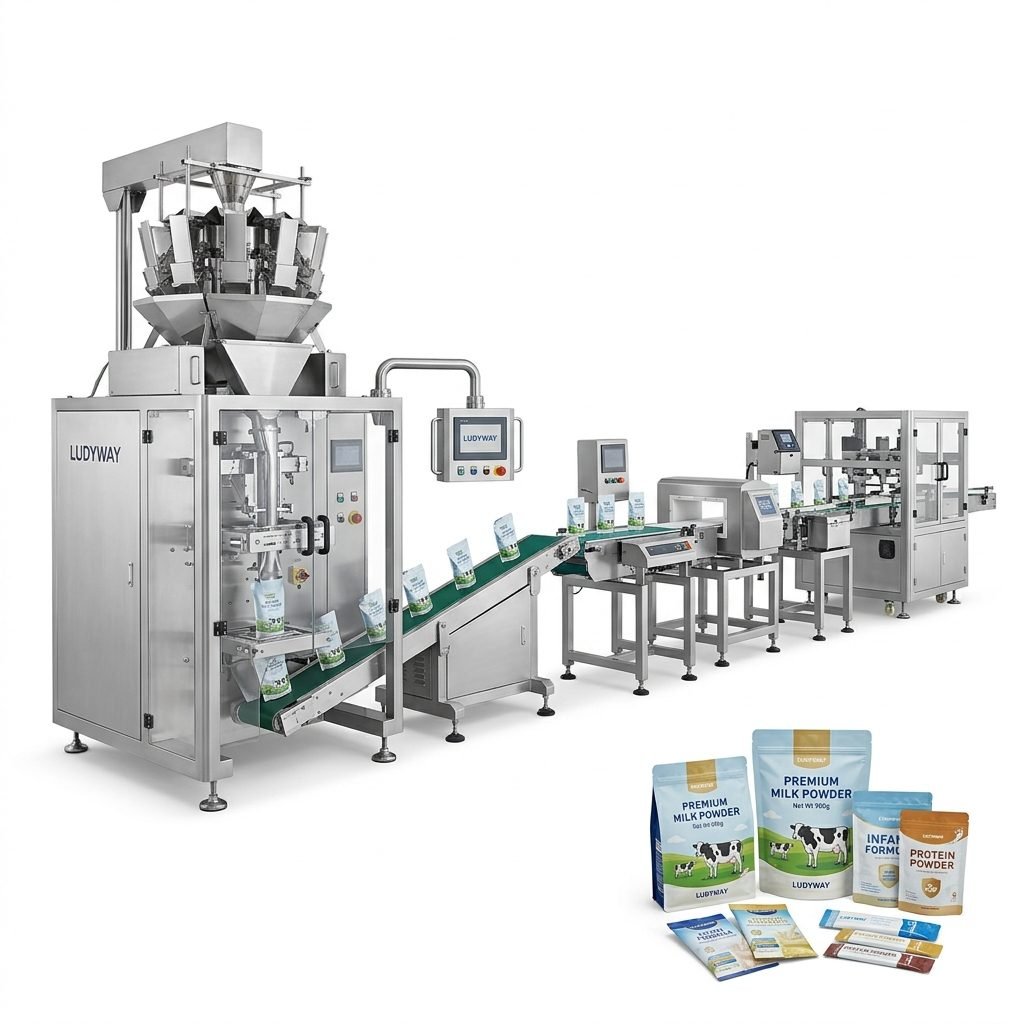
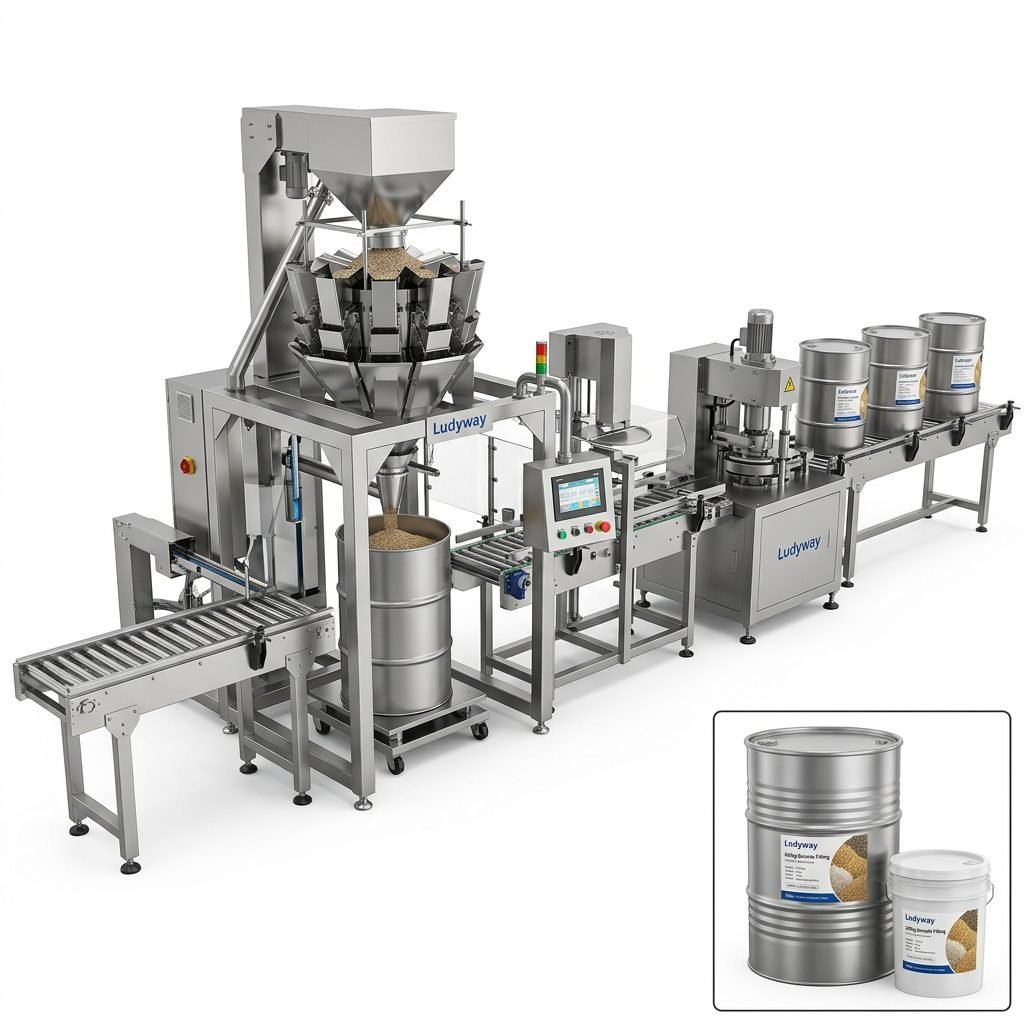
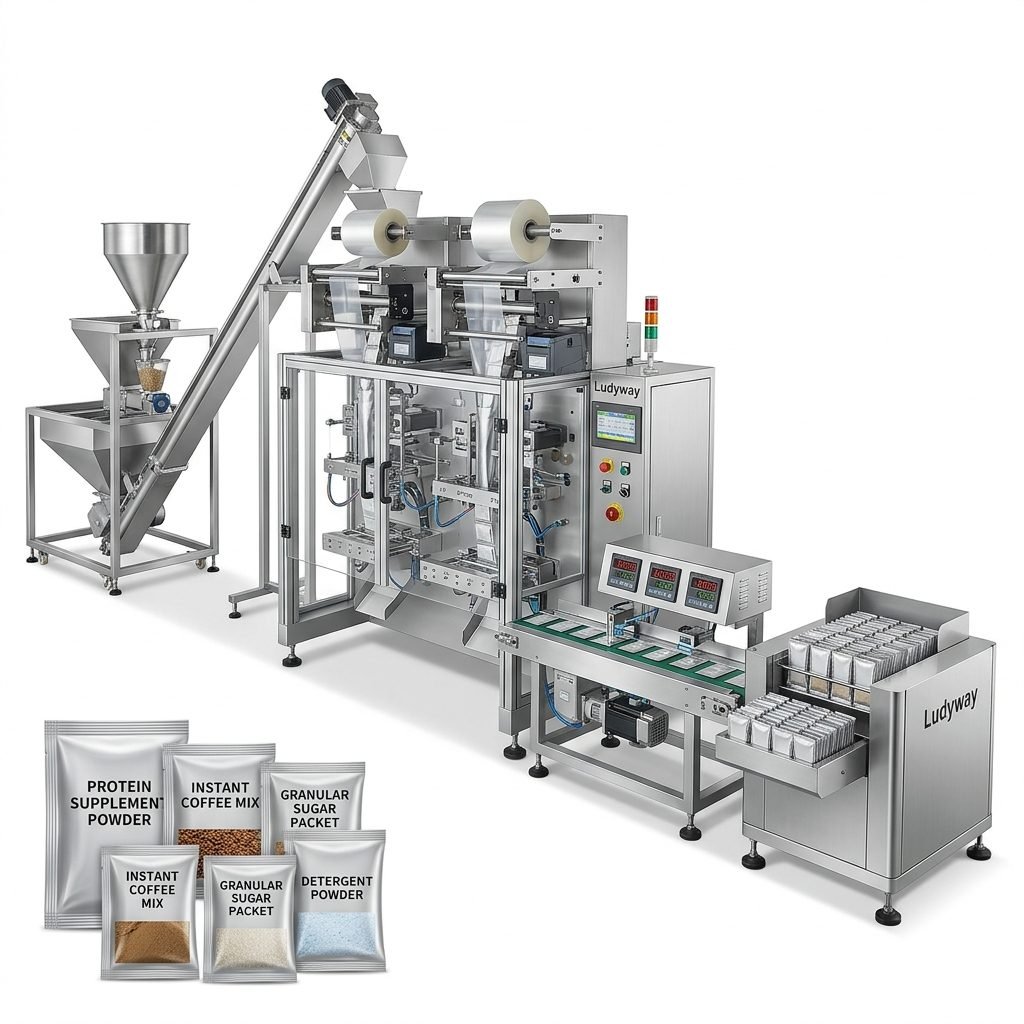
A complete airtight packaging production line comprises several interconnected systems. Each component plays a vital role in ensuring the integrity of the final package. Below is a breakdown of the core equipment categories you will need to evaluate.
Primary Packaging Machine — The Heart of the Line
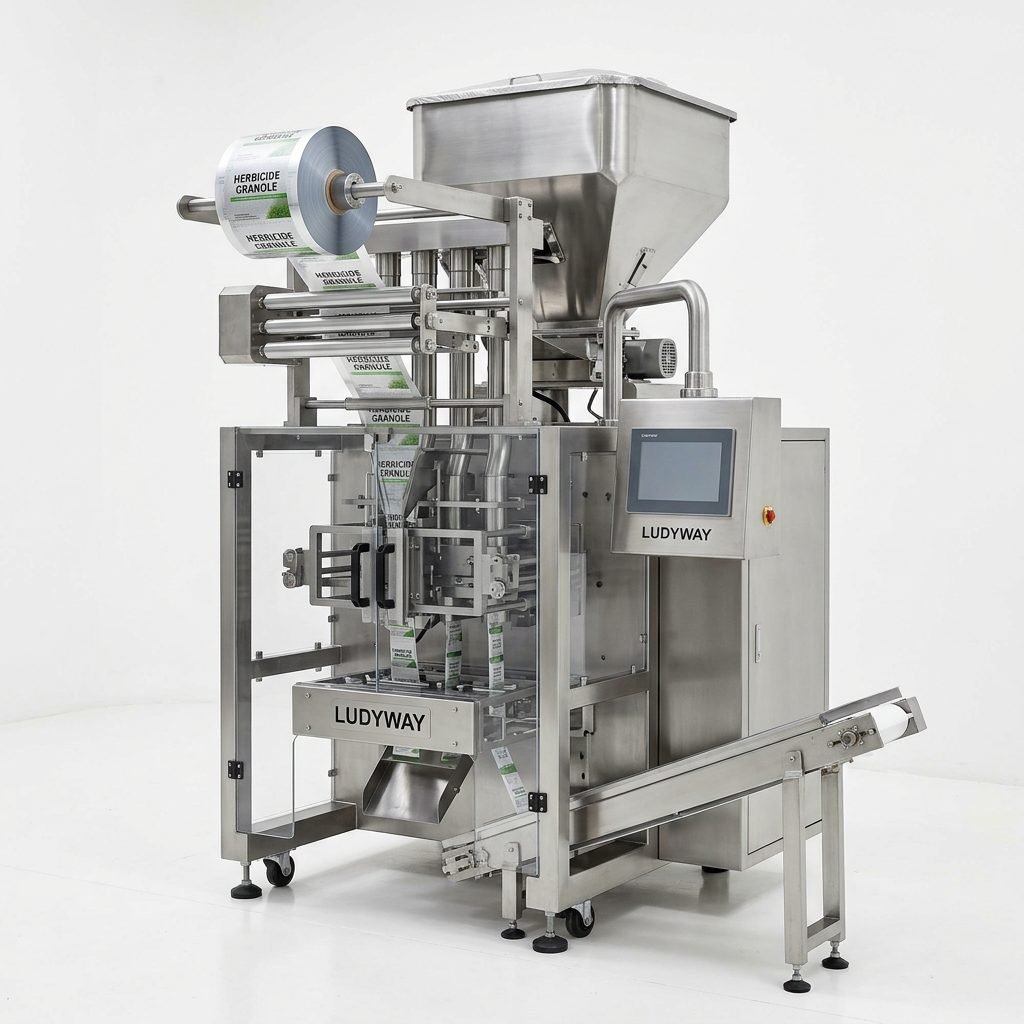
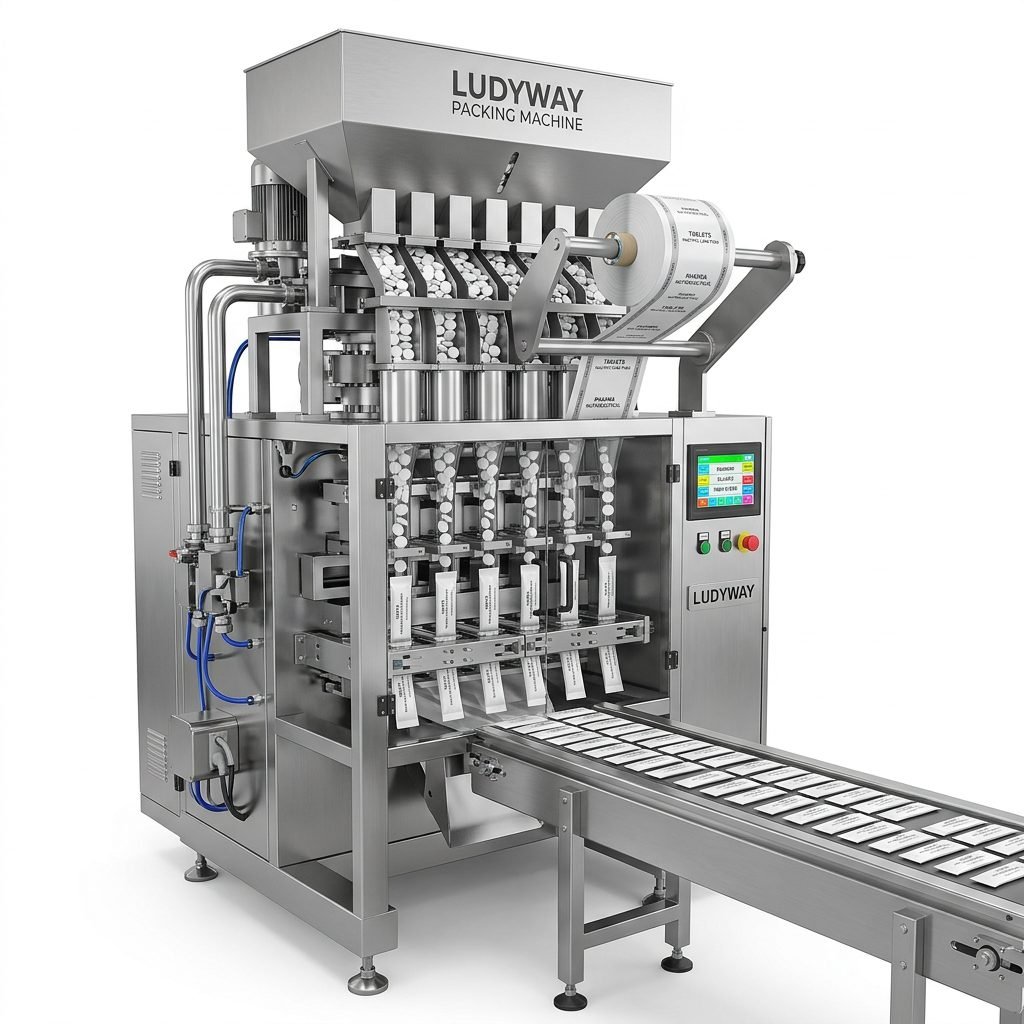
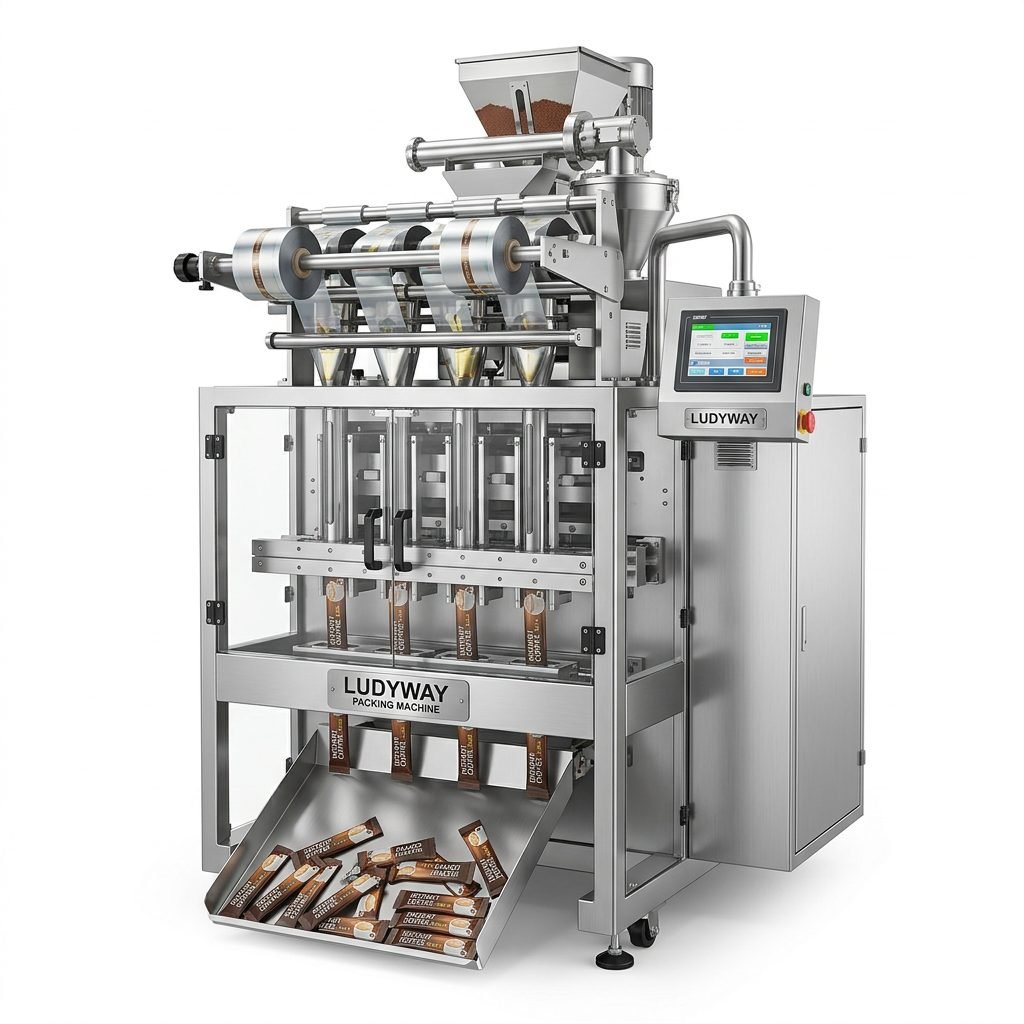
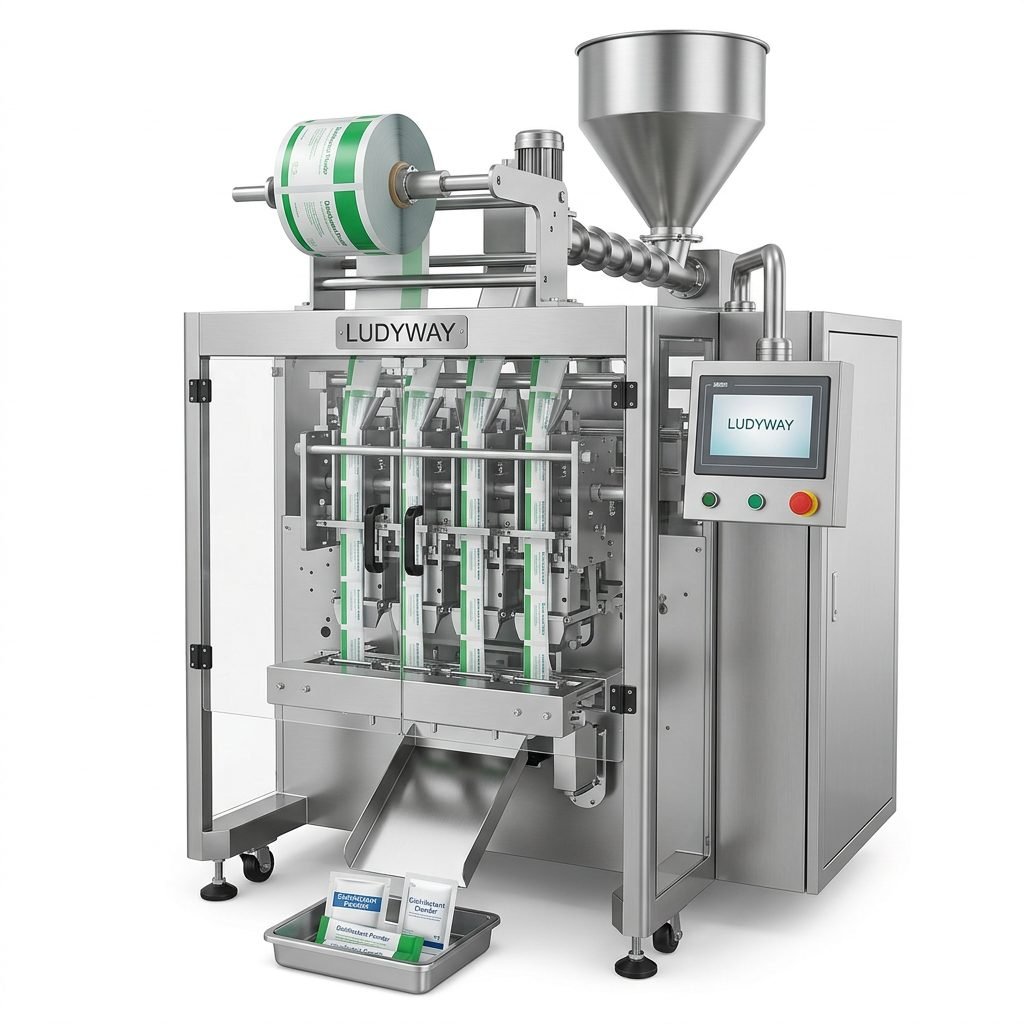
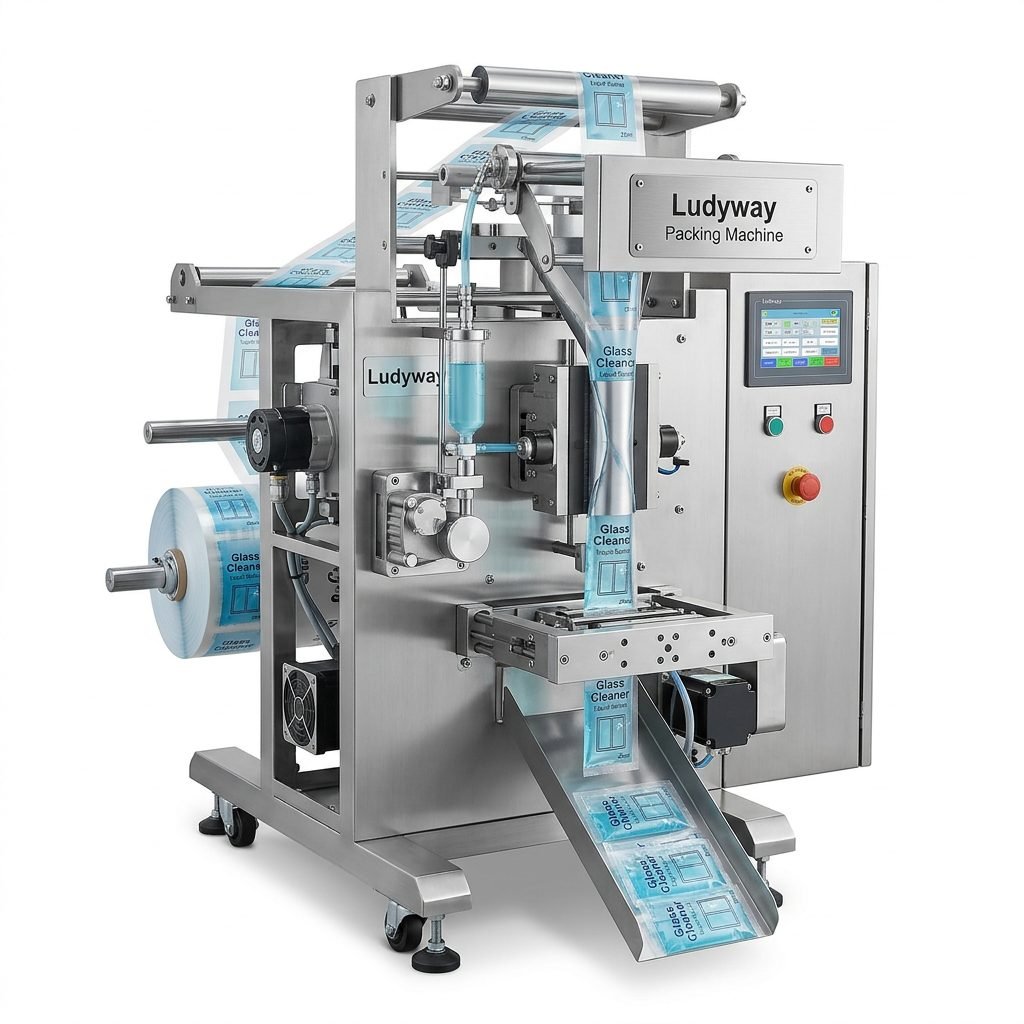
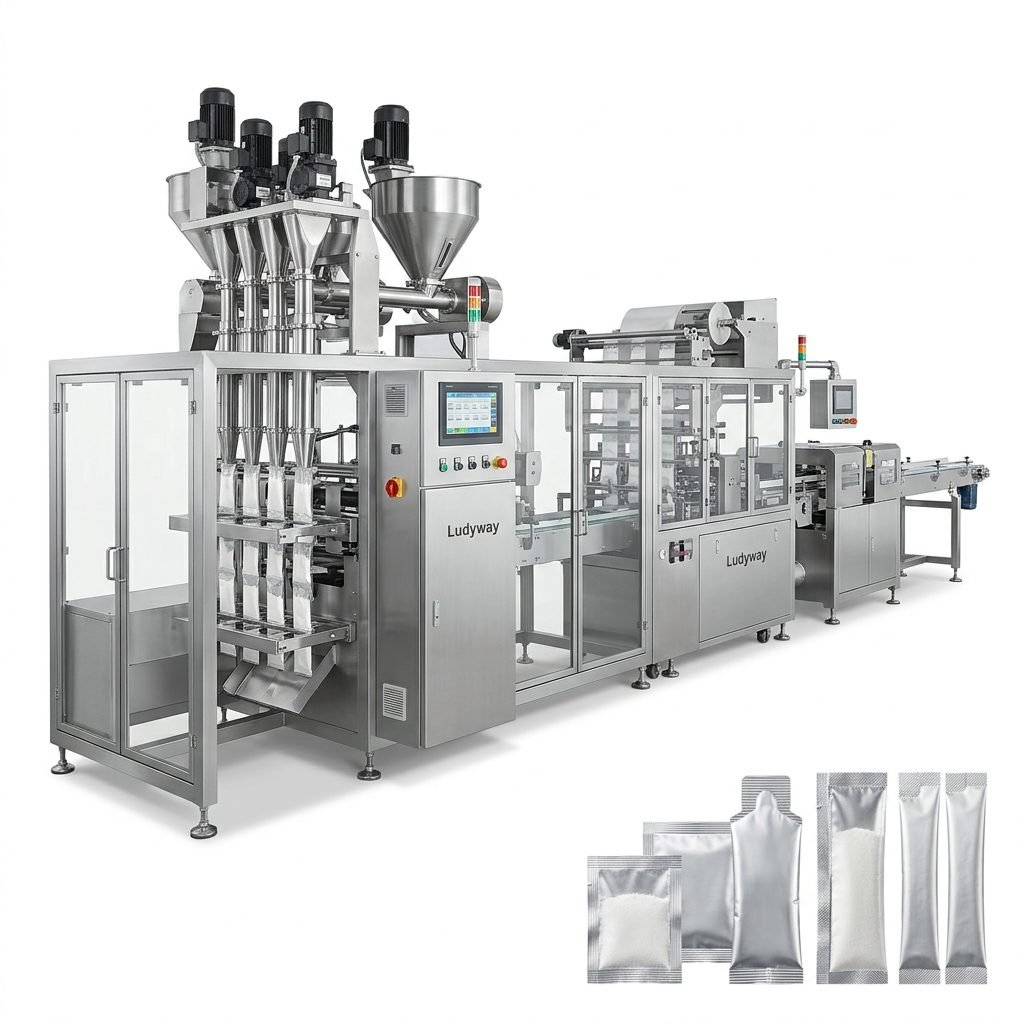
The primary packaging machine is responsible for forming, filling, and sealing each package. For airtight applications, vertical form-fill-seal (VFFS) machines and multi-lane stick pack or sachet machines are among the most popular choices. These machines can handle a wide range of products including granules, powders, liquids, and pastes. When selecting a primary packaging machine, pay close attention to:
- Sealing temperature and pressure control — precise heat sealing prevents leaks while avoiding film damage
- Multi-lane capability — higher output through parallel lane configurations for products like stick packs and sachets
- Gas flushing options — nitrogen or CO₂ injection systems to displace oxygen before sealing
- Material versatility — compatibility with various film types including metallized and high-barrier laminates

Material Handling and Feeding Systems
Efficient material handling ensures consistent product flow into the packaging machine. Depending on your product type, you may need auger fillers for powders, volumetric cup fillers for granules, or piston fillers for liquids. Key feeding equipment includes:
- Bucket elevators — for vertical transport of granules and powders
- Screw conveyors — ideal for bulk powder handling over longer distances
- Vibratory feeders — precision feeding for granular products with consistent particle size
- Multi-head weighers — high-speed weighing for granular and piece products
Inspection and Quality Control Equipment
Maintaining airtight seal integrity requires robust quality control measures. Modern production lines integrate various inspection technologies to detect defects before products reach consumers. Essential inspection equipment includes:
| Inspection Type | Equipment | Primary Function |
|---|---|---|
| Seal Integrity | Vision inspection system | Detects seal defects, wrinkles, and contamination |
| Metal Detection | Industrial metal detector | Identifies ferrous and non-ferrous metal contaminants |
| Weight Verification | Checkweigher | Ensures each package meets target fill weight |
| X-Ray Inspection | X-ray inspection machine | Detects dense foreign bodies and fill level anomalies |
| Leak Detection | Pressure decay or vacuum tester | Confirms hermetic seal on finished packages |
Secondary Packaging Systems
Once primary packages are sealed, secondary packaging systems handle cartoning, case packing, and palletizing. These systems protect the airtight packages during transport and storage. Depending on your production volume, you may incorporate:
- Automatic cartoners — for boxing individual sachets or stick packs
- Case packers — for grouping cartons into shipping cases
- Palletizers — robotic or conventional systems for stacking finished cases onto pallets
- Stretch wrappers — for securing pallet loads for shipment
Step-by-Step Setup Guide for Your Production Line
Setting up a production line requires methodical planning and execution. Follow these steps to ensure a smooth installation and commissioning process. Each phase involves close collaboration between your team and your equipment suppliers.
Step 1: Define Production Goals and Specifications
Begin by clearly documenting your production requirements. Determine target output per hour, package formats and sizes, product characteristics, and any special handling needs. This information forms the basis for equipment selection and line configuration. Key questions to answer include:
- What is the target production capacity (units per minute or hour)?
- What package formats will you run — stick packs, sachets, pouches, or bottles?
- Does the product require modified atmosphere packaging (MAP) or nitrogen flushing?
- What are the dimensions and barrier requirements of your packaging materials?
Step 2: Design the Production Floor Layout
An optimized floor layout minimizes material travel distances and facilitates efficient workflow. Consider a linear or U-shaped configuration based on your available space. Ensure adequate clearance around each machine for operator access, maintenance, and sanitation. Key layout principles include:
- Position raw material receiving areas near the line start
- Place primary packaging machines in a controlled environment zone
- Arrange inspection equipment immediately after sealing stations
- Locate secondary packaging near the warehouse or shipping area
- Ensure smooth product flow without bottlenecks
Step 3: Install and Commission Equipment
Professional installation by experienced technicians is essential. The commissioning process should include mechanical setup, electrical connections, pneumatic system calibration, and software configuration. Run each machine individually before integrating the full line. Perform test runs with actual product to verify sealing quality and throughput.
Step 4: Validate and Optimize
Validation ensures your production line consistently produces hermetically sealed packages. Conduct seal strength tests, burst tests, and dye penetration tests on sample packages. Document all parameters — sealing temperature, dwell time, pressure, and gas flush rates — for future reference. Optimization may involve fine-tuning machine speeds, adjusting filling accuracy, and refining material tension settings.
Critical Considerations for Production Line Layout
Beyond the basic layout, several factors significantly impact the performance of an airtight packaging line. Addressing these during the planning phase prevents costly modifications later. Consider the following critical aspects:
| Consideration | Impact | Recommendation |
|---|---|---|
| Environmental Control | Humidity and temperature affect seal quality | Maintain controlled production environment with HVAC systems |
| Cleanroom Classification | Required for sensitive food and pharmaceutical products | Implement appropriate air filtration and sanitation protocols |
| Material Storage | Film properties change with storage conditions | Store packaging materials in climate-controlled areas |
| Operator Ergonomics | Affects efficiency and safety | Design workstations at appropriate heights with clear sight lines |
| Future Expansion | Allows capacity growth without major disruption | Reserve space for additional equipment and automation upgrades |

Quality Assurance and Compliance
Food packaging lines must adhere to rigorous quality standards. Airtight packaging integrity is non-negotiable, as any compromise can lead to product spoilage, consumer complaints, or regulatory action. Implement a comprehensive quality management system that covers:
- Incoming material inspection — verify film thickness, barrier properties, and sealant layers
- In-process monitoring — real-time seal temperature tracking and visual inspection systems
- Finished product testing — burst testing, vacuum decay testing, and microbial analysis
- Traceability systems — batch coding and serialization for recall readiness
- Compliance documentation — maintain records aligned with FDA food contact substance regulations and relevant regional standards
Maintenance and Optimization Strategies
A proactive maintenance program is essential for keeping your airtight packaging line running at peak performance. Downtime in food packaging operations can be extremely costly. Develop a structured maintenance plan that includes:
- Daily cleaning and inspection — remove product residue, check sealing jaws for wear
- Weekly preventive maintenance — lubricate moving parts, calibrate temperature sensors
- Monthly comprehensive checks — inspect electrical systems, pneumatic components, and belts
- Quarterly deep maintenance — replace worn parts, update software, conduct full recalibration
- Annual overhaul — complete machine inspection and major component replacement as needed
Common Challenges and Practical Solutions
Even well-designed production lines encounter challenges. Being prepared with solutions helps minimize disruptions. Here are common issues faced in airtight food packaging operations and how to address them:
| Challenge | Root Cause | Solution |
|---|---|---|
| Inconsistent Seal Quality | Temperature fluctuation or worn sealing jaws | Calibrate temperature controllers and replace worn components regularly |
| Product Leakage | Misaligned film or incorrect tension | Adjust film tracking and tension control systems |
| Fill Weight Variations | Product bridging or inconsistent density | Optimize hopper design and use agitators for powders |
| Oxygen Residual in Package | Inadequate gas flushing or leaks | Increase gas flow rate and verify seal integrity |
| Film Wrinkling | Improper film path alignment | Check rollers, guides, and adjust film tracking mechanisms |
Selecting the Right Equipment Partner
Choosing the right equipment manufacturer is as important as selecting the right machinery. A reliable partner provides not only high-quality machines but also engineering support, installation services, training, and after-sales technical assistance. Evaluate potential suppliers based on their industry experience, manufacturing capabilities, customer references, and commitment to innovation. For instance, Ludyway is one of the largest packaging machine manufacturers with over 30 years of industry expertise and a modern 20,000㎡ manufacturing facility, serving customers in more than 100 countries. When evaluating partners, also review their track record with packaging industry standards and their ability to provide turnkey production line solutions tailored to your specific needs.

Conclusion: Building a Future-Ready Airtight Packaging Line
Setting up an airtight food packaging machine production line is a multifaceted undertaking that requires careful planning, the right equipment, and ongoing commitment to quality. By understanding your product requirements, selecting appropriate machinery, designing an efficient layout, and implementing robust quality control systems, you can build a production line that delivers consistent, high-quality sealed packages. Regular maintenance and a partnership with a knowledgeable equipment supplier will keep your line operating efficiently for years to come. As food safety regulations continue to evolve and consumer expectations rise, investing in a well-engineered airtight packaging line positions your business for sustained growth and market success.
For further guidance on packaging machinery and industry best practices, explore resources from PMMI’s State of the Industry reports and the Flexible Packaging Association. Staying informed about packaging regulations and technological advancements will help you maintain a competitive edge in the dynamic food packaging landscape.