The dry food packaging machine market in Southeast Asia is experiencing rapid growth, driven by increasing demand for processed and convenience foods. Countries like Thailand, Vietnam, Indonesia, Malaysia, and the Philippines are seeing a surge in food manufacturing activities. Understanding the local market dynamics is essential before making a purchase decision.
Southeast Asia’s food processing sector is projected to grow at a CAGR of over 7% through 2030. This expansion creates significant opportunities for businesses investing in automated packaging equipment. According to PMMI business intelligence, the global packaging machinery market continues to expand, with Asia-Pacific leading the growth trajectory. The region’s diverse food culture means packaging requirements vary significantly across different product categories.
Types of Dry Food Packaging Machines Available
Selecting the right type of packaging machinery depends on your specific product characteristics, production volume, and target market requirements. Several distinct machine categories serve the dry food sector in Southeast Asia.
Multi-Lane Stick Pack Machines
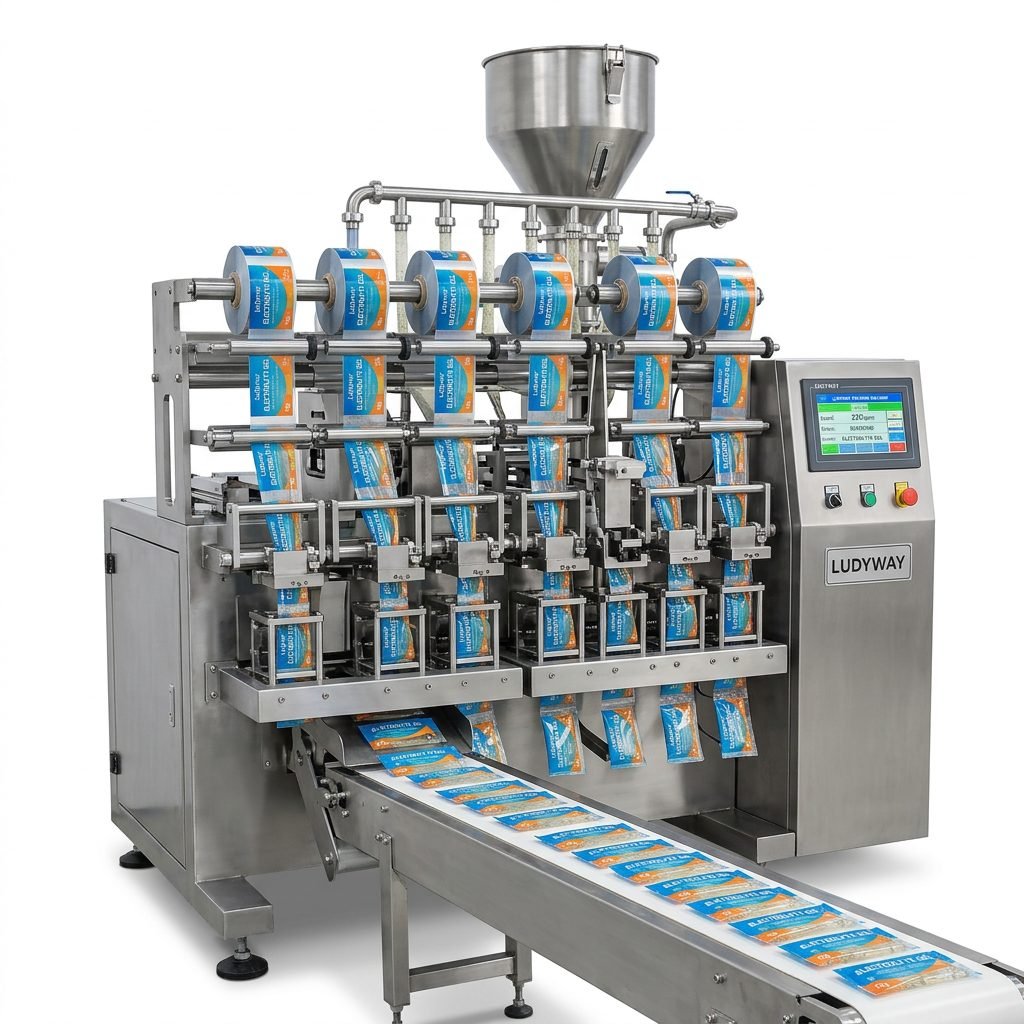
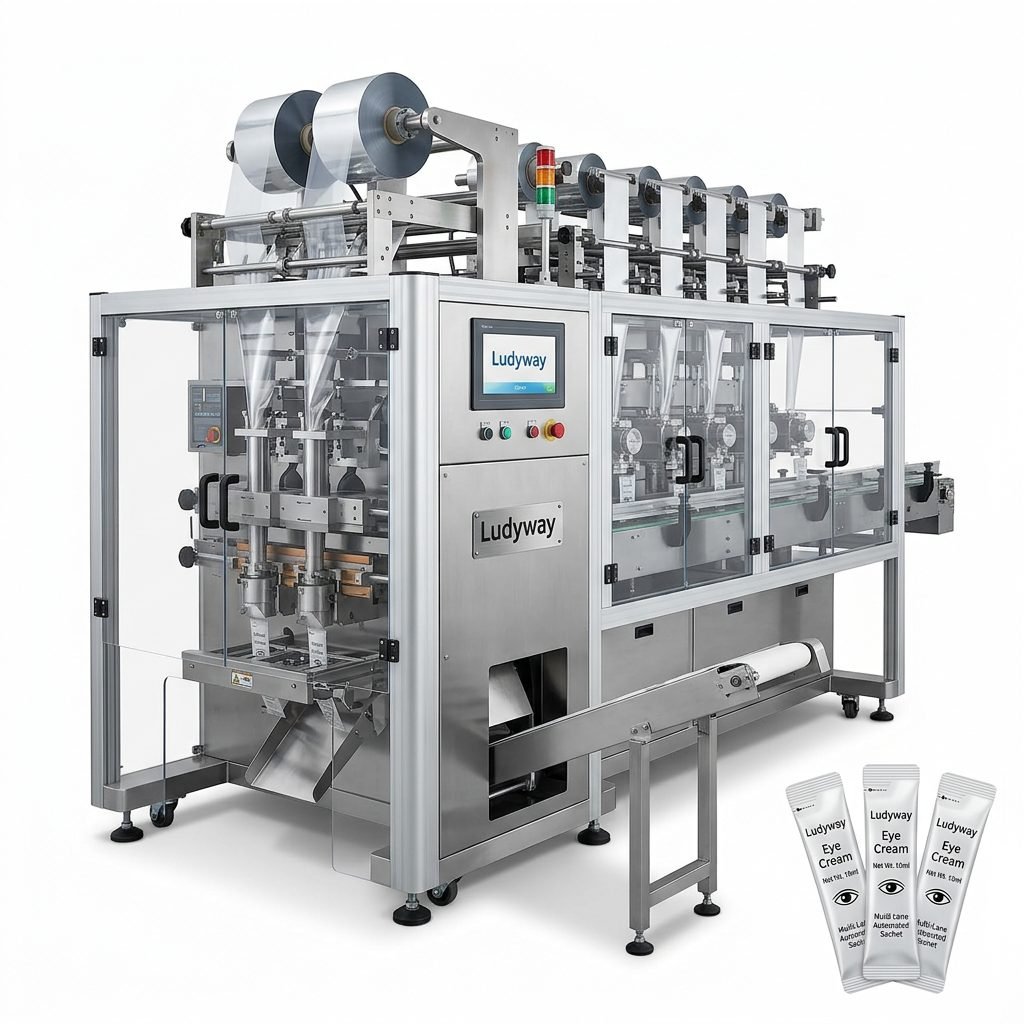
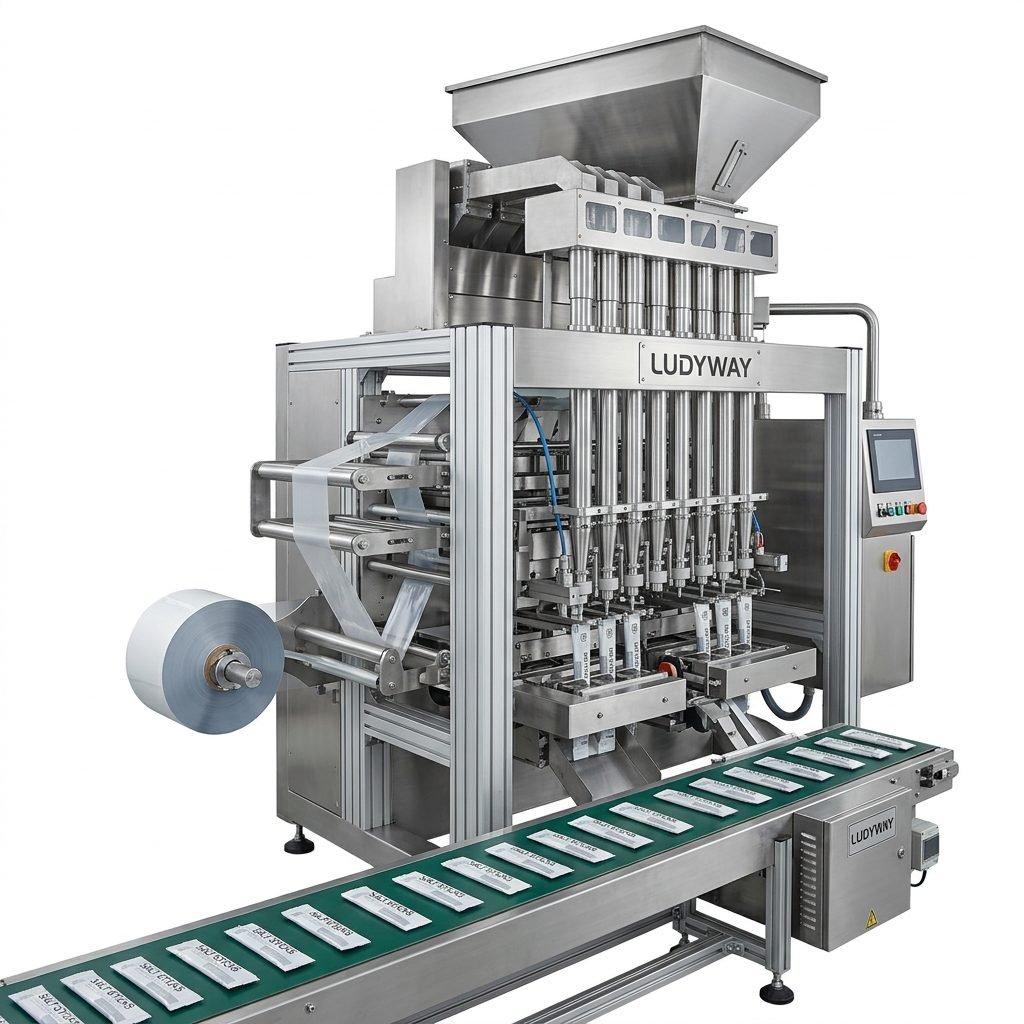
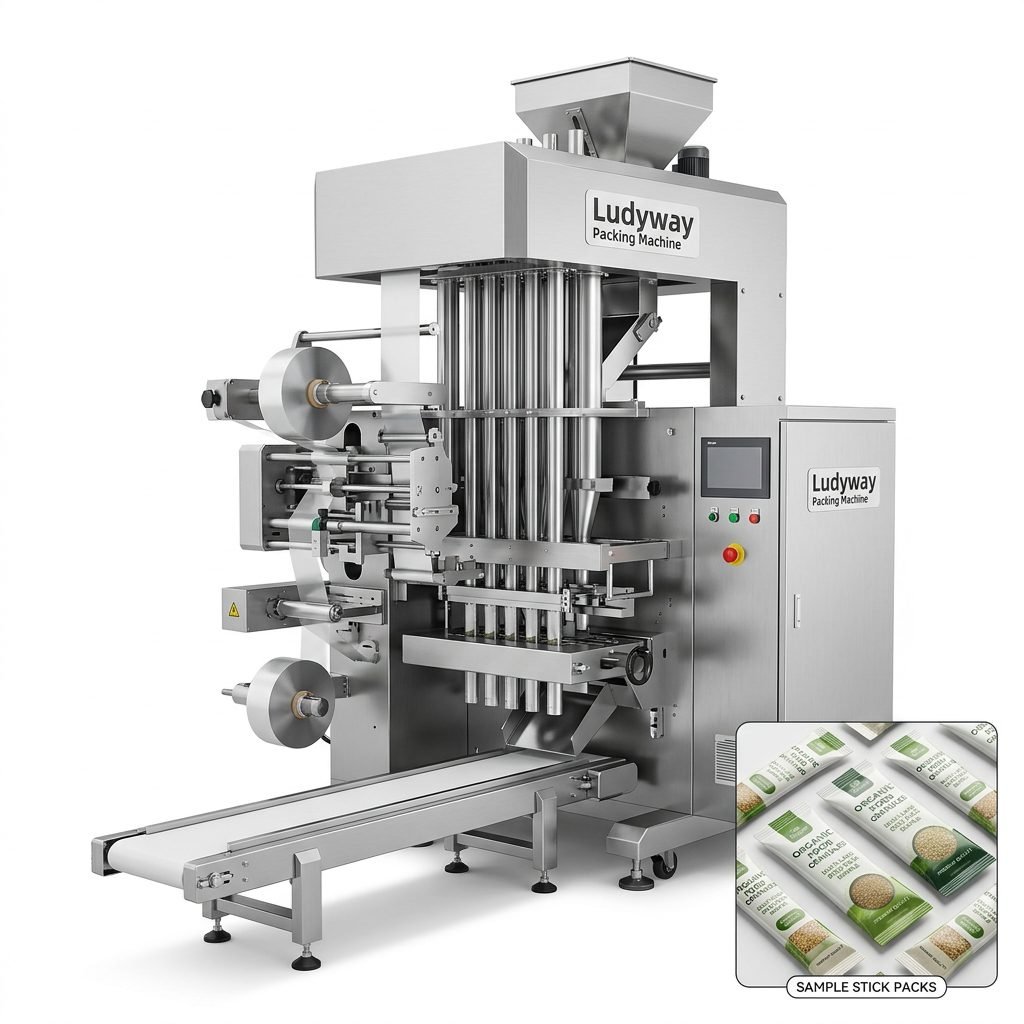
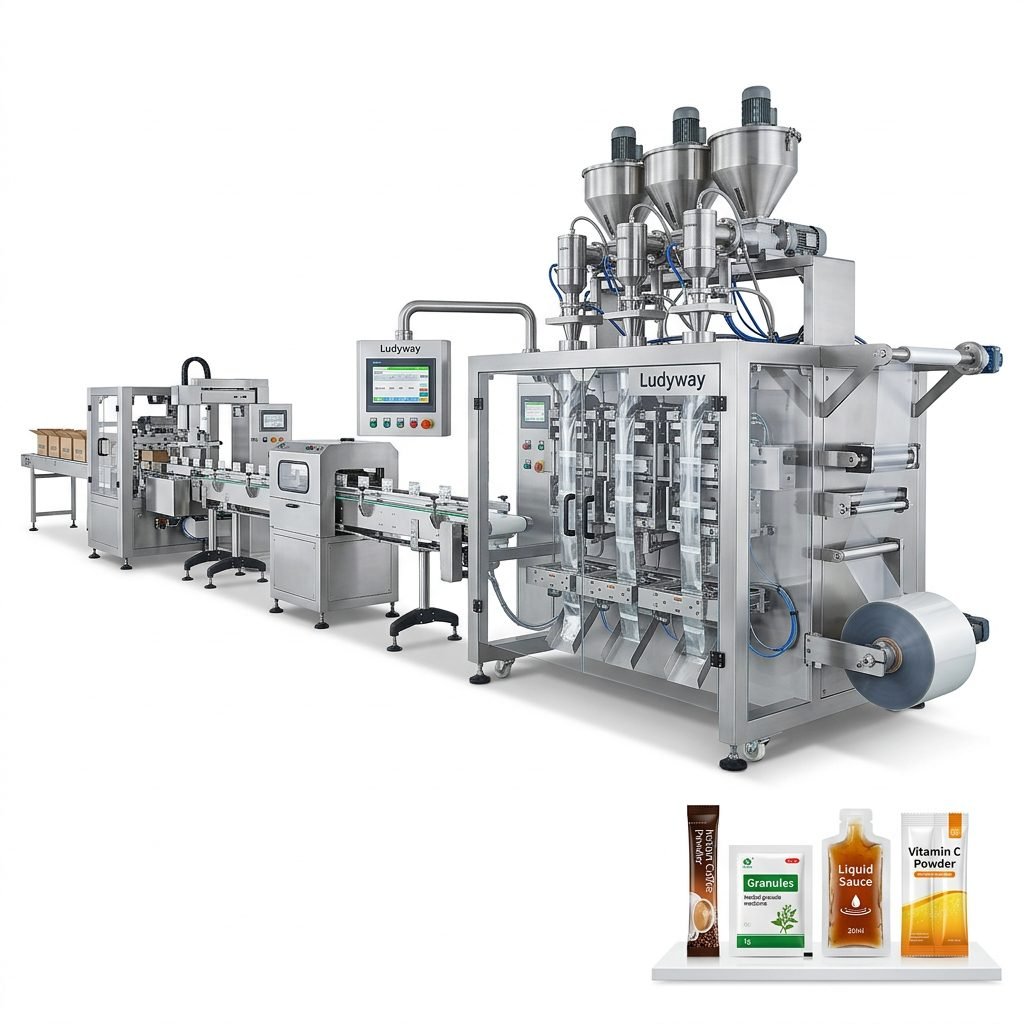
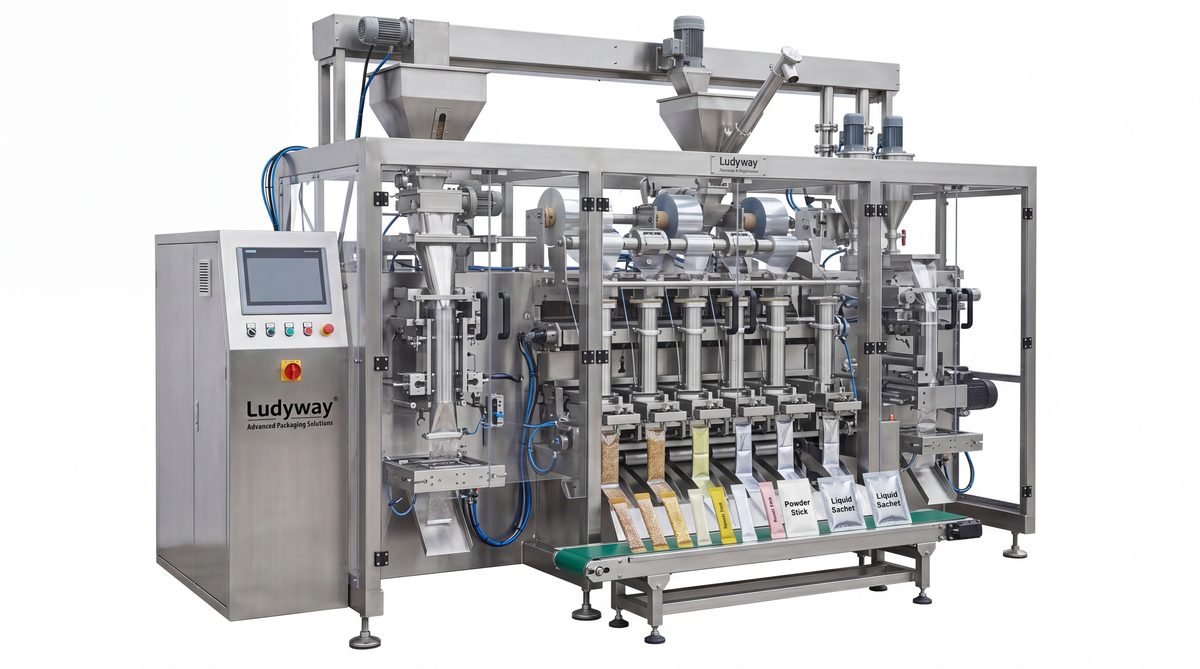
Multi-lane stick pack machines are ideal for single-serve portions of powders and granules. These systems can produce up to 800 packs per minute across multiple lanes, making them highly efficient for products like instant coffee, sugar, creamer, and spice blends. The flexible packaging industry has seen tremendous innovation in stick pack formats, particularly for on-the-go consumption patterns prevalent in urban Southeast Asian markets.
Sachet Packaging Machines
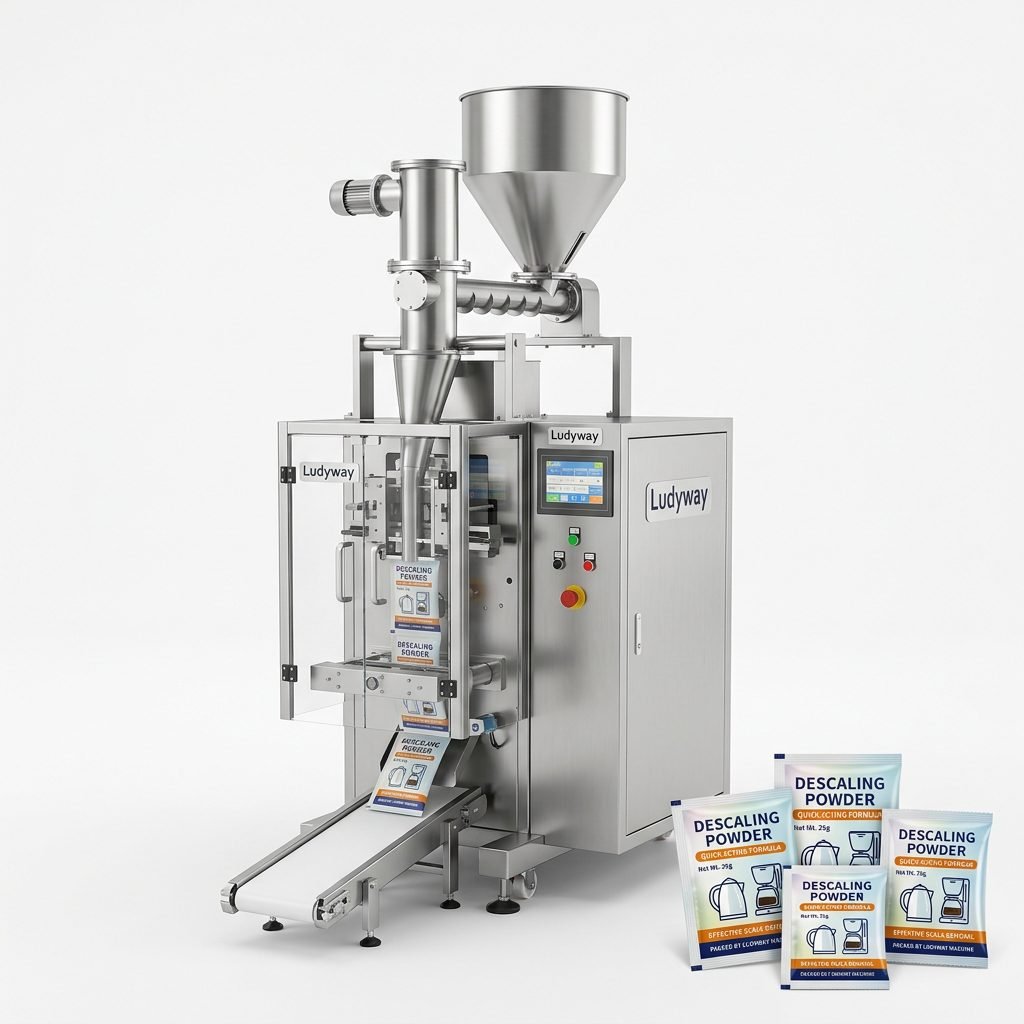
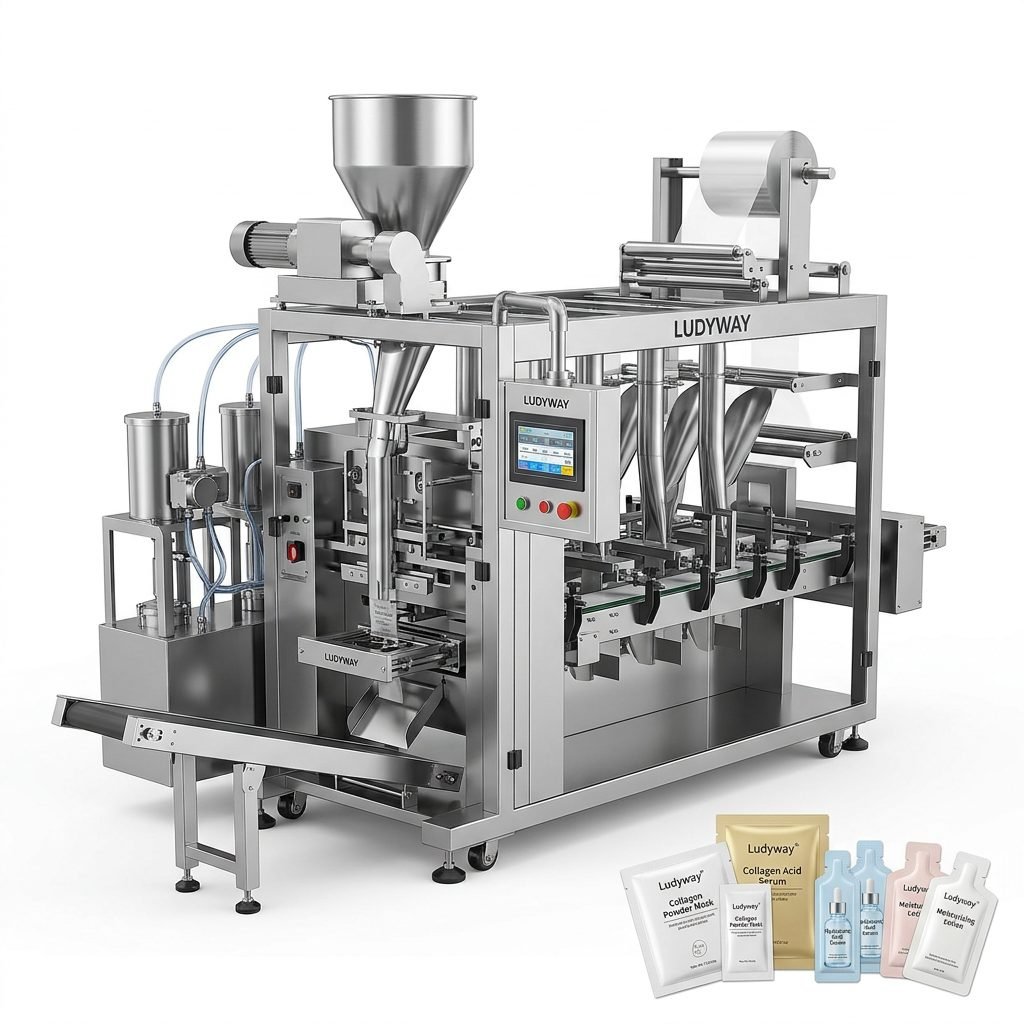
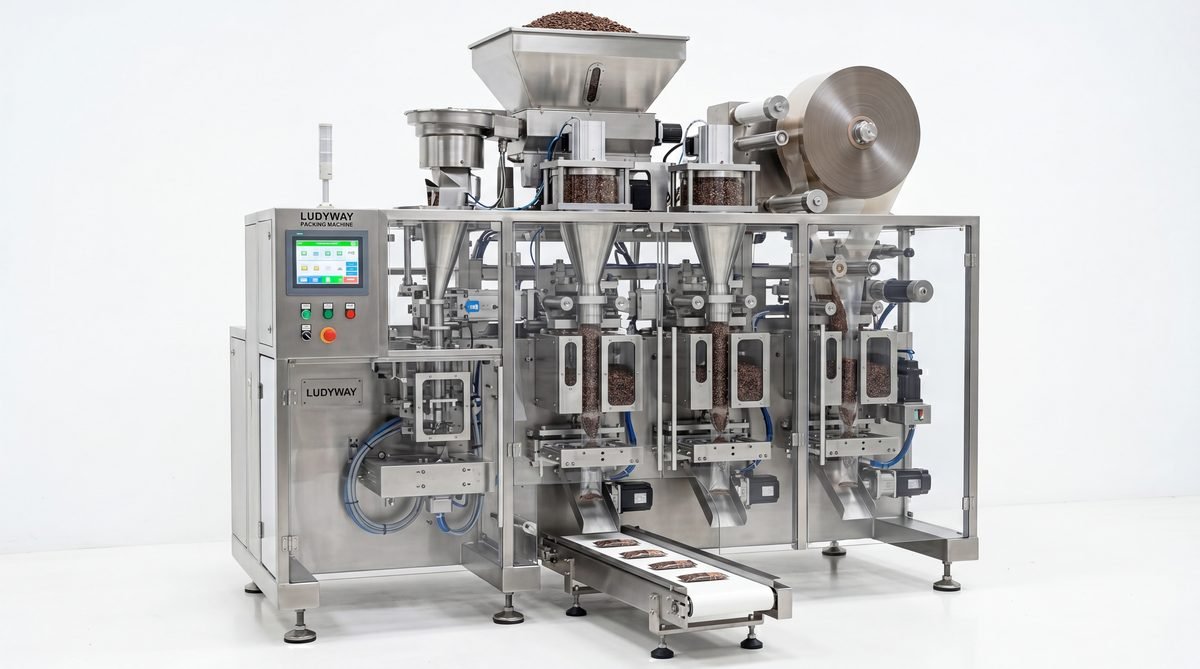
Sachet packaging remains the dominant format in Southeast Asia due to its affordability and convenience. These machines handle a wide range of dry products from seasoning powders to beverage mixes. The sachet format allows manufacturers to offer products at accessible price points, which is crucial in price-sensitive markets across the region.
Vertical Form Fill Seal (VFFS) Systems
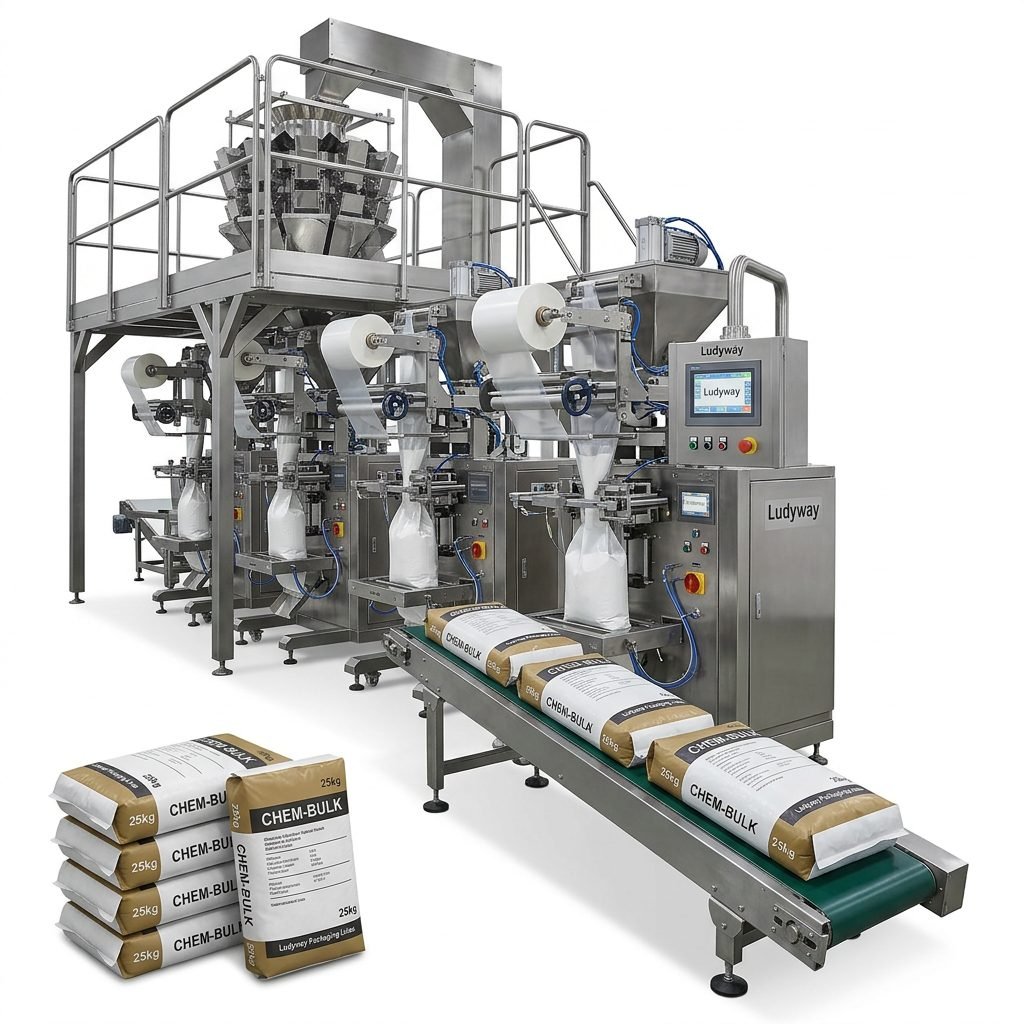
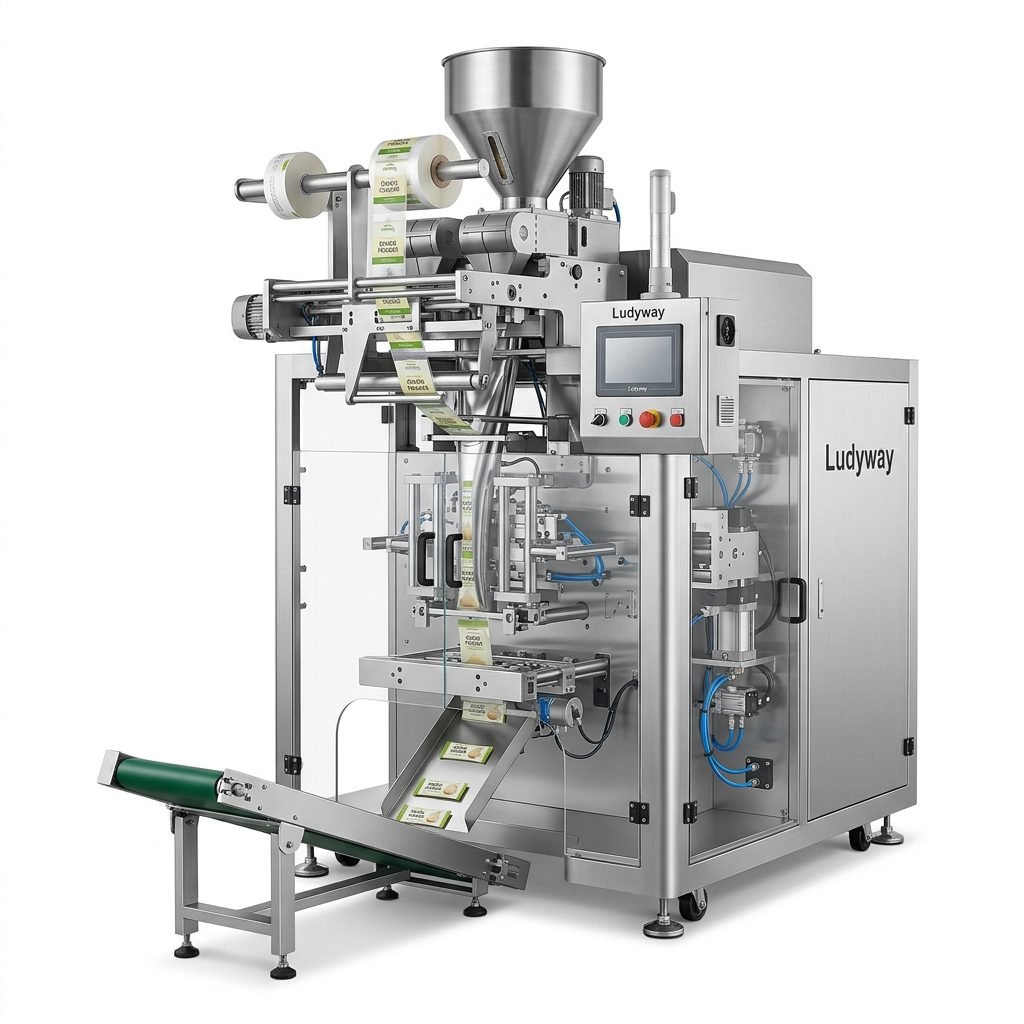
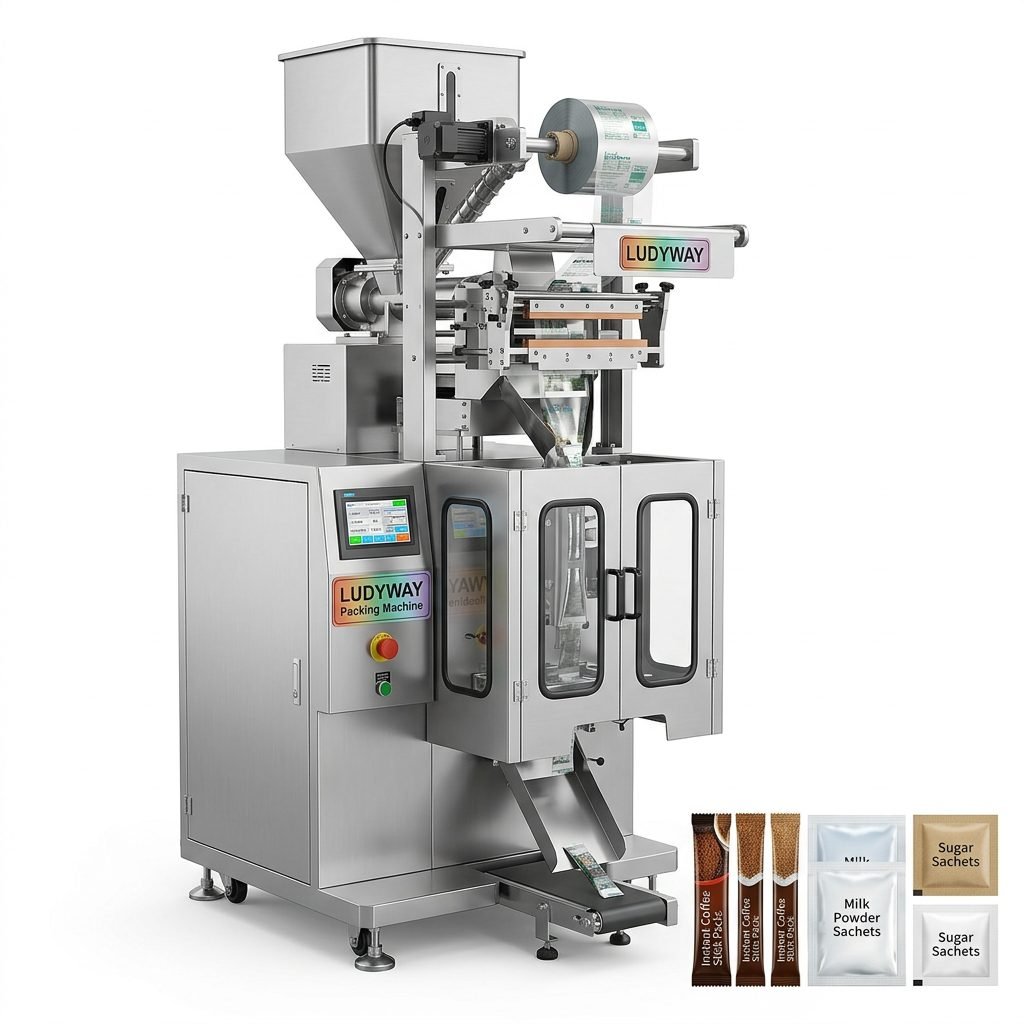
VFFS machines offer versatility for medium to large-scale operations. They can produce pillow bags, gusseted bags, and quad-seal pouches suitable for various dry food products including rice, beans, snacks, and cereals. These systems integrate weighing, filling, and sealing into one continuous operation.
Key Factors to Consider When Purchasing
Making an informed investment in a dry food packaging machine requires evaluating several critical factors. Each consideration directly impacts your operational efficiency and return on investment.
| Factor | Description | Importance Level |
|---|---|---|
| Product Characteristics | Granule size, powder density, moisture content, flowability | Critical |
| Production Capacity | Packs per minute, daily output requirements, scalability | Critical |
| Packaging Material | Film compatibility, barrier properties, sustainability options | High |
| Automation Level | Manual, semi-automatic, fully automatic with integrated systems | High |
| Regulatory Compliance | Food safety standards, GMP requirements, local certifications | Critical |
| After-Sales Support | Technical service availability, spare parts supply, training | High |
| Total Cost of Ownership | Initial investment, maintenance, energy consumption, labor costs | High |
Understanding Southeast Asian Market Requirements
Southeast Asian markets have unique characteristics that influence packaging equipment specifications. The tropical climate with high humidity levels demands robust sealing technologies to protect dry food products from moisture ingress. Additionally, the prevalence of small retail formats means packaging sizes tend to be smaller compared to Western markets.
Climate Considerations
High humidity in countries like Thailand, Vietnam, and Indonesia requires packaging machines with excellent sealing integrity. Moisture barrier packaging materials and precise temperature control during sealing are essential to ensure product shelf life. FDA food packaging regulations provide valuable guidance on material safety and migration limits, which many Southeast Asian regulators reference in their own frameworks.
Portion Size Preferences
Sachets containing 2g to 25g of product dominate the market. Single-use and small-family formats are preferred due to lower purchasing power and the traditional shopping behavior of buying fresh ingredients frequently. Your machine should accommodate these smaller format requirements with precision dosing capabilities.
Selecting Reliable Suppliers
Choosing a trustworthy supplier is as important as selecting the right machine. The packaging machinery industry has numerous manufacturers, but not all offer the same level of quality, support, and reliability. Companies like Ludyway have established themselves as significant players with over 30 years of industry expertise across more than 100 countries. When evaluating suppliers, consider the following criteria:
- Manufacturing facility size and production capacity indicate the supplier’s ability to handle large orders
- International certifications such as CE, ISO, and GMP compliance demonstrate commitment to quality
- Reference installations in Southeast Asia provide validation of regional experience
- Technical documentation and operator training materials should be available in local languages
- Spare parts inventory and distribution network ensure minimal downtime
- Warranty terms and post-installation support policies protect your investment
According to PMMI’s state of the industry report, packaging machinery demand continues to rise globally, making it essential to secure reliable supply chains and certified manufacturers who adhere to ISO packaging standards.
Cost Analysis and Budget Planning
Investment in a dry food packaging machine in Southeast Asia typically ranges from $8,000 for basic semi-automatic models to over $150,000 for fully automated multi-lane systems. Understanding the total cost structure helps in making a financially sound decision.
Initial Investment Breakdown
- Machine cost: 60-70% of total investment
- Shipping and logistics: 8-12% for international purchases
- Installation and commissioning: 5-8%
- Initial spare parts package: 3-5%
- Training and documentation: 2-4%
- Import duties and taxes: Varies by country (typically 5-15% in ASEAN)
Operational Cost Considerations
Ongoing costs include packaging film, electricity consumption, operator labor, maintenance, and spare parts. Energy-efficient machines with servo-driven systems can reduce electricity costs by up to 30% compared to pneumatic alternatives. The Flexible Packaging Association resources offer insights into material cost trends and sustainability options that can impact your long-term operational expenses.
Technology Features to Prioritize
Modern packaging machines incorporate advanced technologies that significantly improve productivity and reduce waste. When comparing different models, pay attention to these key technological features.
Servo-Driven Systems
Servo motors provide precise control over filling, sealing, and cutting operations. This precision reduces product giveaway, minimizes film waste, and enables quick changeovers between different package sizes. For multi-lane stick pack and sachet machines, servo technology is particularly valuable for maintaining consistent quality across all lanes.
Intelligent Control Interfaces
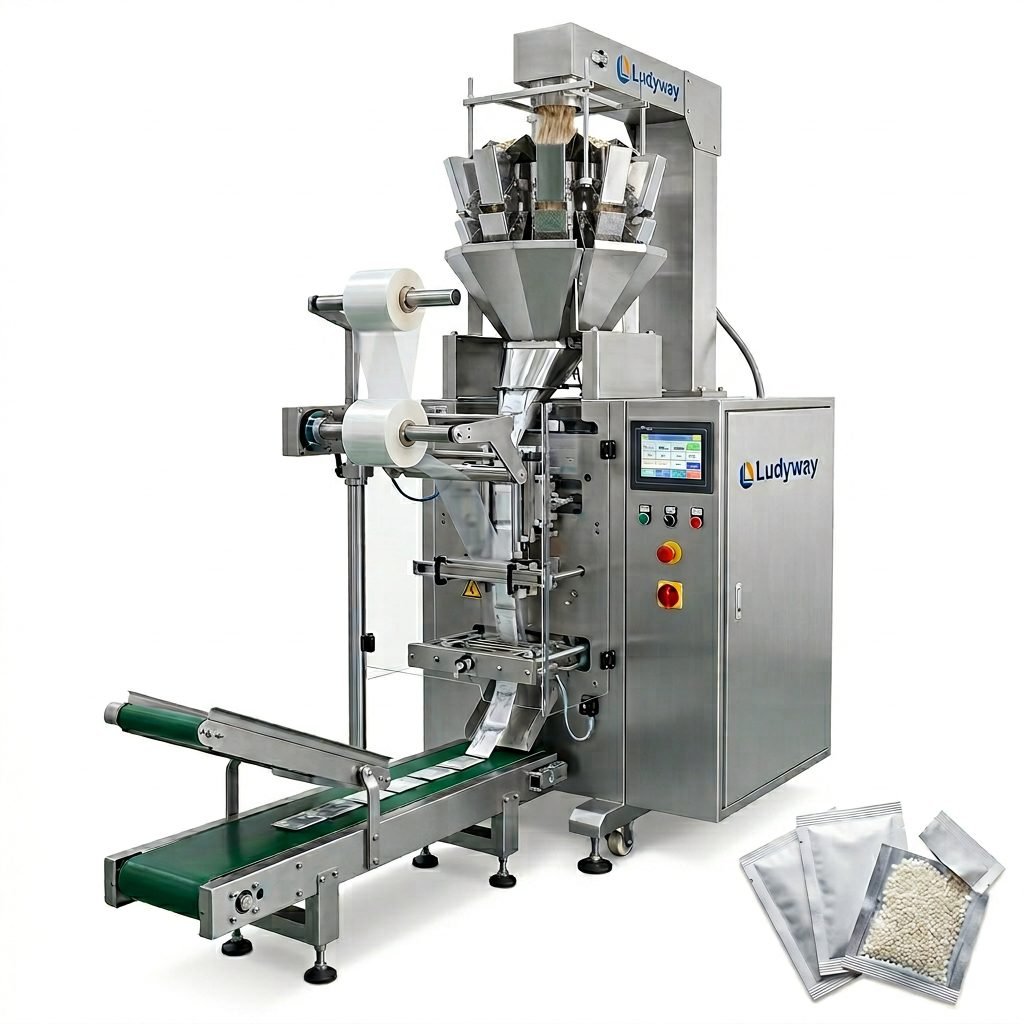
PLC-based control systems with touchscreen interfaces simplify operation and troubleshooting. Modern interfaces store multiple product recipes, track production data, and provide diagnostic information. Operators can switch between different products and package formats with minimal downtime.
Regulatory Compliance in Southeast Asia
Each Southeast Asian country has its own food safety regulations that impact packaging requirements. However, many align with international standards. Understanding these requirements is essential for both local production and export-oriented operations.
- Thailand: FDA Thailand regulates food packaging under the Food Act B.E. 2522
- Vietnam: Vietnam Food Administration oversees packaging safety standards
- Indonesia: BPOM (National Agency of Drug and Food Control) sets packaging regulations
- Malaysia: MOH Food Safety and Quality Division enforces packaging standards
- Philippines: FDA Philippines governs food packaging materials and safety
- Singapore: SFA (Singapore Food Agency) maintains strict packaging standards
Ensuring your packaging equipment can meet these varying requirements is crucial. Machines should support food contact substance compliance and be capable of maintaining hygienic production environments as outlined in ISO 11607 packaging standards.
Installation, Training, and Maintenance
Successful implementation of a dry food packaging machine extends beyond the purchase. Proper installation, comprehensive operator training, and a structured maintenance program ensure optimal performance throughout the machine’s lifecycle.
Installation Requirements
Prepare your facility before the machine arrives. This includes ensuring adequate floor space, proper electrical connections (typically 380V three-phase for industrial machines), compressed air supply if required, and appropriate environmental conditions. Temperature and humidity control in the packaging area directly affect both machine performance and product quality.
Training Programs
Comprehensive training should cover machine operation, daily maintenance, troubleshooting, and safety procedures. Both machine operators and maintenance technicians need hands-on training. Many PMMI packaging industry resources provide workforce development guidelines that can supplement machine-specific training from your supplier.
Future-Proofing Your Investment
The packaging industry is evolving rapidly with trends toward sustainability, smart manufacturing, and flexible production. When purchasing a dry food packaging machine, consider how it can adapt to future requirements.
Sustainability Considerations
Consumer demand for eco-friendly packaging is growing across Southeast Asia. Machines that can handle recyclable, biodegradable, or thinner-gauge films provide a competitive advantage. According to the Flexible Packaging Association, sustainable flexible packaging is a key industry trend that manufacturers must address. European packaging waste regulations are also influencing global packaging standards and material innovation.
Industry 4.0 Integration
Machines with IoT capabilities can connect to central monitoring systems, enabling real-time production tracking, predictive maintenance alerts, and remote diagnostics. This connectivity is increasingly important for manufacturers seeking to optimize their operations and reduce unplanned downtime.
Modular Design
Modular machines allow you to add features or upgrade components as your business grows. This approach protects your initial investment while providing a pathway to increased automation and capacity. Consider whether the machine platform supports future expansion without requiring a complete replacement.
Making the Final Decision
Purchasing a dry food packaging machine in Southeast Asia requires balancing multiple considerations. Start by clearly defining your current and projected production needs. Research multiple suppliers, request detailed quotations, and whenever possible, arrange factory acceptance tests or visit reference installations. The PMMI state of the industry economic reports provide valuable benchmarks for evaluating equipment investments and market trends.
Remember that the lowest purchase price does not always represent the best value. Factor in machine reliability, after-sales support availability in your country, spare parts accessibility, and the supplier’s track record in Southeast Asian markets. A well-chosen packaging machine becomes a productive asset that supports your business growth for many years.
Selecting the right dry food packaging solution is a strategic decision that shapes your production efficiency and market competitiveness across Southeast Asia’s dynamic food industry.