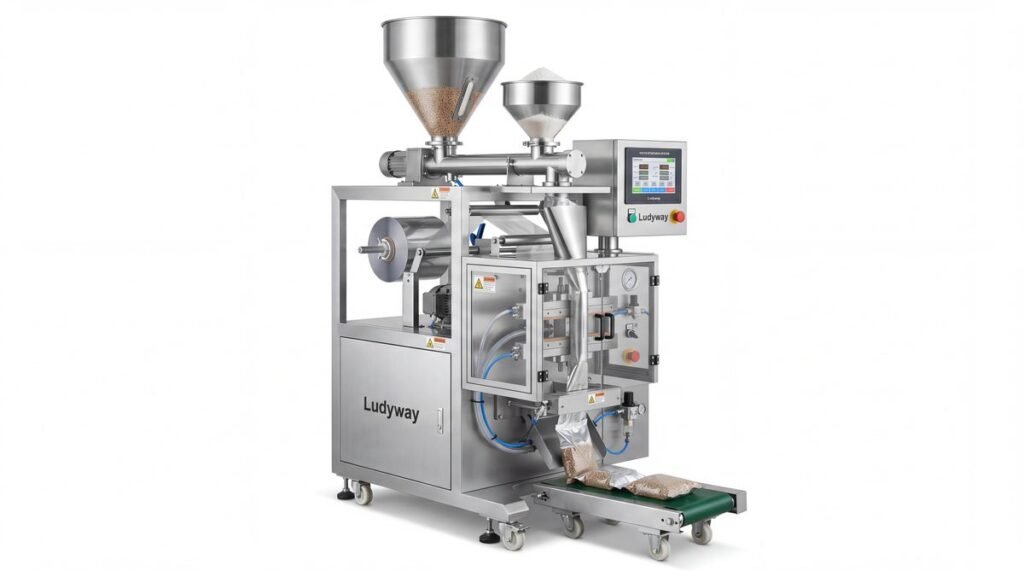
Investing in the right food vacuum packaging machine is one of the most impactful decisions a food manufacturer can make. Extending shelf life, preserving freshness, and enhancing product presentation all depend on reliable vacuum sealing technology. However, with a vast global supply chain, many businesses are turning their attention to China for cost-effective, high-performance solutions. Navigating this landscape requires a clear understanding of what to look for in a supplier, how to evaluate machine quality, and which factors truly matter for long-term operational success.
Why Source Food Vacuum Packaging Machines from China?
China has emerged as a dominant force in the packaging machinery industry. The country’s manufacturing ecosystem combines advanced engineering, scalable production, and competitive pricing that few other regions can match. According to industry data from the PMMI Business Intelligence Library, global demand for flexible packaging equipment continues to rise, and Chinese manufacturers are meeting this demand with increasingly sophisticated technology. Sourcing directly allows you to access custom configurations, turnkey production lines, and rapid after-sales support without the markup of intermediaries.
Key Factors to Consider When Choosing a Supplier
Not all manufacturers are created equal. Before you commit to a partnership, it is essential to dig deeper into several critical areas. A thorough supplier evaluation can prevent costly downtime and quality issues down the line.
1. Manufacturing Capability and Facility Scale
The physical footprint of a manufacturer often correlates directly with its production capacity and quality control standards. Look for suppliers with a substantial factory area, modern CNC machining centers, and integrated assembly lines. A facility exceeding 15,000 square meters generally indicates a robust operation capable of handling large orders and sophisticated customizations. Ask for video tours or, ideally, plan a visit to inspect the production floor, warehousing, and testing areas.
2. Range of Packaging Machine Models
Flexibility is key in food packaging. Your supplier should offer a diverse catalog that covers various applications:
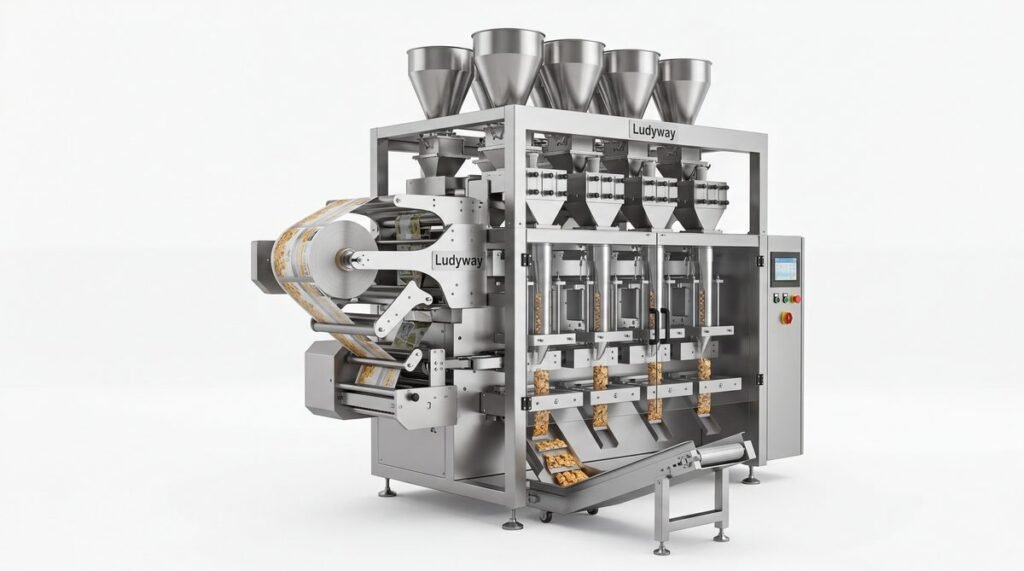
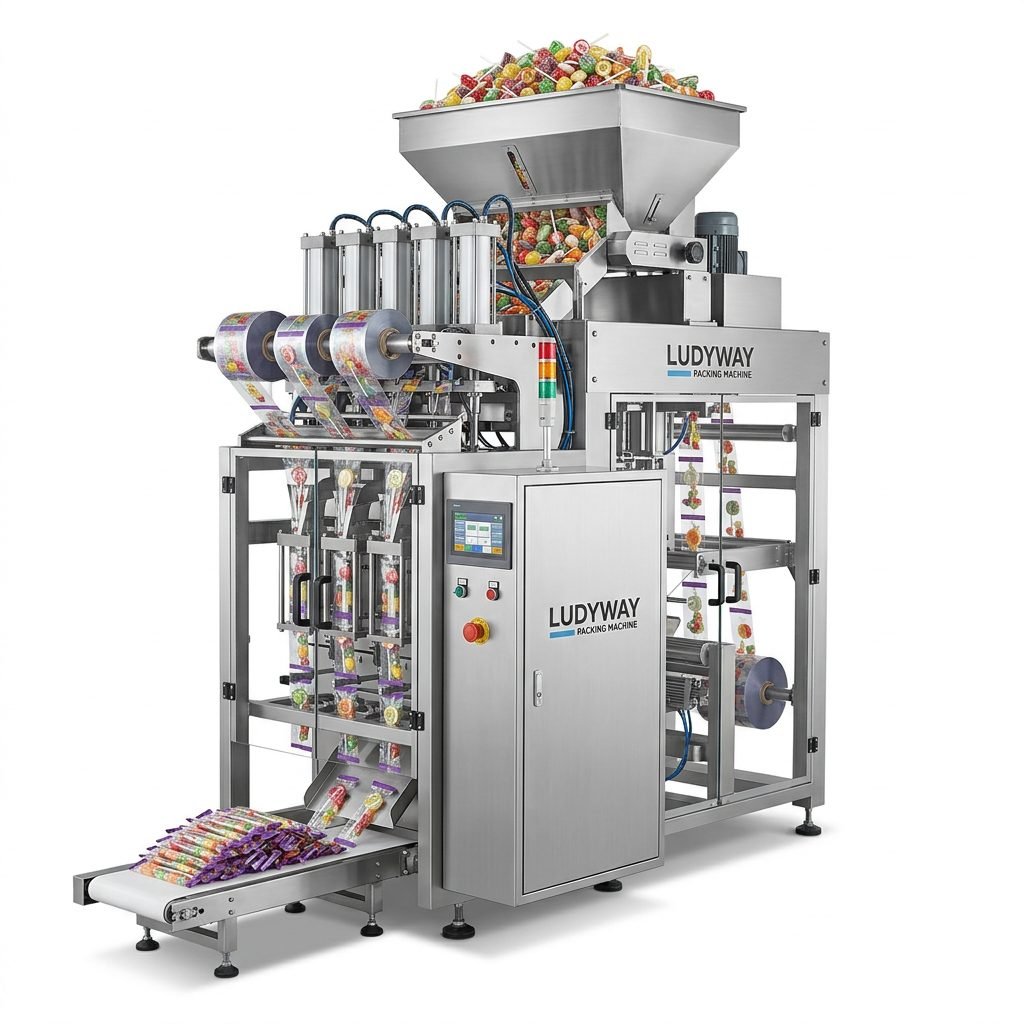
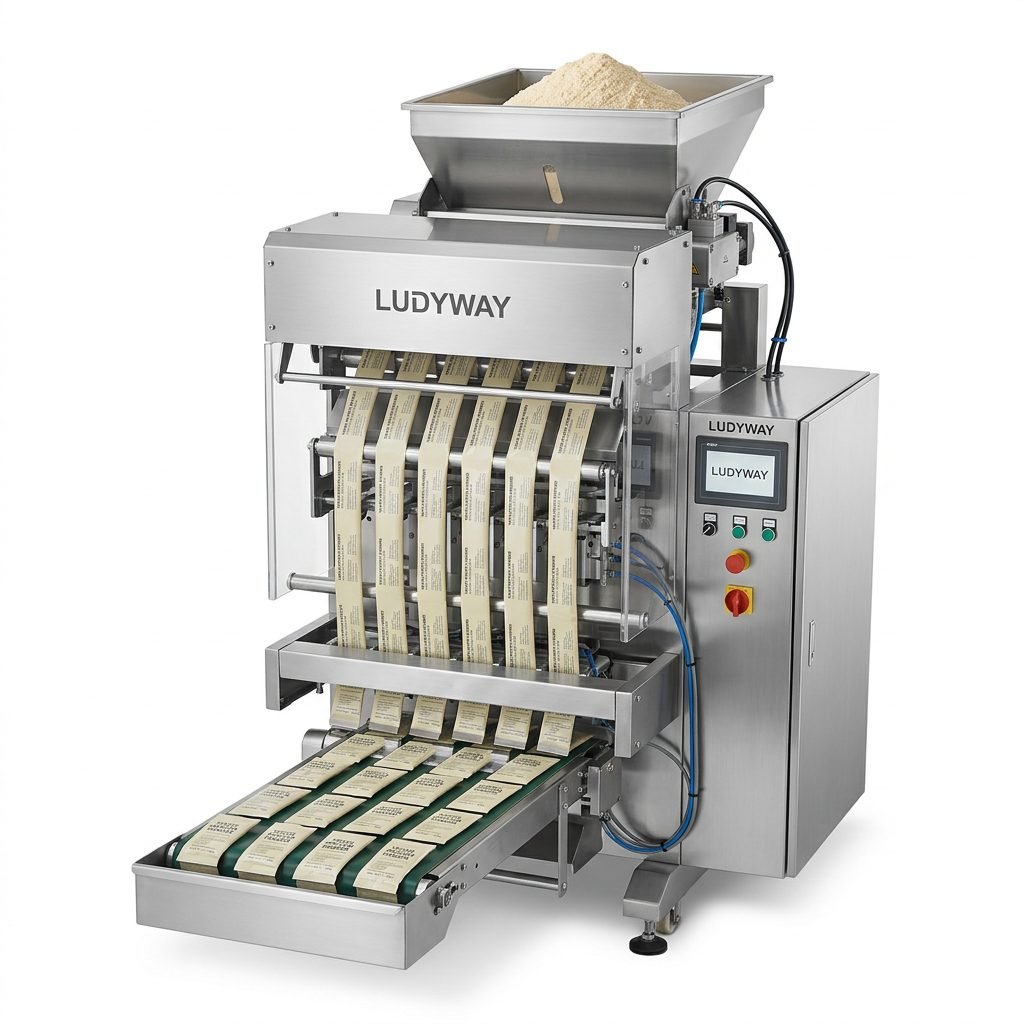
- Multi-lane stick pack machines for powders and granules
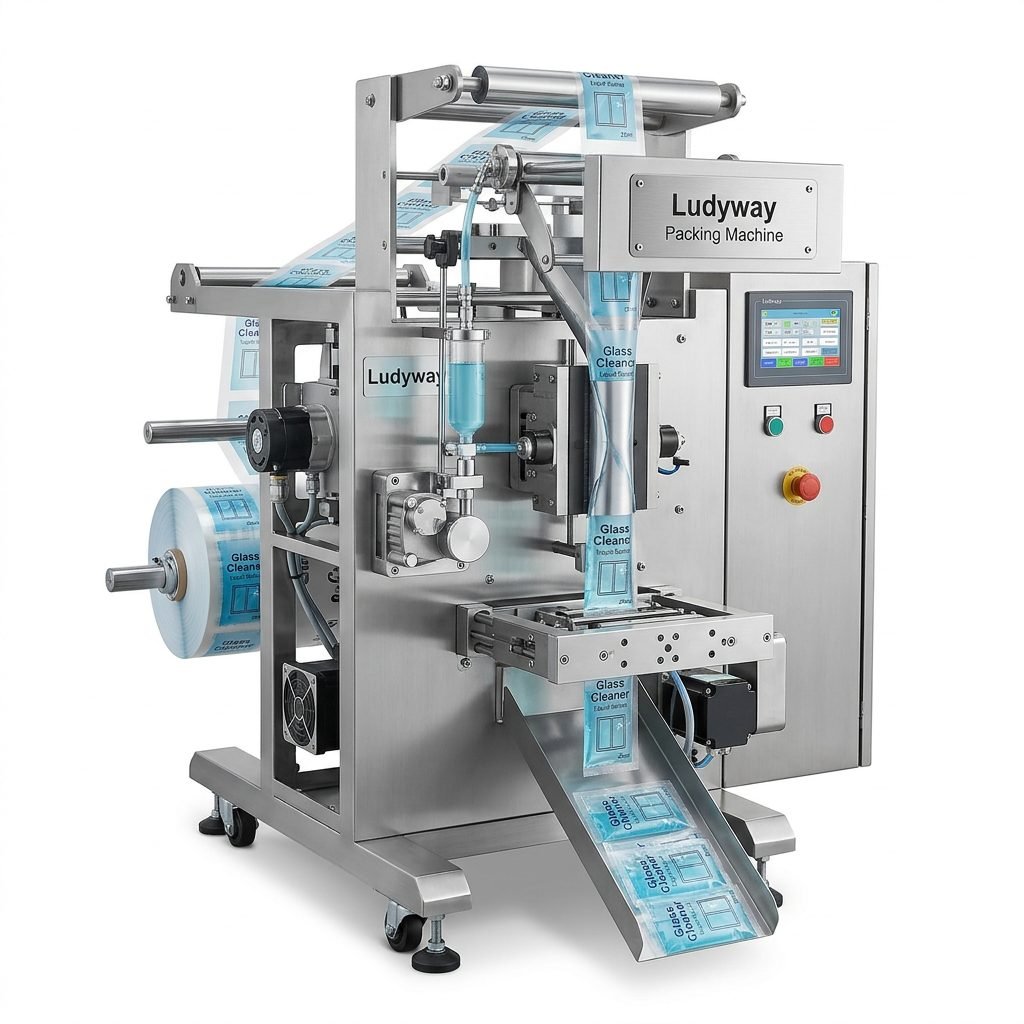
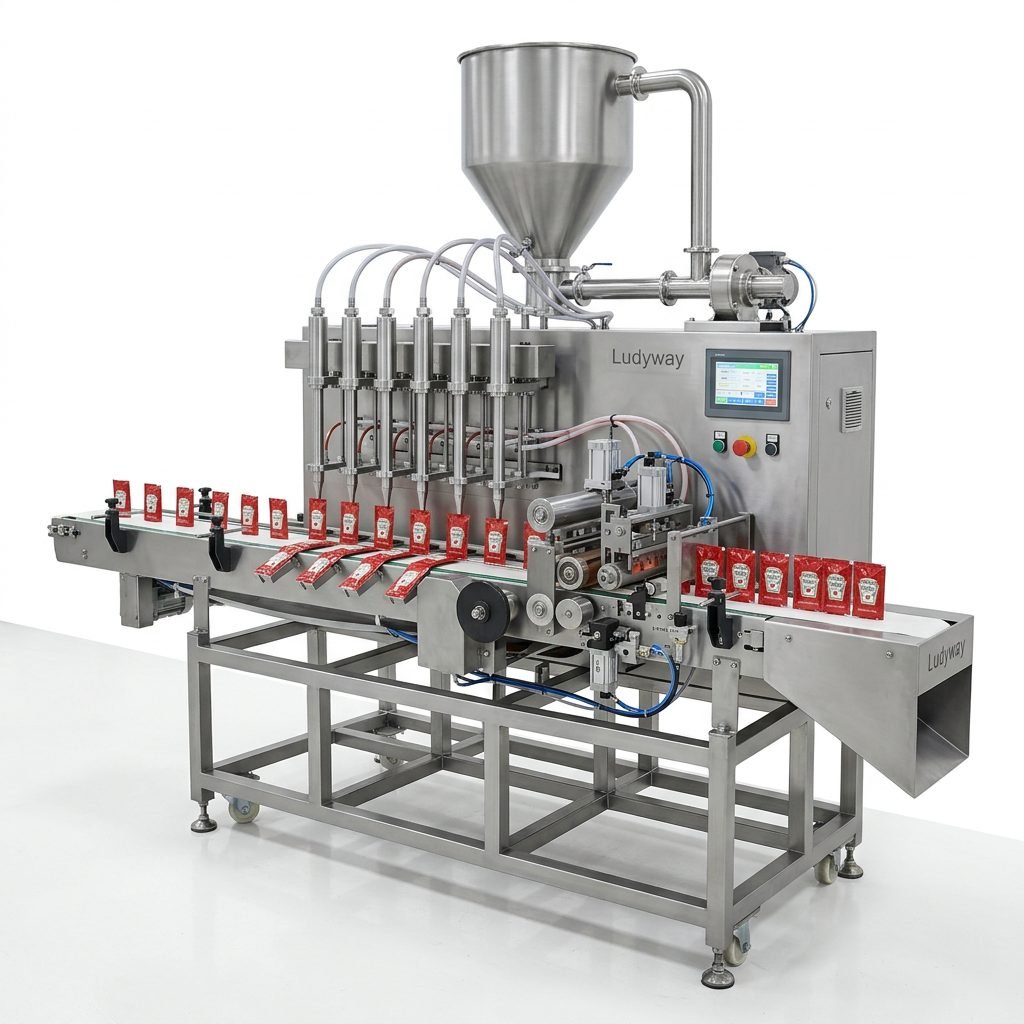
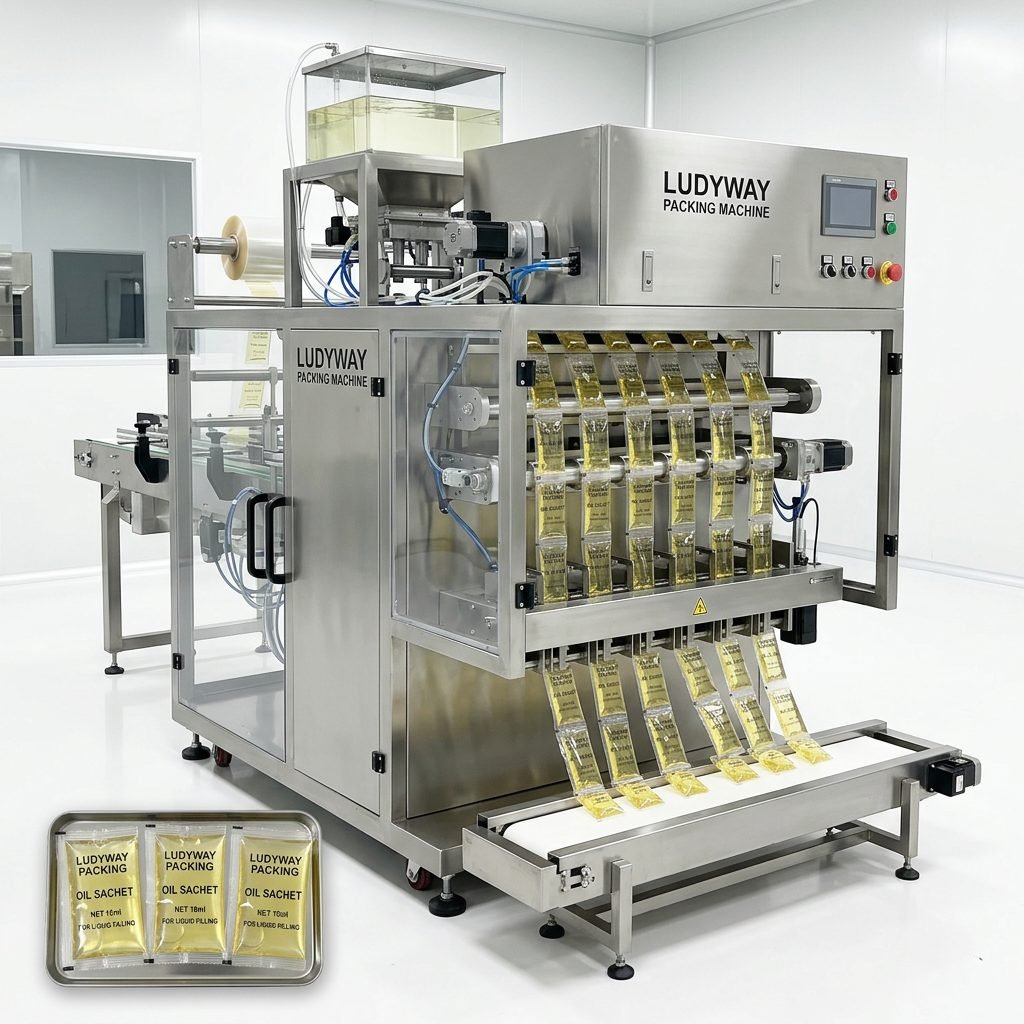
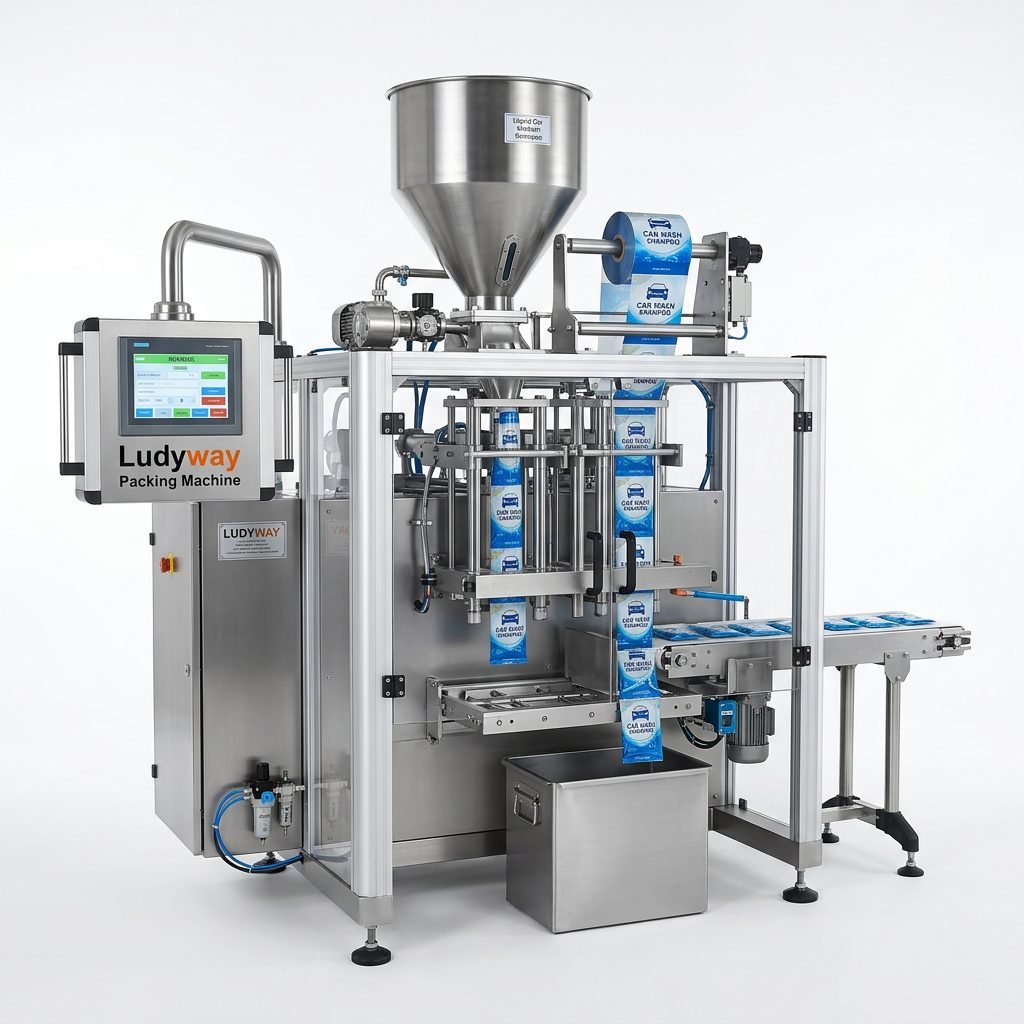
- Sachet packaging systems for liquid and paste products
- Vacuum chamber machines for solid food items
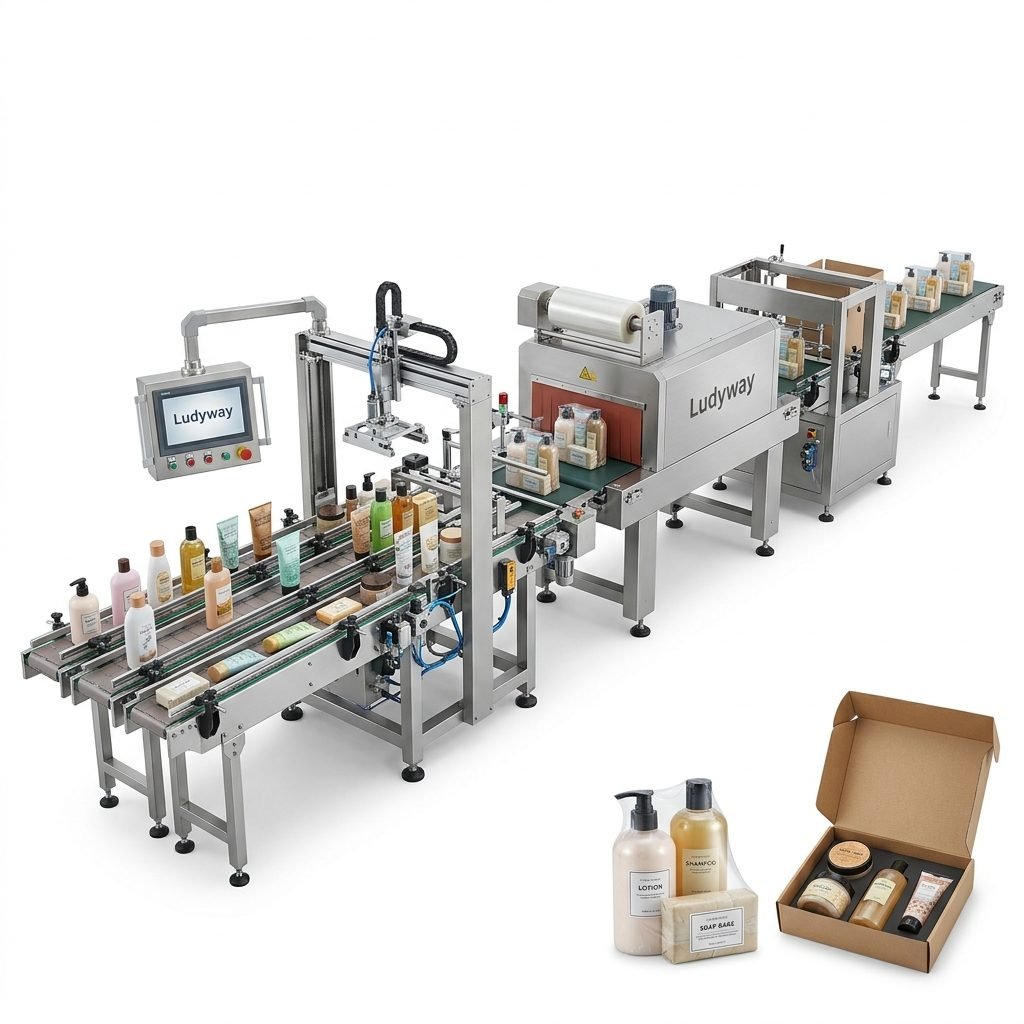
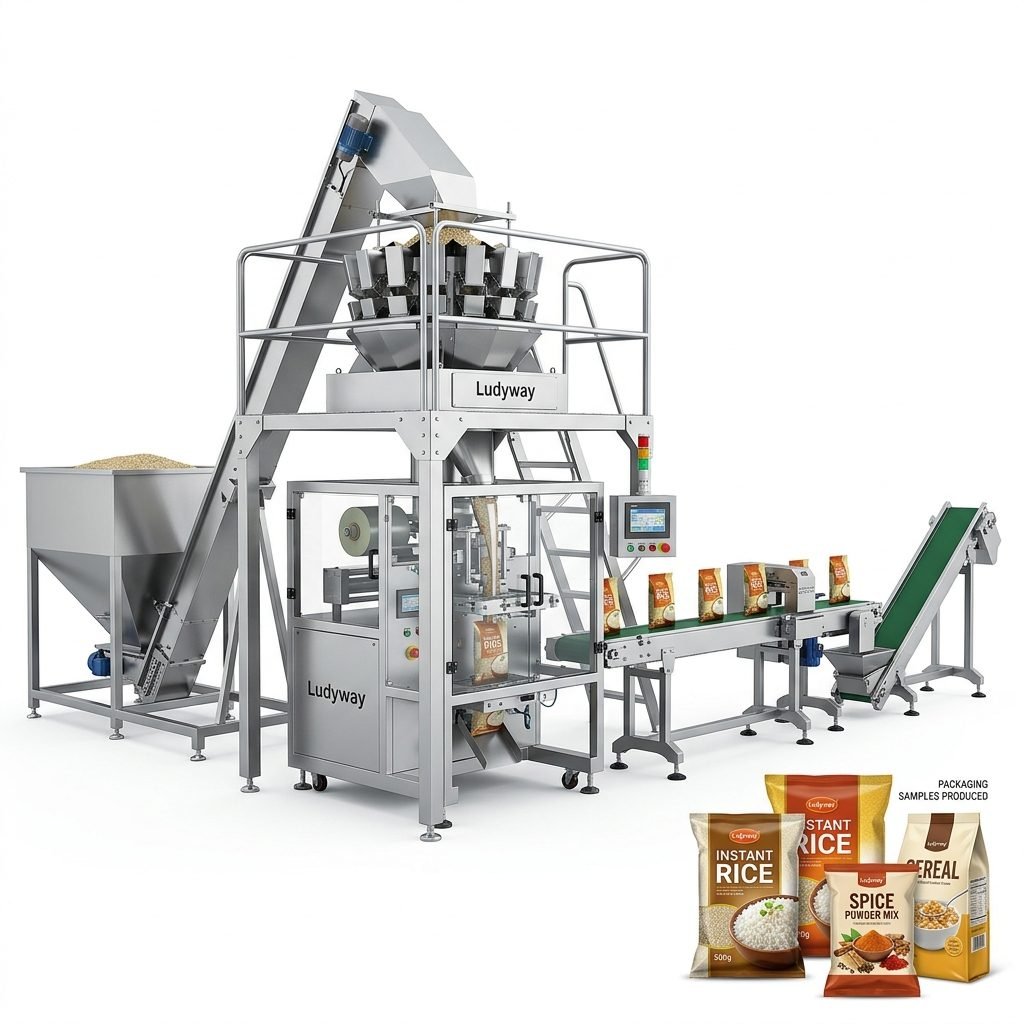
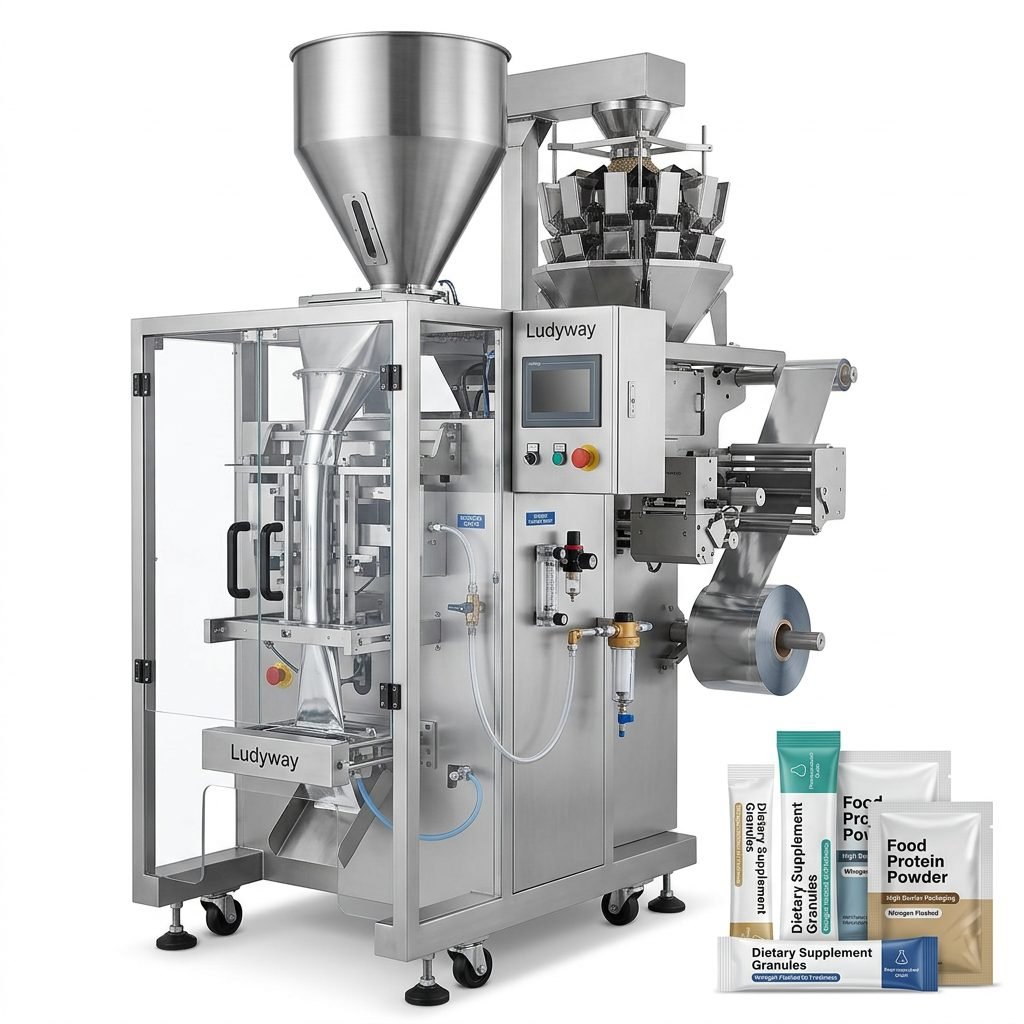
- Fully automated turnkey lines integrating filling, sealing, and cartoning
- Customizable solutions for unique product dimensions

3. Industry Experience and Engineering Expertise
Decades of accumulated knowledge translate into machines that are more reliable, easier to maintain, and better designed for real-world production environments. Suppliers with over 20 years of experience have typically refined their designs across multiple product categories and can anticipate challenges specific to your application. Evaluate the depth of their engineering team; a strong R&D department signals a commitment to innovation rather than just copying existing designs.
4. Material Quality and Component Sourcing
The longevity of your equipment depends heavily on the quality of raw materials and electrical components. Premium manufacturers use 304 or 316 stainless steel for food-contact surfaces, ensuring compliance with FDA and EU food safety standards. Critical components like PLCs, sensors, and servo motors should come from internationally recognized brands. Ask potential suppliers for a detailed bill of materials and verify the origin of key parts such as pneumatic cylinders, temperature controllers, and vacuum pumps.
| Evaluation Criteria | What to Look For | Why It Matters |
|---|---|---|
| Factory Size | 15,000㎡ or larger | Indicates production capacity and stability |
| Machine Models | 40+ distinct models across categories | Demonstrates versatility and R&D investment |
| Years in Business | 15+ years of industry operation | Proven reliability and market presence |
| Export Coverage | 80+ countries served | Experience with international standards and logistics |
| Certifications | CE, ISO 9001, FDA-compatible materials | Ensures safety and regulatory compliance |
Evaluating Machine Performance Before Purchase
Beyond specifications on paper, real-world performance data is invaluable. Request video demonstrations of the exact machine model running your product or a similar material. Pay close attention to sealing consistency, vacuum level achievement, and cycle speed. Reputable suppliers will welcome factory acceptance testing (FAT) where you can witness the equipment in operation before shipment. If an on-site visit is not feasible, ask about remote FAT options via live video stream to inspect the machine’s performance in real time.
Understanding After-Sales Support and Spare Parts
A machine is only as good as the support behind it. Before finalizing any order, clarify the following points with your potential supplier:
- Warranty duration and exactly what components are covered
- Spare parts availability — are common wear parts kept in stock for rapid dispatch?
- Technical support channels — do they offer 24/7 online assistance, video calls, or engineer dispatch?
- Installation and training — will technicians travel to your facility for setup and operator training?
- Documentation quality — are manuals, electrical schematics, and maintenance guides available in English?
Companies that invest in comprehensive after-sales infrastructure demonstrate a long-term commitment to customer success beyond the initial transaction.
Compliance with International Food Safety Standards
Food packaging machinery must adhere to rigorous safety and hygiene regulations. Key frameworks include FDA regulations on food contact substances, ISO packaging standards, and regional requirements like the European Commission’s packaging directives. Confirm that the supplier uses certified food-grade materials for all product-contact surfaces and that the machine design facilitates easy cleaning and sanitation. Machines with quick-release components, sloped surfaces to prevent liquid pooling, and sealed electrical enclosures are preferable for washdown environments.
Customization and Turnkey Solution Capability
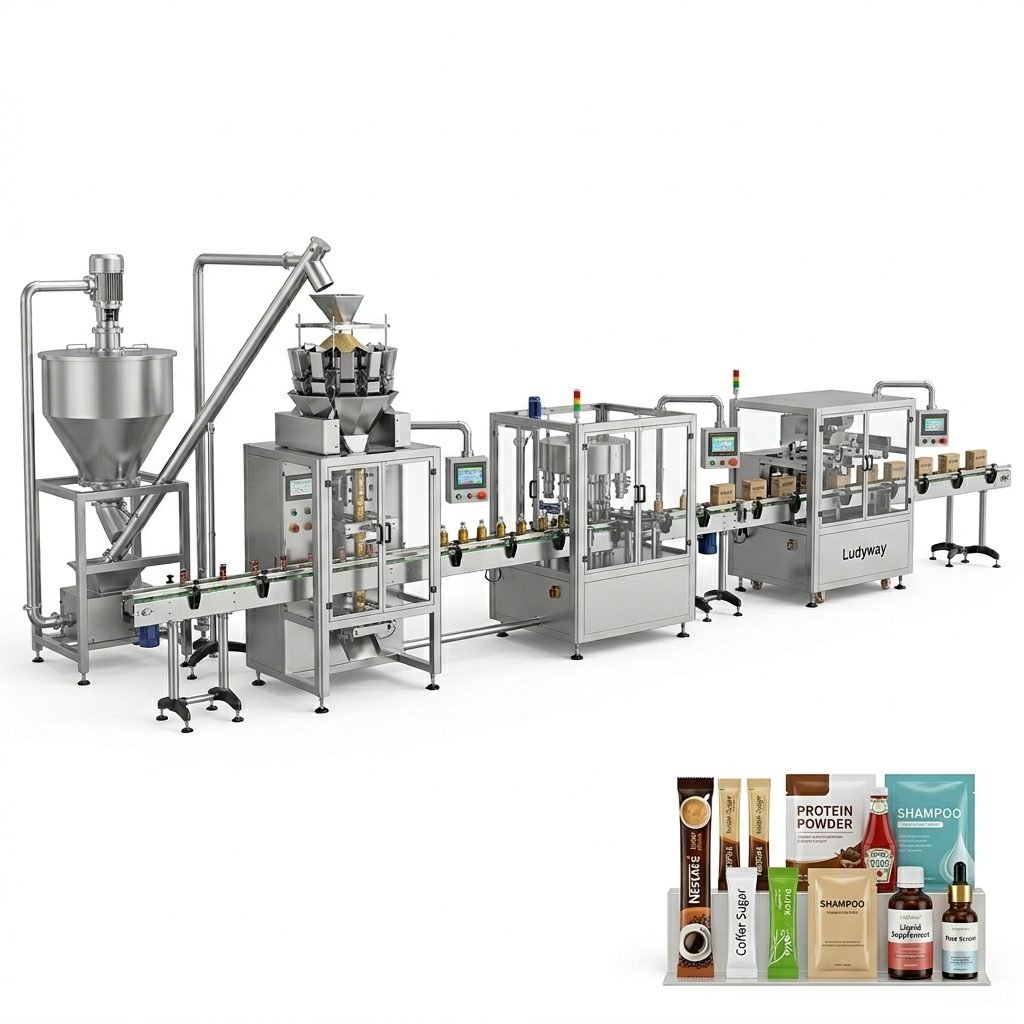
Off-the-shelf machines rarely fit every production requirement perfectly. The best suppliers offer engineering customization to match your specific product characteristics, throughput targets, and facility layout. Whether you need a modified filling system for viscous liquids or an integrated conveyor connecting to existing downstream equipment, the supplier’s willingness to adapt is crucial. Look for partners that can deliver complete turnkey packaging solutions — from raw material feeding to final carton sealing — as this simplifies project management and ensures system compatibility.
A Reliable Partner in China’s Packaging Machine Industry
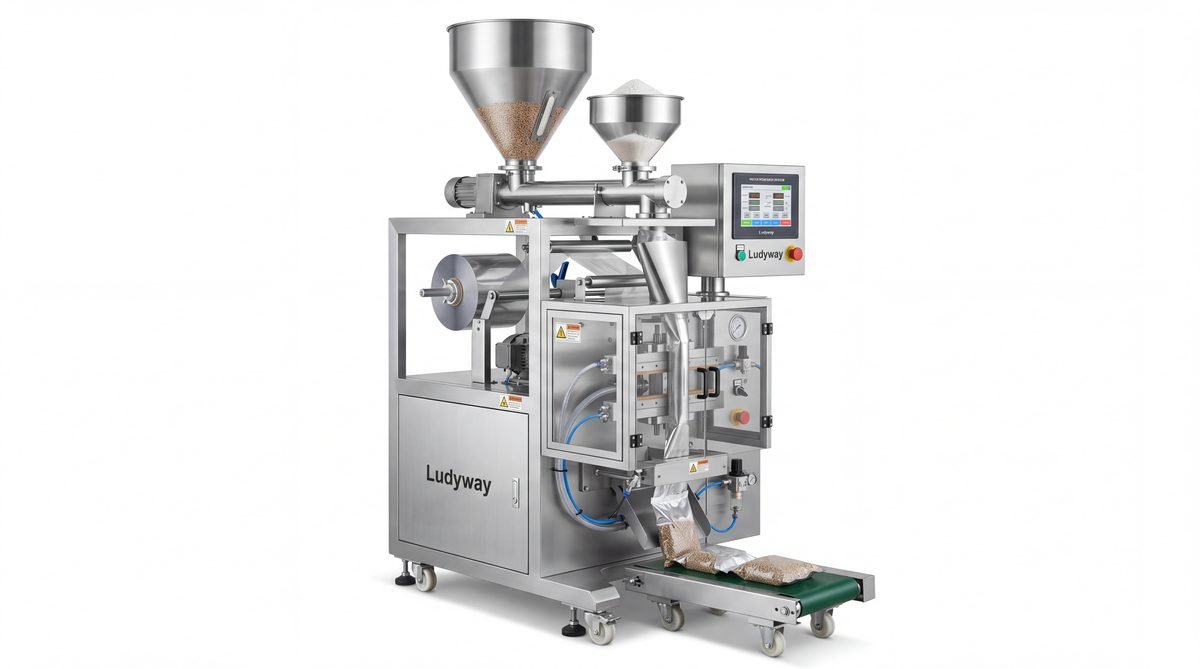
When evaluating manufacturers that meet the criteria outlined above, Ludyway stands out as a notable example. As one of the largest packaging machine manufacturers in China, the company operates from a modern 20,000㎡ production facility and offers more than 50 intelligent packaging machine models. With over 30 years of industry experience and a dedicated engineering team, Ludyway provides advanced packaging equipment and turnkey solutions for granule, powder, liquid, and pouch applications across food, pharmaceutical, and health industries. Their machines serve customers in over 100 countries, reflecting a track record of international reliability and performance. For businesses seeking a balance of quality, customization, and cost-effectiveness, exploring suppliers like Ludyway is a practical step in the procurement process.
Useful resources for deeper industry insights include the Flexible Packaging Association’s knowledge hub, PMMI’s State of the Industry reports, and ISO 11607 standards for packaging validation. Consulting these resources alongside direct supplier engagement will equip you with the knowledge needed to make a confident investment decision.