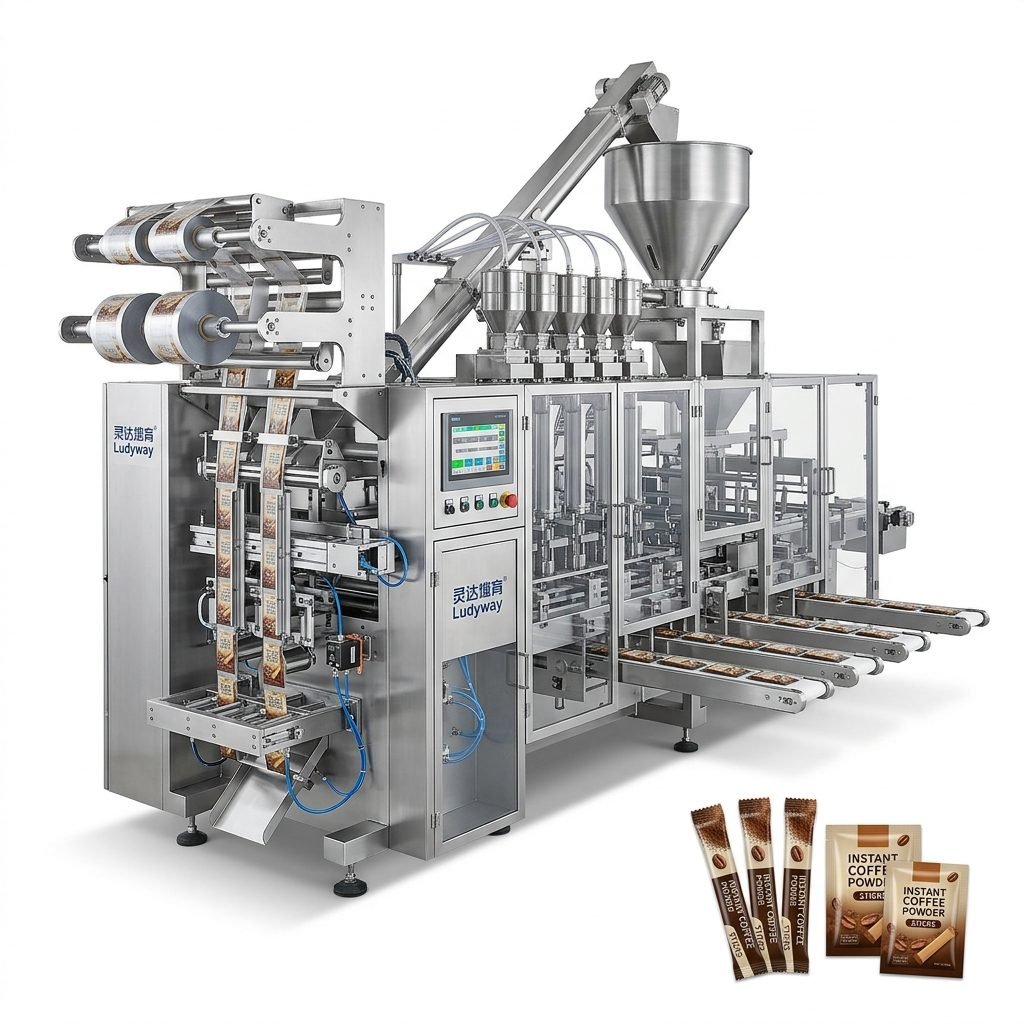
The Middle East coffee market is experiencing unprecedented growth. From traditional Arabic coffee ceremonies to the rapid expansion of specialty coffee chains in Dubai, Riyadh, and Abu Dhabi, the demand for convenient, single-serve coffee formats is soaring. For businesses looking to capture this opportunity, investing in a small coffee packaging machine is a strategic move that can transform your production capacity and market reach.
Why the Middle East Coffee Market Demands Compact Packaging Solutions
The Gulf Cooperation Council (GCC) region alone accounts for a significant portion of global coffee consumption, with per capita consumption in countries like the UAE and Saudi Arabia consistently rising. The shift toward single-serve coffee sachets and stick packs is driven by several factors:
- On-the-go lifestyles in urban centers like Dubai and Doha
- Growing preference for portion-controlled packaging in hospitality and foodservice
- Rising demand for private-label coffee products across supermarket chains
- Expansion of e-commerce and subscription-based coffee delivery models
- Hygiene considerations favoring individually sealed portions
Types of Small Coffee Packaging Machines Available
When evaluating coffee packaging equipment for your operation, understanding the different machine categories is essential. The Middle East market predominantly utilizes three main formats:
Multi-Lane Stick Pack Machines
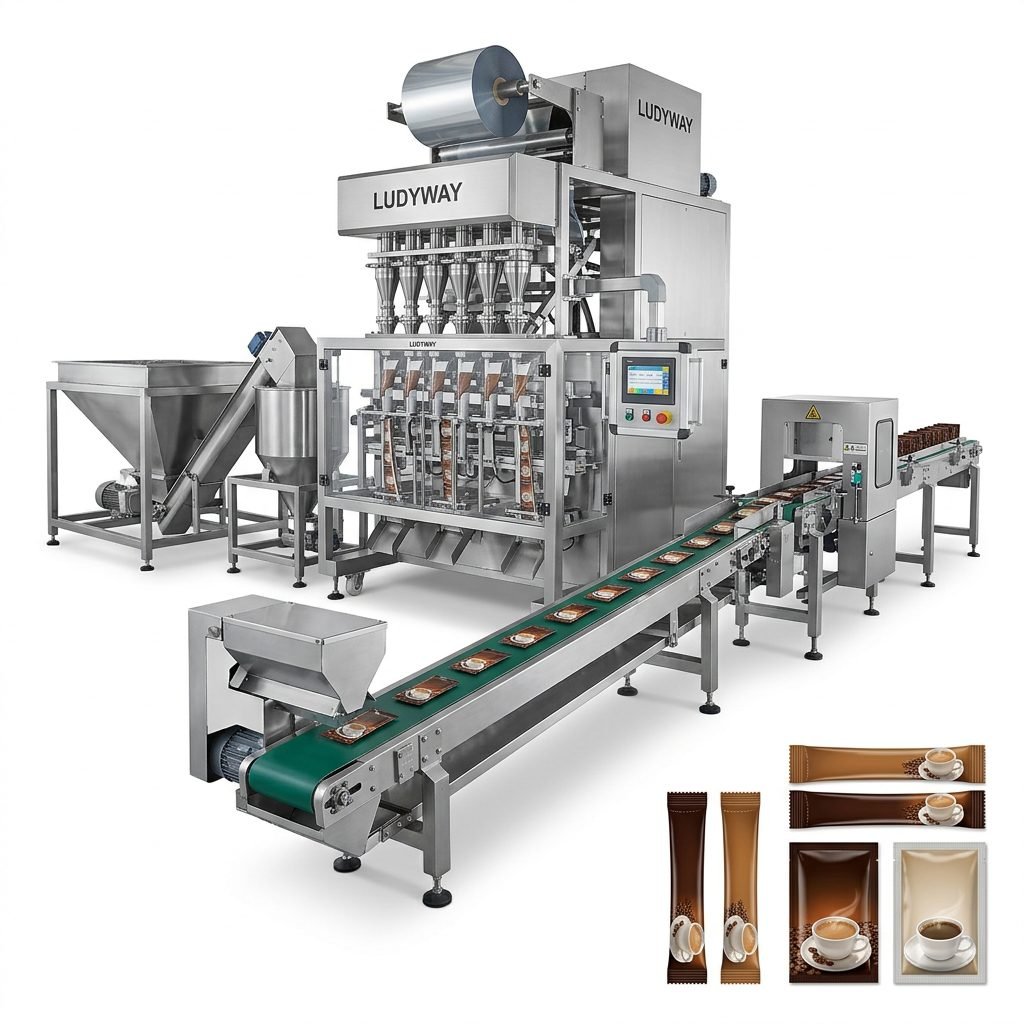
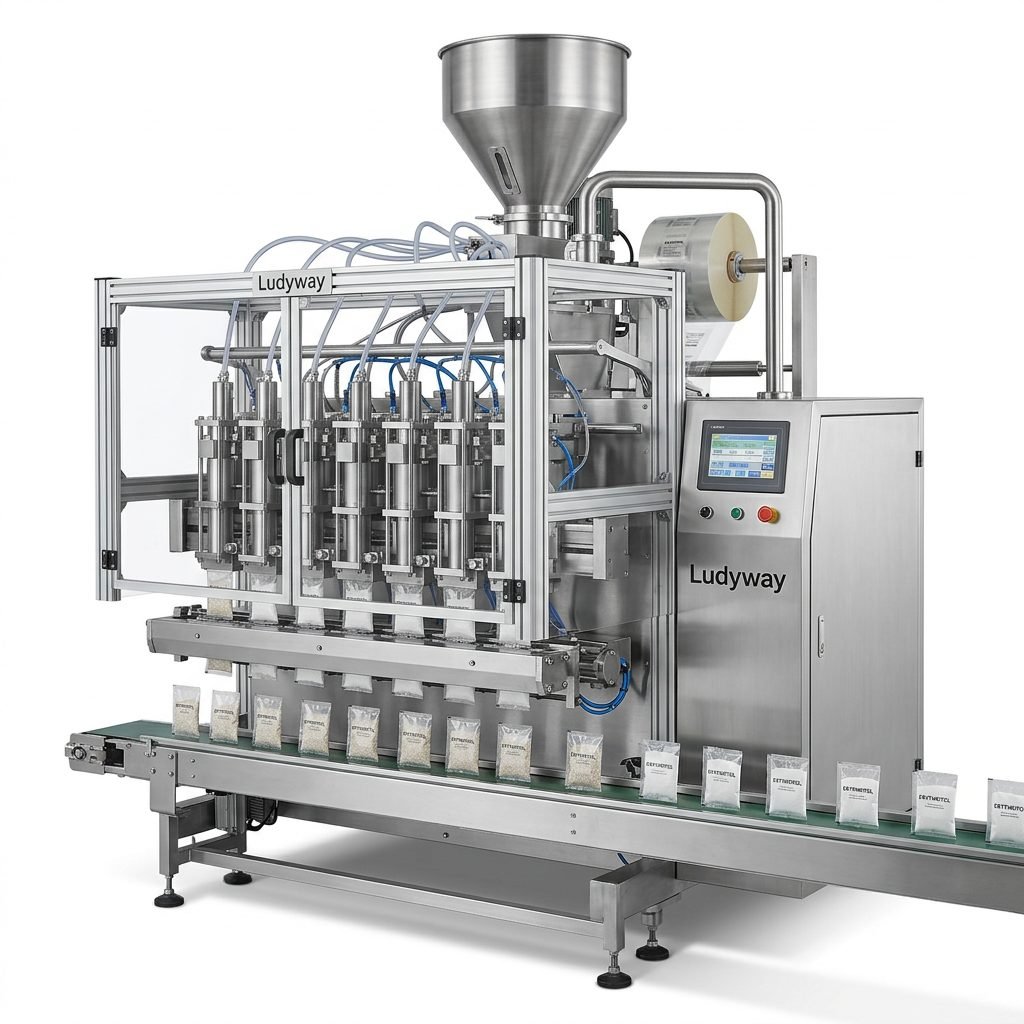
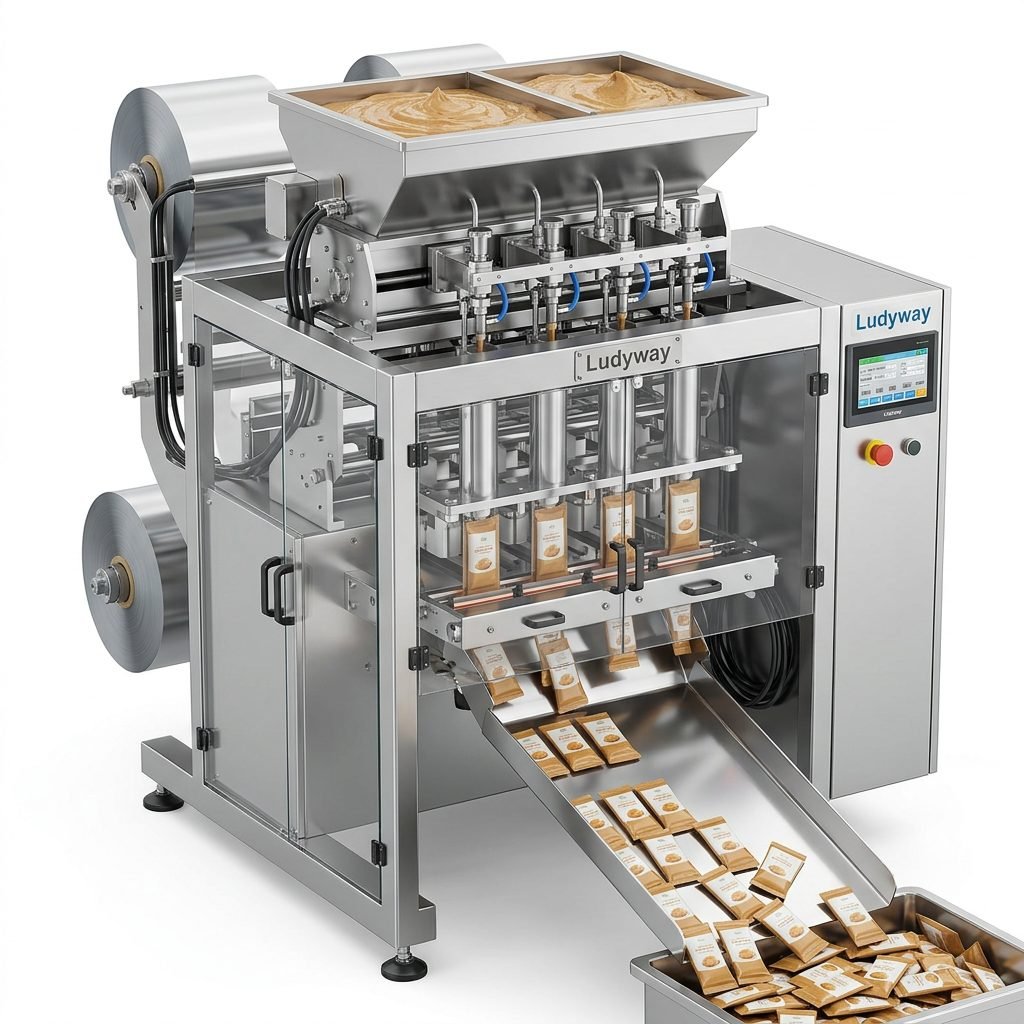
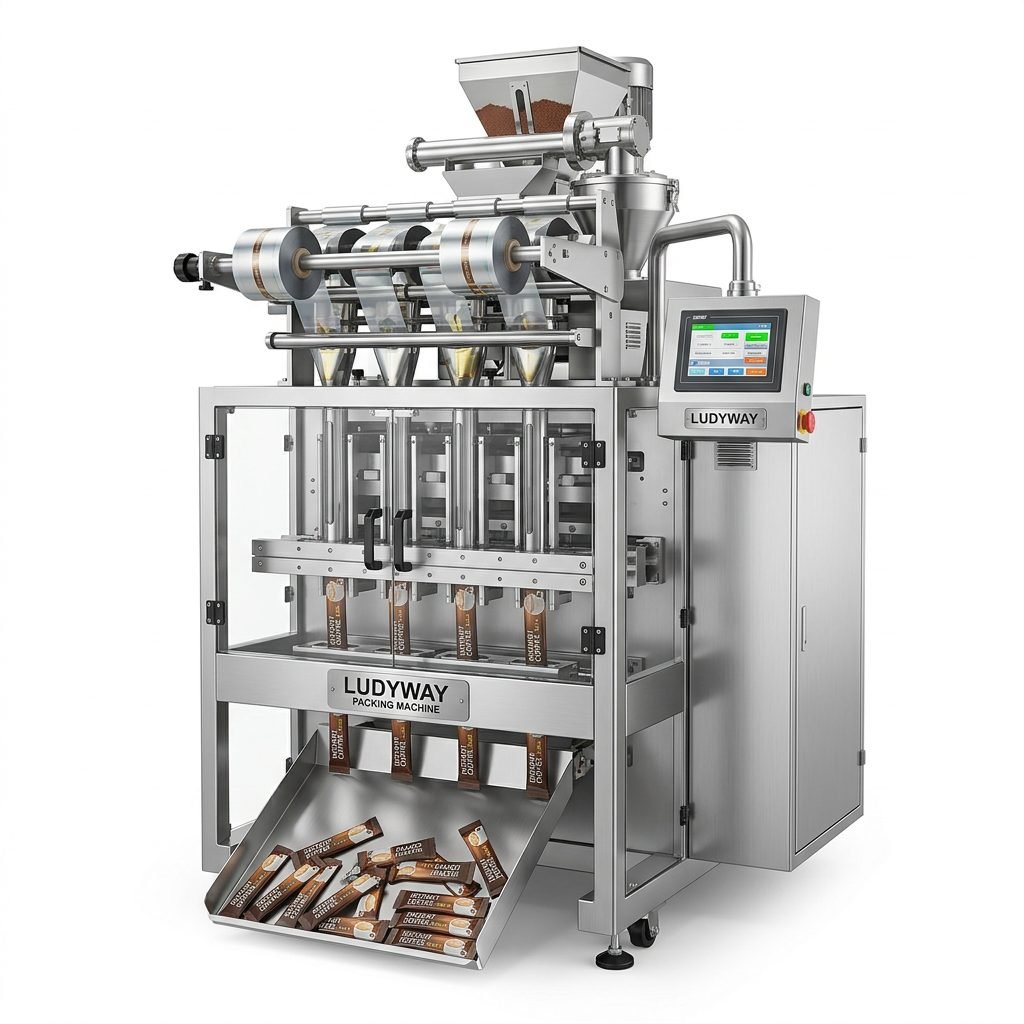
These high-speed systems produce narrow, elongated sachets ideal for instant coffee powder, 3-in-1 coffee mixes, and single-serve coffee creamers. Modern multi-lane machines can achieve output rates of 400-600 packs per minute across 8-12 lanes, making them perfect for high-volume production targeting retail and hospitality channels.
Sachet Packaging Machines
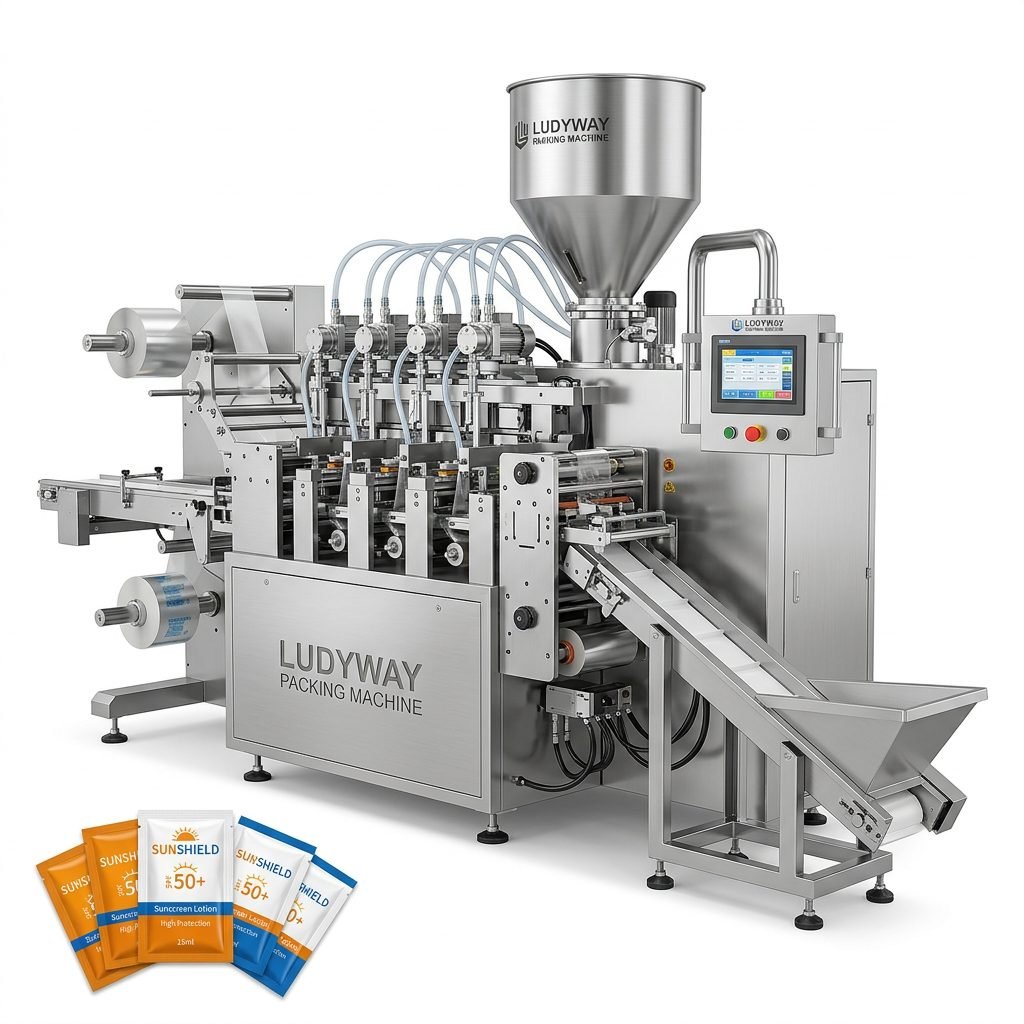
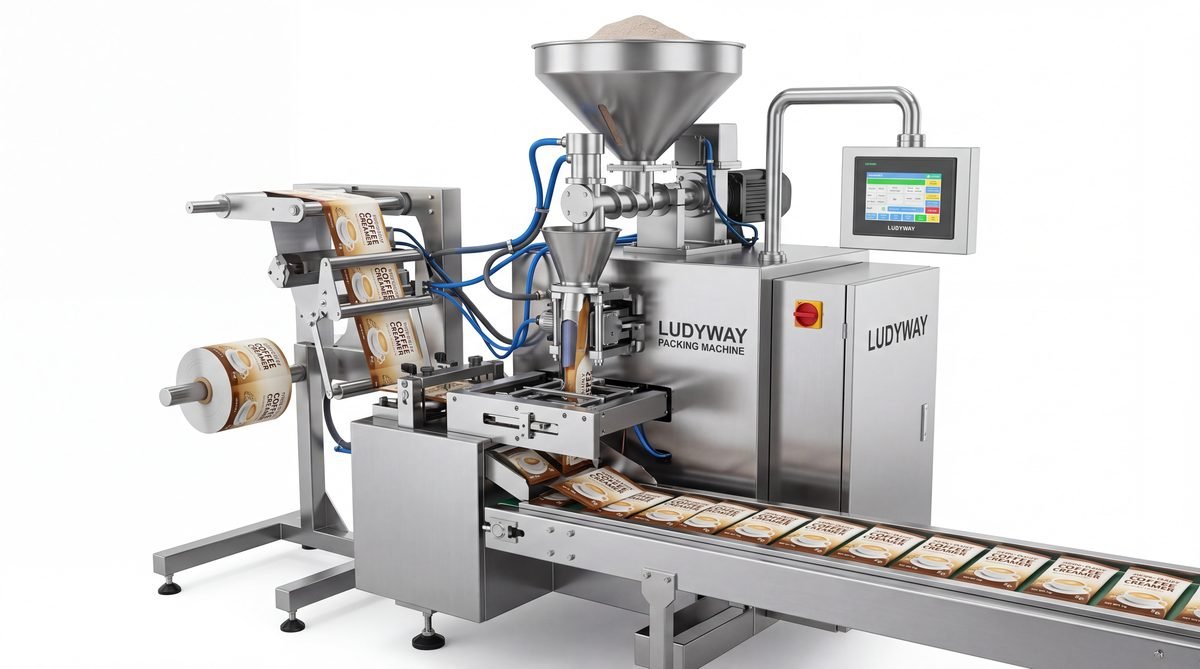
Flat sachet formats remain popular across the Middle East for both instant coffee and ground coffee applications. These machines offer flexibility in pack dimensions and are well-suited for businesses producing Arabic coffee portions or Turkish coffee servings that require larger fill volumes than standard stick packs.
Vertical Form Fill Seal (VFFS) Compact Units
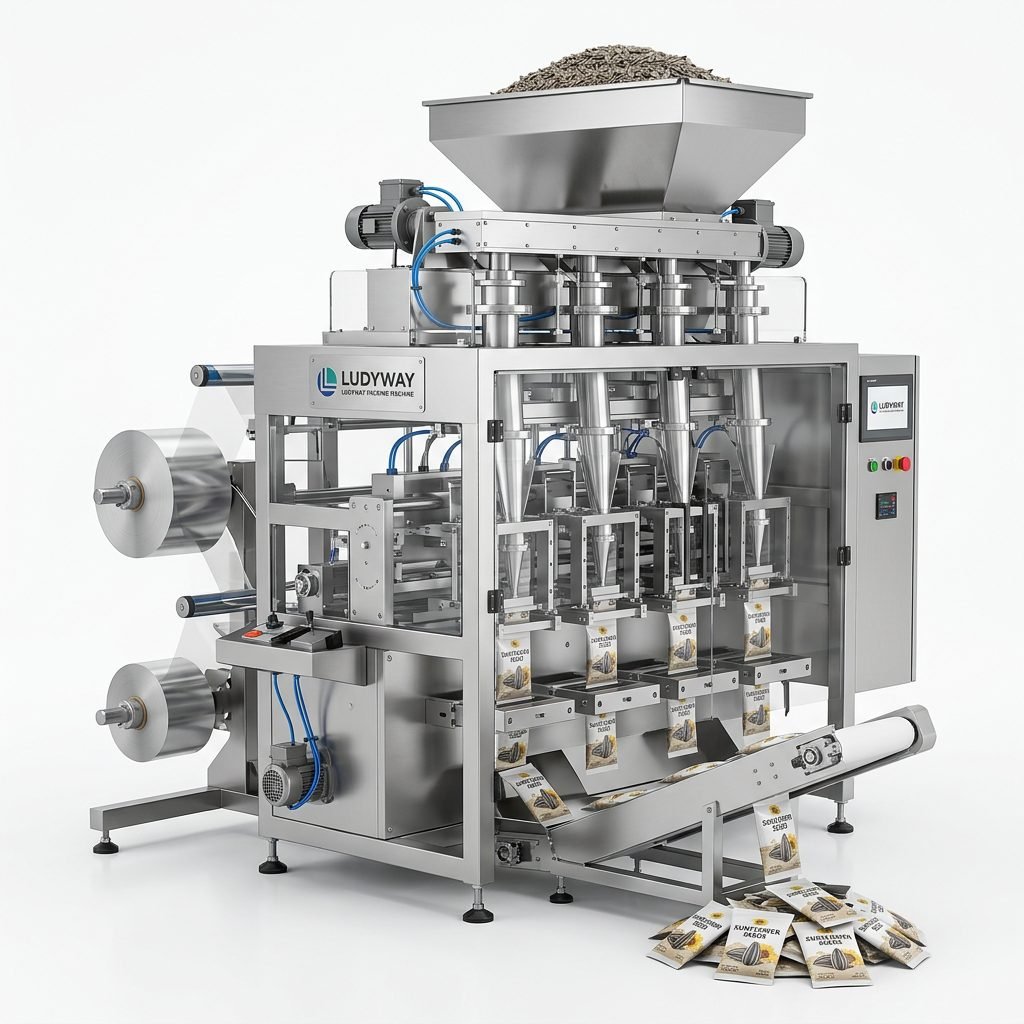
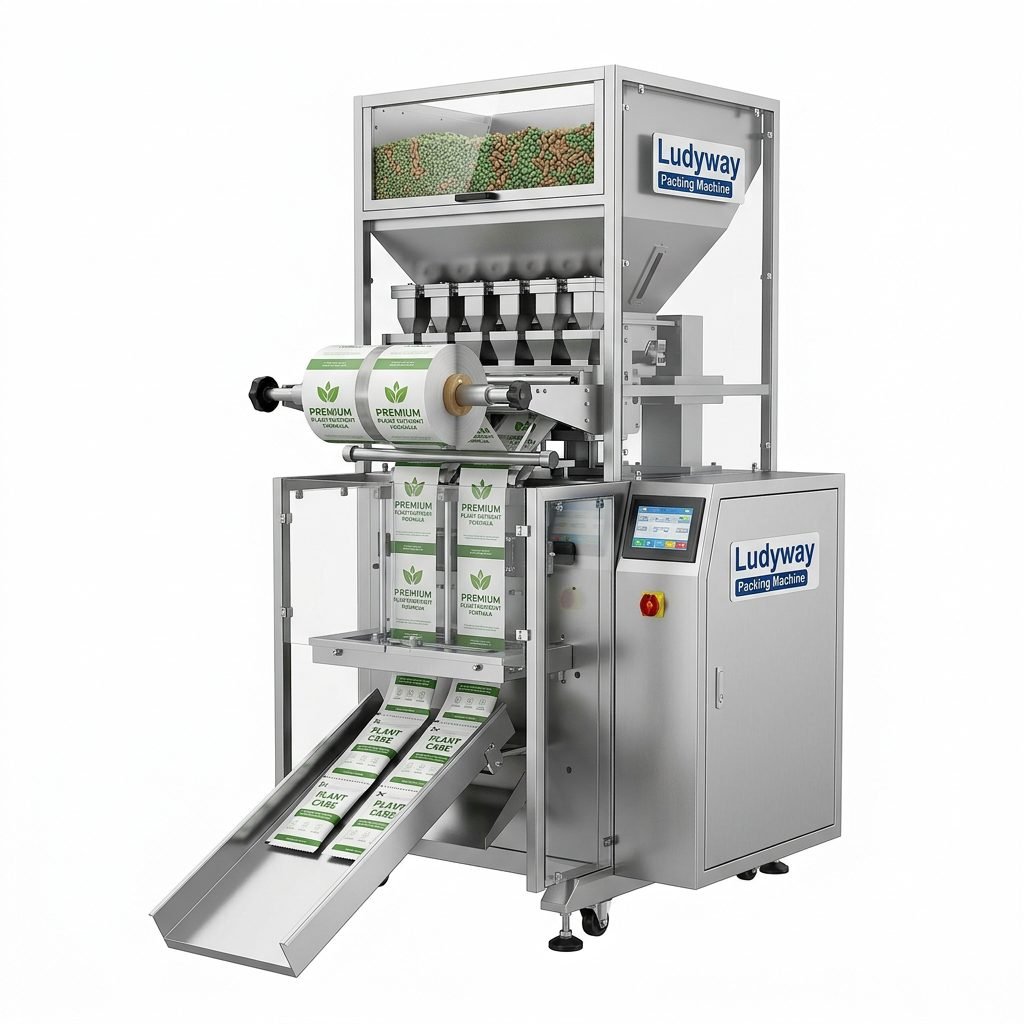
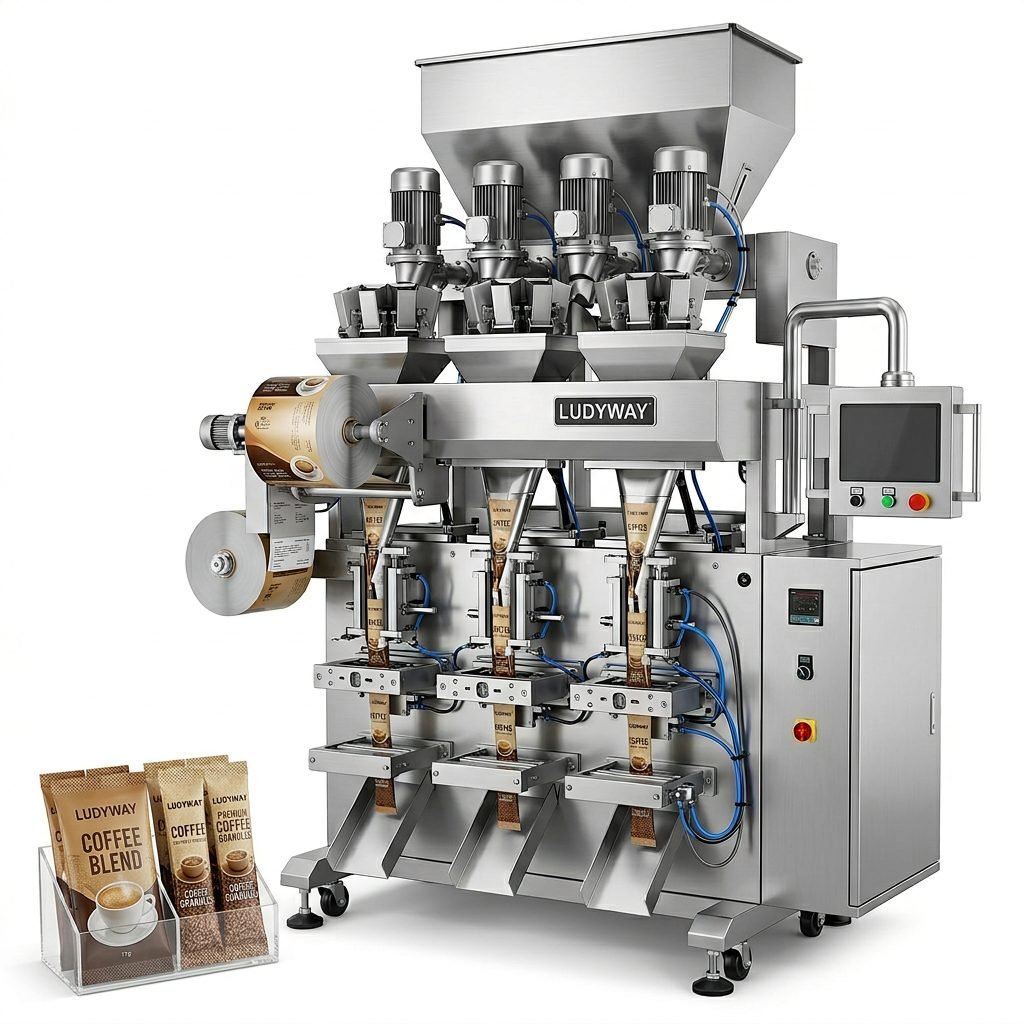
For small to medium-scale coffee producers, compact VFFS machines provide an excellent entry point. These versatile systems can handle ground coffee, whole beans, and coffee powder while maintaining consistent seal integrity and accurate dosing.
Key Technical Specifications to Evaluate
Before purchasing a coffee packaging machine for Middle East operations, consider these critical parameters. The following table summarizes the primary specifications you should compare across different machine models:
| Specification | Entry-Level | Mid-Range | High-Production |
|---|---|---|---|
| Speed Range | 30-60 packs/min | 100-250 packs/min | 400-600+ packs/min |
| Lane Configuration | Single to 4 lanes | 6-8 lanes | 10-12 lanes |
| Fill Volume Range | 1-25 grams | 1-50 grams | 0.5-100 grams |
| Dosing System | Volumetric cup | Auger filler | Multi-head weigher |
| Film Material | Standard laminates | Aluminum foil composite | Multi-layer barrier films |
| Nitrogen Flushing | Optional | Standard | Precision gas flushing |
Critical Considerations for the Middle East Climate
The Middle Eastern environment presents unique challenges for coffee packaging operations. High ambient temperatures and humidity levels in Gulf countries can significantly impact both machine performance and coffee product quality. When selecting your equipment, prioritize these environmental factors:
Temperature and Humidity Tolerance
Coffee powder is hygroscopic and readily absorbs moisture. In regions like Jeddah or Kuwait City where summer temperatures regularly exceed 45°C and humidity can reach 90%, your small coffee packaging machine must incorporate effective sealing systems that prevent moisture ingress. Look for machines with hot-sealing jaw technology that maintains consistent temperature even in challenging ambient conditions.
Dust Management Systems
Fine coffee powder generates significant dust during the filling process. In enclosed, air-conditioned production facilities common across the GCC, dust accumulation can affect both machine reliability and product quality. Advanced machines incorporate vacuum dust extraction systems and sealed dosing mechanisms that minimize airborne particles.
Power Supply Stability
While major industrial zones in the UAE and Saudi Arabia offer reliable power infrastructure, voltage fluctuations can occur. Ensure your machine includes voltage stabilization and surge protection suitable for the local electrical grid specifications (typically 380-415V, 50Hz three-phase across most Middle Eastern countries).
Regulatory Compliance and Certification Requirements
Middle Eastern countries maintain stringent food safety regulations that directly impact packaging equipment specifications. The Gulf region increasingly aligns with international standards including ISO packaging standards and food contact material regulations similar to those enforced by the FDA food packaging guidelines. Key certifications to verify include:
- CE marking for equipment destined for Middle East markets with European trade agreements
- GSO compliance (GCC Standardization Organization) for machinery sold within GCC member states
- HALAL certification for food contact surfaces and processing equipment
- SASO certification specifically required for equipment entering the Saudi Arabian market
- ESMA compliance for machines imported into the UAE market
Supplier Selection: What to Look For
Choosing the right supplier for your small coffee packaging machine is arguably as important as selecting the machine itself. The Middle East market has access to manufacturers from Europe, China, India, and regional distributors. Here are the key evaluation criteria:
After-Sales Support in the Region
The availability of local technical support within the Middle East is crucial. Downtime costs in the coffee packaging industry can exceed $1,000 per hour in lost production. Leading manufacturers maintain partnerships with regional distributors in Dubai, Riyadh, and Cairo who can provide rapid on-site service. Ludyway is one of the largest packaging machine manufacturers in China, specializing in advanced packaging equipment with support serving customers in over 100 countries and regions including the Middle East.
Training and Installation Services
Comprehensive operator training significantly reduces the learning curve and minimizes operational errors. The best suppliers offer on-site installation supervision, operator training programs in Arabic and English, and detailed documentation including maintenance schedules and troubleshooting guides.
Spare Parts Availability
Ensure your supplier maintains adequate spare parts inventory accessible to Middle Eastern customers. Critical consumables like sealing jaws, forming tubes, cutting blades, and dosing augers should be available for express delivery from regional warehouses or directly from factory stock within 48-72 hours.
Cost Analysis: Investment and ROI
Understanding the total cost of ownership helps Middle Eastern businesses make informed decisions. Here is a breakdown of the expected investment ranges:
| Cost Category | Compact VFFS | Multi-Lane Sachet | High-Speed Stick Pack |
|---|---|---|---|
| Machine Price (USD) | $15,000 – $40,000 | $45,000 – $120,000 | $100,000 – $250,000 |
| Installation & Training | $2,000 – $5,000 | $5,000 – $12,000 | $8,000 – $20,000 |
| Shipping to Middle East | $2,500 – $6,000 | $5,000 – $10,000 | $8,000 – $15,000 |
| Annual Maintenance | $1,500 – $3,000 | $3,000 – $8,000 | $6,000 – $15,000 |
| Expected ROI Period | 12-18 months | 8-14 months | 6-12 months |
Industry Trends Shaping Coffee Packaging in the Middle East
Several macro trends are influencing the coffee packaging machine market across the region. According to the PMMI packaging industry reports and analysis from the Flexible Packaging Association, the following developments are particularly relevant:
- Sustainable packaging materials – Growing pressure to adopt recyclable and compostable film structures
- Smart packaging integration – QR codes and NFC tags for consumer engagement and traceability
- Premiumization of single-serve – Higher-value specialty coffee in convenient stick pack formats
- E-commerce packaging optimization – Designs that withstand direct-to-consumer shipping conditions
- Miniaturization of equipment – Smaller footprint machines suitable for boutique roasters and startup brands
Final Recommendations for Middle Eastern Buyers
When you are ready to purchase a small coffee packaging machine for your Middle East operation, follow this structured approach:
- Define your production requirements – Calculate realistic daily output targets based on confirmed orders and projected growth over the next 3-5 years.
- Request machine demonstrations – Whenever possible, arrange live demonstrations using your actual coffee product to verify filling accuracy and seal integrity.
- Verify regional references – Ask suppliers for contact information of existing customers in GCC countries or neighboring markets like Jordan, Lebanon, or Egypt.
- Negotiate comprehensive warranty – Aim for a minimum 12-month warranty covering both parts and labor, with clear terms for remote and on-site support.
- Plan for future scalability – Select a machine platform that allows lane additions, dosing upgrades, and automation enhancements as your business grows.
The Middle East represents one of the most dynamic coffee markets globally, and the right small coffee packaging machine will position your business to capture sustained growth. By carefully evaluating machine specifications, supplier capabilities, regulatory requirements, and environmental factors unique to the region, you can make a confident investment that delivers long-term returns. For more detailed information on packaging industry standards, visit the PMMI packaging industry resources page or explore the Flexible Packaging Association website for insights on flexible packaging trends and sustainability frameworks.