Investing in the right ice pop packaging machine is one of the most important decisions for frozen treat manufacturers across North America. With consumer demand for freezer pops, gel-based ice pops, and liquid-filled frozen snacks continuing to rise, production efficiency and packaging quality directly impact your bottom line. This buying guide covers everything you need to evaluate — from machine types and key specifications to regulatory compliance and supplier selection — so you can make a confident, informed purchase.
Understanding Ice Pop Packaging Machine Types
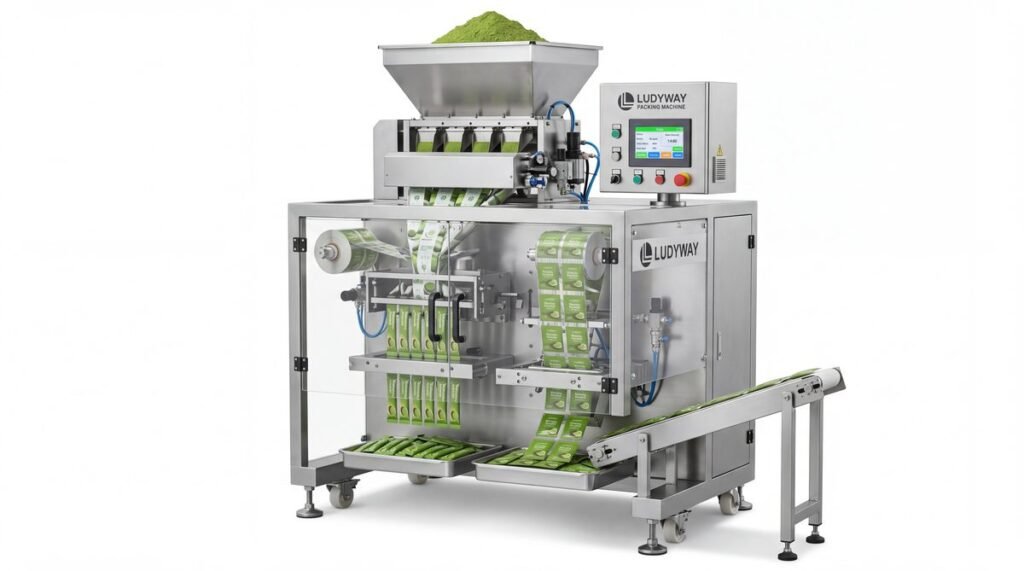
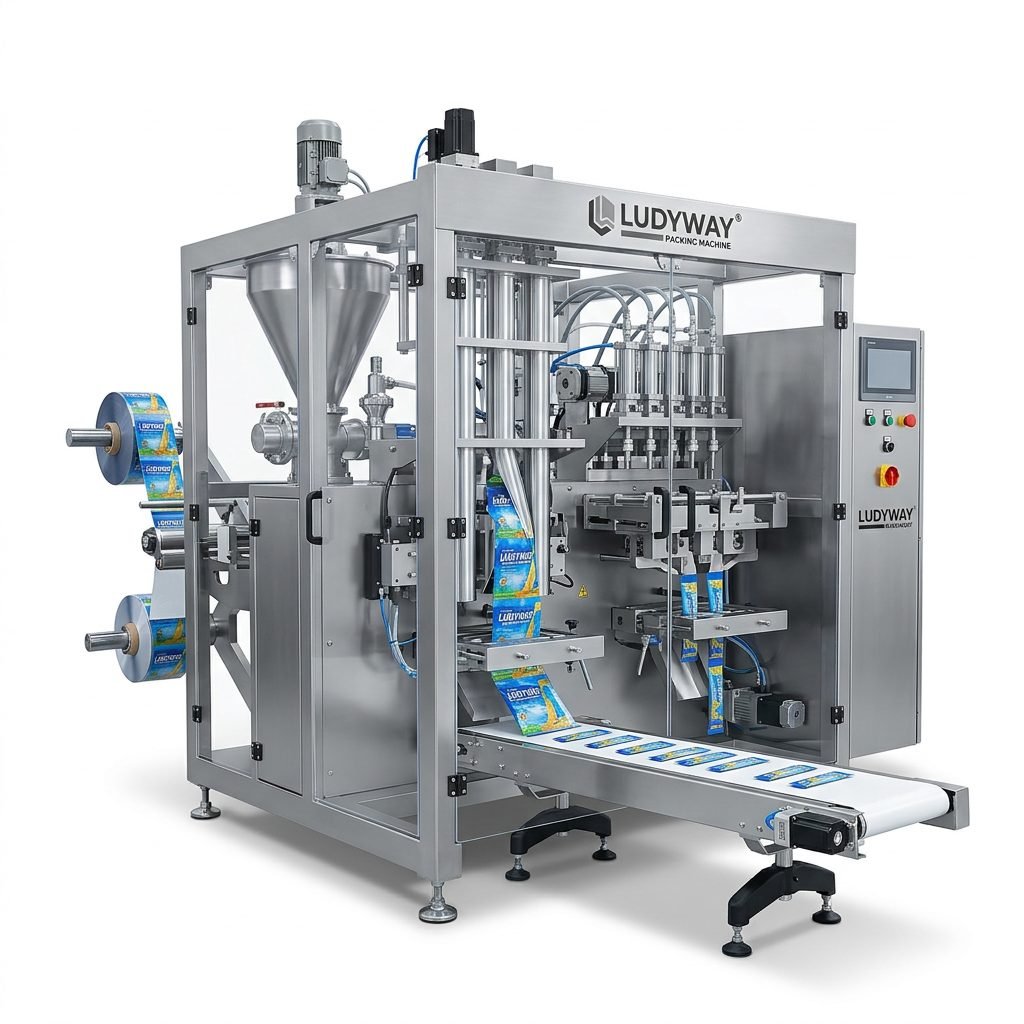
Not all packaging machines are built the same. For ice pop production, the most common and effective types include multi-lane stick pack machines, vertical form fill seal (VFFS) sachet machines, and premade pouch filling systems. Your choice depends on your production volume, packaging format, and product viscosity.
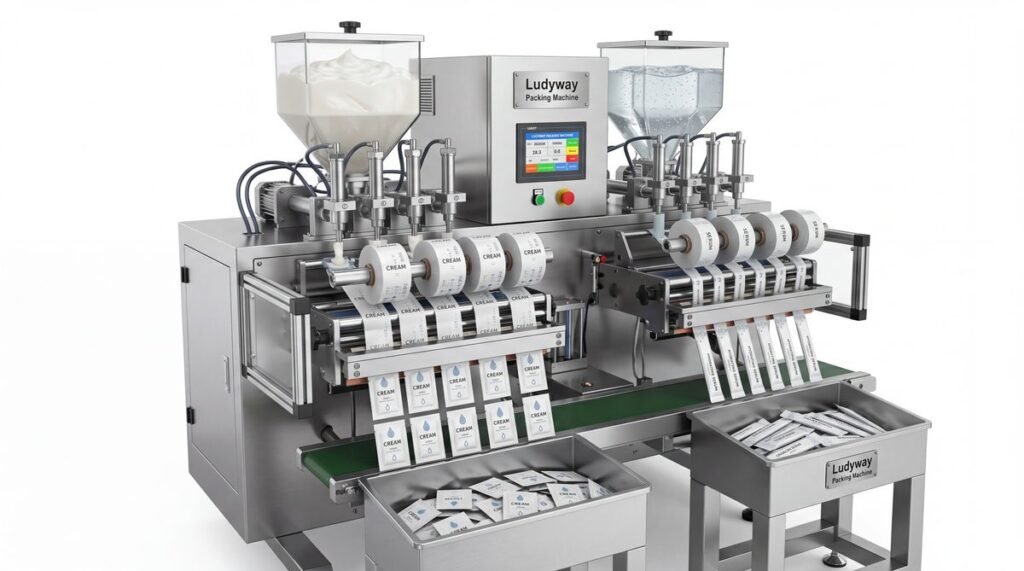
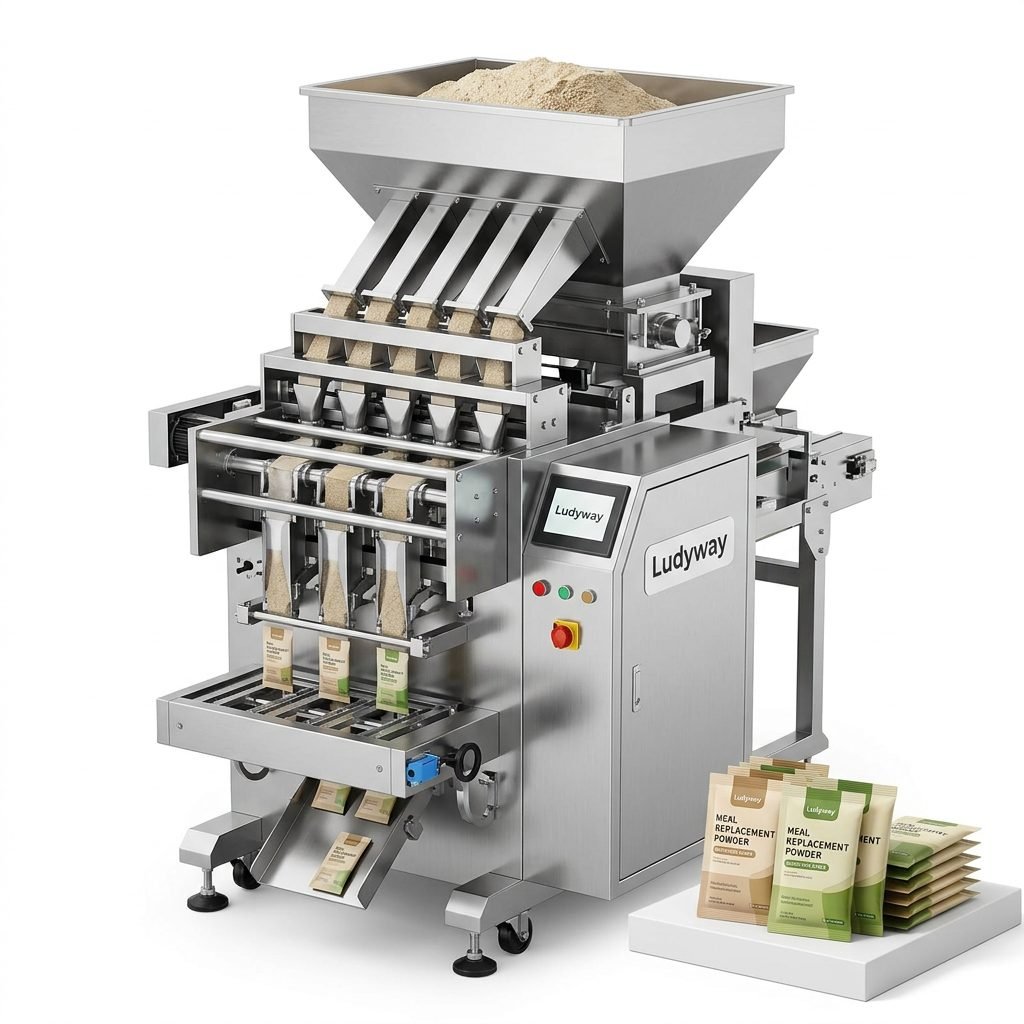
Multi-Lane Stick Pack Machines
Best for high-speed, high-volume production. These multi-lane stick pack machines can run 4 to 20 lanes simultaneously, producing narrow sealed stick packs ideal for single-serve ice pops. They offer exceptional throughput — often exceeding 400 packs per minute — and support both liquid and semi-viscous products. For North American manufacturers targeting retail chains and bulk distribution, stick pack formats are increasingly popular due to their portability and portion control.
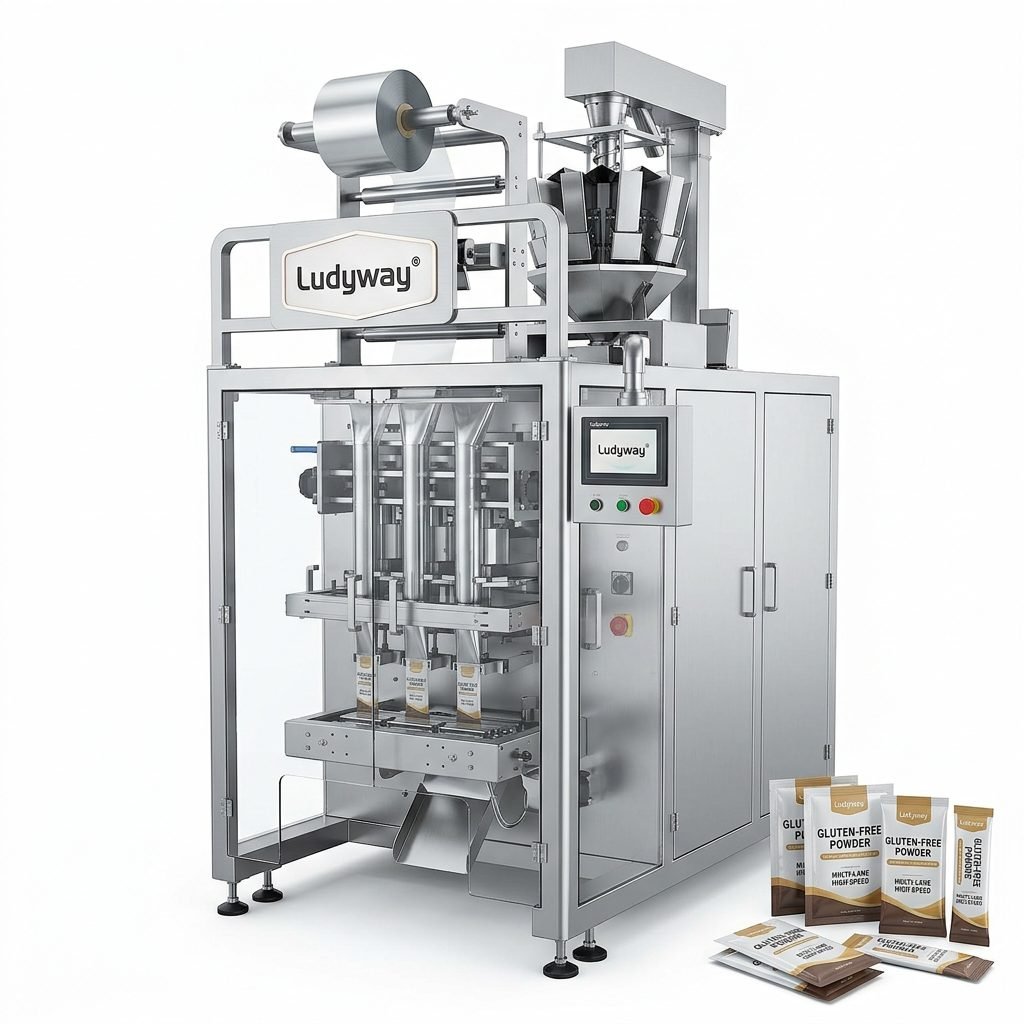
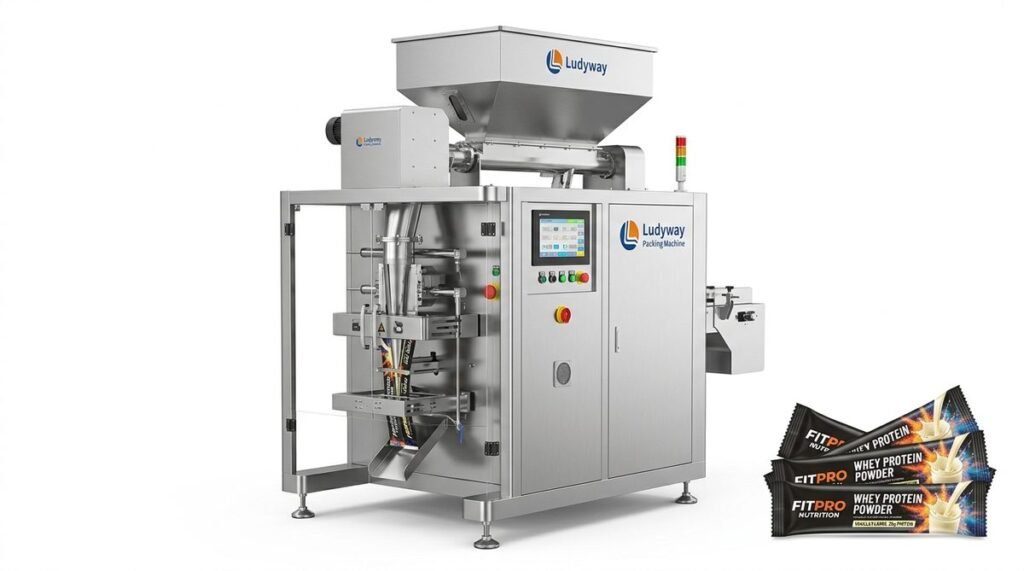
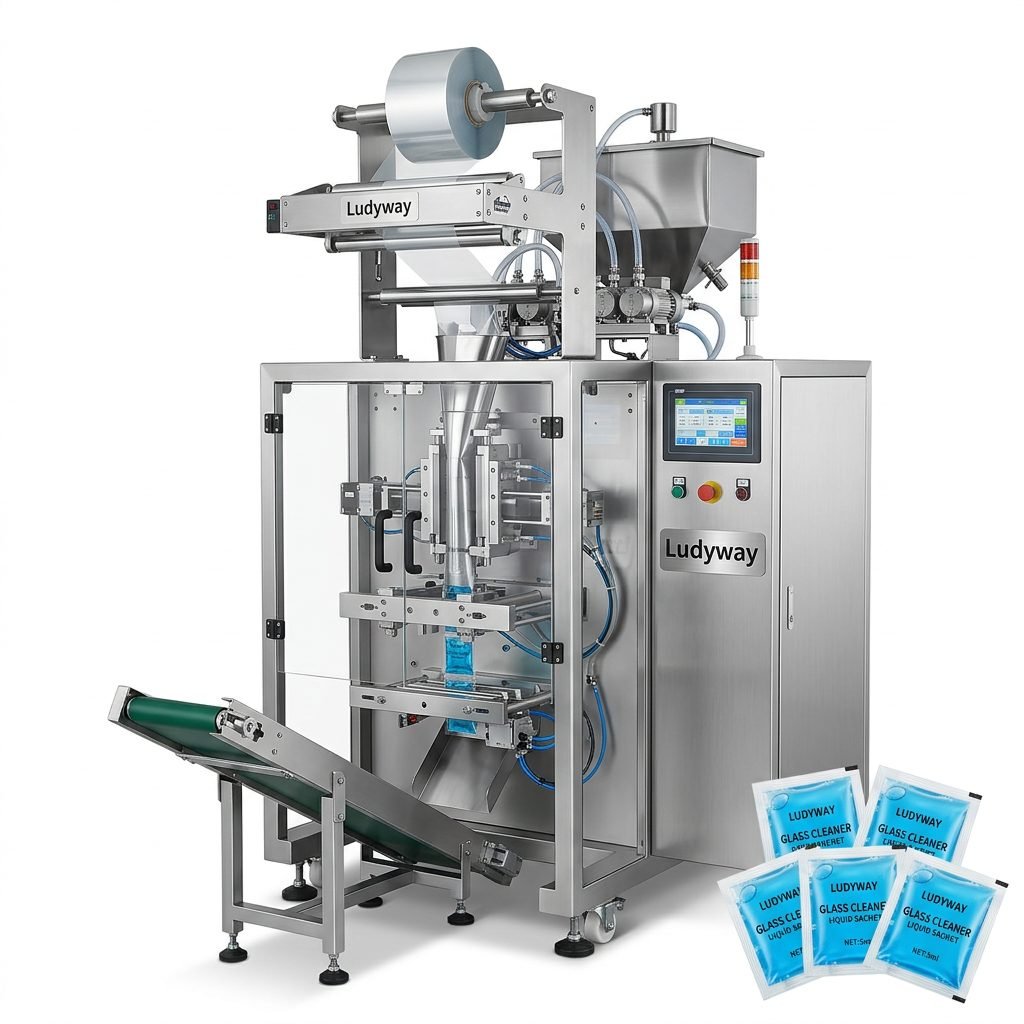
Vertical Form Fill Seal (VFFS) Sachet Machines
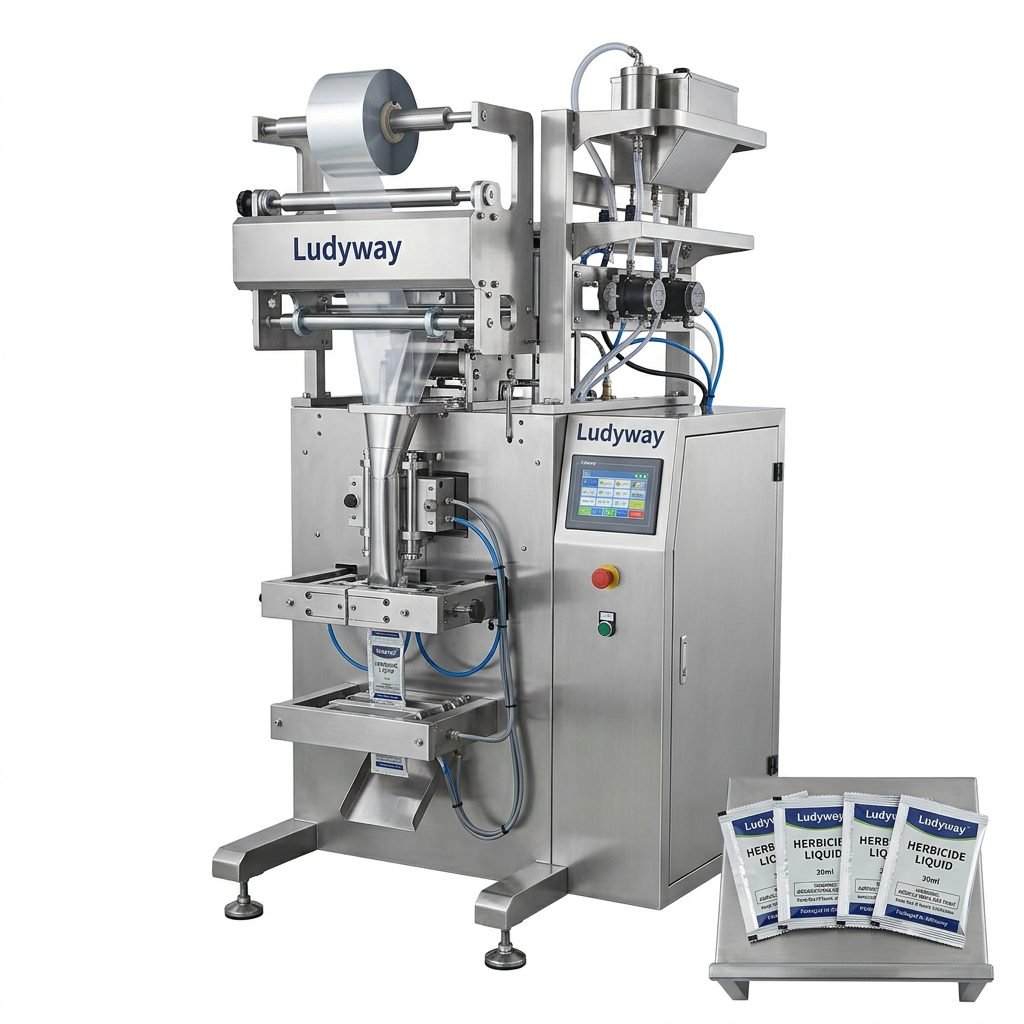
VFFS machines form the pouch from roll stock film, fill the product, and seal it in one continuous motion. They are versatile and can handle a wide range of film materials suitable for frozen products. VFFS sachet systems are particularly well-suited for flat or pillow-shaped ice pops and offer reliable performance for medium to high-volume runs.
Premade Pouch Filling and Sealing Systems
If your brand uses stand-up pouches or uniquely shaped packaging, premade pouch systems provide flexibility. These machines take pre-manufactured pouches, open them, fill with liquid, and seal. While generally slower than multi-lane stick pack machines, they allow for distinctive packaging designs that stand out on store shelves.

Key Factors for the North American Market
Purchasing an ice pop packaging machine for use in the United States or Canada requires careful attention to several region-specific factors. Overlooking these can lead to costly delays, regulatory issues, or equipment that fails to meet production expectations.
Regulatory Compliance and Food Safety
All food packaging equipment in North America must meet FDA food contact and packaging regulations. Materials that come into contact with the ice pop product must be food-grade and meet FDA standards for indirect food additives. Additionally, many buyers require equipment that supports HACCP (Hazard Analysis and Critical Control Points) protocols and is designed for easy sanitation and cleaning.
Electrical Standards and Certifications
Machines destined for North America must operate on 110V/220V 60Hz power and should carry relevant certifications such as UL listing or CSA approval. Verify with your supplier that the electrical system is fully compatible with North American standards and that all documentation is available before shipment.
Material Compatibility
Ice pop packaging must withstand freezing temperatures without becoming brittle or losing seal integrity. The packaging machine must be compatible with laminated films, metallized PET, and other barrier materials commonly used in the North American frozen treat market. Ensure the machine supports cold-seal or heat-seal technologies as required by your packaging material.
Essential Machine Specifications to Evaluate
When comparing different ice pop packaging machines, pay close attention to the following specifications. These directly affect production efficiency, product quality, and long-term operational costs.
| Specification | Why It Matters | Recommended Range |
|---|---|---|
| Number of Lanes | Determines output speed; more lanes equal higher throughput | 4–12 lanes for mid-scale; 12–20 for high-volume |
| Packaging Speed | Directly impacts production capacity and labor requirements | 100–500+ packs per minute |
| Filling Accuracy | Prevents product giveaway and ensures package consistency | ±0.5% to ±1.5% accuracy |
| Film Width Range | Must match your packaging dimensions and design | 50mm–300mm depending on format |
| Sealing Temperature Control | Critical for seal integrity at freezing temperatures | PID-controlled with ±1°C precision |
| Frame Material | Affects durability, sanitation, and corrosion resistance | Stainless steel 304 or 316L |
Automation Levels and Integration Capabilities
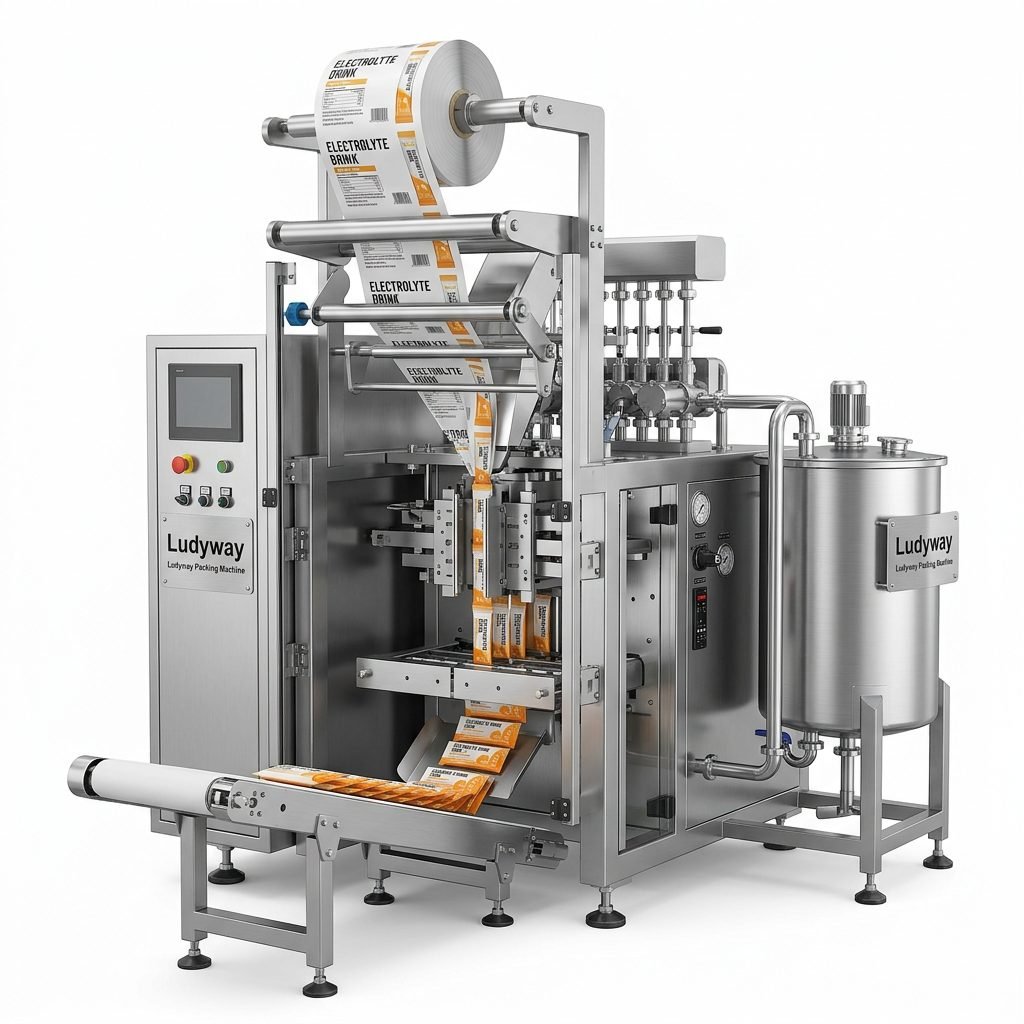
Modern turnkey packaging lines offer varying degrees of automation. For North American manufacturers facing labor shortages and rising operational costs, higher automation levels often deliver the best return on investment. Consider the following automation features:
- Automatic film splicing — reduces downtime and material waste during roll changes
- In-line printing and coding — applies date codes, lot numbers, and barcodes without interrupting production
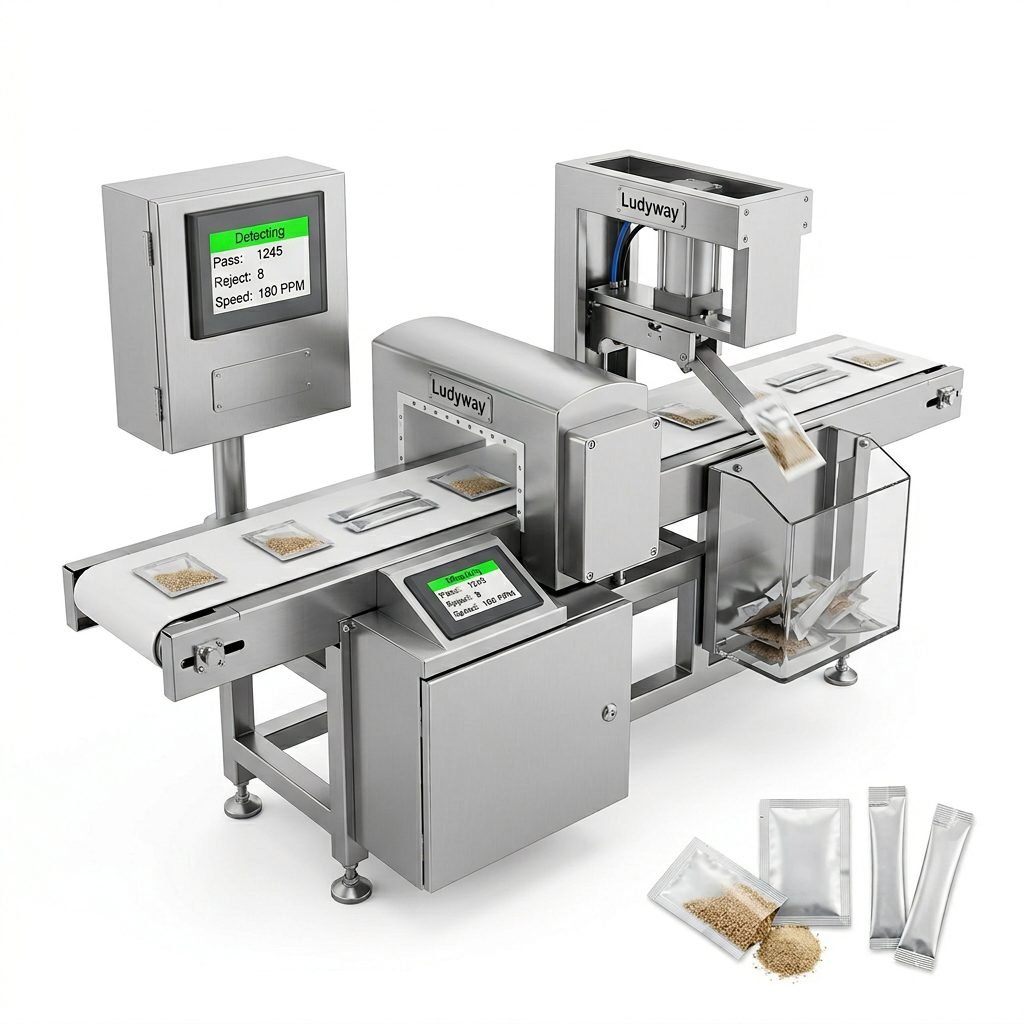
- Integrated checkweighing — automatically rejects underweight or overweight packs
- Robotic pick-and-place — handles finished packs for cartoning or case packing
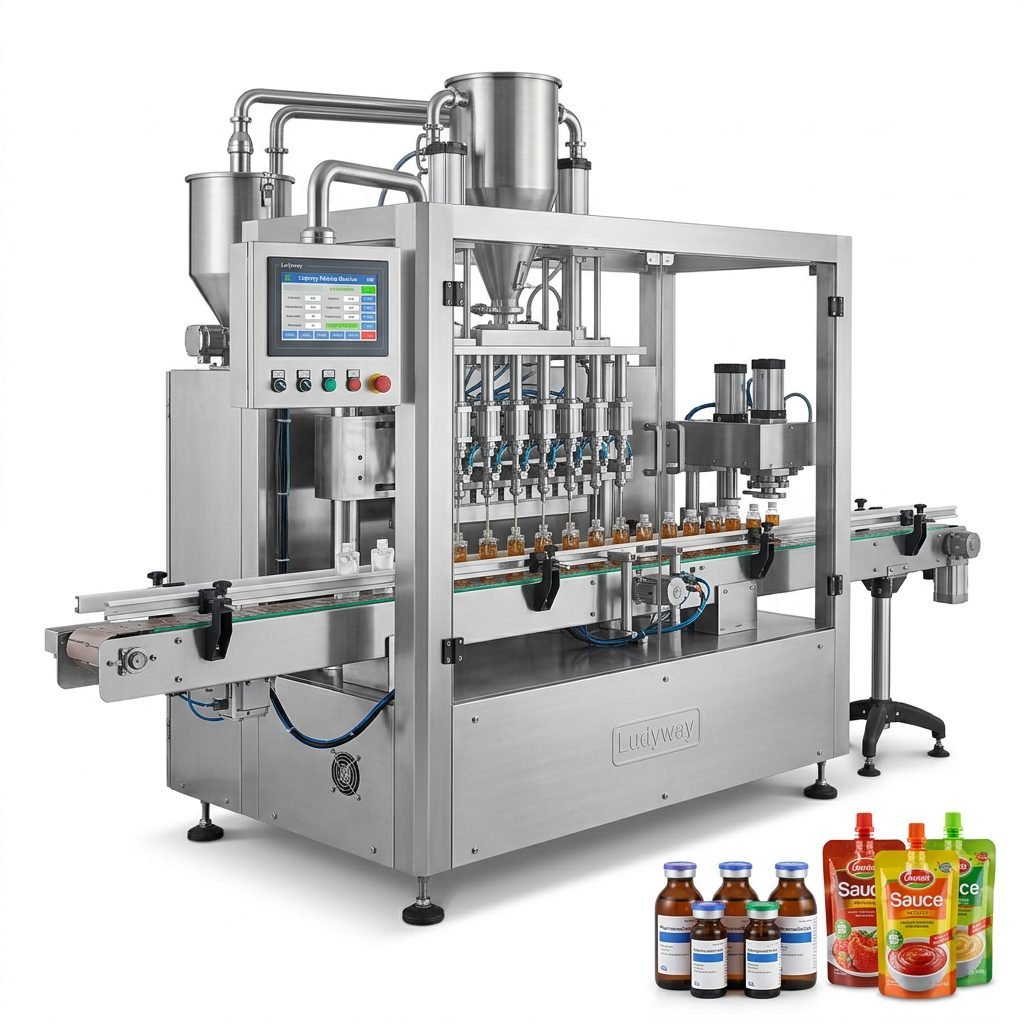
- Centralized HMI control — provides real-time monitoring, recipe management, and diagnostic access
Comparing Costs and Return on Investment
An ice pop packaging machine represents a significant capital investment. Understanding the total cost of ownership helps you evaluate options and calculate realistic payback periods.
Upfront Investment Categories
- Entry-level machines: Typically single-lane or dual-lane VFFS systems, suitable for startups and small-scale production
- Mid-range multi-lane machines: 4–8 lane stick pack or sachet systems with moderate automation features
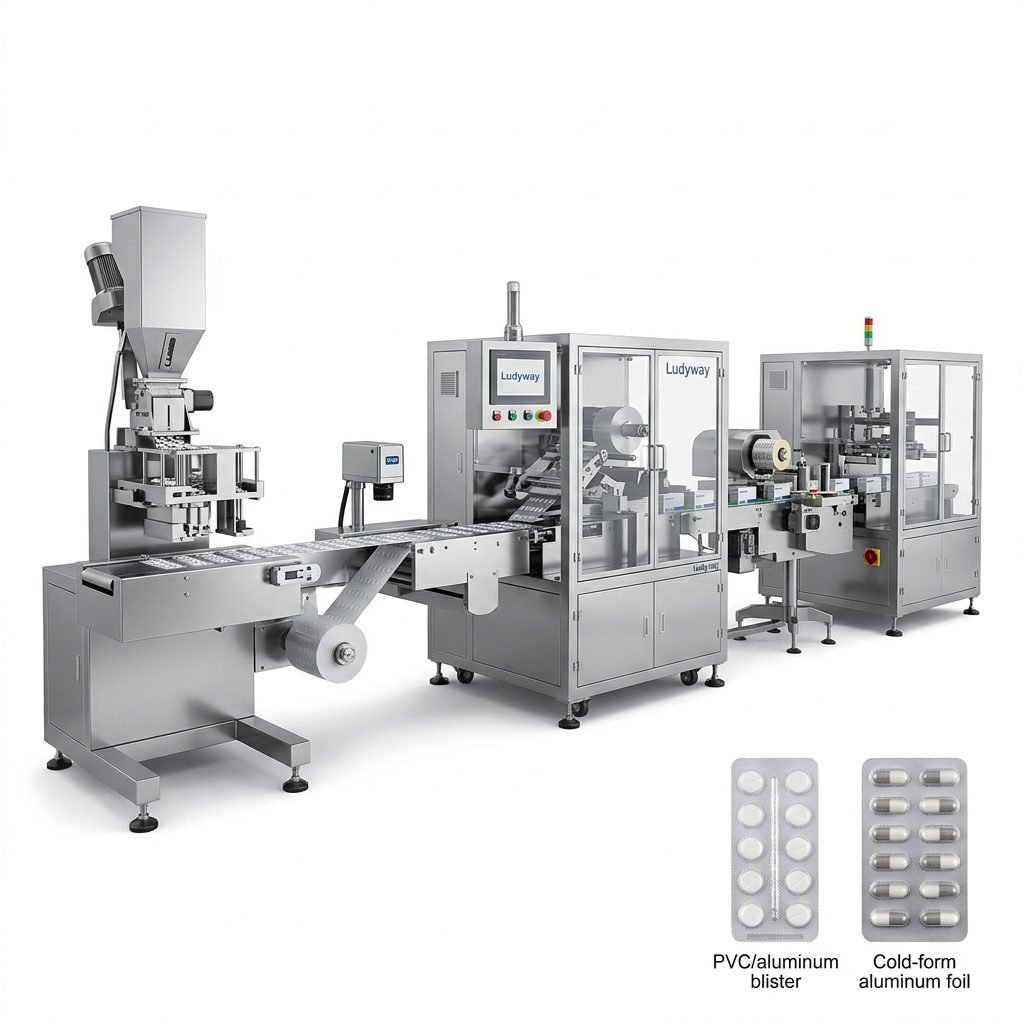
- High-end fully automated lines: Multi-lane systems with integrated filling, checkweighing, cartoning, and palletizing
Ongoing Operational Costs
Beyond the purchase price, factor in film consumption, energy usage, spare parts, maintenance labor, and downtime risks. A machine with higher upfront cost but lower film waste and faster changeovers may deliver better long-term value. Many North American buyers find that investing in quality upfront reduces operational headaches significantly.
Supplier Selection and Due Diligence
Choosing the right supplier is just as important as choosing the right machine. For North American buyers, working with a manufacturer that understands international shipping, installation support, and local service expectations is essential.
Ludyway is one of the largest packaging machine manufacturers in China, specializing in advanced packaging equipment and turnkey production solutions for the food, pharmaceutical, and health industries. With over 30 years of industry expertise, the company provides reliable and efficient packaging solutions for granule, powder, liquid, and pouch packaging applications across more than 100 countries. When evaluating any supplier, be sure to review their track record, request references from North American clients, and confirm that they provide comprehensive after-sales support including remote diagnostics and spare parts availability.
Questions to Ask Potential Suppliers
- Do you have existing installations in North America?
- What warranties and after-sales service agreements do you offer?
- Can you provide documentation for FDA compliance and material certifications?
- What is the lead time for spare parts delivery to North America?
- Do you offer virtual or on-site installation and training support?
- Is remote technical assistance available during North American business hours?

Industry Standards and Certifications
North American buyers should ensure their ice pop packaging equipment aligns with key industry standards. Reference the following authoritative resources:
- PMMI — The Association for Packaging and Processing Technologies
- PMMI State of the Industry Reports
- FDA — Packaging and Food Contact Substances
- ISO — Packaging Standards
- Flexible Packaging Association — Industry Resources
- PACK EXPO International
Installation, Training, and Ongoing Maintenance
A successful ice pop packaging machine purchase does not end with delivery. Proper installation, operator training, and preventive maintenance are crucial for long-term performance. Look for suppliers that offer:
- On-site installation supervision by certified technicians
- Comprehensive operator and maintenance training programs
- Detailed maintenance schedules with recommended spare parts lists
- Remote diagnostic capabilities for faster troubleshooting
- Extended warranty options with guaranteed response times
Transportation and Delivery Considerations
Shipping a large packaging machine from overseas to North America requires careful logistics planning. Verify that your supplier handles export packaging, customs documentation, and incoterms clearly. Most North American buyers prefer CIF or DDP terms for clarity on costs and responsibilities. Additionally, confirm the estimated transit time and whether the supplier offers installation support upon arrival.
Making Your Final Decision
Choosing the right ice pop packaging machine for the North American market involves balancing production needs, budget constraints, and long-term operational goals. Prioritize machines that offer:
- Proven reliability in liquid and frozen product applications
- Compliance with FDA and North American electrical standards
- Scalable capacity to accommodate future growth
- Strong supplier support with North American service coverage
- Flexible packaging formats to adapt to changing market trends
By thoroughly evaluating machine specifications, supplier credentials, and total cost of ownership, you can invest with confidence and position your ice pop brand for sustainable growth in the competitive North American market.