The coffee industry in Africa is experiencing remarkable growth, driven by both local consumption and export demand. As more consumers shift toward premium and convenient coffee options, the market for coffee pod packaging machine production lines is expanding rapidly. Setting up an efficient, high-speed packaging operation requires thorough planning and the right equipment.
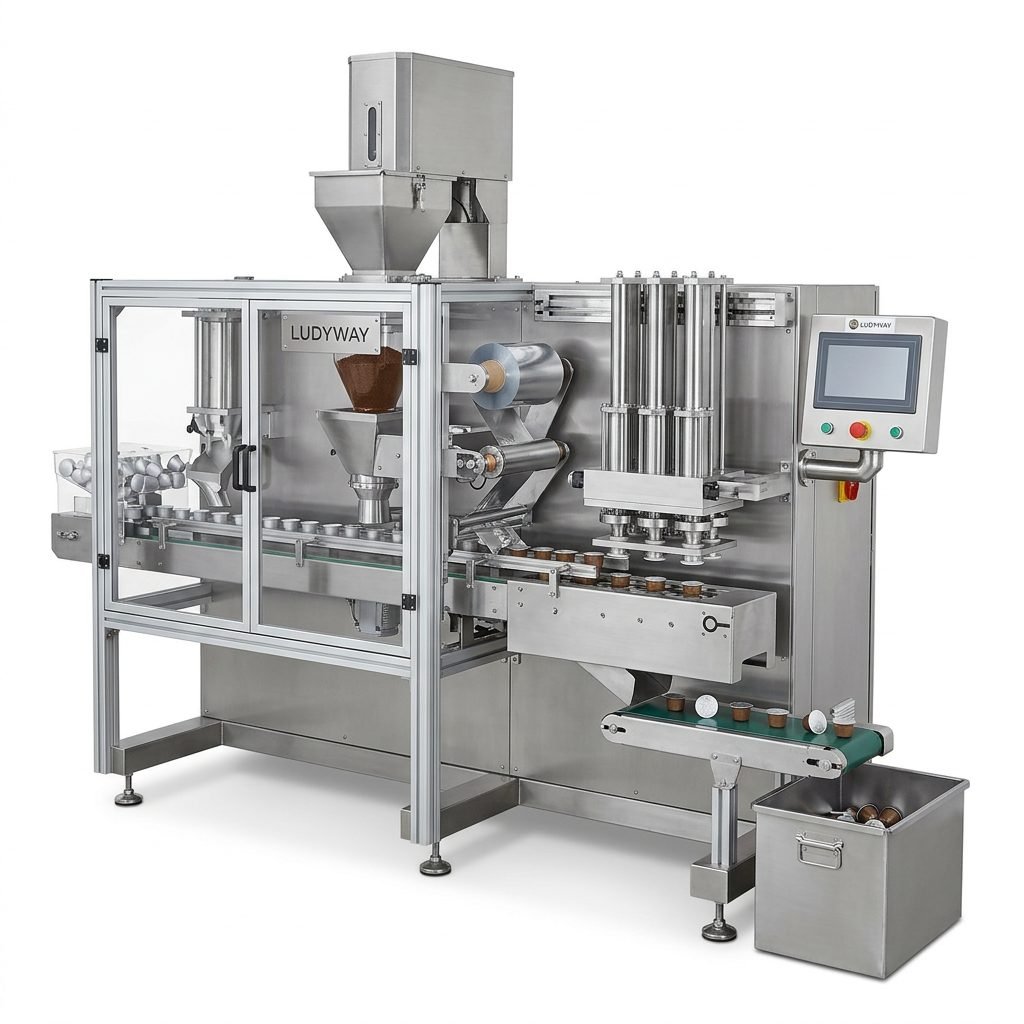
Understanding the African Coffee Market Opportunity
Africa is both a major coffee producer and a fast-growing consumer market. Nations like Ethiopia, Kenya, Uganda, Tanzania, and Rwanda are world-renowned for their coffee beans, while South Africa, Nigeria, and Egypt are witnessing a surge in coffee culture and specialty beverage consumption. This dual dynamic creates a strategic opportunity for packaging entrepreneurs and manufacturers. A coffee pod packaging machine production line enables businesses to add value locally, transforming bulk coffee into retail-ready single-serve pods.
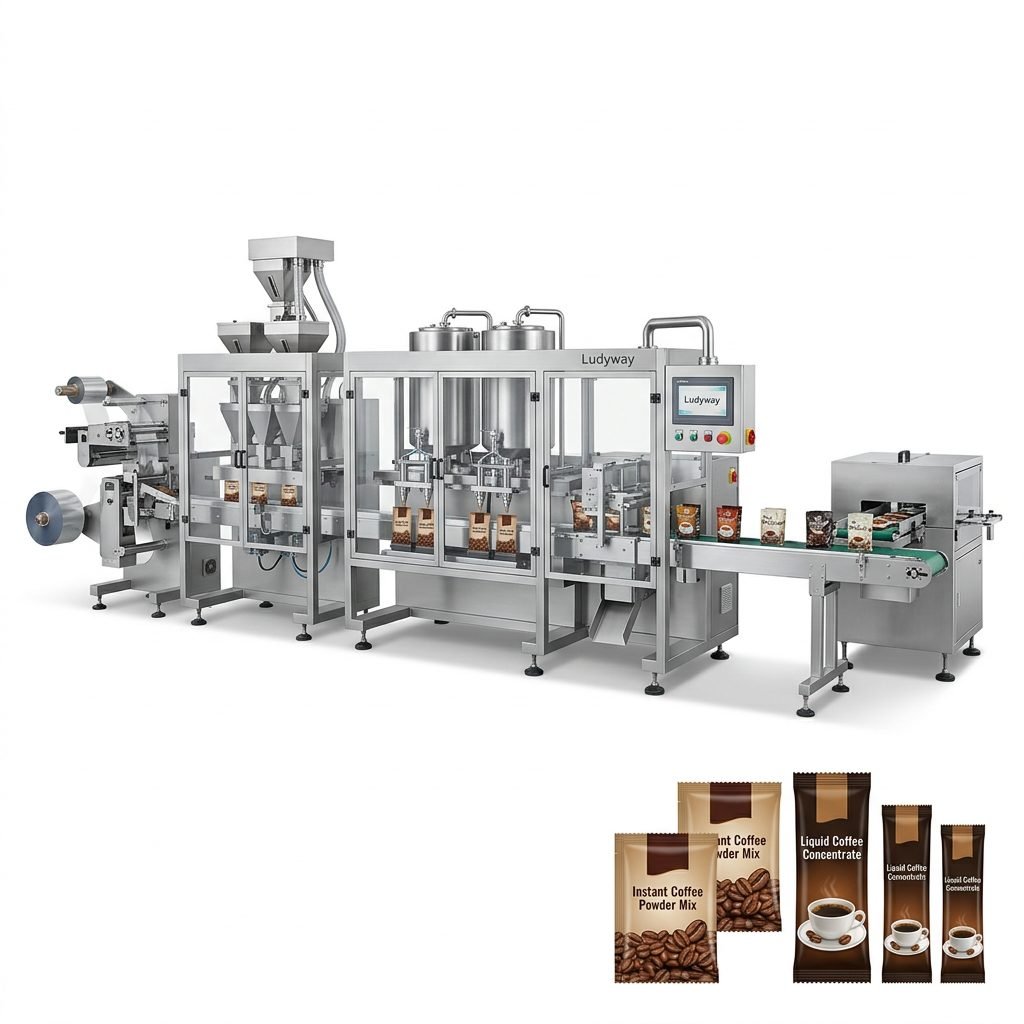
Key Components of a Coffee Pod Packaging Line
A complete coffee pod packaging machine production line integrates several specialized machines working in sequence. Understanding each component helps you make informed procurement and layout decisions.
1. Coffee Pod Filling and Sealing Machine
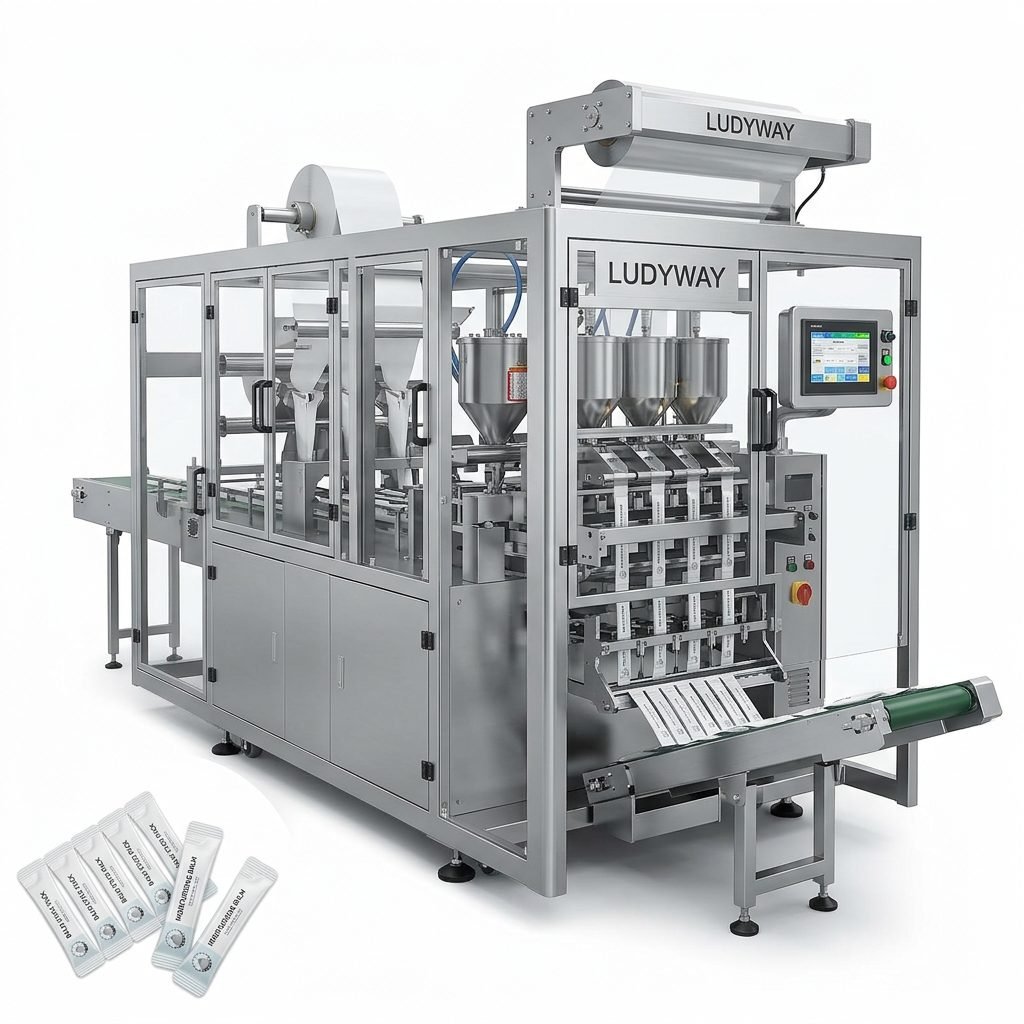
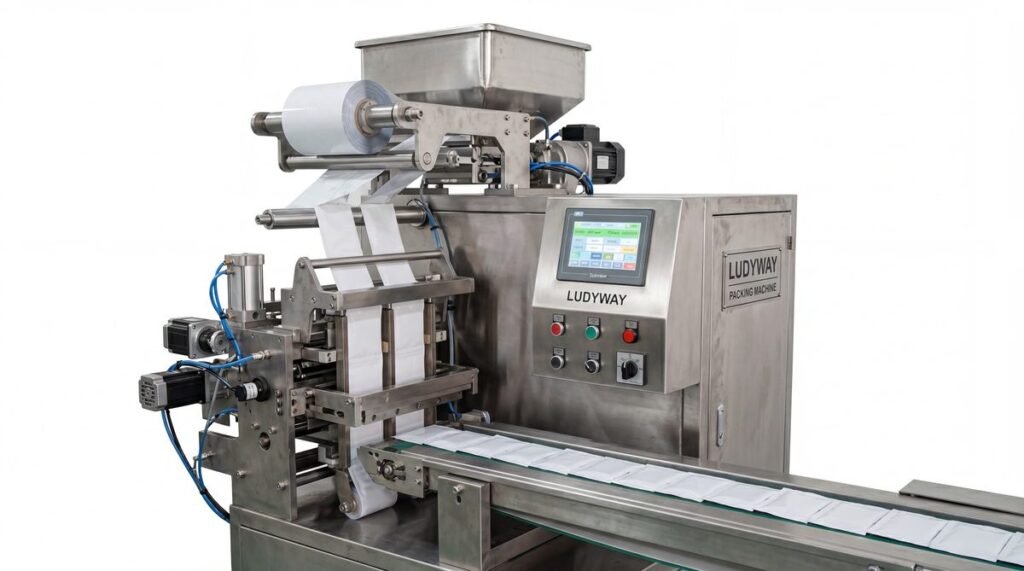
This is the core of any pod packaging operation. The machine accurately doses ground coffee into preformed pods or capsules, then applies a sealed lid. Modern systems feature multi-lane configurations and can handle various pod formats, from standard plastic capsules to compostable designs. Precision dosing is critical for product consistency.
2. Nitrogen Flushing System
To preserve freshness and extend shelf life, an integrated nitrogen flushing unit removes oxygen from the pod before sealing. This is especially important in tropical African climates, where high humidity and temperature can accelerate coffee degradation.
3. Weighing and Dosing System
High-accuracy multi-head weighers or auger fillers ensure each pod contains the exact amount of coffee. Consistent fill weight protects your profit margins and meets international quality standards.
4. Conveying and Accumulation Systems
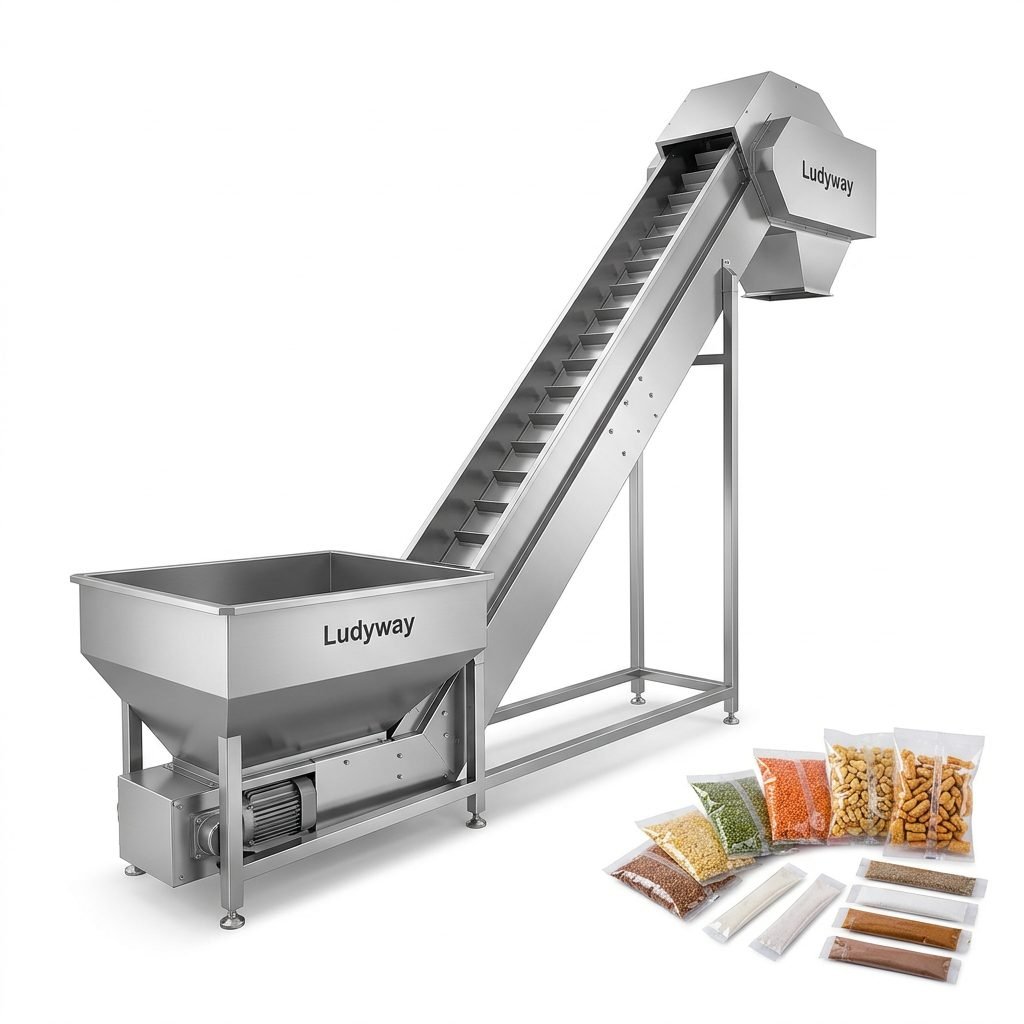
Automated conveyors, rotary tables, and accumulation buffers connect each station and regulate product flow. Proper line balancing prevents bottlenecks and maximizes throughput.
5. Secondary Packaging Equipment
After pods are filled and sealed, they need to be packed into boxes, cartons, or flow-wrapped packages. Equipment such as cartoning machines, case packers, and palletizers complete the production line.
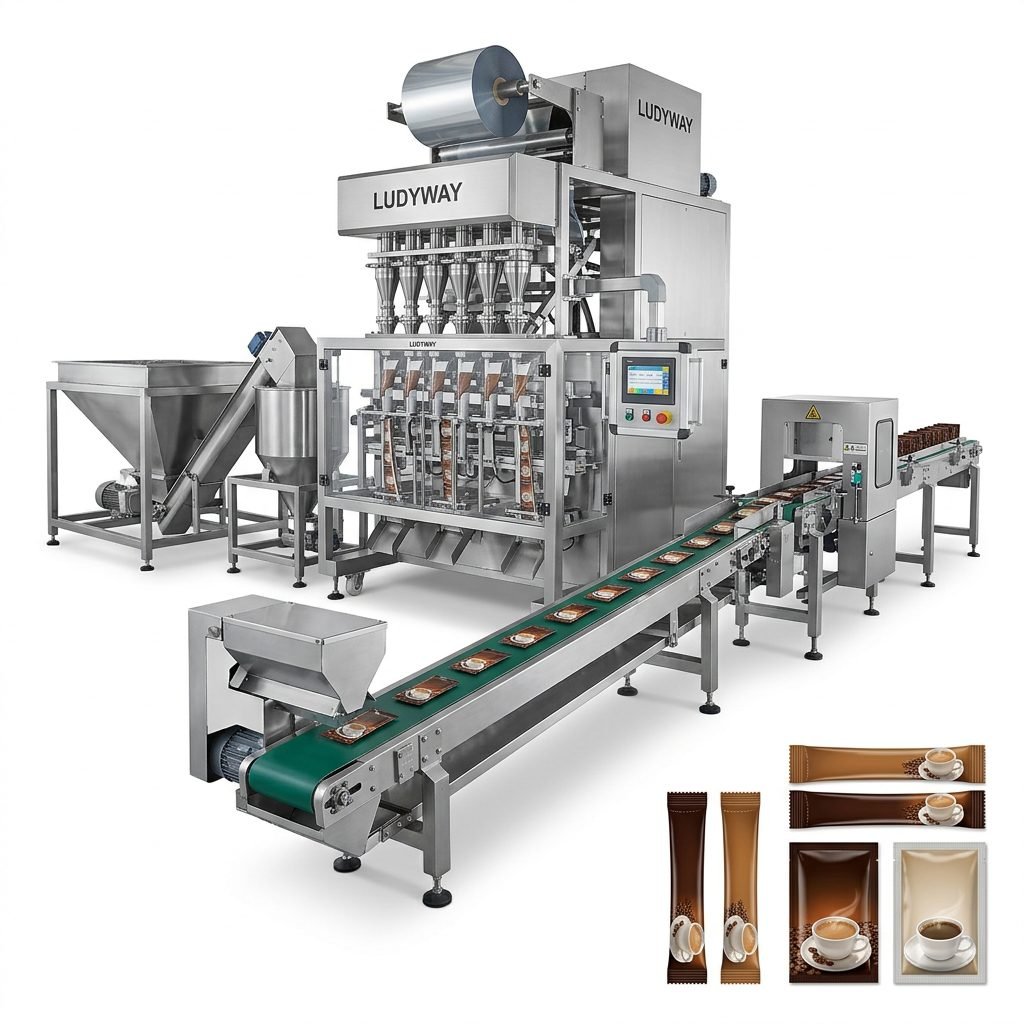
Step-by-Step Guide to Setting Up Your Line
- Market Research and Feasibility: Identify your target customers, pod format preferences, and regional competition. Determine whether your focus is on domestic retail or export markets.
- Facility Preparation: Prepare a clean, climate-controlled production area with adequate power supply, compressed air, and nitrogen gas infrastructure.
- Equipment Specification: Based on your required output per hour, select the appropriate multi-lane coffee pod machine speed, filling accuracy, and automation level.
- Installation and Commissioning: Work with experienced engineers to install, calibrate, and test the entire line. Verify all safety features and documentation.
- Staff Training: Operators and maintenance technicians must receive comprehensive training on machine operation, cleaning procedures, and basic troubleshooting.
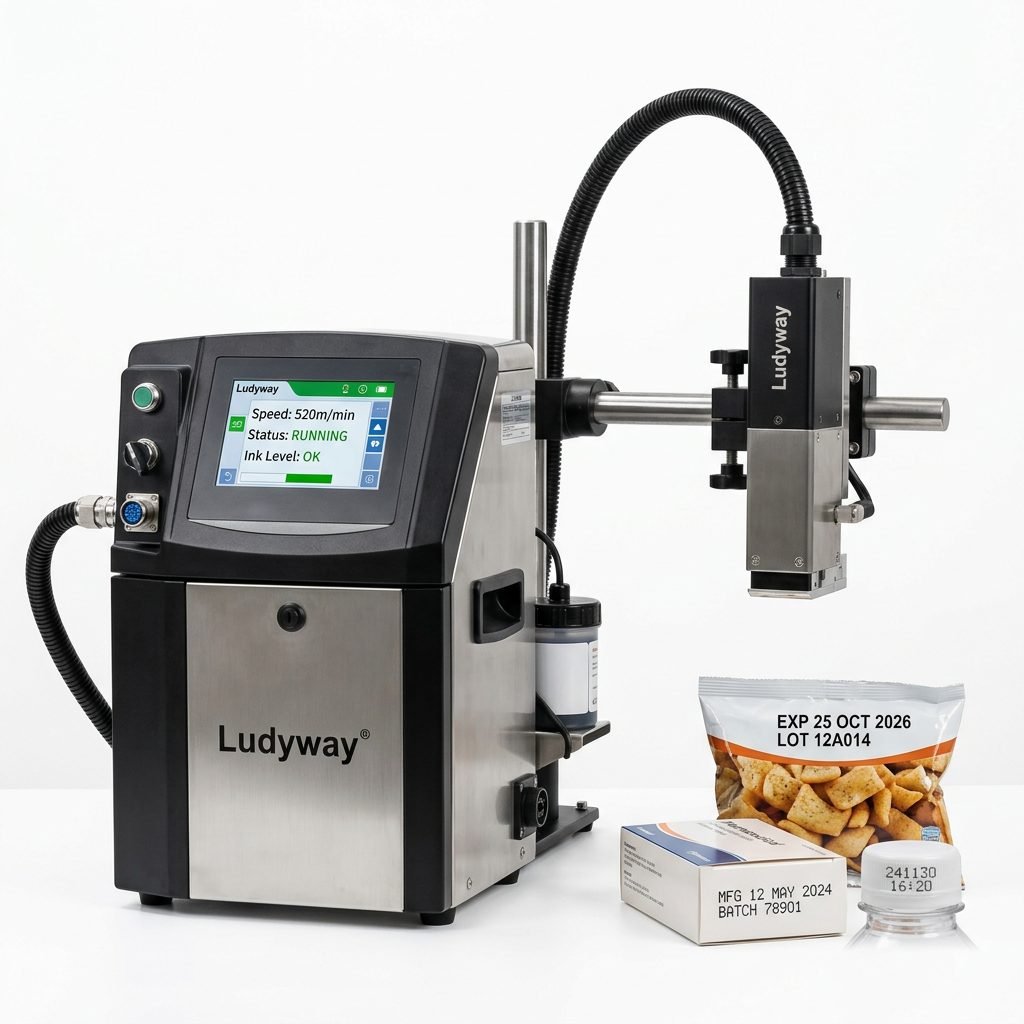
- Quality Control Protocols: Implement inline checkweighers, metal detectors, and seal integrity testers as recommended by ISO packaging standards.
- Regulatory Compliance: Ensure your packaging and labeling meet both local African regulations and requirements for any export destinations. Refer to resources like the FDA food packaging guidelines if exporting to the US.
Equipment Selection and Technical Specifications
Choosing the right machinery for your coffee pod packaging machine production line in Africa often requires balancing performance, durability, and total cost of ownership. The table below outlines typical specifications:
| Equipment Type | Key Function | Recommendation for Africa |
|---|---|---|
| Pod Filling & Sealing Machine | Dosing, filling, lid sealing | Multi-lane, modular design for flexible formats |
| Multi-Head Weigher | Precision coffee ground weighing | Stainless steel, high IP rating for humid conditions |
| Nitrogen Flushing Unit | Oxygen removal for freshness | Integrated flow control with gas consumption monitoring |
| Cartoning Machine | Secondary boxing of finished pods | Adjustable for various carton sizes, robust construction |
| Inline Checkweigher & Metal Detector | Quality assurance and contaminant detection | High sensitivity, easy to clean, local service support |
Why Choose the Right Machinery Partner
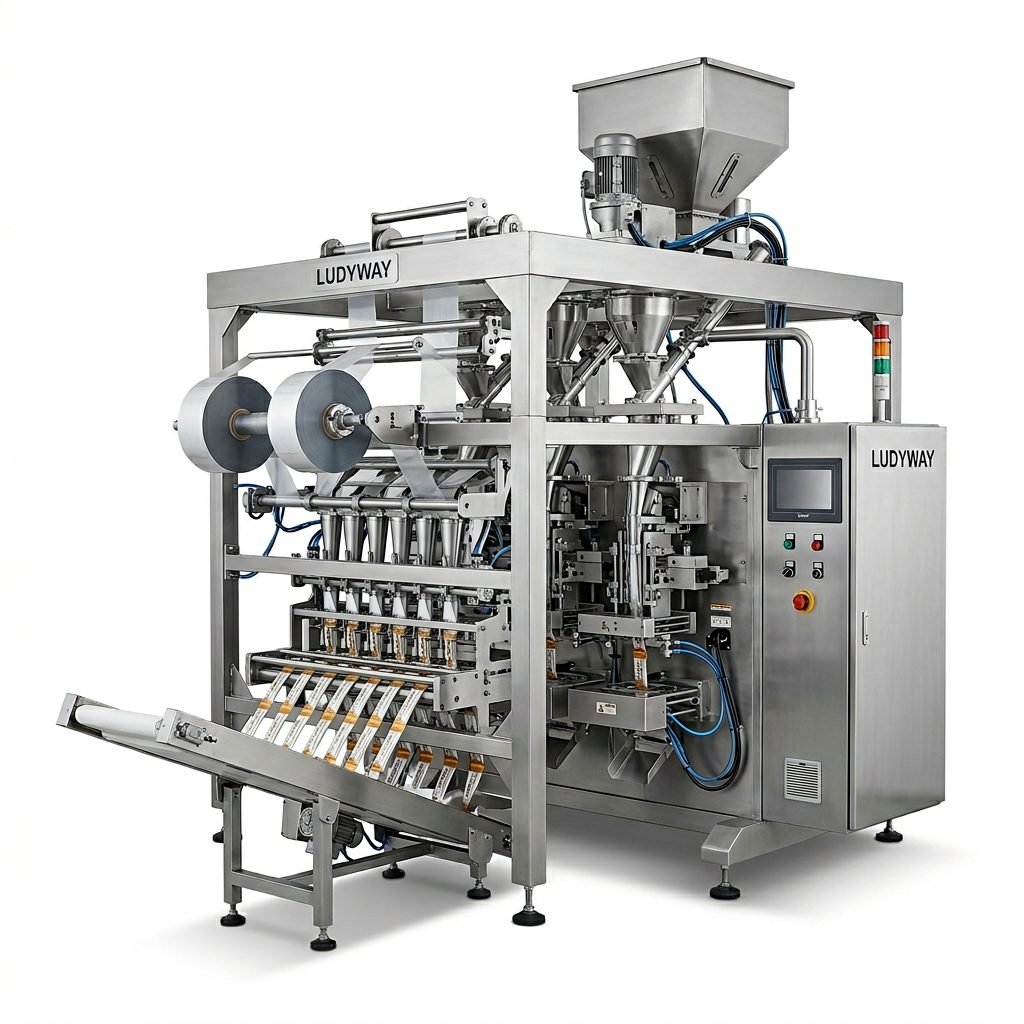
Establishing a reliable coffee pod packaging machine production line in Africa requires more than just hardware. You need a partner that understands international standards and offers responsive after-sales support. Ludyway is a global manufacturer specializing in advanced packaging equipment, including turnkey production solutions for the food and beverage industry. With extensive expertise in multi-lane stick pack, sachet, and pod packaging systems, Ludyway provides customized machinery designed for high performance and efficiency. Their engineering team supports clients through installation, training, and ongoing technical service across multiple international markets.
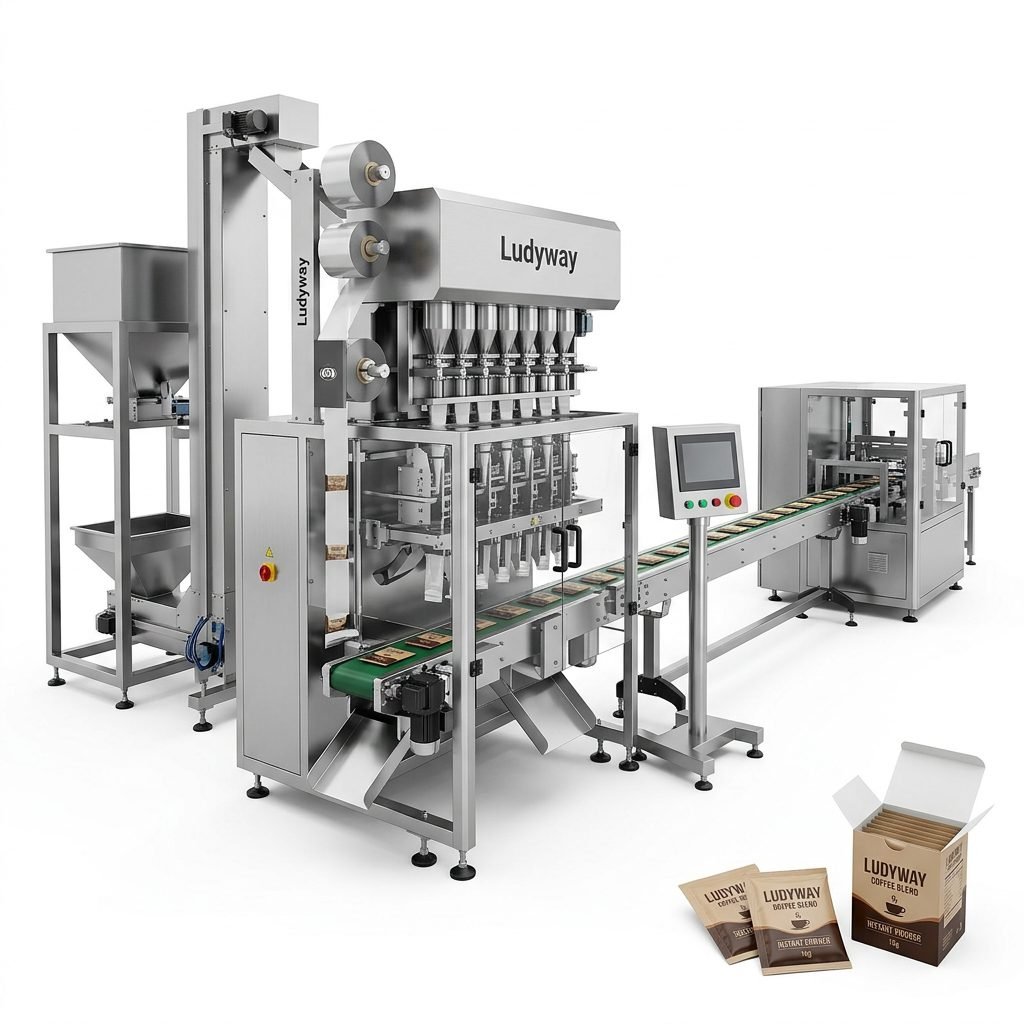
Optimizing Your Production Workflow
Beyond individual machines, the layout and integration of your line determine long-term efficiency. Consider these factors when planning your coffee pod facility:
- Material Flow: Arrange equipment in a logical sequence to minimize product travel distance and operator movement.
- Utilities Access: Position machines with convenient access to electrical panels, compressed air lines, and nitrogen supply points.
- Maintenance Clearances: Allow adequate space around each machine for cleaning, inspection, and component replacement.
- Future Expansion: Design your floor plan with modular scalability in mind, leaving room for additional lanes or downstream automation.
Conclusion: Starting Your Coffee Pod Business in Africa
Building a successful coffee pod packaging operation in Africa is a strategic move that capitalizes on the continent’s coffee heritage and evolving consumer preferences. By choosing the right coffee pod packaging machine production line, planning your facility carefully, and partnering with experienced equipment manufacturers, you can deliver high-quality coffee products to customers across Africa and beyond. For more insights on packaging best practices, visit the PMMI Business Intelligence Library. With the right preparation, your production line will become a cornerstone of a profitable and sustainable business.
For more detailed information on flexible packaging trends and standards that apply to coffee pods, explore the resources provided by the Flexible Packaging Association. These guidelines help ensure your packaging meets both sustainability targets and retailer requirements in diverse African and international markets.