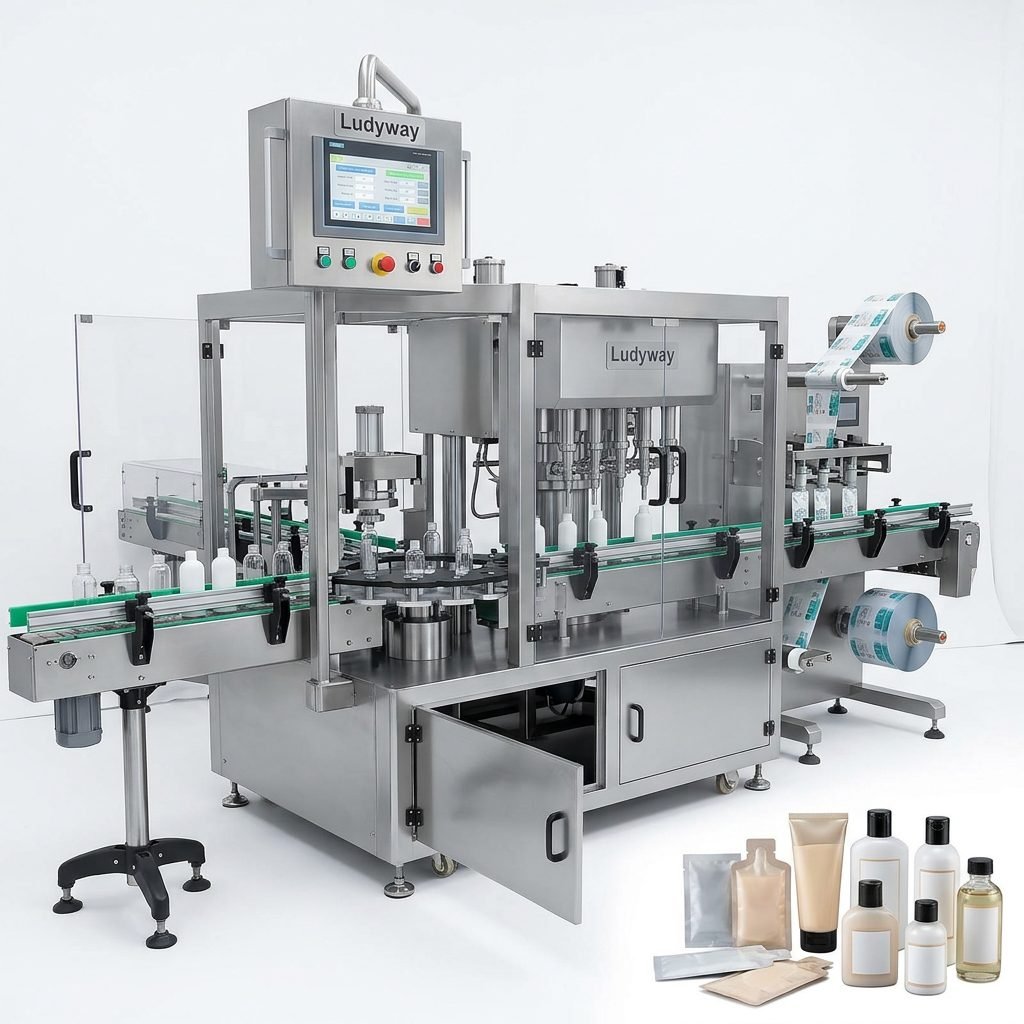
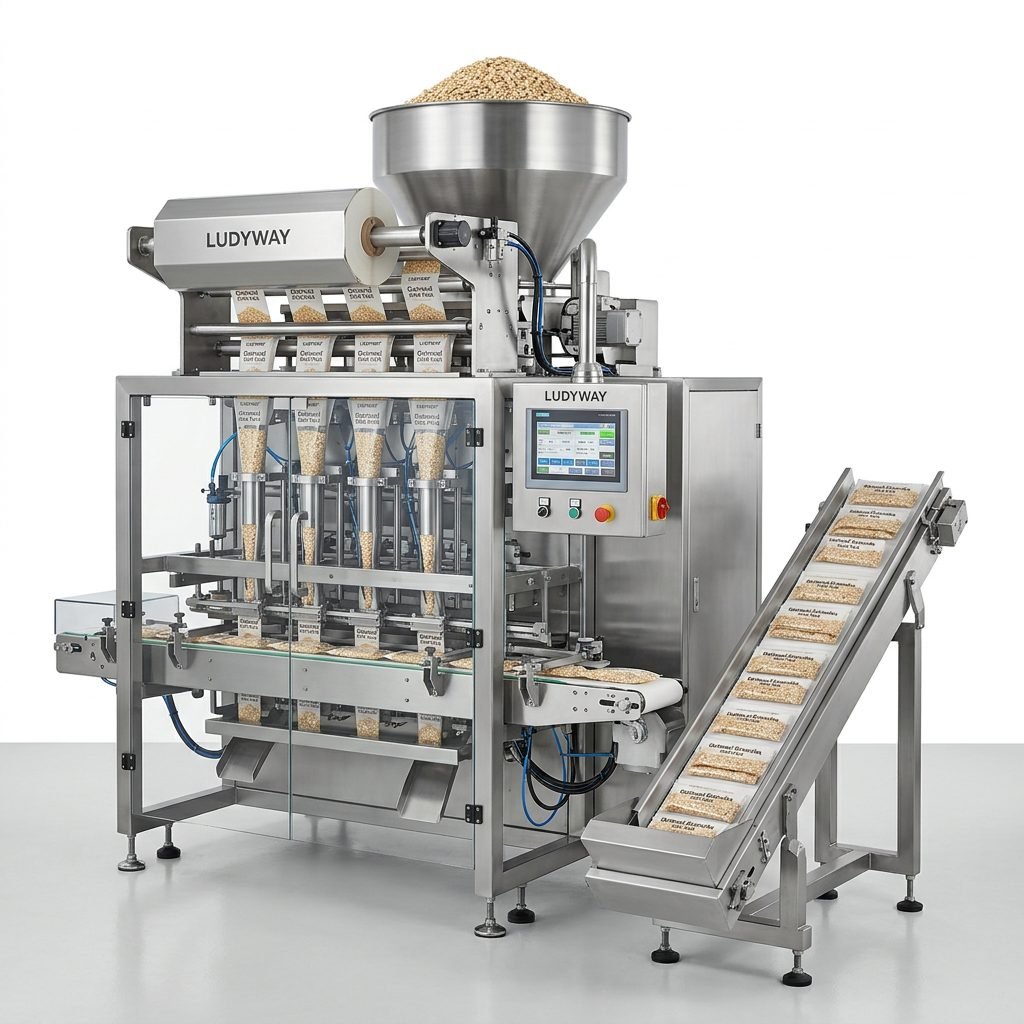
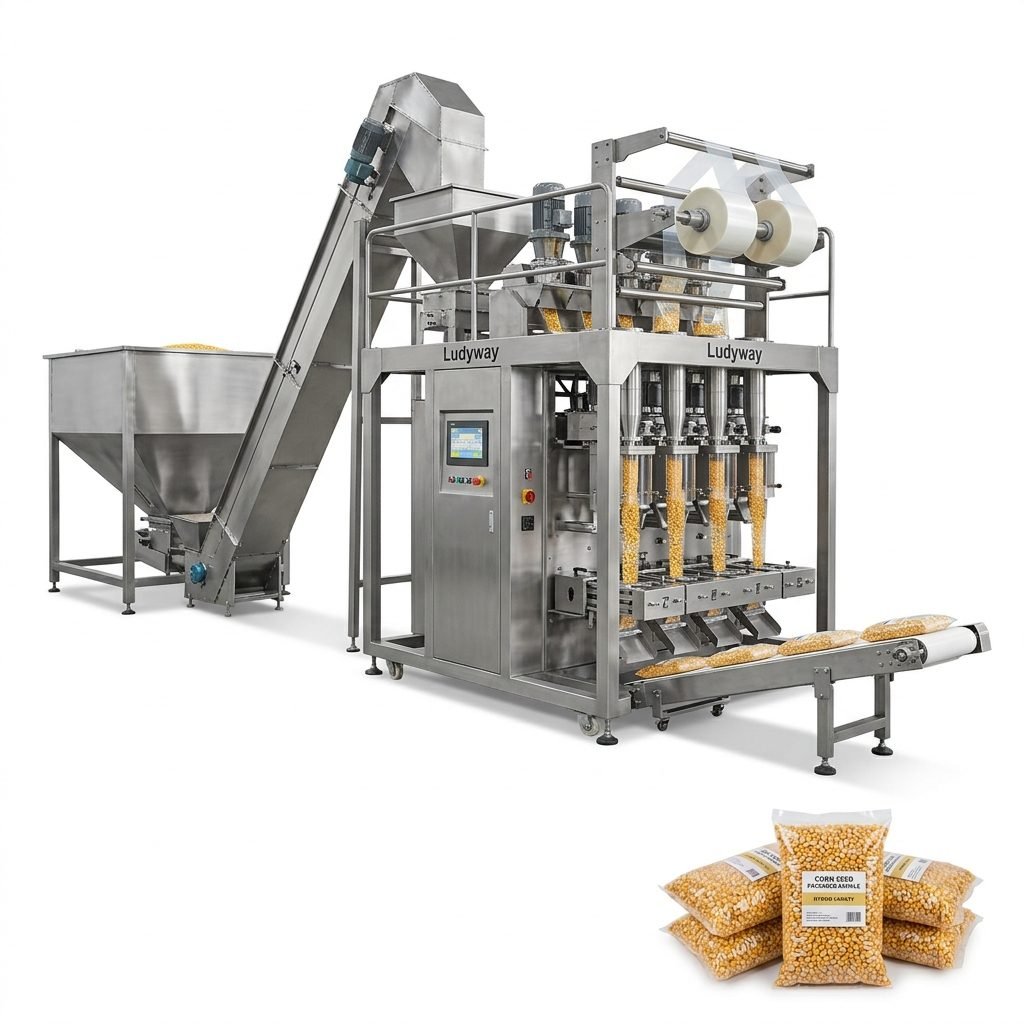
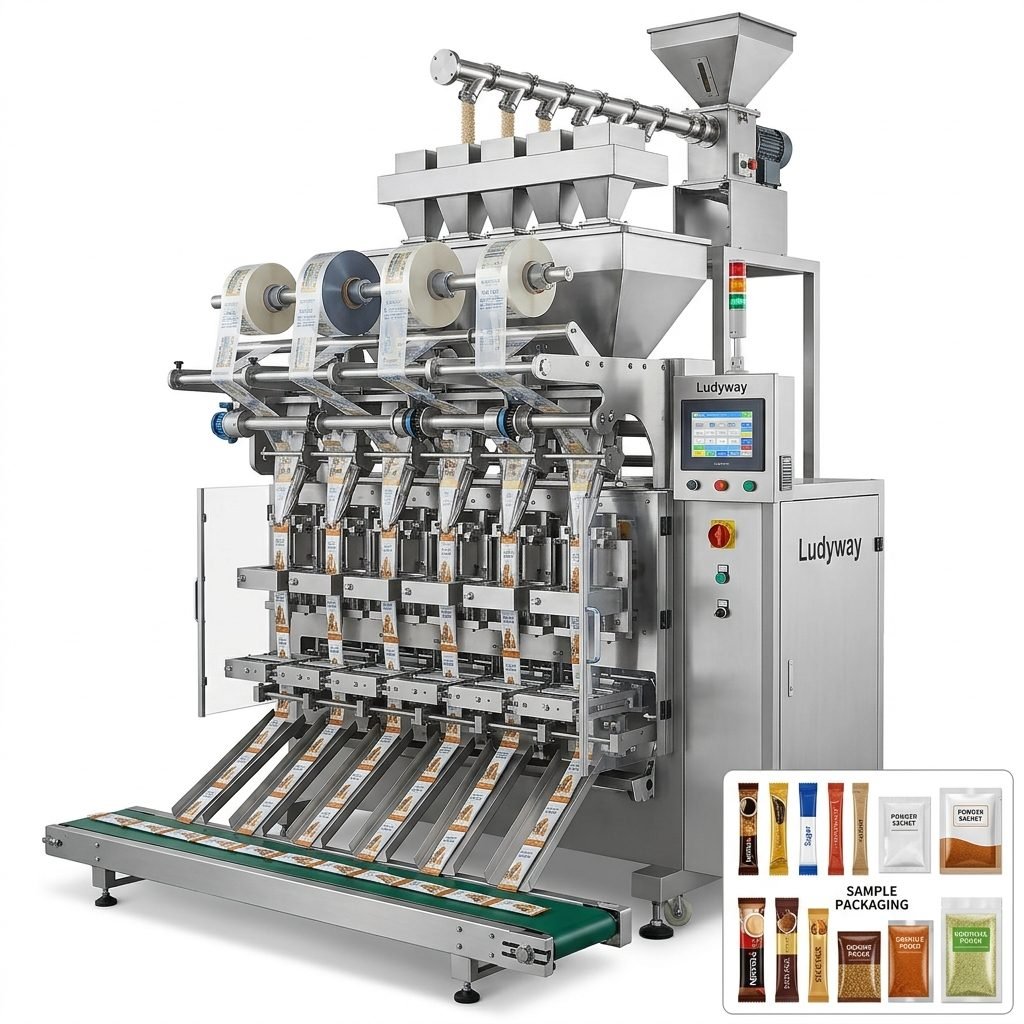
Establishing a vacuum sealer packaging machine production line in the United States requires careful planning, a solid understanding of regulatory frameworks, and the right equipment configuration. Whether you are launching a food packaging operation, entering the pharmaceutical sector, or expanding an existing manufacturing facility, a well-designed vacuum packaging line can significantly extend product shelf life, improve operational efficiency, and enhance overall product quality. This guide walks you through every essential step of the process.
Understanding US Market Requirements for Vacuum Packaging
The United States packaging market is governed by strict regulations that vary by industry. Before investing in equipment, you must understand the compliance landscape. The FDA food packaging and food contact substances regulations set clear guidelines for materials that come into contact with consumable products. Similarly, ISO 11607 packaging standards define requirements for terminally sterilized medical devices, which are critical for pharmaceutical applications.
Key factors to evaluate during the planning phase include:
- Product type: Is your product a solid, granule, powder, liquid, or a combination of these?
- Production volume: Are you targeting small-batch production or high-speed, multi-lane output?
- Packaging format: Will you use sachets, stick packs, pouches, or larger bulk bags?
- Shelf-life requirements: What level of vacuum and seal integrity is needed?
- Facility constraints: What are the square footage, power supply, and environmental conditions of your site?
Core Components of a Vacuum Sealer Packaging Production Line
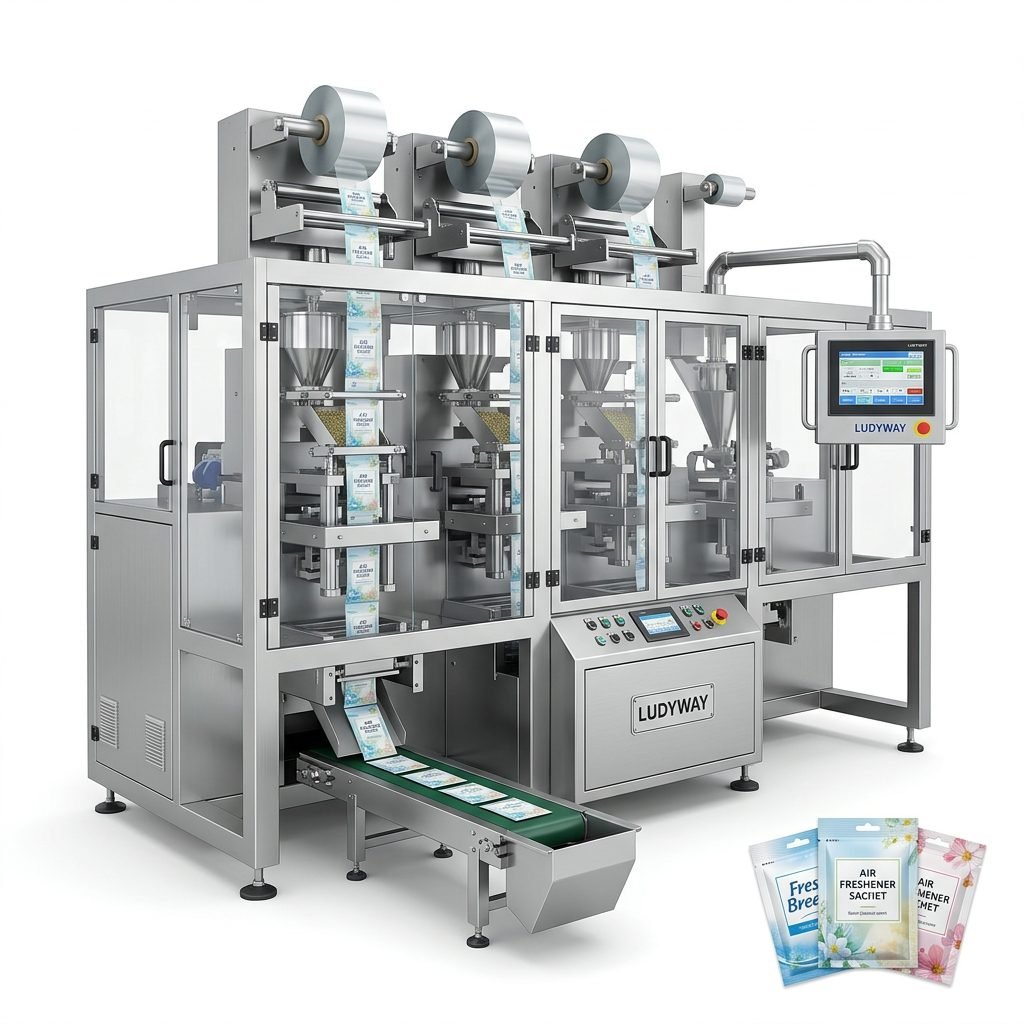
A complete vacuum packaging production line typically integrates multiple subsystems working in perfect synchronization. Understanding each component helps you make informed procurement decisions and avoid costly bottlenecks.
Feeding and Conveying Systems
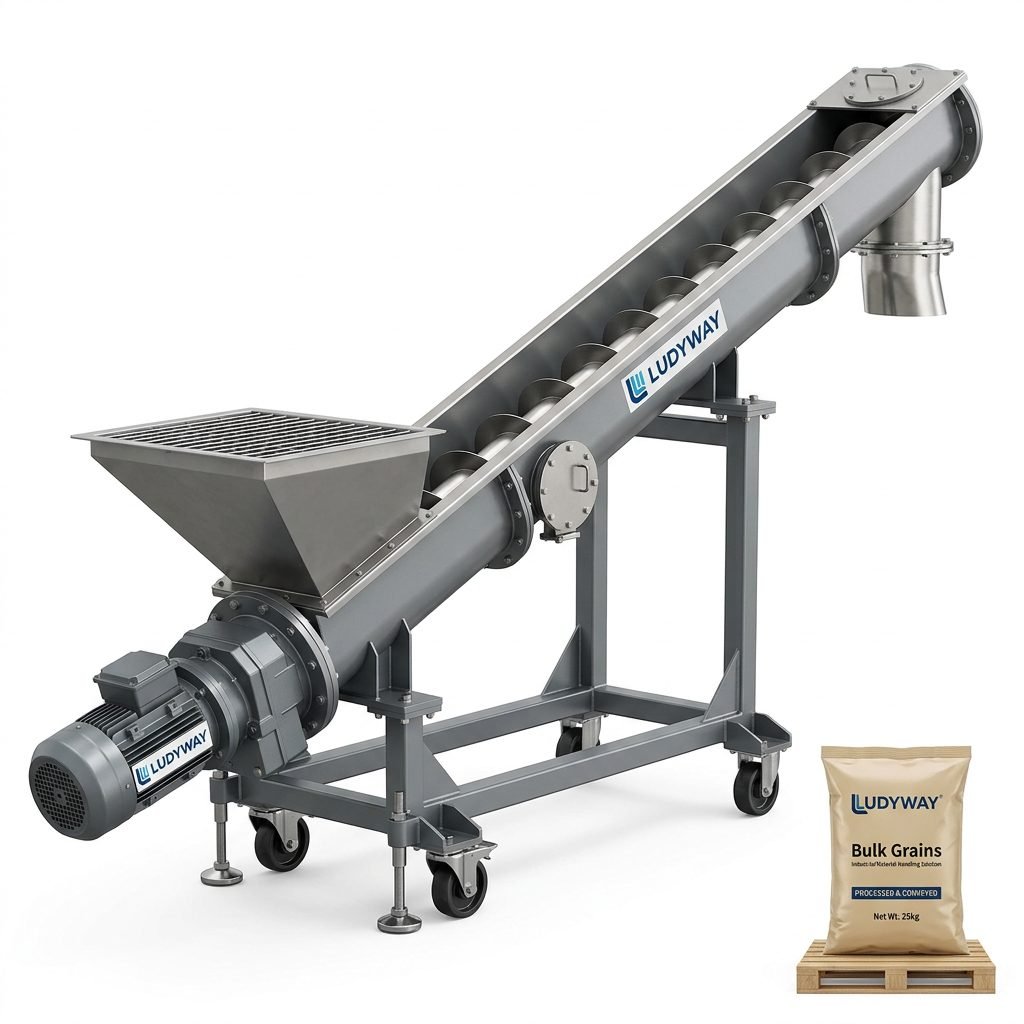
Efficient material handling begins with reliable feeding equipment. Depending on your product characteristics, you may need vibratory feeders for granules, screw conveyors for powders, or belt conveyors for solid items. The feeding system must deliver consistent product flow to the packaging station without degradation or contamination.
Vacuum Sealing Machine Types
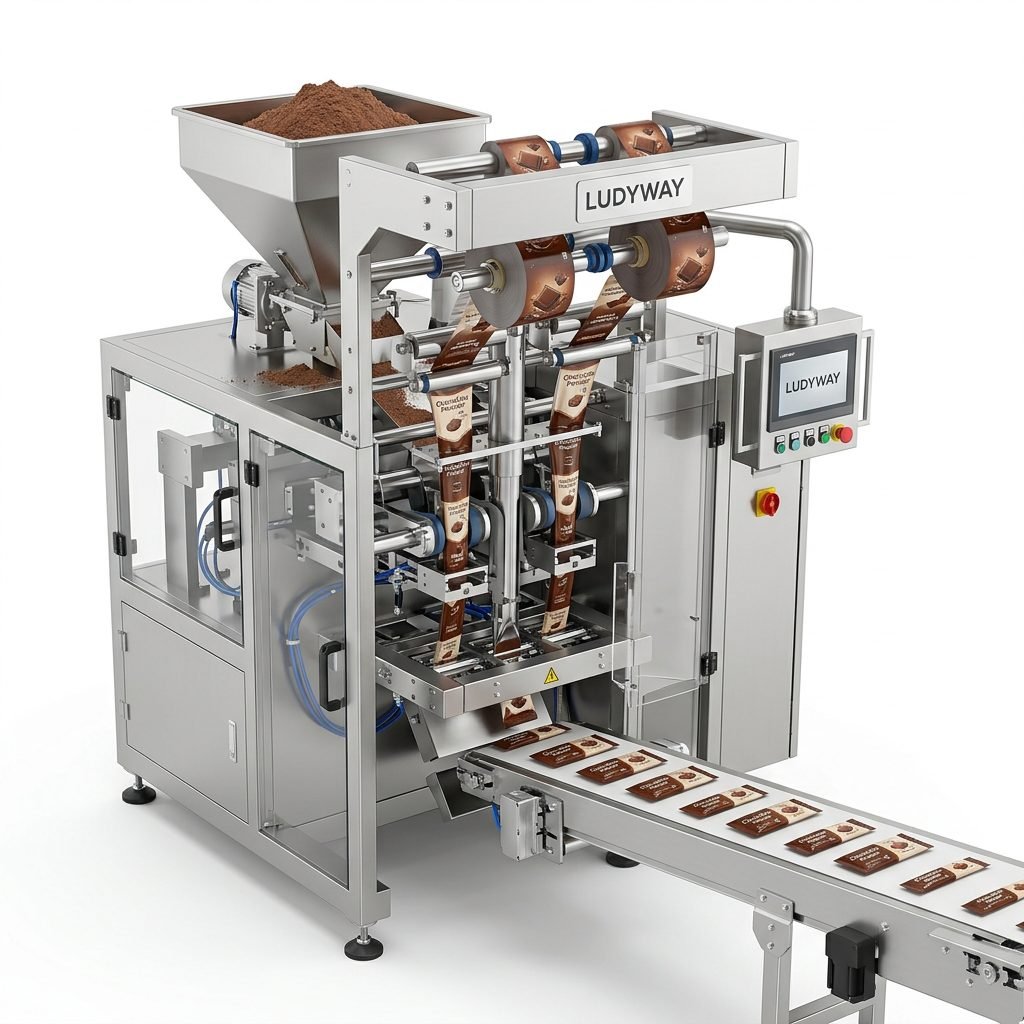
Selecting the right vacuum sealer is the cornerstone of your production line. The three primary categories include:
| Machine Type | Best For | Speed Range | Ideal Application |
|---|---|---|---|
| Chamber Vacuum Sealers | Solid products, large pouches | Medium | Meat, cheese, medical devices |
| External Vacuum Sealers | Small to medium pouches | Low to Medium | Retail food, dried goods |
| Automatic Belt Vacuum Systems | High-volume continuous production | High | Industrial food, pharma, bulk packaging |
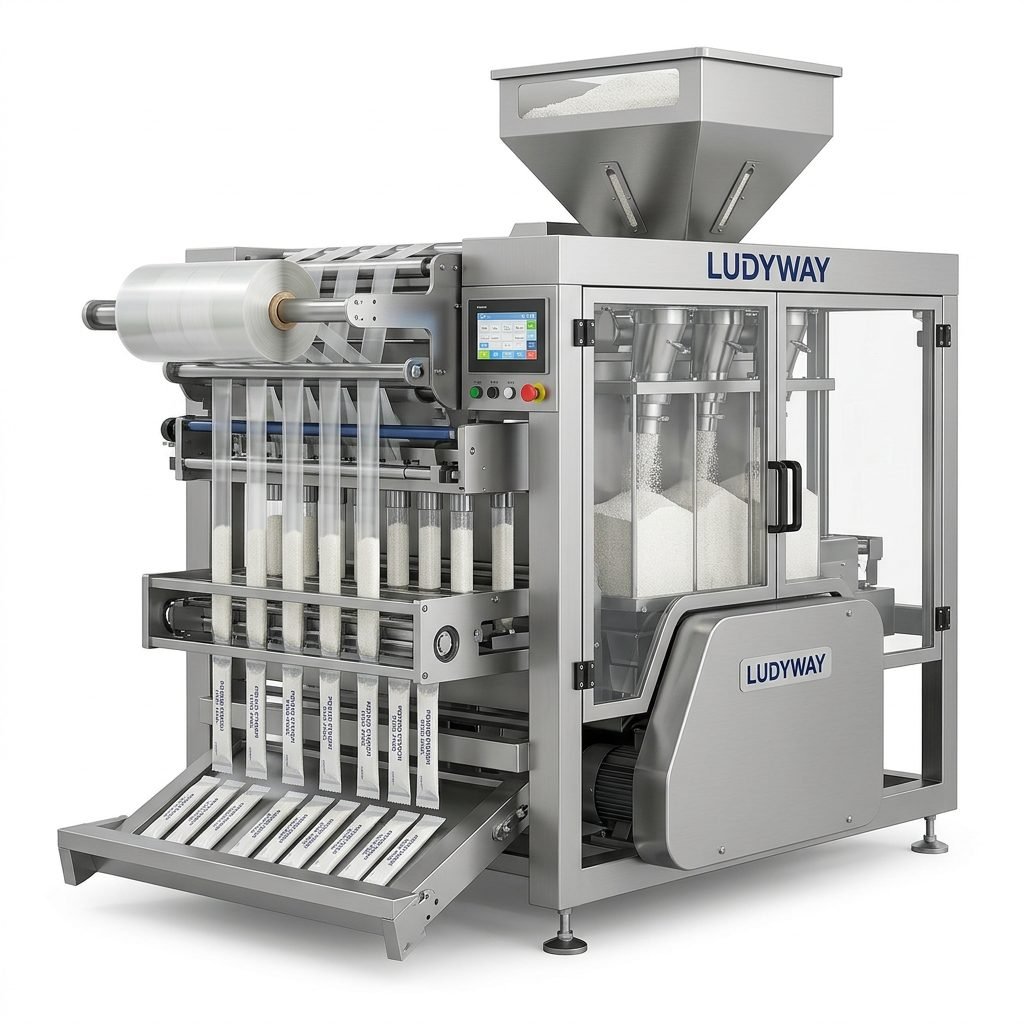
| Multi-Lane Stick Pack Sealers | Powders, granules, liquids | Very High | Supplements, instant beverages, condiments |

Regulatory Compliance and Safety Standards in the United States
Operating a packaging production line in the US means adhering to multiple layers of regulation. The PMMI packaging industry association provides extensive resources on machinery standards, while the FDA packaging and food contact substances framework governs materials and processes for consumable goods. For pharmaceutical operations, ISO 11607-2 validation requirements are mandatory for sterile barrier systems.
Essential compliance areas include:
- Material traceability: All packaging materials must be traceable through the supply chain.
- Seal integrity testing: Vacuum seals must pass burst, peel, and leak tests per ASTM and ISO standards.
- Equipment sanitation: Machines must meet clean-in-place (CIP) or washdown requirements where applicable.
- Electrical safety: All equipment must comply with UL or ETL certification standards.
- Operator safety: OSHA-compliant guarding, emergency stops, and lockout-tagout systems are mandatory.
Production Line Layout and Workflow Optimization
An optimized floor plan minimizes material travel distance, reduces operator fatigue, and maximizes throughput. The ideal layout follows a logical linear or U-shaped flow from raw material intake to finished goods staging. Consider the following zones in your design:
- Raw material receiving and storage area — with adequate space for pallet staging and inspection.
- Feeding and dosing station — positioned adjacent to the vacuum sealer for minimal product transfer distance.
- Vacuum sealing zone — the core of the line, with sufficient clearance for maintenance access and film roll changes.
- Quality control checkpoint — incorporating checkweighers, metal detectors, and visual inspection systems.
- Secondary packaging area — for cartoning, case packing, and palletizing.
- Finished goods warehouse — with organized racking and FIFO inventory management.
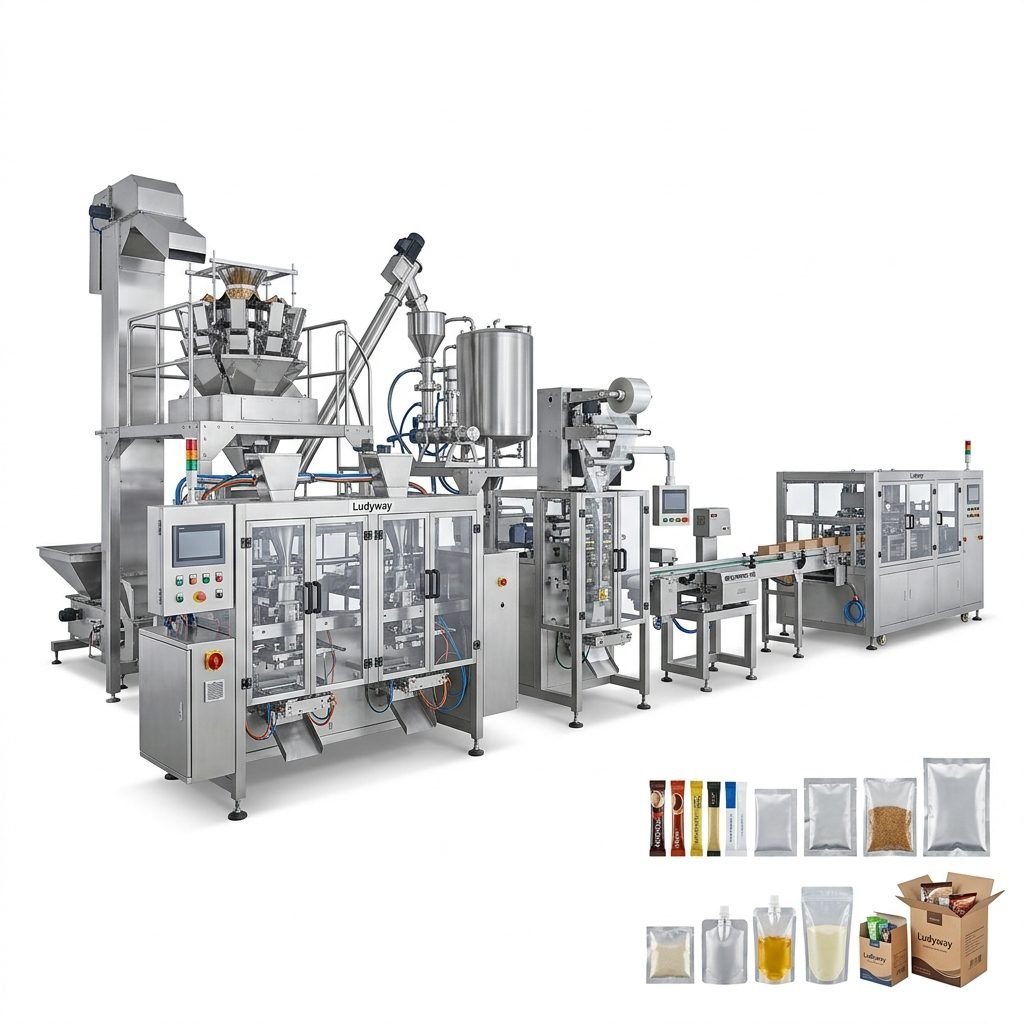
Space Planning Considerations
When allocating floor space, factor in not just the machine footprint but also clearance for film reel loading, maintenance panels, conveyor transitions, and operator walkways. A common mistake is underestimating the space needed for accumulation buffers between stations, which absorb minor speed variations and prevent line stoppages.
Installation, Commissioning, and Operator Training
Proper installation sets the foundation for long-term reliability. The process should be managed by experienced engineers who understand both the mechanical and electrical integration requirements of modern vacuum packaging systems. Critical steps include leveling and anchoring equipment, verifying power and compressed air connections, calibrating temperature controllers for sealing jaws, and running dry-cycle tests before introducing product.
Operator training is equally important and should cover:
- Machine startup and shutdown procedures
- Film loading and splicing techniques
- Parameter adjustment for different product SKUs
- Routine cleaning and sanitation protocols
- Basic troubleshooting and error code interpretation
- Safety protocol adherence and emergency response
Cost Analysis and Return on Investment
Understanding the total cost of ownership helps justify capital expenditure and forecast profitability. The table below outlines the primary cost categories associated with setting up a vacuum packaging production line in the United States:
| Cost Category | Estimated Range (USD) | Key Variables |
|---|---|---|
| Equipment purchase | $50,000 – $500,000+ | Automation level, speed, features |
| Shipping and logistics | $5,000 – $30,000 | Origin, freight method, customs duties |
| Installation and commissioning | $10,000 – $50,000 | Complexity, travel costs, duration |
| Facility modifications | $20,000 – $100,000 | Electrical, HVAC, compressed air upgrades |
| Consumables (film, bags) | $0.02 – $0.15 per unit | Material type, thickness, print requirements |

Selecting the Right Equipment Supplier
Choosing a reliable equipment manufacturer is a decision that impacts your production line for years to come. Look for suppliers with a proven track record in the US market, comprehensive after-sales support, and the engineering capability to customize solutions for your specific needs. Evaluate potential partners based on their experience with similar product applications, the availability of spare parts in North America, and the quality of their technical documentation and training programs.
For businesses seeking high-performance packaging solutions, companies like Ludyway offer extensive expertise in multi-lane stick pack, sachet, and fully automated packaging systems, backed by decades of engineering experience and a strong global service network. When evaluating suppliers, request detailed specifications, arrange for factory acceptance testing (FAT), and negotiate clear warranty and service-level agreement terms.
Ongoing Maintenance and Continuous Improvement
A proactive maintenance strategy prevents unplanned downtime and extends equipment lifespan. Implement a structured program that includes:
- Daily: Visual inspections, cleaning of sealing bars, verification of vacuum pump oil levels.
- Weekly: Check belt tensions, inspect electrical connections, clean sensors and photo-eyes.
- Monthly: Lubricate moving parts, verify temperature calibration, inspect pneumatic cylinders and valves.
- Quarterly: Replace wear components such as sealing gaskets, Teflon tapes, and cutting blades.
- Annually: Comprehensive overhaul including vacuum pump service, control system diagnostics, and safety system verification.

Future-Proofing Your Packaging Operation
The packaging industry is evolving rapidly with advances in automation, IoT connectivity, and sustainable materials. When designing your vacuum sealer production line, build in flexibility for future upgrades. Consider modular machine designs that allow lane additions, compatibility with recyclable and biodegradable films, integration with MES and ERP systems, and energy-efficient components that reduce operational costs. By planning for scalability from day one, you position your US-based packaging operation for sustained growth and competitive advantage in an increasingly demanding market.
For further reading, explore resources from PMMI business intelligence reports, Flexible Packaging Association industry data, and US EPA sustainable materials management guidelines to stay informed about industry trends and regulatory updates.