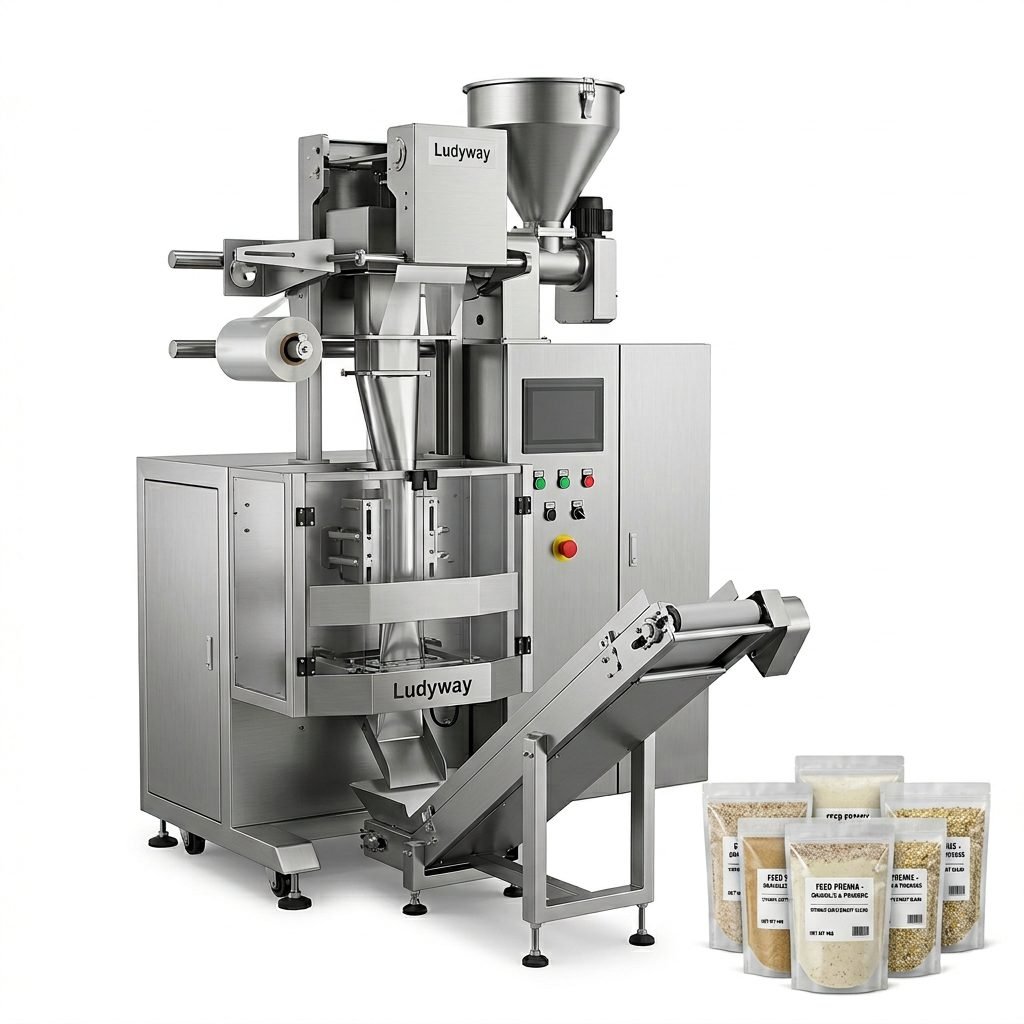
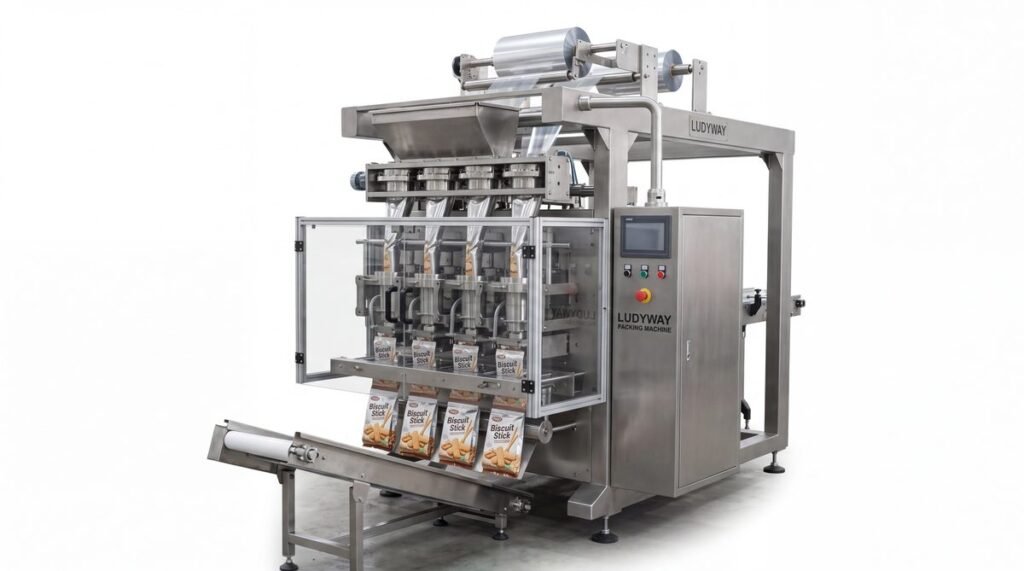
The African tea market is experiencing unprecedented growth, driven by rising health consciousness, expanding retail networks, and increasing demand for convenient beverage formats. Countries such as Kenya, Nigeria, Ethiopia, and South Africa are at the forefront of this expansion. For manufacturers and investors looking to capitalize on this trend, setting up a tea bag packaging machine production line in Africa requires careful planning, the right equipment, and an understanding of local market dynamics.
This guide walks you through every critical step — from initial feasibility assessment to full-scale production — ensuring your investment is both profitable and sustainable. Whether you are targeting domestic consumption or regional export markets, the right approach can make all the difference.
Understanding the African Tea Market Opportunity
Africa is not only a major tea producer but also a rapidly growing consumer market. According to PMMI’s 2025 State of the Industry report, packaging machinery demand in emerging markets continues to rise, with flexible packaging formats leading the way. Tea bags — including single-chamber, double-chamber, pyramid, and string-and-tag varieties — are increasingly popular across urban and rural communities alike.
Key factors driving this demand include:
- Urbanization and busy lifestyles — Consumers seek quick, portion-controlled beverage solutions
- Health and wellness trends — Herbal, green, and functional teas are gaining market share
- Retail modernization — Supermarkets and convenience stores are expanding across the continent
- Export potential — African tea producers can serve both local and international buyers
Step 1: Conducting a Feasibility Study and Market Analysis
Before purchasing any equipment, a thorough feasibility study is essential. This should cover:
- Target market segmentation — Identify whether you will serve mass-market retail, premium specialty tea shops, hospitality, or institutional buyers
- Raw material sourcing — Evaluate local tea leaf suppliers, import logistics for processed tea, and filter paper availability
- Regulatory requirements — Understand food packaging and food contact substance regulations that may apply depending on your export destinations
- Competitive landscape — Analyze existing tea brands, their pricing, packaging formats, and distribution channels
- Infrastructure assessment — Evaluate power supply stability, water quality, transportation networks, and facility availability
Many successful operations in Africa begin with a modular approach — starting with a single production line and scaling up as market penetration increases. This minimizes initial capital risk while allowing for flexibility in responding to consumer preferences.
Step 2: Selecting the Right Tea Bag Packaging Machine
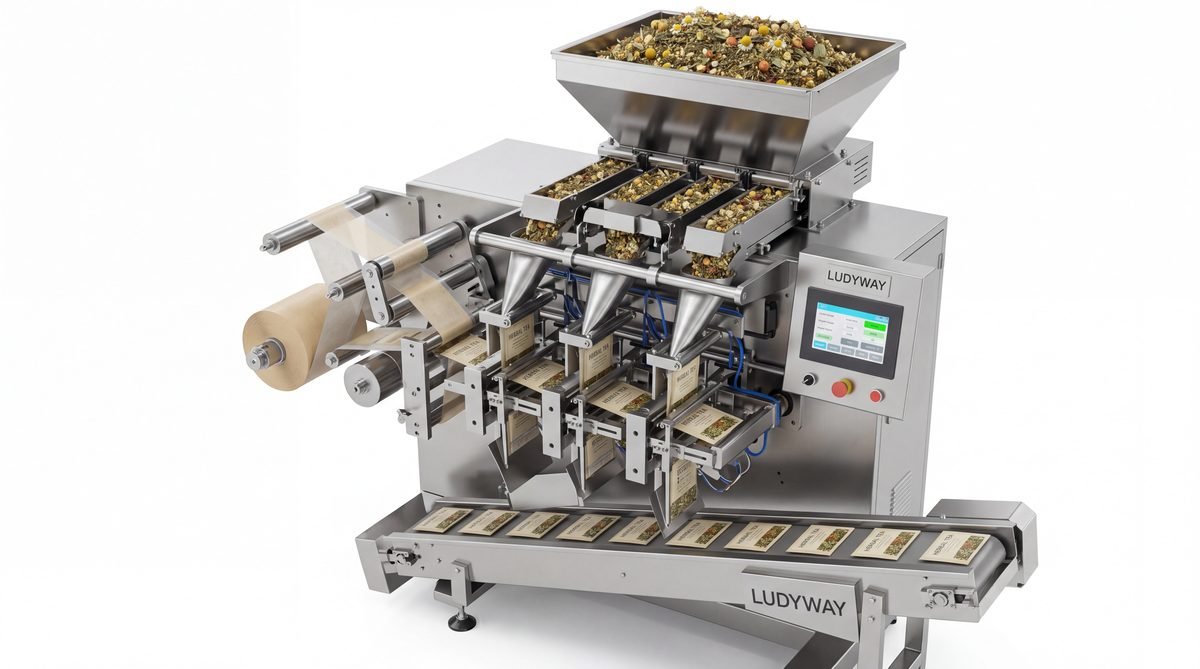
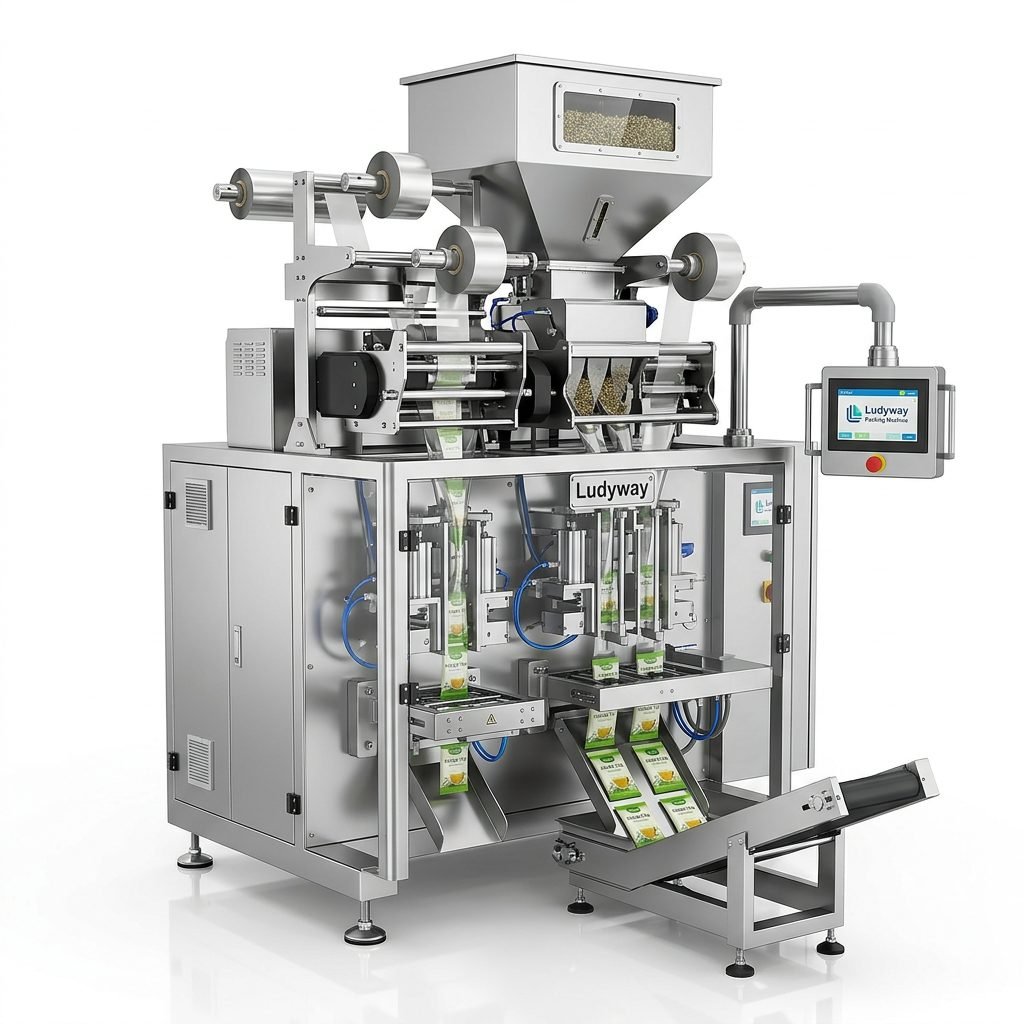
Choosing the appropriate tea bag packaging machine is the cornerstone of your production line. The selection depends on several factors including desired output capacity, tea bag format, packaging material, and automation level. Below is a comparison of common tea bag packaging configurations:
| Machine Type | Bag Format | Output Range (bags/min) | Best Suited For |
|---|---|---|---|
| Single-Lane Flat Bag Machine | Flat rectangular, with or without string and tag | 60 – 120 | Small to medium-scale startups, specialty tea brands |
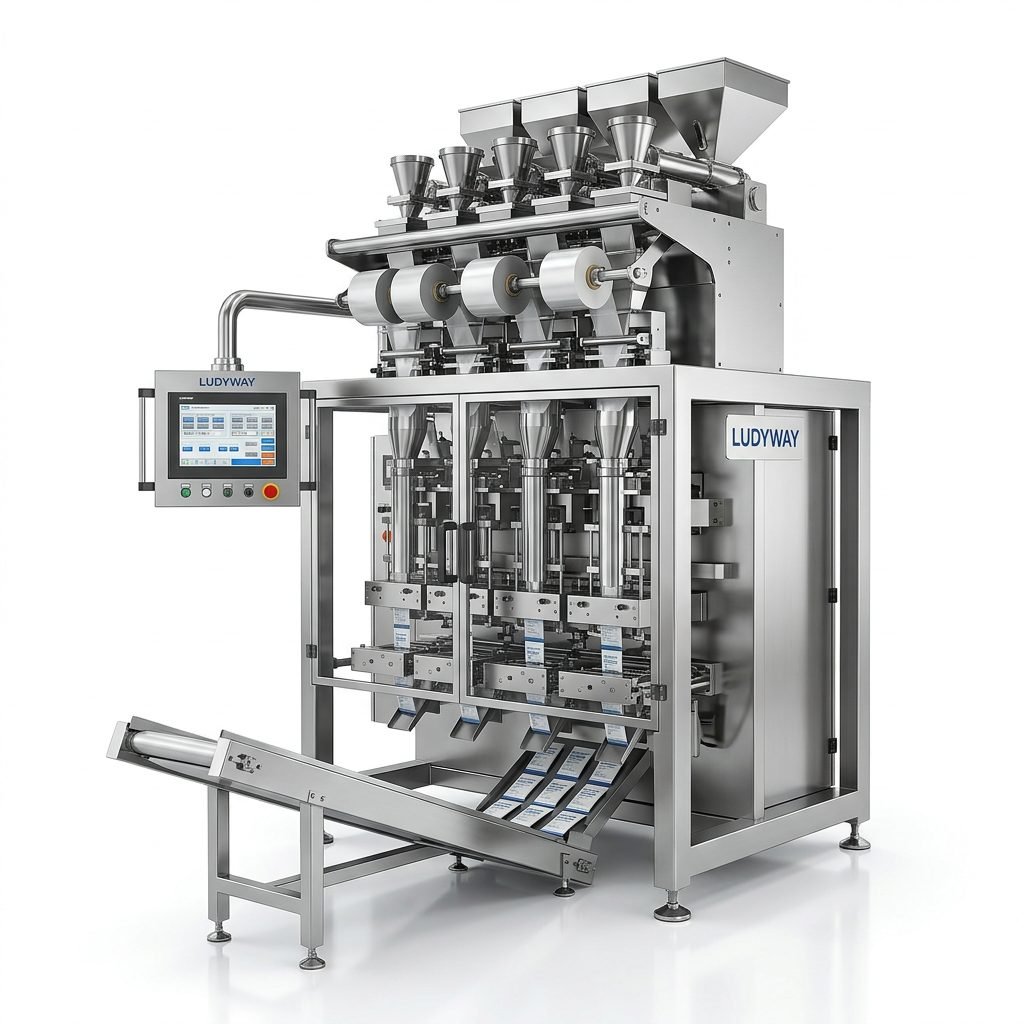
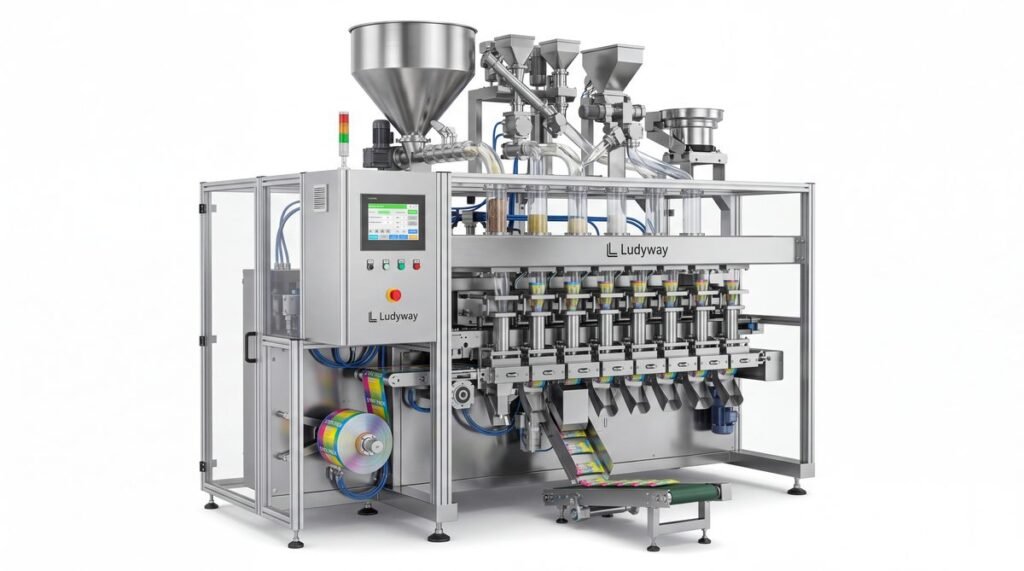
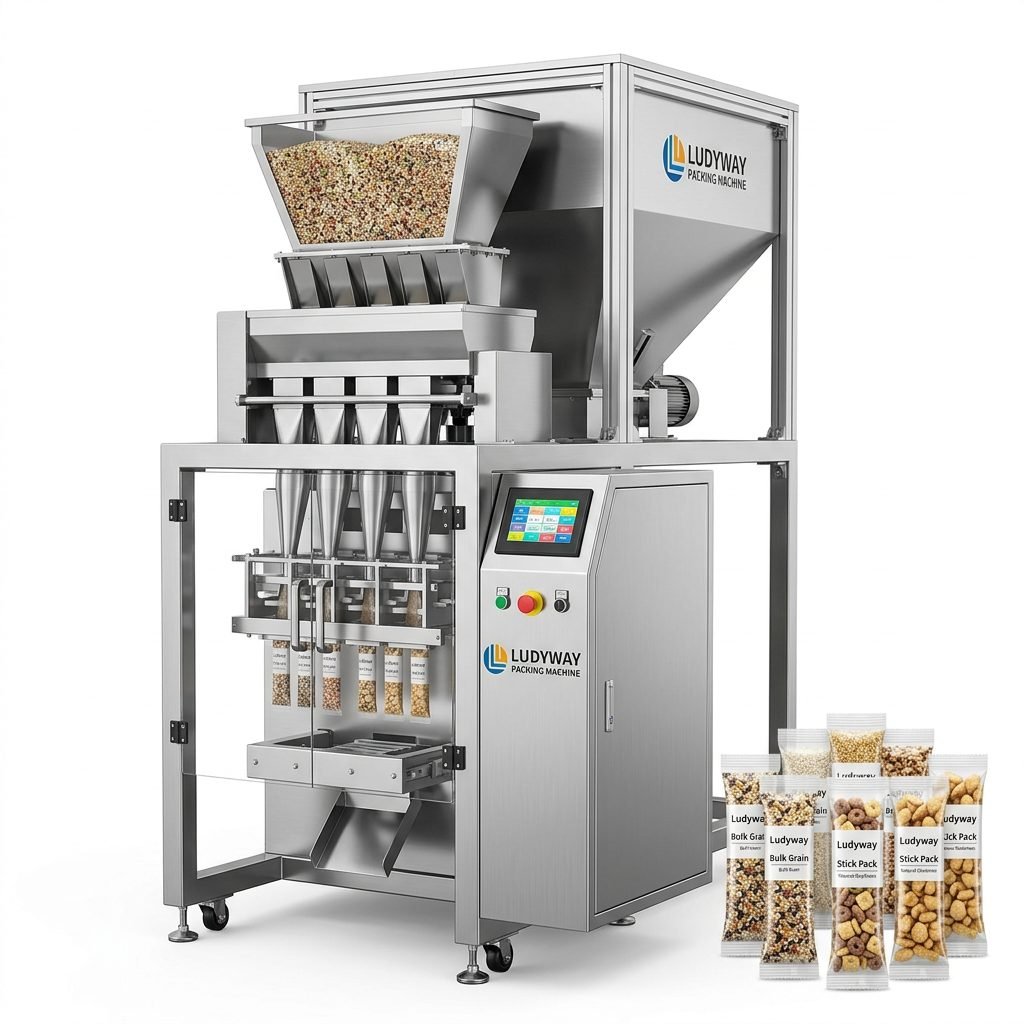
| Multi-Lane Stick Pack Machine | Narrow stick packs, single-serve sachets | 200 – 600+ | High-volume production, instant tea powders, functional blends |
| Rotary Tea Bag Machine | Double-chamber with string and tag, pyramid | 150 – 350 | Premium tea brands, export-focused production |
| Pyramid Tea Bag Machine | 3D pyramid nylon/PLA mesh bags | 100 – 200 | High-end specialty, whole-leaf, and herbal infusion teas |
Step 3: Designing the Complete Production Line Layout
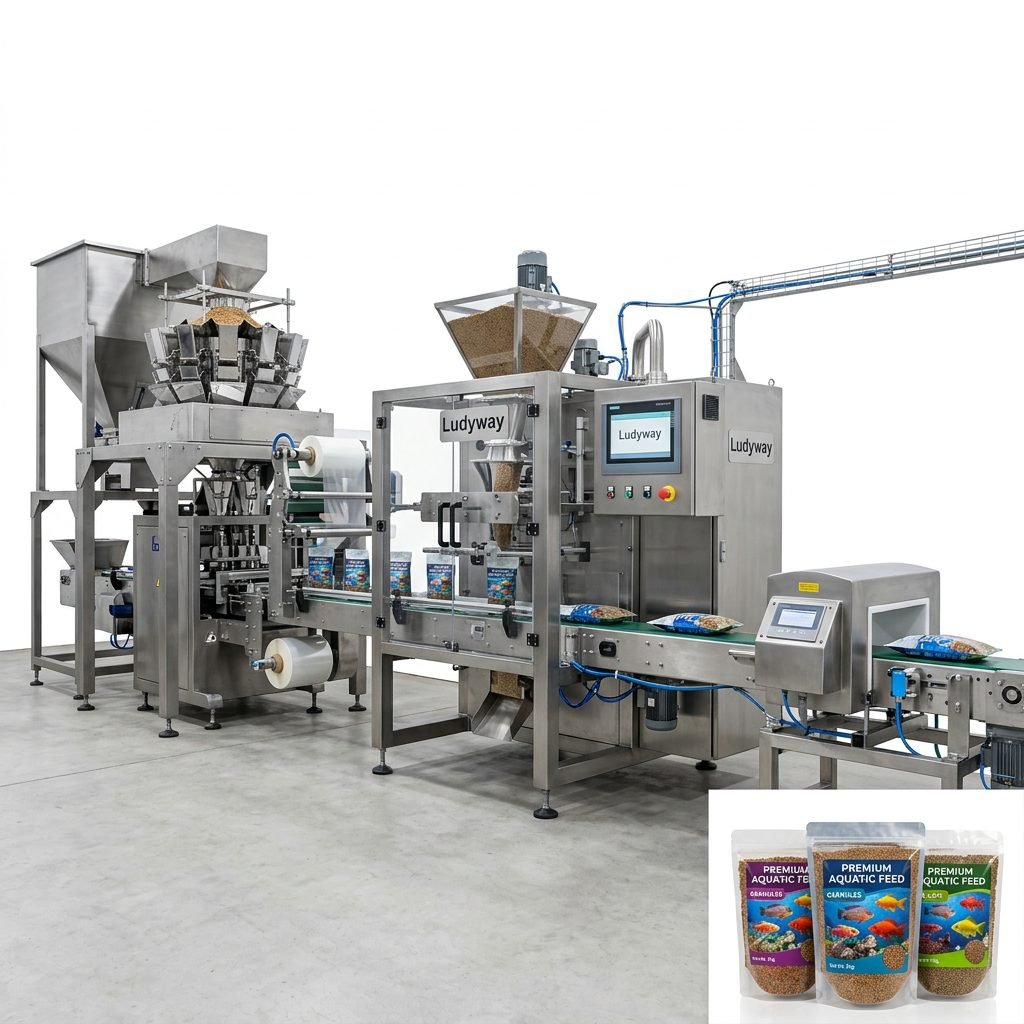
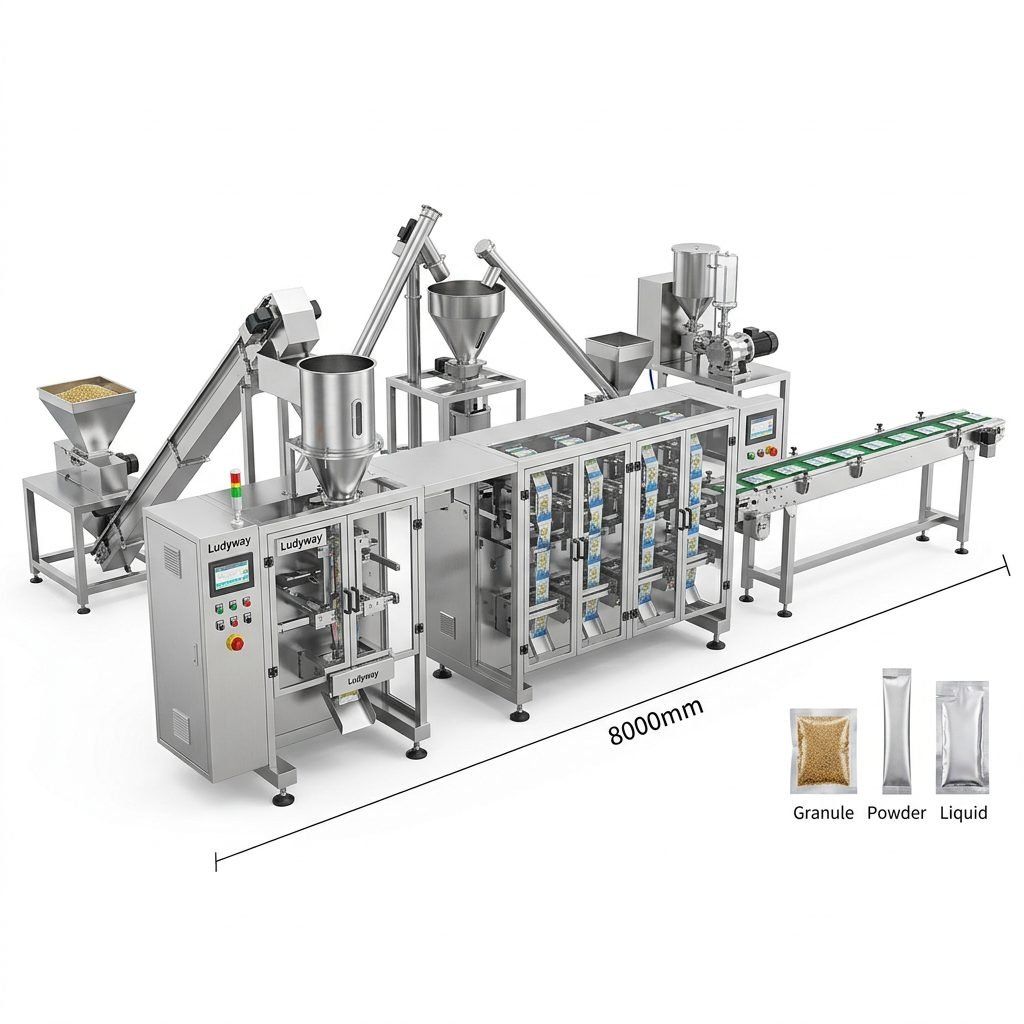
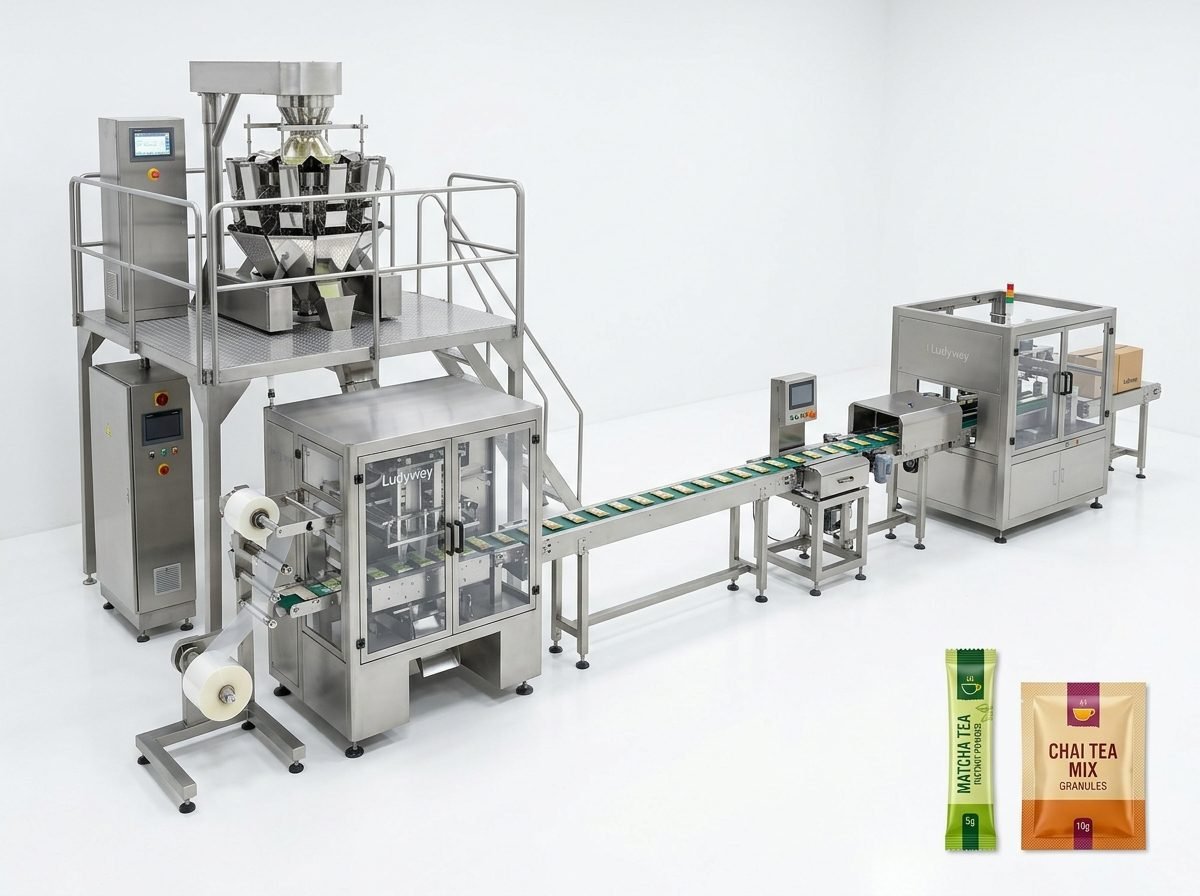
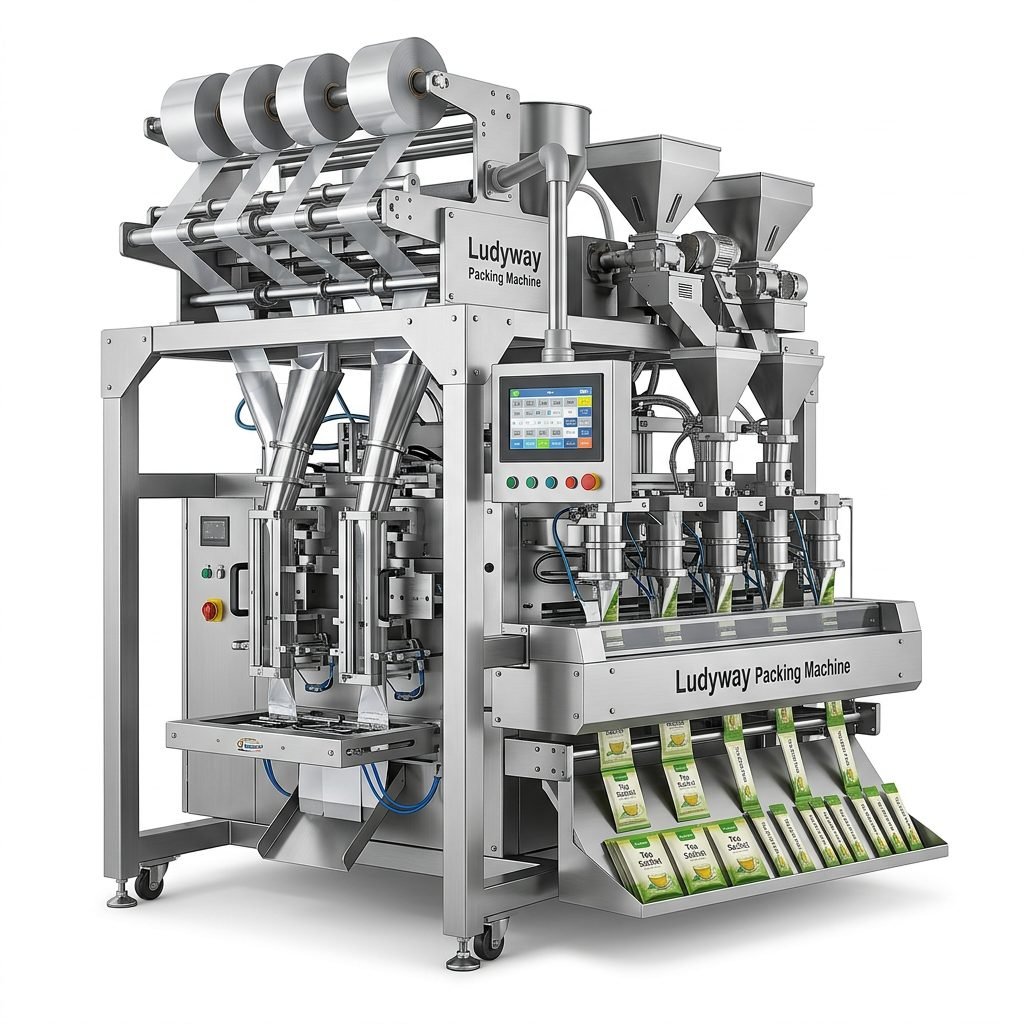
A well-designed tea bag packaging production line goes beyond the primary packaging machine. It integrates multiple components to ensure smooth material flow, consistent quality, and efficient output. Key modules include:
Feeding and Dosing Systems
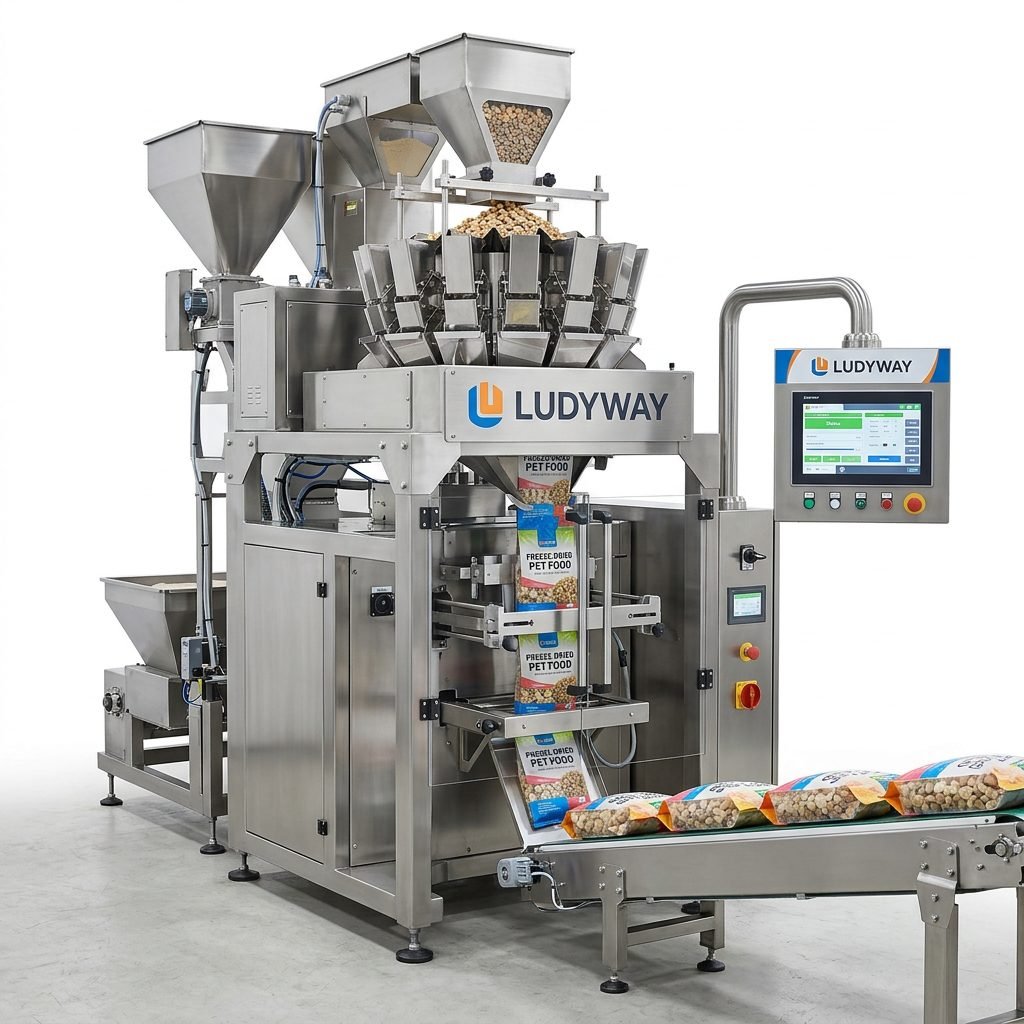
Accurate dosing is critical for product consistency and cost control. Depending on your tea type — whether it is fine cut leaf, CTC granules, or herbal blend particles — you may need a volumetric cup filler, auger filler, or multi-head weigher. Multi-head weighers offer superior accuracy for premium products, achieving precision within ±0.1g per bag.
Packaging Material Handling
Tea bag packaging requires specialized filter paper that is heat-sealable, food-safe, and compatible with your machine’s sealing mechanism. Options include standard cellulose fiber paper, PLA-based biodegradable materials, and nylon mesh for pyramid bags. Proper tension control and material storage conditions are essential to prevent wrinkling or tearing during high-speed operation.
Secondary Packaging Integration
After individual tea bags are produced, they typically need to be grouped, wrapped in flow-wrap film, and packed into cartons. An integrated flexible packaging system that includes a cartoning machine and case packer can significantly reduce labor costs and improve throughput.
Step 4: Site Preparation and Installation
Proper site preparation is often underestimated but is crucial for trouble-free operation. Key considerations for setting up in Africa include:
- Power supply stabilization — Install voltage stabilizers, surge protectors, and backup generators to handle inconsistent grid supply common in many African regions
- Climate control — Tea packaging is sensitive to humidity; maintain controlled environment (ideally 45–55% RH and 20–25°C) to prevent tea degradation and packaging material issues
- Floor load and layout — Ensure concrete flooring can support machine weight and vibration; design workflow from raw material intake to finished goods storage
- Compressed air and utilities — Many automated machines require clean, dry compressed air; plan for air compressor installation with proper filtration
Step 5: Workforce Training and Skill Development
Even the most advanced tea packaging equipment requires skilled operators to achieve optimal performance. Invest in comprehensive training covering:
- Machine startup, shutdown, and emergency stop procedures
- Daily cleaning and sanitation protocols compliant with food safety standards
- Basic troubleshooting and minor maintenance tasks
- Quality control checks including seal integrity testing and weight verification
- Changeover procedures for different tea varieties and bag formats
Consider partnering with equipment suppliers that offer on-site installation support and operator training — this can dramatically reduce the learning curve and prevent costly downtime during the initial production phase.
Step 6: Quality Control and Regulatory Compliance
Maintaining consistent quality is essential for building consumer trust and meeting international packaging standards. Implement a robust quality management system that includes:
In-Process Quality Checks
- Seal integrity testing — Use dye penetration or vacuum decay methods to ensure hermetic seals
- Weight verification — Deploy in-line checkweighers to reject underweight or overweight bags automatically
- Metal detection — Install high-sensitivity metal detectors to protect consumer safety
- Visual inspection — Check for print alignment, tag attachment, and overall bag appearance
Documentation and Traceability
Maintain batch records linking raw material lots to finished product batches. This is increasingly important for export markets that require compliance with European packaging regulations and traceability standards.

Step 7: Maintenance Planning and Spare Parts Management
Proactive maintenance is far more cost-effective than reactive repairs. Establish a structured maintenance schedule based on machine operating hours:
| Maintenance Type | Frequency | Key Activities |
|---|---|---|
| Daily Cleaning | Every shift | Remove tea dust, wipe sealing surfaces, check lubricant levels |
| Weekly Inspection | Every 40–50 hours | Inspect belts, chains, sensors; calibrate temperature controllers; check air filters |
| Monthly Service | Every 200 hours | Replace worn sealing jaws, lubricate bearings, verify pneumatic system integrity |
| Annual Overhaul | Every 2000 hours | Full mechanical inspection, replace major wear parts, recalibrate all systems |
For operations in Africa, maintaining an adequate spare parts inventory is particularly important given longer shipping lead times for imported components. Critical spare parts such as sealing jaws, heating elements, cutting blades, sensors, and belts should always be kept in stock.
Financial Considerations and ROI Analysis
Setting up a tea bag packaging line in Africa requires a clear understanding of both capital expenditure (CAPEX) and operational expenditure (OPEX). A typical mid-scale operation might involve:
- Primary packaging machine — The largest single investment; choose based on current and projected capacity needs
- Auxiliary equipment — Conveyors, checkweighers, metal detectors, cartoning machines, and case packers
- Facility costs — Rent or construction, utilities installation, climate control systems
- Working capital — Raw materials (tea, filter paper, cartons), packaging film, labor costs for the first 3–6 months
With efficient operation, many African tea packaging ventures achieve break-even within 18 to 36 months, depending on market positioning and distribution reach. Premium and export-focused brands typically see faster returns due to higher margins.
Common Challenges and How to Overcome Them
Power Inconsistency
Voltage fluctuations and power outages are common across many African countries. Solution: Install an uninterruptible power supply (UPS) for sensitive electronic controls and a diesel generator with automatic transfer switch for longer outages. Voltage stabilizers should be standard equipment on every machine.
Supply Chain Delays
Importing packaging materials and spare parts can involve significant lead times. Solution: Establish relationships with multiple suppliers, maintain safety stock levels, and where possible, identify local sourcing alternatives for packaging materials like filter paper and carton board.
Technical Support Availability
Access to qualified technicians may be limited in some regions. Solution: Choose equipment from manufacturers that provide comprehensive remote support, detailed documentation, and training programs. Companies like Ludyway, one of the largest packaging machine manufacturers in China with over 30 years of industry experience, offer turnkey production solutions and global service support to help businesses overcome these challenges.
Future-Proofing Your Production Line
As your business grows, your packaging line should be able to scale with it. Consider these forward-looking strategies:
- Modular machine design — Select equipment that allows lane additions or speed upgrades without complete replacement
- Format flexibility — Invest in machines capable of producing multiple bag formats to adapt to changing market preferences
- Automation readiness — Ensure your line can integrate with Industry 4.0 solutions such as IoT-enabled monitoring, predictive maintenance alerts, and automated data collection
- Sustainability compliance — As sustainable packaging regulations evolve globally, choose equipment compatible with biodegradable and recyclable packaging materials
Conclusion: Taking the First Step
Setting up a tea bag packaging machine production line in Africa is a strategic investment with significant long-term potential. Success depends on thorough planning, selecting the right equipment, investing in workforce training, and maintaining rigorous quality standards. The African tea market is poised for continued expansion, and businesses that establish efficient, scalable packaging operations today will be well-positioned to capture growing demand across the continent and beyond.
Begin with a detailed feasibility study, consult with experienced equipment suppliers, and visit operational packaging facilities if possible. With the right preparation and partnerships, your tea packaging venture in Africa can become a profitable and enduring enterprise.