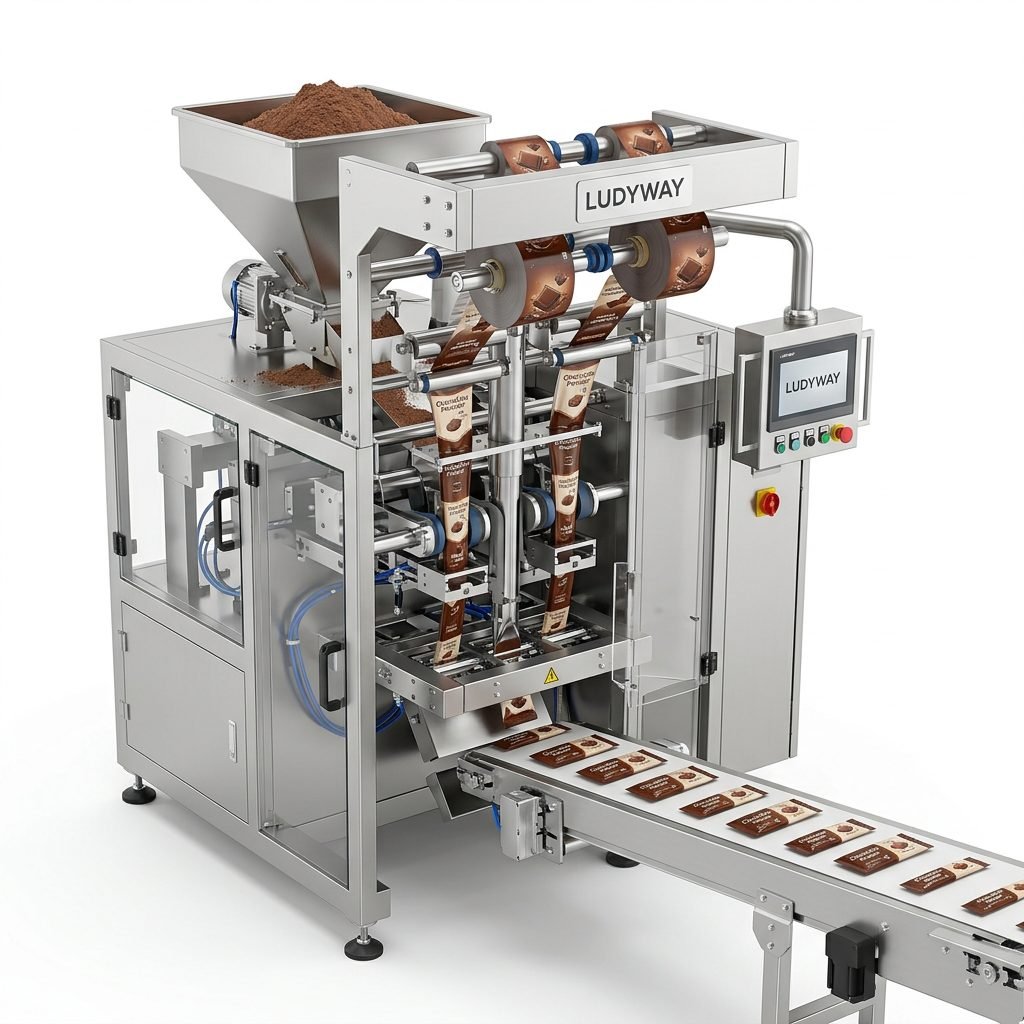
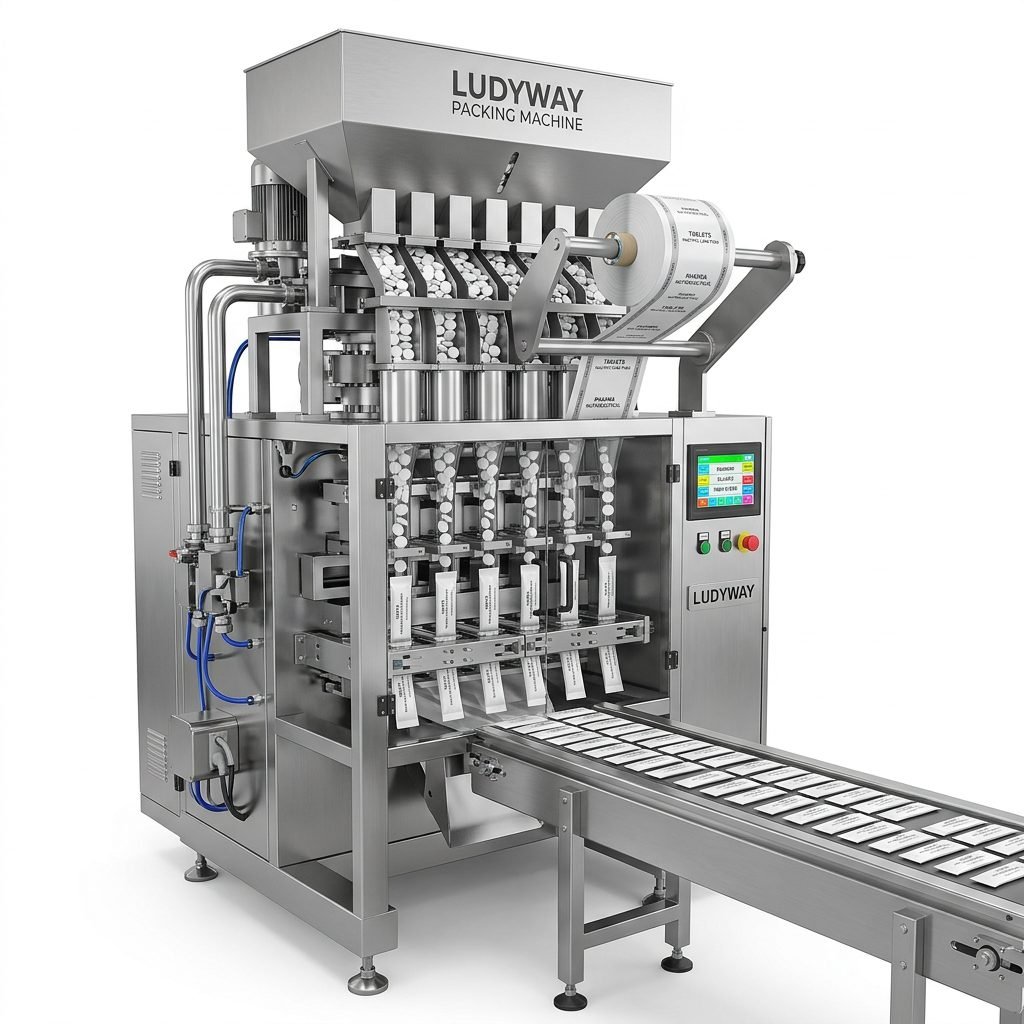
The South American food processing sector is experiencing unprecedented growth, driven by expanding export markets and rising domestic demand for packaged goods. Establishing a vacuum food packaging machine production line in this region requires careful planning that balances technology selection, local regulatory requirements, and operational efficiency. This guide covers everything you need to know to successfully set up your vacuum packaging operation.

Understanding the South American Food Packaging Market
South America’s packaged food industry is projected to grow at a CAGR of over 6% through 2030, with countries like Brazil, Argentina, Colombia, and Chile leading the charge. Vacuum packaging technology plays a pivotal role in preserving perishable goods such as meats, dairy products, coffee, and freeze-dried fruits—all major export categories for the region. According to data from the PMMI Business Intelligence Library, the global packaging machinery market continues to see strong demand from Latin American buyers seeking automated solutions.
Why Vacuum Packaging Matters for South American Producers
Vacuum packaging extends shelf life by up to 5 times compared to conventional methods, making it indispensable for export-oriented businesses. Key benefits include:
- Oxygen barrier protection that prevents oxidation and microbial growth
- Reduced food waste across the supply chain
- Enhanced product presentation for international retail markets
- Compatibility with frozen, chilled, and ambient temperature distribution
- Lower logistics costs due to compact package dimensions

Key Steps to Set Up Your Vacuum Packaging Production Line
1. Site Assessment and Infrastructure Planning
Before purchasing equipment, conduct a thorough evaluation of your production facility. Consider floor space, power supply requirements, compressed air availability, and hygiene zoning. South American facilities, particularly in Brazil and Argentina, must comply with FDA Food Packaging Standards if exporting to North America, and with ISO Packaging Standards for international trade. Ensure your facility layout allows for efficient material flow from raw product intake through to finished goods storage.
2. Selecting the Right Vacuum Packaging Equipment
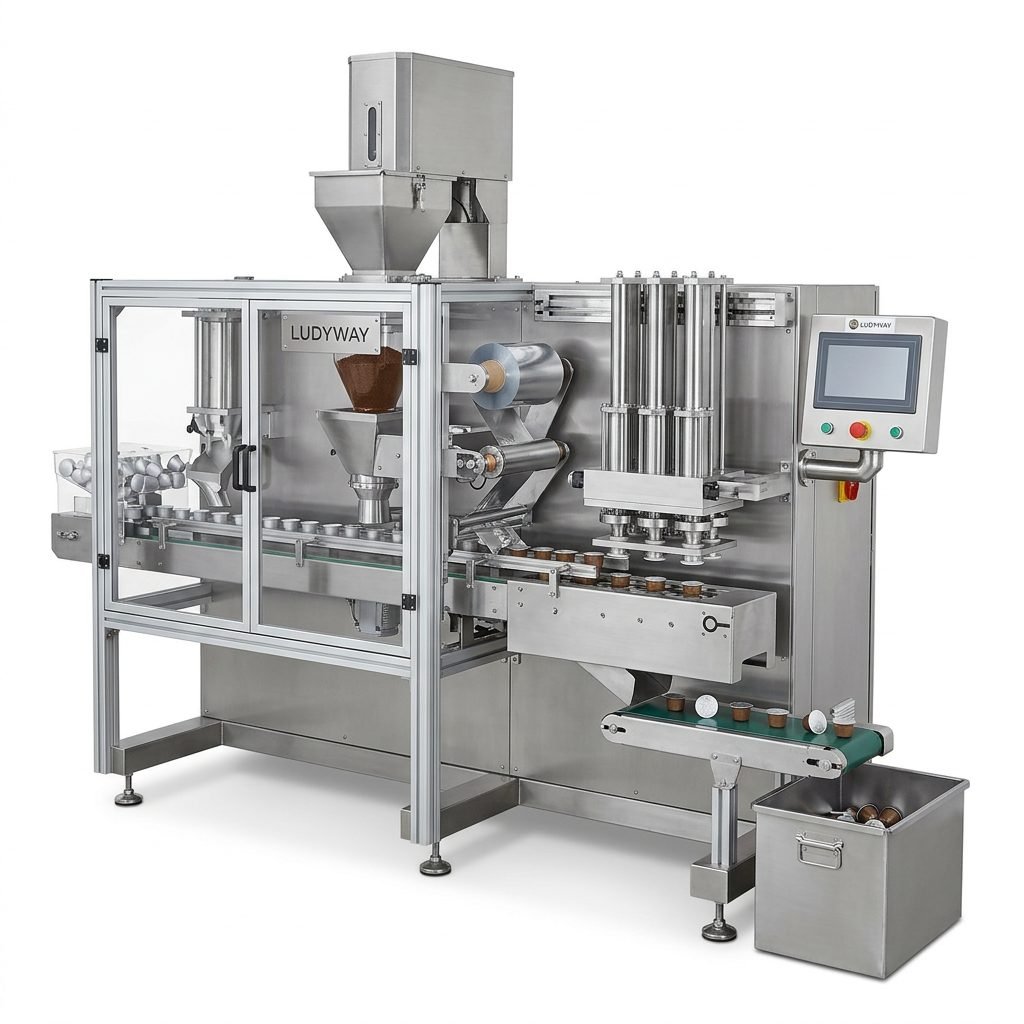
Choose machinery that matches your production volume, product characteristics, and packaging format. Critical equipment categories include:
| Equipment Type | Best Suited For |
|---|---|
| Chamber Vacuum Sealers | Meat, cheese, bulk food items |
| External Vacuum Sealers | Smaller operations, retail packaging |
| Thermoforming Vacuum Lines | High-volume meat and seafood processing |
| Rotary Vacuum Systems | Continuous production, coffee, snacks |
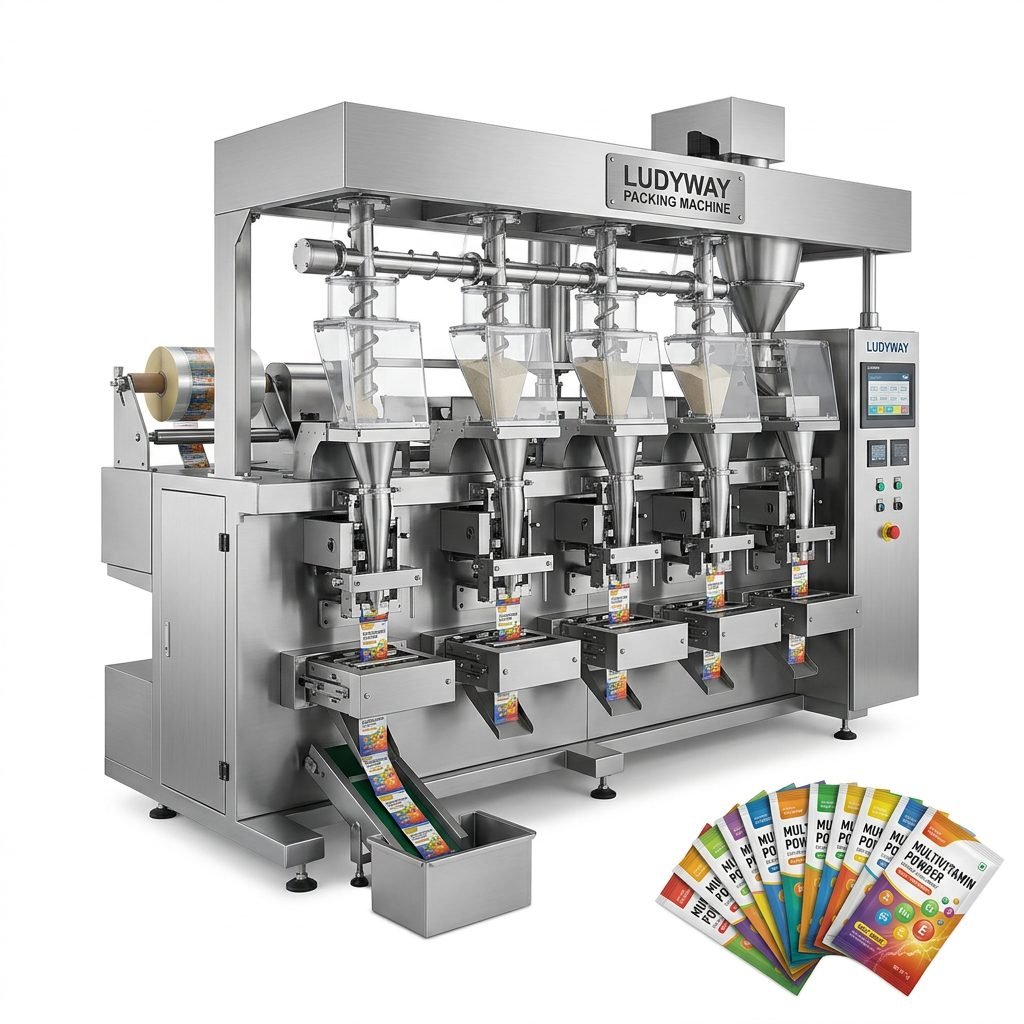
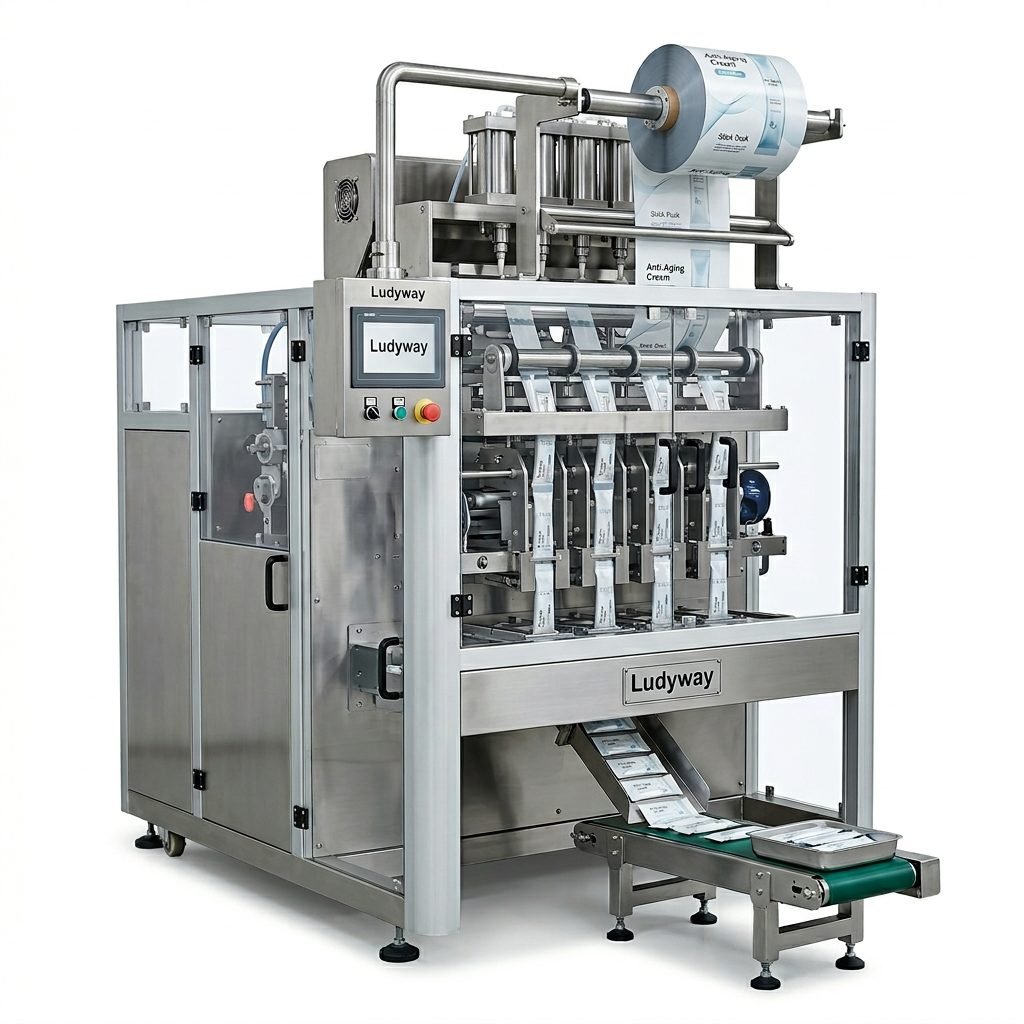
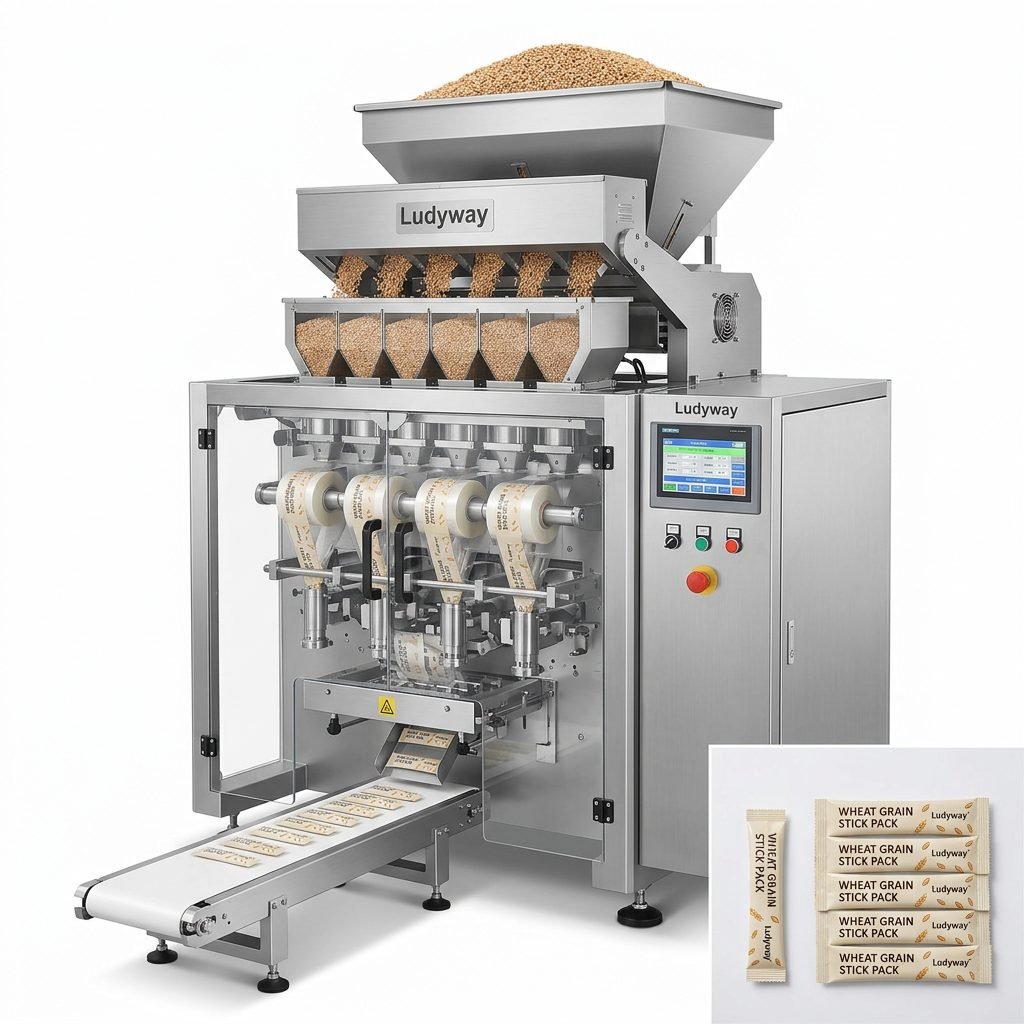
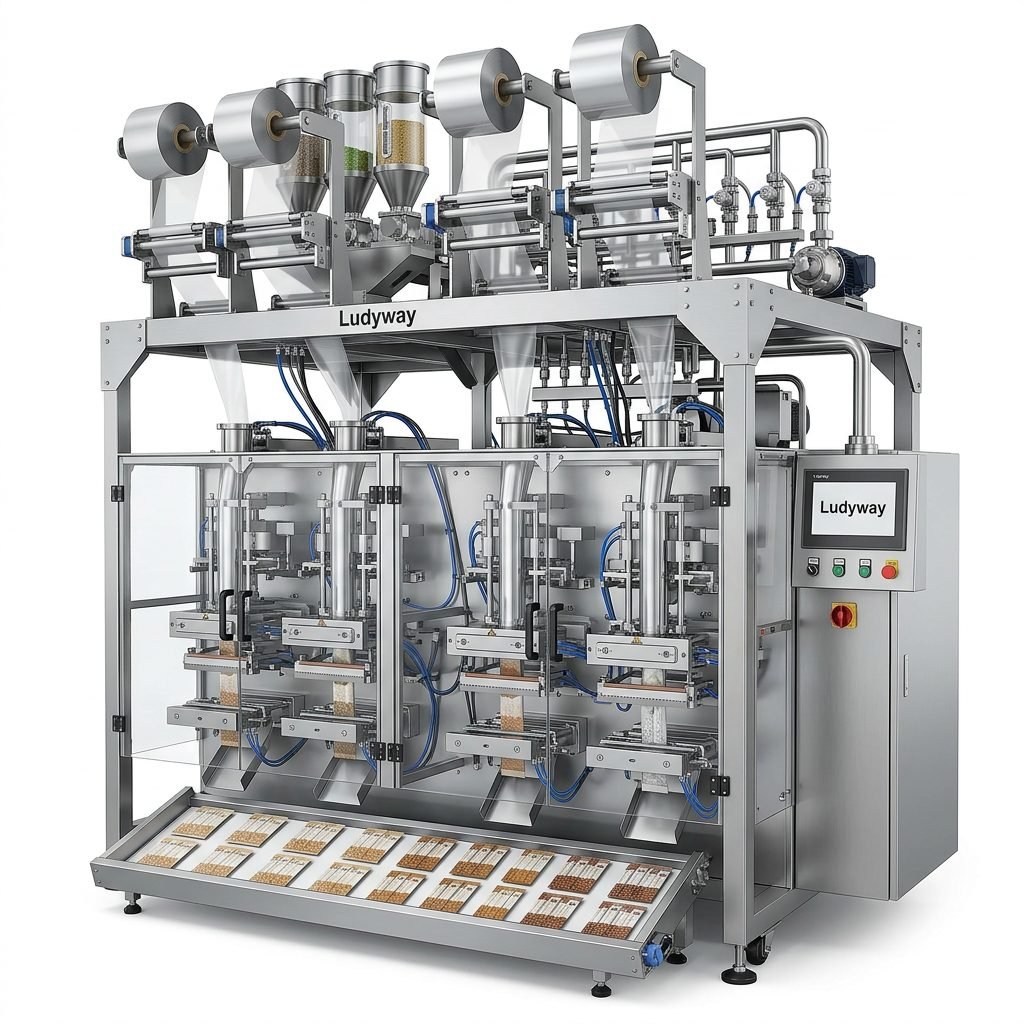
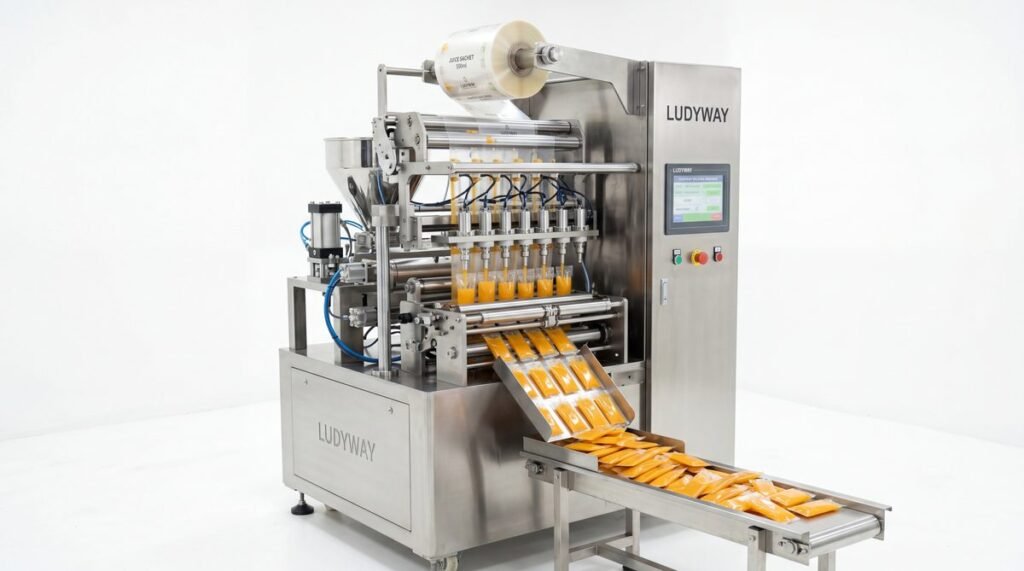
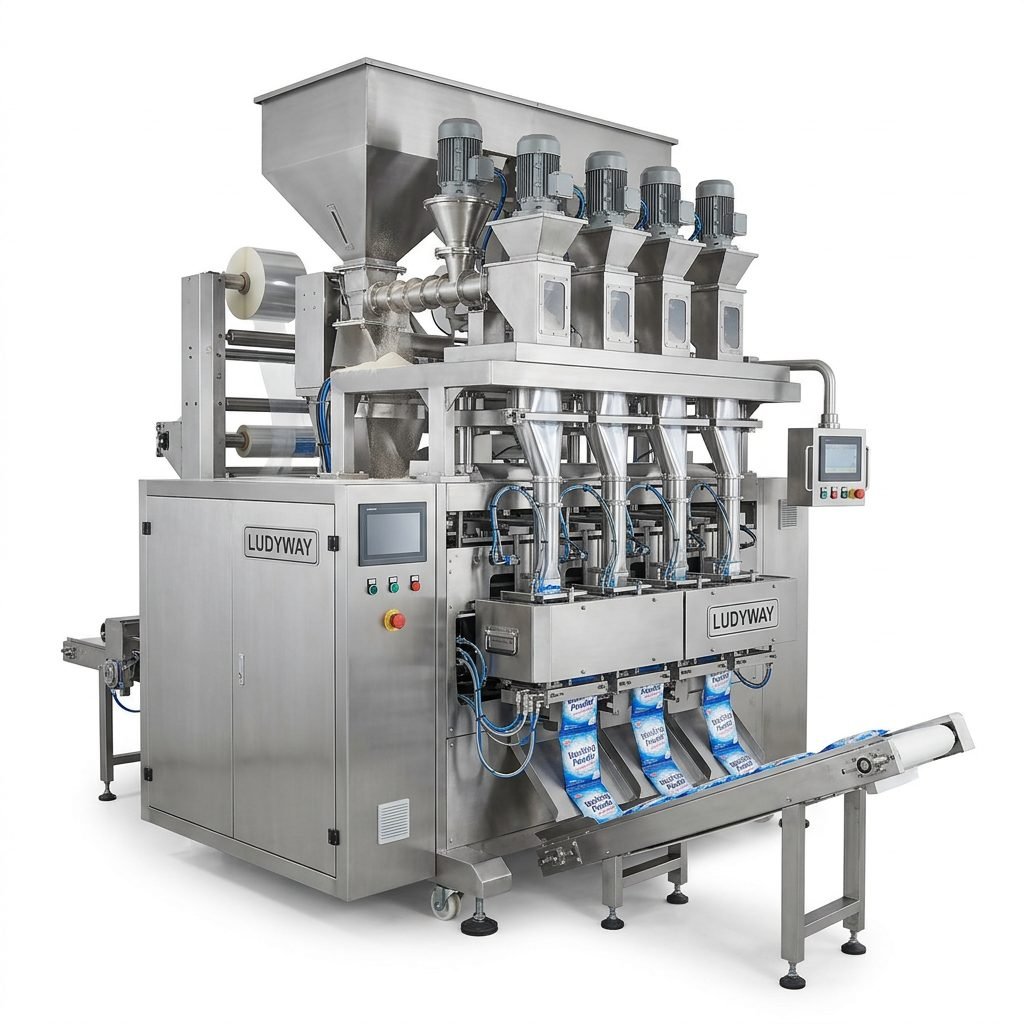
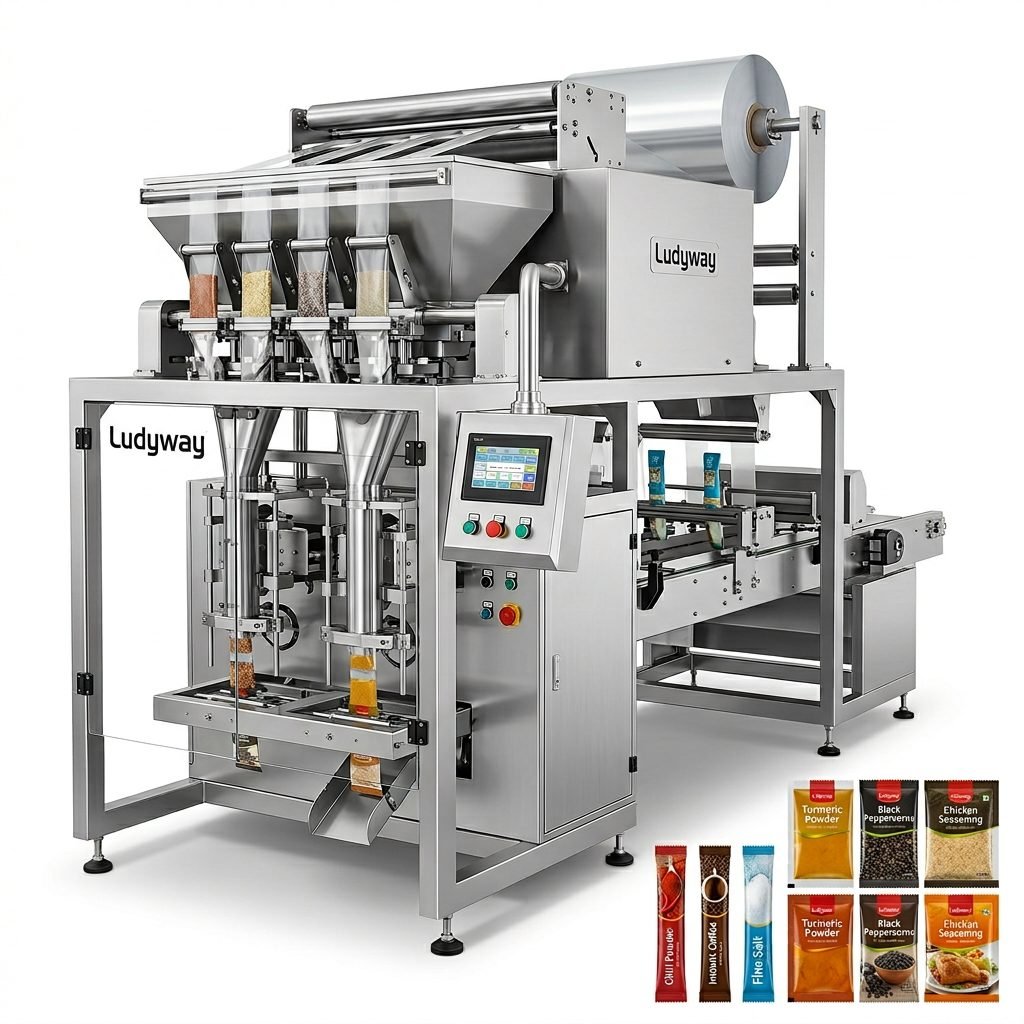
| Multi-Lane Vacuum Stick Pack Machines | Powders, granules, freeze-dried products |
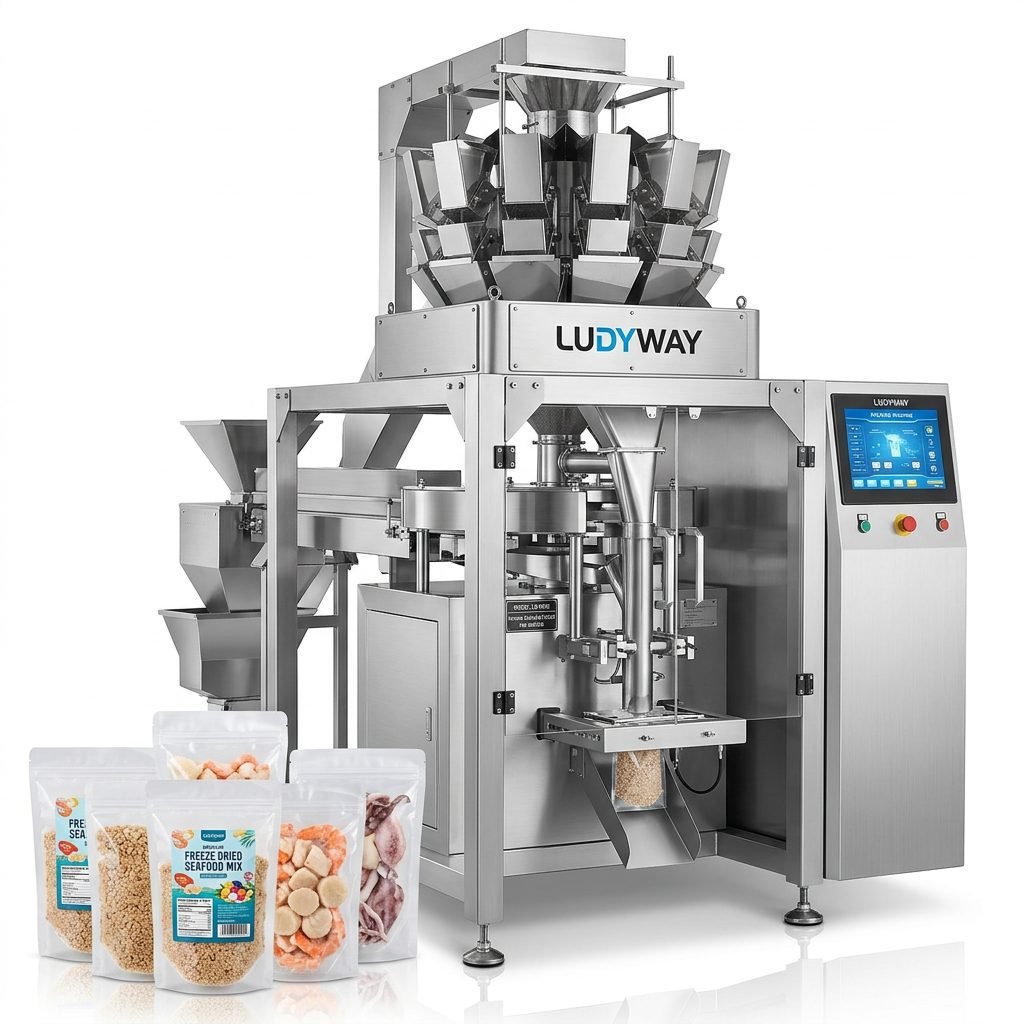
Pro Tip: For South American producers targeting export markets, multi-lane vacuum systems offer the best balance of throughput and packaging flexibility. Leading manufacturers like Ludyway provide turnkey solutions that integrate vacuum sealing with automated weighing, filling, and cartoning systems—significantly reducing manual labor costs while improving consistency.

3. Compliance with South American Regulatory Standards
Each country in South America maintains its own food safety and packaging regulations. Key regulatory bodies include ANVISA (Brazil), SENASA (Argentina), INVIMA (Colombia), and ISP (Chile). Your vacuum packaging line must meet local requirements for food contact materials, traceability, and labeling. For facilities exporting to the European Union, compliance with EU Packaging and Packaging Waste Regulations is also mandatory. Working with an equipment supplier that understands international standards can streamline the certification process considerably.
4. Installation and Workforce Training
Proper installation is critical for long-term equipment reliability. Allocate sufficient time for machinery setup, calibration, and testing before commencing commercial production. Comprehensive operator training should cover:
- Machine startup and shutdown procedures
- Vacuum pump maintenance and oil changes
- Sealing bar cleaning and replacement cycles
- Film roll changeover and tension adjustment
- HACCP-compliant cleaning protocols
- Basic troubleshooting for common alarms and faults
5. Establishing a Maintenance Schedule
Preventive maintenance is the single most important factor in maximizing production line uptime. Develop a structured maintenance plan that includes daily, weekly, monthly, and quarterly tasks. Key vacuum system components requiring regular attention include the vacuum pump oil, sealing gaskets, heating elements, and pneumatic cylinders. Partner with equipment suppliers that offer remote diagnostic support and maintain a local inventory of critical spare parts within South America.
Cost Analysis and ROI Expectations
Understanding the financial commitment helps in making informed investment decisions. Below is a general cost breakdown for setting up a mid-scale vacuum packaging line in South America:
| Cost Component | Estimated Range (USD) |
|---|---|
| Vacuum Packaging Machine | $25,000 – $180,000 |
| Ancillary Equipment (conveyors, scales, printers) | $15,000 – $60,000 |
| Installation and Commissioning | $8,000 – $25,000 |
| Training and Documentation | $3,000 – $10,000 |
| Initial Spare Parts Package | $5,000 – $15,000 |
Most South American food processors achieve full ROI within 18 to 36 months, driven by reduced product loss, lower packaging material waste, and access to higher-value export markets. The PMMI 2025 State of the Industry Report confirms that vacuum packaging remains one of the fastest-growing segments in food machinery investment across Latin America.
Common Pitfalls to Avoid
Based on industry experience with South American installations, here are the most frequent mistakes to watch for:
- Underestimating utility requirements — vacuum pumps demand stable power and adequate cooling
- Choosing the wrong film specifications — barrier properties must match your product’s oxygen sensitivity
- Neglecting humidity control — high ambient humidity in tropical regions affects sealing quality
- Skipping factory acceptance testing — always test equipment with your actual product before shipment
- Inadequate operator training — even the best equipment underperforms without skilled operators
Future-Proofing Your Investment
As South America’s food export sector continues to expand, scalability and automation become critical competitive advantages. Consider equipment that supports Industry 4.0 features such as remote monitoring, data analytics, and predictive maintenance alerts. Modular machine designs allow you to add lanes or upgrade components as production volumes grow. For guidance on packaging sustainability trends affecting the region, the Flexible Packaging Association’s Industry Resources provide valuable insights into material innovations and regulatory developments.
Conclusion
Setting up a vacuum food packaging machine production line in South America represents a strategic investment with substantial long-term returns. By carefully selecting the right equipment, ensuring regulatory compliance, investing in workforce training, and establishing robust maintenance protocols, food producers can build efficient and reliable packaging operations. The growing demand for vacuum-packed products—from Brazilian beef to Colombian coffee and Chilean seafood—creates significant opportunities for businesses that execute their production line setup with precision and foresight. Partnering with experienced equipment manufacturers that understand both the technical requirements and the nuances of the South American market will give you a decisive advantage in this dynamic and rapidly evolving industry.