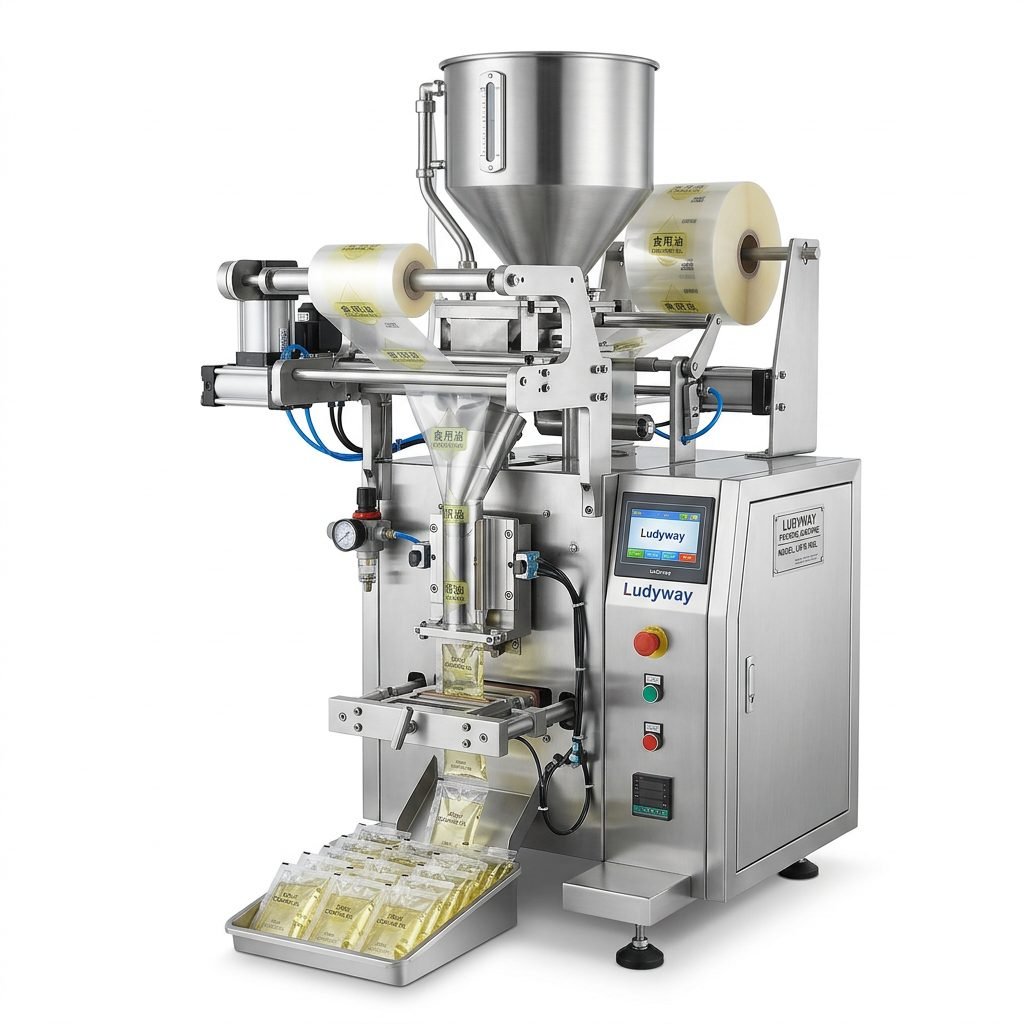
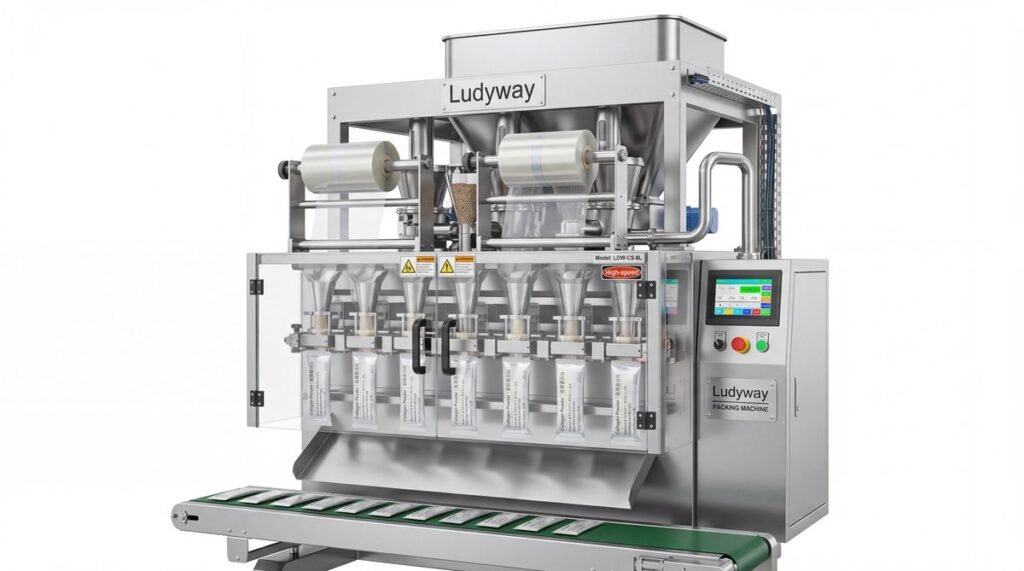
Germany is one of Europe’s largest food processing markets, and the demand for efficient hamburger packaging solutions continues to grow. Whether you are a meat processing plant, a frozen food manufacturer, or a central kitchen operation, establishing a high-performance hamburger packaging machine production line requires careful planning around local regulations, automation needs, and production capacity goals.
Setting up a hamburger packaging line in Germany involves navigating the country’s strict food safety standards, integrating advanced automation, and choosing equipment that meets EU directives. This guide walks you through every critical step — from compliance and machine selection to installation, training, and long-term maintenance.
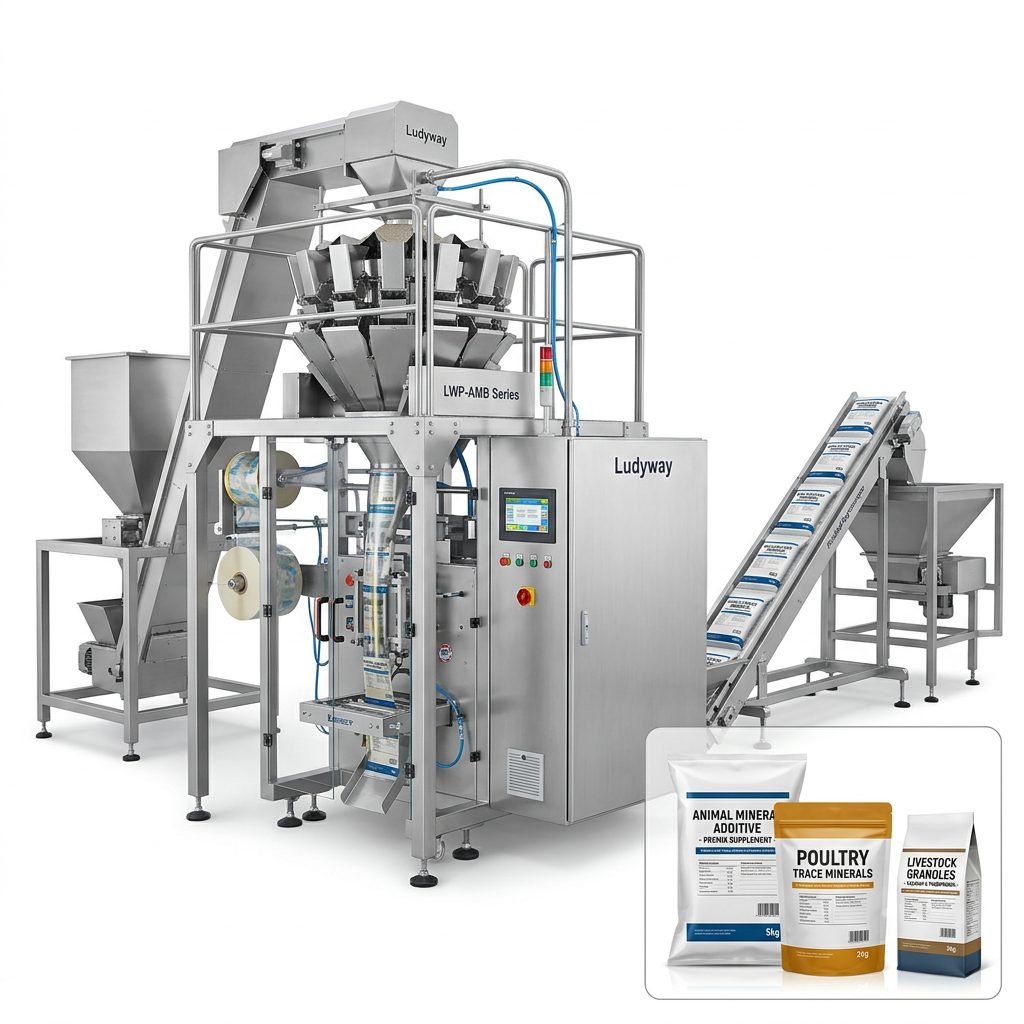
Understanding German Food Packaging Regulations
Before purchasing any equipment, it is essential to understand the regulatory framework that governs food packaging in Germany. The country follows both EU-wide regulations and its own national standards, which are among the most stringent in the world. Key regulatory bodies and standards include:
- EU Regulation (EC) No 1935/2004 — covering all food contact materials
- German LFGB (Lebensmittel- und Futtermittelgesetzbuch) — the national food and feed code
- DIN standards — especially DIN 1055 and DIN EN 15593 for hygiene requirements in packaging
- IFS Food Standard — widely adopted by German retailers and food manufacturers
- CE Marking — mandatory for all machinery sold and operated within the EU
Your hamburger packaging line must use food-grade materials and be designed for easy cleaning and sanitation. Stainless steel construction (typically SUS304 or SUS316L) is the industry standard for all product-contact surfaces.
Key Components of a Hamburger Packaging Production Line
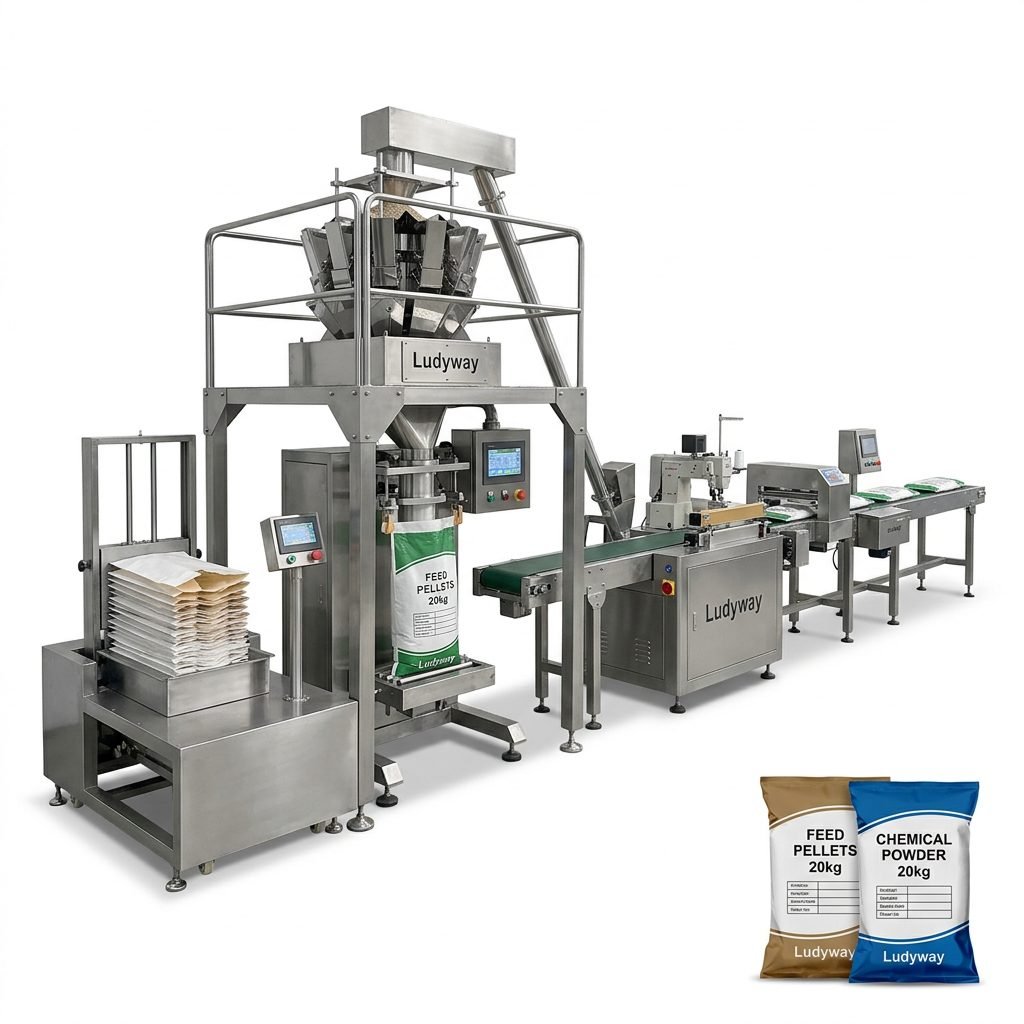
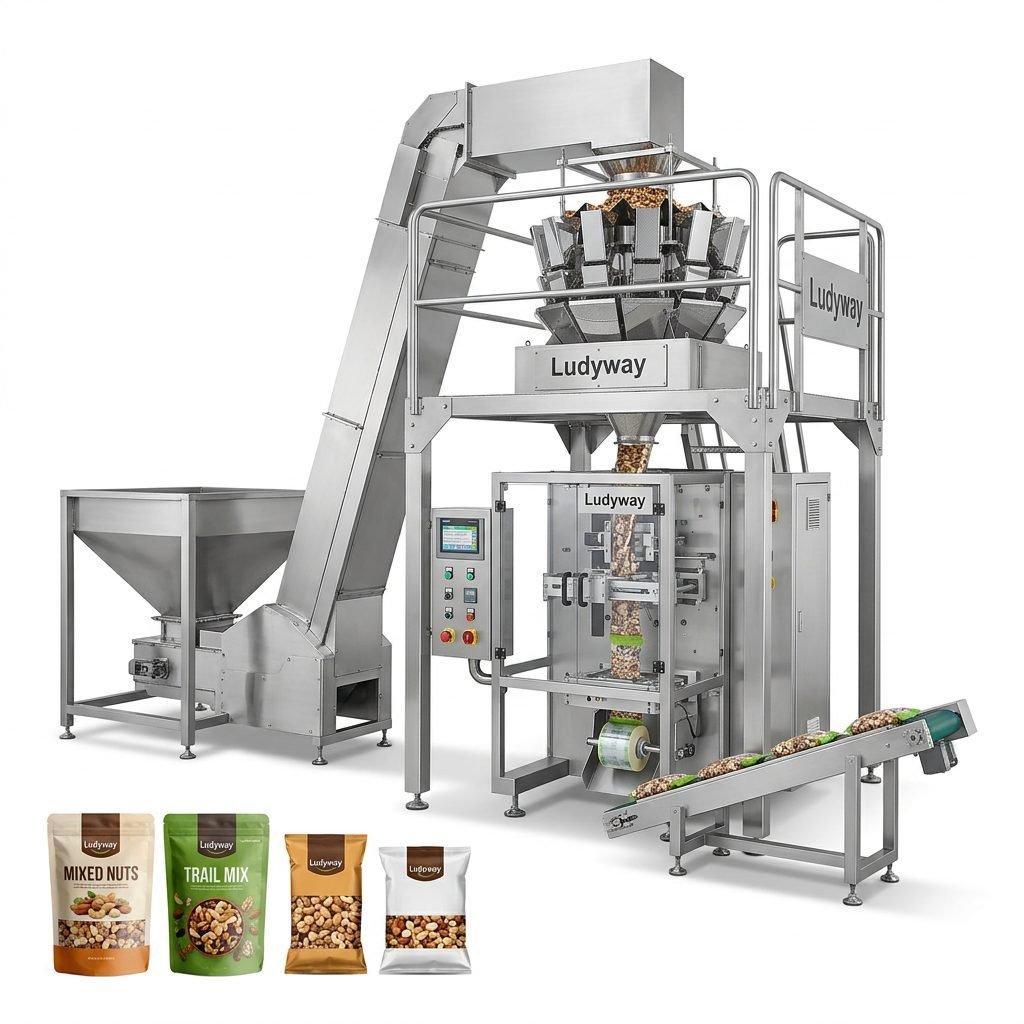
A complete hamburger packaging line consists of multiple integrated machines working in sequence. Understanding each component helps you make informed procurement decisions and ensures smooth packaging line integration. The typical configuration includes:
| Component | Function | Key Consideration |
|---|---|---|
| Feeding & Conveying System | Transports hamburger patties from production to packaging | Hygienic design, variable speed control |
| Multi-Head Weigher | Accurate portioning of patties or related products | Precision within ±0.5g tolerance |
| Flow Wrapper / Tray Sealer | Primary packaging — wrapping or sealing patties | Modified Atmosphere Packaging (MAP) capability |
| Metal Detector & X-Ray Inspection | Contaminant detection before final packing | Compliance with HACCP protocols |
| Cartoning & Case Packing | Secondary packaging into boxes | Automation level, changeover flexibility |
| Palletizing System | End-of-line stacking for warehouse distribution | Robotic vs. conventional palletizing |
Machine Selection: What to Look For
Choosing the right hamburger packaging machine is the most critical decision in setting up your production line. The German market demands equipment that balances speed, precision, and hygiene. Here are the must-check factors:
Hygiene and Cleanability
All machines must comply with EHEDG (European Hygienic Engineering & Design Group) guidelines. Look for sloping surfaces, minimal crevices, tool-free disassembly, and IP65 or higher protection ratings for electrical components. Washdown-ready designs are strongly recommended for meat processing environments.
Production Speed and Scalability
Modern hamburger packaging lines can handle anywhere from 60 to over 200 packs per minute, depending on configuration. Multi-lane systems significantly increase throughput. Ensure your chosen machine can scale with future production growth — modular designs allow adding lanes or upgrading components later.
MAP (Modified Atmosphere Packaging) Compatibility
For fresh or chilled hamburger patties, MAP technology extends shelf life by replacing oxygen with a protective gas mixture. Verify that your flow wrapper or tray sealer supports gas flushing and has accurate gas mixing capabilities. This is a standard requirement for German supermarket supply chains.
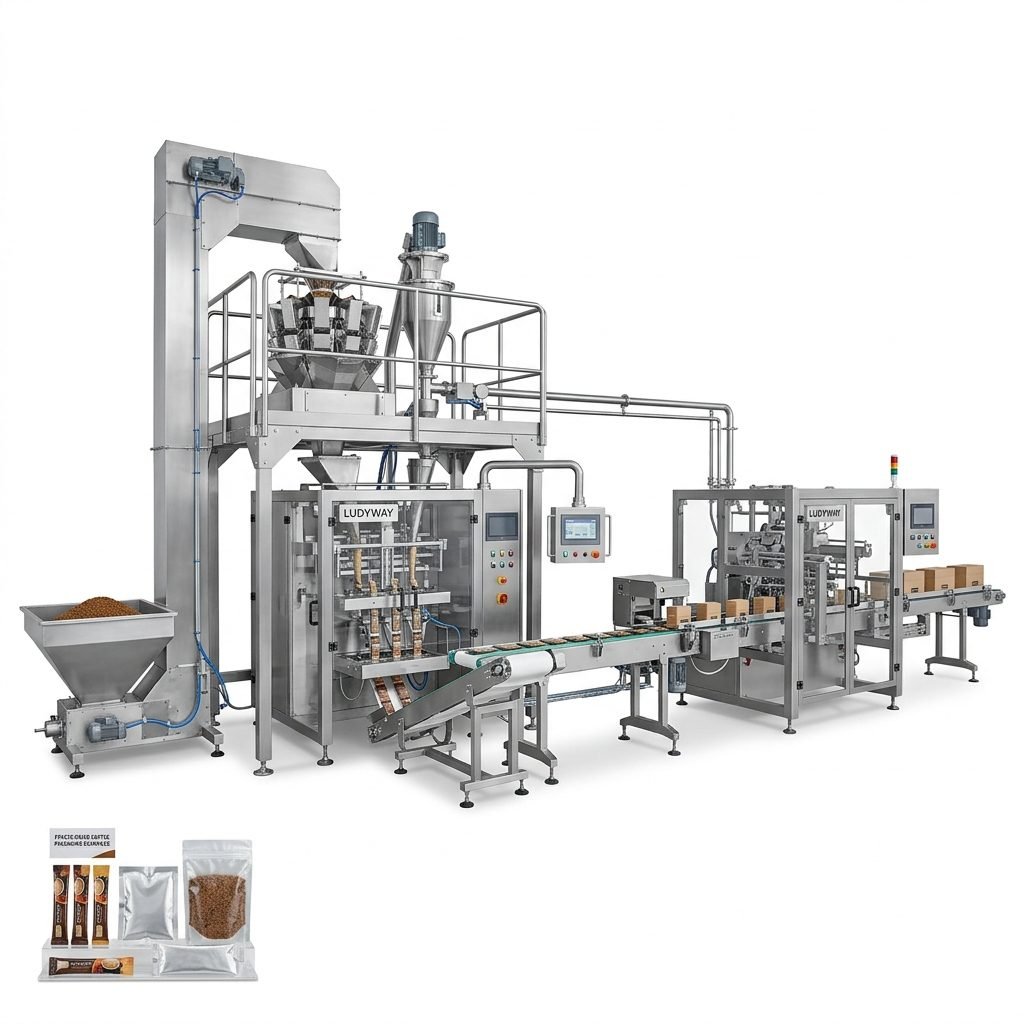
Facility Preparation and Line Layout Planning
Before your hamburger packaging machinery arrives, your facility must be prepared to meet both operational and regulatory requirements. A well-planned layout minimizes bottlenecks and contamination risks. Key steps include:
- Zoning the production floor — separate raw, processing, and packaging areas
- Ensuring adequate utilities — compressed air (oil-free), electrical supply (400V three-phase is standard in Germany), and water/drainage for cleaning
- Climate control — maintaining appropriate temperature and humidity for meat products
- Flooring and drainage — non-slip, chemical-resistant flooring with proper slope for drainage
- Access for maintenance — sufficient clearance around machines for servicing and cleaning
Consult with your equipment supplier early in the planning phase. Reputable manufacturers provide detailed installation drawings and layout diagrams to help you optimize floor space utilization.
Installation, Commissioning, and CE Compliance
In Germany, all packaging machinery must carry CE marking per the Machinery Directive 2006/42/EC. This confirms that the equipment meets EU health, safety, and environmental requirements. During installation, the following are mandatory:
- Professional installation by certified technicians — improper setup voids warranties and risks non-compliance
- Risk assessment documentation — required under German occupational safety regulations (BetrSichV)
- Full commissioning run — testing with actual product to verify speed, seal integrity, and weight accuracy
- IQ/OQ/PQ validation — Installation Qualification, Operational Qualification, and Performance Qualification protocols
- Operator training — documented training sessions for all shift operators and maintenance staff
Operator Training and Workforce Development
Even the most advanced hamburger packaging line requires skilled operators. In Germany, technical training is highly valued, and investing in your workforce pays dividends in reduced downtime and higher OEE (Overall Equipment Effectiveness). Essential training areas include:
- Machine startup, operation, and shutdown procedures
- Film and material changeover techniques
- Basic troubleshooting and error code resolution
- Cleaning and sanitation protocols per HACCP plans
- Safety procedures and emergency stop functions
- Data logging and production monitoring software
Many suppliers offer on-site training programs and remote support options. Plan for at least one to two weeks of supervised operation before transitioning to independent production.
Ongoing Maintenance and Spare Parts Strategy
Preventive maintenance is the backbone of a reliable hamburger packaging operation. In the German market, unplanned downtime can cost thousands of euros per hour. Develop a structured maintenance plan that covers:
| Maintenance Type | Frequency | Key Activities |
|---|---|---|
| Daily Cleaning & Inspection | Every shift | Visual checks, surface cleaning, seal bar inspection |
| Weekly Preventive Maintenance | Weekly | Lubrication, belt tension checks, sensor calibration |
| Monthly Deep Service | Monthly | Wear part replacement, motor inspection, software updates |
| Annual Overhaul | Yearly | Complete disassembly, deep cleaning, major component replacement |
Pro tip: Maintain a well-stocked spare parts inventory. Critical components such as sealing jaws, belts, sensors, and heating elements should always be available on-site. Ask your equipment partner for a recommended spare parts list tailored to your production volume.
Cost Considerations and ROI Analysis
Setting up a hamburger packaging machine production line in Germany represents a significant capital investment. A comprehensive cost analysis should account for both upfront and ongoing expenses:
Initial Investment Breakdown
- Equipment cost — packaging machines, conveyors, inspection systems, and palletizers
- Installation and commissioning — technician travel, on-site work, and validation
- Facility modifications — utility upgrades, flooring, climate control, and hygiene infrastructure
- Training and documentation — operator manuals, training sessions, and compliance paperwork
- Initial spare parts package — critical wear parts for the first year of operation
Ongoing Operational Costs
- Packaging materials — film, trays, labels, and cartons
- Energy consumption — electricity and compressed air
- Maintenance labor and parts — routine and unexpected repairs
- Quality control testing — seal integrity, weight checks, and metal detection verification
Most well-planned hamburger packaging lines achieve full ROI within 18 to 36 months, driven by increased throughput, reduced labor costs, and minimized product giveaway through precise weighing.
Choosing the Right Equipment Partner
Your choice of packaging machine manufacturer directly impacts the success of your production line. Look for partners with proven experience in meat and food packaging, strong references in the German market, and comprehensive after-sales support. A reliable manufacturer should offer:
- CE-certified machinery with full documentation
- Turnkey project management from design to commissioning
- Local technical support or service partners in Germany
- Warranty coverage of at least 12 months
- Remote diagnostics and troubleshooting capabilities
- Proven installations in similar food processing environments
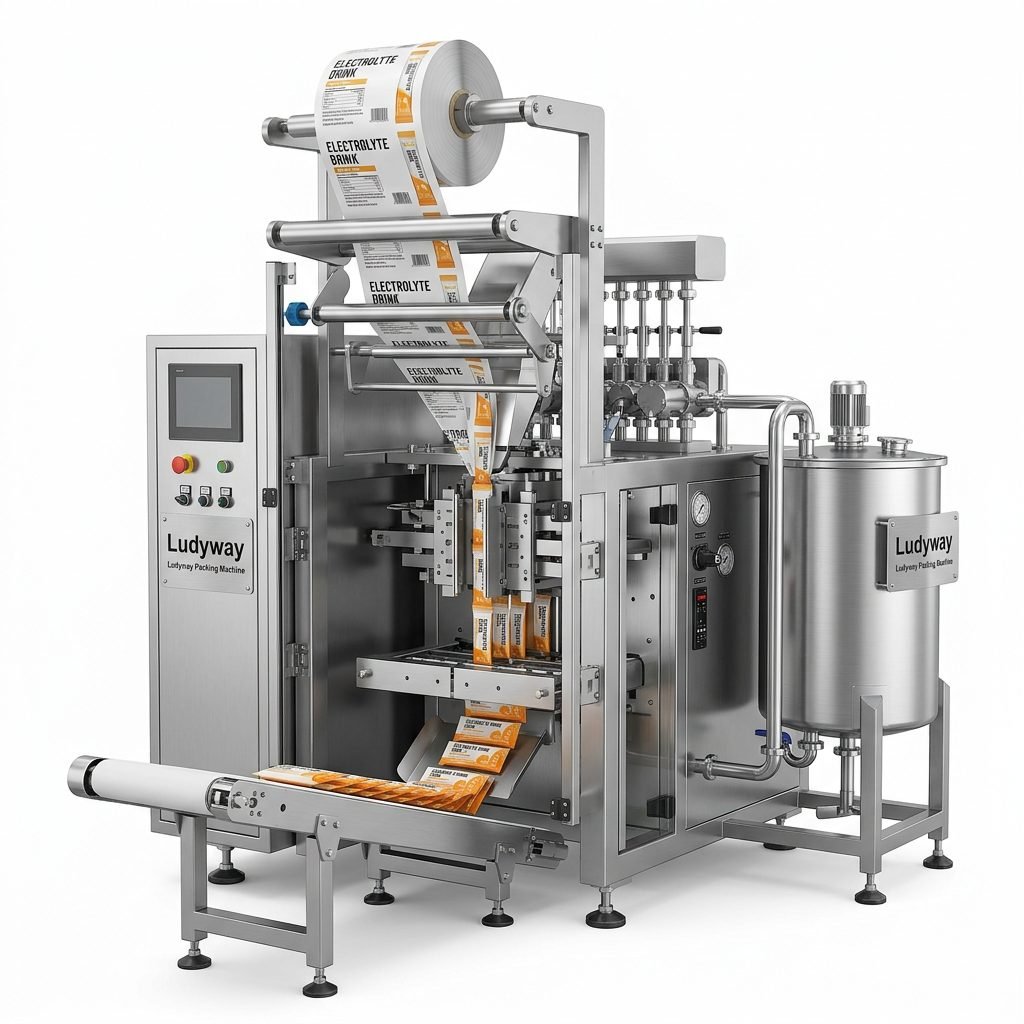
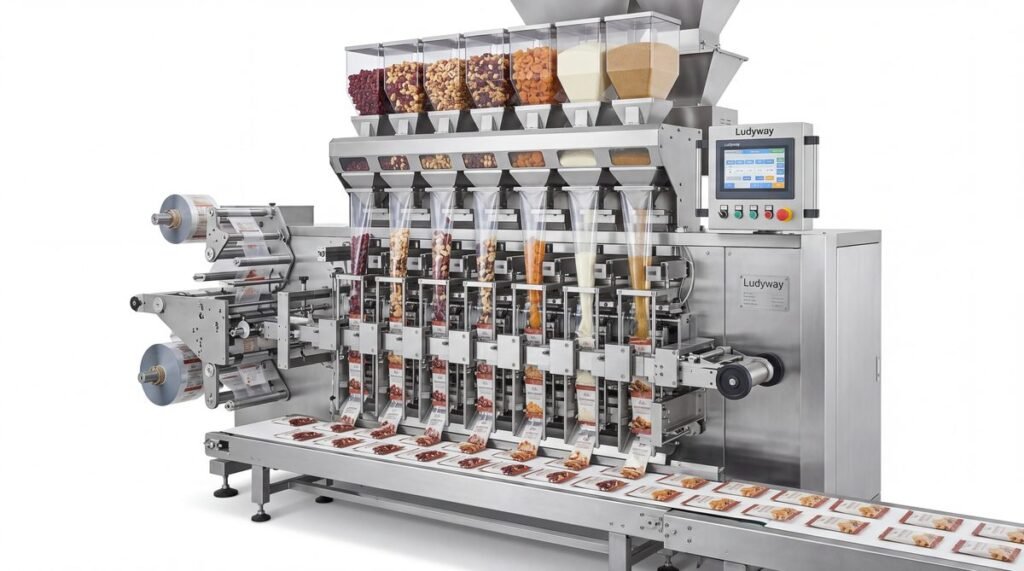
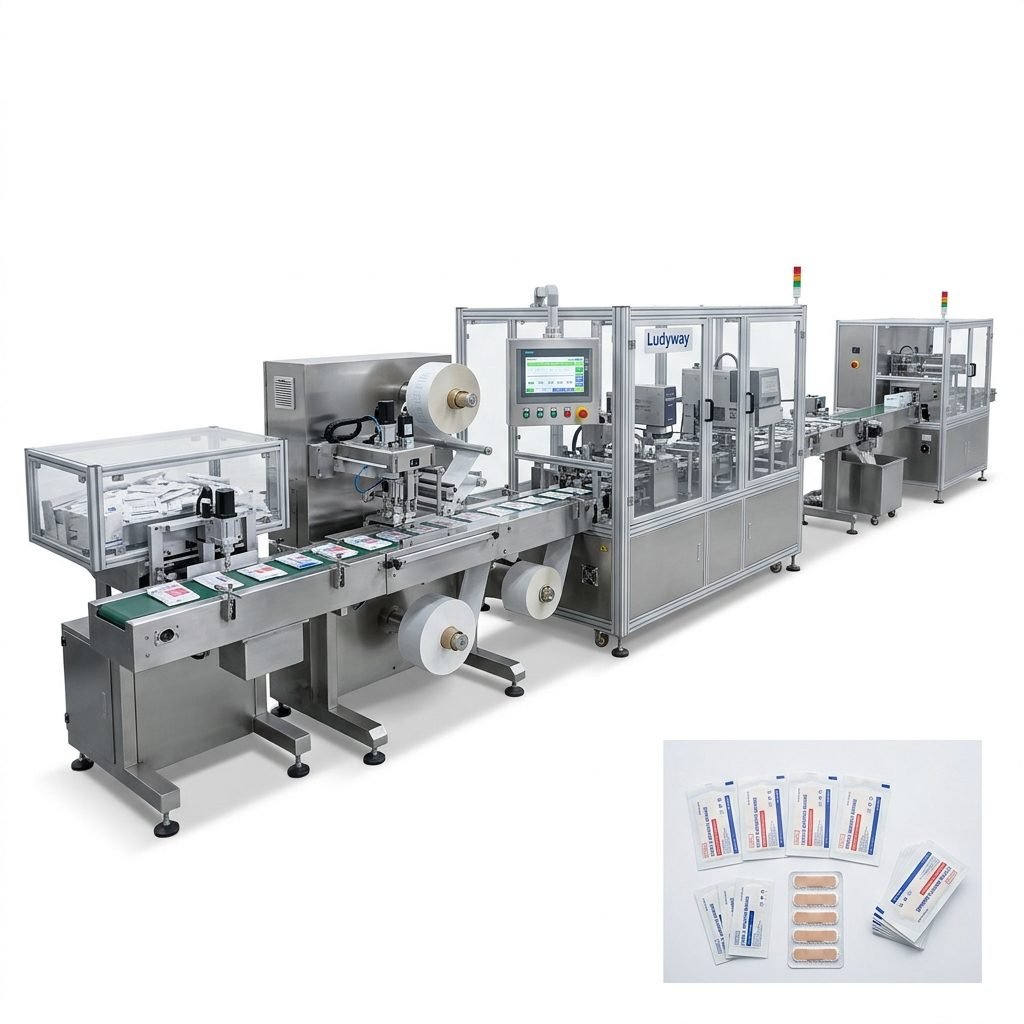
Companies such as Ludyway, one of the largest packaging machine manufacturers in China with over 30 years of industry expertise and a 20,000㎡ modern production facility, have developed advanced hamburger and food packaging solutions that serve customers in over 100 countries. Their equipment meets international quality standards and can be customized for specific production requirements in the German market.
Common Pitfalls to Avoid
Learning from the mistakes of others can save your operation from costly setbacks. Here are the most frequent errors when setting up a hamburger packaging line in Germany:
- Skipping the site assessment — never order equipment without a thorough facility evaluation
- Underestimating utility requirements — compressed air and electrical capacity must be confirmed early
- Neglecting operator training — untrained staff cause the majority of early-stage downtime
- Ignoring future scalability — choose modular systems that grow with your business
- Overlooking packaging material compatibility — test all films and materials before full production
- Insufficient spare parts planning — stock critical components from day one
Integrating Industry 4.0 and Smart Factory Technologies
Germany is a global leader in Industry 4.0 adoption, and modern hamburger packaging lines can leverage smart technologies for enhanced performance. Consider integrating the following capabilities:
- IoT sensors — real-time monitoring of machine health, temperature, and throughput
- Predictive maintenance algorithms — reducing unplanned downtime by anticipating failures
- Digital twin simulation — optimizing line performance before physical changes are made
- Automated reporting — generating compliance documentation and production reports automatically
- ERP/MES integration — connecting packaging data with enterprise resource planning systems
These technologies not only improve efficiency but also support compliance with German and EU traceability requirements under EU packaging regulations.
Conclusion: Building a Future-Ready Hamburger Packaging Line
Setting up a hamburger packaging machine production line in Germany is a complex but highly rewarding undertaking. By carefully navigating regulatory requirements, selecting the right equipment, preparing your facility properly, and investing in training and maintenance, you can build a line that delivers consistent quality, high throughput, and long-term reliability.
The German market rewards manufacturers who prioritize hygiene, precision, and efficiency. With thorough planning and the right technology partner, your hamburger packaging operation can meet the demands of Europe’s most discerning retailers and consumers while achieving strong operational profitability.
For further guidance, explore resources from PMMI – The Association for Packaging and Processing Technologies and the Flexible Packaging Association, both of which offer extensive industry data and best-practice frameworks for food packaging operations.
Frequently Asked Questions
What certifications are required for hamburger packaging machines in Germany?
All equipment must carry CE marking per EU Machinery Directive 2006/42/EC. Additionally, food-contact materials must comply with EU Regulation (EC) No 1935/2004 and German LFGB standards.
How long does it take to install a complete hamburger packaging line?
Typical installation and commissioning take 4 to 8 weeks, depending on line complexity, facility readiness, and the level of customization required.
What is the ideal production speed for a medium-sized operation?
For mid-sized German meat processors, a line producing 80 to 120 packs per minute offers an excellent balance between investment cost and production capacity.