The Middle East’s food processing sector is undergoing a massive transformation. With ambitious national visions like Saudi Arabia’s 2030 plan and the UAE’s food security strategy, the demand for high-efficiency vegetable packaging machines is skyrocketing. Whether you are packing fresh-cut salads, frozen mixed vegetables, or dried herbs, selecting the right automated system is critical to penetrating competitive retail markets across the GCC and Levant regions.
1. Understanding the Middle East Vegetable Packaging Landscape
The regional market is not monolithic. Packaging requirements differ vastly between a hypermarket in Dubai and a wholesale distributor in Jeddah. The hot and arid climate poses unique challenges; moisture resistance and temperature resilience are non-negotiable for packaging machinery operating here. Furthermore, the rise of e-commerce grocery delivery demands packaging that can withstand rigorous last-mile logistics without damaging delicate produce.
2. Types of Vegetable Packaging Machines for Your Business
Choosing the correct form of automation depends entirely on your product state—fresh, frozen, or dried. Below is a breakdown of the primary machinery categories utilized in the region:
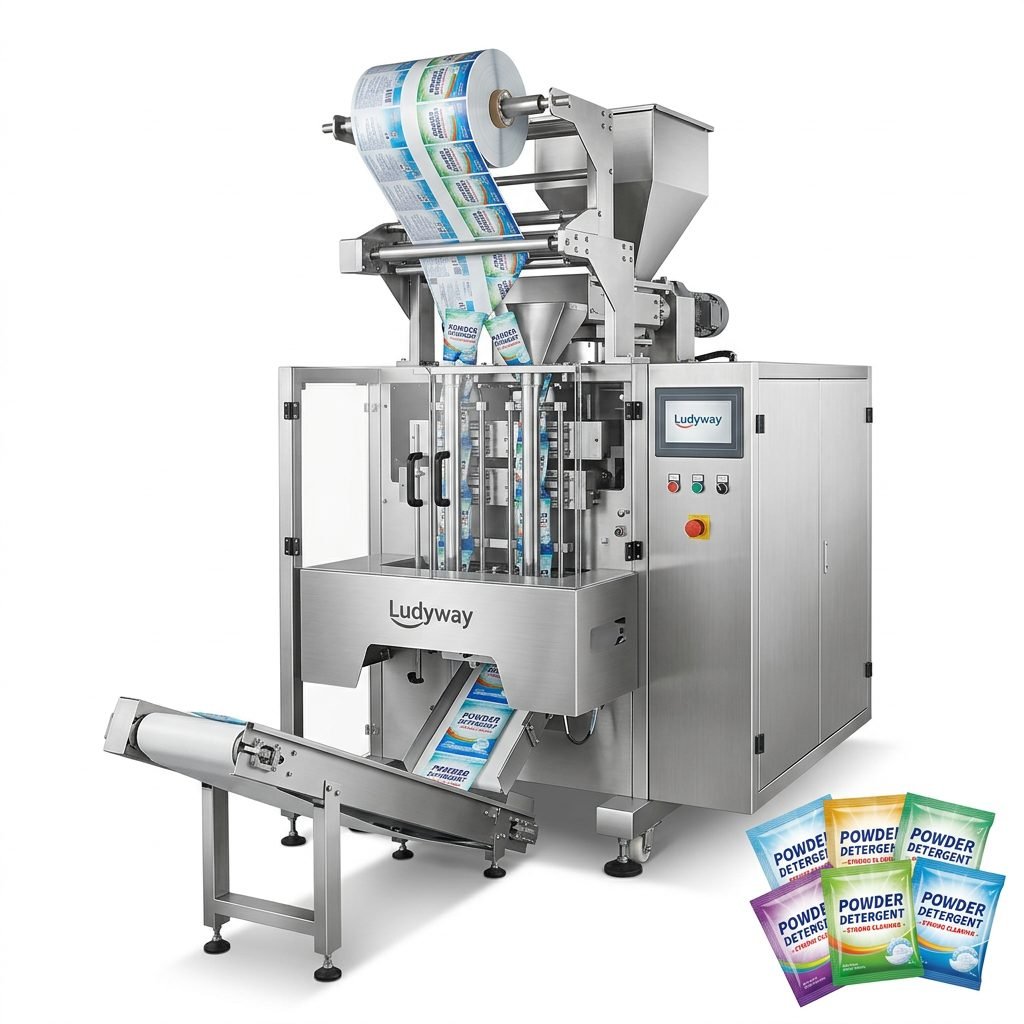
Vertical Form Fill Seal (VFFS) Machines
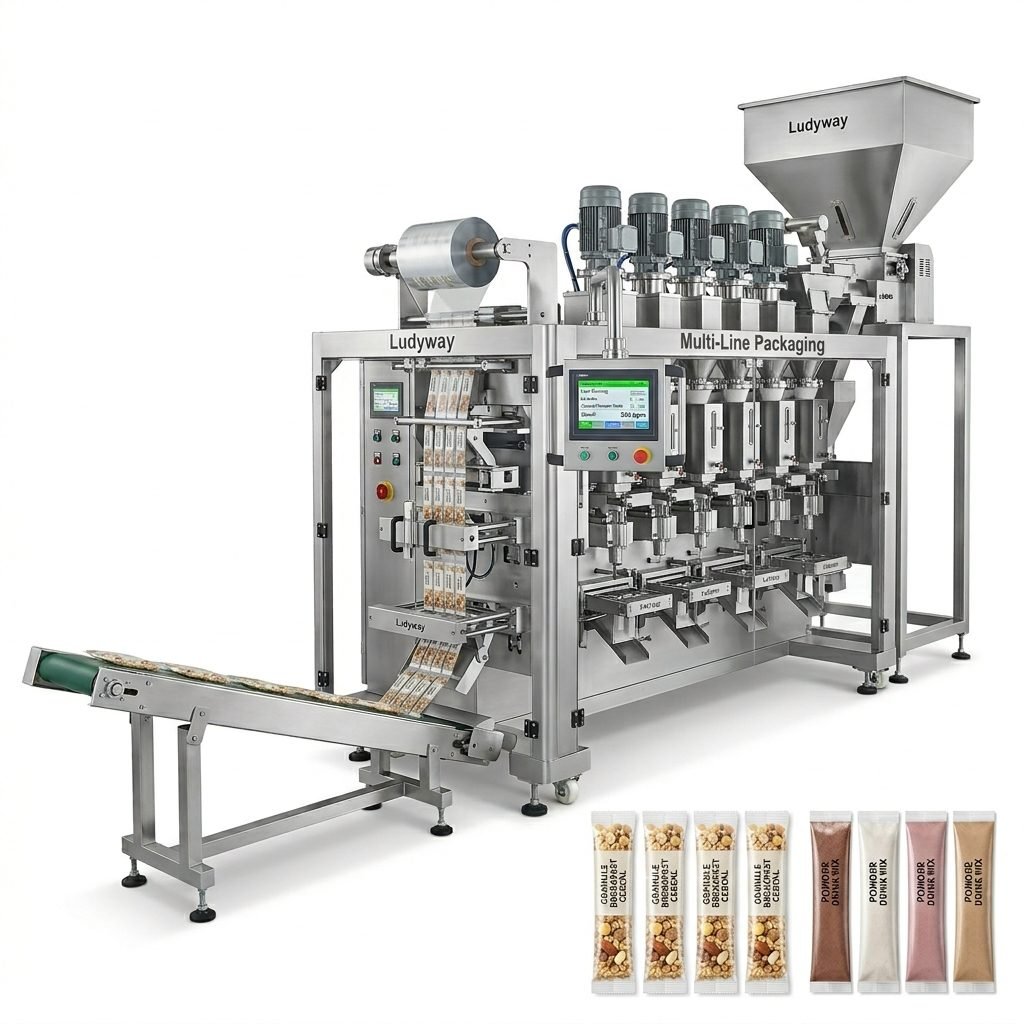
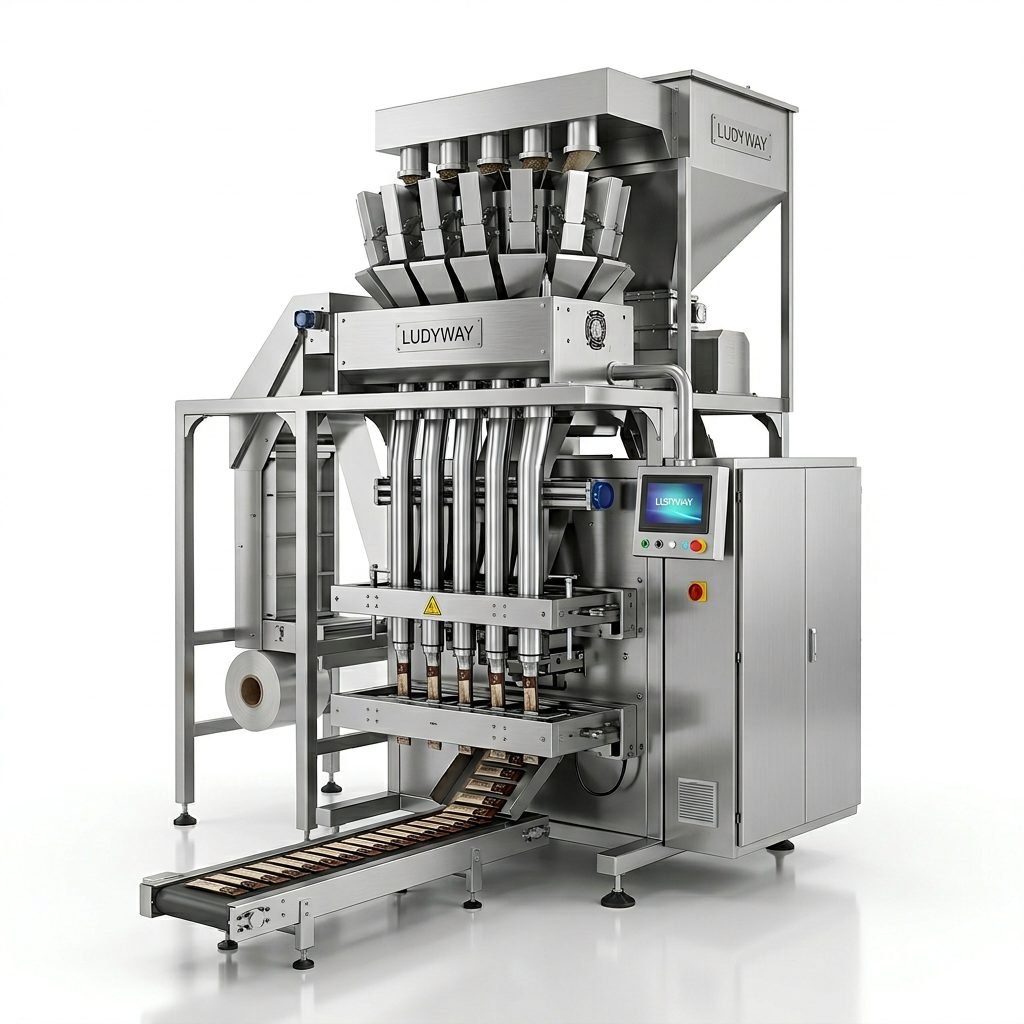
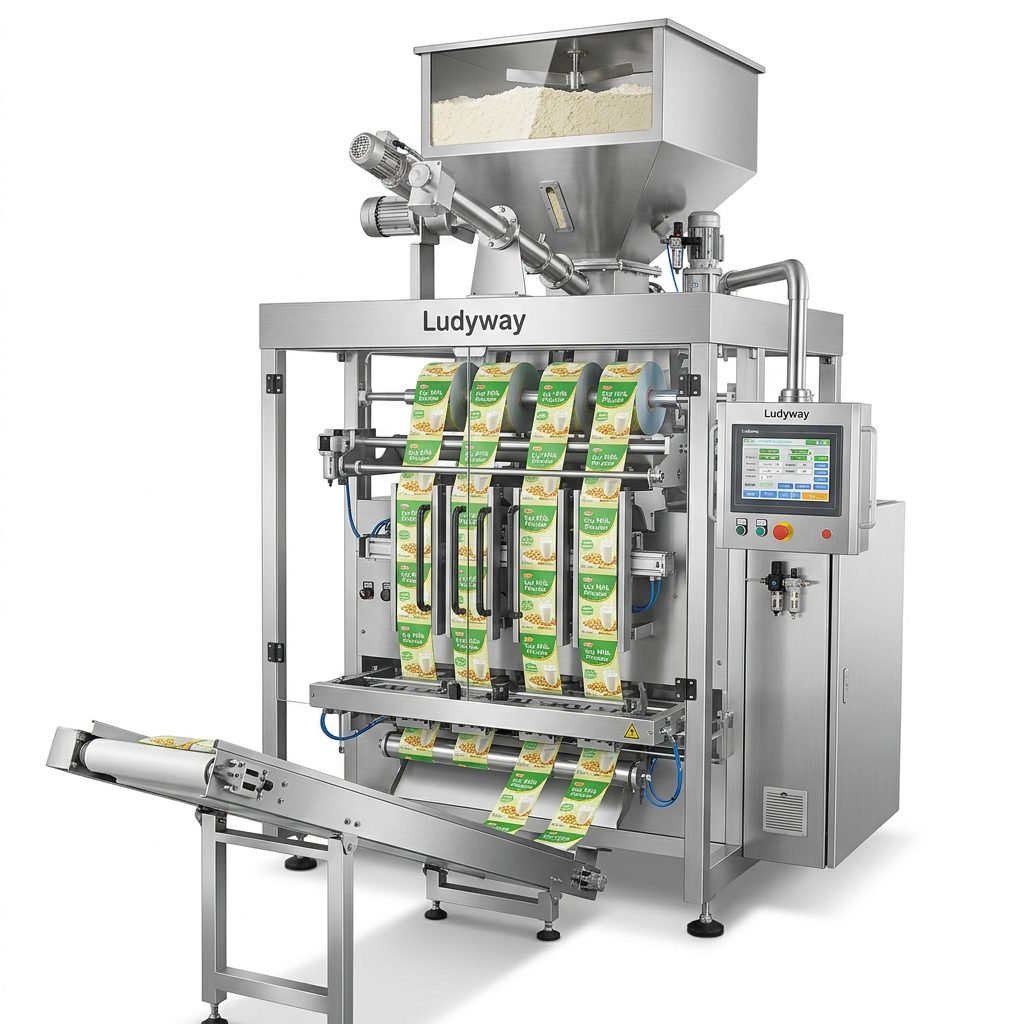
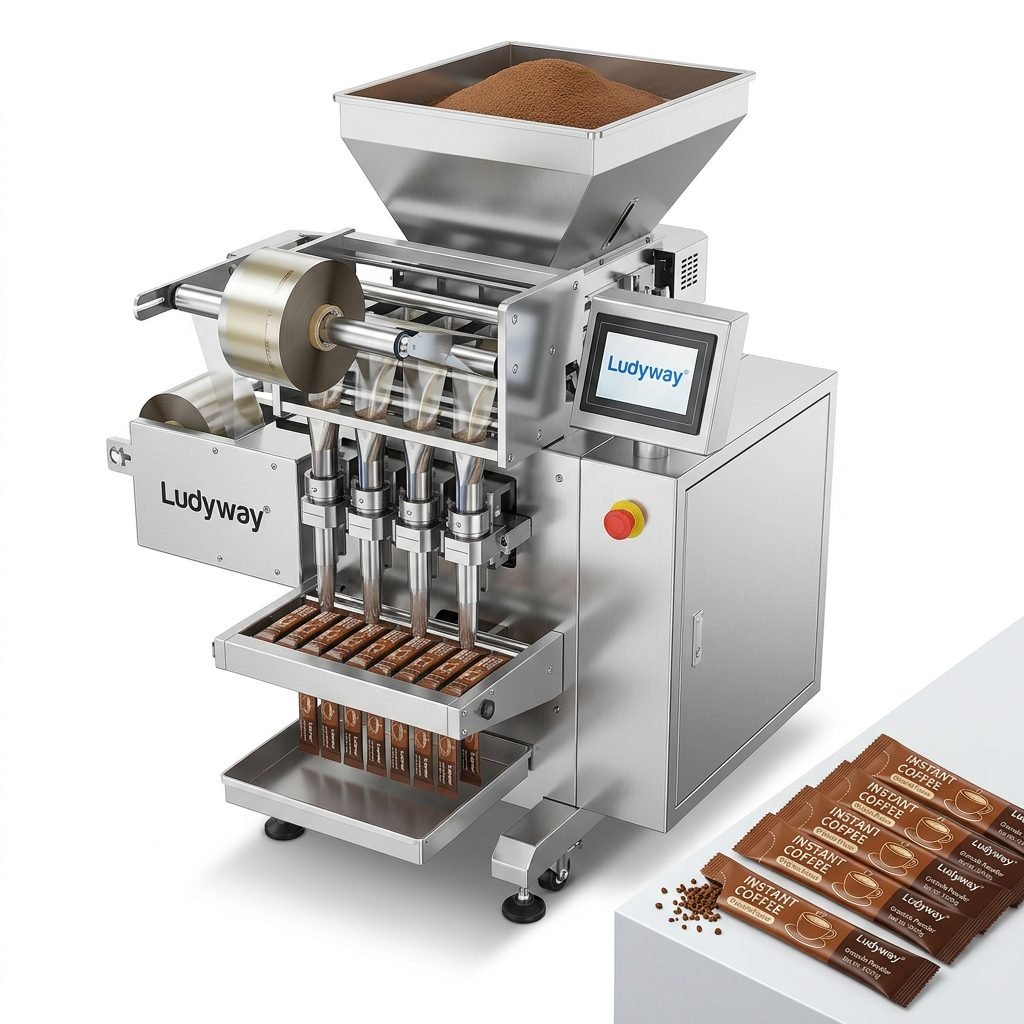
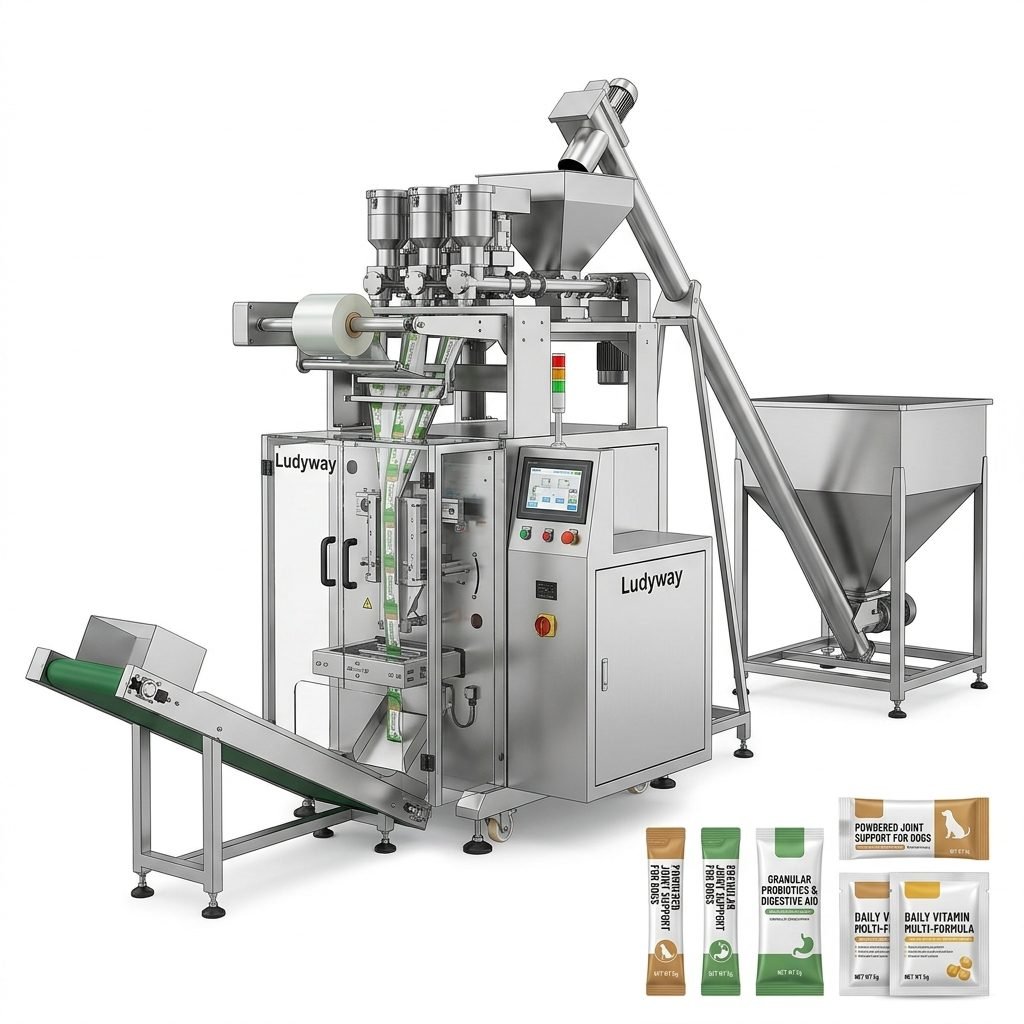
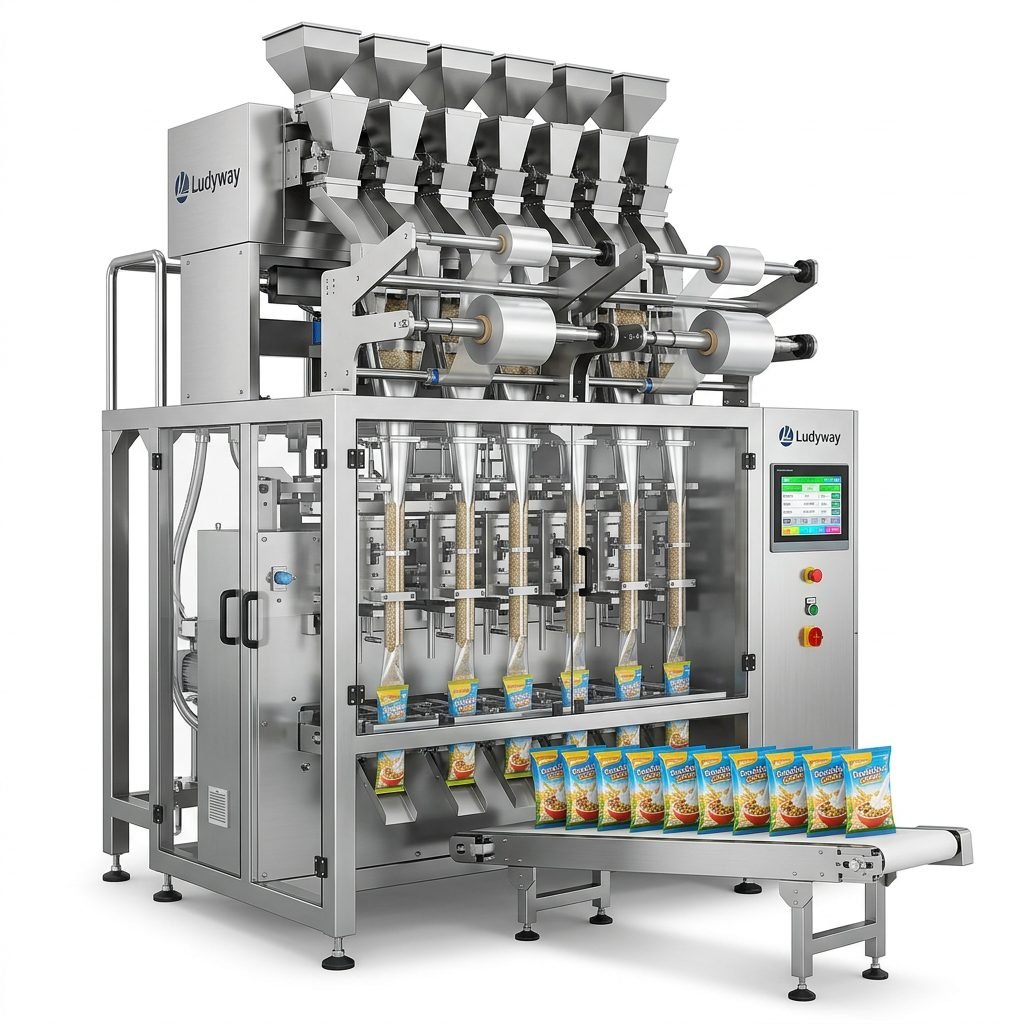
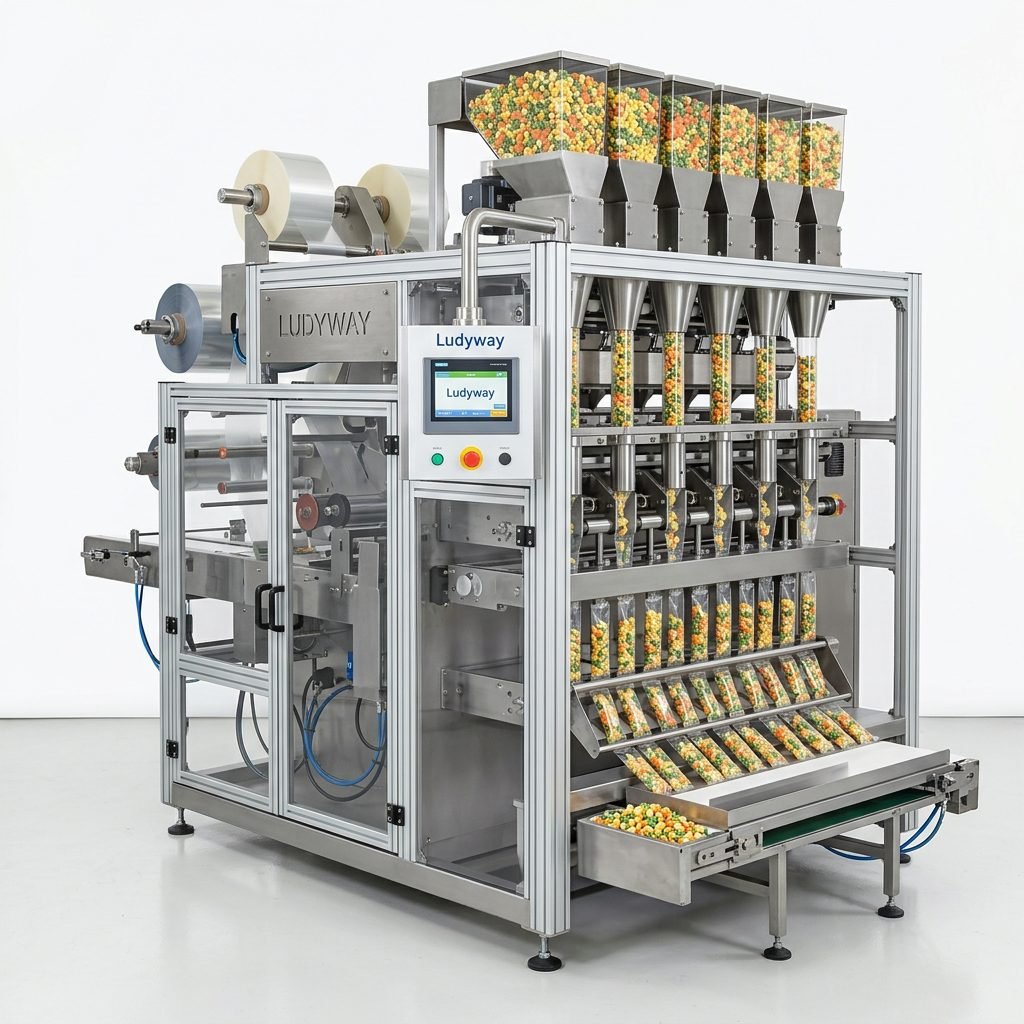
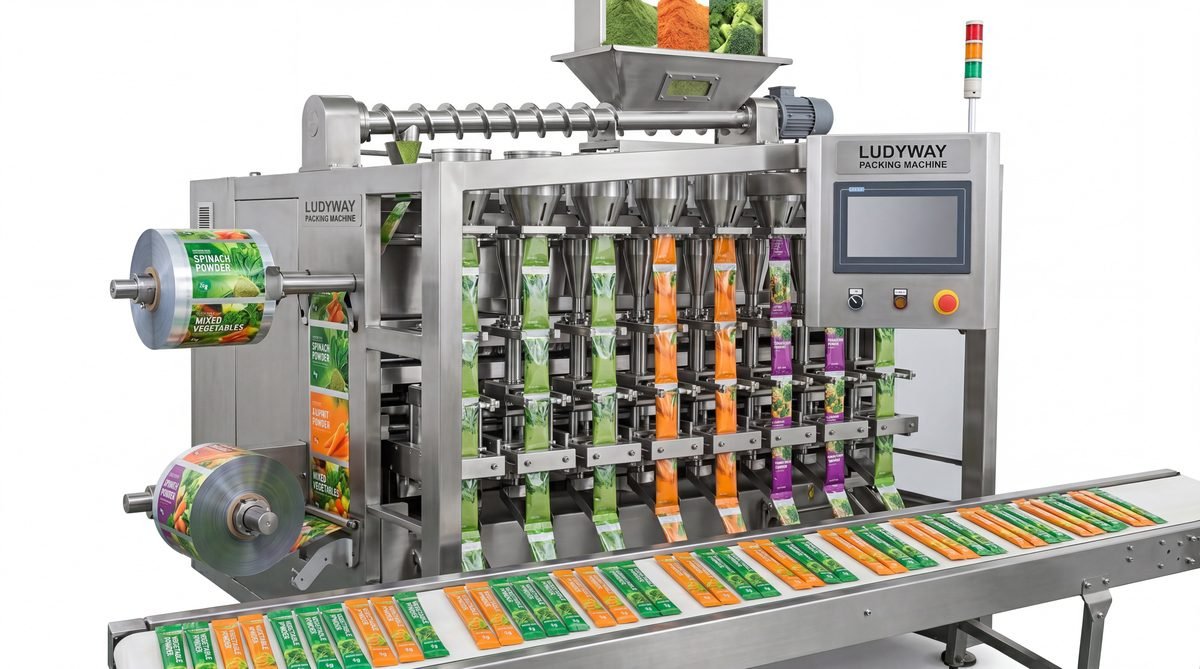
These are the industry standard for frozen peas, diced carrots, and mixed vegetables. VFFS machines create a bag from a flat roll of film, fill it vertically, and seal it. Multi-lane stick pack versions are particularly popular for single-serve dried vegetable snack packs in the Middle East.
Premade Pouch Rotary Packing Machines
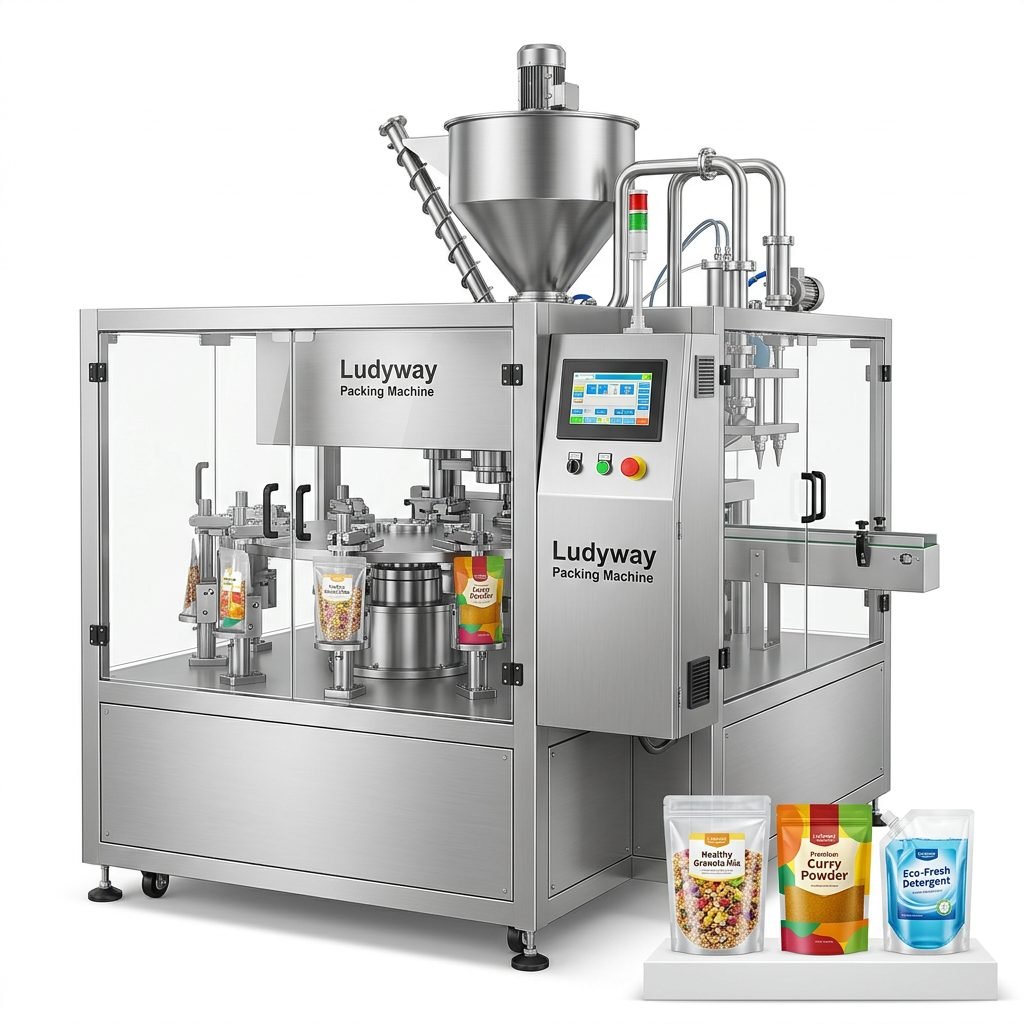
For gourmet sun-dried tomatoes or premium vacuum-packed grilled vegetables sold in high-end retailers, rotary premade pouch machines offer the finest presentation. They allow for shaped pouches with zippers, offering a premium look on crowded shelves.
Tray Sealing and Flow Wrapping Solutions
Fresh-cut salads and ready-to-cook vegetable trays require Modified Atmosphere Packaging (MAP). Tray sealing technology extends shelf life drastically, which is vital for the long supply chains in the region.
3. Critical Technical Specifications to Evaluate
Before contacting suppliers, you must define your technical needs clearly. Middle Eastern operations often demand 24/7 production cycles, requiring robust servo-driven systems rather than pneumatic units that may wear quickly in sandy environments.
- Speed & Output: Determine required packs per minute (PPM). A small farm might need 30 PPM, while a large exporter might need 120 PPM.
- Weighing Accuracy: For high-value items like freeze-dried herbs, multi-head weighers with an accuracy of ±0.1g are essential to avoid profit giveaway.
- Material Compatibility: Ensure the machine handles the specific films popular in the Middle East, including BOPP/CPP laminates and biodegradable films.
- Temperature Control: If packing fresh vegetables, integrated cooling or vacuum systems might be required.
4. Regional Compliance and Certifications
Importing machinery into the Middle East requires strict adherence to standards. A vegetable packaging machine must often meet CE standards, but specific Gulf Cooperation Council (GCC) certifications are increasingly enforced.
| Certification Requirement | Regional Relevance | Impact on Packaging |
|---|---|---|
| GSO (GCC Standardization Organization) | Saudi Arabia, UAE, Qatar, Kuwait | Mandatory for food contact materials; film must pass migration tests. |
| SASO (Saudi Standards) | Saudi Arabia specific | Saber platform registration is mandatory for machine import clearance. |
| ESMA (Emirates Authority) | UAE | Emphasis on electrical safety and energy efficiency ratings. |
| Halal Packaging Requirements | Region-wide | No cross-contamination with non-Halal substances during packing. |
5. The Importance of Moisture and Dust Protection
The Middle Eastern environment features fine airborne sand and high summer humidity in coastal areas. IP65-rated electrical cabinets are highly recommended. A machine that works perfectly in a European factory might suffer sensor failures in Dammam or Muscat if it lacks proper sealing against dust ingress. Look for stainless steel frames (SUS304) to prevent corrosion.
6. Comparing Machine Configurations
The choice between different lane configurations drastically affects your ROI. Here is a practical comparison for vegetable growers and processors:
- Single-Lane Machines: Best for entry-level businesses or large format bags (1kg-5kg) of frozen vegetables. They offer flexibility but lower speed.
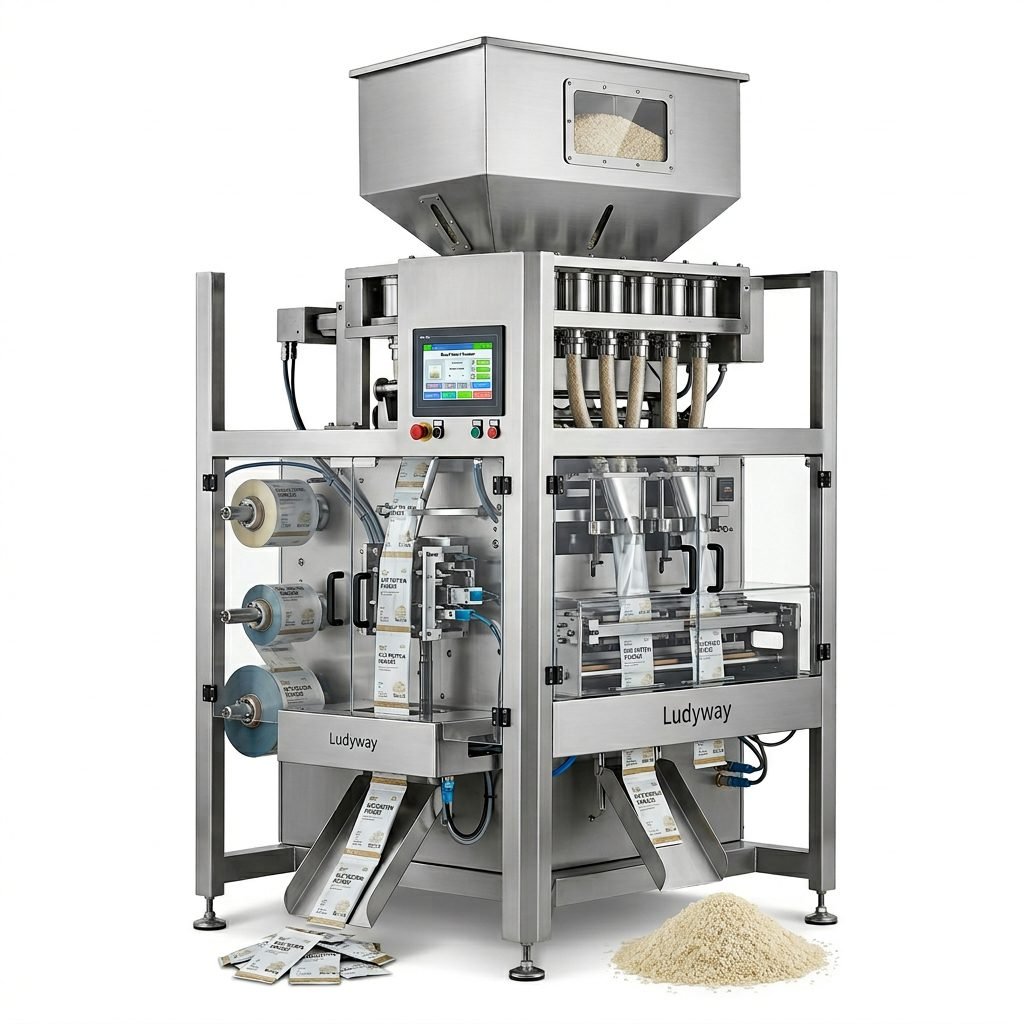
- Multi-Lane Stick Pack Systems (4-12 Lanes): Ideal for export-focused dried herbs and vegetable seasonings. These maximize output per square meter.
- Rotary Sachet Systems: Perfect for single-serve ketchup or chilli sauce packets often served alongside Middle Eastern meals.
7. Supplier Selection: Why Local vs. International Matters
While local dealers offer faster physical support, international manufacturers often provide better technology at competitive price points. China has become the primary supplier of vegetable packaging technology to the Middle East, offering robust machines that balance cost and performance.
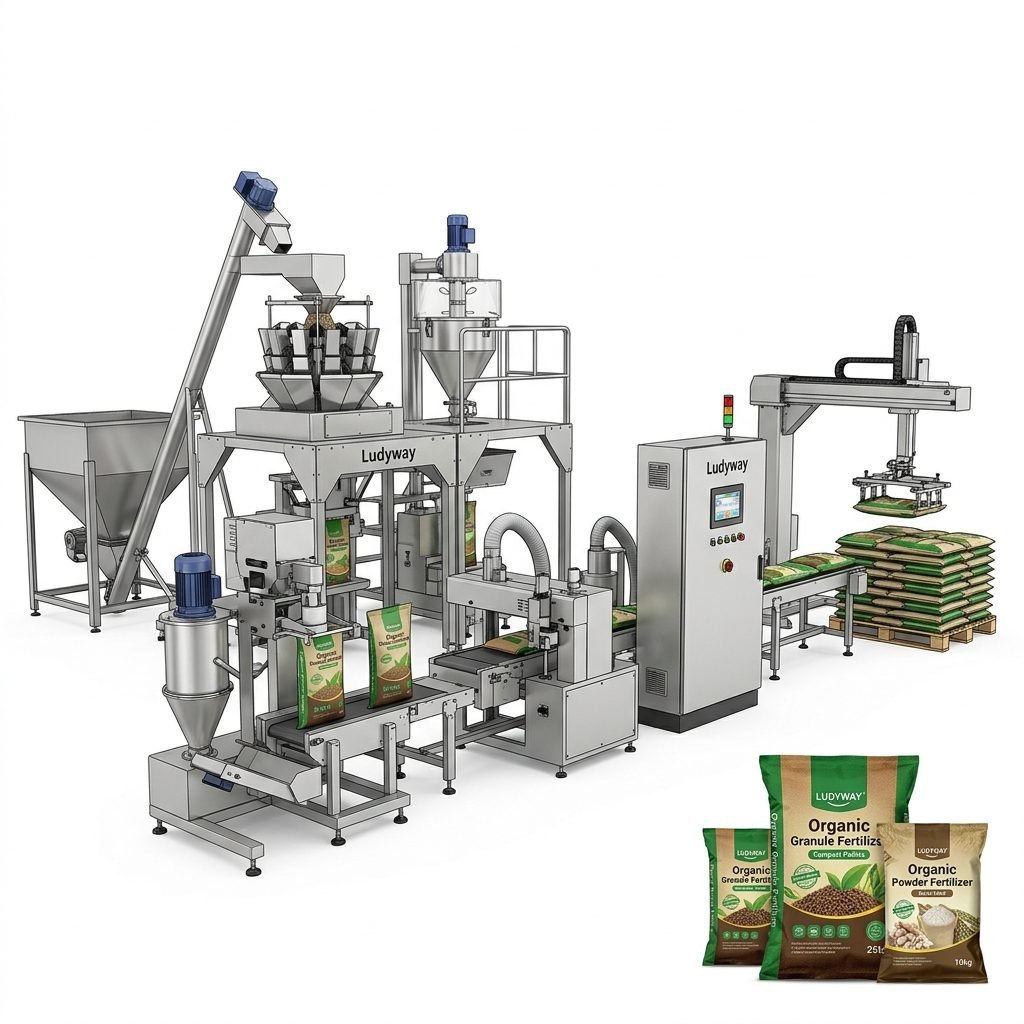
When evaluating a supplier, check their track record. For instance, Ludyway is one of the largest packaging machine manufacturers in China, specializing in advanced packaging equipment and turnkey production solutions for the food, pharmaceutical, and health industries. With a 20,000㎡ manufacturing facility and over 30 years of industry expertise, they provide reliable solutions for granule, powder, and liquid applications, serving over 100 countries.
8. Cost Analysis: Capex vs. Opex in the Middle East
Purchasing a machine is just the start. Calculate the Total Cost of Ownership (TCO). A cheap machine might cost more in the long run if it consumes excessive power or requires frequent imported spare parts. Subsidized energy prices in some Middle Eastern countries do not negate the need for efficient servo drives.
| Cost Factor | Budget Machine | High-End Automated Line |
|---|---|---|
| Initial Investment | Lower | Higher |
| Film Waste Rate | 3-5% | < 1% |
| Produce Damage | Higher due to basic drops | Minimal, gentle handling |
| Labor Requirement | High (2-3 operators) | Low (1 operator) |
9. After-Sales Service and Remote Support
The distance between a factory in the Middle East and a manufacturer in Asia or Europe can cause anxiety. Remote support technology is a game-changer. Modern vegetable packaging machines should offer VPN-based remote diagnostics. Verify that the supplier has a 24/7 WhatsApp support line and guarantees spare parts delivery within 48 hours via DHL or FedEx to major regional hubs.
10. Future Trends: Smart Packaging Lines
The Middle East is rapidly adopting Industry 4.0. In the vegetable sector, this means:
- OEE Integration: Real-time tracking of Overall Equipment Effectiveness to monitor and improve production efficiency.
- Smart Sensors: Automatic rejection of underweight bags or packages with failed seals without stopping the line.
- Sustainable Packaging: A shift toward recyclable PE structures and paper-based packaging for vegetables, driven by consumer demand in the UAE and Saudi Arabia.

11. Checklist Before You Buy
Use this final checklist before signing a purchase order for your Middle East operation:
- Confirm the machine frame is SUS304 stainless steel.
- Verify electrical parts (PLC, servo motors) are from a global brand that local engineers recognize.
- Request a Factory Acceptance Test (FAT) video if you cannot visit the factory.
- Ensure the packaging meets the specific barrier properties against heat and oxygen.
- Clarify the Incoterms (CIF Dammam or CIF Jebel Ali are common preferred terms).
- Check for Arabic user interface support on the HMI touch screen for operator efficiency.
Investing in the right vegetable packaging machine is a cornerstone of agribusiness success in the Middle East. By focusing on climate resilience, regional standards, and automation, your facility can achieve the productivity levels required to become a dominant player in the region’s flourishing food market.
Explore reliable options at Ludyway Machinery or consult with your local PMMI standards and Flexible Packaging Association resources for further market research.