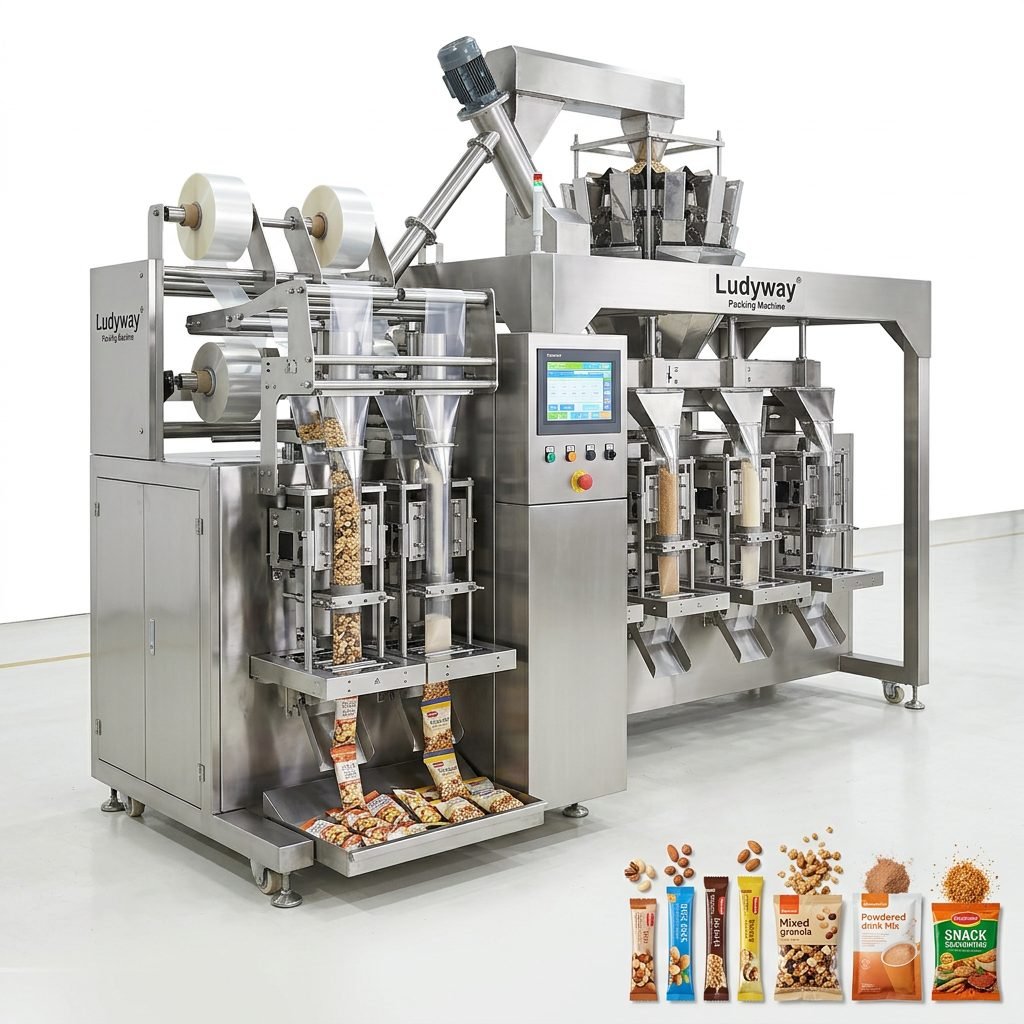
France stands as one of Europe’s most prestigious chocolate markets, with a rich artisanal heritage and a rapidly growing industrial chocolate sector. From traditional tablet bars to modern functional chocolate products, French manufacturers are constantly seeking advanced packaging solutions to meet evolving consumer demands, maintain product freshness, and comply with stringent EU regulations. Investing in the right chocolate bar packaging machine is not merely an operational decision — it is a strategic move that directly impacts product quality, shelf appeal, and overall production efficiency.
Understanding the French Chocolate Packaging Landscape
The French chocolate industry is characterized by a dual structure: artisanal chocolatiers who emphasize craftsmanship and premium presentation, and large-scale industrial producers who prioritize speed, consistency, and cost-effectiveness. According to industry data from the PMMI Business Intelligence Library, the European confectionery packaging machinery market continues to experience steady growth, driven by automation trends and the rising popularity of portion-controlled formats such as stick packs and flow-wrapped bars. For French buyers, selecting a packaging machine means balancing traditional aesthetic expectations with modern high-speed production requirements.
Key Types of Chocolate Bar Packaging Machines
Different chocolate bar formats demand different packaging technologies. Below are the primary machine categories available for French manufacturers and co-packers.
Horizontal Flow Wrapping Machines
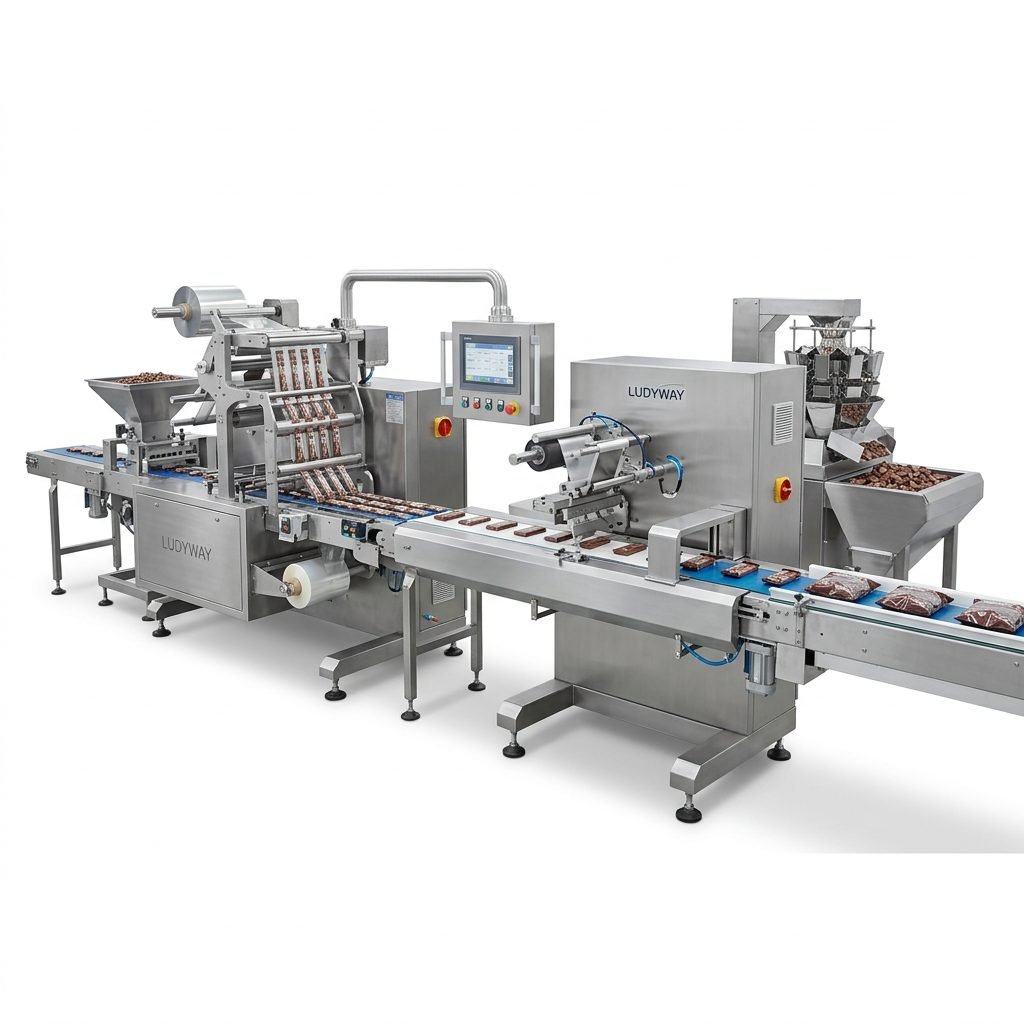
Horizontal flow wrappers are the industry standard for solid chocolate bars and tablets. These machines wrap individual bars in flexible film, creating a tight, protective seal that preserves freshness and provides an excellent surface for branding. Modern flow wrappers can handle speeds of up to 800 bars per minute on high-end models, making them ideal for large-scale production lines. They accommodate various film materials including BOPP, metallized films, and compostable barrier films — increasingly important as France pushes forward with EU packaging sustainability mandates.
Multi-Lane Stick Pack and Sachet Machines
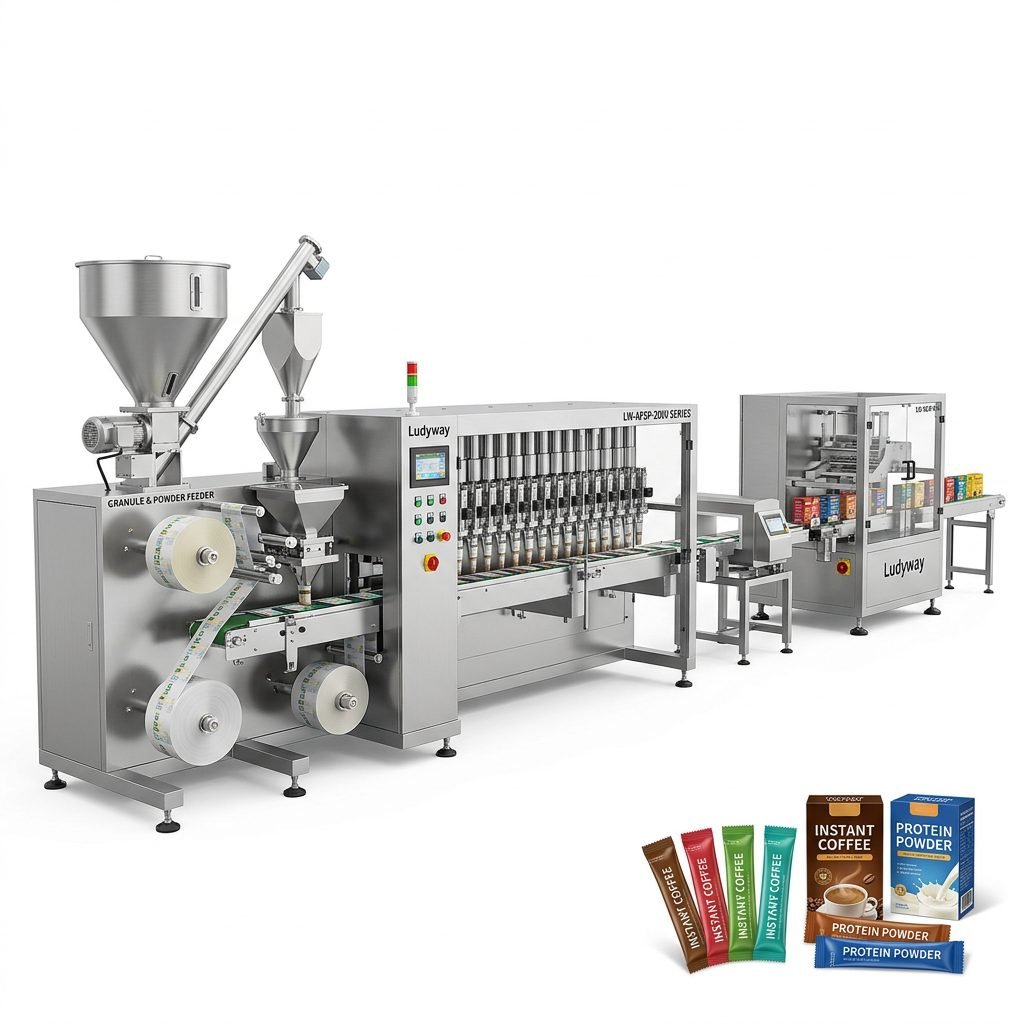
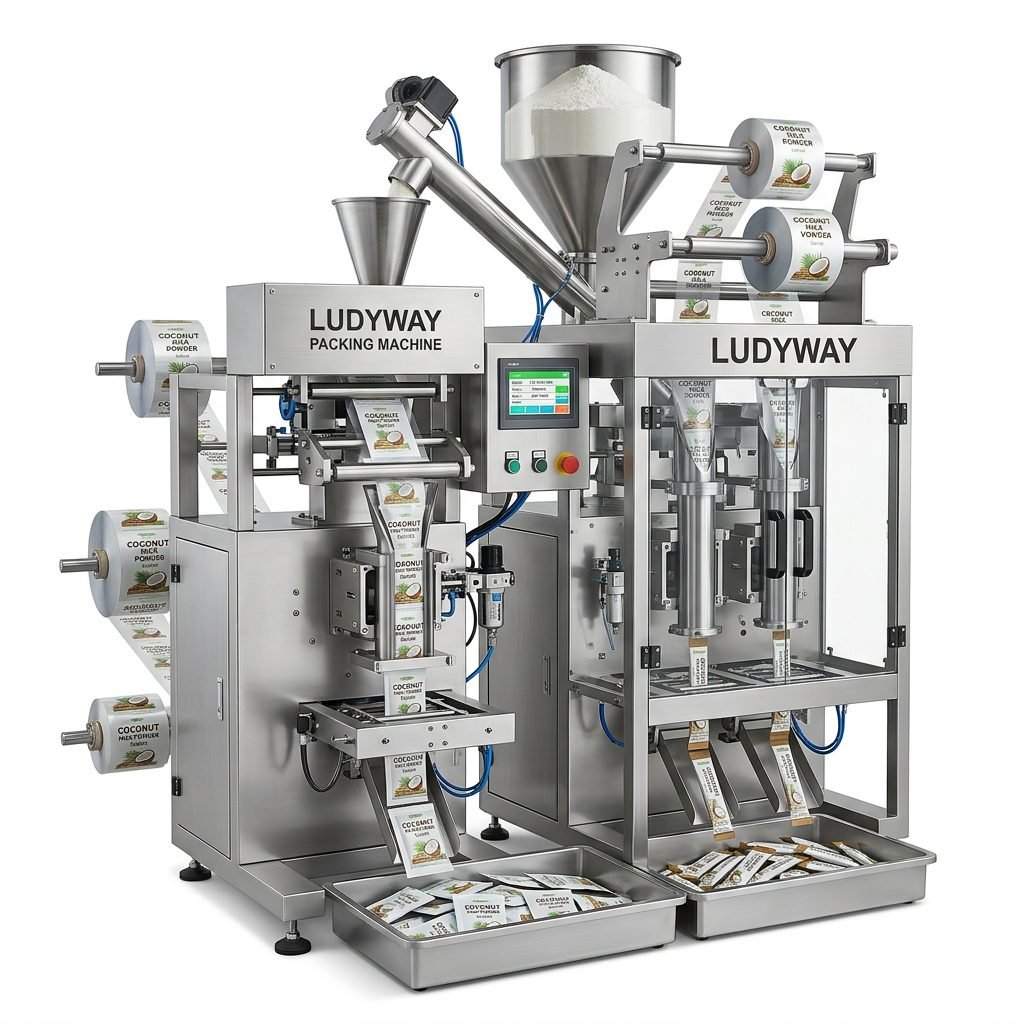
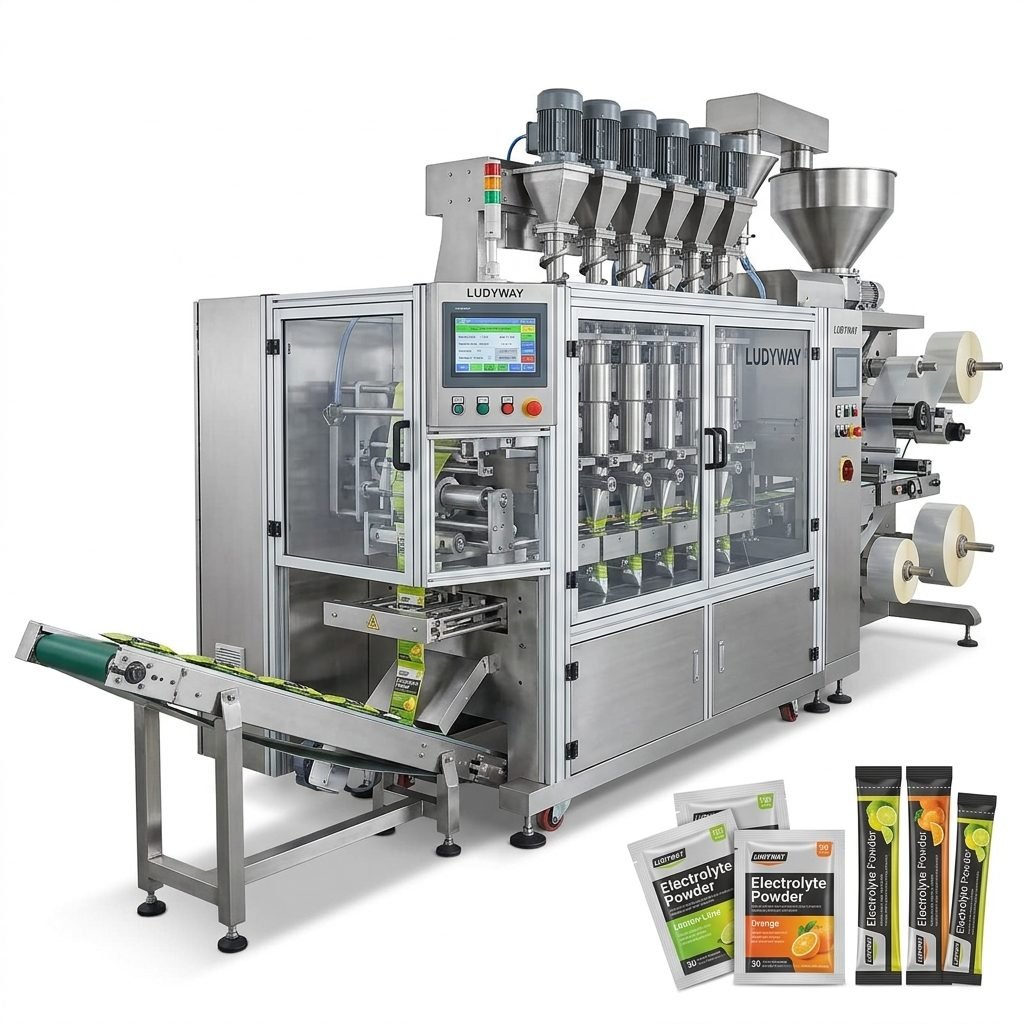
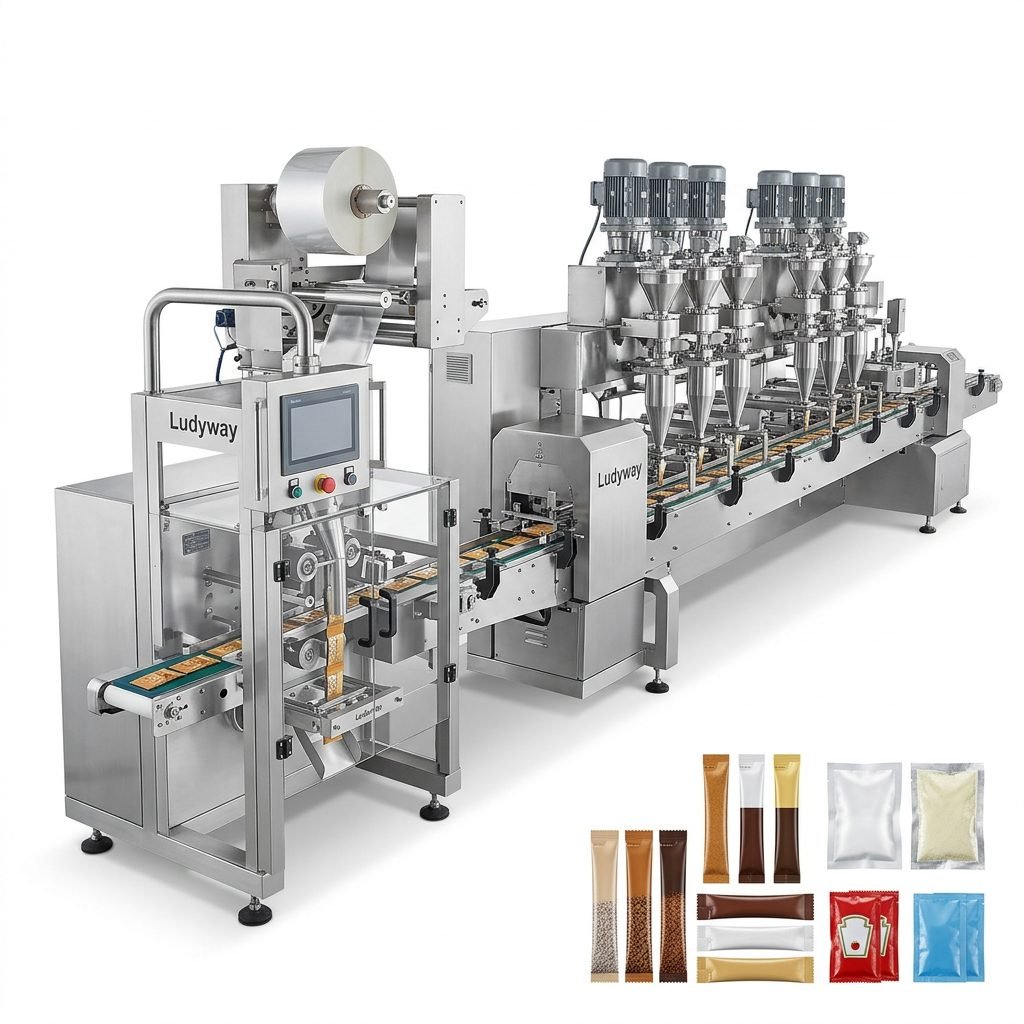
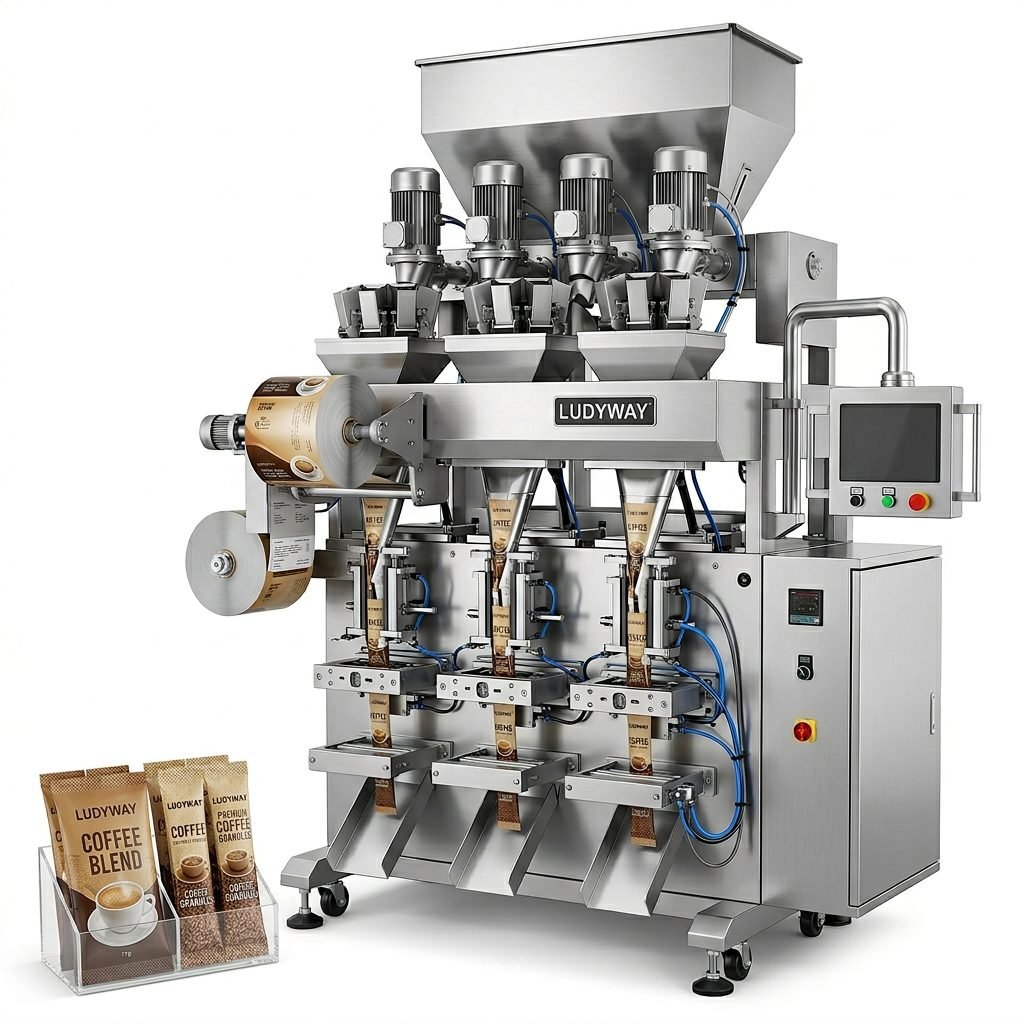
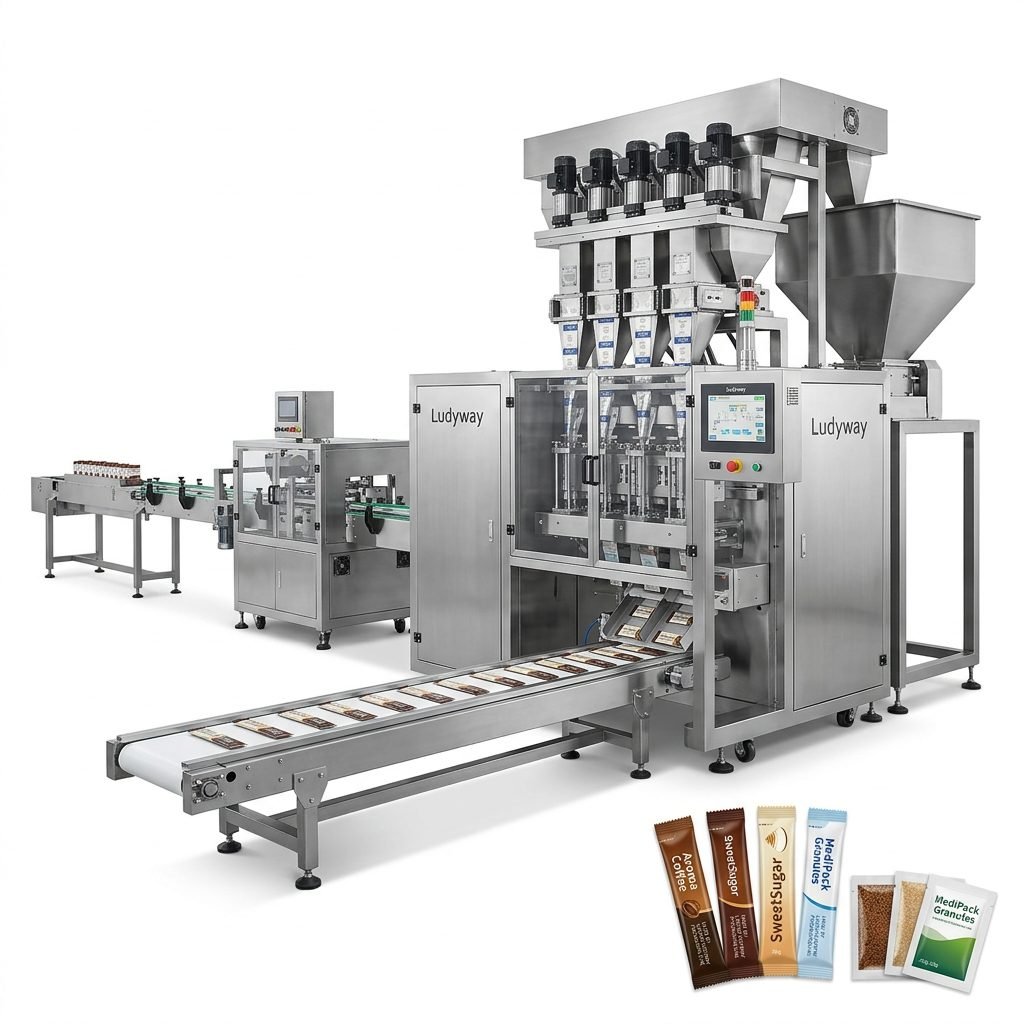
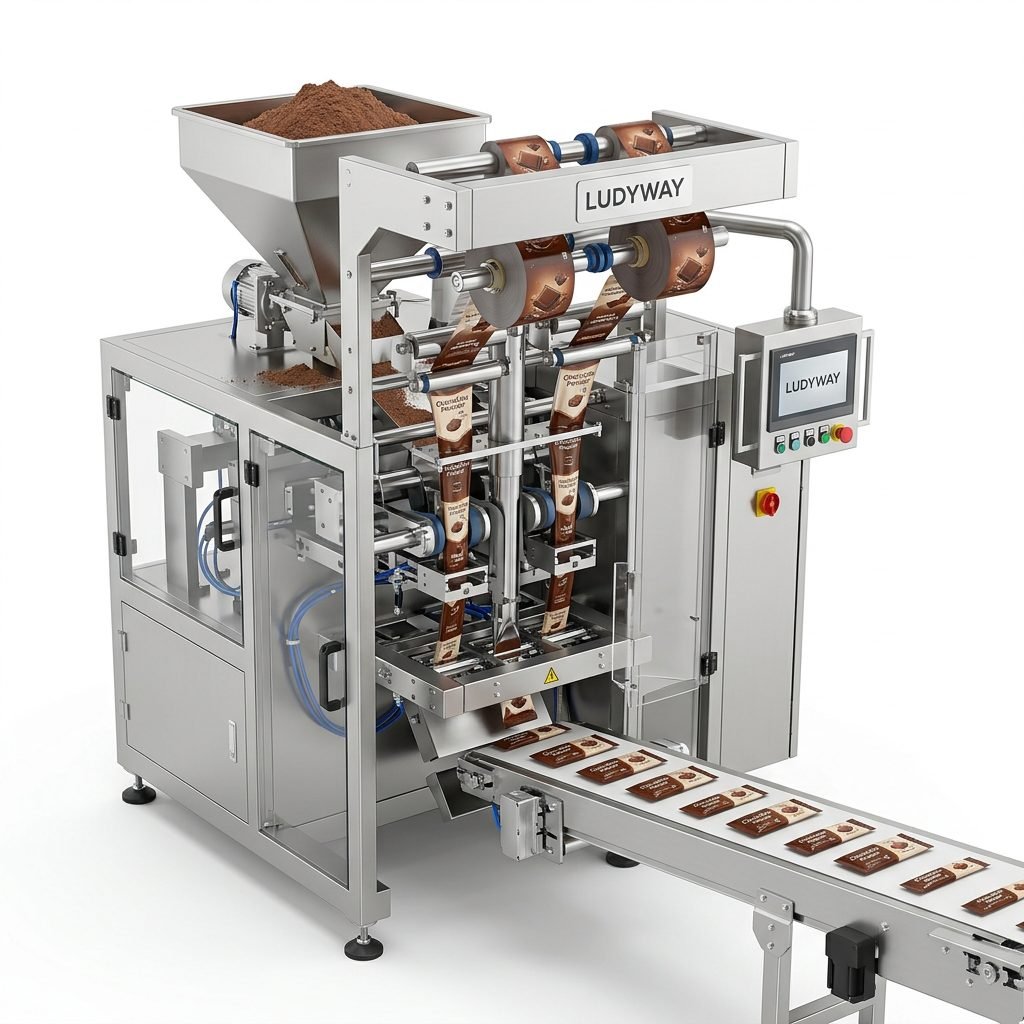
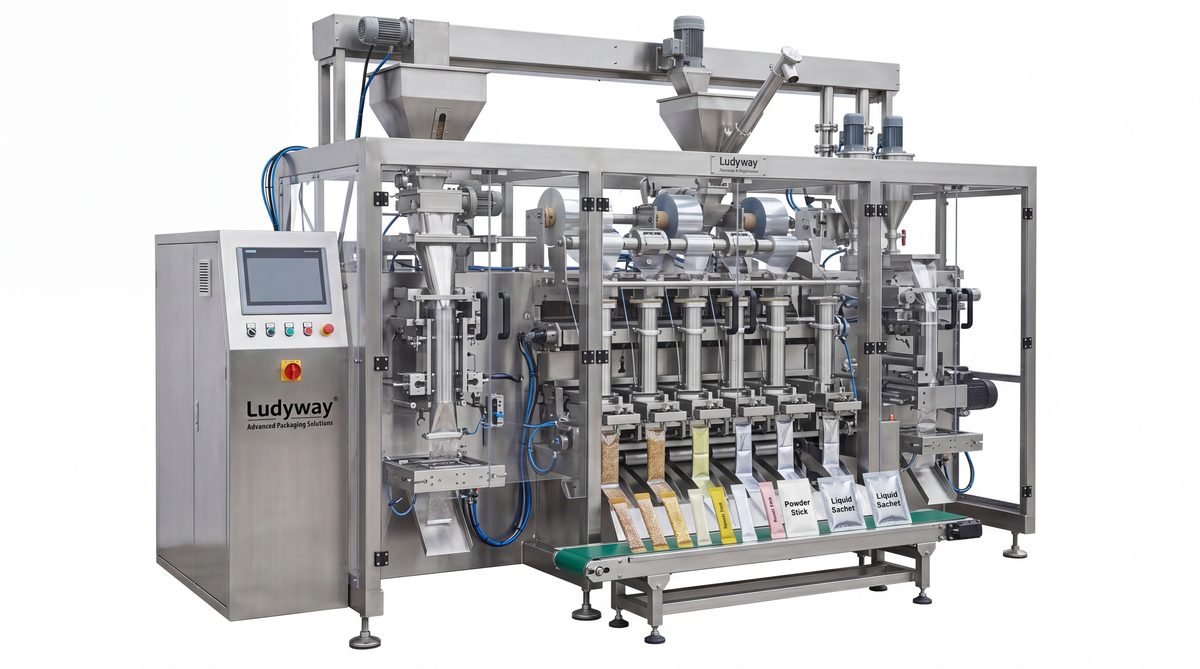
For chocolate powders, mini chocolate pieces, and portion-controlled chocolate snacks, multi-lane stick pack machines offer exceptional productivity. These systems run multiple lanes simultaneously — commonly 4, 6, 8, or even 12 lanes — dramatically increasing output without proportionally increasing floor space. A 10-lane stick pack machine, for instance, can produce over 1,000 sachets per minute, making it a compelling choice for hot chocolate mix and chocolate-flavored supplement producers in France.
Fold Wrapping and Envelope Folding Machines
For premium chocolate bars that require a more traditional presentation, fold wrapping machines use paper-backed foil or composite materials to create elegant, hand-finished-looking packages. These machines are particularly popular among French artisanal chocolate brands that wish to maintain a craft appearance while benefiting from automated production. Speeds are typically lower than flow wrappers — around 100 to 250 bars per minute — but the aesthetic result is unmatched.
Chocolate Bar Packaging Machine Type Comparison
| Machine Type | Best For | Speed Range | Packaging Material | Automation Level |
|---|---|---|---|---|
| Horizontal Flow Wrapper | Solid bars, tablets | 200–800 bars/min | BOPP, metallized film, compostable film | Fully automatic |
| Multi-Lane Stick Pack | Powders, mini pieces, supplements | 400–1,200 sachets/min | Laminated film, aluminum foil | Fully automatic with servo control |
| Fold Wrapper | Premium bars, gift packs | 100–250 bars/min | Paper-backed foil, wax paper | Semi-automatic to fully automatic |
| Vertical Form Fill Seal | Chocolate pieces, coated nuts | 60–180 bags/min | Laminated films, pillow bags | Fully automatic with weigher integration |
Critical Factors When Buying a Chocolate Bar Packaging Machine in France
Before committing to a purchase, French buyers should evaluate several key operational and regulatory considerations to ensure the selected machine aligns with their production goals and market requirements.
Production Capacity and Scalability
Assess your current and projected production volumes carefully. A machine that meets today’s demand may become a bottleneck within two years if your brand gains traction in French retail chains or export markets. Look for machines with modular designs that allow for speed upgrades or the addition of auxiliary modules such as automatic feeders, coding systems, and cartoning equipment. The PMMI 2025 State of the Industry report highlights that scalability remains a top priority for European packaging operations.
Packaging Material Compatibility
French consumers and regulators increasingly demand sustainable packaging solutions. Ensure your chosen machine can handle recyclable mono-materials, compostable films, or paper-based alternatives — not just conventional multi-layer laminates. Machine parameters such as sealing temperature, dwell time, and tension control must be precisely adjustable to accommodate these newer materials without compromising seal integrity or production speed.
Compliance with EU and French Food Safety Regulations
All food contact materials used in packaging must comply with FDA and EU framework regulations on food contact substances. In France, additional national guidelines may apply, particularly for organic and labeled-origin chocolate products. The packaging machine itself should be constructed with food-grade stainless steel in all product contact areas and designed for easy cleaning to meet HACCP requirements. Machines with IP65 or higher washdown ratings offer added assurance for hygiene-sensitive chocolate production environments.
Automation and Integration Capabilities
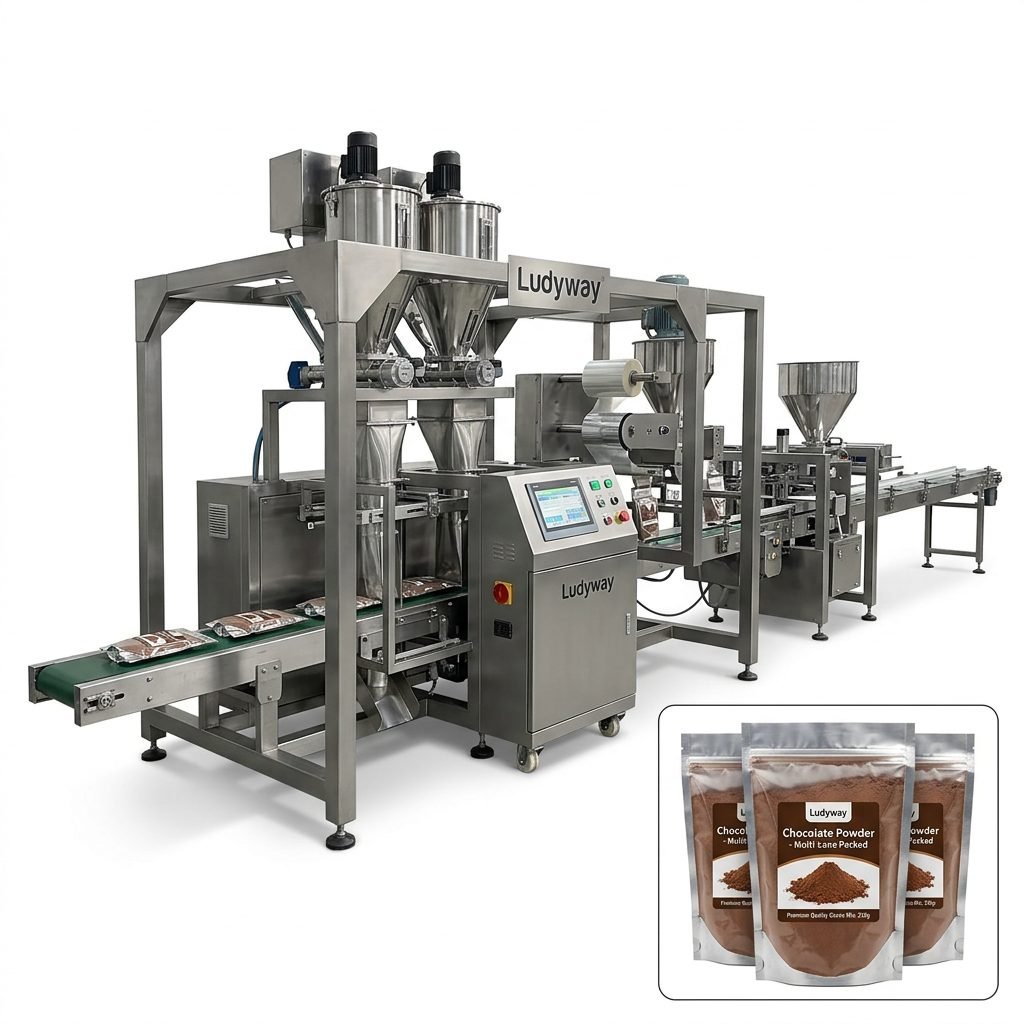
Modern chocolate packaging lines are rarely standalone units. They integrate with upstream equipment such as tempering machines, cooling tunnels, and product conveyors, as well as downstream systems including checkweighers, metal detectors, and case packers. Selecting a machine with open communication protocols and compatibility with Industry 4.0 standards ensures seamless integration into your existing or planned production ecosystem. Features like remote diagnostics, OEE tracking, and predictive maintenance alerts can significantly reduce downtime and improve overall equipment effectiveness.
Essential Features to Look For
- Servo-driven sealing jaws — Ensure precise temperature control and consistent seal quality across all production speeds.
- Quick changeover design — Reduces downtime when switching between bar sizes, film types, or packaging formats.
- Integrated gas flushing (MAP) — Extends chocolate shelf life by replacing oxygen with inert gas before sealing.
- Automatic film splicing — Enables non-stop operation by switching to a new film roll without pausing production.
- Vision inspection systems — Detect misaligned bars, printing defects, or seal imperfections before products leave the line.
- Stainless steel construction — Meets French and EU hygiene standards for food processing equipment.
- Touchscreen HMI with recipe management — Stores multiple product parameters for instant recall and consistent production.
Cost Considerations and ROI Analysis
The investment in a chocolate bar packaging machine varies widely depending on speed, automation level, and build quality. Entry-level semi-automatic machines may start around €25,000–€50,000, while fully automated high-speed lines with multi-lane capability and integrated cartoning can exceed €300,000–€500,000. Beyond the purchase price, consider ongoing costs including film consumption, spare parts availability, energy efficiency, and operator training. A well-chosen machine typically achieves ROI within 18 to 36 months through increased throughput, reduced labor costs, and minimized packaging waste.
For French buyers, additional financial incentives may be available through regional investment programs or government grants supporting industrial automation and sustainable manufacturing practices. Consulting with local chambers of commerce or industry associations can uncover funding opportunities that offset initial capital expenditure.
Choosing the Right Supplier for the French Market
Selecting a machine supplier with proven experience in European markets is critical. Look for manufacturers who offer CE-certified equipment, provide documentation in French, and maintain local service technicians or distribution partners within France or neighboring EU countries. After-sales support — including spare parts availability, remote troubleshooting, and preventive maintenance contracts — should be evaluated as thoroughly as the machine specifications themselves.
When sourcing packaging machinery, it is also important to consider suppliers who comply with international standards. The ISO packaging standards provide a useful reference framework for quality and safety requirements. Additionally, manufacturers like Ludyway, with over 30 years of industry experience and a global customer base spanning more than 100 countries, offer advanced chocolate bar packaging machines that combine reliability, customization, and competitive pricing — making them a practical choice for French chocolate producers seeking turnkey solutions.
Frequently Asked Questions About Chocolate Bar Packaging Machines
What is the typical lead time for a chocolate bar packaging machine?
Standard models are often available within 8 to 14 weeks, while custom-configured systems may require 16 to 24 weeks depending on complexity and current production schedules. Always confirm lead times in writing and factor in shipping and installation periods.
Can one machine handle multiple bar sizes?
Yes, most modern machines feature adjustable forming boxes and sealing jaws that accommodate a range of bar dimensions. Changeover times vary from 10 minutes on advanced servo models to over an hour on mechanically adjusted machines. If you produce multiple SKUs, prioritize quick-change capability.
Is operator training included with the purchase?
Reputable suppliers typically include on-site installation and operator training as part of the machine purchase. Some also offer virtual training sessions and comprehensive operation manuals in multiple languages. Confirm training scope and language support — especially French-language documentation — before finalizing your order.
How do I ensure my packaging machine meets French regulatory requirements?
Work with suppliers who provide CE declaration of conformity and can demonstrate compliance with relevant EU directives including the Machinery Directive 2006/42/EC and food contact material regulations. Request documentation verifying that all product-contact components are food-grade certified.
What maintenance schedule should I expect?
Preventive maintenance is typically recommended every 500 to 1,000 operating hours or quarterly, whichever comes first. Key maintenance tasks include inspecting sealing jaws, replacing wear parts, lubricating drive components, and recalibrating sensors. A well-maintained chocolate packaging machine can deliver 15 to 20 years of reliable service.
Selecting the right chocolate bar packaging machine for your French production facility is a significant decision that warrants careful evaluation of your product range, volume projections, budget, and regulatory obligations. By prioritizing build quality, after-sales support, and technical compatibility with your production environment, you position your chocolate brand for sustained growth in one of the world’s most discerning confectionery markets.