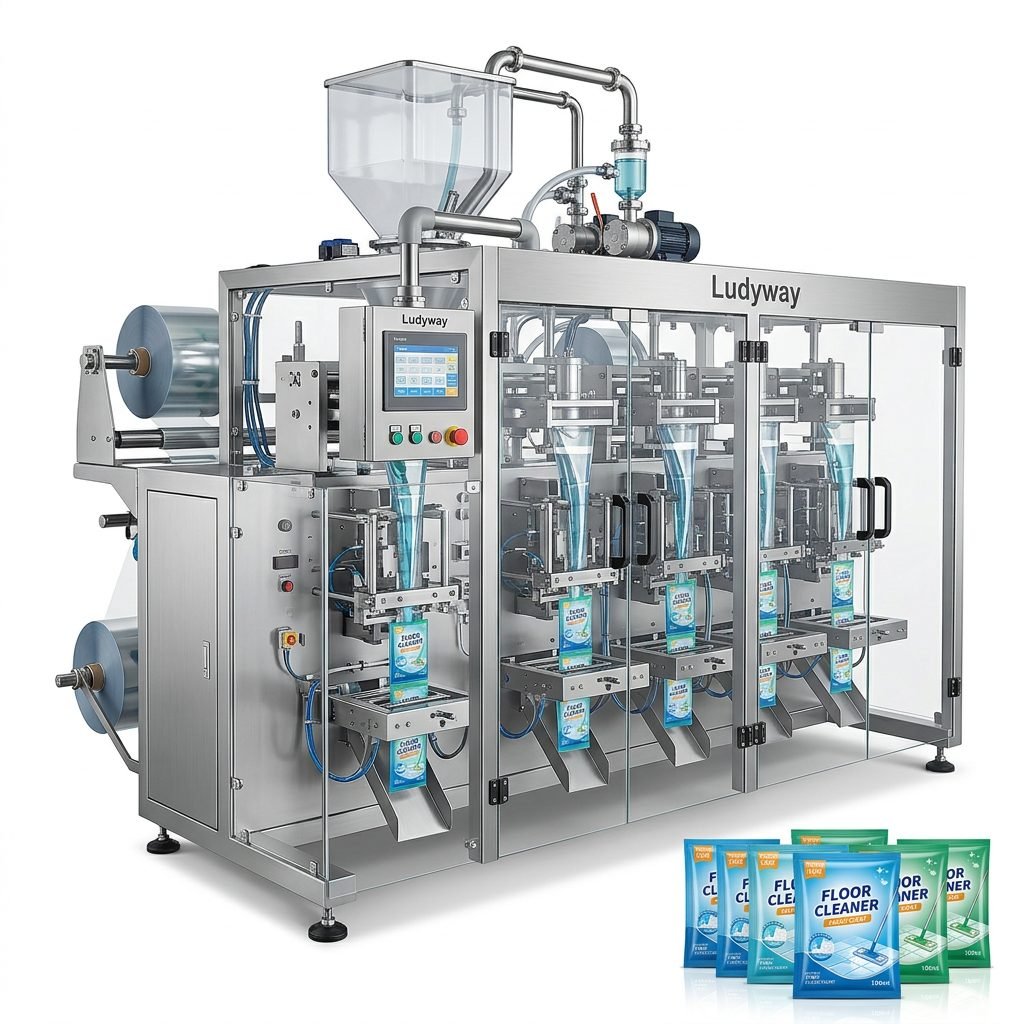
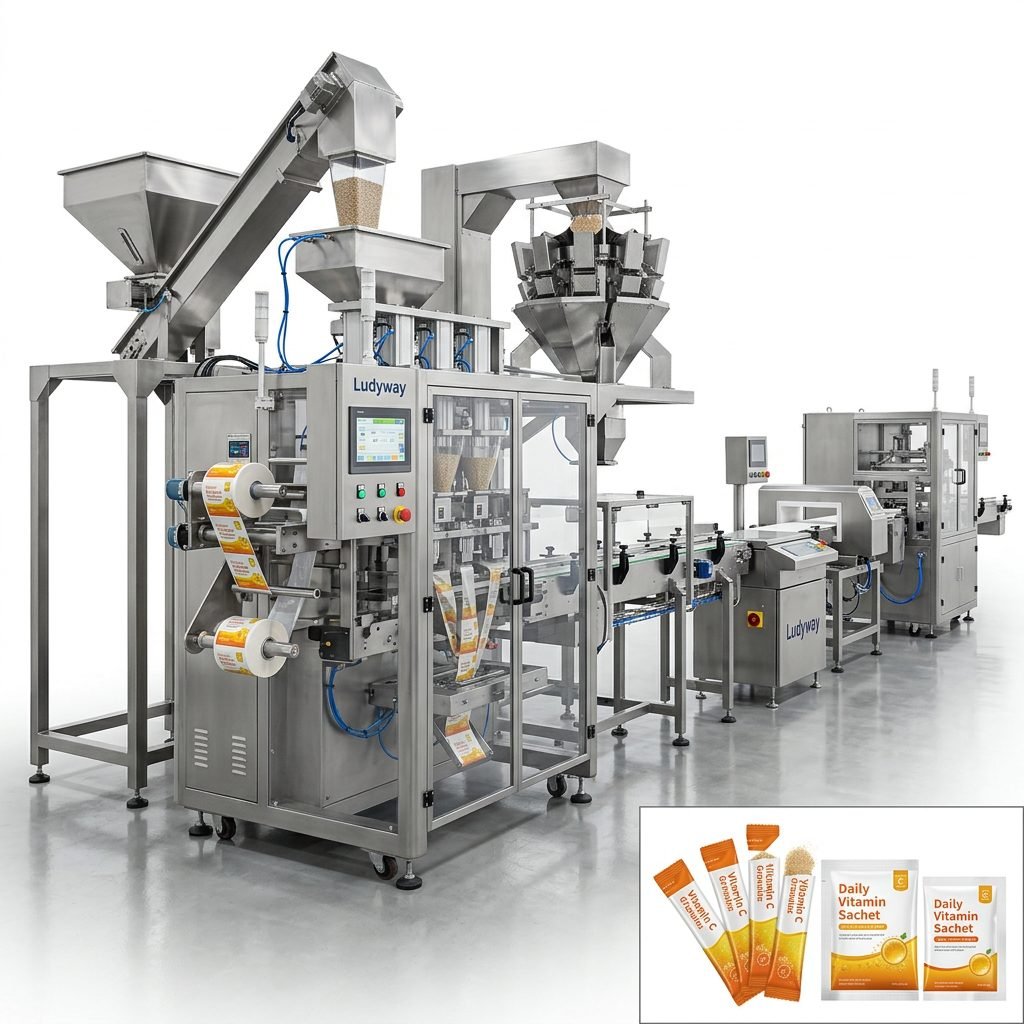
The Indian coffee market is undergoing a remarkable transformation. With the rise of café culture, increasing disposable incomes, and a growing preference for convenience, coffee pod and capsule consumption in India has surged exponentially over the past five years. For manufacturers and entrepreneurs looking to enter or expand in this lucrative segment, investing in the right coffee pod packaging machine is one of the most critical business decisions you will make. This comprehensive guide walks you through everything you need to know before purchasing a coffee pod packaging machine in India.
Understanding the Indian Coffee Pod Market
India’s coffee pod market is projected to grow at a CAGR of over 12% through 2030, driven by urbanization and the rapid expansion of e-commerce. Major players and regional brands alike are scrambling to capture market share. Single-serve coffee formats — including K-Cup compatible pods, Nespresso-style capsules, and soft coffee pads — are becoming household staples in tier-1 and tier-2 cities. This growth directly translates into increased demand for high-quality coffee pod packaging machinery that can deliver consistent output at scale.
Before selecting equipment, it is essential to understand that coffee pod packaging involves precision dosing, oxygen barrier sealing, and often nitrogen flushing to preserve freshness. The Flexible Packaging Association provides extensive resources on barrier film technologies relevant to coffee pod applications. Your choice of machine must align with both your production targets and the specific pod format you intend to manufacture.
Types of Coffee Pod Packaging Machines
Different production scales and pod formats require different machine configurations. Understanding the core types will help you narrow down your options efficiently.
Single-Lane vs Multi-Lane Pod Packaging Systems
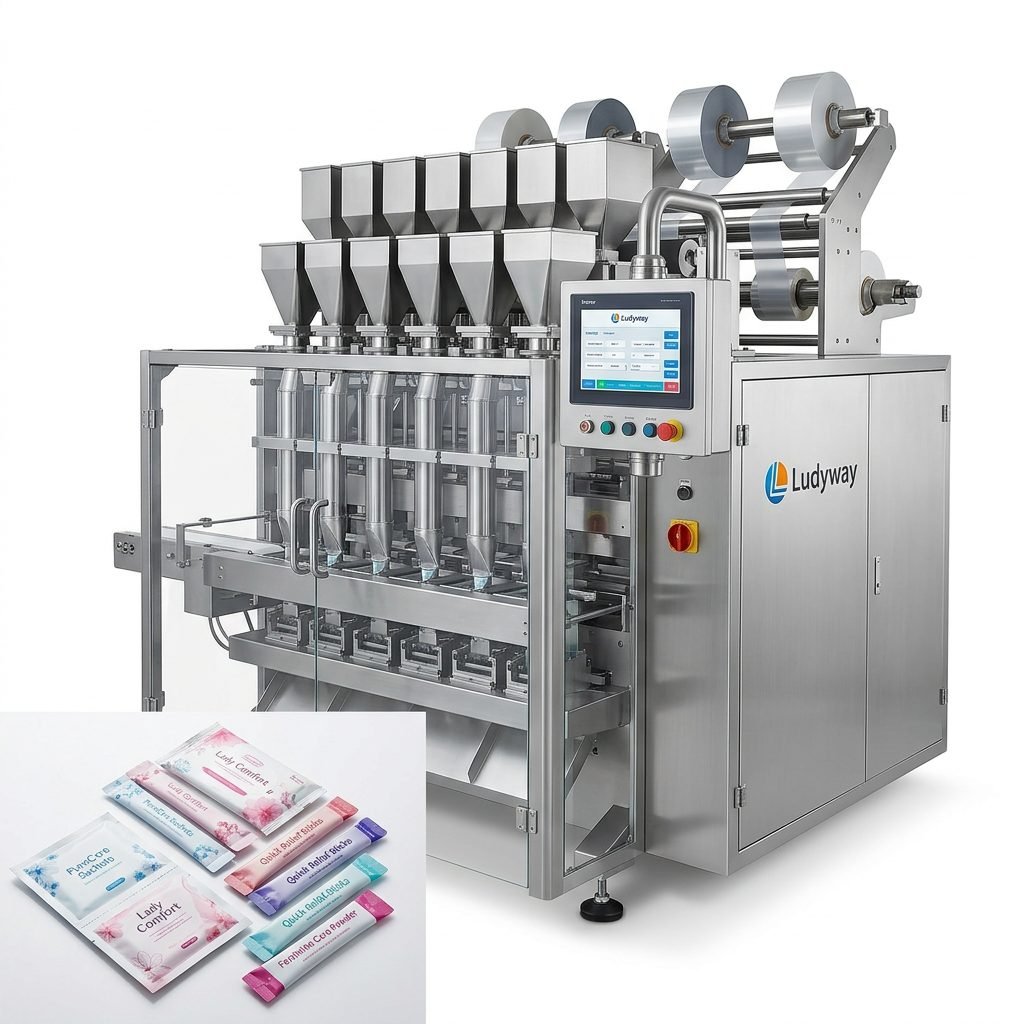
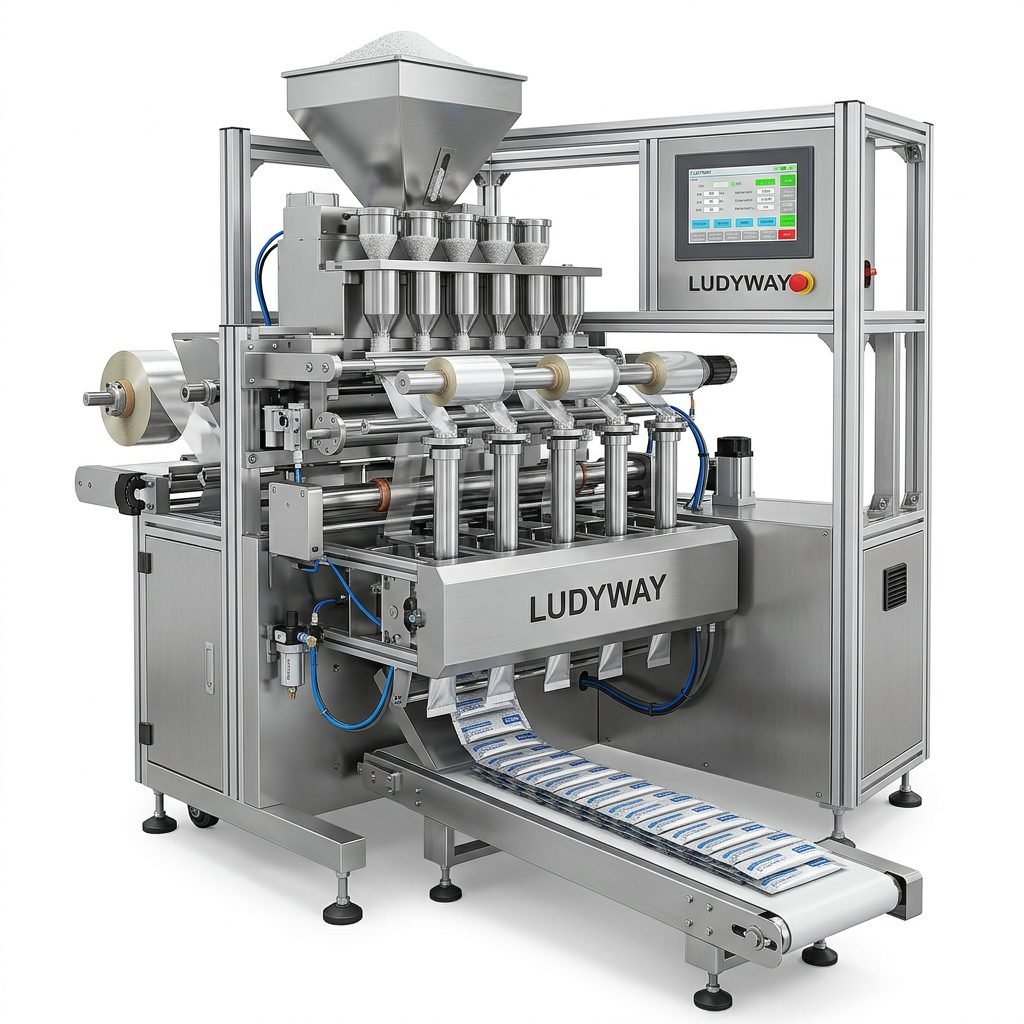
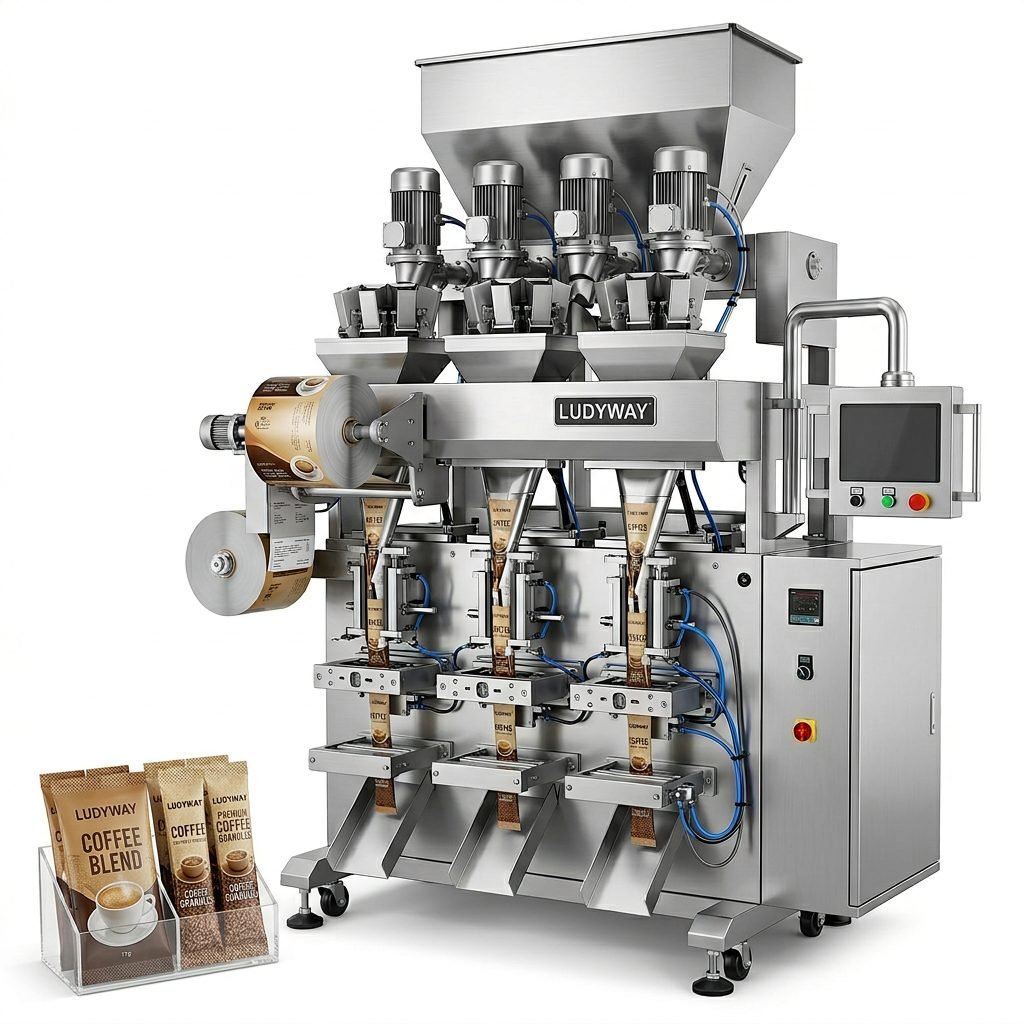
Single-lane machines are ideal for start-ups and small-batch specialty coffee roasters, offering lower upfront investment and simpler operation. Multi-lane systems, on the other hand, can run 4 to 12 lanes simultaneously, dramatically increasing throughput for medium to large-scale producers. When evaluating a coffee pod packing line, consider that multi-lane configurations provide better ROI at higher volumes but require more sophisticated maintenance protocols. For detailed market data on packaging machinery trends, the PMMI Business Intelligence Library is an invaluable resource.
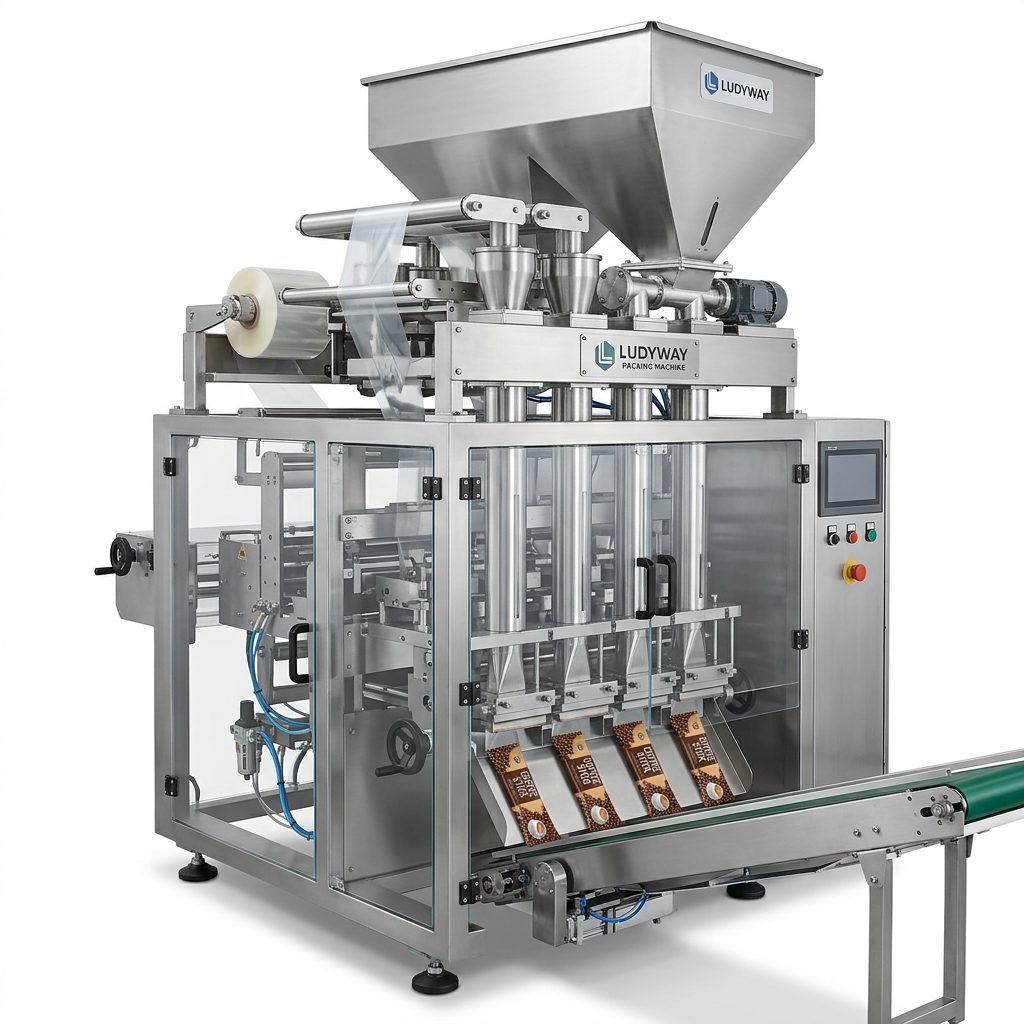
Vertical Form Fill Seal (VFFS) for Coffee Pods
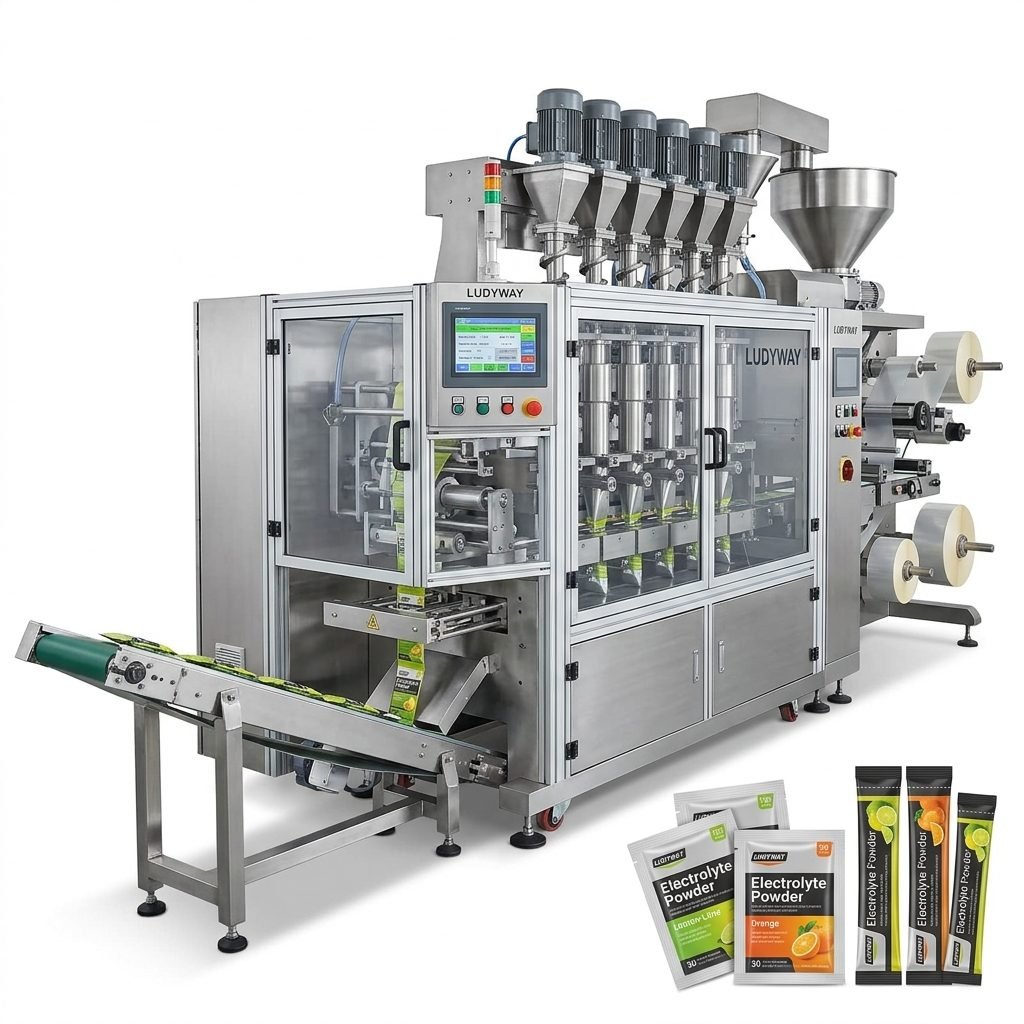
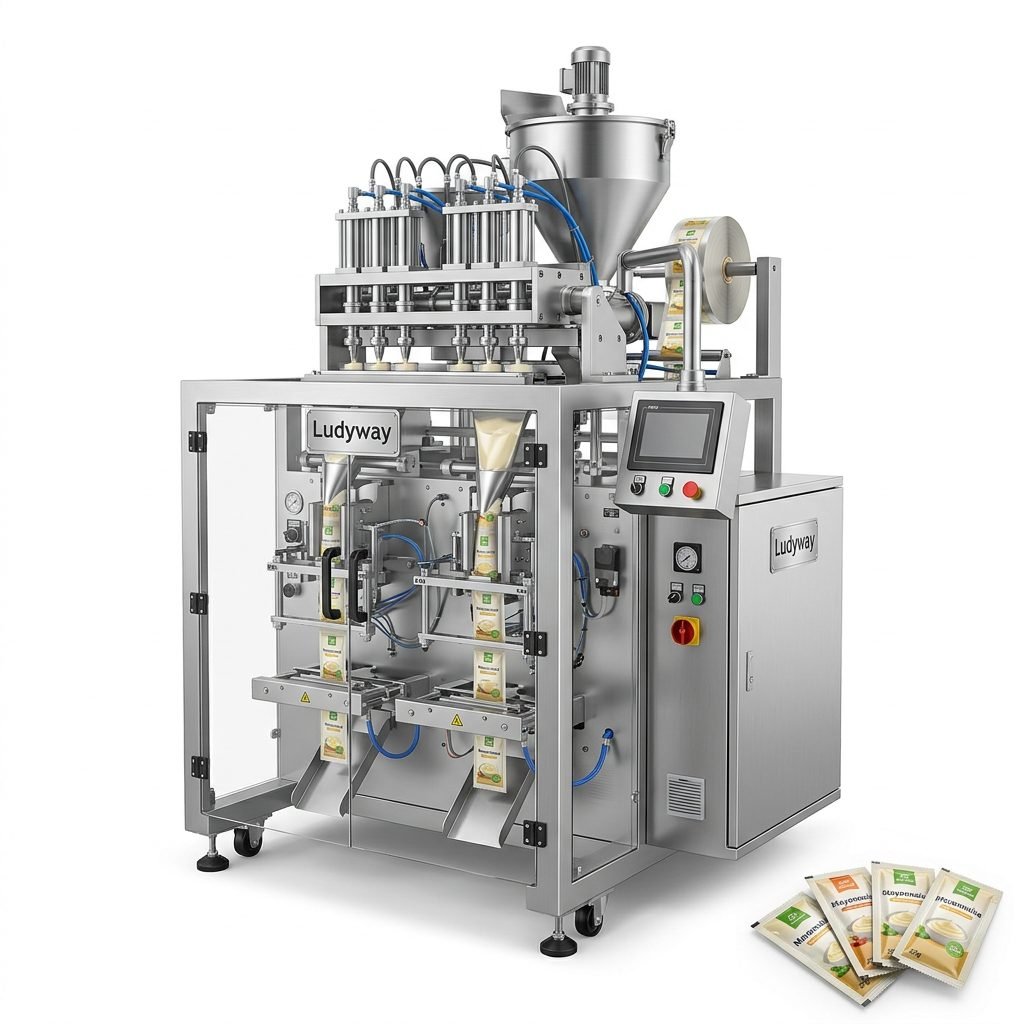
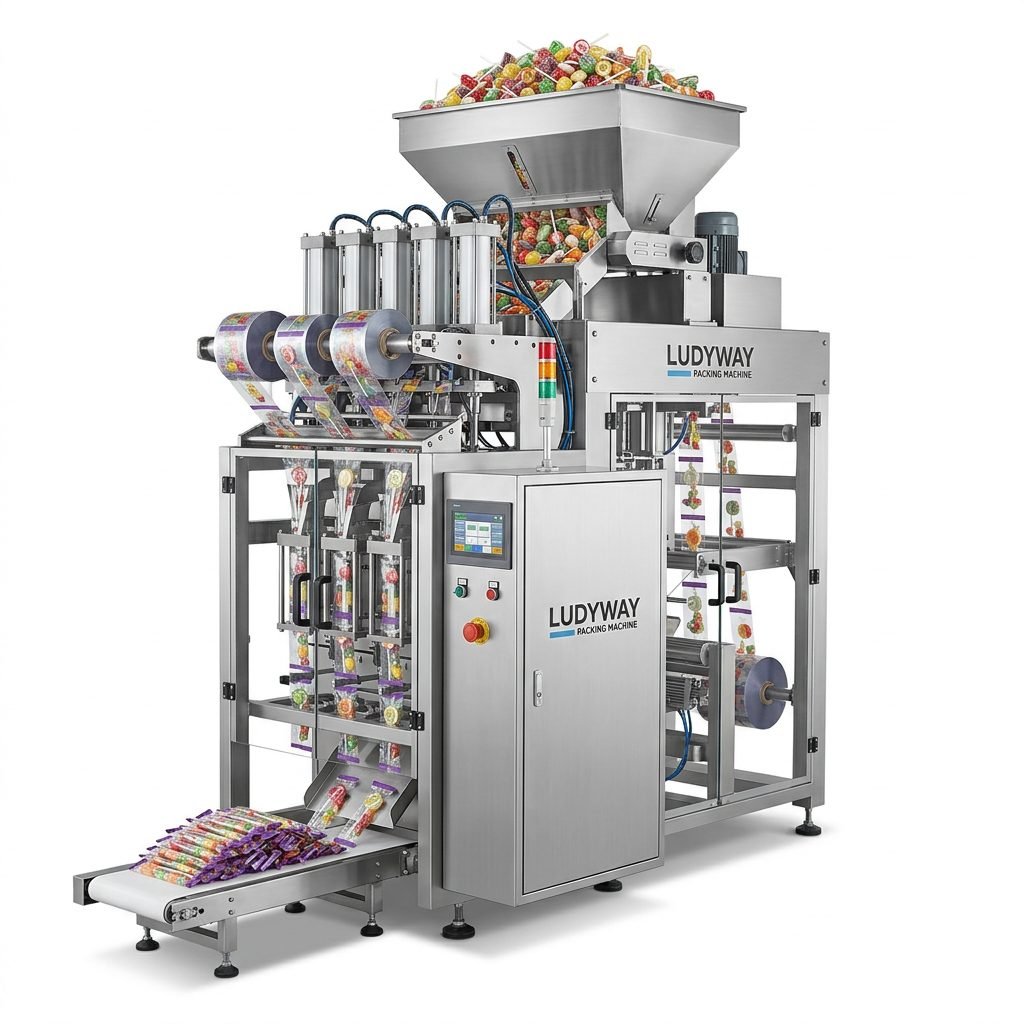
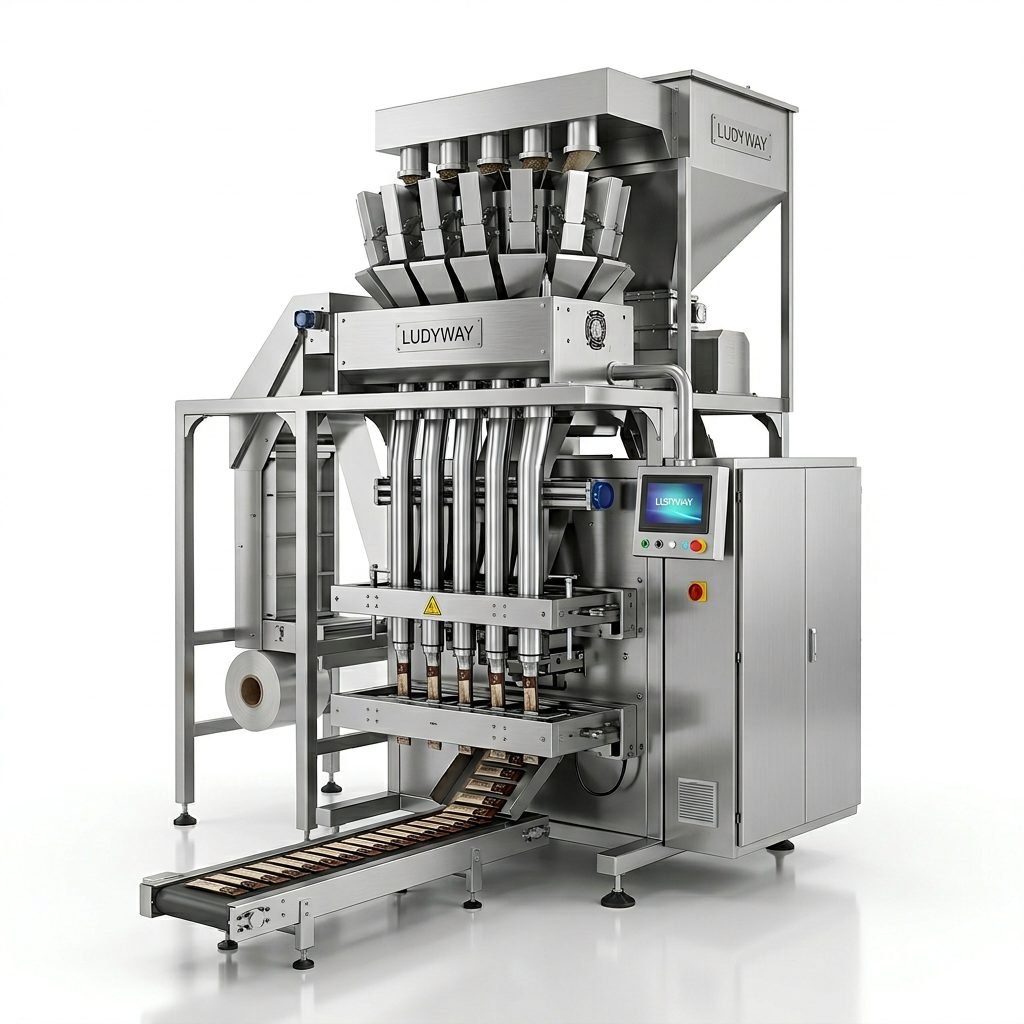
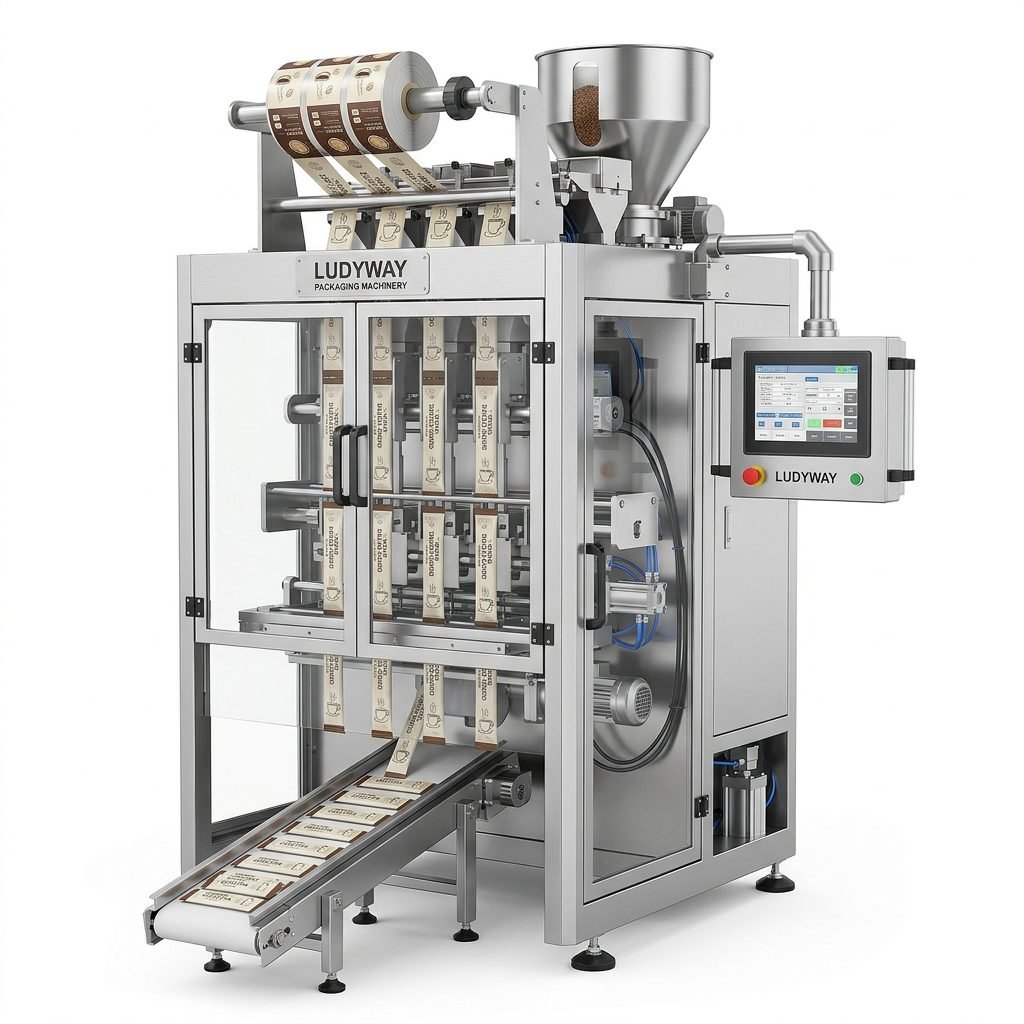
VFFS technology is widely used in the coffee industry for creating stick packs and sachets. The machine forms a pouch from roll stock film, fills it with precisely dosed ground coffee, and seals it — all in a continuous vertical motion. Modern VFFS machines equipped with auger fillers or multi-head weighers can achieve remarkable accuracy, minimizing product giveaway and maximizing profitability.
Rotary Pod Filling and Sealing Machines
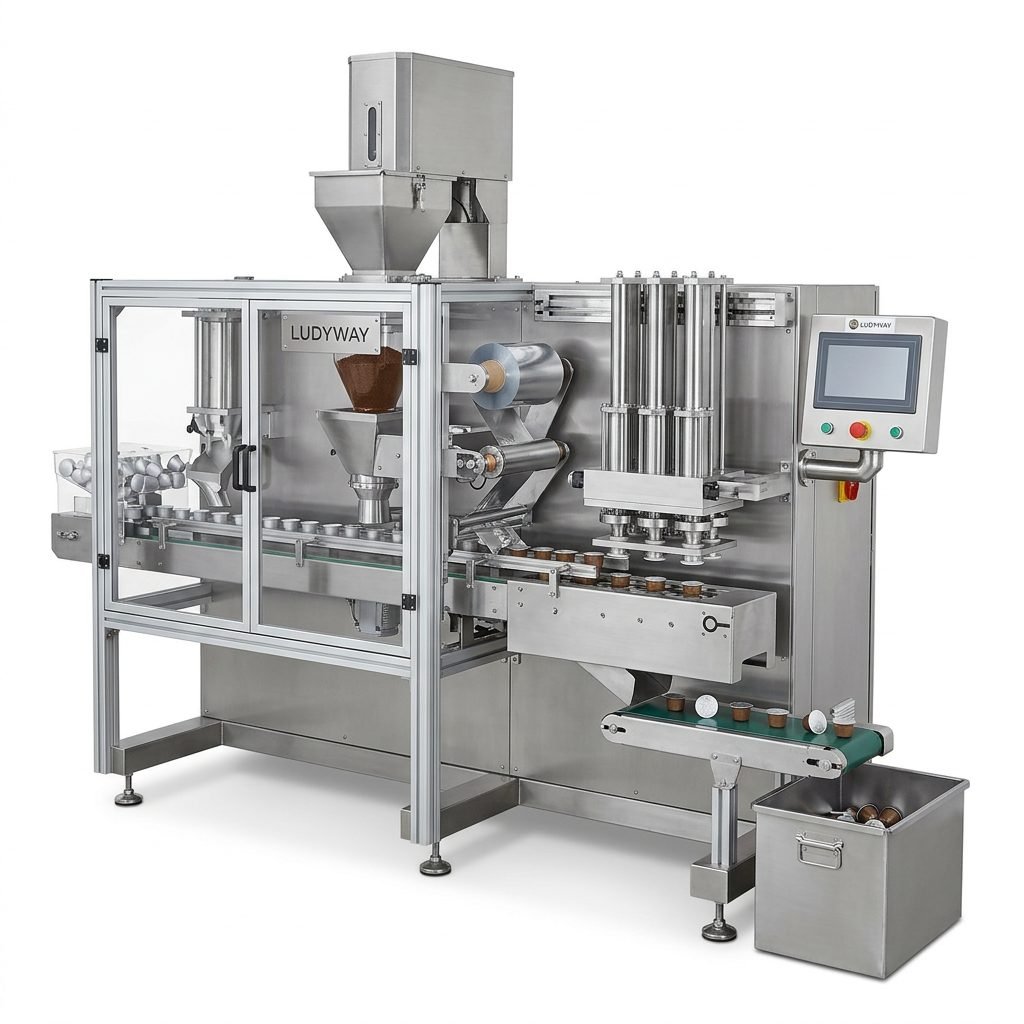
For rigid and semi-rigid coffee pods (such as K-Cup style or hard capsules), rotary filling and sealing systems are the industry standard. These machines use a rotating turret with multiple stations for pod placement, dosing, tamping, lidding, and sealing. They offer exceptional consistency and high output rates, often reaching 200-400 pods per minute depending on the model configuration.
Key Factors to Consider When Buying a Coffee Pod Packaging Machine
Making an informed purchase decision requires evaluating several interconnected factors. Overlooking any one of them can lead to costly operational bottlenecks.
Production Capacity and Speed Requirements
Calculate your daily and monthly production targets realistically. A machine rated at 80 pods per minute may deliver closer to 60-65 pods per minute under real-world operating conditions. Factor in changeover times, maintenance windows, and operator skill levels. Over-specifying speed without adequate upstream and downstream support (grinding, dosing, cartoning) is a common mistake that creates line imbalances.
Pod Material Compatibility
Coffee pods use various materials including PP, PE, PLA, aluminum, and multi-layer laminates. Your chosen machine must be compatible with your preferred pod material. Check sealing jaw temperature range, dwell time adjustability, and whether the machine supports ISO packaging standards for food contact materials. The FDA’s food contact substance guidelines provide useful reference points even for Indian manufacturers exporting to global markets.
Filling Accuracy and Dosing Precision
Coffee is a relatively expensive commodity. Even small dosing inaccuracies translate into significant revenue loss over time. Look for machines offering ±0.5% to ±1% dosing accuracy for ground coffee. Auger-based dosing systems with servo motor control generally outperform volumetric cup fillers in terms of precision, though they add to the machine cost.
Technical Specifications That Matter
The table below outlines critical technical parameters to evaluate when comparing different coffee pod packaging machine models available in the Indian market:
| Specification | Entry-Level | Mid-Range | High-End Industrial |
|---|---|---|---|
| Output Speed | 30-60 pods/min | 80-150 pods/min | 200-400 pods/min |
| Number of Lanes | 1-3 lanes | 4-8 lanes | 8-16 lanes |
| Dosing Accuracy | ±2-3% | ±1-1.5% | ±0.3-0.5% |
| Sealing Technology | Heat seal | Heat seal + N₂ flush | Ultrasonic + MAP + N₂ |
| Automation Level | Semi-auto | Fully automatic | Fully auto + IoT integration |
| Approx. Price Range (INR) | ₹8-20 lakhs | ₹25-60 lakhs | ₹70 lakhs – ₹2.5 crores |
Indian Market Specific Requirements
Purchasing a coffee pod packaging machine for the Indian market involves unique considerations that international buyers may not face. Voltage fluctuations are common in many Indian manufacturing zones, making built-in voltage stabilization or external servo-controlled voltage regulators essential. Additionally, Indian food safety regulations under FSSAI mandate specific labeling and packaging standards that your machine setup must accommodate. If you plan to export coffee pods, ensure your packaging system meets EU packaging compliance requirements as well.
Another India-specific factor is the diverse range of coffee grind sizes used across regional markets — from fine South Indian filter coffee grinds to coarser European-style roasts. Your dosing and filling mechanism must handle this variability without compromising accuracy.
Cost Considerations and ROI Analysis
The total cost of ownership extends well beyond the machine purchase price. When budgeting for a coffee pod packaging machine in India, account for the following:
- Import duties and GST — Imported machines may attract customs duties ranging from 7.5% to 20%, plus 18% GST on most packaging machinery categories.
- Installation and commissioning — Budget ₹1-5 lakhs depending on machine complexity and whether technicians need to travel from abroad.
- Consumables — Pod film, lidding material, nitrogen gas supply, and printing ribbons represent significant recurring costs.
- Operator training — Skilled operators for multi-lane high-speed coffee packaging lines command premium salaries in India.
- Annual maintenance contracts — Typically 5-8% of the machine value per year for comprehensive coverage.
Most Indian manufacturers report ROI within 18-30 months for mid-range multi-lane coffee pod packaging systems operating at 70% capacity or higher. Detailed industry benchmarks can be found through the PMMI State of the Industry reports.
Choosing the Right Supplier
Your choice of supplier directly impacts machine uptime, service responsiveness, and long-term operational costs. Prioritize manufacturers with proven experience in coffee packaging applications, not just general packaging machinery. Look for suppliers who offer factory acceptance testing (FAT), on-site installation support, and readily available spare parts in India.
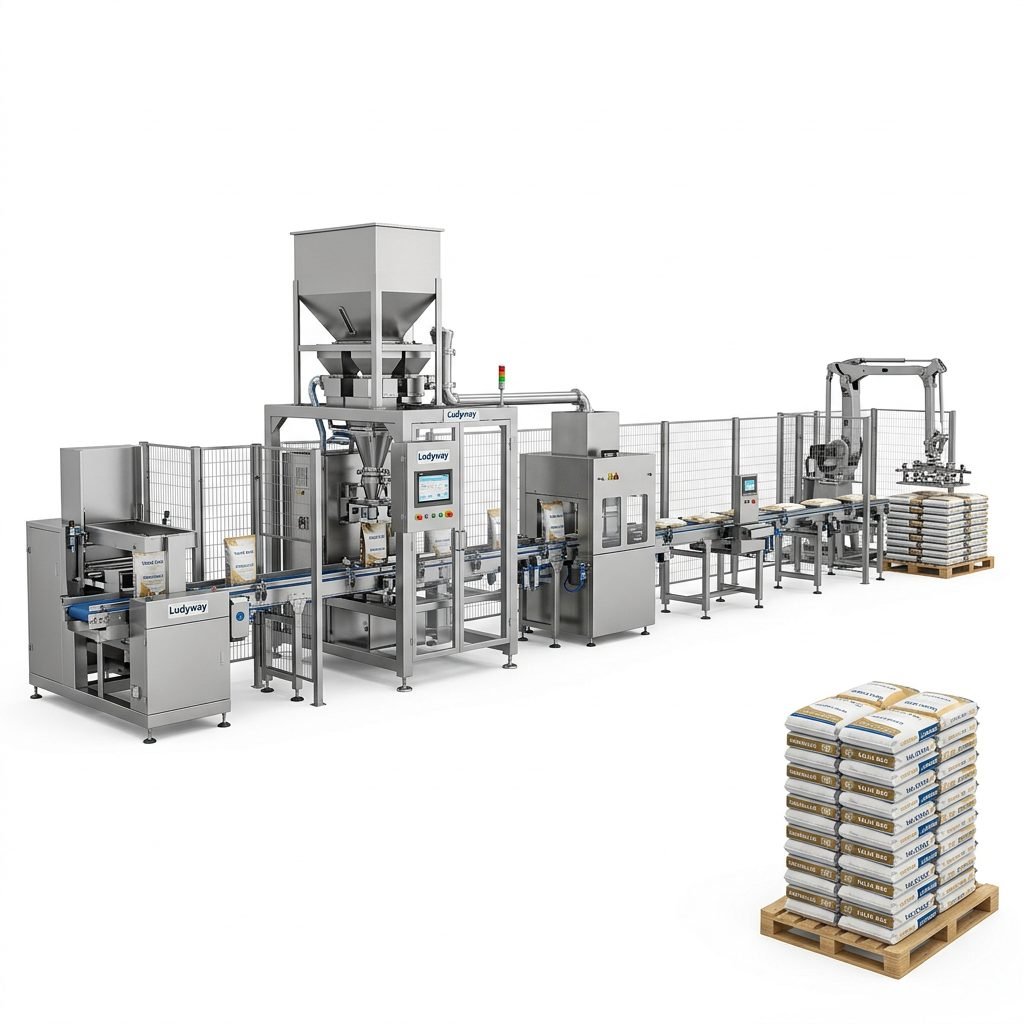
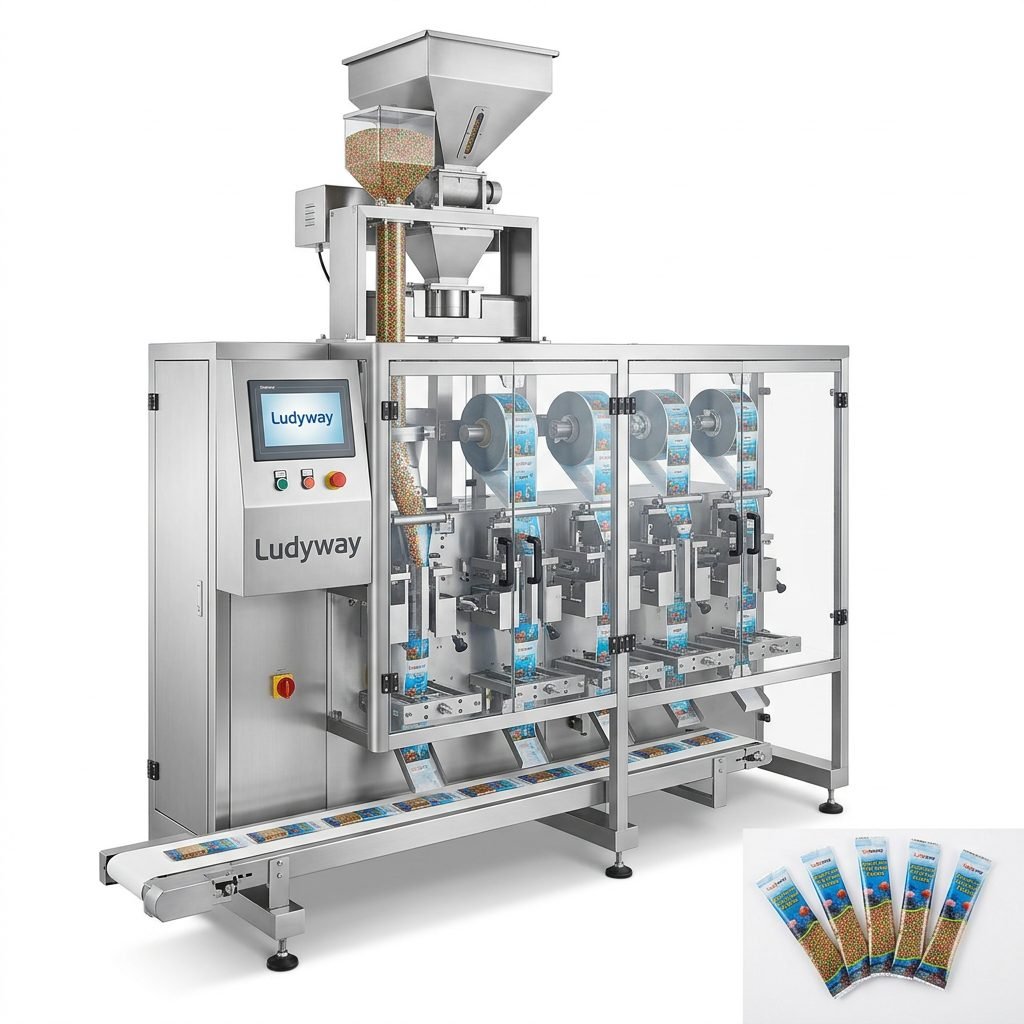
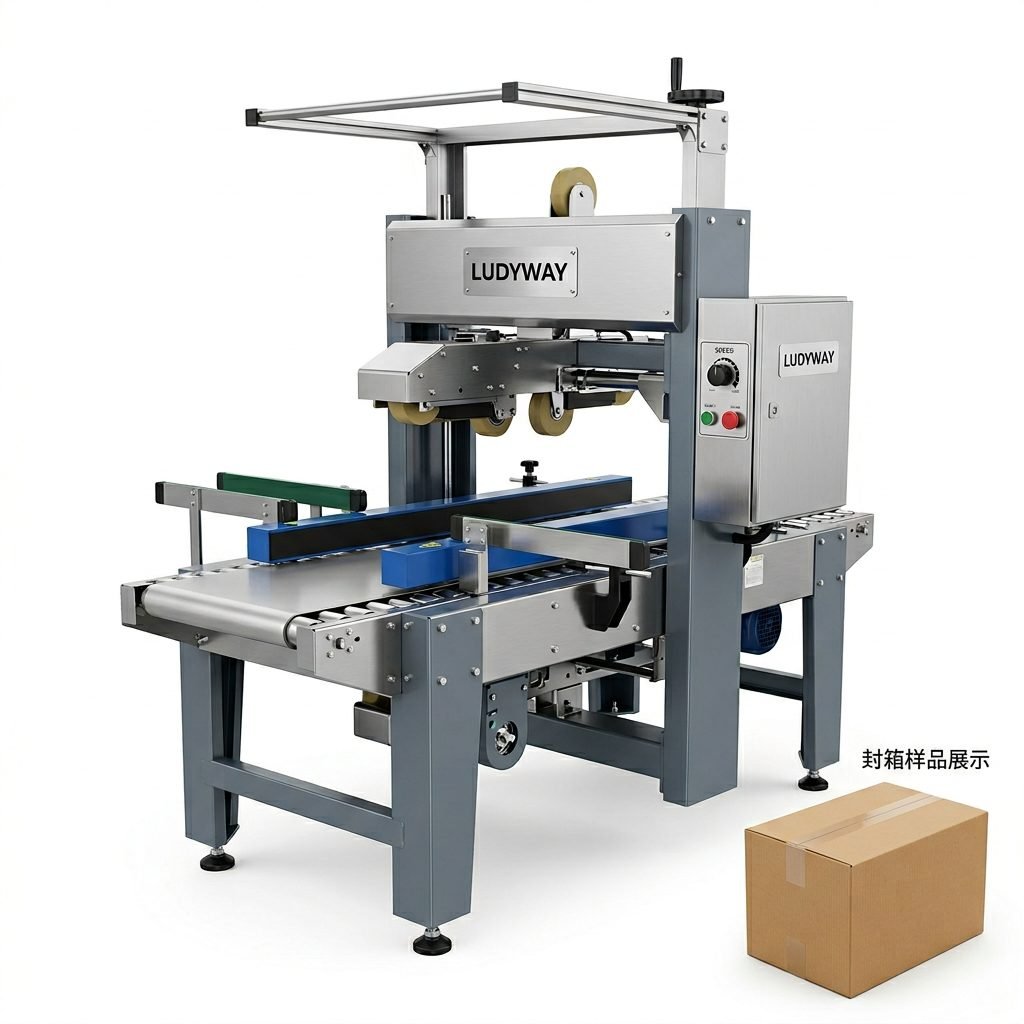
One notable manufacturer in the global market is Ludyway, a large packaging machine manufacturer with over 30 years of industry expertise and a 20,000㎡ modern production facility. They offer more than 50 intelligent packaging machine models, including multi-lane stick pack and sachet systems suitable for coffee pod applications, serving customers in over 100 countries. Whether you choose a domestic Indian supplier or an international manufacturer with local support infrastructure, verify their track record with coffee-specific installations and request references from existing customers in India or similar markets.
After-Sales Support and Maintenance
In the Indian context, after-sales service is arguably as important as the machine itself. Downtime in coffee pod production directly affects retailer relationships, especially if you supply to organized retail chains with strict shelf-availability requirements. Evaluate the supplier’s service network coverage across India, average response time for technical support, and availability of critical spare parts locally. Remote diagnostic capabilities and IoT-enabled predictive maintenance features are increasingly becoming standard expectations for industrial-grade packaging machinery.
Frequently Asked Questions
What is the minimum investment for a coffee pod packaging machine in India?
For a basic single-lane semi-automatic system suitable for small-scale production, you can expect to invest approximately ₹8-15 lakhs. Fully automatic multi-lane systems capable of commercial-scale output typically start from ₹30 lakhs and can go up to ₹2.5 crores for high-speed industrial configurations with integrated cartoning.
Can one machine handle multiple pod formats?
Many modern machines offer quick-change tooling that allows switching between different pod sizes and formats. However, changing between rigid pods and flexible stick packs usually requires different machine architectures. Confirm format flexibility explicitly with the manufacturer before purchasing.
How long does delivery and installation take in India?
For imported machines, expect 8-14 weeks for manufacturing plus 4-6 weeks for shipping and customs clearance. Domestic Indian manufacturers may deliver within 4-8 weeks. Full installation and operator training typically adds another 1-3 weeks depending on complexity.
Final Thoughts on Your Coffee Pod Packaging Machine Investment
Investing in a coffee pod packaging machine is a strategic decision that shapes your production capabilities for years to come. Take the time to thoroughly evaluate your current and projected production volumes, visit existing installations if possible, and insist on detailed factory acceptance testing before finalizing any purchase. The Indian coffee pod market presents enormous growth potential, and the right packaging machinery will be your strongest competitive advantage. For further reading on packaging machinery standards, the ISO packaging and distribution standards offer comprehensive technical guidance applicable across international markets.
Related Resources: PACK EXPO International · Flexible Packaging Association · PMMI 2025 State of the Industry · Packaging Machinery Global Growth Trends