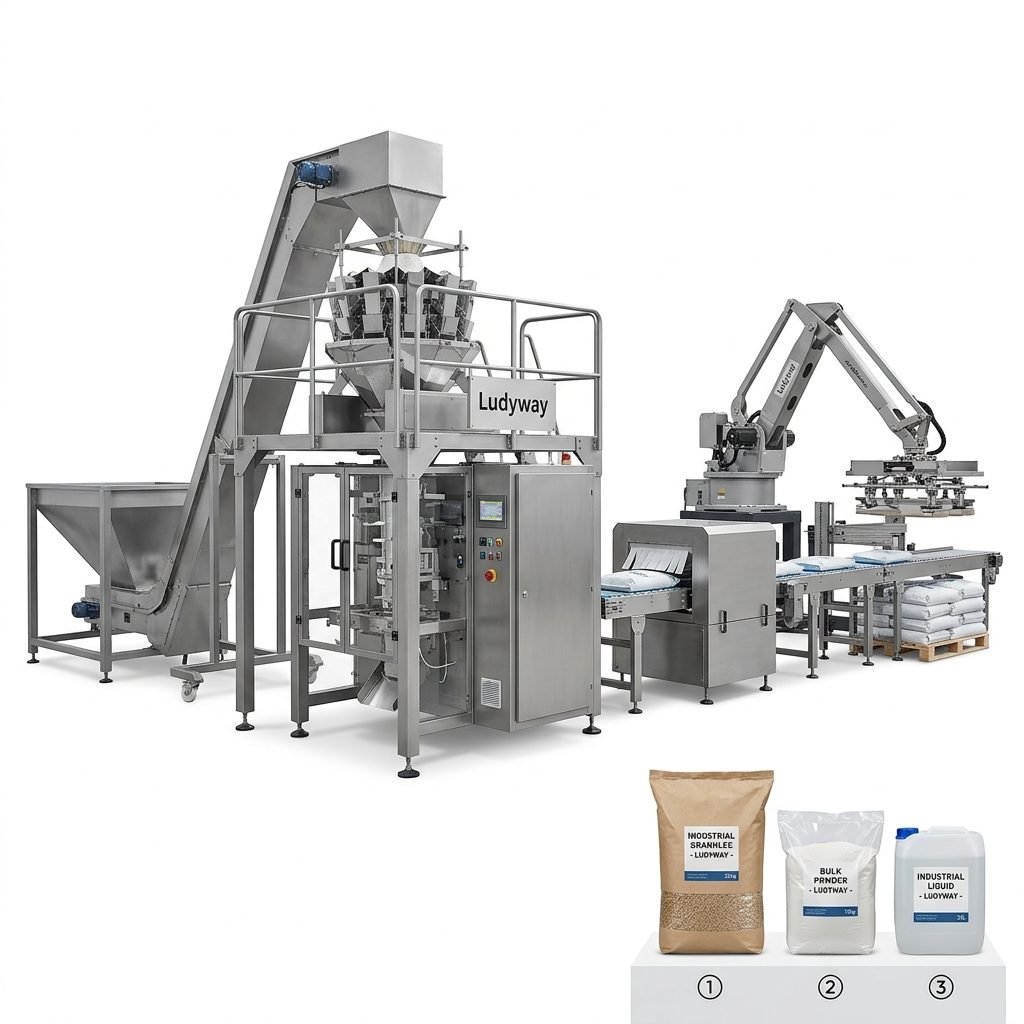
India’s food processing sector is experiencing unprecedented growth, and the demand for convenience foods like peanut butter is skyrocketing. Establishing a high-efficiency peanut butter packaging machine production line requires careful planning, from understanding the viscosity of the product to selecting the right filling technology. Whether you are packing smooth or crunchy variants, the integration of automatic filling, sealing, and cartoning equipment is critical for maintaining shelf life and throughput.
Understanding the Market Scope for Peanut Butter in India
The shift in Indian consumer habits toward protein-rich breakfasts and healthy snacks has positioned peanut butter as a staple in urban households. This market expansion requires manufacturers to transition from manual packing to fully automated solutions. A robust setup not only increases output but also ensures compliance with FSSAI packaging standards. When planning your layout, you must account for the sticky nature of peanut butter, which demands specialized positive displacement piston fillers rather than standard liquid pumps to ensure precise volumetric accuracy.
Core Components of a Peanut Butter Packaging Line
Setting up a seamless line involves more than just a filling machine. You need synchronized components that handle the heavy-bodied paste without degrading the product texture. Below are the essential stations, which can be customized for jars, sachets, or stick packs depending on your target retail format:
- Product Feeding Hopper: A stainless steel hopper with a stirring blade to prevent oil separation before filling.
- Piston Filling Machine: Handles chunky particulates without crushing, ensuring the crunchy bits remain intact.
- In-Line Capping System: Torque-controlled capping to avoid cross-threading on glass or PET jars.
- Labeling and Coding Machinery: Wrap-around labeling with thermal inkjet printing for batch details and MRP.
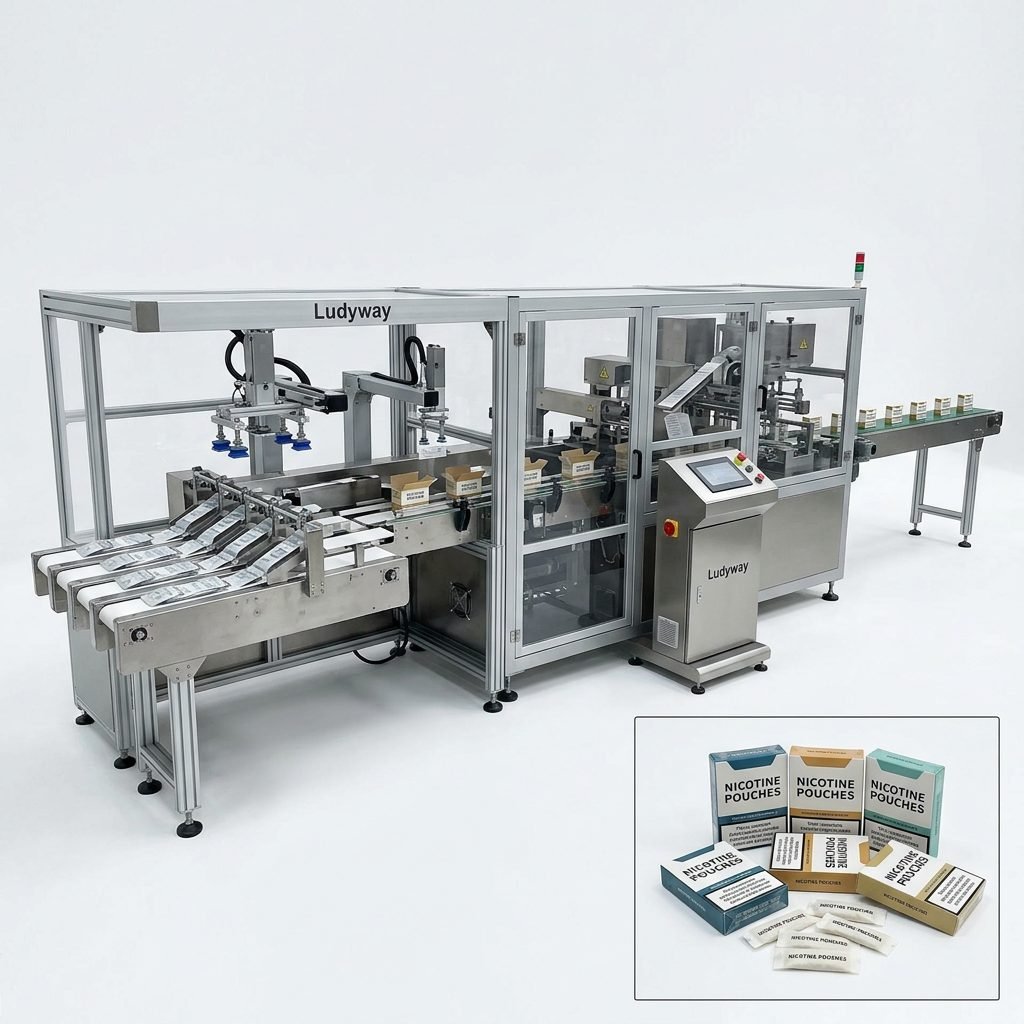
- End-of-Line Cartoning: Automated top-load carton machines to prepare the jars for retail shelves.
Selecting the Right Filler for Viscous Peanut Paste
Peanut butter typically ranges between 10,000 to 15,000 centipoise in viscosity, meaning gravity-fed fillers are ineffective. You will need a piston filler with a diving nozzle. The nozzle follows the product up as the jar fills to eliminate air pockets and splashing. Key specifications to evaluate include:
| Specification | Requirement for Peanut Butter | Benefit |
|---|---|---|
| Filler Type | Servo-Driven Piston | Handles particulates; easy washdown |
| Nozzle Configuration | Diving/Submerged Nozzle | Removes air from the container bottom |
| Hopper Temperature | Controlled, low-shear mixing | Prevents oil separation (syneresis) |
| Capacity | 40-120 jars per minute | Meets mid-to-large scale demand |
Step-by-Step Setup Strategy
Launching a production line in India involves navigating the power supply consistency and ambient temperature challenges. Start by mapping your factory floor CAD drawing to ensure the linear movement from raw materials to shipping dock is frictionless. Phase 1 should focus on the main peanut butter packaging machine unit, while Phase 2 integrates the support automation like jar de-nesting and pallet wrapping.
Image Gallery: Visualizing Your Facility Layout
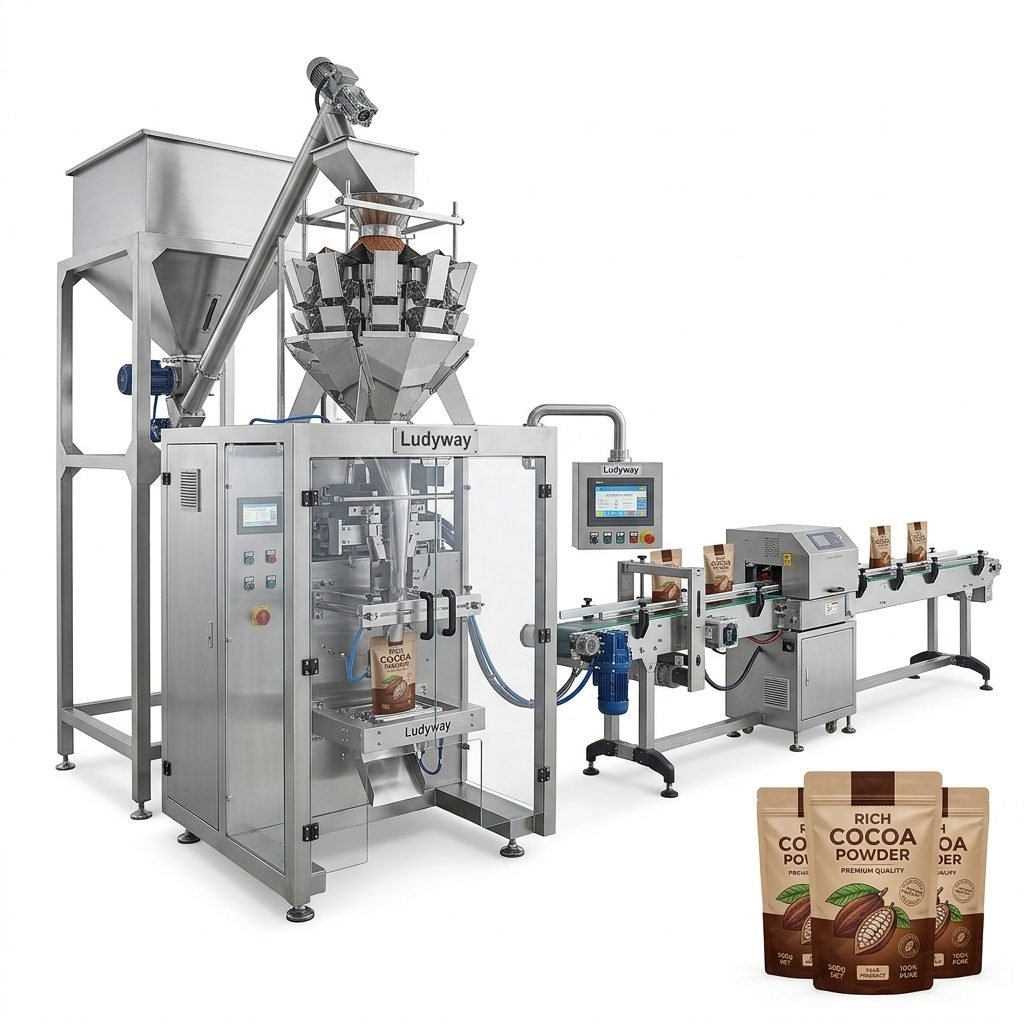
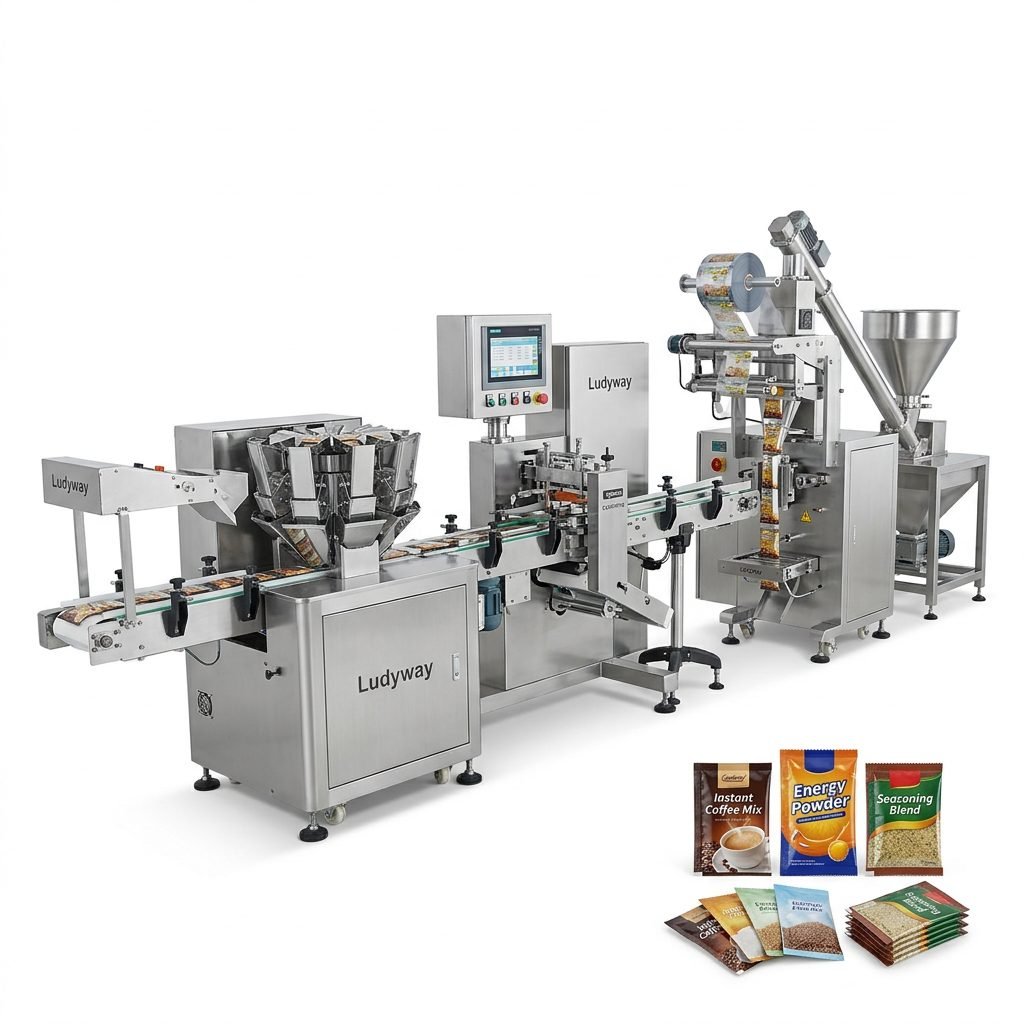
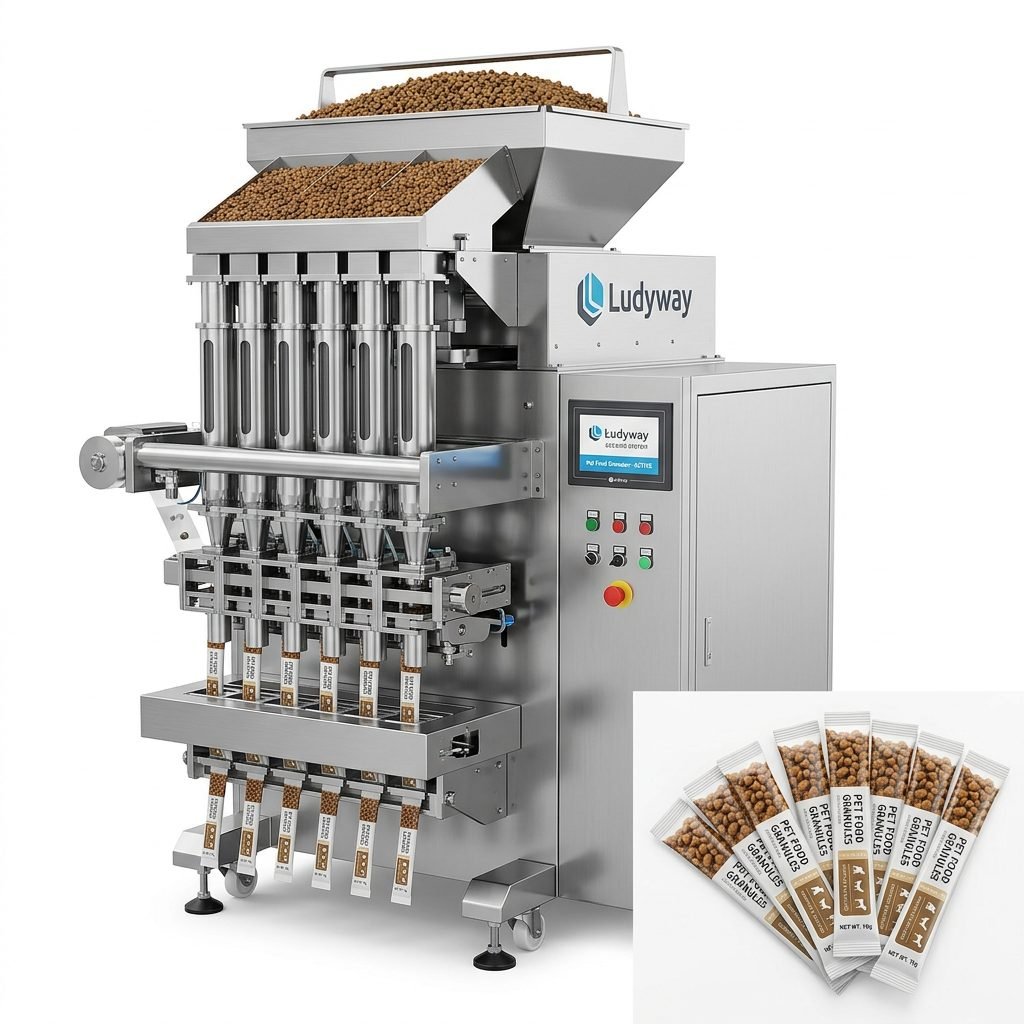
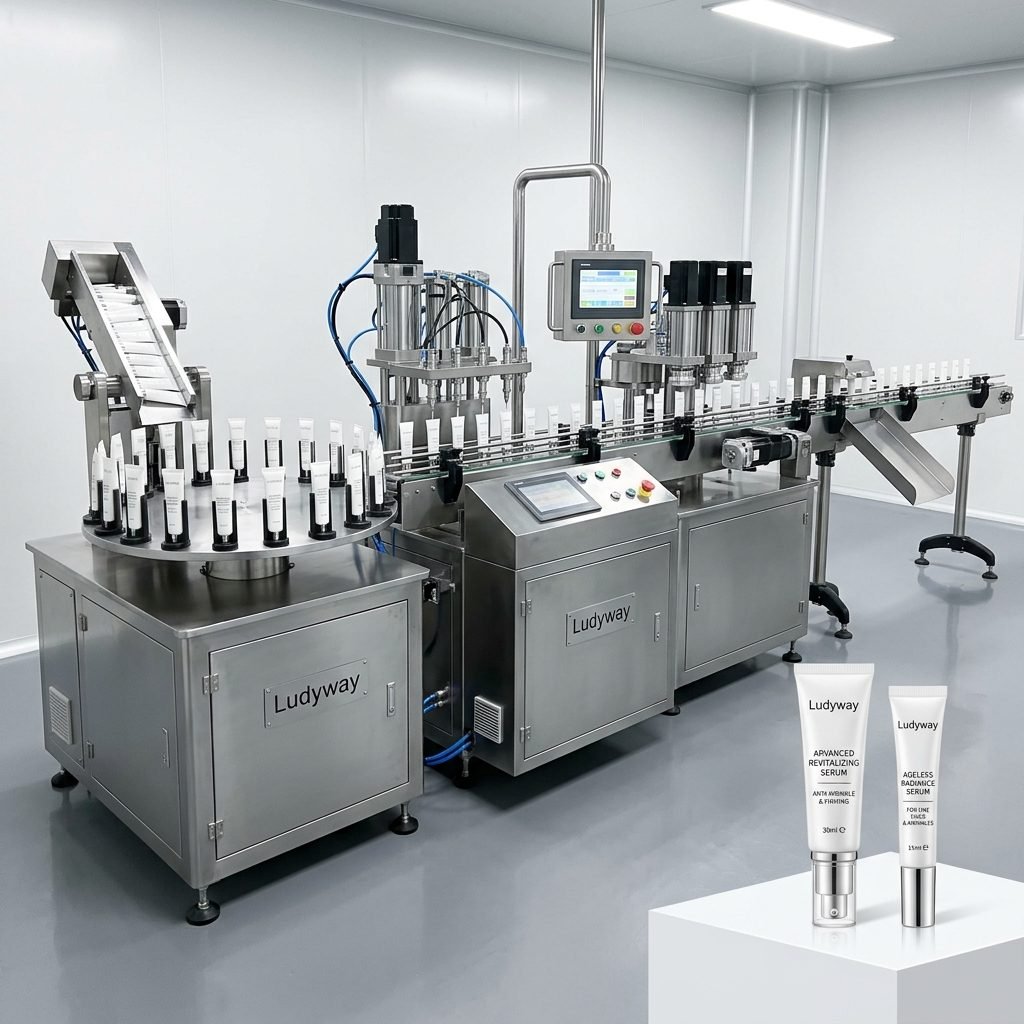
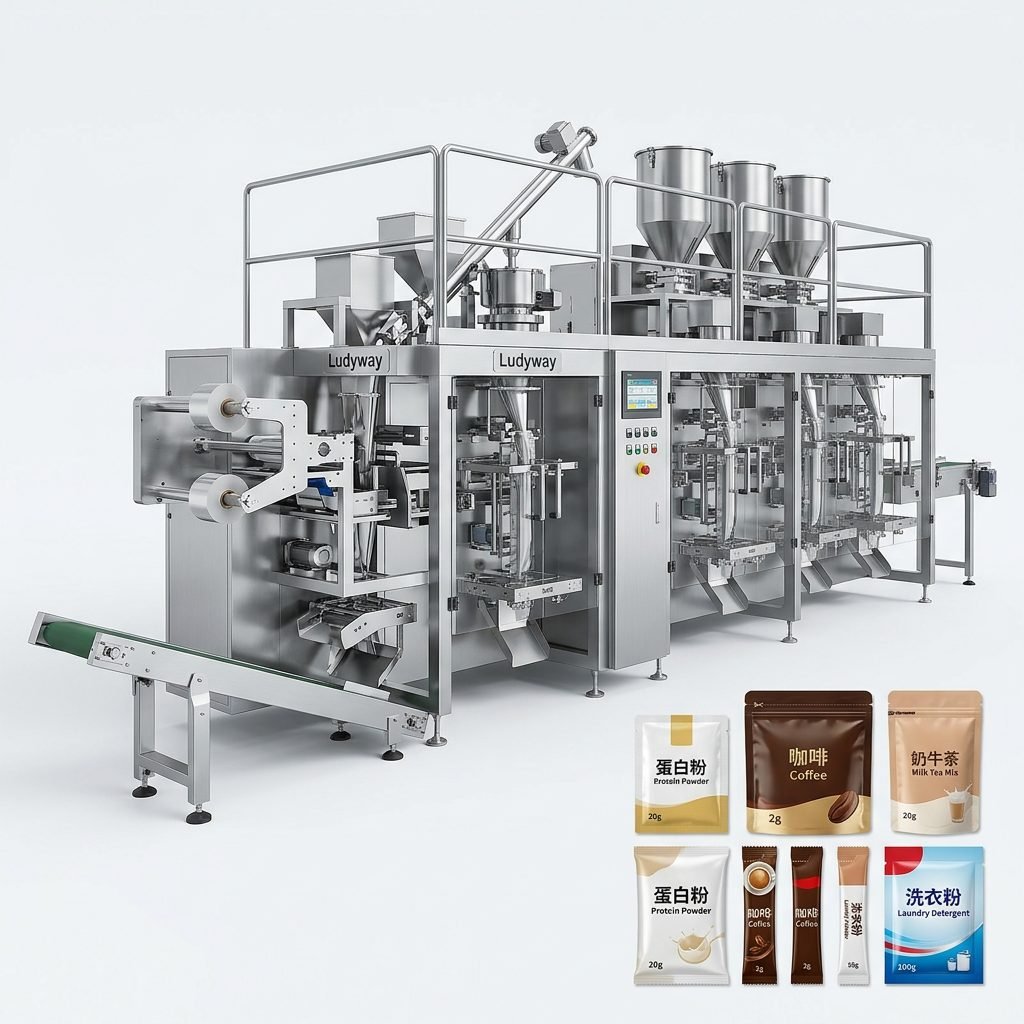
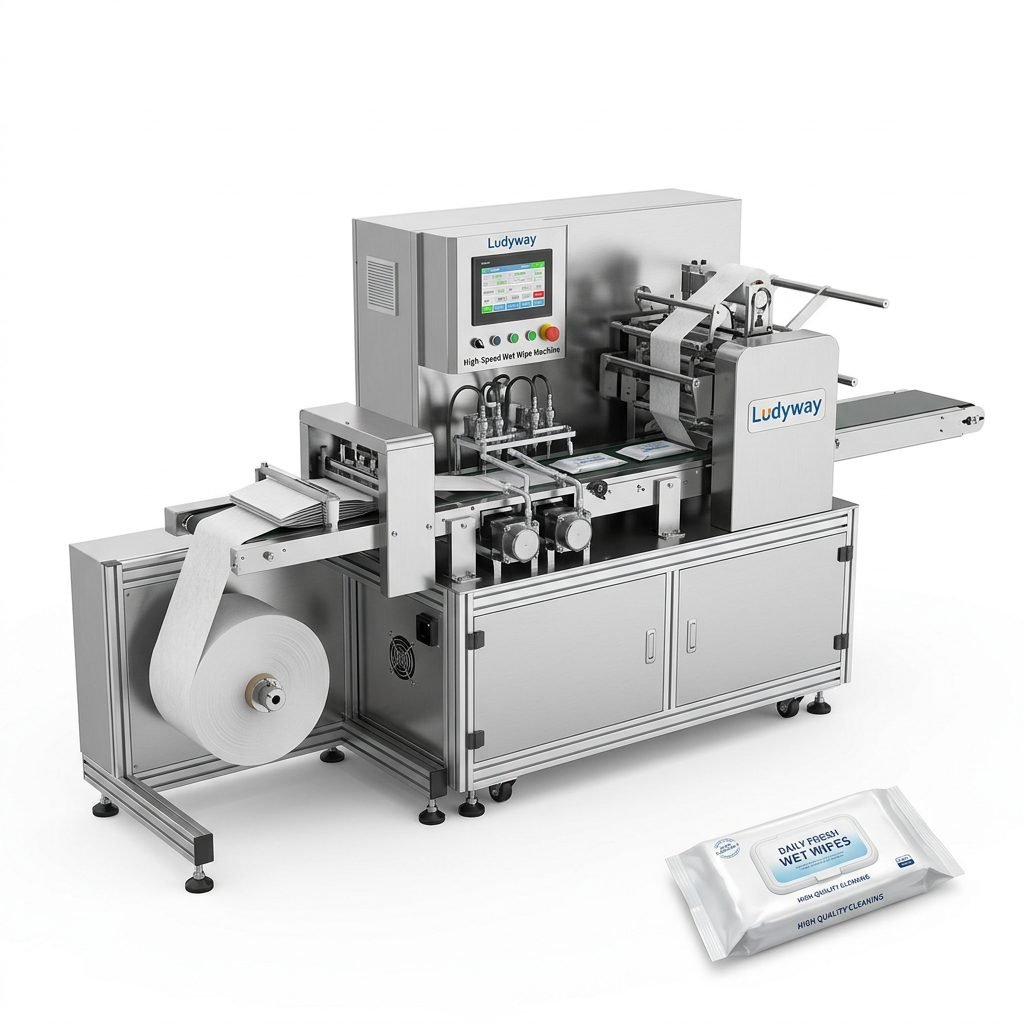
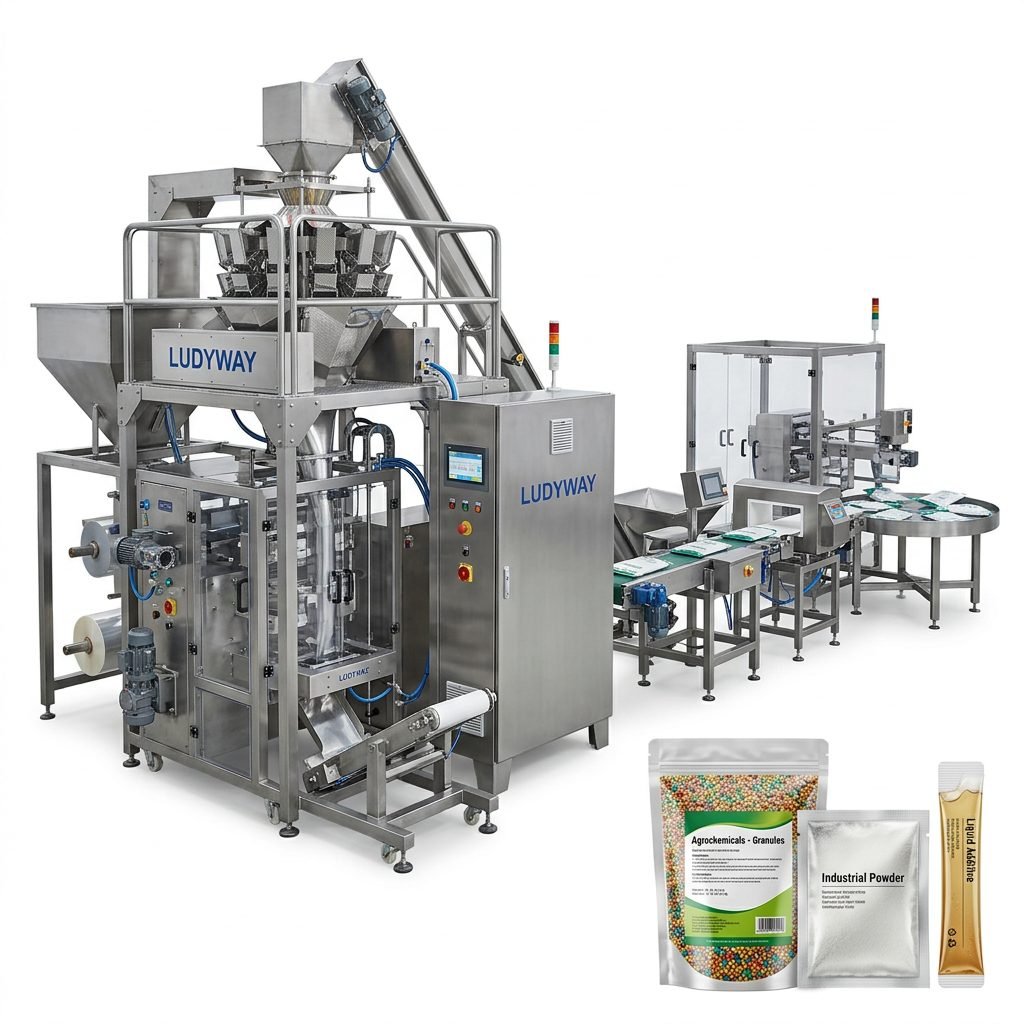
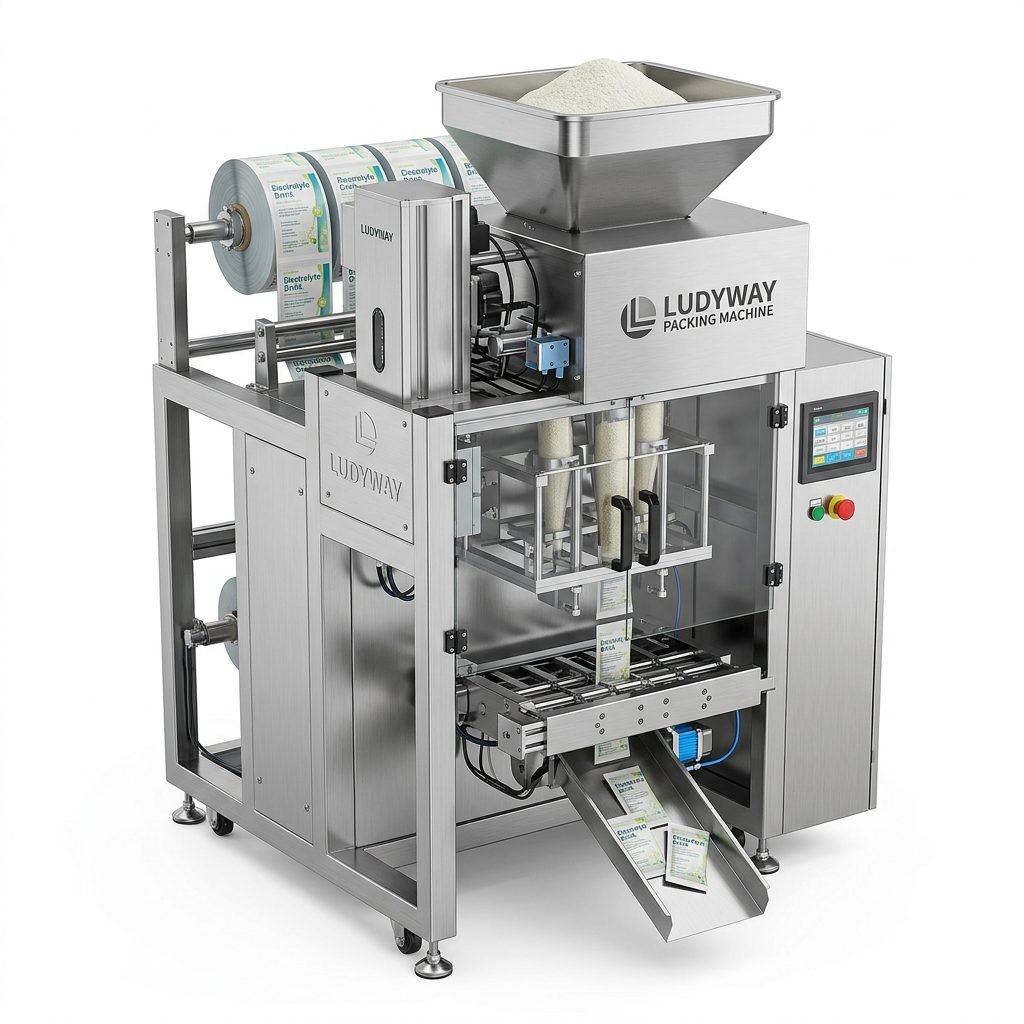
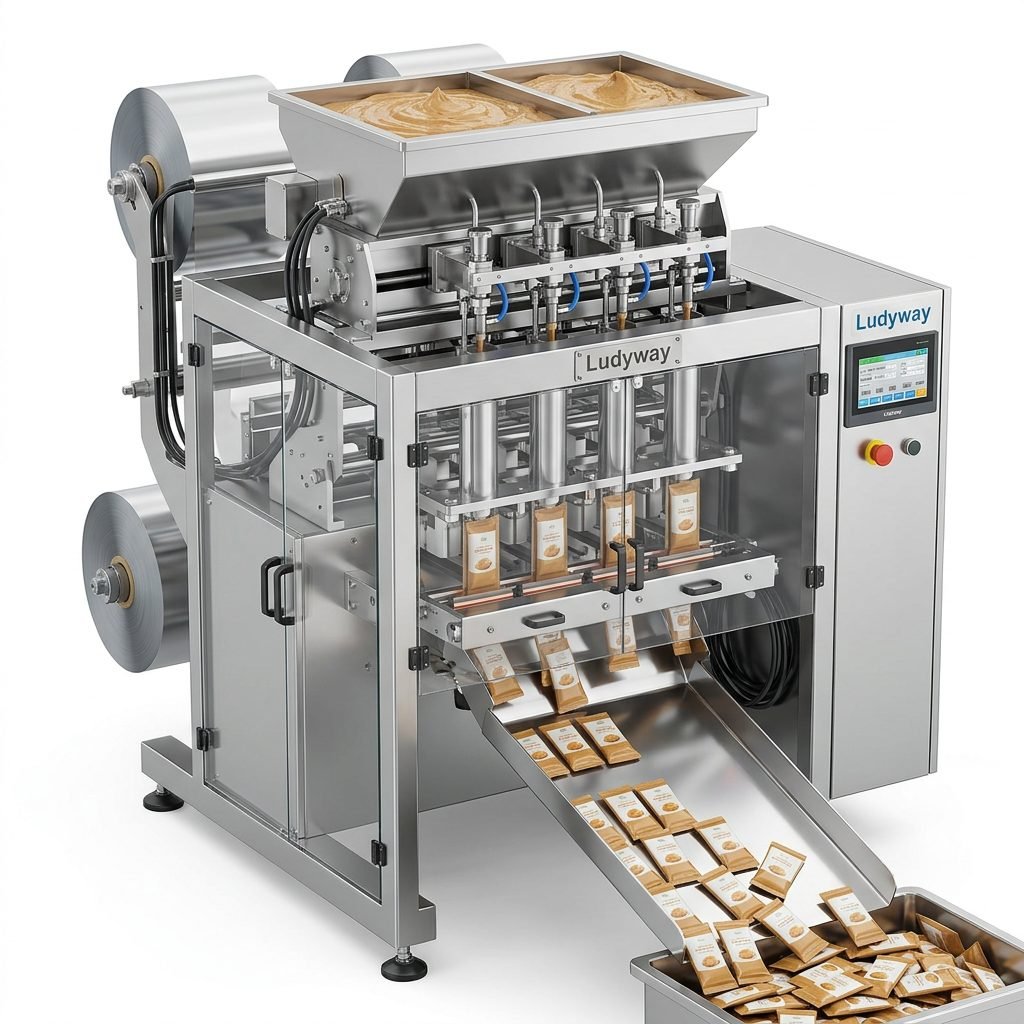
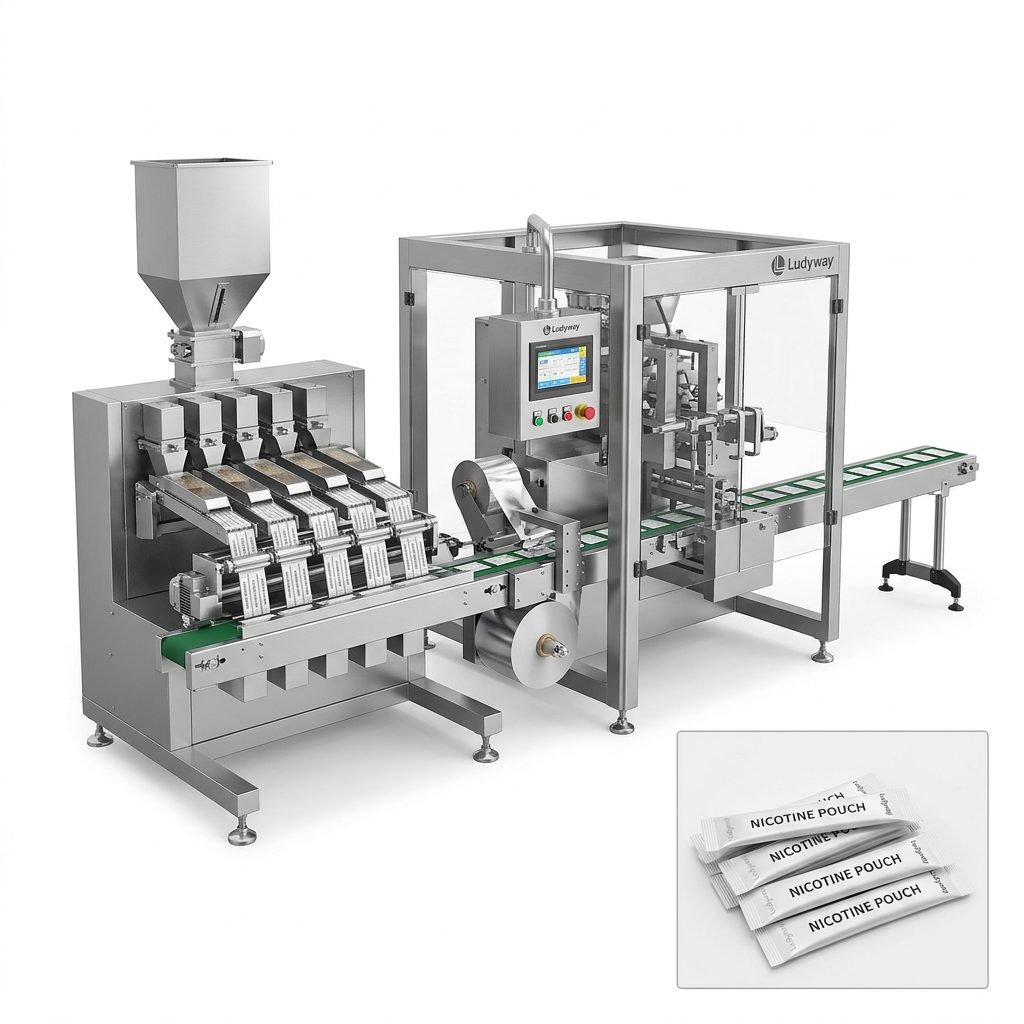
Efficient design relies on visualizing the machinery footprint. Below are standard configurations that can be adapted for the Indian market, including jar filling and cartoning setups. You can explore these options in detail on the packing machine manufacturer resources.
Integrating Indian Regulatory and Power Requirements
Unlike simpler liquid lines, peanut butter machinery requires specific installation protocols. In India, you must ensure your machine is compatible with the local voltage standard of 415V, 50Hz (3-Phase) and features an IP65-rated electrical cabinet to withstand high humidity conditions during monsoon seasons. Furthermore, all contact parts must mandatorily be SUS304 or SU316 food-grade stainless steel as prescribed by Indian food safety regulations to prevent heavy metal contamination.
Comparing Packaging Formats: Jar vs. Sachet
The Indian market has a massive demand for affordable single-serve sachets, but premium brands still rely on glass jars. A flexible line should be able to handle both rigid and flexible containers. Here is how the technology diverges:
- Jar Packaging Line: Requires a rotary piston filler, nitrogen flushing for shelf stability, and an induction sealer for tamper-proof safety.
- Sachet & Stick Pack Line: High-speed vertical form-fill-seal (VFFS) machines with wide-diameter jaws for hot-filling peanut butter into multi-lane sticks.
- Turnkey Flexibility: Consider modular stations that allow you to switch between glass jars and plastic tubs within minutes using quick-release clamps.
Choosing a Technology Partner for Indian Operations
When setting up a line, technical support and spare parts availability are paramount. Look for a partner with a robust global supply chain and a track record in viscous food processing. Ludyway, one of the largest manufacturers specializing in advanced packaging equipment, offers turnkey production solutions tailored to the food and health industries. Their engineering team provides critical support in layout design and material compatibility to maximize your operational uptime across India.
Automation and Control Systems
A modern line depends heavily on software. Ensure your peanut butter packaging machine production line is controlled by a centralized PLC with HMI touch screen. This allows operators to save up to 50 product recipes, adjusting fill volumes and acceleration profiles instantly. Integration with secondary equipment like automated cartoning lines ensures that the filled jars are automatically loaded into cartons, significantly reducing labor costs in a competitive Indian marketplace.
Maintenance Protocols and After-Sales Service
Proactive maintenance prevents the dreaded “downtime” in high-season. For peanut butter, you must establish a daily cleaning protocol for the filler nozzles and piston seals using hot water and food-grade detergents, as butter tends to harden if left overnight. Your supply partner should offer on-site commissioning and fast access to critical spares within the Indian subcontinent.
By focusing on a viscosity-optimized filling technology, regulatory compliance for the Indian market, and a scalable automation strategy, your peanut butter packaging line will deliver consistent output. Whether targeting supermarket chains or local kirana stores, the right machine configuration will ensure your sauce remains creamy and uncontaminated from production to the breakfast table.