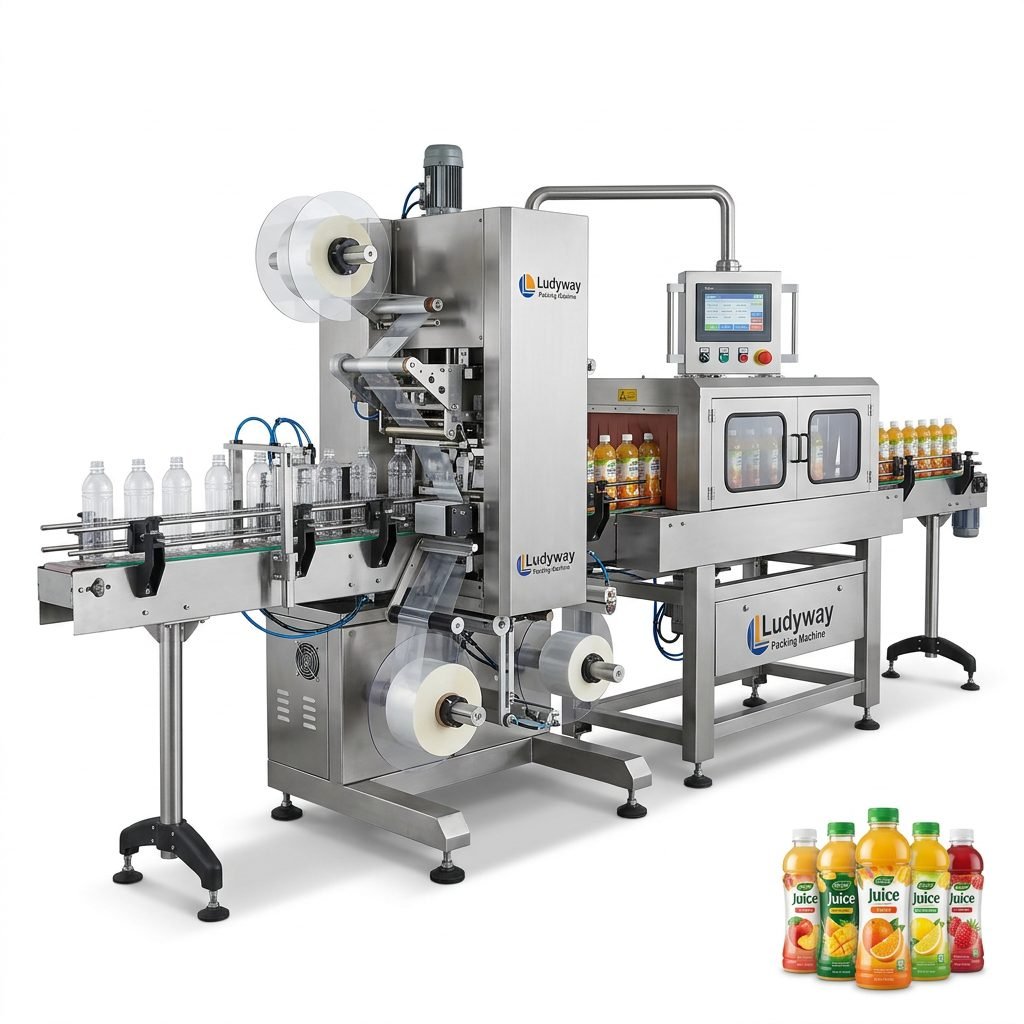
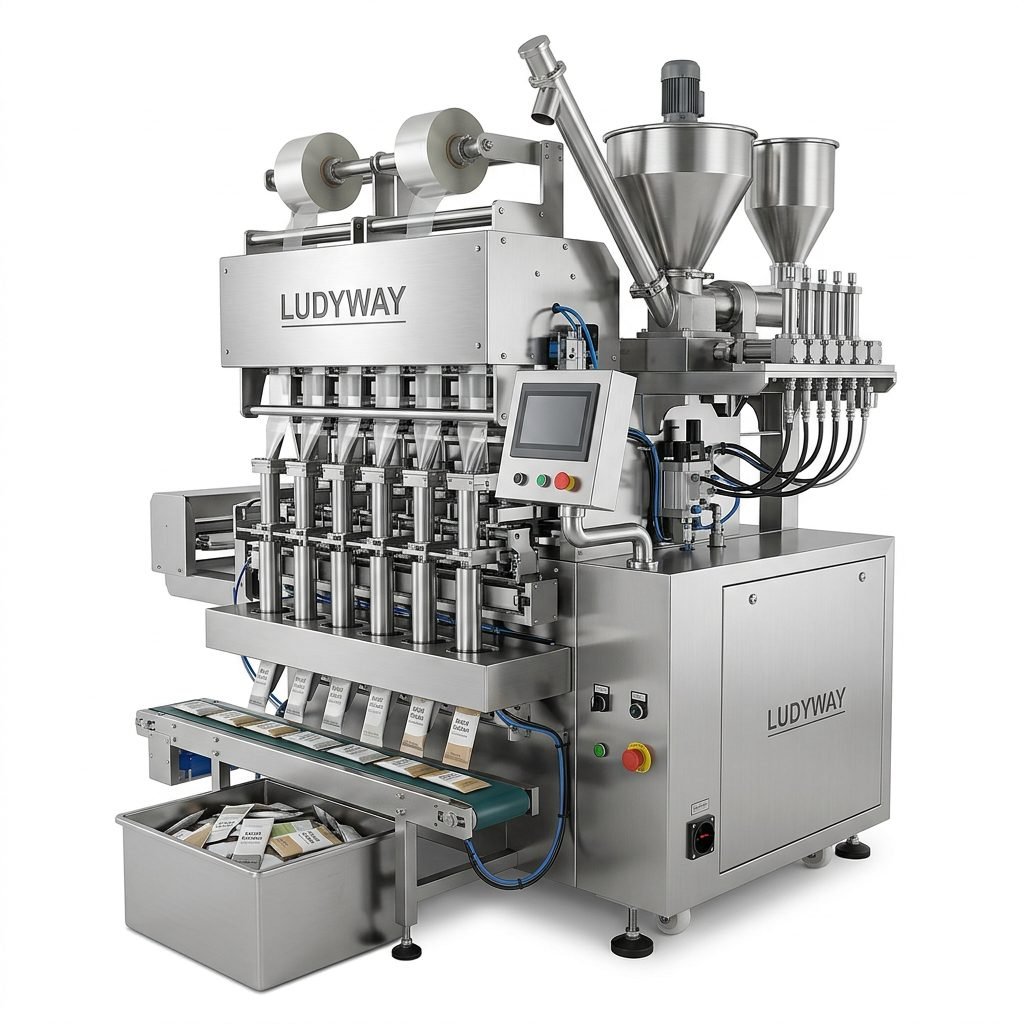
Launching a tea packaging machine production line in North America requires careful planning, regulatory awareness, and the right equipment configuration. Whether you are packing loose-leaf tea, herbal blends, or powdered instant tea, the demand for convenient single-serve formats like stick packs and sachets continues to grow rapidly across the United States and Canada. This guide walks you through every critical step — from market assessment and equipment selection to compliance with FDA packaging regulations and operational best practices.
Understanding the North American Tea Packaging Market
The North American tea industry has experienced steady growth, fueled by rising consumer interest in functional beverages, herbal infusions, and on-the-go formats. According to industry data from the Flexible Packaging Association, flexible packaging now accounts for a significant share of the tea packaging segment, with stick packs and portion-controlled sachets leading the trend. Before investing in a production line, consider the following market factors:
- Target product format: Stick packs, sachets, tea bags, or bulk pouches
- Production volume: Small-batch specialty teas vs. high-volume commodity production
- Packaging material: Multi-layer laminates, paper-based films, or biodegradable options
- Distribution channels: Retail, e-commerce, food service, or private label
Key Components of a Tea Packaging Production Line
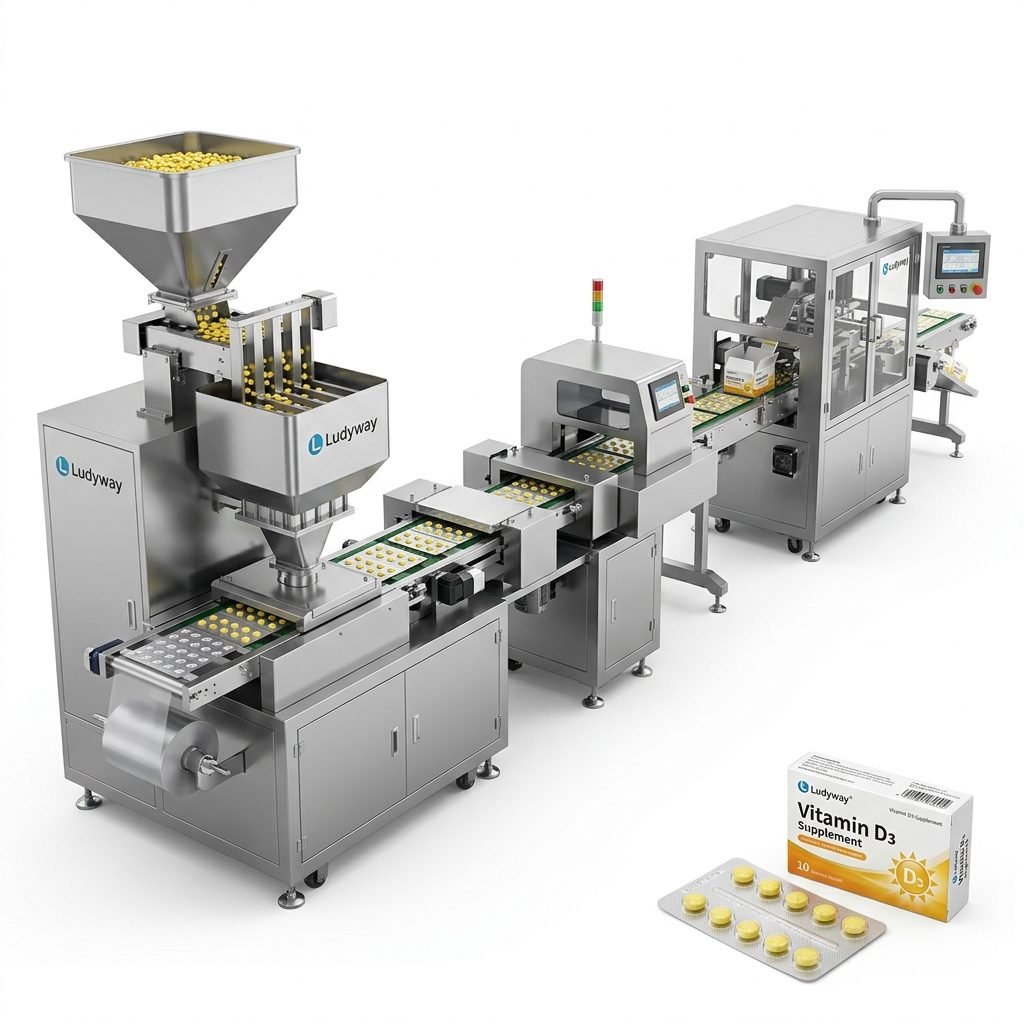
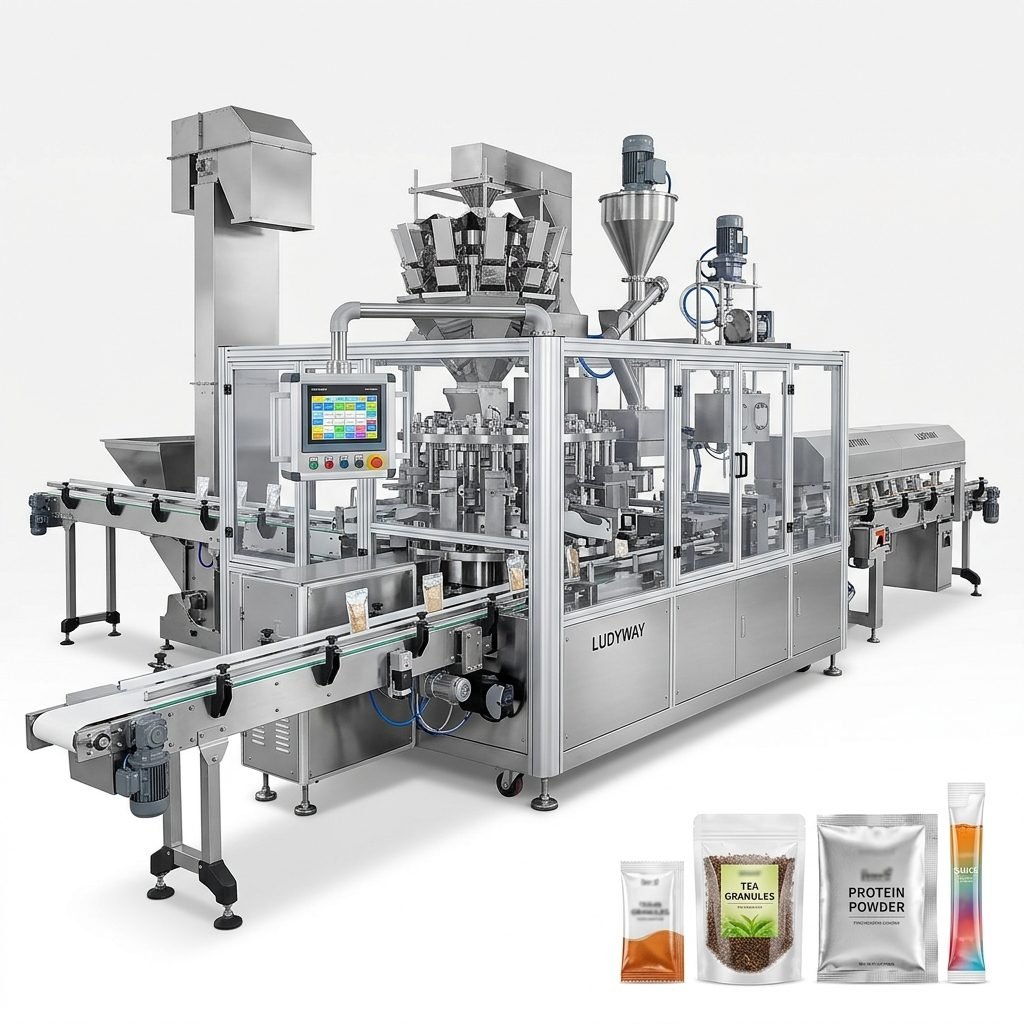
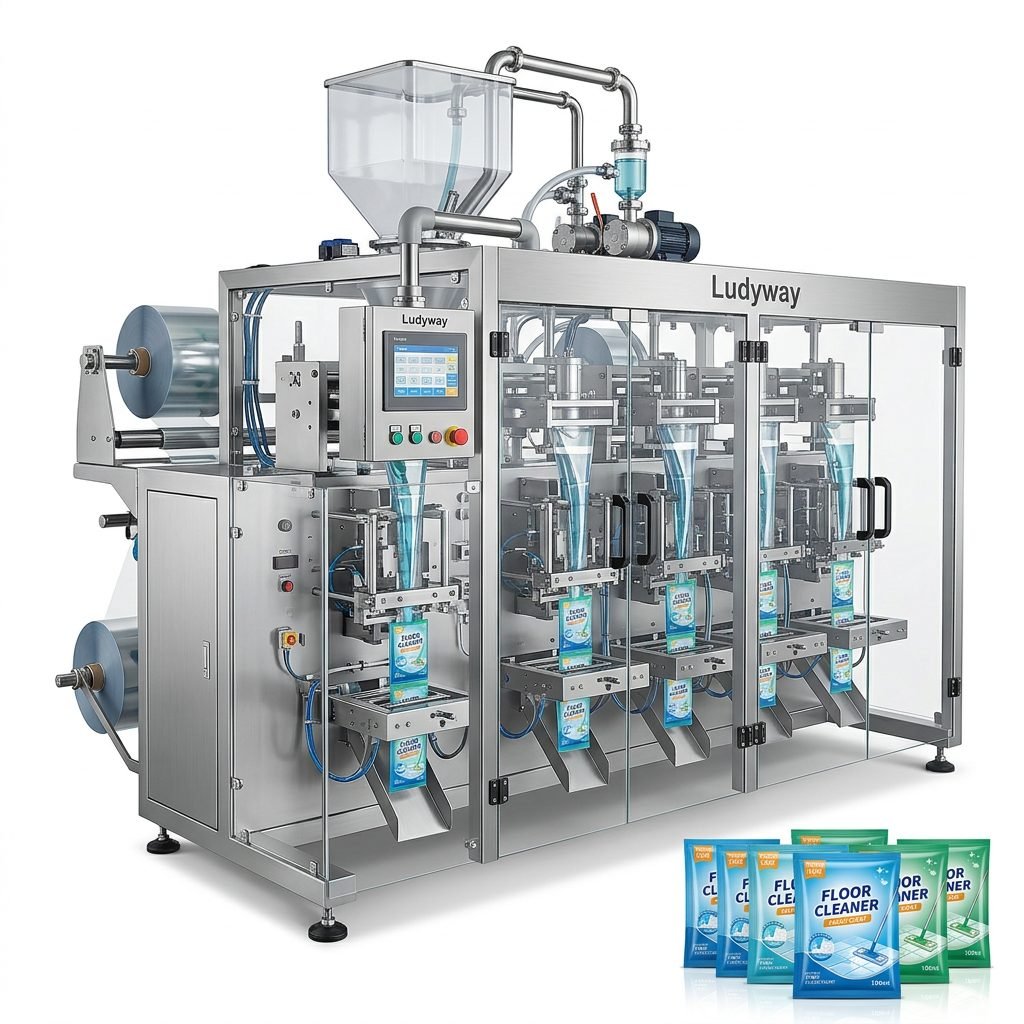
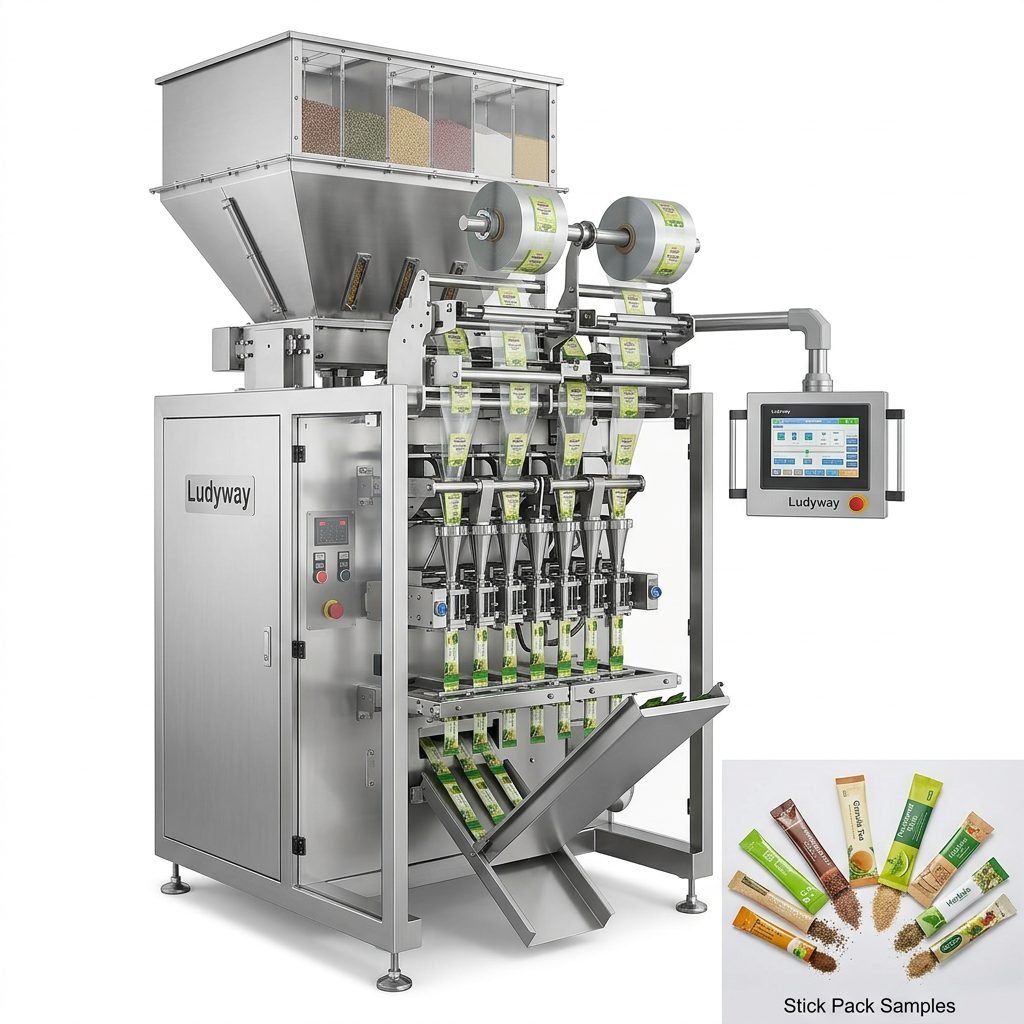
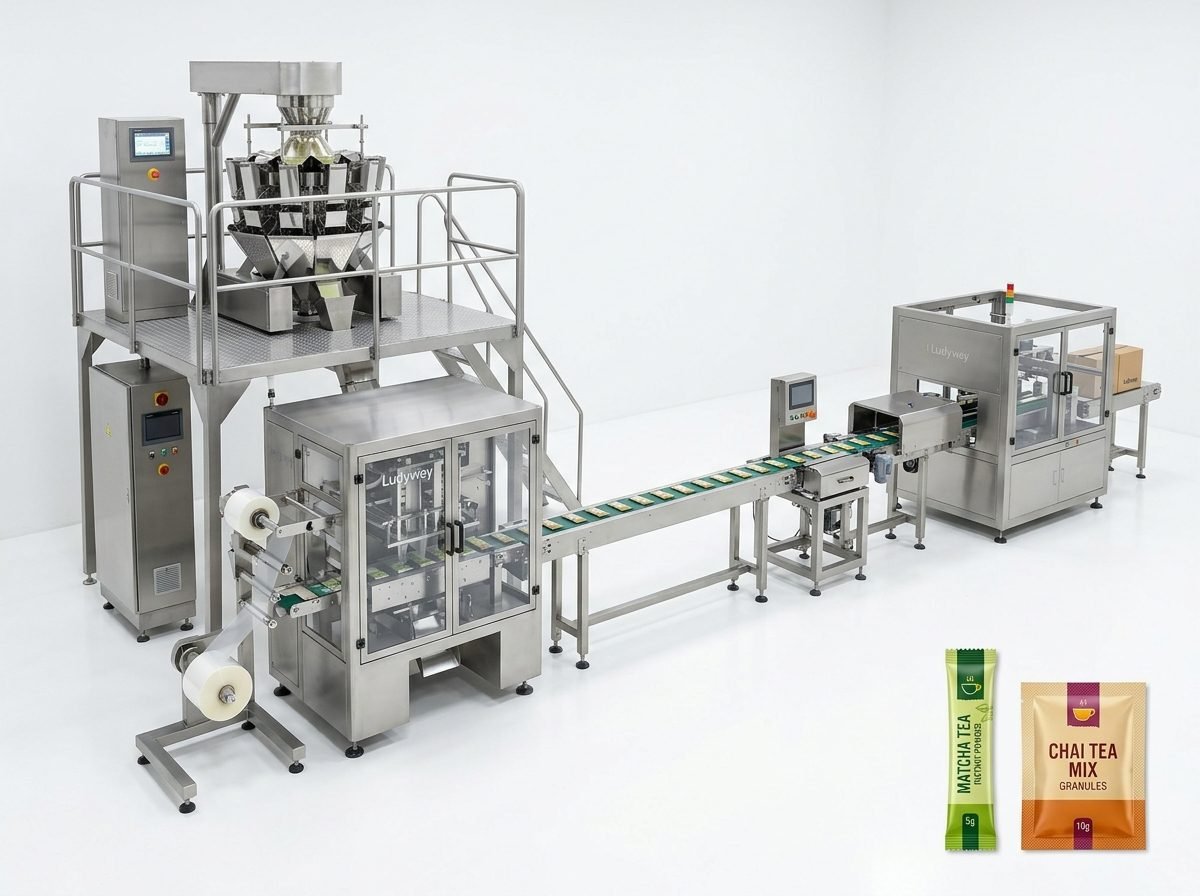
A well-integrated tea packaging production line typically consists of several interconnected modules. Each component must be selected based on your specific product characteristics — whether you handle granule tea, fine powder, or whole-leaf blends. Below are the essential system elements:
Feeding and Conveying Systems
The first stage involves delivering raw tea materials to the packaging machine. Options include vibratory feeders, screw conveyors, and bucket elevators, depending on material flow characteristics. For delicate whole-leaf teas, gentle handling mechanisms prevent product degradation.
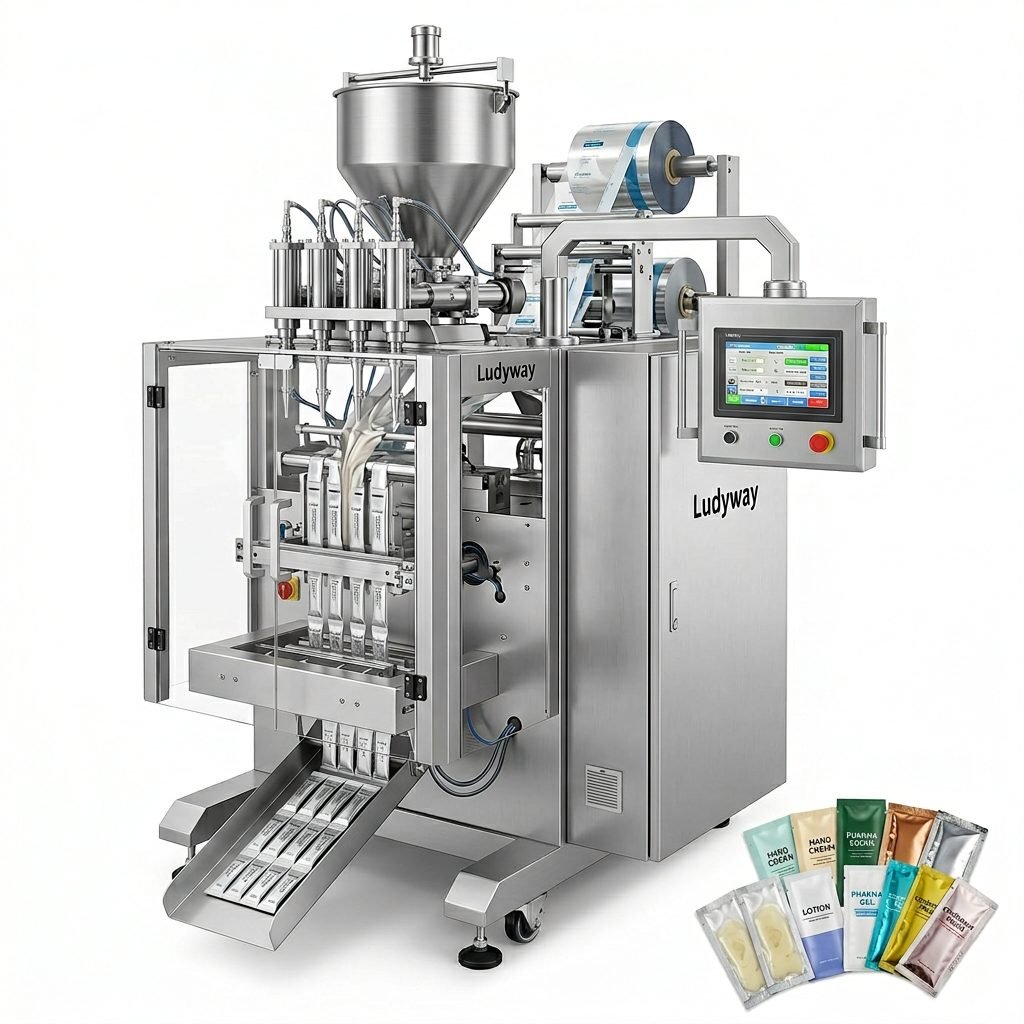
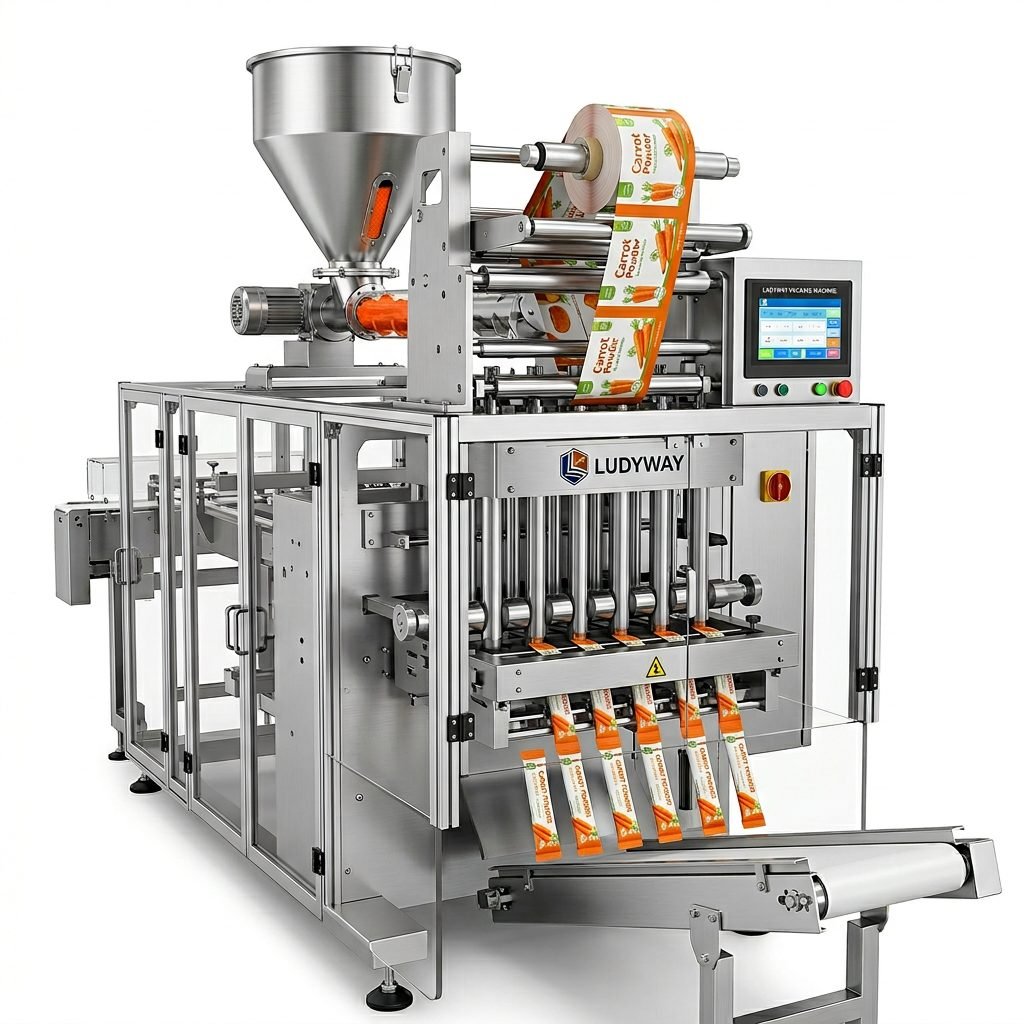
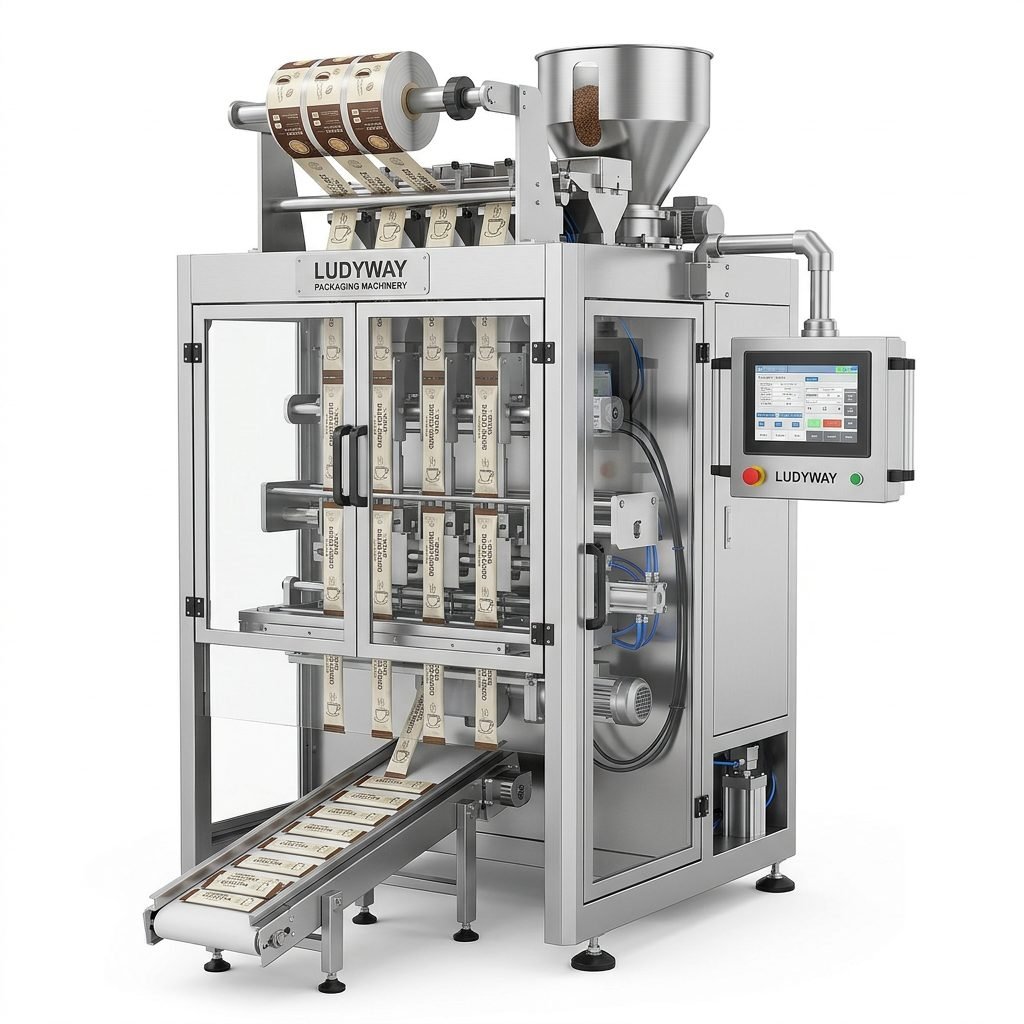
Multi-Lane Stick Pack and Sachet Machines
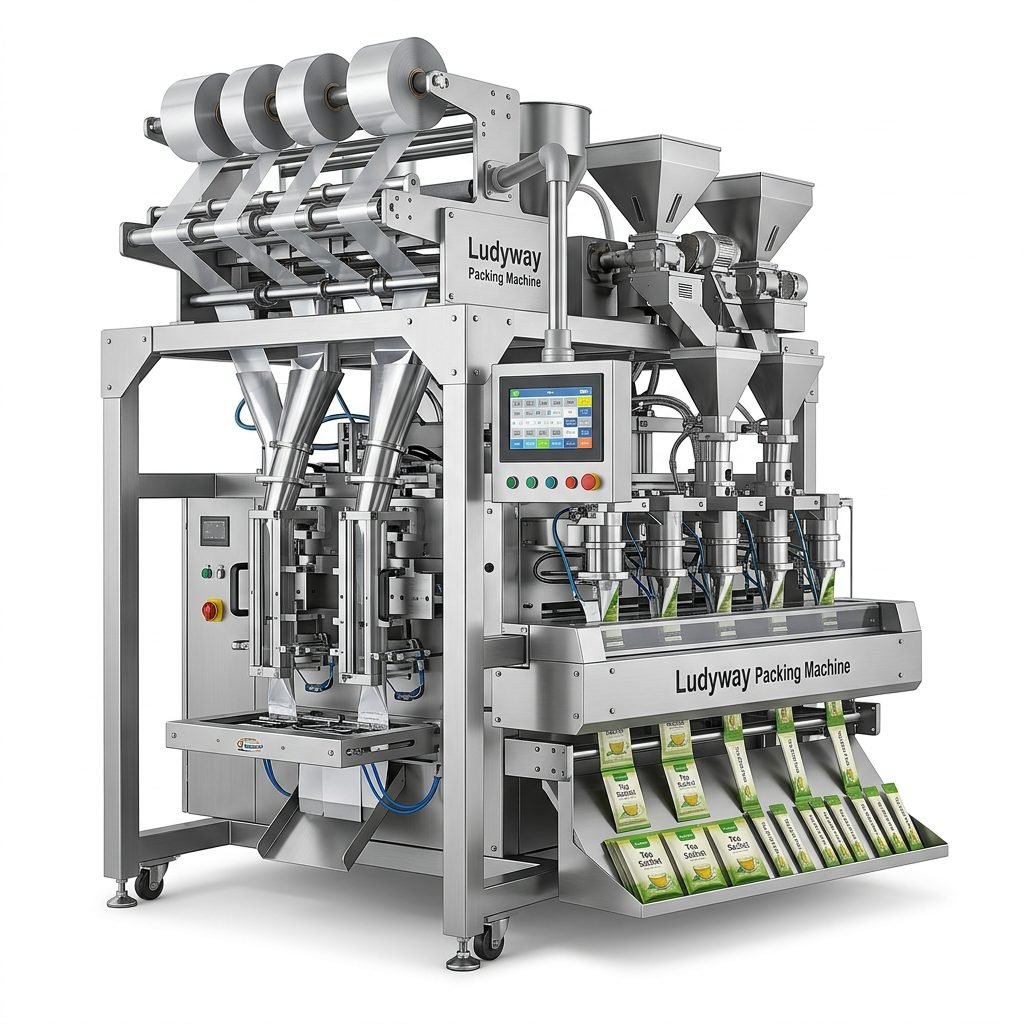
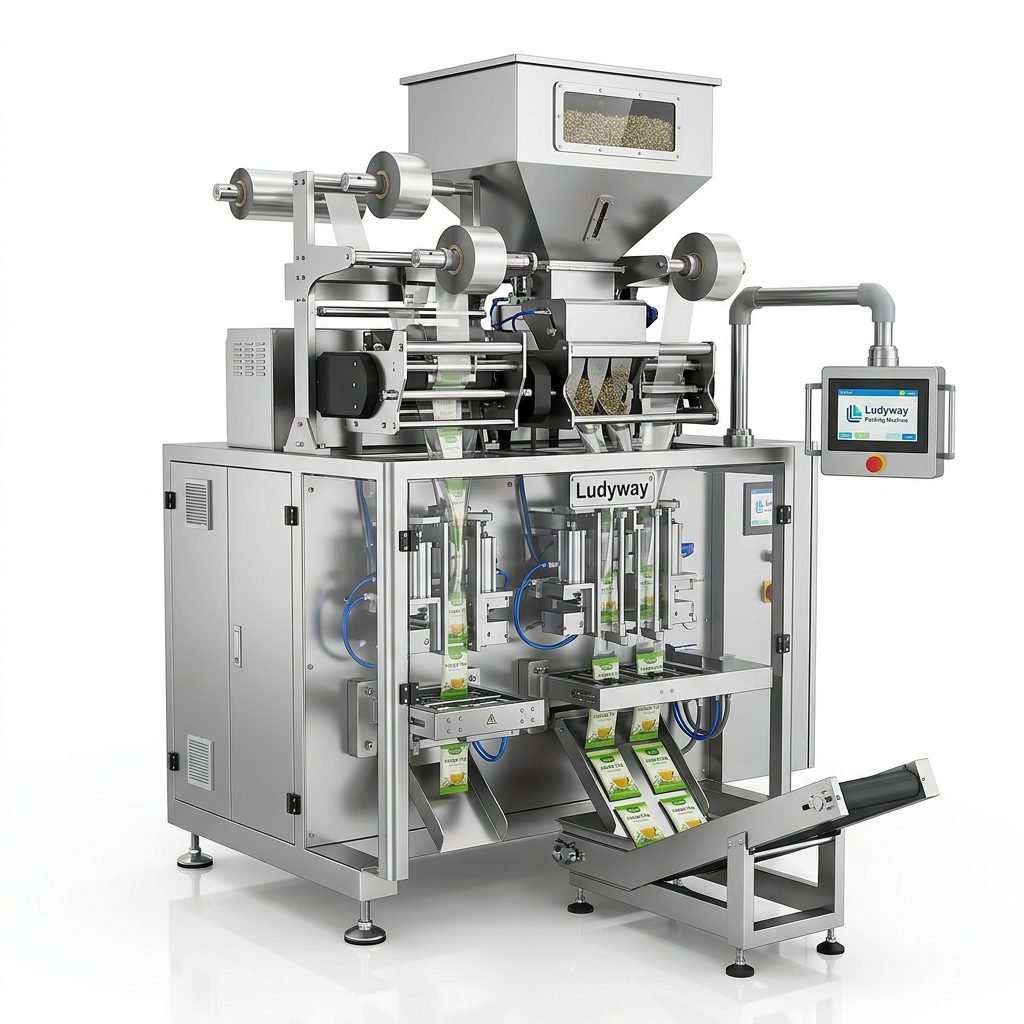
Modern packaging machinery for tea production often features multi-lane configurations capable of producing 4 to 16 lanes simultaneously. These high-speed vertical form-fill-seal (VFFS) machines can achieve output rates exceeding 400 packs per minute per lane, dramatically improving overall equipment effectiveness (OEE).
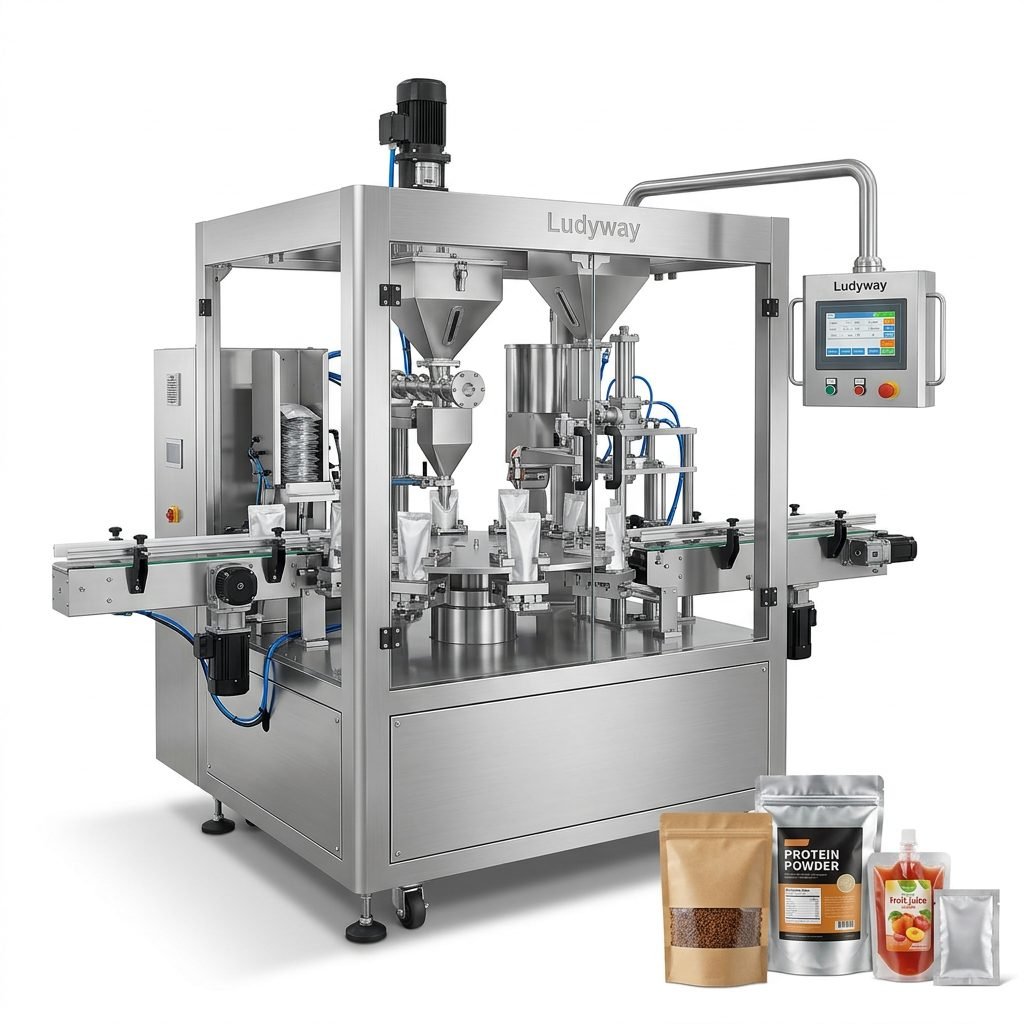
Weighing and Filling Precision
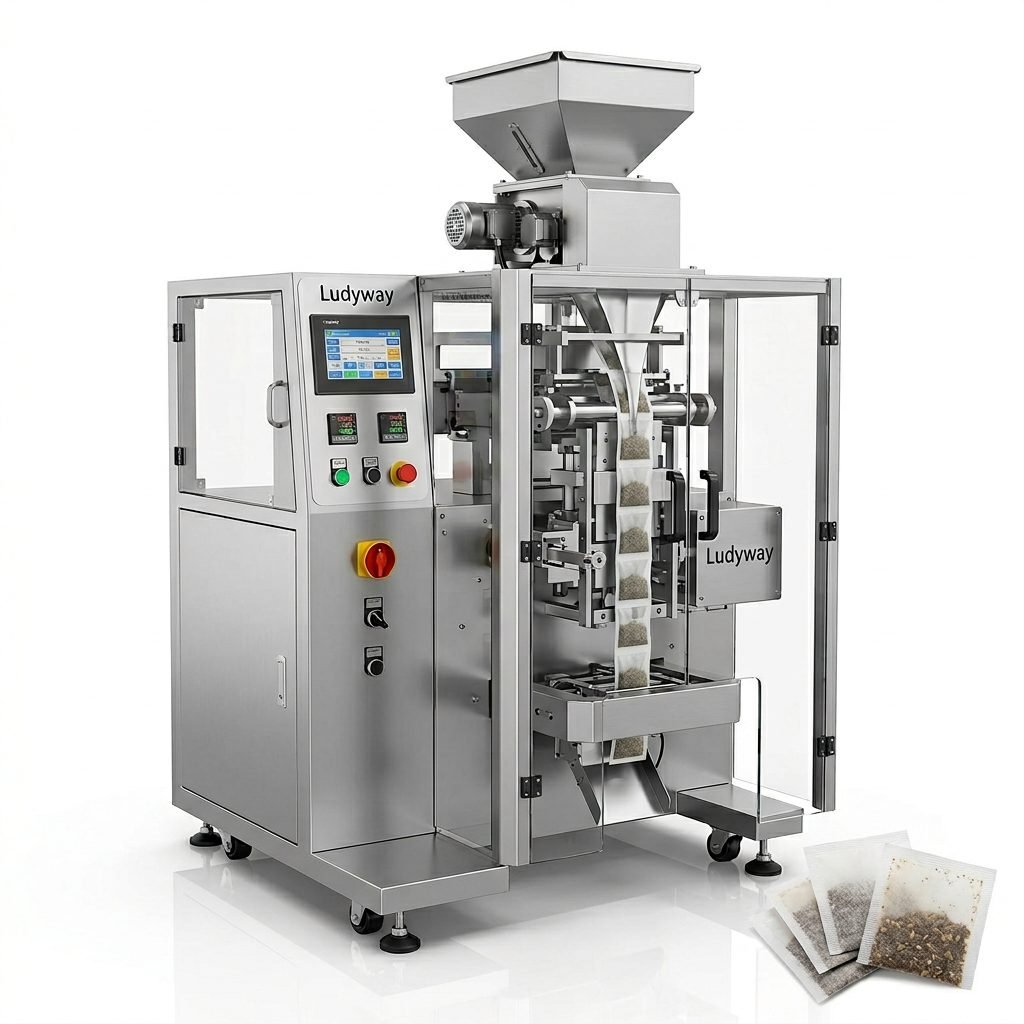
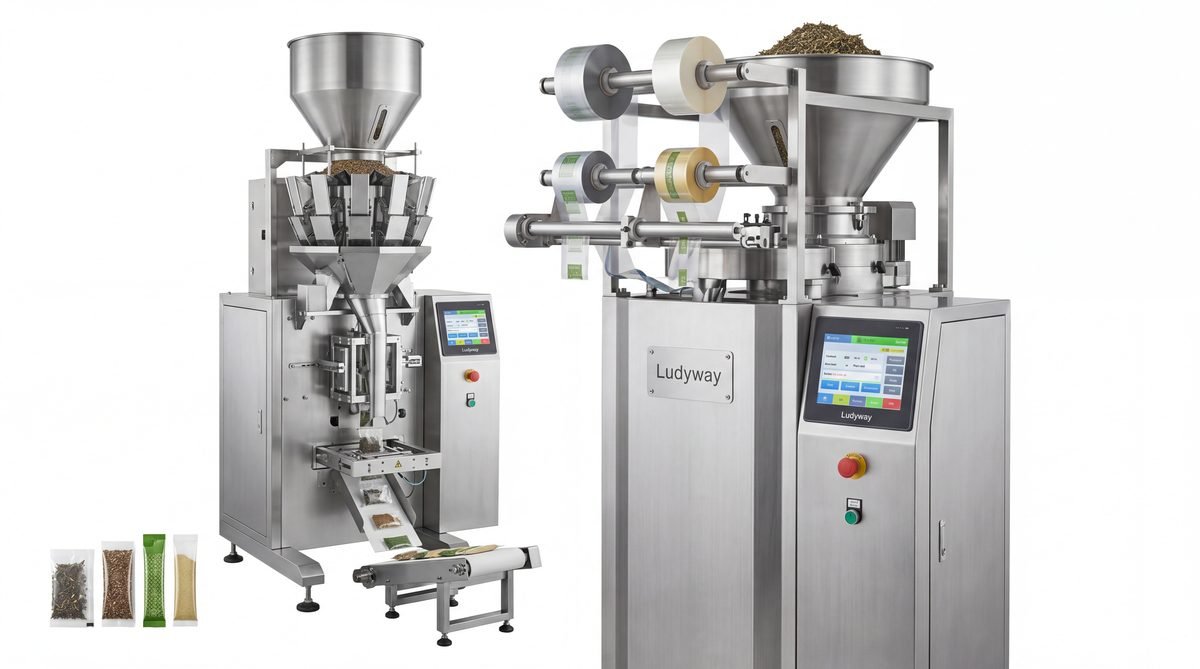
Accurate dosing is critical for both product quality and cost control. For granule and powder tea products, multi-head weighers and auger fillers provide the precision needed to meet stringent net content regulations enforced by agencies like the FDA. Target accuracy typically ranges from ±0.5% to ±1.0% depending on product density and flowability.
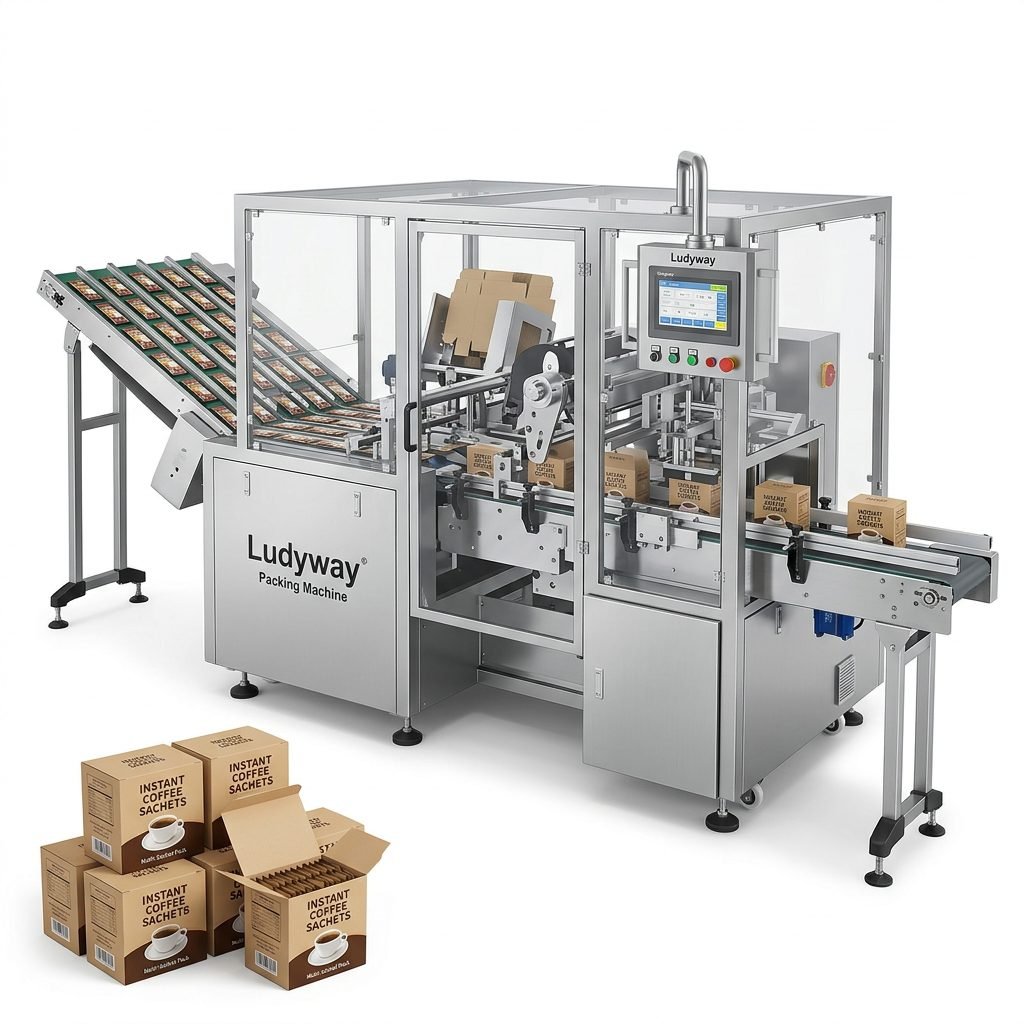
Cartoning, Case Packing, and Palletizing
End-of-line automation completes the production workflow. Automatic cartoning machines bundle individual stick packs or sachets into retail-ready cartons, while robotic palletizing systems stack finished cases for warehouse storage and distribution.
Regulatory Compliance and Safety Standards in North America
Setting up a tea packaging line in the U.S. or Canada requires strict adherence to food safety regulations and packaging standards. Key compliance areas include:
- FDA 21 CFR Part 110/117: Current Good Manufacturing Practice (CGMP) requirements for food processing facilities
- Food Contact Substance (FCS) regulations: Ensuring packaging materials are safe for direct food contact
- ISO 22000 and HACCP: International food safety management system standards
- CFIA regulations: Additional requirements for products sold in the Canadian market
- OSHA workplace safety: Machine guarding, lockout/tagout procedures, and operator safety protocols
For detailed guidance on packaging machinery standards, refer to resources from PMMI – The Association for Packaging and Processing Technologies and the ISO packaging standards directory.
| Regulatory Body | Key Standard / Regulation | Application Area |
|---|---|---|
| FDA (United States) | 21 CFR Part 110/117, FCS Regulations | Food safety, packaging material compliance |
| CFIA (Canada) | Safe Food for Canadians Act | Food packaging and labeling requirements |
| ISO | ISO 22000, ISO 11607 Series | Food safety management, packaging validation |
| OSHA | 29 CFR 1910 | Workplace safety and machine guarding |
| EPA | Sustainable Materials Management | Packaging waste and environmental compliance |
Installation, Training, and Ongoing Support
A successful production line setup extends beyond equipment procurement. Proper installation, operator training, and maintenance planning are equally crucial for long-term operational success.
Site Preparation and Utility Requirements
Before equipment arrival, ensure your facility meets all utility specifications including compressed air supply, electrical power (typically 208V-480V three-phase in North America), dust extraction, and cleanroom classification if required for sensitive tea products.
Operator Training Programs
Comprehensive training should cover machine operation, changeover procedures, sanitation protocols, and basic troubleshooting. Well-trained operators can reduce downtime by up to 30% and extend equipment service life significantly.
Preventive Maintenance Protocols
Establish a structured maintenance schedule that includes daily cleaning, weekly inspections, monthly component checks, and annual overhauls. Key wear parts such as sealing jaws, cutting blades, and forming tubes should be kept in inventory to minimize unplanned downtime.
Choosing the Right Equipment Partner
Selecting a reliable packaging machinery manufacturer is one of the most critical decisions in setting up your tea packaging line. Consider factors such as industry experience, after-sales support availability in North America, spare parts logistics, and the supplier’s track record with similar applications. A partner with extensive experience in granule and powder packaging across food and pharmaceutical sectors can provide invaluable guidance throughout the project lifecycle.
Companies like Ludyway, with over 30 years of packaging machinery expertise and a portfolio of more than 50 intelligent packaging machine models, exemplify the type of experienced equipment partner that can support North American tea packaging operations with turnkey solutions, technical training, and ongoing service.
Cost Considerations and ROI Analysis
When budgeting for a tea packaging production line, consider both capital expenditure (CAPEX) and operational expenditure (OPEX). The following table outlines typical cost factors to evaluate:
| Cost Category | Key Considerations | Estimated Impact |
|---|---|---|
| Equipment Purchase | Multi-lane stick pack machine, feeders, conveyors, cartoning system | Primary CAPEX |
| Facility Modifications | Electrical, compressed air, dust extraction, cleanroom upgrades | Moderate CAPEX |
| Packaging Materials | Film rolls, cartons, corrugated cases, pallets | Recurring OPEX |
| Labor and Training | Operator wages, training programs, technical support contracts | Recurring OPEX |
| Maintenance and Spare Parts | Wear parts inventory, preventive maintenance, emergency repairs | 3-5% of equipment cost annually |
Industry Resources and Further Reading
Stay informed about the latest developments in packaging technology and regulations through these authoritative industry sources:
- PMMI – The Association for Packaging and Processing Technologies
- Flexible Packaging Association – Industry Resources
- PACK EXPO International – Packaging Trade Show
- FDA – Food Packaging and Food Contact Substances
- European Commission – Packaging and Packaging Waste Regulation
- ISO – Packaging Standards Directory
- PMMI – State of the Industry Reports
Key Takeaways for a Successful Tea Packaging Line Setup
- Conduct thorough market research to determine the optimal packaging format and production volume for your North American target market
- Invest in multi-lane, high-speed equipment that can scale with your business growth and accommodate multiple SKU formats
- Prioritize regulatory compliance from day one — engaging with FDA, CFIA, and relevant ISO standards ensures smooth market entry
- Partner with experienced machinery suppliers who offer comprehensive after-sales support, spare parts availability, and technical training
- Plan for total cost of ownership including maintenance, materials, labor, and facility requirements — not just the initial equipment purchase price
A properly planned and executed tea packaging machine production line can deliver substantial competitive advantages in the growing North American tea market. By focusing on the right equipment configuration, regulatory readiness, and a strong partnership with an experienced machinery manufacturer, your operation can achieve efficient, high-quality production that meets both consumer expectations and industry standards. For more information on evaluating equipment options or discussing your specific tea packaging requirements, consulting with experienced packaging solution providers is a recommended next step.